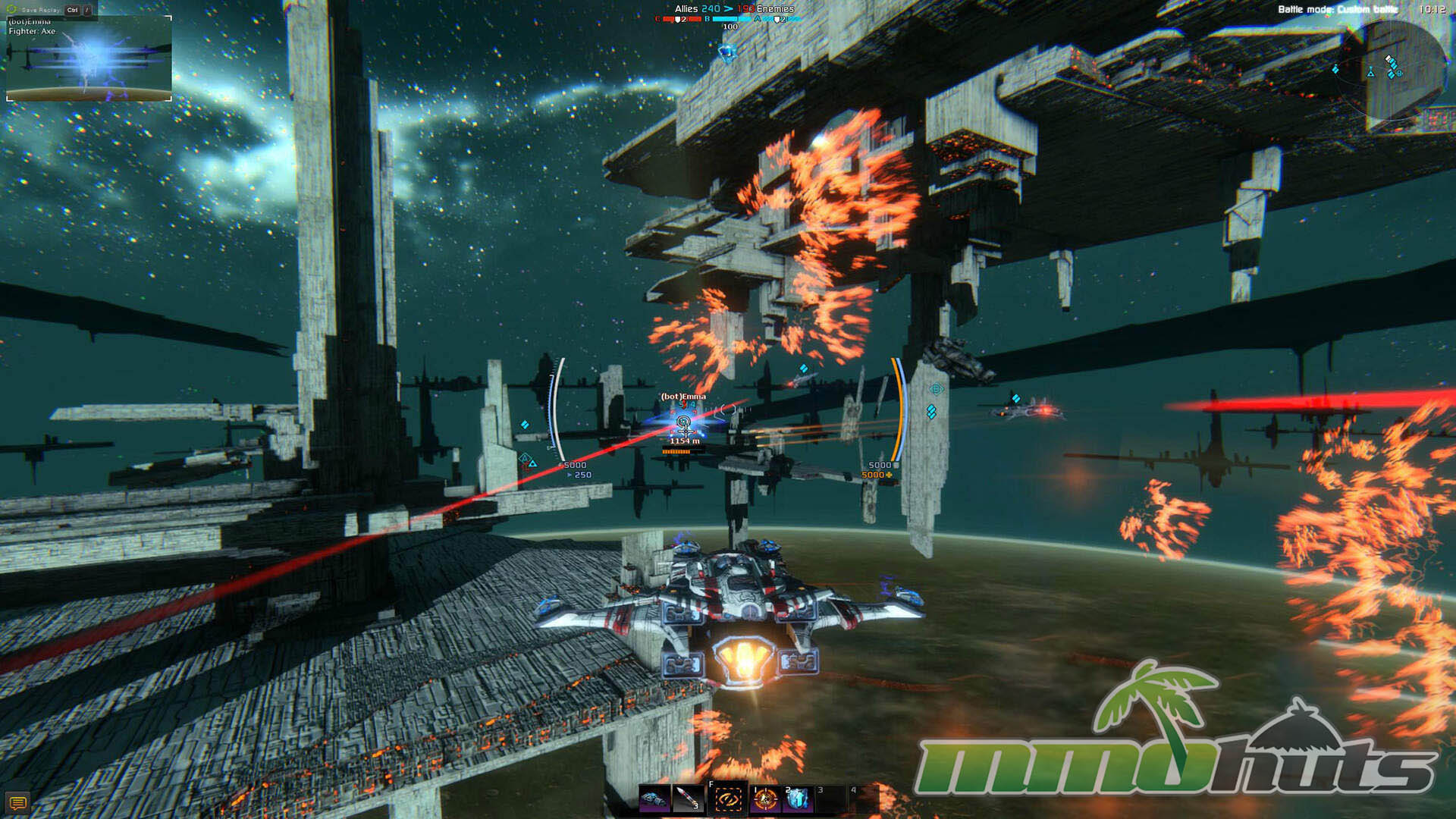
Star Conflict is a 3D sci-fi space MMO built around quick, match-driven ship combat. It sits in a similar orbit to games like EVE Online in terms of factions, progression, and the long-term chase for better hardware, but it plays at a much more immediate, action-focused pace. Most of your time is spent dogfighting in instanced PvP and PvE, earning credits and materials, then reinvesting that income into new ships, modules, and upgrades.
 | Publisher: Gaijin Entertainment Playerbase: Medium Type: Shooter Release Date: Feb 27, 2013 Pros: +Wide selection of distinct ships. +Deep ship loadouts and tuning. +Strong visuals with smooth handling. +Multiple PvP and PvE activities. Cons: -Monetization can feel advantage-leaning. -Significant grinding to reach top ships and fully upgrade builds. |

Star Conflict Overview
Star Conflict puts you in the cockpit of a growing hangar of ships, each fitted with weapons, defensive tools, and utility modules, then drops you into instanced PvE missions, competitive PvP queues, and free-flight style spaces to roam. Early on you pick from three major factions, each divided into two sub factions: Jericho (Raid and Techs), Empire (Legion and Wardens), and Federation (Armada and Vanguard). That initial choice mainly influences your starting lineup, because progression is flexible and you can take missions and earn ranks across all factions as you go. In terms of feel, it lands somewhere between a “World of Tanks, but in space” structure and the mission-based rhythm you might recognize from Warframe, just with ship roles replacing character classes.
Star Conflict Key Features:
- Action-Oriented Gameplay – fast dogfighting and positioning, closer to an arcade-leaning space combat game than a slow simulator, with a vibe reminiscent of Star Citizen’s skirmishes.
- Instanced PvP and PvE Battles – match-based combat for both co-op and competitive play, in the same general format you see in Warframe-style missions.
- Ship Variety and Customization – over 100 ships with 9 tactical roles, plus extensive module and weapon configuration to shape a build.
- Unlocking Ships – new hulls are earned through repeated PvE missions and PvP battles, with progression tied to time and performance.
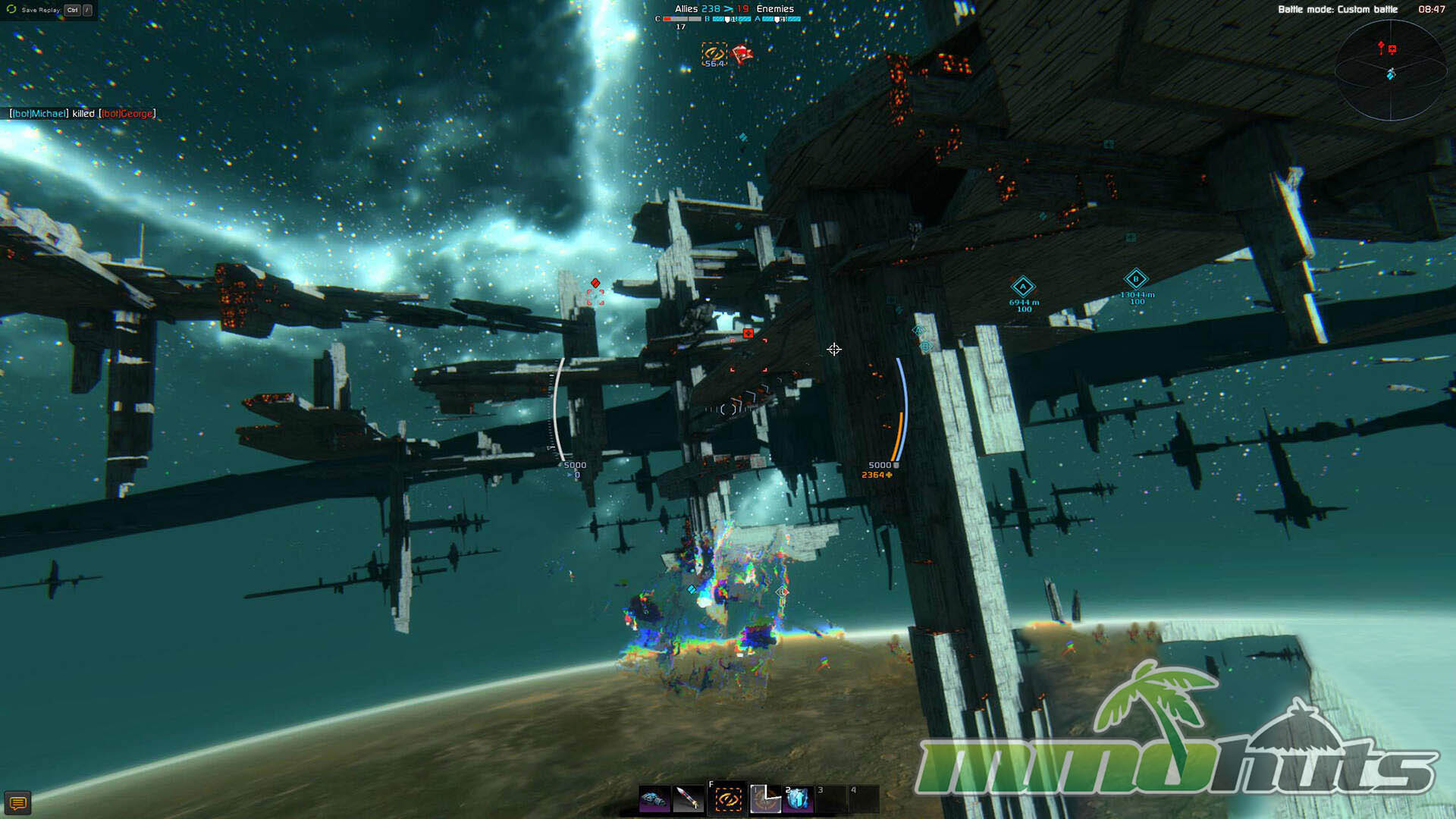
- Varied PvP Game Modes – Detonation, Domination, Combat Reconnaissance, Capture the Beacon, Beacon Hunt, and Deathmatch.
- Guild vs Guild Battles – Corporations compete for sector control, turning organized teams into a meaningful part of the endgame.
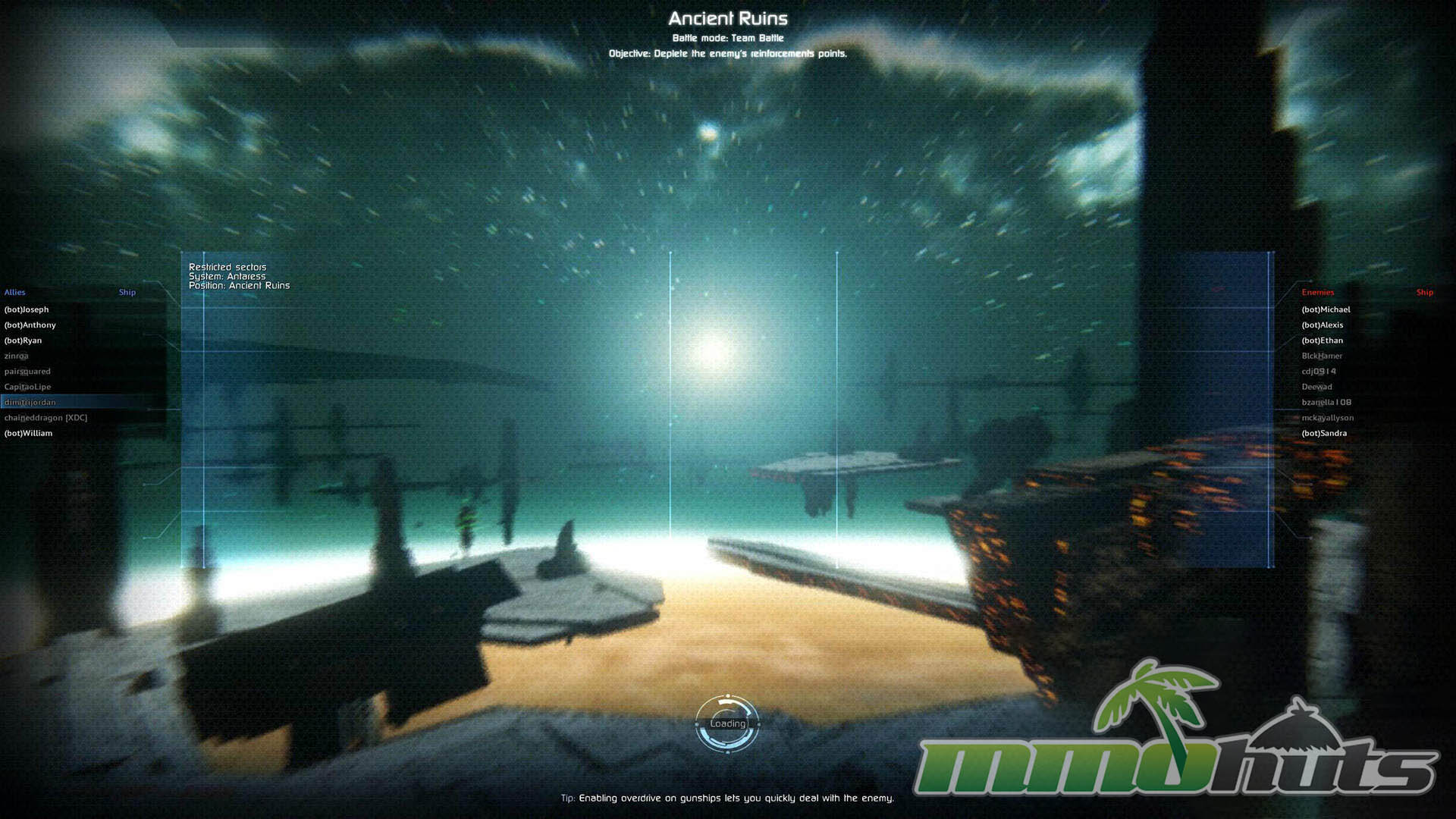
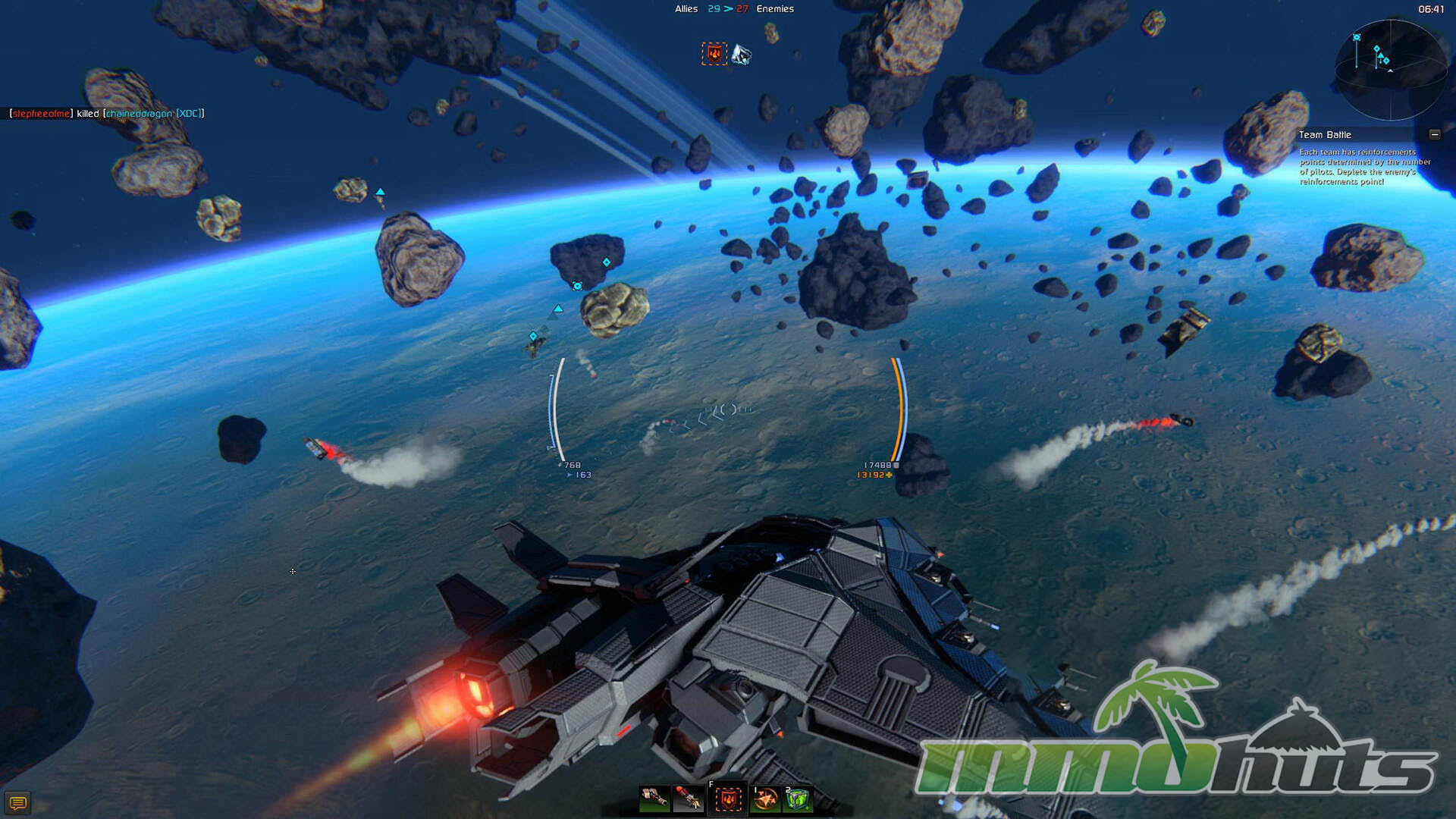
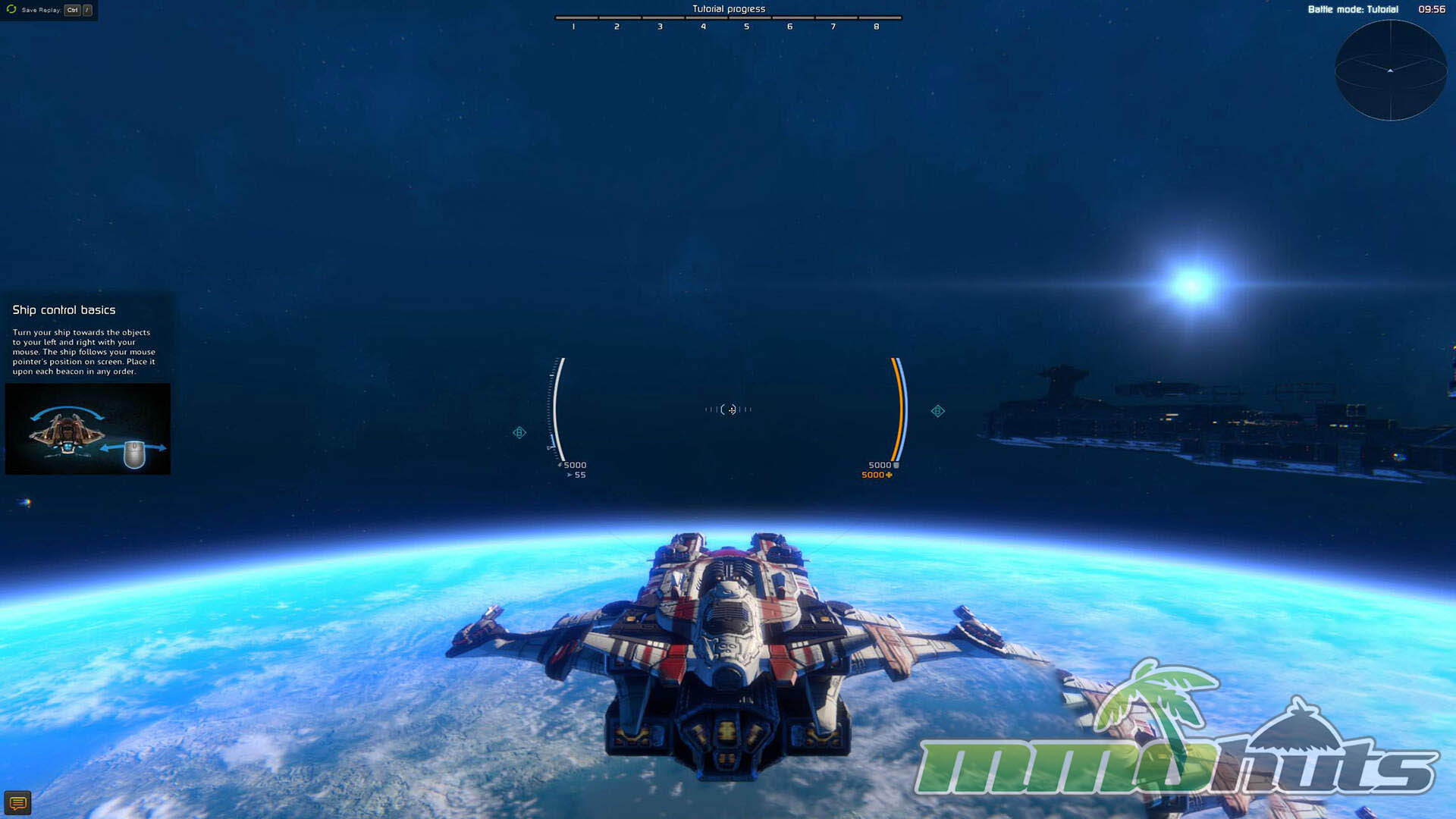
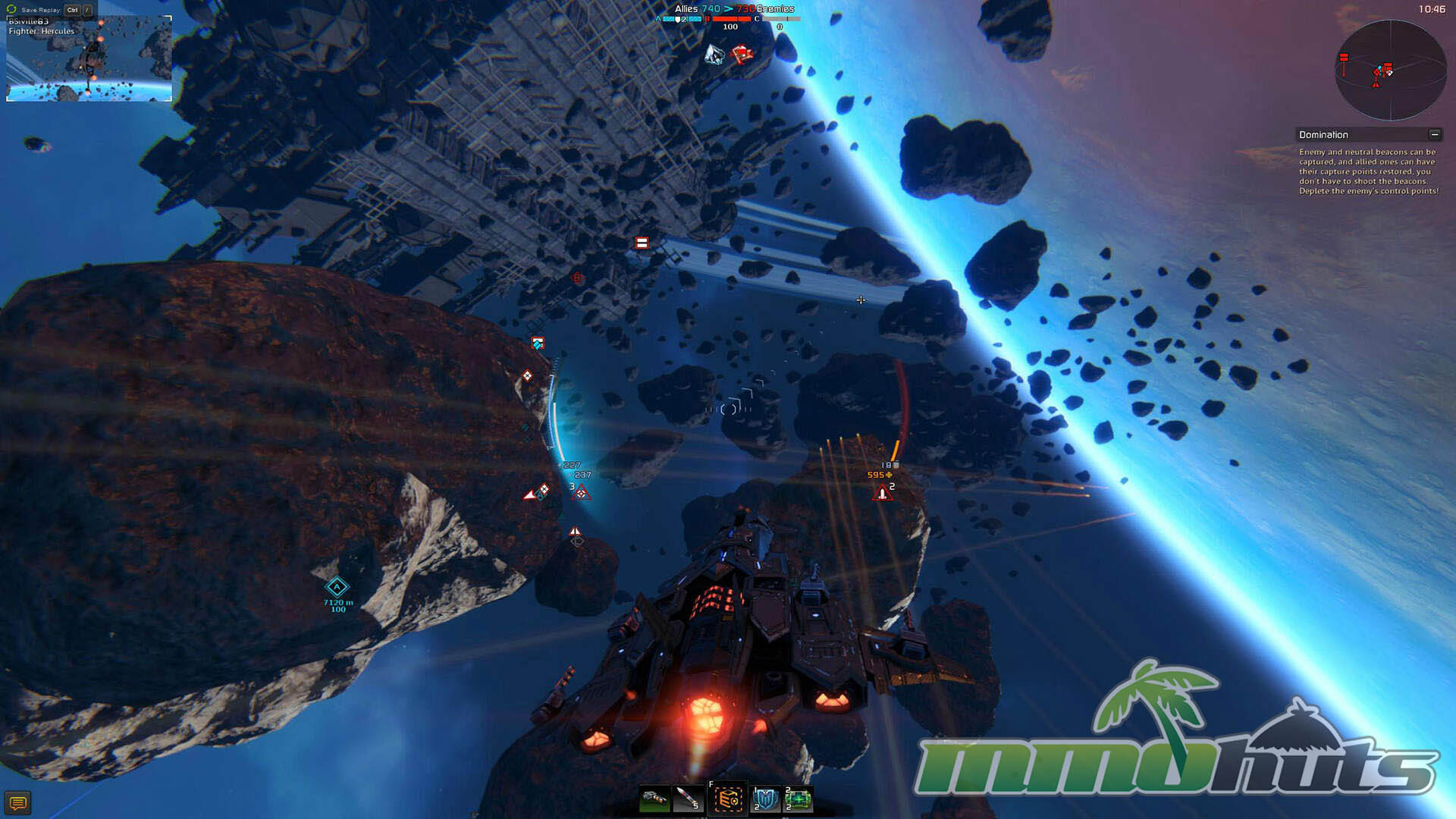
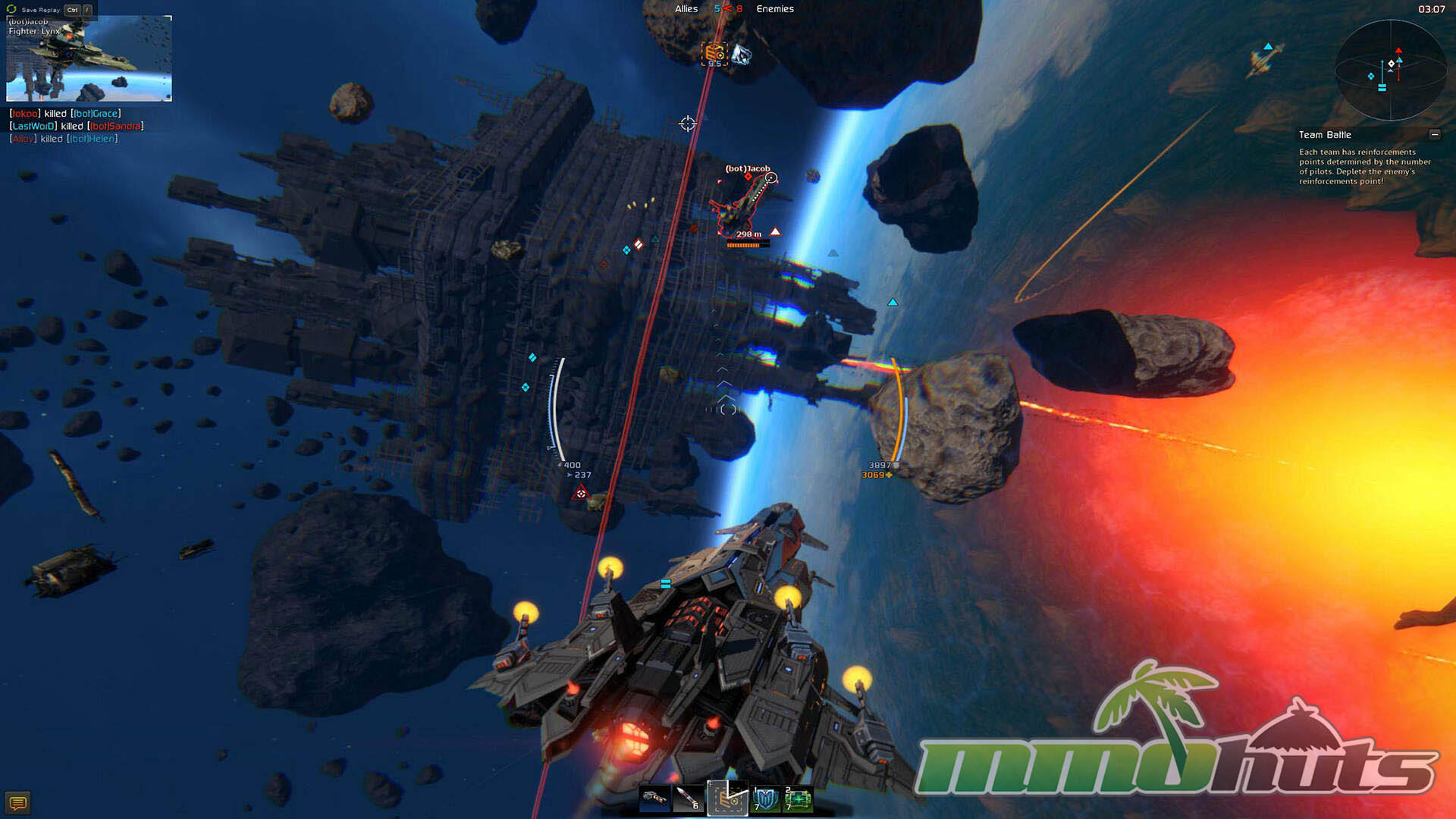
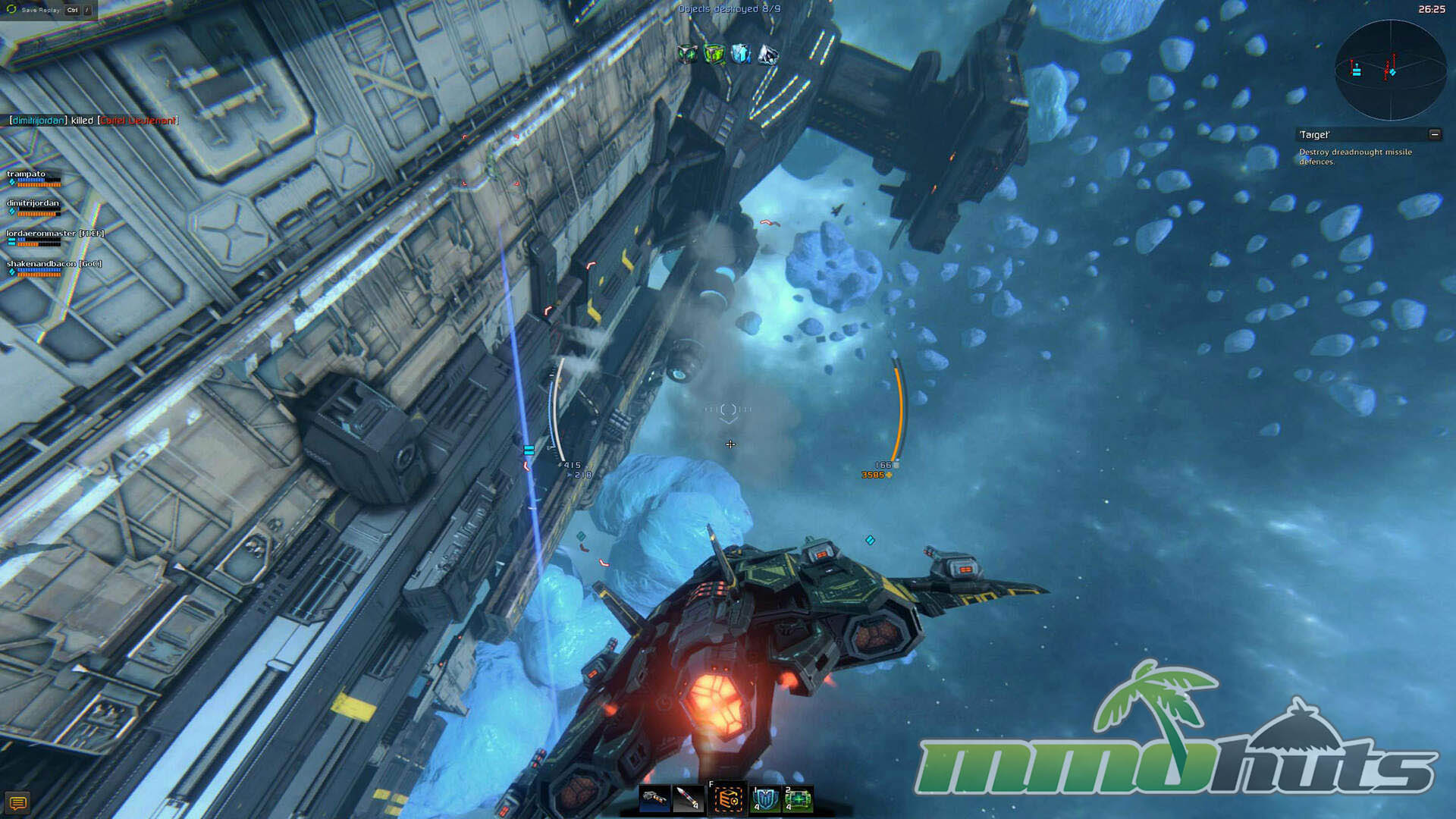
Star Conflict Screenshots

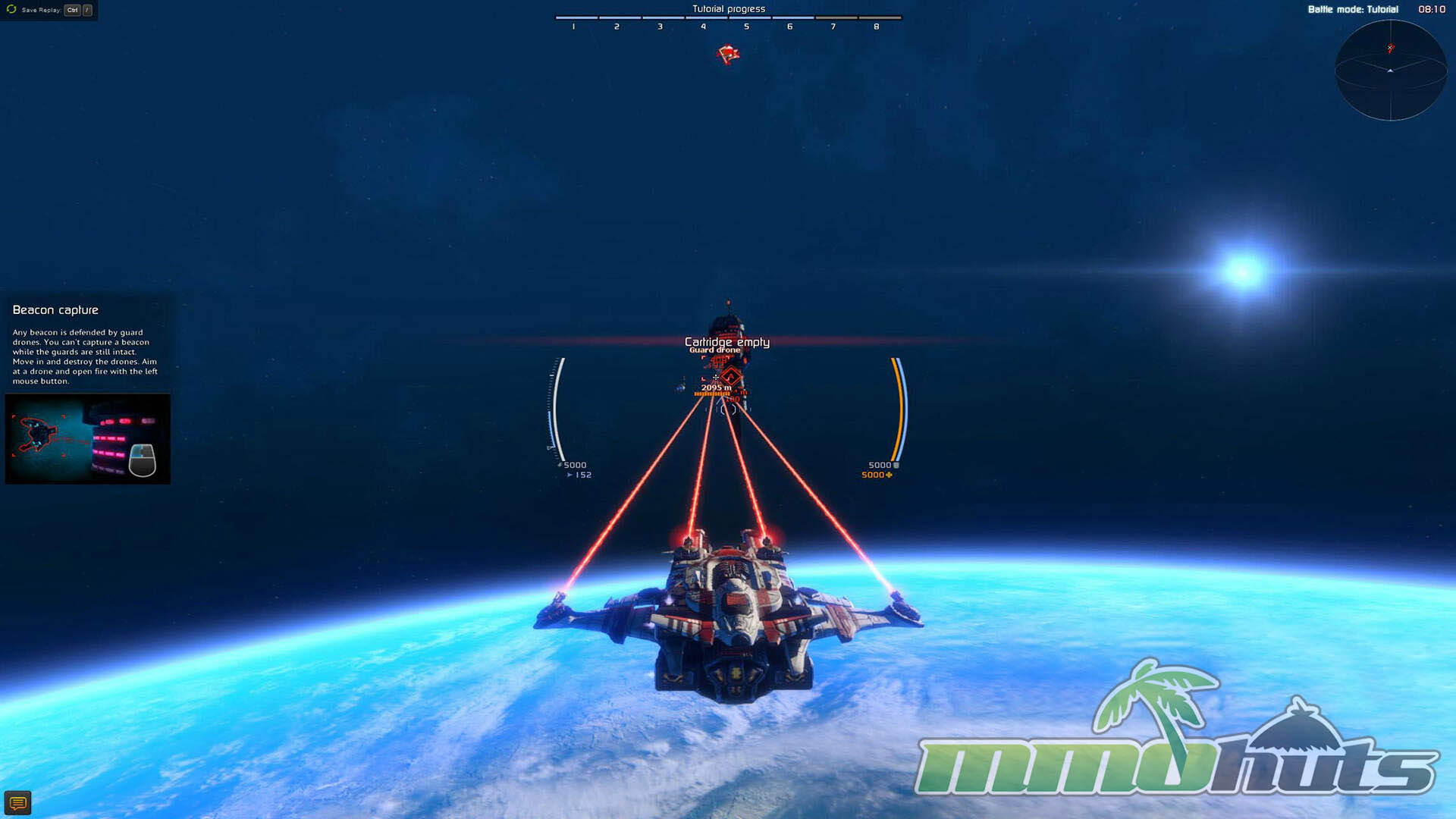
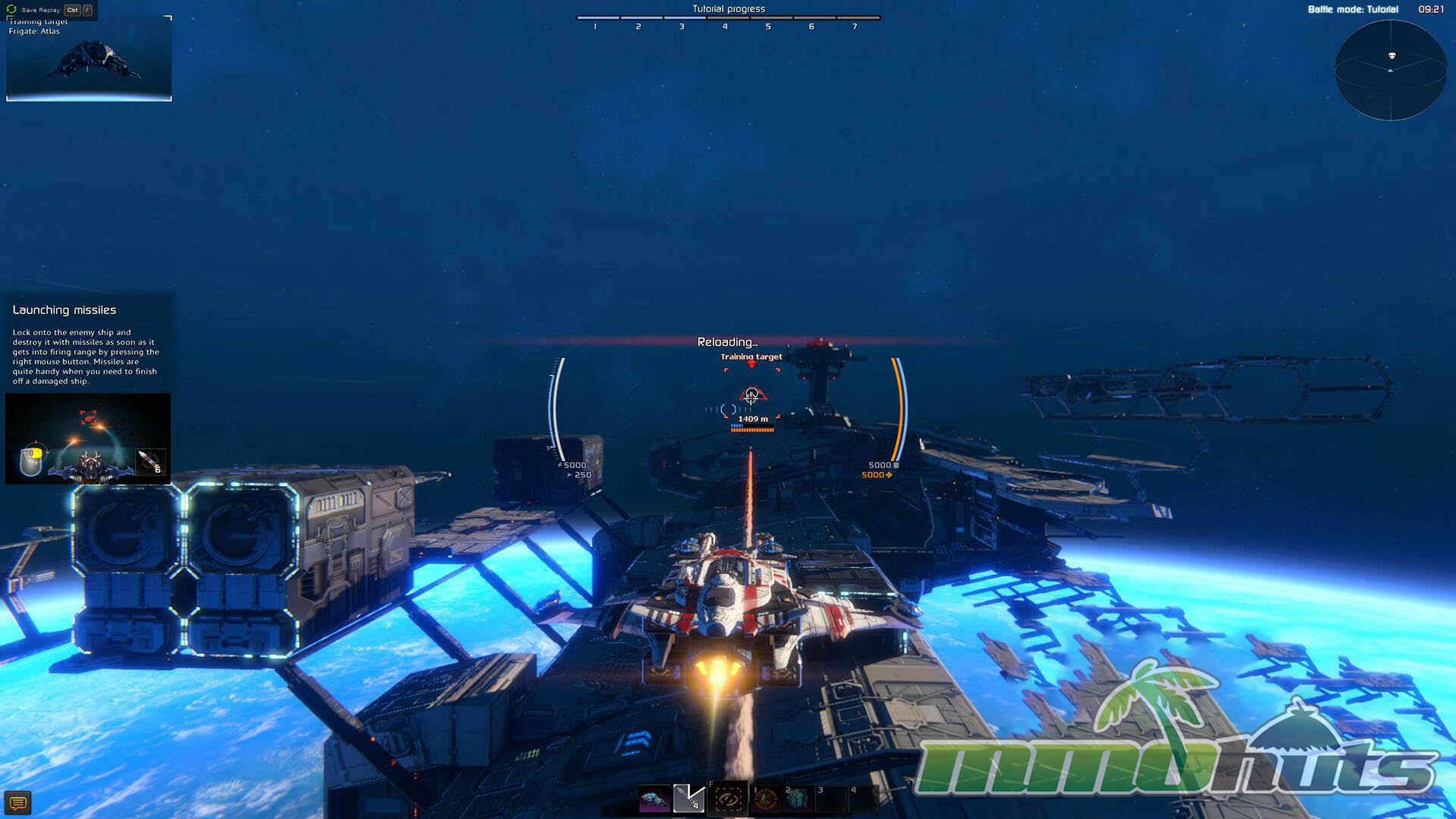
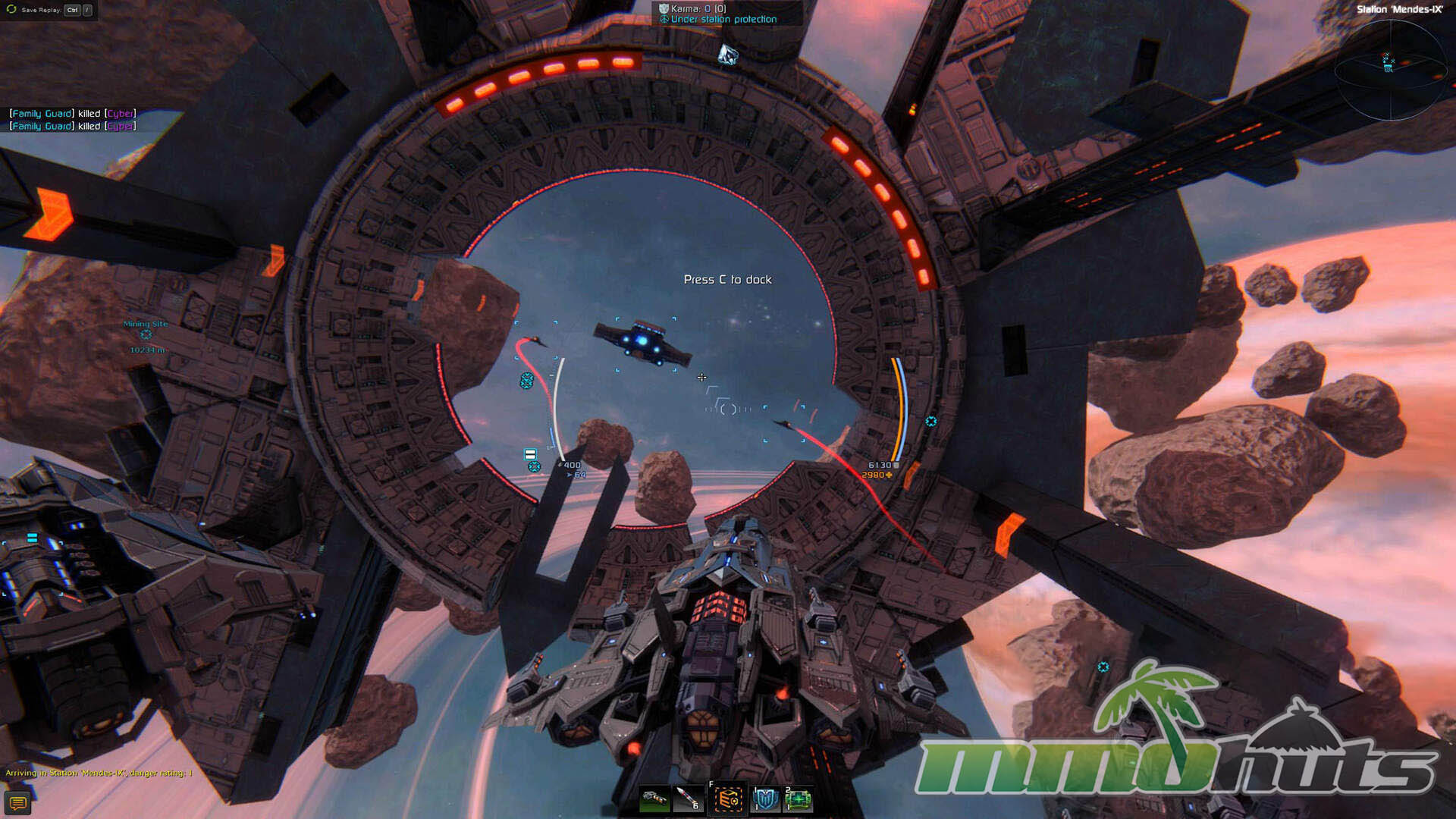
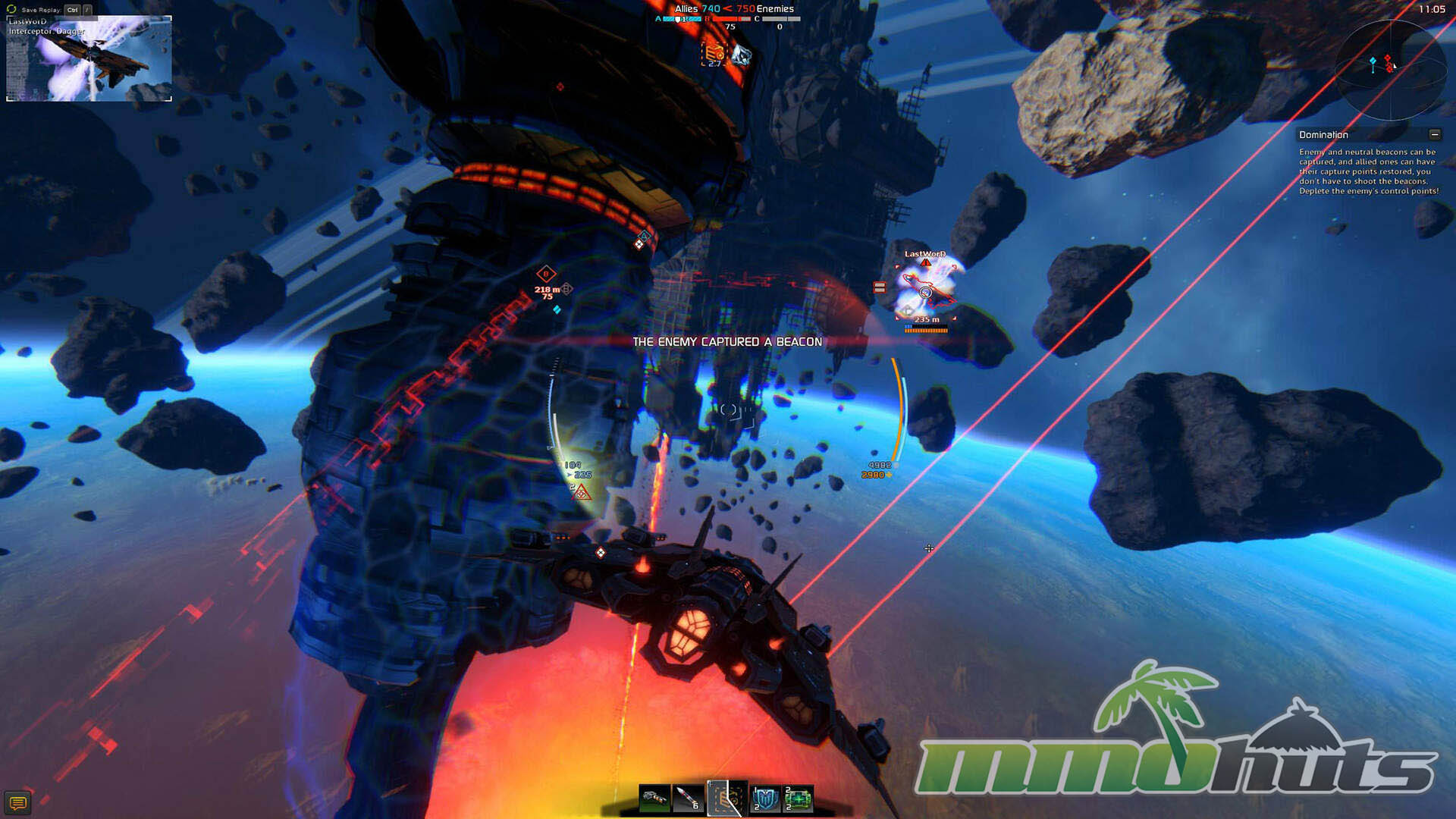
Star Conflict Featured Video

Star Conflict Review
Star Conflict is a 3D MMO created by Star Gem Inc. and published by Gaijin Entertainment, launching on February 27, 2013. While it shares a few surface similarities with larger-scale space titles like EVE Online or Elite: Dangerous, its focus is tighter and more match-oriented. Flight takes place in instanced spaces and the most common PvP battles are typically 4v4, which keeps sessions punchy and emphasizes piloting skill and team composition over long-haul logistics. You also are not hard-locked to one side, because the game encourages a mercenary-style approach where you can work across factions, complete contracts, and chase specific progression rewards tied to different groups.
Moment to moment, Star Conflict is easy to pick up and surprisingly demanding to truly play well. New pilots can learn the basics quickly, but it does not take long before you meet opponents who understand momentum, cover, and how to break tracking with smart movement. Progression is also a real commitment, because unlocking ships and keeping modules competitive requires steady play, especially as you climb into higher tiers.
The game can be downloaded from the official site and is also available via Valve’s Steam platform.
Getting Started
Your first login pushes you toward two optional tutorial missions. They are worth doing, since they teach the essentials of movement, targeting, and abilities without overwhelming you, and they also provide a credit payout that helps you start buying early modules. For a game that expects you to understand spatial awareness quickly, that initial onboarding is a useful warm-up.
Controls are simple on paper, but they reward practice. You thrust forward with W and reverse with S, strafe with A and D, and use Alt and Spacebar to shift down and up. Shift triggers afterburners for short bursts, with the duration and speed varying by ship type. Targeting can be handled with a lock-on (mouse wheel or R) or by snapping to the nearest target with T. Left mouse fires your primary weapons, while right mouse launches rockets, giving combat a readable two-layer offensive setup.
Beyond basic shooting, ship building is a major part of the loop. You can swap weapons and modules to tune speed, acceleration, cooldowns, survivability, and more. Each hull also comes with a fixed, class-specific active ability, such as defensive shielding or an area effect that punishes enemies who get too close, which helps reinforce roles even when loadouts are heavily customized.
The Early Progression Curve
Faction rank caps at 15, and the time to get there depends heavily on how consistently you play and how focused you are about leveling. Your ships gain experience through matches and missions in the form of synergy. Build up enough synergy and you can upgrade the current ship for a modest stat bump, and at certain synergy thresholds you unlock the next ship in that line, which then becomes purchasable.
The ship roster is organized into three main trees: Interceptors, Fighters, and Frigates. Interceptors are small and fragile but very fast, great for harassment and objectives. Fighters sit in the middle with a balanced profile, making them a common “default” choice while learning. Frigates are slower and bulkier, typically acting as heavy hitters or support platforms thanks to stronger defenses.
A key decision is whether to rush unlocks or invest time into fully developing a ship you like. That choice matters because matchmaking and opponent quality ramp up as you move into higher ranks. Around ranks 5 to 7, matches start to feel less like aim practice and more like tactical engagements, with better positioning, tighter coordination, and players who know how to punish mistakes. If you are still learning how to manage speed and angles, spending extra time in lower-tier ships can make the later climb far less painful.
Ships and activities are grouped into tiers, with three ranks per tier. Tier 1 (T1) covers ranks 1 to 3, T2 is ranks 4 to 6, and it continues up to T5 (ranks 13 to 15). As you move up, additional PvP modes open up and you gain access to new weapons, missions, and module options, which helps keep progression feeling like it adds new tools rather than only increasing numbers.
Gameplay
Star Conflict’s combat is built for speed, quick decision-making, and constant movement. PvE is generally the lower-stress option, because the A.I. is capable enough to keep missions engaging without feeling oppressive. It is a solid place to practice defensive flying, experiment with modules, and learn teamwork fundamentals while earning credits and synergy at a steady pace. PvP, by contrast, is where the game’s skill ceiling becomes obvious.
Queue times at the very bottom can be uneven simply because most players move through rank 1 quickly, but after a handful of matches you typically settle into ranks where matchmaking fires more reliably. Early games are largely about learning the physics and the rulesets of the modes, not about perfect builds.
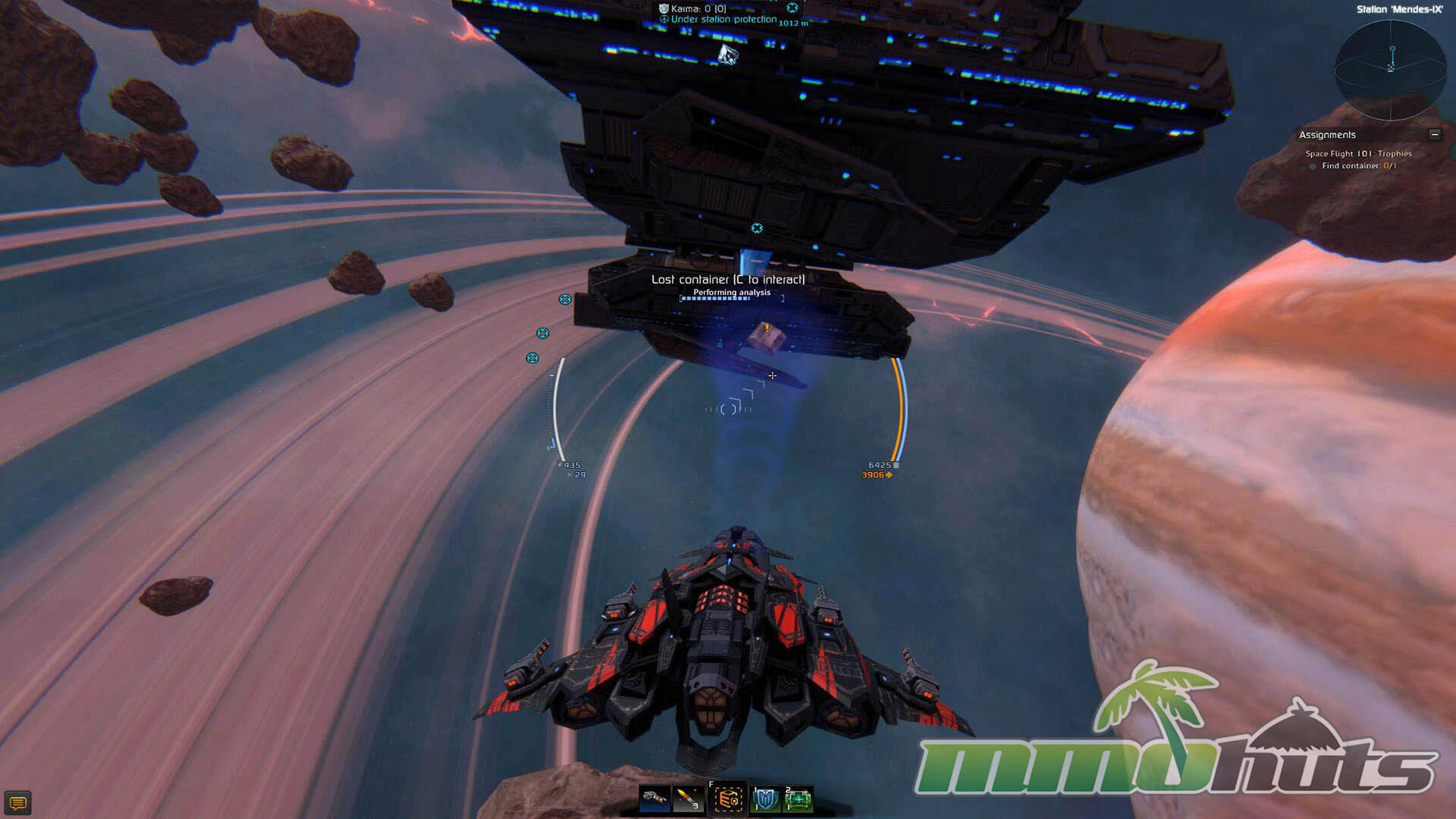
Higher-tier matches demand preparation. You are expected to strengthen ships through synergy upgrades, buy and improve modules, and understand the flow of maps and objectives. When fights spiral through asteroid fields and wreckage, the ability to react quickly, conserve boost, and choose the right moment to use an active ability can decide an engagement. Knowing when to disengage is often as important as landing shots.
A standout mechanic is the ability to bring three ships into battle. In limited-respawn modes, a destroyed ship is removed from your available lineup for that match, forcing you to think ahead about composition and risk. In modes with normal respawns, dying also becomes a chance to swap roles by spawning into a different ship, which adds a strategic layer beyond pure piloting.
Corporations
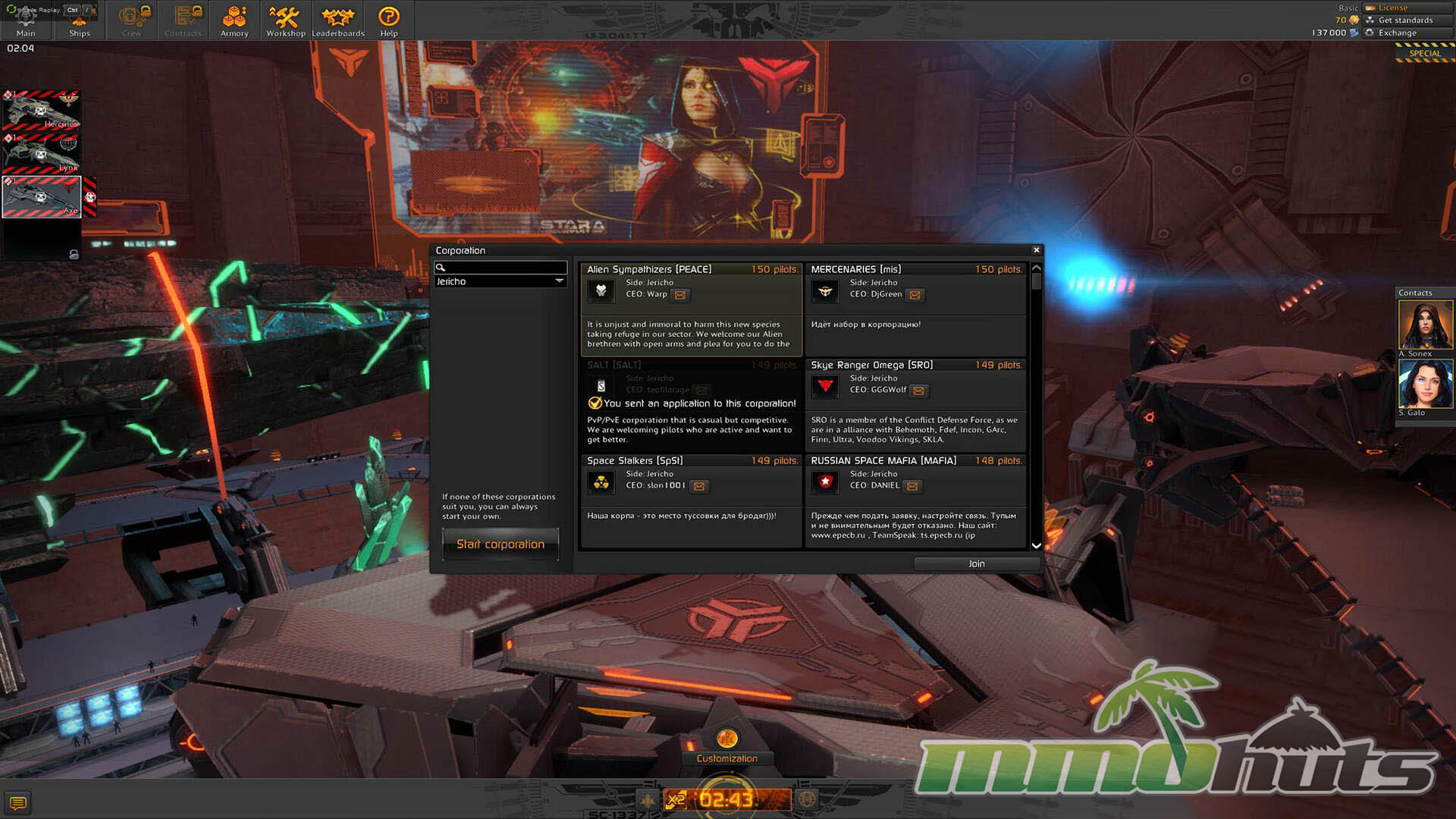
Corporations function as Star Conflict’s version of guilds. They are structured with a CEO at the top, officers with management permissions, and regular members. Officers and the CEO can handle invites and removals, while the CEO controls officer appointments and can disband the group. Membership is capped at 150, which keeps corporations large enough for organized play without becoming unmanageable.
Corporation ranking factors in participation across PvP and PvE, roster size, sector control, and Iridium totals. Iridium comes from member donations and from processing artifacts into Iridium. At present it does not have a direct use, but it is expected to become important for crafting large dreadnoughts, which are ships reserved for corporate play.
Corporation points earned from PvP and PvE slowly decay, dropping by 1% every hour, so consistent activity is necessary to hold a strong position on the leaderboards.
Sector Conquest is the headline feature for organized groups. Corporations can challenge the current owner of a sector and settle it in a 4v4 battle that resembles Detonation in structure. Each team fields four pilots and fights over three beacons, with each beacon protected by four drones. Drones must be destroyed before a beacon can be captured, and respawns are limited, meaning each ship can only be used once. Victory comes from capturing all enemy beacons or eliminating every opposing ship, and the winner claims the sector.
Rewards for winning include artifacts, credits, or galactic standards depending on the sector. Participation has a high entry requirement, because pilots must have three ships installed in combat slots, all at rank 11 or higher.
PvP
PvP is not a side activity here, it is effectively one of the game’s main pillars, with the other pillar being PvE missions and contract progression that can be completed in either mode. The game does not use a persistent open world for these activities, instead relying on instanced maps, a structure that will feel familiar to players coming from Warframe.
Detonation tasks teams with destroying three enemy beacons using EMP bombs placed around the map. You collect a bomb by flying close to it, then carry it to a beacon. Dropping the bomb is tied to activating your ship’s special ability, and planting requires you to get close to the target. Because bomb carriers are visible to everyone, successful plants typically depend on coordinated pushes, screening, and well-timed disengagements.
Domination places three neutral beacons on the map. Each team begins at 100 points, and holding a beacon drains the enemy’s total over time. Capturing all three accelerates the drain dramatically, and deaths also reduce your own team’s points. The first team to hit zero loses, so staying alive and contesting objectives are equally important.
Combat Reconnaissance assigns each team a randomly chosen captain. Non-captains can respawn normally, but when a captain is destroyed they are removed from the match and a new captain is selected. The losing team is the one that eventually runs out of players able to respawn.
Capture the Beacon uses the same three-beacon setup as Domination, but with a harsher rule set. There are no respawns, and once a beacon is taken it remains permanently claimed. The winner is the team that secures more beacons, which makes early positioning and calculated engagements critical.
Beacon Hunt is another Domination variant, except only one beacon is active at a time. Teams rotate across the map to capture each newly activated beacon. After a team captures a beacon, their respawns are disabled until the next beacon becomes active, which creates a push-and-punish cadence that can swing quickly.
Deathmatch is the most direct mode: two teams fight until one exhausts its shared pool of lives. Many modes include A.I. companions padding out the action, but Deathmatch is strictly human versus human, which makes it a good barometer for how well your build and piloting hold up.
Cash Shop
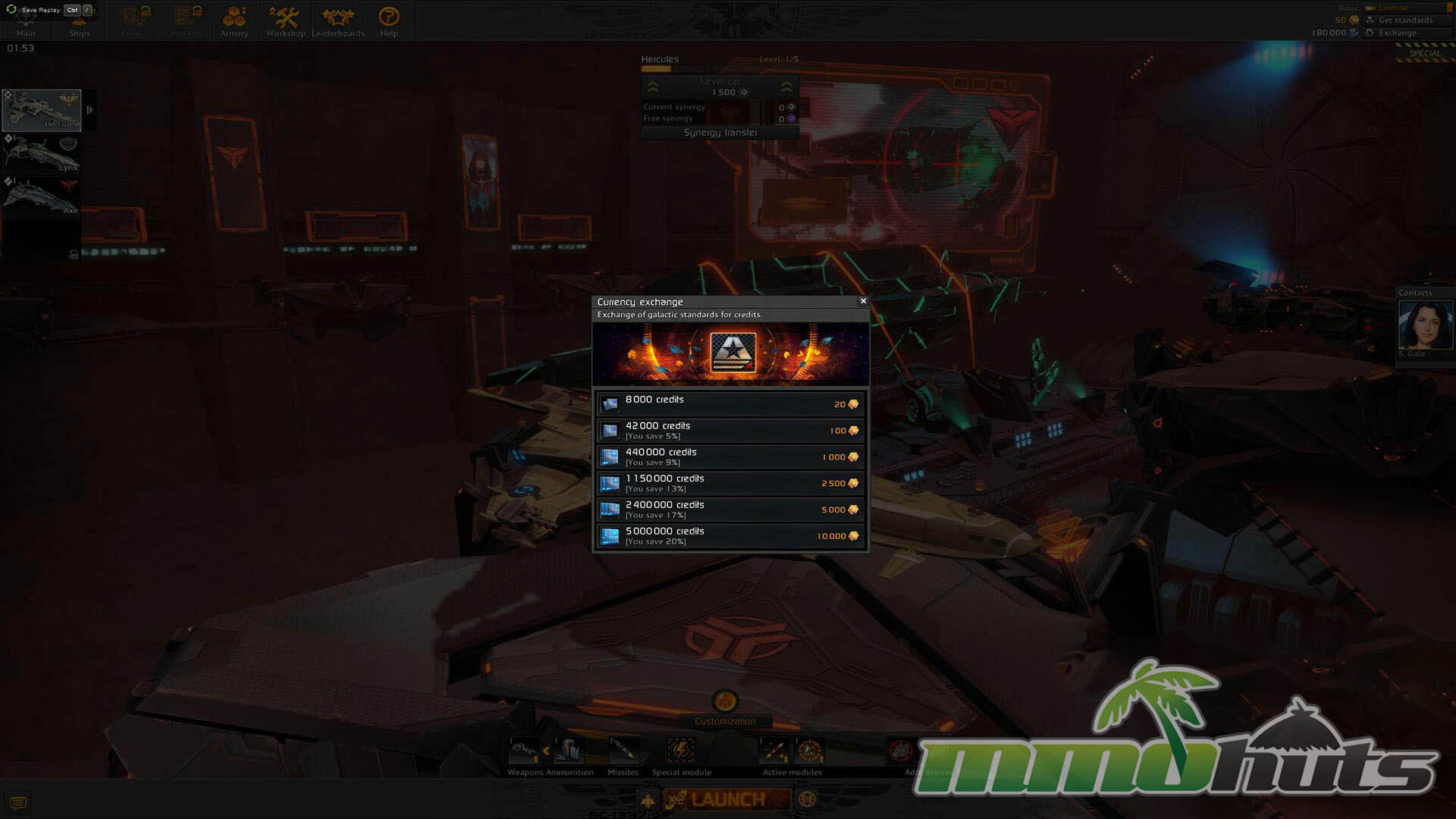
Star Conflict’s store centers on Galactic Standards, a premium currency bought with real money. Standards are used to purchase Licenses, which provide game time bonuses ranging from one day up to six months. While active, a License grants a 50% boost to credits and synergy, and it also unlocks a set of ships that are exclusive to premium purchase.
As with many free-to-play MMOs, the big concern is whether spending creates an unfair competitive edge. In practice, the advantage here is real but not absolute. Money cannot replace the fundamentals of flying well, reading fights, and using terrain to break locks and set angles. However, premium progression does accelerate access to higher ranks and stronger options, and players who do not spend can feel the weight of the grind when trying to fully upgrade high-tier ships. The result is closer to “pay to advance faster” than a pure “pay to win,” but the time gap can still affect competitive comfort at the top end.
Final Verdict – Great
Star Conflict succeeds as a skill-forward space combat MMO that avoids a subscription model and runs comfortably without demanding extreme hardware. It delivers satisfying dogfights through asteroid fields and derelict structures, supports a healthy amount of ship tinkering, and gives players a clear long-term ladder of ships and modules to chase. The basics are approachable, but the game asks for real dedication if you want to compete confidently in higher tiers. If you want an accessible space shooter with MMO-style progression and a meaningful learning curve, Star Conflict is well worth trying.
Star Conflict Links
Star Conflict Official Site
Star Conflict Steam Page
Star Conflict Official Wiki [Database / Guides]
Star Conflict Wikia [Database / Guides]
Star Conflict System Requirements
Minimum Requirements:
Operating System: XP / Vista / 7 / 8
CPU: Intel Pentium 4 2 GHz / AMD Athlon 2
Video Card: 512 MB VGA Card / Intel HD 3000 / HD 4000
RAM: 1 GB
Hard Disk Space: 5 GB
Recommended Requirements:
Operating System: Vista / 7 / 8
CPU: Intel Core 2 DUO 2.3 GHz
Video Card: GeForce 650 / Radeon HD 5750
RAM: 2 GB
Hard Disk Space: 5 GB
Star Conflict is also available on Mac OS X and Linux. Mac and Linux system requirements are similar to the PC requirements.
Star Conflict Music & Soundtrack
Star Conflict Additional Information
Developer: Star Gem Inc. (Subsidiary of Gaijin Entertainment)
Publisher: Gaijin Entertainment
Other Platform(s): Mac OS X, Linux
Engine: Hammer Engine (Proprietary engine)
Closed Beta Date: April 11, 2012
Open Beta Date: July 24, 2012
Development History / Background:
Star Conflict was built by Russian developer Star Gem Inc. and represents the studio’s first released title. The project was announced in September 2011 and has maintained a notable presence since its official launch on February 27, 2013. Star Gem was created specifically to develop Star Conflict under the umbrella of its parent company, Gaijin Entertainment. Gaijin Entertainment is Russia’s biggest game developer and publisher.