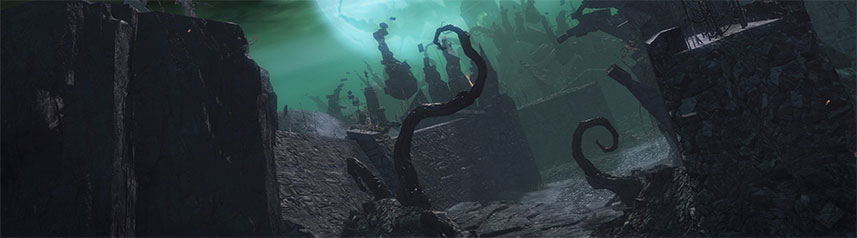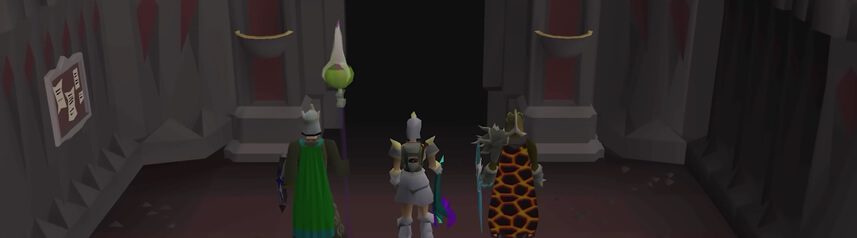
Scarlet Blade (released in Asia as Queensblade Online) is a 3D sci-fi and fantasy MMORPG built around an overtly “mature” presentation, including frequent nudity. Players pledge themselves to one of two sides, the Free Knights or the Royal Guards, then level through quest zones, dungeons, and PvP while the game leans heavily into fan service. Scarlet Blade officially shut down on March 31, 2016 on the Aeria portal.
 | Publisher: Aeria Games Playerbase: Medium Type: MMORPG Release Date: March 27, 2013 (NA/EU) Shut Down Date: March 31, 2016 PvP: Duels / Faction Battlefields Pros: +Distinct sci-fi and fantasy blend for zones and enemies. +Action feels smooth and responsive. +Eye-catching character and environment visuals. +Dungeon runs are an enjoyable change of pace. Cons: -Questing can become a repetitive grind. -Weak quest writing and uneven dialogue. -Voice work often fails to match the tone. |
Scarlet Blade Overview
Scarlet Blade is a notable entry in the “adult” MMO niche, mixing traditional theme park MMORPG progression with a heavy dose of provocative character design. On the surface it offers familiar staples, quest hubs, instanced dungeons, large-scale PvP, and social spaces like the nightclub, but it wraps them in a package that is intentionally suggestive. With the exception of the Cyberblade, the playable roster is entirely female, and the art direction makes it clear the developers expected sex appeal to be a major draw. If you can look past (or are specifically seeking) that angle, there is a functional MMO underneath with systems to learn and content to work through.
Scarlet Blade Key Features:
- Unique Classes – 7 playable classes (Cyberblade, Defender, Medic, Punisher, Sentinel, Shadow Walker, and Whipper)
- Sexy Cast of Characters – inspired by the Japanese ecchi manga ,”Queens Blade.” Plenty of skin and occasional nudity.
- Mech Gameplay – every character gets the ability to transform into a mech upon reaching Level 20.
- Mini Games – collectible card sets and picture puzzles that reward progress with ecchi artwork.
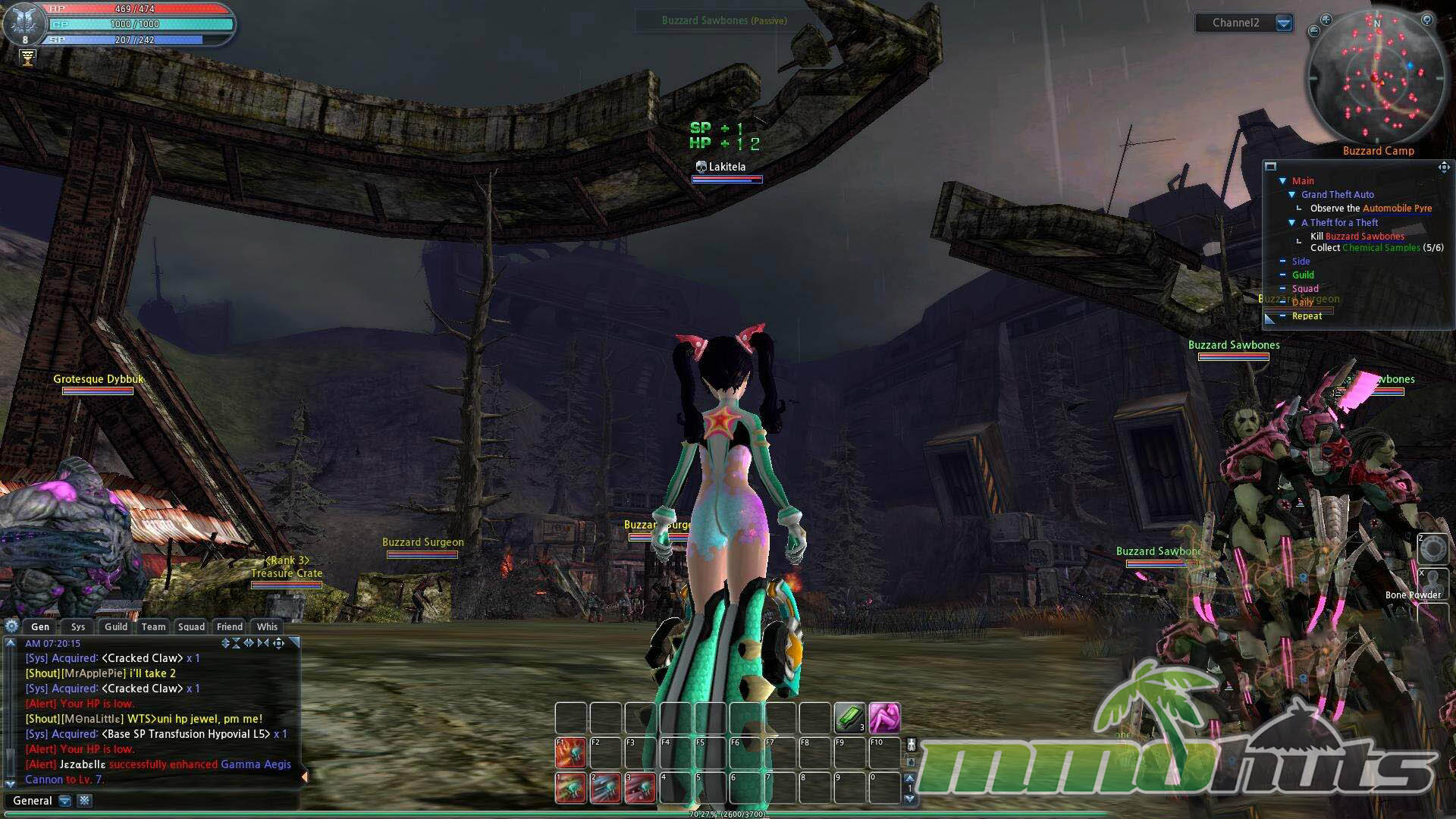
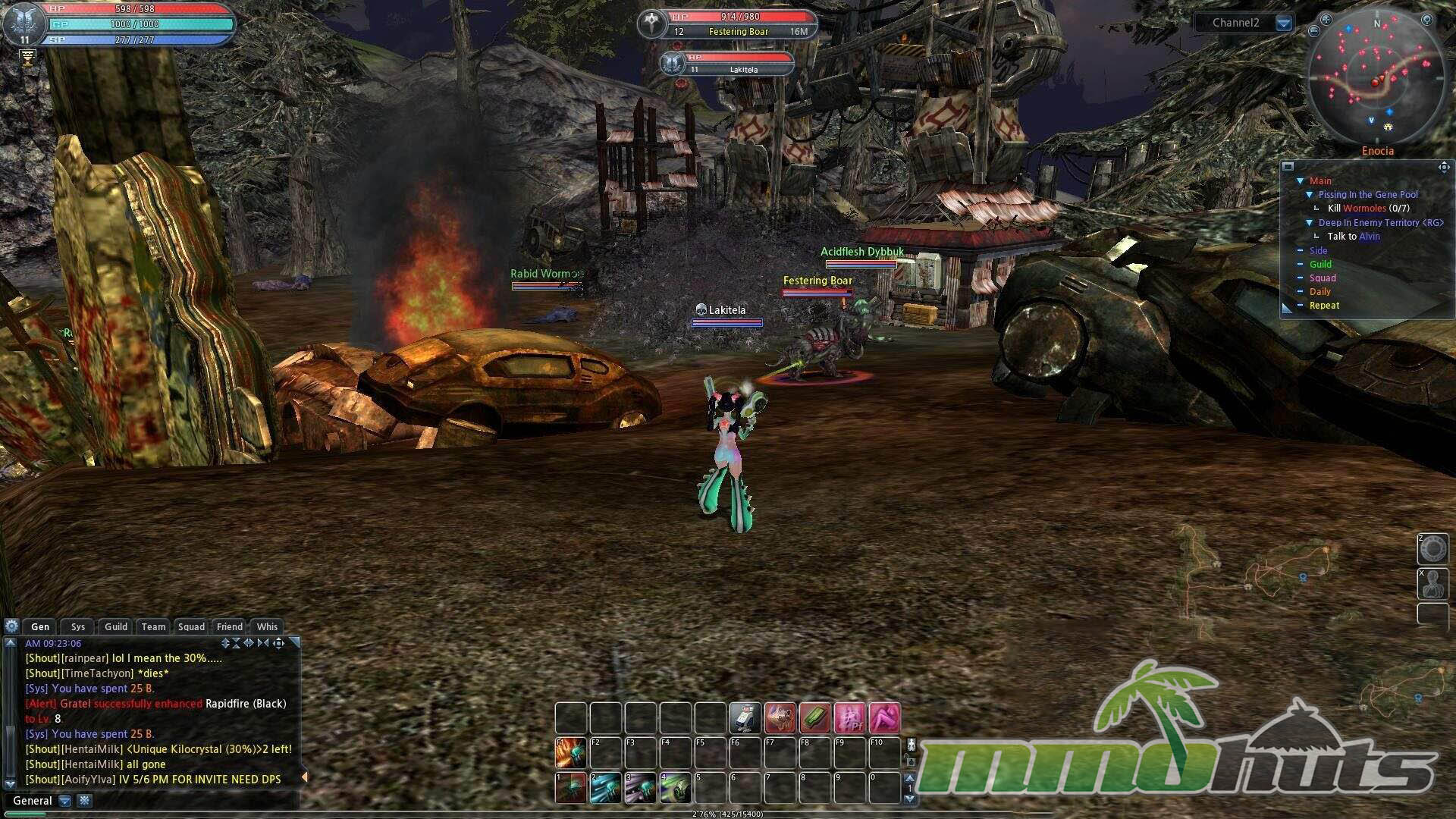
Scarlet Blade Screenshots
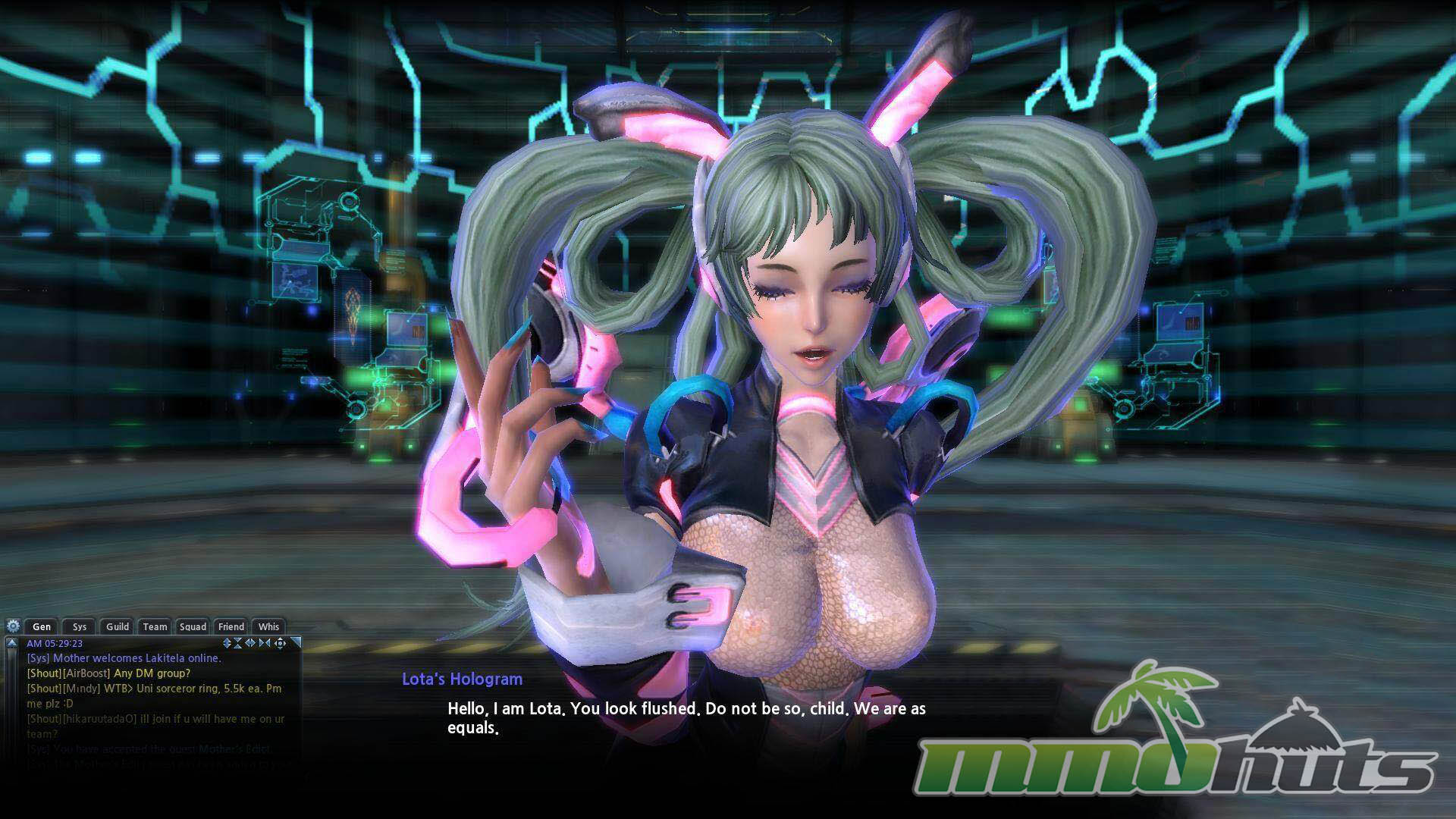


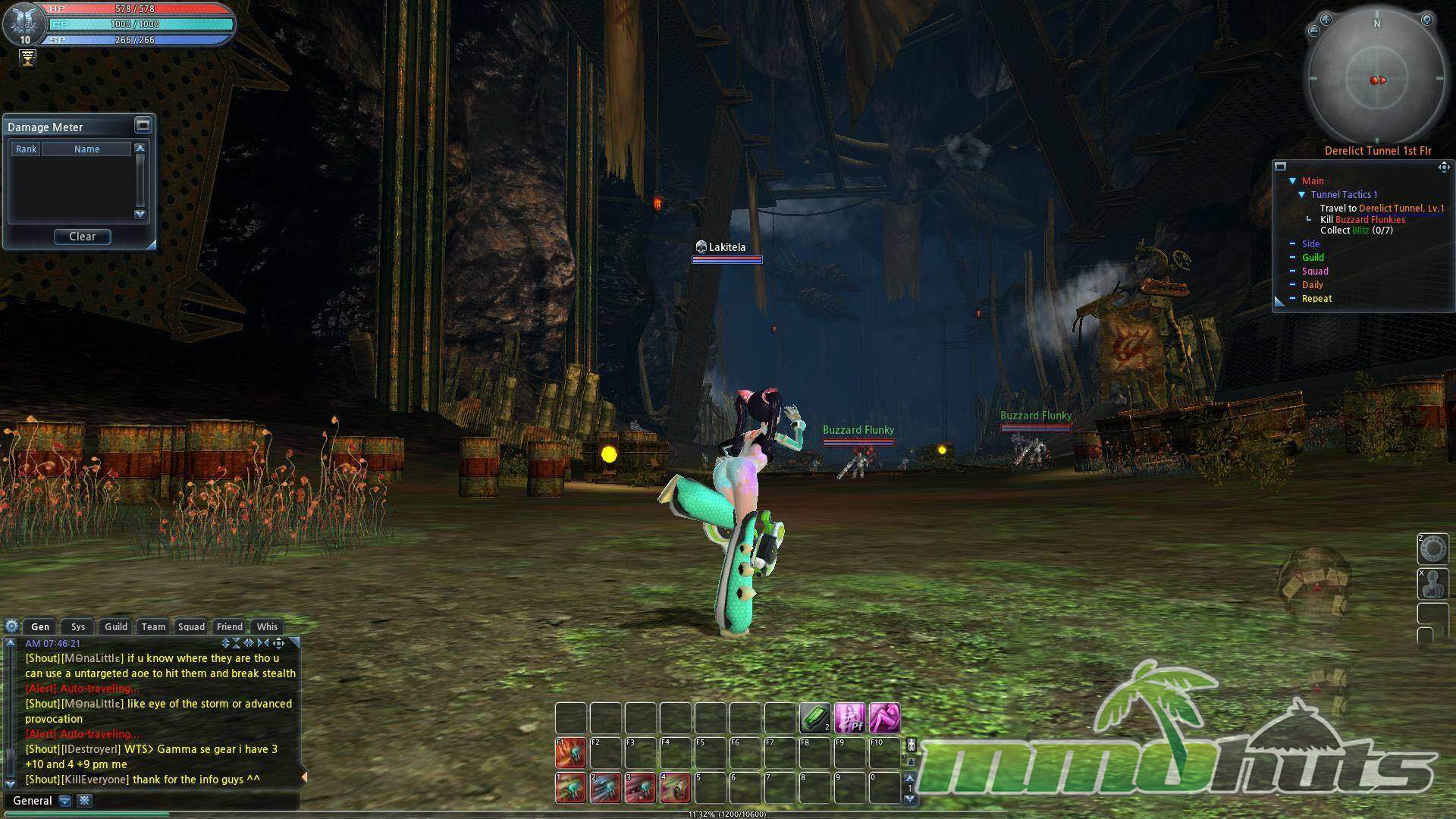
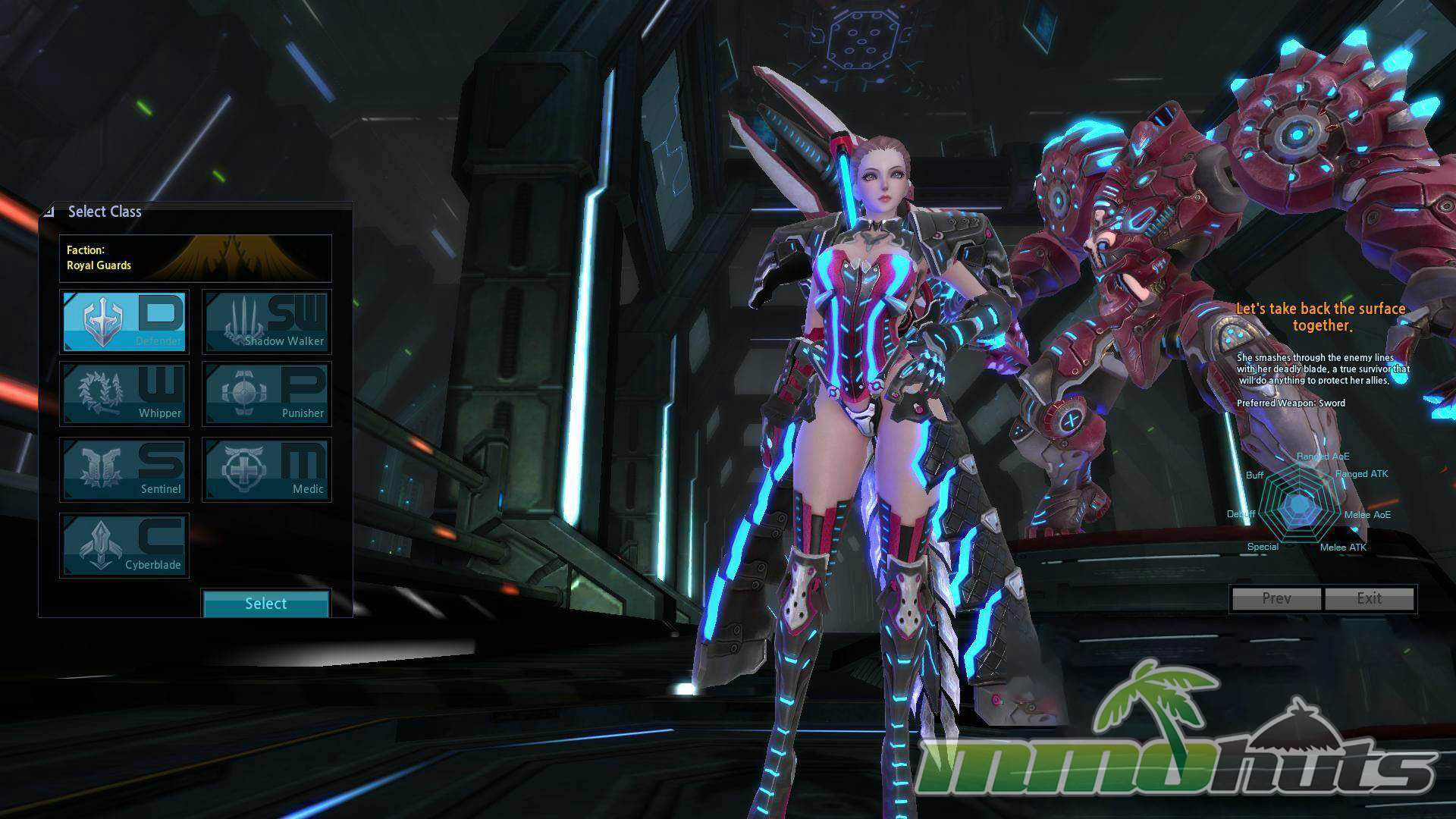
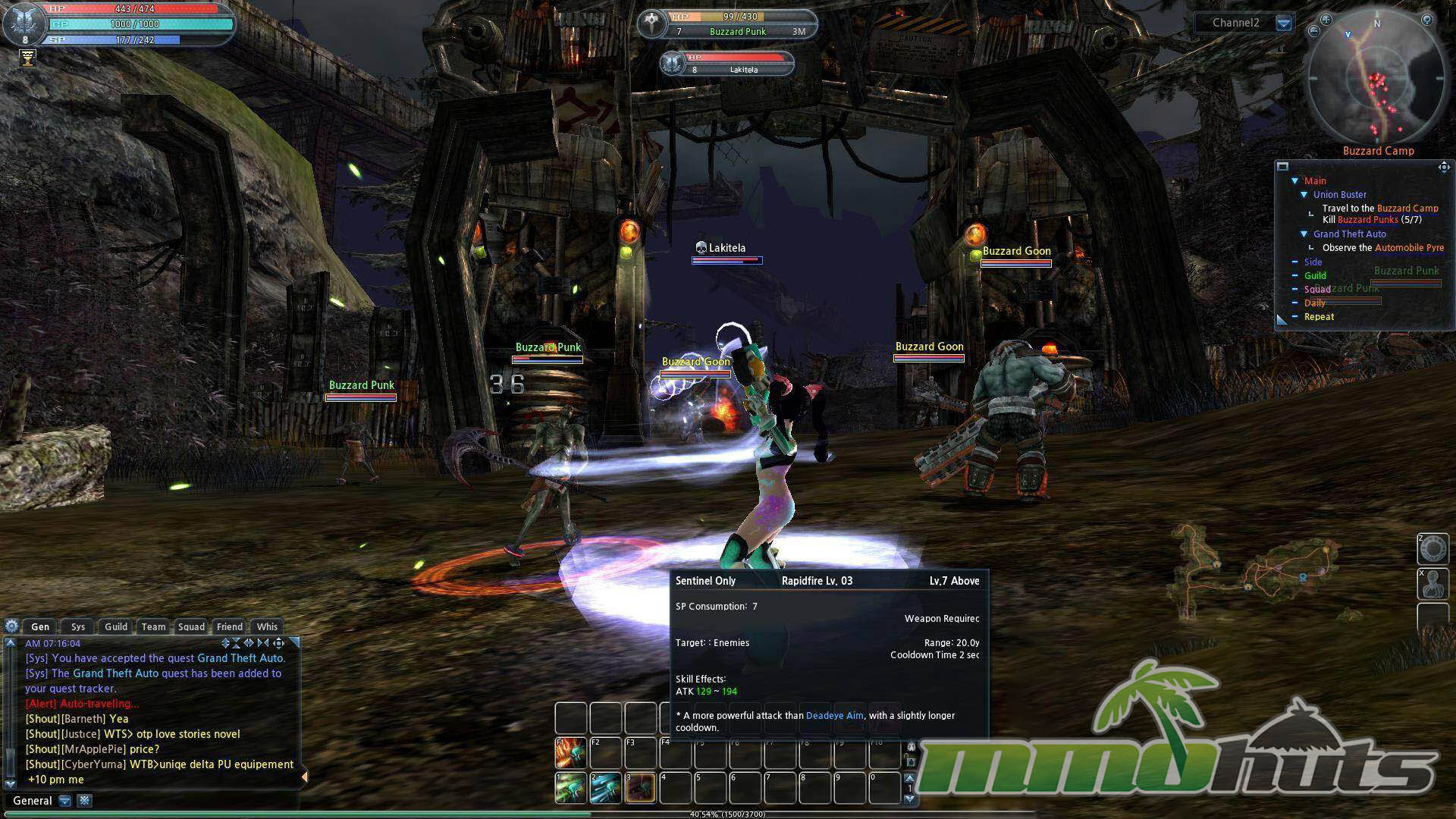


Scarlet Blade Featured Video

Scarlet Blade Classes
- Cyberblade – the lone male option, built for close-range damage and aggressive melee play.
- Defender – a frontline tank that can soak hits reliably while still contributing meaningful damage.
- Medic – the primary healer, with offensive tools focused on damage-over-time effects and debuffs.
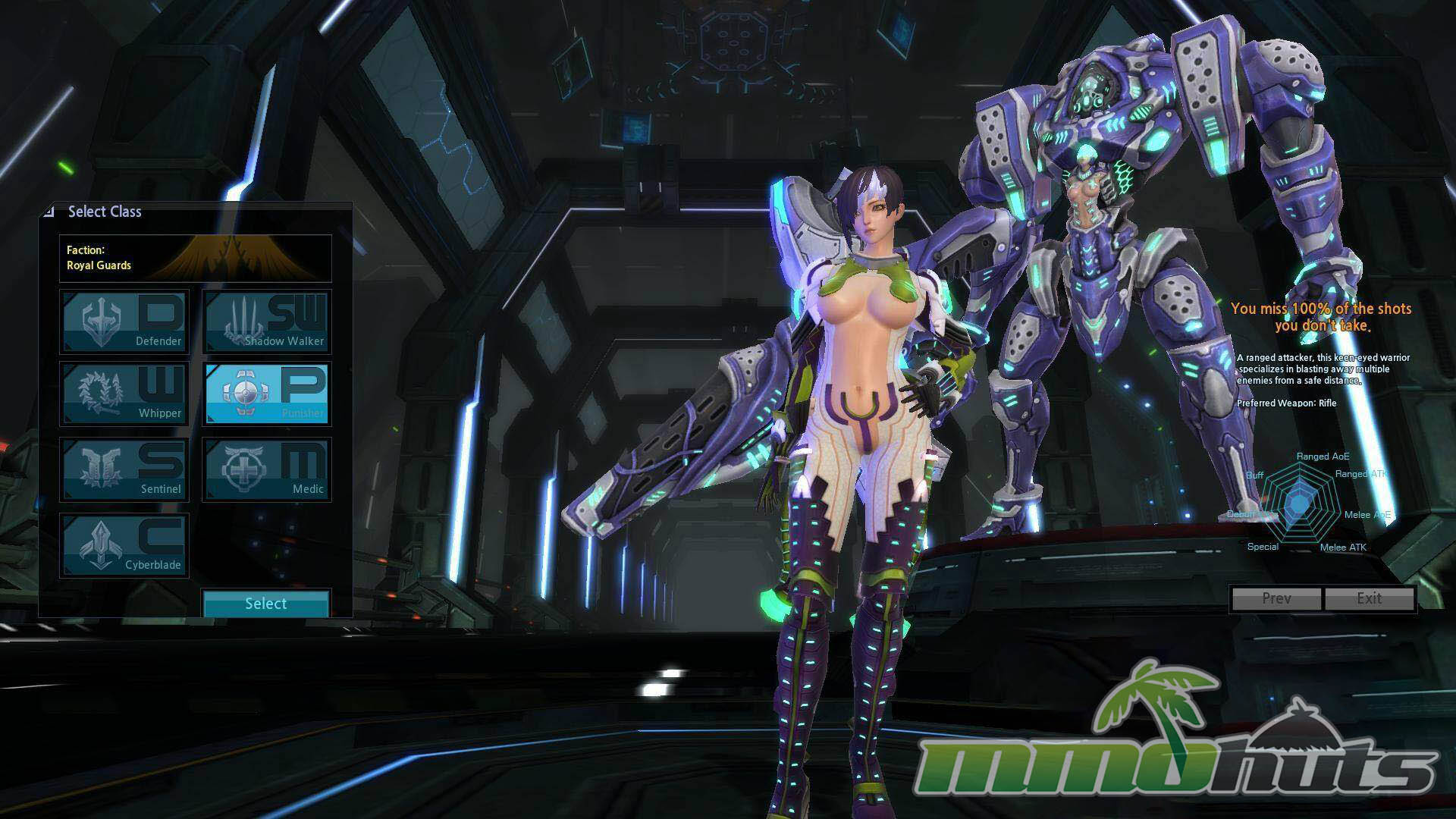
- Punisher – a long-range killer designed to delete priority targets quickly, with high damage and low survivability.
- Sentinel – a dual-wielding gun user emphasizing speed, accuracy, and mobility to control engagements.
- Shadow Walker – a stealth-focused melee class in the rogue tradition, strong burst and DPS with fragile defenses.
- Whipper – an area-damage specialist with a narrower toolkit, effective at clearing packs and contributing in dungeon pulls and crowded fights.
Scarlet Blade Review
Released in North America and Europe in 2013, Scarlet Blade was developed by LivePlex and published by Aeria Games Entertainment. It is best known for its unapologetically “mature” framing and exaggerated character models, but it also tries to operate as a conventional free-to-play MMORPG with classes, dungeons, and faction-based PvP. Visually, it leans into an anime-inspired character style while environments and many enemies trend closer to a more typical Western MMO look, which gives the game a slightly unusual, sometimes effective hybrid identity.
A fan-service MMO that still follows the theme park playbook
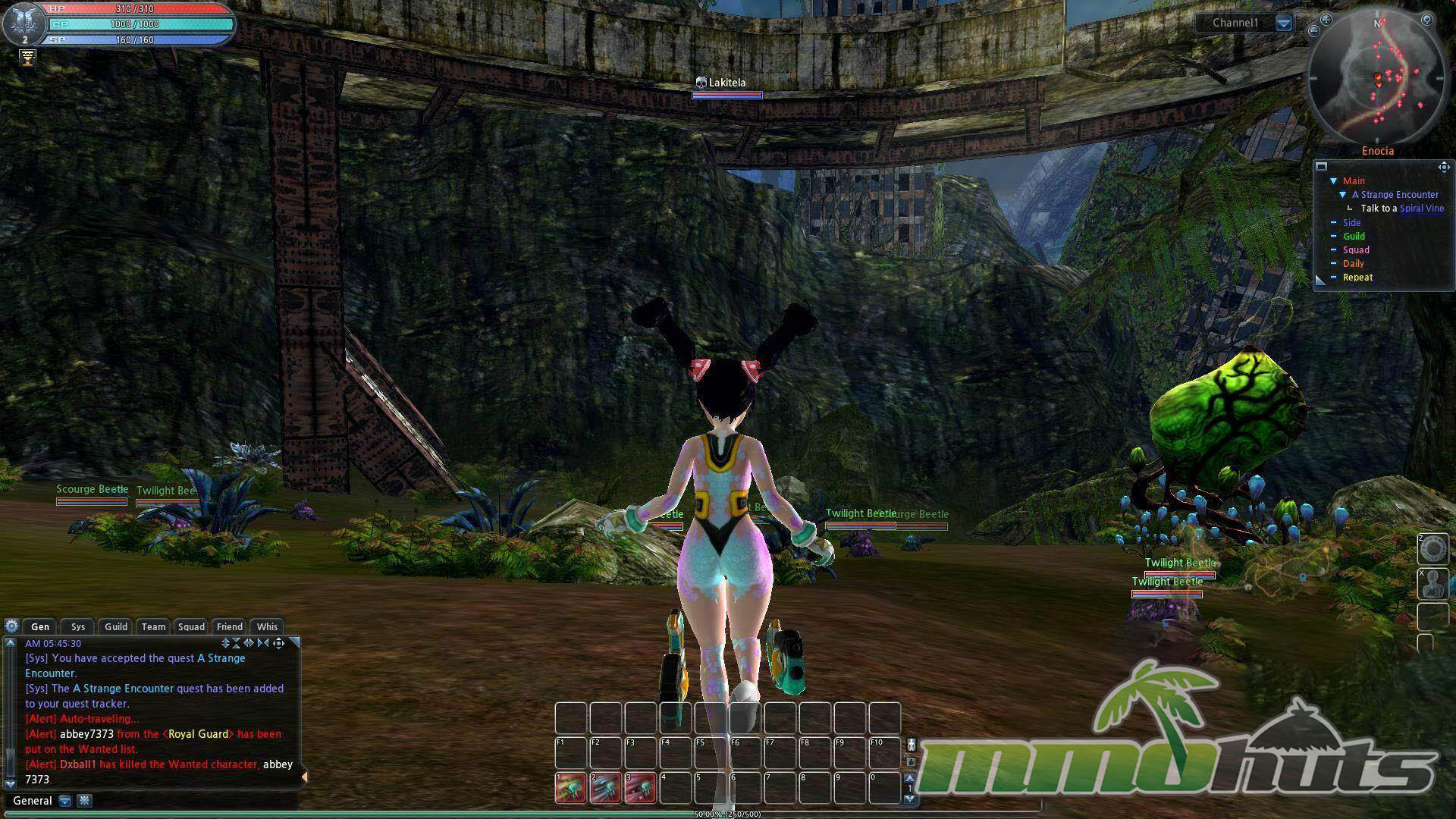
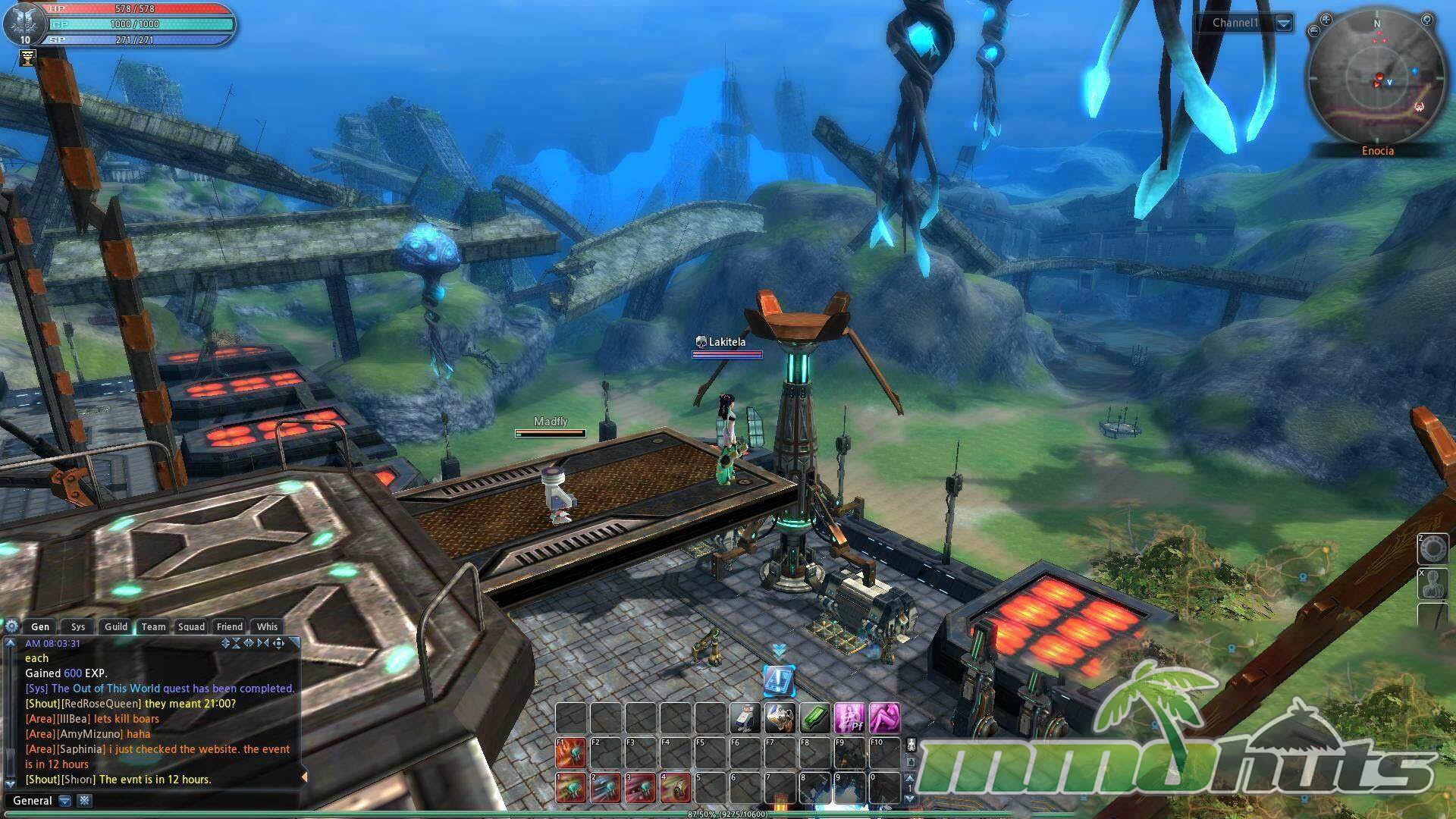
Players take the role of an Arkana commander, leading cloned super-soldiers created as humanity’s answer to catastrophic alien threats. Early on you pick a side between the two major factions, the Royal Guard and the Free Knights, which shapes the game’s larger conflict and feeds into PvP. After class selection, the opening sequence functions as a guided tutorial that quickly hands you the basics before letting you loose in Chromia, beginning around Enocia and its surrounding areas.
From a first-play perspective, Scarlet Blade can make a solid initial impression. The world looks surprisingly competent for its era, and the contrast between stylized characters and more grounded zones does not always clash. Sound work is serviceable, with weapons and ability effects providing enough punch to keep combat readable. The earliest outdoor enemies are generally non-threatening and often passive, so the real test of awareness tends to arrive once you step into instanced content where positioning and pulls matter more.
Combat revolves around more than just cooldowns. Skills beyond basic attacks consume SP (Skill Points), effectively the game’s mana bar. SP drains as you fight and needs to be recovered through downtime, resting, or consumables. It is also easy for new players to mix up the terminology because the game separately uses action points for bar usage and skill points for investing in the skill trees, so understanding which resource does what helps prevent frustration.
Class kits are split between passive and active abilities. Passives deliver the expected RPG stat bumps (health, damage, defense), while active abilities define the feel of each class, shaping rotations and how you approach packs or bosses. Because every class has a decent spread of tools, there is enough room to experiment before you commit fully to one playstyle.
Progression lands in the middle of the genre spectrum. The tutorial can be cleared fairly quickly, and within roughly an hour you are settling into the starter town, Enocia Glen, learning the rhythm of quest turn-ins, fast travel, and basic economy features like the market. The overall structure is familiar to anyone who has played free-to-play MMOs from the early 2010s.
Mech mode and the CP resource
A standout system is the game’s transformation mechanic. Around Level 17 you receive a quest that awards a mech, introducing CP (Cyber Power), the resource consumed when entering mech form. The transformation significantly boosts your effectiveness, roughly doubling core stats and adding bonuses such as improved movement speed and enhanced PvP performance and mitigation. The limitation is that CP drains, preventing permanent mech uptime, which turns the form into a timed power spike rather than a constant state.
There are multiple mech options, including five tied to specific classes and two that are not class-locked. Regardless of selection, the mech designs are among the game’s more impressive visual elements, and higher-quality variants are noticeably flashier.
Cash shop pressure and side systems
Beyond fighting and leveling, Scarlet Blade includes several secondary systems, although a portion of the appeal is clearly monetized. Better pets, stronger mounts, and many cosmetic outfits are typically acquired through the Item Mall, with the auction house acting as an alternative when supply exists. In practice, availability can be inconsistent, which nudges impatient players toward spending rather than waiting for listings.
Enhancement
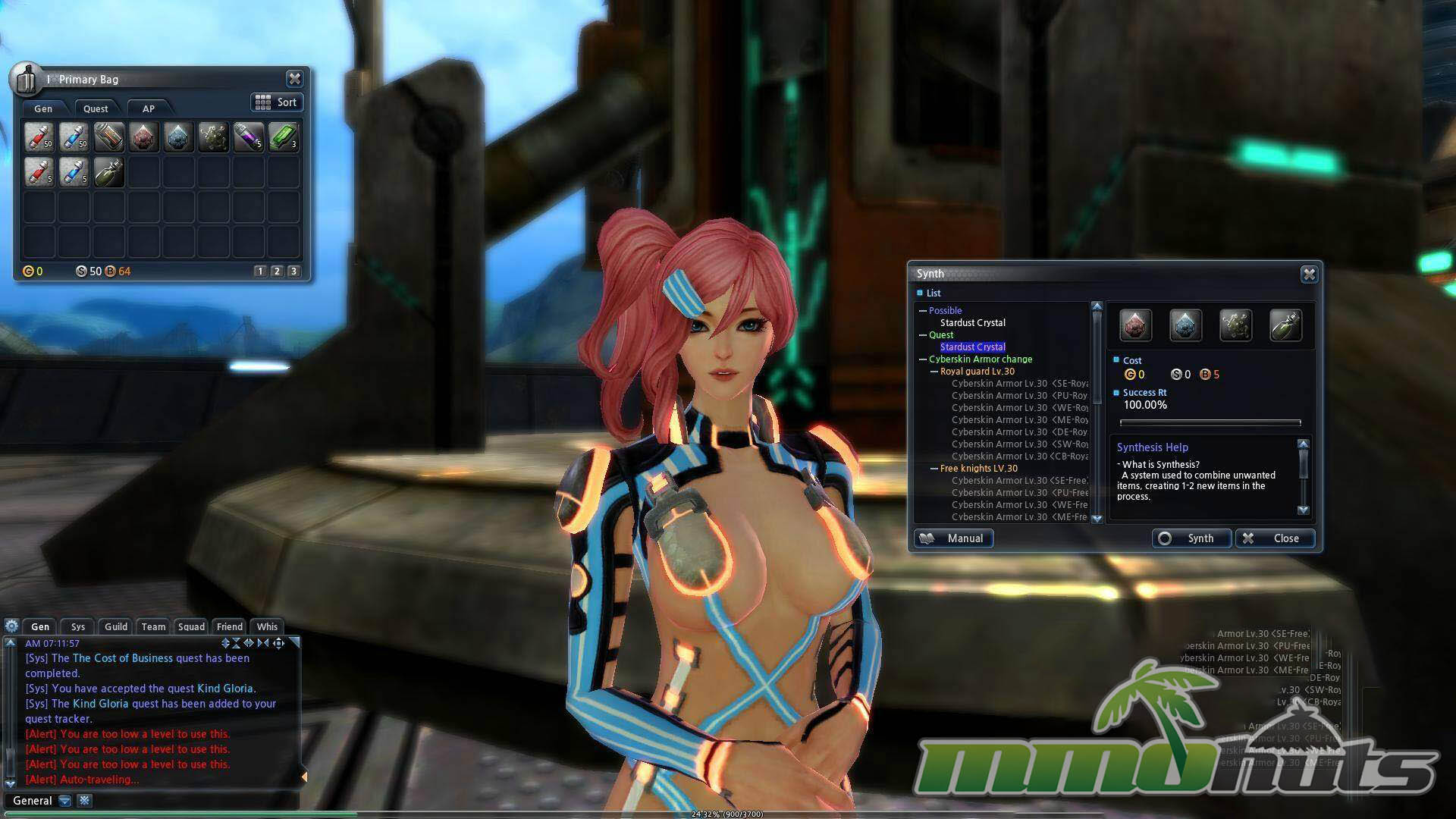
Crafting exists through a synthesizing system handled by dedicated NPCs. It can produce items that are otherwise uncommon, but much of what you make tends to be cosmetic, so it does not dramatically reshape character power in the way deeper crafting systems can.
The pet system is more substantial. Players receive one free pet, with many additional pets positioned as paid options (14 in total). Pets only gain levels while summoned, and they begin as passive companions that provide buffs rather than dealing damage themselves. As they grow, they become more useful through teachable skills, ranging from regeneration effects to threat and utility-oriented boosts. At the time covered here, pets reach Level 40 with an intended cap of 45.
Two mini-game style reward tracks add a collectible layer. “Four of a Kind” is a card-collection activity where you gather sets during normal play and trade them in for randomized rewards tied to card tier. The other is a picture puzzle that lets you spend currency to uncover blocks as you level, eventually granting experience, skill points, and later item rewards, along with the game’s signature pin-up style artwork.
How the “mature” theme shows up in systems
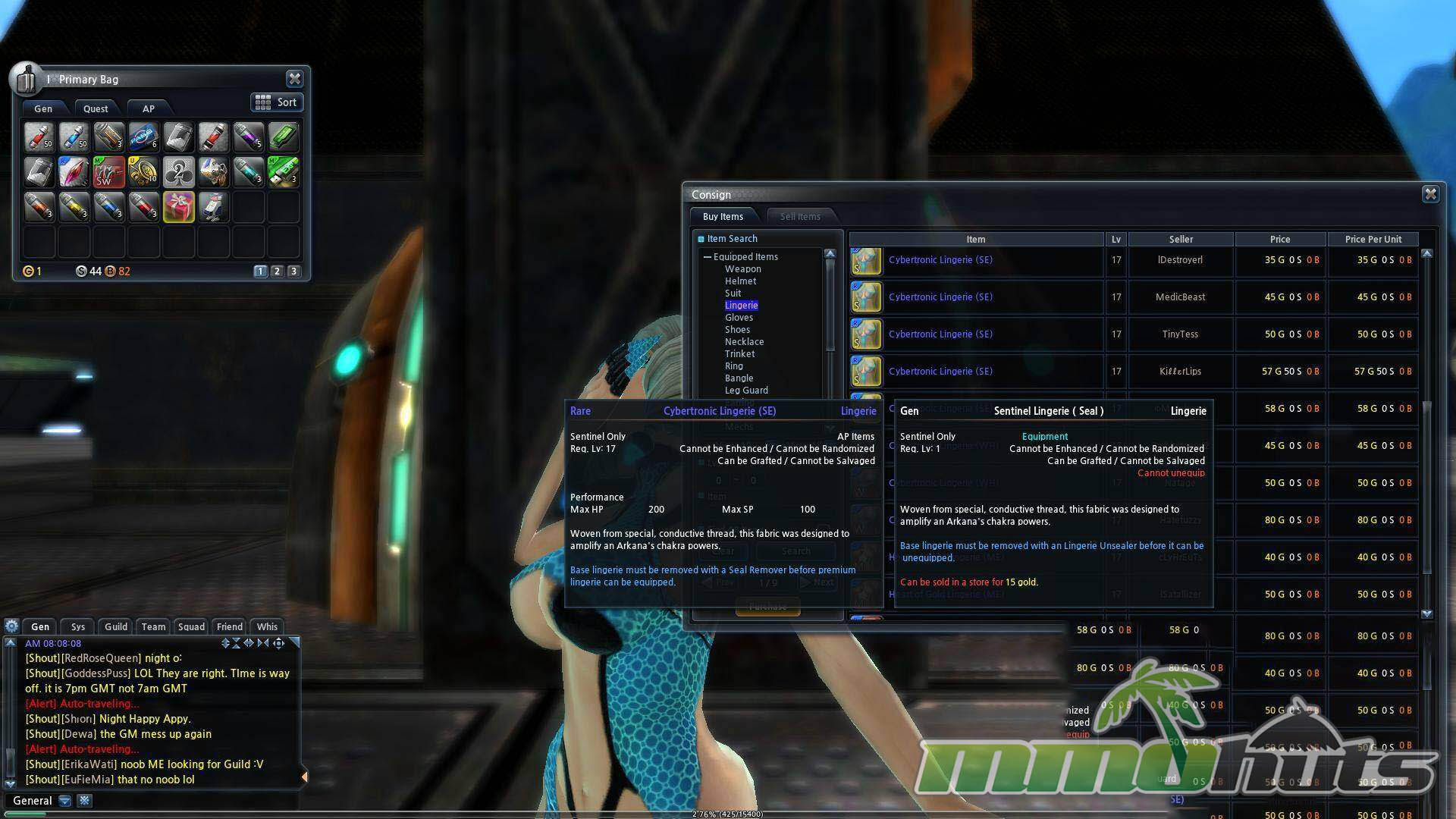
Scarlet Blade does not hide that lingerie and cosmetics are central to its identity. Characters can remove or change their underwear using a Lingerie Unsealer, which is obtainable through the Aeria Games shop or via the in-game auction house. The result is exactly what you would expect from a title positioning itself as “adult,” and it is one of the clearest examples of the game tying its branding directly to monetized cosmetics.
The game also includes a selection of bikes (11 available). They function as mounts, although the speed increase can feel less dramatic than the presentation suggests, particularly early on. Still, they fit the game’s style, and they provide another collectible outlet alongside outfits and pets.
Item upgrading as a long-term sink
A more traditional progression hook is the enhancement system. Most equipment, excluding pets, can be upgraded to improve base stats. Enhancements run from Level 1 through 10, with scaling costs and success rates, and the range of possible improvements covers many of the stats items can carry. It is a familiar loop for MMO players, serving as a long-term resource sink and a way to squeeze extra performance out of gear.
Closing impressions
Although Scarlet Blade markets itself with a sci-fi label, much of the moment-to-moment questing can resemble a standard fantasy MMO routine, roaming fields, clearing creatures, and moving between hubs. The most overt sci-fi flavor tends to come from the towns and mech transformations rather than the average outdoor objectives. Questing is also very guided, with convenience features that allow you to click the tracker and be led directly to targets, which reduces friction but can also make leveling feel overly automated.
Final Verdict – Good
Scarlet Blade delivers a competent theme park MMORPG framework with enjoyable combat and a visually distinct mix of sci-fi elements and fantasy-style zones, but it is inseparable from its gimmick-heavy adult presentation. For some players that theme will be a deal-breaker, and for others it is the entire point. Taken as a game, it offers solid dungeon content, flashy mech moments, and plenty to tinker with, but it also suffers from repetitive questing and uneven writing and voice work. If the sci-fi anime aesthetic appeals to you and you are comfortable with the fan-service focus, it was an easy MMO to sink time into while it was live.
Scarlet Blade Links
Scarlet Blade Official Site
Scarlet Blade Official Wiki (Database / Guides)
Queens Blade Online Korean Portal
Scarlet Blade System Requirements
Minimum Requirements:
Operating System: Windows XP / Vista / 7 / 8
CPU: Intel Pentium 4 2 GHz / AMD Athlon 2600
Video Card: GeForce 7600 GT / ATI x800 or better
RAM: 2 GB
Hard Disk Space: 5GB
Recommended Requirements:
Operating System: Windows XP / Vista / 7 / 8
CPU: Intel Dual Core 2.5 GHz / AMD Athlon II X2 or better
Video Card: GeForce 8600GT / ATI Radeon HD4450 or better
RAM: 2 GB
Hard Disk Space: 5GB
Scarlet Blade Music & Soundtrack
Scarlet Blade Additional Information
Developer: LIVEPLEX Co. Ltd
Closed Beta Date: March 6, 2013 – March 26, 2013 (International)
Open Beta Date: March 27, 2013 (International)
Shut Down Date: March 31, 2016
Foreign Releases
South Korea: July 14, 2012 as “Queens Blade Online” through GameClub.com
Game Background
Scarlet Blade, known as Queens Blade Online in Asia, is among the earlier “adult” themed MMORPGs to reach a broad international audience. For its US and EU launch it was rebranded as Scarlet Blade. Despite sharing a name and a similar ecchi vibe with the Japanese manga “Queens Blade,” the MMO is not a direct adaptation, and the overlap is largely limited to the style and naming.
Aeria Games shut down Scarlet Blade on March 31, 2016 and provided players with a welcome package encouraging them to try Echo of Soul.