
Echo of Soul (often shortened to EoS) is a 3D fantasy MMORPG built around snappy, ability-driven combat and the familiar loop of questing, dungeons, and gear upgrades. Created by a team that includes veterans from the Lineage II scene, it aims for a clean, traditional MMO experience with a few distinctive systems layered on top.
 | Publisher: Aeria Games Type: MMORPG PvP: Duels Release Date: May 28, 2015 (NA/EU) Shut Down Date: July 15, 2022 Pros: +Robust character styling options. +Soul mechanic adds a fun layer to progression. +Raids support up to 20 players. Cons: -Classes are locked by gender. -Content cadence can feel samey over time. |
Echo of Soul Shut Down on July 15, 2022
Echo of Soul Overview
Echo of Soul drops you into a classic high-fantasy conflict where the World Tree, and by extension existence itself, is under threat from a spreading corruption. It is a free-to-play 3D MMORPG that first launched in South Korea in 2013, then arrived in North America and Europe later with an emphasis on smooth leveling, party content, and straightforward PvP. Rather than trying to reinvent the genre, the game leans into established MMO comforts and polishes them into a cohesive package.
One interesting wrinkle for a client-based MMO is that Echo of Soul supported a companion mobile app, letting players handle auction tasks, manage inventory basics, and keep up with chat while away from the PC. It was a practical feature for an MMO that expects you to engage with its economy and social layer regularly.
At the start, you choose from five classes. Once you reach Level 10, each class branches into one of two specializations, effectively defining your role and the skills you will prioritize going forward.
Echo of Soul Key Features
- Classic MMO Structure – choose from five classes, then pick one of two specializations at Level 10.
- Unique Soul System – gather corrupted souls from defeated enemies, cleanse them, and spend them on combat boosts or crafting-focused rewards.
- 3 Professions – Resource Collector, Jeweler, and Alchemist.
- Infinite Dungeons – revisit dungeons and face tougher rematches of bosses for more rewards.
- Magic Eggs – earn eggs through play and trade them for cash shop items without paying.
- Socketing System – enhance equipment via jewel and rune sockets to tune stats and performance.
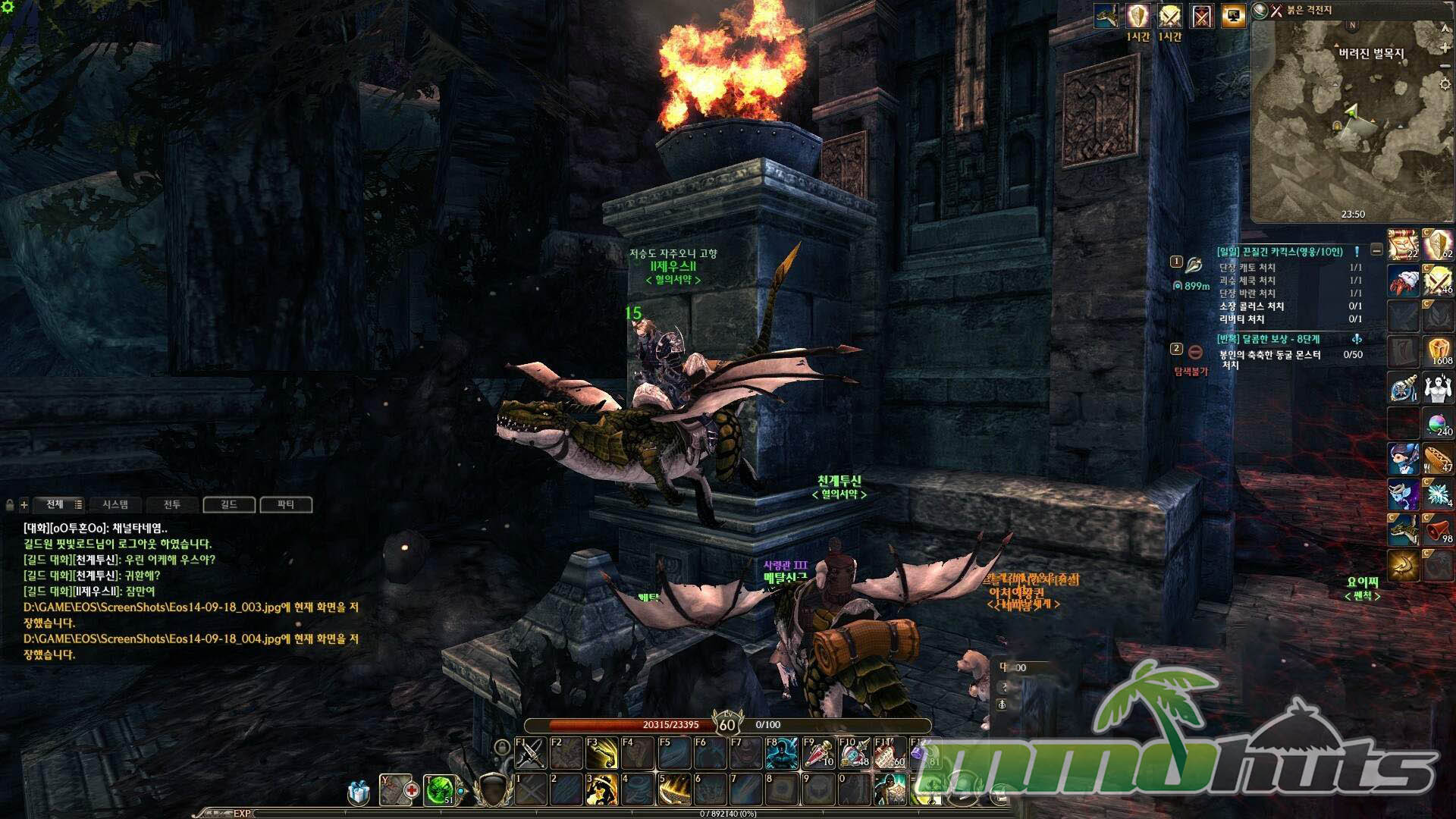
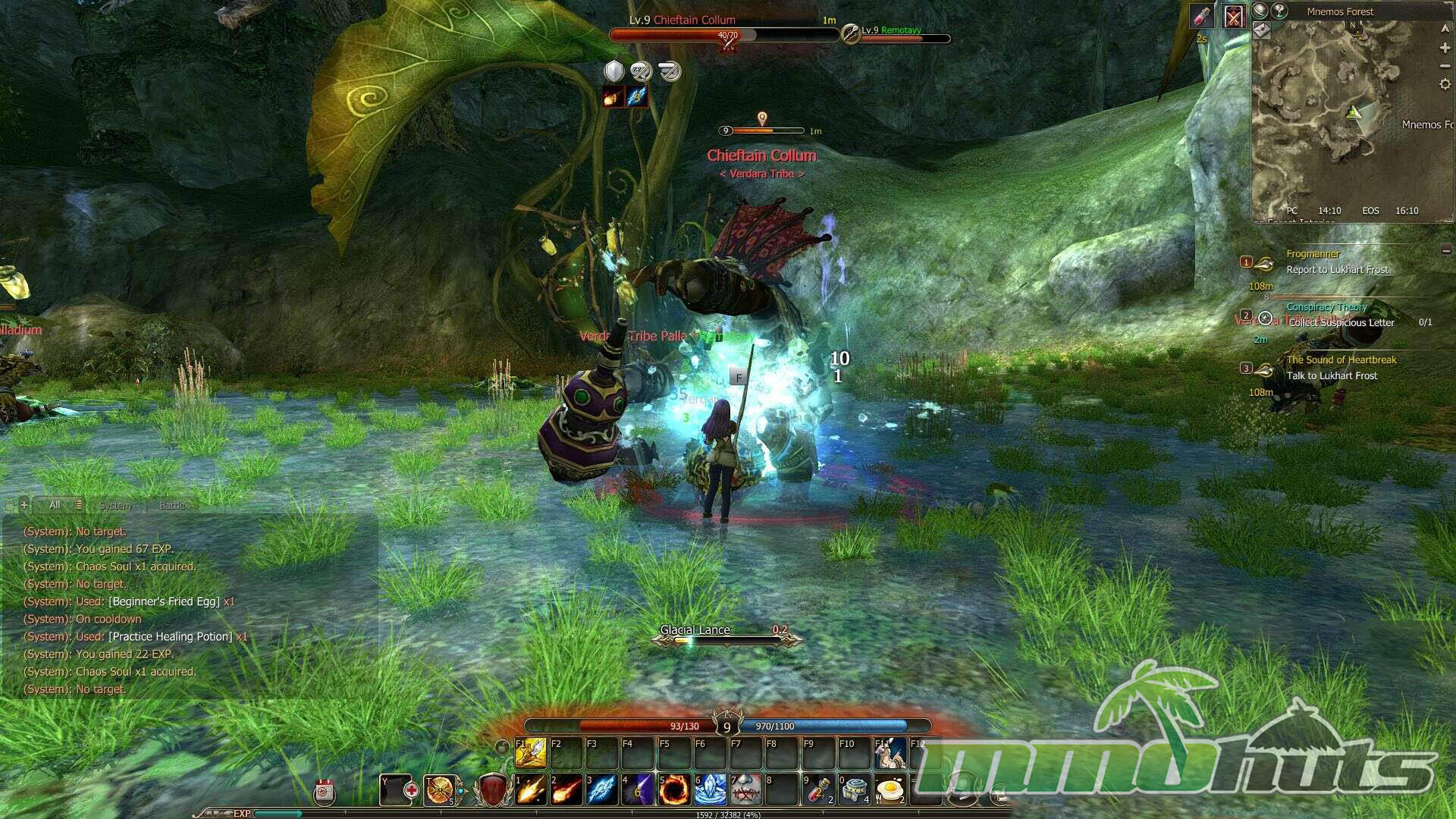
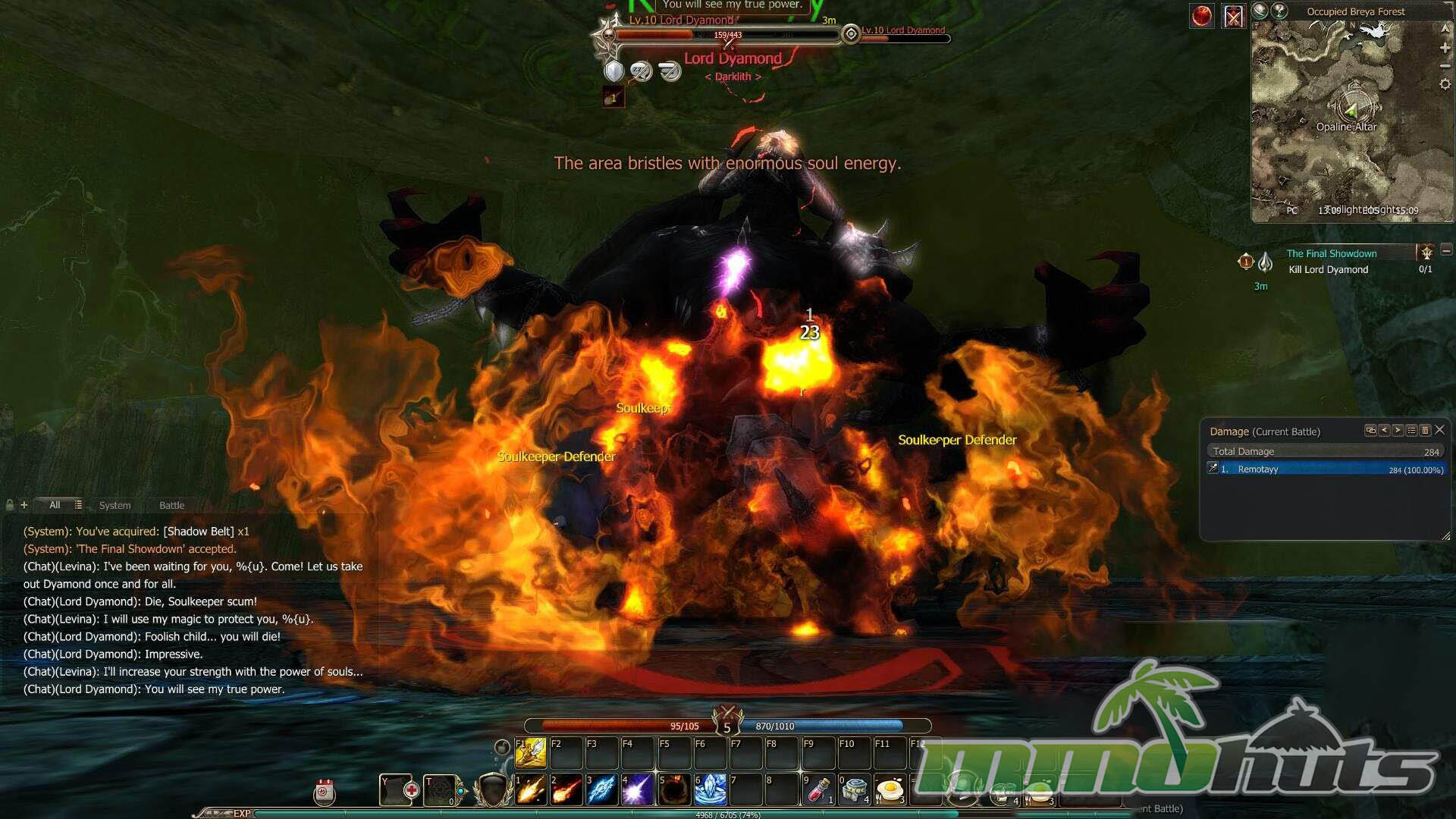
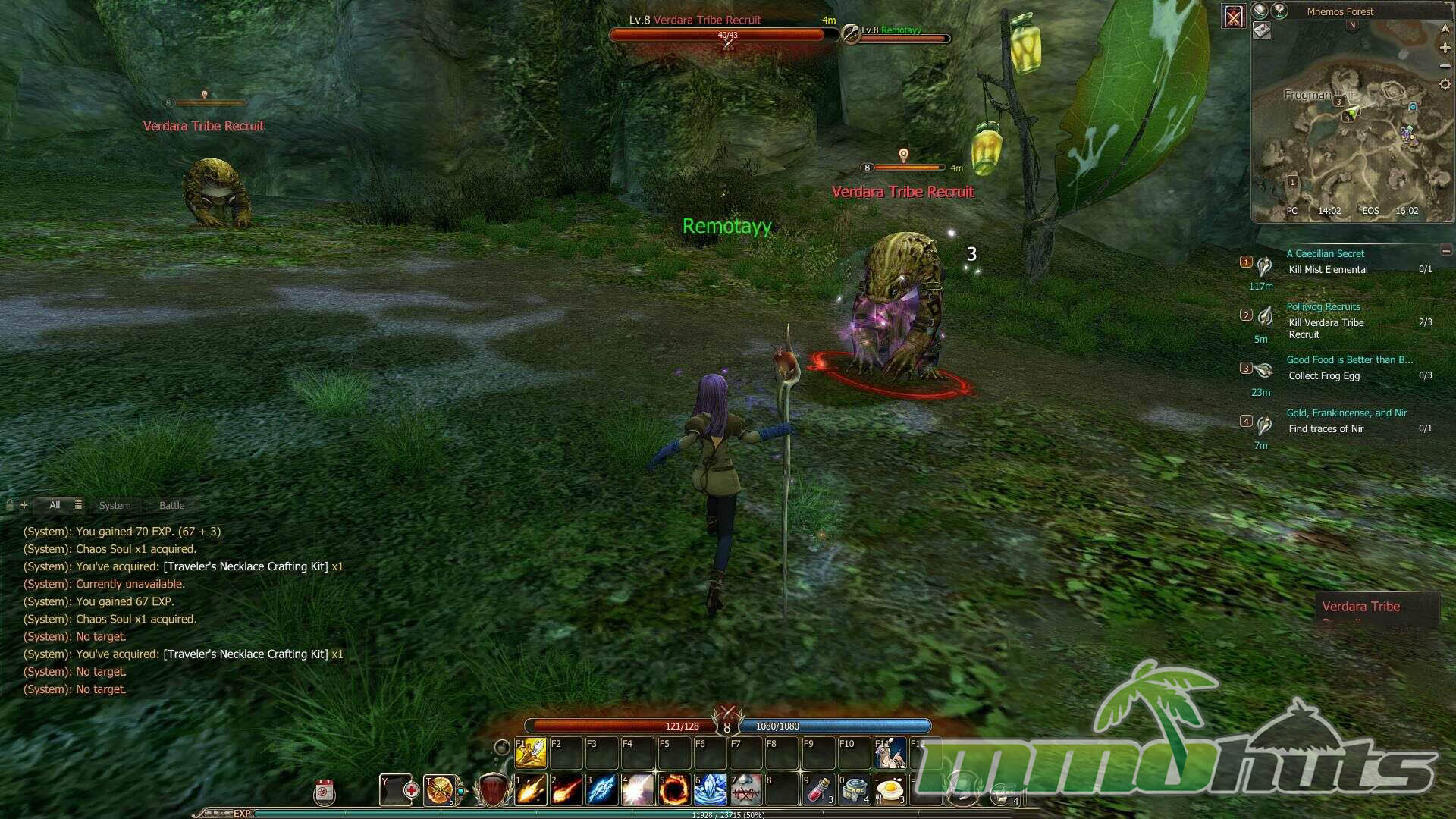
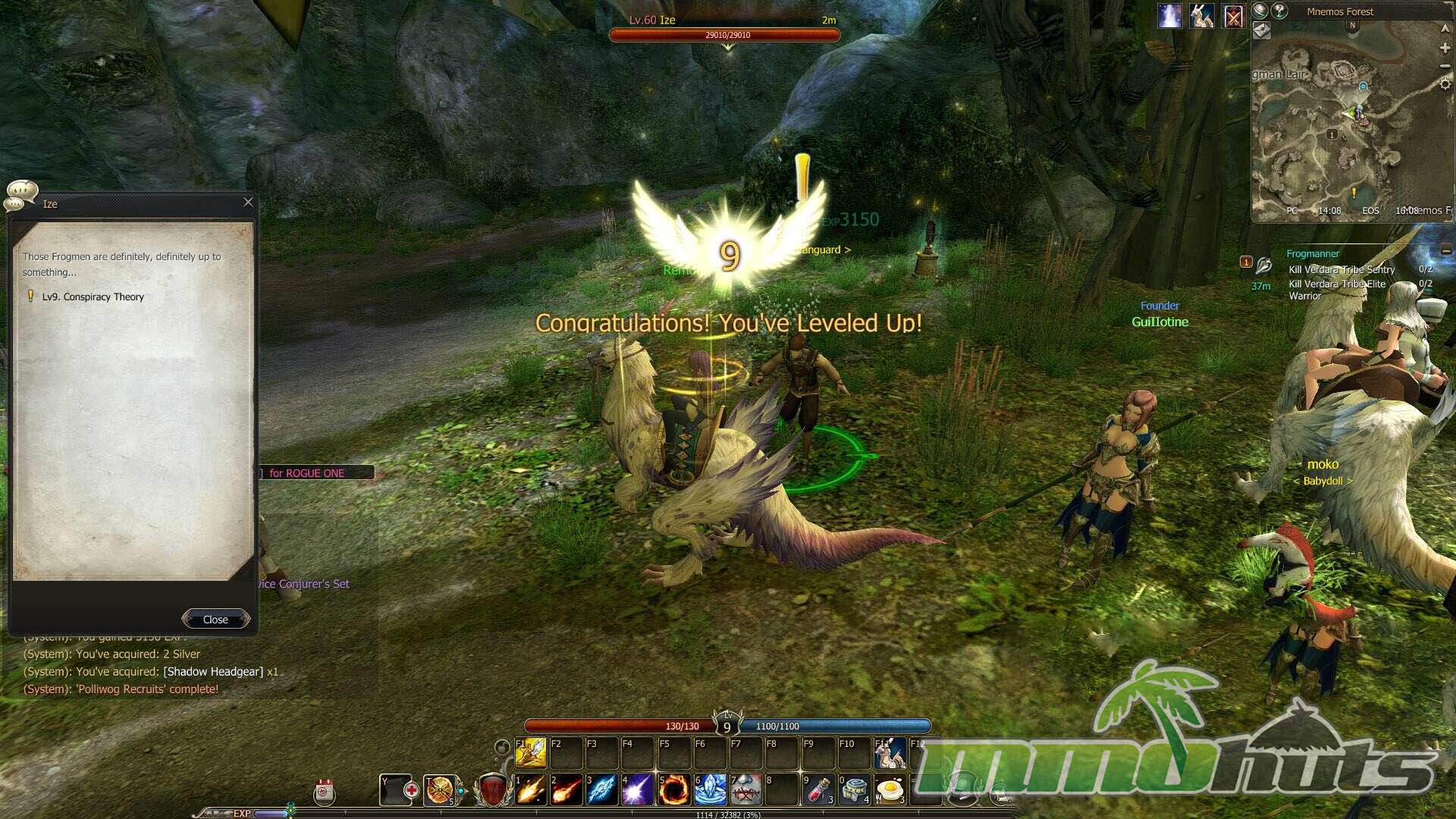
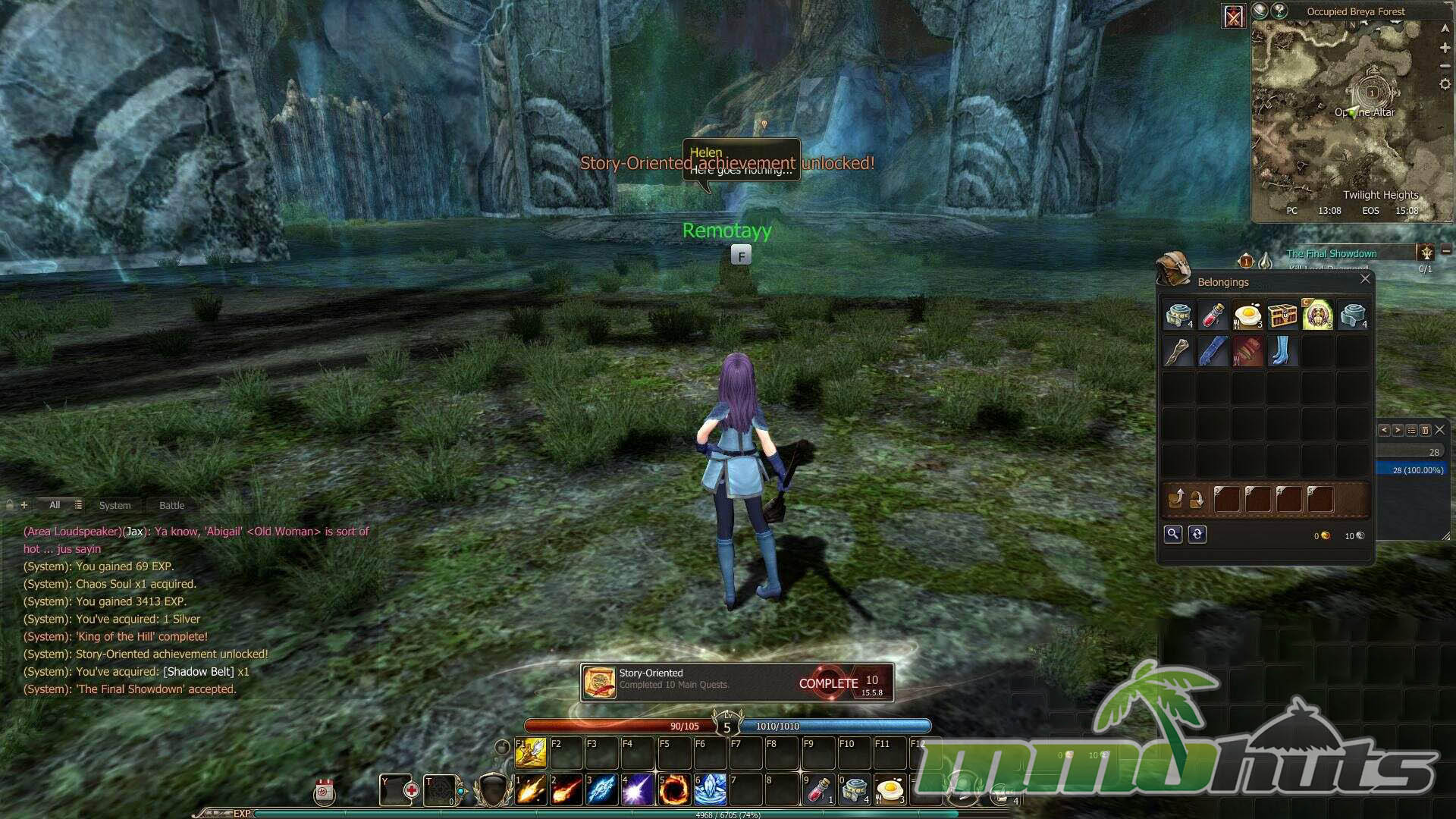
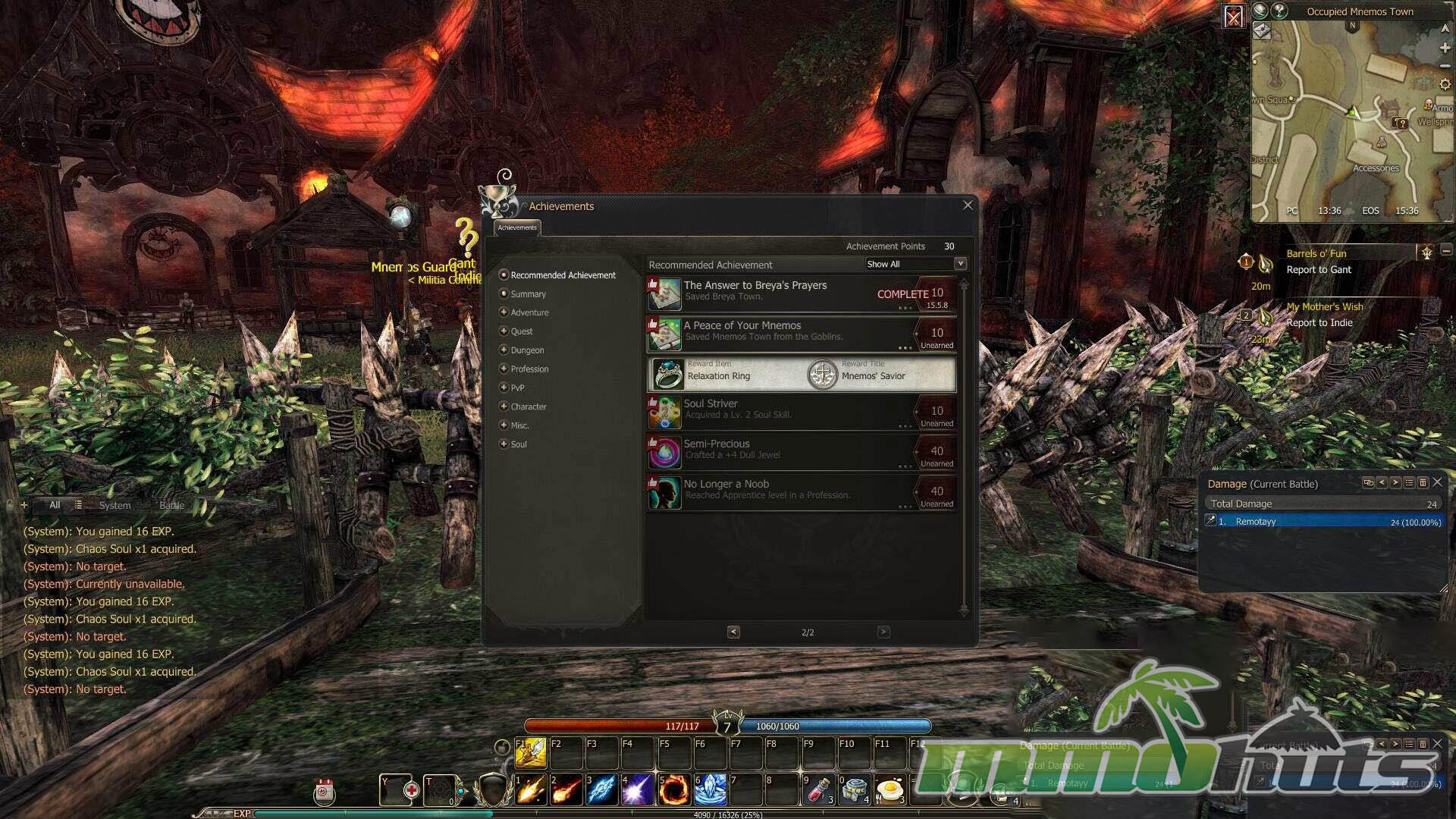
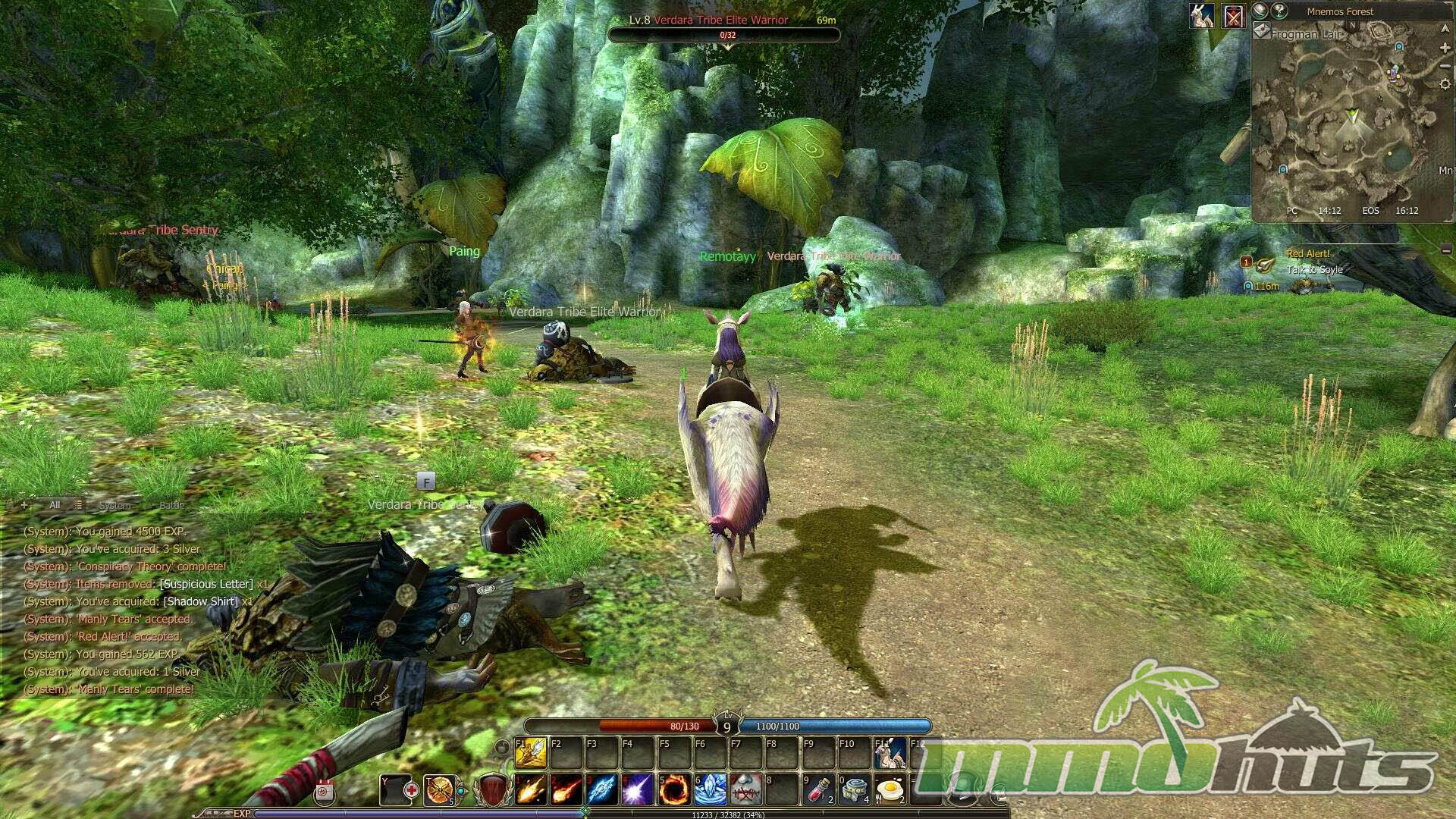
Echo of Soul Screenshots

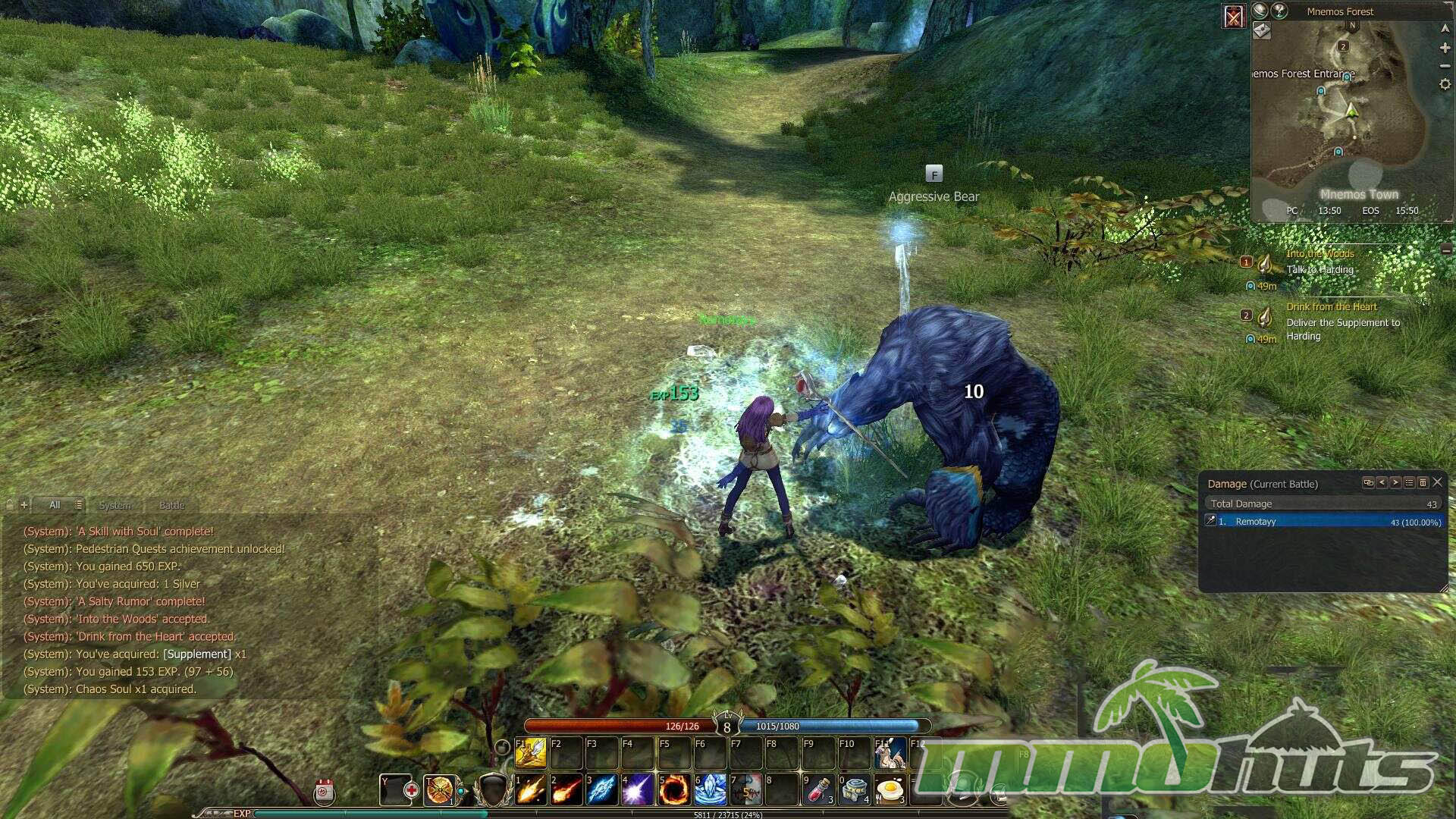
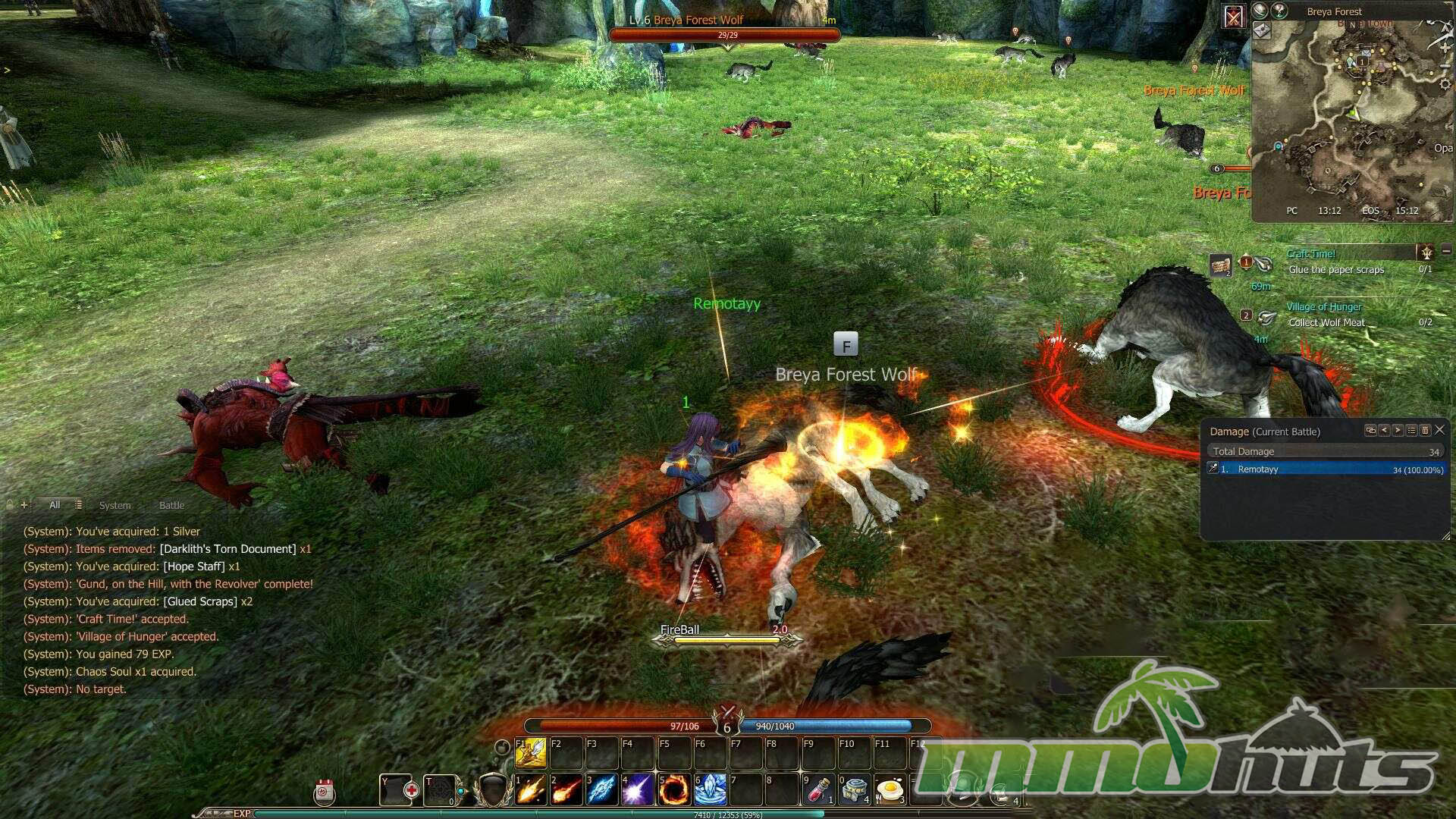
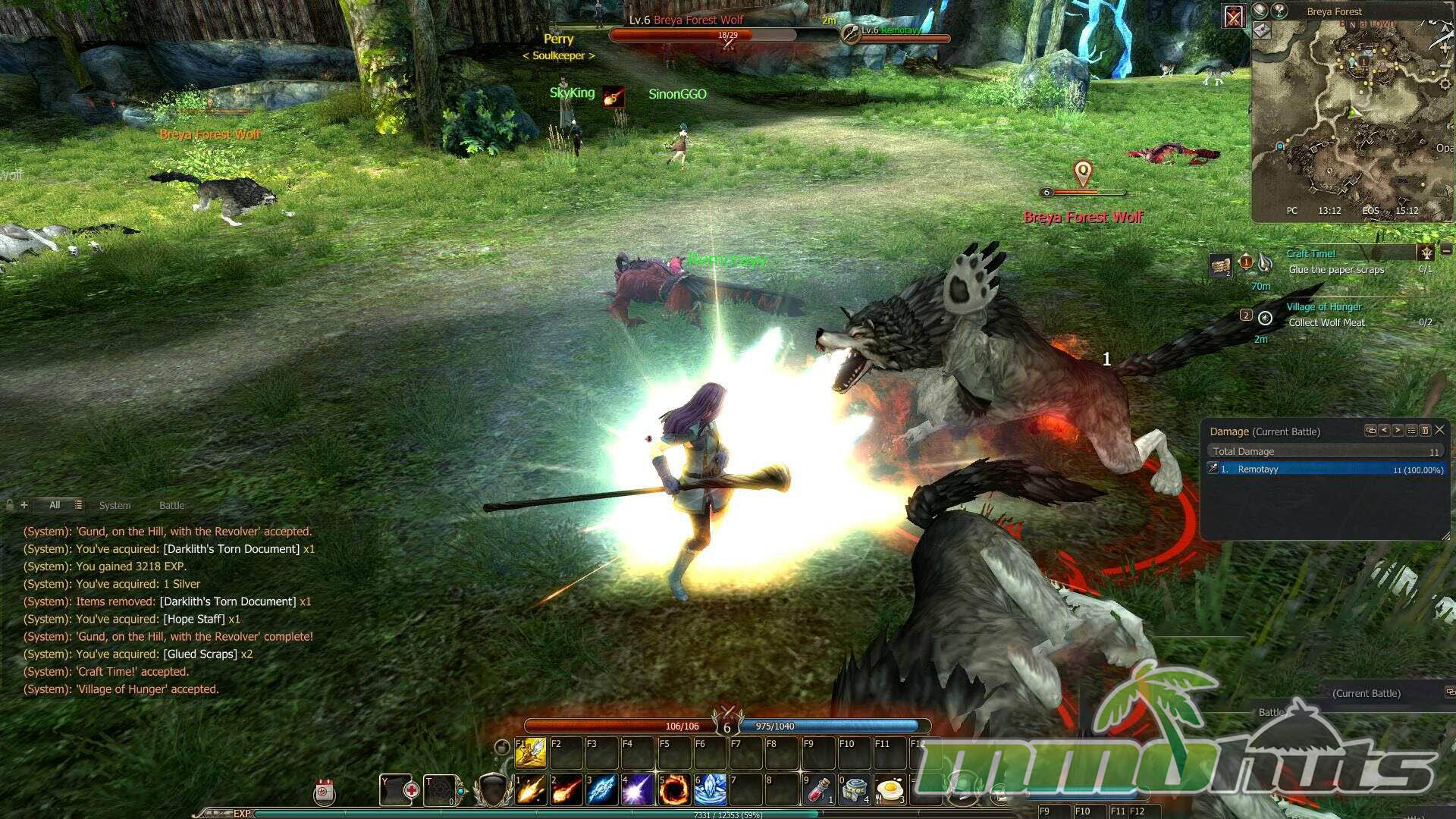
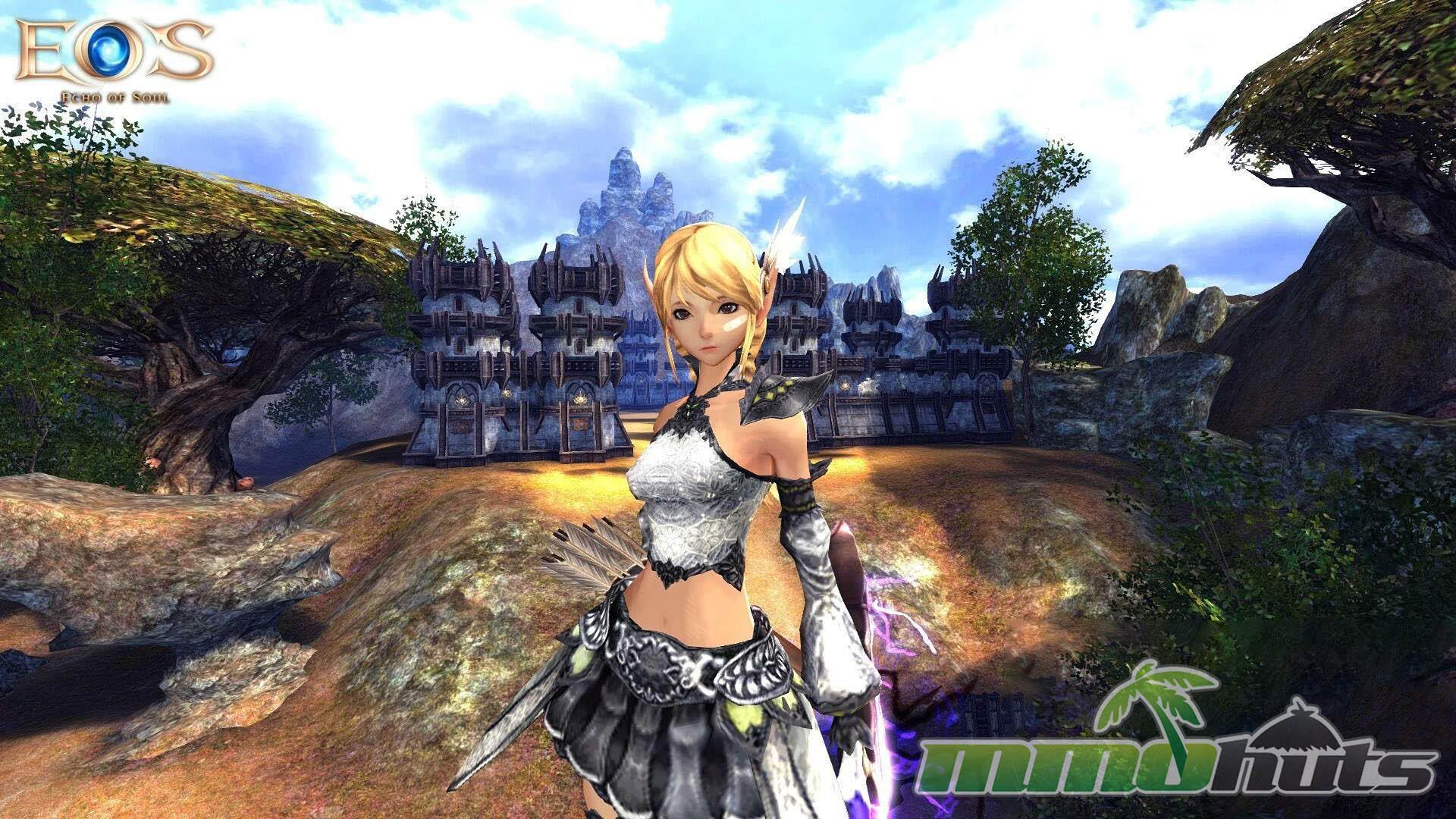


Echo of Soul Featured Video

Echo of Soul Classes
Warrior (Male) – Warriors are front-line fighters built for close-quarters brawling.
- Berserker – Berserkers function as durable melee damage dealers, excelling at steady, sustained pressure in fights.
- Protector – Protectors combine sword-and-shield defense with strong mitigation, filling the primary tank role in groups.
Archer (Female) – Archers blend ranged bow attacks with supportive musical effects.
- Huntress – Huntresses focus on consistent ranged DPS and straightforward bow-based damage output.
- Bard – Bards provide party support through rhythmic buffs and can hinder enemies with debuff tools.
Rogue (Male) – Rogues are aggressive melee specialists who rely on speed, poisons, and lethal burst windows.
- Duelist – Duelists emphasize critical hits and heavy single-target burst, aiming to end engagements quickly.
- Assassin – Assassins lean into poison-based damage over time and attrition, steadily wearing opponents down.
Guardian (Female) – Guardians channel natural forces, bringing area damage and off-tanking utility to parties.
- Stormguard – Stormguards command wind and lightning for strong AoE pressure in multi-target encounters.
- Earthguard – Earthguards offer defensive support and secondary tanking, using shockwaves to disrupt and weaken foes.
Sorceress (Female) – Sorceresses are the primary offensive casters, mixing high damage spells with crowd control.
- Firemage – Firemages are tuned for maximum offensive output, delivering explosive burst damage.
- Forstmage – Frostmages trade raw damage for control, using slows and roots alongside ice-based attacks.
Echo of Soul Review
Echo of Soul is a Korean fantasy MMORPG from Nvius, brought to NA and EU by Aeria Games. The western release entered open beta on May 28, 2015, with access provided through Aeria’s platform and later via Steam. While its long-term service has since ended, it remains a solid example of the mid-2010s MMO design approach: familiar systems, fast onboarding, and a heavy tilt toward endgame instancing.
The setting revolves around a threatened World Tree and a spreading corruption tied to an ancient evil. You play a divinely chosen hero tasked with pushing back the invasion while dealing with the practical consequences of that corruption, which is also where the game’s signature “souls” theme fits into progression and moment-to-moment play.
A Hero With a Clear Mission
The opening does a good job of establishing the stakes through a short cinematic and frequent in-game cutscenes. From there, character creation starts with selecting one of five classes, each locked to a specific gender, and then moving into appearance options. Echo of Soul offers enough cosmetic variety (tattoos, accessories, and face options) to help your character look distinct in a crowded hub, even if it stops short of the deep slider-driven editors seen in some other MMOs.
Early questing begins in Breya, a starting area already in crisis, which helps the game establish urgency quickly. The tutorial approach is fairly light-touch: help prompts appear when you meet a new system, and the tutorial and NPC interactions are voiced. That voice work, along with generally clean localization, makes the early hours easier to follow for players who do not want to read long quest text boxes.
Presentation That Holds Up
Visually, Echo of Soul aims for a glossy fantasy look with strong spell effects, and it can feel comparable in style to other big MMOs of its era. The soundtrack helps sell that high-fantasy tone, and the combination of ambient music with voiced NPCs gives towns and quest hubs more personality than a purely text-driven experience. For a traditional questing MMO, these production values go a long way toward keeping routine leveling engaging.
Familiar Systems, One Standout Hook
Mechanically, Echo of Soul largely checks the expected boxes: structured quest chains, instanced dungeons, profession crafting, equipment upgrades, pets, mounts, and the usual item progression chase. One omission is player housing, which many modern MMORPGs treat as a baseline feature, but the game compensates with a more distinctive progression loop built around its Soul System.
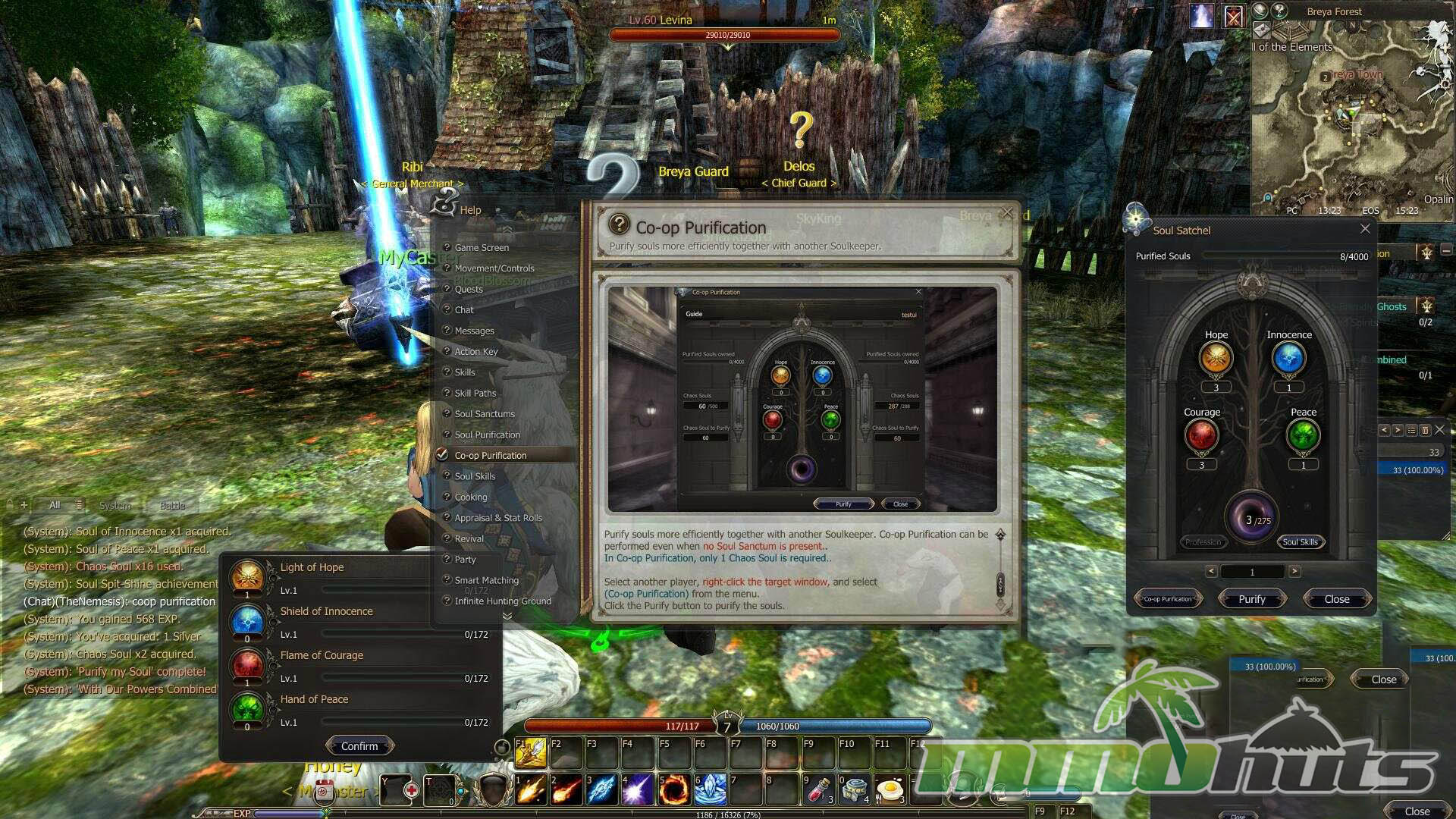
Souls are obtained as you defeat enemies and bosses, then purified at Soul Sanctums in populated areas. Once cleansed, they can be spent for temporary combat buffs that scale as you use them, or for crafting-related benefits. The co-op purification option is a clever social touch, since you can team up with nearby players without formal grouping, consume fewer resources, and even purify without being tethered to a sanctum. It encourages small moments of cooperation in the open world rather than making every interaction a full party commitment.
Combat uses a standard hotbar setup with tab targeting and traditional movement controls, supporting both mouse movement and WASD. Boss fights are more readable than many basic overworld encounters, thanks to telegraphed attacks and the ability to dodge using a roll. The roll being mapped to a function key by default can feel unintuitive at first, but it becomes important in dungeons where positioning matters.
A more meaningful twist is the lack of a dedicated healer class. Instead, healing revolves around consumables that can be used on yourself and allies. This changes group dynamics: tanks cannot assume a single player will handle recovery, and everyone is expected to watch party health and contribute when things go sideways. It can be refreshing for organized groups, though it also places more responsibility on players who are used to conventional holy trinity roles.
Leveling Pace and Repeatable Content
Quest design tends to keep objectives tight, often asking for only a small number of actions to finish a task. That helps reduce the worst kind of padding and keeps the leveling track moving. Players who actually want a grind loop still have options, notably the Infinite Hunting Grounds for repeatable questing and the Infinite Dungeons feature that lets you rerun completed instances for additional experience and drops. Those reruns are not purely cosmetic, enemies and bosses return stronger, which makes repeats feel like a deliberate challenge rather than simple farming.
Progression is notably quick. Reaching Level 10 does not take long, and gear upgrades roll in at a steady pace without demanding immediate spending. Skills unlock automatically as you level, while specialization at Level 10 sets your direction and opens the associated path skills. Those path abilities are purchased with skill points earned every two levels, with higher tiers gated behind level milestones, creating a clear rhythm of “level up, add tools, then revisit rotations.”
PvP That Starts Early
PvP is available in a low-friction way. Duels can be initiated immediately, which is useful for testing builds and learning matchups. At Level 10, Battlefields open up, and the game adjusts stats and levels to keep matches more even across the player pool. The battlefield selection is limited to two maps that rotate randomly, which keeps the mode functional but can make the experience feel repetitive if you queue often.
Monetization and the Cash Shop
Like many free-to-play MMORPGs, Echo of Soul supported itself through a cash shop using Aeria Points. The store leaned heavily toward cosmetic customization (outfits, hats, face options) alongside a smaller set of convenience items such as buffs and upgrade protection for gear refinement. Notably, it avoided experience boosters, which helps the leveling race feel less pay-driven and keeps early progression relatively even across the player base.
Final Verdict – Great
Echo of Soul succeeds most when you approach it as a polished, traditional MMORPG with a few smart twists rather than a genre revolution. The Soul System adds a meaningful layer to combat buffs and crafting, and the no-healer-party structure changes how groups coordinate in dungeons and raids. If you enjoy classic questing, instanced PvE, and straightforward PvP systems, EoS delivered a complete package for its time, even if the long-term loop could become repetitive and the gender-locked class design felt restrictive.
Echo of Soul Links
Echo of Soul Official Site
Echo of Soul Wikipedia
Echo of Soul Wikia (Database / Guides)
Echo of Soul System Requirements
Minimum Requirements:
Operating System: Windows XP
CPU: Intel Core 2 Duo
Video Card: GeForce 6600 or ATI Equivalent
RAM: 1 GB
Hard Disk Space: 10 GB
Recommended Requirements:
Operating System: XP / Vista / 7 / 8 / 8.1
CPU: Intel Quad Core / AMD Phenom X4
Video Card: GeForce GTS 250 or ATI Equivalent
RAM: 2 GB
Hard Disk Space: 20 GB
Echo of Soul Music & Soundtrack
Echo of Soul Additional Information
Developer: Nvius
Game Engine: Unreal 3
Closed Beta Date: March, 2015
Open Beta Date: May 28, 2015
Steam Launch Date: June 22, 2015
Foreign Release(s):
South Korea: September 10, 2013 (HanGame NHN)
South Korean Closure: October 22, 2015
Thailand: May 10, 2014 (Good Games)
China: October 31, 2014
Shut Down Date: July 15, 2022
Development History / Background:
Echo of Soul was created by South Korean studio Nvius on Unreal Engine 3. Development began in early 2011, and the project was initially referred to as Project N.O.A. before being publicly introduced as Echo of Soul at Hangame eX 2011. You may also see it referenced as EOS Online in some regions and communities.
The title entered closed beta in Korea through NHN’s Hangame portal on December 1, 2012, then moved into open beta and release on September 10, 2013. It went on to receive multiple regional accolades, including the “Korean Good Game Award” in 2013 from Kocka and “Best MMORPG 2014” from the Thailand Game Awards, along with other awards. That momentum helped lead to licensing for North America and Europe, where Aeria Games launched the open beta on May 28, 2015, followed by a Steam release on June 22, 2015.
In its original market, the South Korean service closed on October 22, 2015 after Hangame shifted focus toward mobile projects. Later, Kakao Games announced plans to relaunch Echo of Soul in South Korea.