Salem
 (No Ratings Yet)
Salem is a sandbox crafting MMO set in 17th century New England, built around the idea that players are not simply questing through a theme park, they are carving out a foothold in a harsh frontier. It pairs a persistent world with a dense web of skills and recipes, asking you to learn, specialize, and cooperate if you want your settlement to last.
 | Publisher: Mortal Moments Playerbase: Medium Type: Crafting MMO Release Date: June 19, 2015 PvP: Open World Pros: +Large, persistent world shaped by players. +Crafting is intricate and rewarding. +Broad skill selection supports many playstyles. Cons: -High barrier to entry for new players. -Reports of developer/GM misconduct. -Interface can feel awkward and fiddly. |

Salem Overview
Salem is a sandbox MMO from Mortal Moments, set in a stylized 17th century New England that leans into folklore, witchcraft, and unsettling wilderness encounters. The game’s core loop is not dungeon runs or a guided main quest, it is exploration, learning, and production, as you turn a hostile landscape into a functioning homestead and eventually a community.
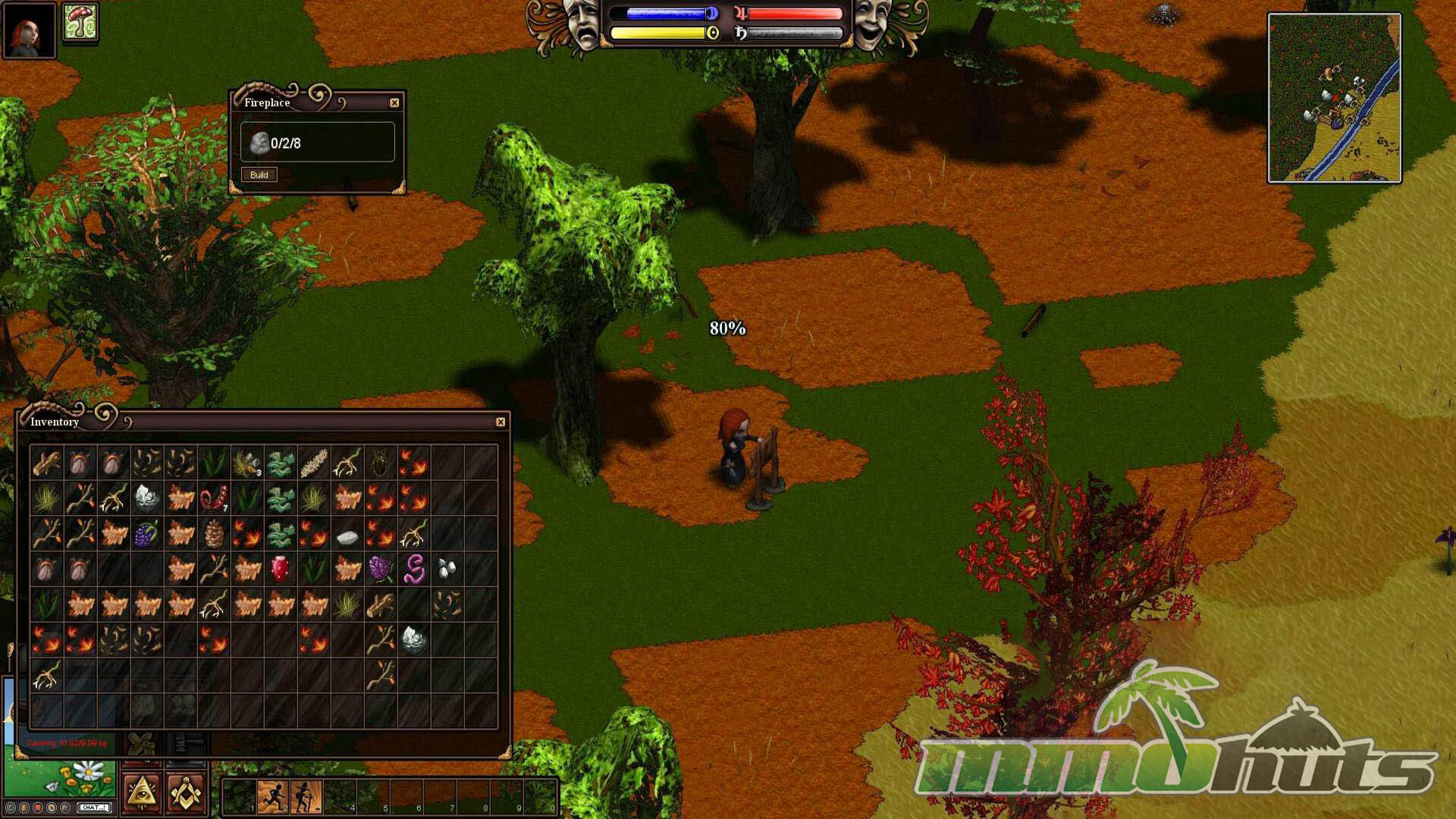
The world sits in a perpetual autumn and encourages hands-on interaction. Leaves, stones, branches, plants, and animals are not just scenery, they are inputs for studying, crafting, and survival. Items can be processed and recombined into new materials, and the crafting chain often stretches across multiple disciplines. Over time, your character’s identity emerges through the skills you choose to pursue, which in turn dictates the tools you can make, the work you can do, and the role you fill within a village.
Salem also carries real risk. While wildlife can knock you out, conflict with other players can end your character permanently. That threat makes social play and planning matter, whether you are building defenses, sharing labor, or simply staying aware of who is living nearby. In practice, Salem plays like a long-form survival project where patience and coordination are as important as individual progression.
Salem Key Features:
- Persistent World Altered by Player Interactions – reshape the land through logging, farming, and hunting that can noticeably change local resources.
- Emphasis on Crafting – produce a massive range of practical and novelty items, from tools and meals to odd little trinkets.
- Simple Client – Java-based tech keeps the game accessible on a wide range of modern machines.
- Permanent PvP Death – being killed by another player can be the end of that character, raising the stakes of conflict.
- Enormous Library of Skills – develop into a specialist, such as a hunter, farmer, fisher, or another niche that supports a settlement.
Salem Screenshots
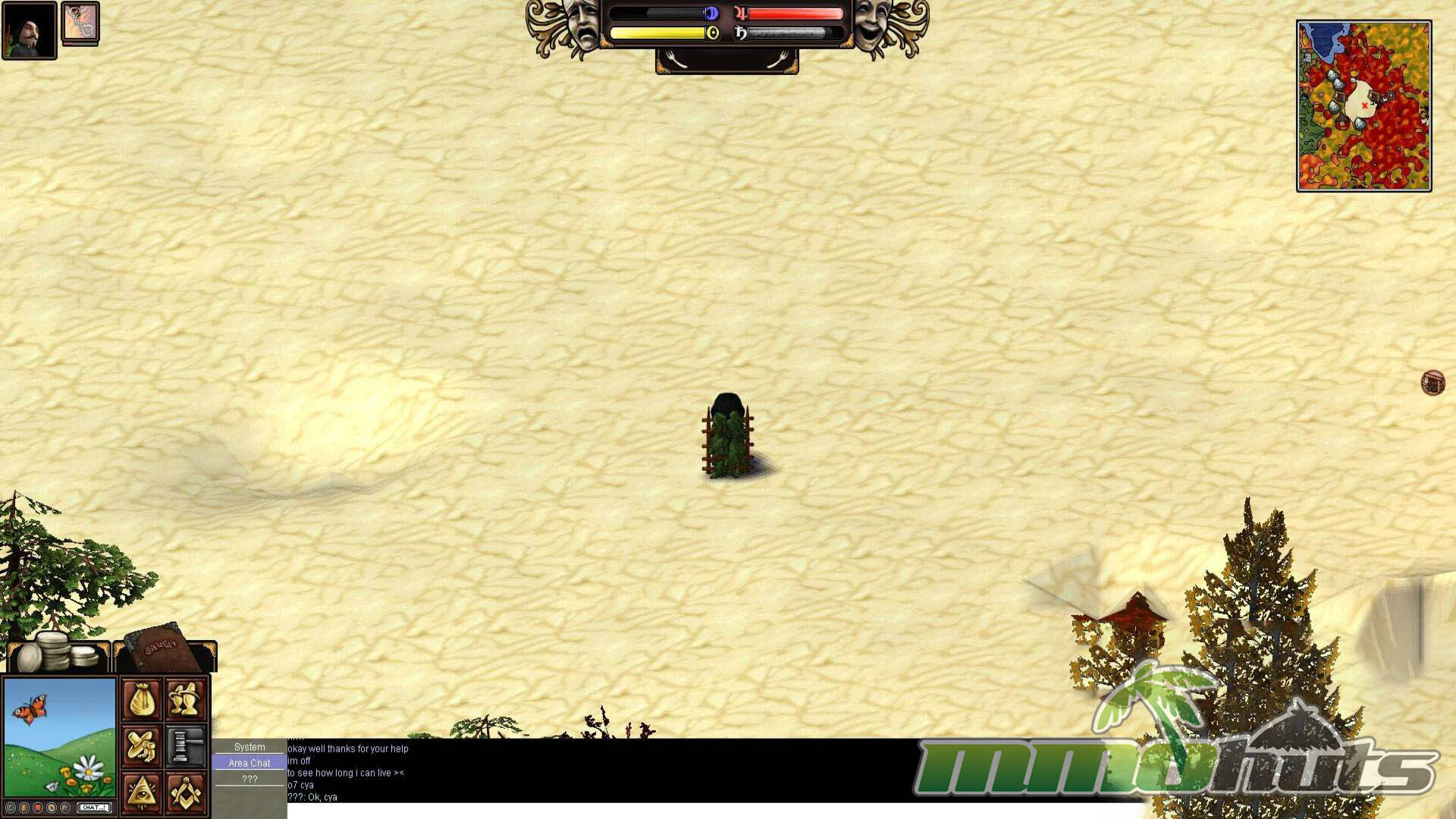
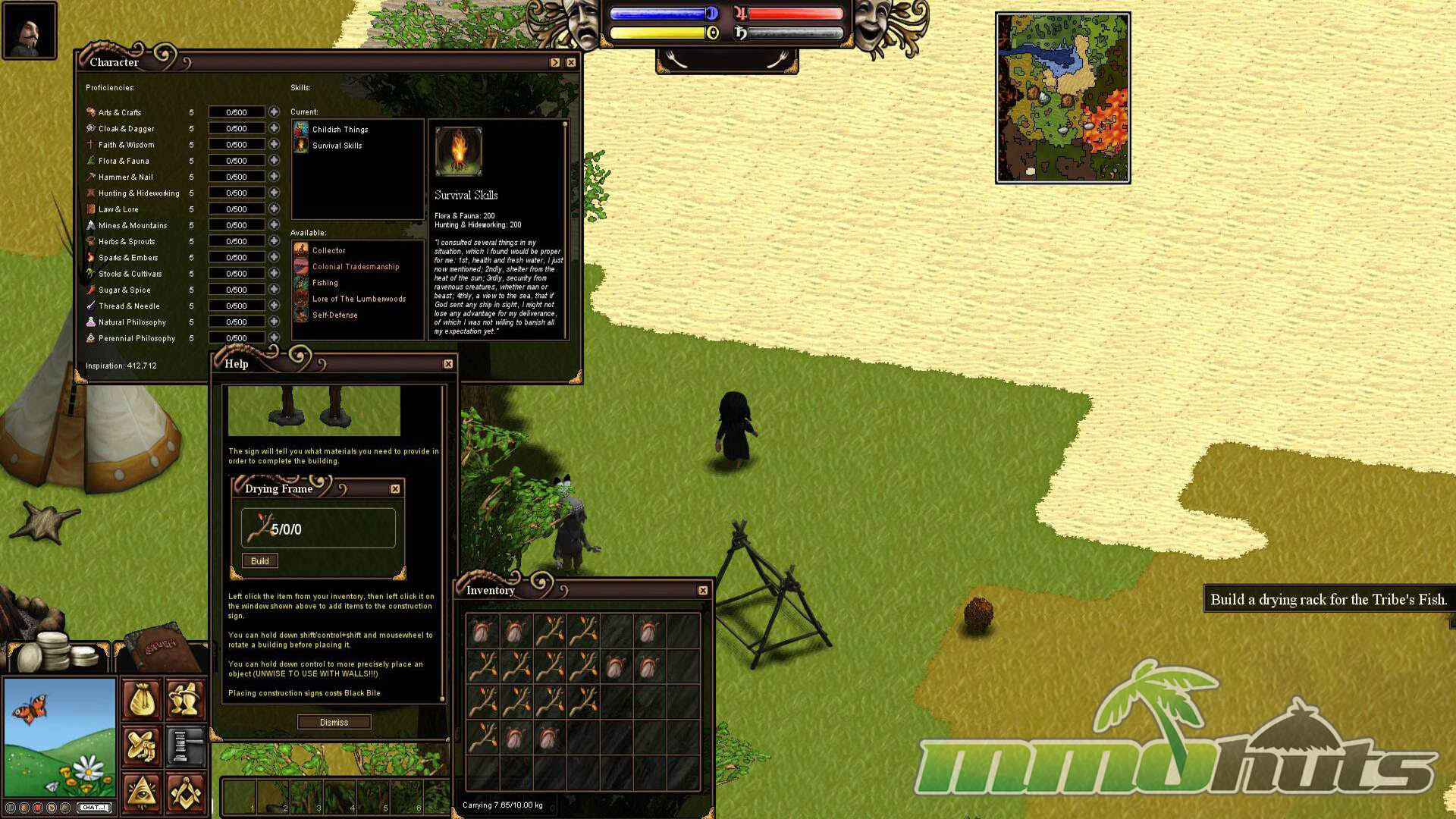
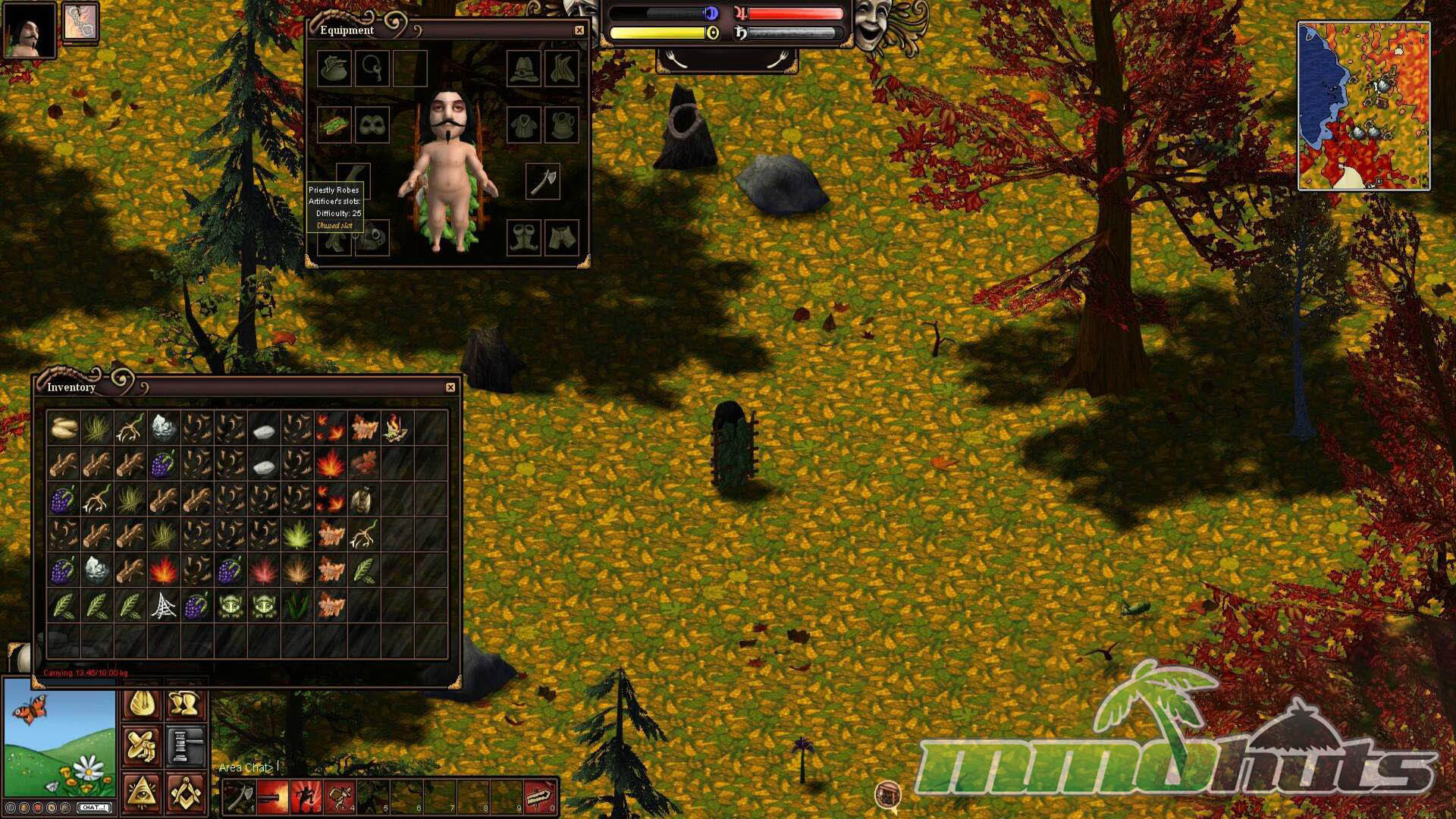
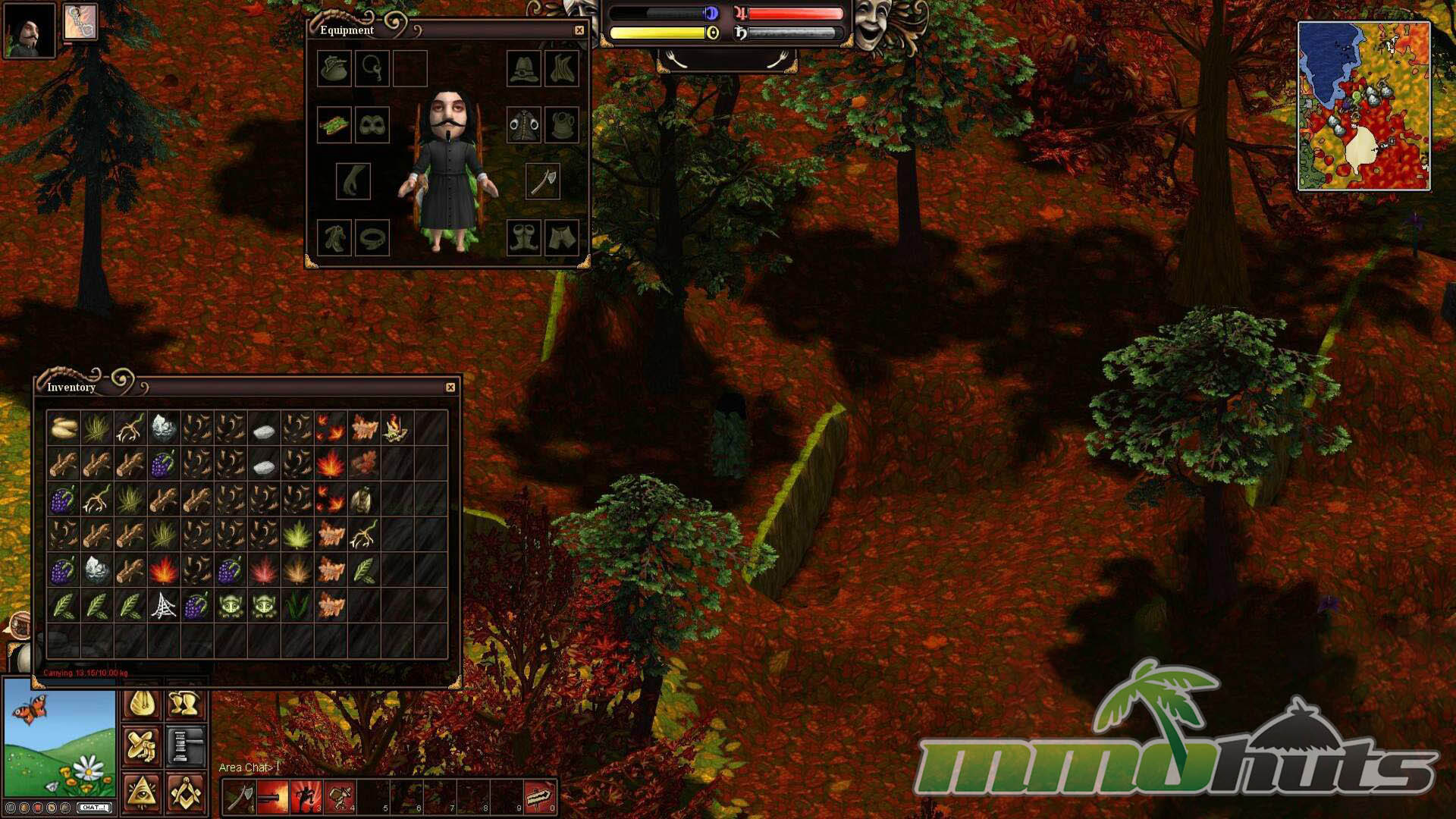
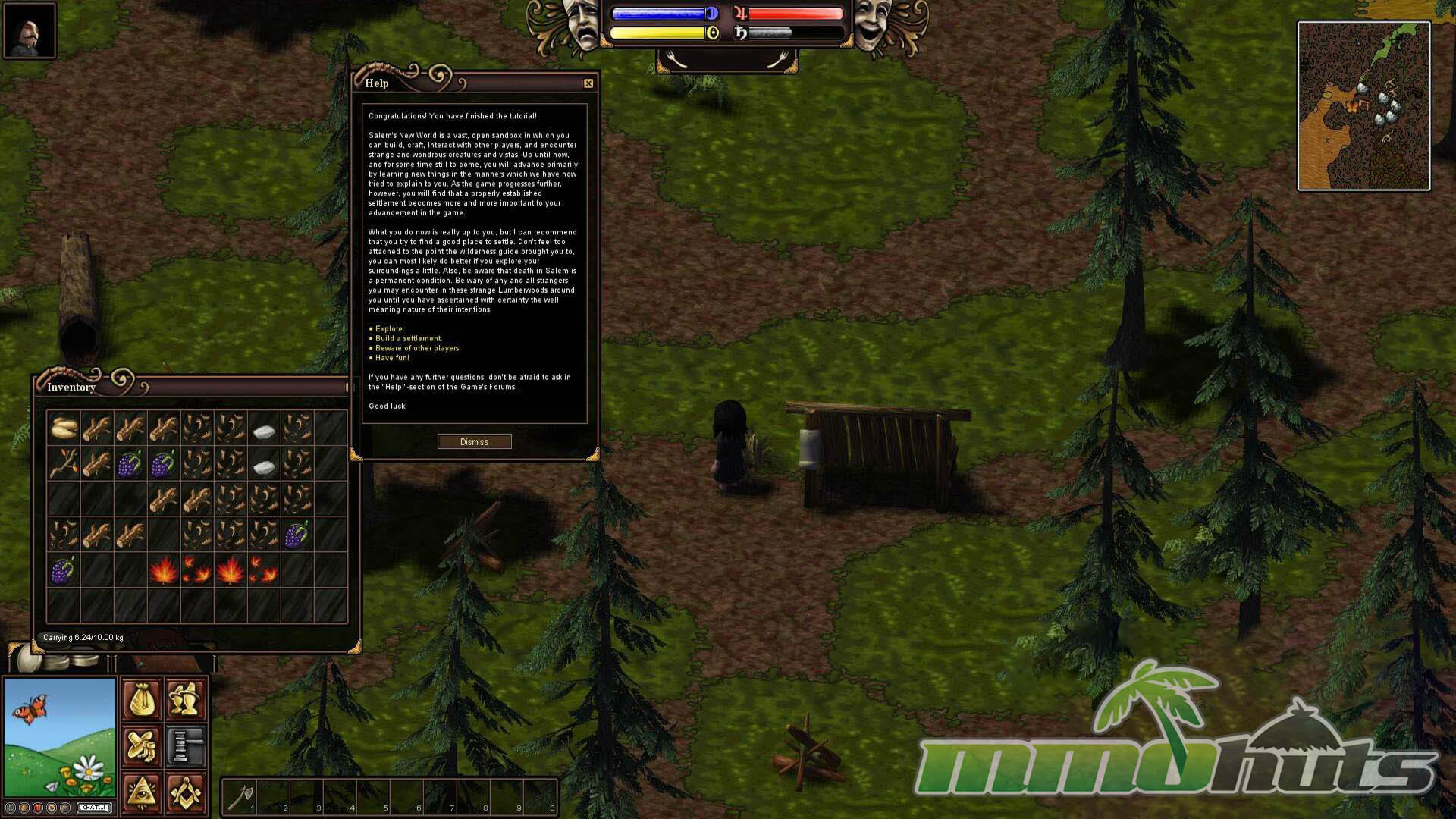
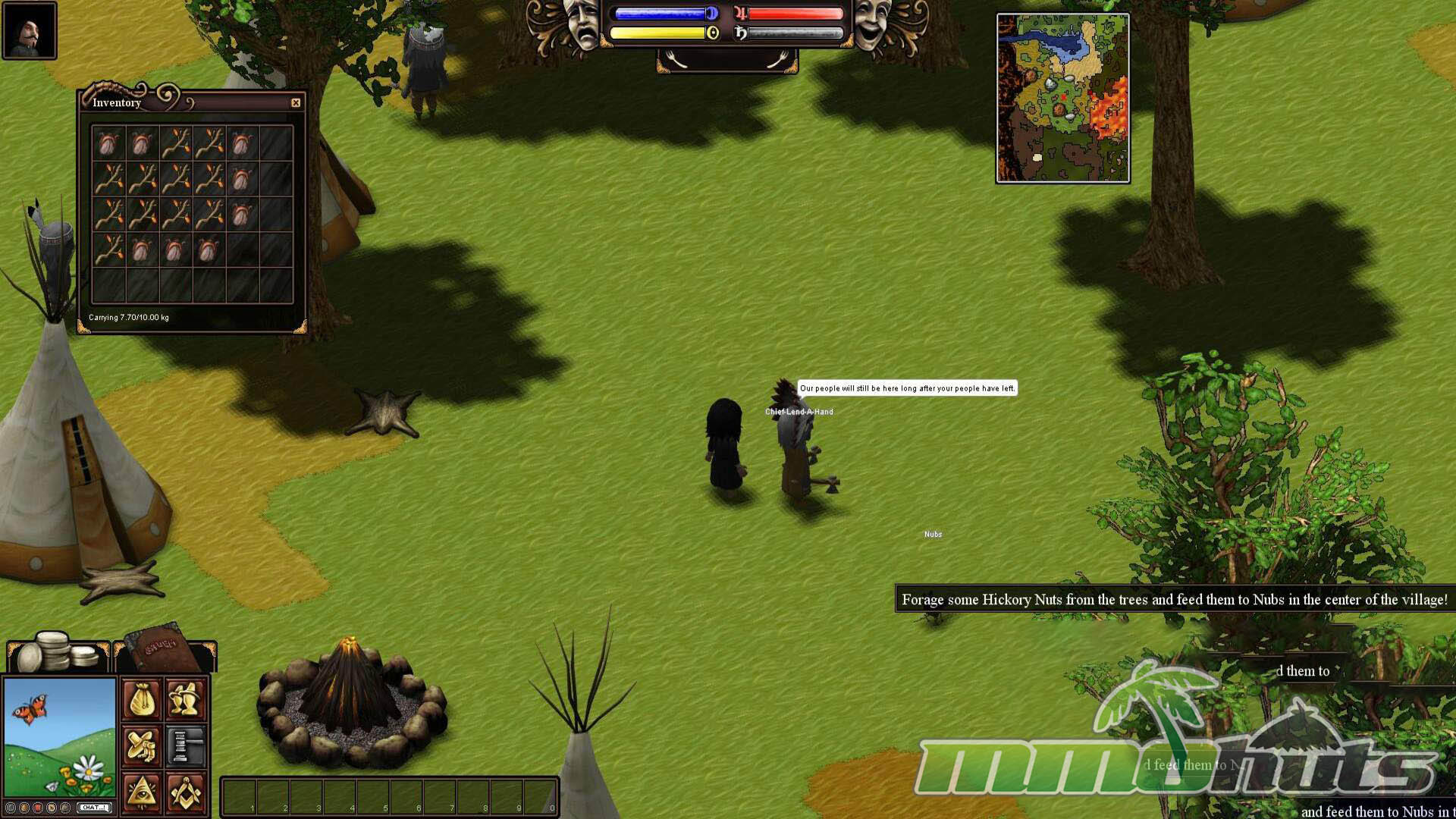
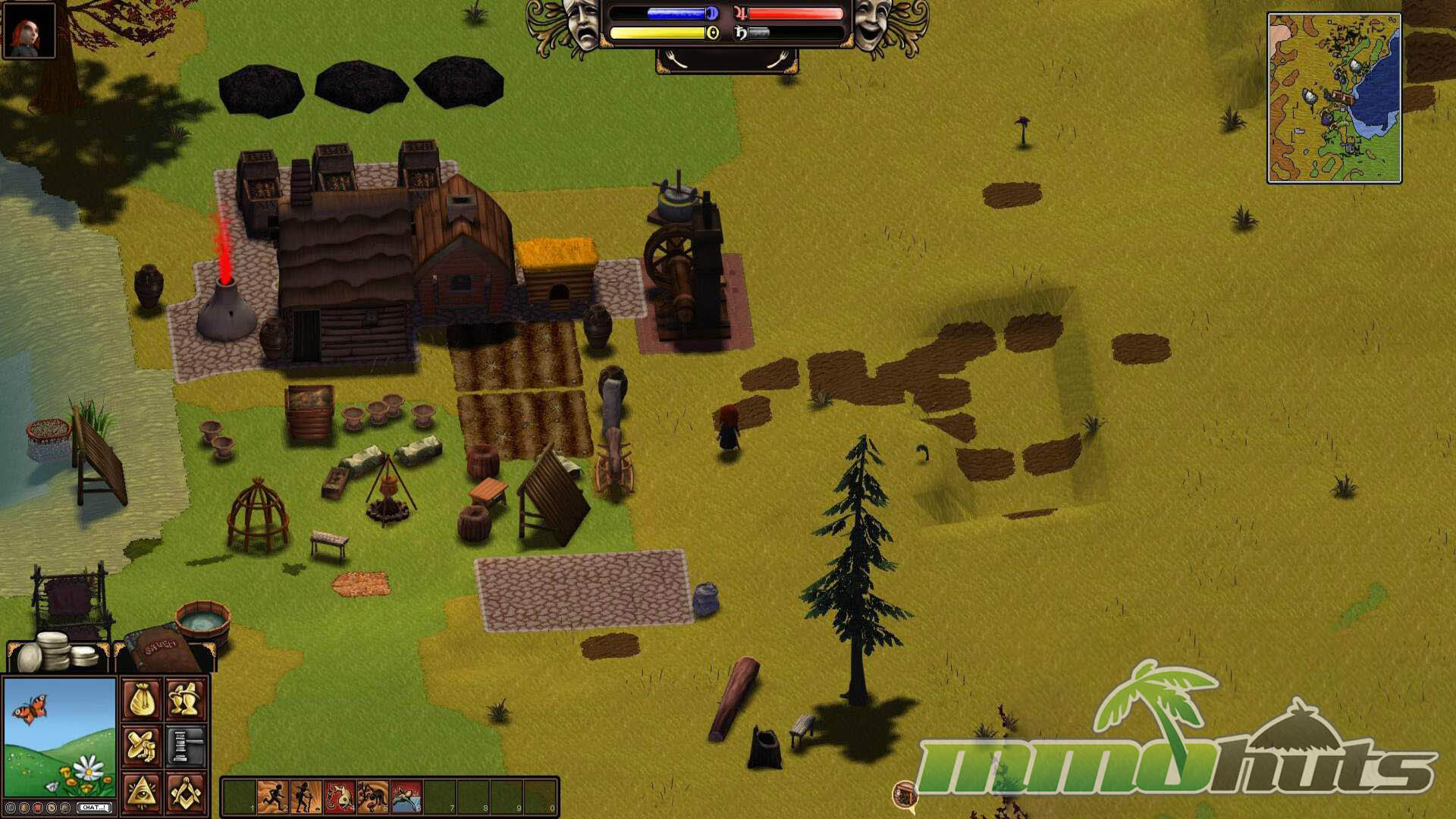
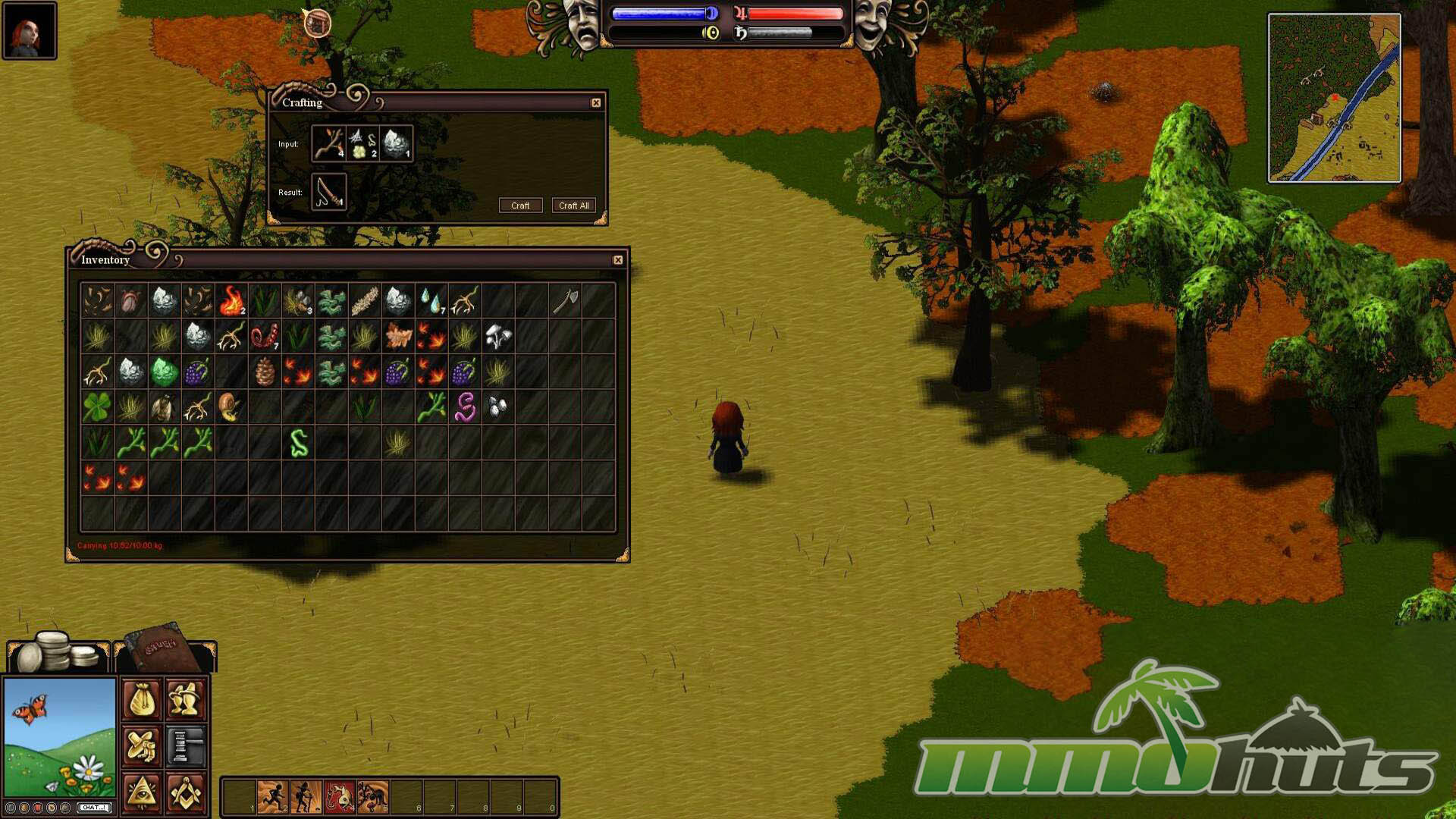

Salem Featured Video

Salem Review
Salem is built for a particular kind of MMO player, the one who enjoys slow mastery, careful experimentation, and the satisfaction of turning raw materials into something functional. It is not immediately welcoming, and it does not try to be. The early hours are about learning the rules of its world and getting comfortable with systems that feel more like a simulation than a guided adventure.
The first thing that stands out is how unconventional Salem’s presentation can be. Character creation and onboarding are deliberately strange, and the game’s tone mixes colonial survival with folklore weirdness. Once you push past that initial oddness, the underlying structure becomes clearer, you are expected to observe, study, and gradually assemble the knowledge needed to live off the land.
A Frontier That Expects You to Learn
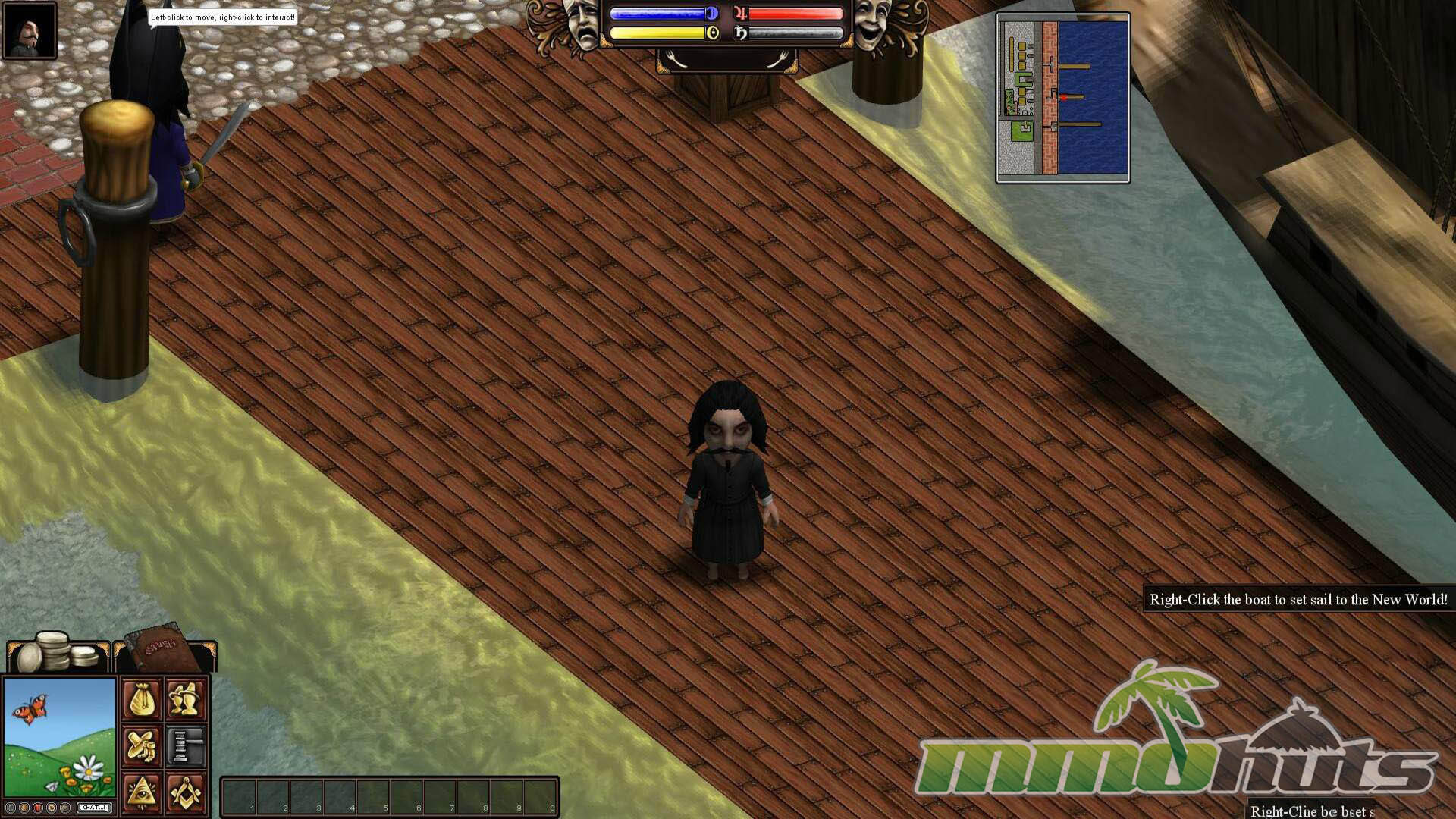
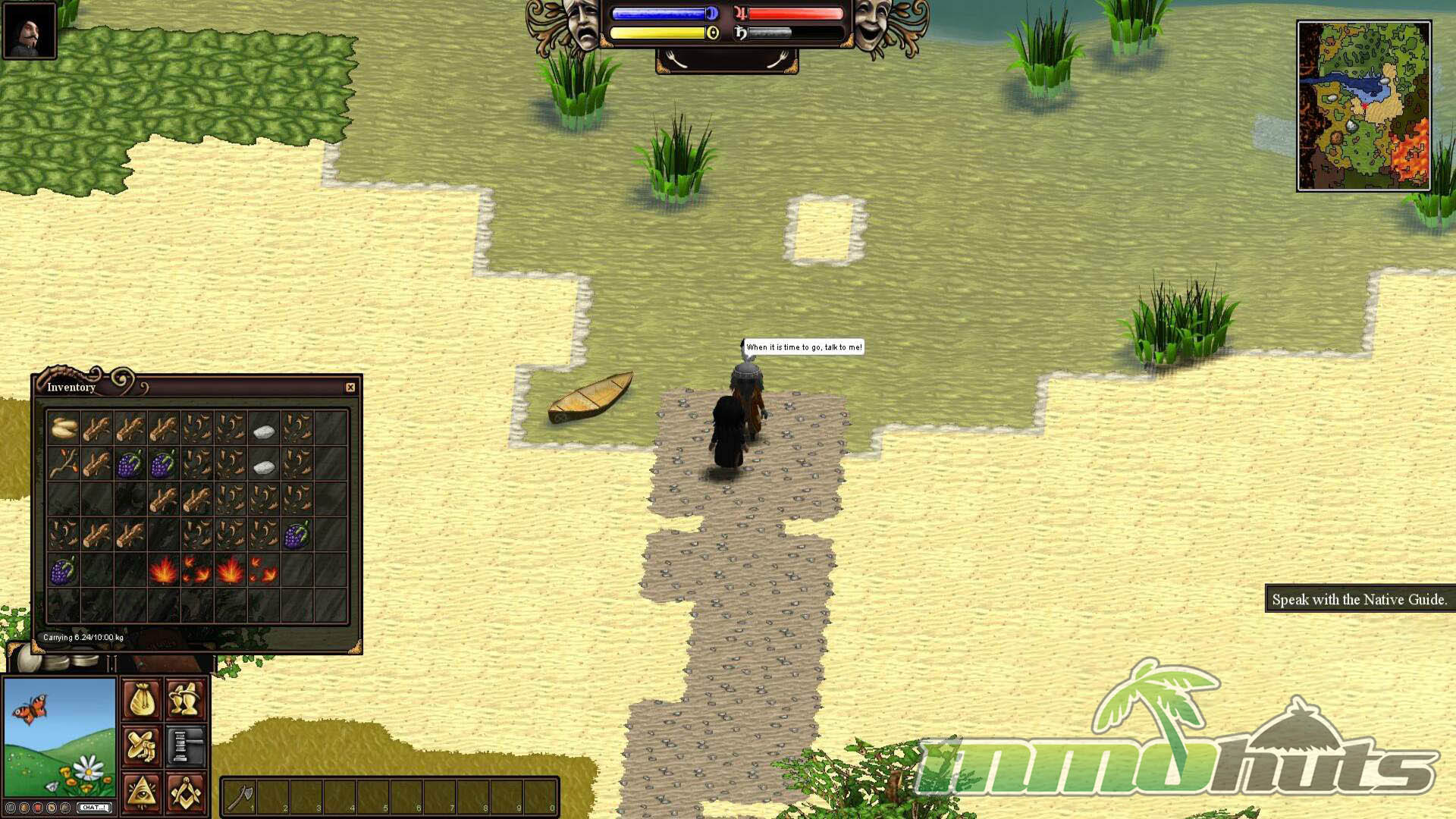
Moment-to-moment controls are straightforward: click to move, right-click to interact, and rotate the camera with the mouse. What complicates things is not movement or combat, it is the sheer number of contextual actions. Almost everything you see can be used in some way, whether it becomes food, fuel, a crafting component, or an object worth studying for progression.
The tutorial is more important here than in most MMOs because Salem does not follow familiar conventions. It introduces the rhythm of gathering, experimenting, and using the interface to chain actions together. Skipping it is possible, but doing so usually means spending the next few hours confused about why something will not craft or why a resource is not behaving the way you assumed.
Atmosphere and World Design
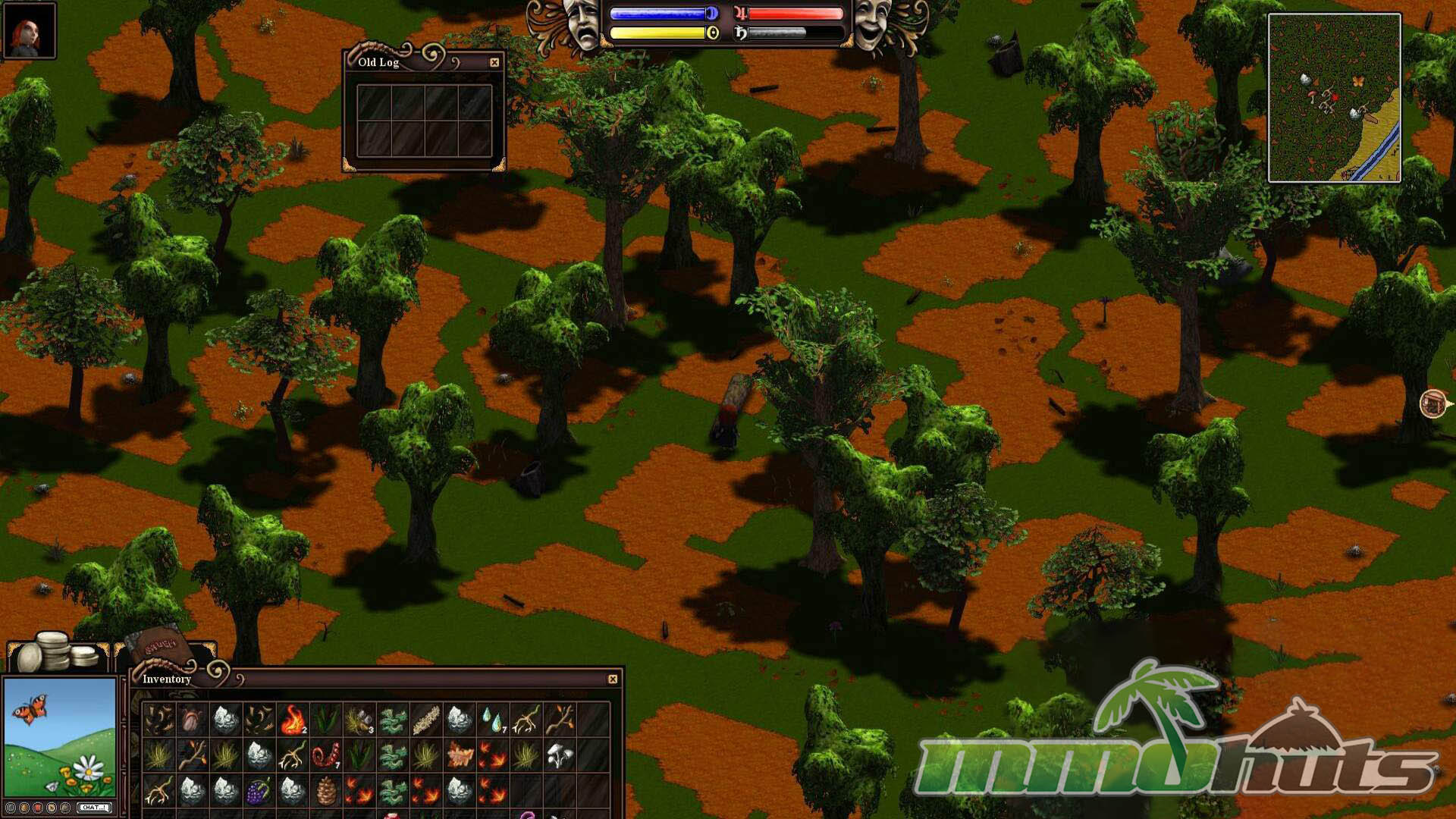
Visually, Salem has a simple, storybook quality that will either click with you or bounce off immediately. The Java-based look is not trying to compete with modern AAA MMOs, but it does support the game’s identity, a quiet, uncanny wilderness full of fall colors, marshes, and dense woods that feel like they belong in a dark fable.
Sound does a lot of heavy lifting. The music frequently reinforces a whimsical-but-unsettling mood, making the world feel both inviting and dangerous. Combined with the scale of the map, which can feel effectively endless while you are still learning to survive, Salem creates a strong sense of being small in a vast, persistent frontier.

Survival Through Humours and Appetite
Salem’s survival and progression are tied to a set of “humours” inspired by classical medicine: blood, phlegm, yellow bile, and black bile. These function as a mix of health and character attributes, and they influence what you can do over time. Black bile is especially notable because it covers mental and behavioral aspects, and it can be affected by actions such as studying and criminal behavior.
Food matters, but not just as healing. Eating is also how you grow, because many foods influence humours through a gluttony system. To benefit, you intentionally enter a mode focused on overeating for progression rather than simple recovery. It is a clever idea that fits the game’s tone, but it also adds another layer of management that new players will need time to internalize.
The wilderness is dangerous in its own way. Creatures can incapacitate you, and careless travel can turn into a long setback. That risk encourages a more cautious playstyle, especially early on, when a single mistake can undo a long stretch of gathering and studying.

Skills, Proficiencies, and the Study Loop
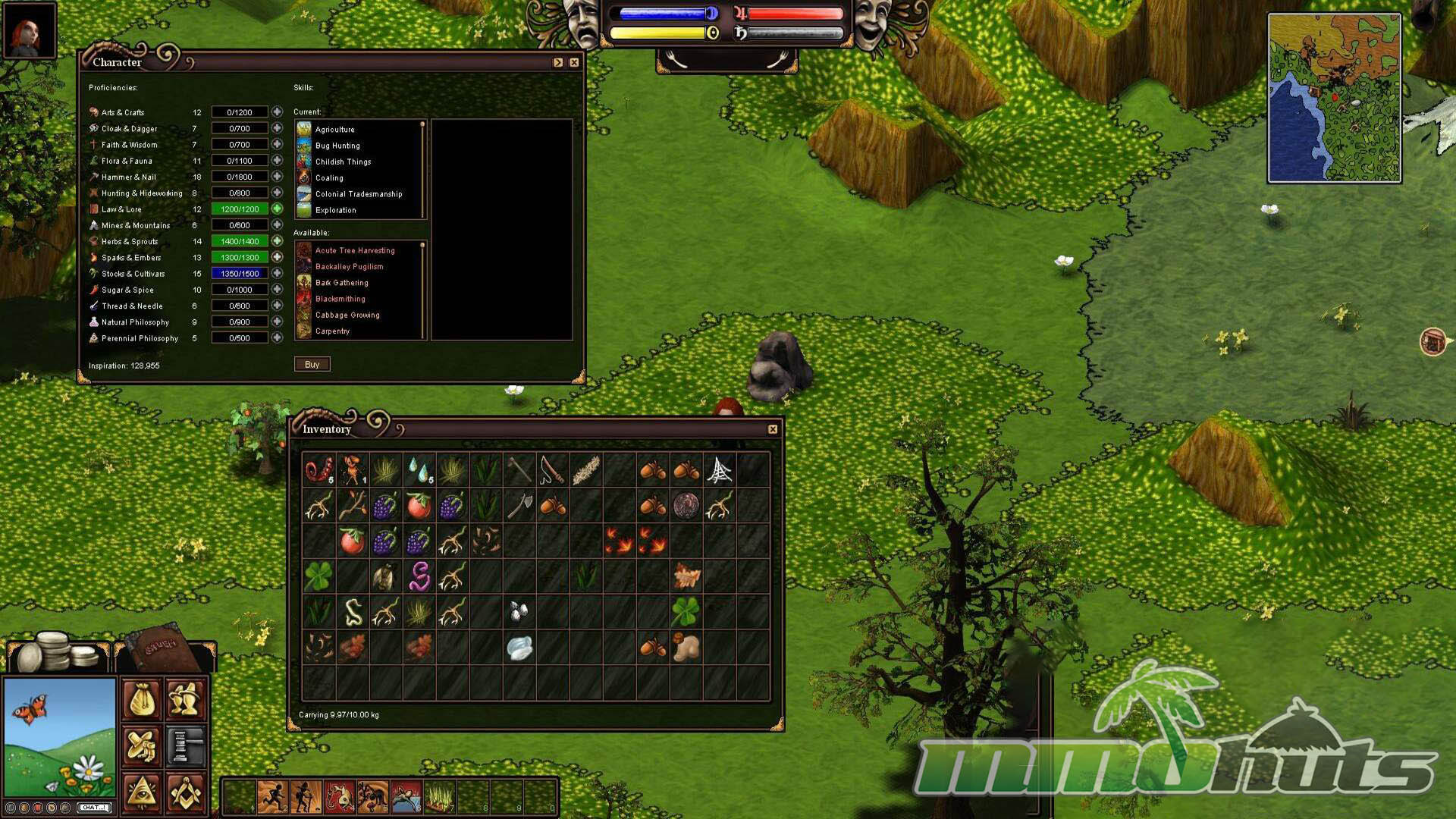
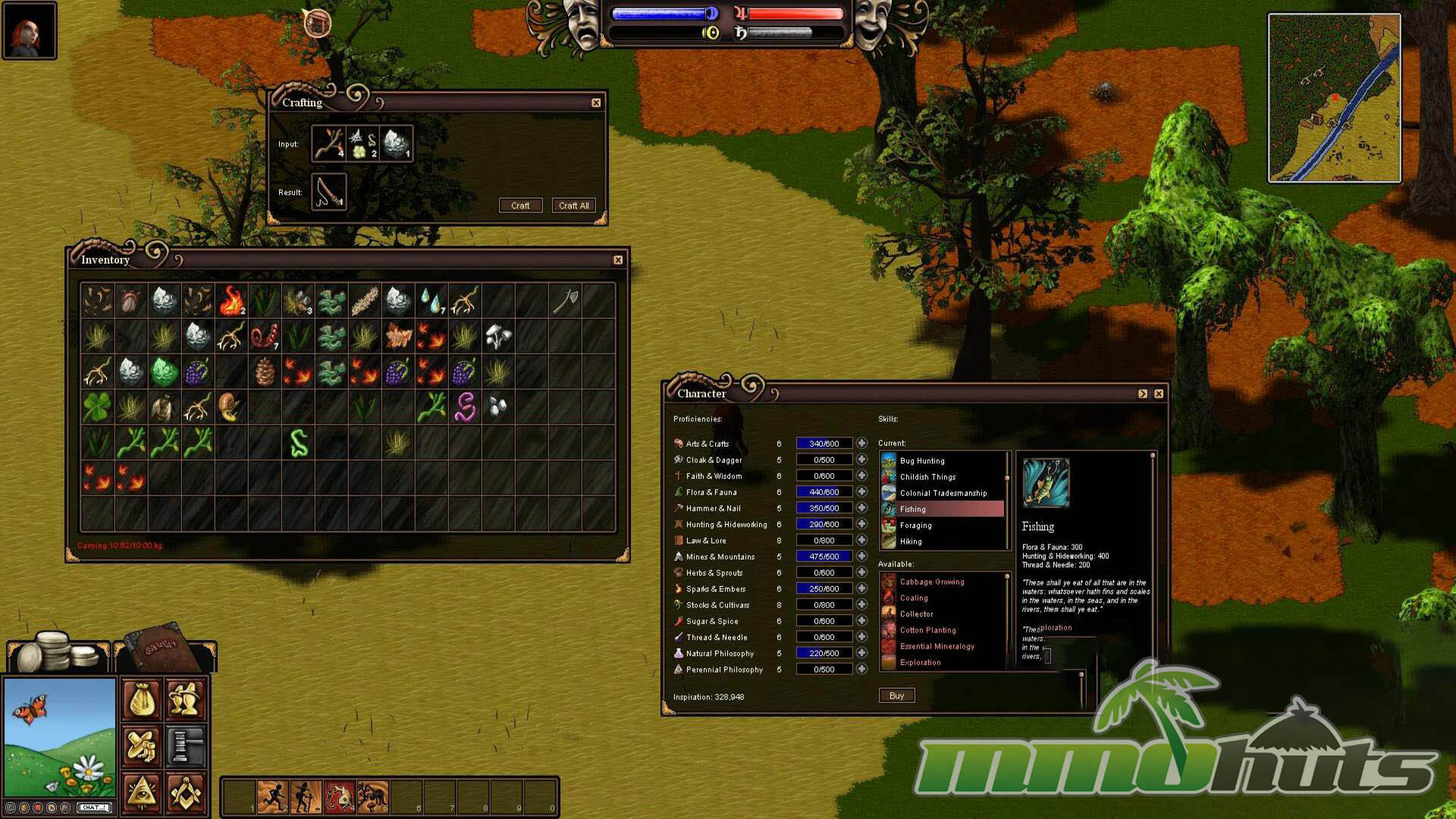
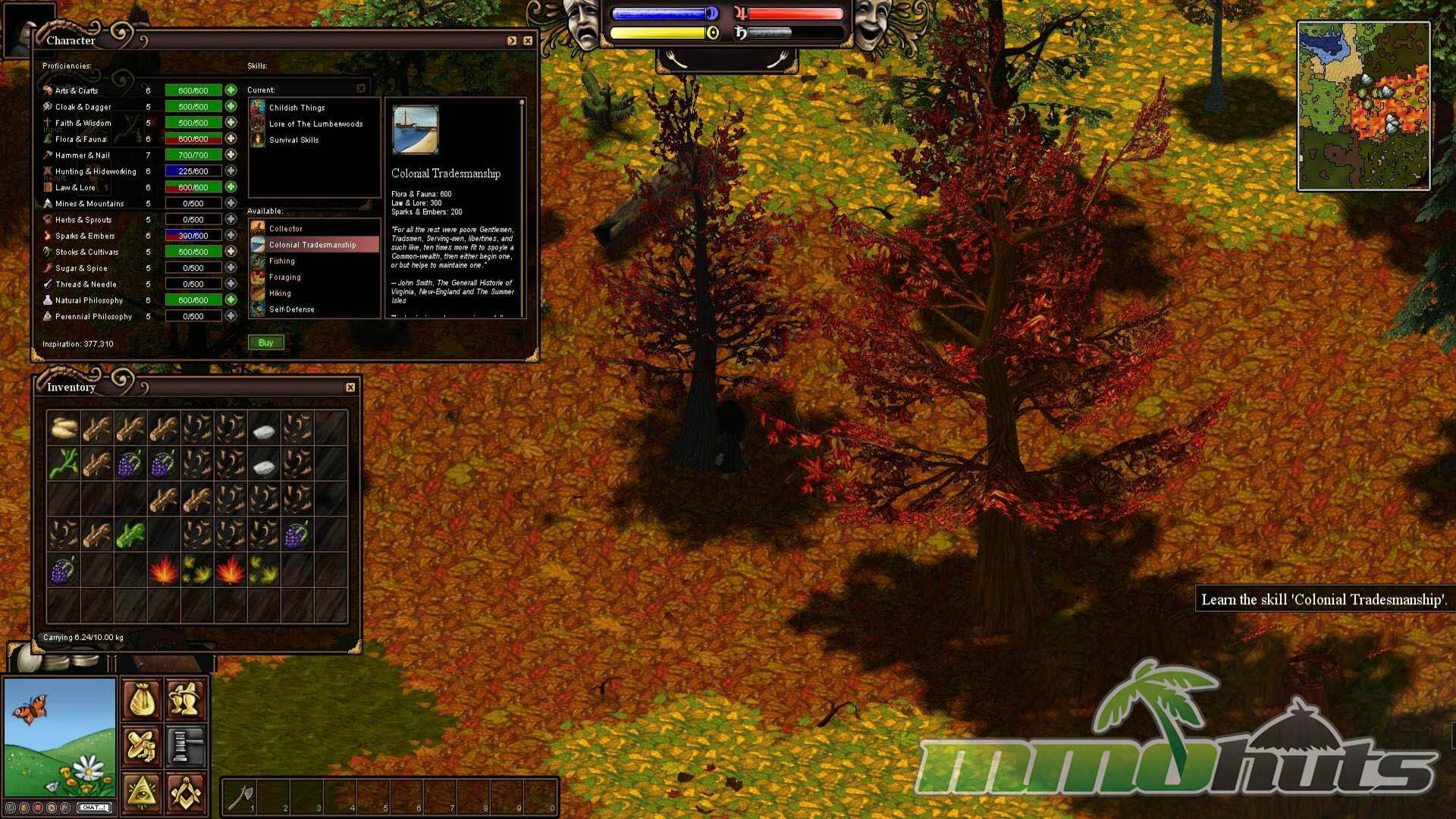
Salem’s character development revolves around learning skills, but unlocking them is tied to proficiencies and inspiration gained from studying objects in the world. Instead of grinding monsters for experience, you build knowledge by examining materials and curiosities you collect. Studying pushes inspiration into specific proficiencies, and those proficiencies are the gates that determine which skills you can learn next.
This system can feel opaque at first because it is not the typical MMO “level up, spend points” structure. It rewards players who plan ahead and who pay attention to what items contribute to which proficiencies. It also encourages specialization. You can try to be broadly capable, but doing so often slows your progress compared to choosing a clear role and building toward it.
Studying also interacts with your humours, which means progression has a cost. You are not just clicking menus, you are balancing what your character can sustain, and that makes advancement feel grounded in the survival fantasy.
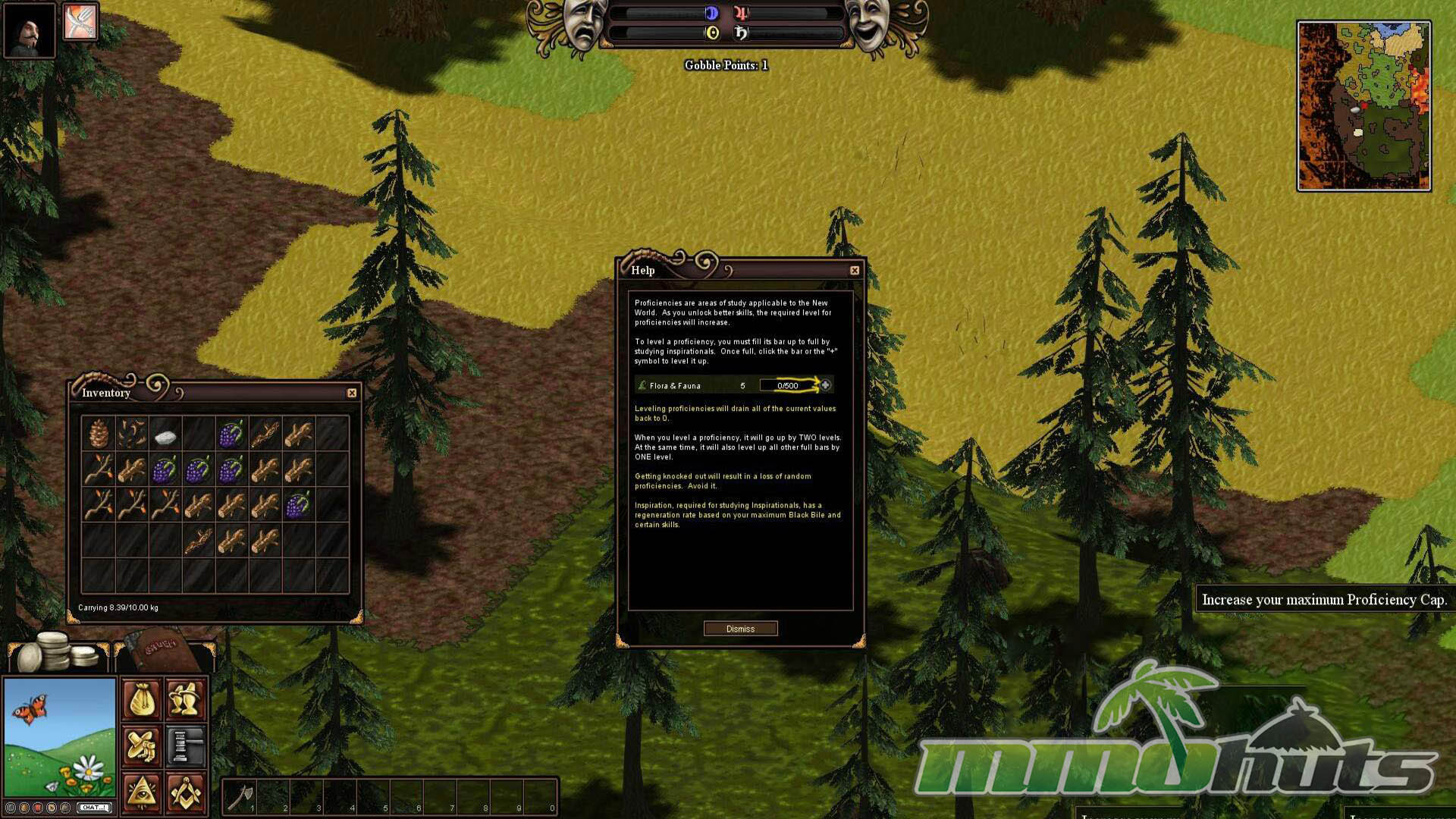
As you advance, you will run into the game’s capacity system for proficiencies. Early limits can be expanded by maxing out inspiration and then increasing the cap, which also nudges up other proficiencies that are capped at the same time. It is a subtle mechanic, but it strongly shapes long-term planning. Players who enjoy optimization will find a lot to think about here, while players who want a simple build path may find it exhausting.

Crafting Chains and Settlement Building
All of this complexity exists to support Salem’s main attraction: crafting and building in a shared world. Crafting often requires multiple steps, multiple skills, and materials that themselves must be processed. It is easy to misread a requirement, realize you need an additional technique, and then detour into a whole new branch of study and production.
That can be frustrating in the moment, but it is also where Salem delivers its best payoff. When you finally complete a tool or establish a reliable production routine, it feels earned. Even basic goals can unfold into long projects because each component has its own mini pipeline.
For players who enjoy long-term survival games, this is the hook. Salem is not interested in rapid rewards, it is interested in the slow satisfaction of building competence and infrastructure, especially when you are doing it alongside other players who can cover different roles.

PvP and the Cost of Crime
Salem’s PvP exists in an open-world context, but it is not something most players jump into quickly. The stakes are high because player-killing can result in permanent character death, and meaningful aggression tends to require preparation, knowledge, and often numbers.
Crime systems add another layer. Stealing and hostile actions can flag you, and the penalties are severe enough to effectively stall your progress for a time. The game also uses a scent-based concept where crimes can leave traces, and players with the right tracking abilities can follow up on those leads. It is an interesting approach that supports emergent stories, but it also reinforces the idea that Salem is a game where caution and community defense matter.
If you prefer PvP as the primary activity, Salem may feel slow. If you like PvP as a high-risk layer on top of crafting and settlement play, the design makes more sense, conflict is there, but it is not the entire identity of the game.

Final Verdict – Great
Salem is at its best when treated as a demanding survival sandbox where crafting and long-term planning are the main event. Its systems are deep, sometimes stubborn, and not always friendly, but they create a genuine sense of progress that many modern MMOs no longer attempt. If you enjoy patient crafting, specialization, and building something lasting in a persistent world (with real consequences when things go wrong), Salem is a strong fit.
Salem Links
Salem Official Site
Salem Wikipedia
Salem Reddit
Salem Game Manual
Salem Wiki [Database/Guides]
Salem System Requirements
Minimum Requirements:
Operating System: Windows XP, Windows Vista, or Windows 7
CPU: Celeron E1500 Dual-Core 2.2GHz or Athlon 64 X2 Dual Core 4800+
Video Card: GeForce GT 330 or Radeon HD 6530D
RAM: 2 GB
Hard Disk Space: 3 GB
Salem is a Java-based MMO and will run smoothly on practically any PC.
Salem Music & Soundtrack
Coming soon!
Salem Additional Information
Developer(s): Mortal Moments
Publisher(s): Paradox Interactive (2011-2013); Mortal Moments (2013-present)
Lead Developer(s): John Carver
Community Manager(s): Totaly Meow
Creative Director(s): Marp Tarpton
Assistant Artist(s): Elbert Lim, Alexandra Menshikova
Assistant Sound Technician(s): Arthur Reeves
Voice Actor(s): Chris Sharpes
Game Engine: Java
Platform(s): PC, Mac OS
Release Date: June 19, 2015
Development History / Background:
Salem is developed by indie video game development studio Mortal Moments. It was first revealed in January 2011 under the two-person team Seatribe (Björn Johannessen and Fredrick Tolf), with Paradox Interactive publishing at the time. Seatribe had previously worked on the myth-inspired survival sandbox Haven & Hearth before shifting focus toward Salem. Paradox Interactive ended its support on July 8, 2013, after which the project continued under Mortal Moments and later launched on June 19, 2015. The game became widely discussed for bringing permanent death into an MMO-style sandbox environment.