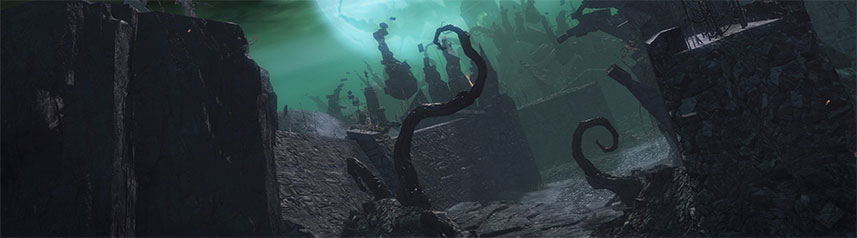
Realm of the Mad God is a free-to-play 2D fantasy MMORPG that mixes chunky retro pixel art with top-down bullet hell shooting. You jump in with other players to fight through swarms of enemies and eventually challenge Oryx, the Mad God, in a world where permadeath is always on the table, and a single mistake can wipe out a character and their gear.
 | Publisher: Kabam Playerbase: High Type: Fantasy MMORPG Release Date: June 20, 2011 Pros: +Distinctive hardcore hook with permadeath. +Quick, skill-driven combat pace. +Retro pixel presentation with personality. Cons: -No PvP focus. -Monetization can feel pay-to-win adjacent. -Steep early learning curve. |

Realm of the Mad God Overview
At first glance, Realm of the Mad God can look almost too simple, a flat 2D world, tiny sprites, and straightforward controls. In practice it plays more like a co-op bullet hell dungeon crawler wrapped in MMO progression, where success is decided less by long rotations and more by positioning, awareness, and knowing when to disengage. The core loop is built around roaming, clearing enemies, diving into instanced dungeons, and chasing better drops across a wide spread of fantasy classes.
What keeps the pace brisk is how the game trims MMO complexity down to the essentials. You are always moving, always weaving through projectile patterns, and always making quick calls about risk versus reward. Permadeath is the defining system here, when a character goes down, that run is over and most of what you carried is gone, which makes every strong item feel valuable and every boss fight feel tense. Because only a limited amount can be protected in the vault, players are encouraged to treat each character as a “run” with its own story rather than a permanent avatar.
Class variety adds a lot to replay value. With over ten classes available, each with different weapons, armor options, and abilities, the same dungeon can feel very different depending on whether you are playing a fragile ranged damage dealer, a sturdier frontline character, or a support style role. Group play is also a constant, you will frequently find yourself clearing content alongside strangers, and coordinated parties can push much deeper into harder encounters.
Realm of the Mad God Key Features:
- Bullet Hell-Inspired Combat – reflex-focused dodging and aiming that rewards player skill more than grind.
- Permanent Death – loss has real weight, which makes upgrades meaningful and moment-to-moment decisions sharper.
- Co-Op Gameplay – drop in with friends or random players, share the chaos, and tackle bosses as a group.
- Unique Art Style – an 8-bit throwback look that gives the world a distinctive, arcade-like feel.
- Multiple Classes – over a dozen class options that encourage experimentation with new tools and playstyles.
Realm of the Mad God Screenshots
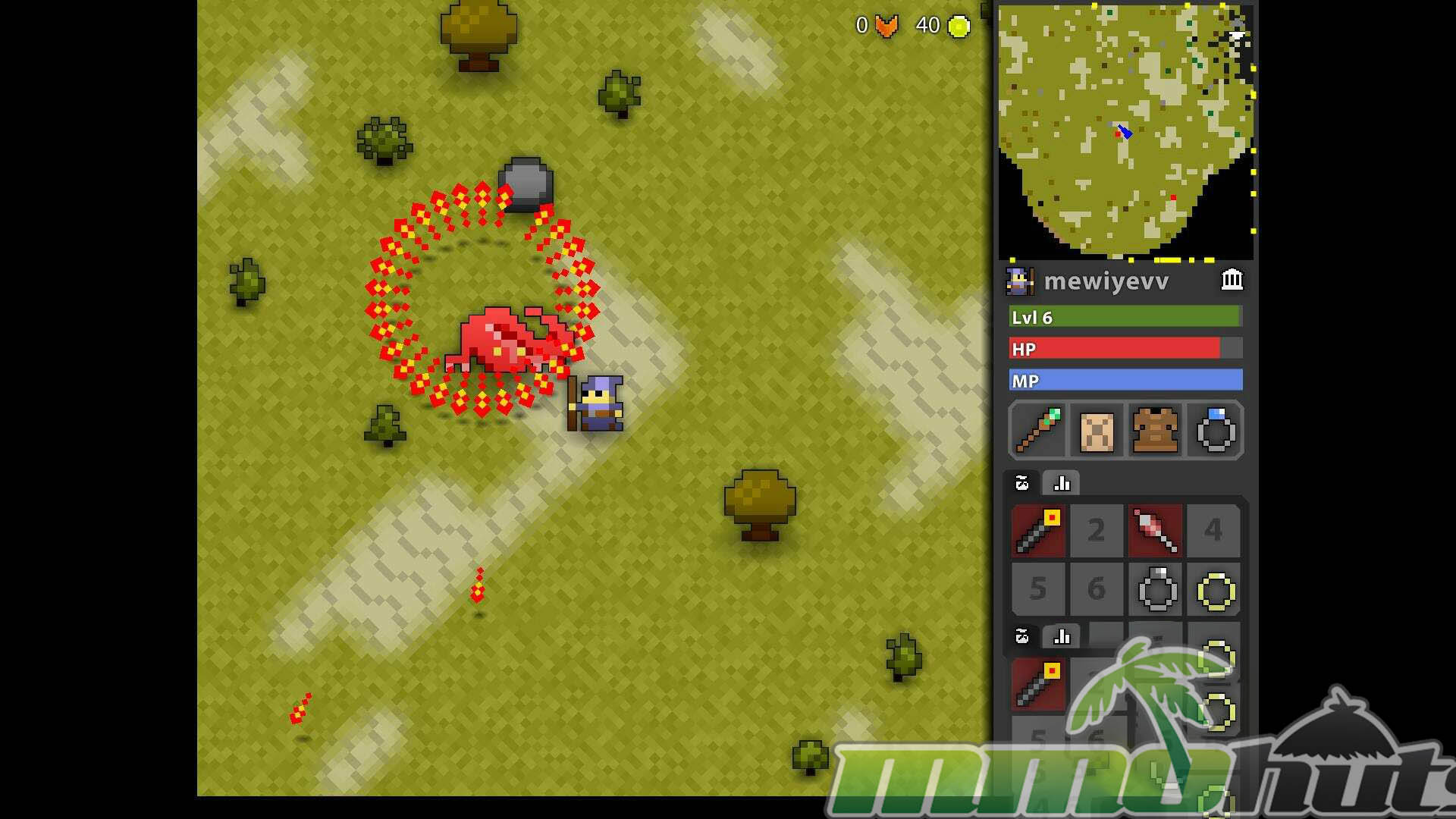
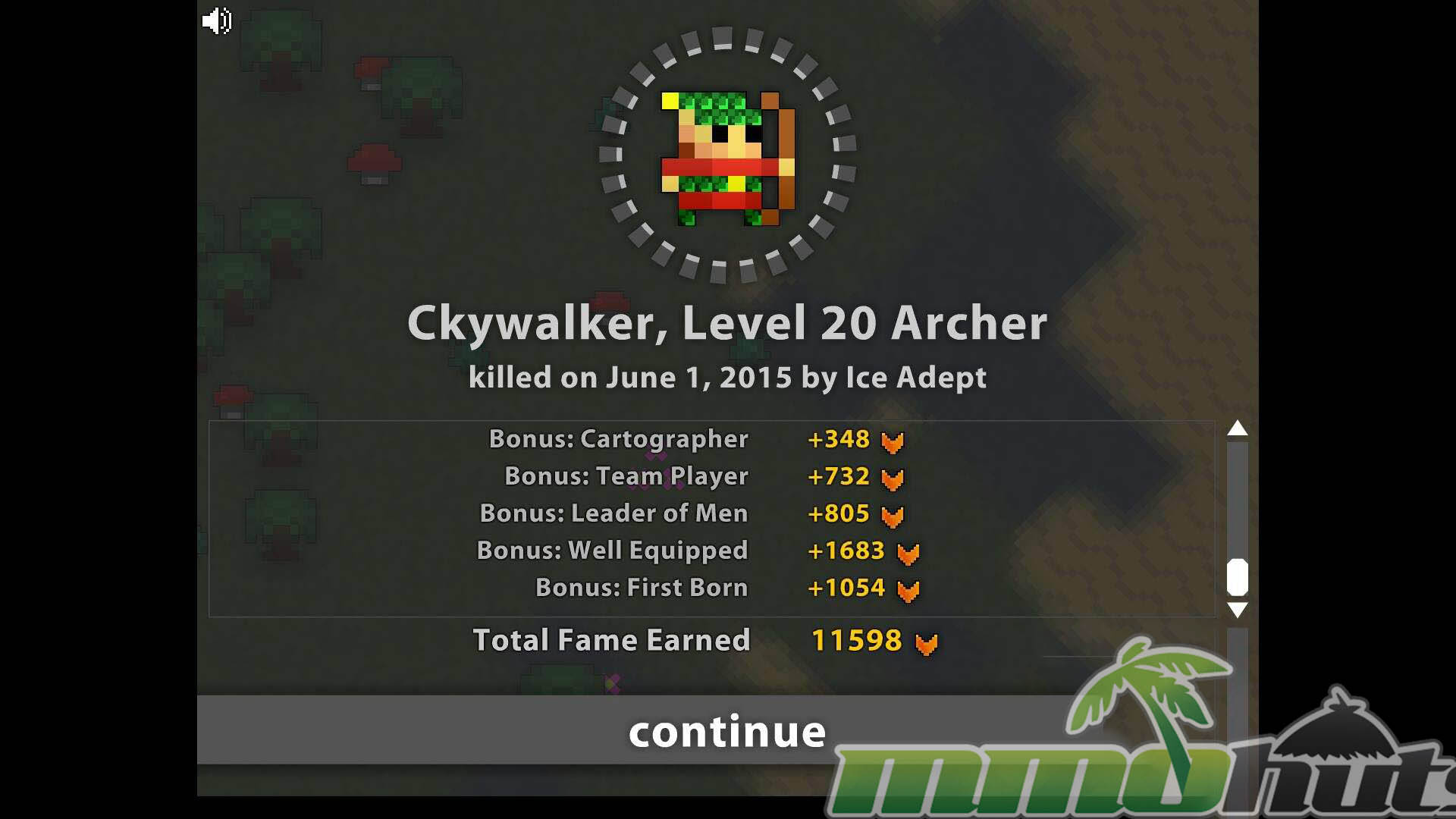

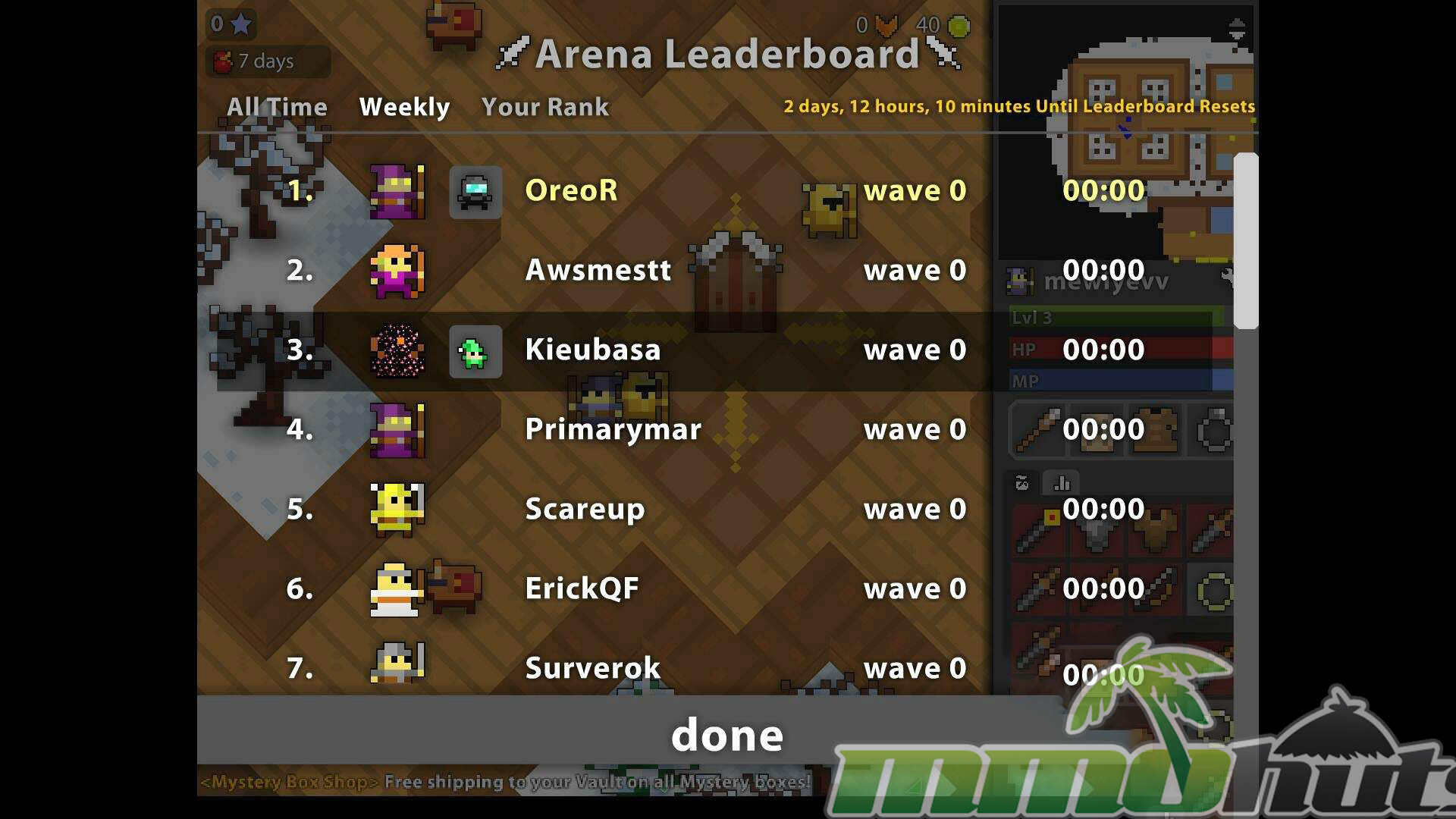
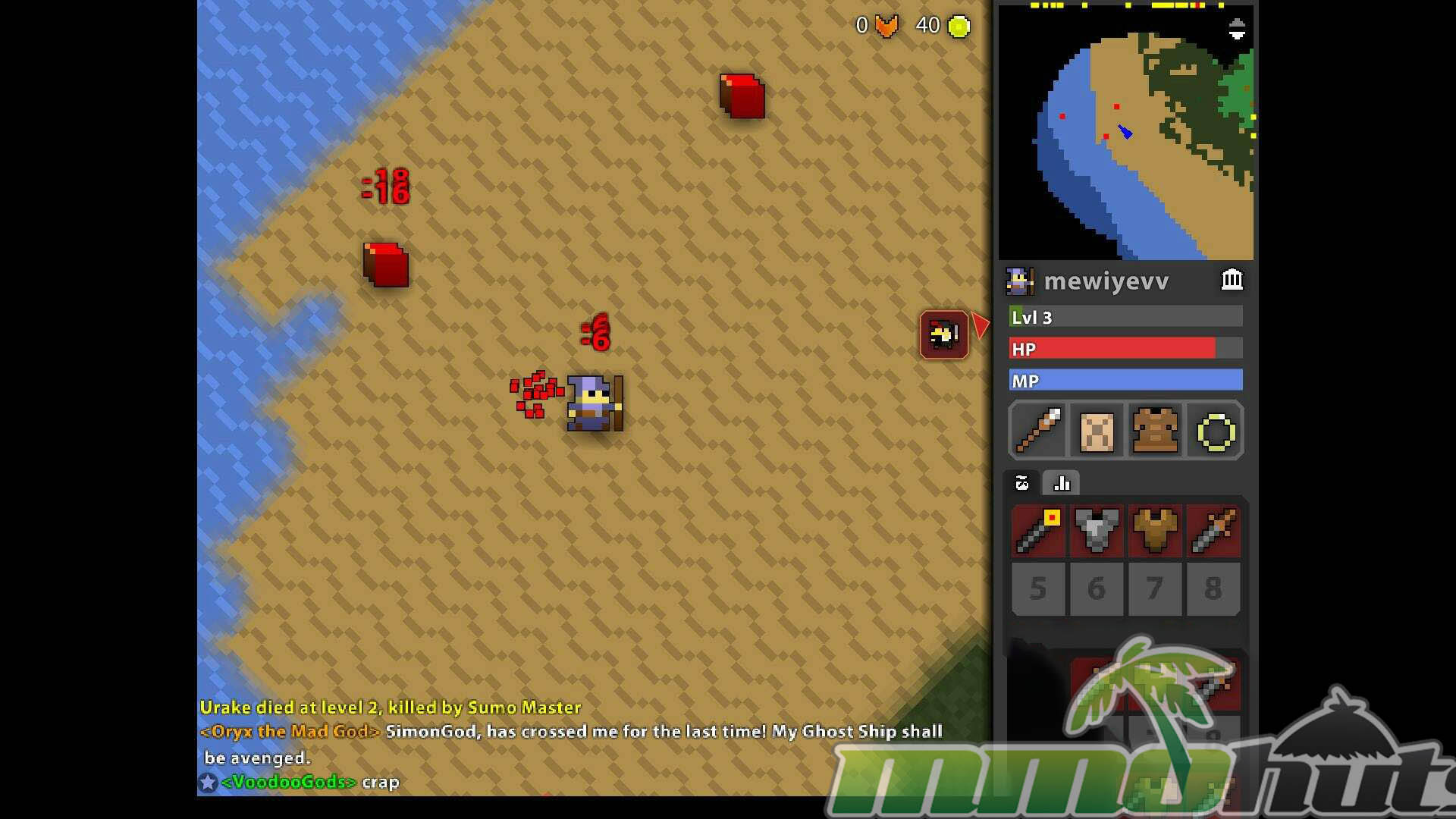
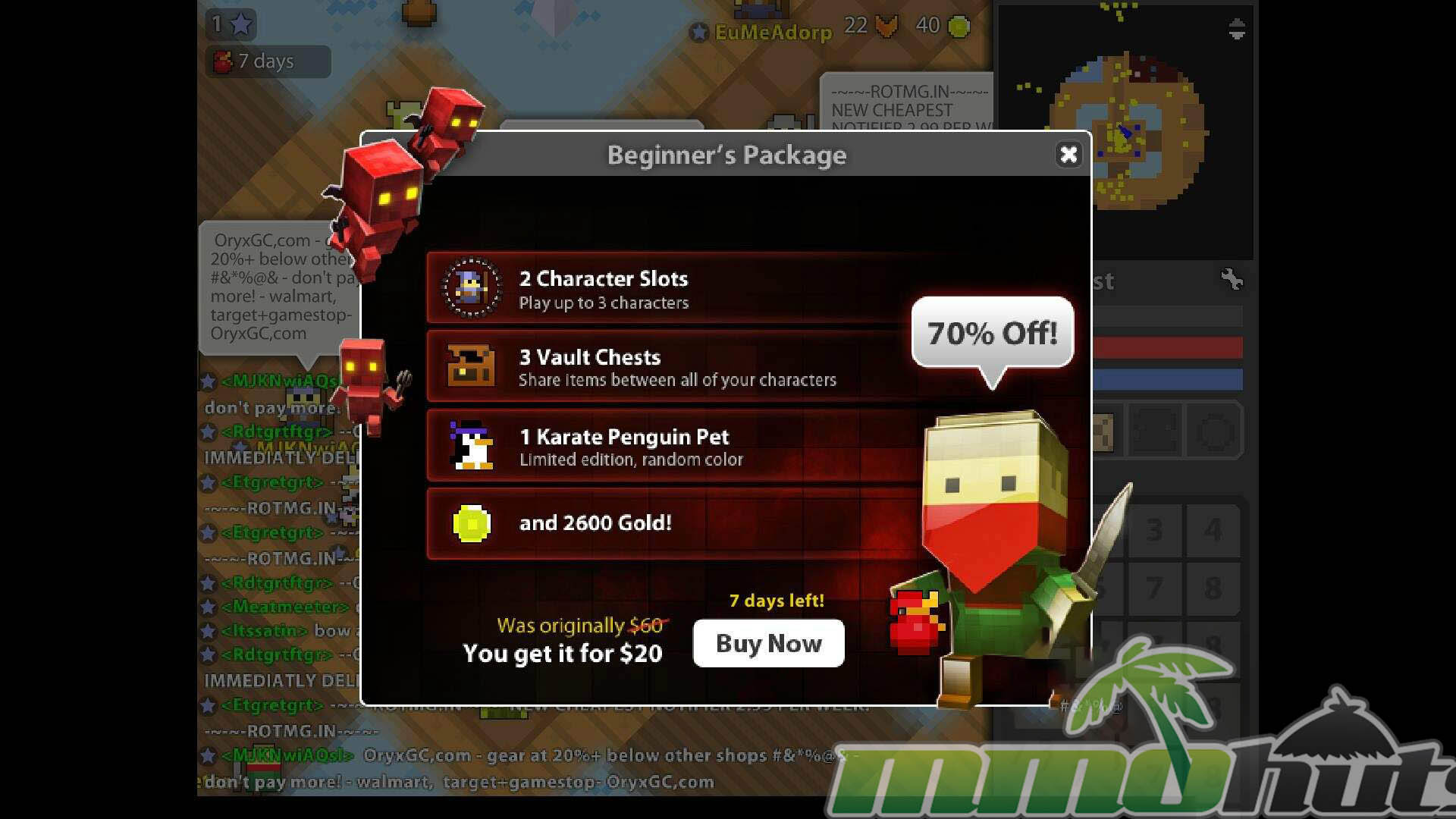

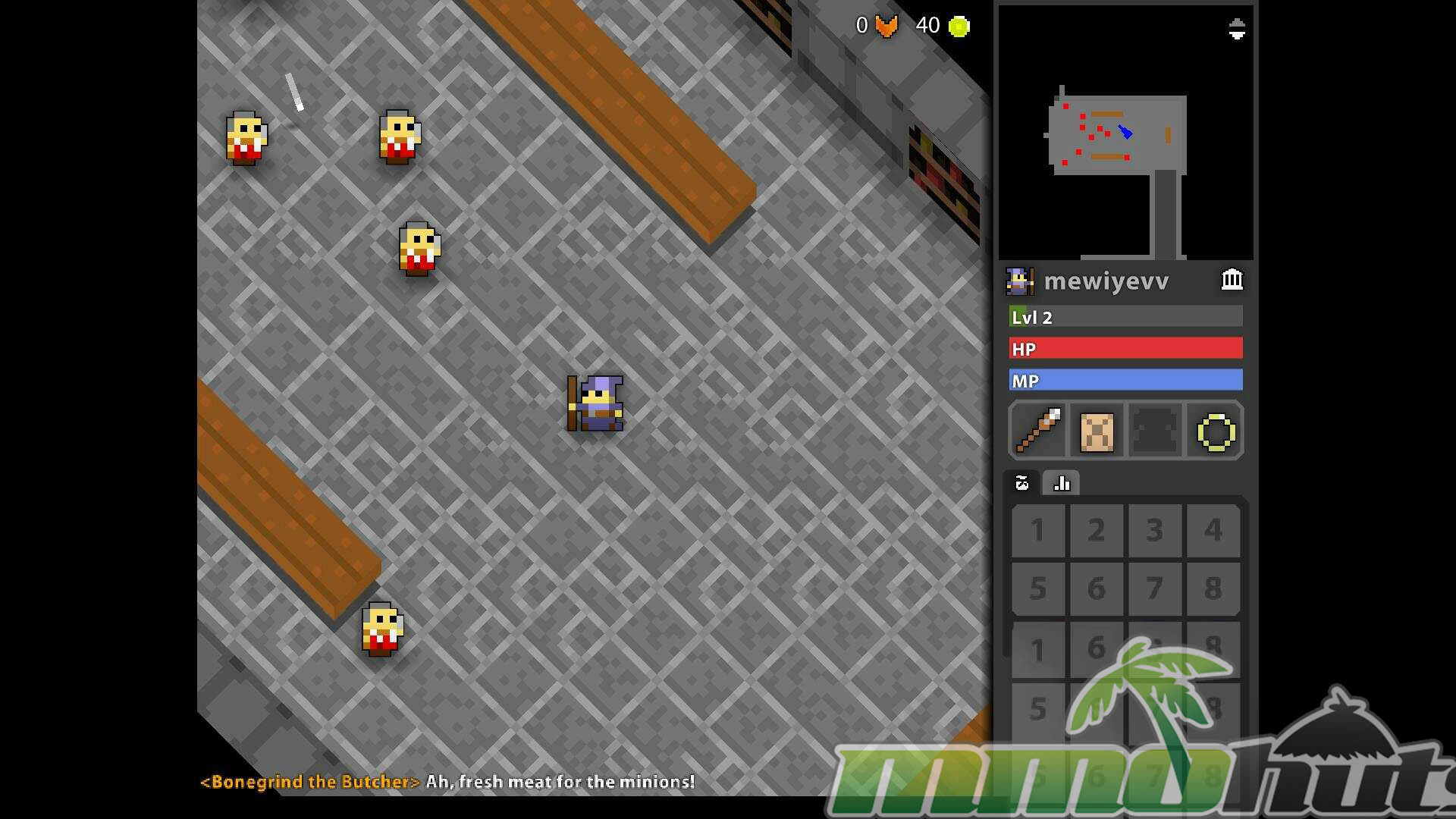


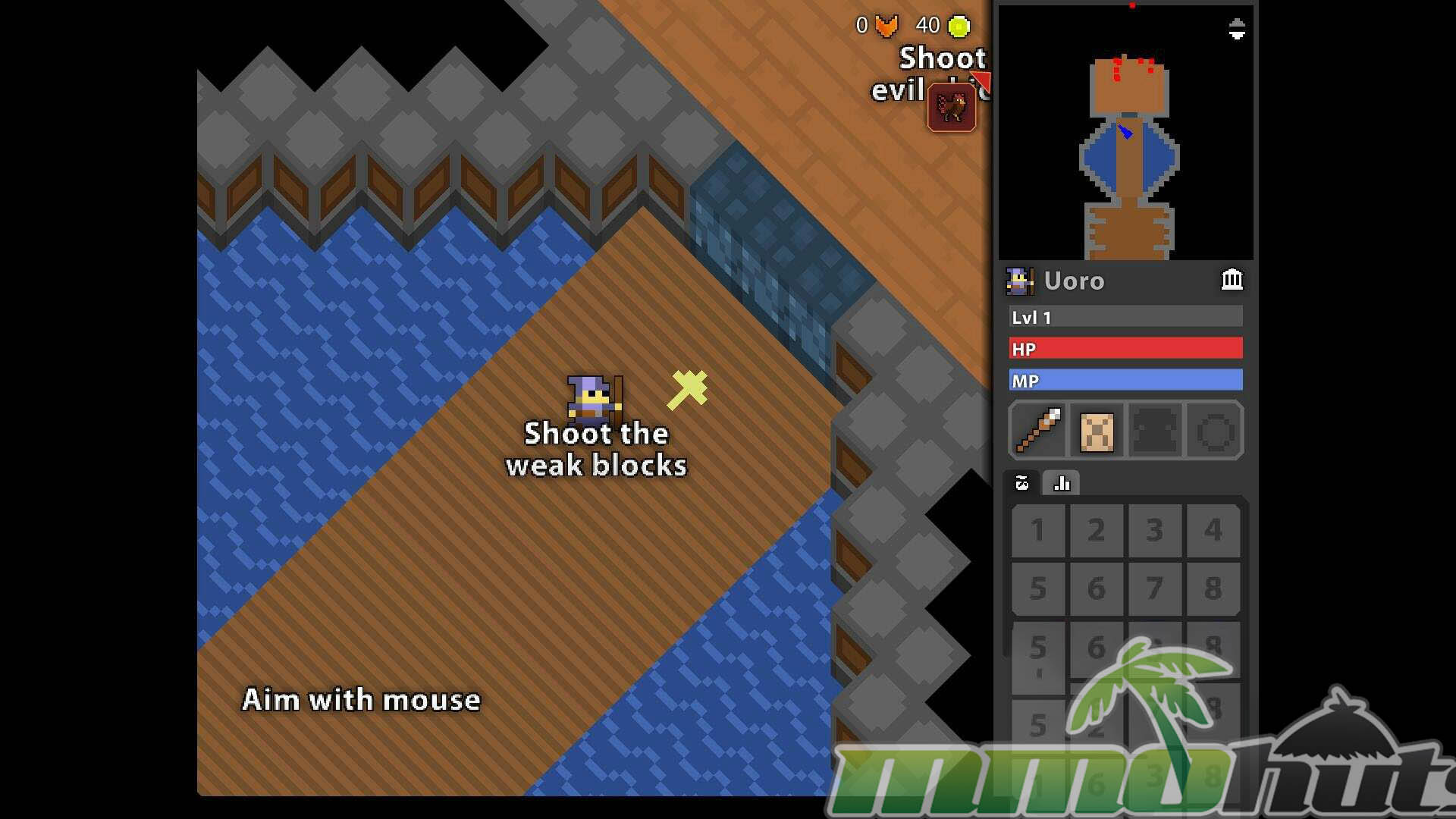
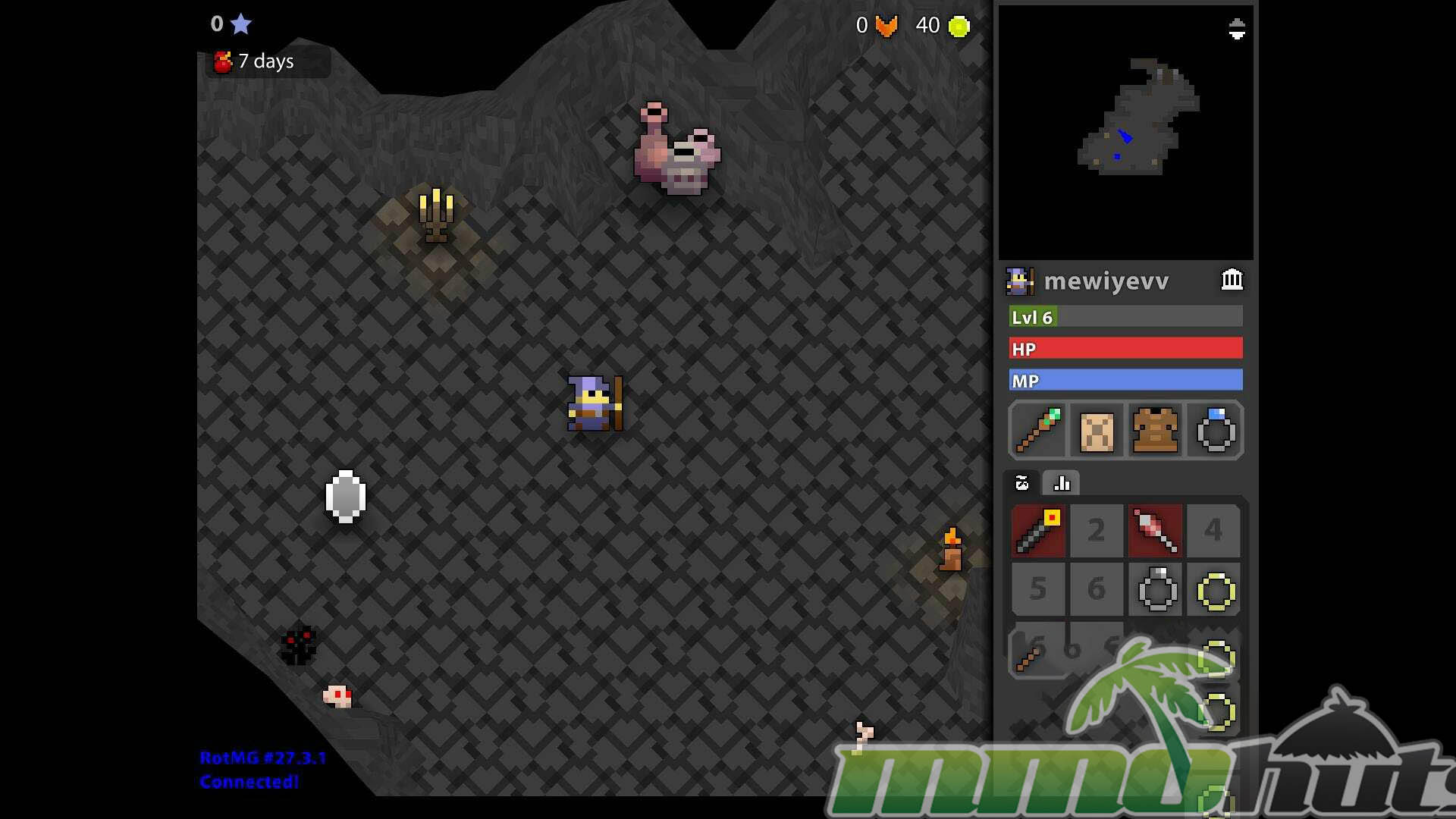
Realm of the Mad God Featured Video

Realm of the Mad God Review
Realm of the Mad God is a cooperative, fantasy-themed 2D MMO that plays like a shooter first and an RPG second. You enter the realm as one of several hero classes and fight your way through mobs, dungeon bosses, and eventually the forces of Oryx. The presentation intentionally leans into old-school pixel aesthetics, the kind of look that will feel nostalgic to players who grew up on handheld and early console RPGs, while others may find it visually plain compared to modern, effects-heavy online games. Either way, the style is consistent and readable, which matters a lot in a bullet hell game.
Picking a Class and Learning the Basics
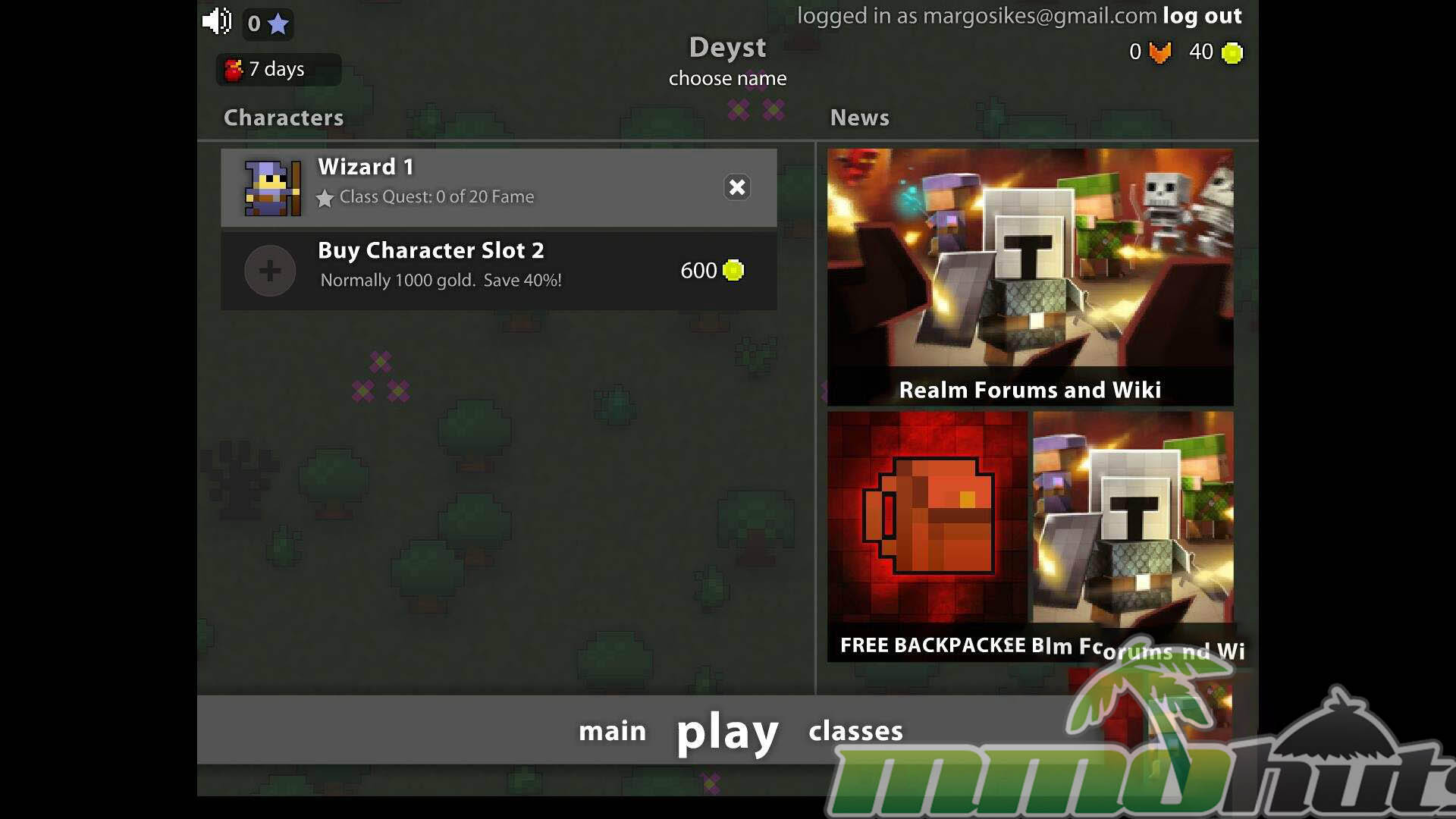
Your first major decision is your class selection. New players start with five options: Rogue, Archer, Wizard, Priest, or Warrior. Additional classes are unlocked by meeting simple milestones, such as hitting level 20 on specific characters. The level cap sounds low on paper, but it matches the game’s structure, reaching even mid-levels can take real focus when a crowded screen and a brief lapse in attention can end a run immediately.
That early period is where Realm of the Mad God tests you. It is less about grinding safely and more about learning enemy patterns, understanding your effective range, and recognizing when you should retreat instead of forcing a fight.
Arcade Combat with MMO Dressing
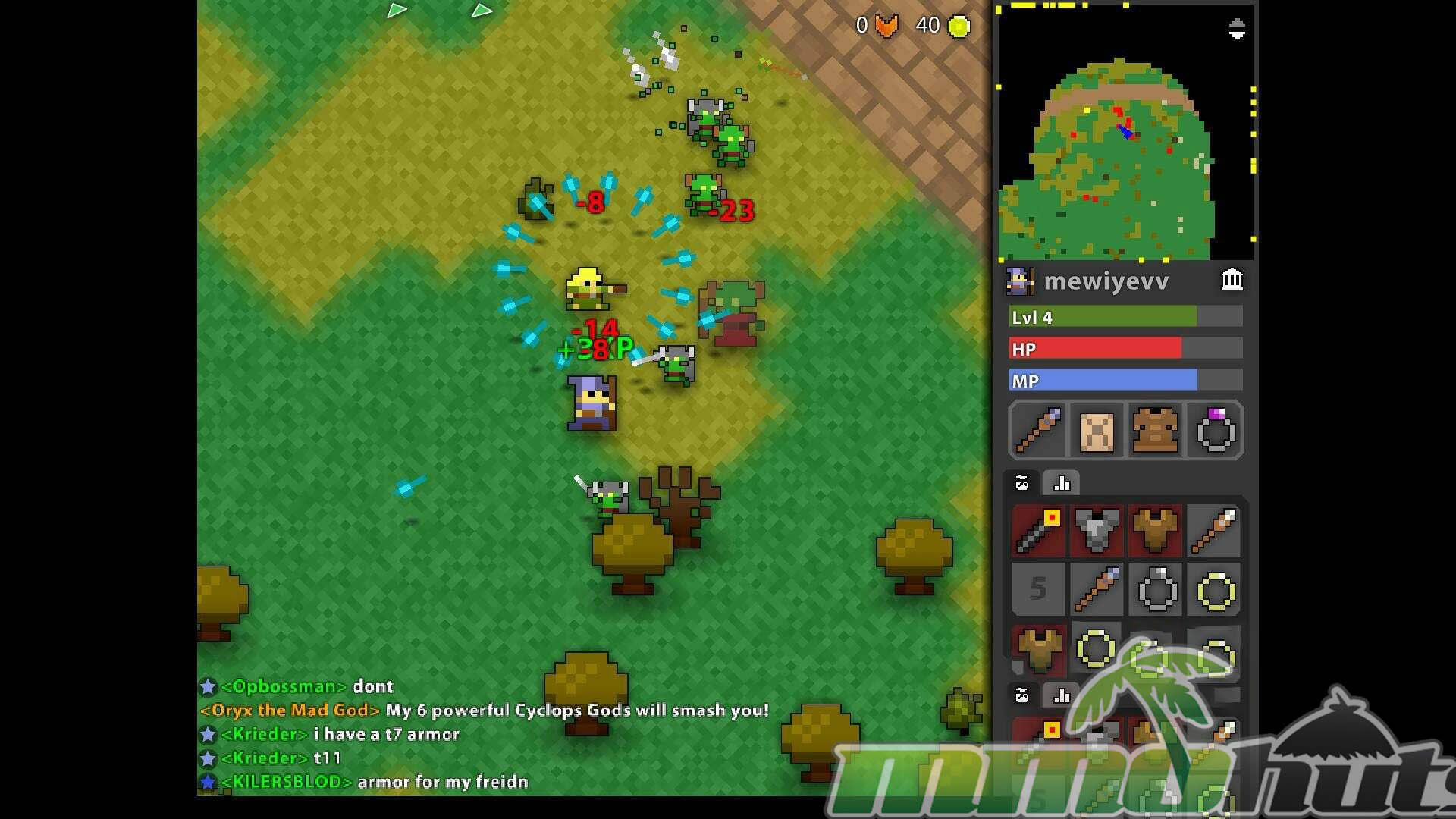
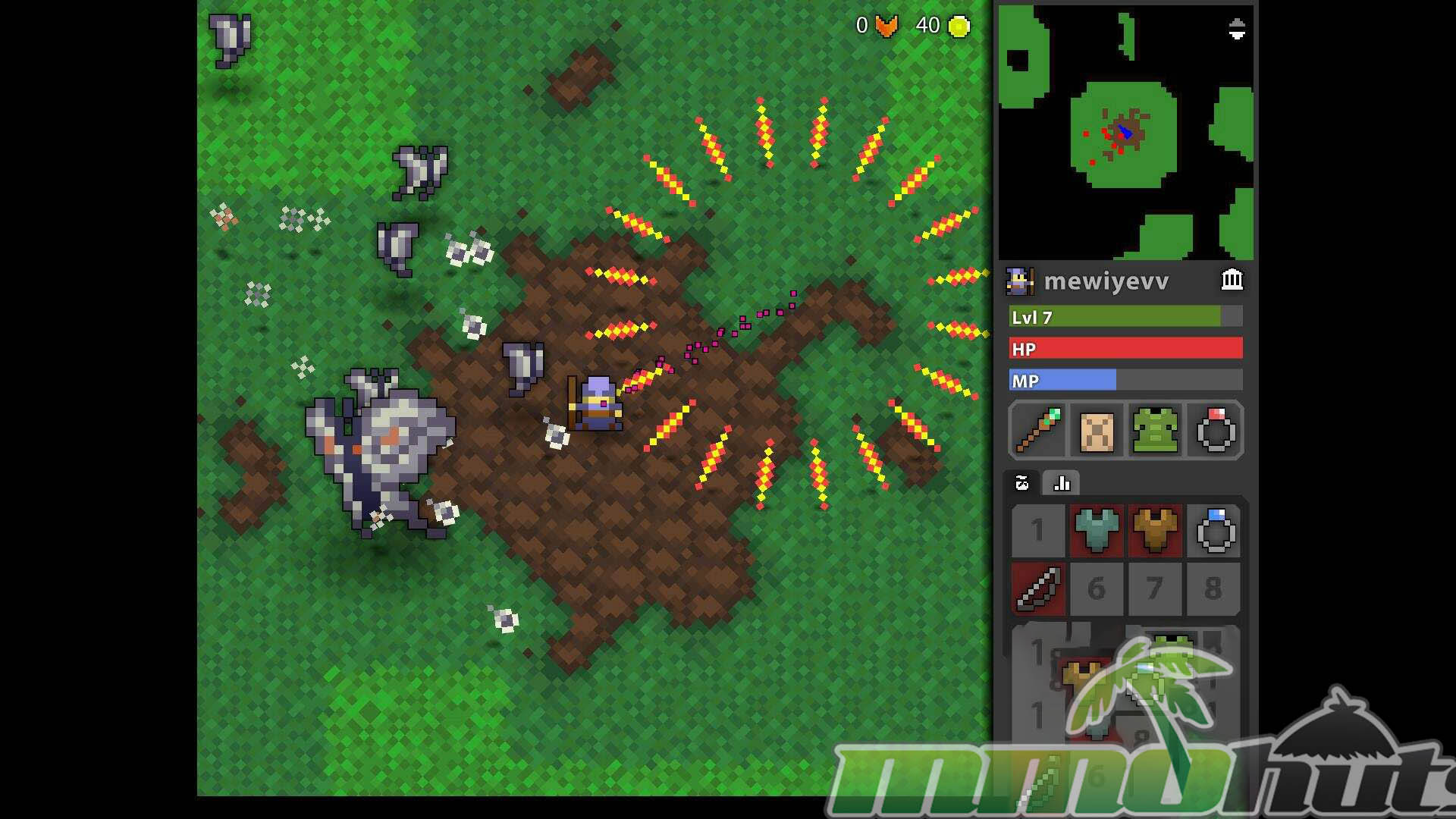
Moment to moment, combat is pure bullet hell. You shoot constantly while strafing around incoming projectiles, typically by holding the left mouse button to attack and using WASD movement to dodge. The game’s top-down perspective and dense projectile patterns make positioning the real skill check, not just raw stats.
Class balance is shaped around that reality. Ranged classes like wizards and archers naturally have an easier time keeping distance, while melee-leaning classes compensate with higher defense and heavier armor options. To keep melee viable in a projectile-heavy environment, even “close range” characters often attack by throwing weapons at shorter range rather than standing directly on targets. The result is a combat model that stays fast and dangerous without completely sidelining frontline archetypes.
Progression, Loot, and Dungeon Runs
The MMO layer shows up through leveling, equipment, quests, and dungeon content. You gain experience by killing enemies and completing objectives, earning modest stat improvements as you level. However, gear tends to define your strength more than your level does, and that pushes players to keep exploring and taking chances on tougher encounters.
Loot drops are the heartbeat of the game. Enemies can drop weapons, armor, and other items that boost stats regardless of your current level, and while bosses and stronger monsters are the reliable sources of upgrades, occasional surprise drops from weaker enemies help keep general grinding from feeling completely routine.
Inventory management is also a real constraint. There is no shop system to offload unwanted gear, and trading is not an option. If something is not useful to your current character, you either leave it behind or pass it along to someone nearby. In a game built around constant turnover of characters, those small acts of generosity can actually matter, and they are one of the more quietly social parts of the experience.
Permadeath and the Role of Fame
Realm of the Mad God is defined by one uncompromising rule: when your character dies, that character is gone. There are no revival items, no emergency respawn mechanics, and no way to recover the gear that was on that character unless it had already been stored in the vault. Even friends cannot “save” your build by grabbing your drops, because death does not spill your inventory onto the ground.
That harshness is not purely punitive, though. Dying converts your progress on that character into Fame, an in-game currency earned through play (stronger enemies generally awarding more). Fame has practical uses, including feeding pets and fusing them into stronger companions. It also ties into unlocking advanced classes when you meet the required goals, so even failed runs can contribute to long-term account progression.
Realm Gold and the Cash Shop Question
Despite the retro look, the business model is thoroughly modern. Players can purchase Realm Gold with real money and spend it in the Nexus (the game’s safe hub) on premium items. These purchases range from basic convenience items like health and mana potions to more impactful gear and pets.
You can absolutely play without spending, relying on drops and careful play. Still, premium options can noticeably smooth out rough patches, especially when you are learning or trying to stabilize a new character. In a competitive game that would be a major problem, but since Realm of the Mad God is cooperative rather than PvP-driven, the impact tends to show up as speed and comfort advantages rather than direct dominance over other players. Even so, the monetization can feel uncomfortable for players who prefer a fully even playing field.
Final Verdict – Good
Realm of the Mad God delivers a genuinely distinctive blend of MMO progression and bullet hell intensity. Its runs are quick, its combat is demanding, and its permadeath system creates tension that most free-to-play online games avoid. The pixel art style will be divisive, and the cash shop can blur the line between convenience and advantage, but the core gameplay remains compelling.
For players who enjoy skill-based dodging, cooperative boss fights, and the high stakes of losing a character, this is an easy recommendation. Just go in expecting a game built around repeated attempts and learning through failure, rather than a traditional long-form MMO grind.
Realm of the Mad God Links
Realm of the Mad God Official Site
Realm of the Mad God Wikipedia
Realm of the Mad God Steam Page
Realm of the Mad God Realm Eye [Community Site/Database]
Realm of the Mad God Wikia [Database/Guides]
Realm of the Mad God Requirements
Operating System: XP / Vista / 7 / 8 / 10
CPU: Intel Pentium 4 / AMD Equivalent 2.33 GHz or faster
Video Card: Any Graphics Card (Integrated works well too)
RAM: 1 GB
Hard Disk Space: 100 MB (Cache)
Realm of the Mad God is a browser based MMORPG and will run smoothly on practically any PC. The game was tested and works well on Internet Explorer, Opera, Firefox and Chrome. Any modern web-browser should run the game smoothly.
Realm of the Mad God Additional Information
Developer: Wild Shadow Studios / Spry Fox
Game Engine: Adobe Flash
Closed Beta Date: January 2010
Browser Release: June 20, 2011
Steam Release: February 20, 2012
Development History / Background:
Realm of the Mad God began as a project by Alex Carobus and Rob Shillingburg, created for TIGSource’s “Assemblee Competition” in October 2009, where entrants worked within a limited shared pool of art and resources. The concept gained traction quickly, which helped it grow from competition entry into a full release. The two developers later formed Wild Shadow Studios, which was acquired by Kabam in June 2012, after which the founders moved on to other work. Since then, the game has continued to receive regular, modest updates, expanding the experience with additions such as new dungeons, classes, items, enemies, pets, clothing options, guild features, and other content.