Pox Nora is a fantasy tactics title that fuses turn based, grid focused combat with the collect and customize appeal of a trading card game. You pick one of eight factions, assemble a rune deck, then deploy champions, spells, and equipment in long, deliberate matches where planning matters as much as raw power.
 | Publisher: Desert Owl Games Playerbase: Low Type: Strategy RPG Release Date: August 01, 2006 Pros: +A distinctive blend of TCG collection and tactical battles. +Many viable approaches and archetypes. +Huge pool of runes to earn and experiment with. Cons: -Constrained 4×3 presentation. -Matches can run long. -Demanding learning curve. -Deck building and market tools live in the browser. |

Pox Nora Overview
Pox Nora sits at the crossroads of collectible card games and classic turn based strategy. Instead of building an army from a fixed roster, you bring a deck of runes into battle and spend resources to deploy them onto a diamond shaped map. Those runes cover far more than just units, you also field spells, relics, equipment, and other tactical tools that can swing a fight at the right moment.
At the strategic layer you choose one of eight factions, each themed around its own identity and rune selection. In a match, the goal is straightforward: establish board control, outmaneuver your opponent, and ultimately break through to destroy the enemy shrine before yours falls. You can play through campaign encounters against AI opponents or jump into PvP, where knowledge of positioning, timing, and rune interactions tends to decide games as much as deck composition.
Because it is turn based and ability driven, Pox Nora rewards careful sequencing. You are constantly weighing whether to commit more runes now, hold resources for a bigger swing later, or preserve units to avoid losing momentum. For players who enjoy systems heavy tactics and the long term satisfaction of refining a collection, it offers a very particular kind of depth.
Pox Nora Key Features:
- Various Decks – 8 faction choices, each built around its own elemental theme and play identity.
- TCG/Strategy Hybrid – a turn based tactics ruleset on a diamond shaped battlefield, powered by the runes you draw and deploy.
- PvP – queue for competitive skirmishes or enter tournaments to prove your deck building and tactical execution.
- Collectible Runes – over 2,000 runes spanning the 8 faction styles, including units and support options.
- Tactical Game Play – manage resources, abilities, terrain effects, and unit roles to outplay the opposing shrine.
Pox Nora Screenshots
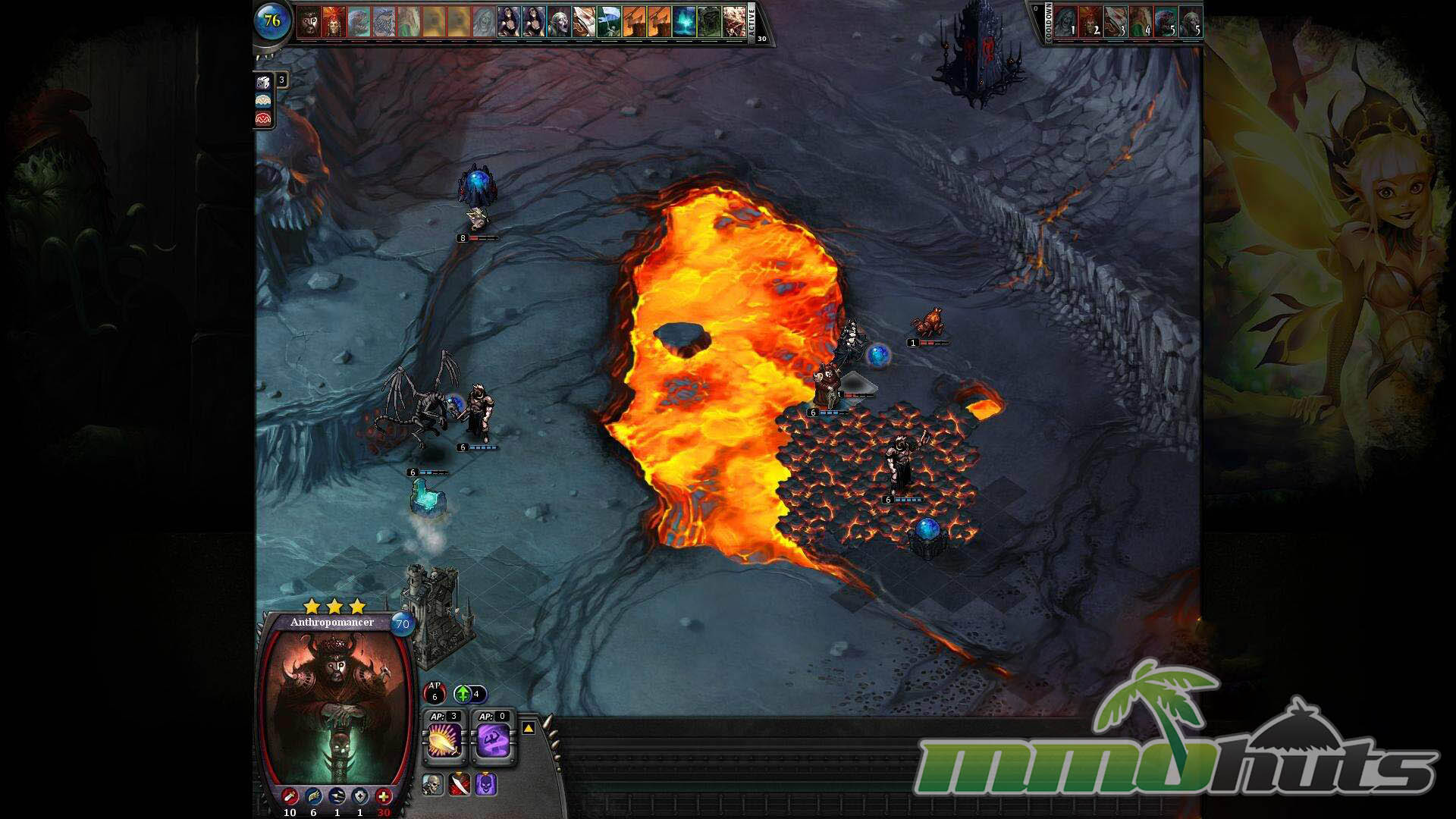
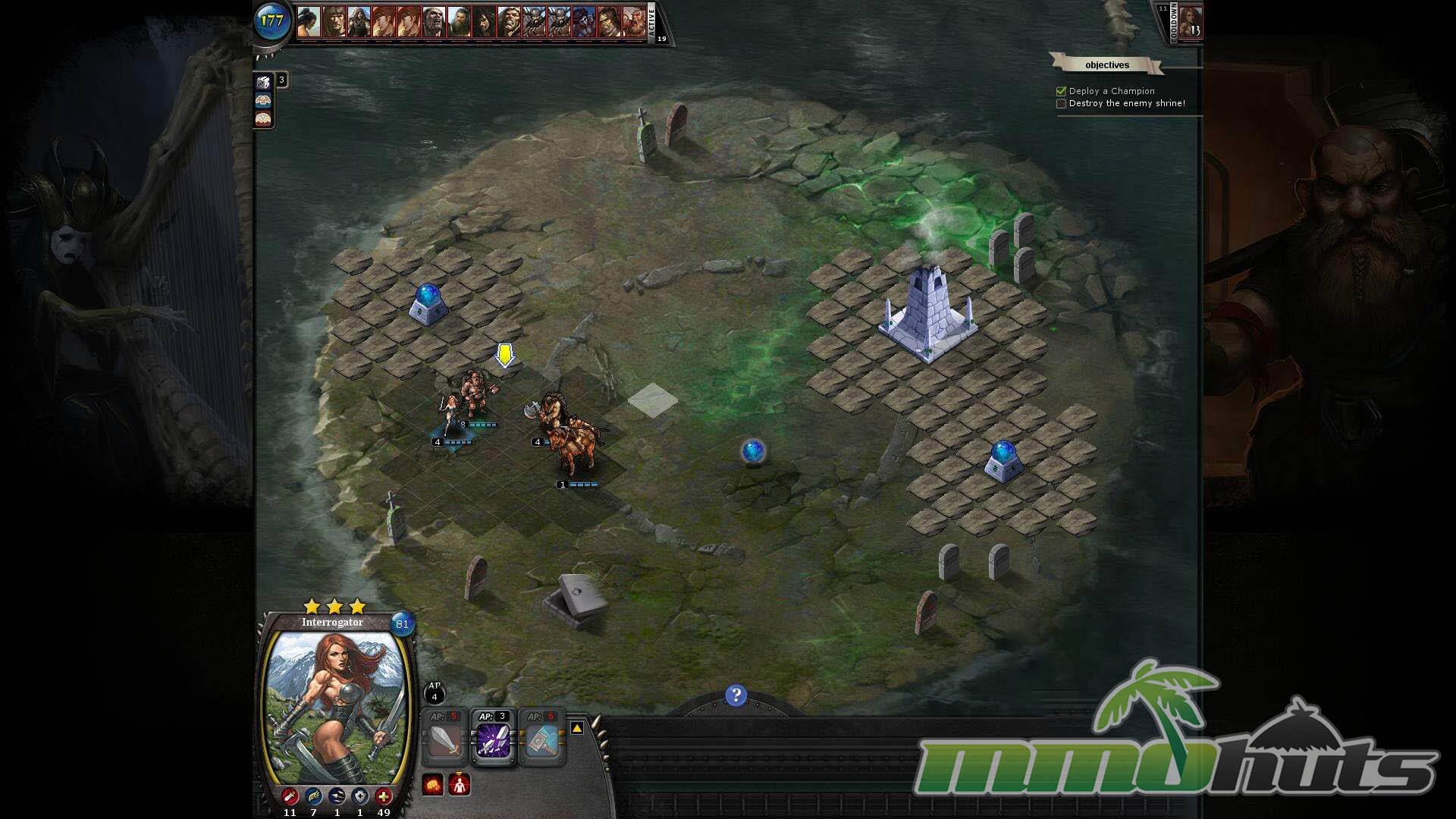
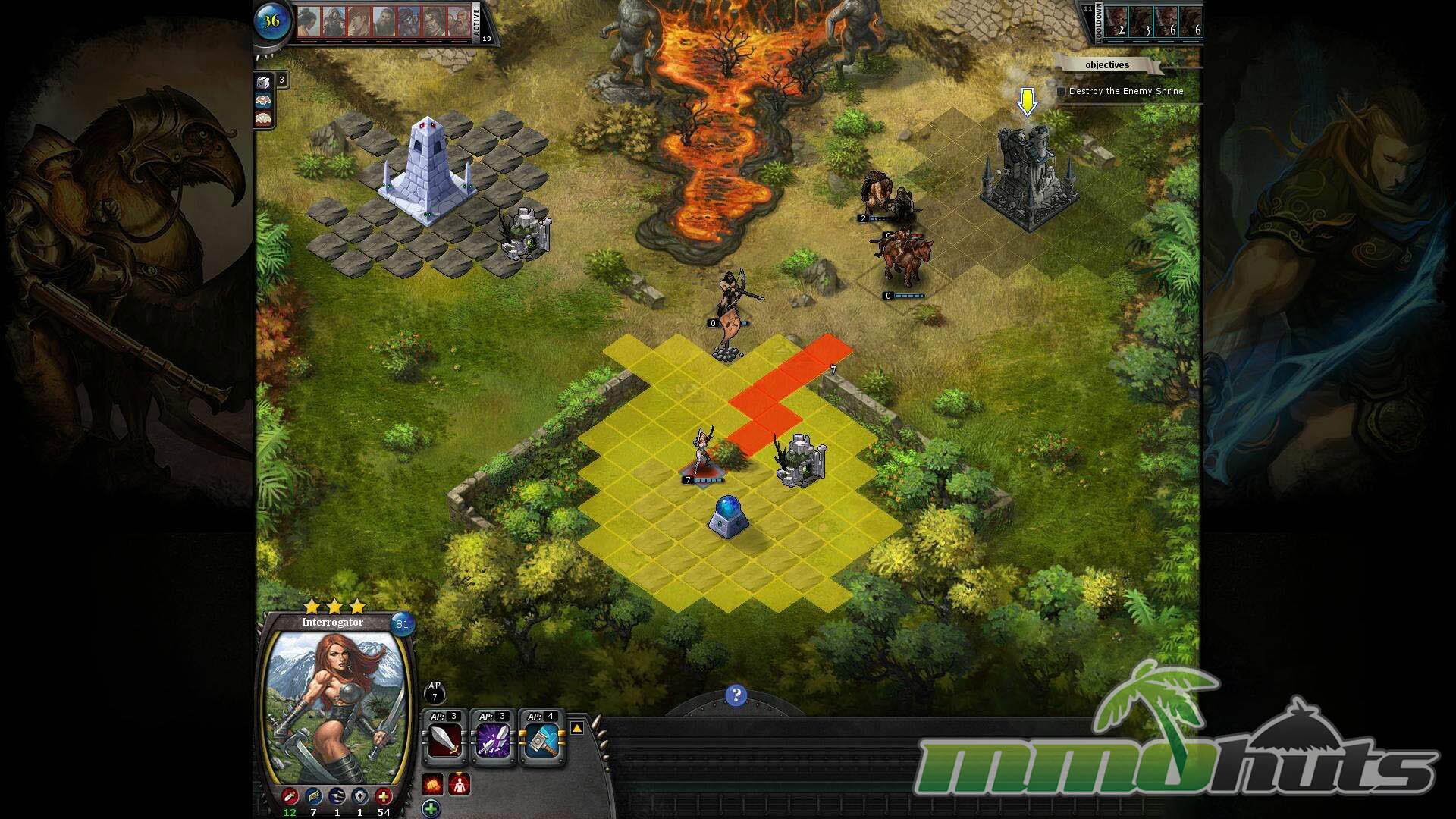
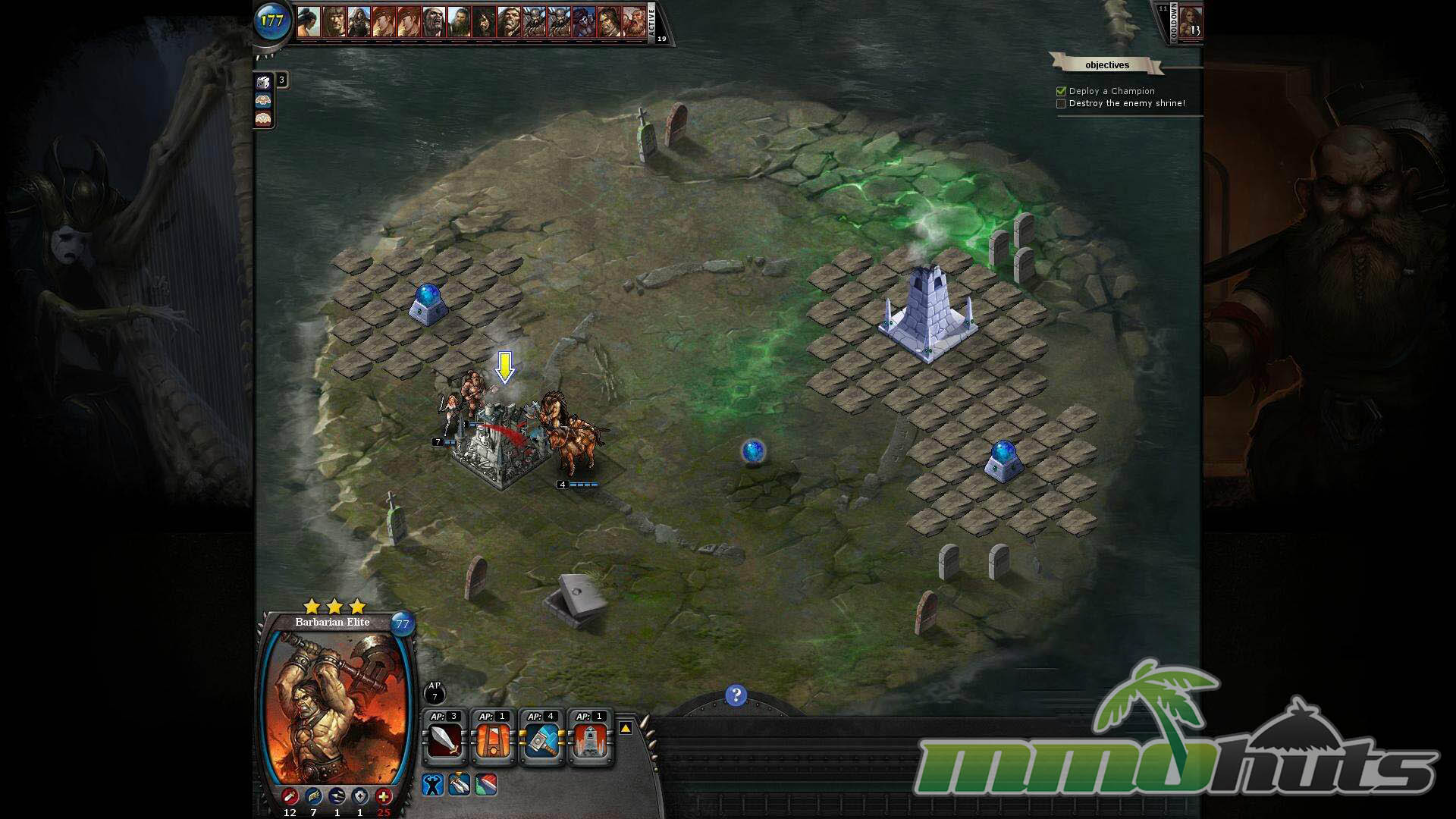
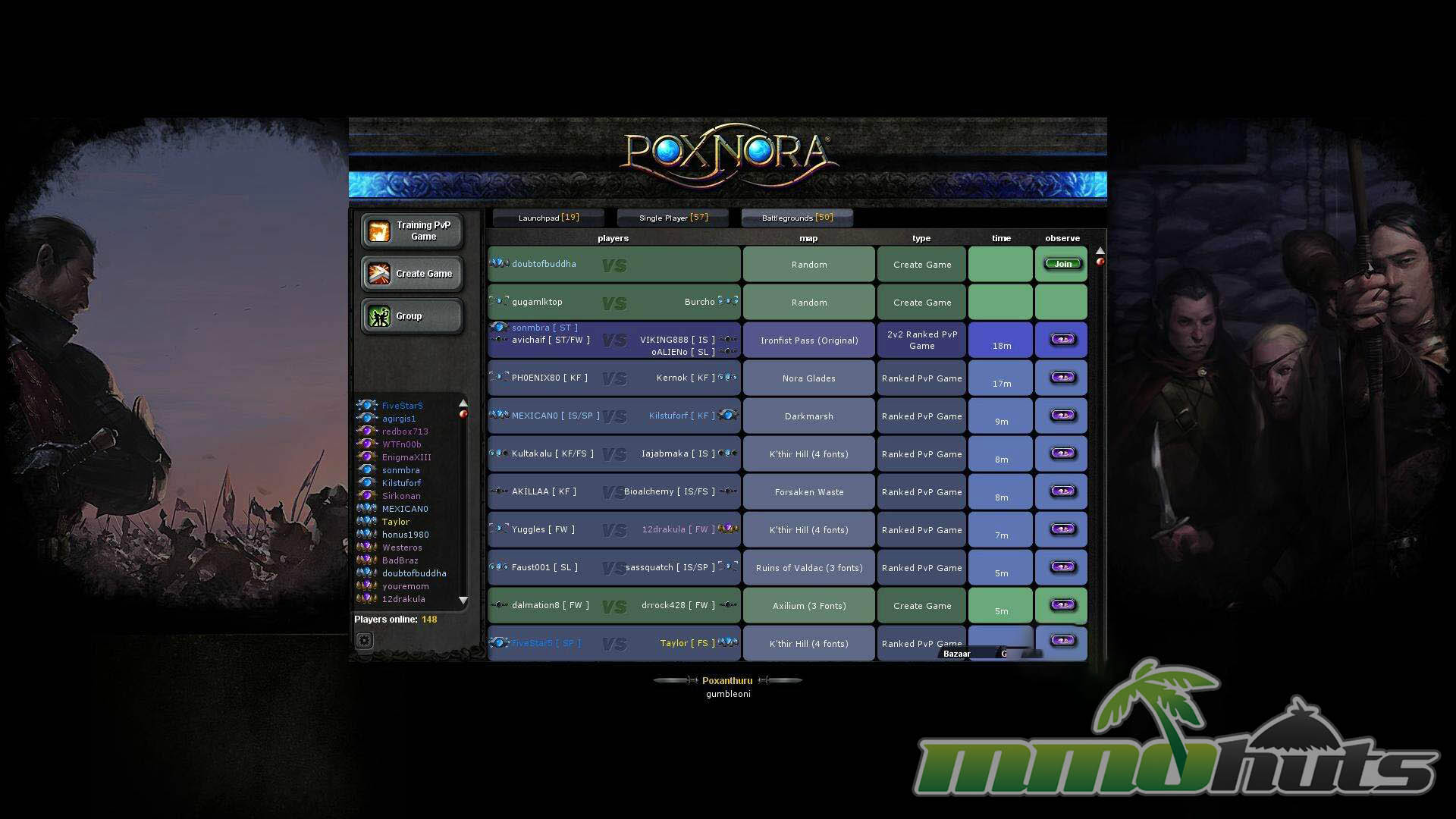
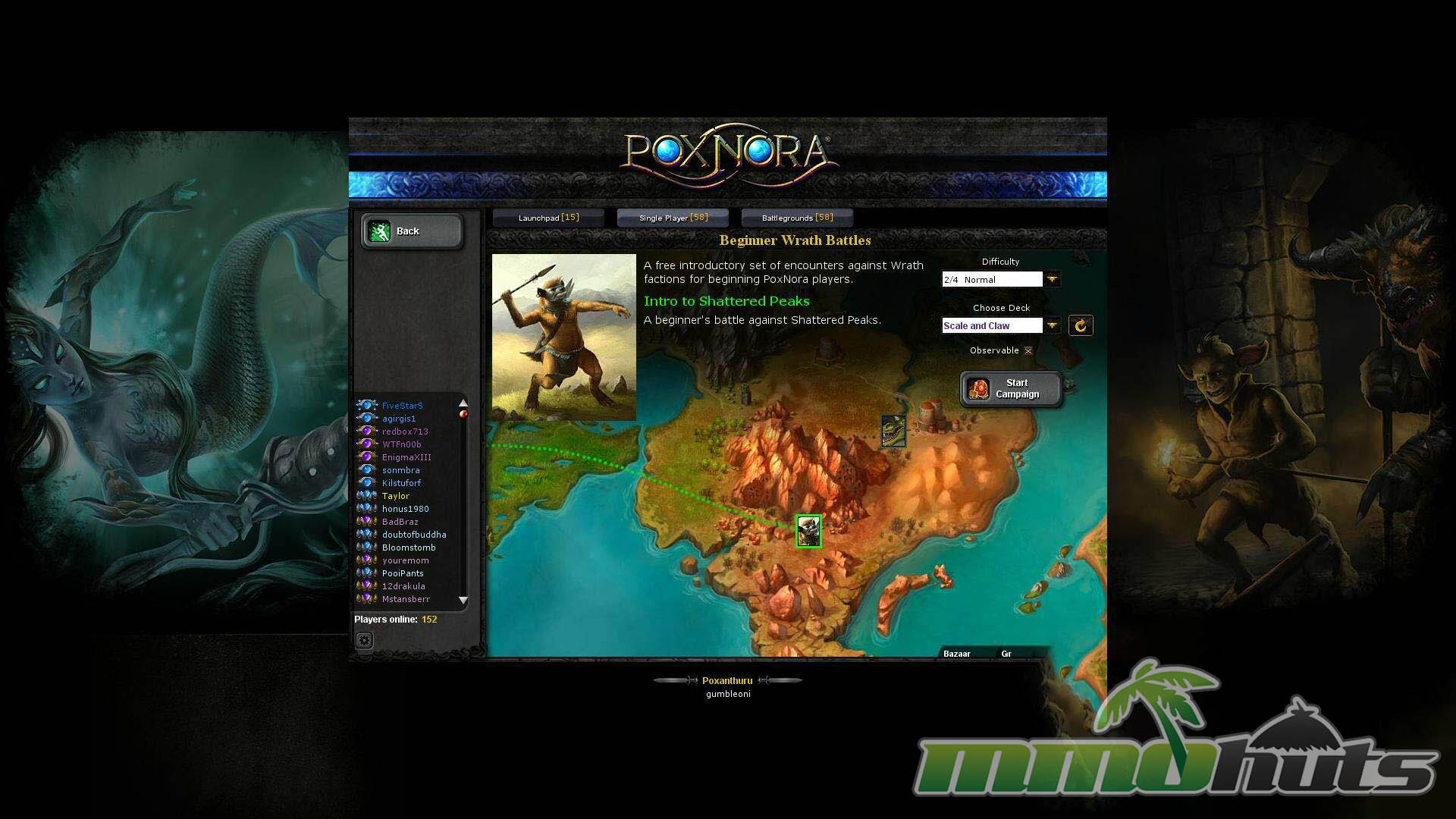
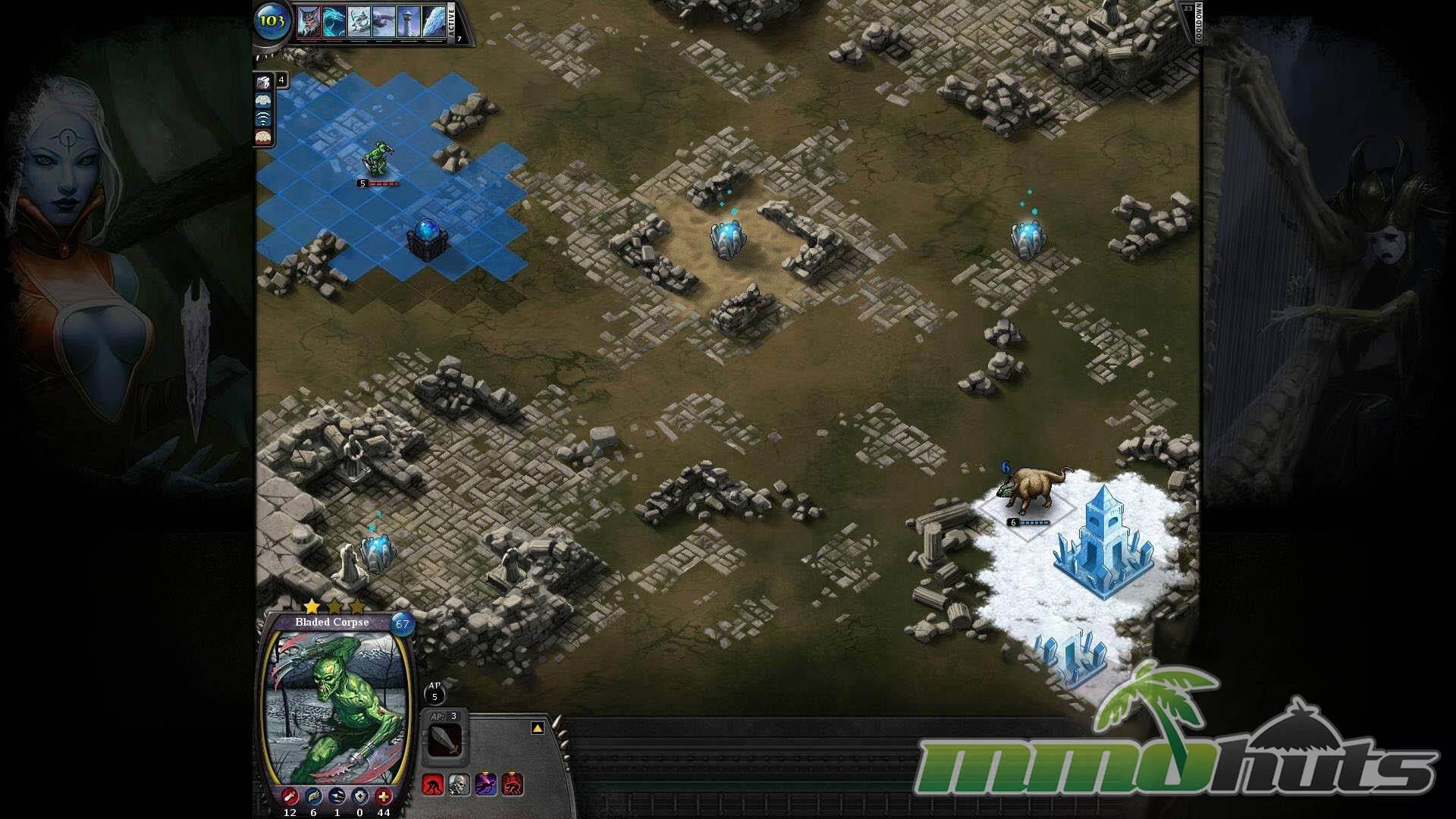
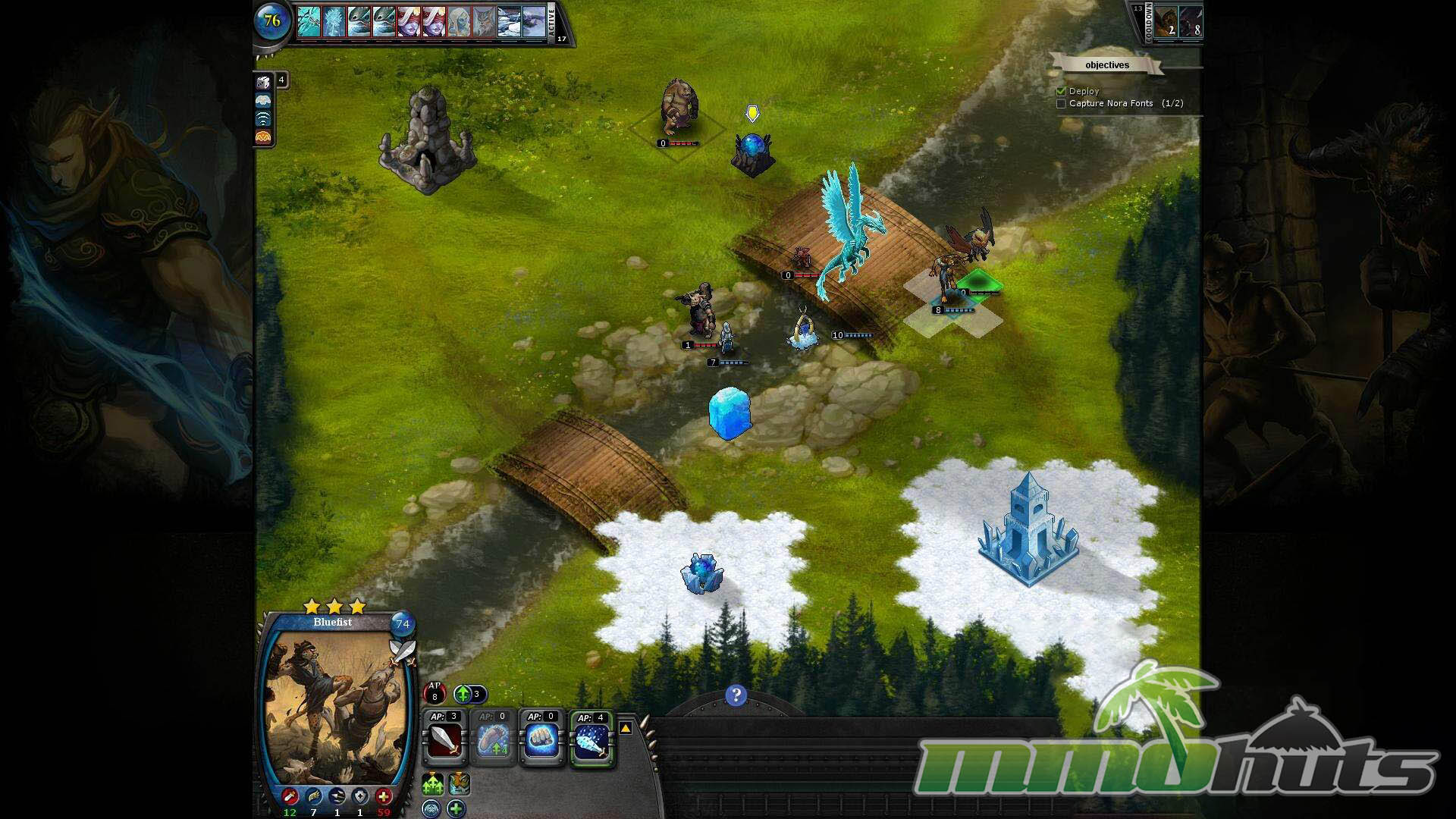

Pox Nora Featured Video

Pox Nora Review
Pox Nora is easy to misread at first glance. The rune cards and deck construction make it look like it is chasing mainstream digital card games, but the heart of the experience is closer to a crunchy tactics RPG. The game has been around since 2006, and that long history shows in both good and bad ways: the ruleset is unusually deep and full of variety, while the presentation and some interface decisions feel like holdovers from an earlier era.
Tactics First, Cards Second
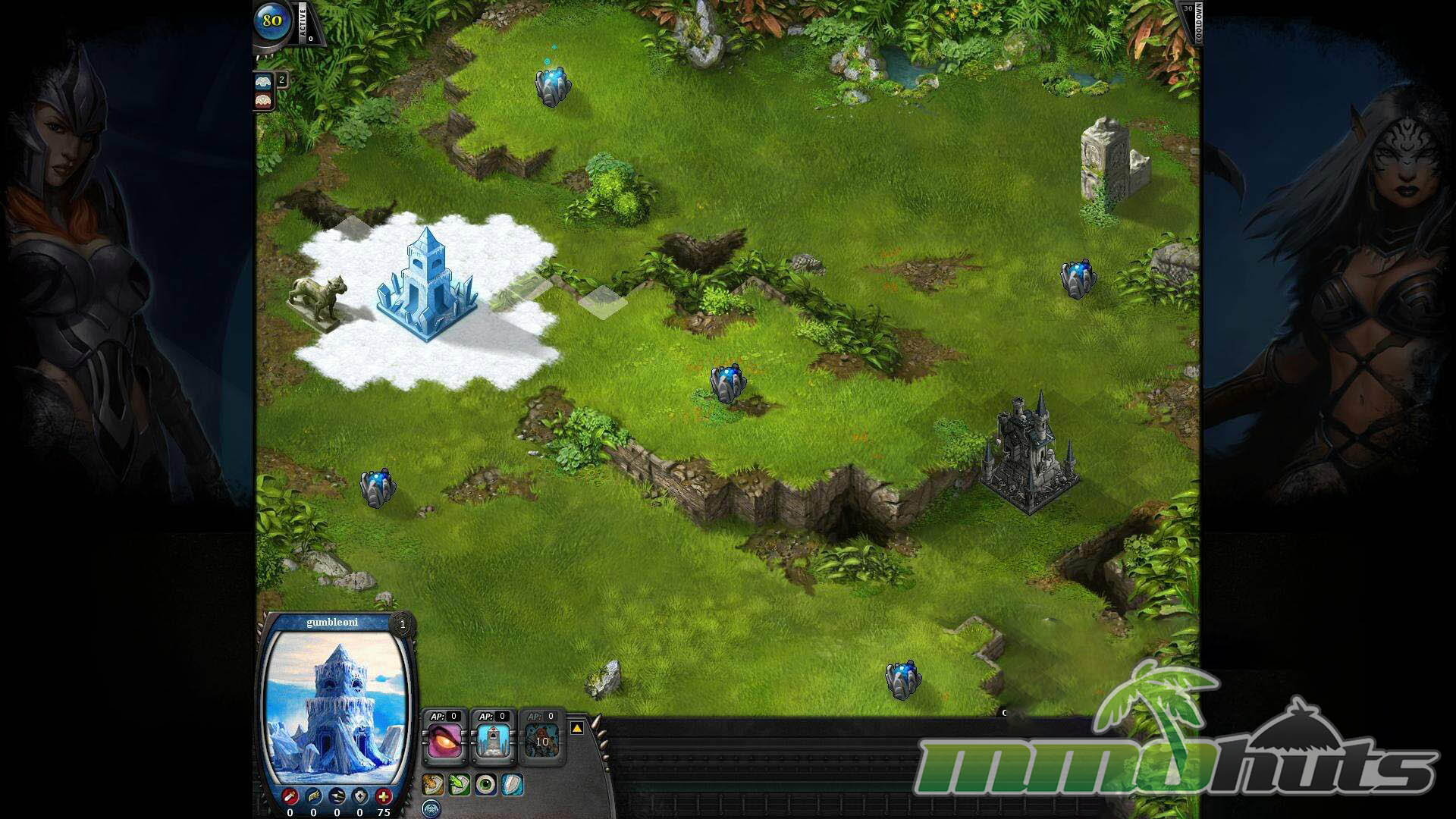
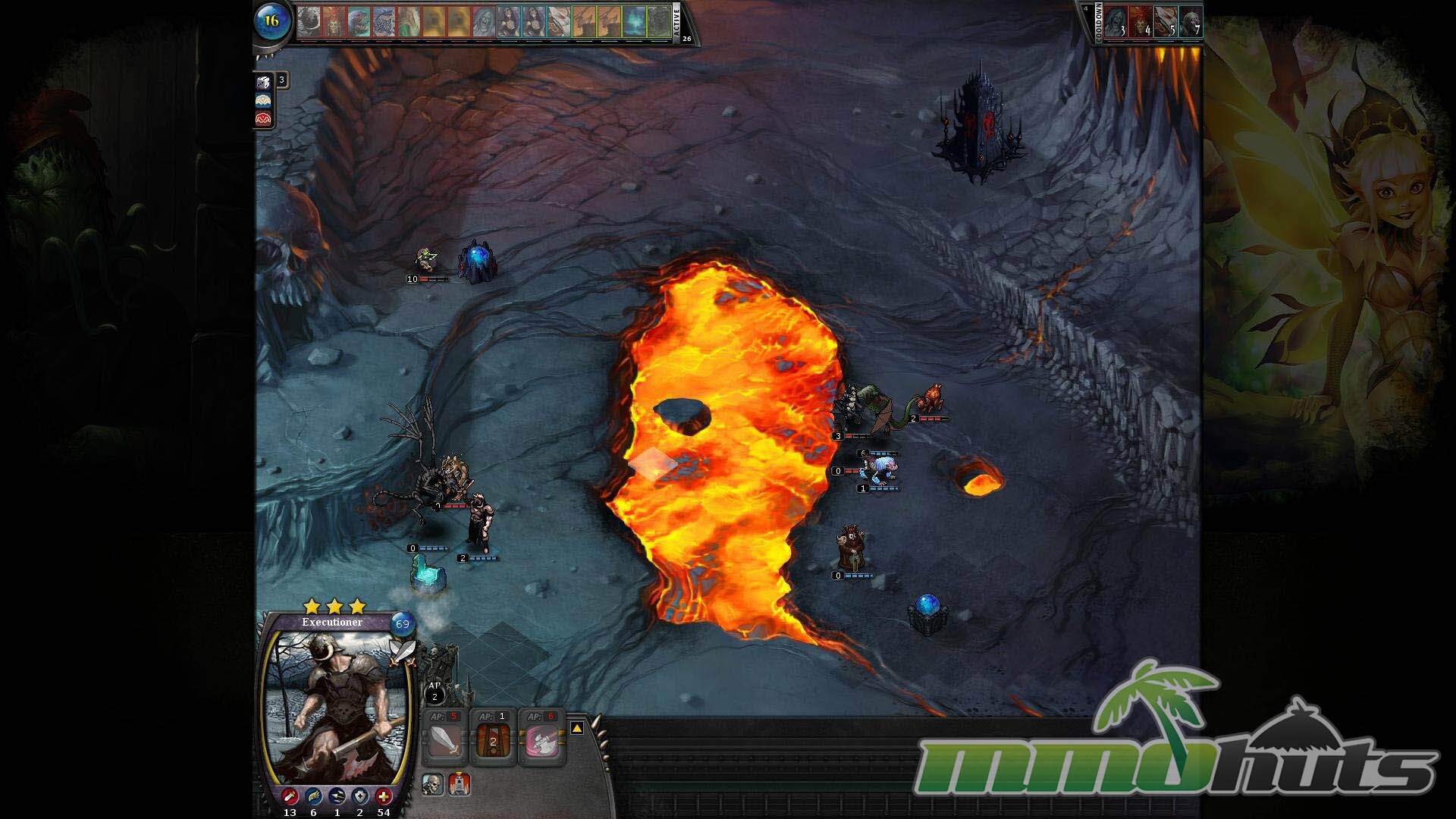
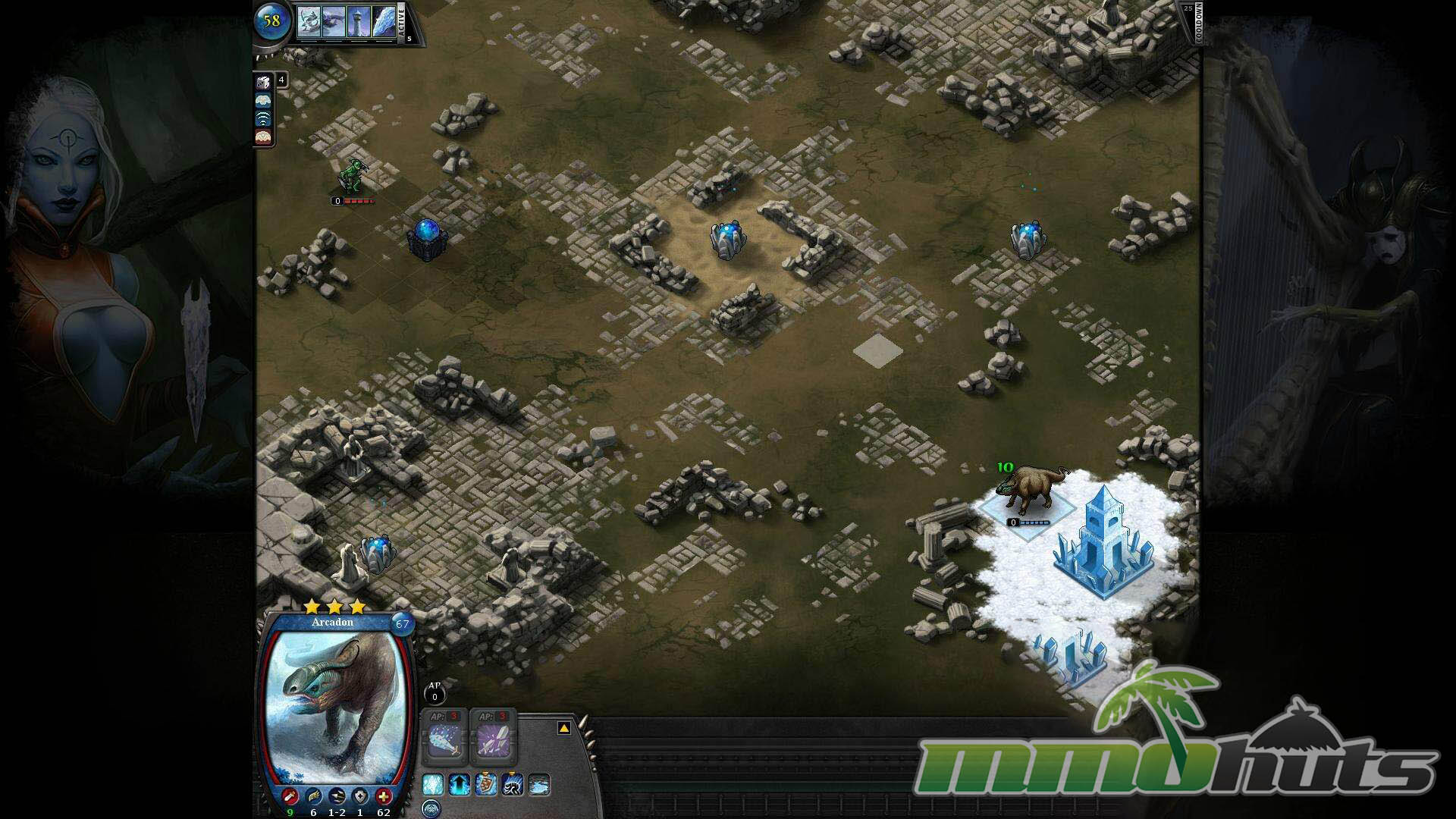
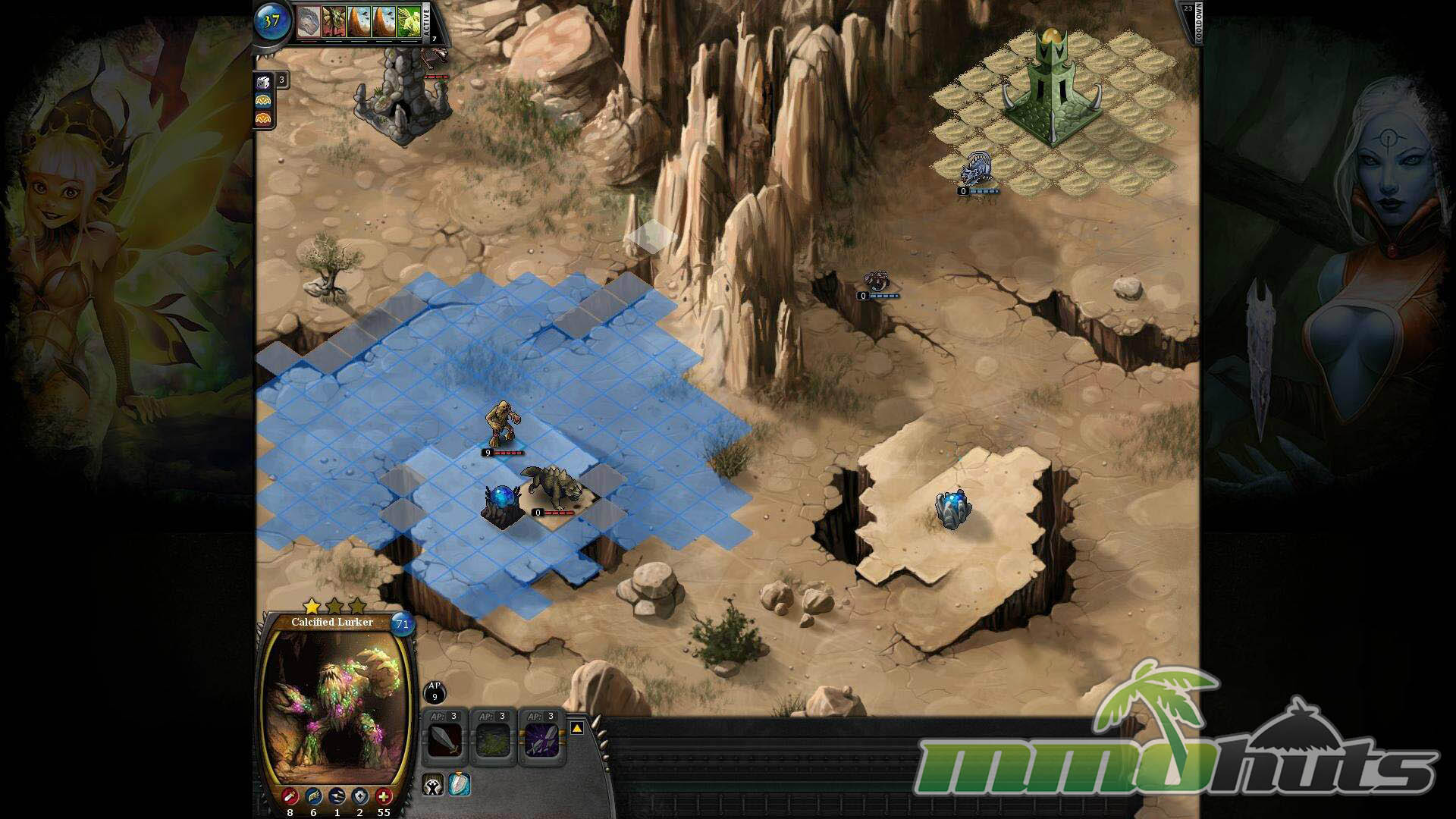
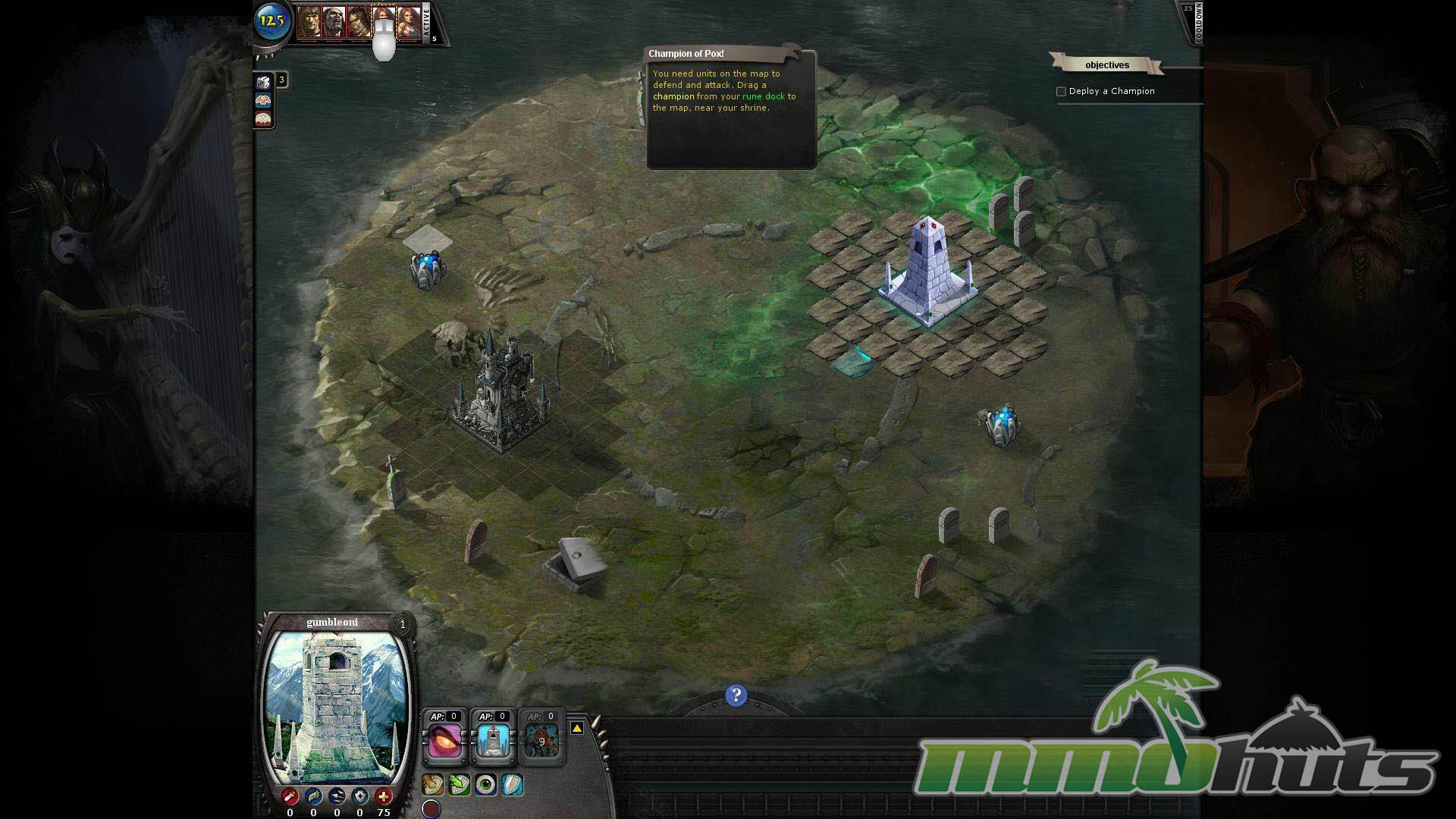
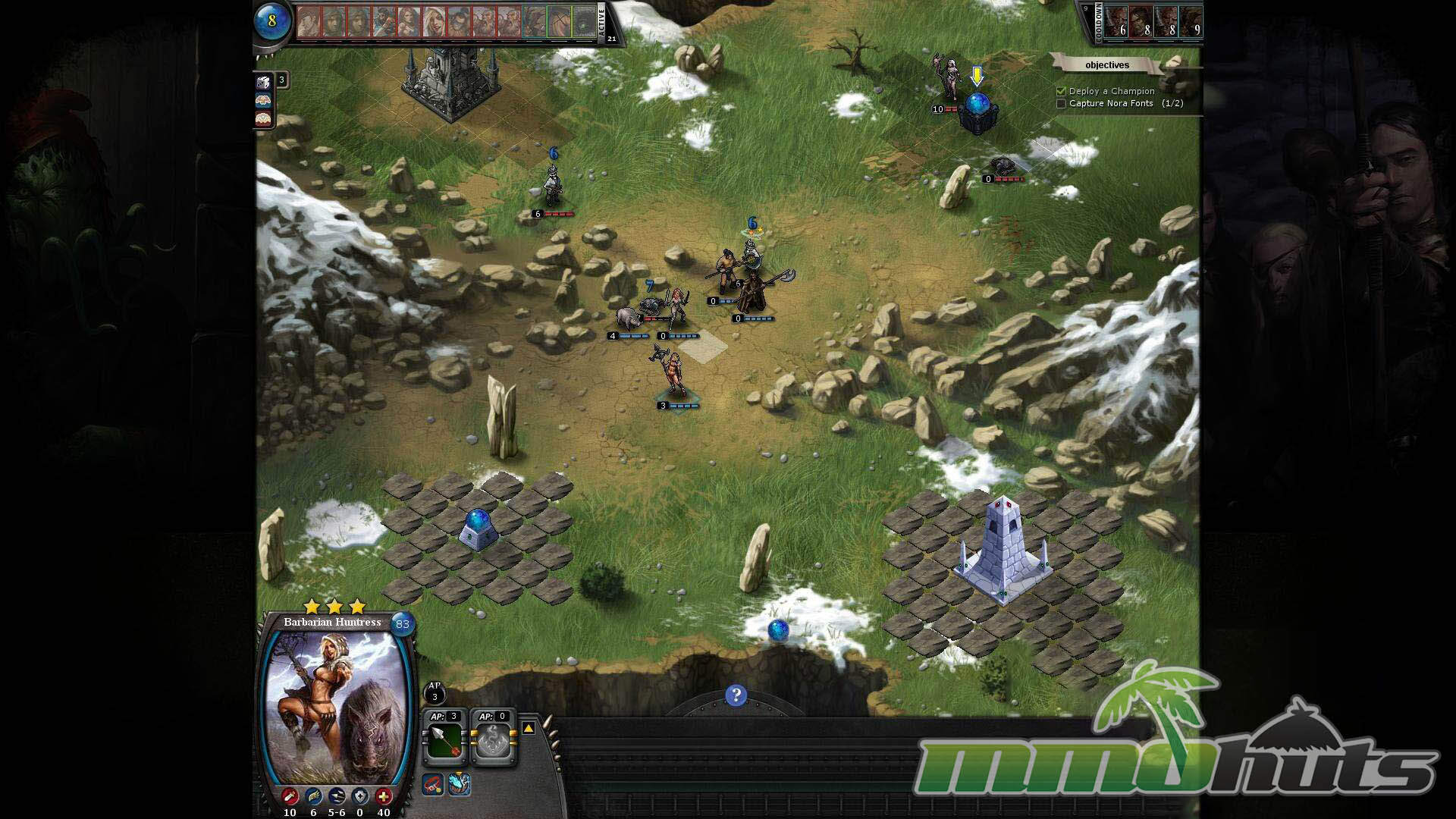
The core objective is simple: destroy the opponent’s shrine before they destroy yours. How you get there is where Pox Nora becomes distinct. Battles play out on a grid where spacing, lines of attack, and terrain hazards can matter, and your options each turn are constrained by resources and action economy. You deploy runes by dragging them onto the map, then use your units to contest fonts, pressure lanes, and create openings.
Turns are methodical. It is common to spend time deciding whether to deploy a new champion, cast a spell to swing a trade, or bank resources to set up a stronger sequence later. The game supports that slower pace, and players who enjoy careful positioning and incremental advantages will feel at home.
A Classic Look With Some Real Limitations
Pox Nora’s art direction has a very specific appeal. The illustrated portraits lean into stylized fantasy, and the unit sprites evoke the feeling of moving pieces on a tabletop map. When it clicks, the visuals complement the game’s board game roots, and the overall tone suits the darker fantasy flavor.
The downside is that the client feels constrained by its old layout. The 4×3 presentation is noticeable on modern displays, and the unused space around the play area can make the interface feel boxed in. Readability can also suffer once the board becomes crowded. When multiple champions stack around a contested area, selecting the right target and quickly parsing what is happening can become more frustrating than it should be in a tactics game that expects precision.
Audio is a brighter spot. When the music is active it supports the high fantasy atmosphere well, although it can be inconsistent about staying present during long sessions.
Resource Play Is the Real Metagame
The most important system to understand is Nora, the currency used to deploy runes. Champions, spells, equipment, and other tools each have a cost, so every turn becomes a question of tempo. Do you spend immediately to gain board presence, or hold back to afford a more impactful play later? Because rune costs vary widely, good Nora management often decides whether you are dictating the pace or constantly reacting.
Action Points (AP) add another layer. Units generate AP and spend it to move and attack, and repeated actions can become more expensive. This creates meaningful tradeoffs: pushing for extra damage in a turn can leave a unit stranded, while conserving AP can enable better positioning and safer engagements. Over time you start to see Pox Nora less as a card game and more as an action economy puzzle with a collectible wrapper.
The depth is rewarding, but it also contributes to the game’s intimidating first impression. Many champions come with extensive ability kits, and understanding the interactions takes repetition.
The Hero With Two-Thousand Runes
A big part of Pox Nora’s appeal is sheer variety. Champions have different stat profiles (damage, speed, range, defense, health) and, more importantly, a dense set of abilities that define their role. Those abilities can be powerful, conditional, and sometimes easy to overlook, especially for new players who are still learning the keywords and timing windows.
That complexity is where the skill ceiling comes from. Winning consistently requires more than a good deck, it requires familiarity with common threats, knowing what to play around, and recognizing when to pivot from defense to shrine pressure. For players who enjoy studying systems and improving over time, that learning curve is a feature, but it can be a barrier for anyone looking for quick matches and instant clarity.
Multiplayer
PvP uses the same fundamentals as the campaign, but the pace slows even further. Players are given one minute and fifty seconds for their turn, and many use that time to calculate lines carefully. If you enjoy long form, chess like decision making, this can be a strength. If you prefer brisk tactics matches, it can feel draining.
For competitive minded players, draft tournaments provide a more structured environment, though participation requires an entry fee. In practice, the best PvP experiences tend to come from players who appreciate deliberate play and are comfortable with longer match lengths.
Building Your Deck
New players start with premade faction decks, which is helpful for learning basic patterns. Custom deck building exists, but it is handled outside the client through the website based Rune Builder. The tool itself is functional and straightforward, yet the separation is awkward in 2025 terms, especially for a game where iteration and experimentation are central to the appeal.
Progression also has a clear reality: to build out a personalized deck you need a wider pool of runes. That means either earning them over time or spending money to speed up the process. Because factions are distinct and decks are faction focused, collecting enough pieces to fully shift into a new playstyle can take a while.
Cash Shop
The marketplace is also web based, and it is built around DOG (Desert Owl Games) currency. The listed rates are 500 DOG’s for $5.00 or 5350 DOGs for $50.00. You can also earn gold through play, but accumulation is slow relative to the cost of packs and full decks. After several hours, earning 850 gold can still leave you far from meaningful purchases, with an Extended Set Pack priced at 3510 gold (or 195 DOG) and a complete deck costing 30,000 gold (or 2500 DOG).
The end result is a familiar free to play equation: time versus money. It is possible to progress through play, but building a collection that supports multiple competitive decks is a long term project. In PvP you may occasionally run into players with stronger collections, but many matches still feel like they are decided more by decision making than raw rune rarity. For some players, the campaign and AI battles are the better fit simply because they allow you to learn at your own pace without turn timer pressure.
Final Verdict – Great
Pox Nora remains a rare kind of strategy game. Its combination of collectible runes and true turn based tactics creates a layered experience that rewards patience, study, and long term experimentation. The game’s age shows through the 4×3 presentation, occasional readability issues in crowded fights, and the odd choice to keep key systems like the deck builder and marketplace in the browser.
Even with those drawbacks, it is easy to see why a dedicated community has kept it alive for so long. If you want a tactics game with a massive pool of units and abilities to master, and you do not mind slower matches and a steep onboarding process, Pox Nora is still worth your time.
Pox Nora Links
Pox Nora Official Site
Pox Nora Steam Store
Pox Nora Wikipedia
Pox Nora Reddit
Pox Nora Wikia [Database/Guides]
Pox Nora System Requirements
Minimum Requirements:
Operating System: Windows XP/Vista/7/8 or Mac OSX
CPU: 500 MHZ CPU
Video Card: NVIDIA or ATI Video Card with 64MB of VRam
RAM: 200 MB
Hard Disk Space: 1 GB
Pox Nora is Max OS X compatible.
Pox Nora Music & Soundtrack
Pox Nora Additional Information
Developer(s): Octopi Media Design Lab, Sony Online Entertainment (SOE)
Producer(s): Luke Bultman
Designer(s): Dan Kopycienski, Arthur Griffith, Justin Felker, Brian Dellinger, Bryan Rypkowski
Engine: Java
Release Date: August 01, 2006
Steam Release Date: October 15, 2014
Development History / Background:
Pox Nora began at Octopi Media Design Lab and later entered a new phase after the studio was acquired by Sony Online Entertainment on January 16, 2009. That team was renamed SOETuscon, and the division was ultimately shut down by SOE on April 01, 2011. Over time the game shifted its monetization and progression model, moving away from earlier crafting oriented expectations toward an in-game gold economy that still allows direct purchases for players who prefer to spend money.
Across its lifespan, Pox Nora has released 26 expansions at regular intervals, with the most recent listed expansion being Path of De’lim on August 19, 2015. The game also launched on Steam on October 15, 2014, which helped bring in a wave of new and returning players.