PUBG Battlegrounds (formerly known as PLAYERUNKNOWN’s Battlegrounds) drops you into a high-stakes battle royale match where up to 100 players are scattered across a large island and only one survivor (or one surviving team) can claim the win. You start with nothing, then race to loot weapons, armor, and supplies, using vehicles and smart positioning to outlast everyone as the playable area tightens.
 | Publisher: Bluehole Playerbase: High Type: Battle Royale Release Date: March 23, 2017 Pros: +Huge 8×8 km battlefield that supports varied approaches. +Lots of guns, attachments, and equipment to learn. +Vehicles and cosmetics make matches feel less samey. Cons: -Core loop can feel similar over time. -Limited to one primary mode/map in this version. -Melee options are rarely worth carrying. |

PUBG Battlegrounds Overview
PLAYERUNKNOWN’s Battlegrounds places you on a sprawling island alongside up to 99 other players, with a simple objective that creates endless tension, survive and be the last one standing (or the last duo/squad alive). Every match begins with a parachute drop and empty pockets, then quickly turns into a scavenger hunt for firearms, ammunition, armor, healing items, and transport. Looting is only half the story though, because the safest buildings are often the most contested, and the best gear usually comes with the highest risk.
Combat revolves around finding a loadout you can actually control, then making smart rotations through towns, forests, and hills as the safe zone forces players into tighter spaces. PUBG also supports community creativity through mod creation tools, plus replay and spectate options that make it easier to study mistakes, track strong players, and learn how a winning match is pieced together.
PUBG Battlegrounds Key Features:
- Battle Royale – parachute onto an island with up to 100 players, loot quickly, and fight until only one remains.
- Weapon Variety – a broad set of weapon categories to pick from, ranging from sidearms to SMGs and rifles.
- Create Mods – build and tweak custom mods designed to test friends or the wider community.
- Open-World Island – an expansive map packed with landmarks, compounds, and natural terrain that supports different routes each match.
- Duo Mode – queue with a partner and try to be the final team standing.
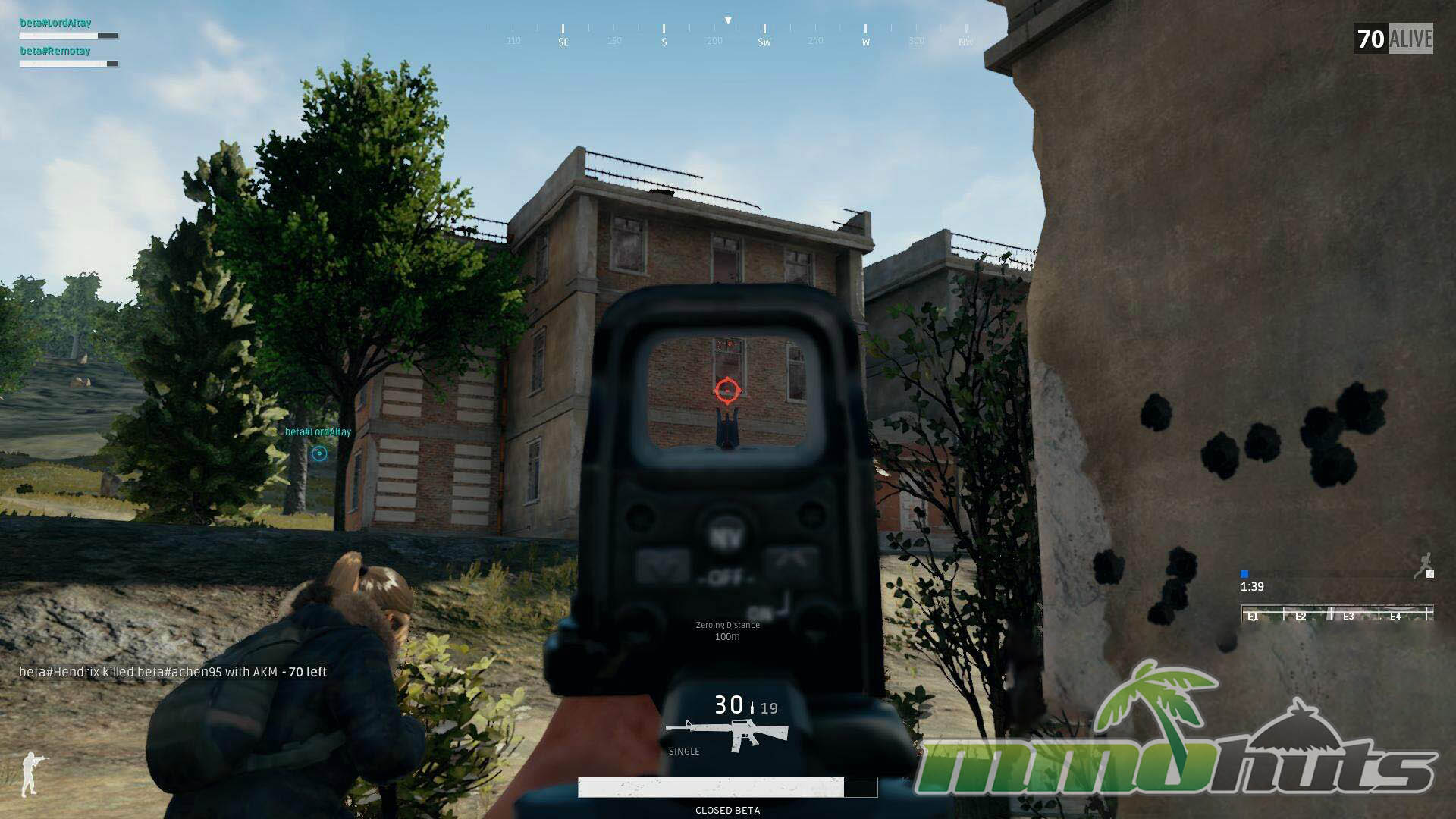
PUBG Battlegrounds Screenshots
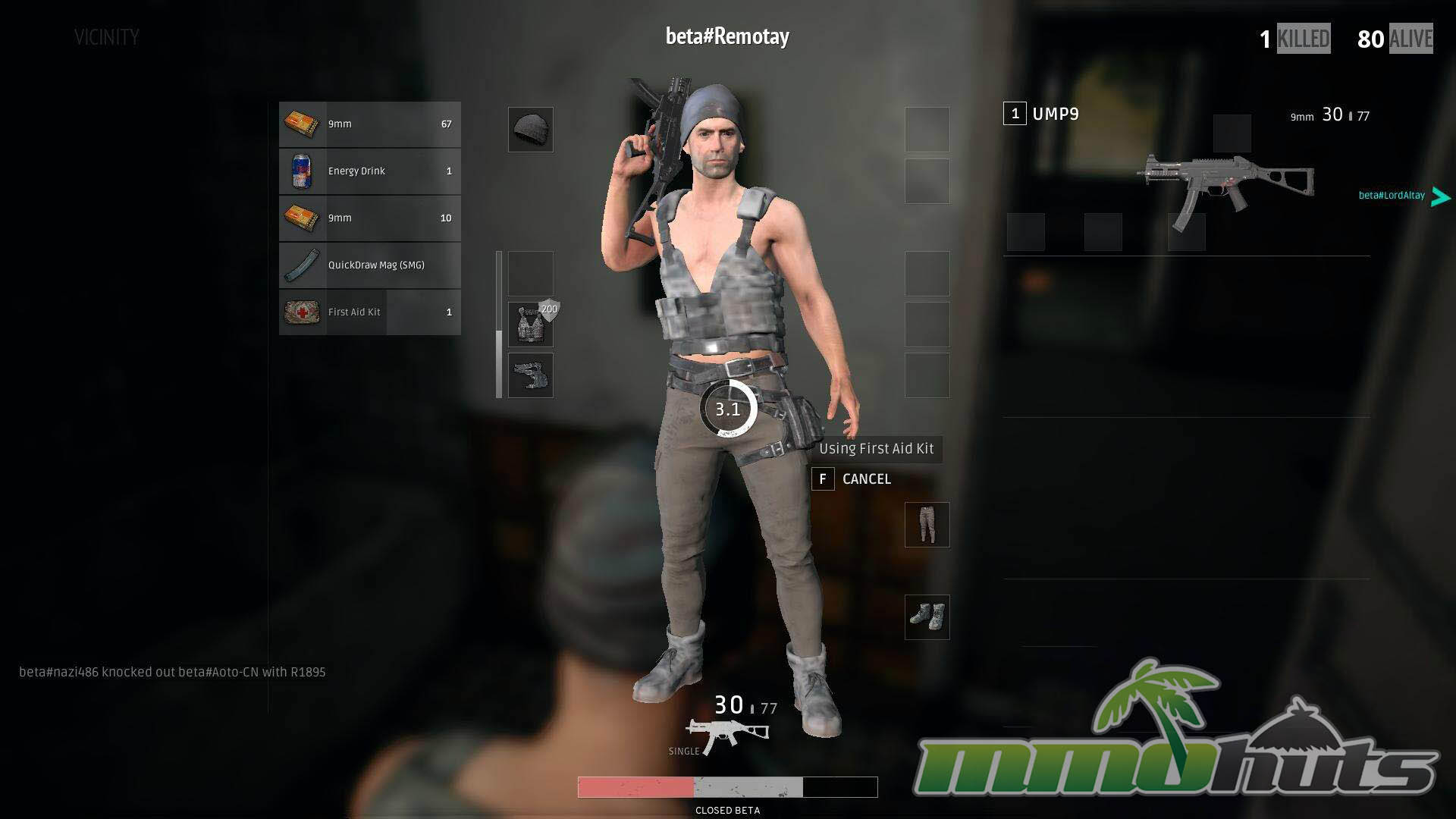
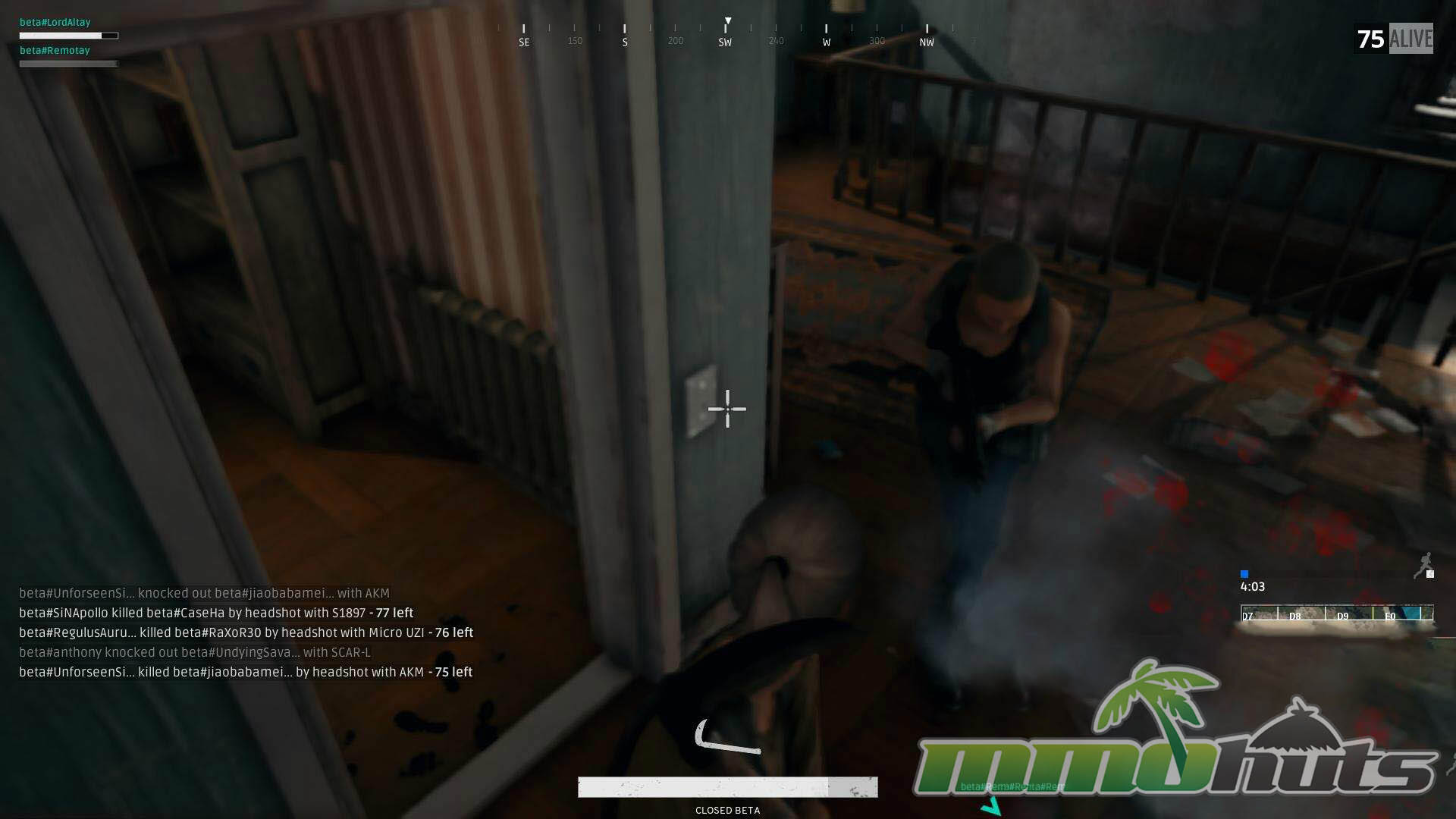
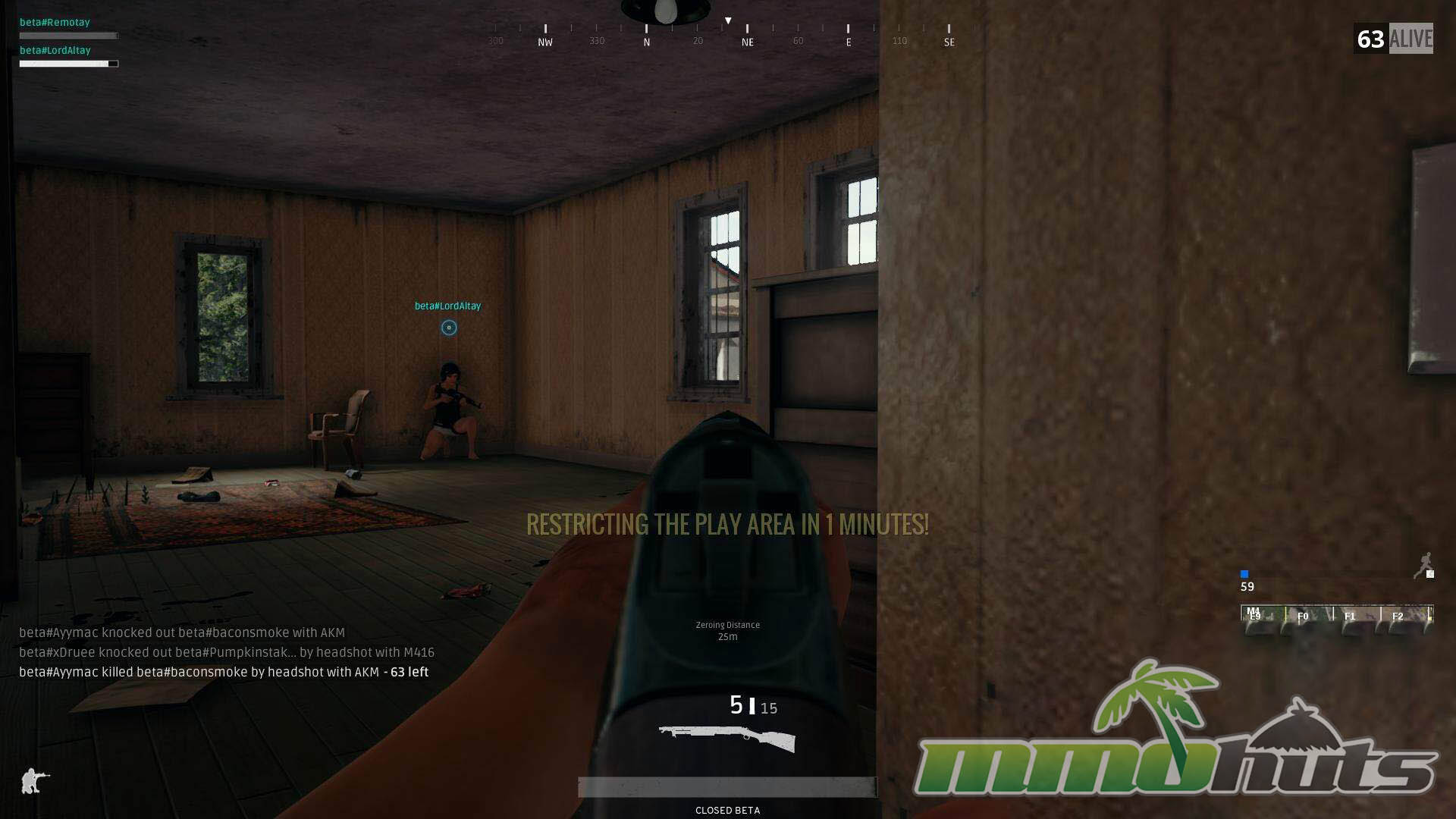


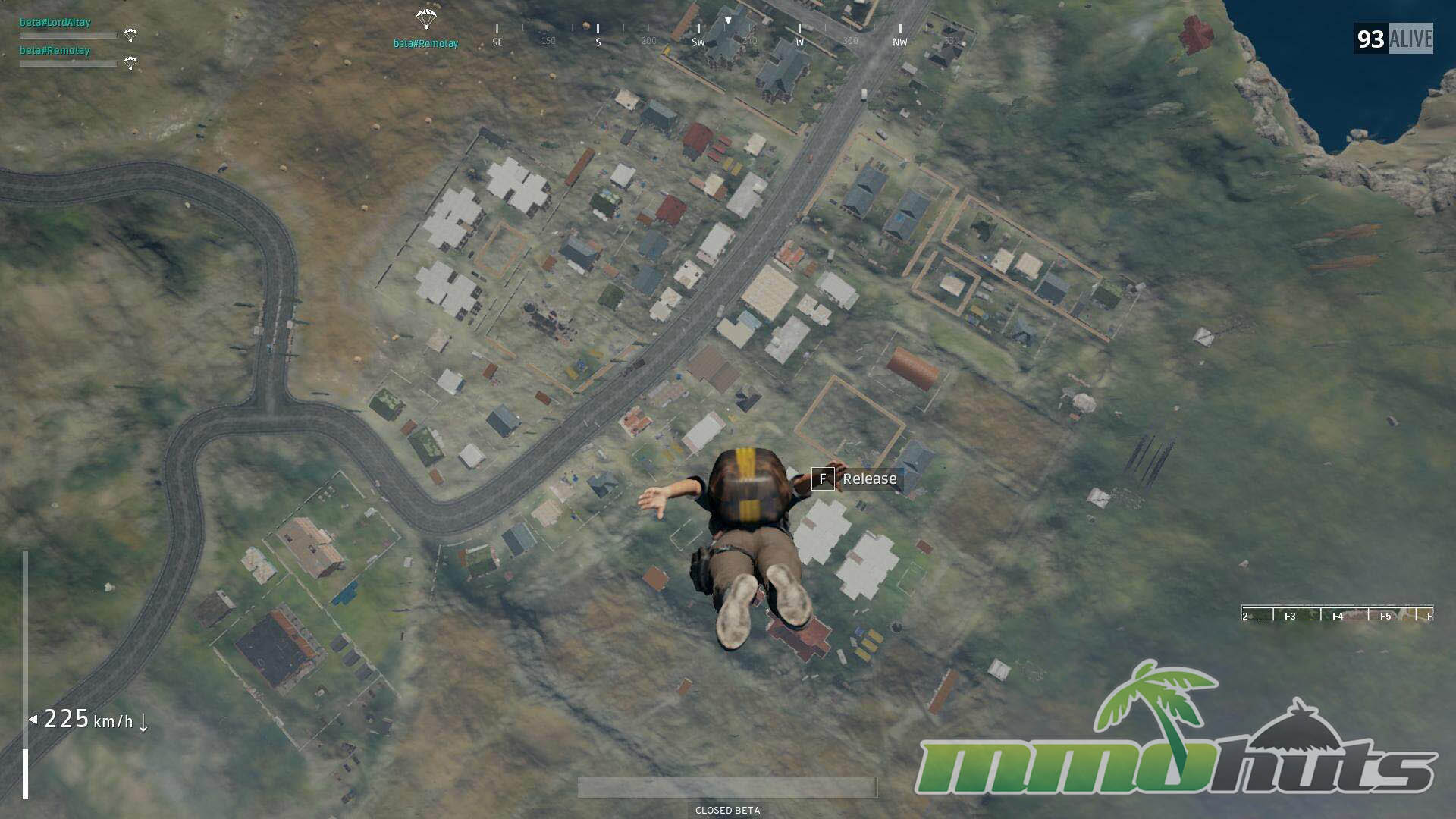
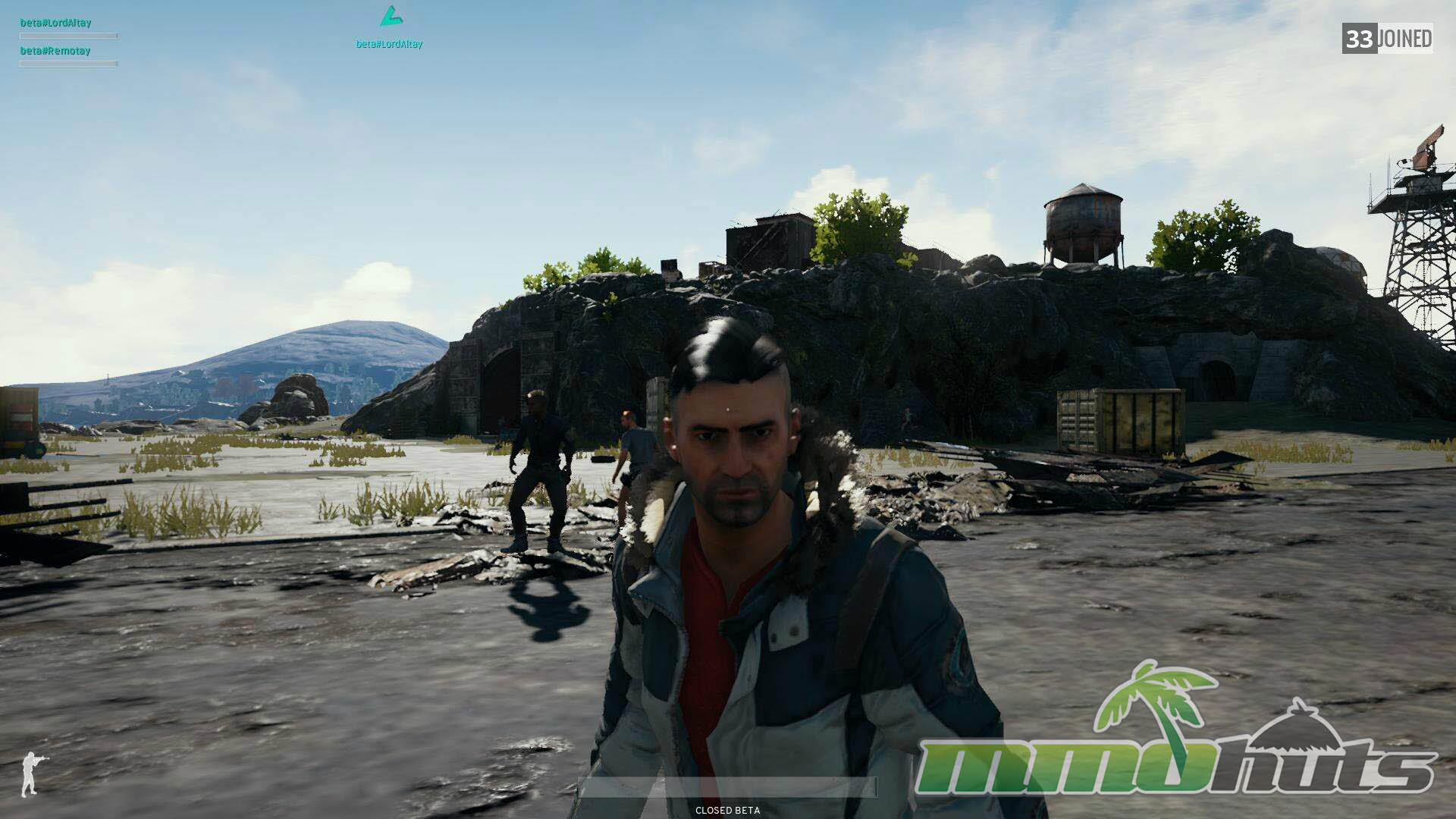

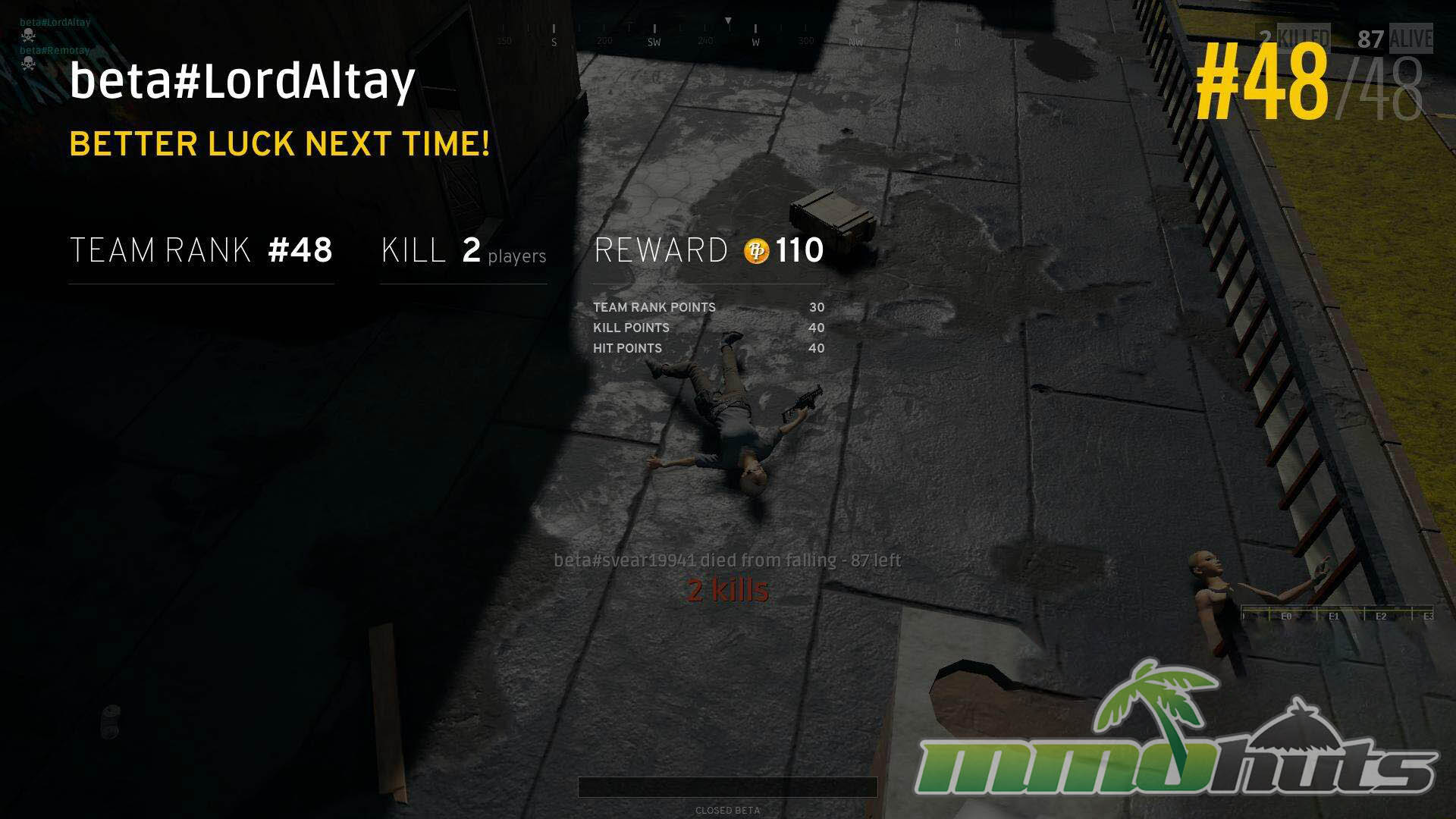
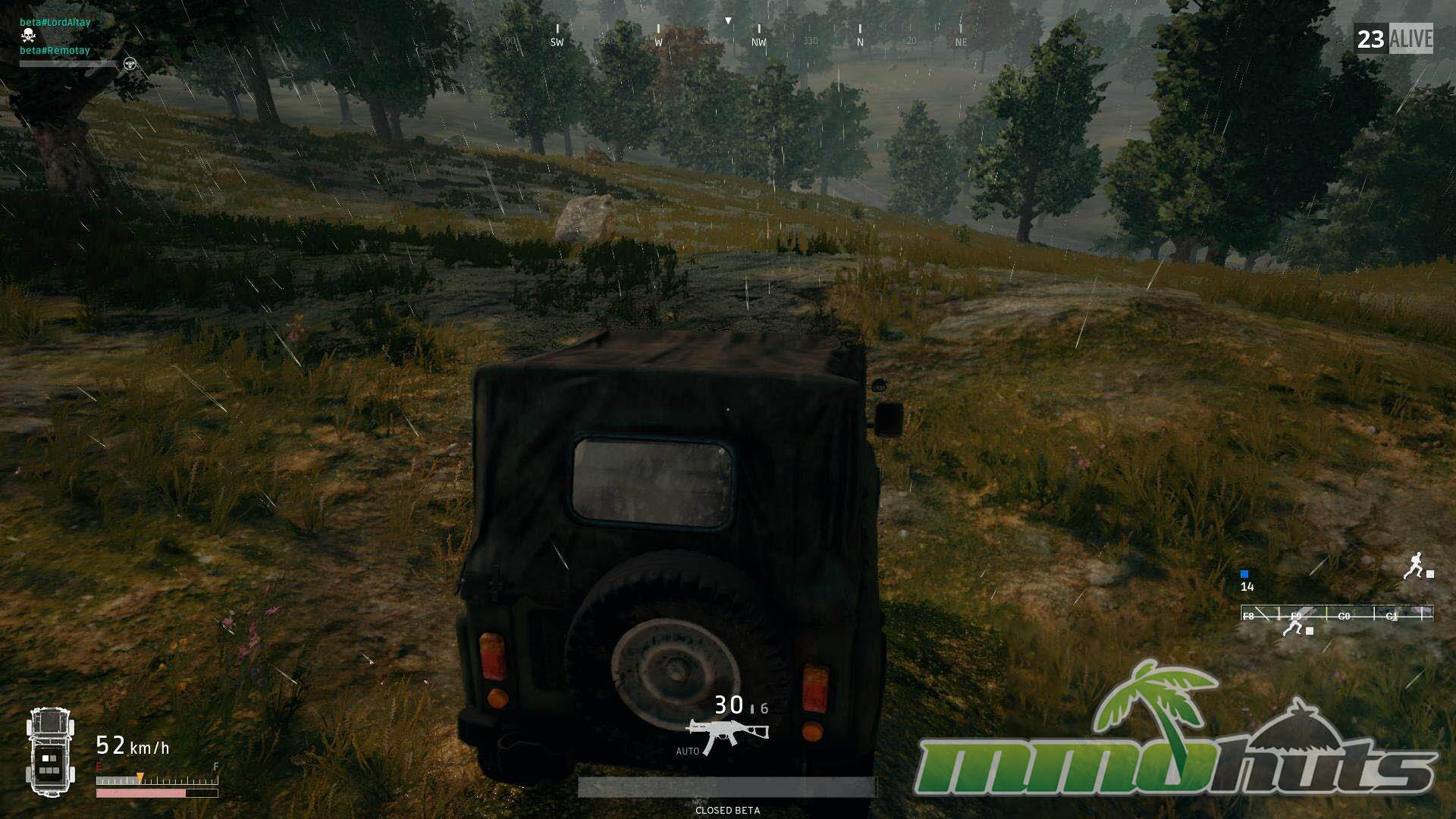
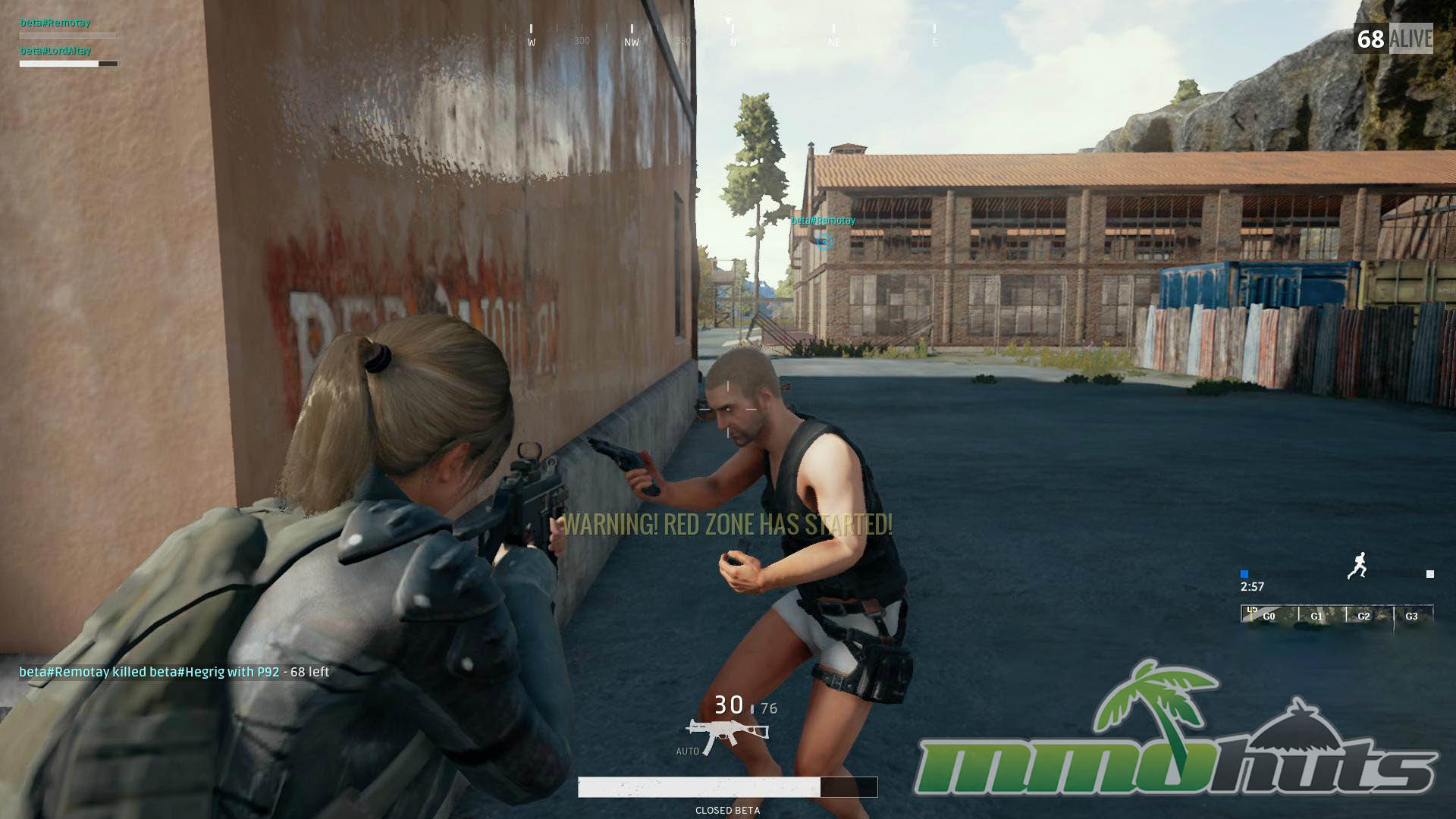
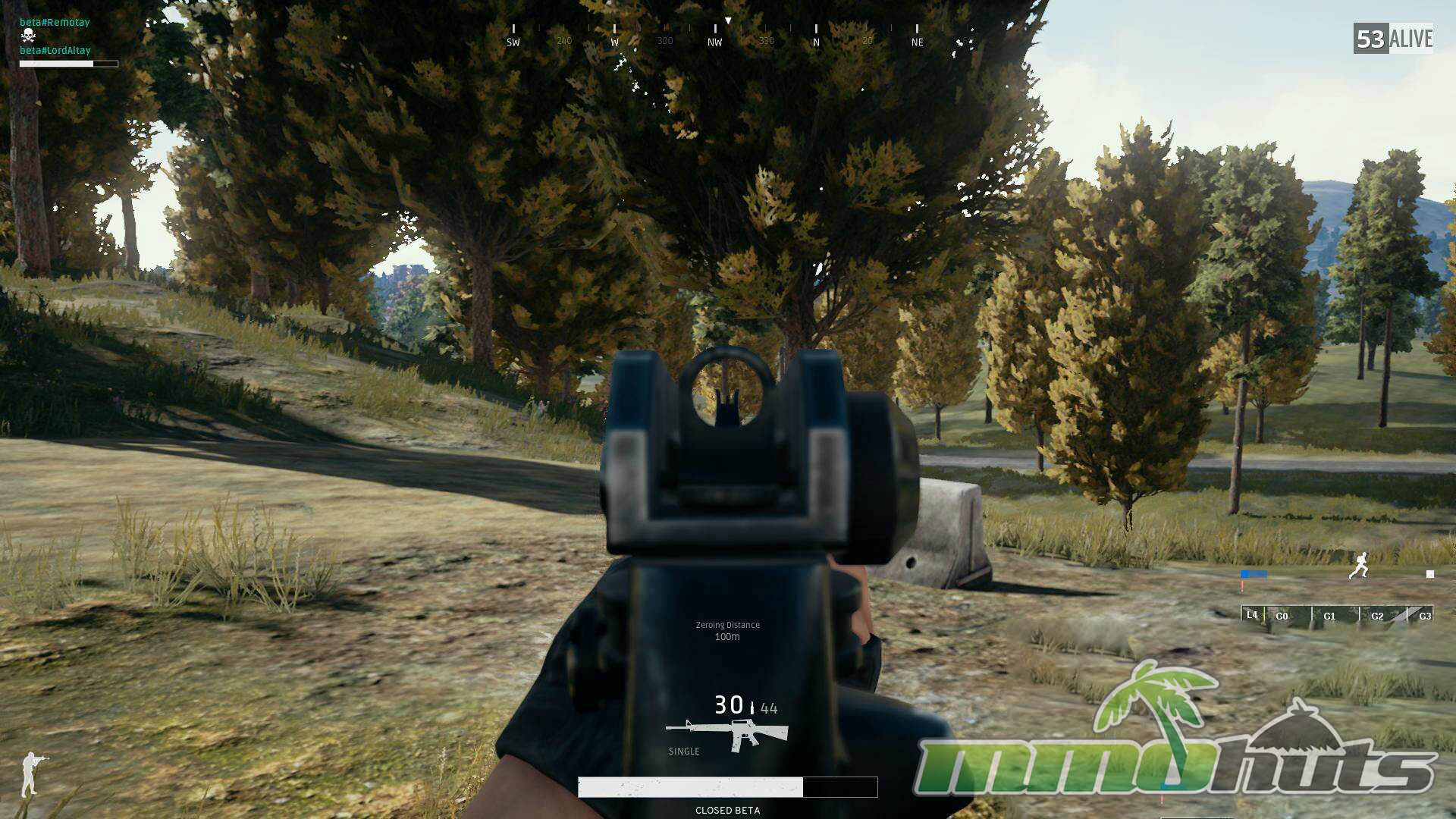
PUBG Battlegrounds Featured Video

PUBG Battlegrounds Review
Playerunknown’s Battlegrounds is a third-person shooter built around a last-player-standing format on a huge island filled with weapons, ammo, and survival gear. Developed and published by Bluehole (also known for TERA) with Brendan Greene (PLAYERUNKNOWN) guiding the creative direction, PUBG helped define what modern battle royale looks like: short, repeatable matches with unpredictable outcomes and constant pressure to adapt.
From Mod Concept to Mainstream Formula
It is rare to see a multiplayer idea evolve from a niche concept into something the entire industry starts copying. Battle royale is one of those exceptions, and it arrived through the same route as many competitive staples, modders experimenting and players spreading the word. In the same way that mod roots helped shape genres around games like Counter-Strike and MOBAs, the battle royale structure proved that a clear win condition (and a match with a real ending) can make survival-style gameplay far more approachable.
PUBG’s importance is not just that it popularized the format, it is that it packaged it into a straightforward loop that almost anyone can understand after a match or two, land, loot, rotate, survive the shrinking zone, then fight for the final circle.
The ARMA Connection and Why It Matters
The ARMA series is often credited as fertile ground for ambitious mods, and it effectively spawned multiple trends. DayZ pushed the idea of persistent survival with long-term consequences, while battle royale distilled survival into a match-based structure with a clean finish line. That match-based design is key: it keeps stakes high without requiring the time investment of persistent servers, and it creates a natural rhythm of early chaos, mid-game planning, and late-game tension.
If you have played other last-man-standing games, the overall shape will feel familiar, but PUBG’s scale and pacing make it feel more like a tactical survival shooter than a pure arena brawler.
Bluehole’s Fast Pivot Into a New Space
Bluehole’s decision to lean into the genre was an interesting move at the time, especially given its association with MMORPG development. According to the first Battlegrounds developer blog, Bluehole production director Dr Changham Kim contacted PLAYERUNKNOWN in February 2016, and by late March 2016 Brendan Greene had relocated to Seoul to lead the project creatively. Considering that PUBG reached an early playable state quickly afterward (Alpha in September 2016, then a broader Closed Beta running February to March 2017), the pace of development was notably aggressive.
The use of Unreal Engine 4 likely helped accelerate production, but the bigger takeaway is that PUBG did not feel like a small experiment, it aimed immediately for large matches on a huge map, which is exactly what players wanted from the concept.
Match Flow: Drop, Loot, Survive
At launch in Early Access, PUBG entered with a $29.99 price and an optional $39.99 Deluxe Edition that included limited skins tradable on the Steam Marketplace. After a quick character setup (basic gender and hair options, plus a player name), you choose how to queue: solo or with a partner. Separate queues help keep solos from constantly running into coordinated duos.
Once a lobby fills, everyone boards a transport plane and decides where to jump. That choice shapes the entire match. Busy towns and dense compounds offer more loot and faster gearing, but also produce the earliest firefights and the quickest eliminations. Quieter edges and scattered house clusters are safer, yet they can leave you under-equipped if the zone forces a long rotation. PUBG’s opening minutes are often the most decisive because a bad landing can end a run before it really begins.
Map Scale and the Constant Risk Calculation
While the game here centers on a single map, it is an enormous 8×8 km island with a strong mix of large cities, industrial sites, and open countryside. That size matters because it supports very different match tempos. You can choose to chase fights in high-traffic areas like Pochinki or Yasnaya Polyana, or you can play a slower information game, looting on the outskirts and only committing when you have to.
PUBG’s circle system is also a major driver of variety. Early on, a white safe zone is revealed and players have a limited window to enter it. Later circles become smaller, forcing rotations and ensuring the match does not stagnate. The red-zone bombardments add an extra layer of urgency, turning otherwise safe routes into sudden hazards and encouraging players to respect timing, terrain, and cover.
A Learning Curve That Usually Feels Fair
PUBG rewards experience, but it rarely feels incomprehensible. Early mistakes are typically easy to diagnose, you lingered too long outside the circle, you looted without watching windows, you drove into an exposed ridge line, you pushed a building without utility. Even when the game punishes you quickly, the cause is usually clear enough that you can adjust in the next queue.
That is a big reason PUBG works as well as it does. It creates memorable stories from simple systems, and it teaches through failure without requiring you to study long guides just to participate.
Loot Randomness and Gear Priorities
The loot system gives PUBG a lot of its drama. Two players can land in similar-looking houses and come out with completely different tools, one might find a strong rifle and armor immediately, while another is stuck with a pistol and minimal ammo. That uneven start creates both tension and opportunity, because a weaker loadout can still win through positioning, patience, and smart third-party timing.
Weapon and gear variety is generally a strength, and attachments help you fine-tune how guns behave. Cosmetic clothing found in-world also adds personality to a match, even when it is not providing meaningful stats. The weakest part of the kit ecosystem is melee. It exists, but it rarely feels like a practical choice, and the impact of swings is not satisfying enough to justify the risk. In most matches, you are better off prioritizing almost anything else.
Gunfeel, Performance, and Why Tension Carries the Game
PUBG’s shooting does not aim for the crisp precision of dedicated competitive shooters. Movement, third-person camera behavior, and overall responsiveness can feel unusual until you adjust, and performance can heavily influence how fair firefights feel. When frame rates dip, tracking targets and reacting to sudden peeks becomes noticeably harder, which can turn close engagements into frustration.
Even so, PUBG’s appeal is not solely in the raw gunplay. The game is built around decision-making under pressure: when to rotate, when to hold, when to risk a vehicle, when to stop looting, when to take a fight, and when to let other squads collide first. A match can reward twenty minutes of careful planning, then erase it in seconds if you misread a ridge or ignore a window, but that is also what makes victories feel earned. PUBG’s best moments come from that blend of uncertainty and strategy rather than purely mechanical shooting skill.
Final Verdict: Great
Playerunknown’s Battlegrounds remains a landmark for battle royale, delivering large-scale matches that feel tense, readable, and consistently replayable thanks to its map size and circle-driven pacing. It supports multiple playstyles, from aggressive drops to slow rotations, and its loot variety keeps each run from feeling identical. That said, some elements still feel rough, especially melee usefulness, inventory handling, and certain interaction animations, and the overall loop can eventually blur together if you grind it heavily.
PUBG Battlegrounds Links
PLAYERUNKNOWN’s Battlegrounds Official Site
PLAYERUNKNOWN’s Battlegrounds Facebook Page
PLAYERUNKNOWN’s Battlegrounds Reddit
PLAYERUNKNOWN’S Battlegrounds Steam Page
PUBG Battlegrounds System Requirements
Minimum Requirements:
Operating System: Windows 7 / 8.1 / 10 64 bit
CPU: Intel i3 4340 / AMD FX-6300
Video Card: nVidia GeForce GTX 660 2GB / AMD Radeon HD 7850 2GB
RAM: 6 GB
Hard Disk Space: 30 GB
PUBG Battlegrounds Music & Soundtrack
Coming soon!
PUBG Battlegrounds Additional Information
Developer: Bluehole
Publisher: Bluehole
Creative Director: Brendan Greene (PLAYERUNKNOWN)
Exeuctive Producer: Dr Chang han Kim
Game Engine: Unreal Engine 4
Platforms: PC
Release Dates
Alpha: November 2016
Closed Beta: February 24, 2017 – March 19, 2017
Early Access: March 23 2017
Development History / Background:
PUBG Battlegrounds is a battle royale game developed and published by Bluehole, a South Korean gaming company. In February 2016, Bluehole approached PLAYERUNKNOWN (Brendan Greene), known for his Battle Royale work connected to H1Z1 and Arma 3, to collaborate on a standalone title. By the end of March 2016, development was underway in Seoul. Built using Unreal Engine 4, the project moved into Alpha in November 2016, followed by a Closed Beta period beginning February 24, 2017 and ending March 19, 2017, before launching into Steam Early Access on March 23, roughly a year after development began.