Pathfinder Online was a subscription-based 3D sandbox fantasy MMORPG from Goblinworks that aimed to bring the Pathfinder tabletop spirit into an open, player-shaped online world. Instead of locking you into rigid classes and encouraging endless monster farming, it focused on flexible character development, a player-driven economy, settlement building, and riskier open world PvP. The result was a niche MMO with interesting ideas, but one that ultimately struggled to maintain momentum before its eventual closure.
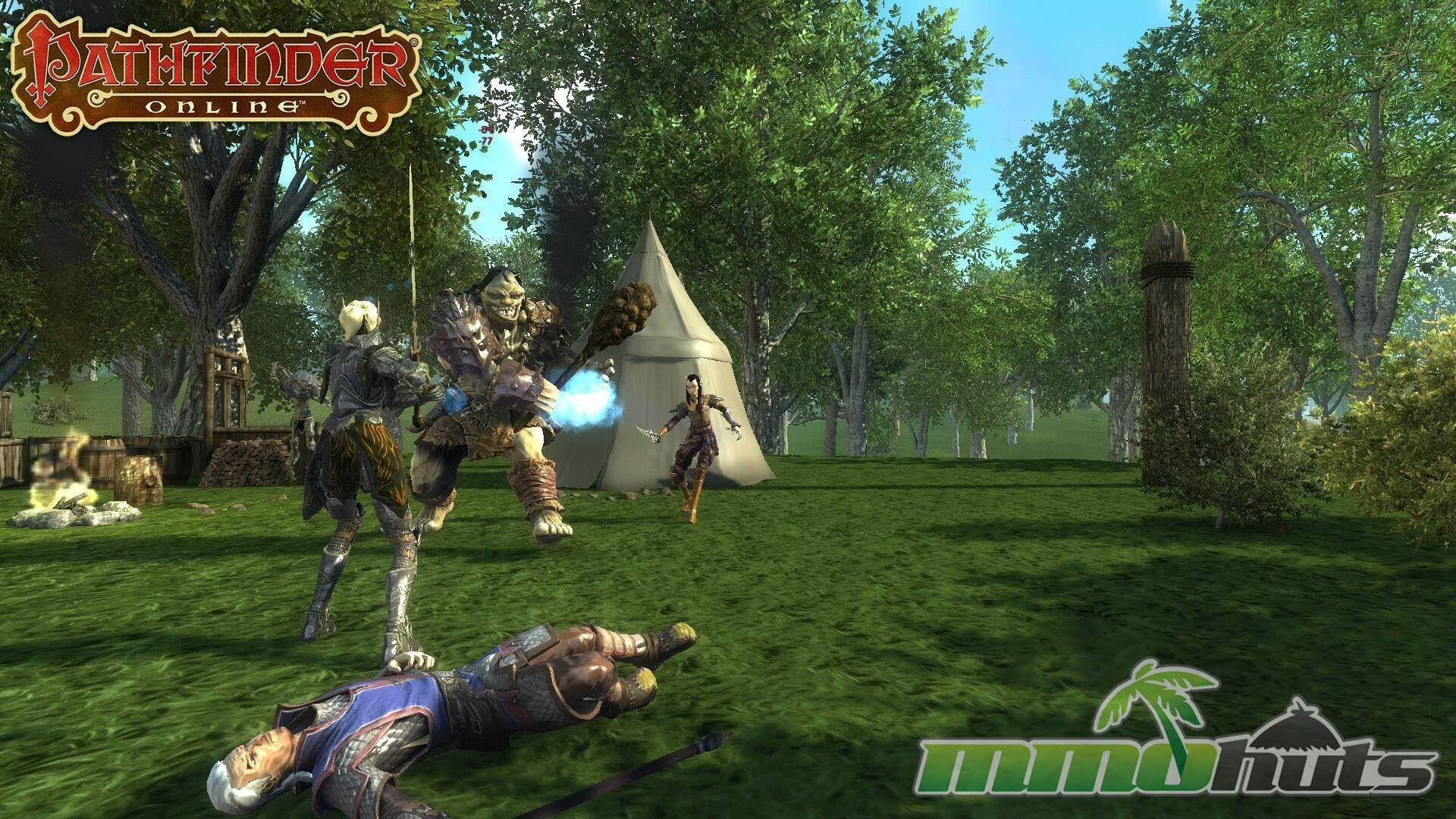 | Publisher: Goblinworks Type: Sandbox MMORPG Release Date: December 31, 2014 Shut Down: November 28, 2021 Pros: +Distinct sandbox direction with meaningful player agency. +Classless progression and minimal grind emphasis. +Robust crafting and economic systems. Cons: -Development support faded over time. -Very small community. -Visuals show their age. -Rough edges and limited polish. |
Pathfinder Online Shut Down on November 28, 2021
Pathfinder Online Overview
Pathfinder Online is a sandbox MMORPG developed by Goblinworks and set in a world inspired by the Pathfinder franchise. Its biggest departure from traditional theme park MMOs is the way it treats character building and progression. Rather than handing players a fixed class kit and a quest treadmill, it leans into a more open framework where your capabilities come from what you train and what your group can organize in the world.
A major part of the design pitch was reducing grind pressure. Advancement is tied to steady experience gains that continue whether you are actively logged in or not, an approach reminiscent of skill training in EVE Online. In practice, this means the game was built so that players who cannot play every day were not automatically left behind by those who could invest long sessions, at least in terms of core progression pacing.
The sandbox side is reinforced by systems like a player-run economy, crafting, housing, and a world that supports conflict between players. This kind of design tends to live or die on community size and long-term developer support, and Pathfinder Online always positioned itself as a more specialized MMO for players who prefer social coordination, planning, and emergent gameplay over curated story arcs and instanced rides.
Like Star Citizen and Camelot Unchained, Pathfinder Online was funded by crowdfunding.
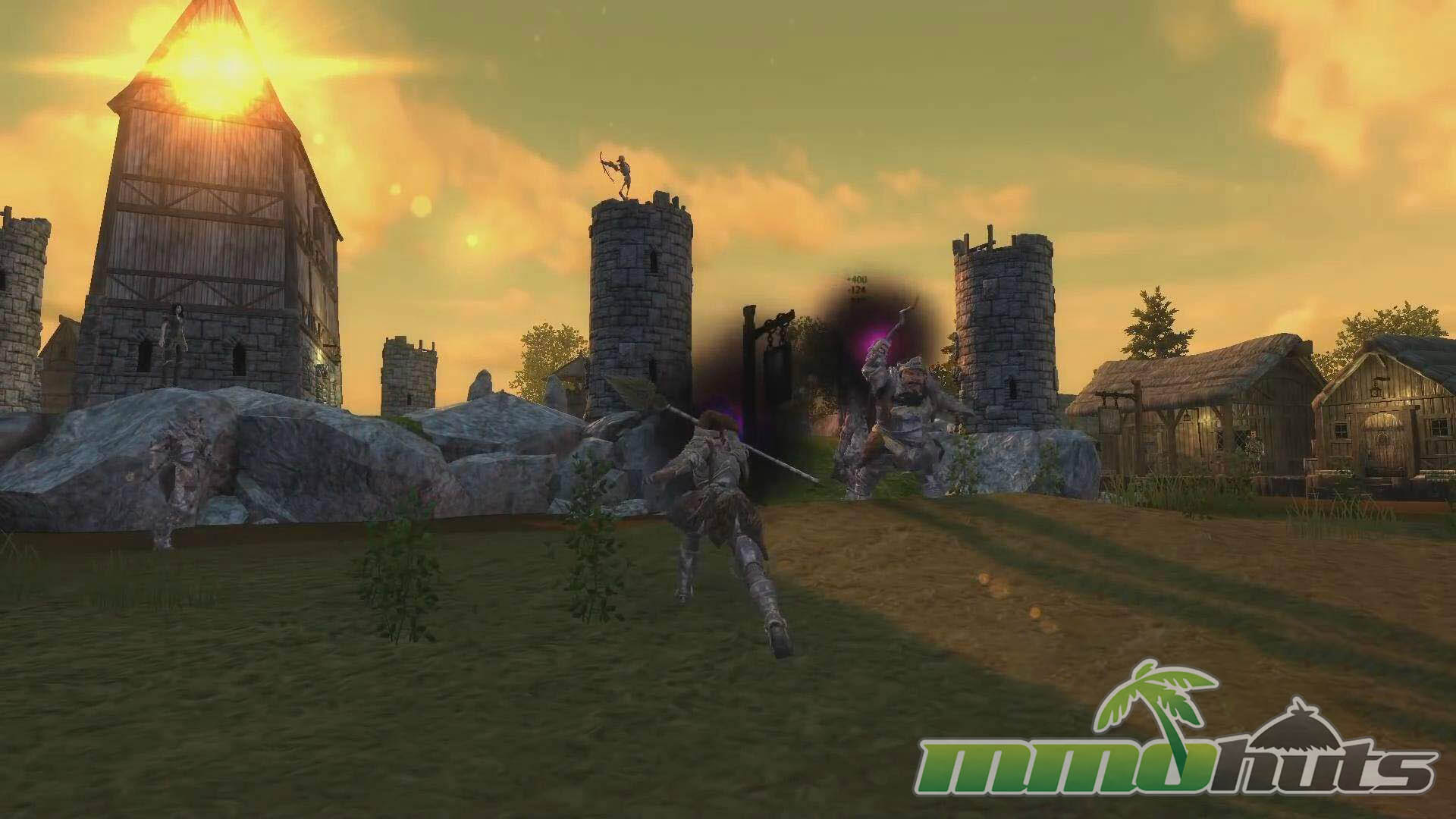
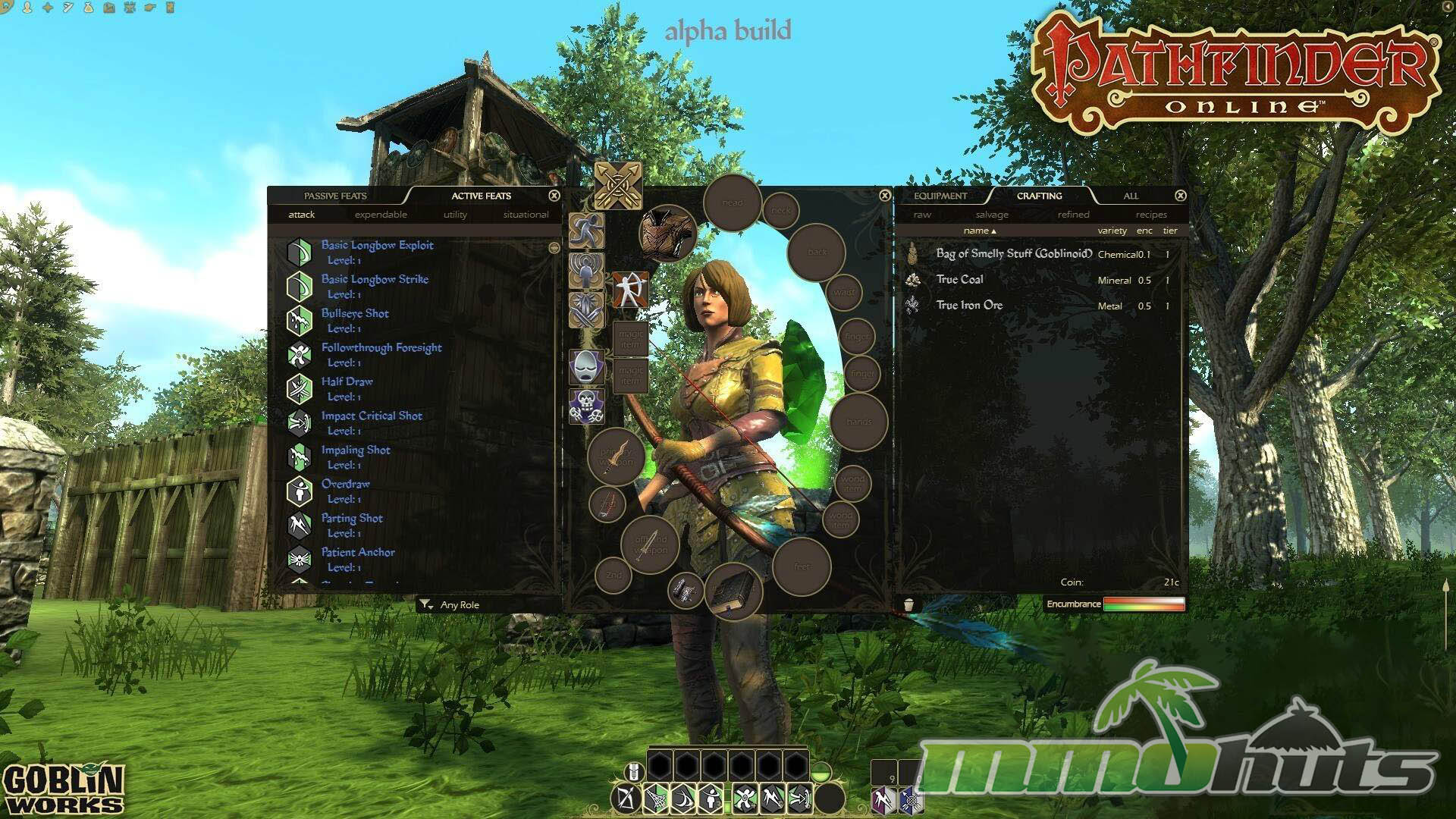
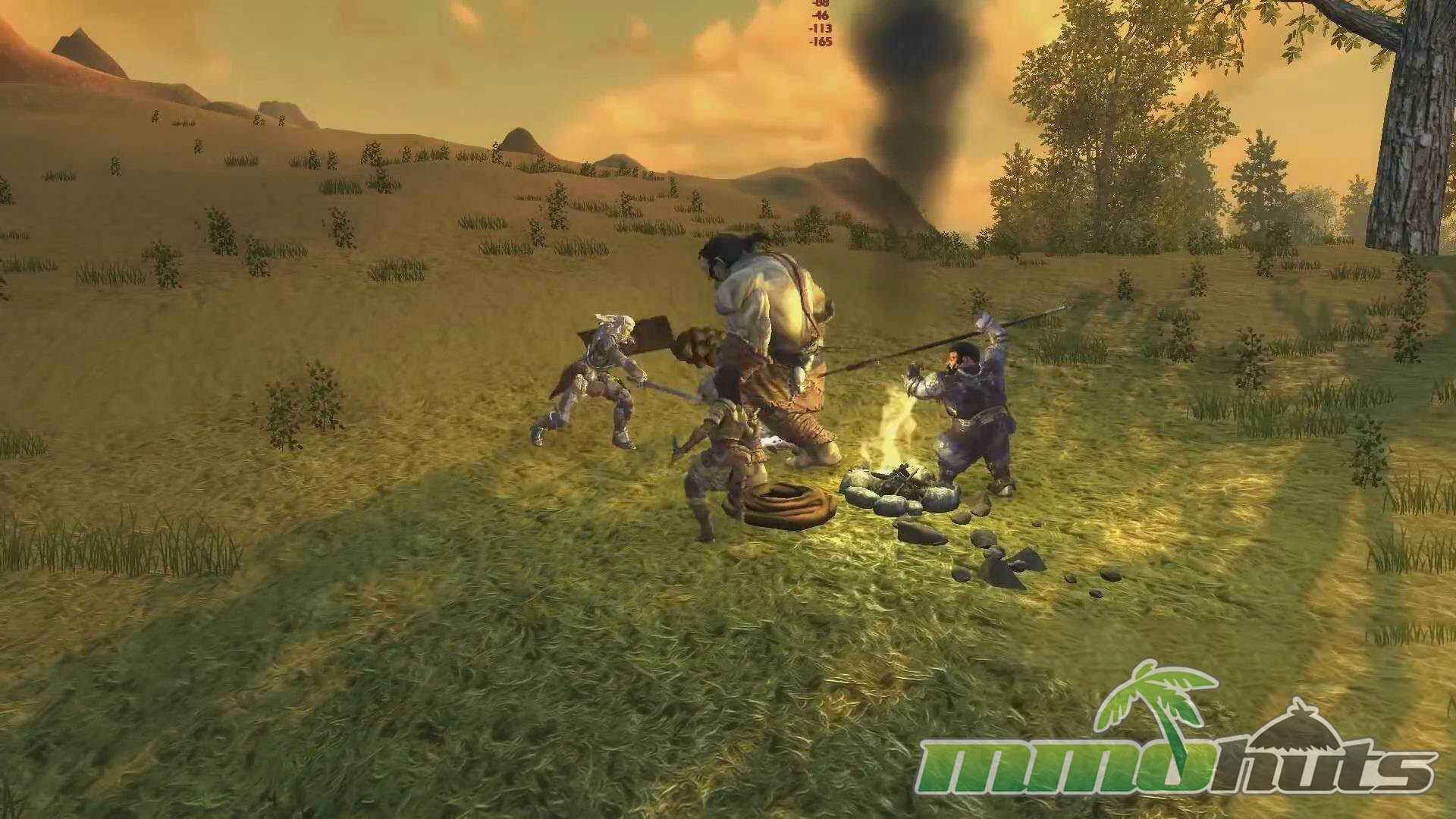
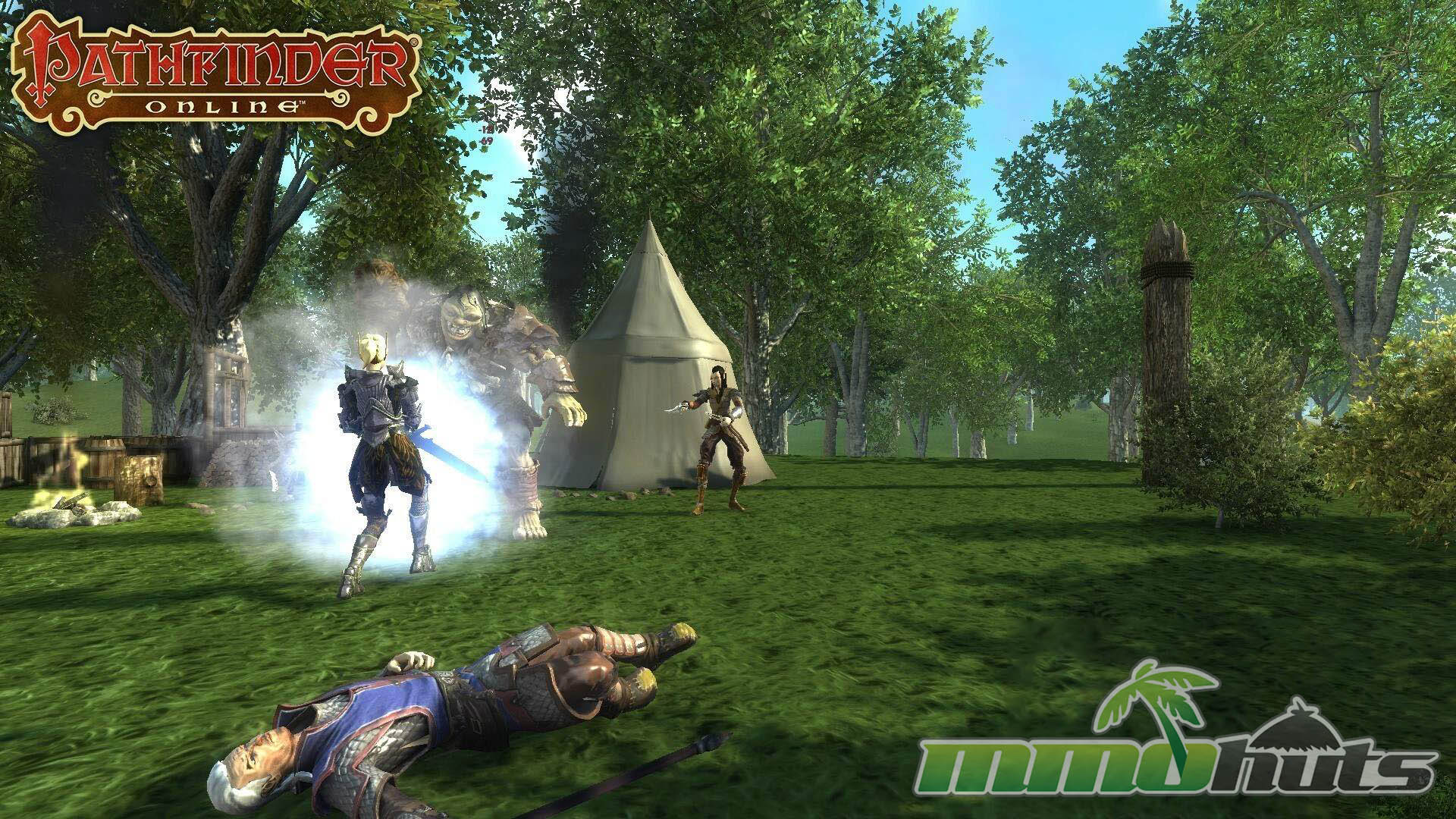
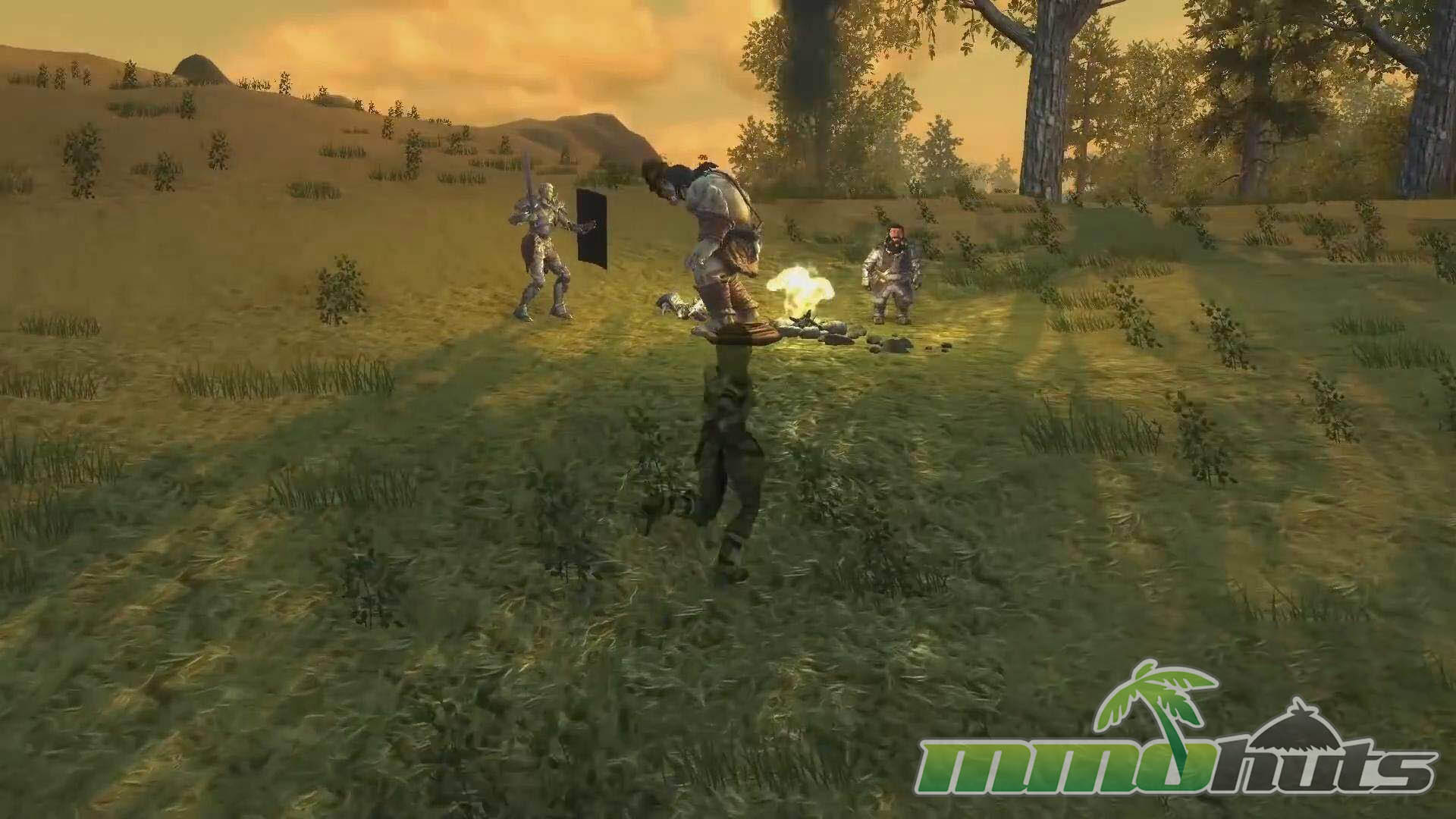
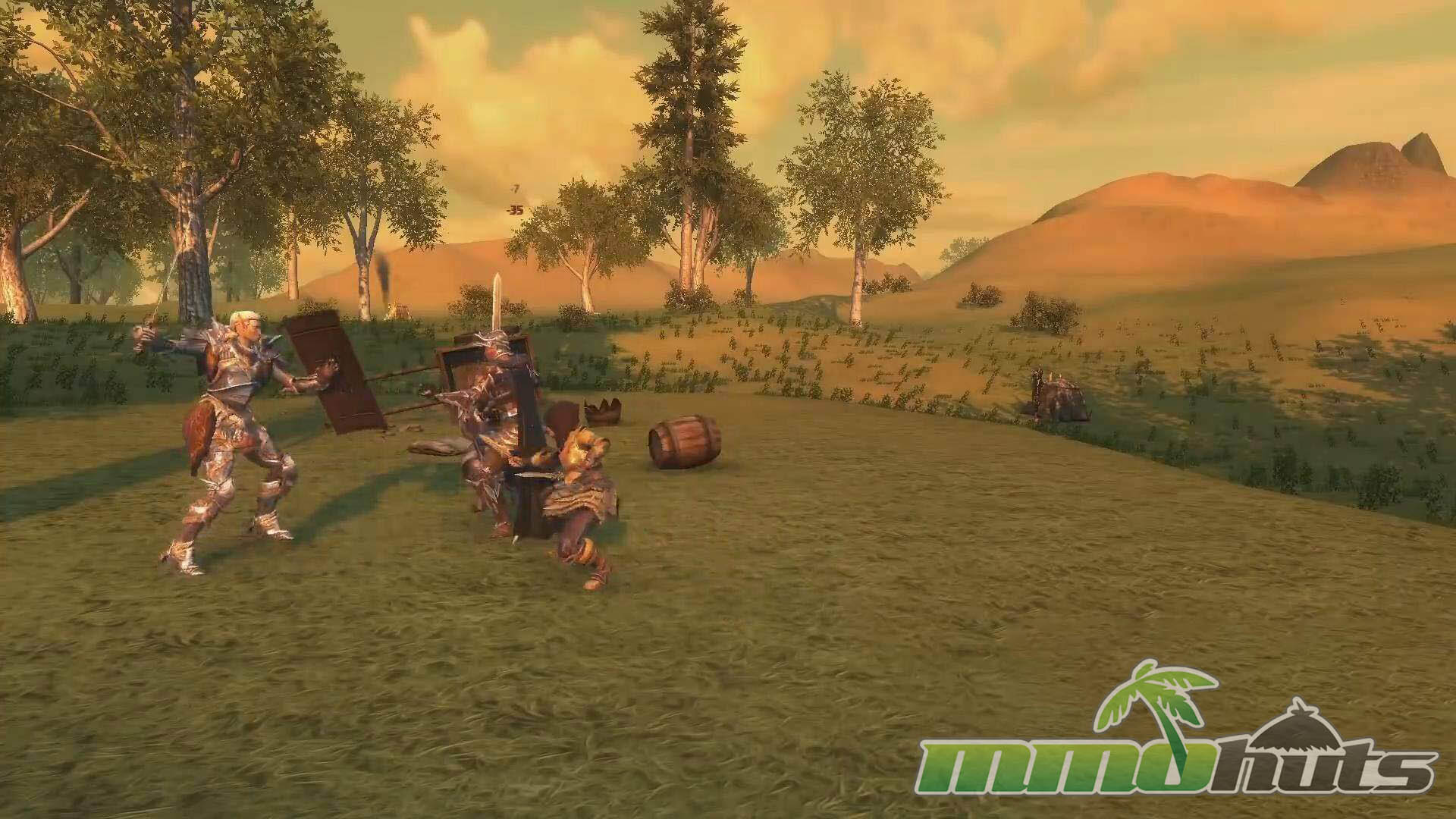
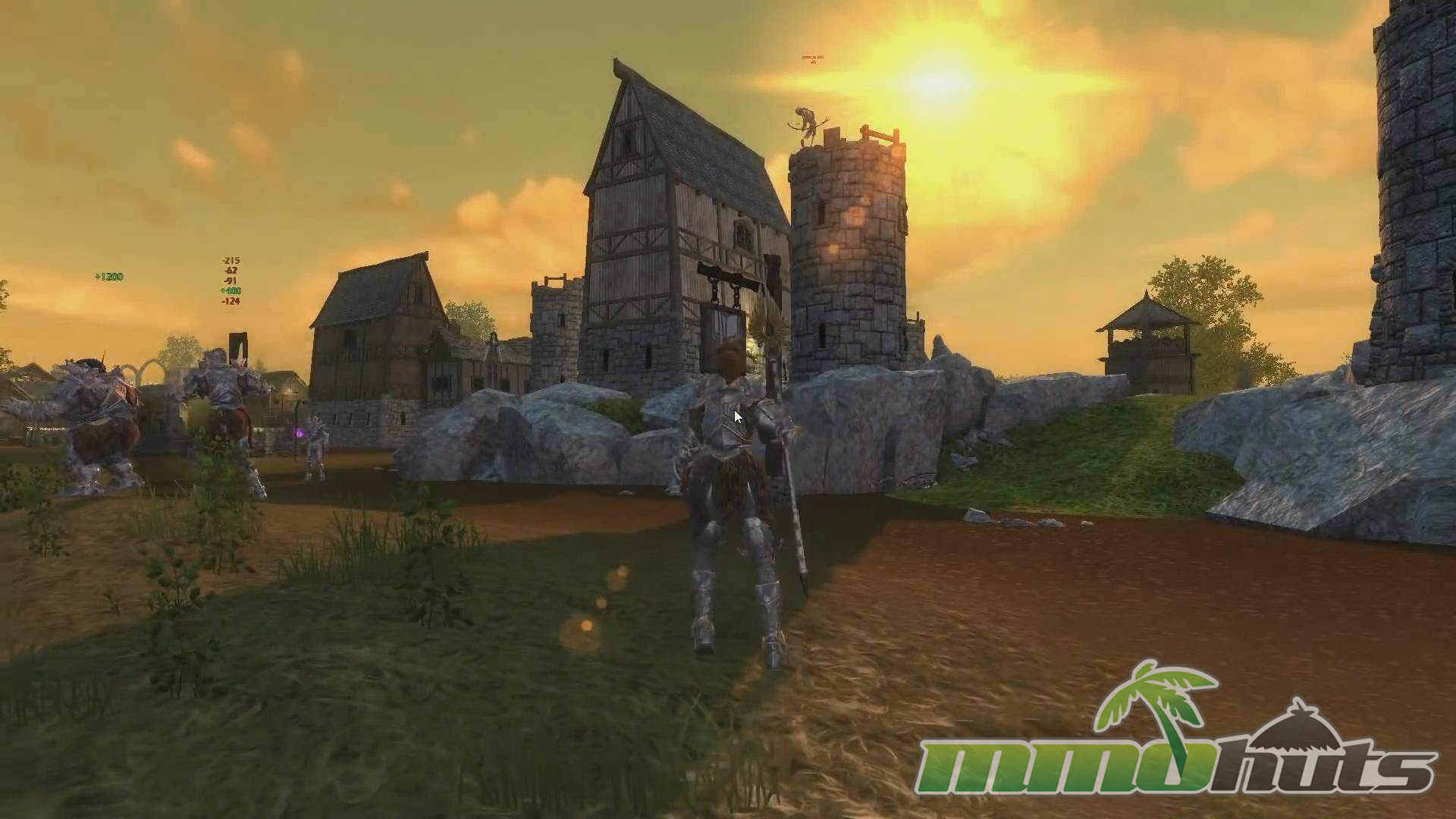
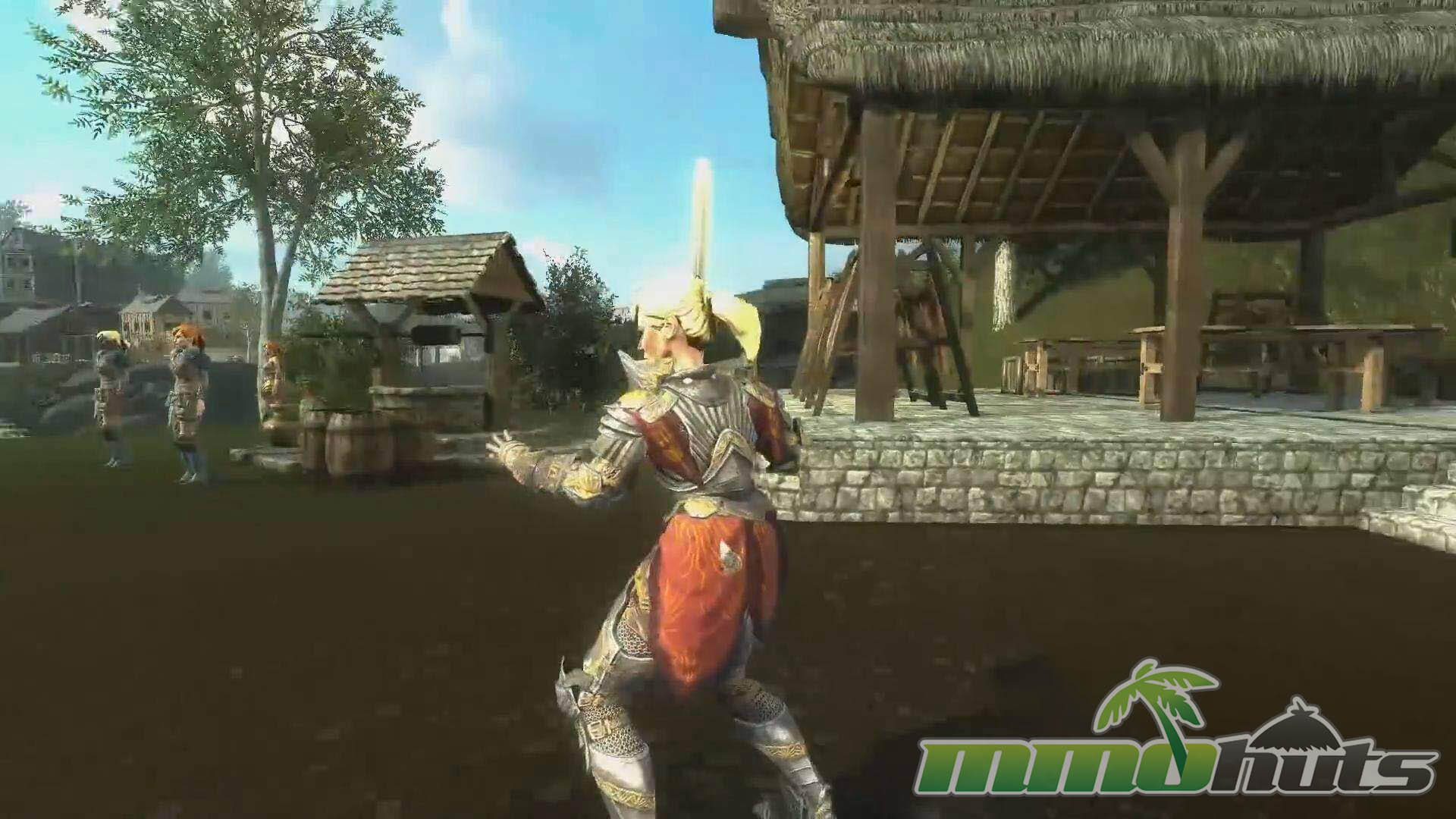
Pathfinder Online Screenshots
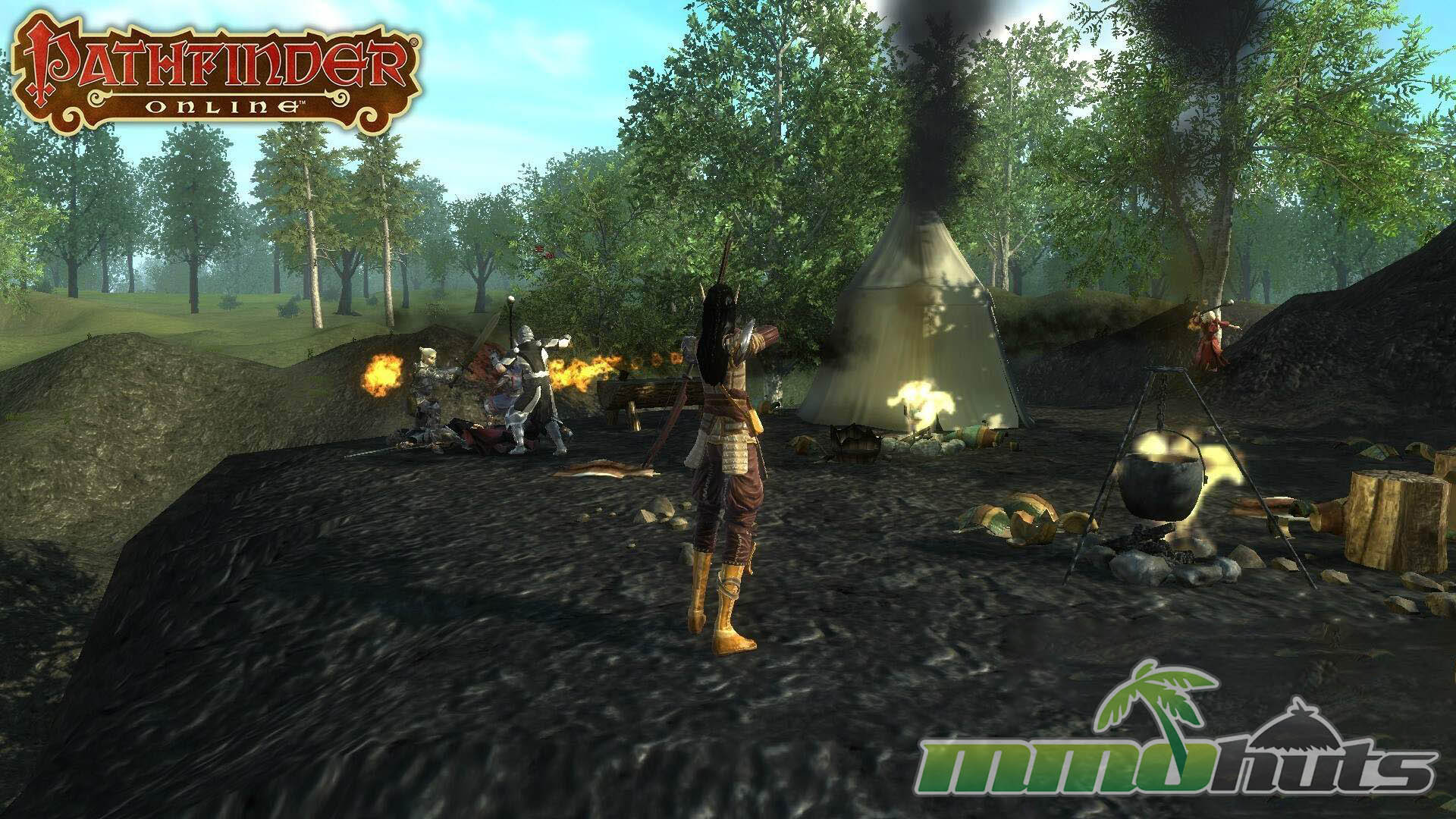
Pathfinder Online Featured Video

Pathfinder Online Review
Pathfinder Online set out to translate a tabletop-inspired fantasy setting into a living sandbox, and many of its best ideas revolve around that goal. The game is less about being led through content and more about participating in a world where the economy, settlements, and conflicts are primarily shaped by players. For MMO fans who enjoy planning, crafting, trading, and the politics that can grow around territory and resources, the premise is immediately appealing.
The classless design is another defining trait. Instead of selecting a single role and following a preset path, your character evolves through training choices that let you lean toward whatever combination of combat and support skills you want. That flexibility can feel refreshing compared to the strict role expectations of many MMORPGs, especially for players who like experimenting with builds or adapting to what a group needs. It also encourages specialization at the community level, since a functioning settlement benefits from a range of trained roles, not just fighters.
Progression is also deliberately different. By using steady gains that continue even when you are offline, the game attempts to reduce the gap between players with very different schedules. It is an approach that can make logging in feel less like punching a timecard and more like checking in on a longer-term plan. The tradeoff is that the immediate moment-to-moment reward loop can feel less intense than grind-based MMOs, because you are not always chasing the next big burst of experience through repeated combat.
Where Pathfinder Online struggled most was in the areas that usually separate promising sandbox concepts from a smooth, thriving MMO. Presentation and polish were limited, and the game often felt dated visually compared to larger-budget contemporaries. More importantly, the health of a sandbox MMO depends heavily on active development and a critical mass of players. Over time, the community became very small and the pace of improvement slowed, which makes it harder for new players to find a lively world or for veterans to feel confident investing in long-term projects.
Even with those issues, the game remains an interesting case study in MMO design. It aimed at a specific audience that values systems, social structure, and player-led outcomes over guided content. If you are looking back at Pathfinder Online today, it is best understood as an ambitious sandbox concept with some smart progression ideas, but one that could not sustain the resources and population needed to fully realize its long-term vision.
Pathfinder Online Links
Pathfinder Online Official Site
Pathfinder Wikipedia
Pathfinder Online Subreddit
Pathfinder Online System Requirements
Minimum Requirements:
Operating System: Windows Vista / 7 / 8
CPU: Intel Dual Core / AMD X2 5600+
Video Card: Nvidia GeForce 8800 GT
RAM: 2 GB
Hard Disk Space: 30 GB
Recommended Requirements:
Operating System: Windows 10 64-bit
CPU: Intel Core i5 / AMD FX Series
Video Card: Nvidia GeForce GTX 400 series / ATI Radeon HD 7790
RAM: 8 GB
Hard Disk Space: 30 GB
Pathfinder Online Music & Soundtrack
A dedicated soundtrack breakdown for Pathfinder Online is not currently available here. As with many smaller MMOs built on limited resources, the audio presentation tends to prioritize functional atmosphere and combat feedback over large, cinematic scoring. If you are revisiting the game’s media and want specific track information, community archives and older videos are usually the best place to look.
Pathfinder Online Additional Information
Developer: Goblinworks
Designer(s): Ryan Dancey
Other Platforms: Mac OS X
Game Engine: Unity
Early Enrollment Release Date: December 31, 2014
Open Enrollment Release Date: December 16, 2019
Shut Down: November 28, 2021
Development History / Background:
Pathfinder Online was created by Goblinworks using the Unity engine, with the goal of delivering a sandbox MMORPG rooted in the Pathfinder brand. Funding came in part through Kickstarter, where the project raised slightly over $1 million. The game’s identity and setting draw from the tabletop Pathfinder game, and Goblinworks worked through an exclusive partnership with Paizo Publishing, which owns the Pathfinder intellectual property. The Kickstarter campaign began in January 2013, with the studio aiming to reach a full release within a five-year window. Early Enrollment started on December 31, 2014, giving access to Kickstarter backers at qualifying tiers and to players who later purchased Early Enrollment packages.
As development progressed, Goblinworks shifted its business approach. With the release of Early Enrollment v9, the studio removed the initial box cost, letting players enter by paying only a subscription, and it also introduced a 15-day free trial during that period.
In September 2015, Goblinworks announced serious financial difficulties. Most of the staff was laid off, leaving only three employees, and Paizo CEO Lisa Stevens stepped in as Acting CEO.
From September 2015 through March 2017, progress was limited. Updates arrived, but the overall state of the game changed slowly, and communication during this period often suggested the team was seeking a new party to continue development.
On March 17, 2017, Stevens stated that the remaining team had mapped out a one-year plan intended to complete the game, with the small staff working toward that timeline.
On December 16, 2019, Pathfinder Online entered Open Enrollment. Players could subscribe for $5 per month per character, and it was also stated that the development team had been reduced to two people.
On July 27, 2021, it was announced that Pathfinder Online would shut down on November 28, 2021, following a special event that ended with the world’s conclusion.