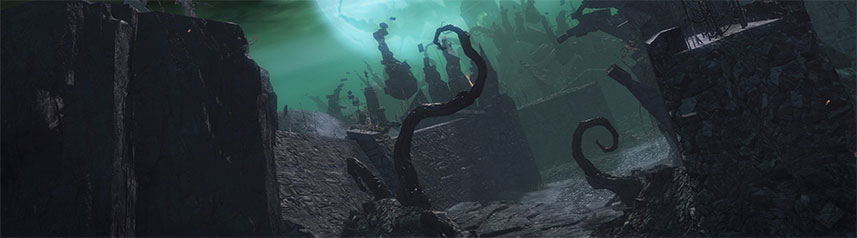
Rappelz is a free-to-play 3D fantasy MMORPG built around familiar mid-2000s conventions, quest hubs, party grinding, and a class system that branches as you grow. You pick from three races with distinct job trees, then head out into a large world where progression is tied as much to your character as it is to the creatures you tame and raise as companions.
 | Publisher: Webzen Playerbase: Low Type: MMORPG PvP: Duels / Arena / Death Match Release Date: November 3, 2006 Pros: +Deep monster taming and companion progression. +Huge range of jobs across the three races. +Dungeon Siege adds meaningful guild conflict. +Strong onboarding area that teaches systems well. Cons: -Unstable, occasionally glitchy client. -Few modern graphics settings. -Aging combat feel, UI, and presentation. -Small community and less frequent updates than its peak years. |

Rappelz Overview
Rappelz sits firmly in the classic era of free-to-play MMORPGs, with a traditional fantasy tone and systems that will feel immediately recognizable to anyone who played online RPGs in the mid 2000s. At its best, it delivers a steady loop of questing, party play, and long-form character building. What helped it stand out then, and still defines it now, is how much emphasis it puts on pets, not as disposable summons, but as long-term partners you capture, train, and develop.
Another notable pillar is the guild-driven Dungeon Siege feature, where groups compete for control of dungeons and the benefits that come with ownership. Rappelz has continued to receive major updates branded as “Epics” over the years, but it also shows its age in the client, interface, and overall mechanical feel, which can make the first hours rough for players used to modern conveniences.
At character creation you choose between three races, each with its own multi-step job progression. Everyone begins in a basic starter role and then branches into more specialized jobs as they level, with job changes occurring at Level 10, Level 50, and the final (master) job change at Level 148.
Rappelz Key Features:
- Various Classes – pick from three races and a class lineup that spans more than thirty job options.
- Great Pet System – capture and raise a wide range of monsters, turning common enemies into core parts of your build.
- Dungeon Siege Mode – guilds fight over dungeon control, adding a structured layer of territory-style competition.
- Oldie but Goodie – a long-running MMORPG that helped define its era, rewarding patience and familiarity more than quick onboarding for newcomers.
Rappelz Screenshots

Rappelz Featured Video

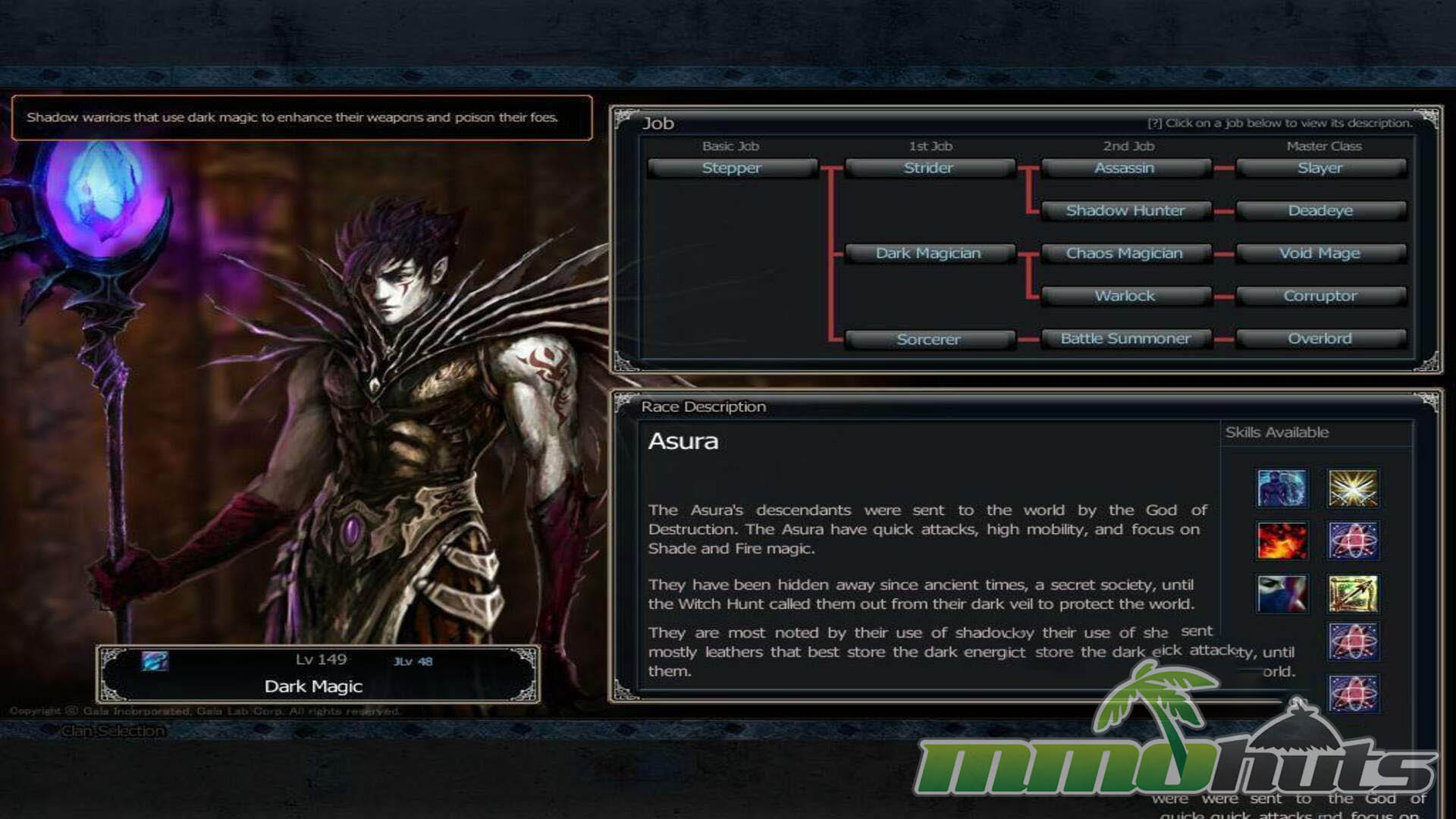
Asura
- 1st Jobs – Strider, Dark Magician, Sorcerer
- 2nd Jobs – Assassin, Shadow Hunter, Chaos Magician, Warlock, Battle Summoner
- Master – Slayer, Deadeye, Void Mage, Corruptor, Overlord
Deva
- 1st Jobs – Holy Warrior, Cleric, Breeder
- 2nd Jobs – Knight, Soldier, Bishop, Priest, Soul Breeder
- Master – Templar, Mercenary, Cardinal, Oracle, Master Breeder
Gaia
- 1st Jobs – Fighter, Kahuna, Spell Singer
- 2nd Jobs – Champion, Archer, Druid, Battle Kahuna, Evoker
- Master – Berserker, Marksman, Magus, War Kahuna, Beast Master
Rappelz Review
Originally developed in Korea by Gala Lab, Rappelz entered open beta on October 2, 2006 and later launched in North America and Europe under Webzen. It also appeared in additional regions through different publishing arrangements, including a South East Asia release via AsiaSoft under the name RappelzSAE, and an Arabic-language release from Game Power 7 titled Hope of Nations. Over time it even reached the Philippines, reflecting how widely the game traveled during the height of the genre’s regional portals.
In practice, Rappelz is a very traditional MMORPG, the kind built for players who do not mind slower leveling, repeated combat loops, and long-term character planning. Server options are limited today, and one is positioned as the main PvP destination, which can shape where competitive players end up congregating.
A classic fantasy framework
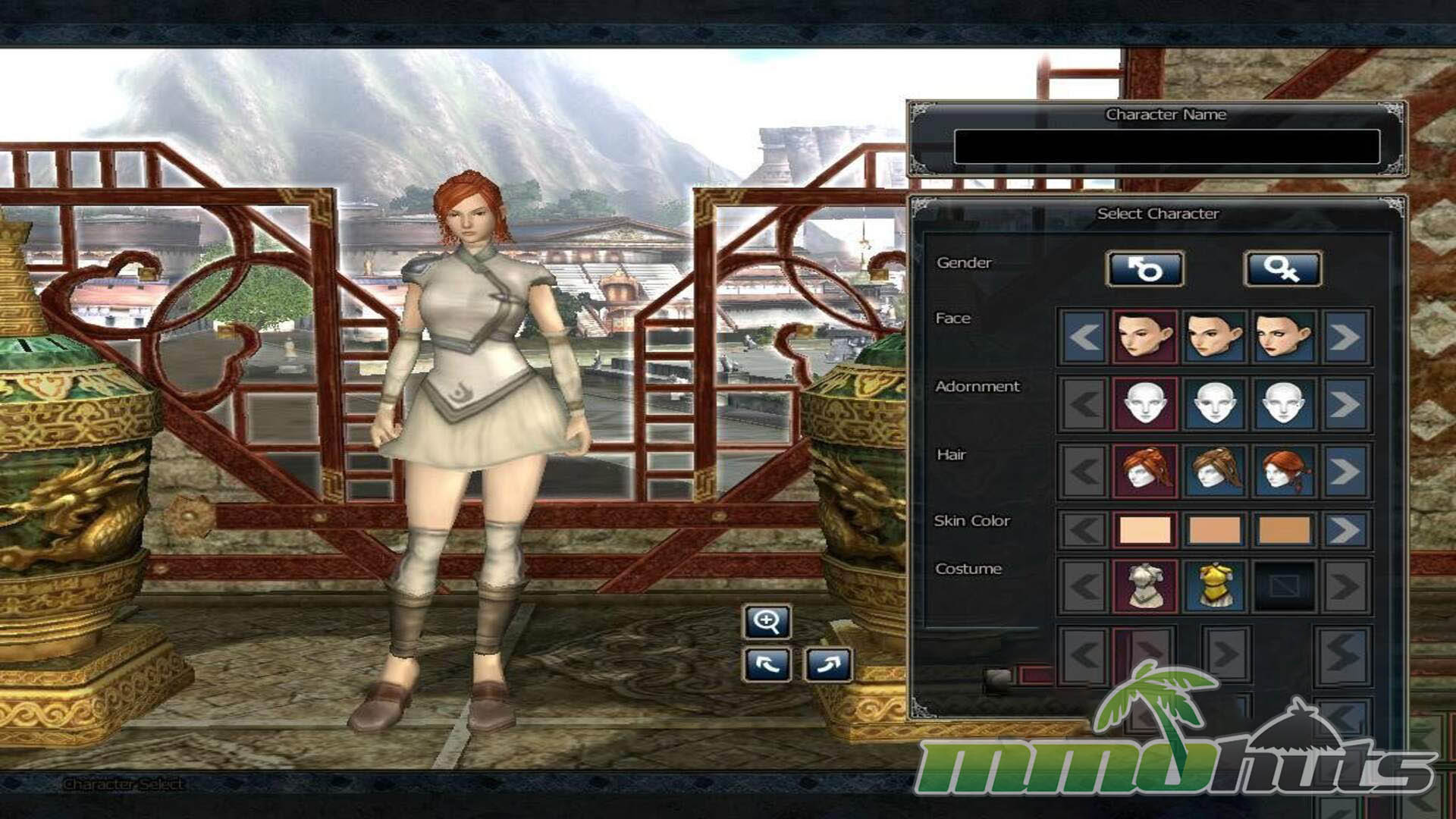
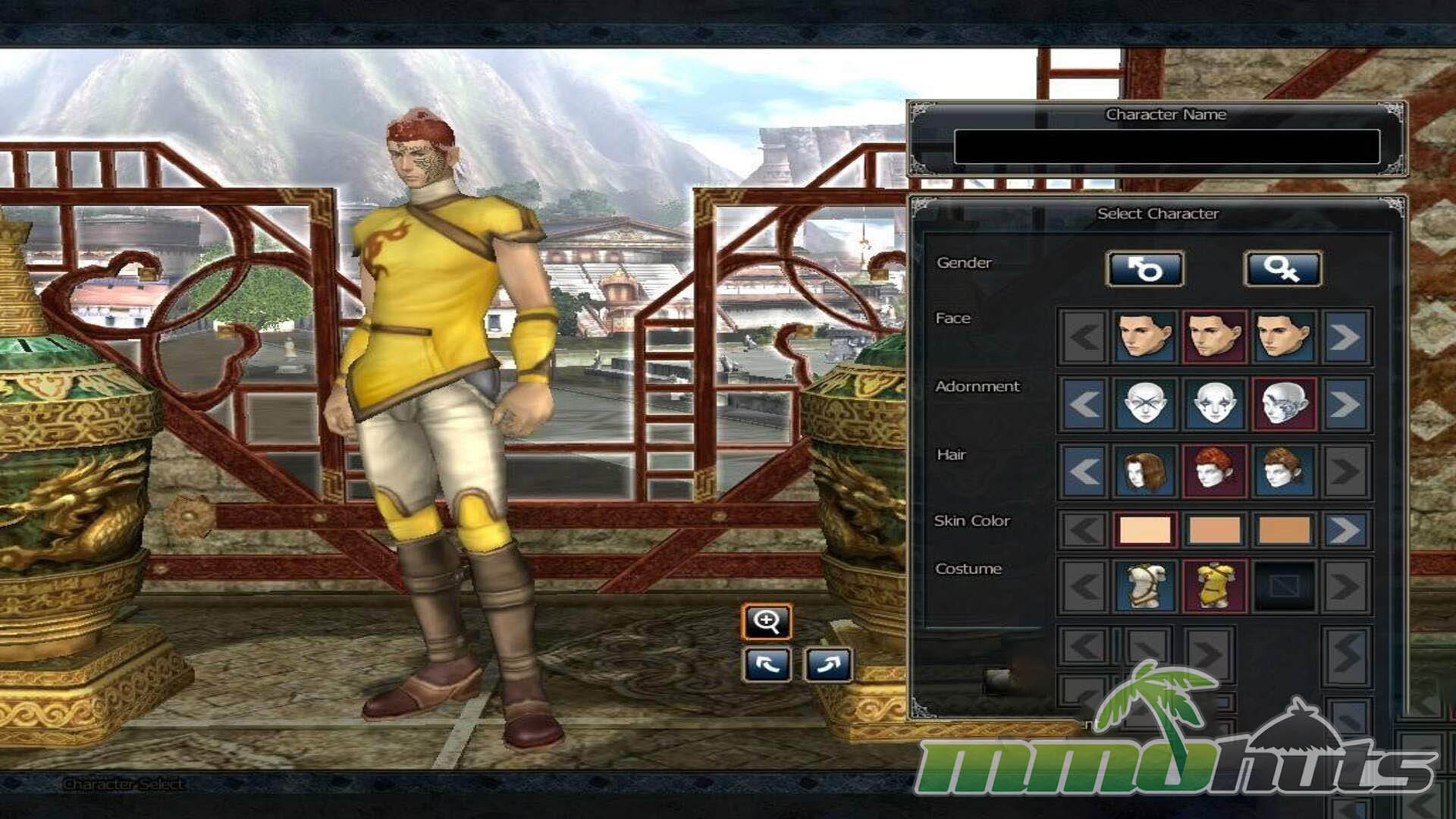
Your first major decision is selecting a race, Asura, Deva, or Gaia, each tied to its own job families. While the lore frames these groups as key actors in the setting, the practical impact is gameplay variety: each race supports different flavors of melee, magic, and pet-focused play. Character creation itself is functional rather than expressive, with a modest set of cosmetic options that reflects the game’s age.
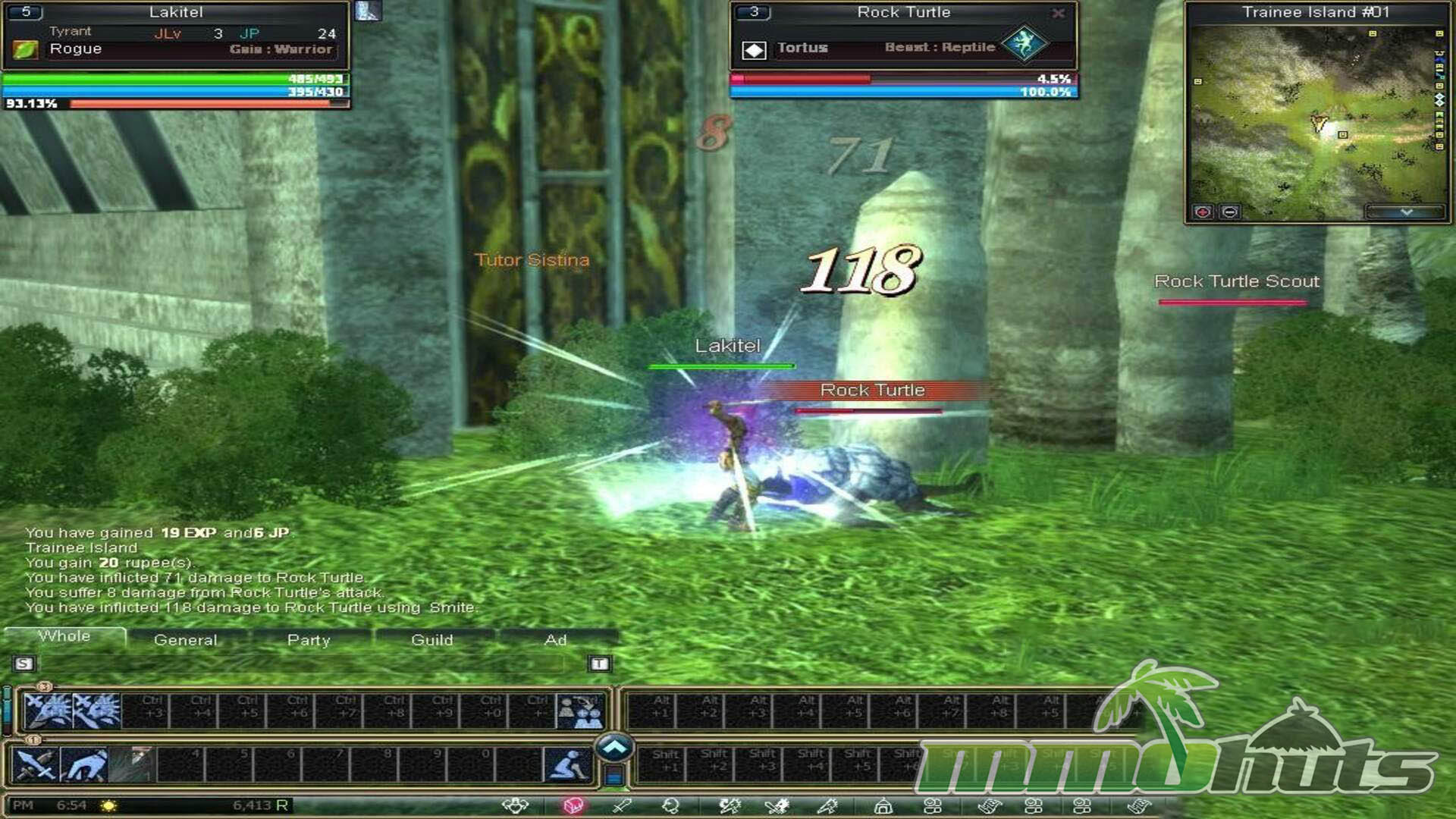
That age is also apparent in presentation. The visuals are serviceable but limited by older technical constraints and sparse graphics settings, so the game is unlikely to impress on a purely visual basis. The upside is that Rappelz tries to compensate with systems depth, especially once you move beyond the early game and start building around jobs, pets, and gear progression.
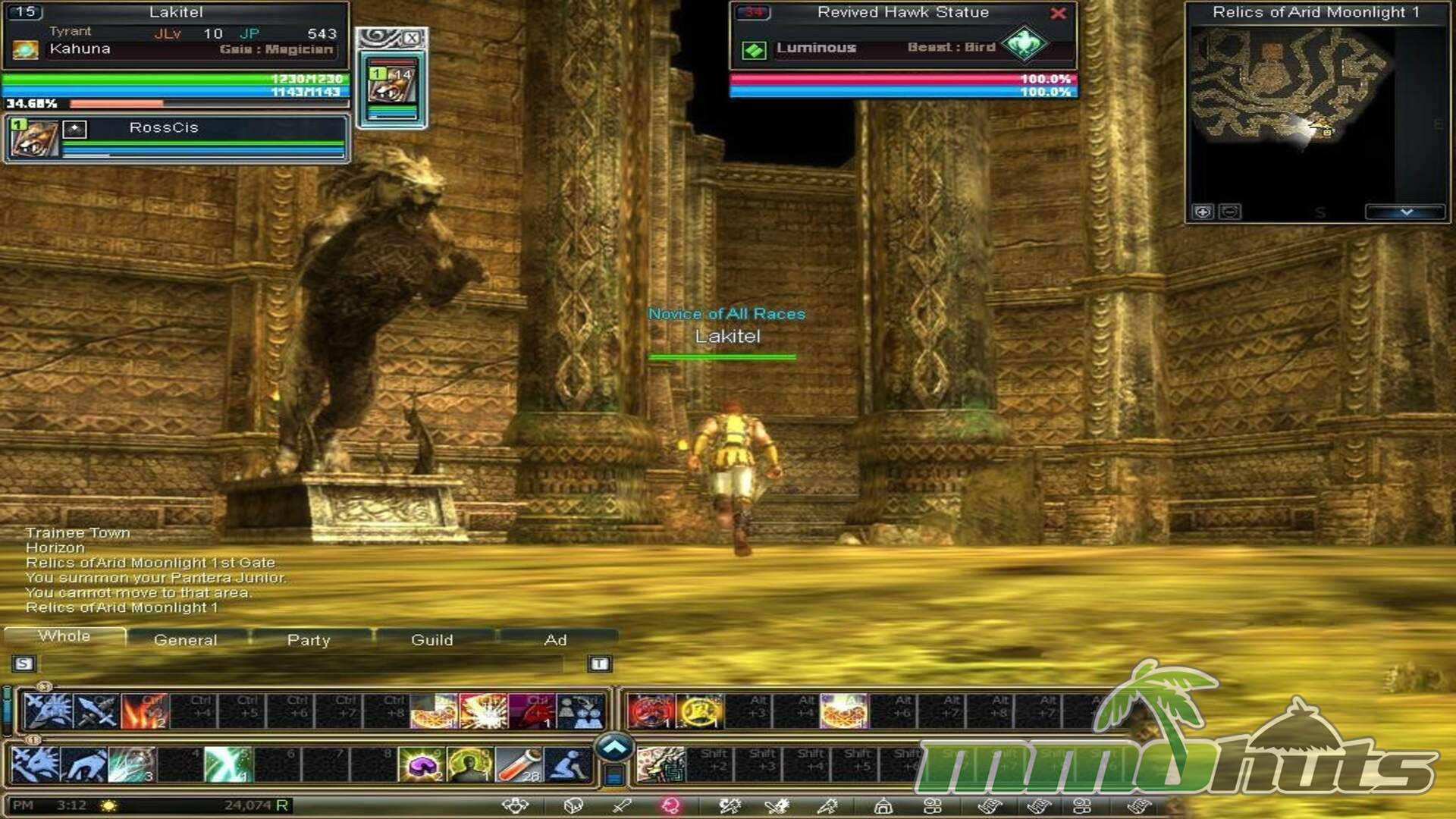
Learning the ropes on Trainee Island
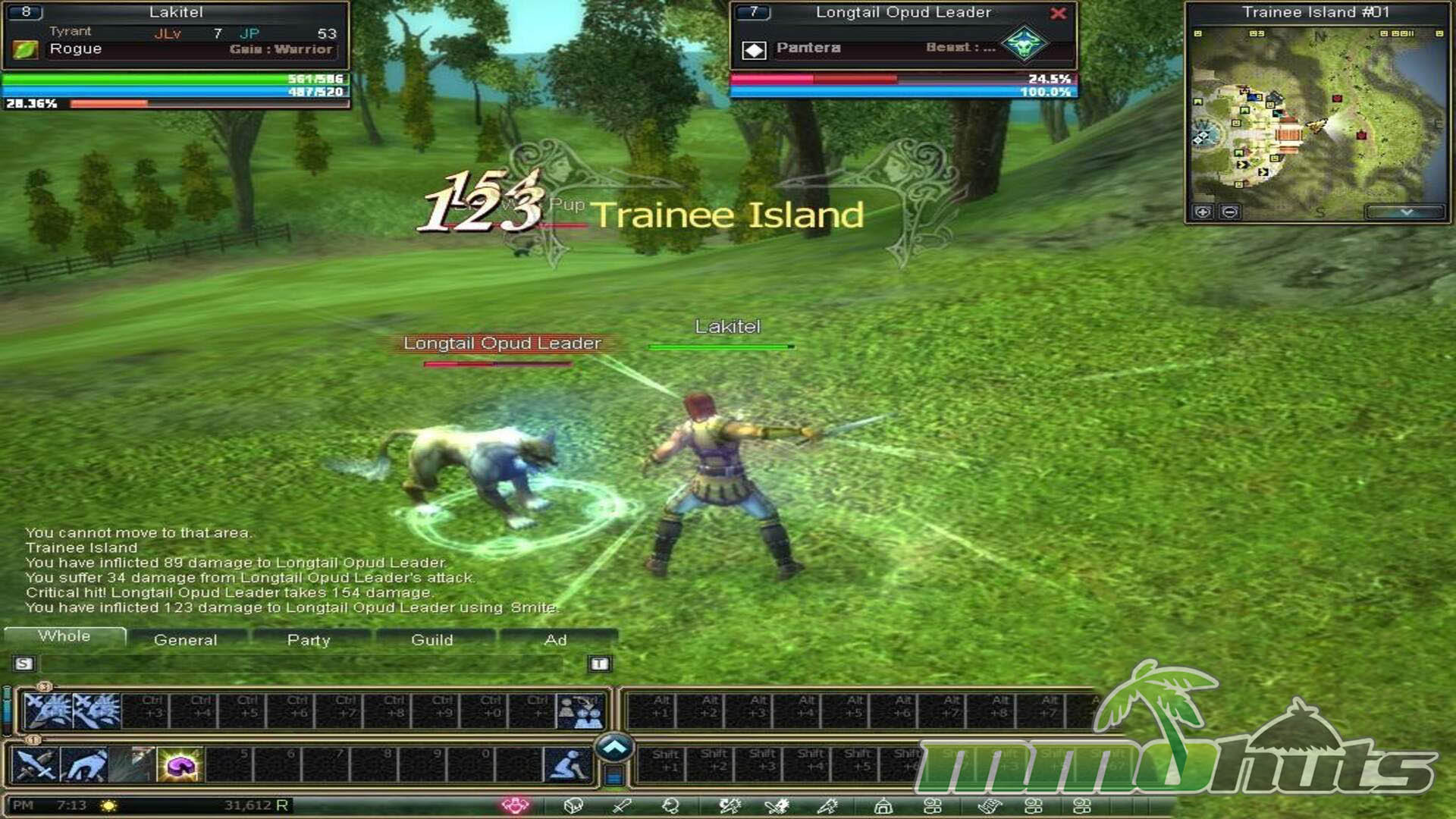
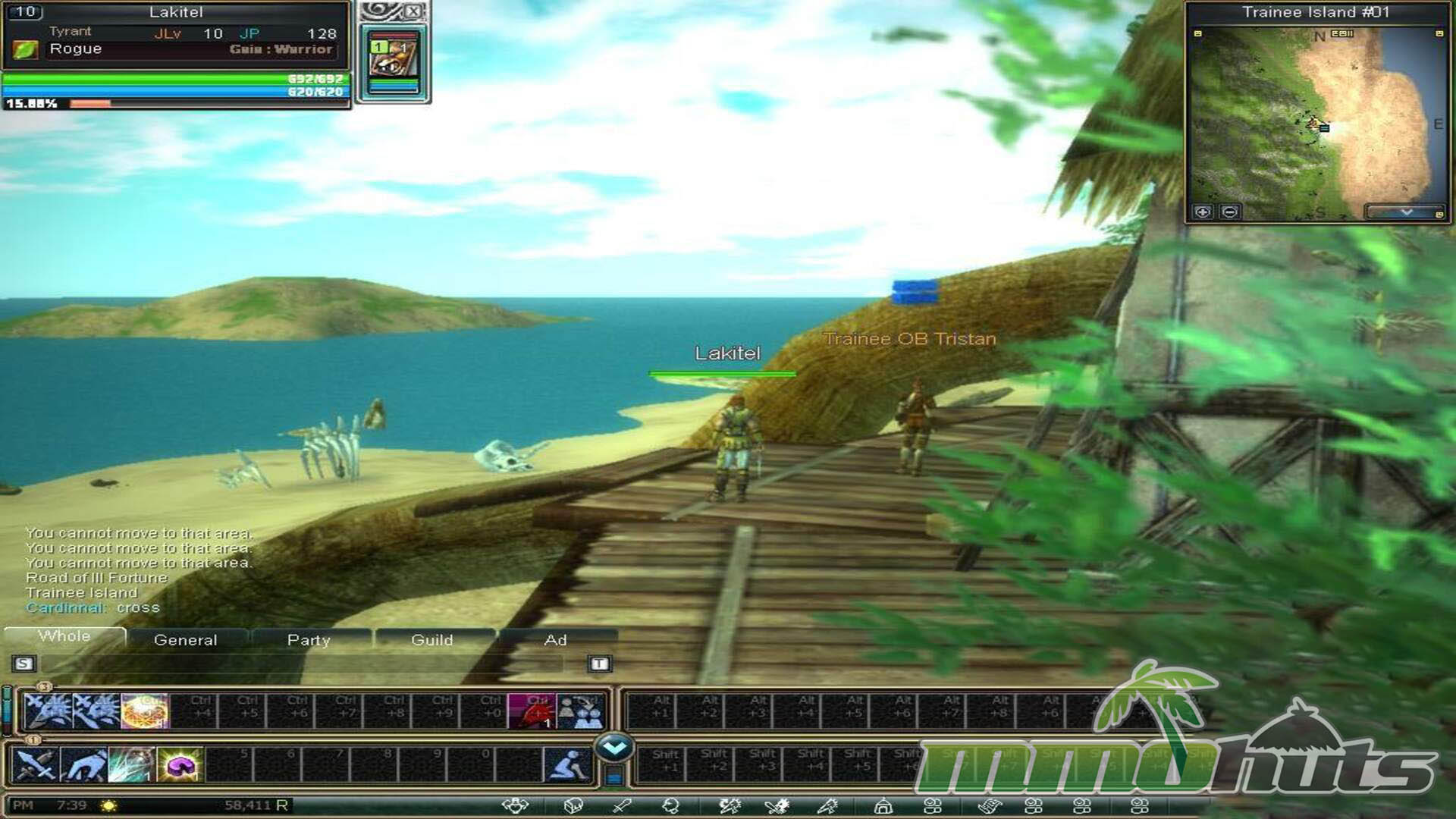
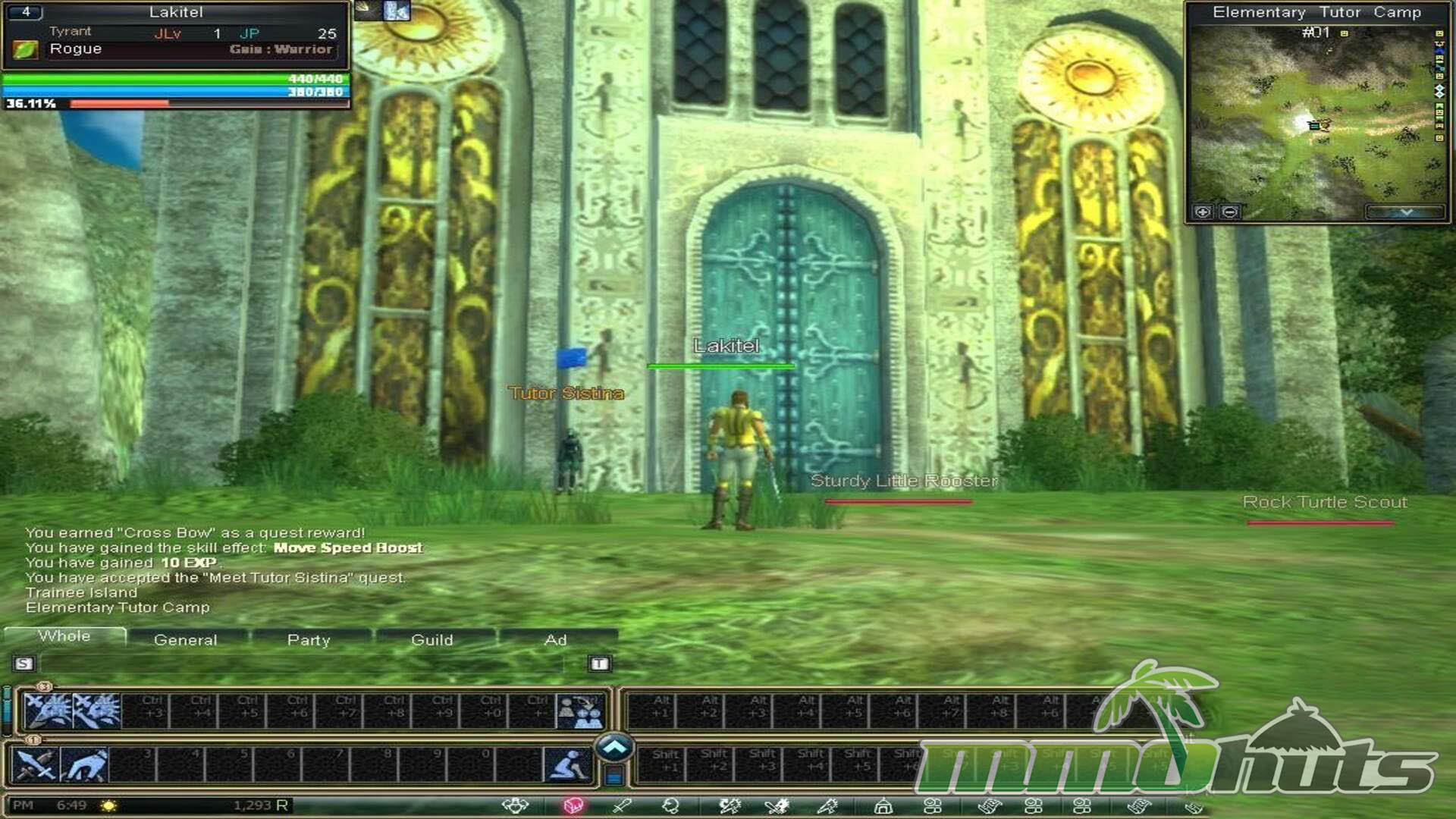
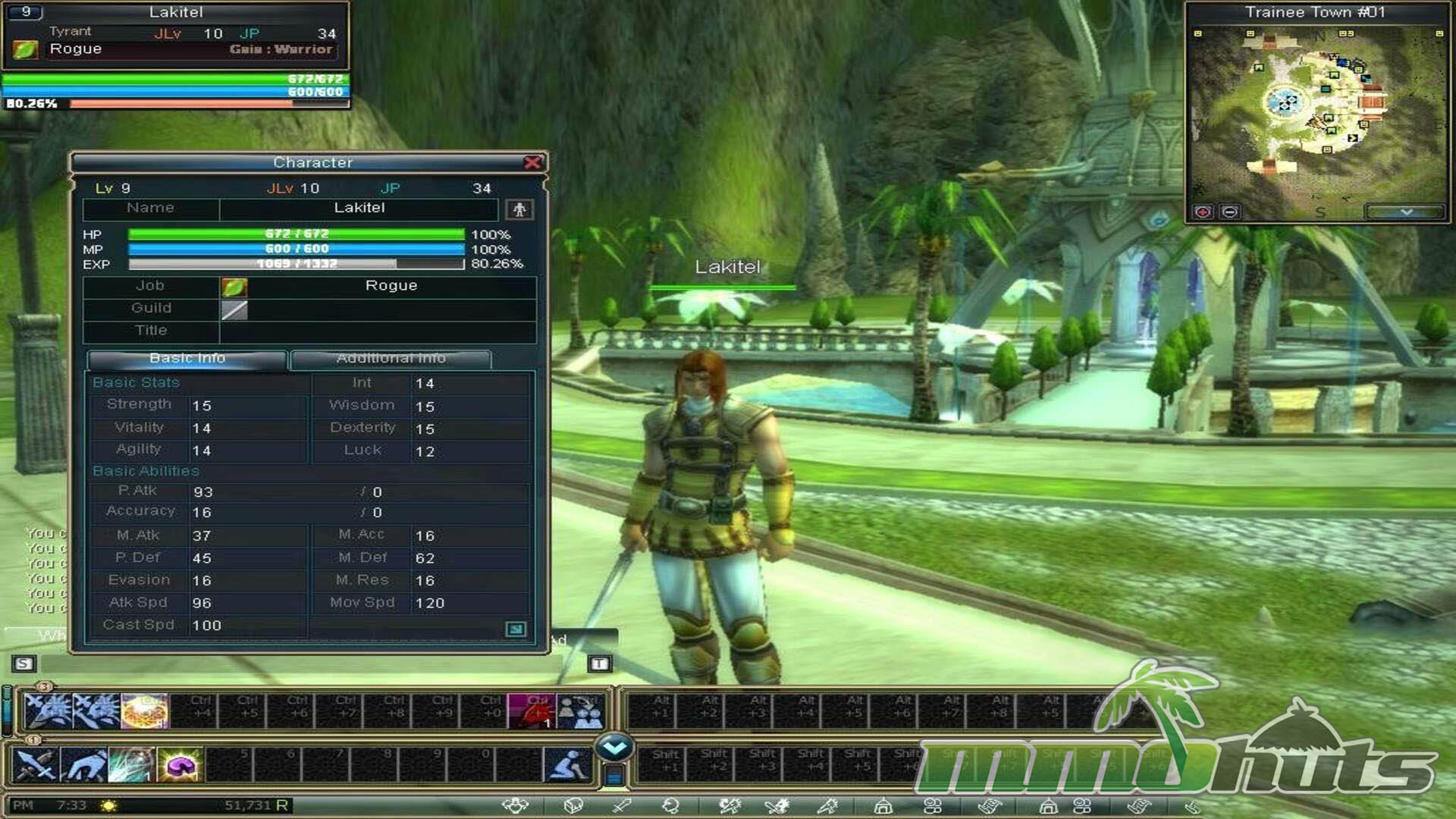
New characters begin in the Trainee Island zone, which acts as a structured tutorial. It does a respectable job of introducing combat, quests, and several of the game’s core mechanics in a controlled environment. For players returning to older MMORPGs, it is a welcome refresher, and for first-timers it reduces the chance of missing important systems that later become essential.
The trade-off is tempo. The early quest chain leans heavily on repetitive monster kills and frequent backtracking across a fairly large area. If you prefer modern “get to the point” introductions, the opening hours can feel drawn out. Still, by the time you leave the island you generally understand how the game expects you to progress, which is not something every older MMO handles well.
It is also worth noting that the penalty for dying is more old-school than many current games, with experience loss attached. It is not usually devastating, but it encourages careful pulls and sensible positioning, particularly if you are solo. Once you finish the required tasks, you can head to the main continent where group play and longer grinds become more prominent.
Jobs, levels, and long-term planning
Rappelz uses a layered progression model that separates character levels from job-related advancement. As you fight and complete objectives you gain standard experience alongside Job Points, creating a two-track system similar in spirit to other grind-era MMORPGs. Basic stat growth largely happens automatically with leveling, while the real customization comes from how you spend Job Points.
Those points matter because they pull double duty: they are involved in progression while also being used to unlock and improve skills. That creates meaningful choices, especially for players who like optimizing builds rather than simply clicking every new ability as soon as it appears.
Jobs are the backbone of class identity in Rappelz. You begin with an early placeholder role and then, at Level 10, you commit to one of the broader archetypes (martial, magical, or companion-oriented) that later branches further. The game’s three-tier job structure is one of its defining traits, with additional job changes later on, culminating in the “Master Class.” With more than 39 jobs spread across the races, there is plenty of room to find a playstyle, whether you want to tank, deal damage from range, support with buffs and heals, or lean heavily on pet synergy.
Companions that actually matter
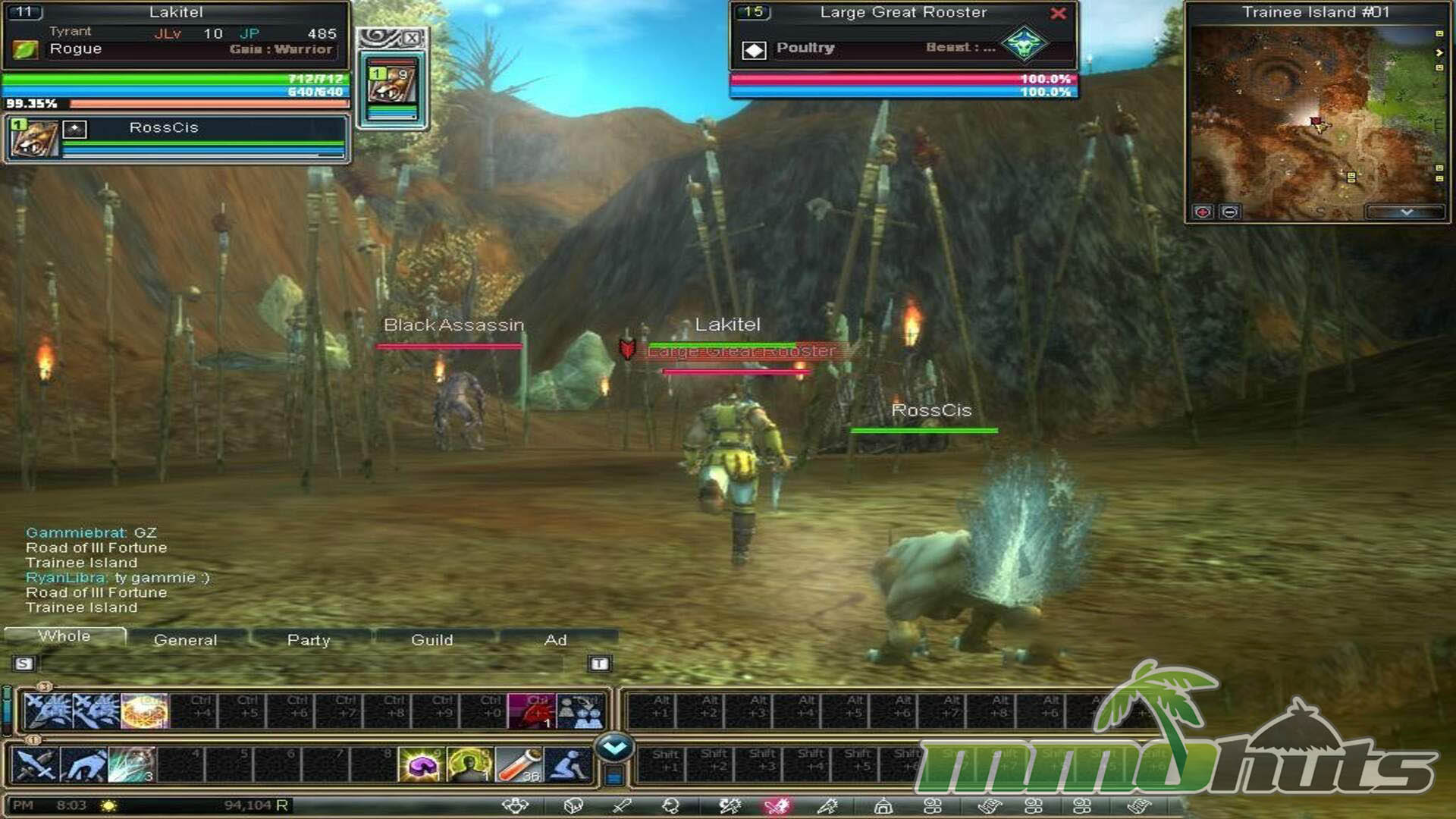
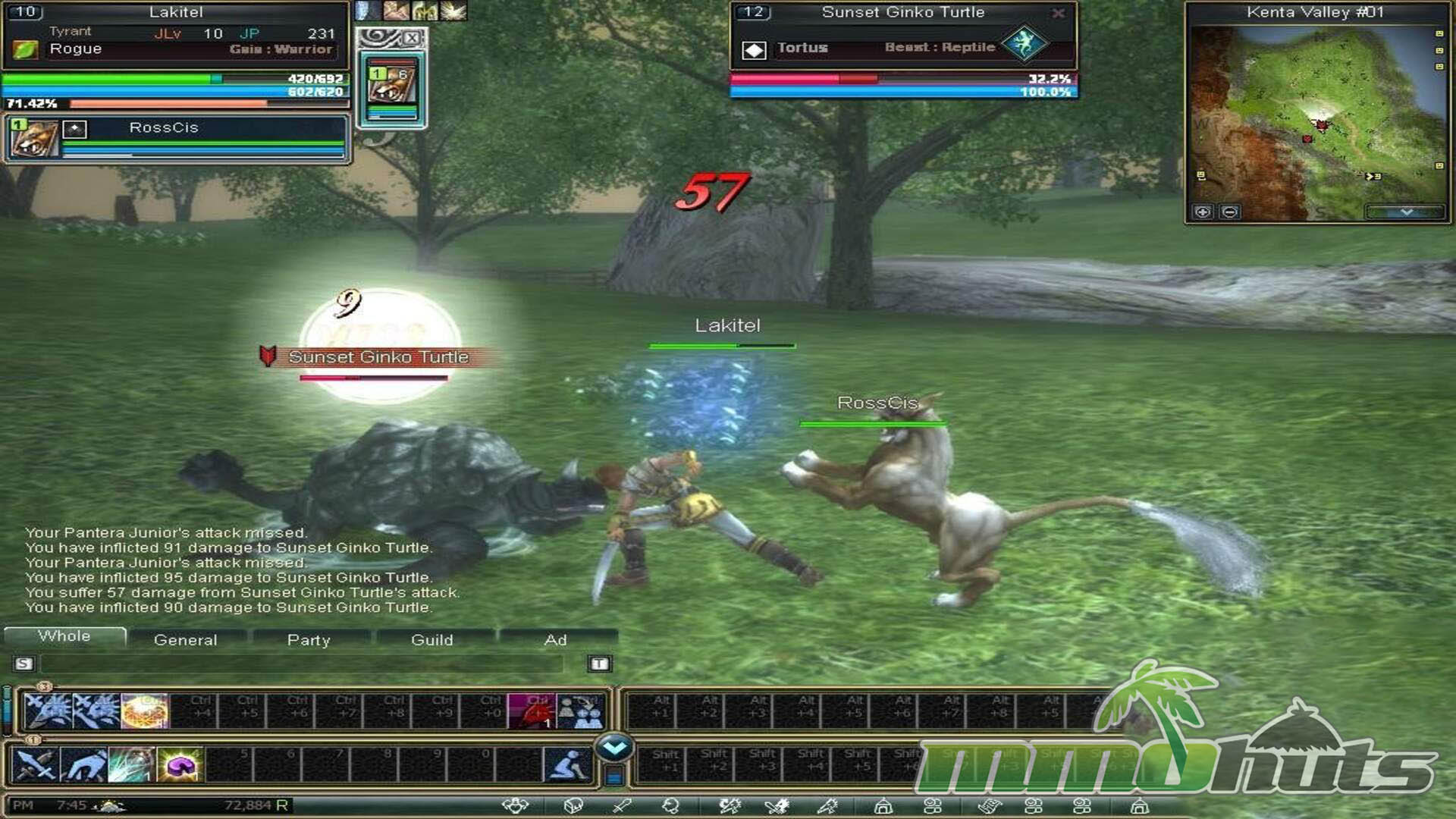
If Rappelz has a signature feature, it is the pet system. Rather than being a small side activity, taming and raising creatures is central to how many characters function, and nearly any monster you encounter can potentially become a companion. The capture process requires the correct card for the target and successful execution during combat, after which the creature is stored and can be summoned.
Pets develop alongside you, gaining experience and earning their own Job Points for skill growth. That makes them feel like persistent partners instead of temporary summons. The drawback is that pet skill development can be hard to plan around, since some ability gains are tied to progression in ways that are not always transparent in advance.
Evolution adds another layer. Companions have multiple evolution stages that affect both appearance and capability. Rappelz also includes an overbreeding mechanic, where you can delay evolution to push additional levels first. Done correctly, this can pay off in extra Job Points after evolution and access to special skills, but it has limits, so it is a system that rewards knowledge and careful timing rather than blind grinding.
On top of that, pets can be enhanced, combined, equipped with gear, and, in a standout twist, even boss-type NPCs can be tamed. It is an unusually deep companion ecosystem for a game of its era, and it remains the main reason many veterans still remember Rappelz fondly.
Gear, cards, and the upgrade treadmill
Outside of pets, Rappelz offers a familiar loot and equipment chase with enough extra systems to keep dedicated players busy. Weapons and armor follow expected RPG patterns, while Accessories provide additional stat boosts and occupy their own slots. Because they can alter appearance while not replacing core gear, they function partly as power pieces and partly as cosmetic identity, which helps characters stand out more than the base model options suggest.
Skill Cards are another notable system. These cards modify abilities in practical ways, such as extending buff durations, reducing cooldowns, or lowering costs. They drop from enemies, can be traded, and add a collectible layer to character growth beyond raw gear stats.
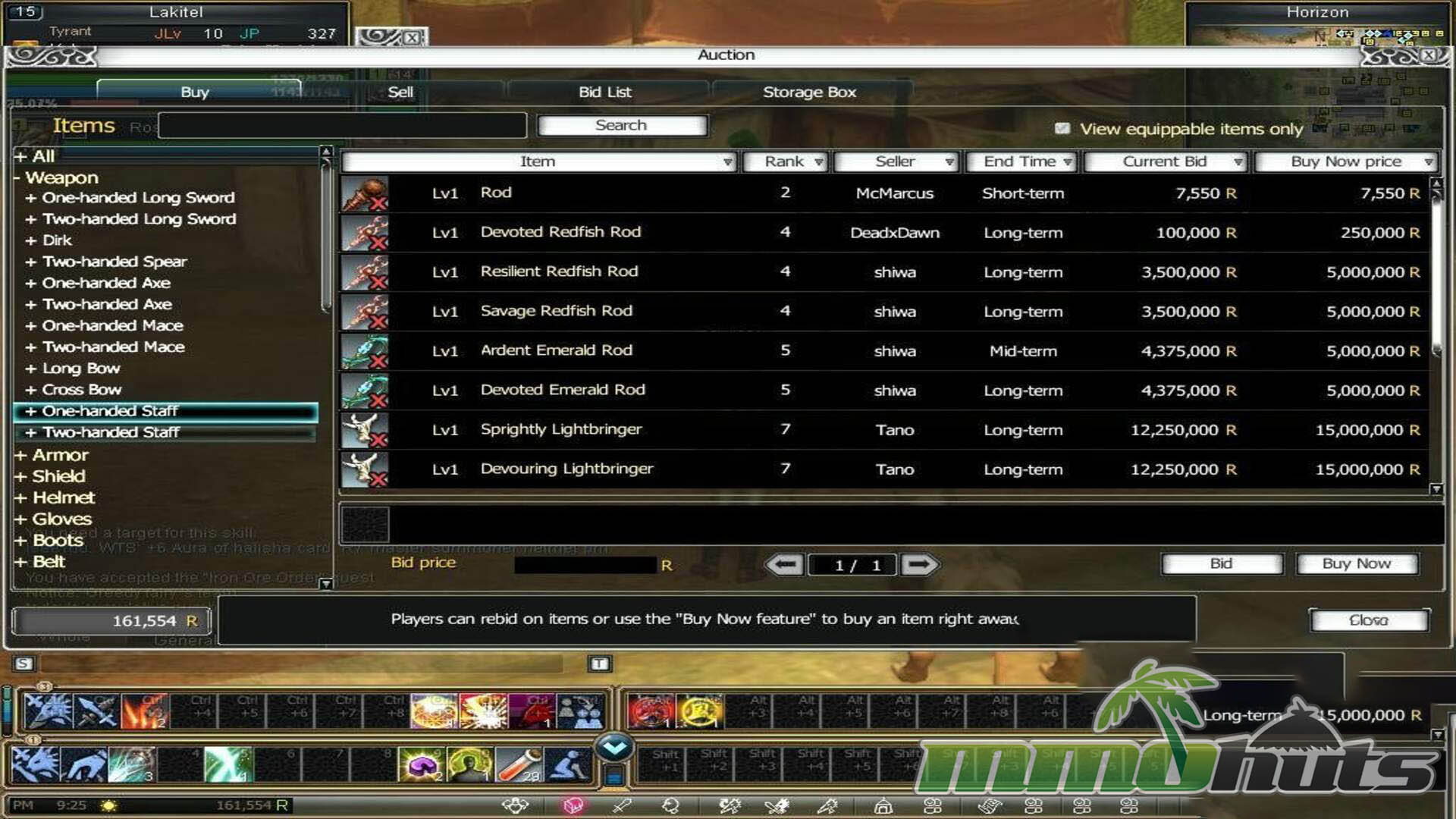
As with many MMORPGs of this period, durability and enhancement are part of the routine. Maintaining gear, upgrading it, and reforging for improvements is a steady sink for time and resources. The world is also large enough that mobility matters; mounts are effectively a quality-of-life requirement. Rappelz handles this through certain pets that can be trained as mounts, plus rental options in cities for players who want immediate travel speed without investing into a specific companion.
Dungeons, guild control, and PvP modes
Guild play ties directly into endgame activity through dungeon ownership. Groups can claim dungeons and set a resource tax for players who run content there, turning popular instances into valuable assets. Control is not permanent, because dungeons can be contested through the scheduled Dungeon Siege event. Limiting each guild to owning only one dungeon helps keep the system from becoming completely monopolized, but it still favors organized groups and encourages political rivalry.
PvP is available in multiple formats. Duels can be initiated broadly, letting players settle disputes or test builds without committing to a full mode. Death Matches open up at Level 50, transporting participants to dedicated areas that support different fight styles, including one-on-one and free-for-all. Arenas focus more on team play and reward Arena Points, which can be exchanged for distinctive gear and cards, giving competitive players a tangible progression track beyond bragging rights.
Final Verdict – Fair
Rappelz has real strengths, especially its companion system and the amount of class variety available through its multi-tier job paths. It also deserves credit for meaningful guild features like Dungeon Siege and for an early tutorial zone that actually teaches the game. The problem is that the overall package shows its age, from visuals and UI to the slower, grind-oriented pacing, and ongoing client roughness.
For newcomers looking for a modern MMORPG experience, it is a hard recommendation. For veterans who enjoyed it during its heyday, or players specifically curious about pet-centric design in older online RPGs, Rappelz can still offer a substantial, systems-driven experience, provided expectations are set appropriately.
Rappelz Links
Rappelz Official Site
Rappelz Wikia [Database/Guides]
Rappelz Wikipedia Page
Rappelz Metacritic Page
Rappelz System Requirements
Minimum Requirements:
Operating System: Windows XP / Vista / 7 / 8
CPU: Pentium 4 3.0 GHz / AMD Athlon XP 2800+
Video Card: Nvidia GeForce 8600 GT / ATI Radeon X800 GT
RAM: 1 GB
Hard Disk Space: 4 GB
Recommended Requirements:
Operating System: Windows XP / Vista / 7 / 8
CPU: Intel Pentium Core 2 Duo 6300 / AMD Athlon XP 2800+ or better
Video Card: GeForce 8600 GT / ATI Radeon X800 GT or better
RAM: 2 GB
Hard Disk Space: 5 GB
Rappelz Music & Soundtrack
Rappelz Additional Information
Developer: Gala Lab Corp / nFlavor
Closed Beta Date: September 26, 2006
Open Beta Date: October 2, 2006 – November 3, 2006
Foreign Publishers:
South Korea: Gala Lab Corp
Japan: Gala Japan Inc
Philippines: EagleGame (July 15, 2010)
South East Asia: AsiaSoft (shut down on September 1, 2009)
Europe: Webzen
Middle East: Game Power 7 (Released March 16, 2009 under the title Hope of Nations)
Development History / Background:
Gala Lab began public testing for Rappelz with an open beta that started on October 2, 2006, leading into its Western release handled by Webzen. The game later expanded through regional publishers, including AsiaSoft’s South East Asia service under the RappelzSAE name, and Game Power 7’s Middle East release, which used the Hope of Nations title for Arabic-speaking players. It also reached the Philippines in 2013. Large-scale content updates are branded as Epics, with the latest listed update being Epic 9, Part 1 – Masquerade, released on September 2, 2014.