Overwatch is a colorful, team-focused first person shooter built around distinct heroes, quick matches, and objective play. It is easy to grasp in your first few games, but it rewards deeper mastery through smart positioning, ultimate timing, and coordinated team compositions.
 | Publisher: Blizzard Entertainment Playerbase: High Type: Team Shooter Release Date: May 24, 2016 Pros: +Striking visual identity. +Wide variety of heroes. +Highly refined gunplay and abilities. +Strong selection of maps. +Arcade modes add extra variety. Cons: -Competitive rewards feel underwhelming. |

Overwatch Overview
Overwatch is a squad-based competitive first person shooter with clear inspiration from both class shooters and MOBA-style hero design. Instead of building a loadout, you pick a hero with a defined kit, including a primary weapon, a set of abilities, and a powerful ultimate that can swing a fight when used well. In the same spirit as Team Fortress 2, swapping heroes is part of the strategy, and you can adjust your pick after deaths or from the spawn room to respond to what the enemy team is running.
Matches revolve around objectives rather than pure elimination, so success typically comes from controlling space, combining ultimates, and keeping your team’s roles covered. Alongside the core competitive modes, the game also includes an Arcade section with lighter alternatives like deathmatch, capture the flag, and other rotating rule sets that are good for warm-ups or a change of pace.
Key Features:
- Team-Oriented Gameplay – build a six-hero lineup with complementary tools, then win by coordinating pushes, defenses, and ultimates.
- Large Hero Roster – pick from 25+ heroes with distinctive kits that support very different approaches to combat.
- Multiple Maps – battle across many detailed locations, each built around readable objectives and strong sightlines.
- Charming Aesthetic – a bright, stylized look helps heroes and abilities stand out while giving the world a playful tone.
- Polished Gameplay – responsive controls and consistent feedback make it feel smooth and approachable from the start.
- Hero Switching –adjust your team’s answers on the fly by swapping heroes mid-match to counter threats or fit the objective.
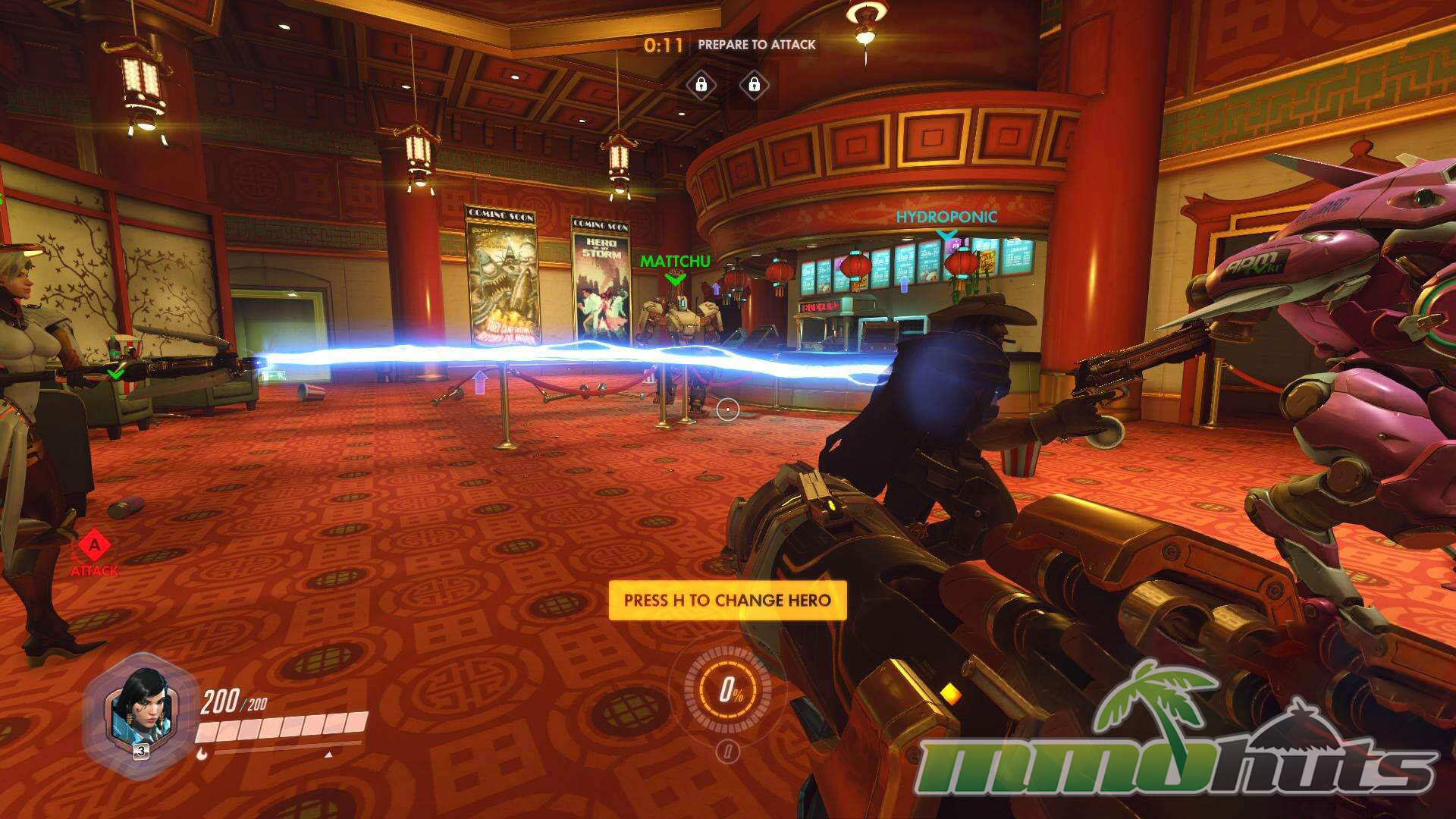
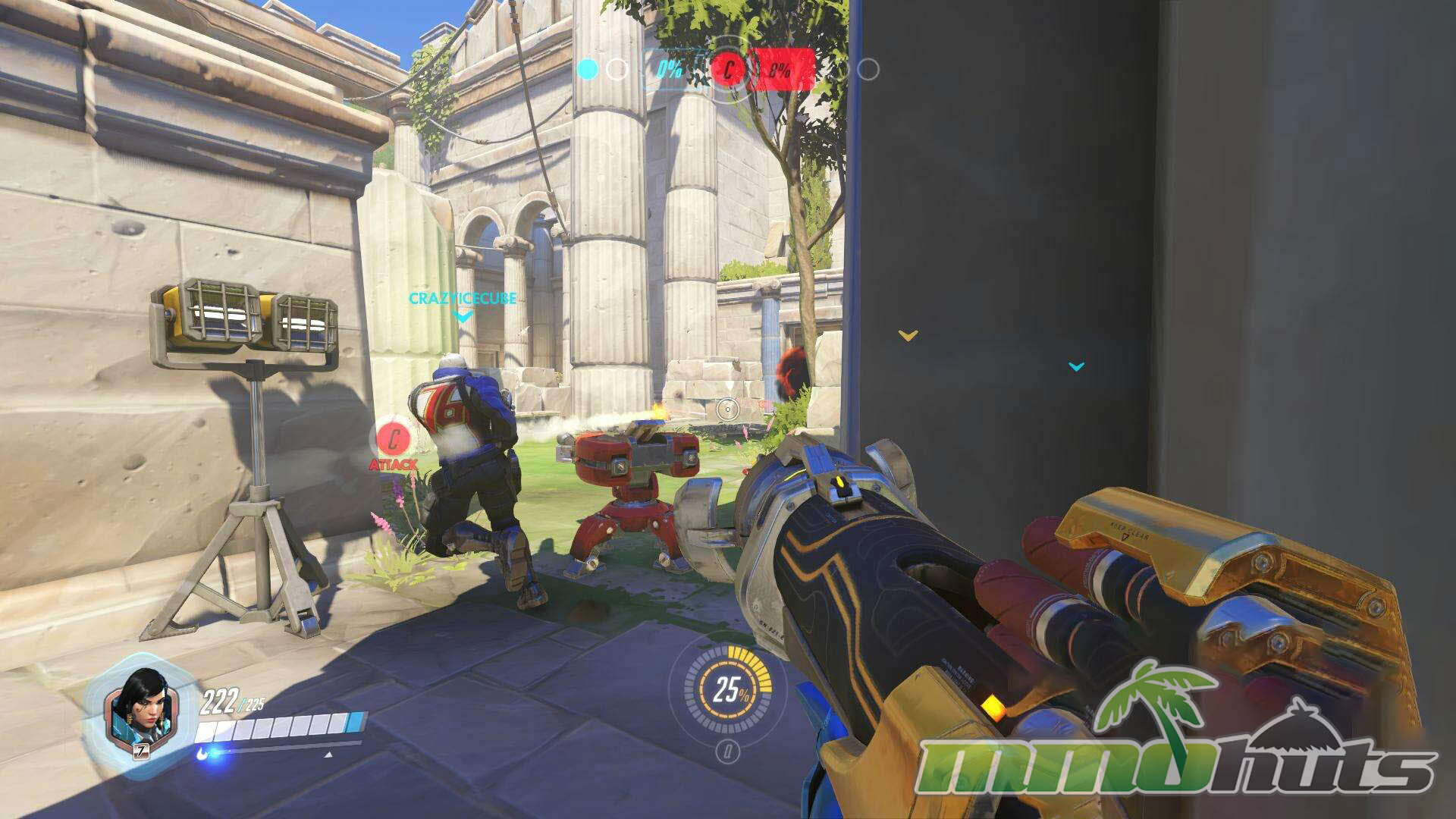
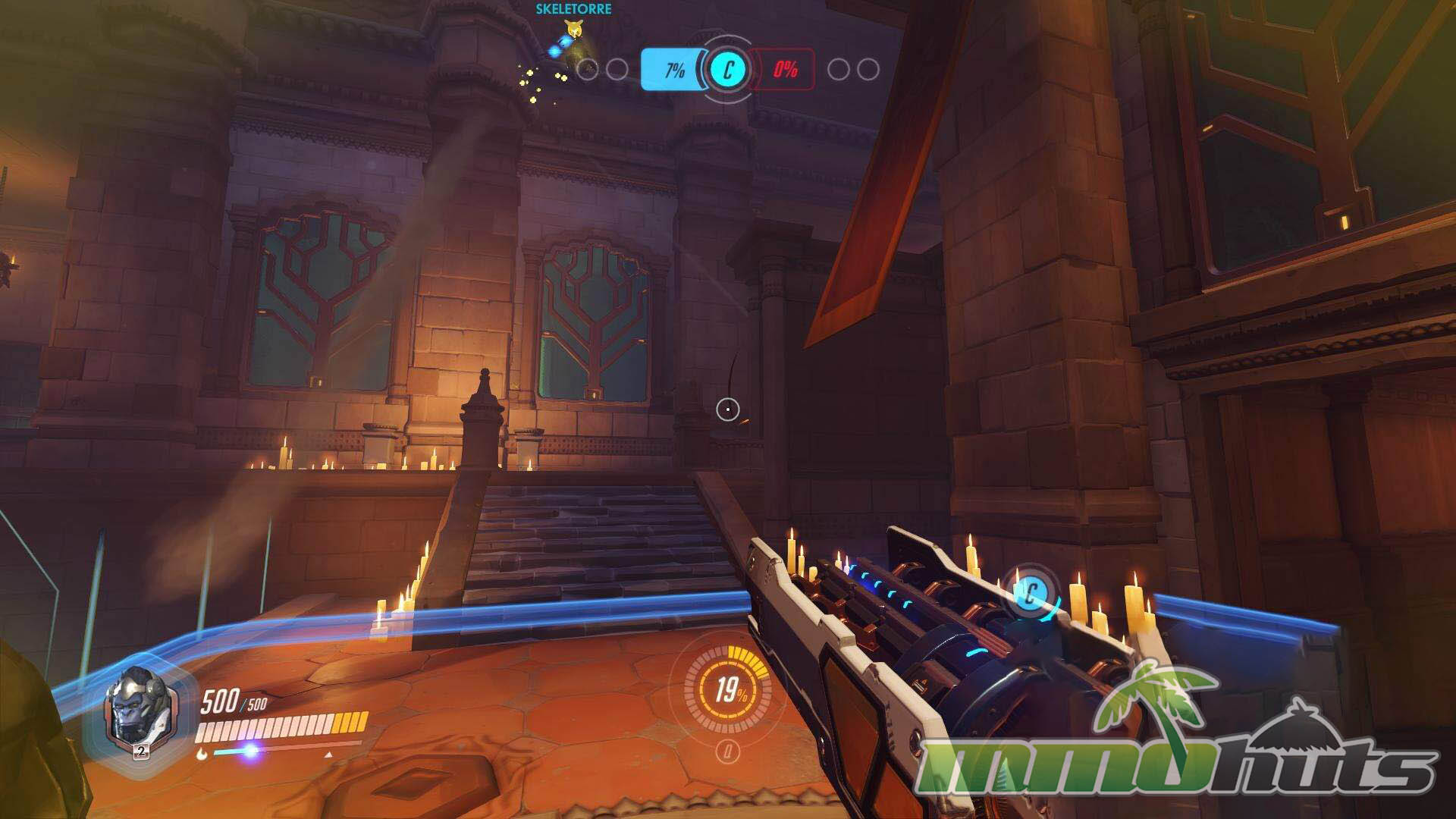
Overwatch Screenshots

Overwatch Featured Video

Overwatch Review
Overwatch succeeds because it understands what makes a great match-based shooter: clear goals, readable abilities, and heroes that feel meaningfully different from one another. It is also one of Blizzard’s most immediately inviting games, with a strong presentation and a roster that makes it easy to find a character you enjoy. At the same time, its biggest weakness is one shared by most role-driven team games, your experience is heavily affected by how willing random teammates are to cooperate and flex when needed.
How Matches Typically Play Out
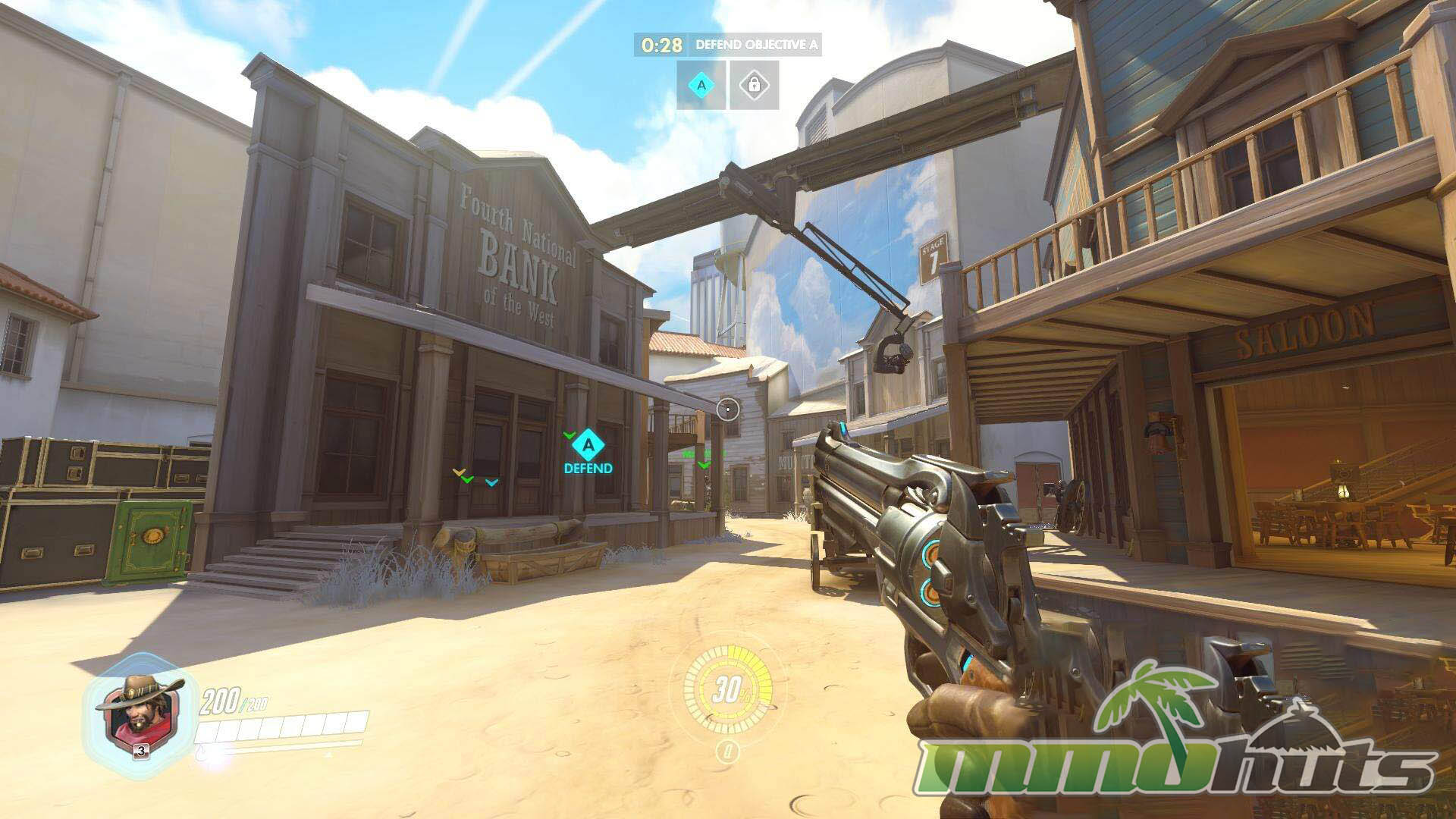
No matter which playlist you queue for, the structure is consistent: two teams of six spawn on opposite sides and collide around a defined objective. The launch modes cover the major “objective shooter” templates, Escort, Assault, Control, and Hybrid, and each one emphasizes different strengths across the hero roster.
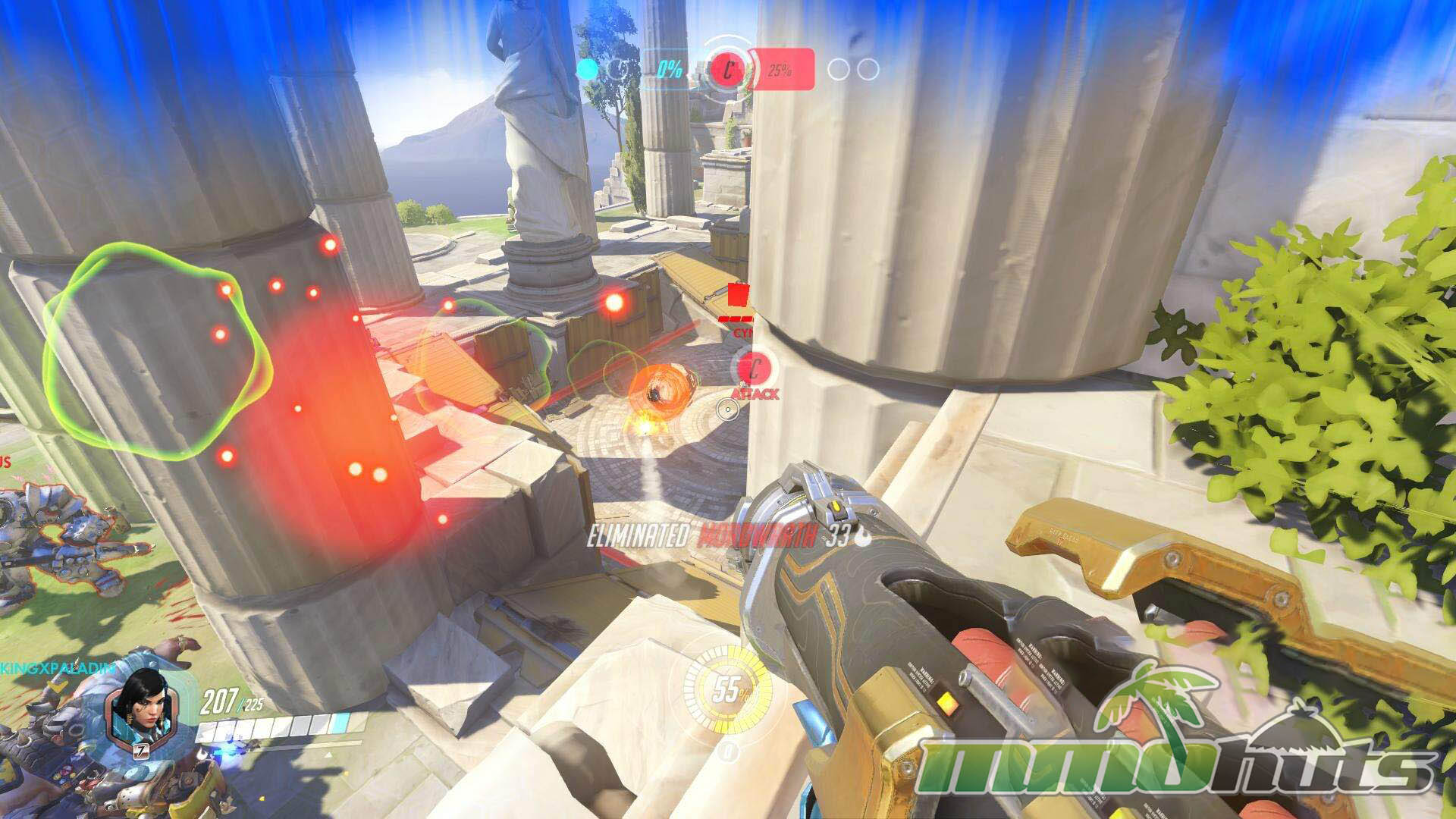
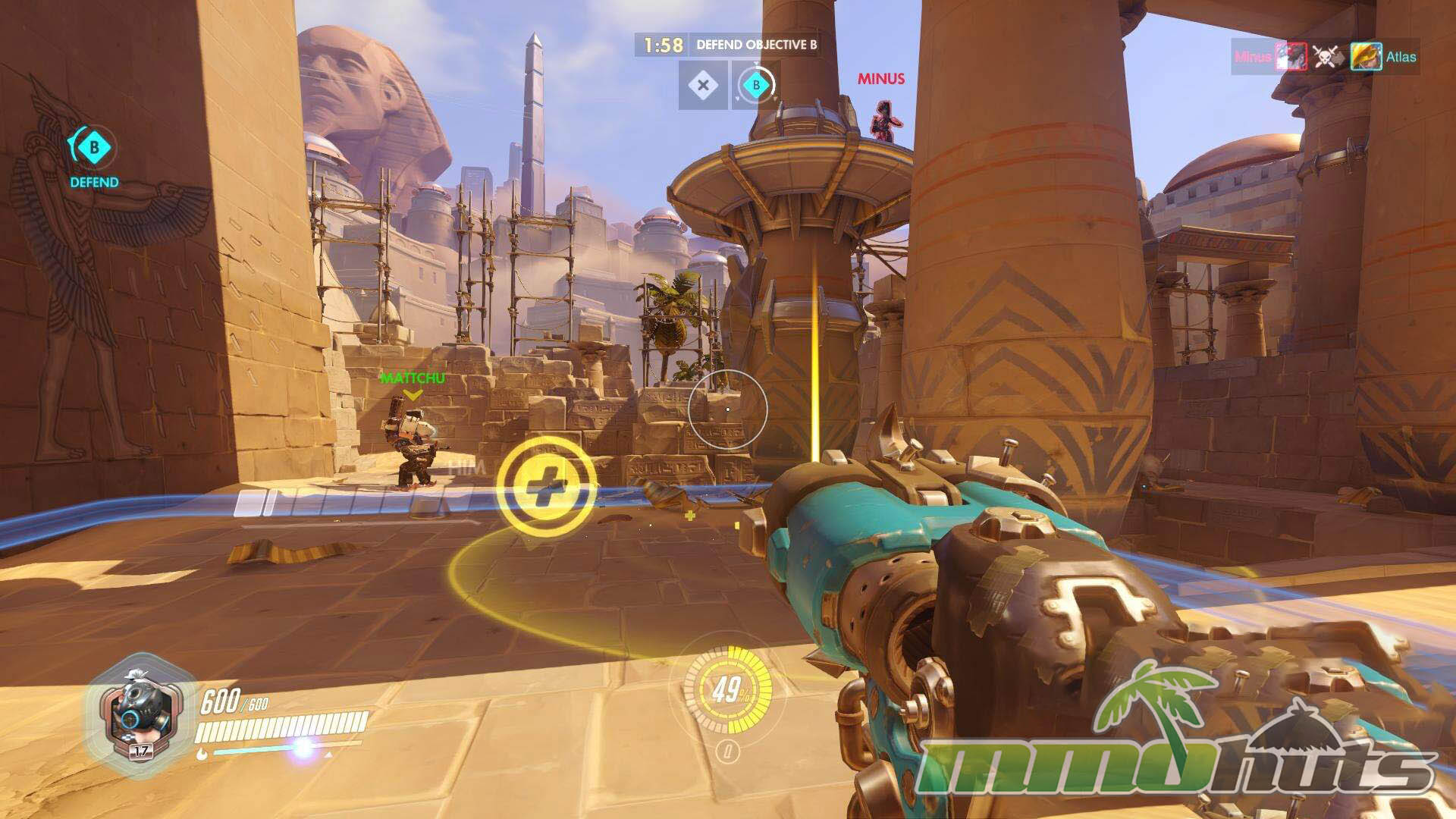
Assault centers on capturing control points with attackers trying to break a defense before time expires, while defenders aim to stall and stabilize. Escort tasks one team with moving a payload through contested territory, and the other team with stopping the push by winning fights at key choke points and corners. Control puts both teams on a single capture point, racing to 100% progress, and it is played as a best-of-three. Hybrid combines the two ideas, opening with a point capture that unlocks a payload phase, which can feel brutal when a team cannot even secure the initial objective.
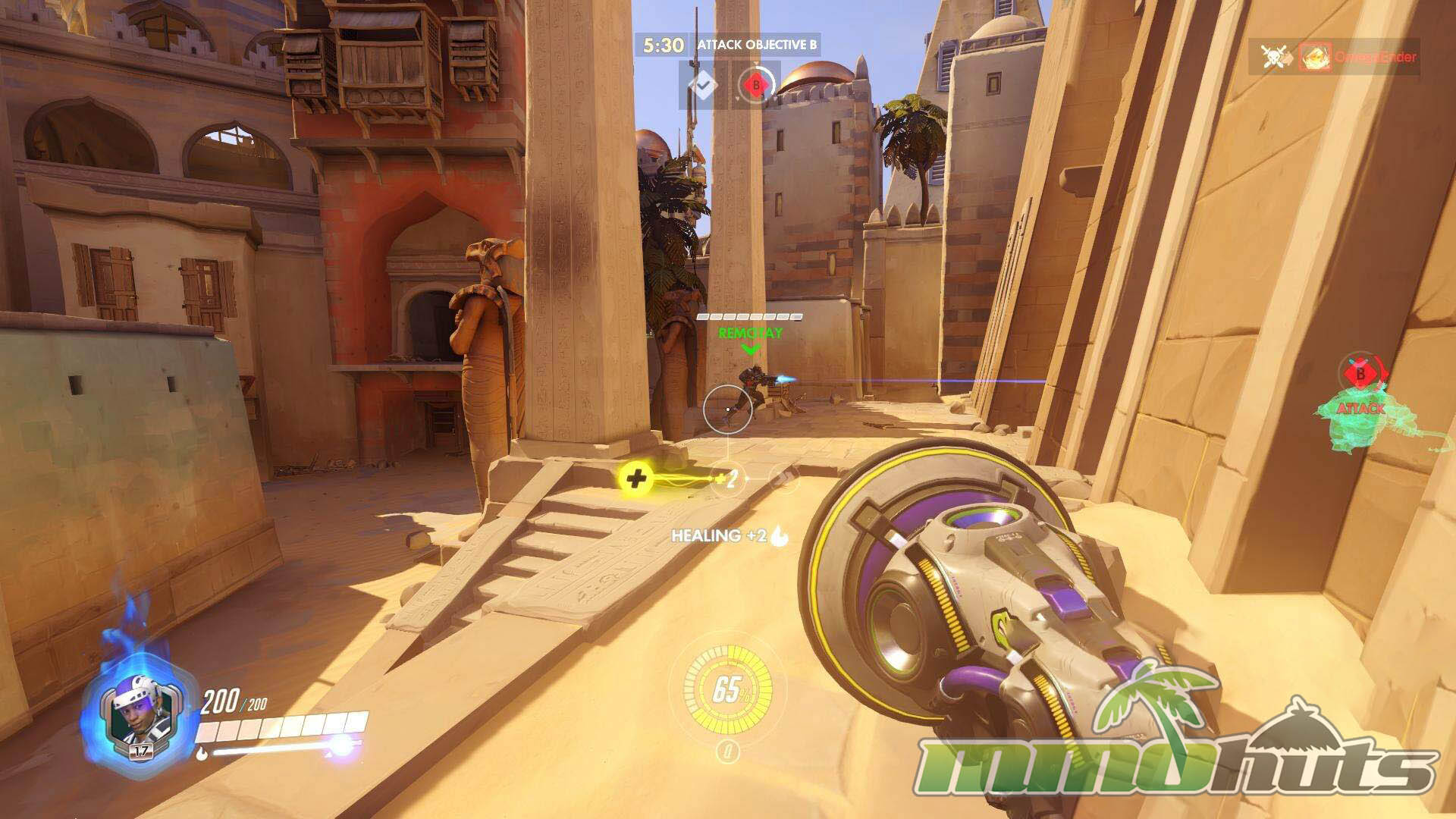
Even with a limited set of core modes, repetition rarely becomes the main issue because hero matchups and team coordination change the feel of each round. A map that favors long sightlines will play differently than one built around tight angles and flanks, and the same objective can be won with very different compositions. The game’s design clearly prioritizes objective play over pure fragging, which is why team deathmatch fits best as a side attraction rather than the centerpiece.
Controls That Get Out of the Way
Overwatch’s input design is intentionally straightforward. Movement and aiming are standard for the genre, and abilities are mapped in a way that is easy to memorize quickly (with the ultimate sitting on a dedicated key). That simplicity is a strength, it lowers the barrier to entry and keeps attention on decision-making rather than complex key gymnastics.
For players who like fine-tuning, the options menu is also unusually friendly. Rebinding keys is fast, clear, and flexible, which matters in a hero shooter where comfort and muscle memory can decide close fights.
Roles Matter More Than Highlights
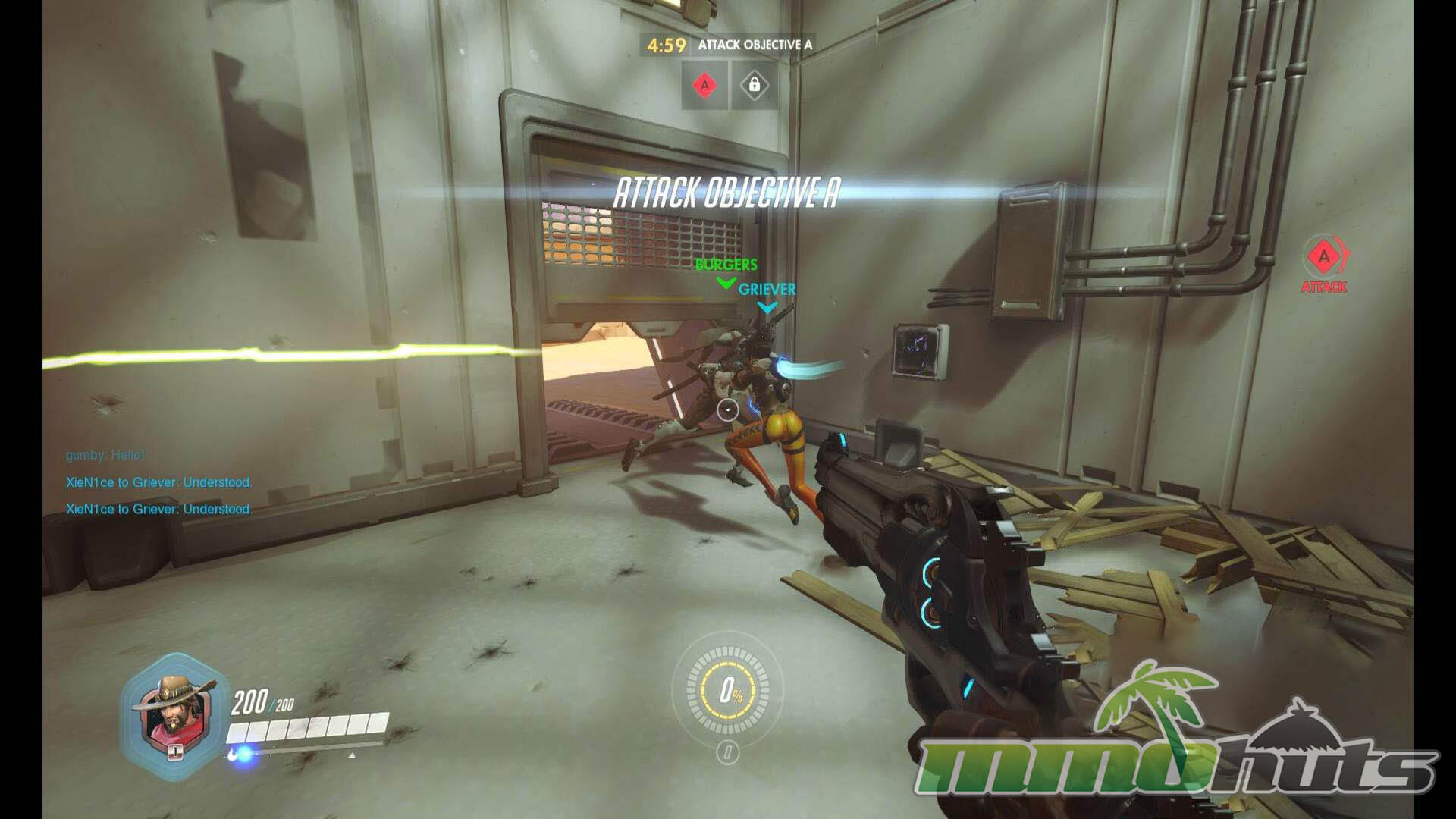
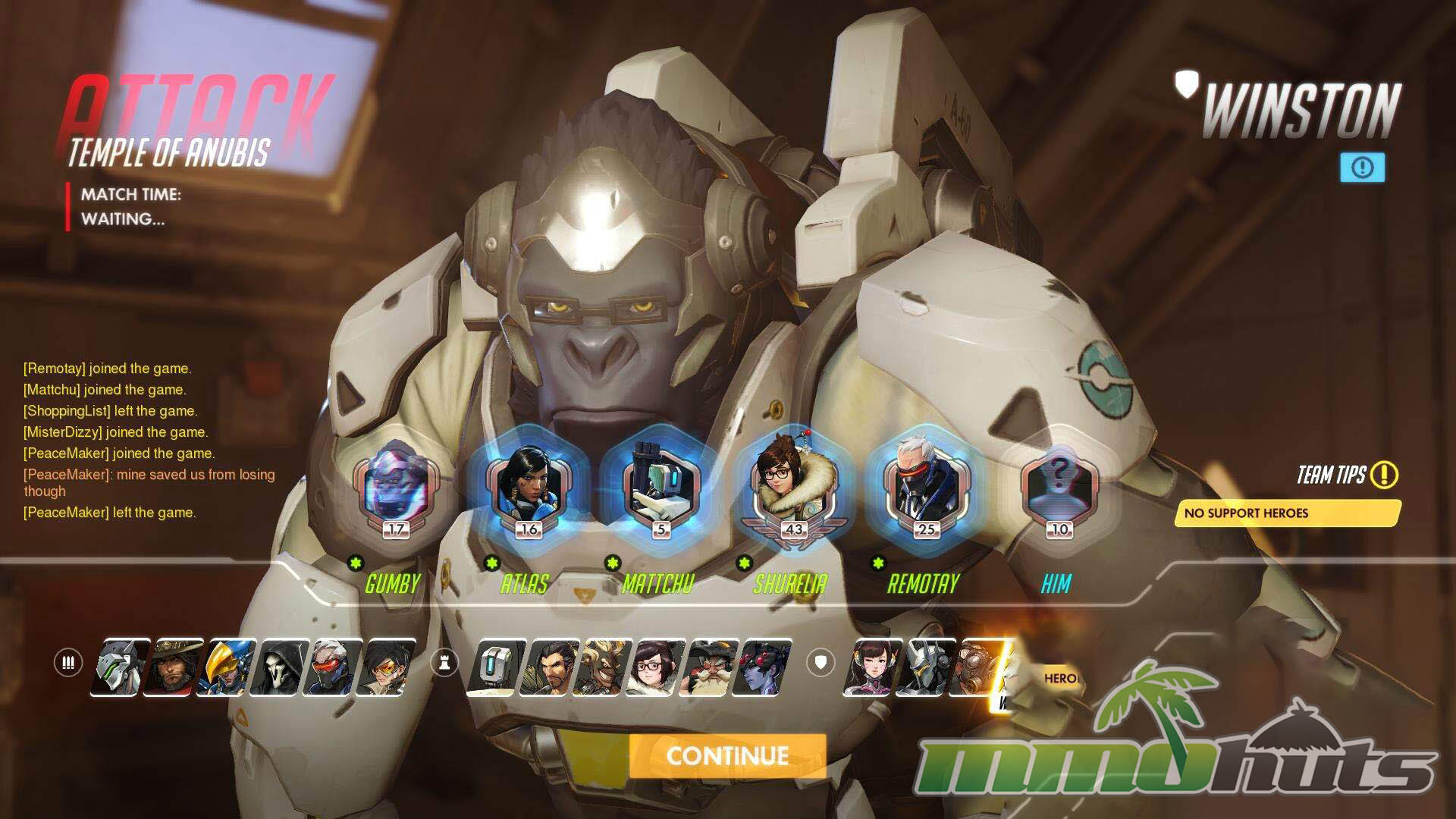
Heroes are grouped into four roles: offense, defense, tank, and support. While you can win with unconventional setups, the game consistently rewards teams that cover the basics, someone to initiate and absorb pressure, someone to sustain the team, and enough damage and utility to actually take space. Overwatch is at its best when teams treat the roster like a toolbox instead of a set of individual carry picks.
The game even calls out composition problems before the doors open with warnings like “Too Few Support Heroes” or “No Tank Hero.” Those prompts are worth taking seriously because a balanced lineup tends to perform more consistently than a team stacked with the same type of hero, even if everyone is mechanically skilled.
When Teammates Refuse to Adapt
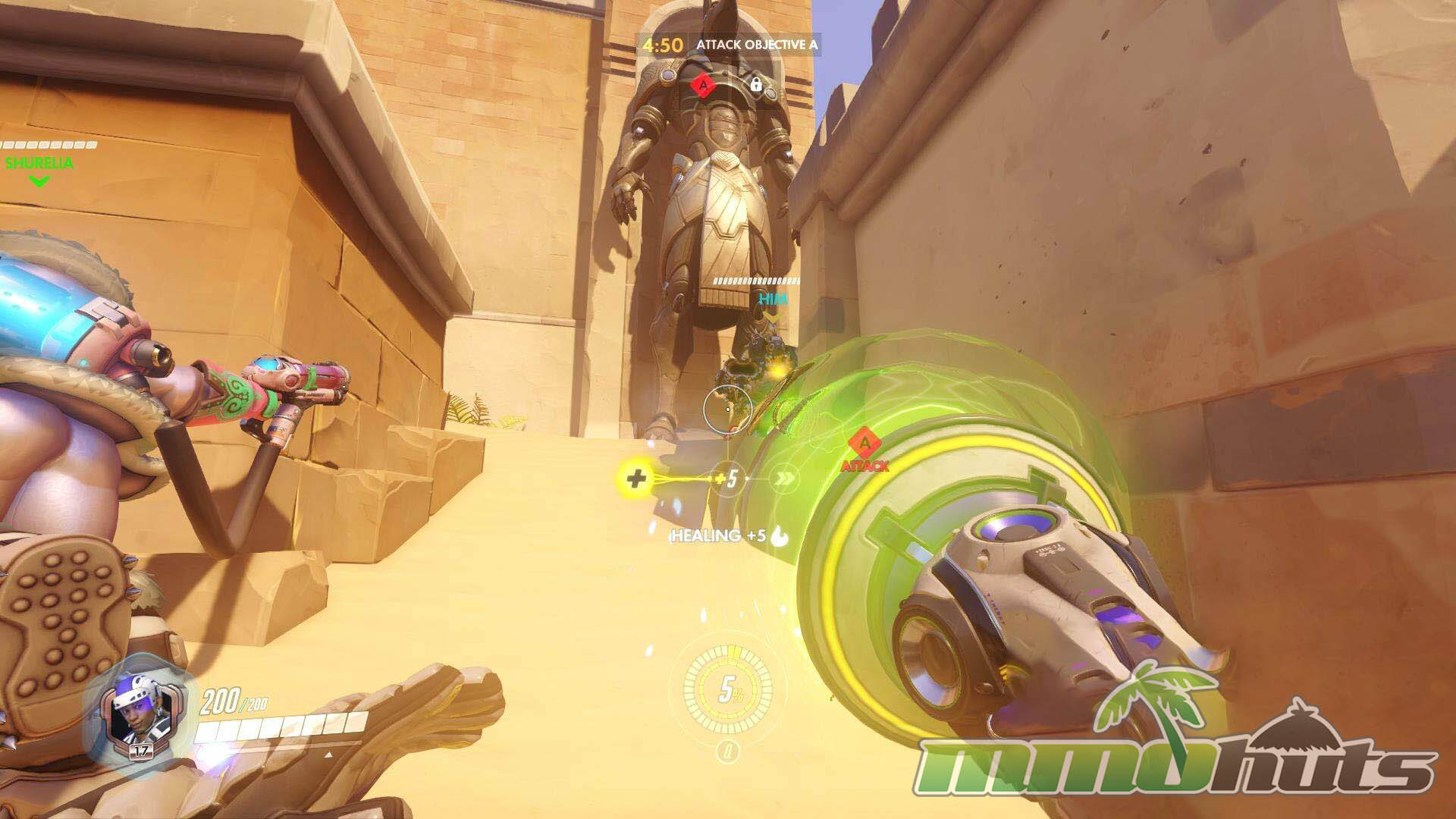
The most common frustration is not a weapon balance issue or a broken mechanic, it is the human element. Some players lock a single hero every match and ignore what the team needs, even when the composition is clearly struggling. In a game built around counters and role coverage, stubborn picks can undo good play elsewhere on the team.
This is most noticeable in solo queue, where players may chase duels or personal highlight moments instead of playing the payload, contesting the point, or grouping for a coordinated push. Competitive play and experience generally improve this over time, but it remains a core reality of the genre.

Swapping Heroes Is a Core Skill
One of Overwatch’s smartest systems is how strongly it encourages switching. You are not meant to “main” one hero in every scenario, you are meant to recognize what is happening and change your pick to answer it. That can mean swapping to deal with a problematic defender, changing supports to match the pace of the fight, or selecting a tank that better fits the map’s angles.
Bastion is a good example of why this matters. When set up behind protection, he can punish careless pushes, but he is not unbeatable. The game offers multiple ways to break that setup, including specific hero counters and team approaches that deny his safe firing position. In practice, good swaps and coordinated pressure solve far more problems than trying the same failed push repeatedly.
Play of the Game and the Highlight Culture
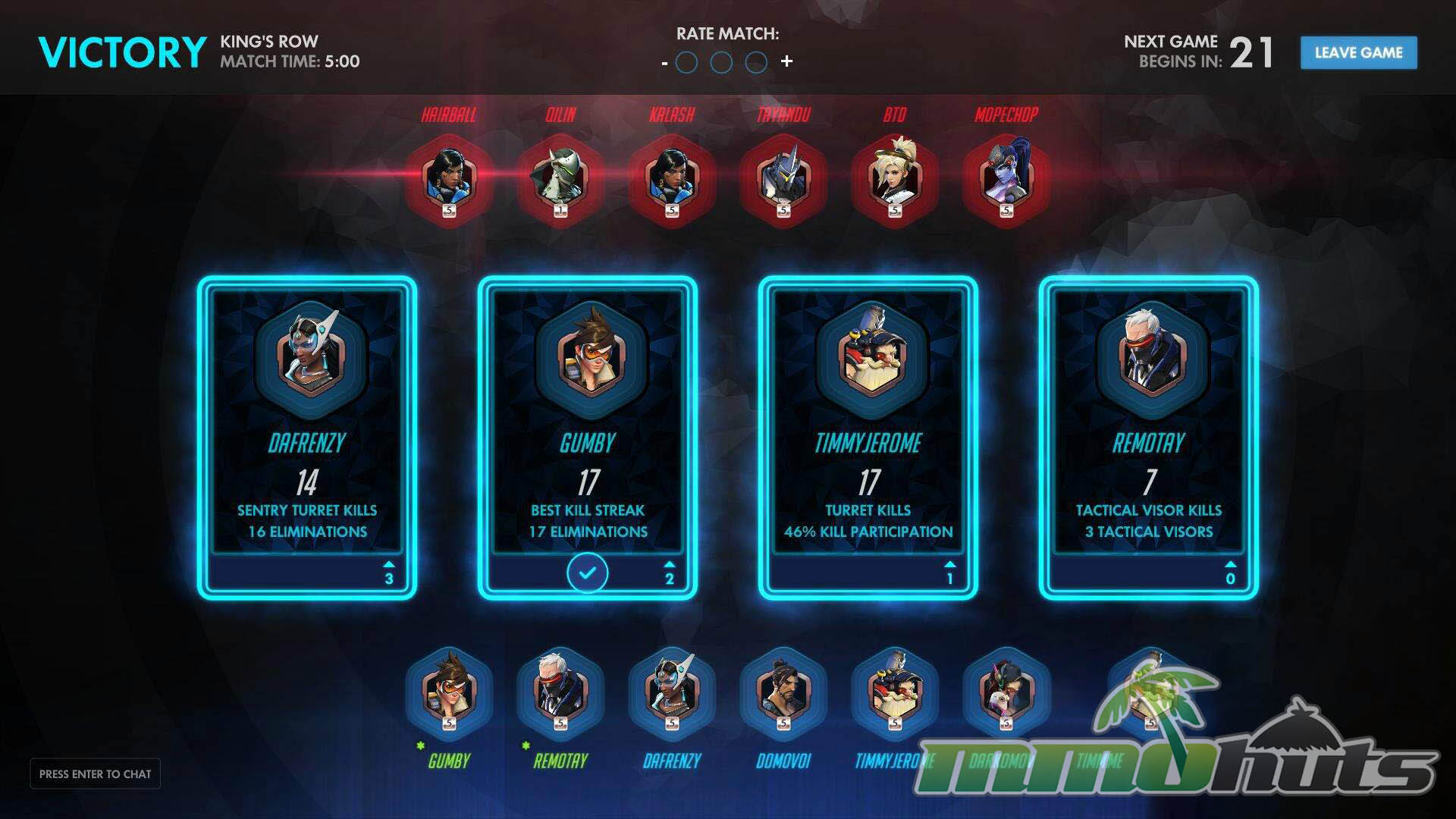
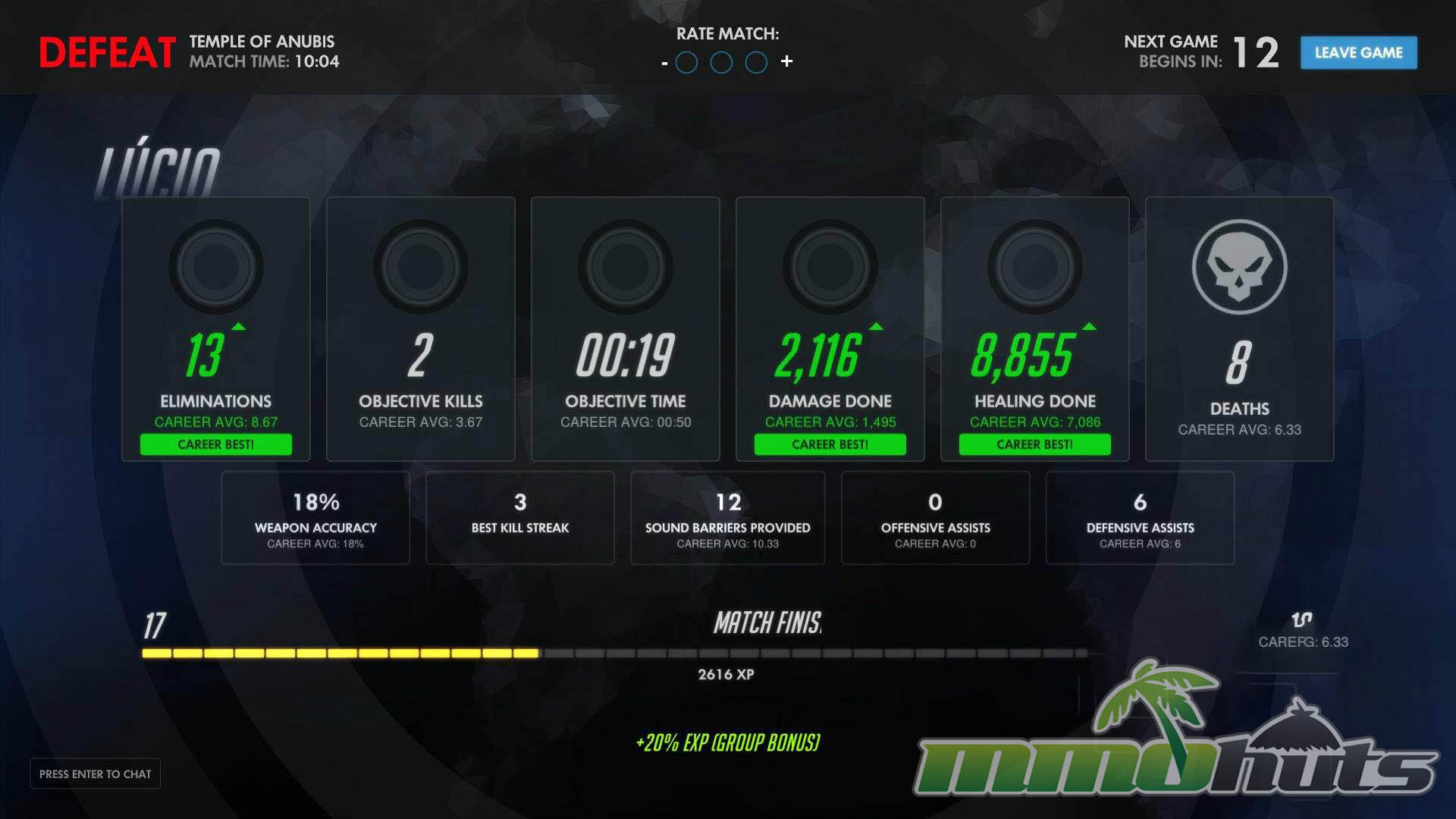
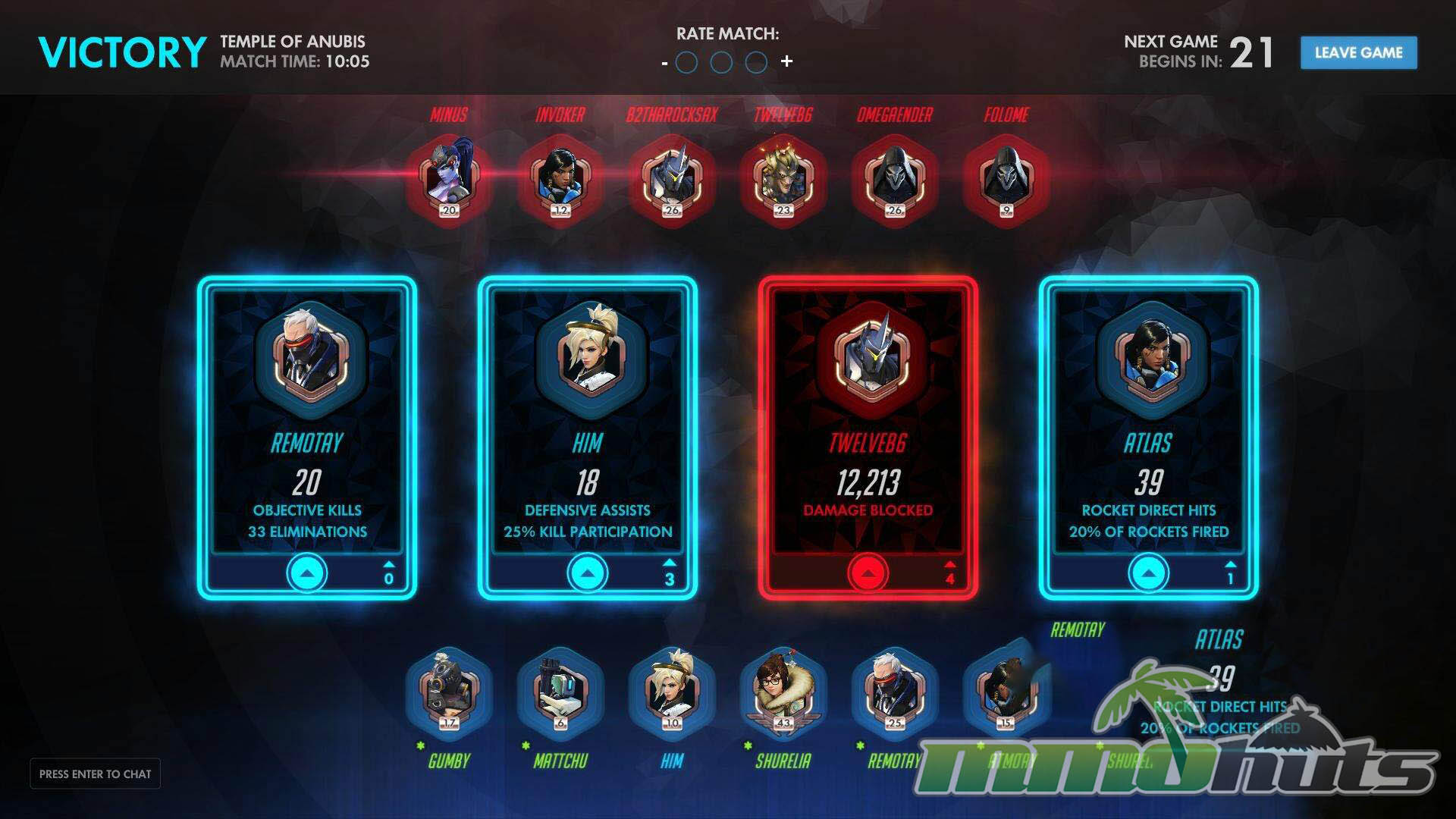
The end-of-match “Play of the Game” is a fun capstone that reinforces the game’s spectacle. It often rewards big ultimate moments or multi-kills, although the selection can occasionally feel inconsistent, which has fueled plenty of debates in the community.
The feature is mostly harmless, but it can nudge some players toward chasing flashy moments rather than focusing on what wins the round. Overwatch is at its strongest when highlights come as a byproduct of good objective play, not as the main goal.
Style, Sound, and Character Identity
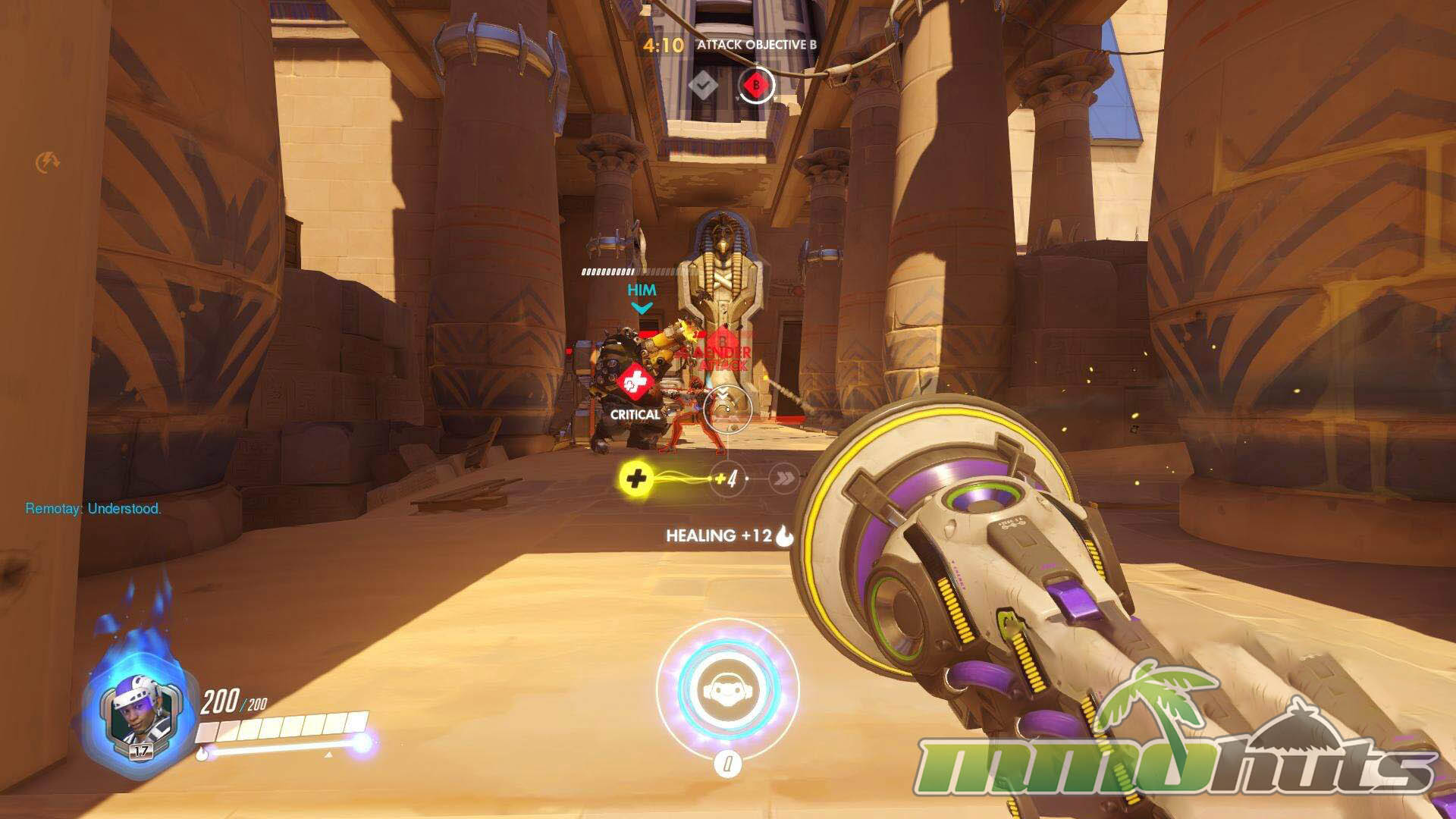
Few shooters commit to personality the way Overwatch does. Heroes communicate who they are through animations, silhouettes, voice lines, and ability effects that are immediately recognizable in the middle of a fight. That clarity is not just aesthetic, it supports gameplay readability, helping players react quickly to threats and ultimates.
The roster also encourages experimentation. Many heroes that look unappealing on paper end up being surprisingly fun once you understand their rhythm and role in a team fight. The game hints at a broader universe through its character design and worldbuilding touches, giving it a sense of place even though the match structure is tightly focused.
Maps That Guide Fights, Sometimes Too Much
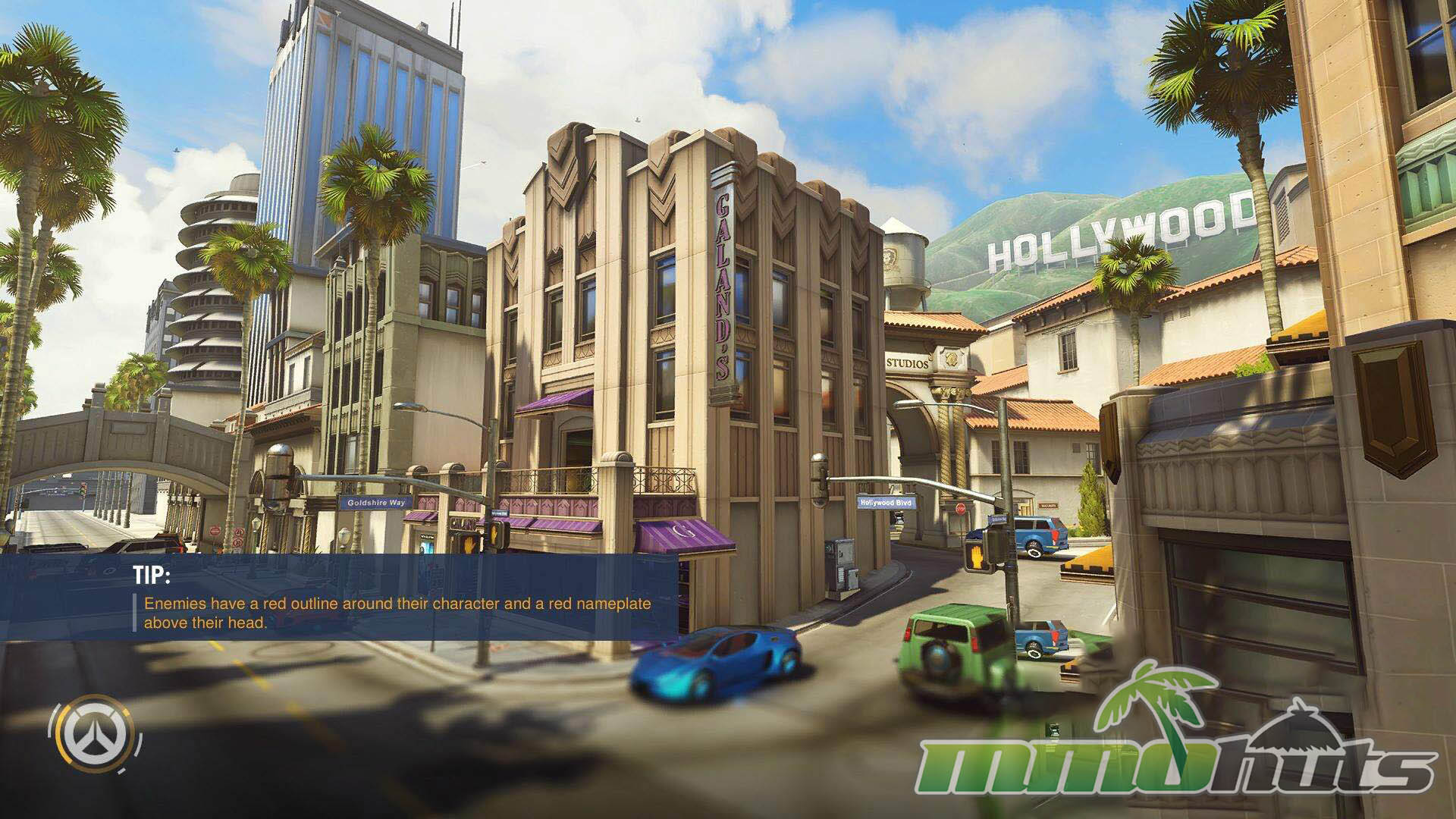
Overwatch’s maps are generally strong at funneling teams toward meaningful engagements. Routes are readable, objectives are clear, and there are enough alternate paths and high ground options to support flanks and repositioning. They are also packed with visual detail, which makes them enjoyable to revisit and helps them feel like real locations rather than sterile arenas.
That said, certain map and mode combinations can push teams toward a narrower set of “best” heroes. Some environments naturally favor long-range pressure, others reward mobility and sustained area control. Over time, this can lead to predictable compositions at higher levels, while more situational heroes see less play outside of specific setups.
Cosmetics and Progression
Leveling rewards players with loot crates containing cosmetic items like skins, emotes, and sprays. This kind of progression works well in a match-based shooter because it provides a steady drip of personalization without affecting competitive integrity.
Loot boxes being purchasable with cash is a monetization choice that will not appeal to everyone, but the important point is that the items are cosmetic rather than power. If you prefer earning items through play, the system supports that too, it simply asks for time and patience.
Final Verdict – Excellent
Overwatch is an exceptionally polished objective shooter with a roster that stays fun because each hero feels mechanically and visually distinct. The core loop can look repetitive from the outside, but in practice the shifting team compositions, counters, and ultimate economy keep matches engaging. Its main drawback is the usual one for team-reliant games, your enjoyment can swing depending on how cooperative your teammates are. For players who like coordinated play, quick queues, and a bright, character-driven style, Overwatch remains one of the strongest entries in the team shooter genre.
Overwatch System Requirements
Minimum Requirements:
Operating System: Windows XP / Vista / 7 / 8
CPU: Core i3-540 3.06GHz / Phenom II X3 720
Video Card: GeForce GTX 460 / Radeon HD 4850
RAM: 4 GB
Hard Disk Space: 5 GB
Recommended Requirements:
Operating System: Windows XP / Vista / 7 / 8
CPU: Core i5-670 3.46GHz / Phenom II X4 900e
Video Card: GeForce GTX 660 / Radeon HD 7950
RAM: 6 GB
Hard Disk Space: 5 GB
Overwatch Music & Soundtrack
Overwatch Additional Information
Developer: Blizzard Entertainment
Director(s): Jeff Kaplan and Aaron Keller
Other Platforms: Mac OS X
Game Engine: Proprietary game Engine
Closed Beta 1: October 27, 2015
Closed Beta 2: November 20, 2015 – November 23, 2015
Closed Beta 3: February 09, 2016
Closed Beta 4: April 15, 2016 – April 16, 2016
Early Access: May 03, 2016 – May 04, 2016
Release Date: May 24, 2016
Development History / Background:
After Blizzard’s Titan project was cancelled, the company redirected its efforts into what became Overwatch. The game was publicly revealed at Blizzcon on November 7, 2014, and it went through multiple closed beta phases starting on October 27, 2015. Blizzard also ran an invitation-only stress test weekend from November 20, 2015 to November 23, 2015 to help evaluate server load. The closed beta paused on December 10, 2015, then returned on February 09, 2016 as testing continued. A final stress test weekend took place from April 15, 2016 to April 16, 2016 and ran for 36 hours. Overwatch ultimately launched on May 24, 2016.