Million Arthur
 (No Ratings Yet)
Million Arthur was a free-to-play mobile TCG/RPG that mixed anime-style card art with JRPG presentation, including full Japanese voice acting, a story-led campaign, streamlined map progression, and online PVP battles that largely played out automatically. While its core loop leaned heavily on collecting and upgrading cards, it also aimed to deliver a more cinematic feel than many mobile card battlers of its era.
 | Publisher: GAMEVIL Type: Mobile TCG Release Date: July 15, 2015 Shut Down: December 07, 2015 Pros: +Striking anime-style card illustrations. +Strong narrative presentation with Japanese VO. +Large card pool to hunt for. +Memorable soundtrack. Cons: -Battles play out with minimal player input. –Stamina/energy depletes fast. |
Million Arthur Shut Down on December 07, 2015
Million Arthur Overview
Million Arthur is a 2D TCG and RPG blend developed by Square Enix and published globally by GAMEVIL. You step into the role of Arthur, tasked with proving yourself as the rightful ruler of Britain, then set out across a stylized, fictional version of the setting to push back invading threats. Early on, you align with one of three groups, Castle of Swords, Artisan Alliance, or Magic Society, which influences your starting approach and encourages faction-focused deck building.
Progression revolves around exploring a world map, triggering encounters, and expanding a collection of cards that can be upgraded and evolved over time. The presentation is one of the game’s biggest selling points, featuring anime-inspired illustrations and a story delivered with Japanese voice acting (paired with English subtitles). Combat is intentionally simplified and largely automated, keeping fights quick and visually flashy rather than tactical. For competitive players, there is also an online PVP mode built around the same rapid, hands-off battle flow.
Million Arthur Features:
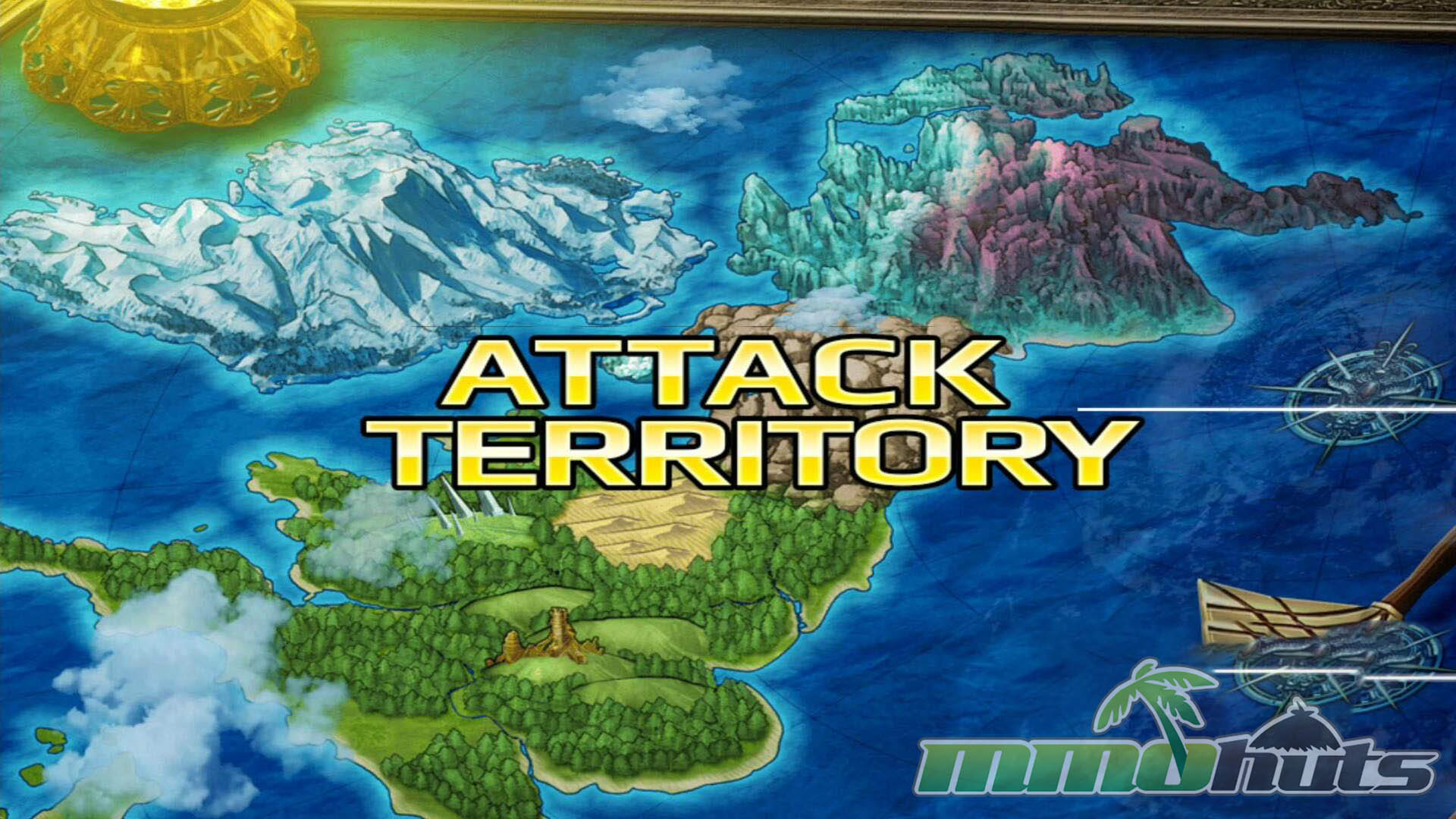
- Many Regions to Explore – Move across a broad map of Britain, visiting numerous fictional regions packed with encounters, rewards, and enemies.
- Anime-inspired Artwork – Card illustrations lean heavily into high-quality anime aesthetics, created by a large team of artists.
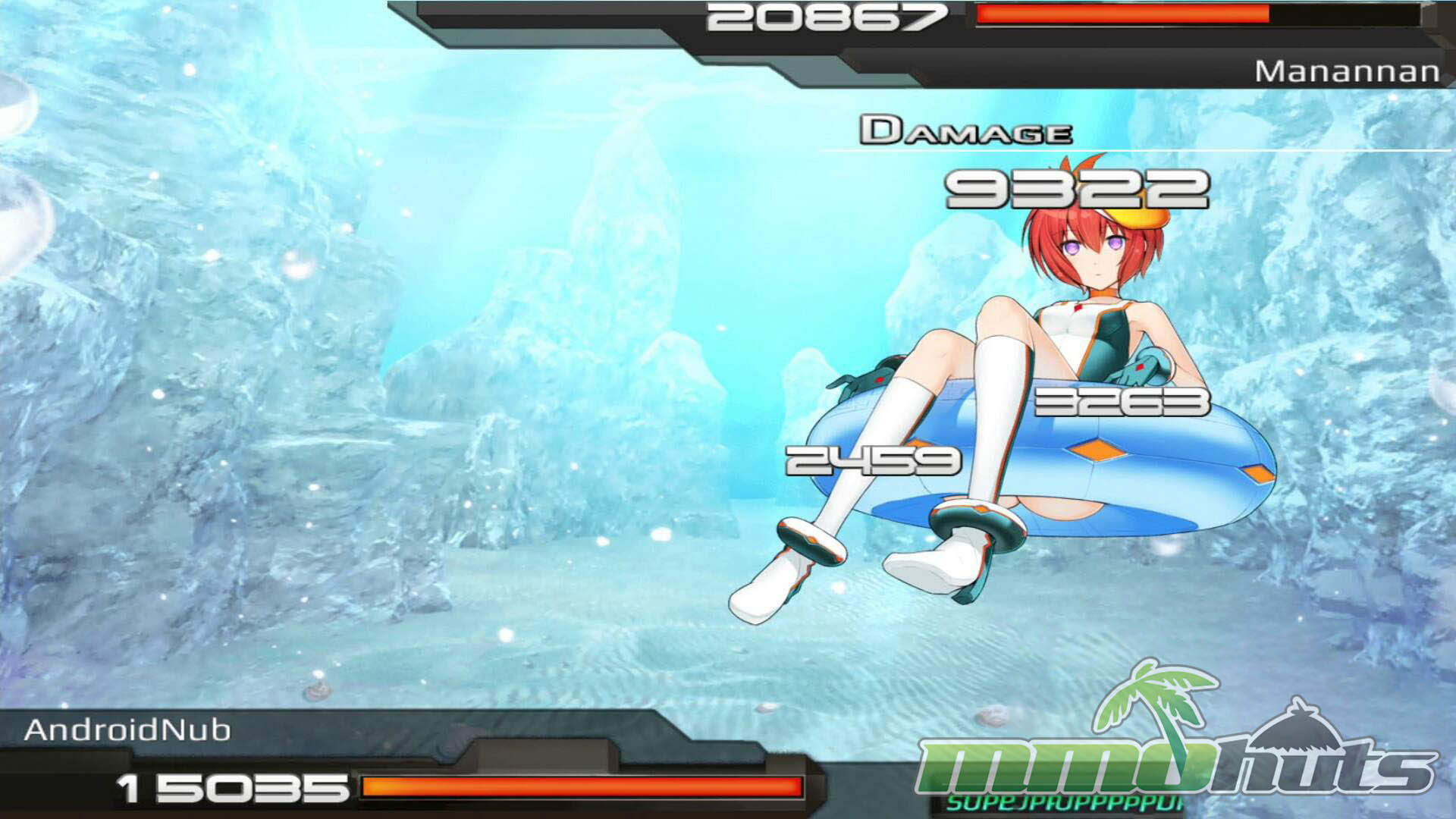
- Automated Combat – Battles resolve quickly through a turn-based system where your deck attacks largely on its own, with skills triggering automatically.
- Many Cards to Collect – Build a collection of 100+ cards and assemble decks for story fights, bosses, and online matches.
- Engaging Story – A narrative-driven structure supported by extensive Japanese voice acting and subtitle-based localization.
- Online PVP – Queue into head-to-head matches against other players in fast, automated showdowns with animated flair.
Million Arthur Screenshots









Million Arthur Featured Video

Million Arthur Review
Million Arthur is a free-to-play card battler with RPG framing, developed by Square Enix and published by GAMEVIL for mobile. It is the English release of a title that first appeared in Japan in 2012 (Kaku-San-Sei Million Arthur) on Android and iOS, with later releases on PS Vita and Nintendo 3DS in 2014. The global mobile version keeps the Japanese voice track intact, which is a major part of its identity, and it arrived at a time when Square Enix was putting increasing emphasis on mobile projects.
At its heart, the game sits in the same neighborhood as older mobile card collection RPGs like Rage of Bahamut and Legend of the Cryptids, but it tries to feel more like a compact JRPG, with heavier narrative delivery, dramatic music cues, and a consistent sense of “going on an adventure” even when the underlying interactions are fairly simple. That combination creates a game with clear strengths in presentation, alongside design choices that can feel restrictive if you want more direct control.
Story Presentation and Voice Work
Million Arthur puts story front and center, which is not always the case for mobile TCG-style games. Dialogue scenes are plentiful, and nearly everything is backed by Japanese voice acting, giving characters far more personality than a typical “card game with a thin plot.” The production values are obvious, and the large install size (over 1 GB) makes sense once you realize how much voiced content is included.
The three initial Arthur choices are each voiced, and the cast generally delivers performances that help sell emotional beats and comedic moments alike. Pair that with JRPG-leaning background music that shifts appropriately between exploration, story scenes, and combat, and the game often feels more like a narrative RPG that happens to be driven by cards.
The setting borrows the broad idea of the King Arthur legend, the sword in the stone and the right to rule Britain, but reinterprets it into a distinctly anime-styled world with its own tone. After an early introduction that establishes your role and introduces figures like Merlin (plus a fairy companion), you are pushed out into the larger map to respond to escalating threats.
One unusual structural choice is how the game separates much of its story and side dialogue into its own menu after the initial tutorial, rather than weaving every scene directly into the moment-to-moment flow. It can feel slightly detached, but it also keeps the core gameplay loop moving. When viewed as a mobile-first design, the approach is understandable, and the writing plus voice acting still do a lot of work to keep the journey engaging.
Map Progression and Exploration Flow
Exploration is built around a world map with multiple regions, each split into segments (for example, 1-1, 1-2, and so on). From your base in Camelot, you choose a destination and then advance by tapping a simple “Proceed” action. Movement is essentially linear, represented by 2D backdrops that update as you progress, rather than a freely navigable environment.
As you move forward, the game triggers random events. You might gain cards, meet other players for friend point rewards, or be pulled into combat. Each region has its own pool of obtainable cards, so while the drops are random, they are not completely arbitrary. The loop is quick and easy to play in short bursts, but it is also tied to energy systems. “Action Points” govern how far you can explore, and “Battle Cost” affects combat, and both can drain faster than many players would like, especially early on.
Combat System and Player Control
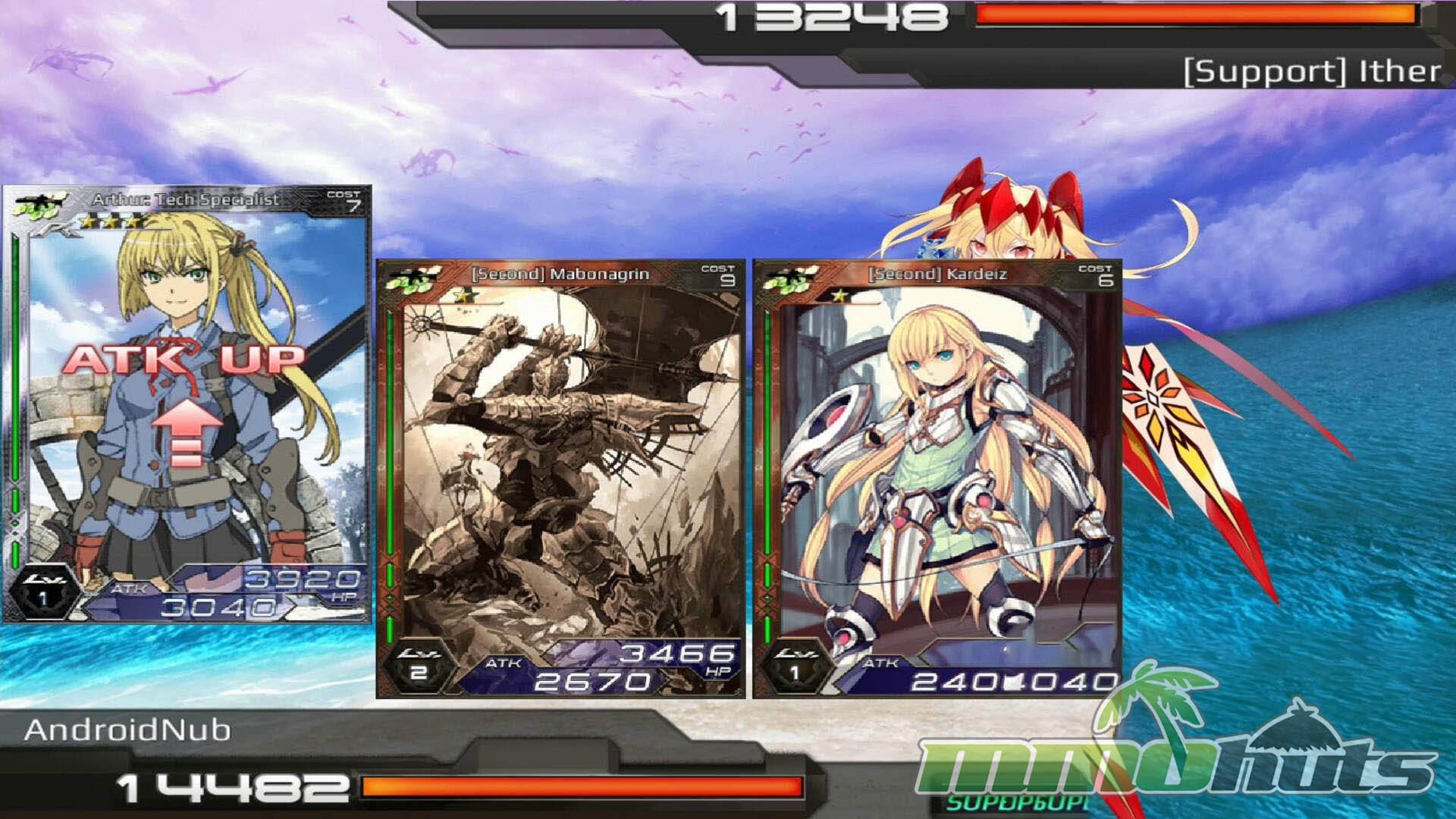
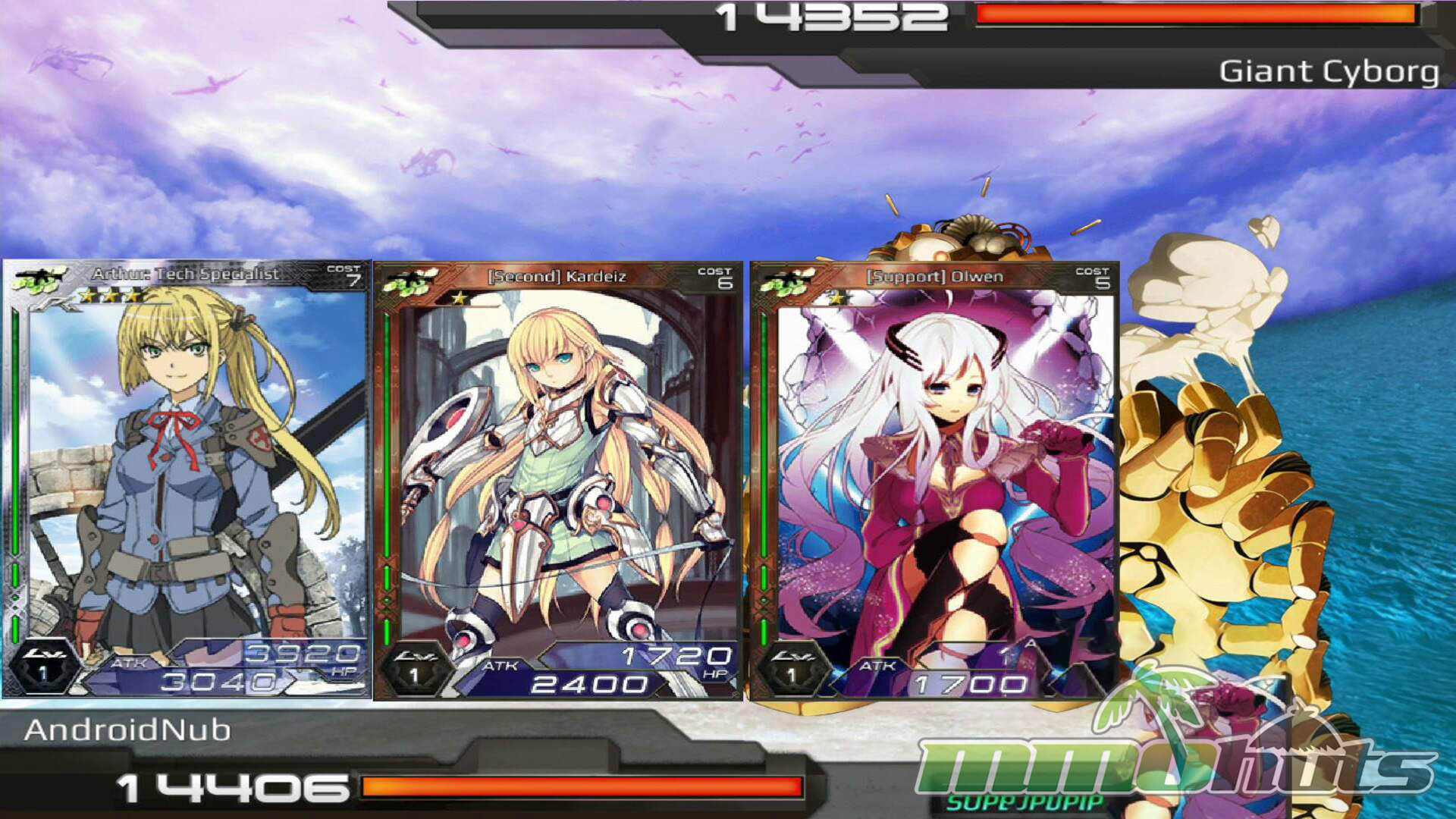
Battles in Million Arthur are turn-based, but they are also heavily automated. When you engage an enemy, your cards appear and attack with minimal input required. Skills can trigger on their own, often as buffs or debuffs, and there are synergy bonuses based on faction or type that reward cohesive deck construction.
The upside is pacing. Fights are fast, and the effects are flashy enough to make short sessions feel active. The downside is agency. If you are looking for a card game where tactical decisions during combat matter, this system can feel like you are watching outcomes rather than shaping them.
There is also a significant resource penalty for losing. Defeat consumes your Battle Cost, and regeneration is slow (1 per minute). Enemies keep reduced HP for a period, which softens the blow, but the downtime can still be frustrating if you hit a difficulty wall.
Card Collection, Deck Limits, and Progression
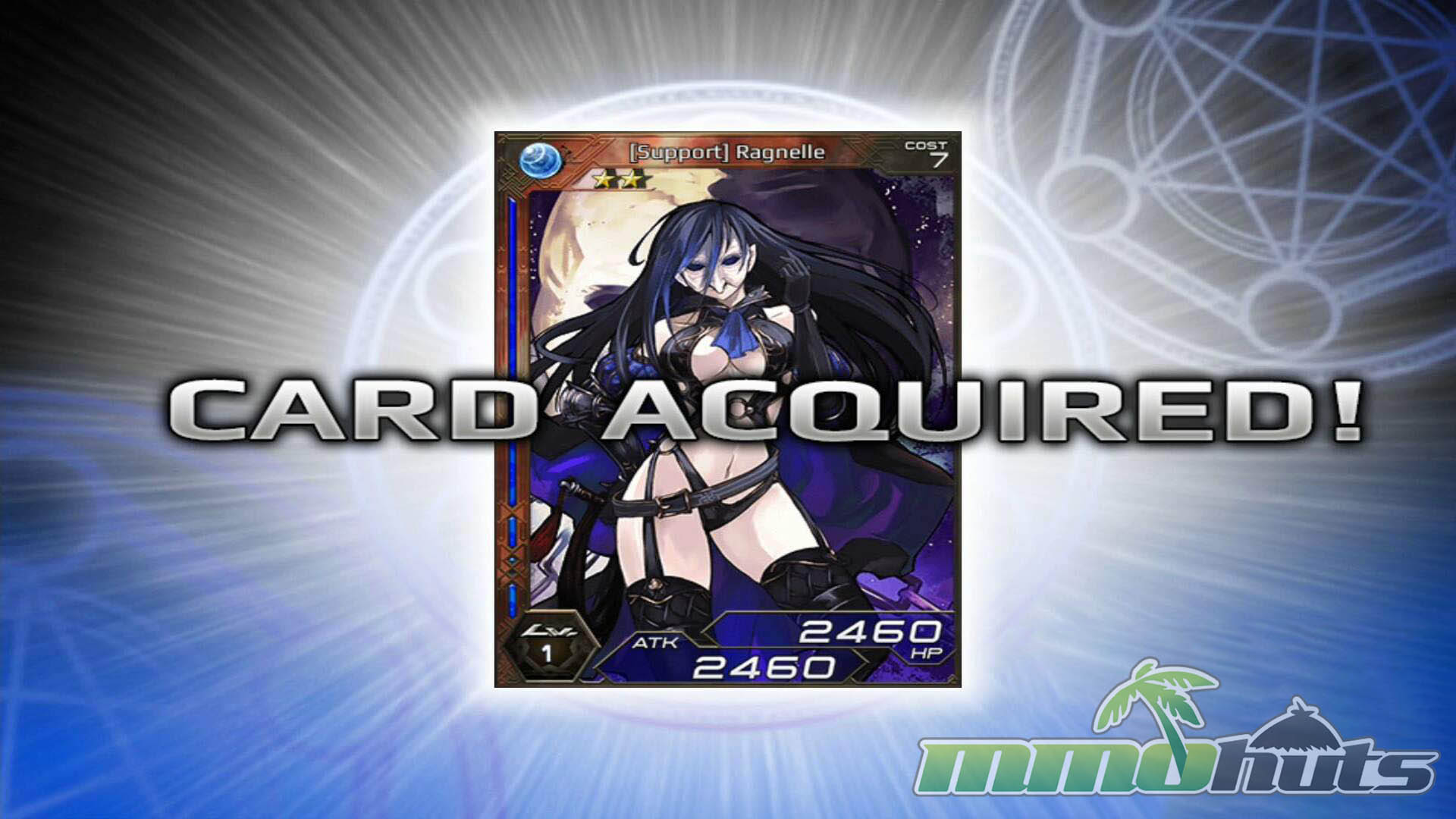
As expected for the genre, the main long-term hook is collecting cards and building stronger decks. The artwork is a standout, with many cards featuring attractive, detailed anime-style illustrations. The overall theme can feel eclectic though, mixing medieval fantasy, modern character designs, and even sci-fi influenced concepts in the same library.
Each card includes core stats and identifiers such as faction, rarity (star ranking), level, attack, HP, and cost. Cost is important because your deck must fit under a maximum cost cap that grows as you level. This prevents simply stacking the highest-power options and makes deck building a balancing act between power and efficiency.
Cards can be strengthened through leveling and other upgrade paths, and duplicates can be used as progress fuel. New cards come from exploration drops as well as summons, so steady play can build a collection, even without spending.
PVP and Match Balance
Online PVP exists primarily as a quick competitive outlet and a way to show off your deck. Like PVE, the matches are automated, but PVP adds more character animation flair, with your avatar performing dramatic actions while cards clash in the background.
The structure is straightforward: you receive a list of opponents, pick one, spend Battle Cost, and watch the result. The biggest issue is balance. Matchmaking can pair you against opponents far above your power level, which makes the mode feel punishing regardless of whether you are free-to-play or spending. The leaderboard provides an additional goal, but the uneven matchups can undermine the sense of fair competition.
In-App Purchases and Gacha Design
The monetization is focused on two familiar components for mobile card games: summons and resource refills. Summoning uses a gacha-style random draw, available through tickets (earned via play), premium currency (MC), or friend points for lower-tier pulls. As with most gacha systems, the lack of control and low odds for rare drops can be discouraging if you are chasing specific cards.
Premium currency can also be used for potions that restore Action Points and Battle Cost. Importantly, the game also hands out tickets and potions through quests, login rewards, and events, so purchases are not strictly required to progress. That said, paying players can potentially accelerate both collection growth and stamina recovery, which can matter in competitive or grind-heavy stretches.
Final Verdict – Good
Million Arthur delivers a polished JRPG-style wrapper around a traditional mobile card collection loop. Its best qualities are its presentation, the high amount of Japanese voice acting, strong music, and appealing card art. The tradeoff is that core gameplay is intentionally hands-off, with automated battles and simplified exploration, plus energy systems that can interrupt momentum. For players who value story and collection more than tactical control, it was an easy game to recommend trying while it was available.
Million Arthur Links
Million Arthur Facebook Page
Million Arthur Google Play
Million Arthur iOS
Million Arthur Wikia
Million Arthur System Requirements
Minimum Requirements:
Android 3.0 and up / iOS 7.0 or later.
Million Arthur Music & Soundtrack
Million Arthur Additional Information
Developer: Square Enix
Publisher: GAMEVIL
Platforms: Android, iOS
Release Date: July 15, 2015
Shut Down: December 07, 2015
Million Arthur was developed by Square Enix and published by GAMEVIL for its global mobile release. The franchise first launched in Japan in 2012 as Kaku-San-Sei Million Arthur on Android and iOS, and later received releases on PS Vita and Nintendo 3DS in 2014. Before GAMEVIL’s version, a Southeast Asian English release (published by Cherrycredits) appeared in early 2014, but it was discontinued prior to the July 15, 2015 global republish.
Following its relaunch under GAMEVIL, Million Arthur reportedly passed 100,000 downloads within a week. GAMEVIL is also known for publishing mobile RPGs such as Darkness Reborn, Kritika: The White Knights, and the Zenonia series. On October 22, 2015, it was announced that the game would shut down on December 07, 2015.