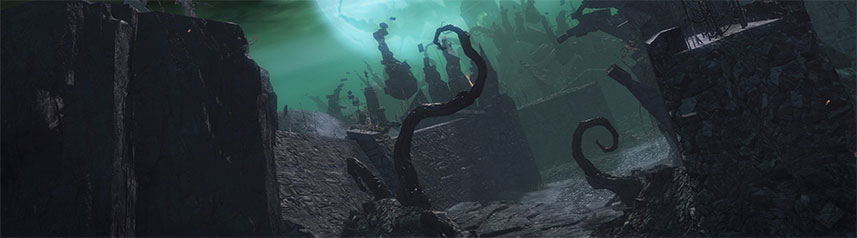
Master X Master (often shortened to MXM) was NCSOFT’s attempt to push the MOBA formula forward with a heavier emphasis on cooperative PvE. Alongside standard competitive modes, the game encouraged players to run missions together to earn new Masters, upgrade weapons, and collect runes and other long-term unlocks. It also stood out with a tag-style twist, you selected two characters per match and could swap between them on demand, letting teams adapt to fights in a way most MOBAs do not.
 | Publisher: NCSOFT Playerbase: Medium Type: MOBA Release Date: June 21, 2017 (NA OBT) Shut Down Date: January 31, 2018 Pros: +Co-op PvE missions that meaningfully reward play. +Fan-service roster pulled from NCSoft universes. +Two-Master swapping adds flexibility and depth. +Persistent progression via weapon upgrades, runes, and unlocks. Cons: -Long-term power unlocks can feel at odds with a purely competitive MOBA mindset. |
Master X Master Overview
MXM: Master X Master arrived with a clear goal, combine the quick readability of a hero brawler with the long-term motivation of a co-op action game. Built by NCSOFT, it leaned on familiar MOBA foundations while introducing a few defining ideas, most notably direct keyboard movement and a tag-team system that let you rotate between two Masters during a match. At the time, it was also notable for treating PvE as more than a tutorial, missions and dungeons were a core progression path where players earned unlocks, materials, and account-wide improvements.
While the game spent a long period in Asian testing before its eventual Western launch, the pitch remained consistent: play competitive modes when you want pure PvP, then jump into structured PvE content when you want progression, experimentation, and a break from the ladder mindset.
Master X Master Key Features:
- Keyboard Controls – movement is handled with WASD rather than click-to-move, and aiming matters because attacks and abilities are fired manually.
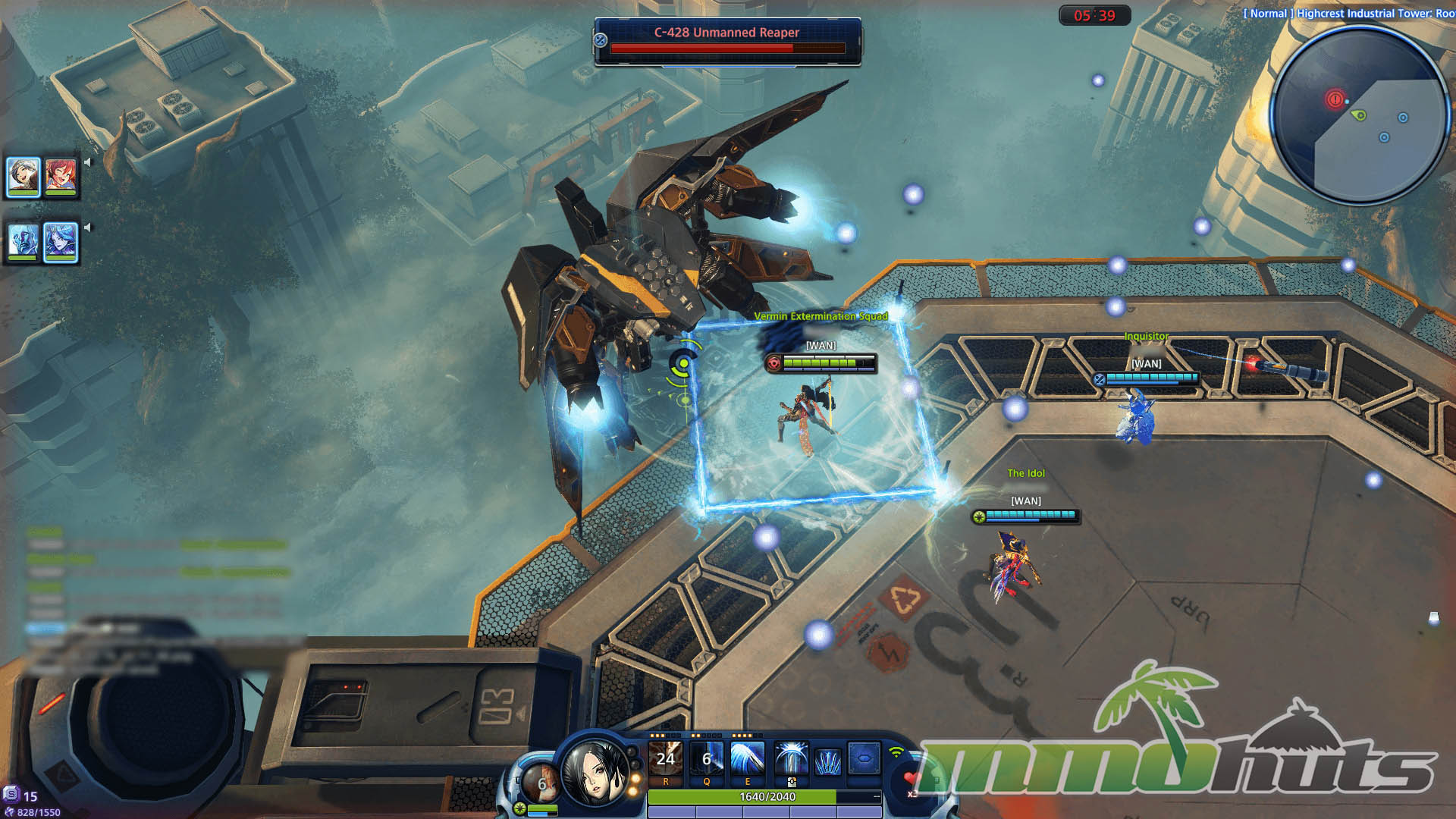
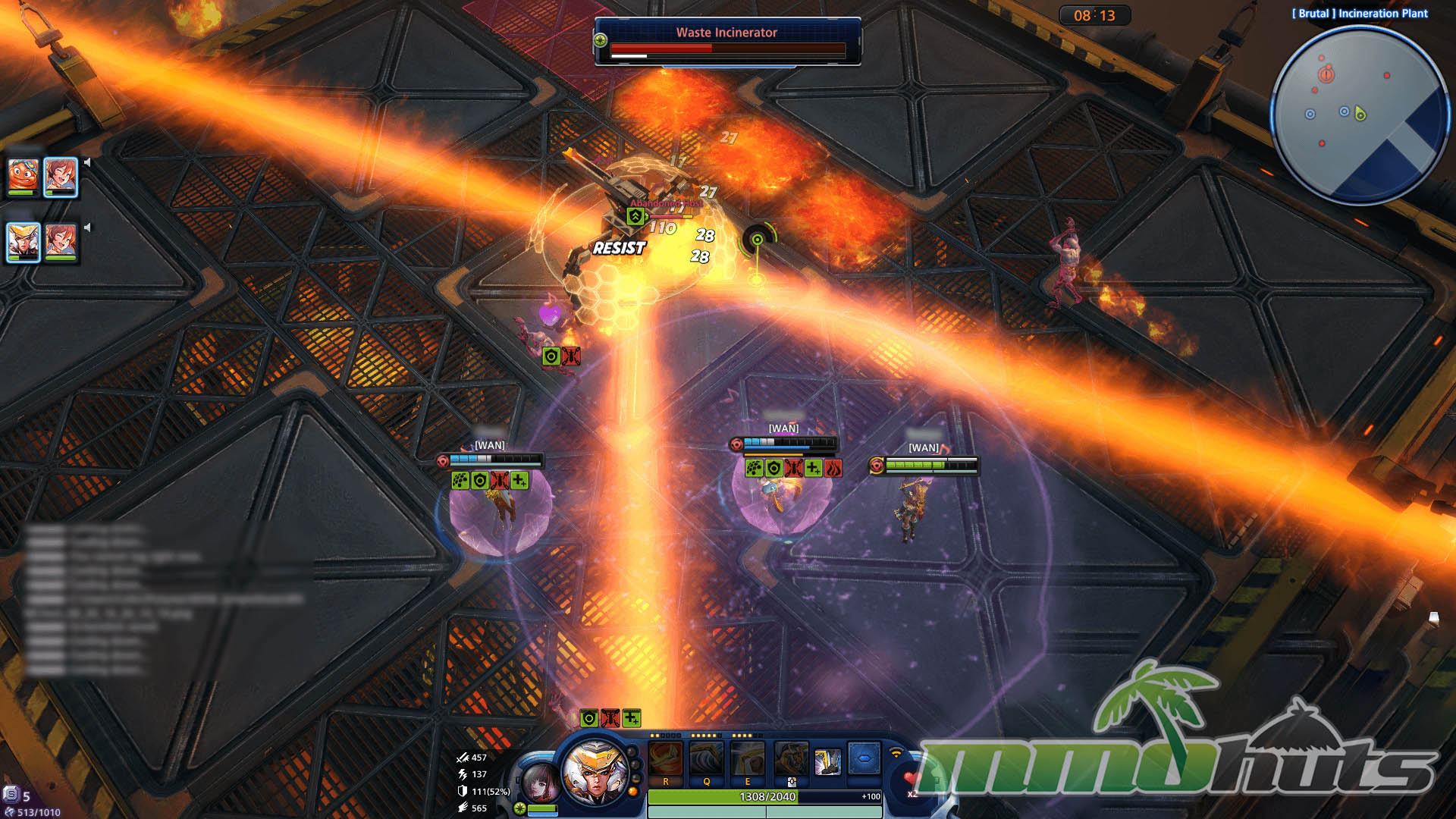
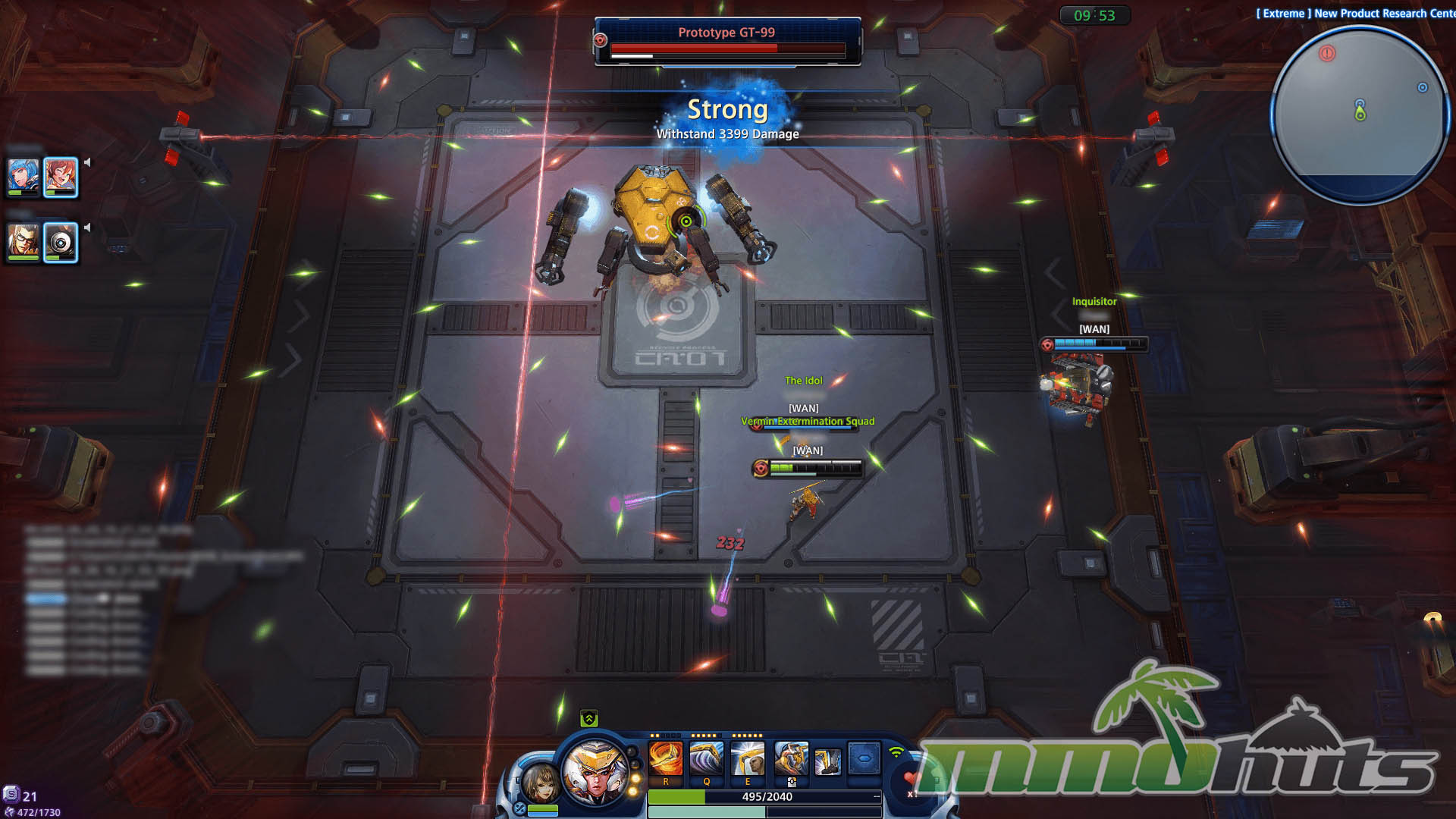
- PvE Missions – team up through 25+ maps and dungeon-style stages with five difficulty tiers to earn Masters, runes, crafting materials, and achievements.
- Tag Team Action – bring two Masters into each match and switch between them instantly, allowing quick tactical pivots in fights and objective play.
- Multiple Competitive Game Modes – rotate between Combat Training (team deathmatch), Point Control (base capture), and Ruins of the Titan (a classic three-lane MOBA layout).
- Mini Games – short mechanical challenges, such as dodging and racing variants, designed to sharpen reactions and movement control.
- All-Star Cast – a crossover lineup featuring recognizable characters pulled from NCSoft MMORPGs like Aion, Blade & Soul, WildStar, Lineage, and Lineage 2.
Master X Master Screenshots
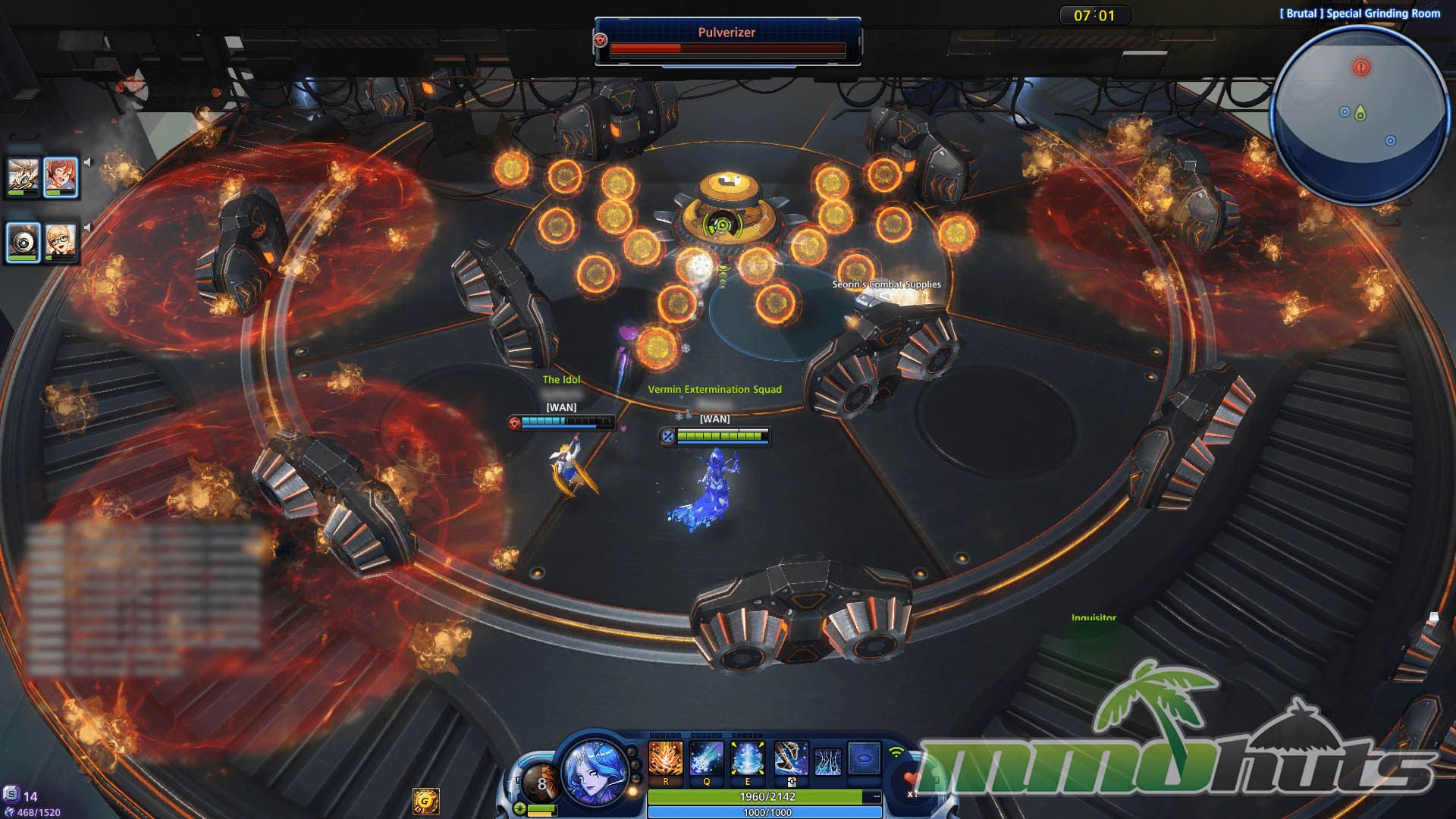
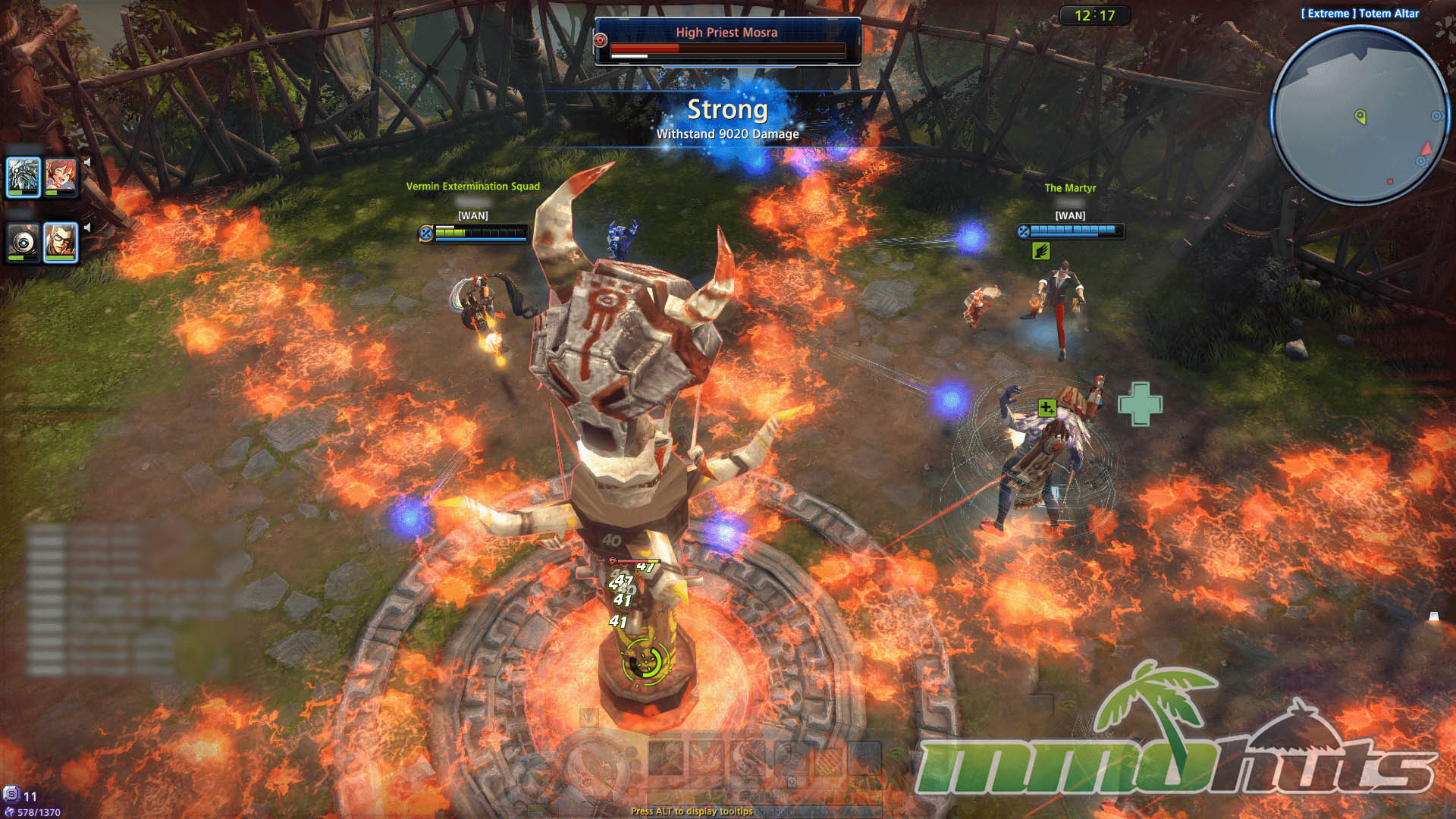
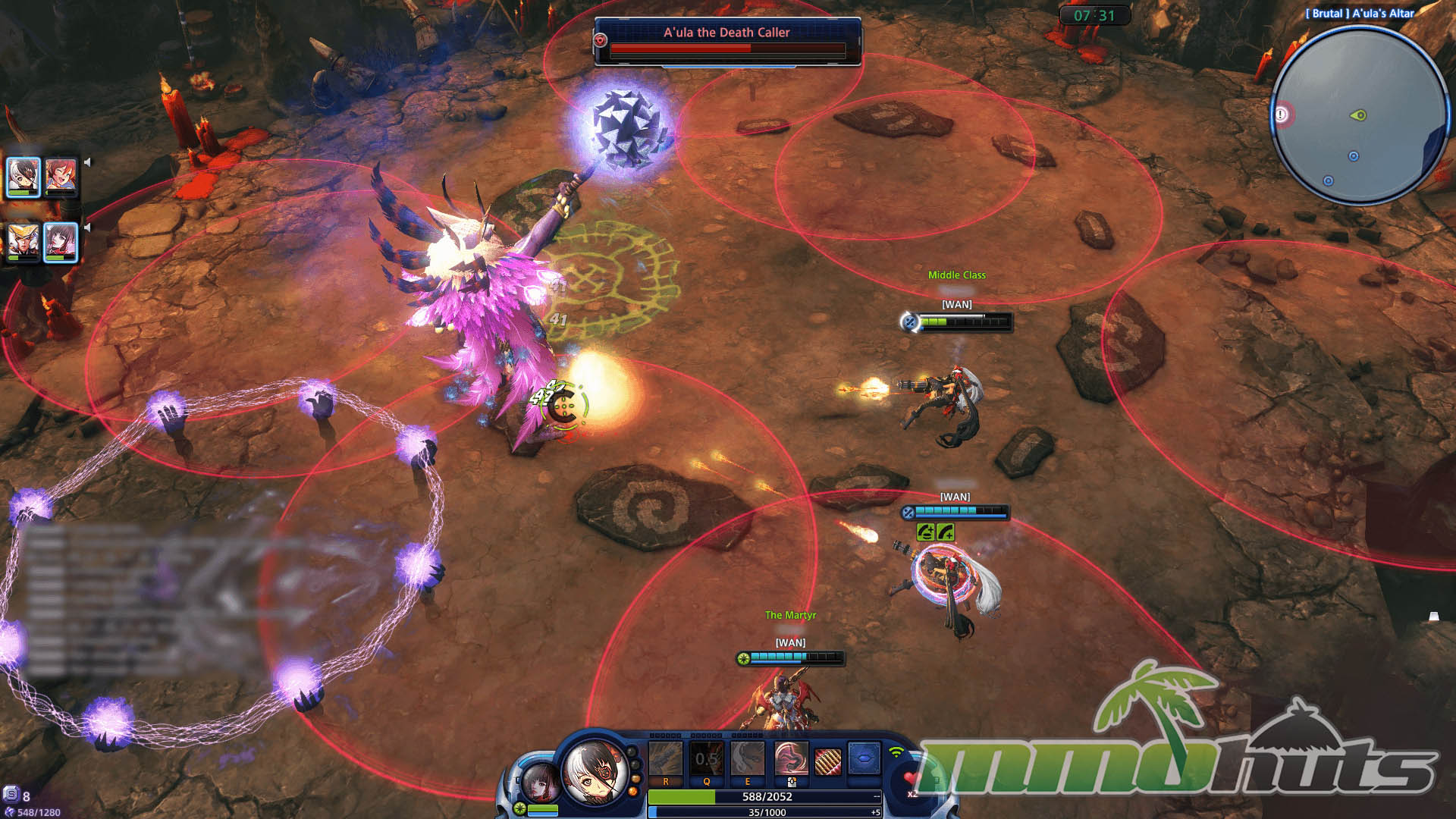
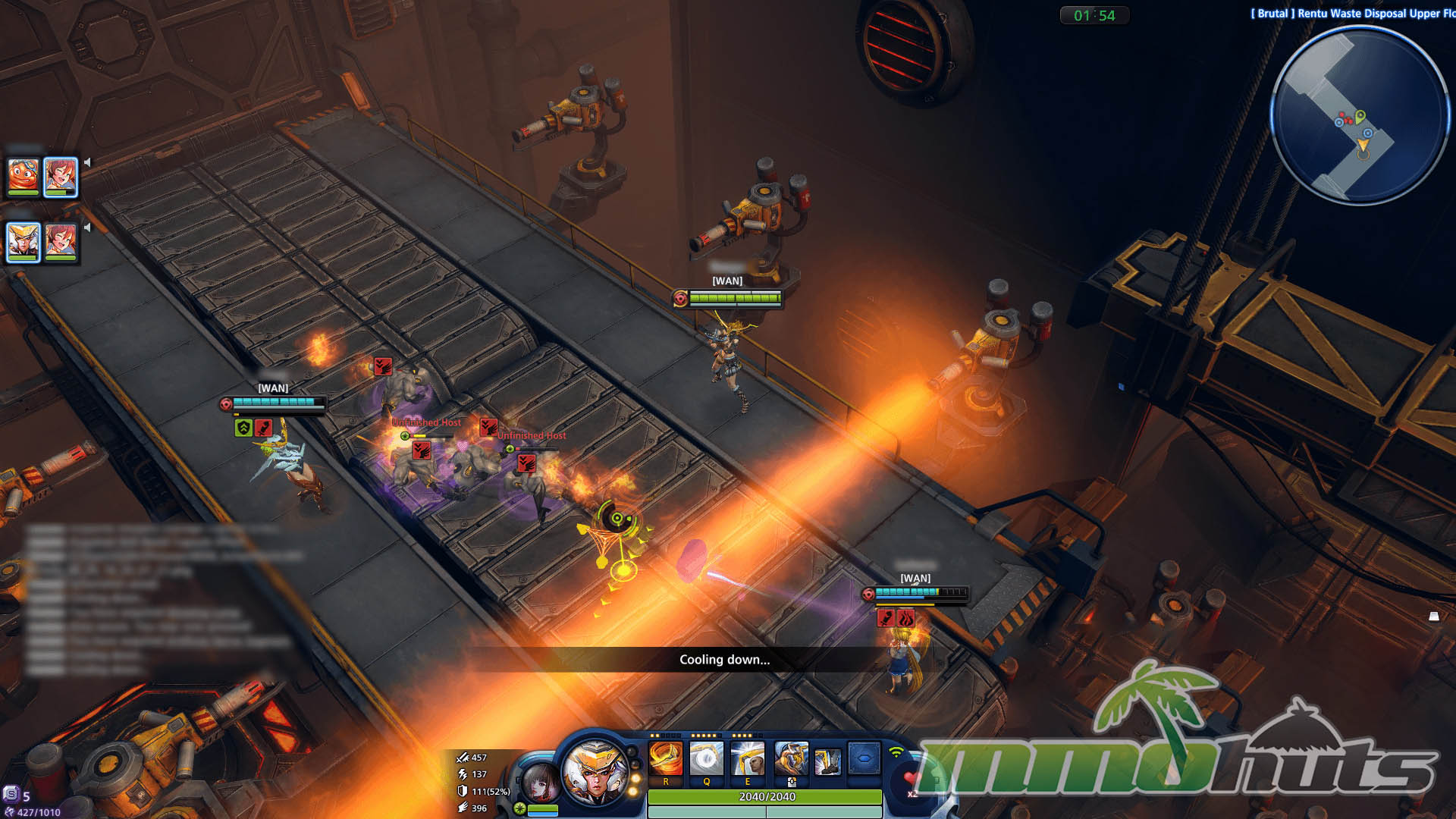

Master X Master Featured Video

Master X Master Review
Master X Master played differently from many MOBAs the moment you touched the controls. WASD movement made positioning feel closer to an action game, and it raised the value of dodging, spacing, and clean aim. Skill shots and basic attacks felt more personal than in traditional click-to-move titles, because you were responsible for both where you stood and where you fired. For players who like the immediacy of twin-stick or action combat, MXM’s moment-to-moment gameplay was easy to appreciate.
The centerpiece, however, was the two-Master loadout. Instead of committing to a single pick for an entire match, you brought a pair and swapped at will. In practice, this encouraged building mini-combos: a sturdy initiator into a burst-focused finisher, or a ranged poker paired with a close-range brawler for cleanup. It also made lane assignments and teamfights more fluid, since you could cover weaknesses on the fly rather than relying entirely on teammates to round out a draft. The system was not just a gimmick, it shaped how you approached cooldowns, disengages, and objective pushes.
Where MXM truly separated itself was its commitment to PvE. The mission structure gave players a place to learn Masters in a lower-pressure environment, but more importantly, it provided tangible progression. Unlocking characters, collecting runes, and improving weapons created an MMO-like “account growth” loop that made logging in feel rewarding even if you were not in the mood for ranked-style PvP. Cooperative PvE also helped friends of different skill levels play together without the social friction that competitive queues can create.
That same persistent progression was also one of the game’s more divisive choices. Competitive MOBA players often prefer a flat playing field where match outcomes are decided primarily by execution and strategy on equal terms. MXM’s long-term upgrades and unlock-driven power, even when balanced carefully, could still create the perception that time invested mattered too much. For some players, the PvE-to-PvP connection was a welcome sense of continuity, for others, it muddied the purity of the genre.
The competitive offerings covered the expected bases. Ruins of the Titan delivered the familiar three-lane structure for players who wanted a classic MOBA rhythm, while Combat Training and Point Control provided faster, more skirmish-heavy alternatives. These modes fit the game’s action controls well, because they emphasized movement, aim, and quick swaps rather than slow macro buildup alone. The mini games were a smaller feature, but they complemented the control scheme by giving players bite-sized ways to practice the fundamentals.
Visually and thematically, MXM leaned into NCSOFT’s catalog. The roster’s crossover angle was a real draw if you had history with Aion, Lineage, WildStar, or Blade & Soul, and it gave the game a “toybox” feel that many MOBAs lack at launch. Even without deep lore investment, the variety in character silhouettes and ability styles helped the game stay readable in busy fights.
In the end, Master X Master was an ambitious hybrid: part competitive MOBA, part co-op progression game, wrapped in a crossover package. Its best moments came from the tag-team system and the satisfying feel of action-driven combat. Its biggest challenge was convincing a traditional MOBA audience to embrace persistent unlocks and PvE as a meaningful pillar rather than a side mode.
Master X Master Links
Master X Master Official Site [Korea]
Master X Master Official Site [English]
Master X Master Wiki
Master X Master Reddit
Master X Master System Requirements
Minimum Requirements:
Operating System: Windows XP / Vista / 7 / 8
CPU: Intel Core i5 2.4 GHz / AMD A6 6310 2.4 GHz
Video Card: Nvidia GeForce 9800 GT / AMD Radeon HD 4850
RAM: 4 GB
Hard Disk Space: 5 GB
Recommended Requirements:
Operating System: Windows 7 / 8 / 8.1 / 10
CPU: Intel Core i5 2.4 GHz / AMD A6 6310 2.4 GHz
Video Card: GeForce GT 440 / ATI Radeon 5450 HD or better
RAM: 6 GB
Hard Disk Space: 5 GB
Master X Master Music & Soundtrack
Coming soon…
Master X Master Additional Information
Developer: NCSOFT
Publisher: NCSOFT
Release Dates:
Closed Beta: October 2, 2014 (Korea)
Open Beta: May 1, 2015 (Korea)
China: May 1, 2015 (Tencent) [Closed Beta]
Western Release: June 21, 2017
Western Closed Beta: April 6, 2017
Shut Down Date: January 31, 2018 (Global)
Development History / Background:
Master X Master was NCSOFT’s first entry into the MOBA (also called AoS) space, and its overall direction often drew comparisons to hero-focused team brawlers like Blizzard’s Heroes of the Storm. A major part of its identity was the roster, many Masters were adapted from established NCSoft properties, including Aion, Lineage, WildStar, and Blade & Soul.
To distinguish the game from more traditional competitors, NCSOFT emphasized two pillars: substantial cooperative PvE and the Tag Team system. PvE offered a structured way to progress and earn unlocks, while the two-Master swapping mechanic added a strategic layer to both skirmishes and objective play.
The global English version of Master X Master ultimately shut down on January 31, 2018.