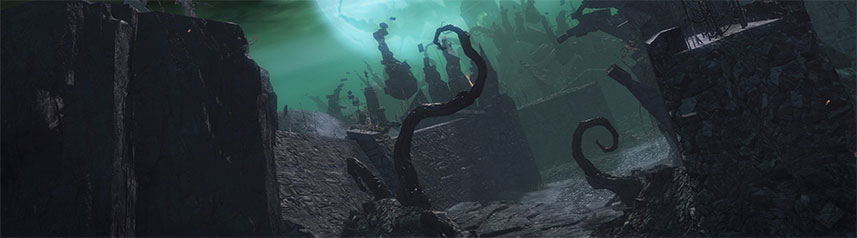
Maplestory 2 is a 3D fantasy MMORPG built around social features and player creativity. As the follow-up to the long-running MapleStory, it revisits the same universe with an isometric 3D presentation and a bigger focus on activities outside of combat, including housing, mini games, and tools for making and sharing content.
 | Publisher: Nexon Playerbase: Shut Down Type: MMORPG Release Date: October 10, 2018 (Global) Shut Down Date: May 27, 2020 PvP: Mini Games Pros: +Robust, persistent housing. +Strong support for player-made cosmetics. +Excellent music features. +Enjoyable mini games and social activities. +Responsive, smooth controls. Cons: -Cute art style is not for everyone. -Questing and leveling can feel routine and formulaic. |
MapleStory 2 Overview
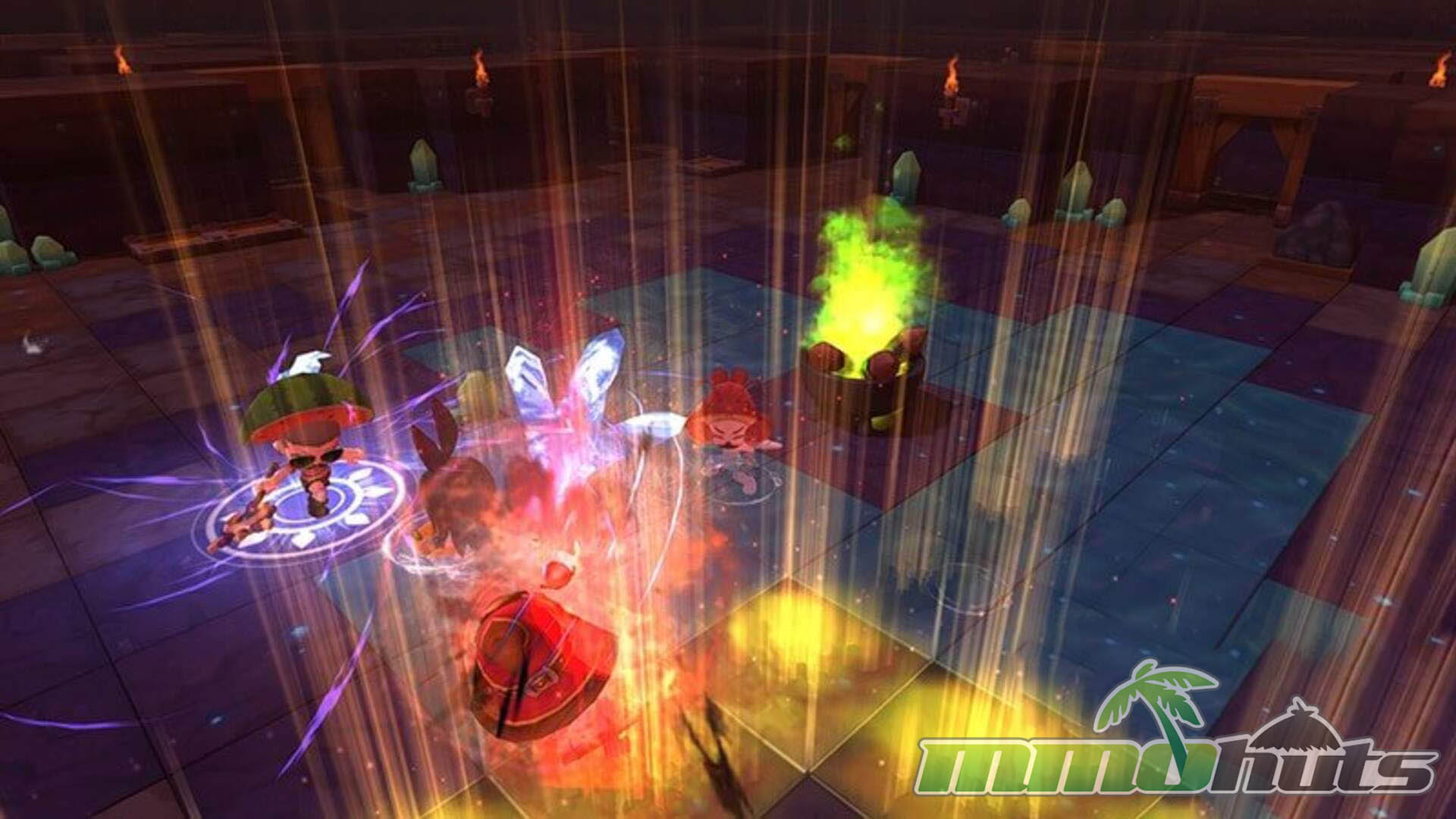
MapleStory 2 was Nexon’s attempt to reimagine its flagship MMO in a full 3D, isometric format while keeping the lighthearted identity that made the original memorable. Moment-to-moment combat fits the familiar mold of tab-target and skill-based MMO encounters, but the game’s real personality shows up in everything surrounding the fighting. It pushes players toward community-driven play with systems like housing, mini games, and music, making it feel closer to a social sandbox at times than a pure dungeon-and-raid treadmill.
Even though it shares the same setting as MapleStory, MapleStory 2 is positioned earlier in the timeline, so veterans will recognize themes, monsters, and familiar region names while still getting new twists on the world. On the feature side, it leans into playful experimentation with elements like destructible terrain in certain areas, creator tools for making content such as dungeons, and a steady stream of side activities designed to keep towns lively between adventures.
Classes:
Warrior -> Knight or Berserker
Magician -> Priest or Wizard
Archer -> Ranger or Heavy Gunner
Rogue -> Thief or Assassin
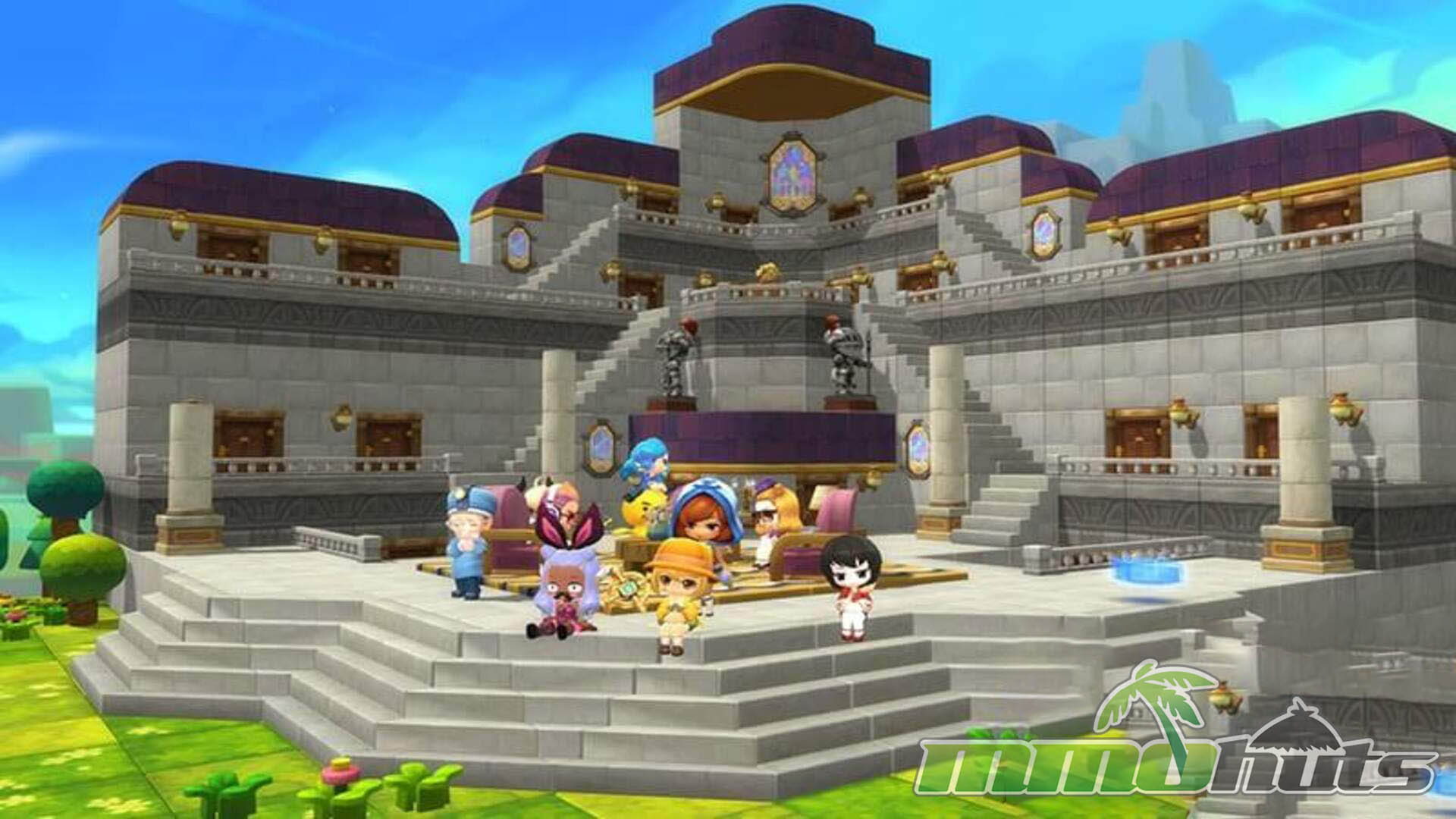
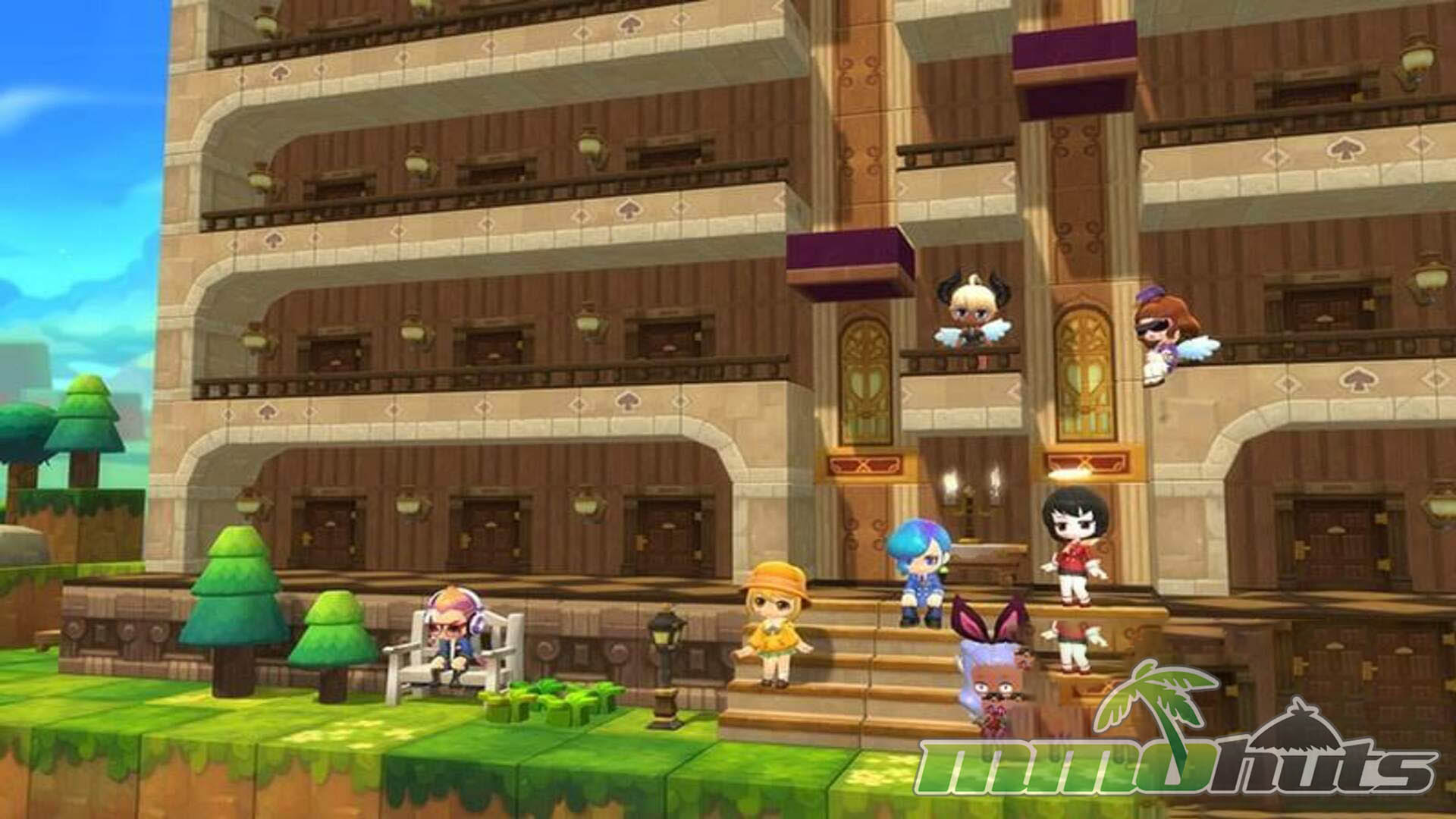
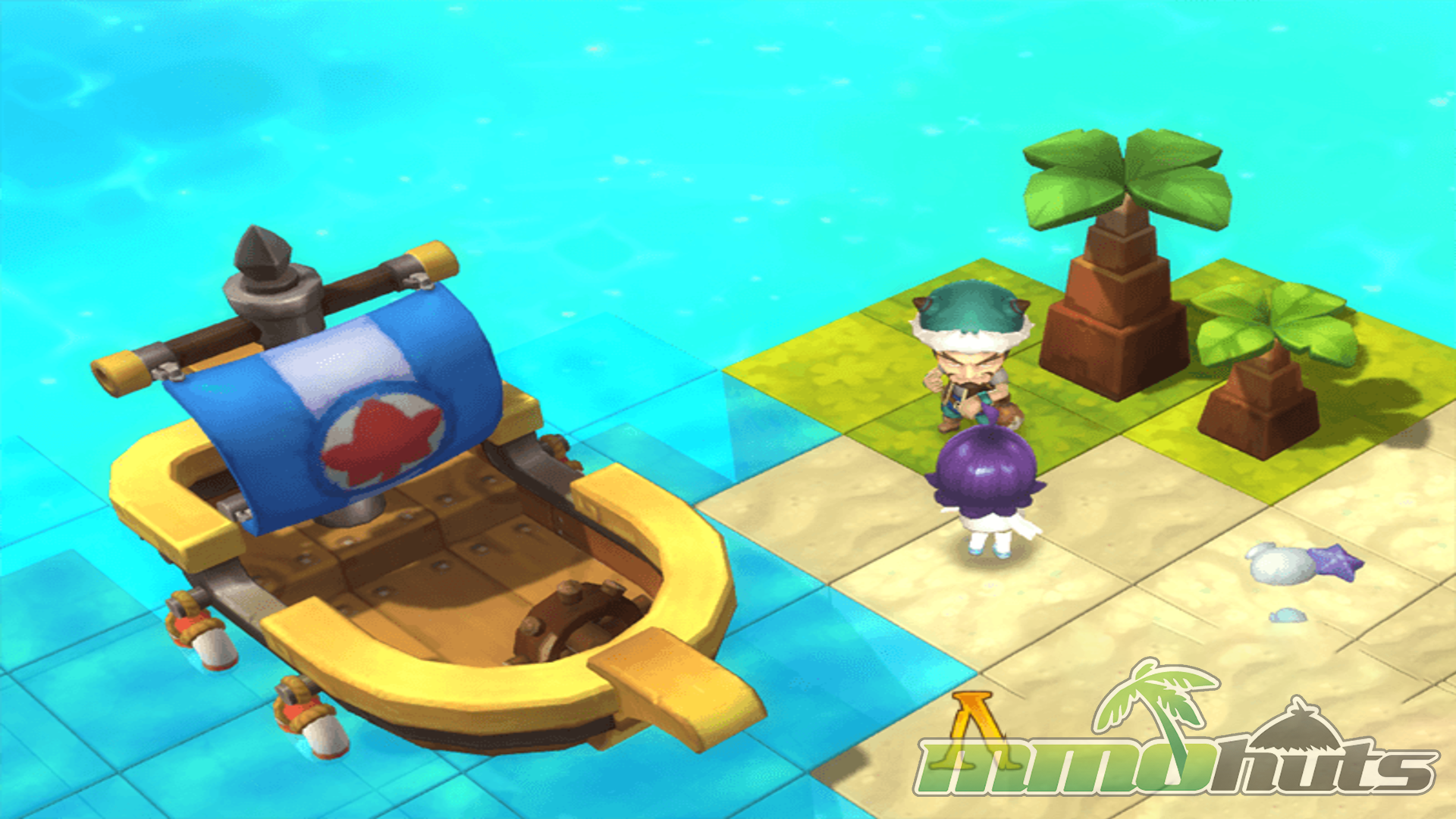
MapleStory 2 Screenshots
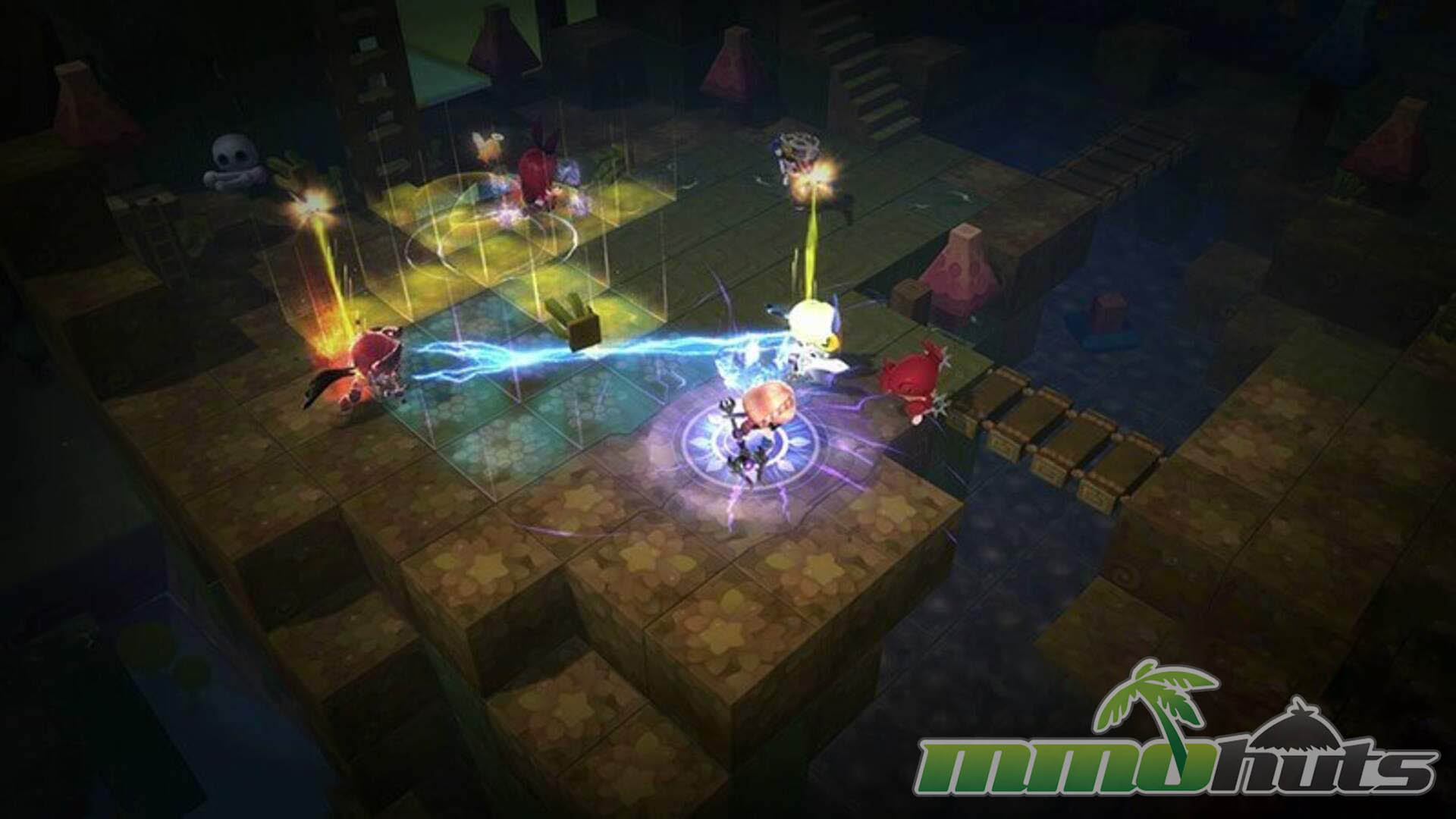
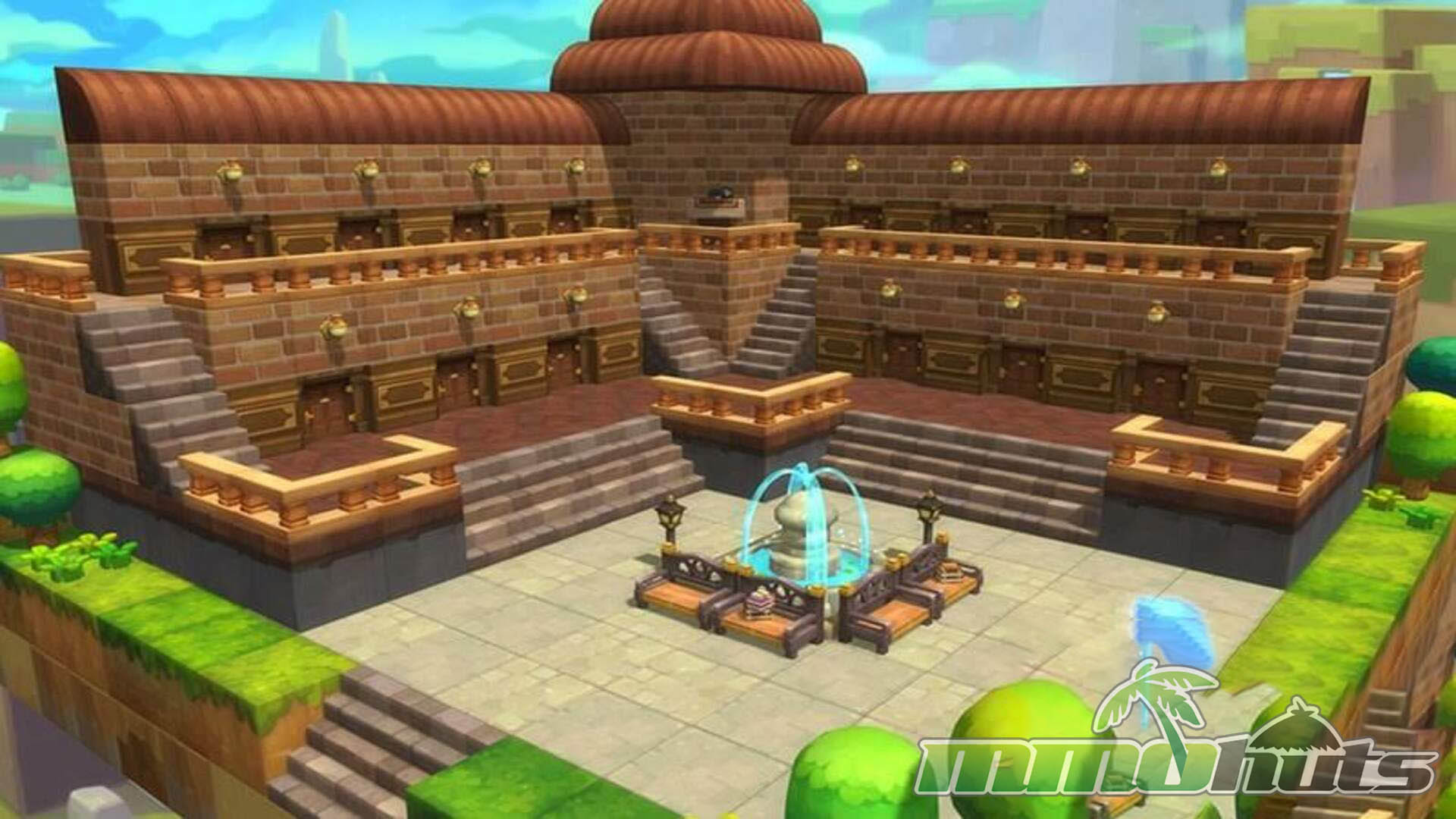

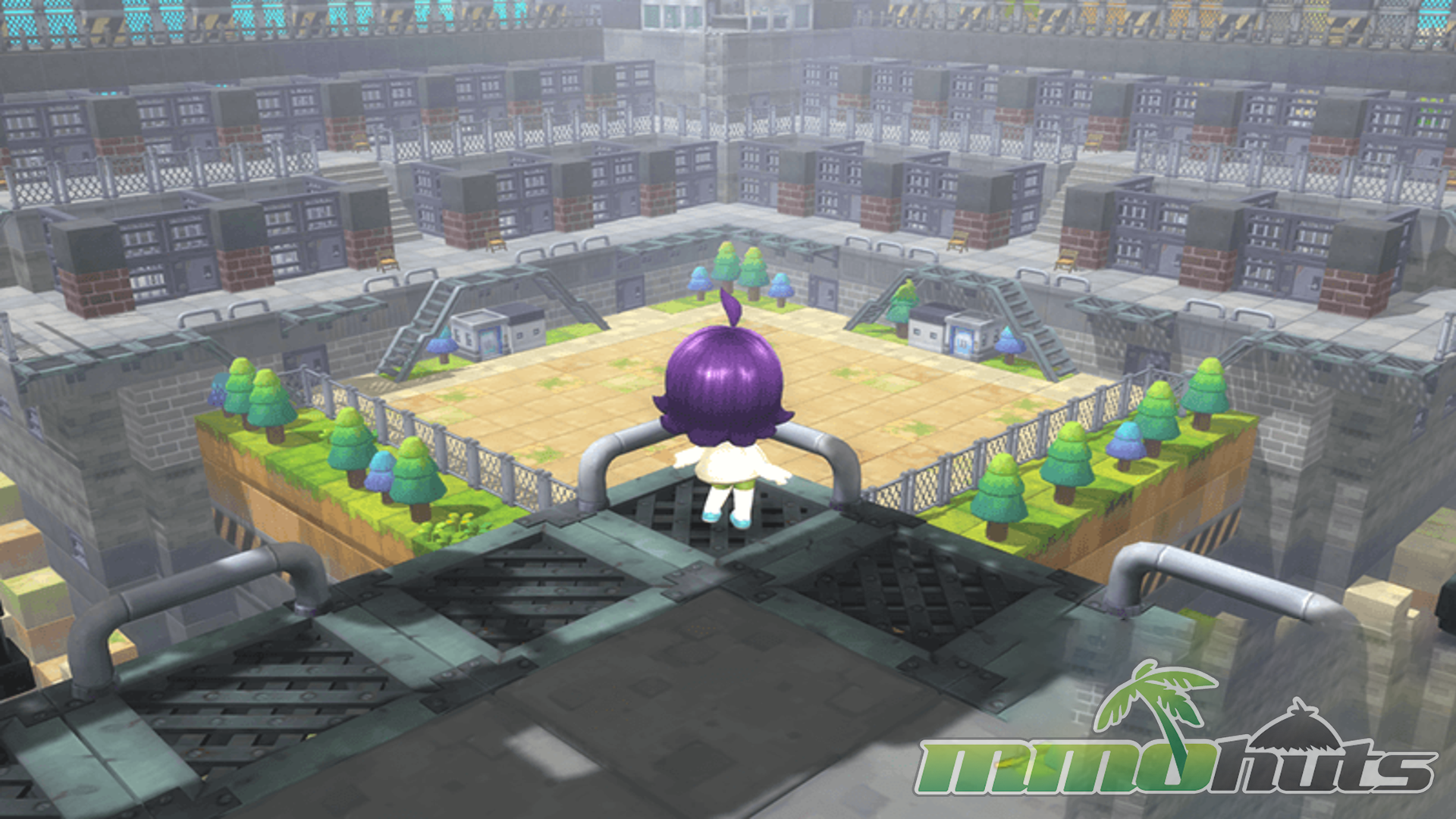
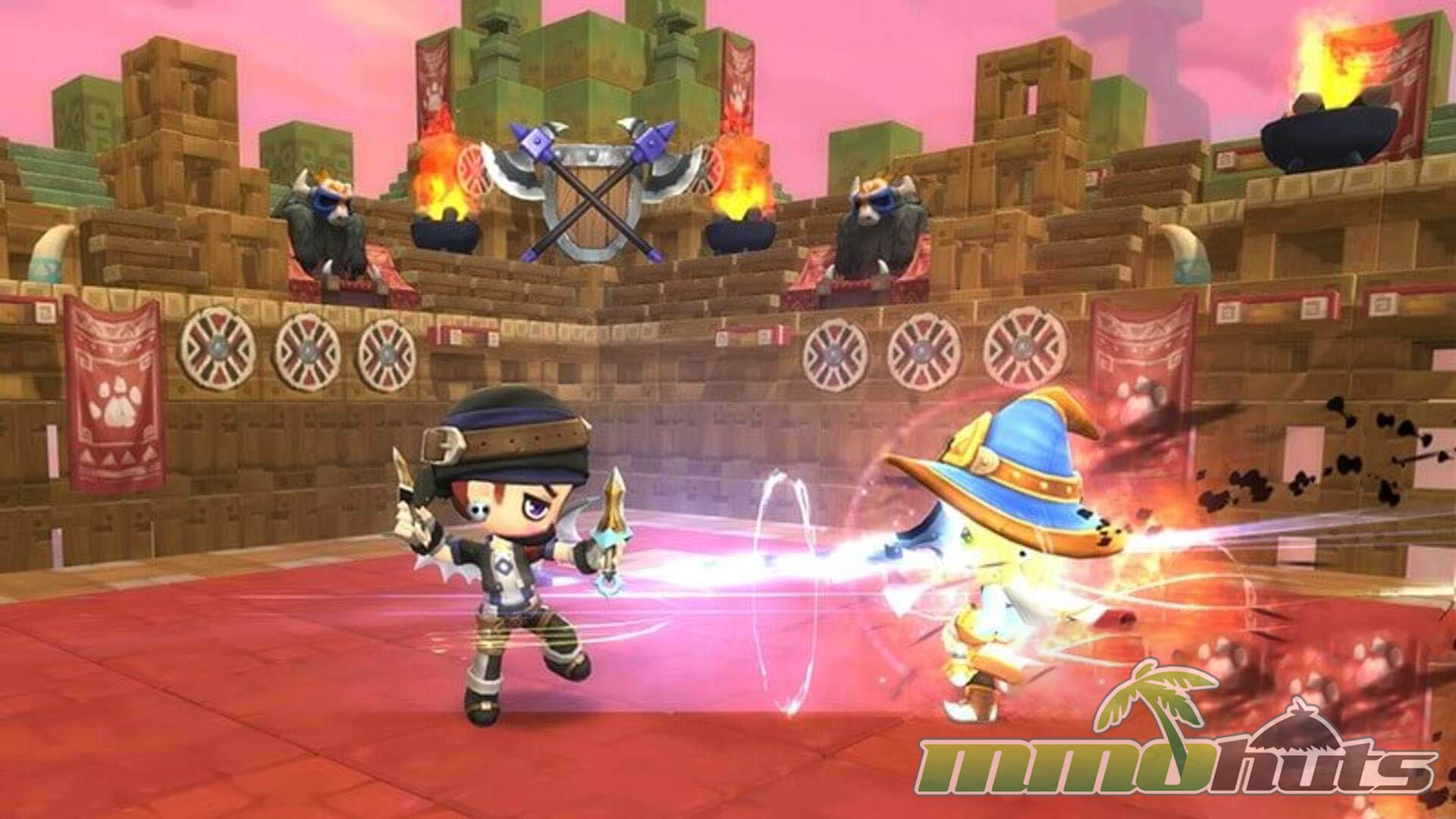

MapleStory 2 Featured Video

MapleStory 2 Review
MapleStory 2 is easiest to understand as an MMO that wanted to be more than its combat loop. Yes, it has the expected quest hubs, instanced content, and class progression, but the game’s strongest memories often come from what players did in between: decorating homes, showing off cosmetics, joining mini games, or gathering to perform music. In practice, it created a tone that was more welcoming and communal than many grind-focused MMORPGs, especially during its early global months when cities were packed with players showing off creations.
The isometric 3D presentation gave the franchise a different feel from the original sidescroller. Movement and skills generally felt clean and responsive, with combat that was readable and approachable rather than overly complex. Class identity was also straightforward, starting with four core archetypes that branch into two specializations each. That structure made it easy to pick a role quickly, whether you wanted a sturdier frontline style, supportive magic, ranged damage, or a stealthier rogue approach.
Where MapleStory 2 could stumble was in how traditional its progression often felt. A lot of leveling relied on standard MMO questing, and outside of its social systems, the game did not always differentiate itself from other theme-park MMORPGs. If you came in hoping for a deeply narrative-driven experience or highly varied quest design, the pacing could start to feel repetitive once the initial novelty wore off.
The best parts were consistently the creative and social tools. Housing was not just a small side feature, it was persistent, expressive, and central to the game’s community identity. Player-made cosmetics helped reinforce that sense of personalization, and the music system was a standout feature that encouraged gatherings and performances in shared spaces. Add in a lineup of mini games (including the game’s primary PvP focus), and MapleStory 2 often felt like it had multiple “main” activities depending on what kind of player you were.
As a global release, MapleStory 2 had a strong start but struggled to maintain momentum over time. The result is a game that is remembered fondly by many for its community vibe and creative features, even if its core questing and long-term retention did not match the lasting pull of the original MapleStory. With the global version shut down, it is best viewed today as an interesting, feature-rich MMO experiment that delivered a lot of charm and player expression during its run.
MapleStory 2 Links
MapleStory 2 Official Korean Site
MapleStory 2 Wikipedia Page
MapleStory 2 Steam Page
MapleStory 2 System Requirements
Minimum Requirements:
Operating System: Windows XP SP3 32bit
CPU: Intel Core 2 Duo 1.8 GHz
Video Card: nVidia GeForce 9800 / ATI Radeon HD 4000
RAM: 2 GB
Hard Disk Space: 3 GB
Recommended Requirements:
Operating System: Windows 10 64 bit
CPU: Intel Core i5 or better
Video Card: nVidia GeForce 650 / AMD Radeon HD 6770
RAM: 8 GB
Hard Disk Space: 20 GB
MapleStory 2 Music & Soundtrack
MapleStory 2 Additional Information
Developer: NSquare
Publisher: Nexon
Platforms: PC
Korean Release: July 07, 2015
Chinese Release: September 21, 2017
Global Version Announced: April 14, 2018
First Closed Beta: May 09, 2018 – May 16, 2018
Second Closed Beta: July 18, 2018
Global Release: October 10, 2018
Global Version Shut Down: May 27, 2020
Development History / Background:
As a direct follow-up to Nexon’s well-known MapleStory, MapleStory 2 shifted away from the original 2D side-scrolling format and instead adopted a 3D isometric style. That visual and structural change helped it stand apart immediately, but it also meant the sequel did not automatically capture the same audience size or long-term momentum as its predecessor. The time gap between regions was also significant, with more than three years separating the Korean debut and the eventual global release.
When MapleStory 2 launched globally, it drew a large wave of interest, fueled by franchise recognition and the appeal of its creator-focused systems. Over time, however, the global population declined as the novelty faded and the more conventional parts of progression became harder to ignore. Nexon later confirmed the end of service, announcing on March 18, 2020 that the global version would close by May 27, 2020.