
Luminary: Rise of the GoonZu is a fantasy MMORPG best known for putting its social layer first, especially its player-driven economy and server-wide politics. Rather than centering the experience purely on combat, it encourages players to craft, trade, invest, and participate in elections, including the chance to become the GoonZu, a player-chosen ruler with real administrative power in the game’s political system.
 | Publisher: Valofe Playerbase: Low Type: MMORPG Release Date: May 21, 2005 Shut Down Date: May 3, 2023 Pros: +Intricate elections and civic roles. +Player-driven, layered economy. +Strong crafting depth. Cons: -Combat is fairly basic. -Localization can be confusing. |
Luminary: Rise of the Goonzu Overview
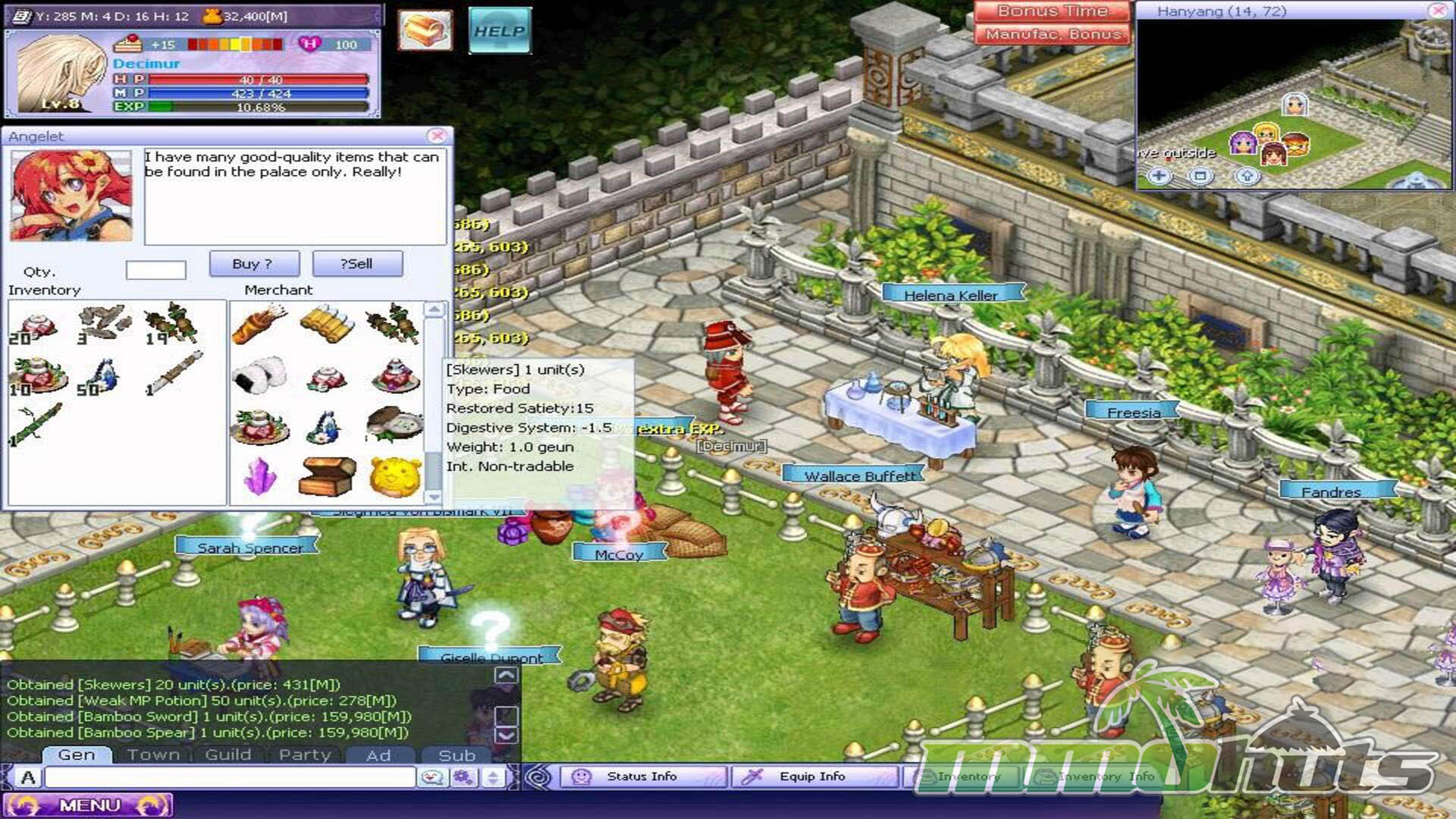
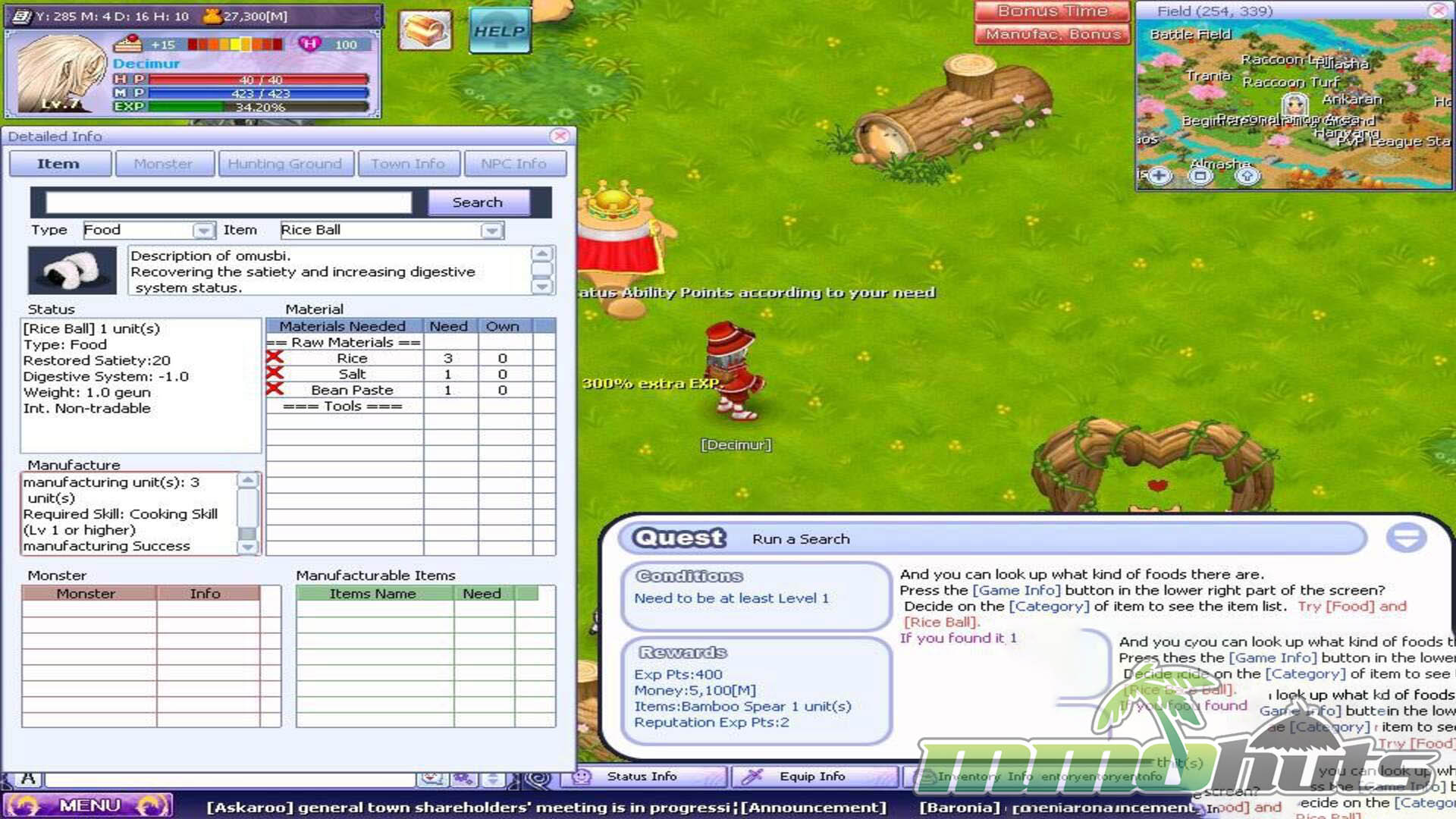
Lumniary: Rise of the GoonZu is a 2D fantasy MMORPG that leans hard into community systems, pairing a whimsical world with surprisingly grounded economics and governance, in the same broad spirit as titles like Wakfu and Nexus TK. The backbone of its economy is crafting, which is not a side activity here, it is one of the main reasons to log in. Recipes and outputs are documented through a large in-game database, letting you look up what an item requires and where the relevant ingredients can be obtained, which makes the overall production loop easier to understand once you know where to look.
Those crafted goods feed directly into town marketplaces where players buy and sell materials and finished equipment. This is also where the political layer becomes more than flavor. Towns are run by elected leaders tied to shareholding, and those leaders can adjust taxes that affect banking, market use, and other town services. Above the towns sits the GoonZu, a single server-elected ruler with broad authority and the ability to appoint five ministers to assist with administration and moderation-like duties. Moment-to-moment combat is comparatively straightforward and the game includes mounts, but the onboarding can be rough because the translation is not always clear, which can leave new players unsure about what systems they should be using first.
Luminary: Rise of the Goonzu Key Features:
- Multitude of Character Skills – Develop your character through 20+ learnable skills acquired via books, then apply them toward combat effectiveness or production-focused playstyles.
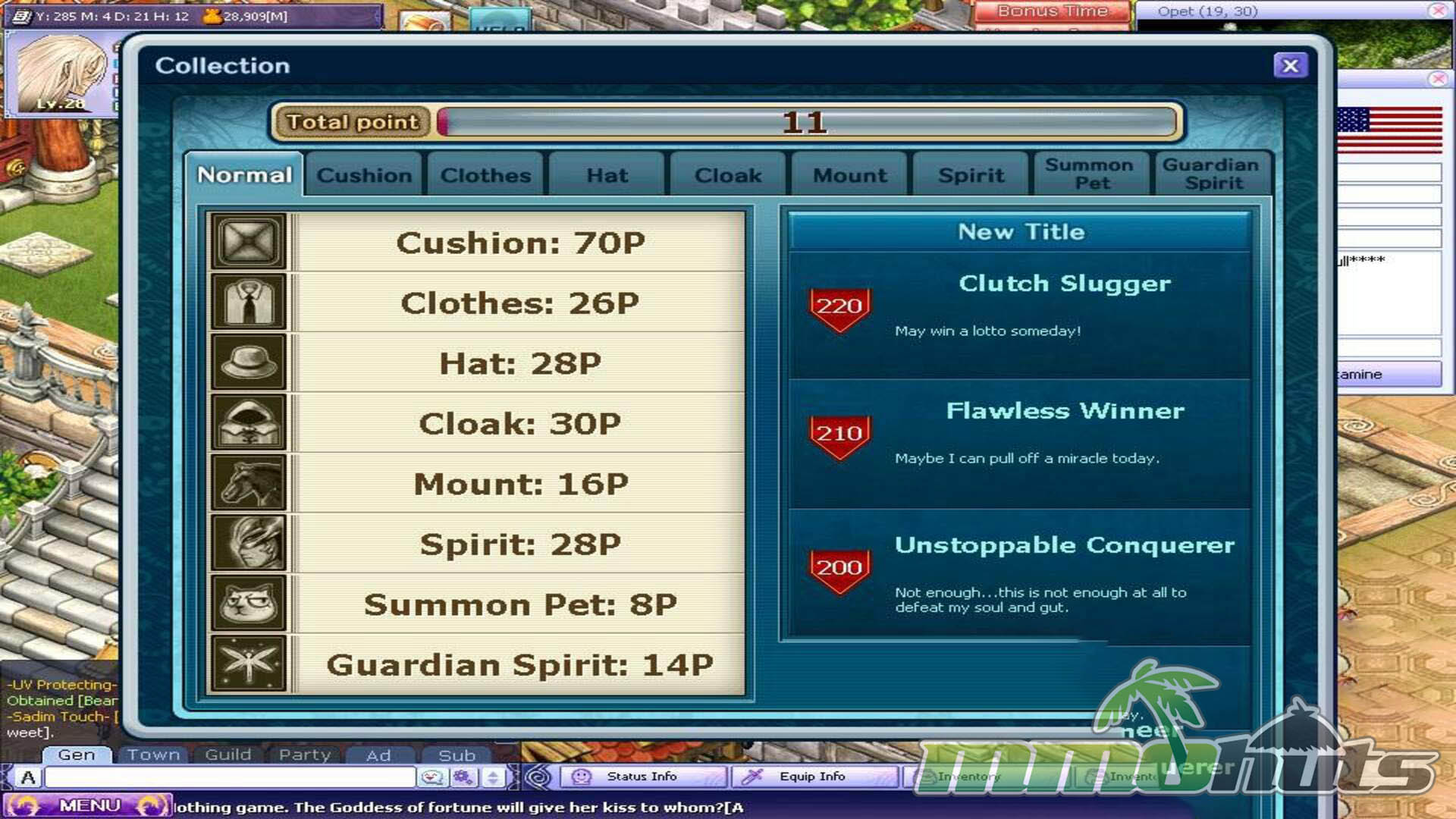
- Crafting and Enchanting – Gather materials across the world, manufacture trade goods and equipment, then enhance items through enchanting to improve stats and add elemental properties.
- Robust Economy – Participate in a player-run capitalist market that includes trading crafted products alongside systems like stocks and real estate.
- Political System – Shape town policies and even server leadership through elections that determine who controls taxes and other civic levers.
- PvP System – Take part in PvP ranging from organized large-scale conflicts between towns or guilds to arena-style fighting.
Luminary: Rise of the Goonzu Screenshots



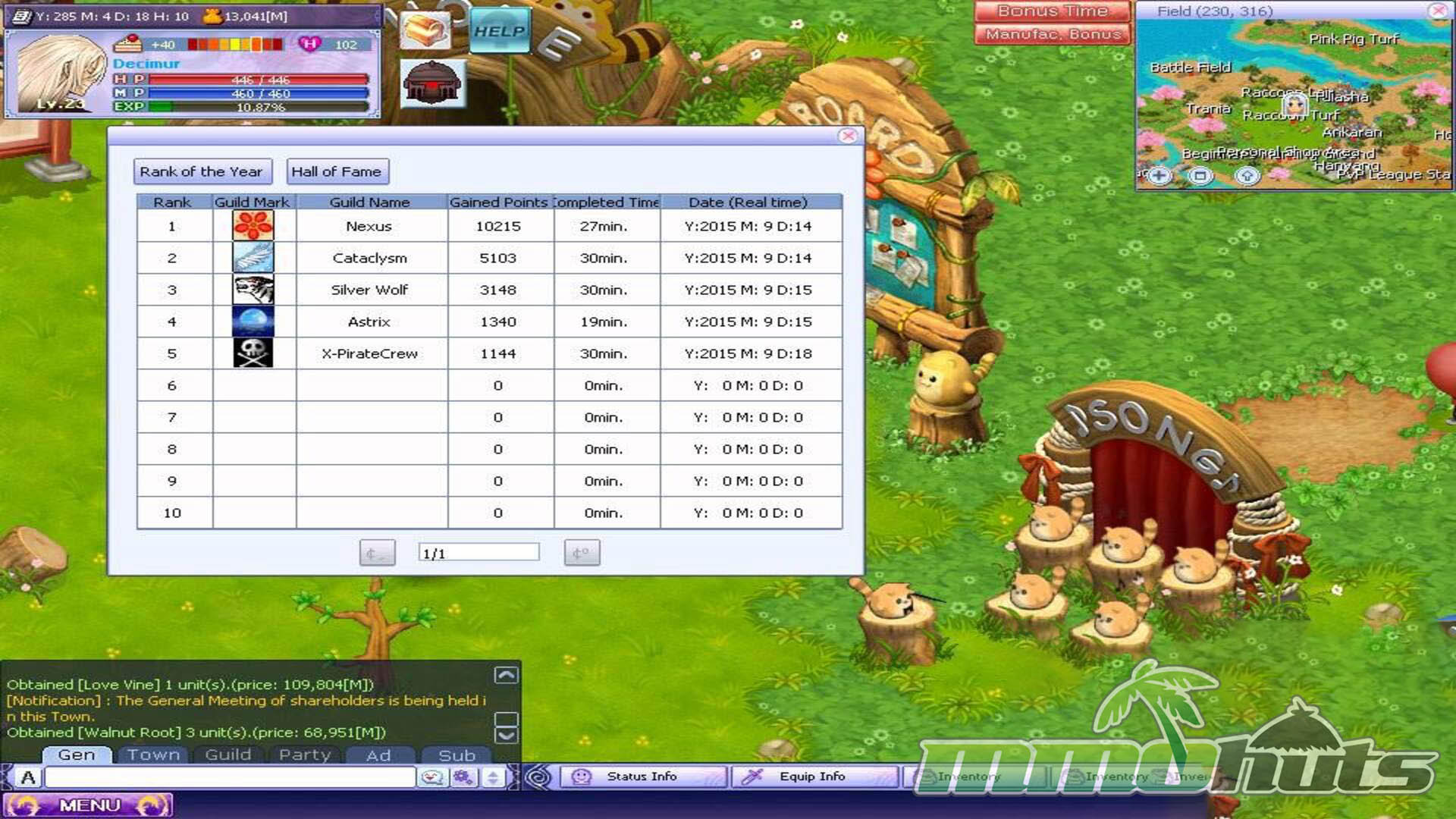
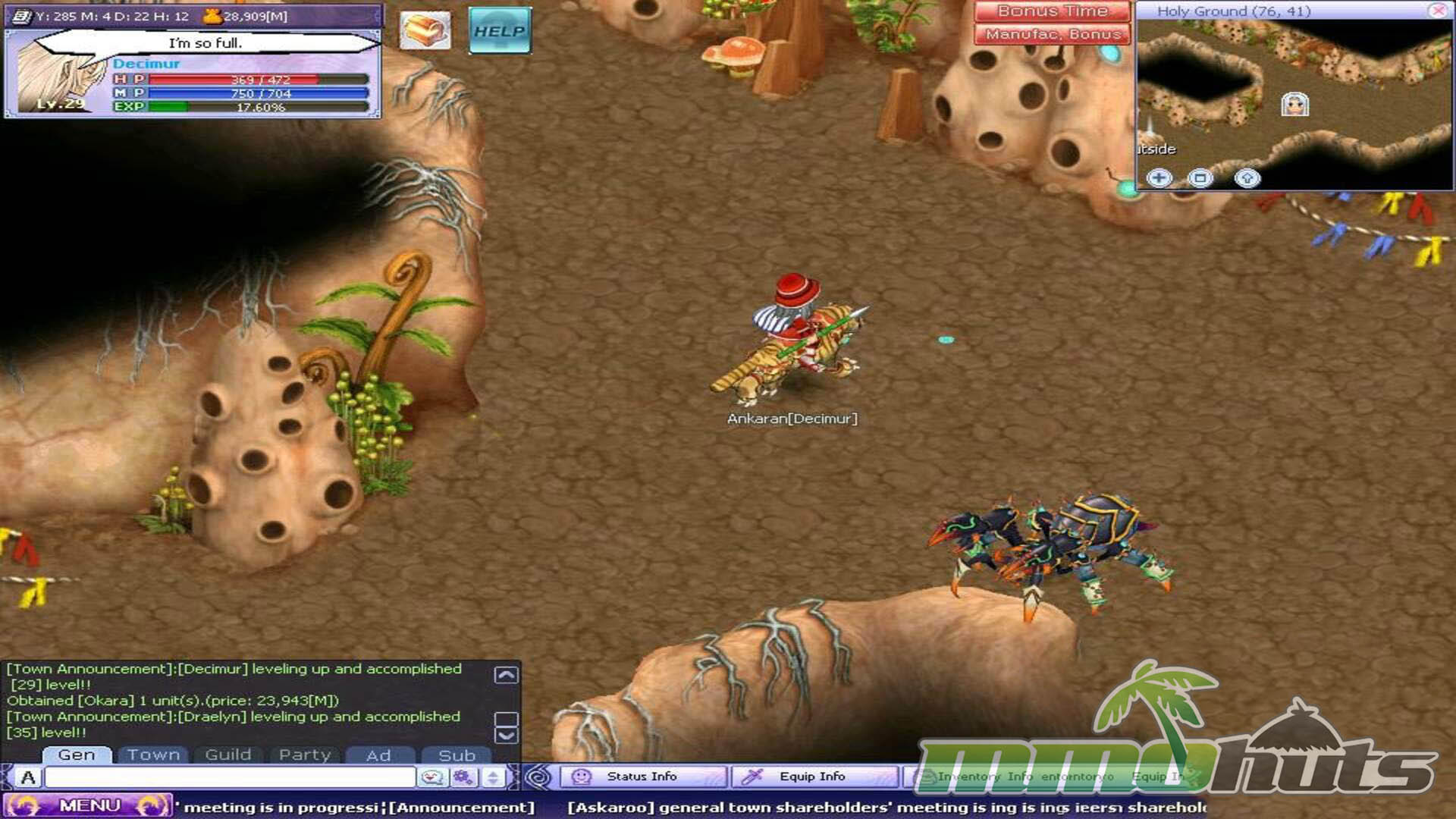


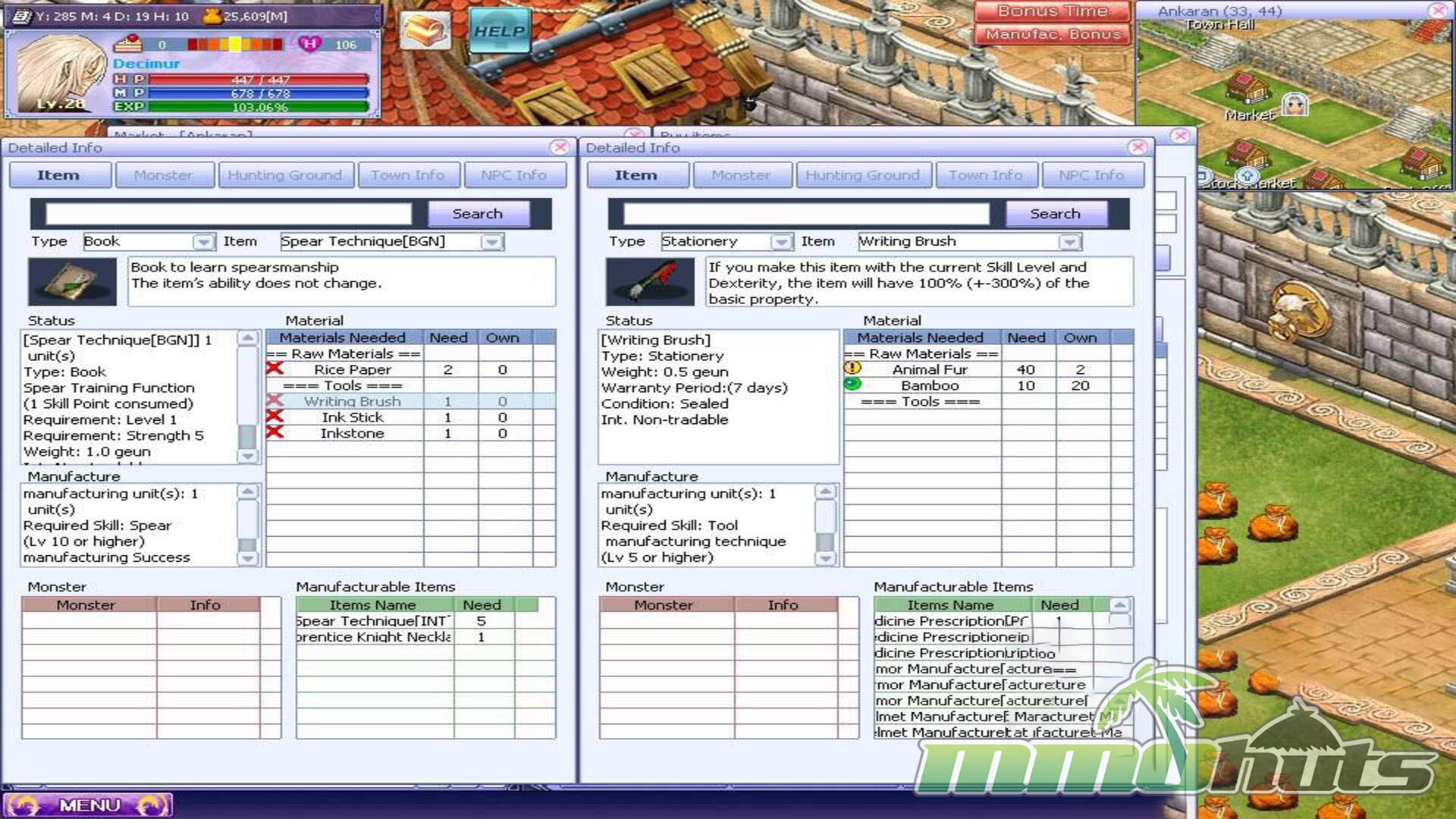
Luminary: Rise of the Goonzu Featured Video

Luminary: Rise of the Goonzu Review
Luminary: Rise of the Goonzu (often shortened to Luminary) is a 2D fantasy MMORPG published by Valofe (and previously associated with IJJI). What sets it apart is not flashy combat or cinematic questing, but the way it treats the economy and governance as first-class gameplay systems. If you enjoy MMOs where social infrastructure matters, where supply chains and market behavior are the real endgame, Luminary still stands out as an unusual experiment.
It also helps that the title comes from nDoors, the studio behind Atlantica Online, because that same willingness to do something different shows up here. Luminary is packed with systems that give players reasons to interact outside of combat, from crafting professions to elections that actually impact how towns function.
First Steps in Luminary
The game’s opening minutes are a mix of charm and limitation. Character creation is extremely minimal, with only four preset avatars to choose from before naming your character. There is no deep face sculpting or cosmetic tinkering, and it is easy to feel visually interchangeable with other players. While that does not change the mechanical side of the game, it does affect the sense of personal identity that many MMO players expect.
Once you are in the world, the game does a better job of keeping you busy. The early experience tends to funnel you into simple objectives and introductions to basic systems, and despite the localization issues, the structure encourages steady progression rather than leaving you directionless.
Quest Flow That Respects Your Time
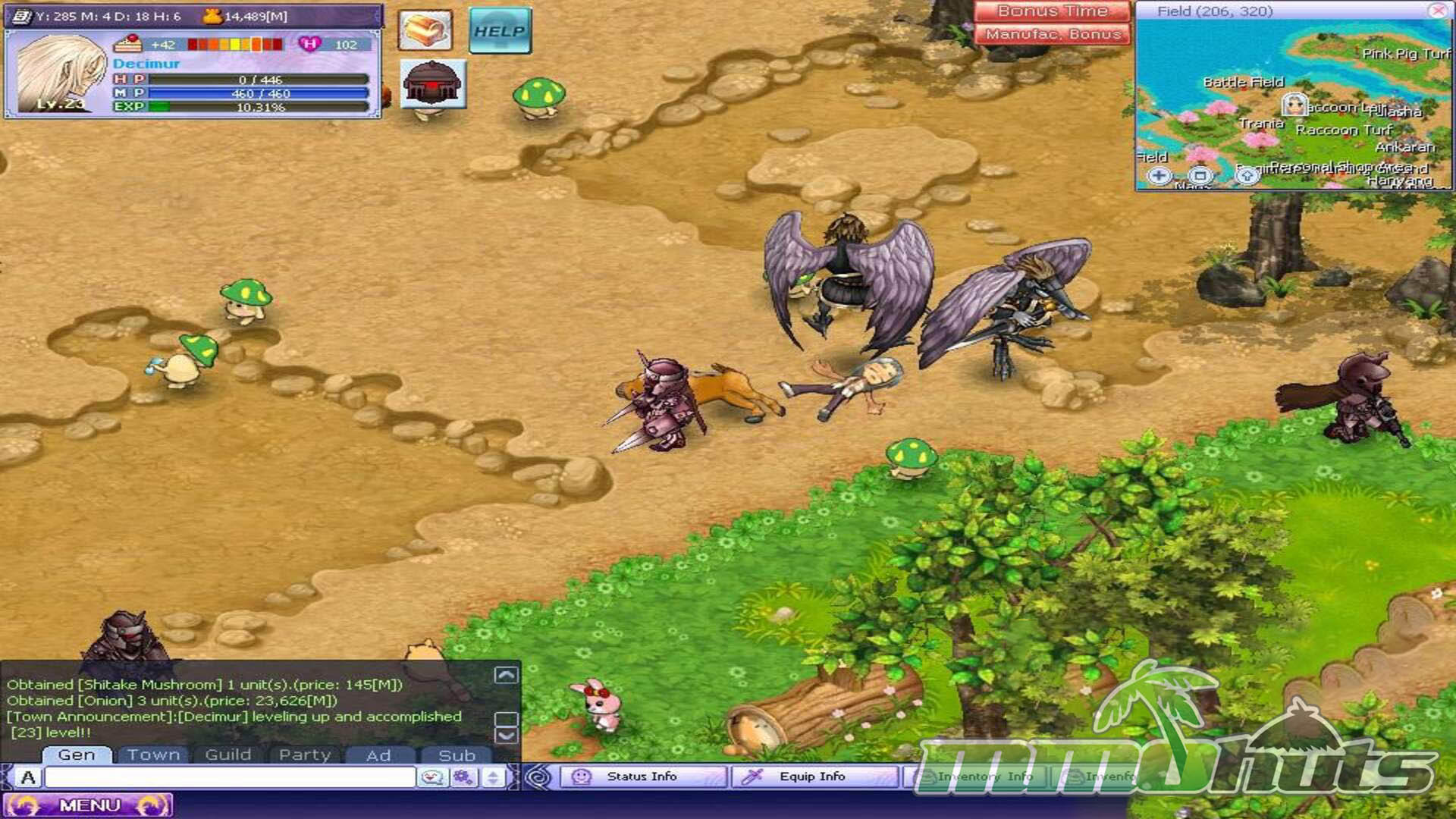
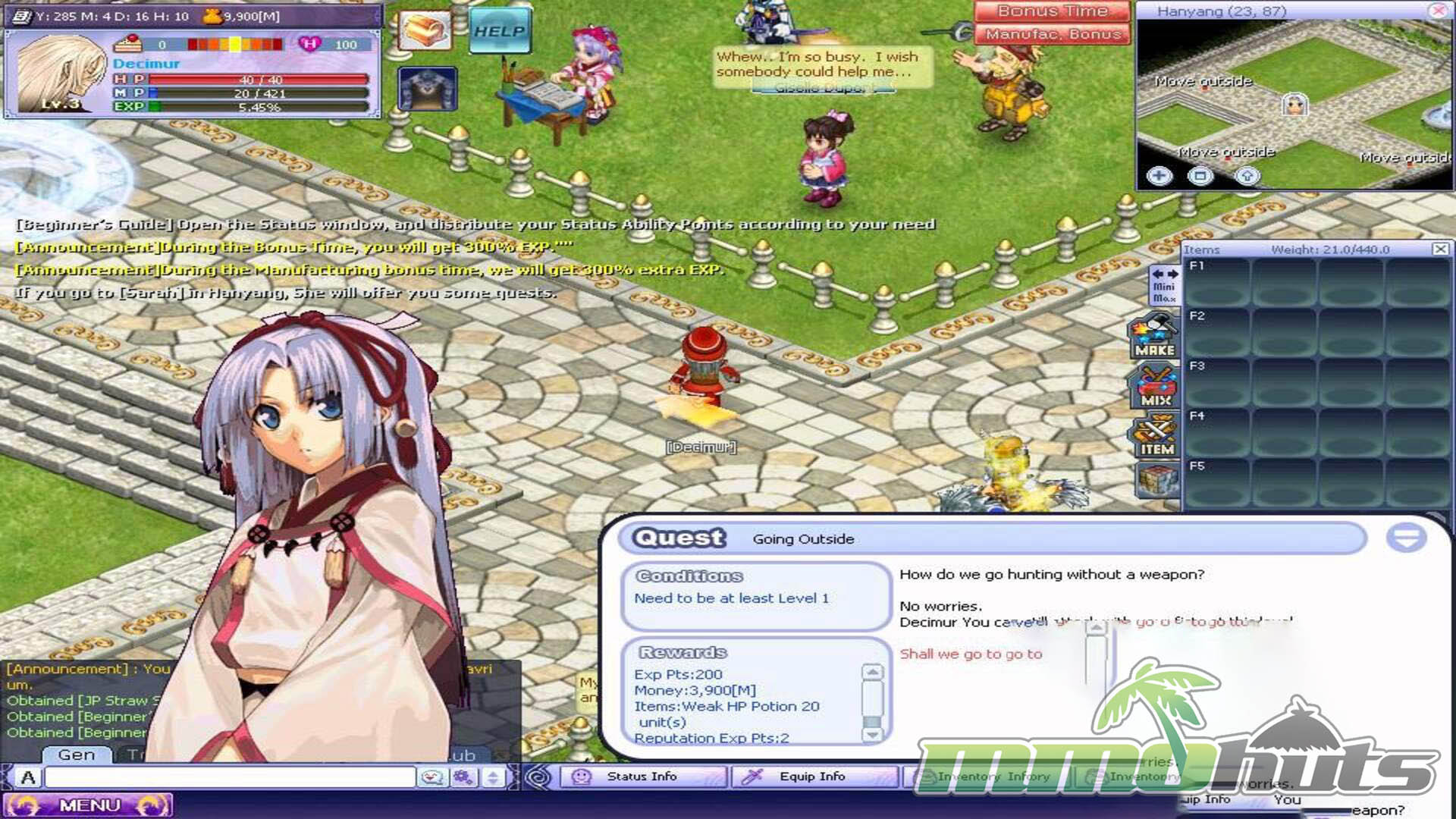
Luminary’s quests are not revolutionary in terms of objectives, you will still do plenty of monster hunting, but the delivery method is the part that feels more thoughtful than expected. Instead of constantly sending you back to town after every completion, the game often chains tasks in a way that keeps you in the field. Finish one goal and, when appropriate, a follow-up is offered immediately.
That design choice reduces unnecessary travel and helps the grind feel more purposeful. Even when the tasks themselves are straightforward, the pacing makes leveling feel smoother, and the experience rewards give you a practical reason to keep clearing objectives rather than ignoring them.
Social Tools and a Welcoming On-Ramp
One of the most memorable systems for new players is the mentor list presented when you arrive. You can choose from available mentors who are currently online, and the feature pushes social contact early, which is something many MMOs struggle to do naturally. In practice, it can lead to genuinely helpful interactions, quick answers to confusing UI moments, and sometimes even starter gear or currency from veteran players.
Whether mentors are motivated by generosity or by in-game incentives, the result is the same, the game feels less isolating at low levels. For a title with rough translation in places, that kind of community scaffolding matters.
The Player Economy Is the Main Game
If there is one reason Luminary is still discussed, it is the economy. Equipment and progression are strongly tied to what players produce. Rather than relying on NPC shops to supply the best gear, the game pushes players toward crafting and trading, which makes the marketplace feel essential instead of optional.
Materials gathered from monsters and the world have real value because they feed into production. The design avoids the common MMO problem where drops exist only to be sold to vendors as meaningless “trash loot.” In Luminary, items more often function as inputs for crafting, meaning even routine farming supports the broader economy.
The game also discourages treating NPCs as your primary buyers. NPC purchase prices are fixed and low, which nudges everyone into player-to-player exchange. This creates a market that can feel alive, but it also contributes to inflation, and it can be smarter to hold onto rare items than to sit on large piles of currency that may lose purchasing power over time.
Politics Part 1: Running a Town
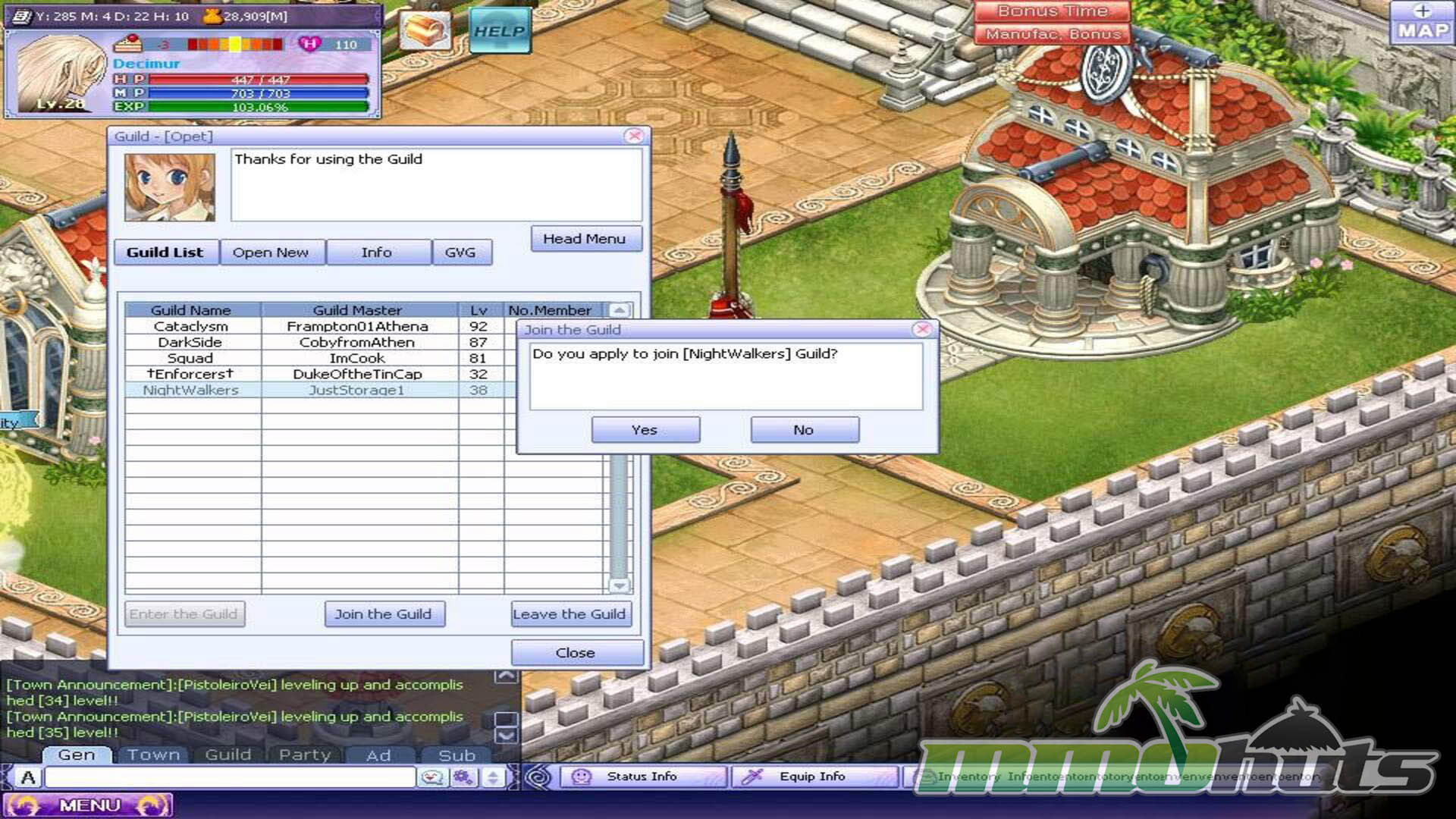
Luminary’s political structure starts at the town level. Towns are controlled by players and leadership is decided through elections, but the electorate is tied to share ownership. If you own shares of a town, you get votes, and each share represents a vote in selecting the town chief. That leader can then appoint additional roles and influence local economics through tax rates that affect things like market transactions, banking fees, and storage.
It is a clever system because it turns civic leadership into a form of economic gameplay. The downside is accessibility. Shares were far easier to obtain early in the game’s life, and later on they can be difficult to purchase, either because prices are high or because sellers are scarce. That can make town politics feel like an “old money” club on established servers.
Politics Part 2: The GoonZu and National Power
Above town leadership is the national layer, where players elect a monarch known as the GoonZu every 48 days. This is a server-wide vote that is far more open than the share-based town elections, so it feels like the headline political event of the game. The role comes with significant authority, including the ability to imprison players and broadcast messages to the entire server.
The GoonZu can also appoint five noblemen (ministers) with powers that touch the economy, such as influencing subsidies and how NPC purchase prices work. It is one of the few MMO systems where a player role can resemble GM-like authority, albeit for a limited term. Similar “server ruler” concepts exist in games like Archlord and Ace Online, but Luminary’s version stands out for leaning into democratic elections rather than faction-based selection.
As with any system that grants power, it can be abused. Multiple accounts can be used to manipulate outcomes, and while the idea is compelling, it depends heavily on community behavior and enforcement.
Final Verdict: Good
Luminary: Rise of the Goonzu earns its reputation as an MMO that prioritizes economy and governance over combat spectacle. Its crafting and market loops are unusually cohesive, and the election systems give players a genuine sense that society is being shaped by other players, not just scripted NPCs. The largest practical issue is its low population, which can limit how vibrant those systems feel. For players who want an MMORPG with meaningful social mechanics beyond grinding, Luminary remains a fascinating, if niche, recommendation.
Luminary: Rise of the Goonzu Online Links
Luminary: Rise of the Goonzu Official Site
Luminary: Rise of the Goonzu Official Forums
Luminary: Rise of the Goonzu on Steam Greenlight
Luminary: Rise of the Goonzu System Requirements
Minimum Requirements:
Operating System: Windows 98SE/ME/2000/XP/Vista/7/8/10
CPU: 800 MHz Pentium 3 or equivalent Athlon processor
Video Card: Any Graphics Card with at least 8MB and DirectX 3D Accelerator
RAM: 256 MB
Hard Disk Space: 1GB Free
Recommended Requirements:
Operating System: Windows 98SE/ME/2000/XP/Vista/7/8/10
CPU: 2.0 GHz Pentium 4 or equivalent Athlon processor
Video Card: Any Graphics Card with at least 8MB and DirectX 3D Accelerator
RAM: 512 MB
Hard Disk Space: 1GB Free
Luminary: Rise of the Goonzu Music & Soundtrack
Coming Soon!
Luminary: Rise of the Goonzu Additional Information
Developer: nDoors
Publisher(s): NHN Corporation, Ijji, Valofe
Release Date: May 31, 2005
Steam Launch Date: March 16, 2022
Shut Down Date: May 3, 2023
Luminary: Rise of the GoonZu was developed by nDoors, a Korean studio also known for Atlantica Online and Asda Story. Over its lifetime it was operated by multiple publishers in different regions. It first ran under NHN Corporation through the Ijji network, and later transitioned to Valofe in 2012. During its earlier years the game was known to have maintenance and patching difficulties, and it ultimately became more consistent after the move to Valofe.
To broaden its reach, the game appeared on Steam Greenlight on September 14, 2015, with the goal of attracting a larger audience and keeping the servers active. It later released on Steam as “Luminary Online: Rise of the GoonZu” on March 16, 2022.
Valofe shut Luminary Online: Rise of the GoonZu on May 3, 2023.