Ace Online, also known as AirRivals, is a sci-fi 3D aerial combat MMORPG that puts you in the cockpit for constant dogfighting instead of traditional ground-based questing. It has a very arcade-like feel that will remind a lot of players of Starfox-style space battles, with quick turns, target swapping, and burst damage. You pilot a customizable starfighter called a “gear” and take part in faction conflict that heavily emphasizes PvP, including large multi-player engagements. The game originally circulated under names like Space Cowboys Online in the West, but today the NA service is known as Ace Online.
 | Publisher: Suba Games Playerbase: Low Type: MMORPG PvP: Duels / Faction Wars Release Date: May 26, 2006 (NA/EU) Pros: +Distinctive dogfighting combat loop. +Big faction PvP events. +Solid ship builds and customization. Cons: -Early progression can feel easy and repetitive. -Localization quality is uneven. |

Ace Online Overview
Ace Online is a PvP-leaning action MMO developed by MasangSoft and published in North America by Suba Games. At its core, it is built around two opposing nations and a persistent conflict that pushes players into the same airspace for everything from scheduled war events to opportunistic skirmishes. Instead of playing a character running between NPCs on foot, your primary “avatar” is your gear, a combat craft with RPG-style progression, equipment slots, and stats that can be tuned as you level.
The overall structure blends MMO staples (missions, leveling, item upgrades, parties and guilds) with arcade shooter controls and high-speed aerial engagements. You can queue into or participate in multiple PvP-focused activities, including territory-oriented fights, mothership defense and assault scenarios, and arena-style matches. If you are looking for an MMO where community organization and faction coordination matter more than PvE raiding, Ace Online is designed exactly for that niche.
Historically, the game has been known under several names depending on region. The North American service is titled Ace Online through Suba Games, while the European service has been branded as AirRivals through GameForge.
Ace Online Key Features:
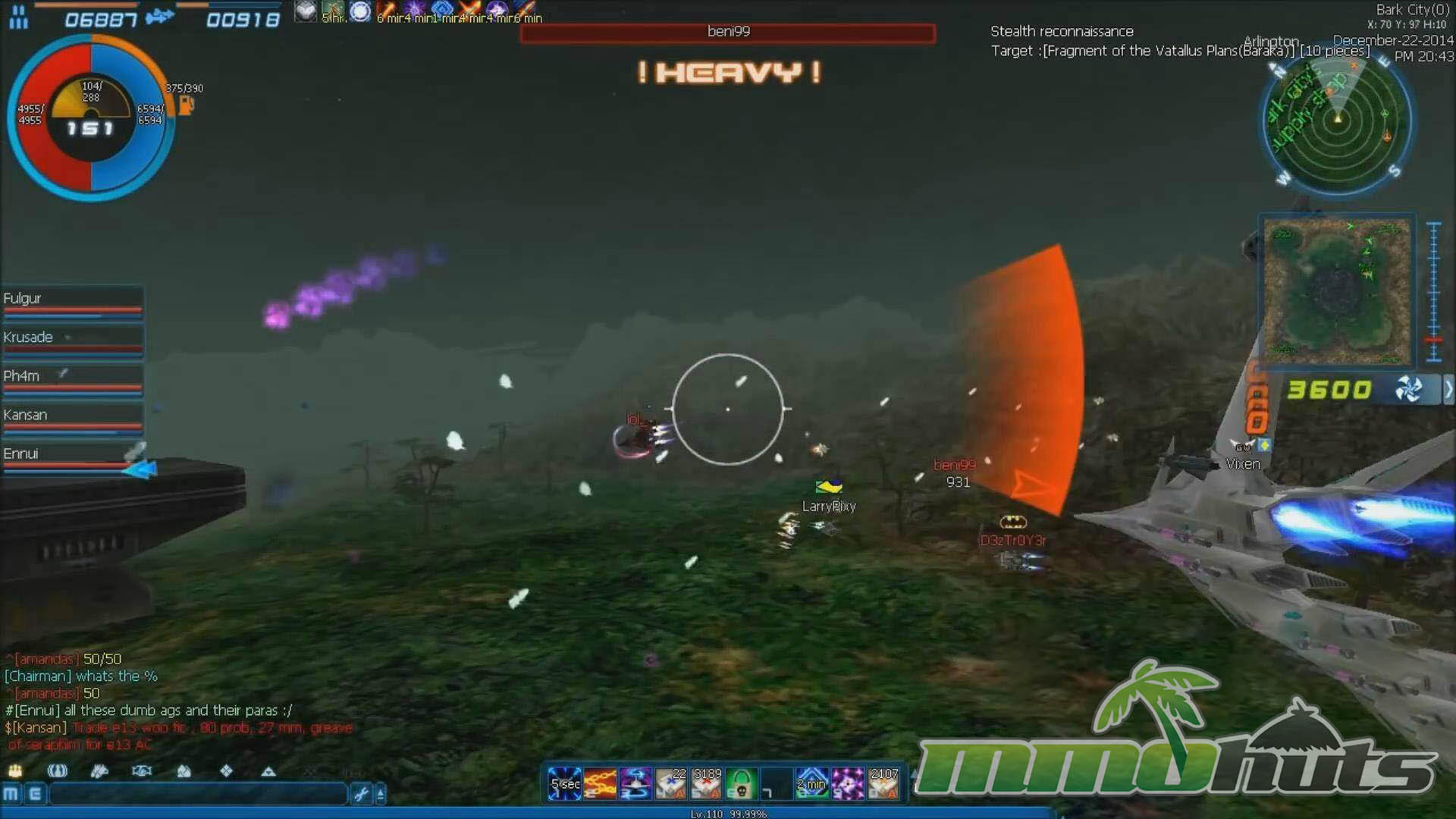
- Large-Scale PvP – take part in nation-versus-nation warfare with crowded battles where coordinated squads can swing an entire encounter, all while fighting in “gears” rather than on-foot classes.
- Customize Your Ride – build your craft through gear choices, equipment loadouts, and attribute investment, letting you aim for mobility, survivability, or raw damage depending on preference.
- Sci-Fi Anyone? – the setting leans into futuristic, anime-influenced sci-fi, which fits the fast combat and stylized ship designs.
- Strong Community – the most memorable moments tend to come from organized groups, as formations (parties) and brigades (guilds) create structure for war events and defenses.
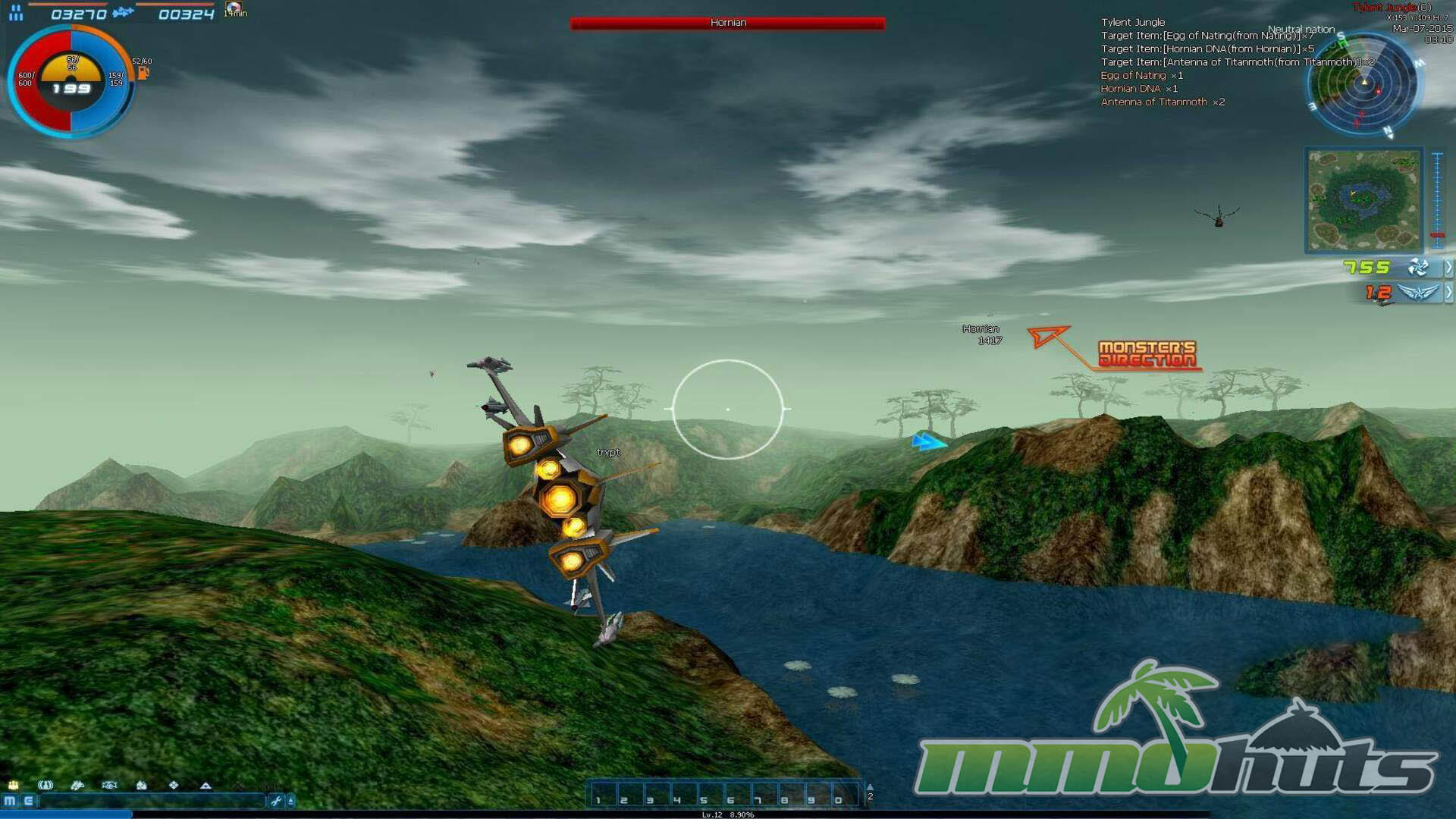
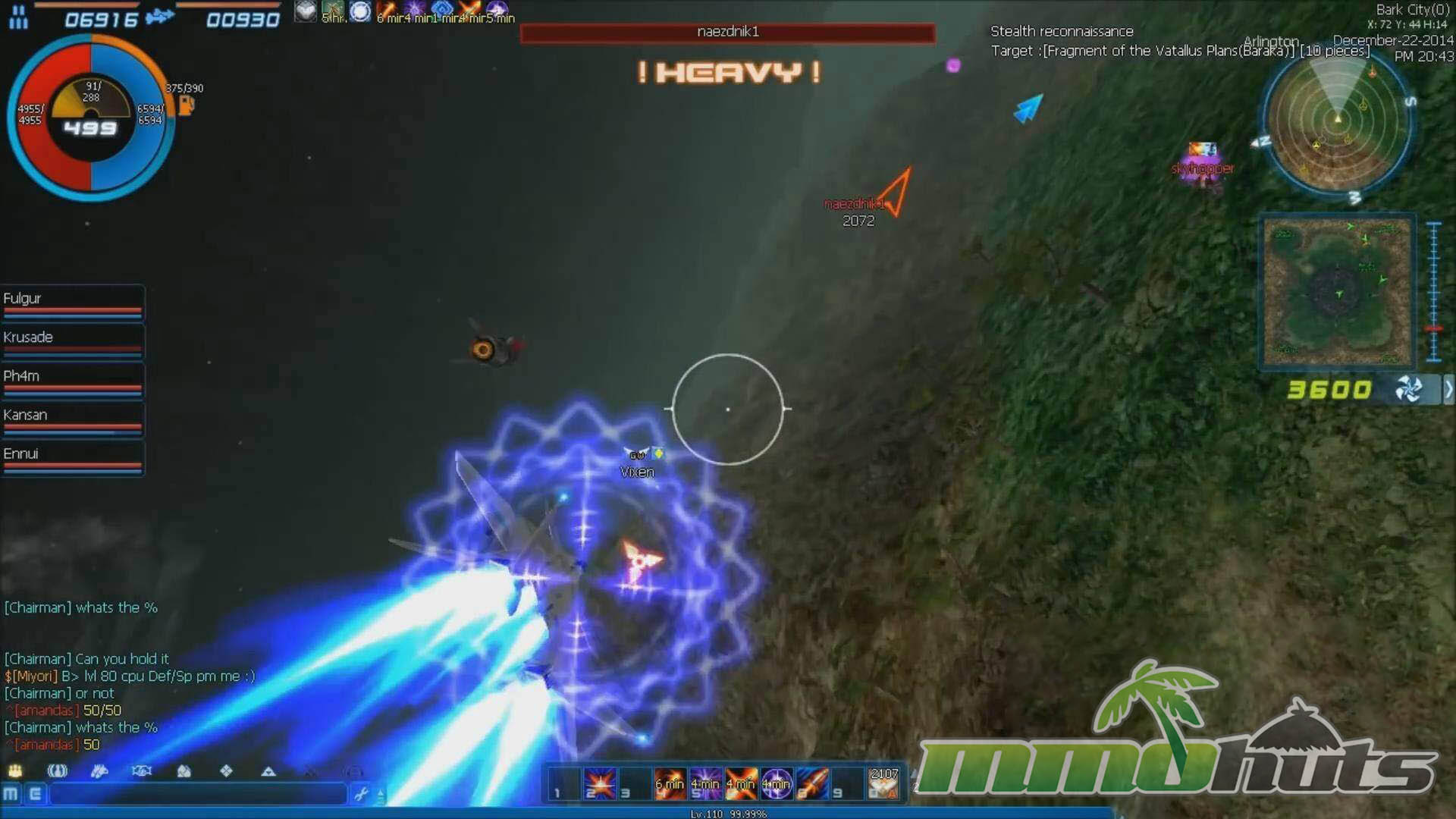
- Unique Dog Fighting Gameplay – instead of tab-target MMO combat, it focuses on piloting, positioning, evasive movement, and quick target selection, which feels closer to classic dogfighting games.
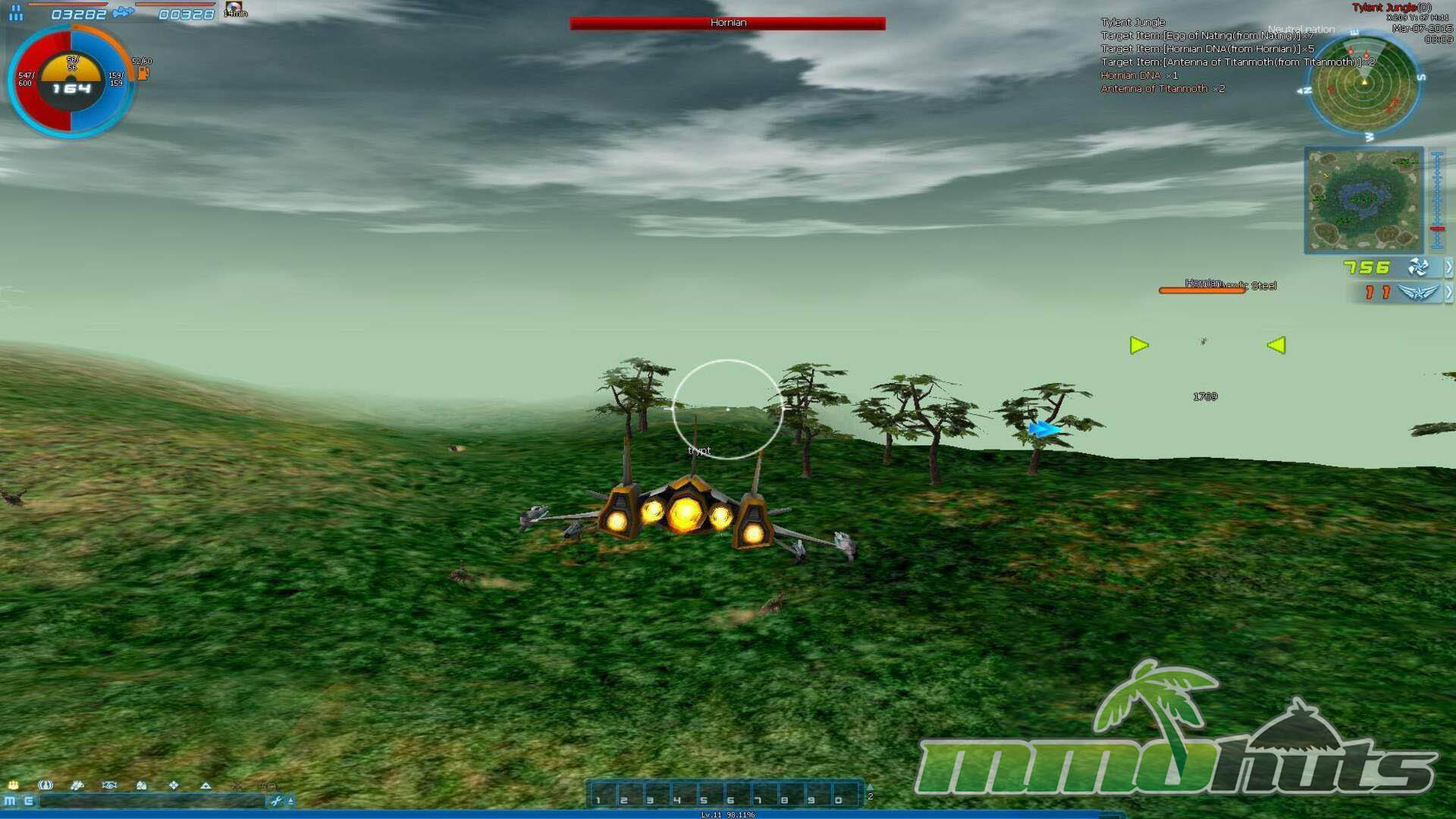
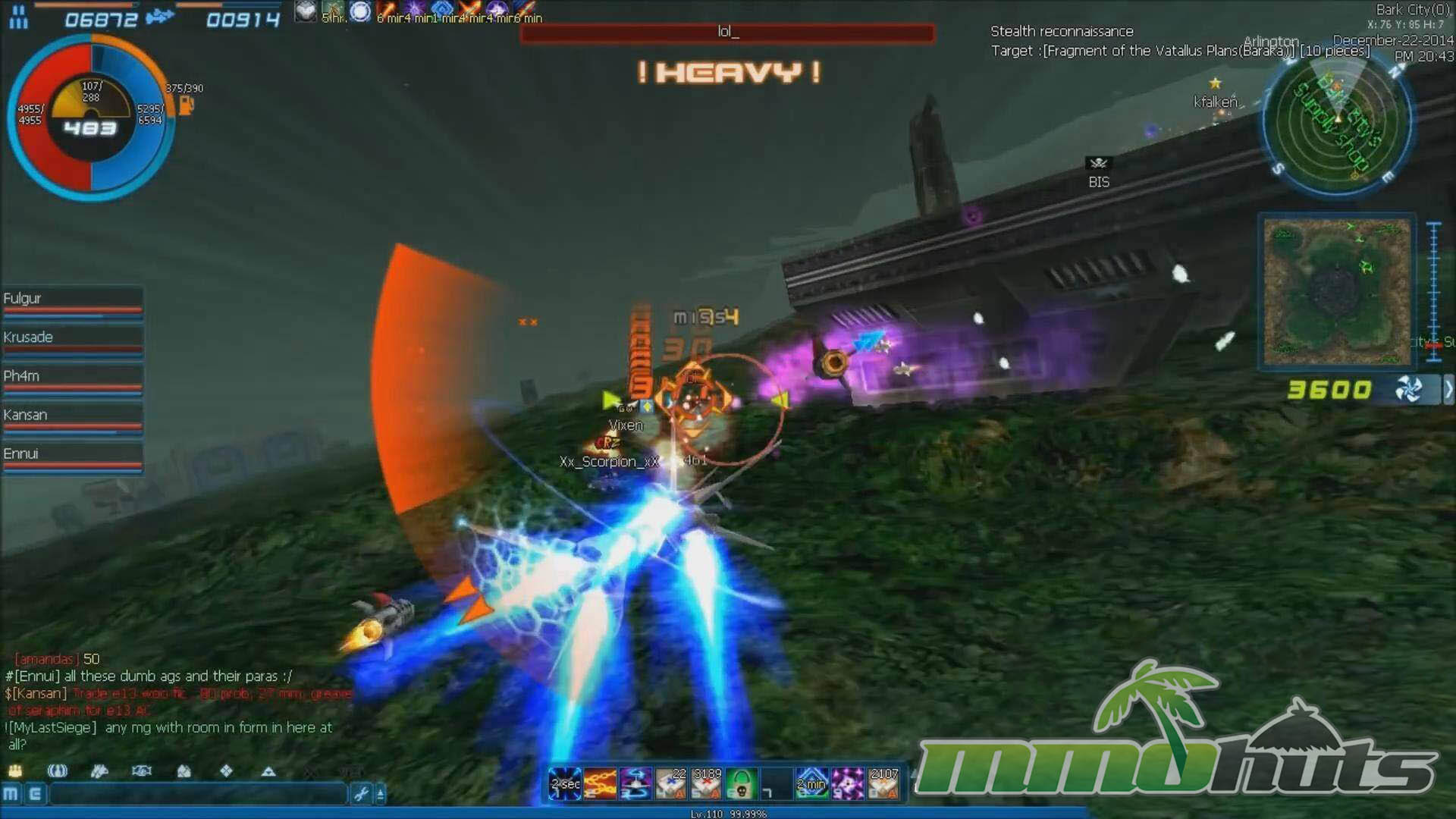
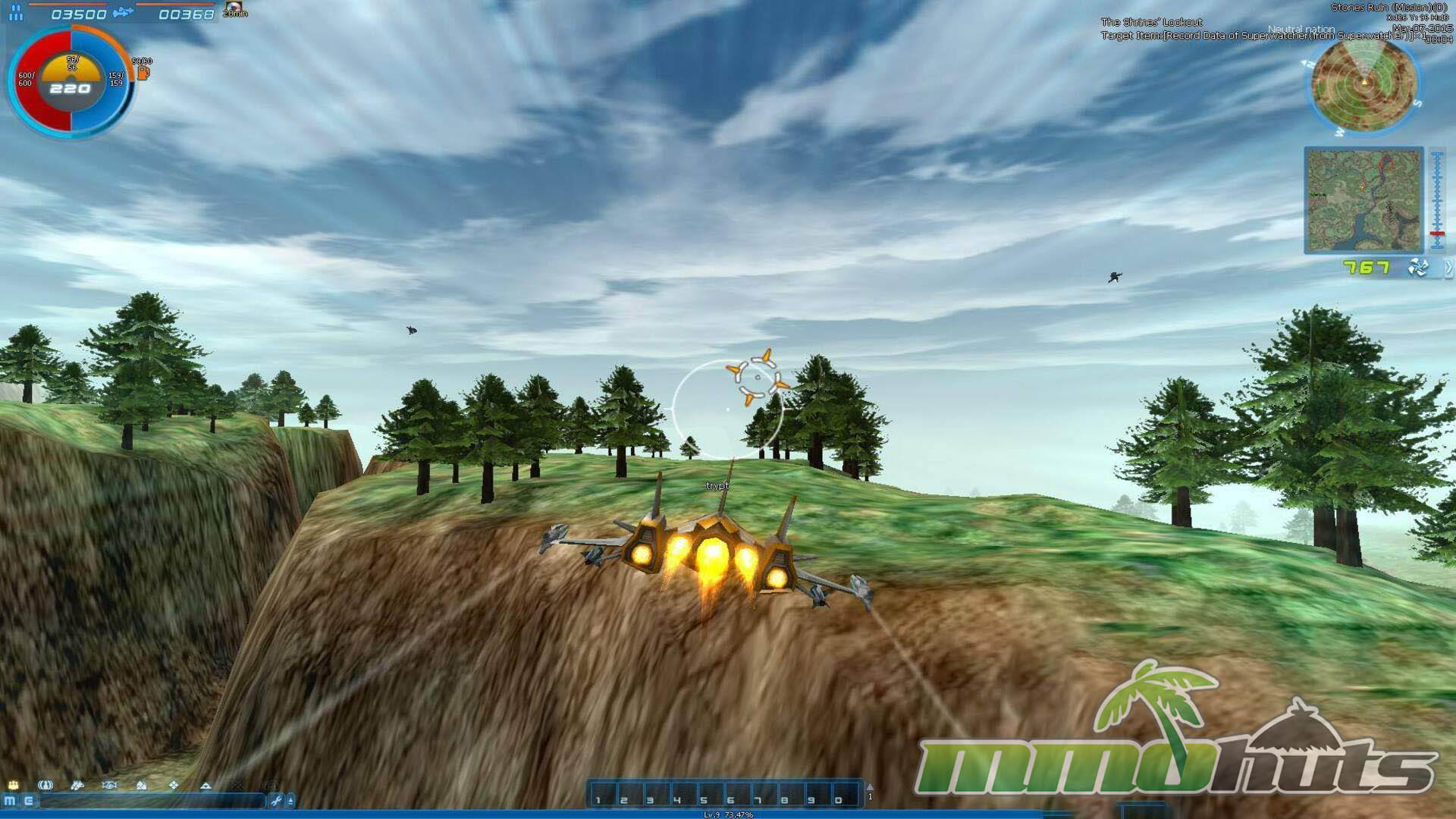
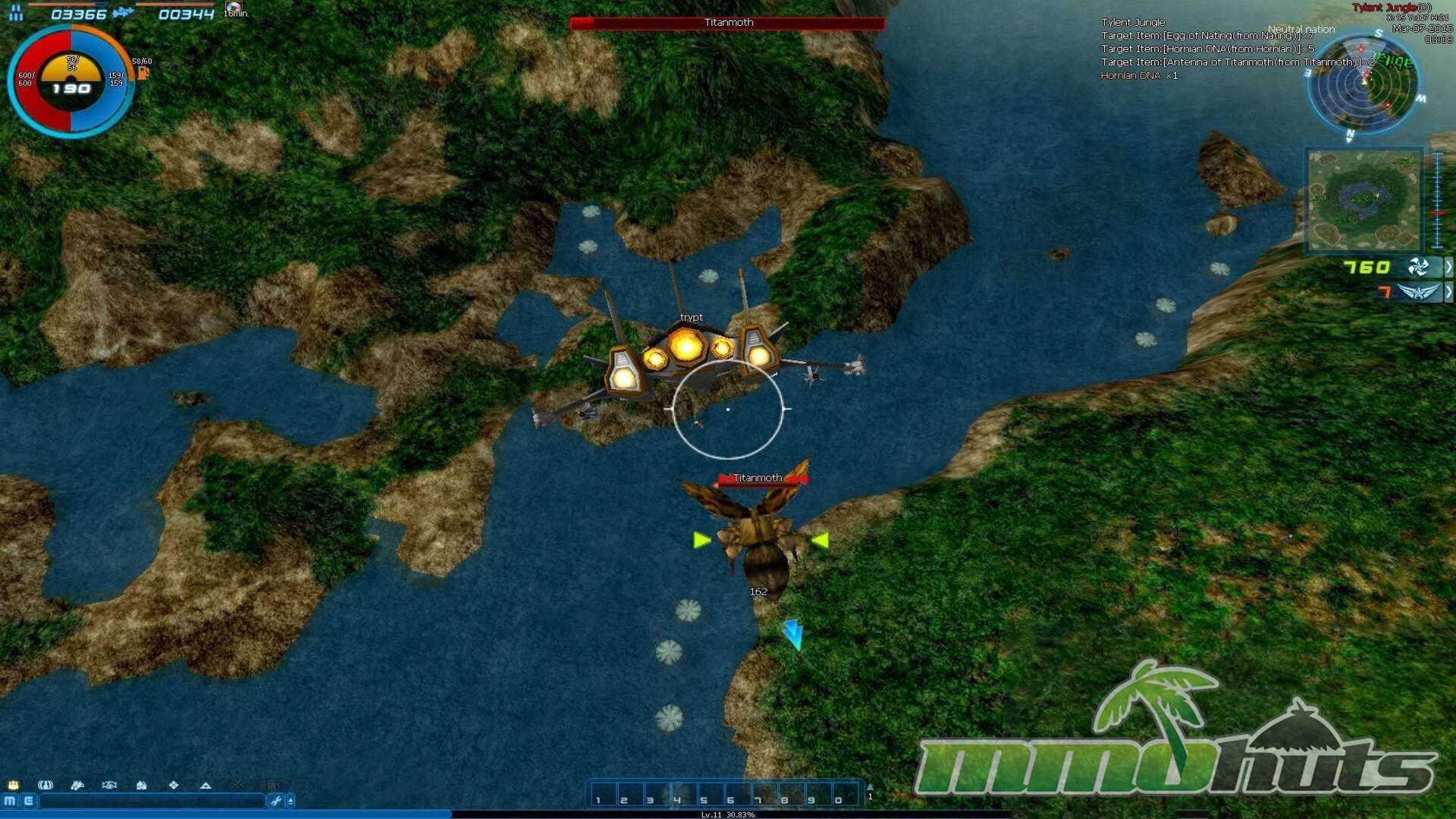
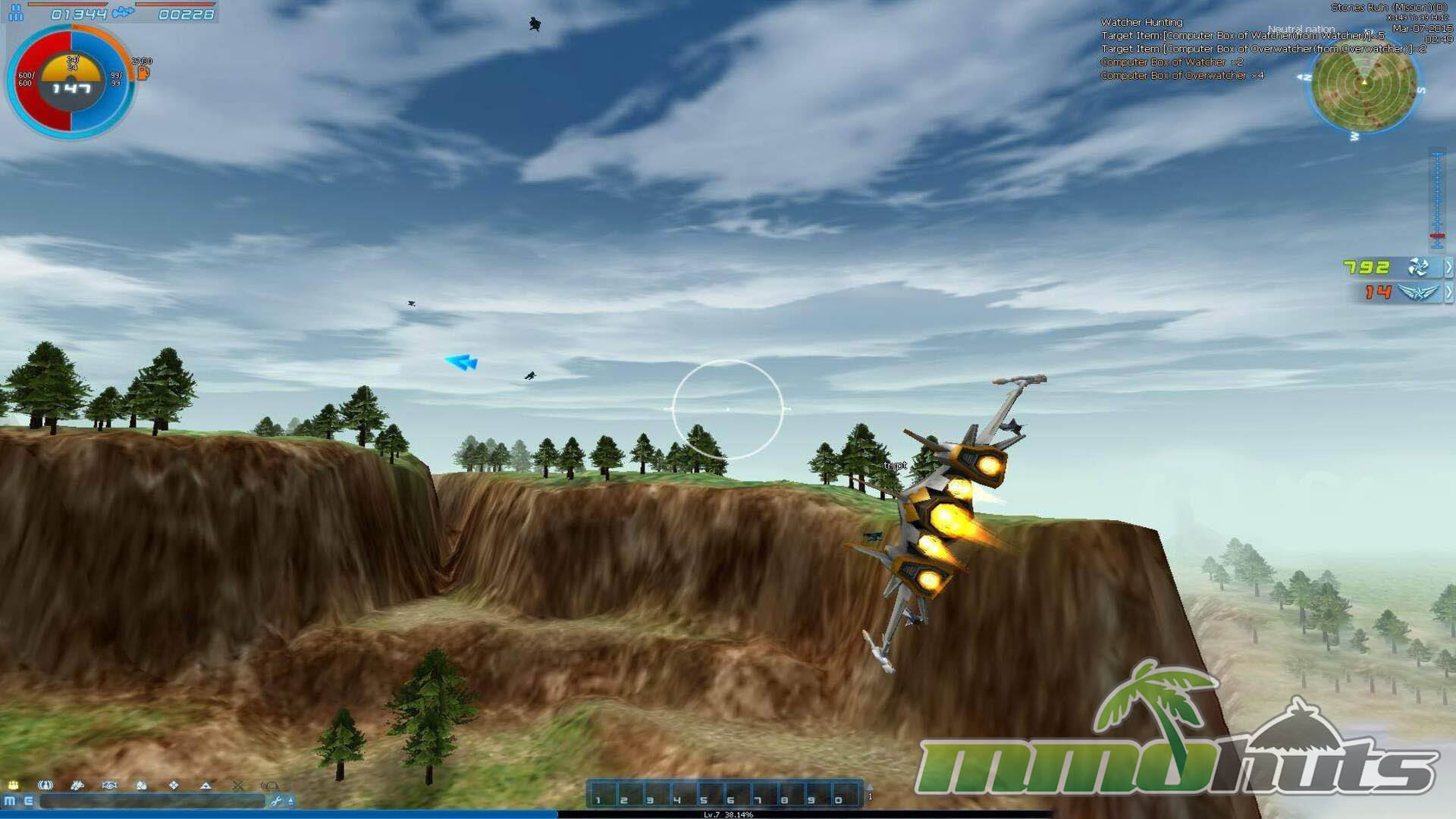
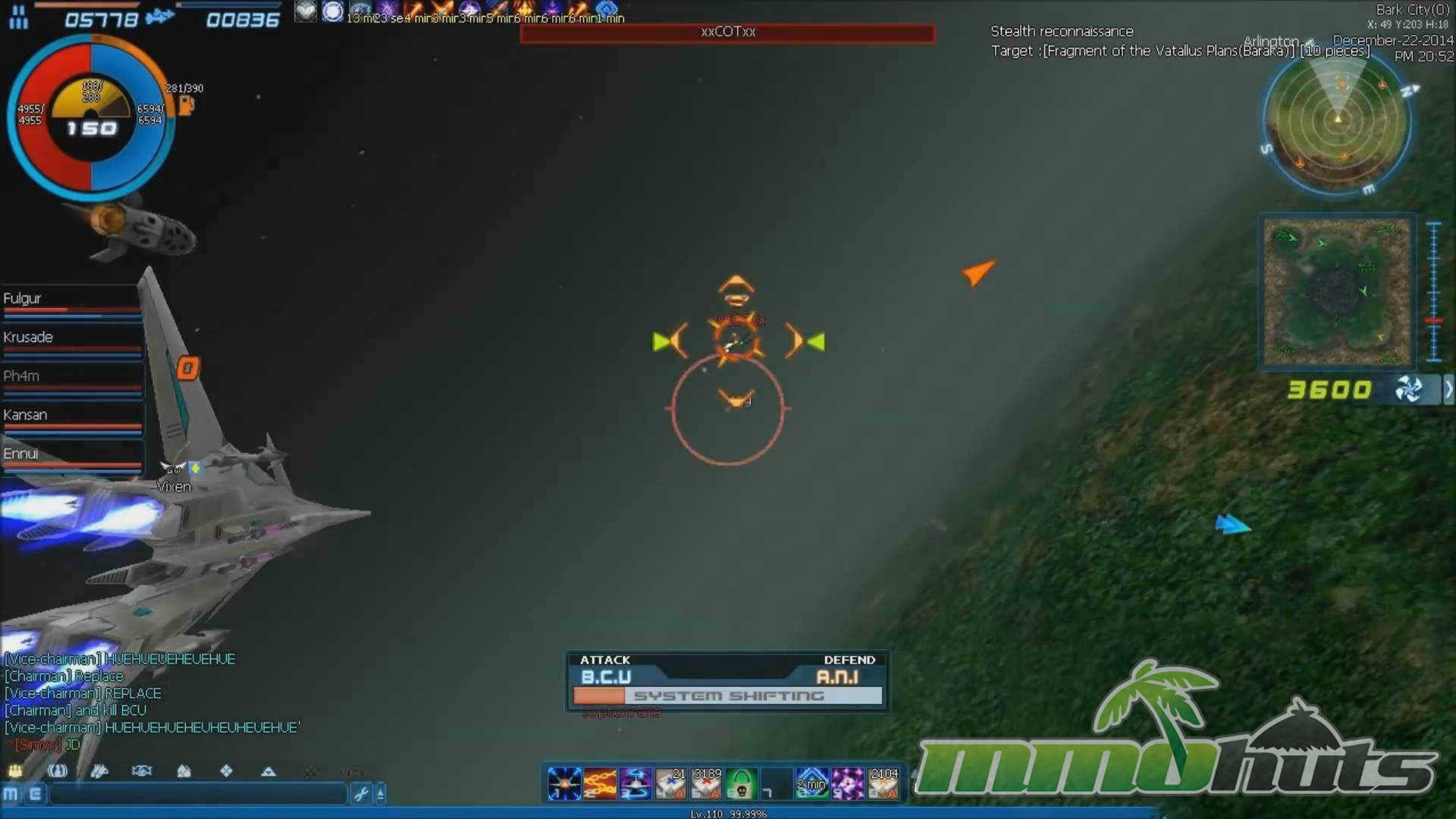
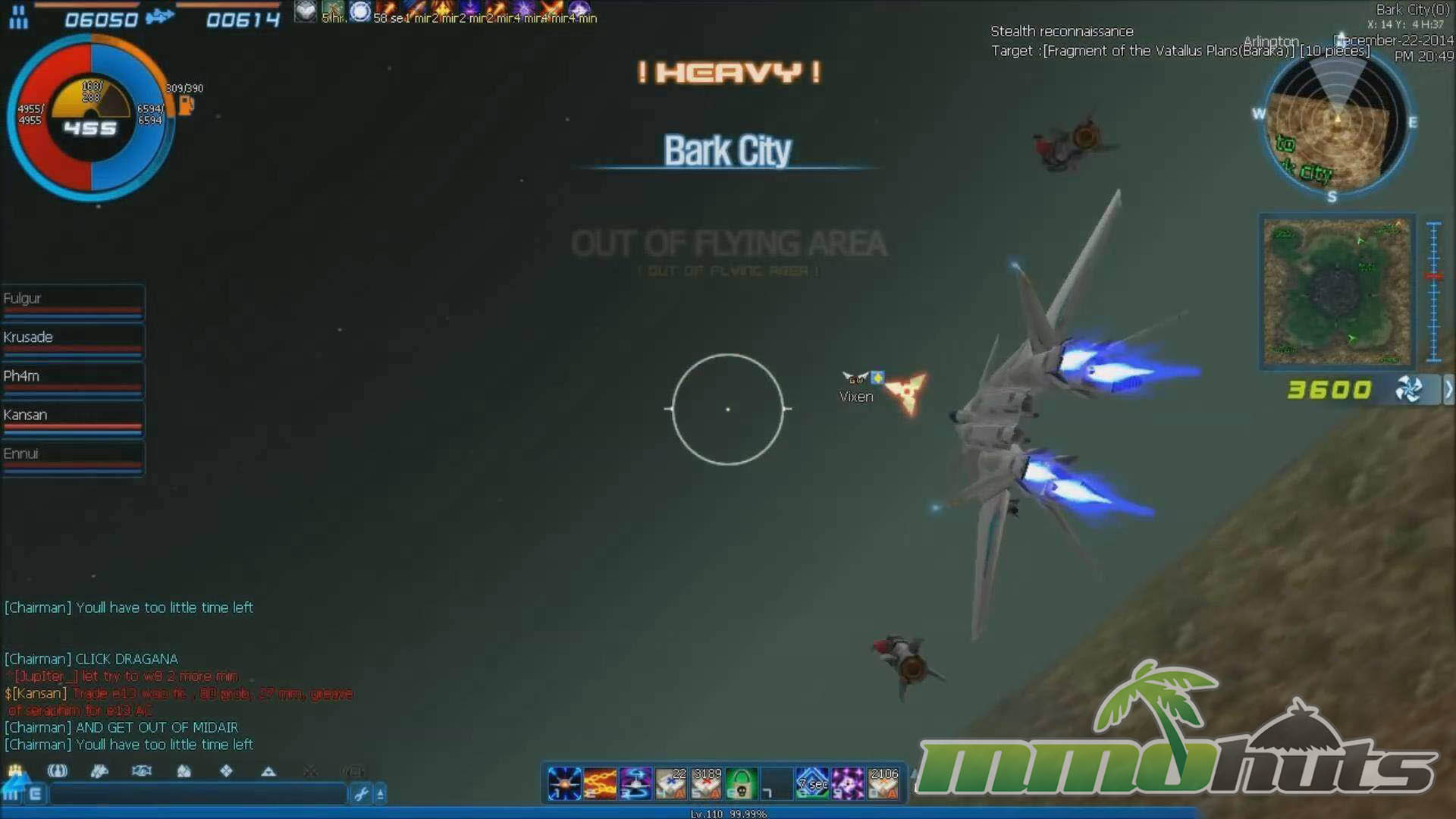
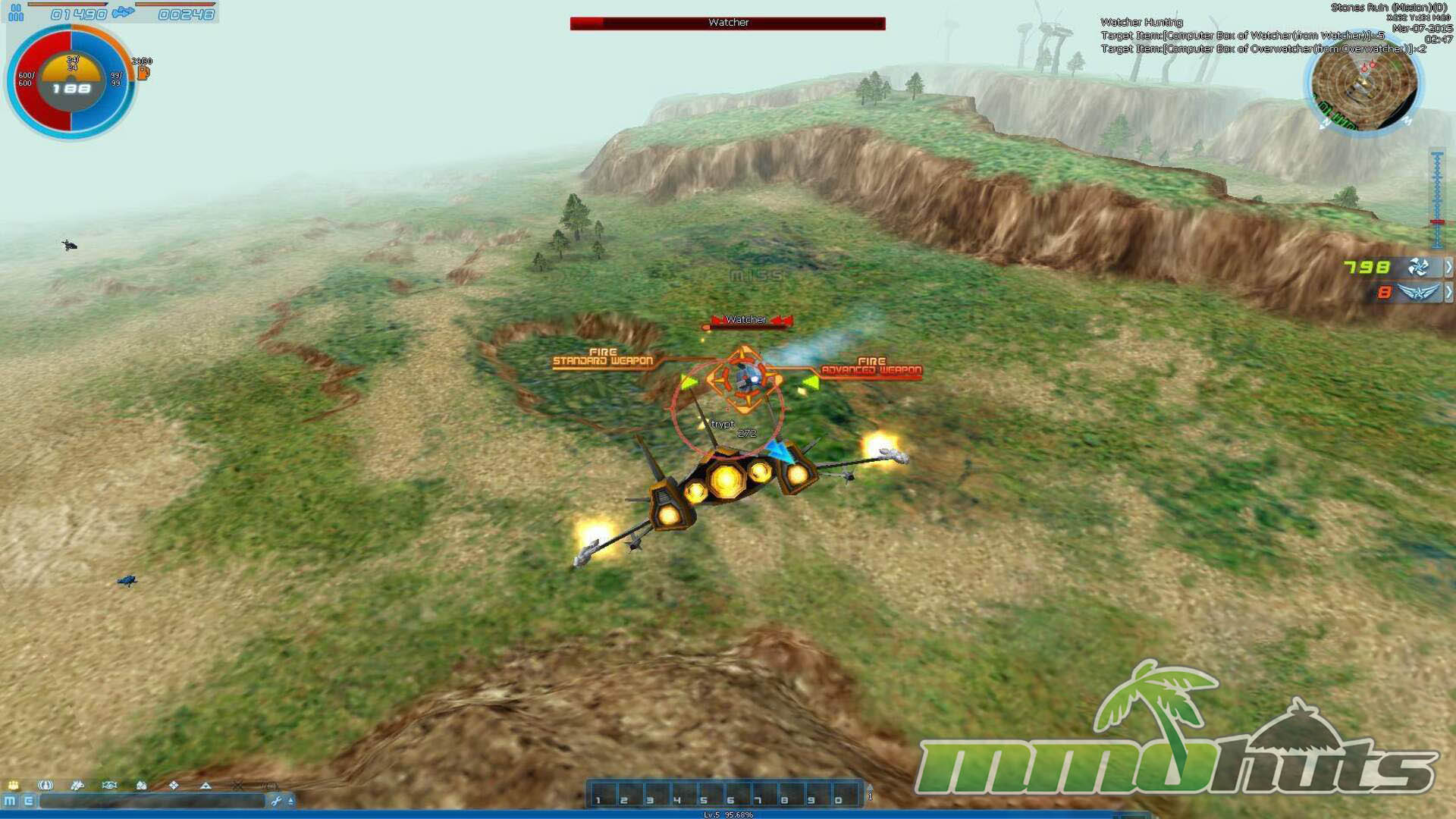
Ace Online Screenshots




Ace Online Featured Video

Ace Online keeps its class system straightforward by tying roles to the four available gears (ships). Your choice determines your general strengths, preferred engagement range, and how you contribute in larger fights:
- A-GEAR – a ground-hugging anti-air platform that shines when fighting closer to the surface, functioning like a mobile weapons battery in group battles.
- B-GEAR – a flexible damage-focused gear with a well-rounded stat profile, often treated as the most build-friendly option thanks to its balanced baseline.
- I-GEAR – a nimble evasive attacker that leans into speed and pressure, rewarding players who can manage positioning and avoid getting locked down.
- M-GEAR – a tanky “flying fortress” style craft, trading speed for durability, and later gaining the ability to support allies through repairs.
Ace Online Review
Ace Online is a PvP-centered 3D sci-fi MMO shooter developed by MasangSoft and owned by YD Online Corp. It is published by YD Online Corp in Korea, GameForge4D in Europe, Suba Games in North America, Axeso5 in Latin America, Winner Online in Thailand, VTC Online in Vietnam, Yetime in China, Gamon in Taiwan, Arario Corp in Japan, Innova Inc. in Russia, and OhLaLa Interactive in South East Asia.
The game has carried multiple names over the years depending on territory and publisher. In North America it originally appeared as Space Cowboy Online, and the international release date listed for NA/EU is May 26, 2006. In Europe, many players recognize it as AirRivals (and it previously used the Flysis name there). Regardless of branding, the core design has stayed consistent: it is an MMO built around piloting “gears” and competing in ongoing nation conflict. The title has also received major content updates over time, often referred to as Episodes, which helped keep it alive long after its initial launch window.
Arcade piloting with MMO progression
The setting is a stylized sci-fi conflict between two nations, the Bygeniou City United (BCU) and the Arlington National Influence (ANI). They serve as the game’s faction divide, and your nation choice determines your allies, your enemies, and which side you support in the larger war system. From there, the gameplay loop alternates between taking missions for experience and gear upgrades, then putting that progression to use in PvP events and contested zones.
One of the biggest surprises for new players is how “hands-on” the controls feel for an MMO. Your craft tracks the mouse cursor, with basic firing mapped to the mouse buttons. Movement tools like strafing and rolling are part of the default kit, and boosting and target switching are always in use during fights. It is not a pure flight sim, but it demands more mechanical attention than most traditional MMORPG combat systems, especially once you are fighting real players.
Hubs, missions, and ship builds
Between sorties, Ace Online uses a hub-like structure where you can step out of your ship to handle the usual MMO logistics: picking up missions, stocking consumables (ammo, fuel, healing items), and interacting with shops. Social systems follow familiar MMO patterns, with formations functioning as parties and brigades acting as guilds. This infrastructure matters because coordinated play is a major advantage in war events, and organized groups tend to dominate objectives.
Progression is also more “RPG” than it first appears. Missions provide experience and a steady stream of equipment and consumables, including temporary buffs and utility items. Leveling grants points that can be allocated into your gear’s attributes, letting you reinforce areas like damage output, agility, fuel capacity, shields, or health. Skills add another layer, purchased through a skill shop and slotted to number keys, mixing active abilities with timed buffs that help define how your build performs in duels and mass fights.
The real attraction: nation PvP
Ace Online’s best content is the nation war ecosystem. This is where the game earns its reputation, because the combat scales up in a way that few aerial MMOs attempt. Large battles can become hectic quickly, but they also create a clear sense of “front lines” and priorities, especially when leaders call targets and groups coordinate roles.
Within the Nation Wars framework you will run into multiple PvP formats, including Raids, Skirmishes, Mothership Wars, Strategic Point Wars, arena matches, and duels. The variety helps, because it means you are not always doing the same style of fight, even though the underlying mechanics remain consistent.
Raids are more structured conflicts that occur in contested zones, generally focused on seizing control and gaining practical advantages. Objectives can create natural flashpoints, such as when a boss becomes relevant for loot and both nations want access. Holding an area can also influence the battlefield by changing which NPCs appear and how later events play out.
Skirmishes feel closer to reactive world PvP. When someone crosses into hostile territory, the game broadcasts the intrusion to leadership, which can trigger a response. If both sides escalate with reinforcements, these encounters can shift from a quick interception into a prolonged brawl that drifts across the map.
Mothership Battles
Mothership Battles are weekly set-piece events where the stakes feel higher than typical skirmishing. The nation leader, a player elected each month, determines the timing of the mothership spawn. The mothership appears far inside enemy territory, forcing attackers to commit to a push while defenders scramble to form a protective screen.
If the attacking side succeeds, the reward is meaningful: a 5% recovery buff to shields, energy, and skill points, plus access to two special areas. If the defending side keeps the mothership alive for the full two-hour window, they deny those benefits to the enemy, which can influence morale and participation in later fights.
Outpost Wars operate on three maps and reward organized brigades. During the first Outpost War of the month, the brigade that deals the most damage on each map claims the outpost. The leader of the winning brigade gains access to leader chat and war funds, and control can shift later if the opposing nation manages to reclaim the outpost. At the end of the event, the controlling nation’s participants receive 300 War Points and an Ordinance Box, while the losing side still earns 100 War Points. War Points act as PvP currency, used for specialized rewards like stronger gear and various bonuses. On top of that, a Personal Contribution payout grants in-game currency based on individual performance, which gives players a reason to participate even when their side is outmatched.
Strategic Point Wars are timed, one-hour events built around a randomly appearing objective. When a Strategic Point spawns, both nations are notified, and the fight becomes a focused tug-of-war around either defending or destroying the point depending on where it appears. The reward structure mirrors Outpost Wars (300 War Points for winners, 100 for losers), and it also includes Personal Contribution rewards to acknowledge individual effort.
For players who prefer cleaner match formats, Arenas and Duels provide more traditional PvP. Arenas can be 1v1 or team-based up to 24v24, using a ticket-based deathmatch structure where the goal is to drain the opposing team’s tickets. Arena participation awards War Points. Duels, on the other hand, are designed more for practice and rivalry, supporting 1v1, Formation vs. Formation, and Brigade vs. Brigade, but without rewards.
Item Shop
The cash shop includes gear, consumables, boosts, and cosmetic options. There is also a membership system that provides notable advantages, including doubled War Point rewards from PvP events. On top of that, the game features a slot-machine style mechanic for gambling on cash shop items.
Concerns about pay-to-win come up frequently in discussions of Ace Online. The risk is obvious in a PvP-first game, where any paid power advantage can undermine fair competition. While it is difficult to verify the full impact without extensive time invested at endgame, the overall structure suggests the shop may function as a shortcut for players trying to accelerate progression or stack advantages. That is something prospective PvP purists should keep in mind before committing heavily.
Final Verdict (overall impression)
Ace Online remains a standout for players who want MMO-scale PvP but prefer piloting and dogfighting over standard hotbar rotations on the ground. Its best moments come from coordinated nation warfare, where formations and brigades turn chaotic airspace into something tactical and purposeful. The game also does a good job of supporting build tinkering, so your gear can feel meaningfully different depending on how you allocate stats and choose equipment.
The downsides are mostly tied to age and presentation. Visuals are dated, translations can be rough, and the PvE side is not the main draw once you reach the later stages. The population is also labeled as low, which can affect off-peak activity. Even so, for anyone specifically seeking large-scale sci-fi faction PvP with a classic arcade dogfighting feel, Ace Online is still an interesting and fairly unique option.
Ace Online Links
Ace Online Official Site
AirRivials Official Site
Ace Online Wikipedia
Ace Online Wikia [Database / Guides]
Ace Online System Requirements
Minimum Requirements:
Operating System: Windows 98 / ME / XP / Vista / 7 / 8
CPU: Pentium 3 1 GHz or better
Video Card: Any 32 MB DirectX compatible GPU
RAM: 512 MB
Hard Disk Space: 2 GB
Recommended Requirements:
Operating System: Windows 98 / ME / XP / Vista / 7 / 8
CPU: Pentium 4 1.8 GHz
Video Card: Any 64 MB DirectX compatible GPU
RAM: 1 GB
Hard Disk Space: 2 GB
Because Ace Online dates back to 2006, almost any current PC should have no trouble running it. The requirements above are the official specifications, although modern operating systems and background processes typically benefit from stronger CPUs and more RAM than the minimums suggest. These requirements apply to both Air Rivals and Ace Online, since they are the same game.
Ace Online Music & Soundtrack
Ace Online Additional Information
Developer: MasangSoft
Closed Beta Date: August 18, 2008 (Suba Games)
Open Beta Date: August 29, 2008 (Suba Games)
Foreign Release:
South Korea: 2005 (MasangSoft)
Japan: 2009 (Arario)
Vietnam: 2006 (Published as Phi Doi by VTCGame)
Europe: 2010 (GameForge)
South America: 2011 (Axeso5)
China: 2007 (Published as Ace Online or Top Gun by YeTime)
Many regional services for Ace Online have closed over time. The versions currently offered through Suba Games and GameForge are generally considered the safest long-term options for active play.
Development History / Background:
Ace Online was created by the South Korean studio MasangSoft. Work on the project traces back to the company’s early years, beginning around 2004 when MasangSoft Inc was founded. The game became the studio’s signature title and, over time, was licensed broadly and serviced across many languages (reported as 18). Early publishing arrangements included Mgame in South Korea, which later ended service, after which the developer moved toward self-publishing in its home region. The English-language release first arrived through gPotato (Gala-net) under the Space Cowboys Online name in May 2006, and that service shut down on December 26, 2007. MasangSoft later attempted a global service as Ace Online International without IP restrictions, but that version also closed within about a year. Today, the most notable remaining services are Europe via GameForge and North America via Suba Games.