Nexus: The Kingdom of the Winds (often shortened to Nexus TK) is a long-running 2D fantasy MMORPG rooted in Korean mythology. It is among the earliest online RPGs still operating today, and it lets new players experience the early game without paying by offering free play up to Level 49.
 | Publisher: Kru Interactive Playerbase: Low Type: MMORPG Release Date: 1996 (Korea); 1998 (NA) PvP: Duels / Events Pros: +Old-school RPG flavor. +Supportive, tight-knit community. +Runs on very modest hardware. +Standout clan, council, and roleplay systems. Cons: -Aged presentation. -Outdated interface and pacing. -Most of the game sits behind a subscription. -Not beginner-friendly. |

Nexus: The Kingdom of the Winds Overview
Nexus: The Kingdom of the Winds is a foundational Korean MMORPG that has remained online since 1996. The game is developed by Nexon and published by Kru Interactive. Although it uses a subscription model, newcomers can play on a trial account up to Level 49 before deciding whether to subscribe. The overall population is modest today, but the players who remain tend to be dedicated, social, and deeply familiar with the game’s culture. At its core, Nexus TK is a class-based, kingdom-driven adventure spanning three major realms, Koguryo, Buya, and Nagnang. Beyond monster hunting and leveling, it leans heavily into community governance, letting players form clans, participate in councils tied to advanced paths, and engage with player-facing systems such as in-world law and justice.
Nexus: The Kingdom of the Winds Key Features:
- Explore Three Kingdoms – travel across Koguryo, Buya, and Nagnang, settings drawn from Korean mythic themes.
- Chose from 4 Base Paths – select a Warrior, Rogue, Mage, or Poet, then later specialize through four sub-paths per base path.
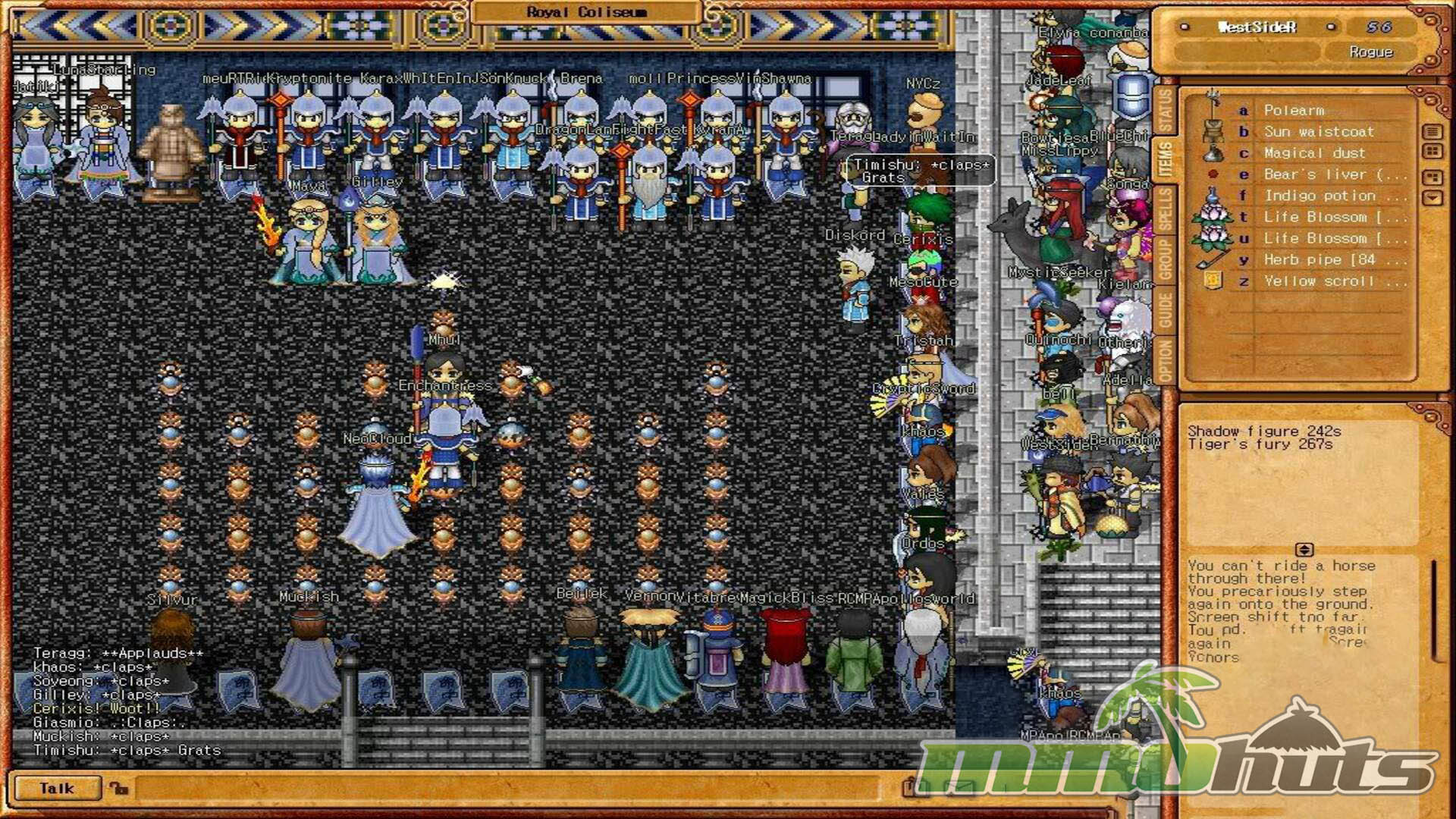
- Get Social and Political – climb through player-led clans, class councils, and kingdom-oriented roles that give the world a lived-in feel.
- Player Housing – rent land plots in villages across the three kingdoms and personalize a home space of your own.
- Free Trial – play at no cost until Level 49, then subscribe for $9.95 per month to continue advancing.
Nexus: The Kingdom of the Winds Screenshots



Nexus: The Kingdom of the Winds Featured Video

Nexus: The Kingdom of the Winds Review
Nexus: The Kingdom of the Winds is a 2D MMORPG that wears its age openly, and that is largely the point. It is a game from an era when online worlds felt closer to tabletop campaigns, with small communities, slow progression, and social rules that mattered as much as gear. The setting draws on Korean mythology and classic fantasy motifs, but what makes Nexus TK memorable is less about spectacle and more about how much it expects players to live inside its systems, learning the world, learning its people, and gradually earning a place in it.
First steps and early guidance
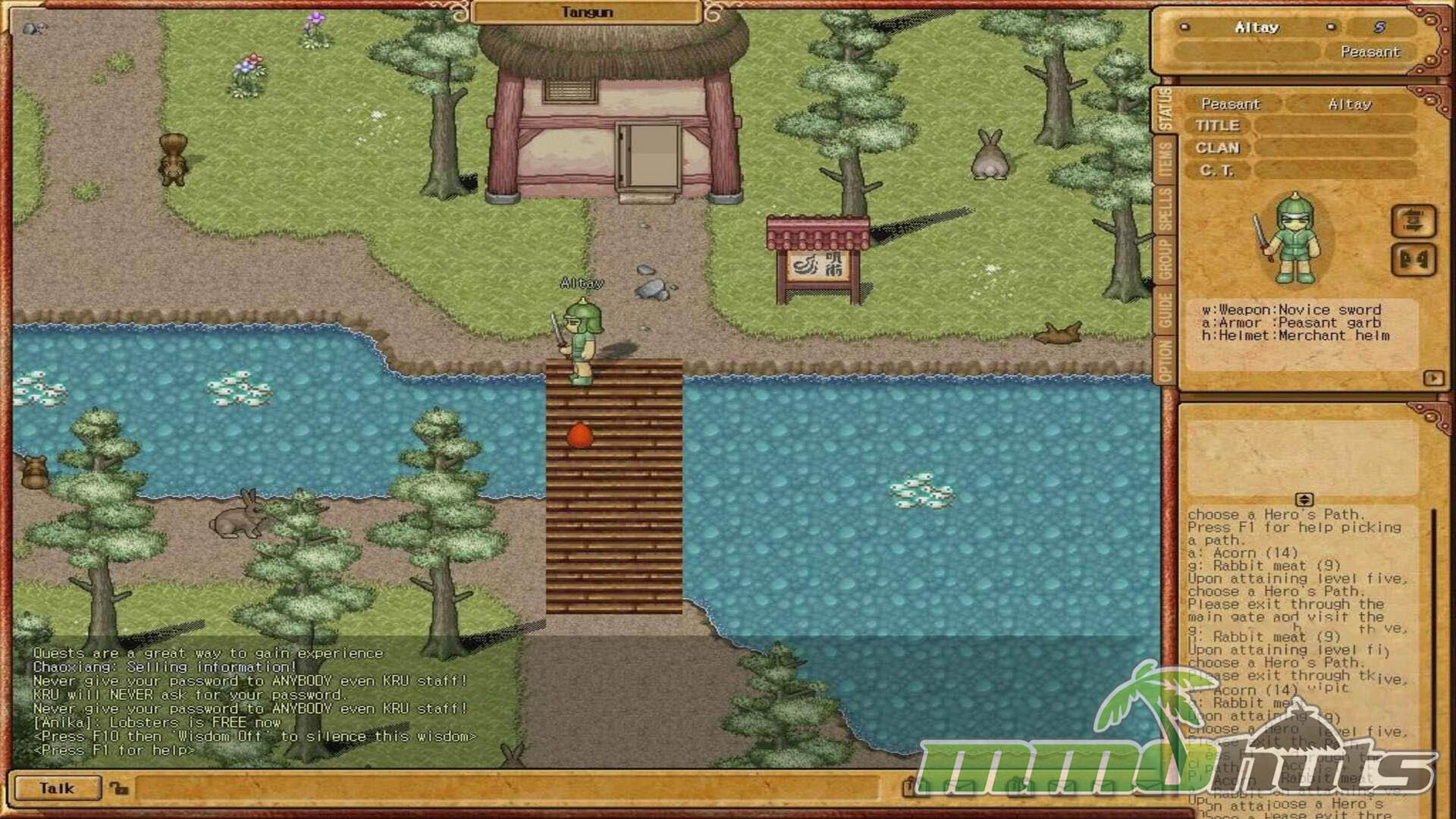
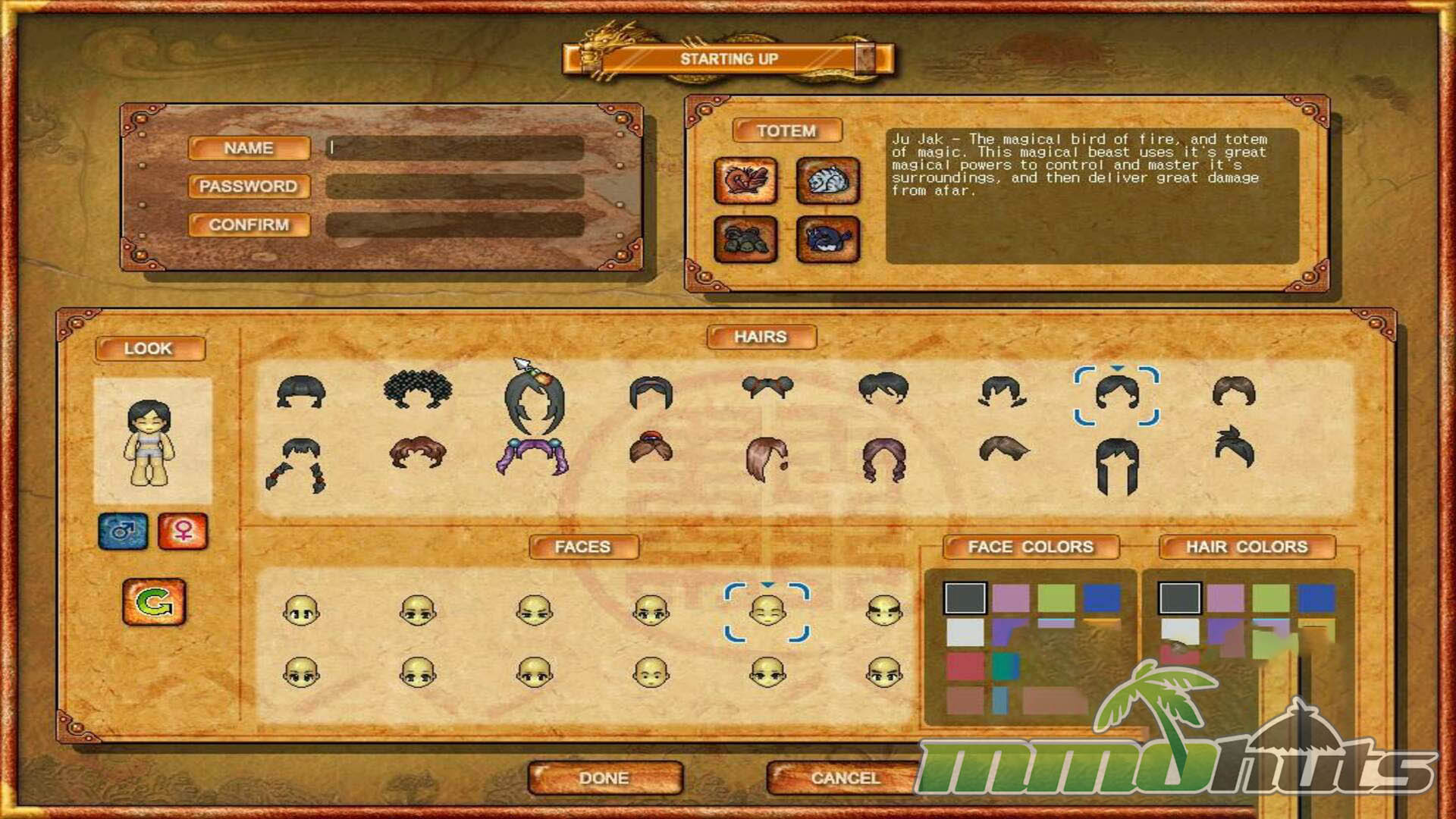
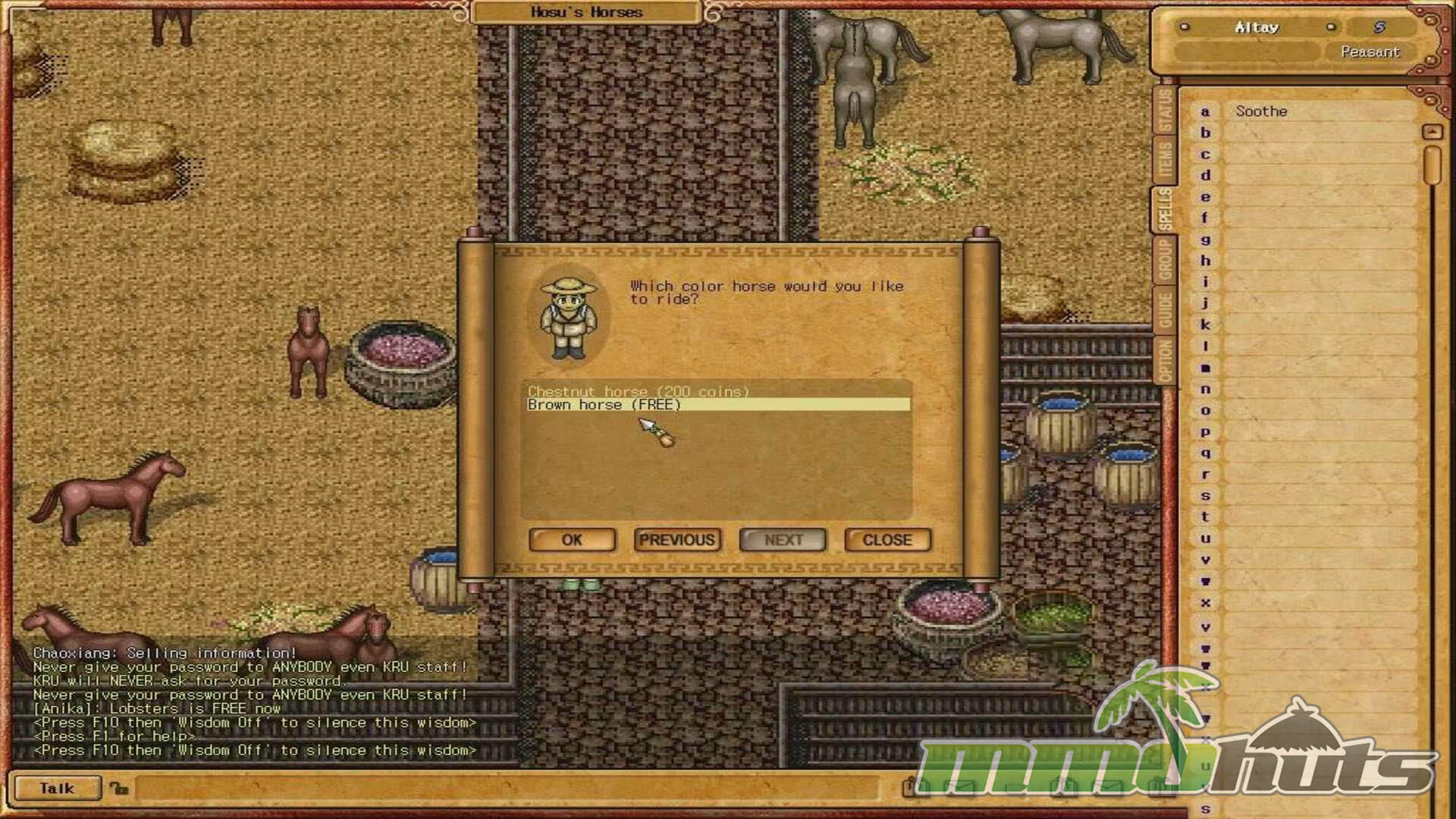
Character creation is simple by modern standards, offering a handful of cosmetic choices to define your sprite, then pushing you toward one of four base paths: Warrior, Rogue, Mage, or Poet. The early experience is designed to teach fundamentals without overwhelming you with pop-ups or heavy hand-holding. You learn how to move, interact, and fight, then you are turned loose into the broader game where the real onboarding often comes from other players and community resources.
That community-driven learning is both a strength and a hurdle. Players who enjoy asking questions, joining groups, and reading guides will adjust faster. Those who expect a modern quest trail and constant UI prompts may bounce off early.
Presentation and interface
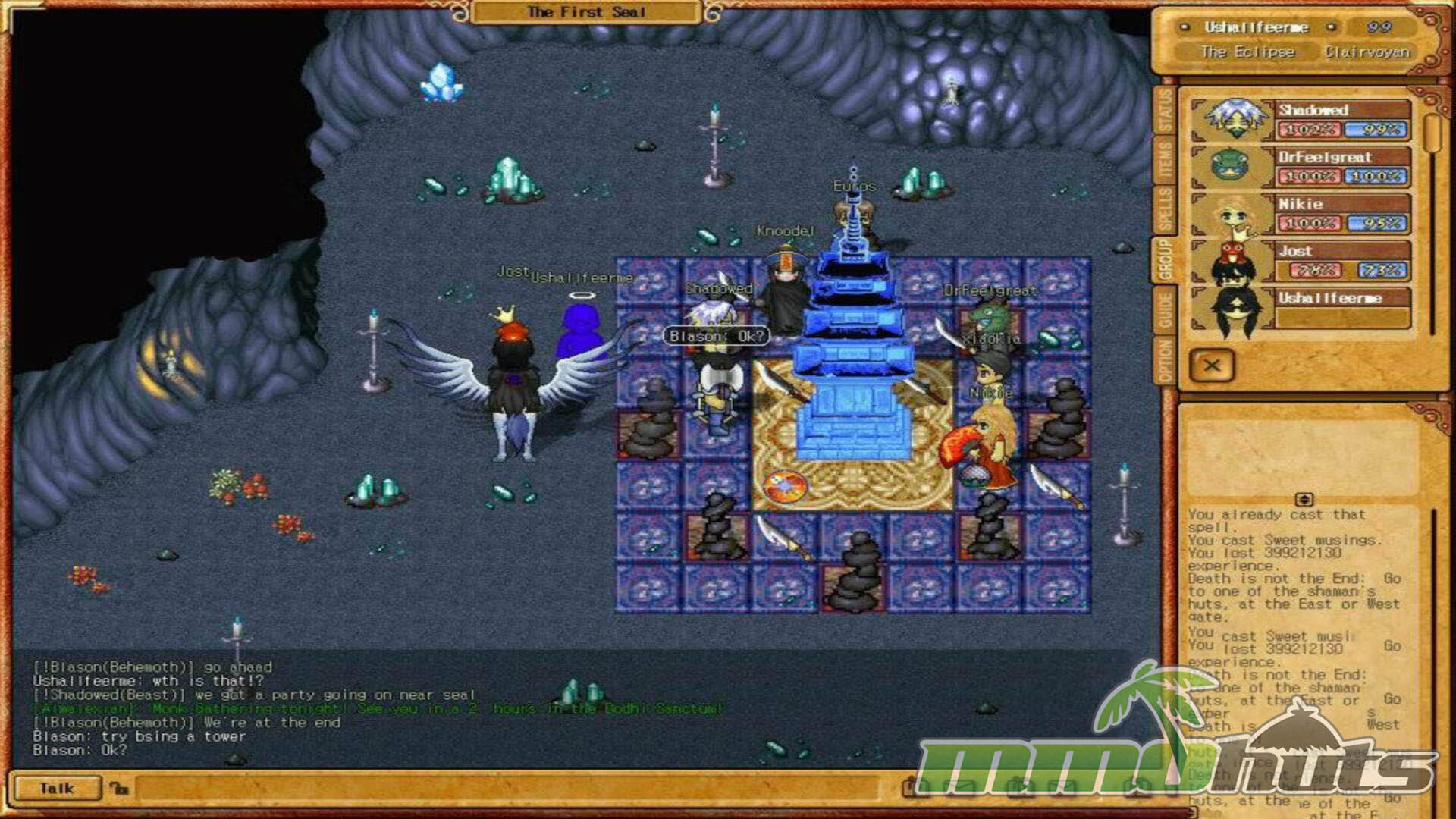
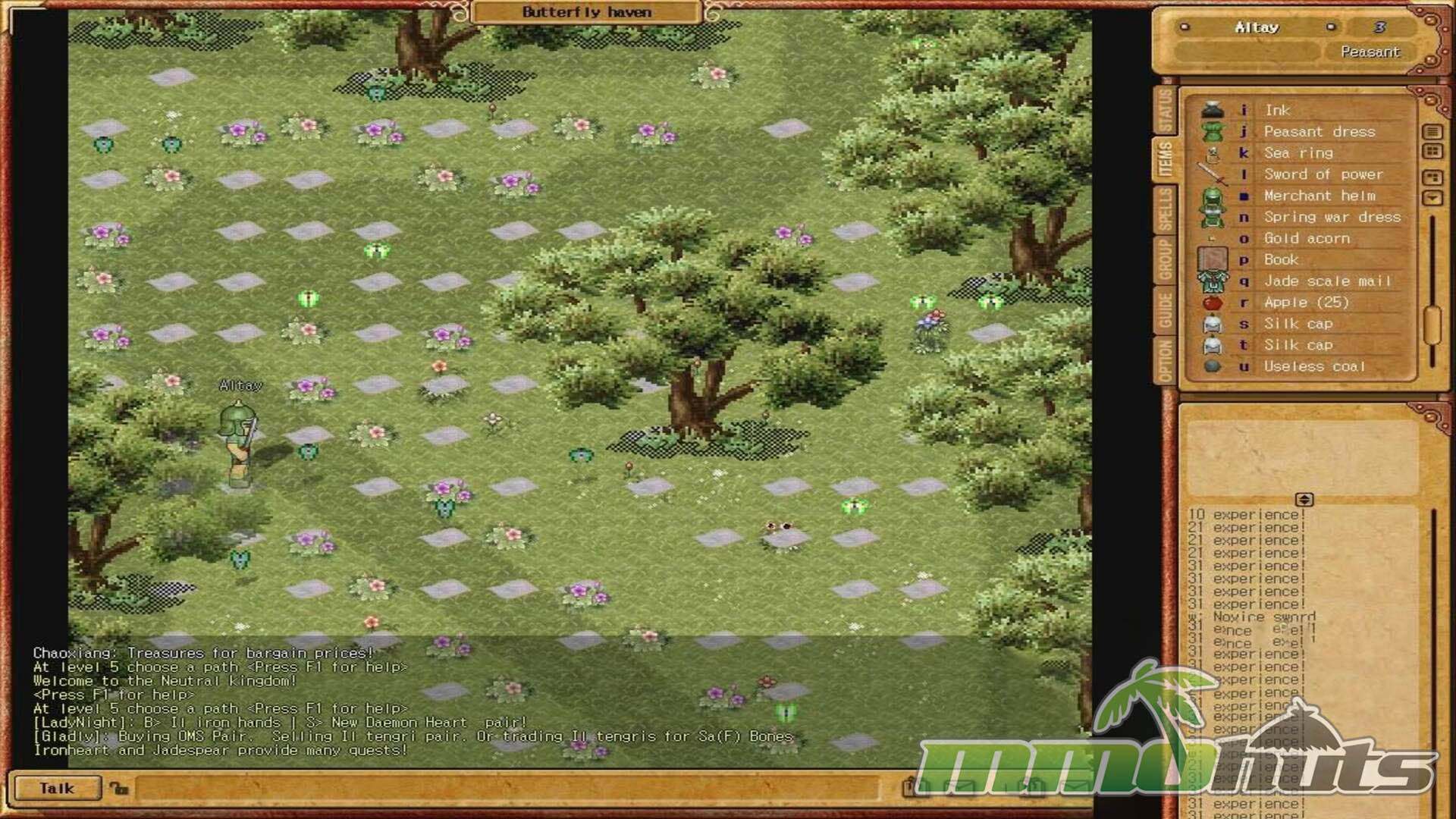
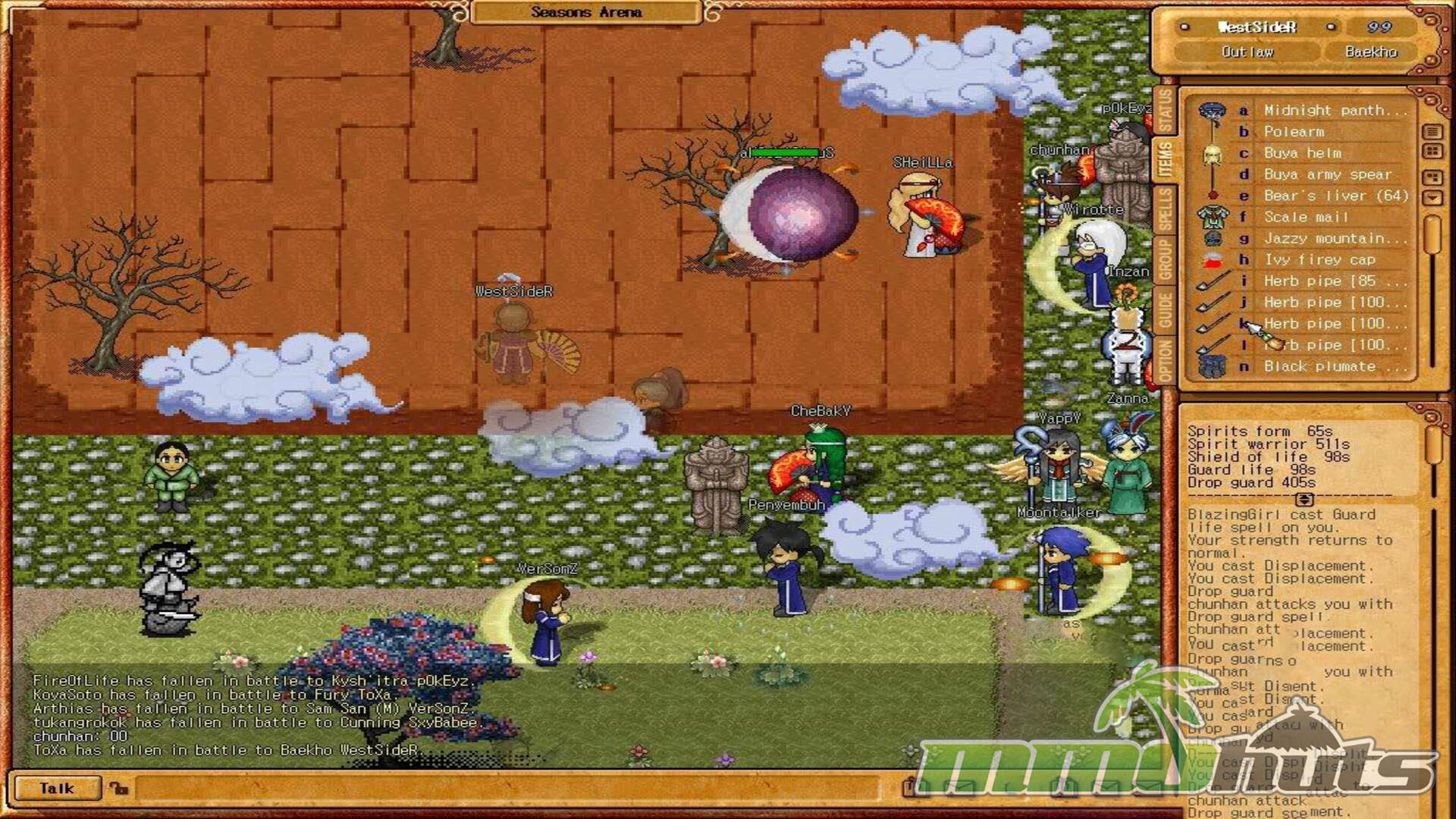
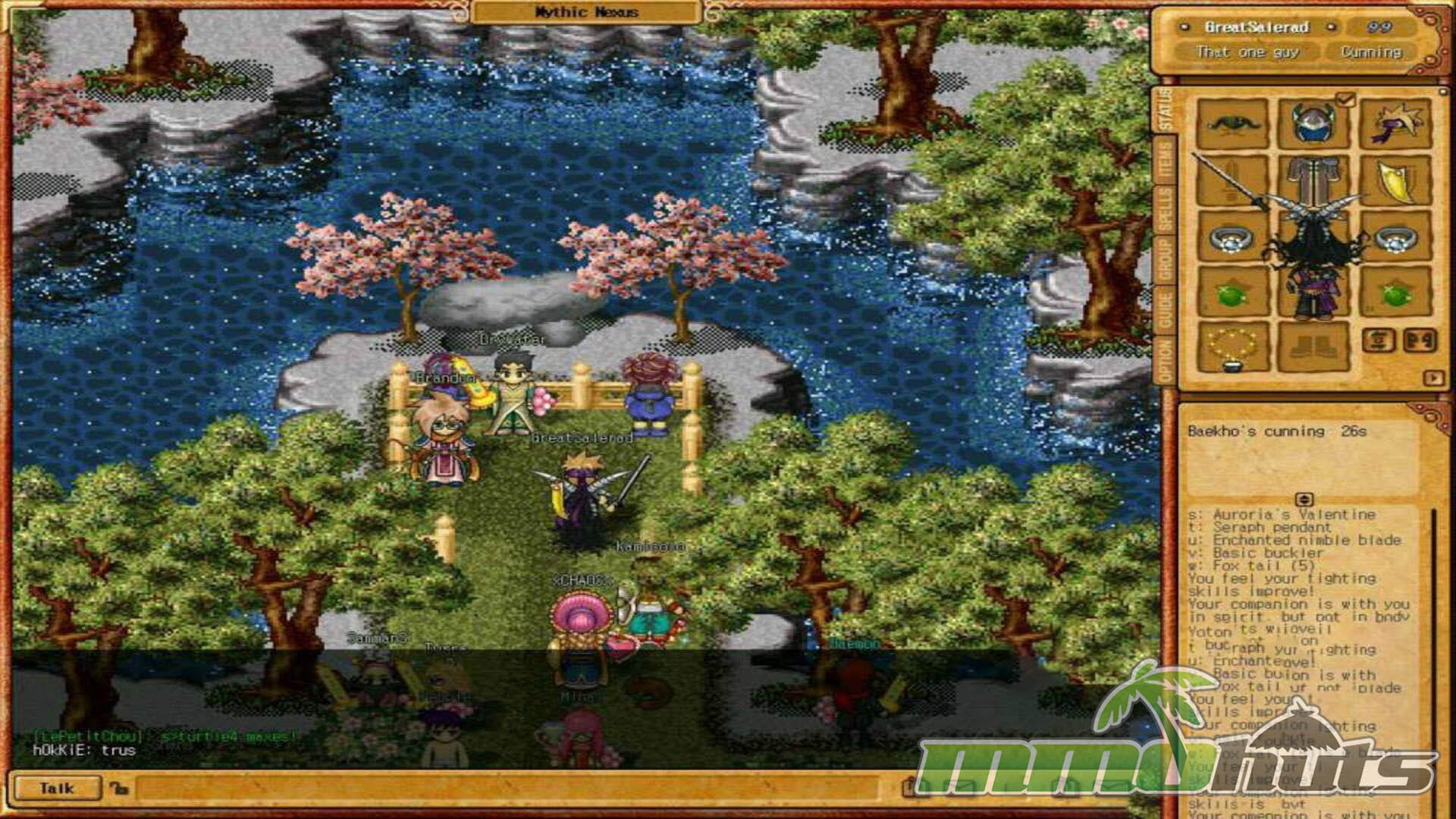
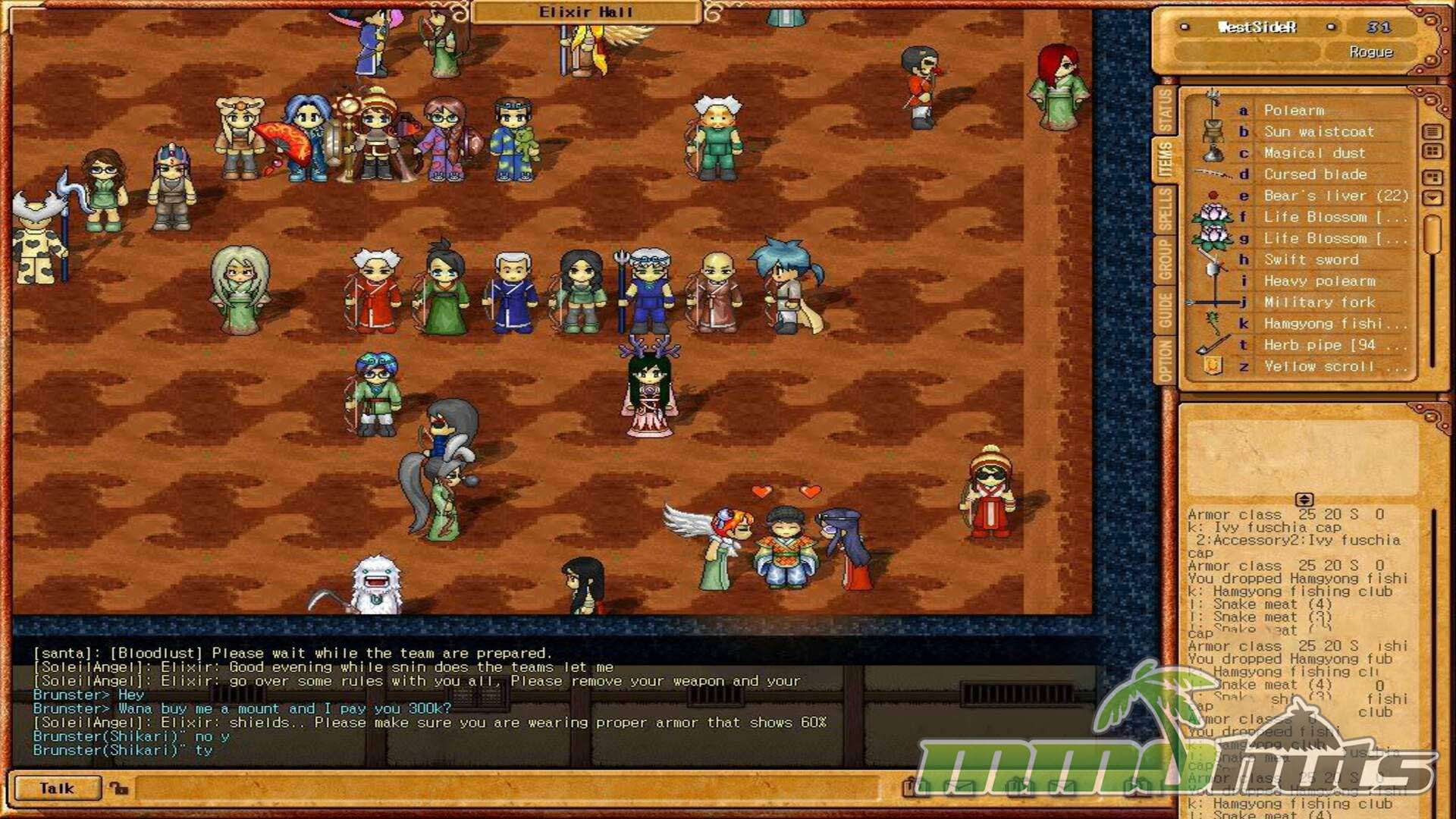
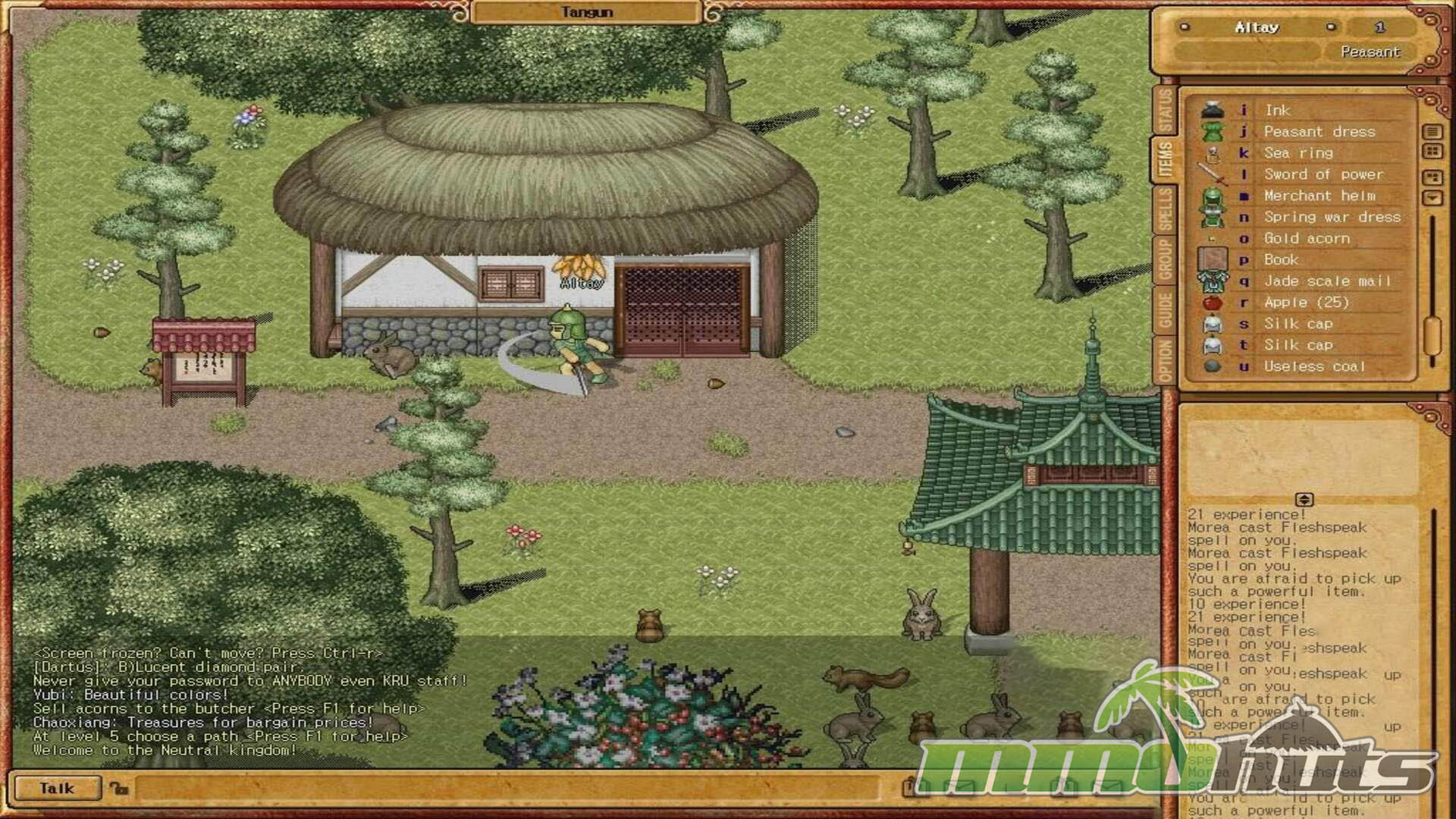
Visually, Nexus TK is pure retro MMO: 2D sprites, an isometric viewpoint, and a look that immediately signals its 1990s roots. The art style is consistent and readable, and the game’s charm comes from familiarity rather than detail. If you grew up with older PC RPGs, the aesthetic can feel comforting. If you are used to high-resolution character models and dense environments, it will feel sparse.
The interface follows the same philosophy. Menus and windows for equipment, stats, and skills are functional, but they can feel stiff and old-fashioned. The lack of modern conveniences makes routine tasks slower than they would be in newer MMOs, and the game asks you to pay attention to systems that other titles would automate. For some players, that friction is part of the appeal, for others, it is the main obstacle.
Leveling, roles, and long-term growth
Progression revolves around classic MMO loops: earn experience, improve your character’s core attributes, learn skills, and steadily upgrade equipment. Combat and advancement can be deliberate rather than fast, and the game’s pacing encourages careful play and social grouping, especially when content becomes more demanding.
Where Nexus TK stands out is the way character identity extends beyond class choice. The “path” structure and its sub-paths give players a sense of belonging and specialization, and the social layer encourages long-term commitment. The game is also known for player-run structures, including clans and class councils, which can make the world feel like it is governed by its inhabitants rather than by NPCs alone. That kind of player-driven hierarchy is rare in modern MMOs, and it is one of the strongest reasons to try Nexus TK if you enjoy roleplay, community reputation, or in-world politics.
Combat flow and PvP
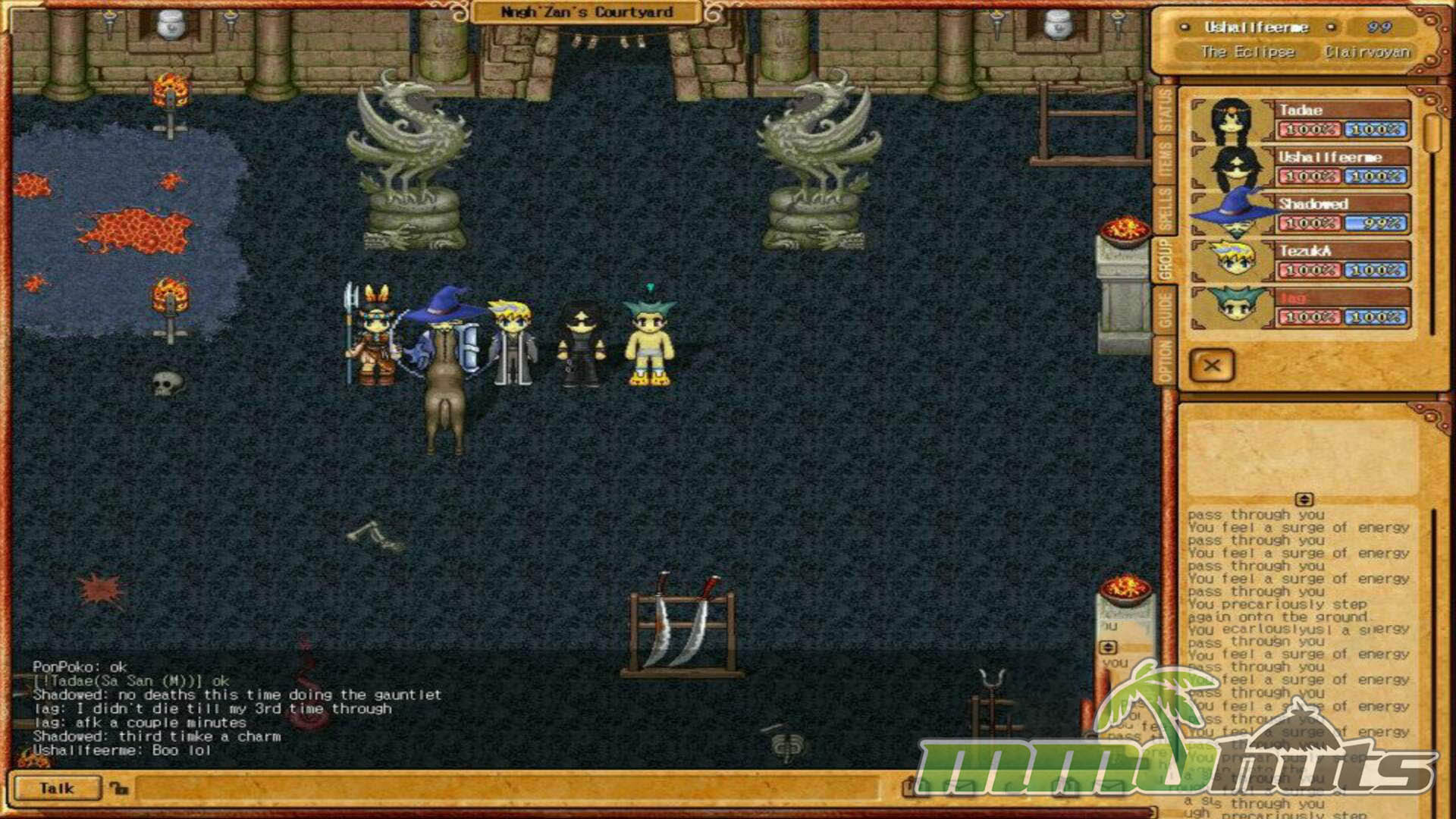
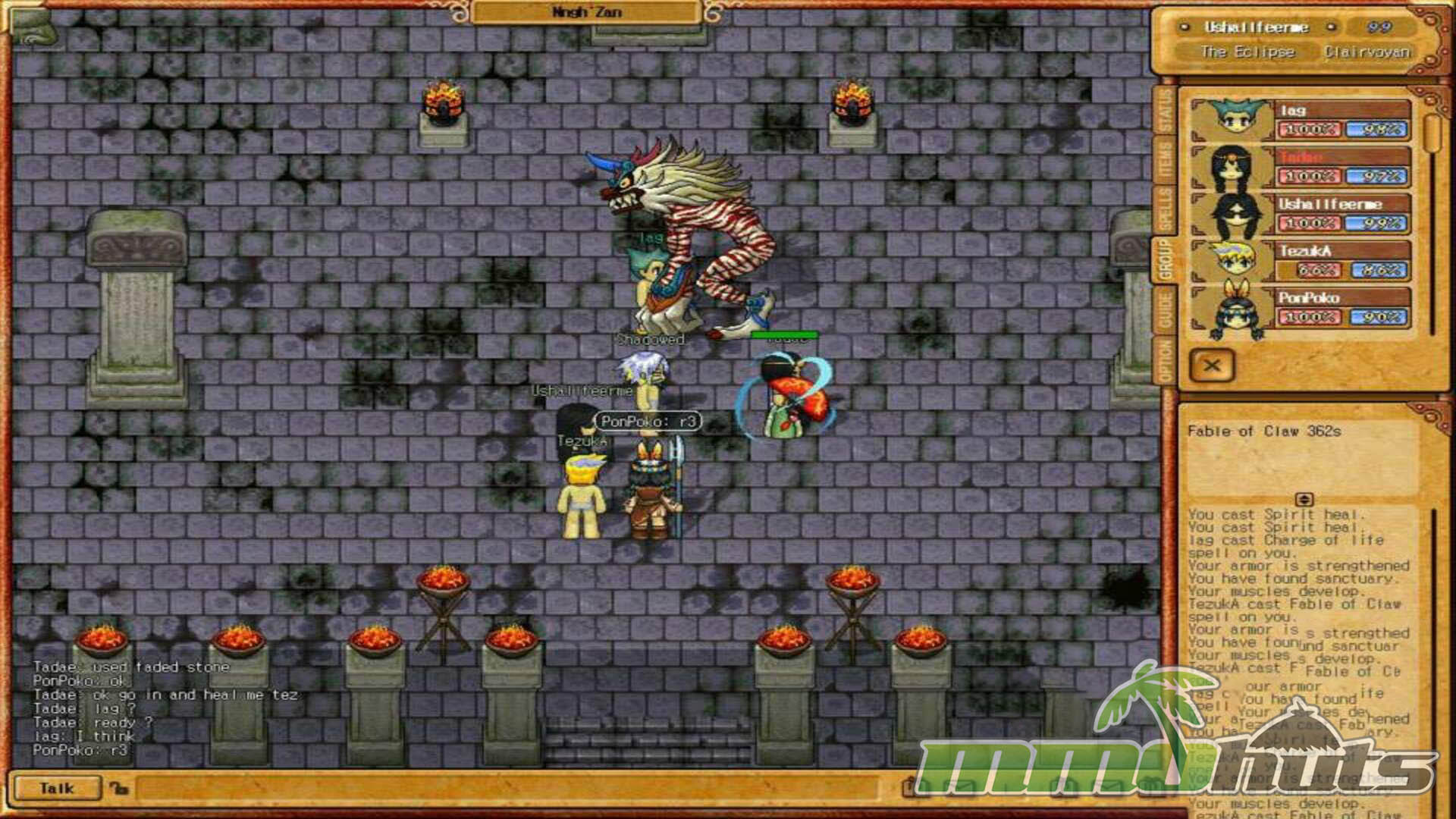
Moment-to-moment combat is straightforward, with targeting and skill use that keeps the focus on positioning, timing, and knowing your kit. It is not an action MMO in the modern sense, but it still rewards attention and coordination, especially in groups where different paths bring different tools to a fight. Encounters tend to be more about consistency and teamwork than flashy rotations.
PvP exists primarily through duels and organized events. In a smaller game like this, competitive play often becomes community-centric, with rivalries and reputations forming over time. If you enjoy structured competition within a familiar playerbase, Nexus TK can deliver memorable moments, but it is not a PvP-first sandbox with constant open conflict.
Final Verdict: Great
Nexus: The Kingdom of the Winds remains compelling because it offers a kind of MMORPG experience that is increasingly hard to find: slow-burn progression, meaningful social systems, and a world that feels shaped by the people who inhabit it. Its visuals and interface are undeniably dated, and the learning curve can be steep if you are coming from modern theme-park MMOs. It also asks for a subscription to access most of what makes the game feel “complete,” which is an important consideration after the free-to-49 trial.
For players who appreciate retro design, community-driven play, and MMO history, Nexus TK is still worth exploring. If you need modern quality-of-life features and fast onboarding, it may feel more like a museum piece than a daily game, but for the right audience, it is a surprisingly rich and social classic.
Nexus: The Kingdom of the Winds Links
Nexus The Kingdom of the Winds Official Site
Nexus The Kingdom of the Winds Wikipedia
Nexus The Kingdom of the Winds Subreddit
Nexus Atlas [News/Fan Site]
StatAddict [Databse/Fansite]
Nexus: The Kingdom of the Winds System Requirements
Minimum Requirements:
Operating System: Windows 95 / 98 / 2000 / XP
CPU: Intel Pentium 3
Video Card: DirectX 7.0 compatible card
RAM: 512 mb
Hard Disk Space: 1 GB
Nexus: The Kingdom of the Winds Music & Soundtrack
Nexus: The Kingdom of the Winds Additional Information
Developer: Nexon
Publisher: Kru Interactive
Designer: Jung-Hyup-Park
Original Art: Jin Kim
Programmers: Jung-Ju Kim, Jea-Kyung Song
Beta: 1995 (Korea), 1997 (North America)
Foreign Release:
Korea: 1996
North America: 1998
Development History / Background:
Nexus: The Kingdom of the Winds is the North American release of the Korean MMORPG Baramue Nara (often shortened to Baram). Work on the project began in 1993 at KAIST (Korean Advanced Institute of Science and Technology), and it later reached commercial release in 1996. A North American beta followed afterward, with service launching in 1998.
The game is also notable for its development lineage. One of its original developers, Jake Song, later worked on the classic Korean MMORPG Lineage. Alongside titles such as The Legend of Mir 2, these games represent some of the earliest long-running MMORPGs still available today. Even if Nexus TK never matched the worldwide impact of some peers, it remains an important early example of how persistent online worlds, player communities, and long-term character progression could work.