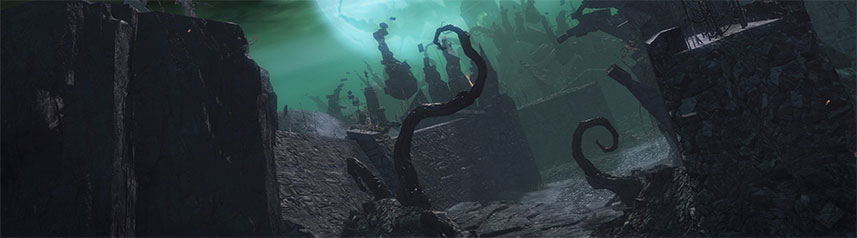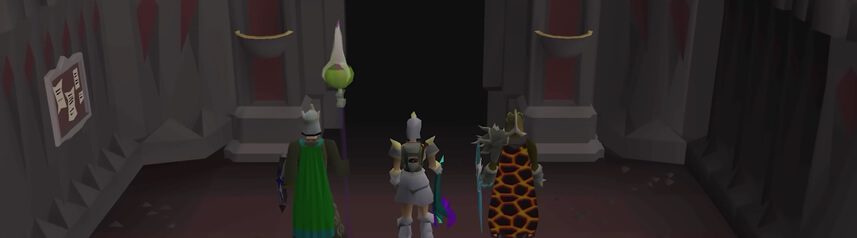
Legends of Aria is a sandbox, open world fantasy MMORPG that clearly aims for the old-school feel of classics such as Ultima Online and Runescape. Instead of pushing you through a traditional level ladder, it leans on skill use and player interaction, with housing, crafting, and community-driven play at the center. One of its most distinctive ideas was its shard system, letting players spin up their own servers with custom rules and themes. Later on, Legends of Aria rebranded into Britaria as it pivoted into a crypto MMORPG.
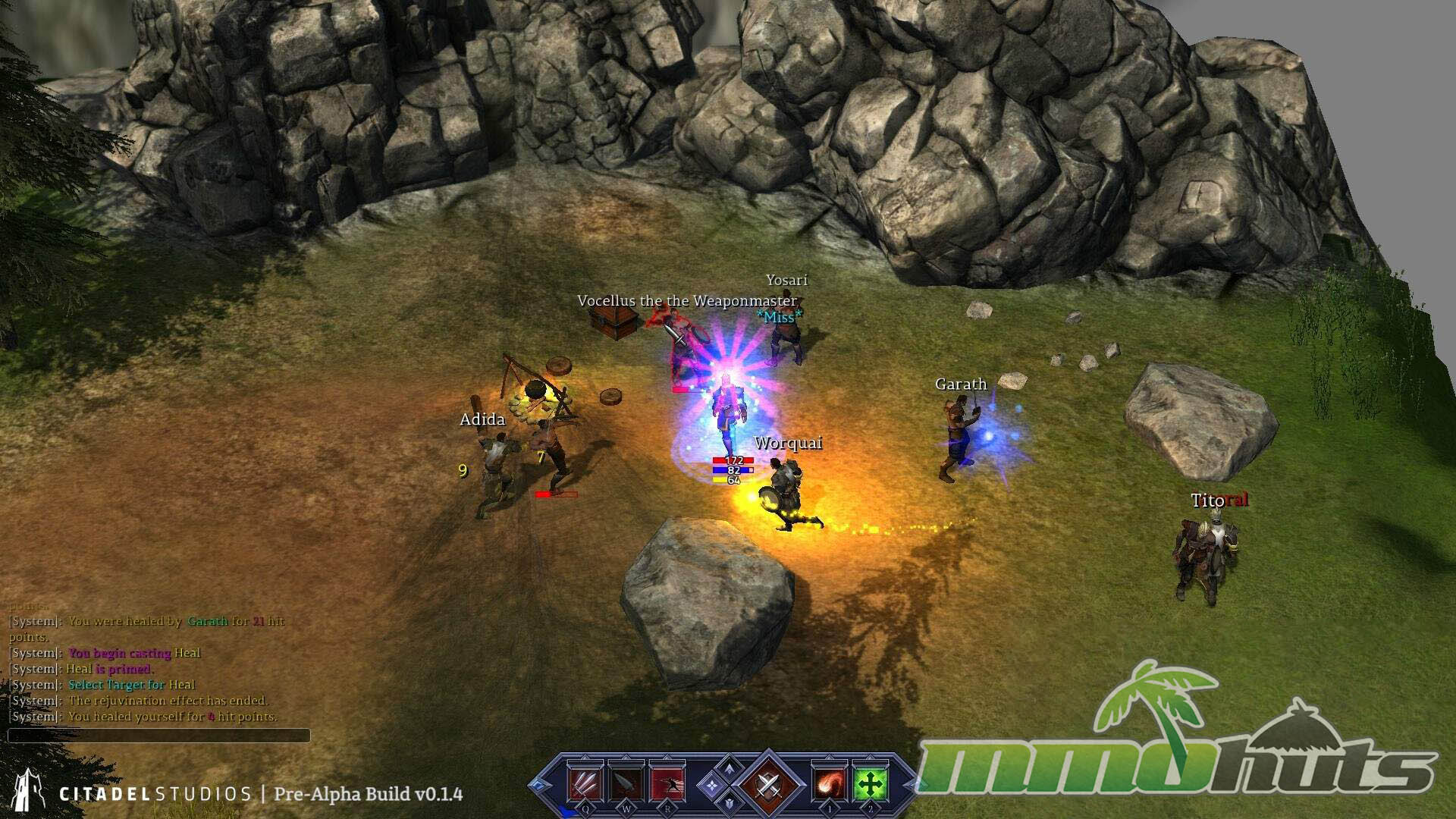 | Publisher: Citadel Studios Type: Sandbox MMORPG / Blockchain MMORPG Release Date: August, 2018 Shut Down: September 01, 2022 Pros: +Build and host your own MMO-style shards. +Strong player housing tools. +Progression is based on skills, not character levels. Cons: -Interface can feel awkward and dated. |
Legends of Aria Shut Down on September 01, 2022
Legends of Aria Overview
Legends of Aria is an open world fantasy MMORPG built around sandbox freedoms, player housing, and a practice-driven advancement model. If you come in expecting a standard MMO leveling track, the game goes in the opposite direction, character growth comes from what you do. Swinging weapons, crafting items, and using professions gradually improves those specific skills, rewarding consistent play in a particular role rather than chasing experience bars.
A major pillar of Legends of Aria was its shard concept. Instead of a single, fixed ruleset, players could join different worlds or even create their own servers with customized settings and themes. That flexibility opened the door for shards that leaned into different fantasy tones, special restrictions, or community-focused play styles. Moving between these worlds also meant the surrounding economy and crafting possibilities could change depending on what that shard supported, making the same core game feel notably different from server to server.
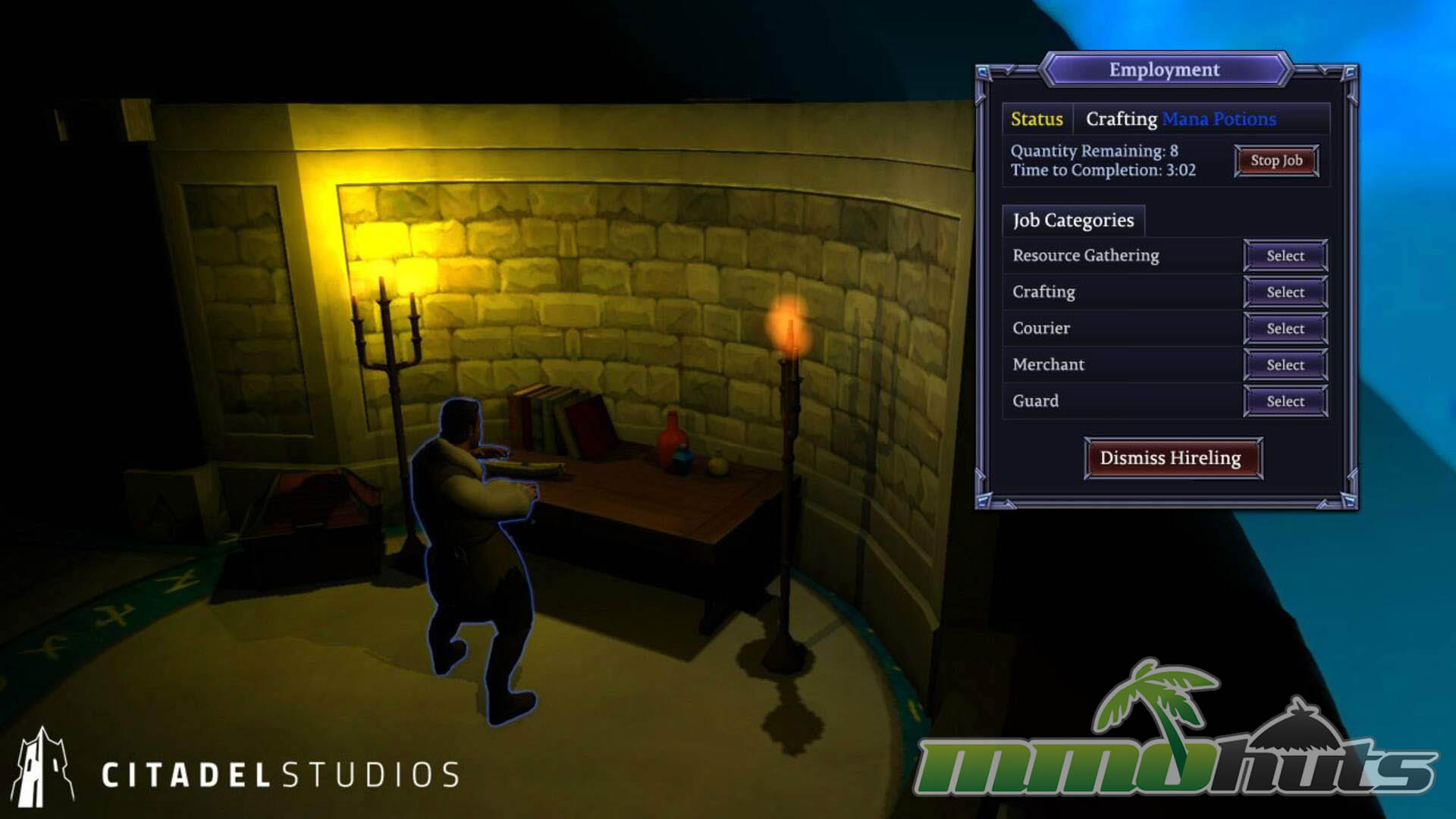
Housing also played a central role. The world offered space to claim and develop, encouraging players to settle, build, and form local communities. For players who enjoy the social side of sandbox MMOs, the combination of property ownership, crafting, and player-run commerce was intended to create long-term goals beyond combat.
Legends of Aria Key Features:
- World creation – set up your own MMO shard with custom rules and a distinct theme, whether that means classic low fantasy or something far more experimental.
- Skill-based progression – advance by repeatedly using abilities and professions, improving effectiveness and opening up additional options as skills rise.
- Crafting –recipes and item availability can vary by world, so what you make depends on the shard and its setting.
- Player Housing –claim land and build a home, shaping a personal footprint that can become a social and economic hub.
- Animal Taming –recruit creatures to accompany you, adding utility and flavor to exploration and combat.
Legends of Aria Screenshots



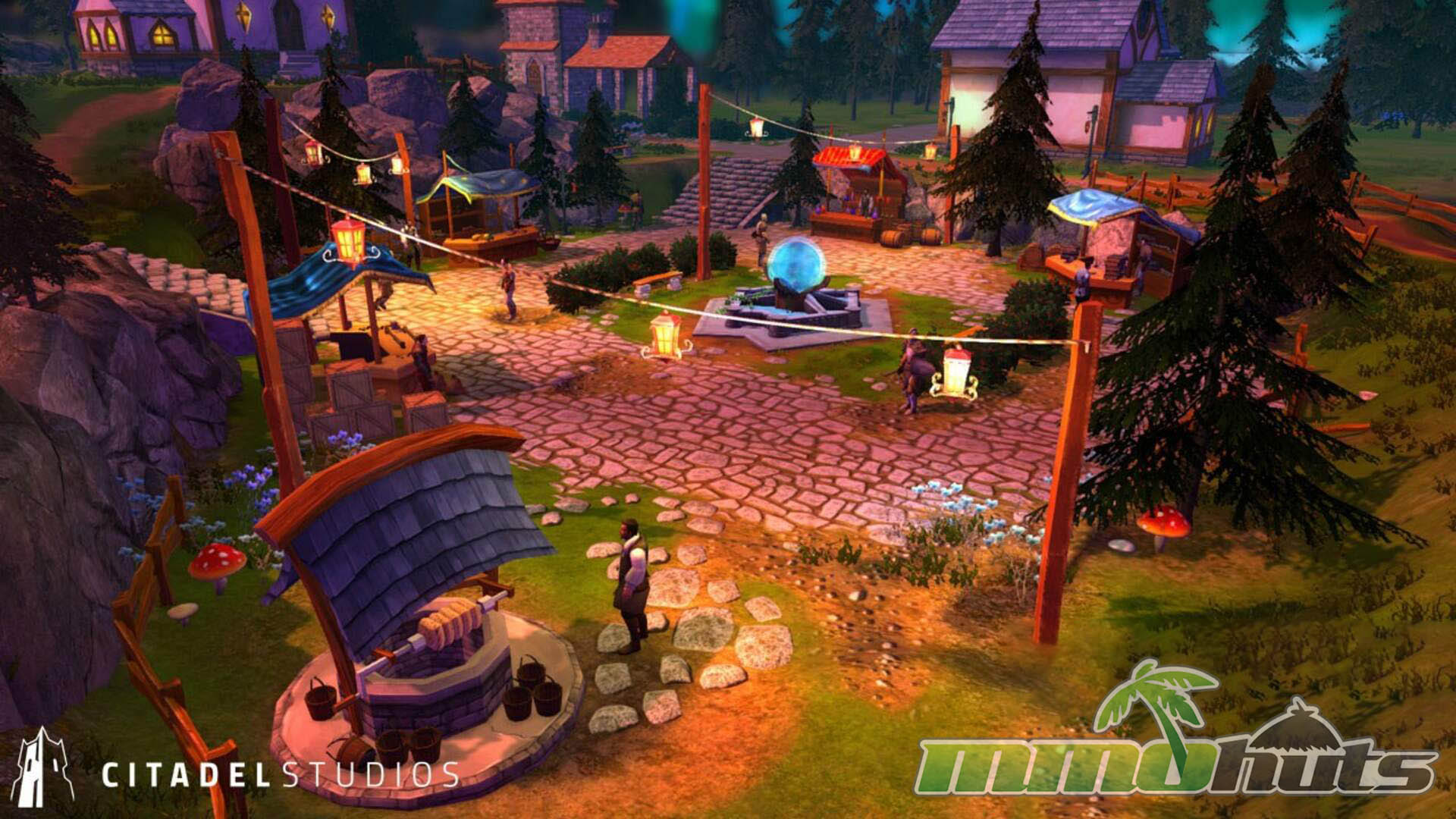


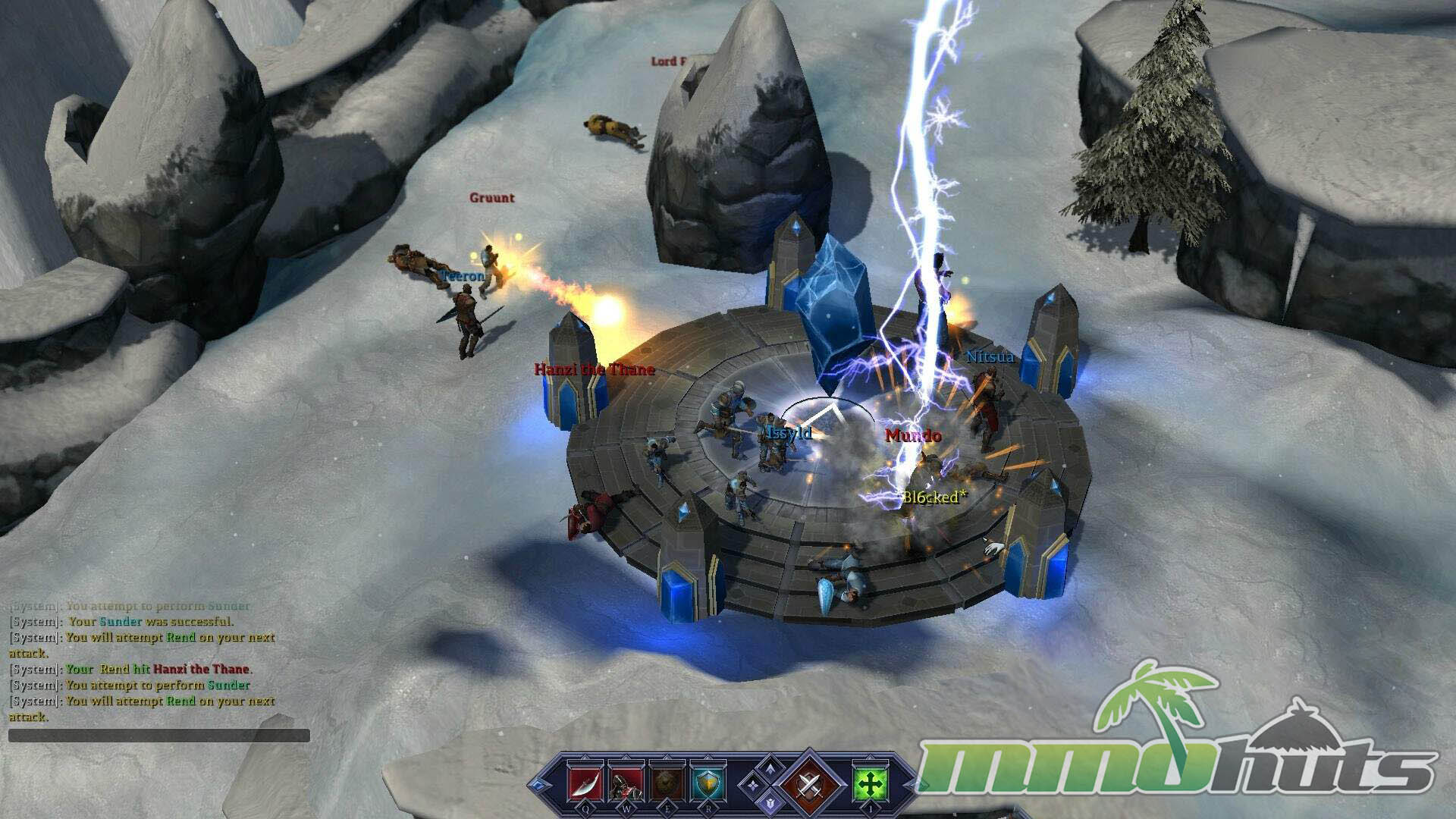
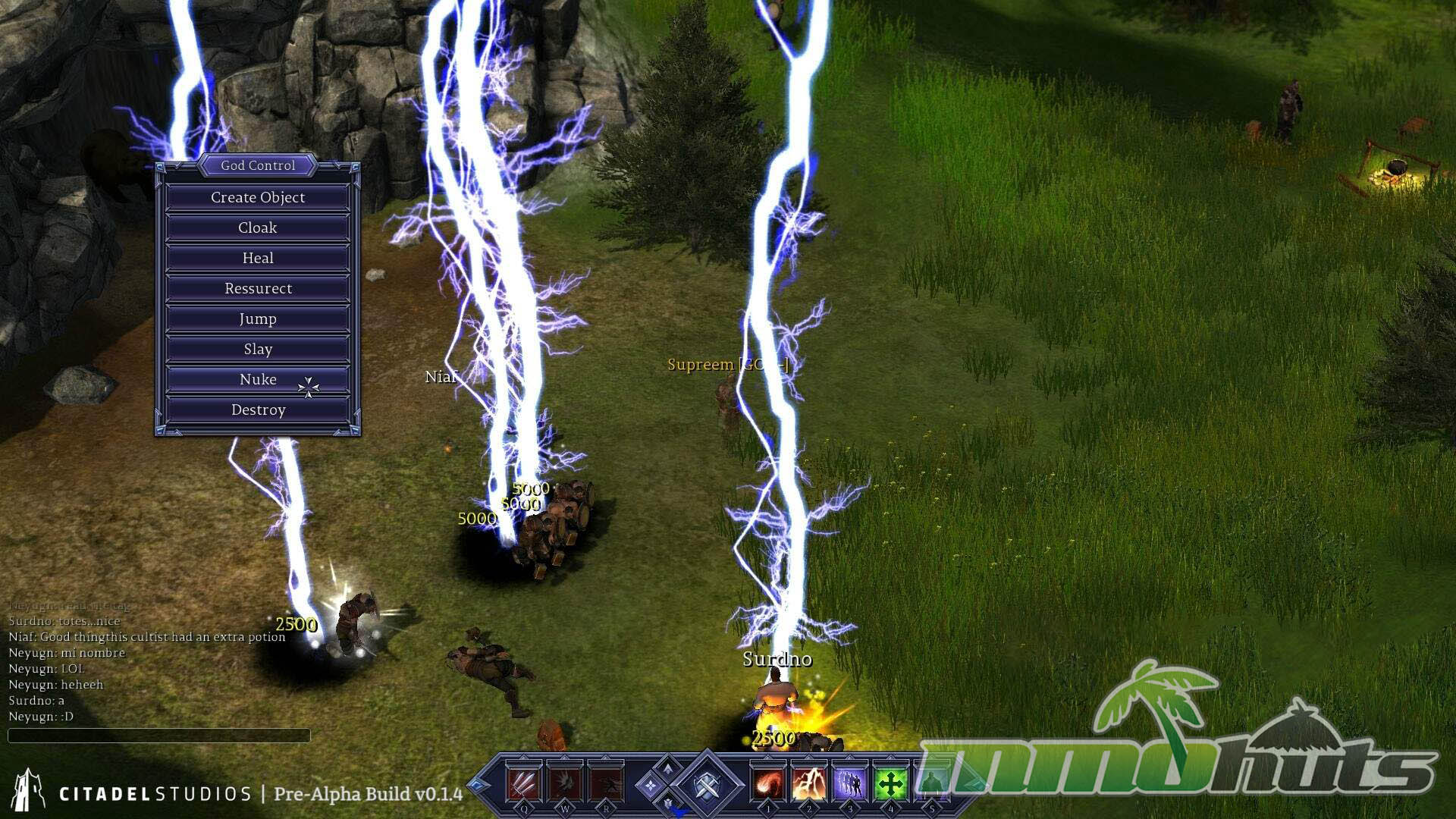
Legends of Aria Featured Video

Legends of Aria Review
Legends of Aria, developed by Citadel Studios, is the kind of MMORPG that prioritizes systems and player agency over theme park structure. It is designed to feel closer to the older sandbox era, where the world is less about curated quest chains and more about what players build, trade, and fight over. At its best, it delivers that familiar loop of venturing out for resources, returning to town to craft and sell, then investing profits into gear, skills, and property.
Exploration is one of the game’s stronger draws, largely because the world is meant to be lived in rather than simply toured. Regions have their own look and pacing, and the game encourages you to roam for practical reasons, finding materials, hunting creatures, and scouting safe routes between hubs. That sense of space pairs well with the slower, more deliberate rhythm of sandbox progression.
Progression itself is built around skill use, not character levels. This is a meaningful distinction because it shapes how you plan your character. Instead of being pushed into a narrow class track, you develop by specializing in the things you actively practice. If you spend your time with blades, your competence grows there, if you focus on gathering and crafting, those paths become your power. The upside is flexibility and experimentation, the downside is that it can feel grindy in the way older skill systems often do, especially if you are trying to broaden into multiple roles.
The shard system is the most unusual component, and it is where Legends of Aria tried to separate itself from other sandbox MMOs. The idea that players can create servers with unique rules and themes is powerful, because it allows communities to tailor the experience to their preferences. In practice, the appeal depends heavily on population and moderation, a well-run shard can feel like a living tabletop campaign, while a poorly supported one can feel empty or inconsistent. Still, as a concept, it is one of the more ambitious attempts at letting players shape the game’s identity.
Housing and construction tie directly into that sandbox fantasy. Being able to establish a home makes the world feel persistent, and it supports player-driven goals that are not strictly combat related. It also feeds into crafting and commerce, since a property can serve as storage, a crafting base, or simply a visible marker of status within a community.
The economy leans toward player interaction. With limited reliance on NPC vending, trading and crafting matter, and scarcity is often dictated by what players choose to gather and produce. When a server has enough active crafters and buyers, this can create a satisfying loop where professions feel valuable and social connections matter. When activity drops, the same design can make progression feel inconvenient, because fewer players means fewer opportunities to buy, sell, and collaborate.
Combat is functional and grounded in the same skill philosophy, encouraging you to commit to weapon types and supporting abilities rather than chasing a predefined rotation. Fights reward preparation and smart choices, but the overall feel can come across as stiff compared to more modern action MMOs. That slightly clunky presentation, especially in the interface, is one of the main barriers for new players, even if the underlying systems have depth.
On the social side, Legends of Aria supports community play through chat and player organizations (clans), and it is clearly meant to be experienced with others. Like many sandbox games, the most memorable moments tend to come from emergent situations, local rivalries, shared building projects, or economic relationships, not from scripted story beats.
Taken as a whole, Legends of Aria delivered a distinct sandbox framework with meaningful housing, skill-based character growth, and an unusually flexible server model. Its biggest strengths are the same things that make it niche, it asks players to invest in a world and community, and it does not always smooth the rough edges in presentation. It is also important to note that the game shut down on September 01, 2022, which limits its relevance today outside of historical interest and discussion of its design.
Legends of Aria Links
Legends of Aria Official Site
Legends of Aria Twitch
Legends of Aria Reddit
Legends of Aria Kickstarter
Legends of Aria System Requirements
Minimum Requirements:
Operating System: Windows 7 or newer
CPU: Core i3 2 series or higher
Video Card: DX11 Compatible Nvidia 960 / AMD 560
RAM: 8 GB
Hard Disk Space: 12 GB Space
Recommended Requirements:
Operating System: Windows 7 64-bit or newer
CPU: Core i5 3 series or higher
Video Card: DX11 Compatible Nvidia 960 / AMD 560
RAM: 8 GB
Hard Disk Space: 12 GB Space
Legends of Aria Music & Soundtrack
Coming Soon!
Legends of Aria Additional Information
Developer: Citadel Studios
Lead Developer: Derek ‘Supreem’ Brinkmann
Creative Director: Tim ‘Draconi’ Cotten
Systems Designer: Bruce ‘Logrus’ Bonnick
Game Engine: Unity
Kickstarter Launch: November 12, 2014
Pre-Alpha 1: June 2014
Pre-Alpha 2: July 14, 2015
Pre-Alpha 3: December 03, 2015
Alpha 1: January 13, 2017
Final Alpha: September 28, 2017
Closed Beta 1: January 29, 2018
Release Date: August 2018
Shut Down: September 01, 2022
Development History / Background:
Legends of Aria was created by independent studio Citadel Studios and first drew major attention through its Kickstarter campaign, which launched on November 12, 2014 and concluded on December 12, 2014. The project passed the $100,000 mark and later received MMOGames.com’s “Best Kickstarter MMO” of 2014. Citadel Studios CEO Derek Brinkmann previously worked as lead engineer on Ultima Online beginning in 2006, a background that helps explain the game’s strong sandbox influences.
Following early fundraising, the project moved through multiple testing milestones. Pre-Alpha 2 began on July 14, 2015, with another backer-focused testing stage starting on December 03, 2015. The game originally operated under the name Shards Online before switching to Legends of Aria in March, 2017. After progressing through alpha and closed beta phases, the game reached release in August 2018, and it was ultimately shut down on September 01, 2022.