League of Legends (LoL) is a competitive, fantasy-flavored MOBA built around fast decisions, team coordination, and deep champion mastery. Even years after launch, it remains a defining title for the genre, largely thanks to its enormous roster of champions (120+) and a constant flow of seasonal updates that keep the meta moving.
 | Publisher: Riot Games Playerbase: High Type: MOBA Release Date: Oct 27, 2009 Pros: +Massive champion lineup (161+). +Established, high-profile esports ecosystem. +Generally strong balance for a live game. +Runes and Masteries add meaningful build variety. +Enjoyable whether you play casually or competitively. Cons: -Many champions require unlocking (new releases can be expensive). -New players can run into smurfs and uneven matchmaking. -Chat culture can be hostile. |

League of Legends Overview
League of Legends is among the earliest stand-alone multiplayer online battle arena games to break out from the Warcraft 3 custom-map era, taking inspiration from the hugely influential Defense of the Ancients. While many competitors have entered the space since 2009, LoL has held onto the top spot in popularity for years. At the time these figures were reported, Riot cited over 67 million monthly active users, a number that reflects just how wide the game’s reach became.
At its core, LoL blends real-time strategy pacing with RPG-style character kits and item builds. Two teams of five fight across a symmetrical battlefield, aiming to tear down defenses and ultimately destroy the enemy team’s central structure, the Nexus. Match length varies, but a typical game lands around 35 to 45 minutes, with some going significantly longer when both teams stall and trade objectives.
A major reason League stays relevant is volume and variety. With 161+ champions available and big seasonal shakeups, the game rarely feels frozen in place. It is also approachable in the sense that the win condition is easy to understand, but the execution (wave control, vision, rotations, objective timing, and teamfight coordination) can take a long time to truly master. For players who want measurable progression, ranked play offers a climb through familiar divisions: Bronze, Silver, Gold, Platinum, Diamond, Master, and Challenger.
League of Legends Key Features
- Distinct Champion Roster – over 161 champions, supported by a large selection of skins and sharply different play patterns.
- Build Personalization – runes and masteries let you tune stats and bonuses to better fit a champion or matchup.
- Structured Ranked Competition – a long-running ladder with seasonal rewards for competitive players.
- Polished Presentation – a clean, readable MOBA look paired with strong music and sound design.
- Enormous Community – a huge audience that follows patches, pro play, and Riot’s ongoing development, with global monthly activity reaching 100M+.
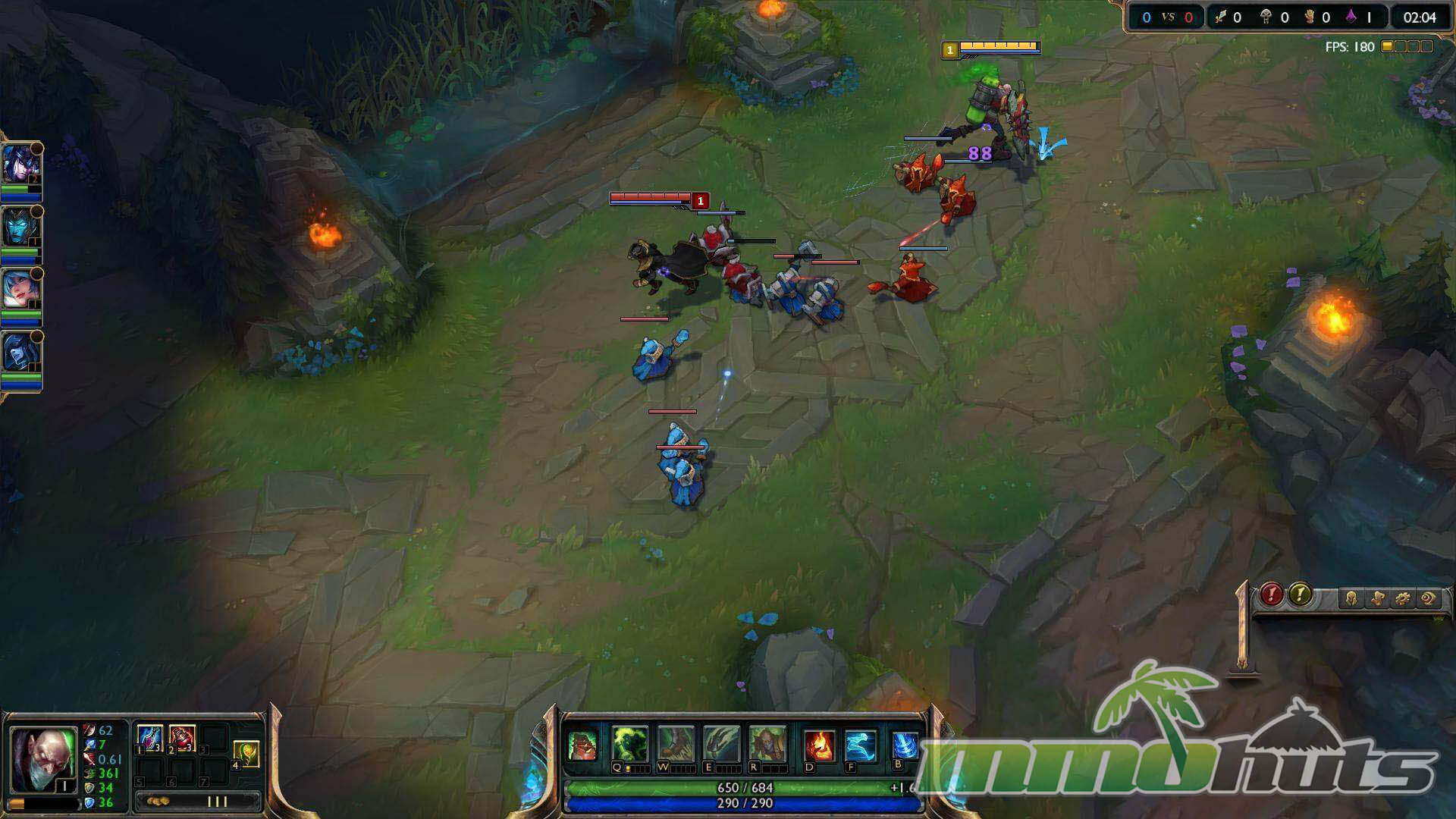
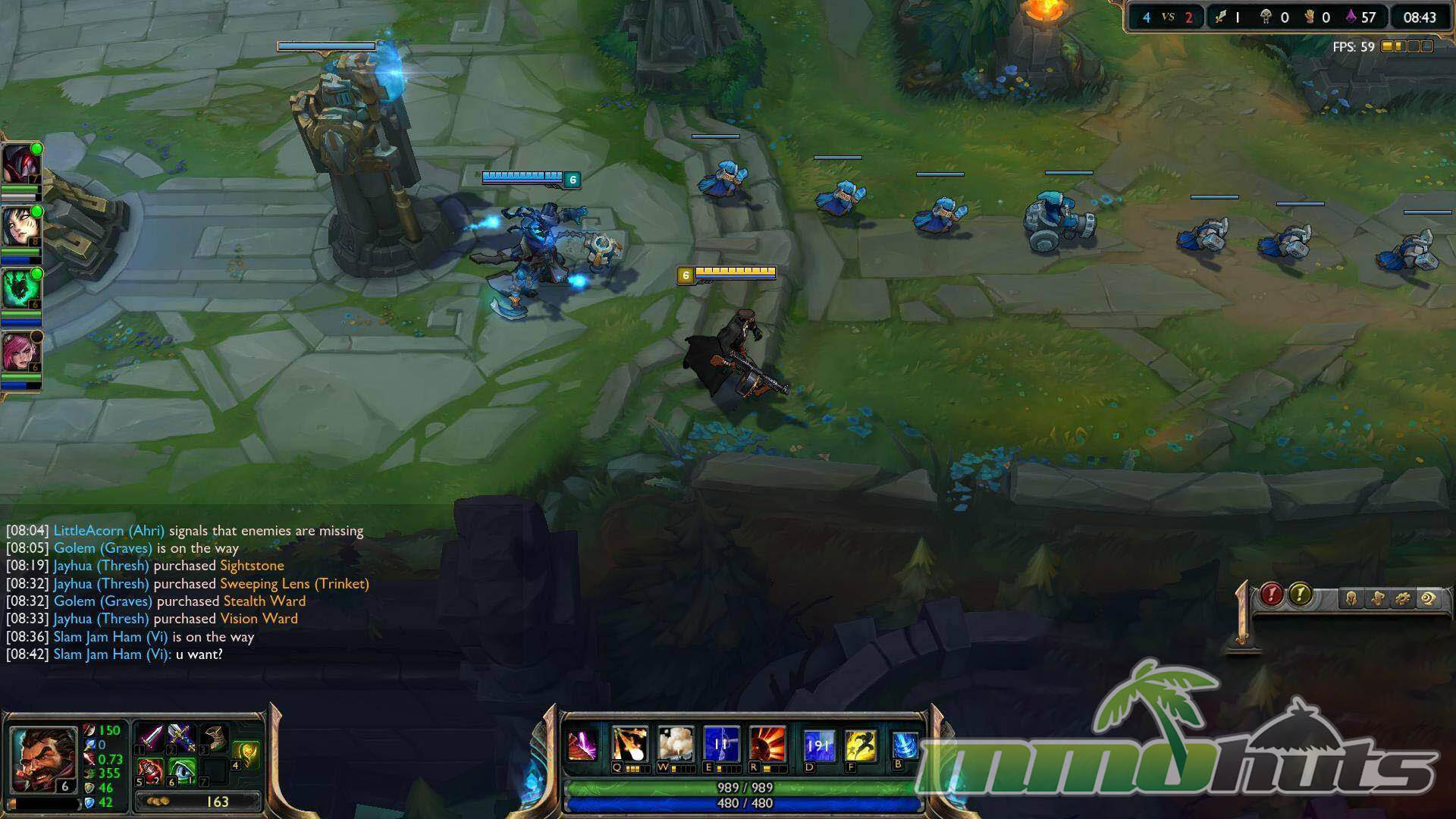
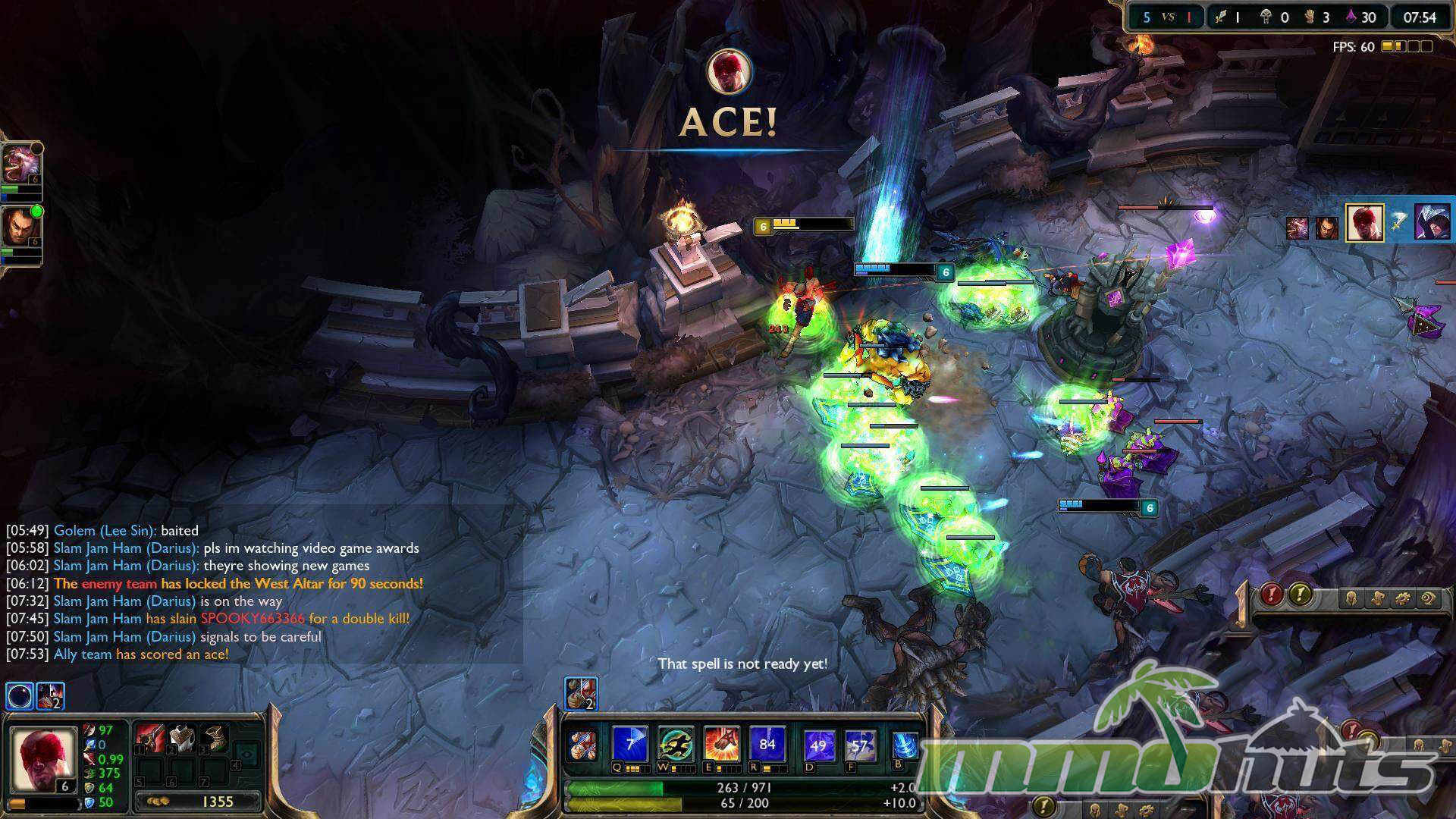
League of Legends Screenshots

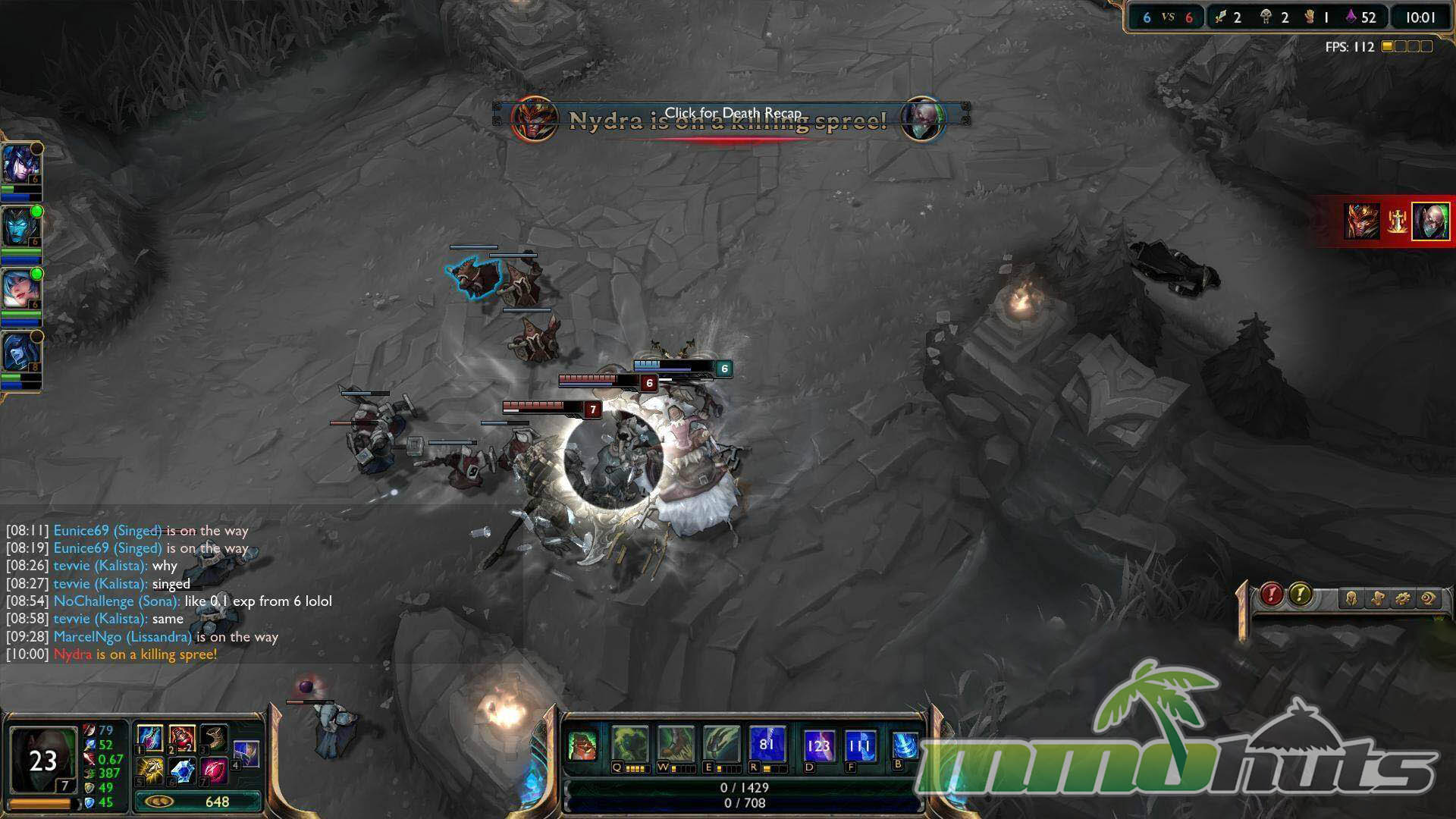
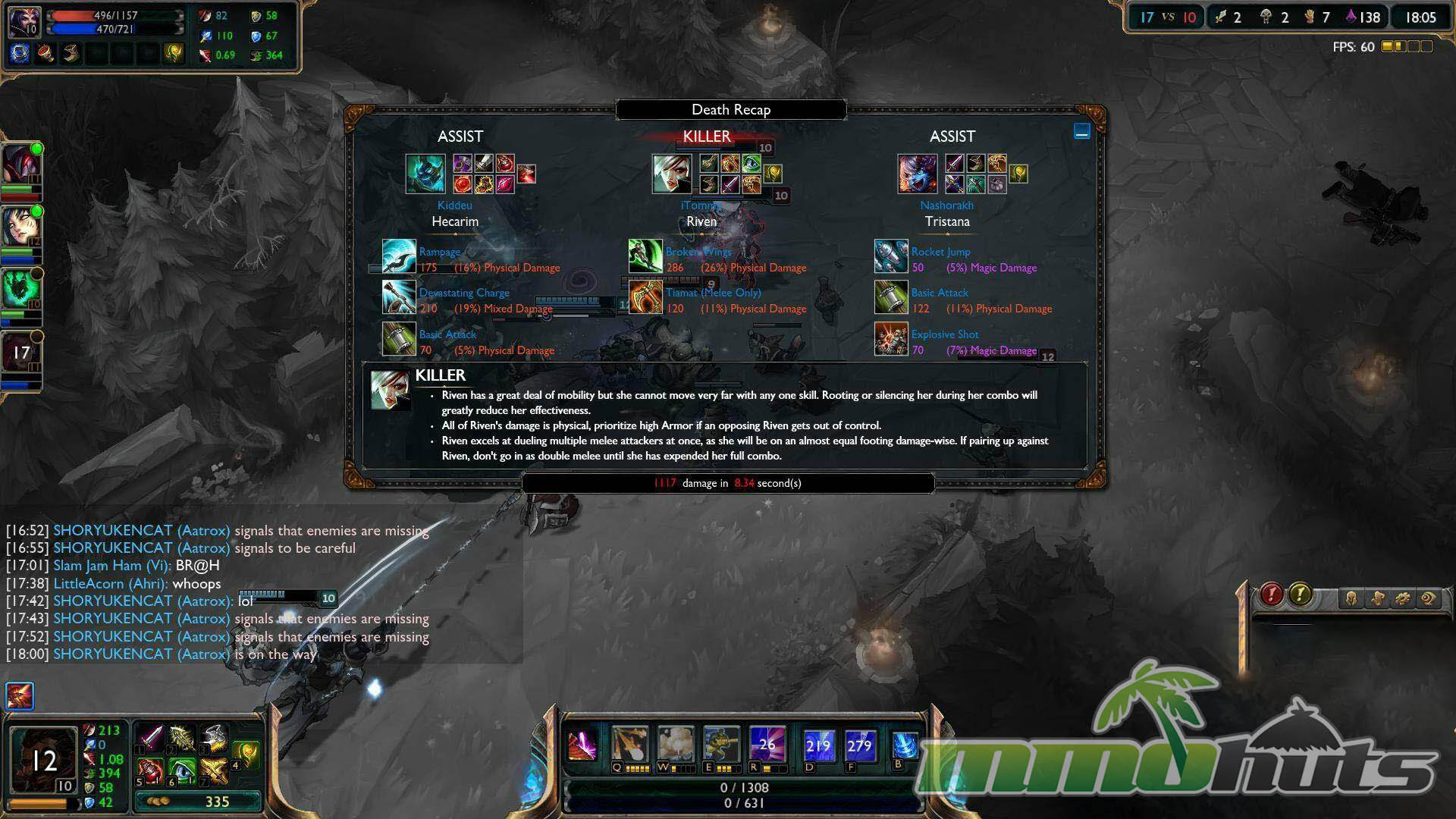
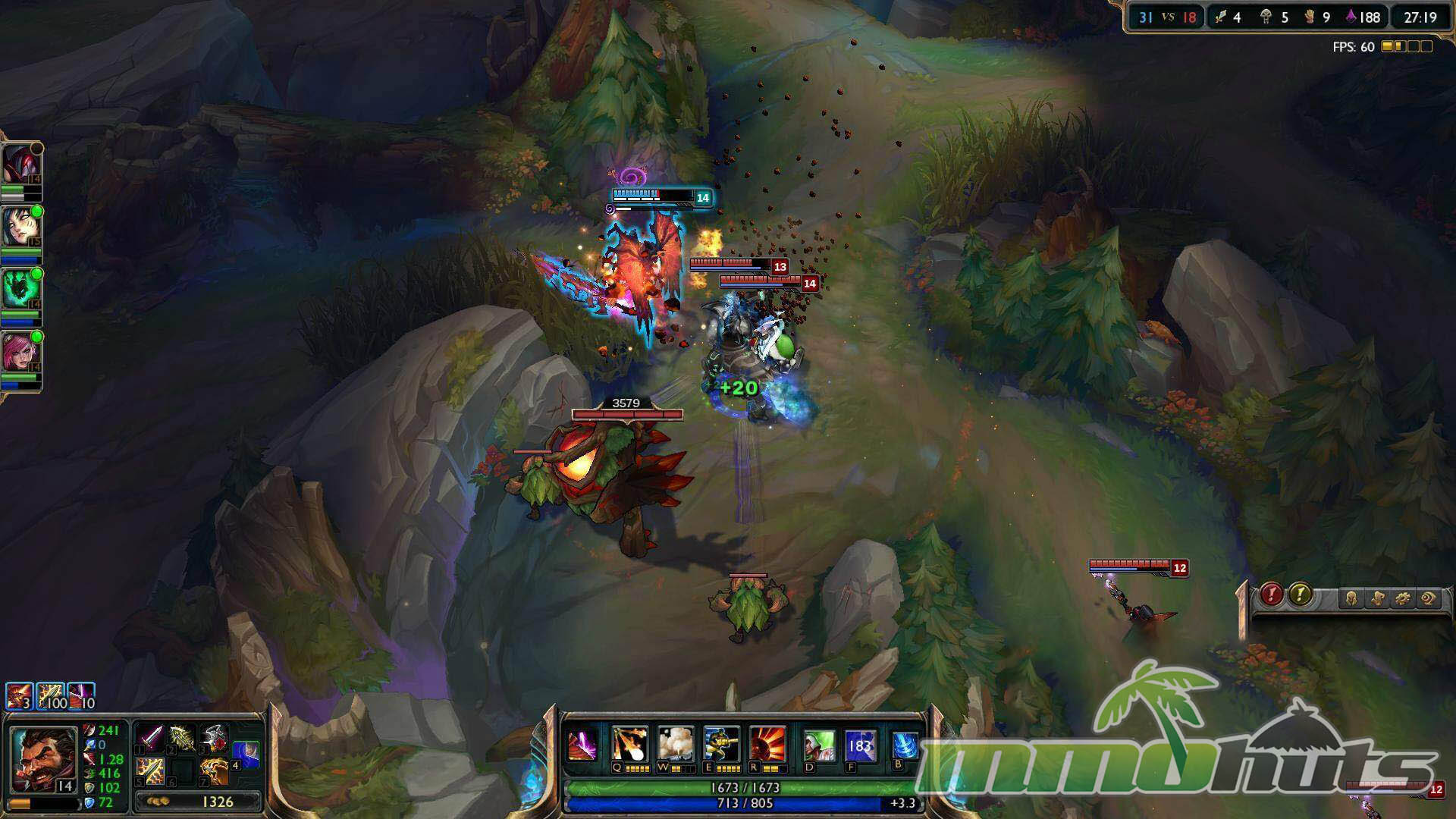
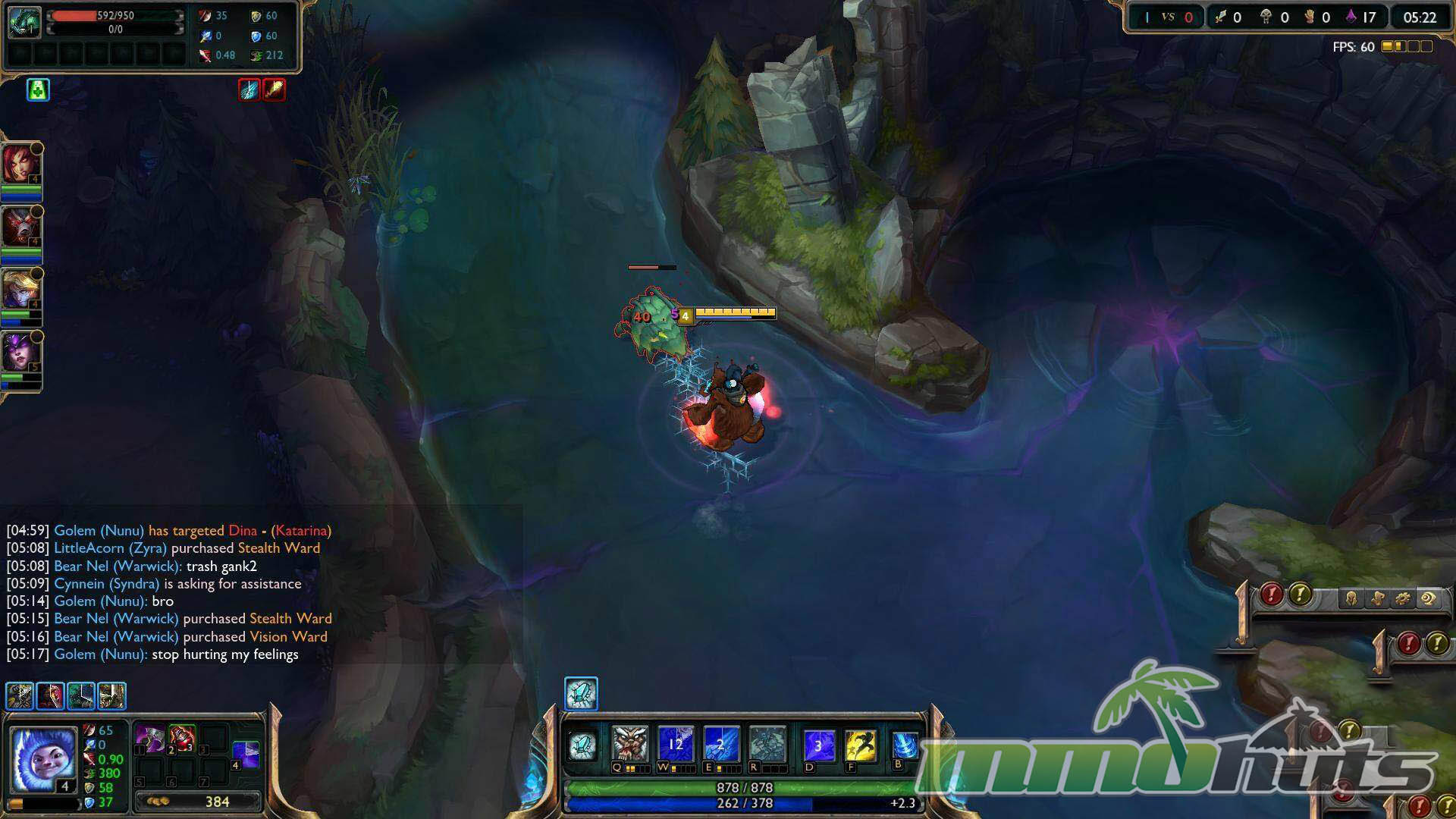
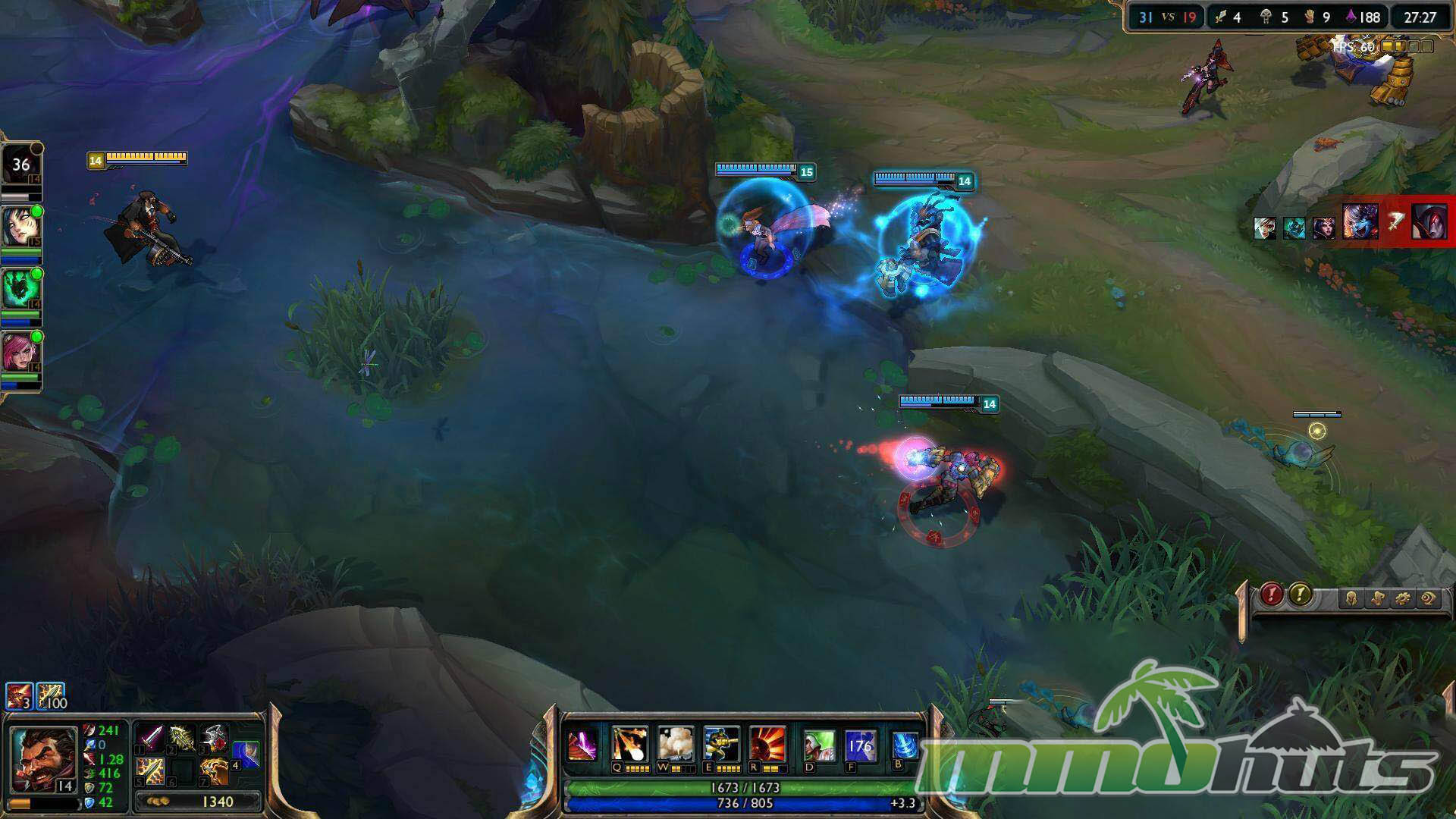
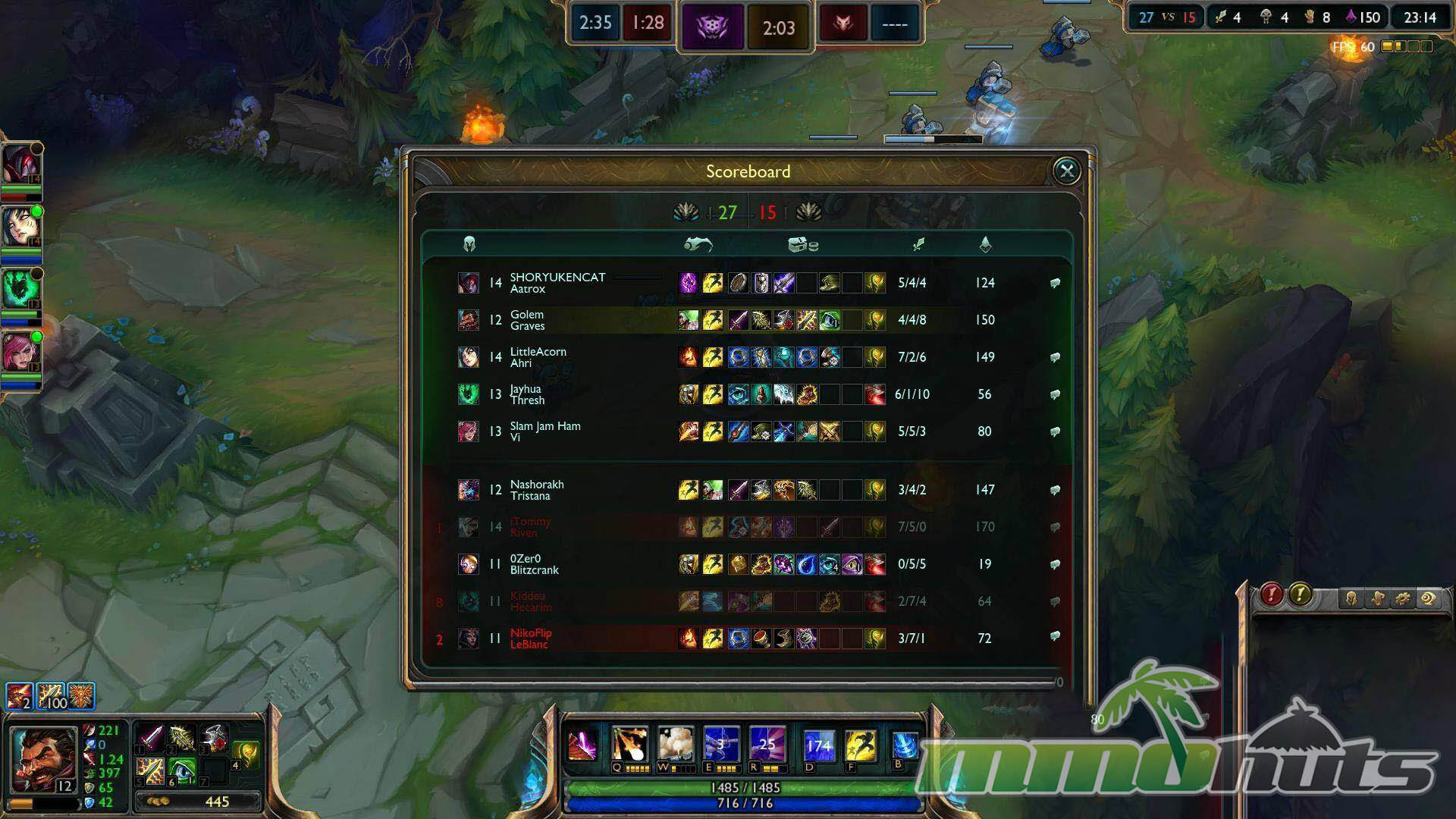
League of Legends Featured Video

League of Legends Review
League of Legends is Riot Games’ free-to-play flagship MOBA, first released on October 27, 2009. Although its roots clearly trace back to the DotA mod lineage, the game has long since established its own identity through a steady cadence of updates, a massive champion ecosystem, and one of the most visible competitive scenes in PC gaming. Over the years, it has collected major industry recognition, including Golden Joystick awards such as Online Game of the Year and Best Free-To-Play Game. Riot also reported that LoL had over 67 million monthly active players as of early 2014, a scale few online games ever reach.
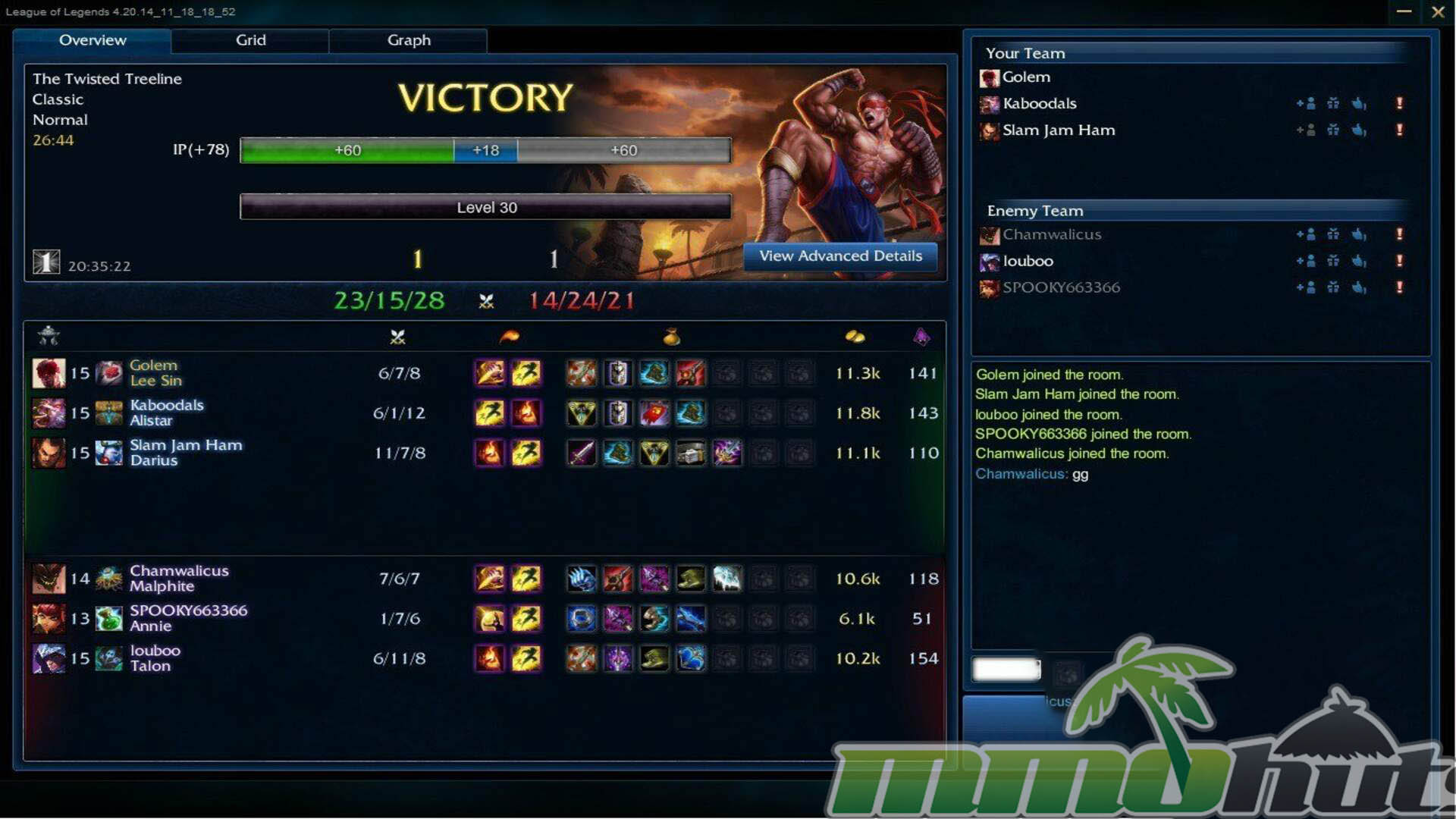
What keeps an older MOBA relevant in a crowded genre comes down to live support. Riot’s focus on League as its core product has historically translated into frequent patches that introduce champions, skins, balance passes, item changes, rotating modes, and maintenance fixes. The game also received two major visual updates, with the most recent one entering open beta for all queues on November 8, 2014. As with most MOBAs, the rules of engagement are never completely settled, and that constant motion is a big part of why players keep returning. League’s commercial success (reported at roughly $1 billion in revenue in 2014) also helps fund continued development and a professional esports ecosystem that Riot has supported even when it is costly to run.
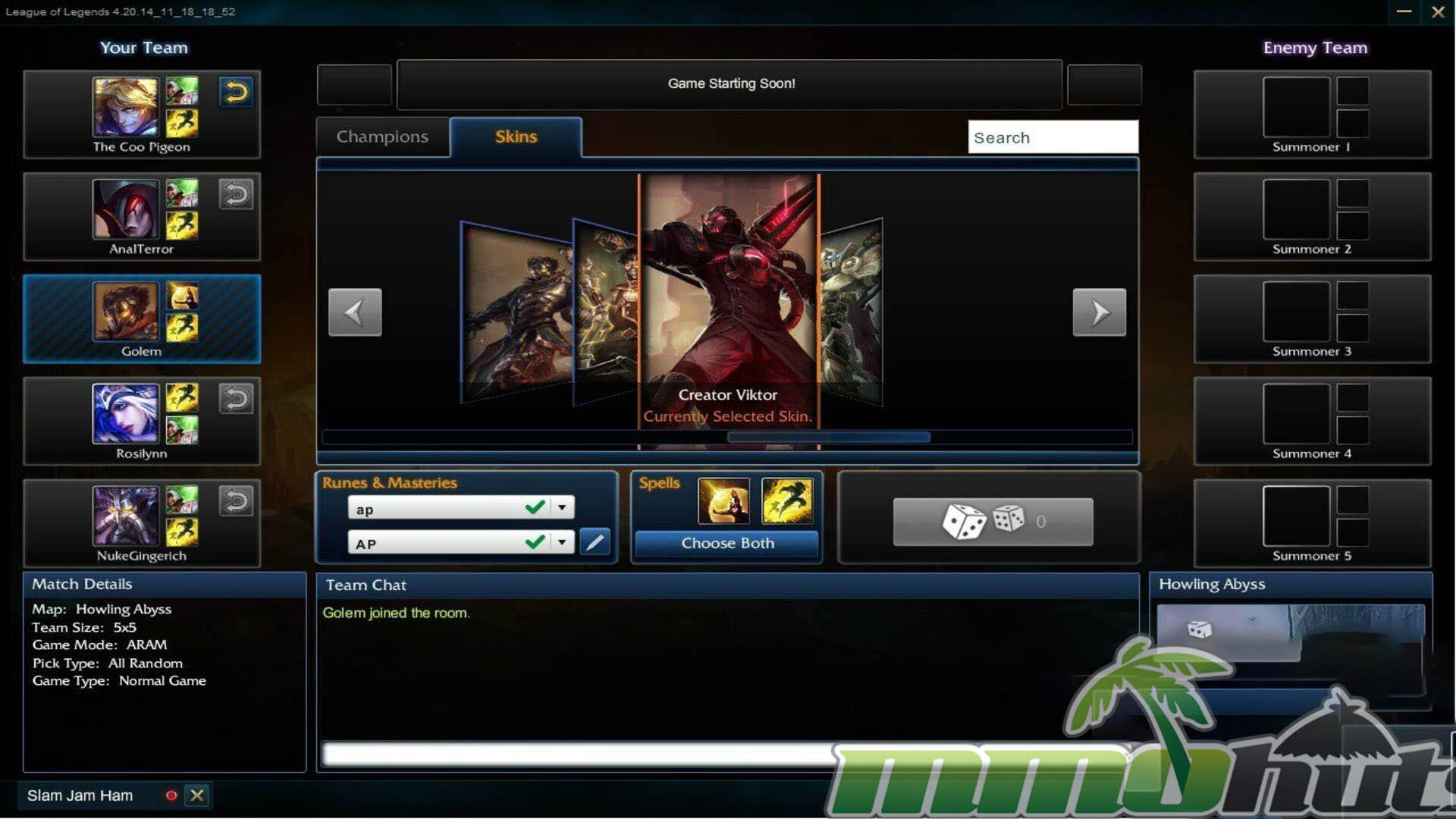
Game Modes:
League of Legends organizes its maps under three broad mode categories. Classic covers the traditional lane-based MOBA format (available in 5v5 on Summoner’s Rift and 3v3 on Twisted Treeline). Dominion is a 5v5 mode on the Crystal Scar built around capturing and holding points. ARAM is another 5v5 option, played on the single-lane Howling Abyss, with randomized champions.
Classic is the baseline experience and the version most players think of when they say “League.” Teams manage lanes, take towers, and push toward the enemy Nexus. Dominion shifts the focus toward mobility and map control, using a circular layout with capture points that must be contested and defended. ARAM compresses the action into a constant brawl on one lane, and adds constraints like limited access to shopping and healing.
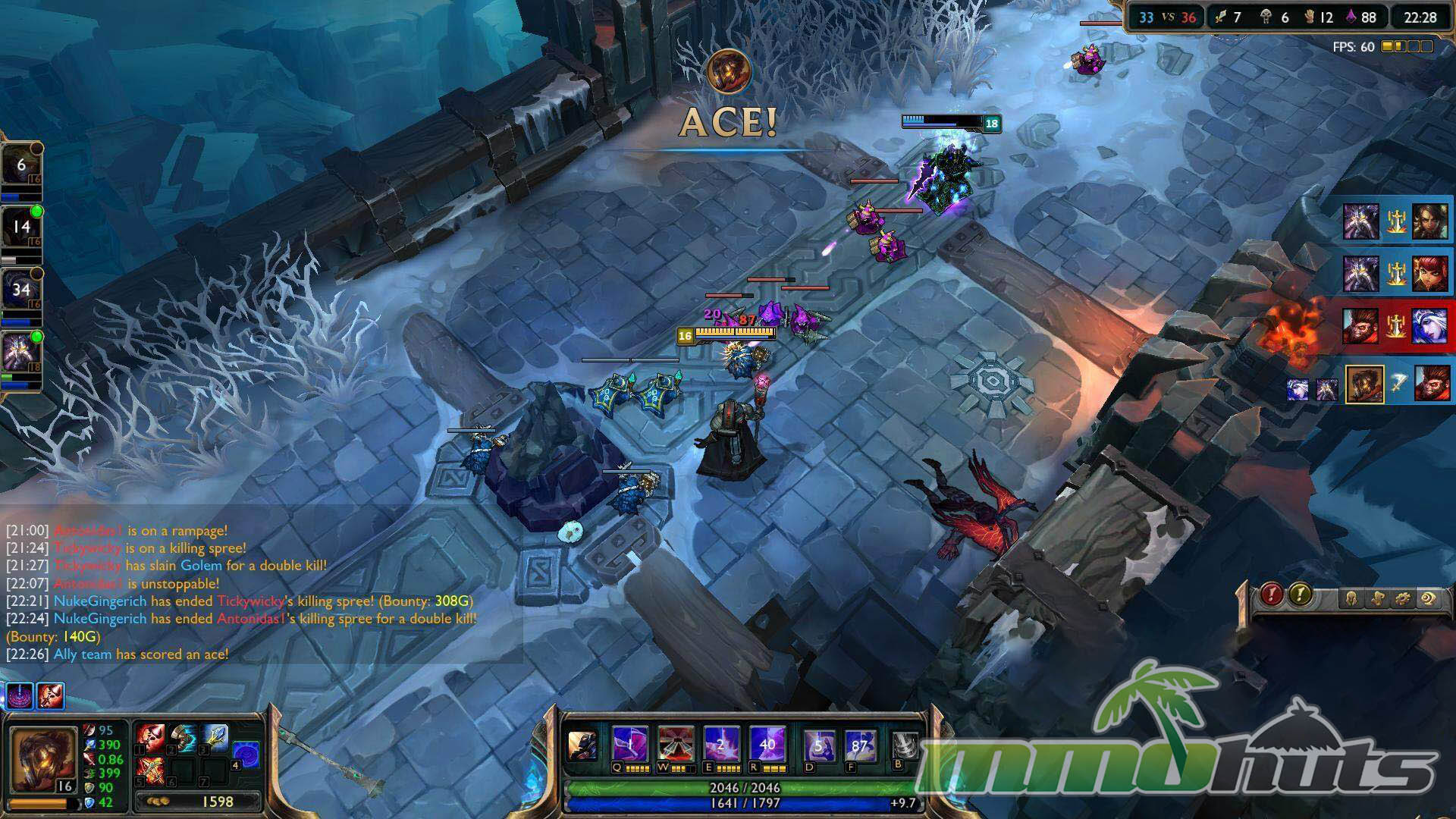
Classic and Dominion can be played as PvP or as Co-op vs. AI. PvP queues tend to be the main attraction, but bot matches still serve a purpose, especially for learning controls, testing champions, or simply playing a lower-pressure session. That said, players who spend most of their early time against bots can find the jump to PvP jarring, since human opponents punish positioning and timing far more aggressively.
Custom games round out the offering, useful for organized groups, small tournaments, or community rulesets that do not fit standard matchmaking.
Riot has also experimented with limited-time featured modes during events, typically designed as playful variants rather than permanent pillars. Examples include Ultra Rapid Fire (a chaotic, low-cooldown ruleset) and Ascension, released alongside lore-focused promotion and a new champion.

Game Play
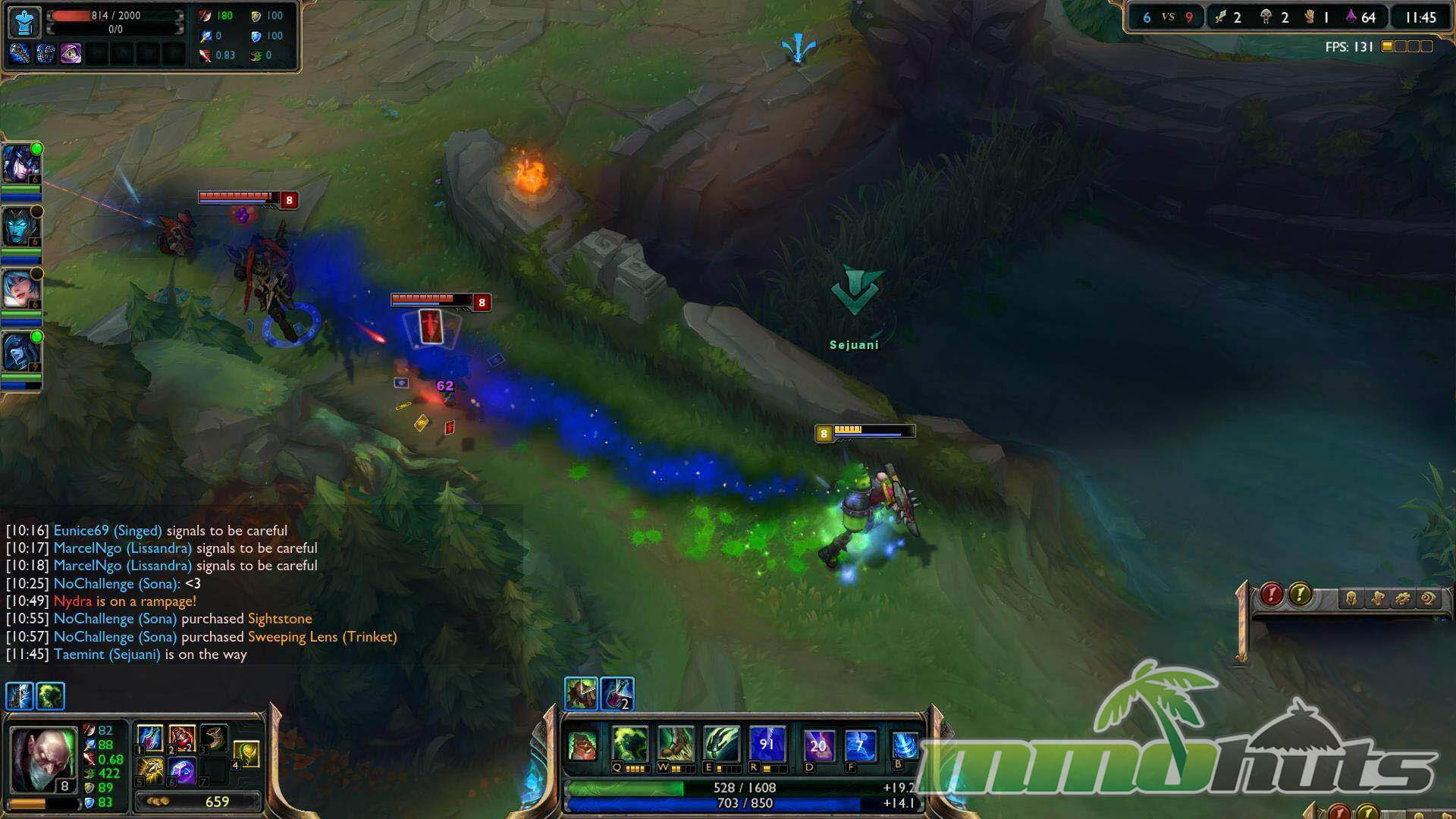
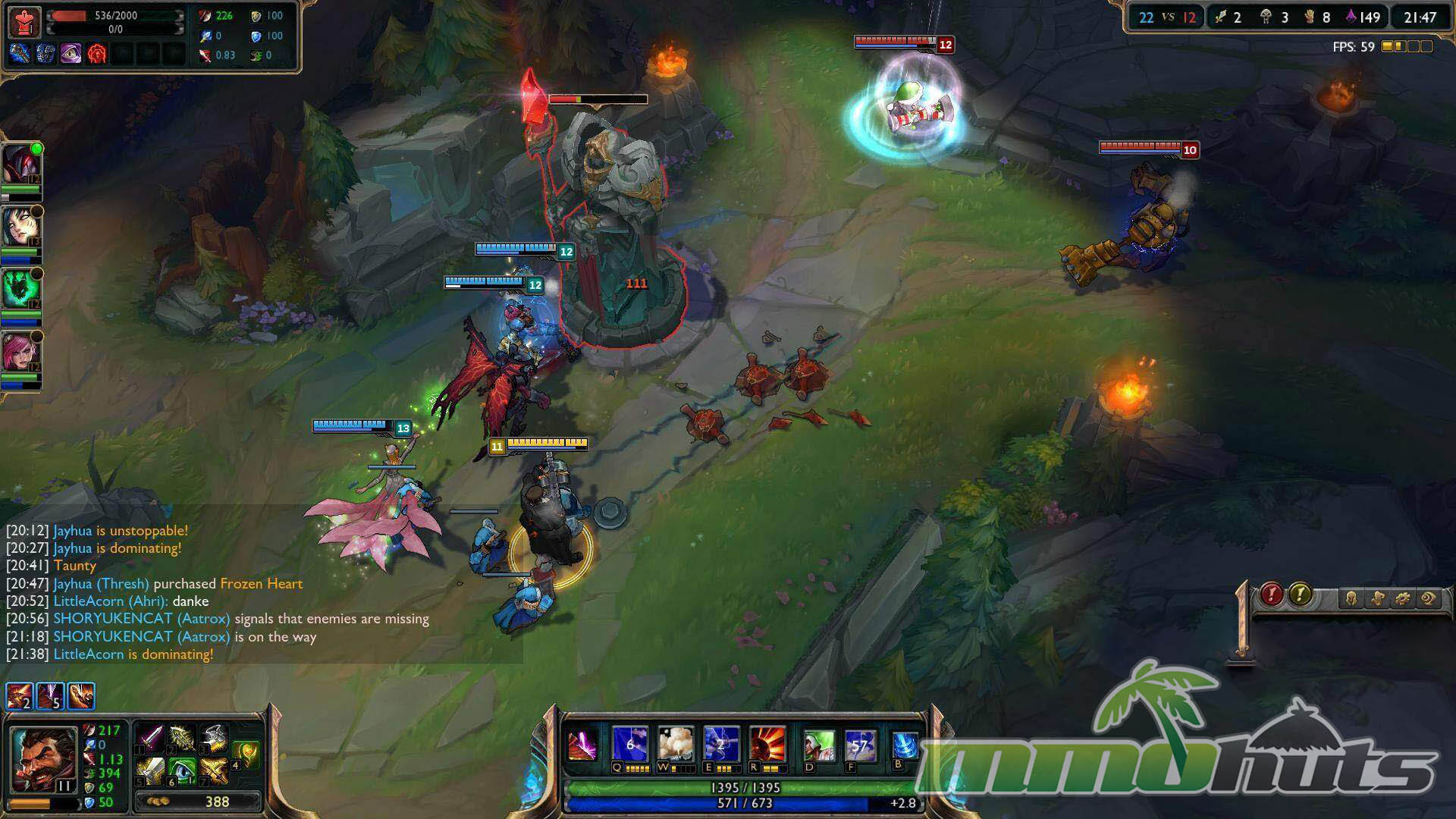
Compared with DotA, League is often seen as easier to read moment-to-moment, partly because certain mechanics (like denying your own minions) are absent. The flow is still classic MOBA: early laning to earn gold and experience, mid-game rotations and skirmishes as outer structures fall, then decisive teamfights and objective control around major neutral monsters. Killing enemy champions accelerates your team’s economy and tempo, and while opponents do not drop gold on death the way they can in some other MOBAs, the time lost and map pressure gained still matter enormously.
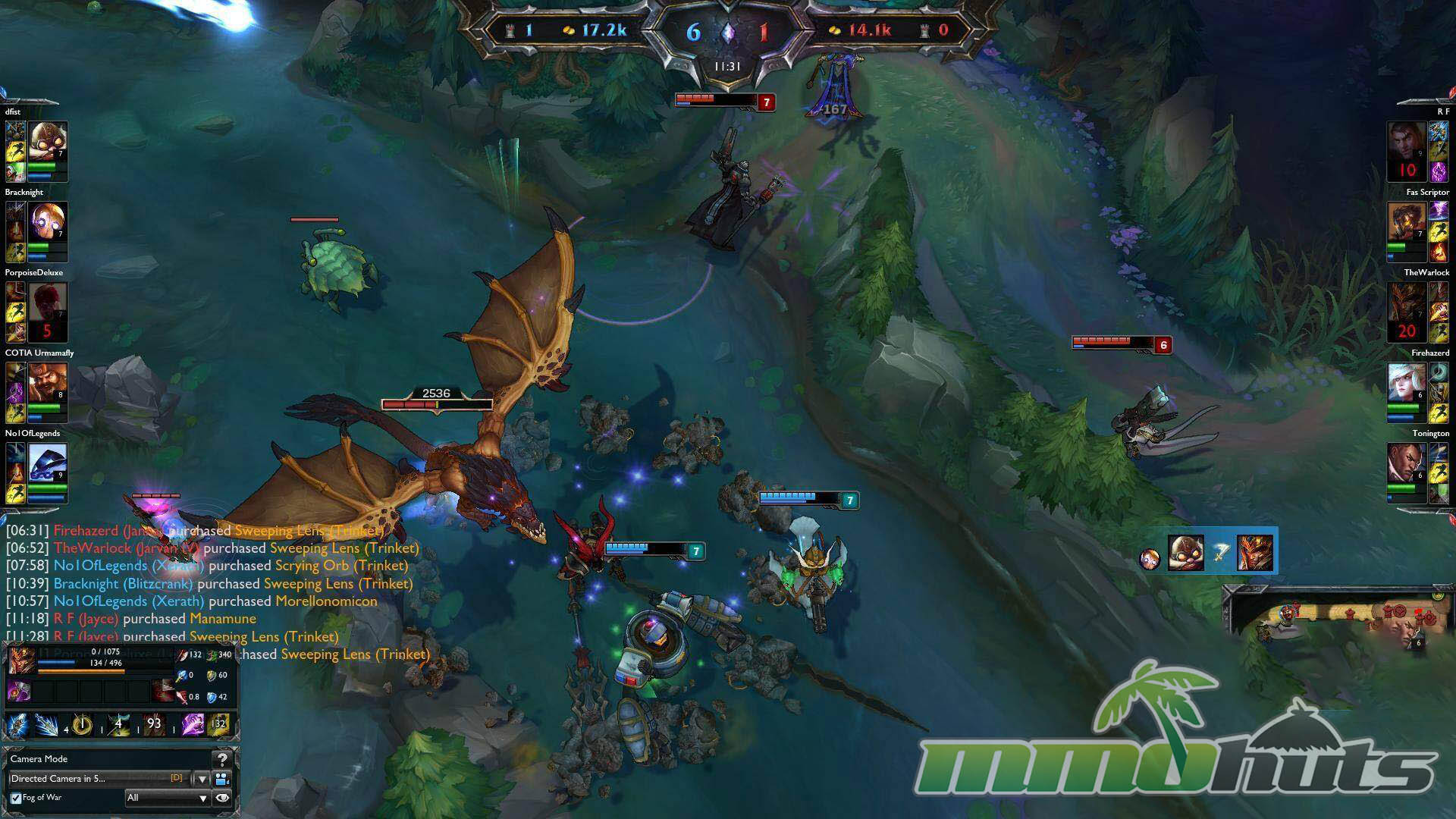
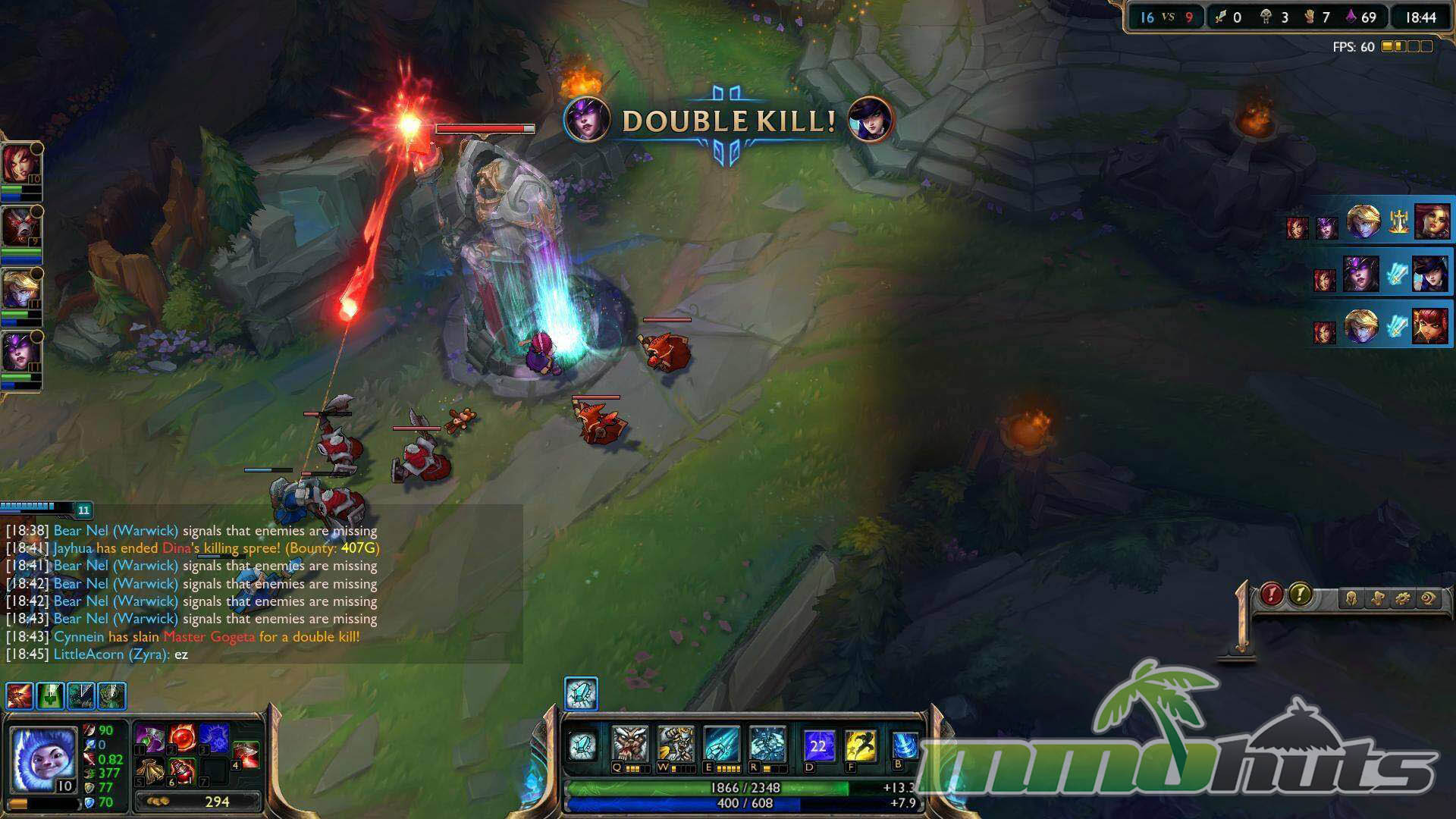
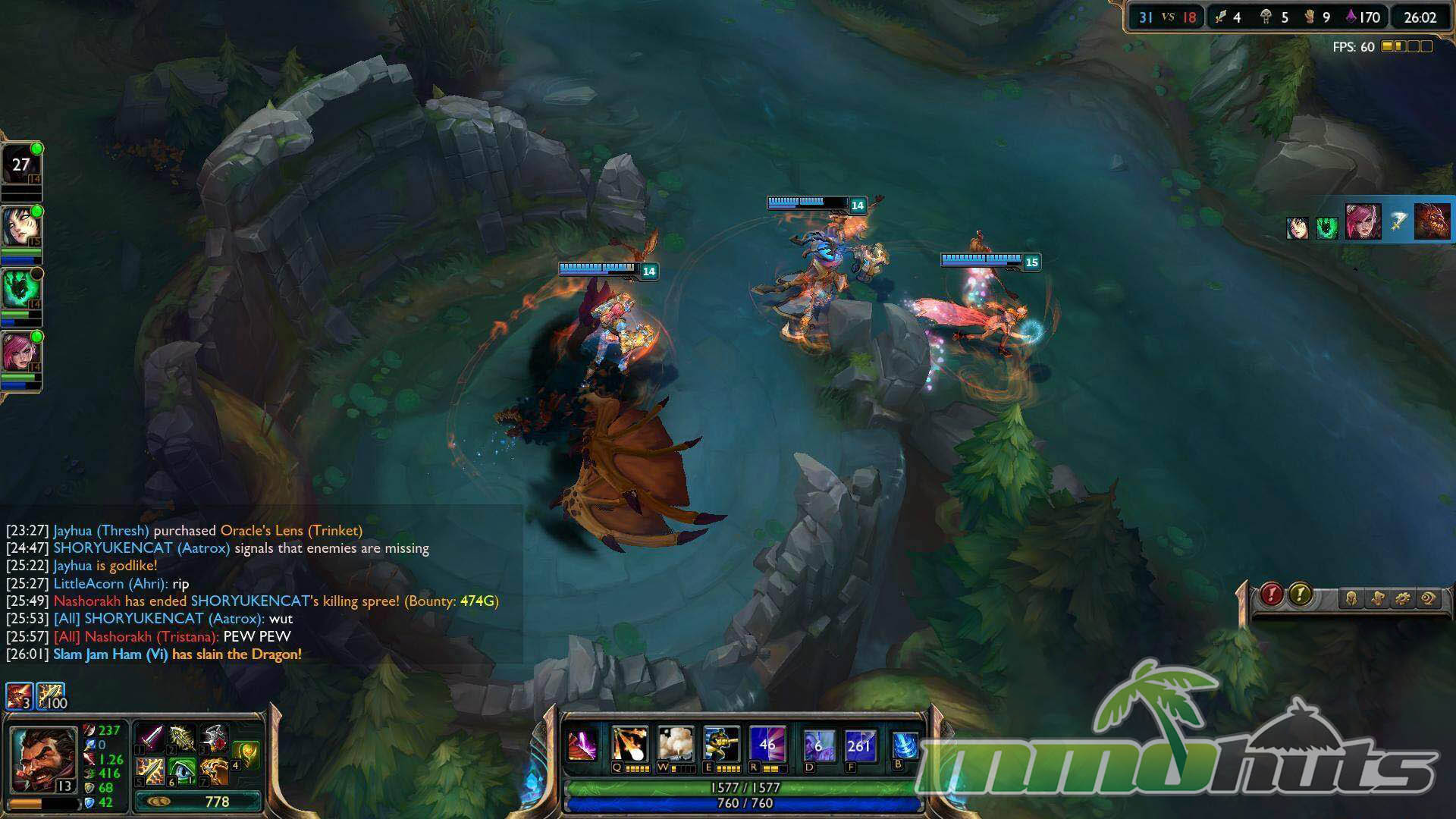
As matches progress, the battlefield revolves around key objectives such as Dragon and Baron, which can swing momentum and open the map for sieges. The best teams typically win by converting small advantages (a good trade, a vision pick, a successful gank) into towers and neutral buffs rather than chasing kills for their own sake.
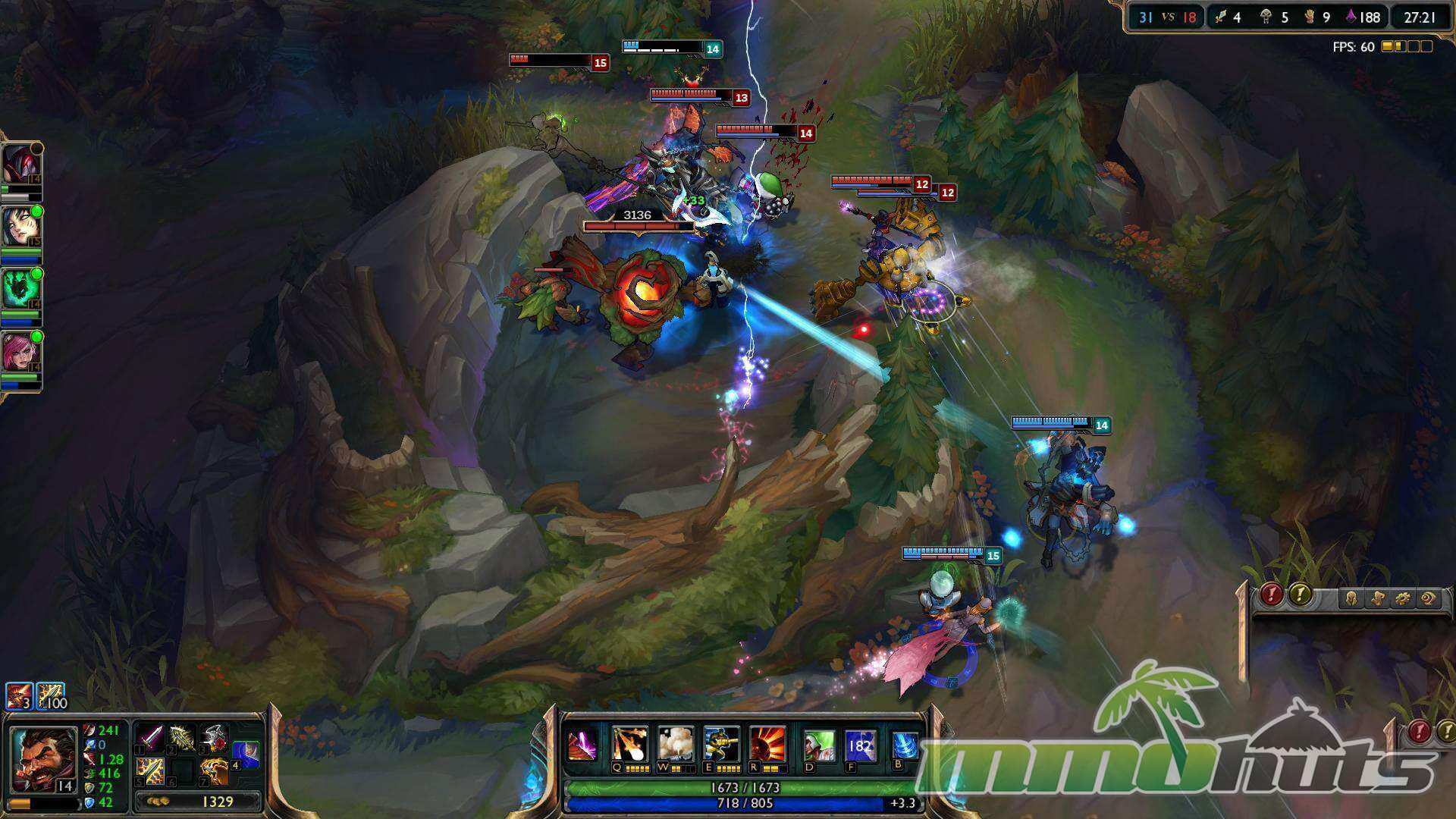
Touring Summoner’s Rift
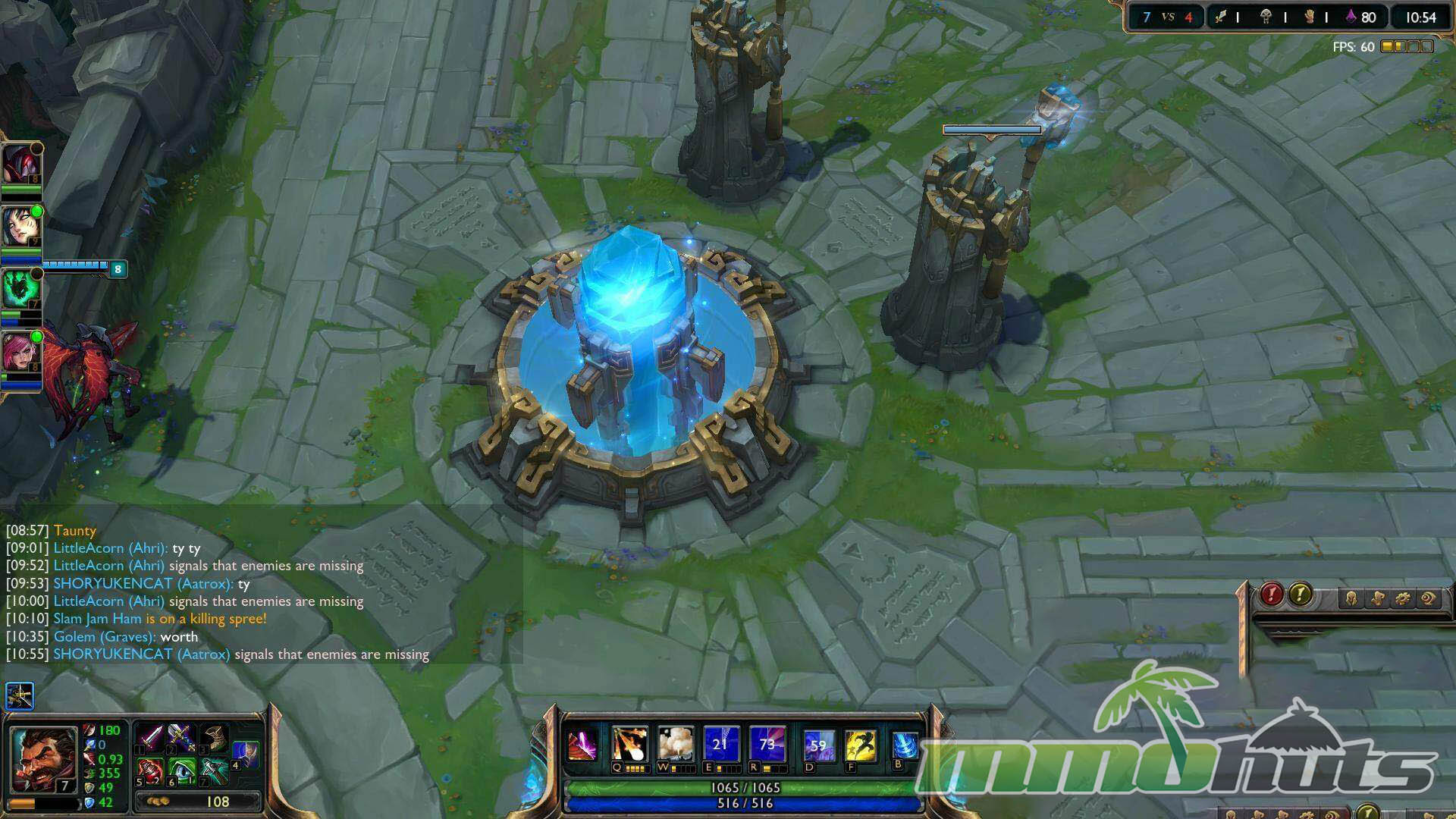
Summoner’s Rift is the primary 5v5 map and the clearest representation of League’s design. Teams begin at the Fountain, where items are purchased, then spread into three lanes (top, mid, bottom) plus the jungle. Standard roles generally align with those spaces, with the jungle acting as both an economy route and a pressure valve that creates gank threats.
Most games naturally break into early, mid, and late stages. Early game is lane-focused farming with intermittent trades. Mid game is where grouping, rotations, and objective contests become frequent. Late game leans heavily on coordinated fights and decisive pushes, with major buffs and inhibitor pressure defining the pace. Dragons provide stacking benefits that can shape the entire match, while Baron offers a powerful pushing advantage, including faster recalls and empowered minions that help crack entrenched defenses. When inhibitors fall and super minions begin marching, map control shifts dramatically, and a Baron-enhanced siege can end a match quickly if the defending team is out of position.
Even so, League’s comeback potential is real, a single overextension or poorly timed objective can flip a game that looked “over” minutes earlier.

Twisted Treeline’s Smaller-Scale Pressure
Twisted Treeline changes the texture of the match by shrinking the map and reducing the lanes to two, with a smaller jungle in between. Players start with more gold than on Summoner’s Rift, and the map introduces altars that can be captured for team benefits, including vision and gold, with an additional buff for controlling both. A central health relic offers sustain and a small movement boost, and Vilemaw sits as a major neutral objective that grants powerful bonuses to the team that takes it.
Because the map is compact, fights break out more often and leads can snowball quickly. Champions with strong mobility and skirmishing tools can feel especially effective here. Compared to Summoner’s Rift, the reduced space leaves less room to safely recover from early setbacks, and the first few kills can strongly influence the rest of the match.
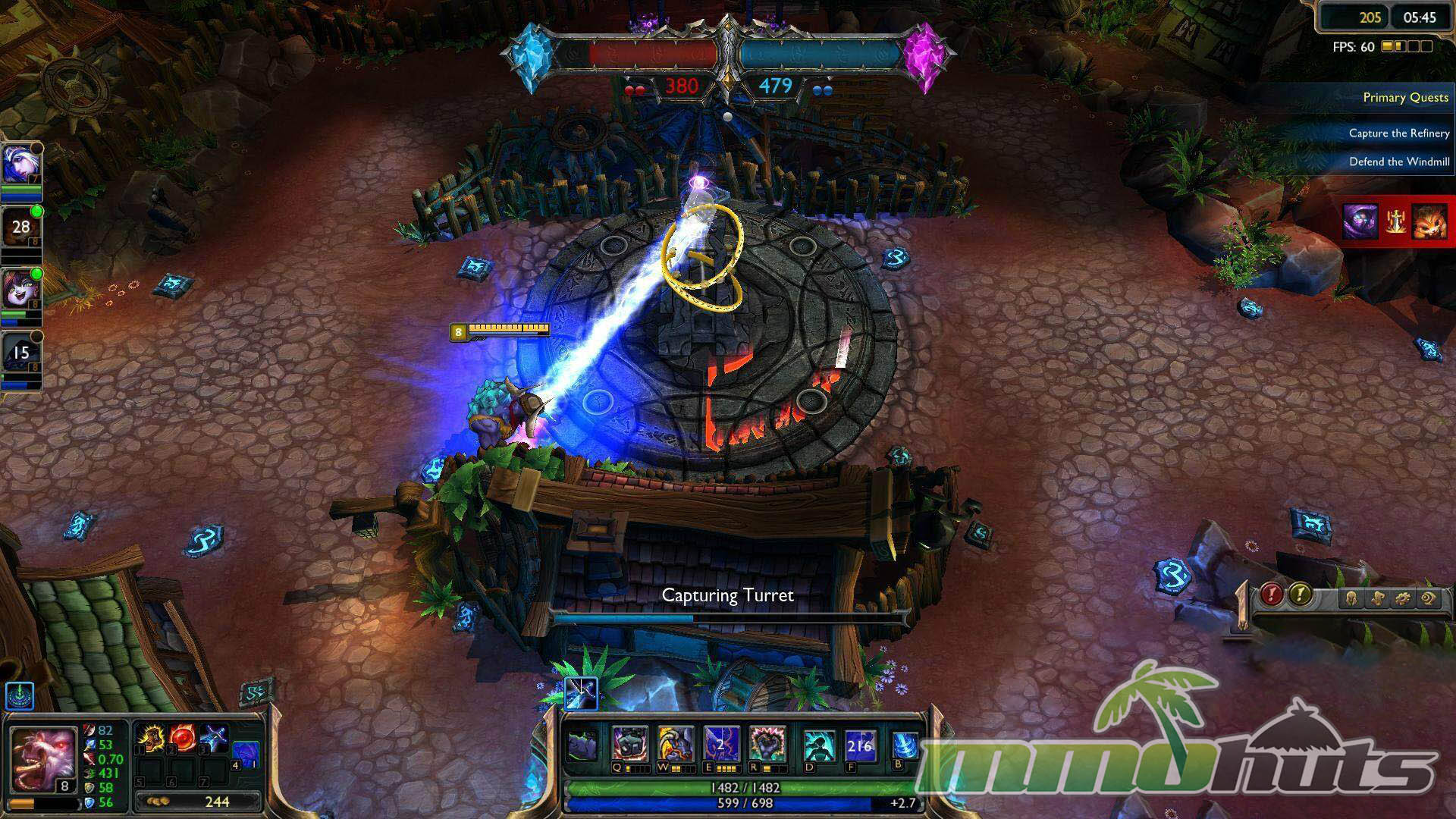
Howling Abyss and the ARAM Mindset
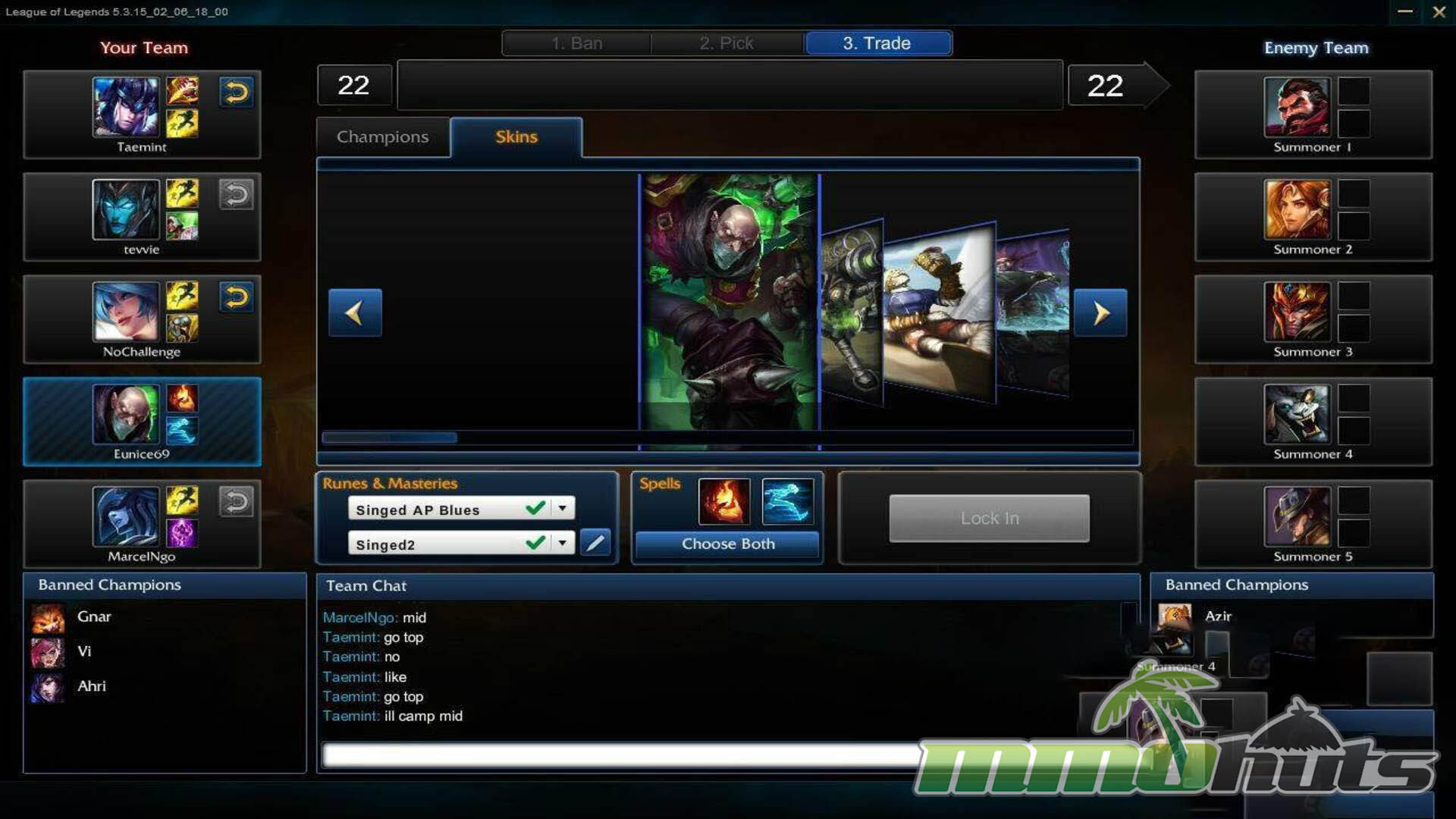
ARAM is designed as a lighter, brawl-forward mode, but it still asks for smart play. Champions are randomly assigned, so team compositions can be uneven and you sometimes have to improvise around what you are given. The Howling Abyss is a single lane with no traditional backing phase, once you leave the base, you cannot return to shop or heal unless you die. That rule alone changes priorities, poke, sustain, and timing become crucial, and even the health relics scattered along the lane can become dangerous bait if your team fights over them recklessly.
Crystal Scar and Dominion’s Capture Focus
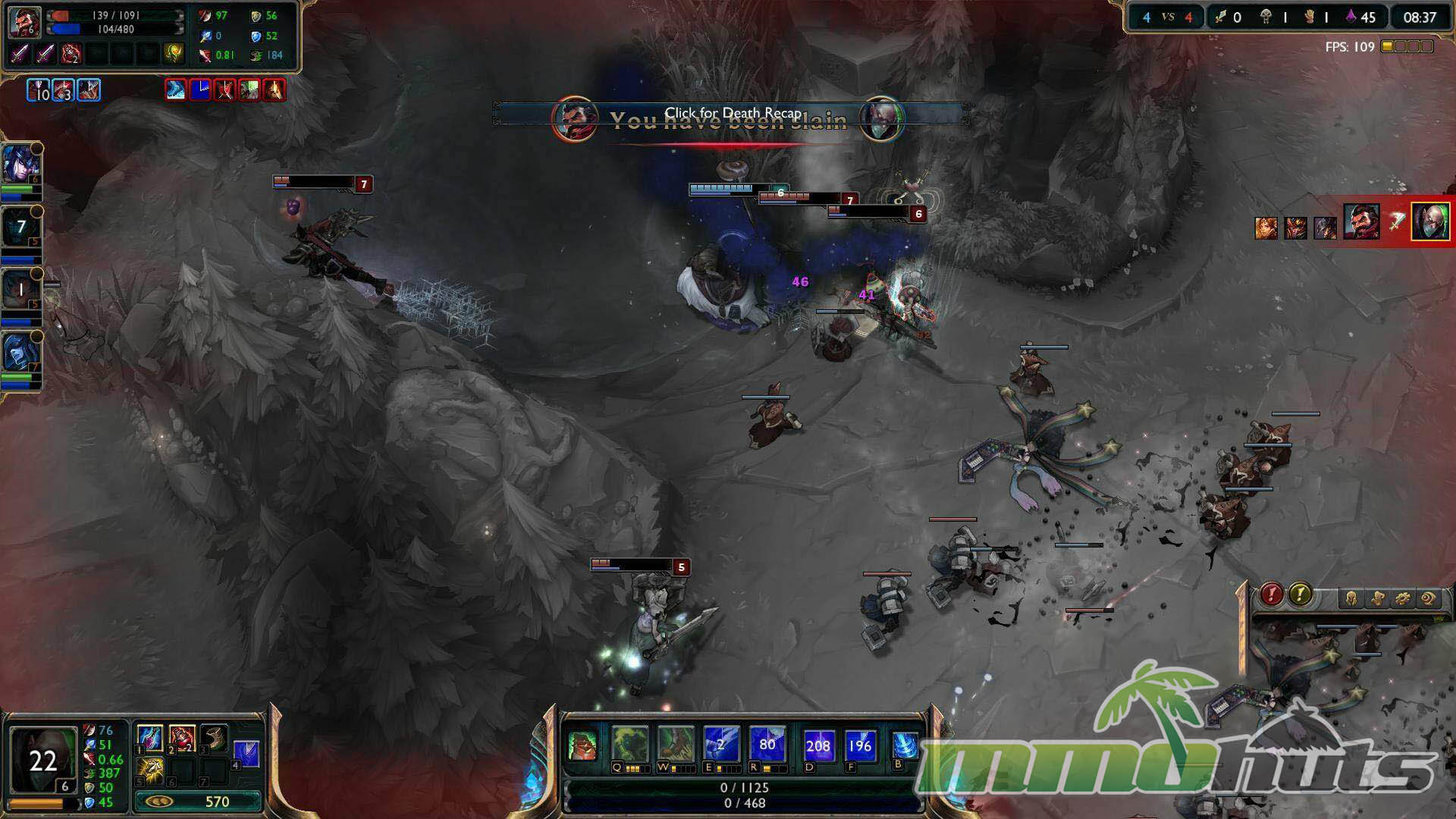
Dominion plays very differently from lane-based League. The Crystal Scar is a circular battlefield with five capture points. Teams win by draining the opponent’s life total, primarily through holding more capture points over time, with kills and other actions contributing as well. Players begin at Level 3 and with more starting gold, so the mode accelerates quickly into map movement and skirmishing.
Because it is objective-centric, champion picks that can rotate rapidly or duel efficiently can feel especially valuable. Dominion can also swing between extremes: sometimes it is a clean, coordinated win, other times it turns into a tug-of-war where a single back-cap far from the main fight forces both teams into constant reaction play. It is at its best when approached as fast, flexible competition rather than a strict “lane discipline” experience.

Roles
League of Legends broadly supports six common role identities: Assassin, Mage(AP Carry), Tank, Support, Fighter, and Marksman(Ranged AD Carry). The labels are straightforward, but many champions blur categories depending on build and team composition. Understanding what your team lacks (engage, peel, damage profile, waveclear) often matters as much as the role name itself.
Itemization: building for the match, not just the guide
Some champions have well-known core items that strongly complement their kits, the classic “bread-and-butter” purchases that make a build come online. Examples include Ezreal benefiting from a Tear path, or Fiddlesticks gaining huge value from Zhonya’s Hourglass.
Still, itemization is rarely one-size-fits-all. Your role suggests certain power spikes (a mage leaning toward Rabadon’s Deathcap, a marksman toward Infinity Edge), but the best builds respond to the game state. If you are ahead, you can often press your advantage with more damage. If you are getting picked off, defensive options and utility can matter more than raw numbers. In practice, adapting to enemy threats and fight patterns is the difference between feeling unstoppable and feeling irrelevant.
Champions + Customization
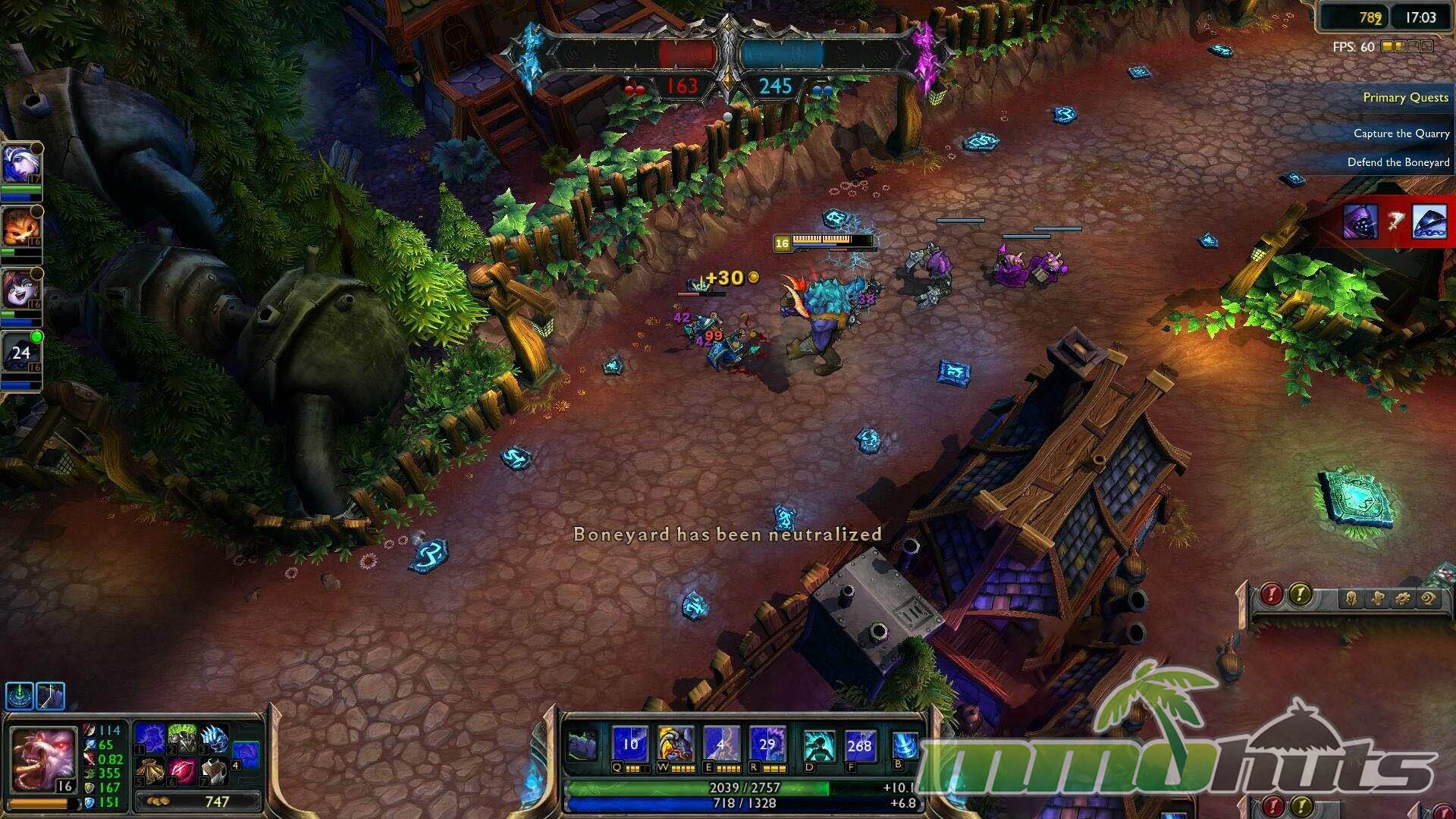
Even at 120+ champions, League offers enough variety that most players eventually find a character that “clicks,” whether that is a mechanical outplay assassin, a teamfight mage, or a supportive playmaker. Skins add cosmetic variety, and there is a long history of community interest in custom skin projects. While unofficial skins are typically only visible to the user, some fan concepts have drawn enough attention to become official offerings, with Battle Bunny Riven being a notable example.
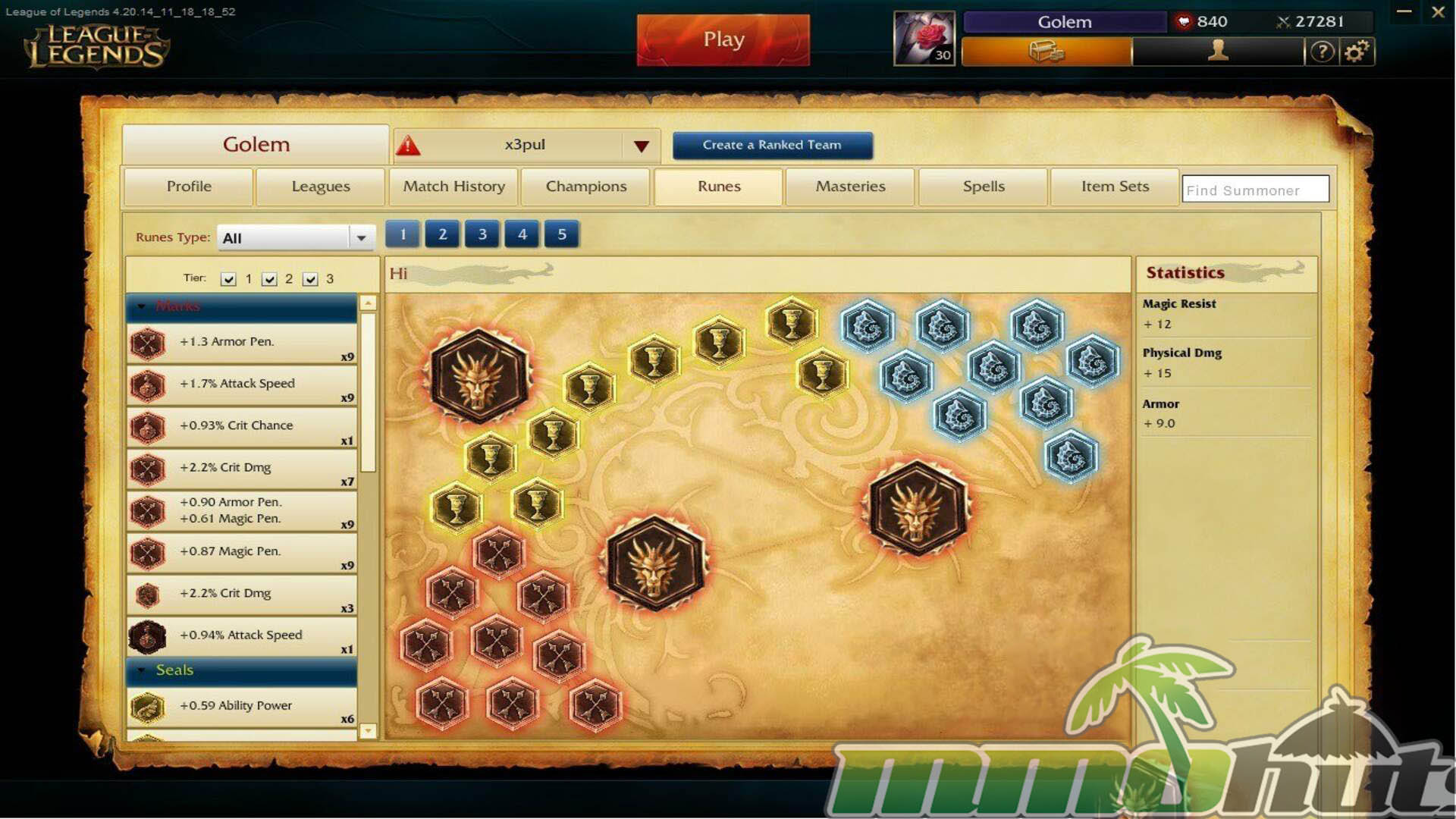
Beyond cosmetics, customization comes through the runes and masteries system. Runes provide stat boosts (attack speed, damage, ability power, movement speed, and more) and can be saved into rune pages for quick swapping. Masteries function like talent trees, offering layered bonuses such as extra durability or reduced cooldowns. Together, these systems add another set of choices on top of items, letting players tailor a champion to a matchup or personal playstyle.
Playerbase
League of Legends grew from a niche competitive title into a global staple. Riot’s January 2014 statistics highlighted the scale at the time: 27 million daily players, peak concurrency around 7.5 million, and roughly 67 million monthly players. Those numbers help explain why matchmaking is always active and why the game maintains a constant stream of community discussion around patches and pro play.
A downside of any massive playerbase is social friction. League has a reputation for toxicity, meaning players may encounter rage, blame, and unhelpful behavior in chat. It is not unique to LoL, but it is common enough to be worth noting. The upside is that the community is also large enough to find positive groups, and playing with friends or a consistent team can dramatically improve the experience.
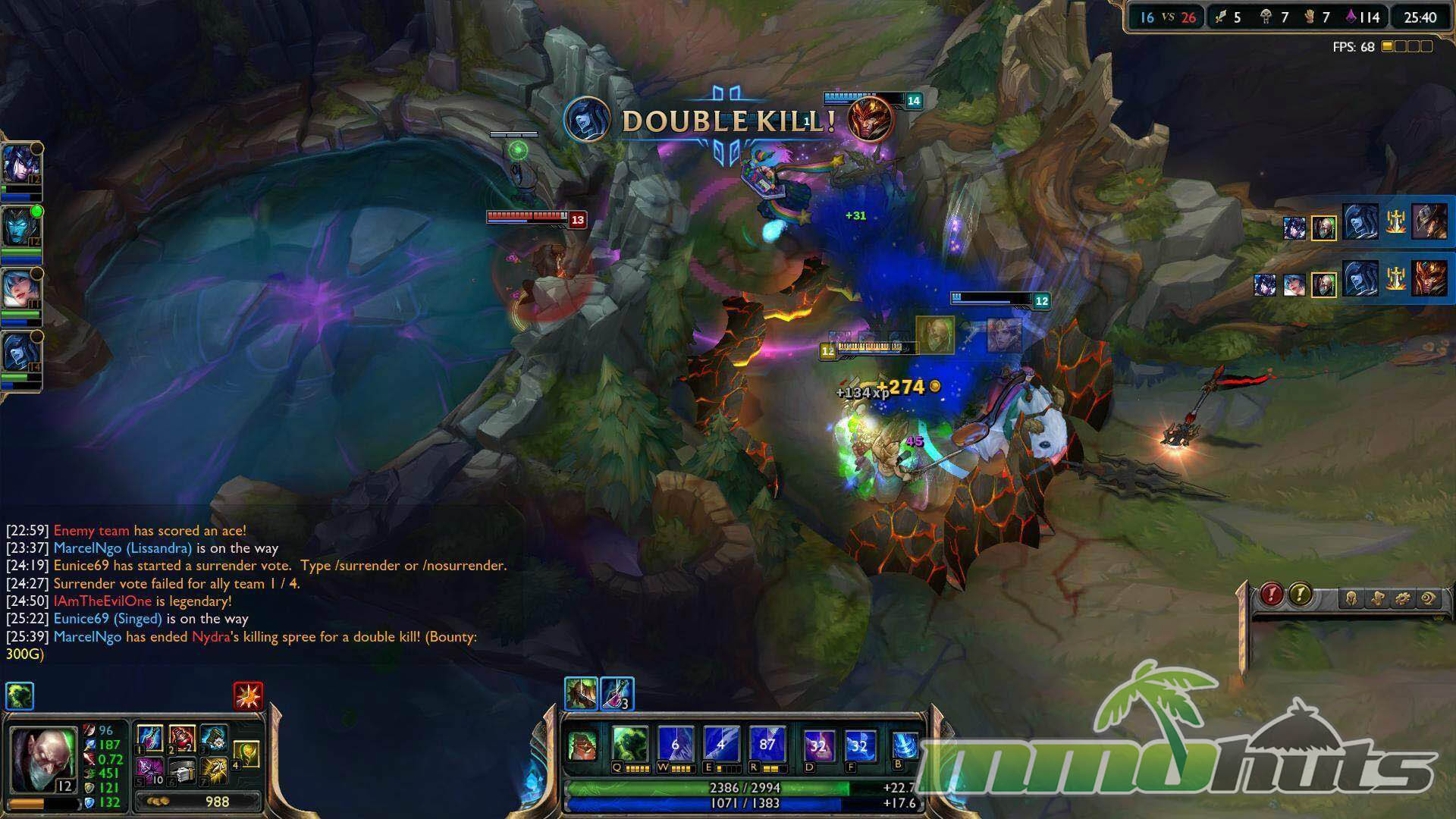
The E-Sports Scene
League’s esports presence is one of its defining strengths. Major regional circuits and international events draw huge audiences, and the World Finals in particular has become a yearly landmark for the game. The scene expanded from early North America and Europe roots into a far broader global structure, which in turn raised the level of competition and the visibility of top teams. Many professional players also built careers through streaming platforms like Twitch.tv, adding another layer of community engagement beyond the in-client game.
Even if you do not play ranked seriously, League’s top-level matches are often worth watching because they reveal the macro side of the game: vision control, tempo, objective trades, and coordinated engages that are difficult to replicate in solo queue.
Final Thoughts
League of Legends has endured because it functions as a true live game. Riot’s willingness to iterate, rebalance, and reshape systems each season gives the community something new to solve, and player feedback has historically influenced everything from champion tuning to broader design decisions. It can be tense and occasionally exhausting, especially in competitive queues, but it is also the kind of game that rewards improvement in a very tangible way.
If you enjoy learning matchups, refining mechanics, and coordinating with teammates, League remains one of the strongest options in the genre. If you prefer purely relaxed play, modes like ARAM and Co-op vs. AI can provide a more casual entry point without demanding constant ranked intensity.

Final Verdict – Excellent
League of Legends earns its status through depth, polish, and long-term support. It is easy to recommend as a MOBA to try, particularly with friends, and it offers enough variety to suit both casual sessions and serious competitive play. Newcomers should expect a learning curve, but compared to many MOBAs, League is relatively approachable once you understand the map and core objectives.
League of Legends Links
League of Legends Online Website
League of Legends Wikipedia
League of Legends Wikia (Database / Guides)
League of Legends Subreddit
MobaFire (Database / Guides / News)
League of Legends System Requirements
Minimum Requirements:
Operating System: Windows XP, Vista, 7, 8
CPU: 2 GHz Modern processor
Video Card: Shadow 2.0 capable video card
RAM: 1 GB for Windows XP. 2 GB for everything else
Hard Disk Space: 8 GB
Recommended Requirements:
Operating System: Windows XP, Vista, 7, 8
CPU: 3 GHz modern processor. Multi-core strongly recommended
Video Card: GeForce 8800 / AMD Radeon HD 5670 or equivalent card. (Dedicated GPU Strongly recommended)
RAM: 2GB for Windows XP. 4 GB for everything else
Hard Disk Space: 12 GB
League of Legends works well with Intel Integrated HD graphics cards as well.
League of Legends Music & Soundtrack
League of Legends Additional Information
Developer: Riot Games
Director(s): Tom “Zileas” Cadwell
Other Platforms: Windows, Mac OS X
Closed Beta Date: April 10, 2009 – October 21, 2009
Open Beta Date: October 21, 2009
Foreign Publishers:
China: Tencent
Southeast Asia: Garena
Development Background
League of Legends was created by Riot Games, a studio based in Santa Monica, California. As with most MOBAs, its foundation traces to Warcraft 3’s Defense of the Ancients (DotA). The project took shape after Riot’s co-founders, Brandon Beck and Marc Merill, partnered with Steve “Guinsoo” Feak, known for his work on the DotA All Stars map that helped define the genre. Work on League began after Riot opened its office in September 2006. The game launched initially as a PC-only title, with an official Mac-compatible client later arriving in March, 2013.
After its official release on October 27, 2009, League grew rapidly. By July 2012, it had become the most played PC game in both North America and Europe. Riot reported 11.5 million monthly active users and 4.2 million daily users in November 2011, and those figures later surged. By Janaury 2014, Riot cited 67 million monthly active users and 27 million daily players. League continued to lead worldwide, with peak concurrent users reaching around 5 million. As the audience expanded, the esports scene scaled with it, including 11.5 million concurrent viewers and 27 million total unique viewers for the Season 4 world championships.
On February 4, 2011, Tencent acquired a majority stake in Riot Games for $231 million. Early reports estimated a higher number, but the later disclosed figure was $231,456,000.
League’s popularity also helped drive Riot’s partnership with Netflix on Arcane, an animated series set in the League of Legends universe.