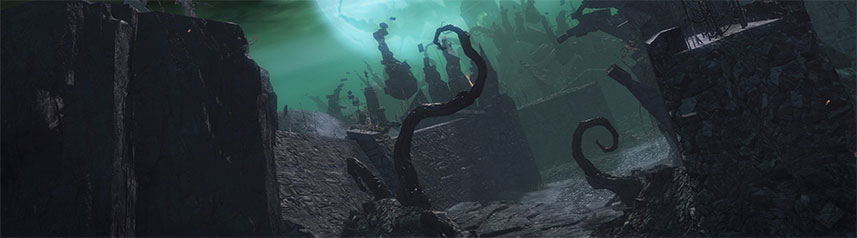
Killing Floor 2 is a post-apocalyptic first-person shooter built around short, intense co-op matches. Teams drop into a map, pick a perk, and survive escalating waves of “zeds” using a mix of firearms, melee tools, grenades, and perk-based passive abilities, with money and experience earned through efficient kills and smart teamwork.
 | Publisher: Tripwire Interactive Playerbase: High Type: MMO Shooter Release Date: April 21, 2015 Pros: +Sharp visuals and responsive gunplay. +Solid weapon selection and customization. +Quick, adrenaline-heavy co-op rounds. +Meaningful perk leveling Cons: -Repetition sets in over time. -Matchmaking balance can be inconsistent. |

Killing Floor 2 Overview
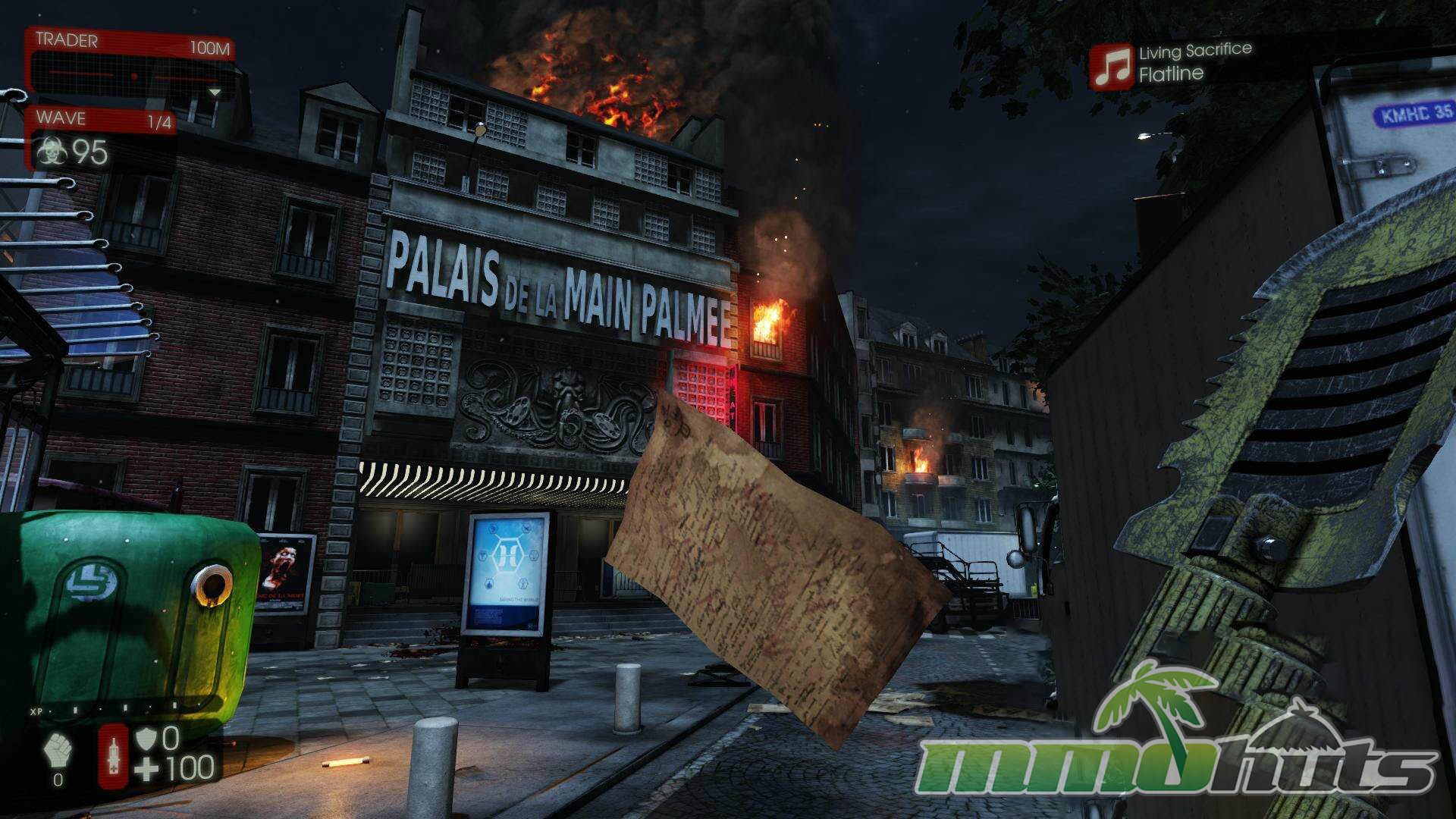
Killing Floor 2 is a lobby-based FPS from Tripwire Interactive and the follow-up to 2009’s Killing Floor. It drops players into a Europe that has effectively stopped functioning, with communications and organized defense in ruins as the zed outbreak spreads. Each match takes place on a standalone map that emphasizes chokepoints, flanking routes, and sightlines that can collapse into chaos the moment a wave starts. You are not wandering an open world, instead you are loading into a round, choosing a perk, and committing to survival.
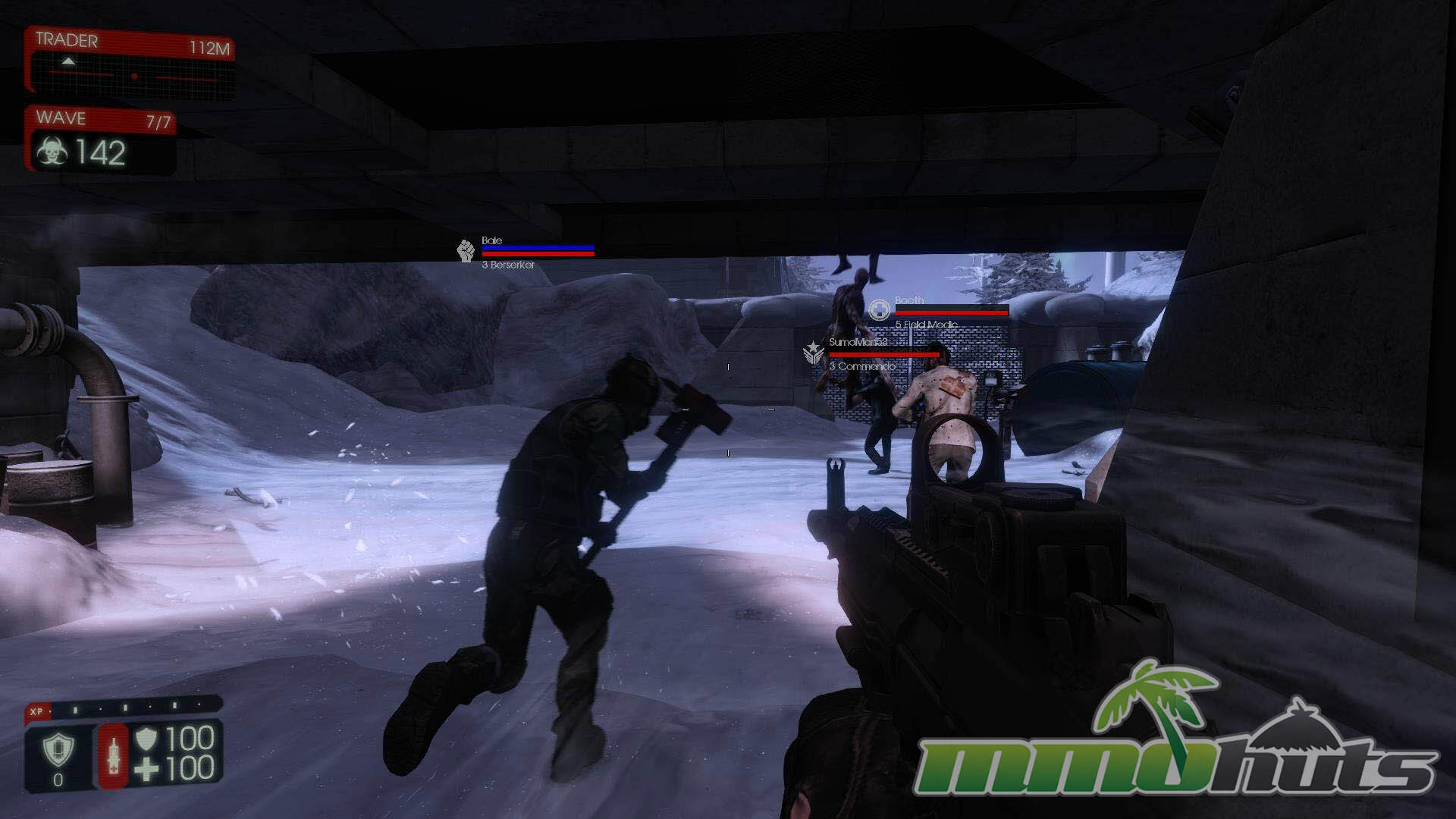
The core loop is simple and effective: fight through increasingly dangerous waves, earn cash and perk experience, then spend your money between rounds at the trader to prepare for what comes next. Early waves are about building momentum and conserving resources, later waves introduce tougher enemy types and heavier pressure on positioning and target priority. After the final wave, the match ends with a big boss encounter that leans into MMO-like teamwork, where roles, timing, and focus fire matter far more than individual heroics.
Killing Floor 2 Key Features:
- High-Tempo Rounds – survive rapid-fire waves of enemies.
- Stable Performance – runs smoothly with minimal technical distractions.
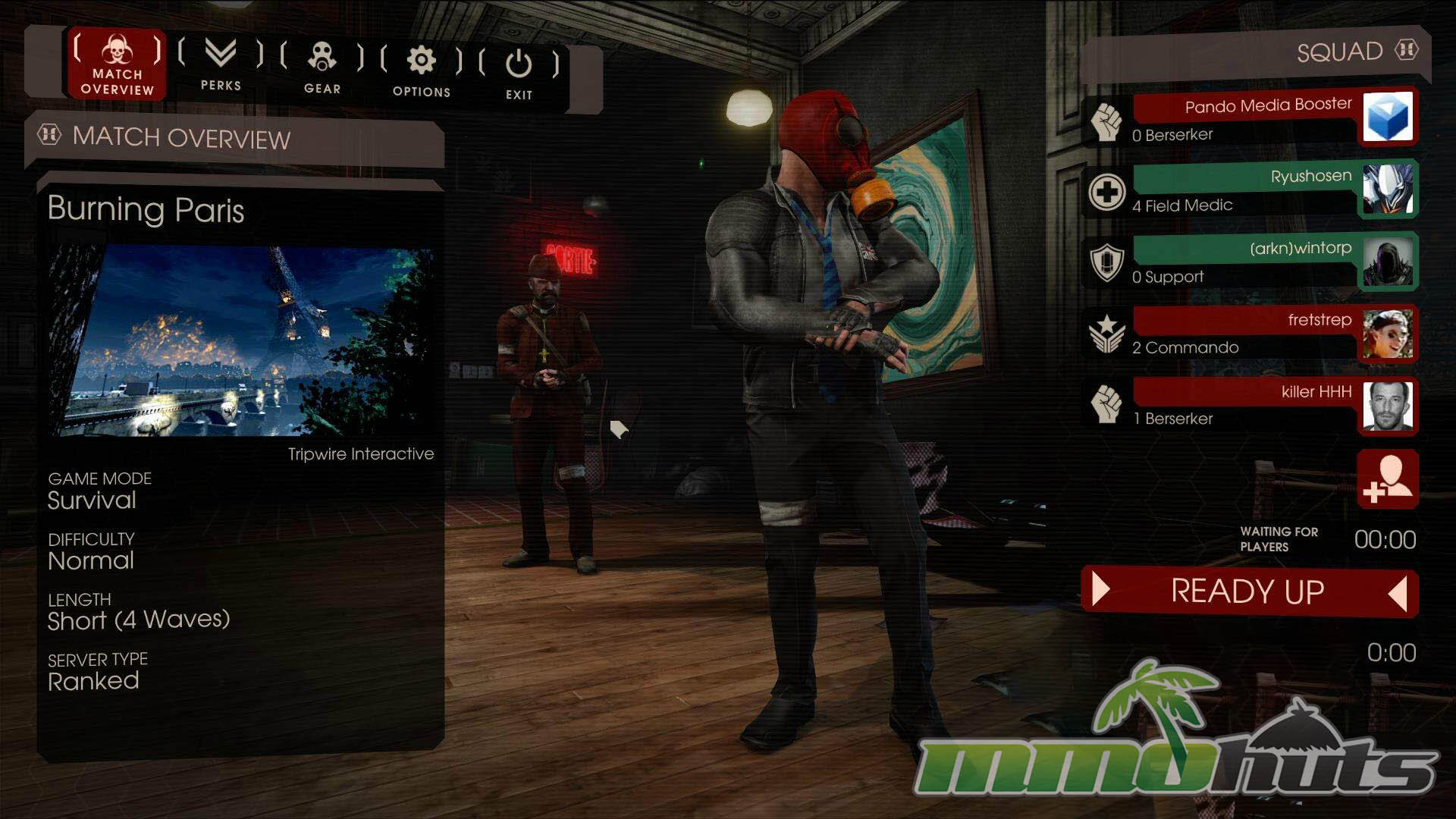
- Flexible Perk Choice – swap perks between waves to fit the team’s needs.
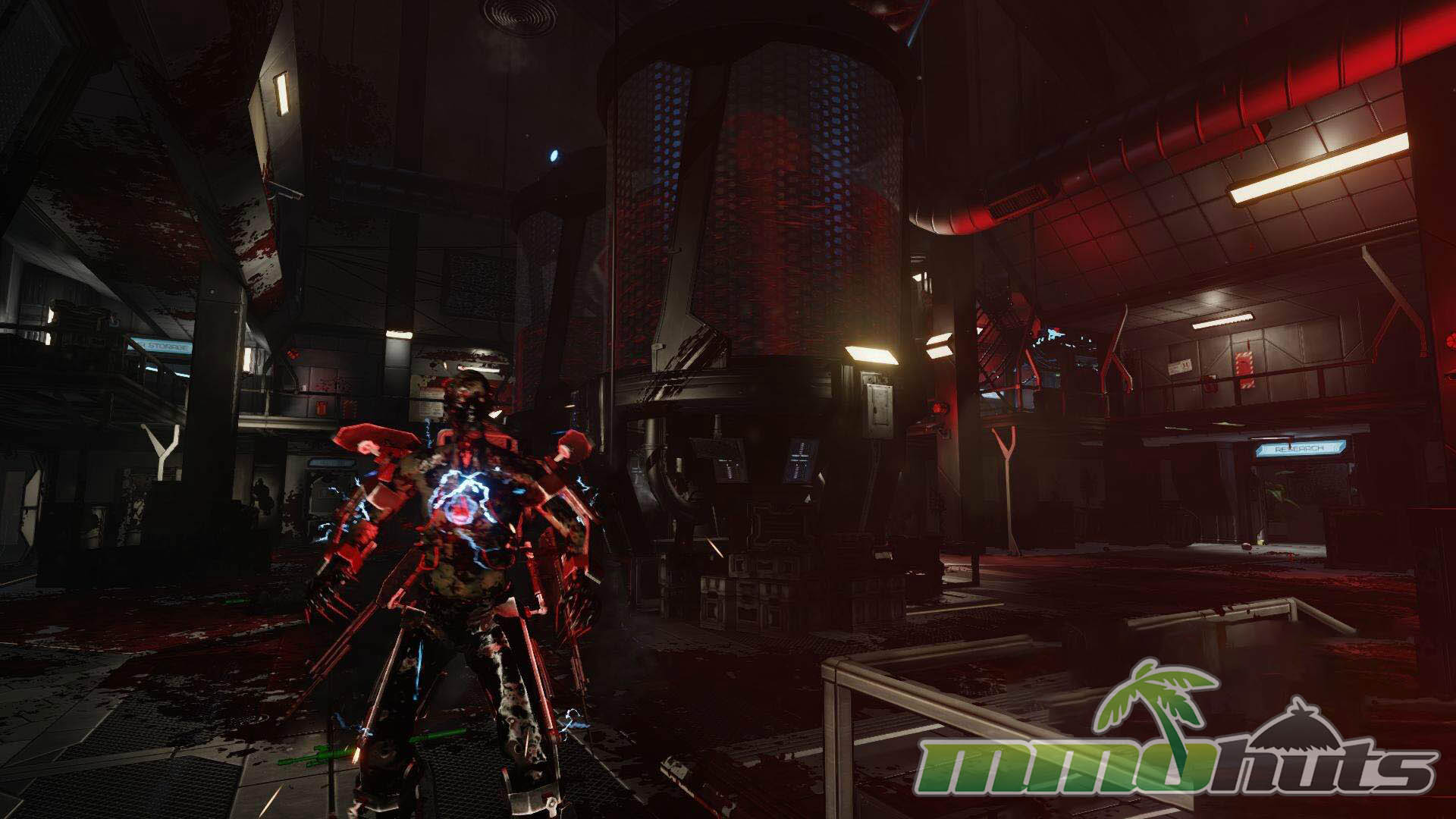
- M.E.A.T. System – gore is simulated dynamically and lingers throughout the match.
- Perk Skill Paths – unlock new passive choices every five levels.
Killing Floor 2 Screenshots
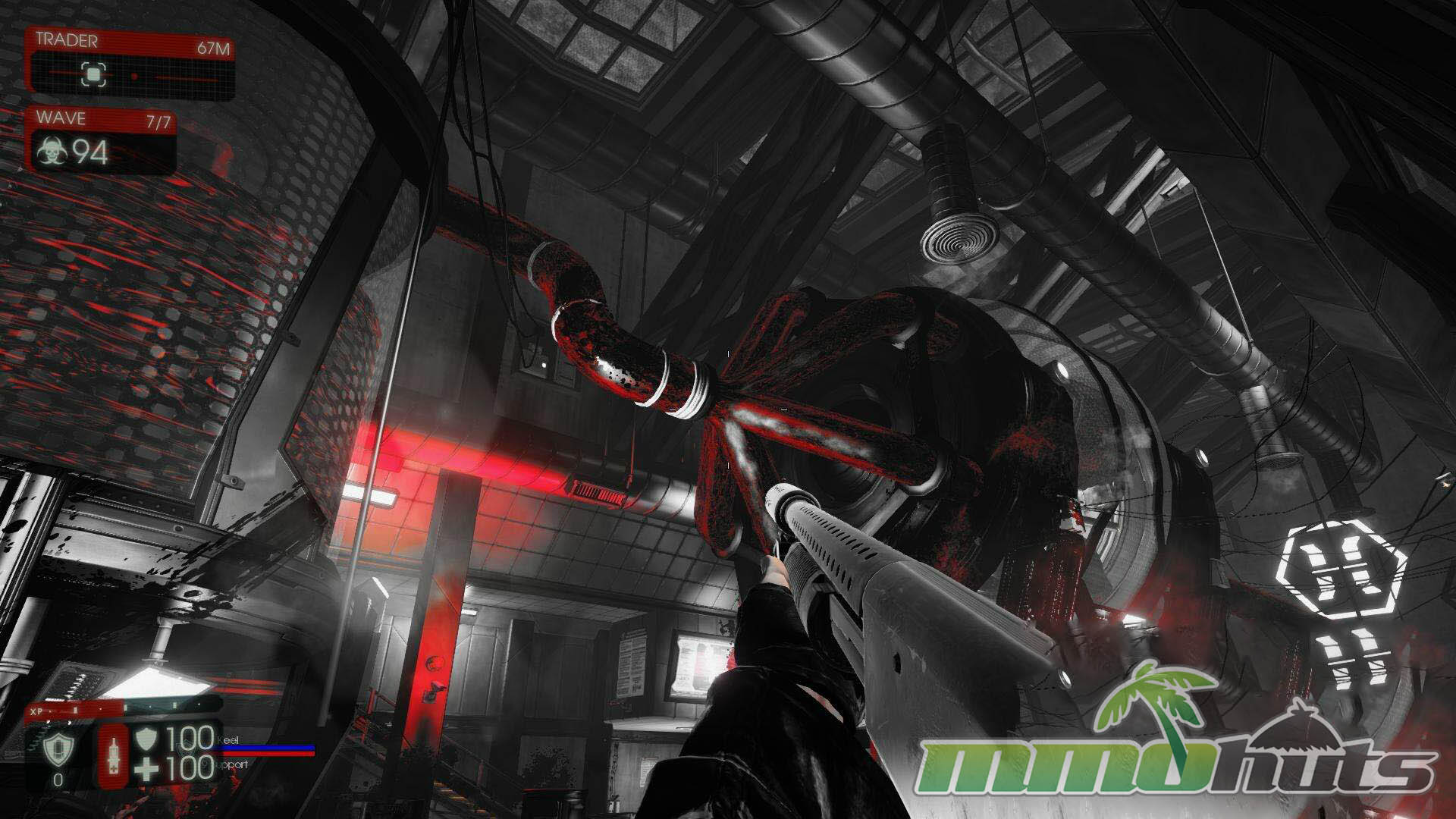
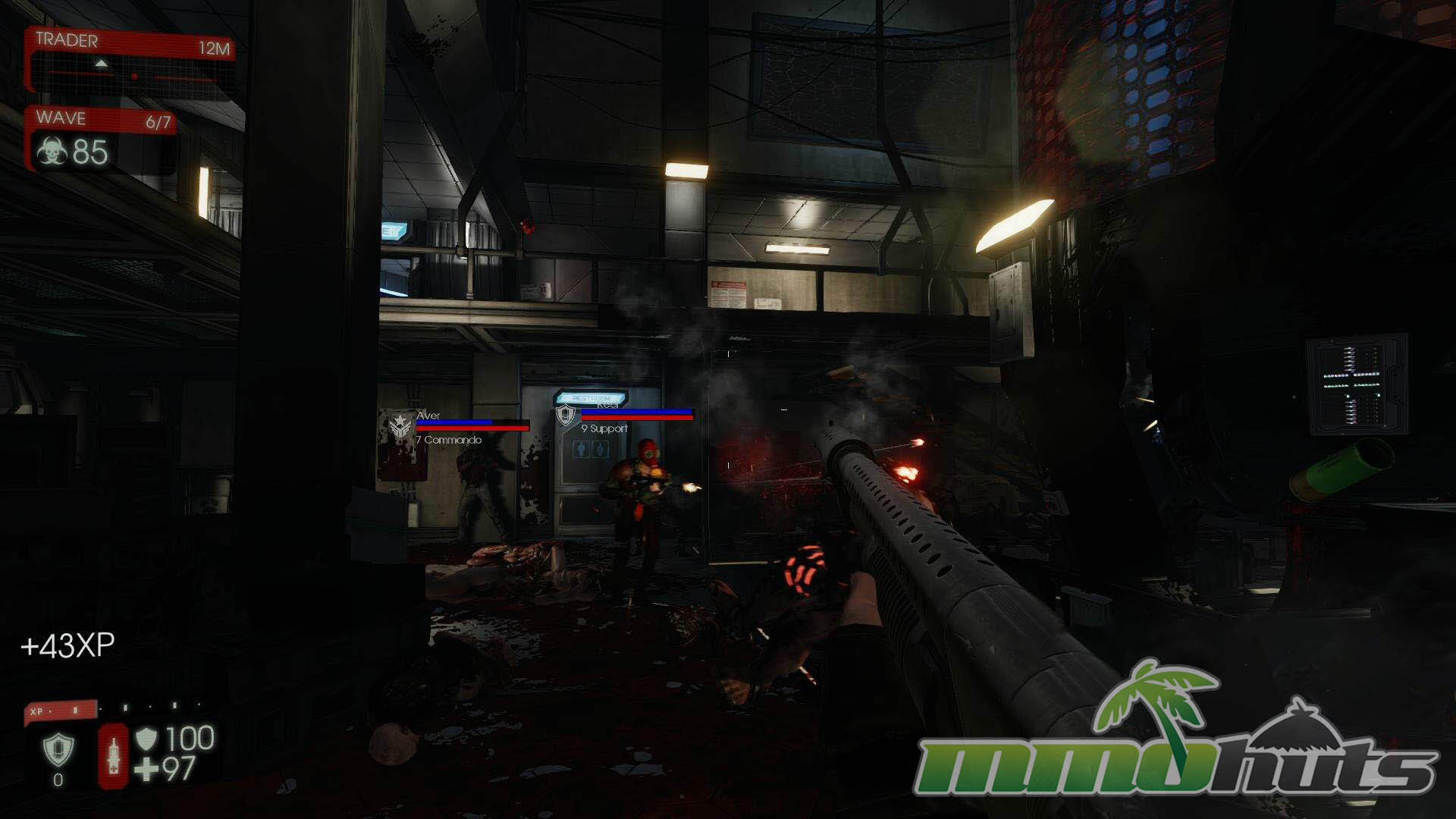
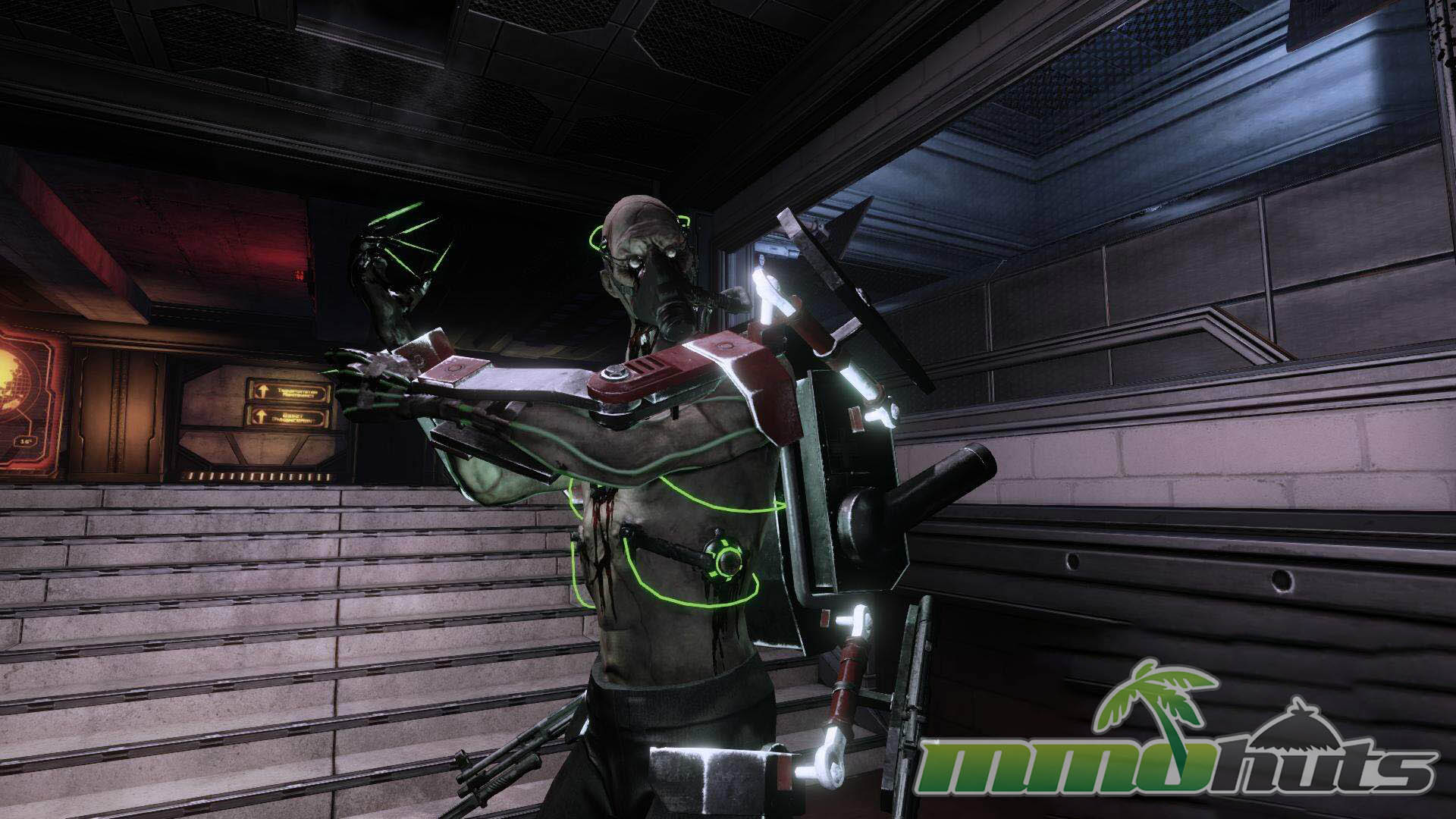
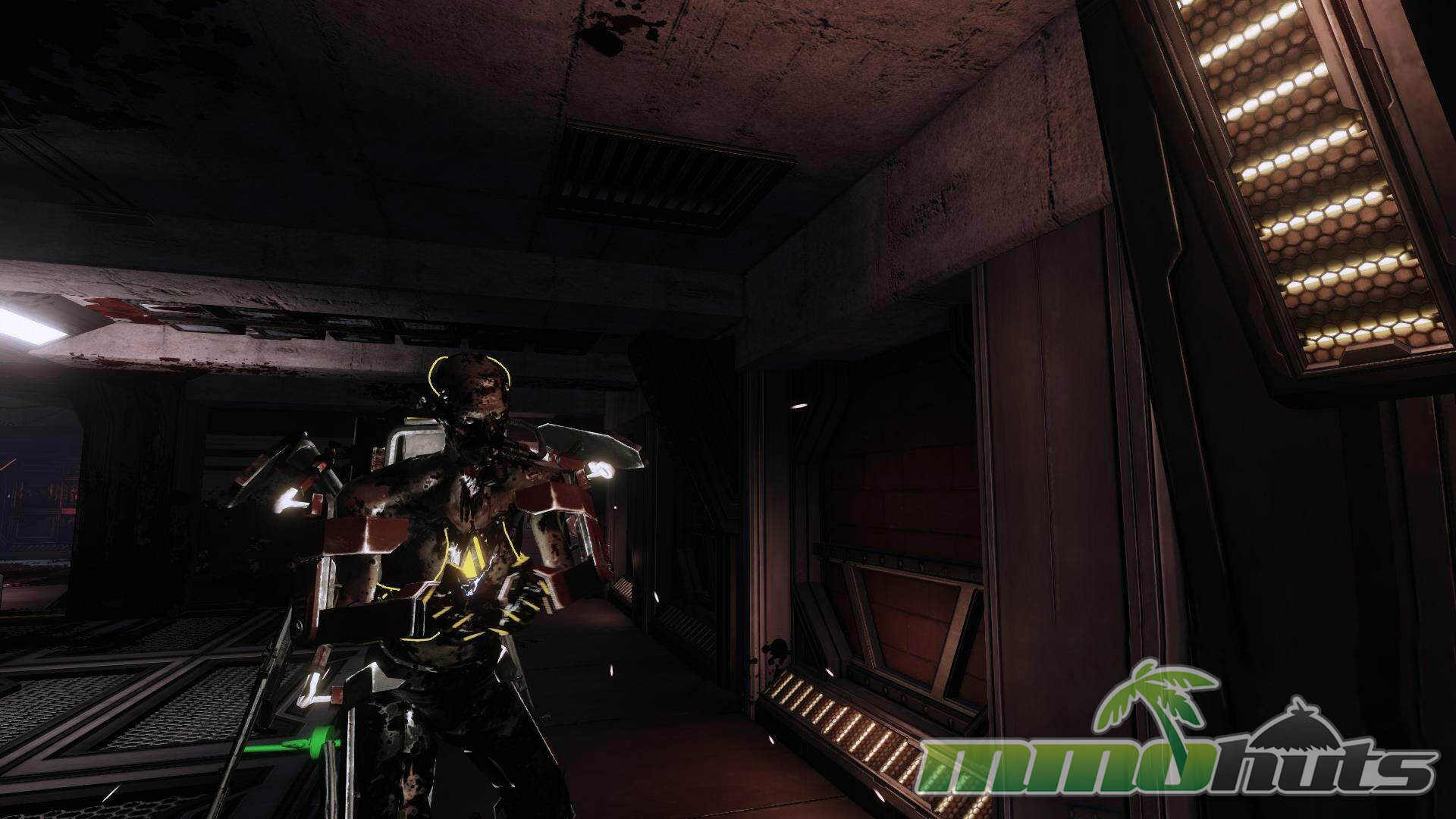
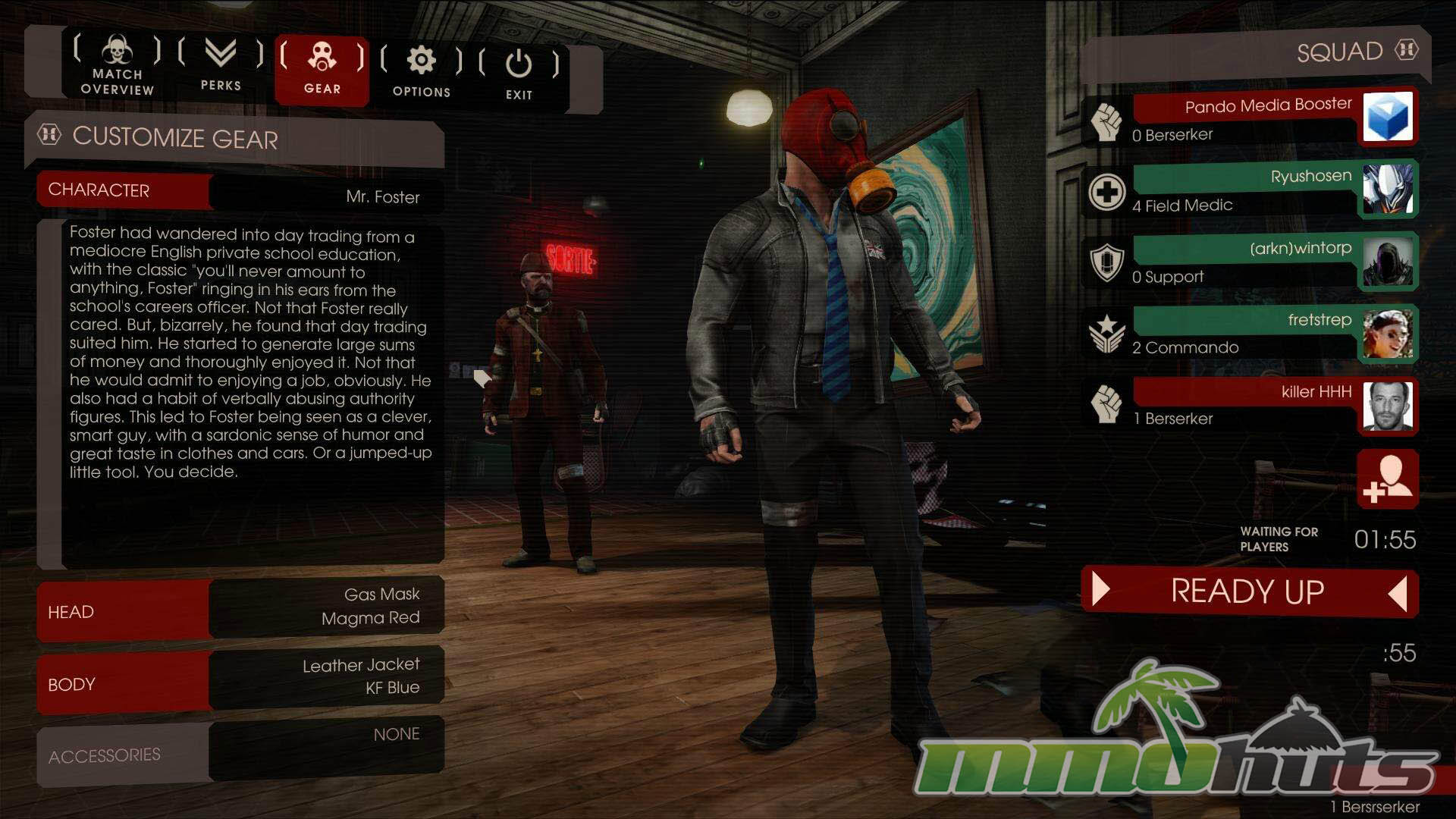
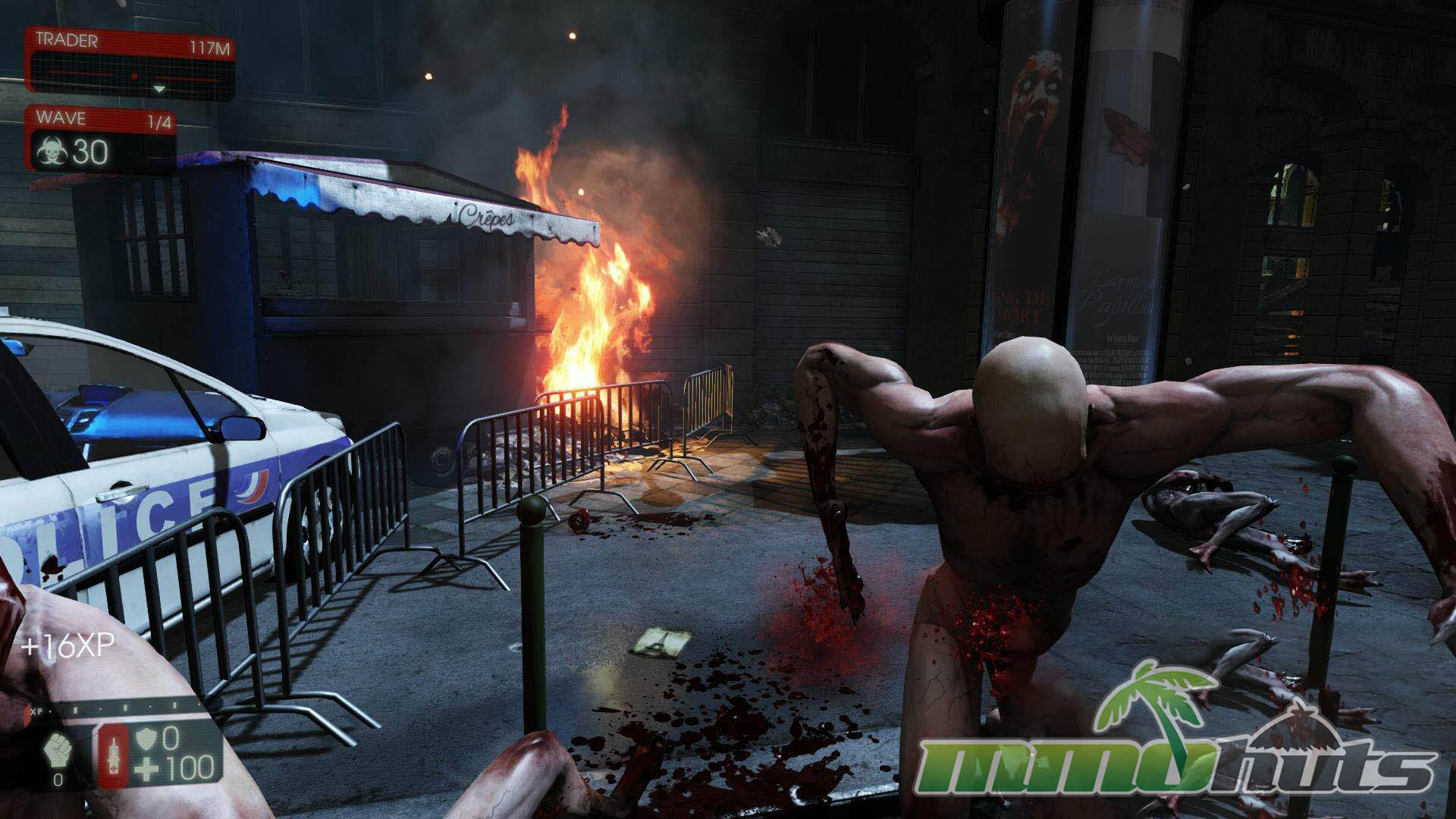
Killing Floor 2 Featured Video

Killing Floor 2 Review
Killing Floor 2 picks up shortly after the first game’s events, with the outbreak having pushed Europe past the breaking point. The setting is communicated less through long story sequences and more through atmosphere, ruined locations, and the constant sense that you are fighting in a world that has already lost. It is a straightforward premise, you join a match, select a perk, and get to work. The game’s strength is how quickly it gets you from menu to action, because the appeal here is the rhythm of wave defense rather than narrative buildup.
Co-op First, Lone Wolf Later
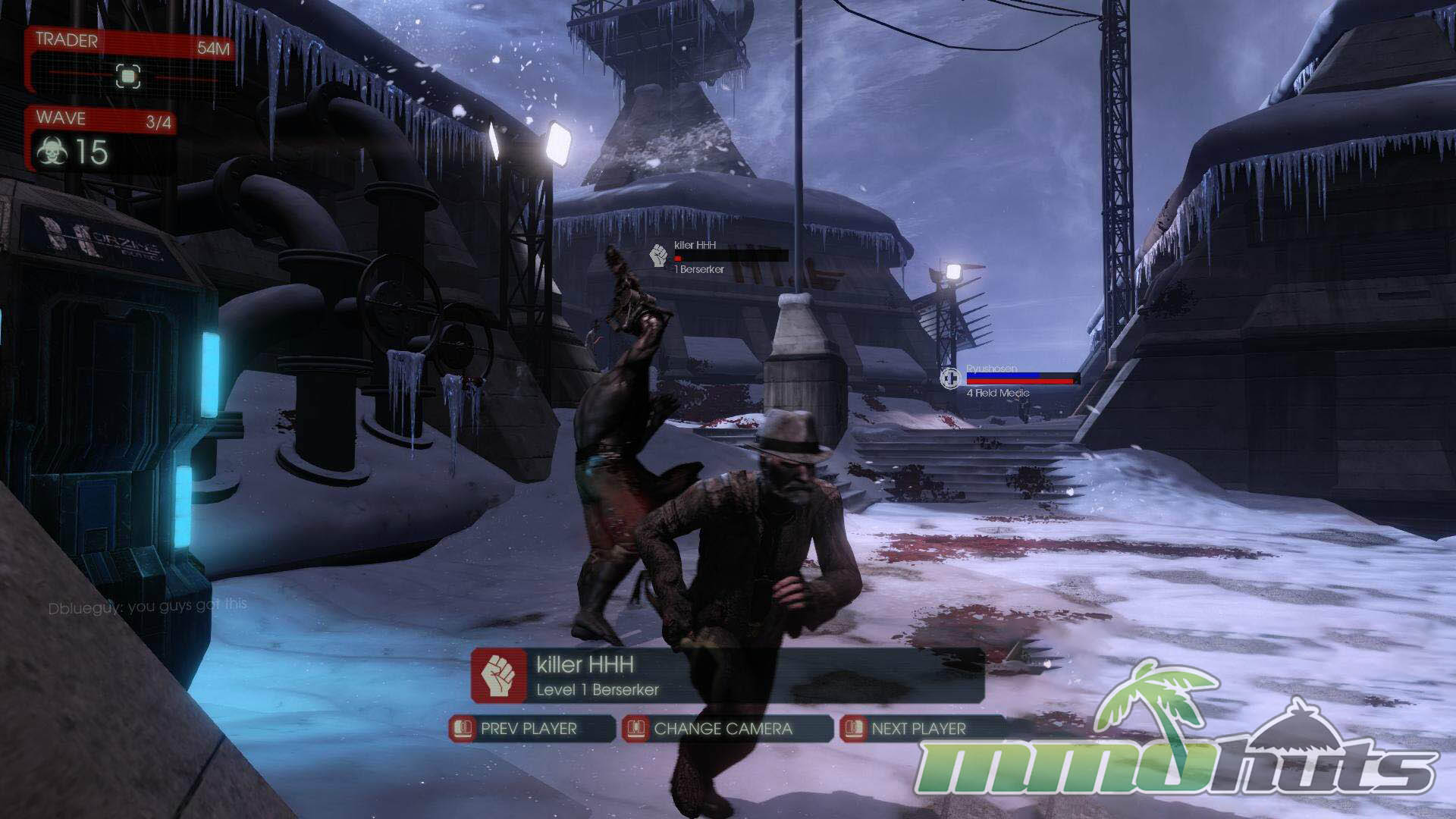
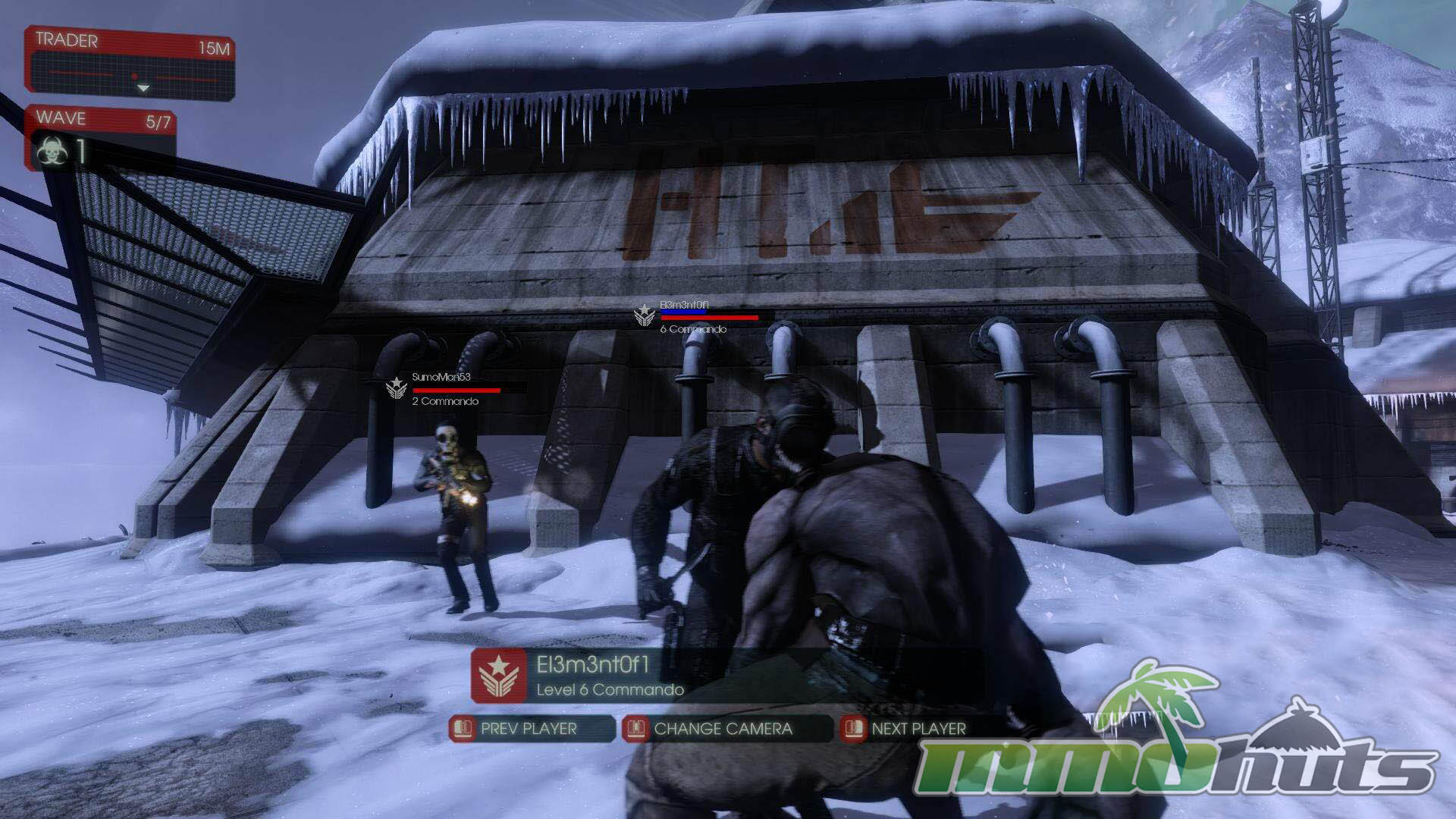
Everything in Killing Floor 2 is tuned for coordinated play. You can attempt to roam on your own, but the maps and spawn patterns punish isolation quickly. Zeds close distance fast, they appear from multiple angles, and even a short detour can turn into a dead end when a heavier specimen blocks your retreat. In practice, surviving consistently means staying within reach of teammates, watching lanes, and reacting when the group’s formation breaks.
Map layouts reinforce this teamwork. Many areas funnel you through narrow corridors, stairwells, and cluttered streets where line of sight is limited and getting surrounded happens in seconds. When the team holds a strong position, the pace feels controlled, when players split, the match often devolves into frantic kiting while others spectate. Those last-person-standing moments can be exciting, but they usually highlight what went wrong earlier rather than a sustainable strategy.
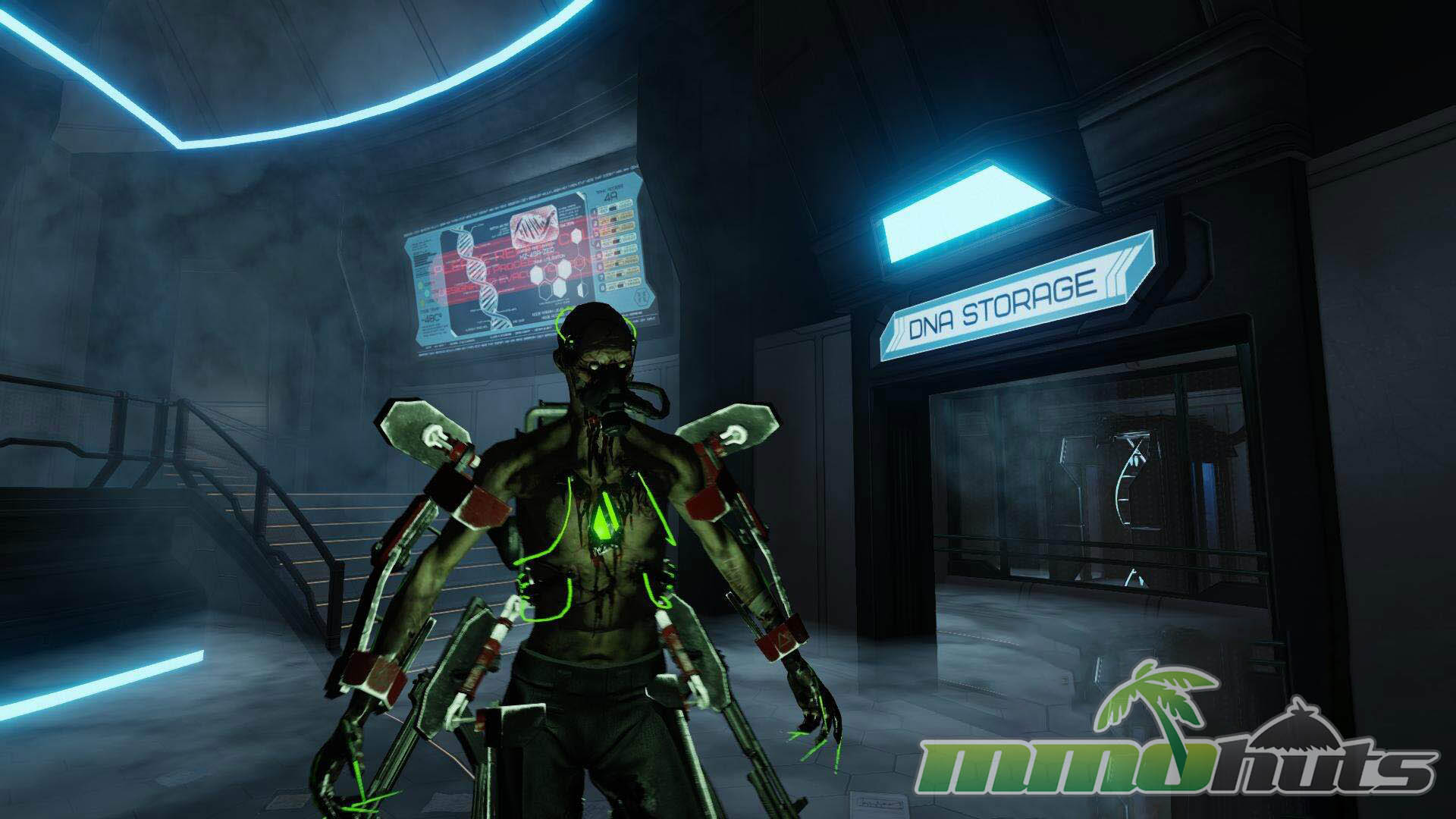
Enemy variety also pushes collaboration. Basic zeds are manageable, but tougher specimens demand priority calls and focused damage, especially when multiple threats overlap. What keeps the carnage memorable is Tripwire’s M.E.A.T. system: dismemberment and gore are not just a quick effect, they are presented as an ongoing, dynamic mess that builds as the waves progress. It is graphic, but it also makes successful gunplay feel immediate and weighty.
Precision Matters More Than Spray
Killing Floor 2 rewards accuracy, and zombie rules apply: headshots are the fastest way to thin a crowd. Some enemies take sustained, well-placed fire, so teams that consistently land headshots will feel dramatically stronger than groups that simply dump ammo. The pace is fast enough that you are often switching targets every moment, so staying calm and placing shots is a real skill, not a formality.
The gunplay supports that style. Weapons feel responsive, recoil and reload timing matter, and the pressure of reloading while a wave collapses on your position creates the game’s best tension. When things go wrong, it is rarely because the controls are fighting you, it is usually because the team lost spacing or ignored a priority target.
Trading Time and Building an Economy
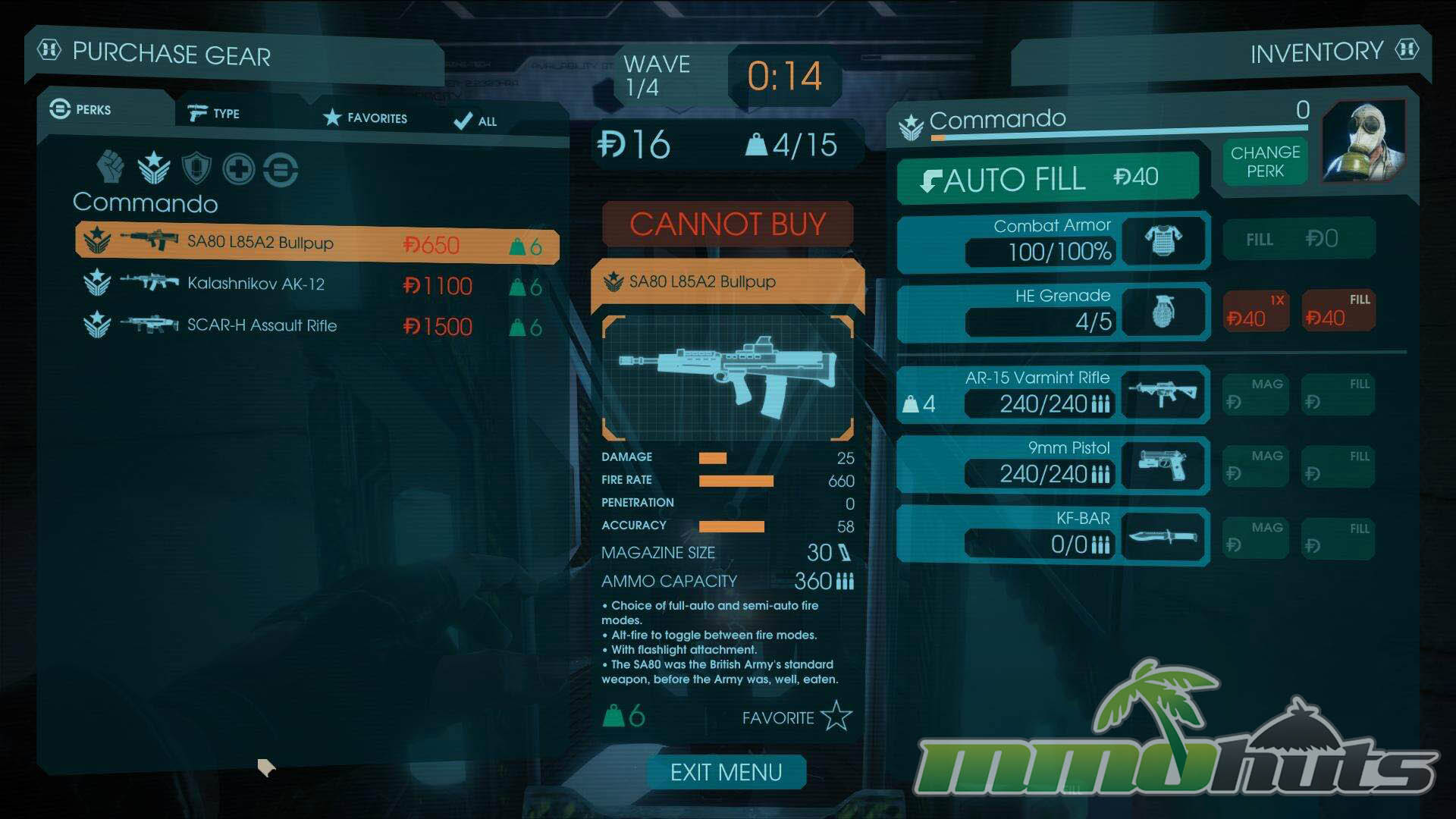
Between waves, you head to the trader, a bright blue station where you restock armor and ammo and spend your earned cash. This downtime is short but important. The early game is often about making modest purchases, conserving ammunition, and setting up for stronger weapons later. Players who waste money or overbuy too early can feel underpowered when the difficulty spikes.
Weight limits add another layer. You cannot carry everything, so loadouts involve tradeoffs, and grabbing a dropped weapon can disrupt a plan if it pushes you over capacity. Death is also costly, since you lose the weapons you purchased for that run, and nothing carries over to the next map. That structure keeps each match self-contained and makes smart spending feel meaningful.
A nice touch is how perks and weapons interact. Every perk can use any weapon, but experience is tied to the weapon’s associated perk, so your choices influence progression. It encourages experimentation, but it also nudges players to use tools that reinforce their role if they want efficient leveling.
Perks, Levels, and Role Definition
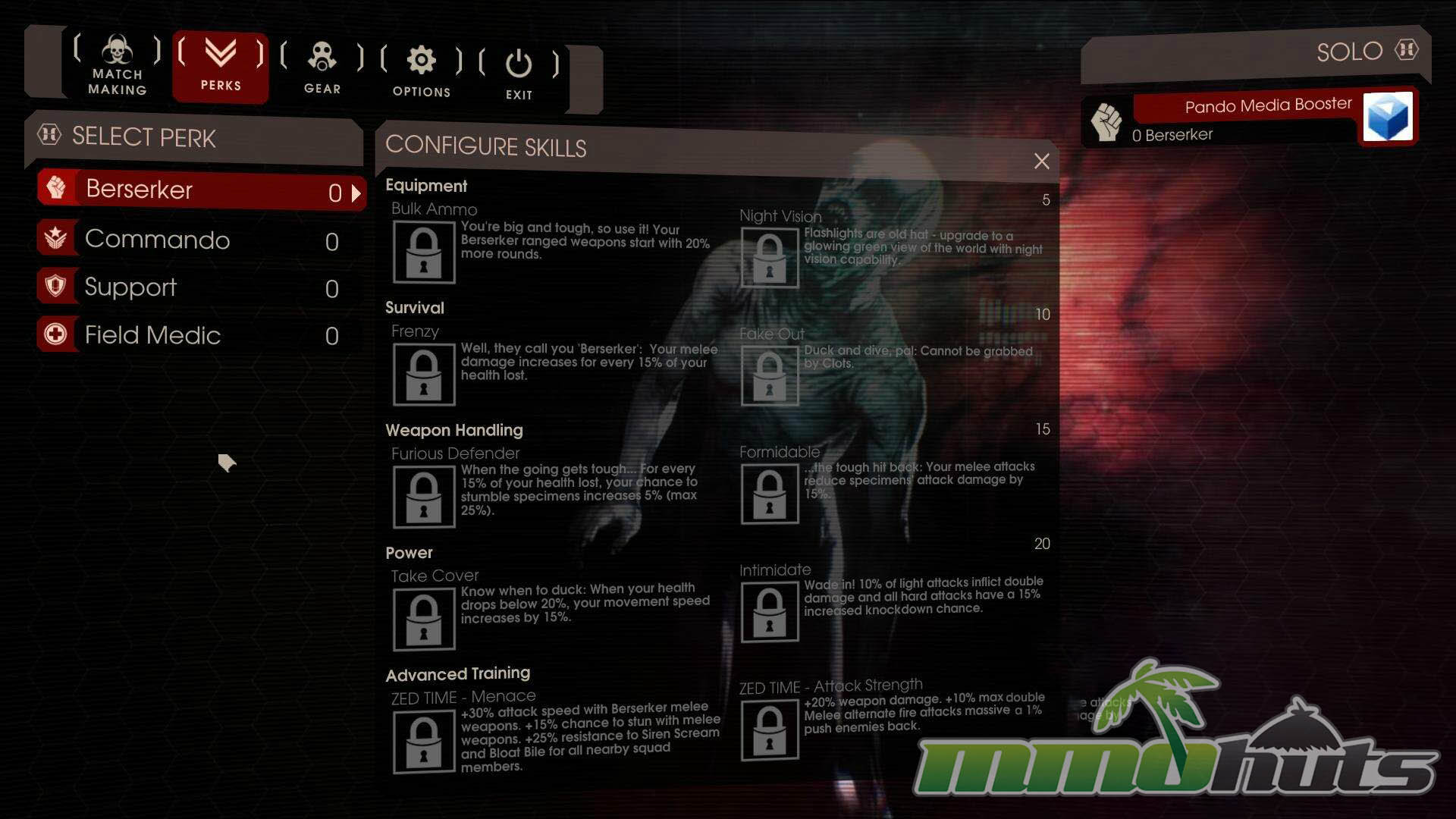
Progression is handled through perk experience, with a new skill selection every five levels. These skills shape your function in the team rather than simply boosting raw stats. Over time, perks develop clear identities, and a group that understands those roles will have a much smoother match. The system is approachable, but it still leaves room for build decisions that affect how you support the squad during pressure moments.
Because matches are short and the rewards are immediate, leveling rarely feels like a grind at first. The bigger challenge is learning when to play for efficiency and when to play for safety, especially as waves become dense and mistakes snowball quickly.
Slow Motion as a Combat Highlight
Occasionally the game triggers “Zed Time,” shifting into slow motion and changing the look of the scene to emphasize the violence and impacts. It is not just visual flair, it can create clutch opportunities for accurate shots and coordinated takedowns when the team is under pressure. When it hits at the right moment, it turns a messy brawl into a brief window of control where you can clear key threats and reset your positioning.
Boss Waves and Team Discipline
After the final standard wave, the boss arrives and the match’s tone changes. These fights are much less forgiving than the earlier waves, because damage, healing, and positioning become a team problem rather than an individual test. Splitting up usually leads to quick deaths, while disciplined movement and focused fire are the difference between a clean win and a wipe.
The arenas can tempt players into open spaces, but bosses often punish that with ranged pressure and area denial. Teams that use corners, corridors, and controlled retreats tend to perform better than groups that sprint into wide areas and hope to outgun the encounter. If your squad communicates and respects roles, boss fights feel like a satisfying capstone, if not, they can end a strong run abruptly.
Final Verdict: Great
Killing Floor 2 delivers exactly what a wave-based co-op shooter should: fast matches, satisfying weapons, and a constant push-and-pull between resource management and raw survival. The visuals and performance help the action stay readable even when the screen fills with enemies, and the perk system gives players a reason to keep improving beyond a single night of play.
The main drawback is longevity. The loop is intentionally repetitive, and once you have seen the maps and enemy patterns enough times, the surprise fades. Matchmaking can also feel uneven depending on the lobby. With a coordinated group of friends, the game is consistently entertaining, solo queue play is more hit-or-miss.
Killing Floor 2 Links
Killing Floor 2 Official Site
Killing Floor 2 Steam Page
Killing Floor 2 Wikipedia
Killing Floor 2 Subreddit
Killing Floor 2 Requirements
Minimum Requirements:
Operating System: Win7 64-bit, Win8/8.1 64-bit
CPU: Core 2 Duo E8200 2.66GHz or Phenom II X2 545
RAM: 3 GB RAM
Video Card: GeForce GTS 250 or Radeon HD 4830
Hard Disk Space: 10 GB available space
Additional Info: UNSUPPORTED HARDWARE – IntelHD Integrated Graphics Chips, 32-bit Operating Systems
Recommended Requirements:
Operating System: Win7 64-bit, Win8/8.1 64-bit
CPU: Core 2 Quad Q9550 2.83GHz or Phenom II X4 955
RAM: 4 GB RAM
Video Card: GeForce GTX 560 or Radeon HD 6950
Hard Disk Space: 10 GB available space
Killing Floor 2 Music
Coming Soon!
Killing Floor 2 Additional Information
Developer: Tripwire Interactive
Publisher: Tripwire Interactive
Distributor(s): Iceberg Interactive
Game Engine: Modified Unreal Engine 3
Game Director(s): Bill Munk
Game Artist(s): David Hensley
Announcement Date: May, 08, 2014
Closed Beta Date: April 08, 2015
Closed Beta End Date: April 17, 2015
Launch Date: April 21, 2015
Steam Release Date: April 21, 2015
Development History / Background:
Killing Floor 2 was created by American studio Tripwire Interactive using a modified Unreal Engine 3 pipeline. Development ramped up after the success of Red Orchestra 2: Heroes of Stalingrad (2011), with a larger team and budget than the original game. With more staff, the studio could lean on motion capture to improve both creature movement and weapon handling, helping the action read cleanly at high frame rates. That technical foundation also supports the game’s signature moments, including Zed Time, the slow-motion combat sequences that punctuate intense fights.
Another major focus was the M.E.A.T. system (massive evisceration and trauma), Tripwire’s dynamic gore tech. Instead of relying on static textures, blood and dismemberment are presented in real time and remain visible across the map, reinforcing the game’s brutal identity and making combat feel unusually tangible for the genre.
Killing Floor 2 will also be released on Playstation 4.