HIT (Heroes of Incredible Tales) was a free-to-play mobile hack-and-slash action RPG that leaned hard into slick presentation, using Unreal Engine 4 visuals, responsive real-time combat, and a large set of bite-sized stages. Across its run it offered four distinct playable classes, a steady stream of gear to collect and upgrade, and multiplayer hooks like real-time Arena battles and cooperative boss raids, plus extra activities such as Tower of Trials and Sanctuary.
 | Publisher: Nexon Type: Mobile RPG Release Date: July 7, 2016 (Global) Shut Down: May 9, 2019 Pros: +Excellent visuals for a mobile RPG. +Smooth, satisfying action combat. +Approachable stage-based sessions. +Fully voiced narrative scenes. +Real-time PVP and co-op play. Cons: -Core loop can feel samey over time. -Pay-to-win pressure, especially in PVP. –Heavy grinding for upgrades and gear. |
HIT Overview
HIT (Heroes of Incredible Tales) was a 3D, stage-driven dungeon crawler built by NEXON, a publisher known for mobile titles like Pocket Maplestory and Legion of Heroes. Its big hook was production value, with Unreal Engine 4 powering detailed character models, dramatic lighting, and flashy skill effects that helped it stand out among action RPGs on phones.
The game pushed you through a long string of combat stages where you cut down mobs, learn boss patterns, and gradually raise your power through equipment upgrades and skill progression. Combat was fast and tactile for a mobile title, with active skills alongside defensive tools like blocking, dodging, and well-timed counterattacks. Between story chapters about resisting the God of Chaos and the steady gear chase, HIT aimed to keep players rotating between quick solo runs and social modes.
Multiplayer was a major part of the package. You could test your build in real-time Arena matches, or group up in real-time co-op for boss raid encounters designed around teamwork and survival. Alongside the main progression, extra modes like Tower of Trials and Sanctuary provided alternate reward tracks for players who wanted more than the standard stage grind.
HIT Features:
- Stage-based Levels – A large set of short missions spread across multiple areas, each with enemies and a boss encounter.
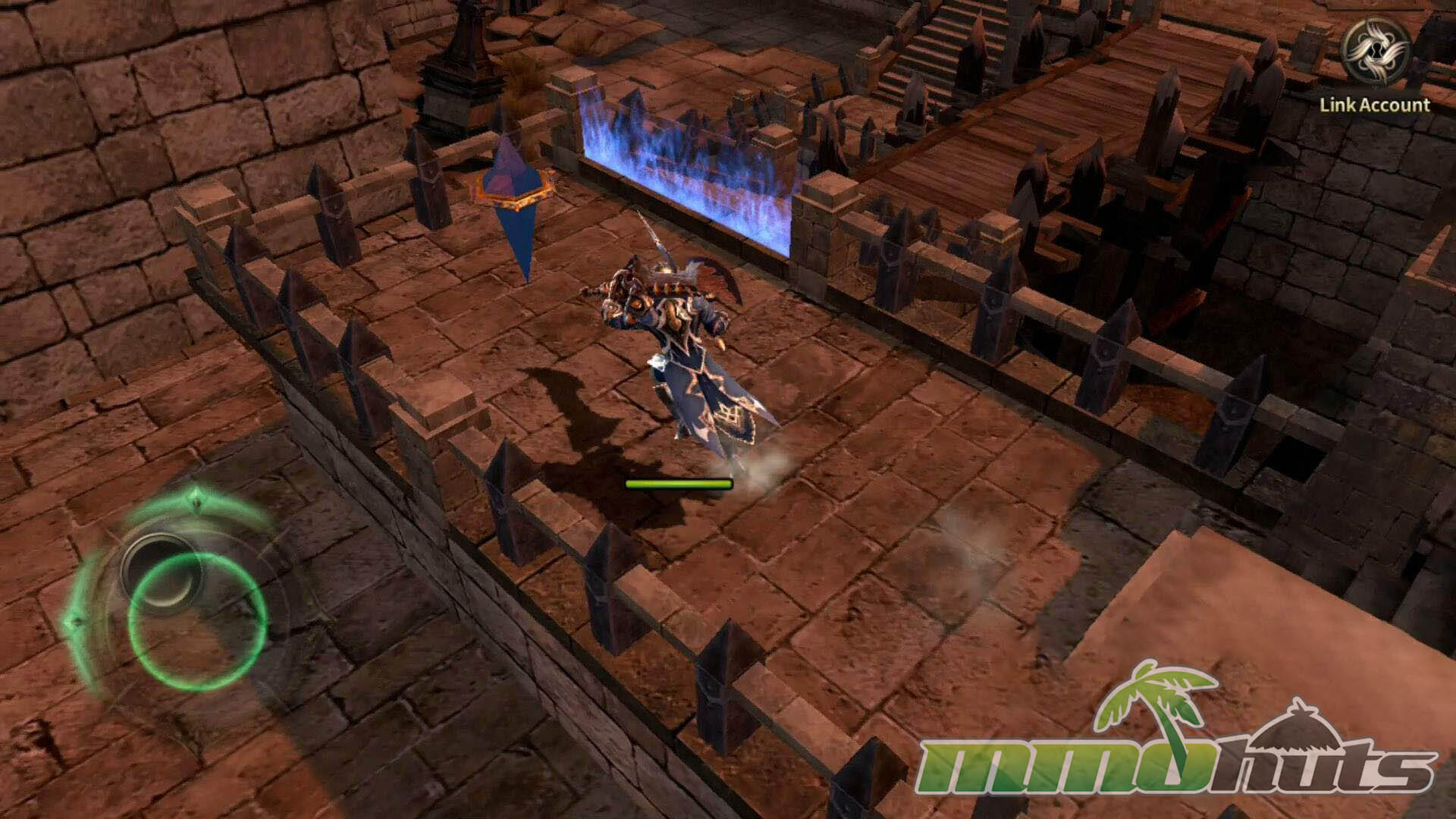
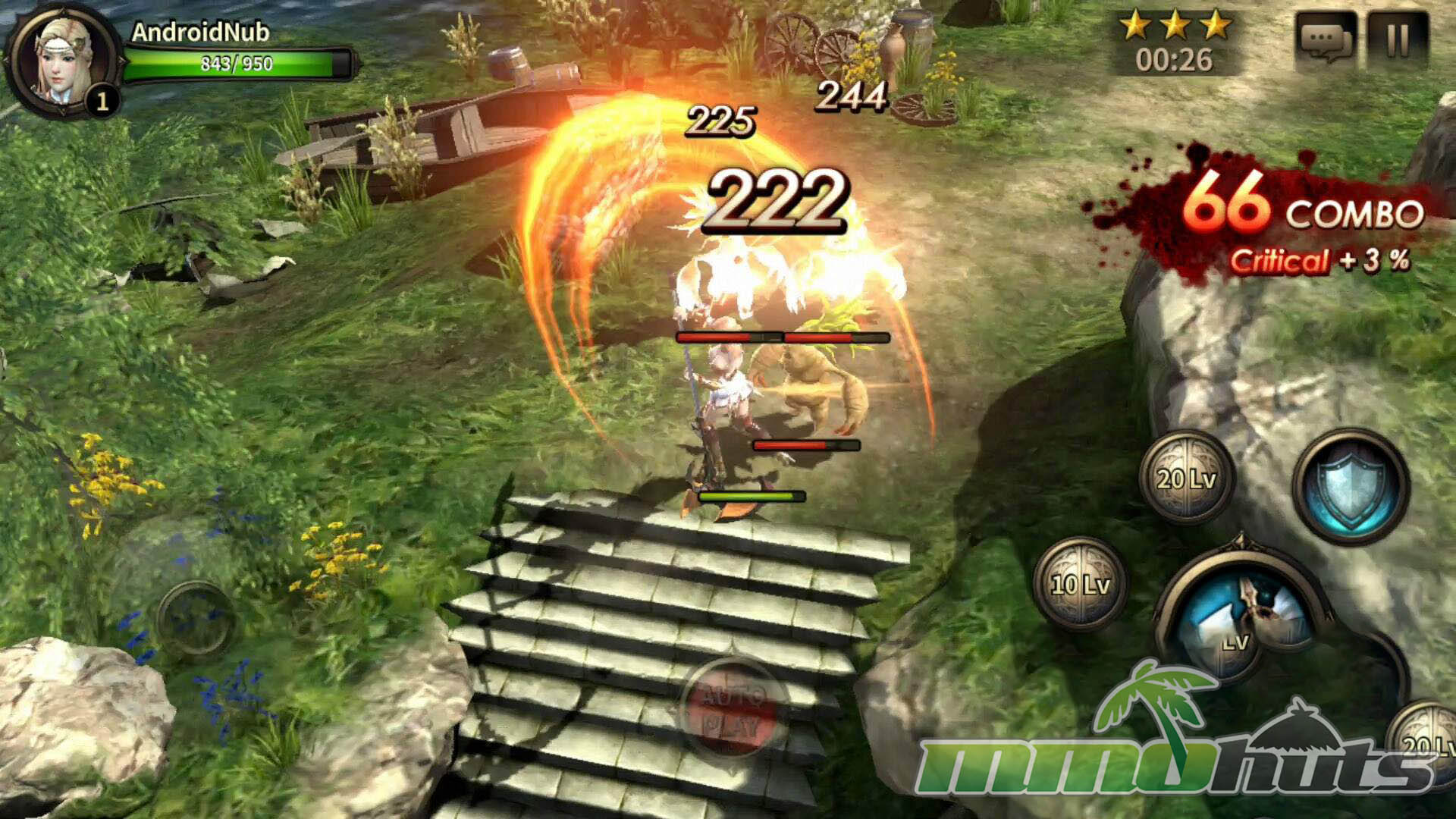
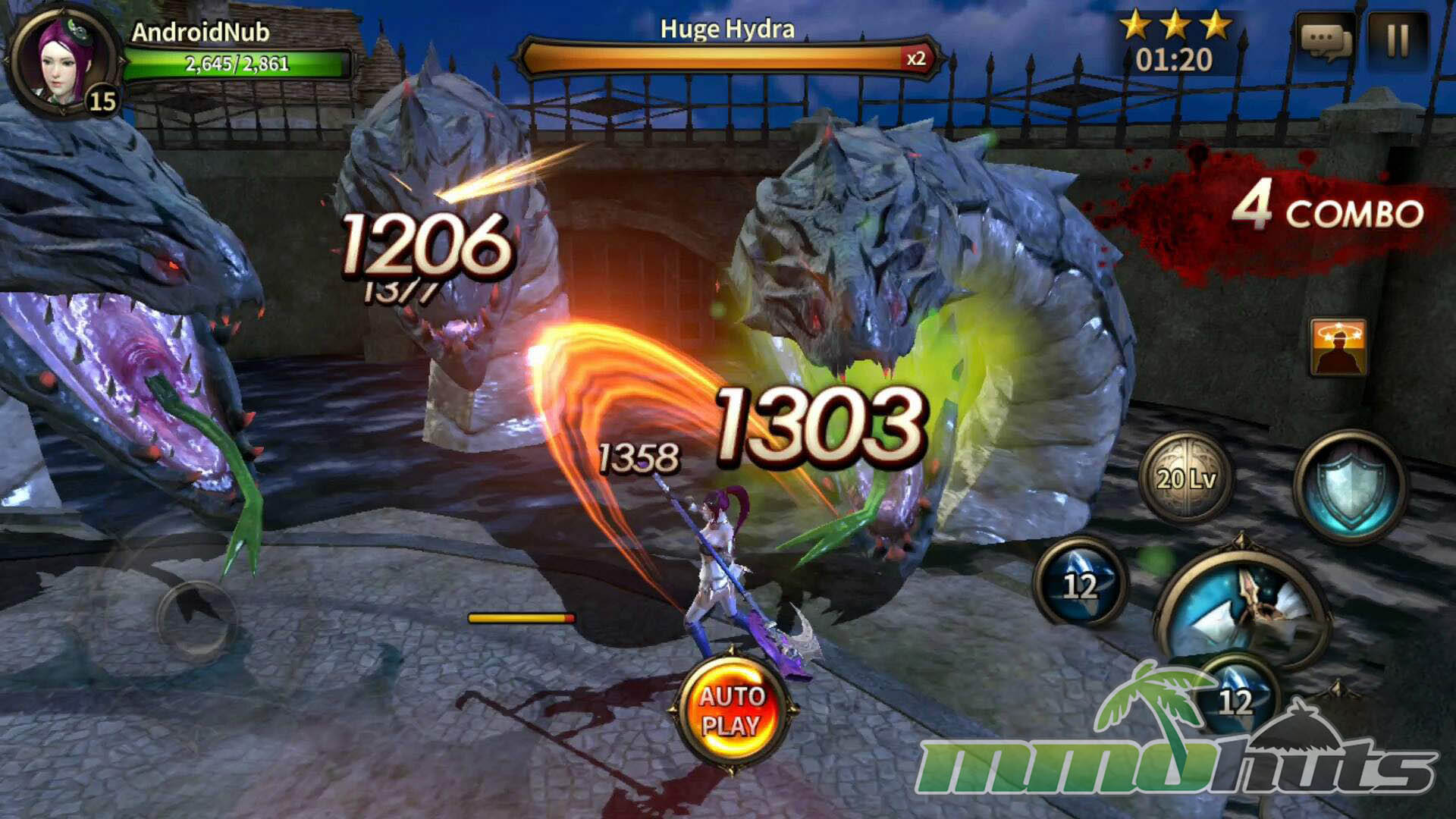
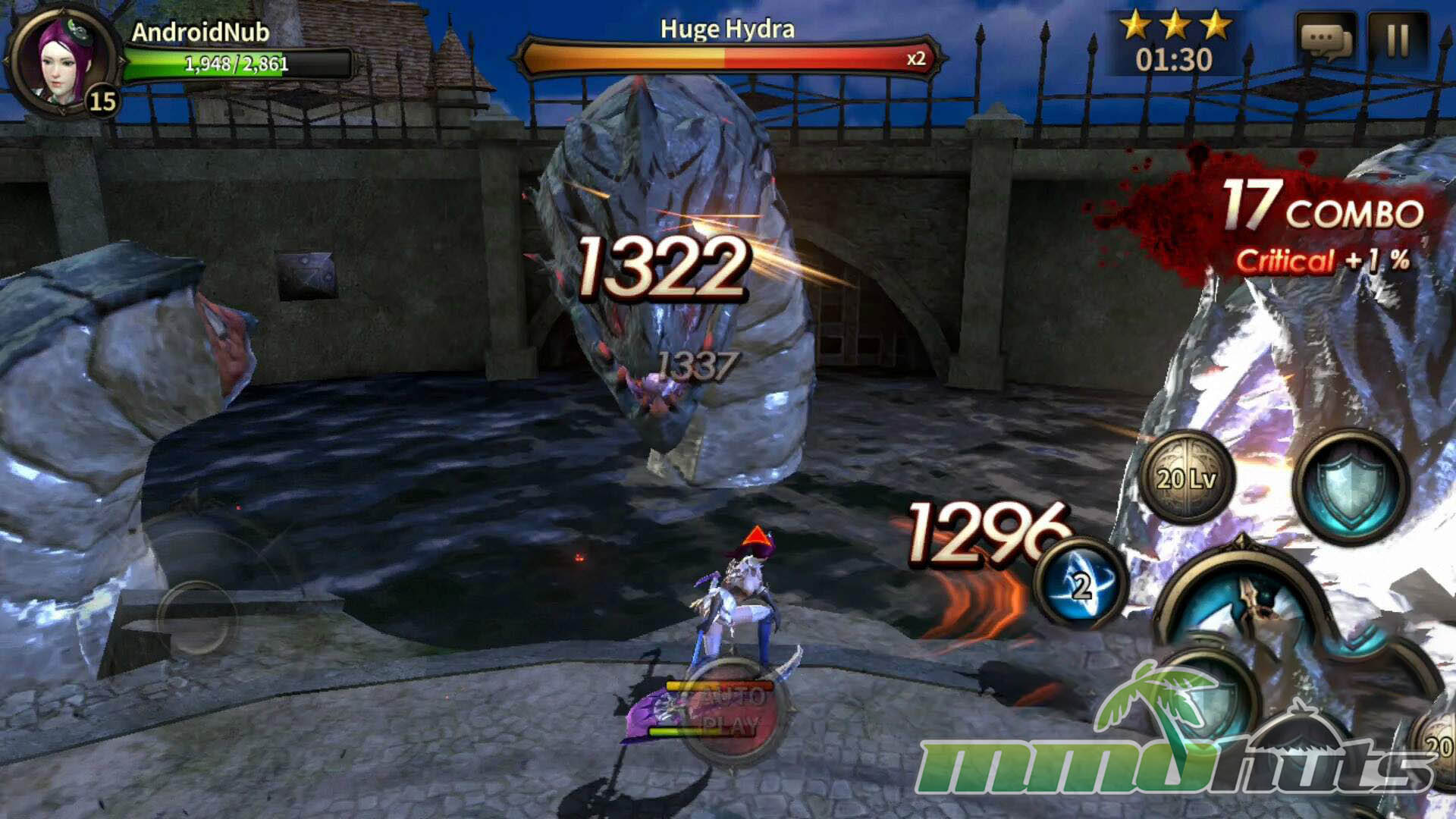
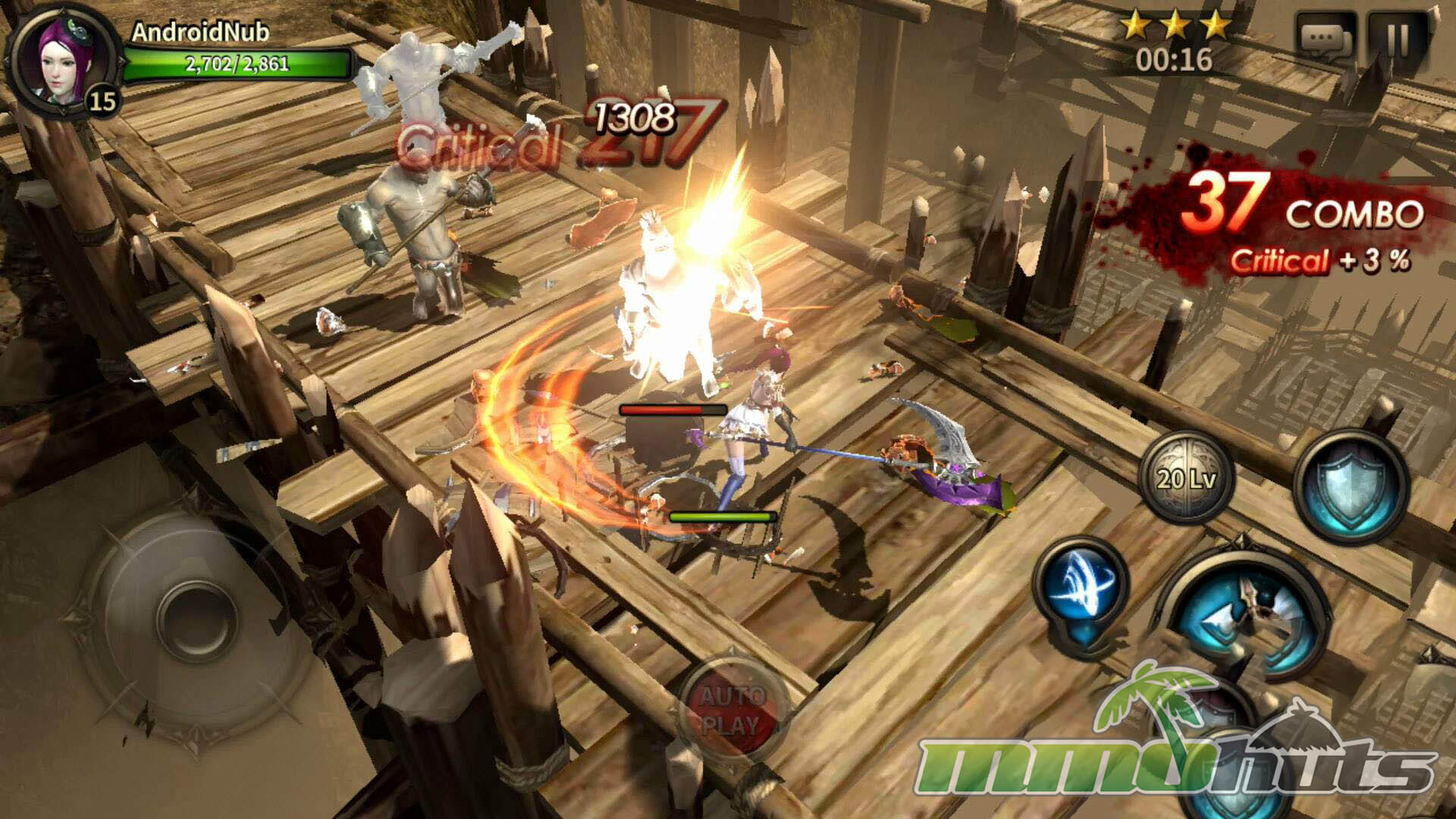
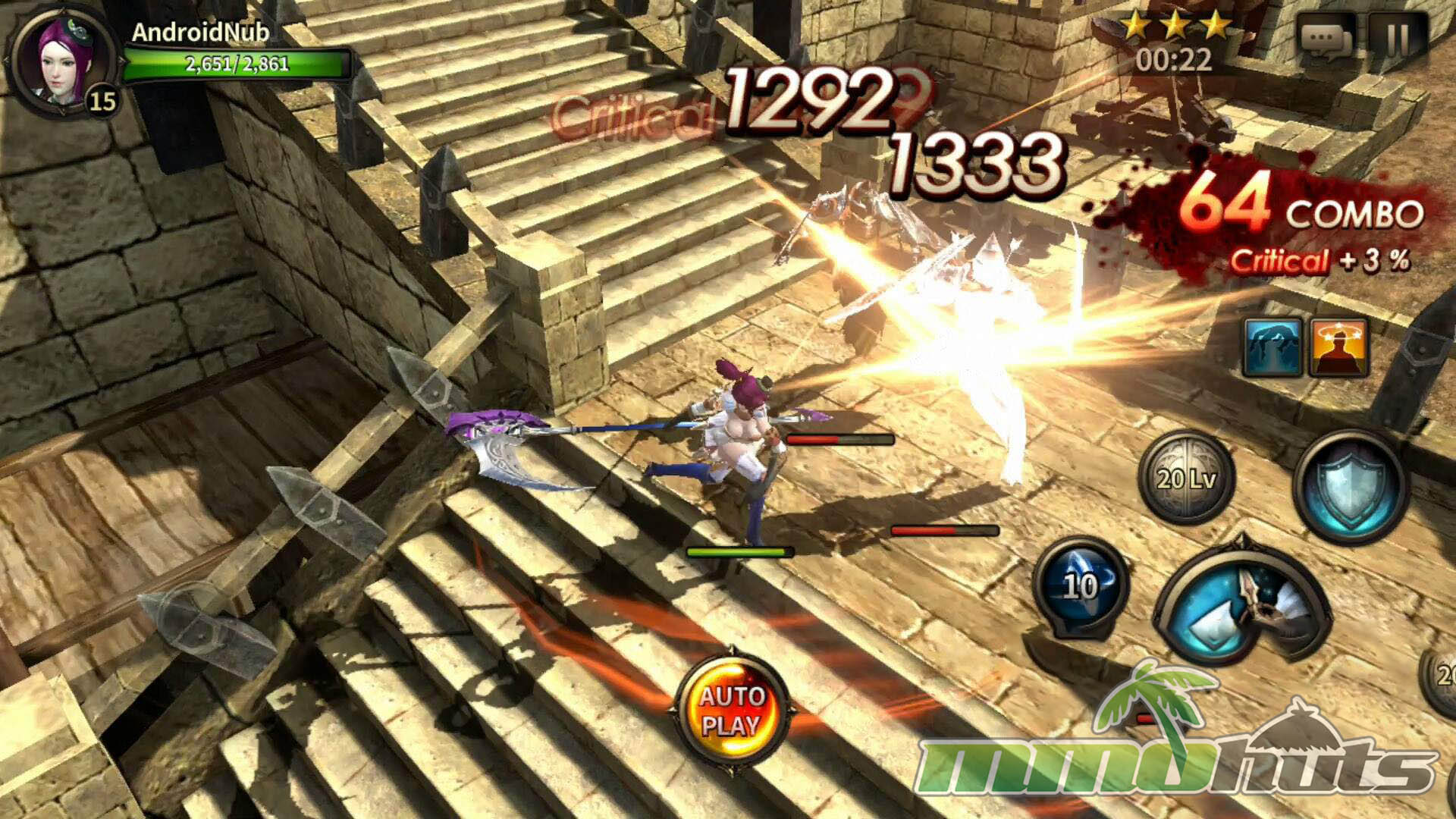
- High Quality Graphics – Unreal Engine 4 visuals with detailed environments, strong lighting, and showy combat effects.
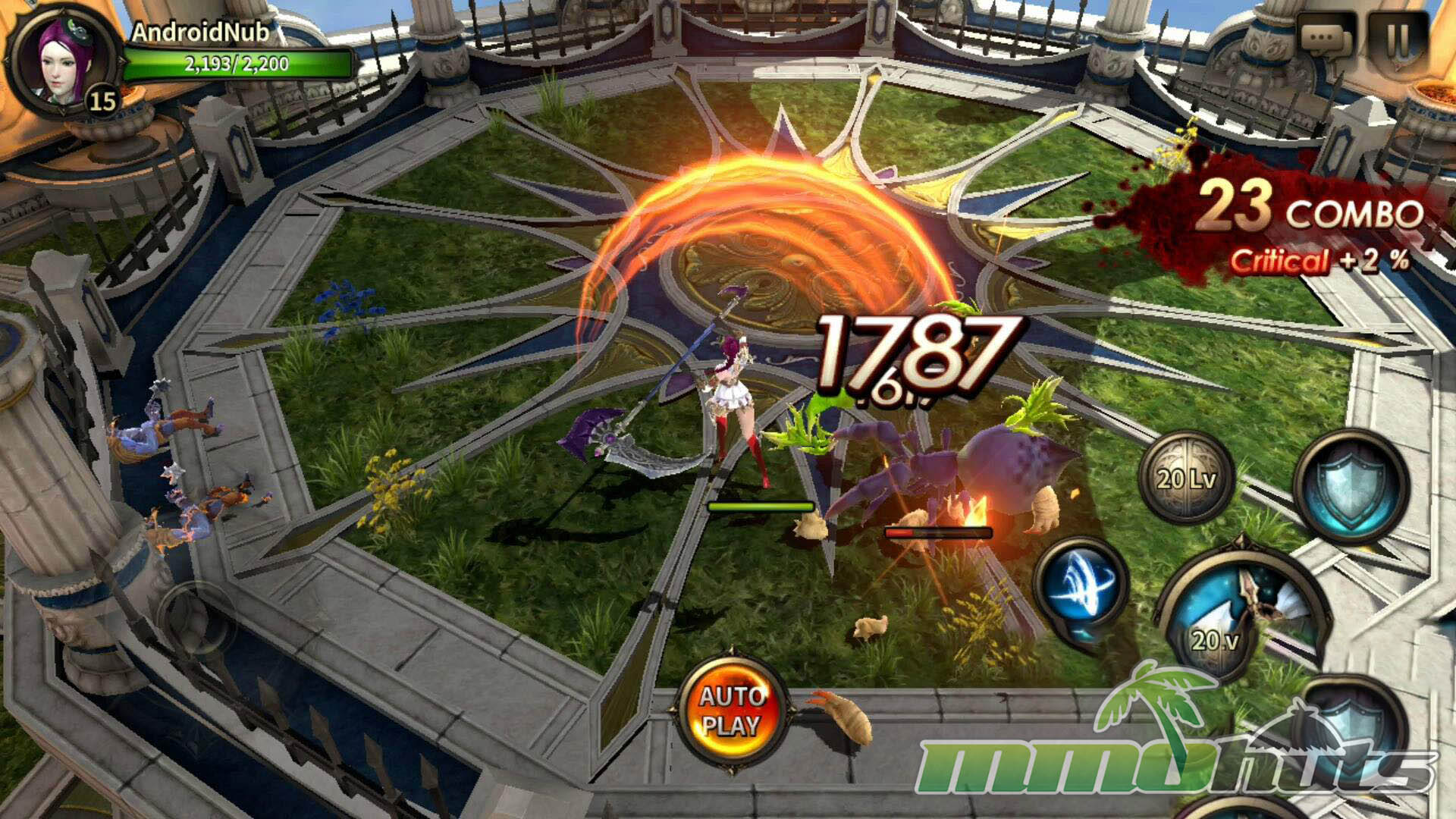
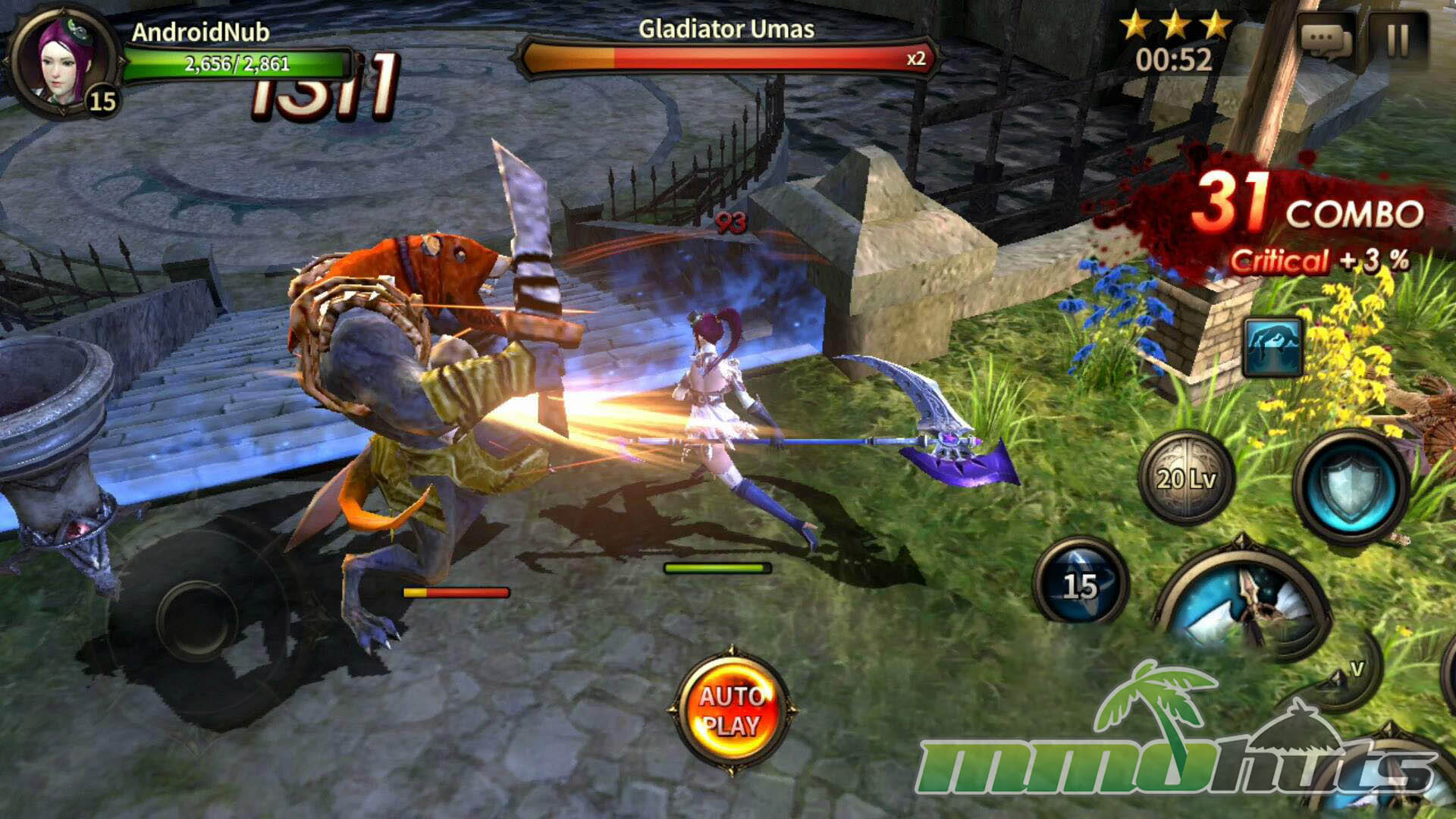
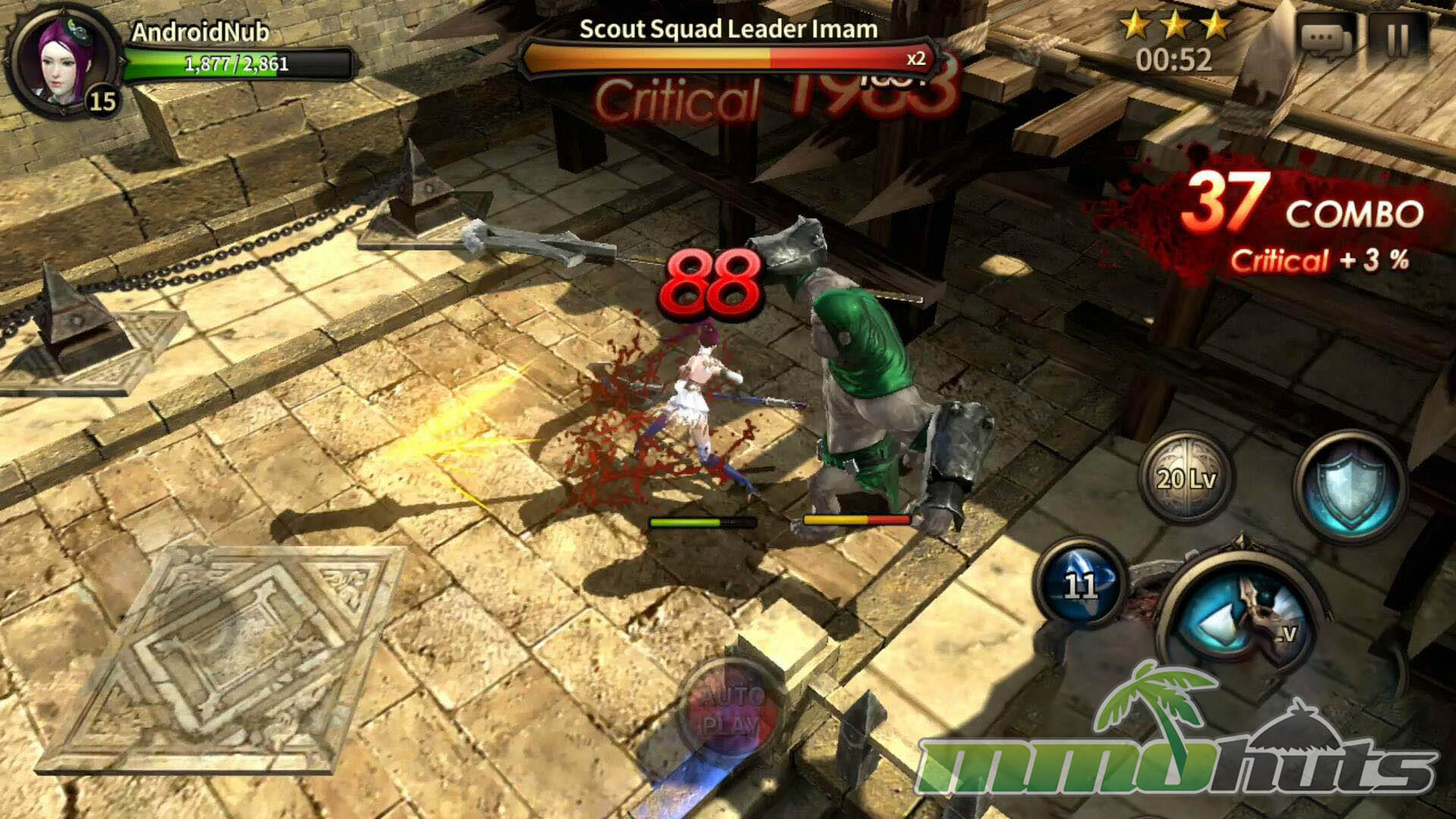
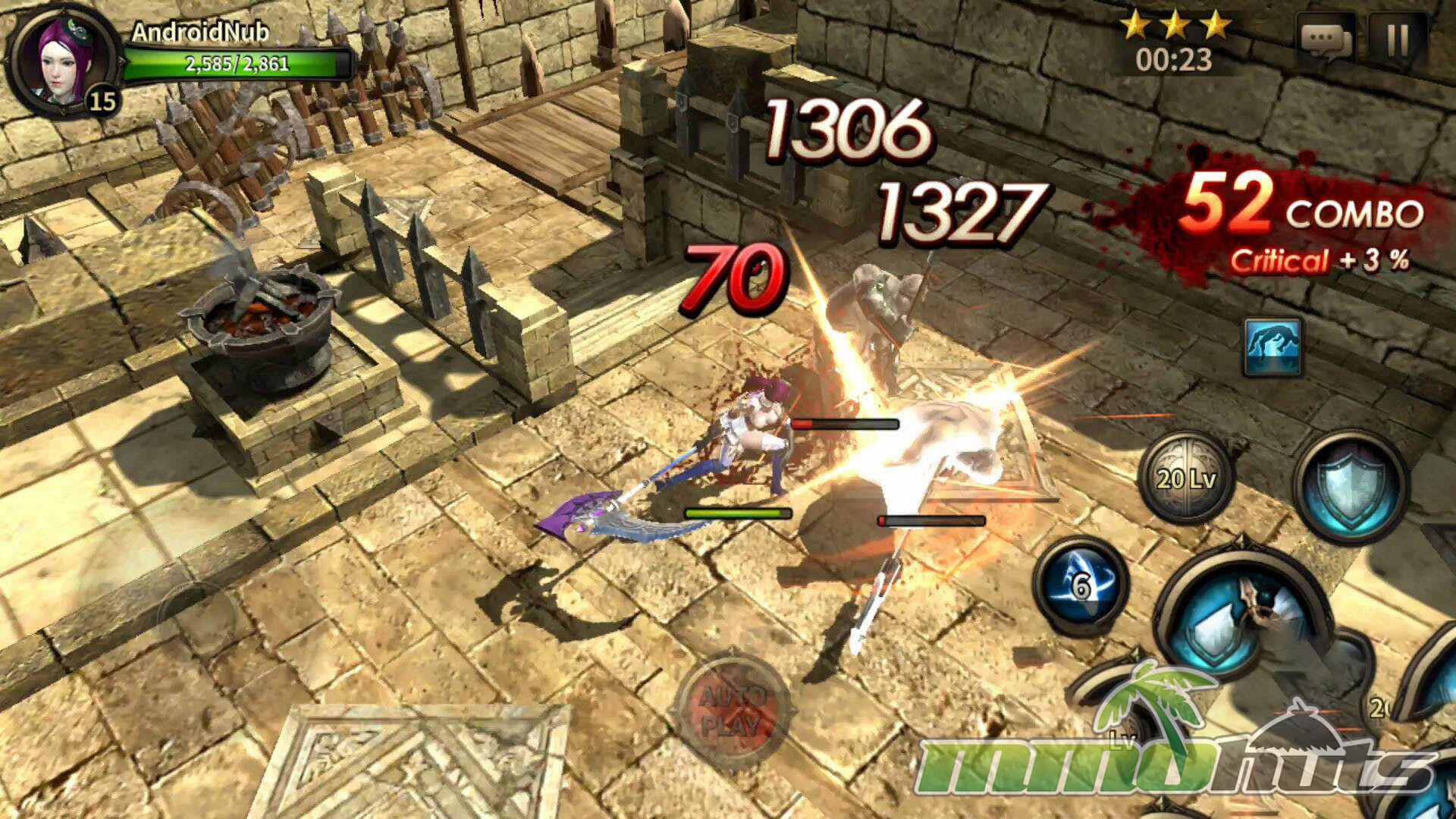
- Fluid, Action Combat – Real-time hack-and-slash gameplay with skills, combos, and defensive timing through blocks, dodges, and counters.
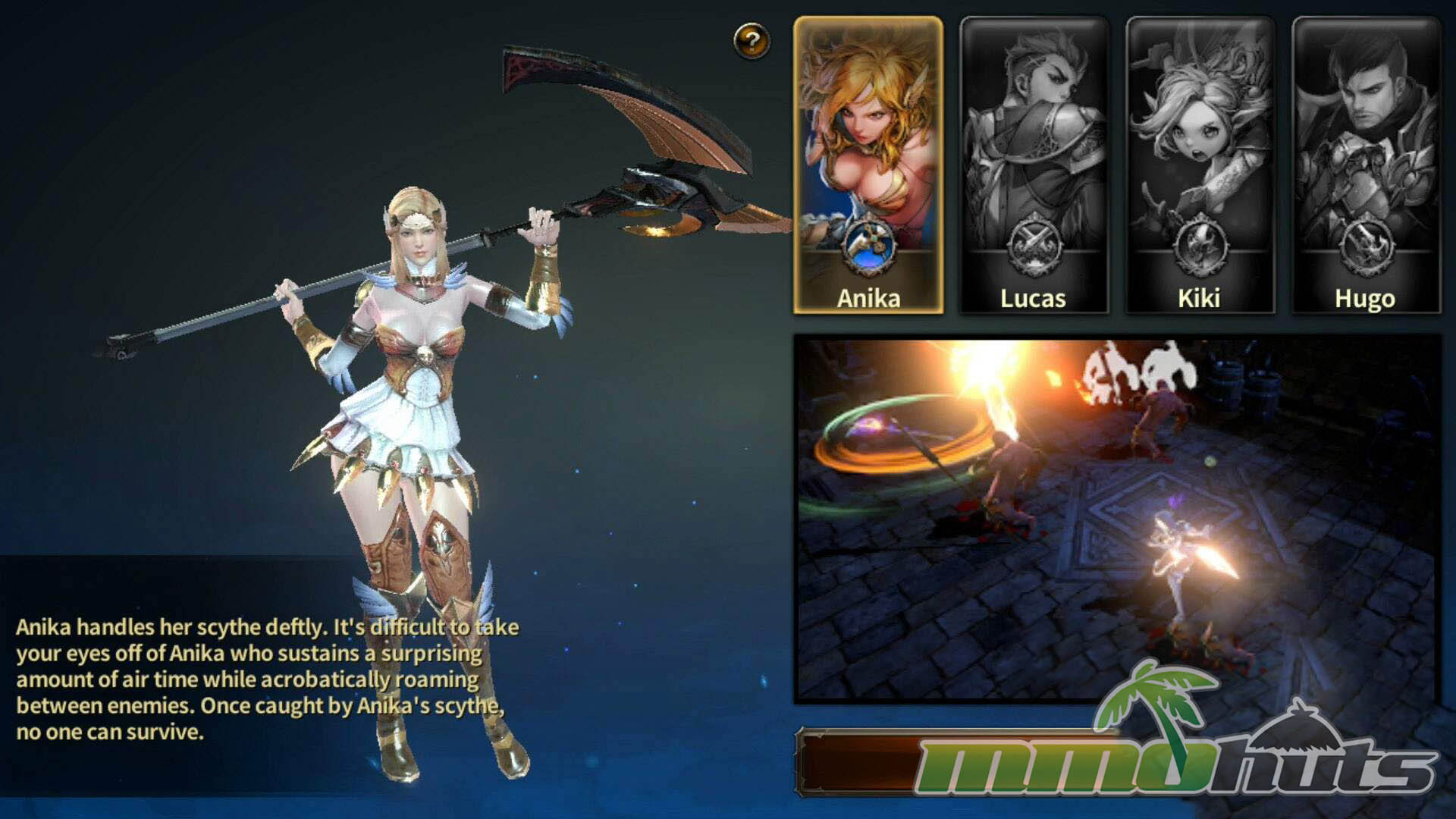
- Four Classes to Choose From – Play as Anika (Scythe), Lucas (Dual Swords), Kiki (Magical Staff), or Hugo (Greatsword), each with a distinct feel and toolkit.
- Voice-acted Story – Story sequences delivered with voice work, adding a more premium tone than many mobile RPGs.
- PVP, Co-Op, and Additional Modes – Real-time Arena battles, 5-player Boss Raids, plus extra solo modes for rewards and progression materials.
HIT Screenshots
HIT Featured Video

HIT Review
HIT (Heroes of Incredible Tales) was a free-to-play 3D action RPG from Nexon, built around fast dungeon runs, loot upgrades, and high-end presentation for its era. It originally launched in Korea on November 18, 2015, and quickly built momentum, reaching 1 million downloads within a week. It also hit #1 trending on Google Play a day after release and appeared in Korea’s Google Play Games of the Year 2015 shortly after.
From a design standpoint, HIT did not radically reinvent the mobile action RPG formula. What it did exceptionally well was execution. The game felt polished in animation and controls, delivered striking Unreal Engine 4 visuals, and supported its main loop with systems that encouraged mastery, especially through defensive mechanics like blocking and countering. That combination helped it rise above many similar stage-based RPGs that relied more on auto-combat and raw stats.
Heroes, classes, and switching playstyles
At the start you chose from four classes: Anika (Scythe), Lucas (Dual Swords), Kiki (Magical Staff), and Hugo (Greatsword). Each one played differently enough to feel like a separate character action kit rather than a simple stat swap. You could change between classes, but progression was tied to each character, so experimenting meant committing time to leveling multiple heroes. Only the first two options were available for free at the beginning.
In practice, Anika emphasized sweeping range and agile movement, Lucas focused on speed and relentless pressure, Kiki provided ranged elemental damage with strong area coverage, and Hugo traded mobility for heavy hits and a sturdier feel. Defensive options were broadly consistent across the roster, including the ability to block and dodge, but the pace and spacing of fights changed dramatically depending on your weapon style. That class variety helped keep the long stage grind from becoming purely routine, especially if you enjoyed rotating characters.
Stage structure and the upgrade-driven climb
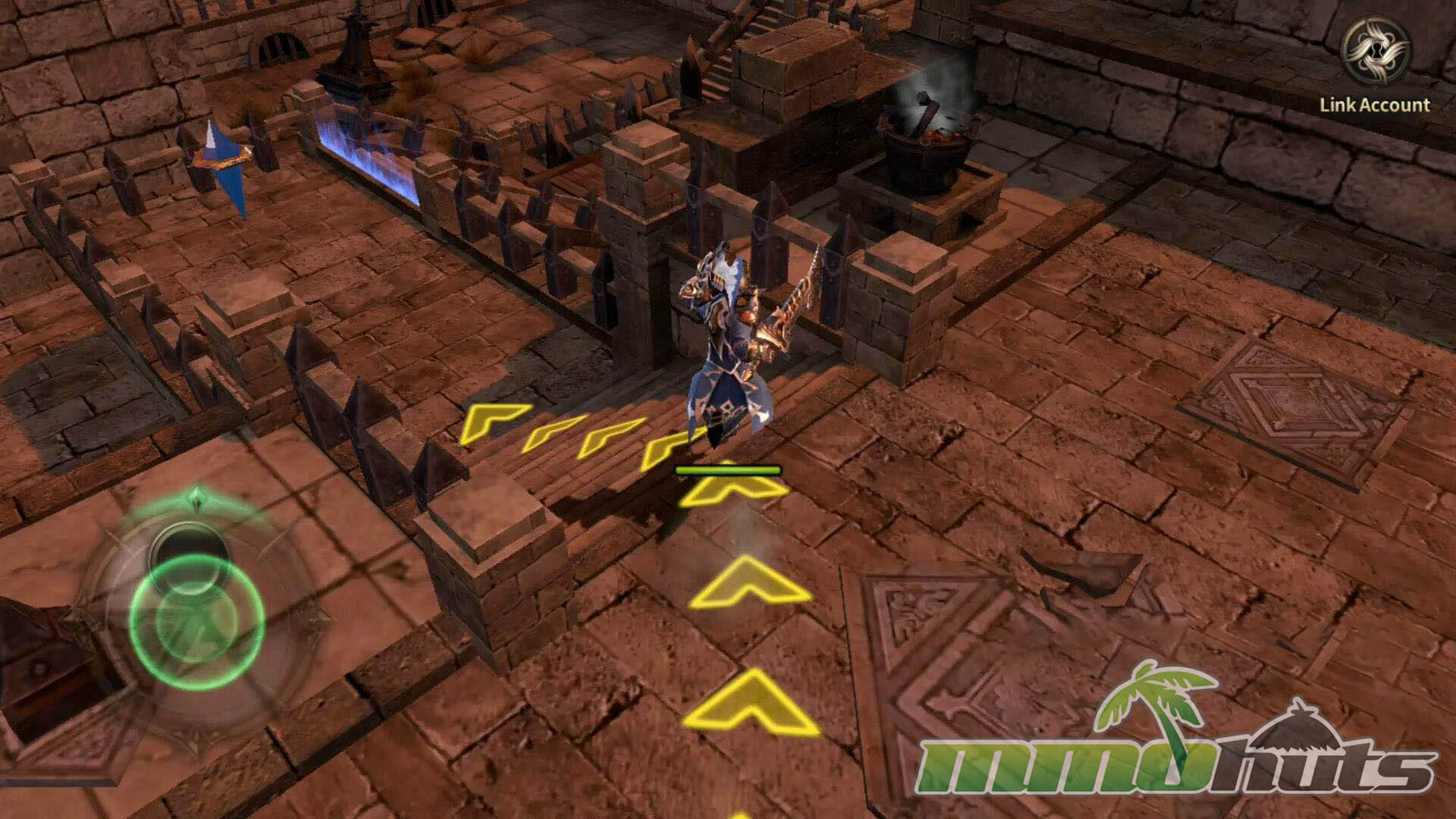
Progression followed a familiar mobile format: areas broken into stages (10 stages per area), each stage being a short run through enemies capped by a boss. Early missions were quick, while later ones stretched longer as enemies became tougher and bosses demanded cleaner play. Typical clears landed around a few minutes, which worked well for mobile sessions and made repeating content less of a commitment.
Rewards reinforced repetition. Each run provided gold and experience, plus chances at better gear, which encouraged farming when you hit a difficulty wall. Stages also displayed a recommended equipment score, effectively signaling when you needed to strengthen items rather than brute-force forward. Story scenes appeared regularly (every five stages) and were fully voiced, giving the campaign a premium sheen even if the plot beats stayed in well-worn fantasy territory. The structure was standard, but it was paced in a way that suited short play windows.
Unreal Engine 4 presentation, and the device caveat
Visually, HIT was one of the standout mobile action RPGs of its time. Character models, armor sets, and weapon designs leaned toward a realistic medieval-fantasy style, and the lighting in particular gave stages a dramatic look with strong shadows and reflective highlights. Animations were responsive, and hit reactions (including knockback) made combat feel weighty rather than floaty.
The downside to pushing this level of fidelity on mobile was performance. On mid-range or older devices, maintaining smooth gameplay could be difficult, which mattered because the combat system rewarded timing and reaction. When it ran well, the overall presentation compared favorably to other action RPGs in the space, with a more grounded look than many of its stylized peers.
Combat: simple inputs, real defensive skill
HIT’s moment-to-moment gameplay was built around a virtual joystick and a compact set of buttons for attacks, skills, and defense. Basic attacks could be tapped or held, skills were activated directly, and defense revolved around blocking and dodging. The key difference from many similar mobile RPGs was that blocking mattered. A block could fully negate incoming damage, and properly timed defense could trigger a counterattack, turning survival into an active skill check instead of a pure gear check.
As difficulty increased, this design paid off. Players who learned enemy tells and used block, dodge, and counter timing could push further than their gear alone might suggest. Some skills also supported follow-up finisher attacks when chained correctly after activation, adding a light combo layer without making the system overly complex.
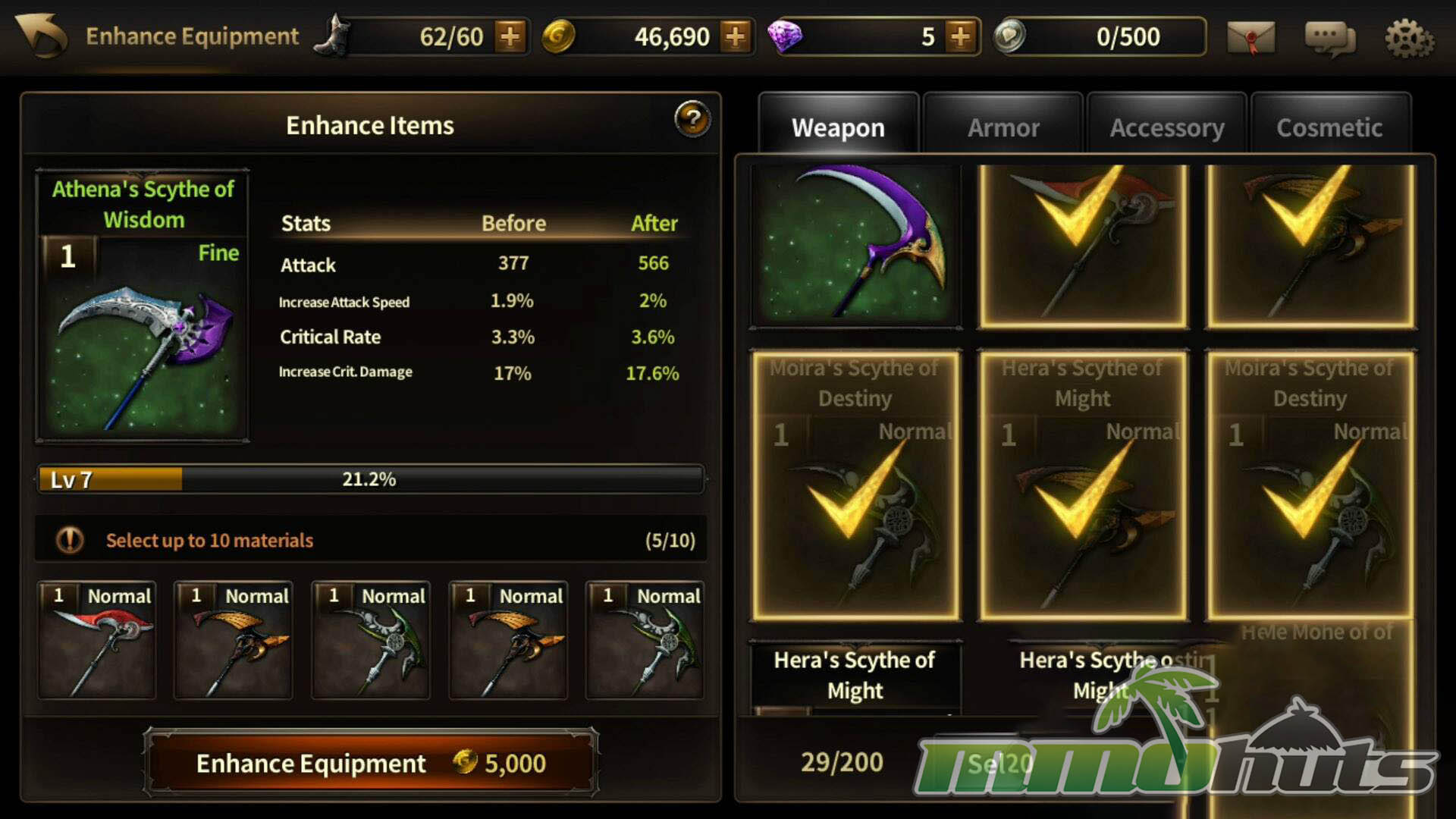
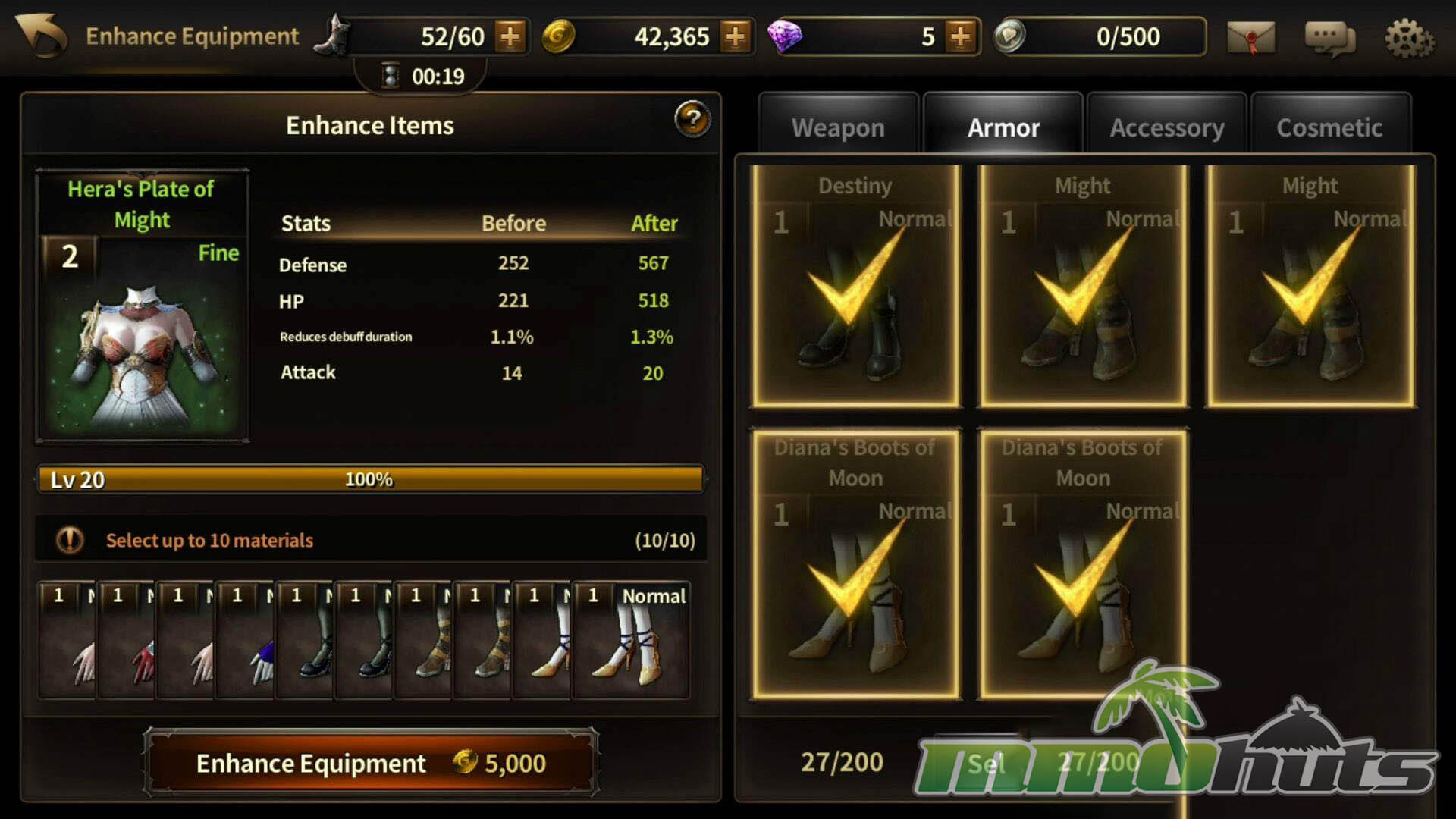
Progression systems supported that combat loop. Skills could be improved with points across four upgrade tracks: Offense (damage), Wisdom (cooldown reduction), Concentration (critical chance), and Fatality (critical damage). Passive abilities covered attack, defense, and counter-related bonuses. Gear covered the usual categories (weapons, armor, accessories) and could be strengthened through enhancement by sacrificing other equipment, then promoted with Jewels after reaching maximum level (level 20).
Like many Korean mobile RPGs, HIT also included an Auto option for routine farming. It was useful for grinding, but it did not replicate proper play because it avoided higher-skill actions like blocking, dodging, countering, and skill usage. That made manual play the better choice for tougher content, while Auto served as a convenience tool for repeat runs.
Multiplayer modes: co-op raids and real-time Arena
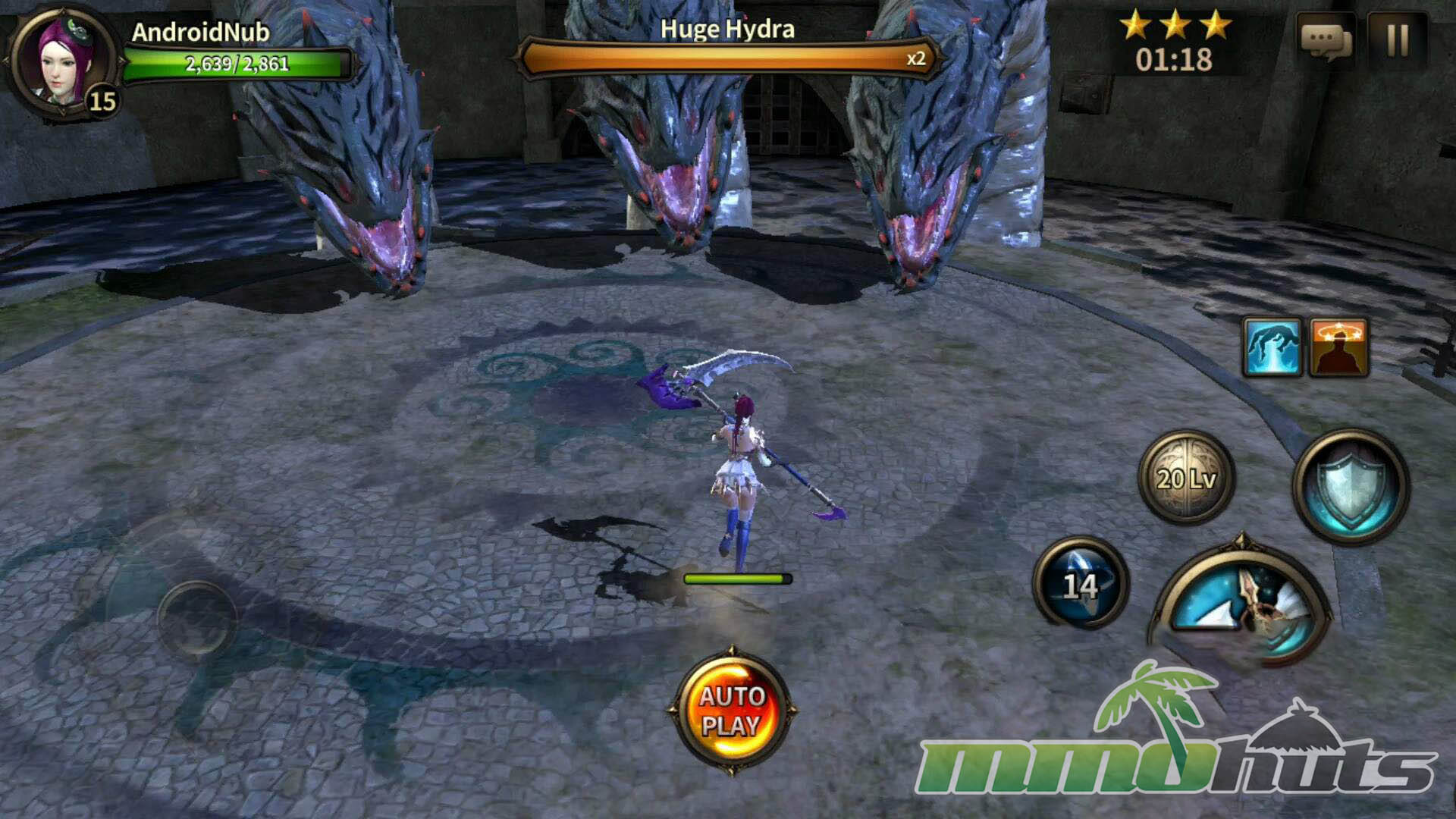
Outside the story stages, HIT offered a meaningful set of side activities. Co-op Boss Raids let you team up with up to four other players in real time to bring down a major boss encounter. Auto was disabled here, which pushed players to actively participate, coordinate survival, and contribute damage rather than coast. These raids were among the most engaging parts of the game because they highlighted the combat system under pressure.
Arena PVP was also real-time, with matchmaking that attempted to pair players around similar ranks. Fights could be tense and reactive, with dodges and timing playing a major role, but the mode struggled with balance in practice. Gear advantages, often tied to spending, could heavily influence outcomes, and matchmaking did not always produce fair-feeling matchups.
For solo players, extra modes such as Tower of Trials offered a climb of increasingly difficult floors with strong rewards (including Gems and summon opportunities). Sanctuary provided another survival-style option that could be played with AI companions and rewarded Jewels used for equipment promotion. Together, these modes added variety and gave players alternative ways to progress beyond repeating story stages.
Cash Shop and the pay-to-win pressure
HIT used gacha-style monetization typical of its genre. Premium currency (Gems) could be spent on randomized equipment summons across Rare to Legendary tiers (with a guaranteed Heroic item for 10 summons), along with purchases like gold (useful for enhancements) and energy refills for continued stage runs. The most impactful spending route was equipment summoning, since stronger items translated directly into faster clears and an advantage in competitive modes.
Non-paying players still had ways to earn summons through daily freebies and login rewards, including periodic Rare to Legendary pulls, plus Rare and Heroic summons from event-style reward tracks. That said, the power curve and the ability to revive using Gems could smooth progression for spenders, particularly when pushing story content at the edge of your equipment score. Overall, paying was not strictly required to play, but it provided convenience and meaningful power advantages, most notably in PVP.
Final Verdict – Great
HIT delivered a highly refined mobile action RPG package, pairing strong Unreal Engine 4 visuals with responsive combat that rewarded timing through blocks, dodges, and counterattacks. It also offered substantial content for its format, including real-time Arena, cooperative boss raids, and multiple side modes. The trade-offs were familiar: a grind-heavy loop, repetition baked into stage farming, and monetization that could tilt competitive play. Even with those issues, HIT stood out as one of the most polished entries in the mobile hack-and-slash RPG space during its lifespan.
HIT System Requirements
Minimum Requirements:
Android 4.1 and up / iOS 8.0 or later
HIT Music & Soundtrack
HIT Additional Information
Developer: NEXON
Publisher: NEXON
Platforms: Android, iOS
Release Date: November 18, 2015 (KR)
Shut Down: May 9, 2019
HIT (Heroes of Incredible Tales) was developed and published by Nexon, a major name in the mobile market with titles such as Pocket Maplestory and Legion of Heroes. The game launched in Korea on November 18, 2015 and surpassed 1 million downloads within its first week. It reached #1 trending on Google Play one day after release and was included in Korea’s Google Play Games of the Year 2015 two days later.
Notably, HIT shipped with both Korean and English language support despite being region-locked early on, which made it more accessible than many comparable releases. Nexon also published other well-known mobile games including Fantasy War Tactics and Mabinogi Duel.