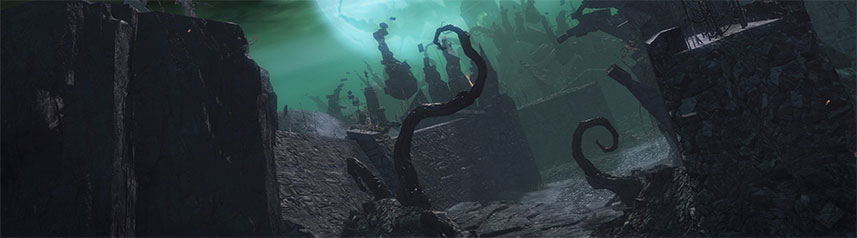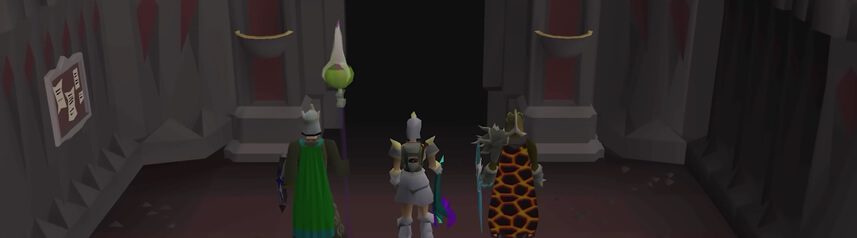
Guardians of Ember is an isometric action MMORPG that leans heavily into hack-and-slash dungeon crawling in a grim medieval fantasy setting. It mixes fast, click-heavy combat with MMO progression, letting you build characters through a large pool of active and passive abilities while running randomized dungeons with adjustable difficulty for better rewards.
 | Publisher: GameForge Playerbase: Shut Down Type: Action MMORPG Release Date: December 13, 2016 Pros: +Flexible dual-class combinations. +Plenty of cosmetic and build customization. +Procedurally arranged dungeons keep runs fresh. +Satisfying, action-first combat pace. Cons: -Class balance can feel uneven. -Overall presentation is rough compared to top ARPG competitors. |
Guardians of Ember Overview
Guardians of Ember (also released in Taiwan under the name Embergarde) is a hack-and-slash MMORPG set in the troubled realm of Olyndale. You play as a Guardian of Ember, a member of an order positioned as the final barrier against a growing darkness. The game’s core loop revolves around building a character, diving into instanced dungeon content, and chasing better loot, with MMO-style hubs and social systems tying everything together.
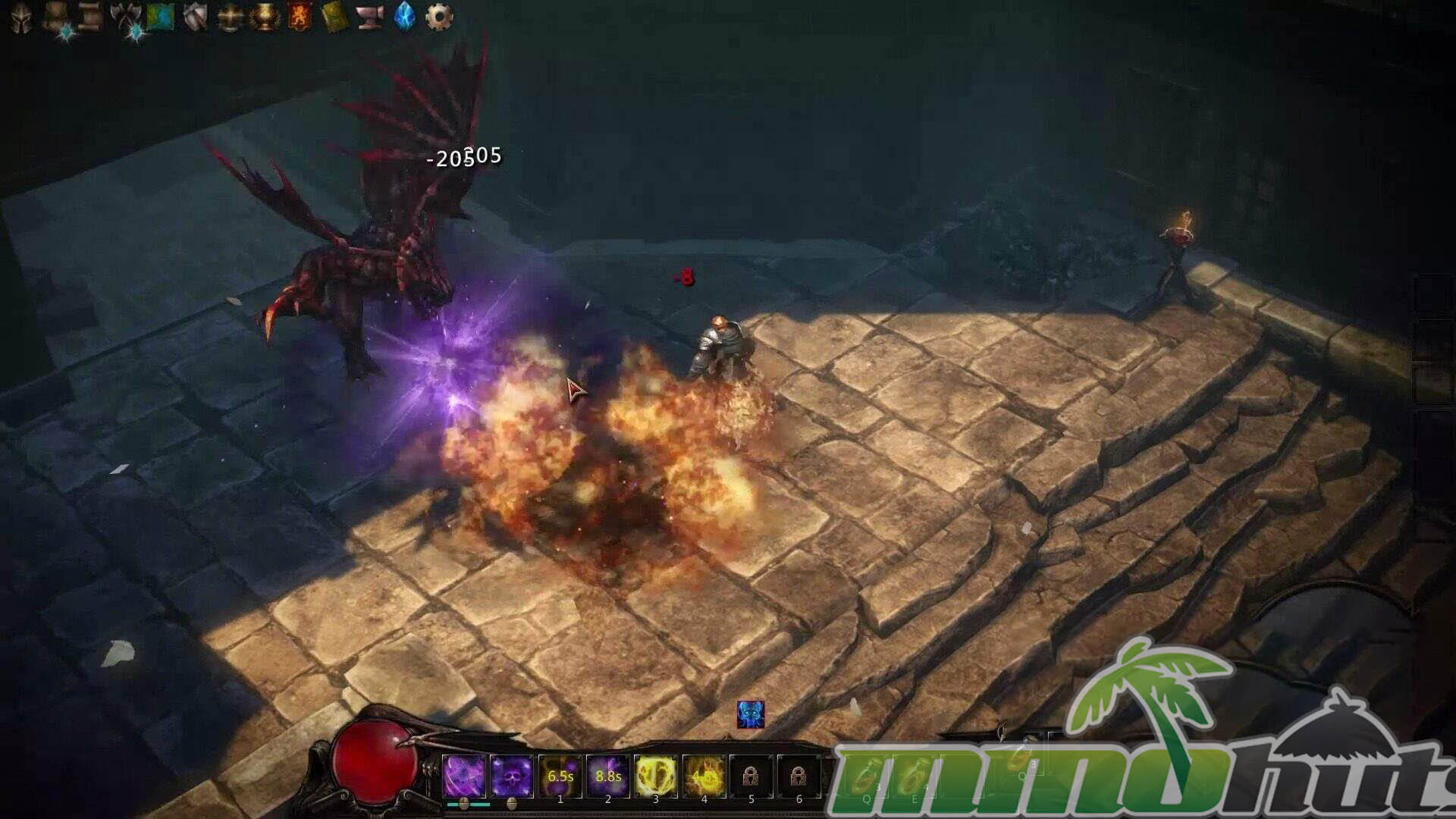
At the start you choose from six classes and four races, then at level 15 you unlock the game’s defining progression hook: a secondary class that broadens your toolkit and lets you experiment with hybrid playstyles. Content is spread across 58 regions and more than 60 dungeons, with many dungeon layouts randomized and difficulty settings that can be tuned to increase challenge and improve the quality of drops. Combat takes clear inspiration from Diablo-style ARPGs, emphasizing movement, cooldown timing, and rapid skill usage rather than tab targeting.
Outside of dungeon runs, Guardians of Ember supports crafting and enchanting for gear improvement, plus player housing for personal customization. Competitive options are also present, including multiple Arena formats such as 1v1, 3v3, and 5v5, alongside additional PvP activities depending on what you feel like focusing on that session.
Guardians of Ember Key Features:
- Action-Oriented Combat – real-time, ARPG-style fighting that favors positioning and frequent skill use.
- Dual Class System – choose one of six classes, then add a secondary class at level 15 to expand your build options.
- Player Housing – set up a personal home with decorations and call forth your own sprite.
- Randomized Dungeons – tackle 60+ dungeons with adjustable difficulty and randomized elements to keep repeat runs engaging.
- Variety of PvP Modes – enter the Arena of Honor for 1v1, 3v3, and 5v5 matches with ranked and unranked play.
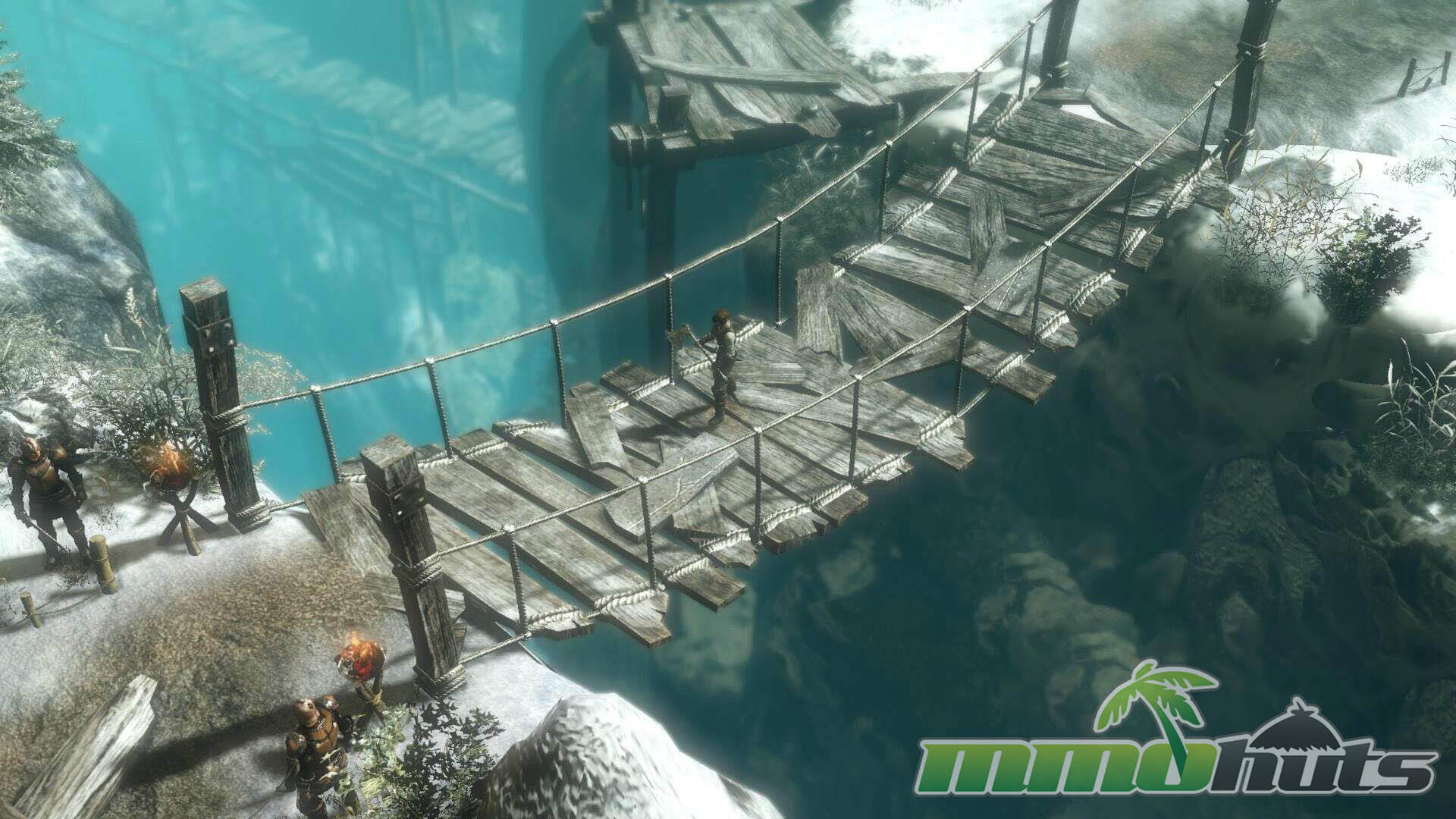
Guardians of Ember Screenshots
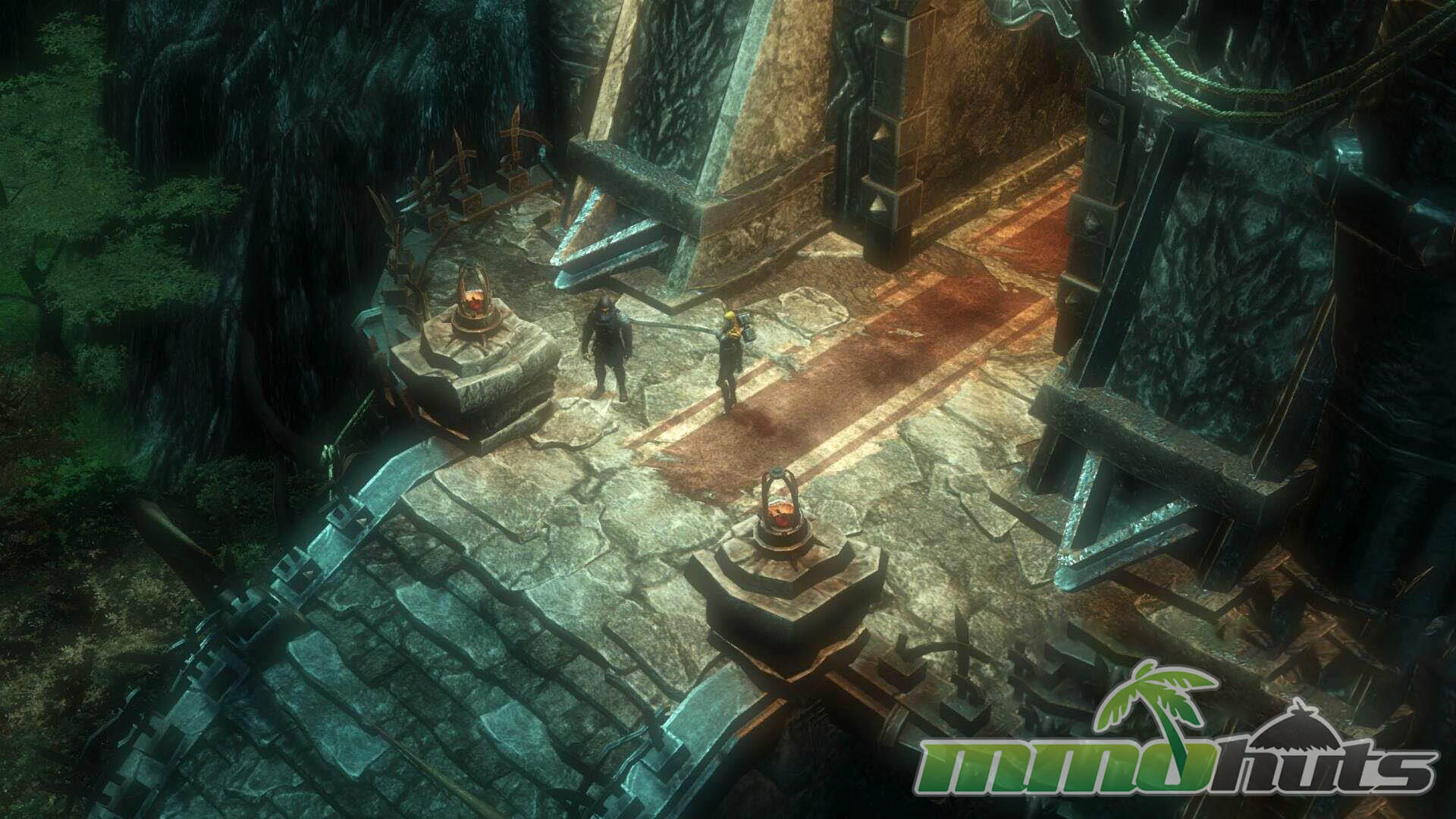
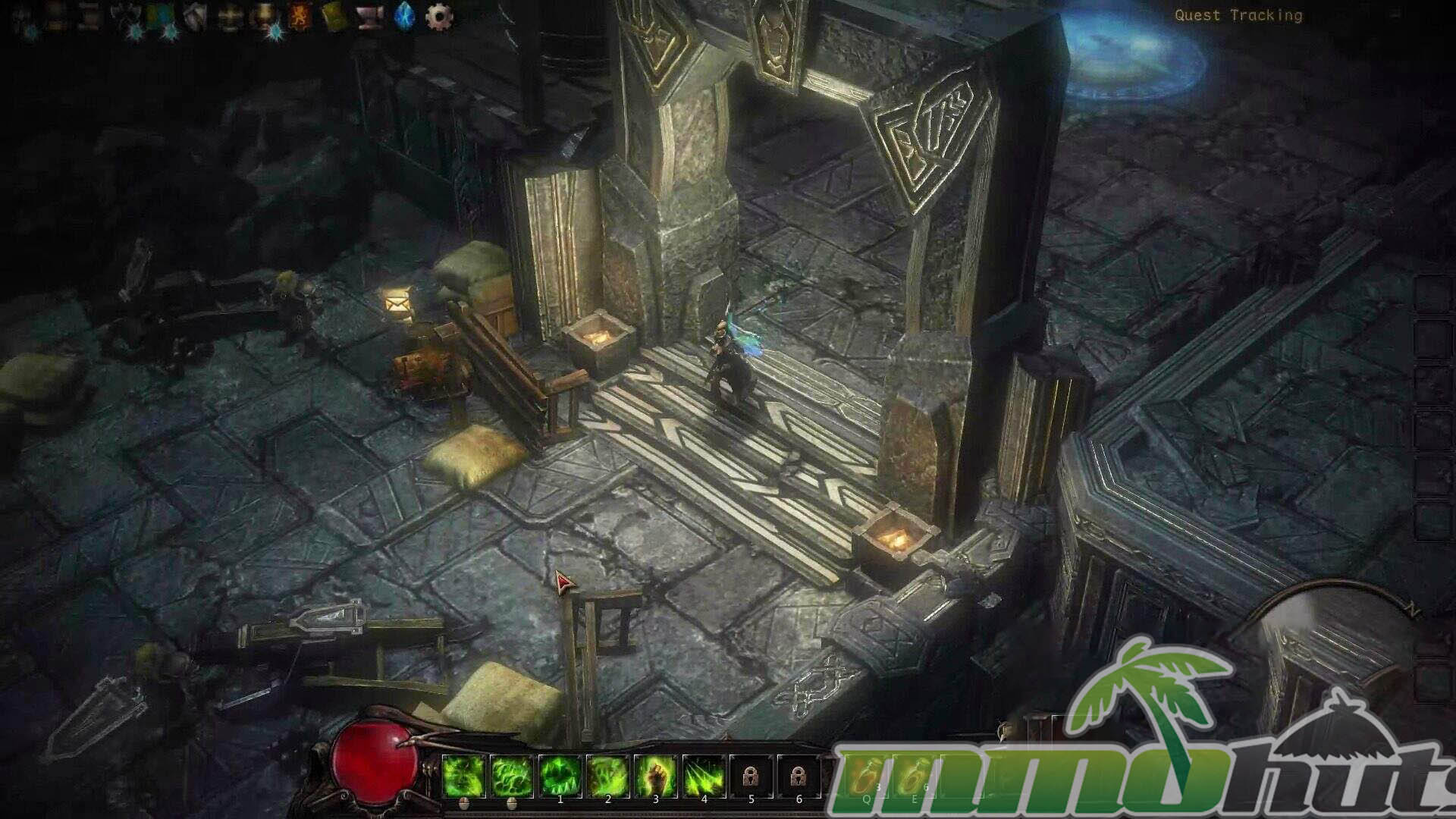
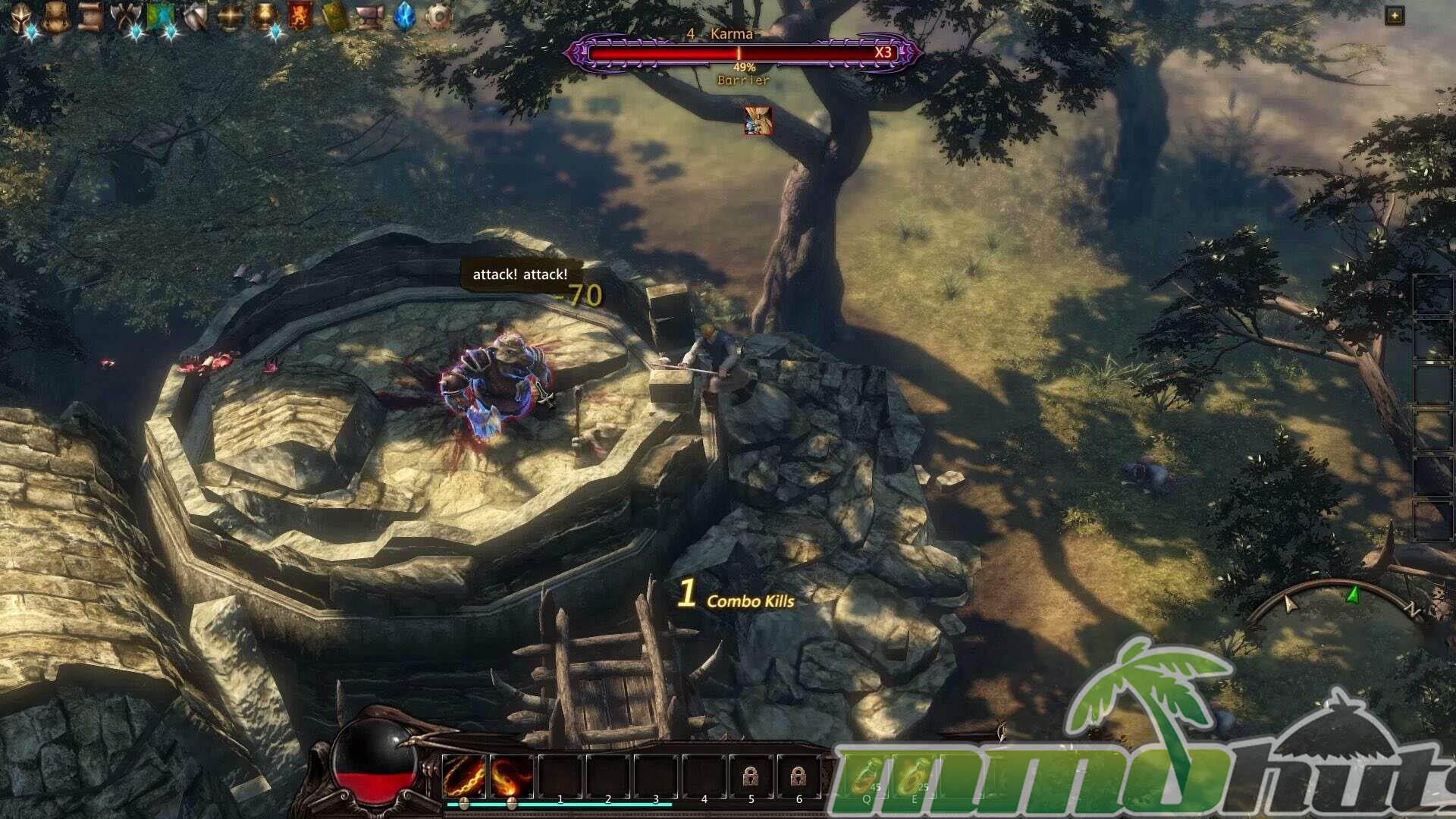
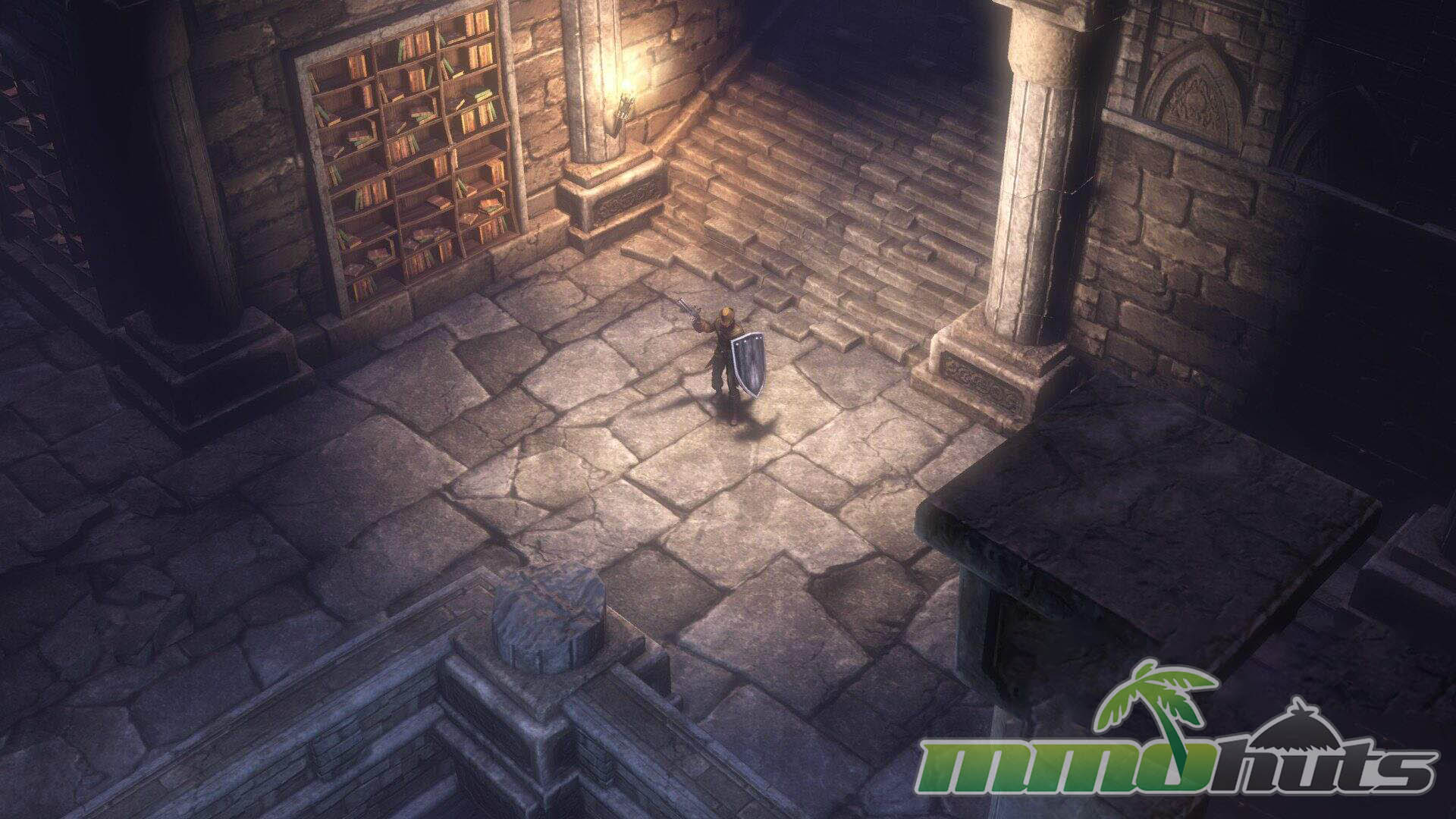
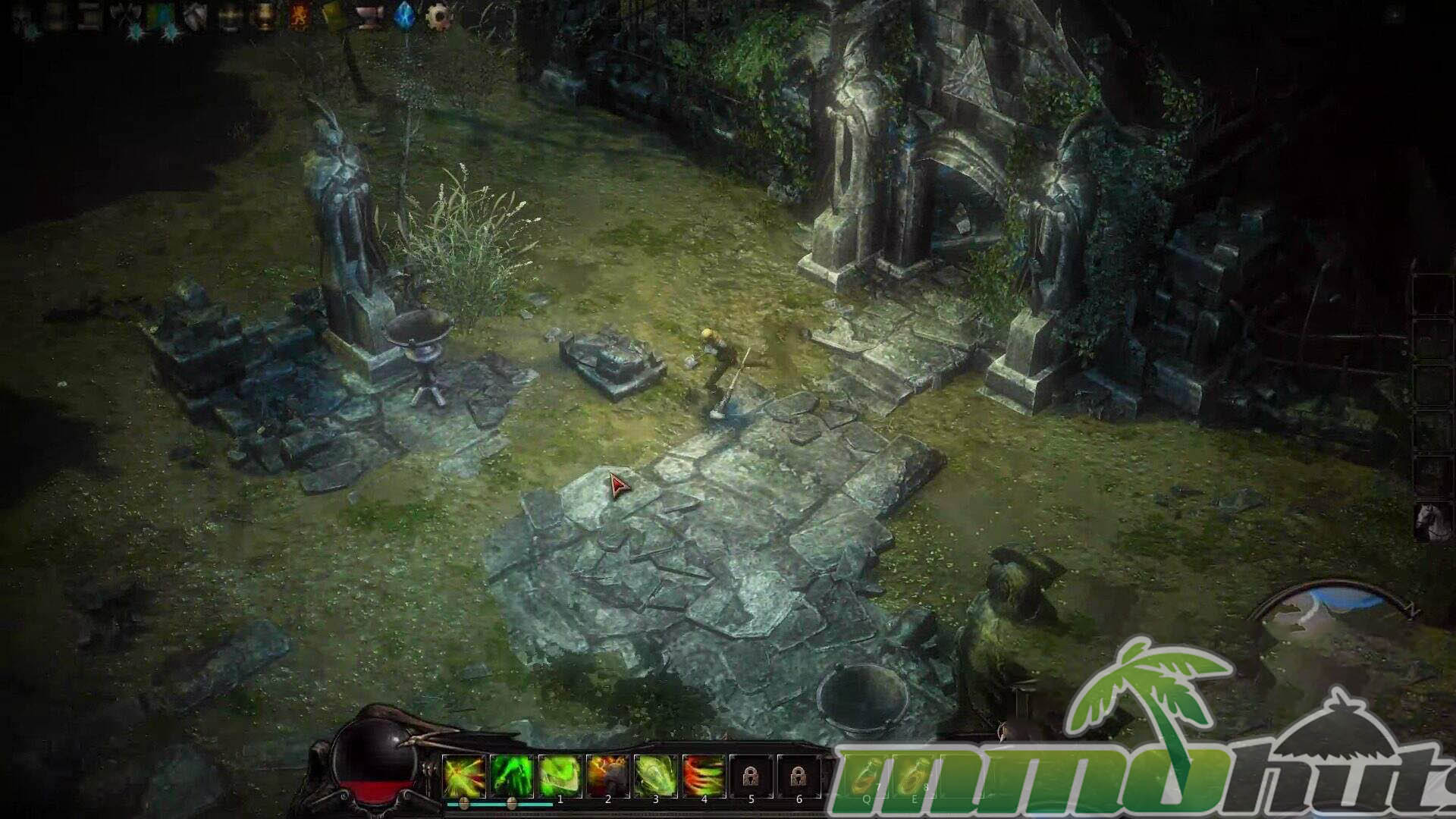
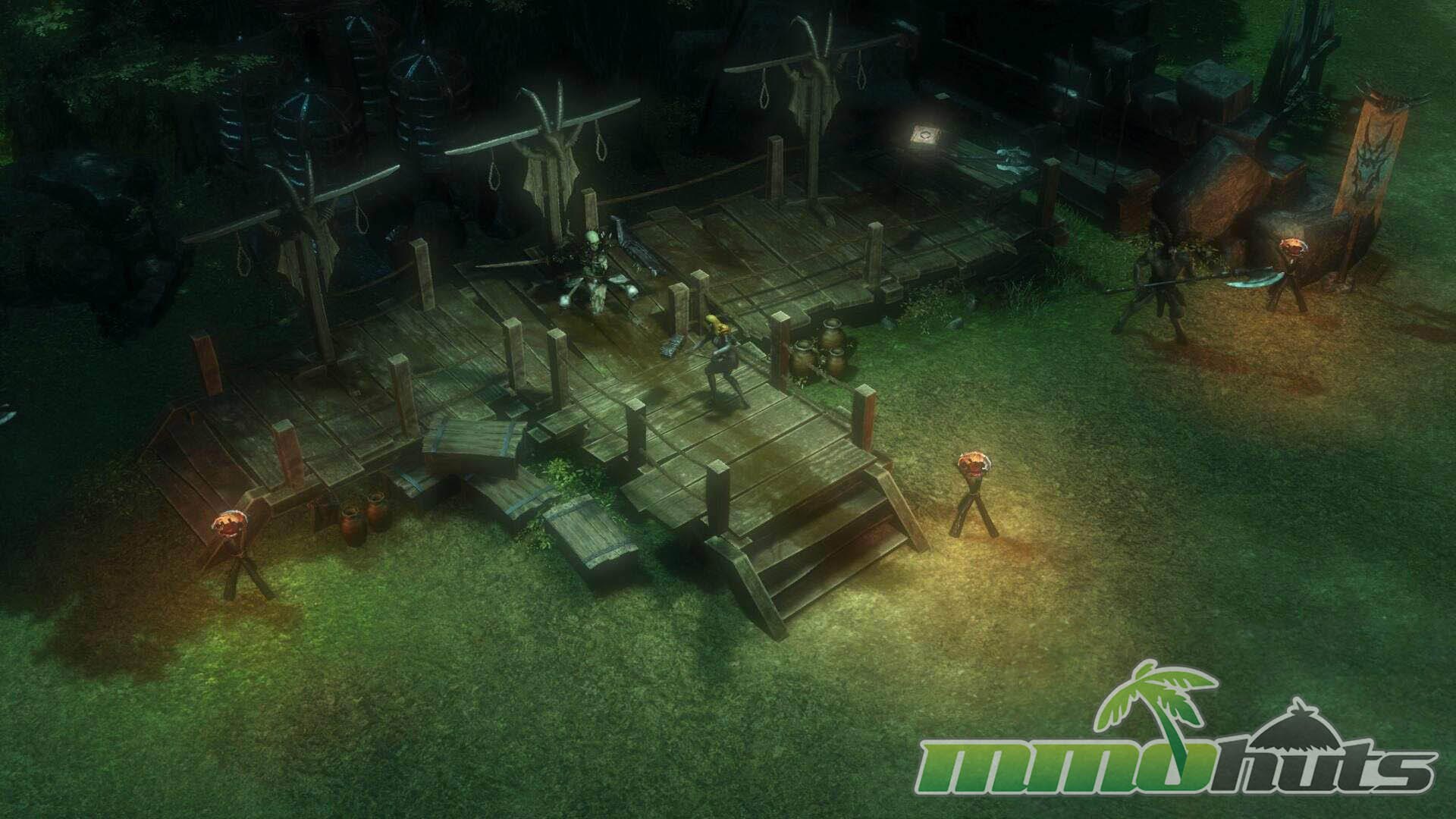
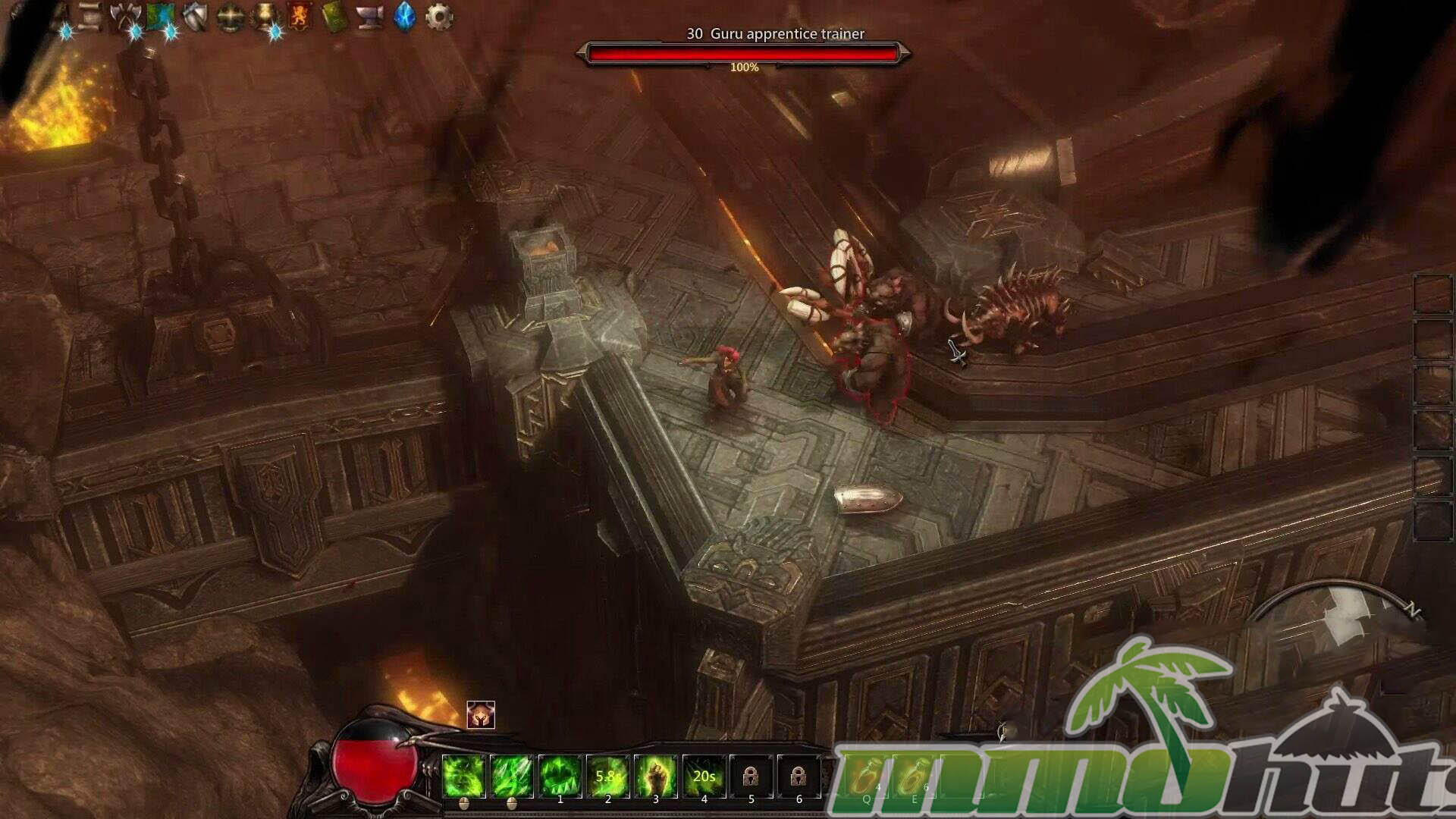
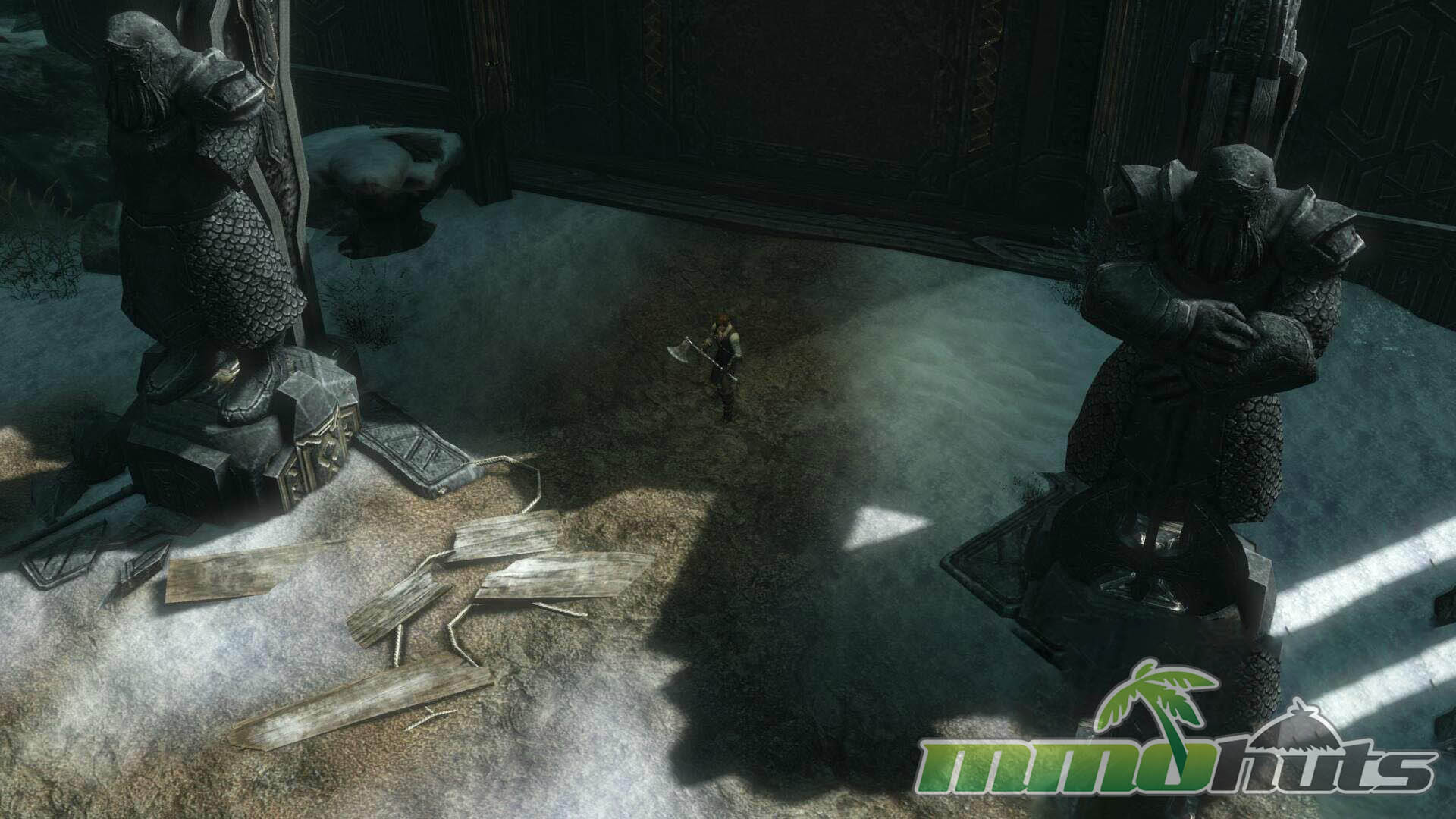
Guardians of Ember Featured Video

Guardians of Ember Review
Although Guardians of Ember is no longer playable officially, it remains an interesting example of an MMO trying to bridge two popular styles: Diablo-like dungeon action and the longer-term structure of a traditional MMORPG. Moment to moment, the game is built around brisk combat, frequent loot upgrades, and repeated instanced runs, rather than open-world questing being the main attraction.
One of its strongest ideas is the dual class system. Locking the secondary class choice to level 15 is early enough that it feels like part of your character’s identity, not a late-game respec gimmick. In practice, it creates room for experimentation, you can lean into extra mobility, defensive tools, or damage options depending on your pairing. The downside is that balance does not always keep up with the number of combinations available, so some setups naturally feel more effective or smoother to play than others.
Dungeon content is where the game makes the most sense. Randomized layouts and configurable difficulty are good fits for an ARPG/MMO hybrid, since they give repeat runs a reason to exist beyond pure grinding. When the pacing works, you get a satisfying rhythm: clear packs, manage cooldowns, avoid hazards, and hope the next chest or boss drops something worth keeping. The loot chase is the main motivation, and systems like crafting and enchanting help support that loop by giving you ways to improve gear even when the perfect drop refuses to appear.
On the MMO side, the game offers a mix of social features and structured competitive play. Housing is a lighter feature compared to the dungeon focus, but it provides a welcome break from combat, and it reinforces the MMO identity that the game aims for. PvP is offered in multiple match sizes (including 1v1, 3v3, and 5v5), which is a solid range for players who prefer small-team competition. As with many games that are primarily designed around PvE progression, PvP quality tends to depend heavily on class matchups and tuning.
Where Guardians of Ember struggles is overall polish. Combat can be enjoyable and the systems are ambitious, but the presentation and refinement do not consistently match genre leaders. Animations, feedback, and general finish can feel a step behind more established ARPGs, and that makes the game’s best moments easier to overlook if you are coming in with high expectations.
In the end, Guardians of Ember is best remembered for its hybrid concept and build flexibility. It had the bones of a compelling dungeon-focused MMO, but uneven class feel and a lack of top-tier polish kept it from standing out in a crowded action RPG space.
Guardians of Ember Online Links
Guardians of Ember Official Site
Guardians of Ember Steam
Guardians of Ember Official Site (Taiwan)
Guardians of Ember System Requirements
Minimum Requirements:
Operating System: Windows Vista or newer
CPU: Core 2 Duo 2.4 GHz or better
Video Card: GeForce 9800 GTX+ or Radeon HD 4850
RAM: 2 GB
Hard Disk Space: 10 GB
Guardians of Ember Music & Soundtrack
The soundtrack and overall audio direction aim for a dark fantasy tone, supporting the dungeon-crawling atmosphere with moody themes and combat-forward sound cues. While it is not a defining pillar of the experience, the music generally fits the setting and helps keep long dungeon sessions from feeling too sterile.
Guardians of Ember Additional Information
Chinese Title: 烈焰戰紀
Developer: Runewaker
Publisher: Runewaker, InselGames, GameForge
Announcement Date: January 29, 2015
Release Date (Taiwan): March 12, 2015
Steam Early Access Date: August 12, 2016
Release Date (Steam): September 2016
Re-launch (Free to play): January 23, 2019 (Gameforge)
Shut Down: February 14, 2020
Development History / Background:
Guardians of Ember was created by Runewaker, the studio known for Runes of Magic and Dragon’s Prophet. For publishing, the game moved between multiple partners depending on region and era, including Runewaker itself, InselGames, and later GameForge. It first appeared in Taiwan as a free-to-play title on March 12, 2015.
Plans for a wider release followed when InselGames secured rights for a global version and brought the game to Steam Early Access, announcing that step on August 12, 2016. The Early Access release was positioned as a paid phase leading into a full launch a few months later, with the Steam release noted as September 2016.
After InselGames shut the game down, GameForge later brought it back as a free-to-play relaunch on January 23, 2019. That version also eventually ended service, with GameForge shutting the game down on February 14, 2020.