GetAmped 2 is a 3D fighting MMO built around chaotic arena brawls and an unusually deep character creator. Beyond swapping gear, players can design custom skins and experiment with a wide pool of weapons, accessories, and classes to fine-tune both looks and combat feel. It follows the original 2008 GetAmped (released in North America as Splash Fighters) and expands the formula into a more feature-rich online fighter.
 | Publisher: Cyberstep Type: Fighting MMO Release Date: Dec 16, 2010 Shut Down: June 04, 2020 Pros: +Solid spread of classes and styles. +Extensive cosmetic and gear customization. +Supports both PvE missions and PvP brawls. Cons: -Camera can feel awkward. -Monetization can tilt balance. -Controls have a steep learning curve. |
GetAmped 2 Overview
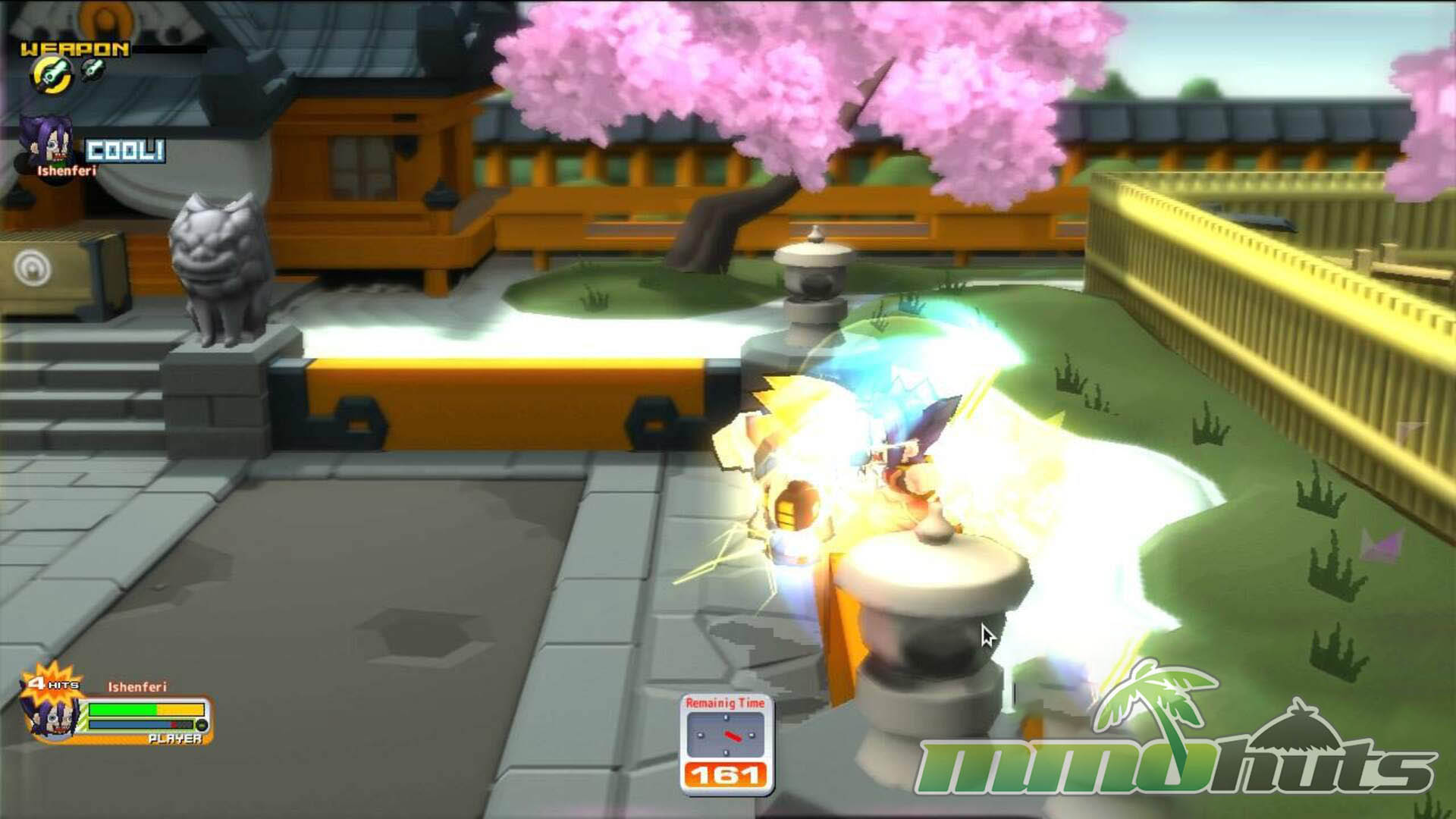
GetAmped 2 revolves around climbing the ladder through matches, missions, and event tournaments, with ranks acting as both progression and a badge of experience. Whether you prefer competitive brawls or cooperative content, the game’s main hook is freedom of build, you can rotate between nearly two dozen classes and alter stats and moves through equipment choices. On top of that, the skin editor allows players to create distinctive looks that stand out in crowded lobbies.
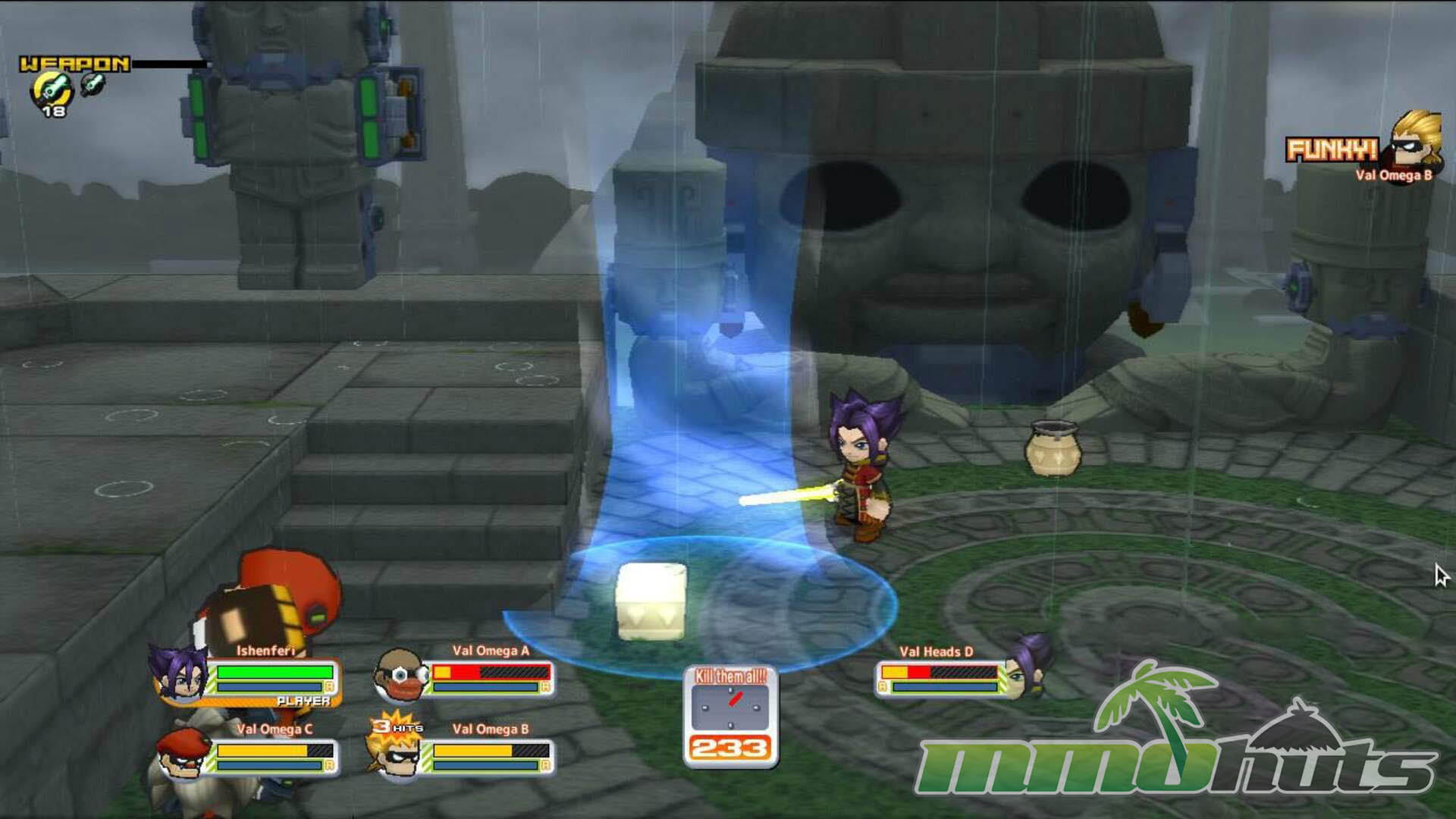
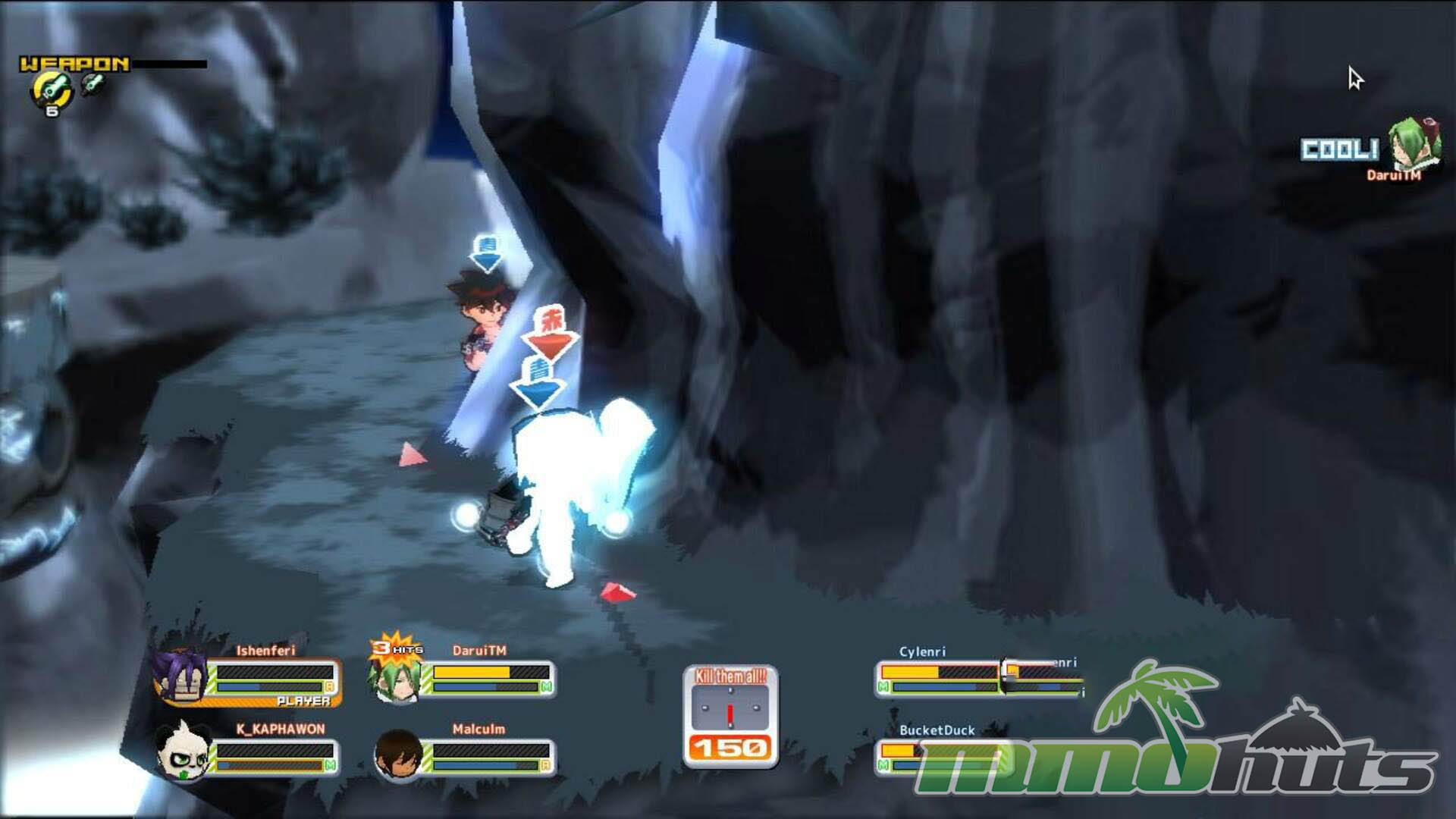
Matches can get hectic fast, with arenas supporting combat involving up to twenty players at a time. Between weapon variety, accessory slots, and class differences, it encourages experimentation, especially if you enjoy a brawler where positioning and ring-outs matter as much as raw damage.
GetAmped 2 Key Features:
- Brawler Gameplay – a fast arena fighter in the same general lane as Rumble Fighter / Lost Saga.
- Customization – large selection of items that impact appearance and playstyle, plus a skin editor for deeper personalization.
- Various Playable Classes – nearly two dozen playable classes.
- Frantic Combat – large matches with up to twenty players in the same fight.
- Different Game Modes – PvP brawls alongside mission-based PvE
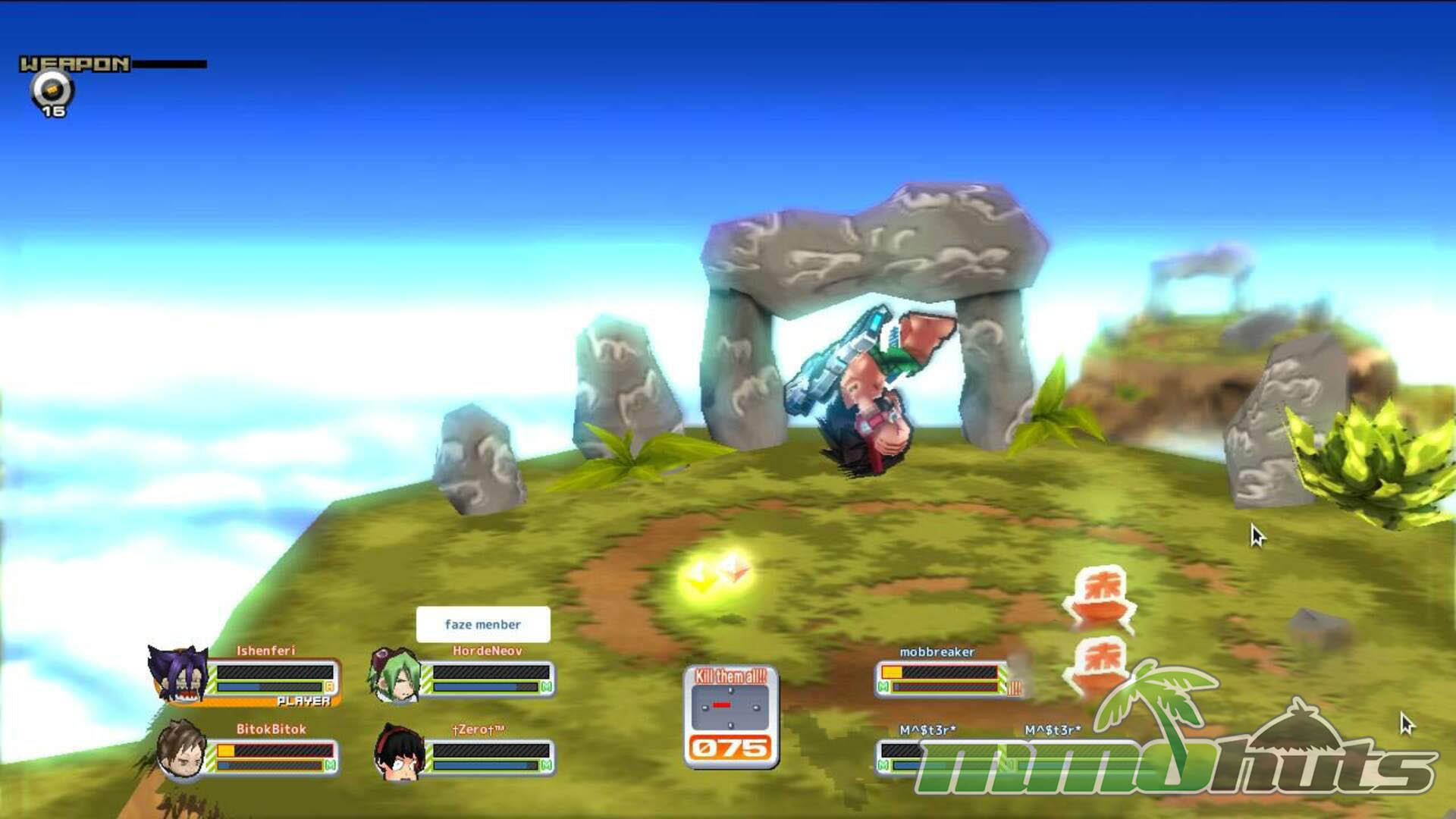
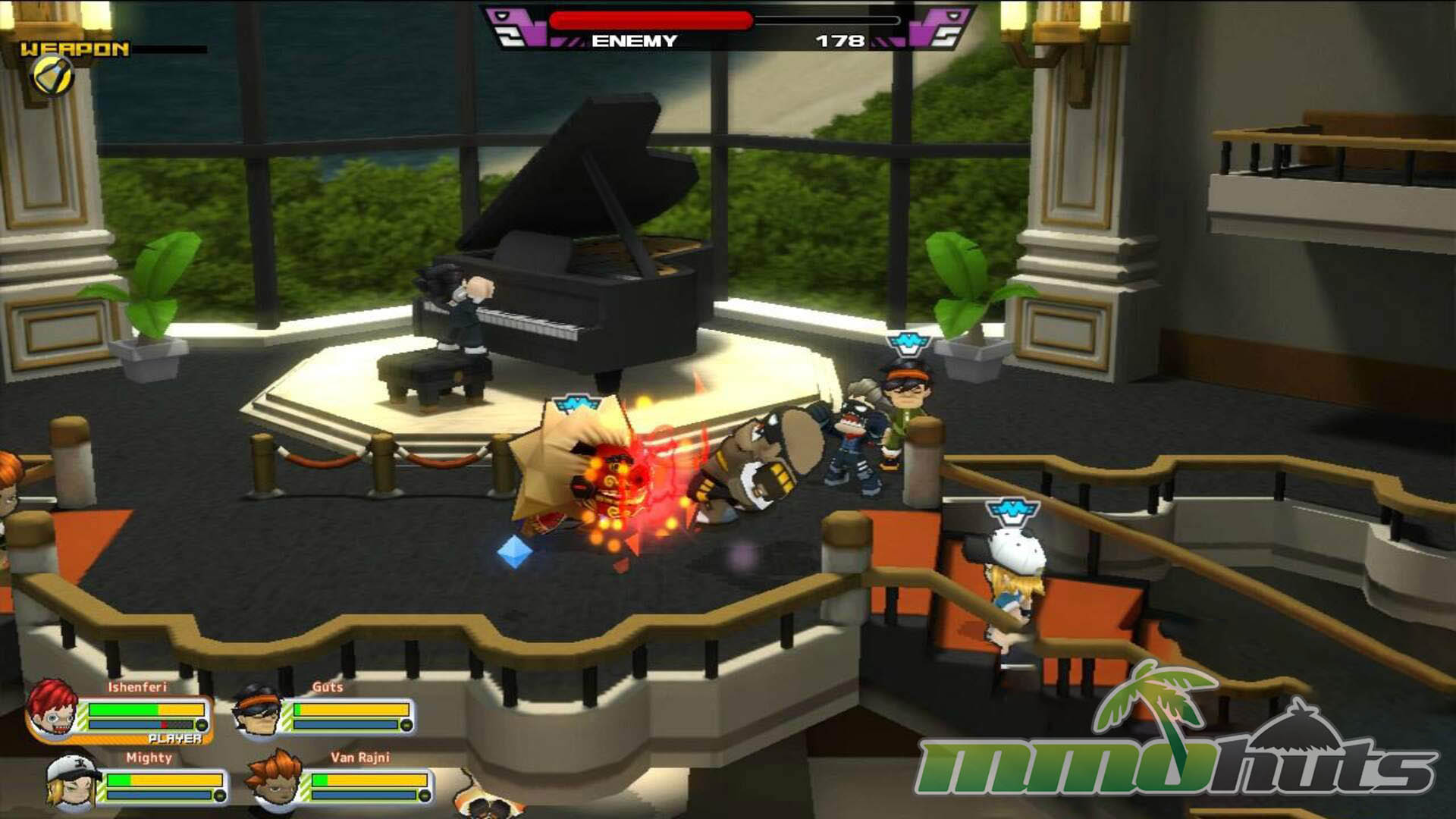
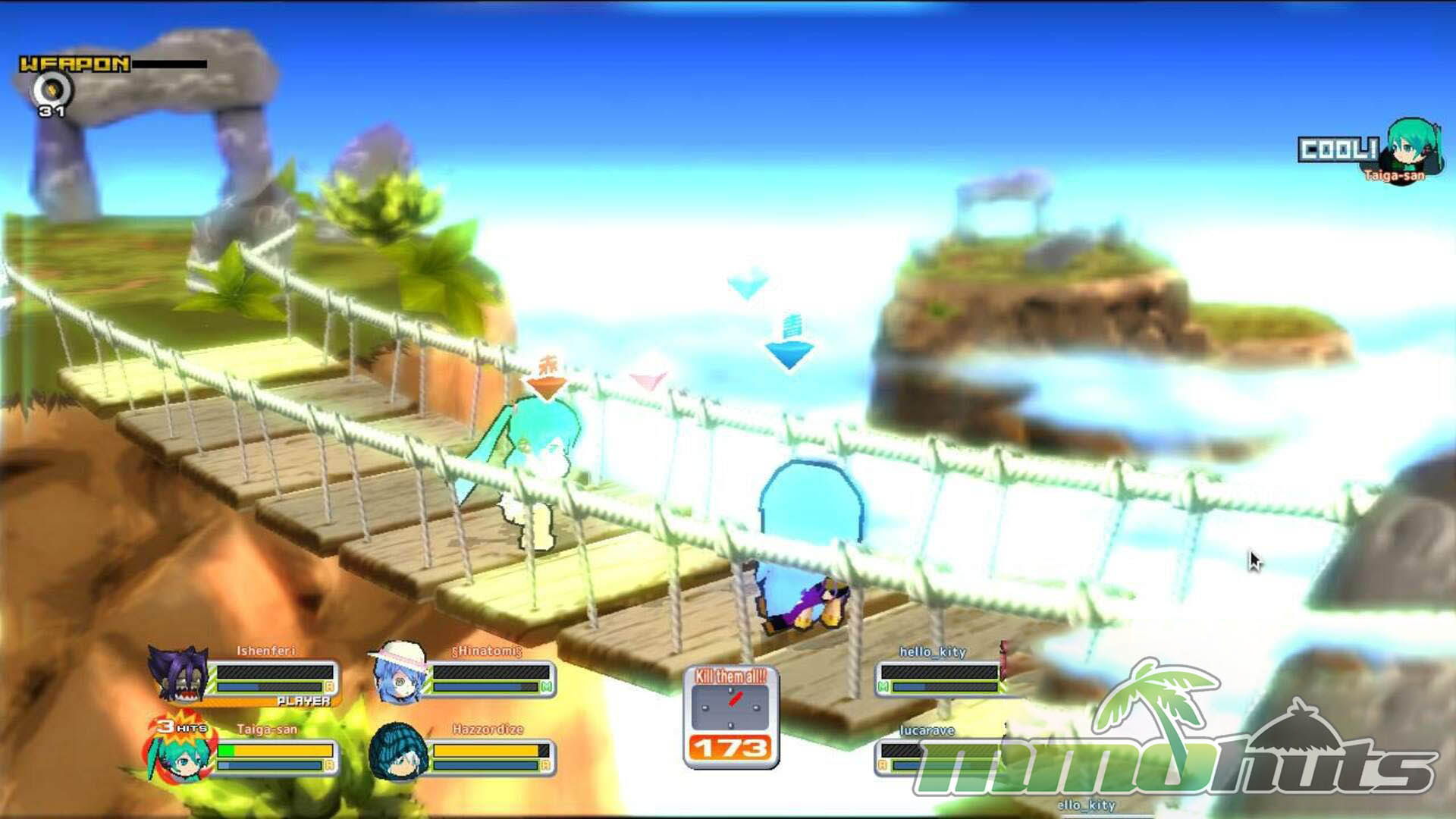
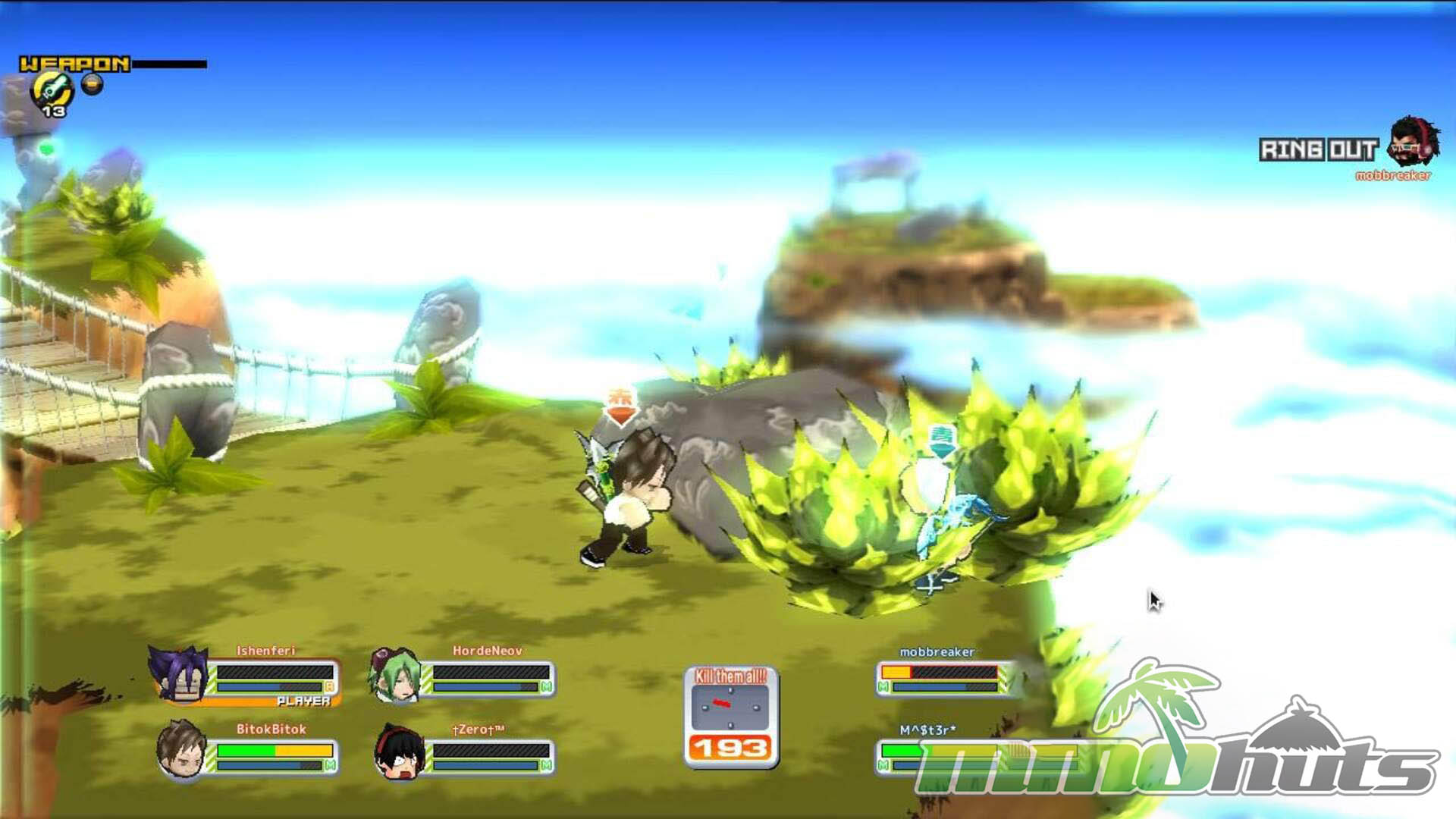
GetAmped 2 Screenshots





GetAmped 2 Featured Video

GetAmped 2 Review
GetAmped 2 is a 3D fighting MMO from Japanese developer and publisher CyberStep, released in the U.S. on December 16, 2010. As a follow-up to GetAmped (known as Splash Fighters in North America), it aims for that party-brawler energy you might associate with arena fighters like Lost Saga or even the knockback-focused feel of Super Smash Bros. The core loop is simple: jump into compact stages, trade blows and specials, and rack up wins, points, and rank while learning how to navigate a surprisingly equipment-driven combat system.
Getting into the game
At the start, you pick a base style from four options: Fighter, Hero, Soldier, and Spy. Each style begins with two characters, and while they may look like simple archetypes, they are not identical, even within the same style, their stats can differ. That early choice matters more than you might expect, because the game leans on stat tuning and gear loadouts as much as player execution.
The primary stats are Strength, Technique, Speed, Jump, and Defense. Strength focuses on melee damage output, Technique affects ranged damage, Speed governs movement pace, Jump sets vertical mobility, and Defense reduces incoming damage. It is a straightforward set of attributes, but it becomes more interesting once you start swapping equipment and see how different stat distributions change what feels safe or effective in a match.
Control-wise, GetAmped 2 is functional but not immediately intuitive, especially if you come in expecting modern twin-stick movement. You move with the arrow keys and dash by double-tapping a direction. Aiming is tied to Z, with C and X handling light and heavy attacks, and V mapped to jump (including a double jump via a second press). There are also shortcut inputs that combine aiming and attacking (S for a weak attack, D for a strong attack). The space bar triggers your equipped weapon, and special attacks are executed by pressing X and C together. The scheme can feel rigid at first, but once it clicks, it supports quick strings, repositioning, and opportunistic knockouts.
Equipment is central to progression and identity. You have slots for Head, Face, Body, and Decoration, and these pieces can alter stats and combat feel. Items can be earned through play as you rank up, or purchased through the Prime Market. Prime Market purchases use Win (earned currency) or Crescent (premium currency obtained via real money exchange). The catch is that many desirable weapons and accessories are gated behind Crescent, which heavily influences long-term balance and player motivation.
Early ranks and progression pace
The opening ranks move quickly, partly because the game uses the early stretch to expose you to different styles, weapons, and systems. One notable progression twist is the score rate tied to rank brackets. Instead of slowing down dramatically as you climb, the game increases your score rate as you reach higher tiers, which can accelerate rank gain for experienced players. For instance, Double Driller (Rank 2) sits at 70%, while Triple Fighter 1 (Rank 10) reaches 100%. The scaling continues upward through Last Hero (Rank 50) at 180%.
Beyond the standard set of 50 ranks, special ranks add prestige and competitive targets. The top ten players on a server can reach Galaxy Hero, which comes with a 230% score rate. Ultimate Knight is tied to a specific competitive requirement, winning a Knight Style only tournament. These ranks function as status markers, but they also help communicate who has been consistently active and successful in the game’s competitive ecosystem.
Combat and match flow
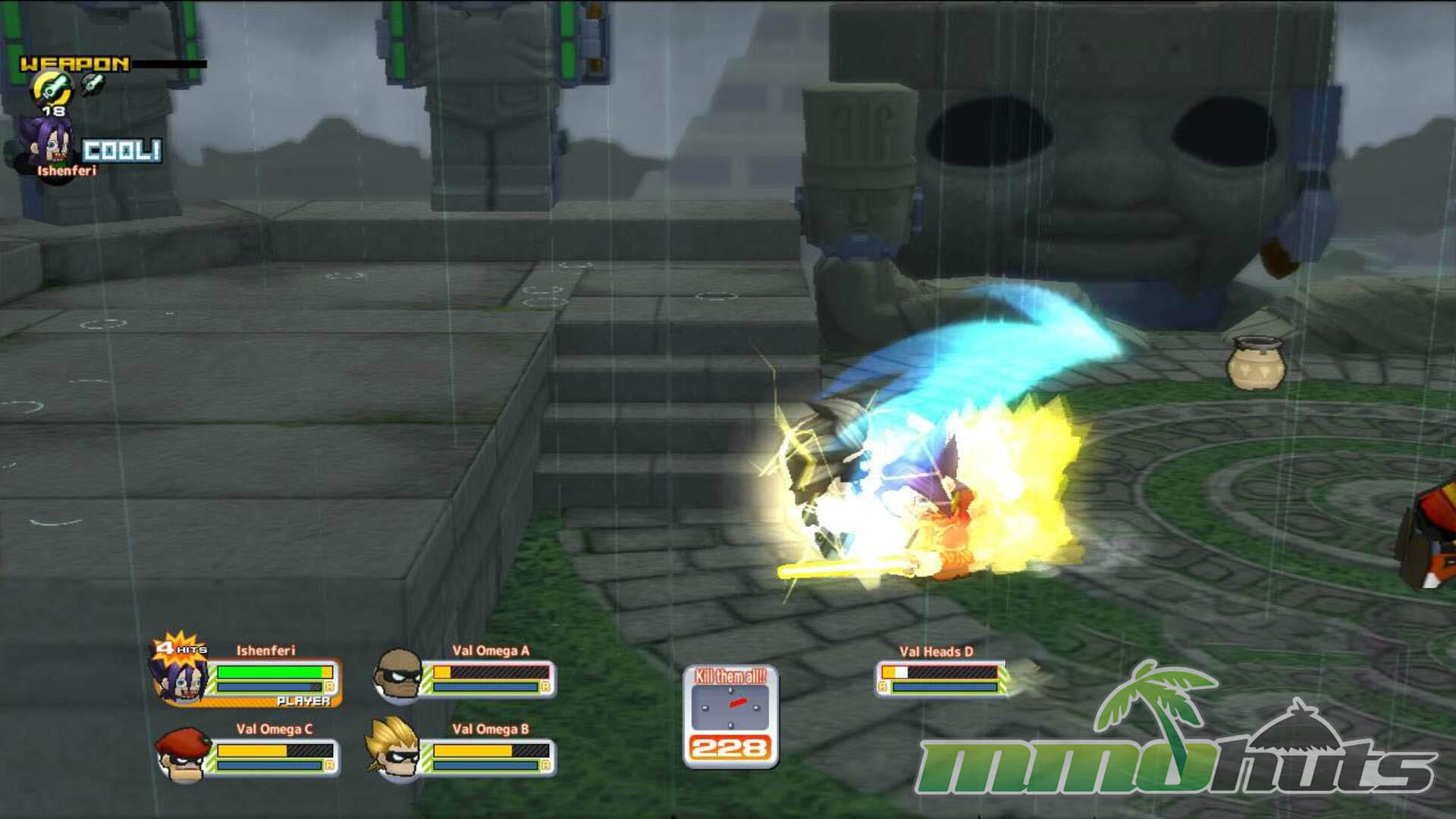
Moment to moment, GetAmped 2 is all about spacing, burst damage, and knockback. Fights often hinge on landing a clean hit that launches an opponent into a vulnerable state, or directly off the stage. Ring-outs are a defining mechanic, sending enemies flying out of the arena for huge damage, and some stages also punish falls with additional heavy damage. The result is a brawler where positioning and awareness are as important as combos, and where a single mistake near an edge can swing a round.
A standout system is the skin creation tool. It is not a simple slider-based editor, it expects you to actually draw your skin, which makes it more powerful and more demanding. Many players will be better served by using an existing skin as a base and recoloring it until they are comfortable. For those willing to invest time, the payoff is real, you can create a look that is genuinely unique in a way most online games do not allow. The Skin Forest further supports this by letting players buy skins made by others, or upload and sell their own designs.
Co-op missions and single-player content
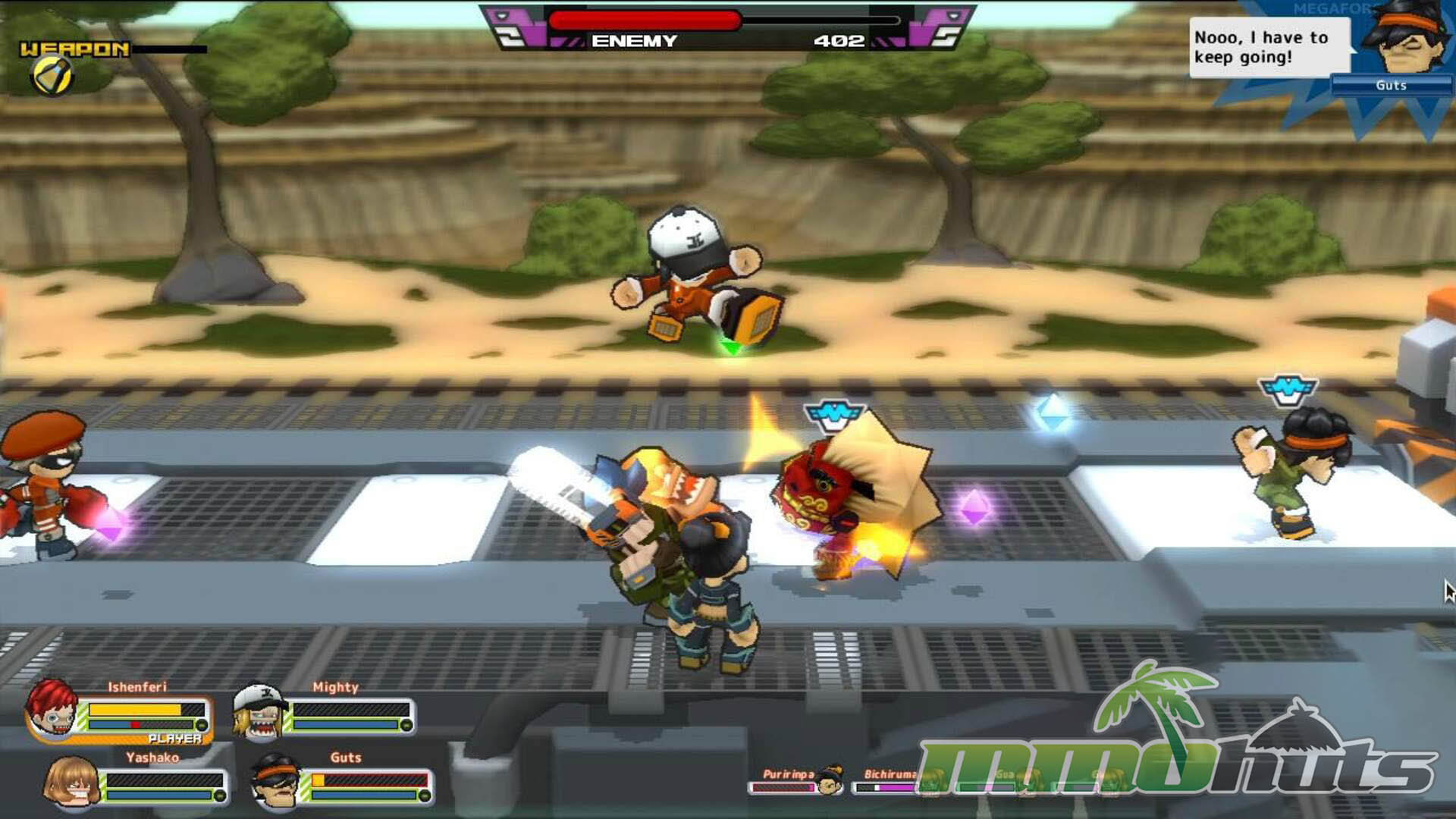
Mega Force missions provide the PvE side of GetAmped 2. These are story-driven missions where players team up to defeat NPC enemies, with a structure reminiscent of an arcade-style sequence but designed for online groups. NPC allies can also appear to assist, and importantly, Mega Force missions contribute to character advancement and rank progress, making them a practical alternative when you want a break from PvP.
Arcade Mode is the more isolated option. It offers smaller story missions broken into stages, but you play using selectable characters rather than your online avatar. Because of that separation, Arcade Mode does not advance your rank or online character. It functions more like practice or a way to sample different fighters, rather than a meaningful progression path.
PvP modes
Competitive play is where GetAmped 2 puts most of its emphasis. PvP is split into Deathmatch, Dogfight, and Tournament.
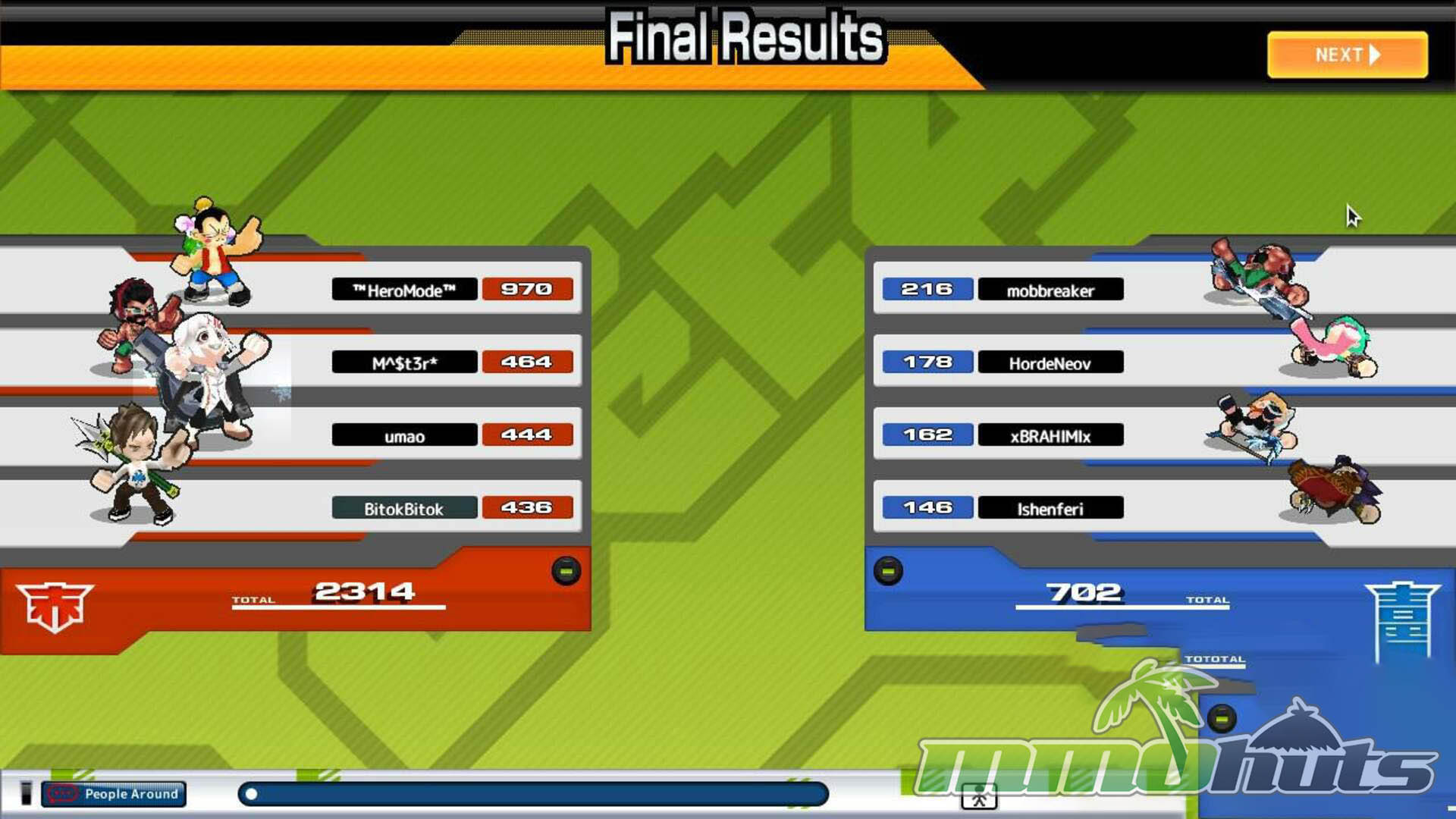
Deathmatch is a high-pressure format where players only have one life per round. Points are awarded for performance and eliminations, and after three rounds the combined score determines the winner. Because scoring is not strictly tied to simply surviving, it is possible for a team to lose rounds early but still take the match overall if they consistently score better. Deathmatch can run as a free-for-all or as team-based play.
Dogfight uses a similar structure but changes the feel with multiple lives and half health. This mode tends to be more aggressive and scrappy, with less downtime after mistakes. The first player or team to reach the target score wins, making it a more direct race than Deathmatch’s multi-round totals.
Tournament mode is the most structured and the most rewarding. These events are hosted by CyberStep and require players to register ahead of time. If someone fails to show, reserve participants can take the open slot. Tournament rules vary widely, including free-for-all or team formats, and restrictions based on style, accessories, or weapons. Rewards often include Crescents, Wins, and rare items, which makes tournaments appealing, but also reinforces how central premium currency is to the wider economy.
Cash Shop
The monetization is where GetAmped 2 stumbles the most. A large portion of high-impact gear sits behind Crescent purchases, which pushes the experience toward pay-to-win for competitive players, or toward a long grind for those sticking to Win-only options. Skilled play can still overcome better equipment in many situations, but the pressure is real, especially when you run into opponents with premium weapons that offer strong performance advantages. For players who enjoy fair, skill-first ladders, this aspect can be difficult to ignore.
Final Verdict – Fair
GetAmped 2 delivers a distinctive arena-fighter MMO experience with a huge emphasis on personalization. Its class variety, weapon options, and the ability to design and trade custom skins are genuinely strong features, and the mix of PvP modes with cooperative missions helps keep the pace from feeling one-note. The downside is the heavy reliance on Crescent-only items, which undermines competitive integrity and can make progression feel constrained unless you spend money.
For players who want a quirky, customization-heavy brawler to jump into casually, it can be entertaining. For anyone seeking a long-term competitive game without monetization pressure, it is harder to recommend.
GetAmped 2 Links
GetAmped 2 Official Site
GetAmped 2 Wikia [Database / Guides]
GetAmped 2 Wikipedia
GetAmped 2 System Requirements
Minimum Requirements:
Operating System: Windows XP / 7 / 8 / 10
CPU: Pentium 3 1.2 GHz or better
Video Card: Any GPU with 32MB VRAM
RAM: 256 MB
Hard Disk Space: 1 GB
Recommended Requirements:
Operating System: Windows XP / 7 / 8 / 10
CPU: Pentium 4 1.6 GHz
Video Card: Any GPU with 64MB VRAM
RAM: 512 MB
Hard Disk Space: 1 GB
Users on Windows 7 or 8 will need slightly better computers to play GetAmped 2. These system requirements are for Windows 2K/XP machines. GetAmped 2 is Mac OS X compatible as well and requires Mac OS X 10.5.8 or higher.
GetAmped 2 Music & Soundtrack
GetAmped 2 Additional Information
Developer: CyberStep
Publisher: CyberStep
Other Platforms: Mac OS X
Closed Beta Date: April 16, 2010
Open Beta Date: December 9, 2010
Foreign Release:
Japan: November 6, 2008
Taiwan: June 5, 2009
South Korea: January 11, 2012
Development History / Background:
GetAmped 2 was created and operated by CyberStep as the direct sequel to the original GetAmped. The franchise has been credited with over 26 million registered users worldwide, reflecting how large its audience became across multiple regions. After launching in Japan in November 2008, the game later arrived in North America on December 16, 2010. Like CyberStep’s other self-published titles, such as Onigiri and CosmicBreak / CosmicBreak 2, GetAmped 2 was handled internally rather than through an external Western publisher. The Western servers ultimately closed on June 04, 2020. It continues to be accessible in East Asia, and the Taiwanese service has commonly been the go-to choice for remaining Western players.