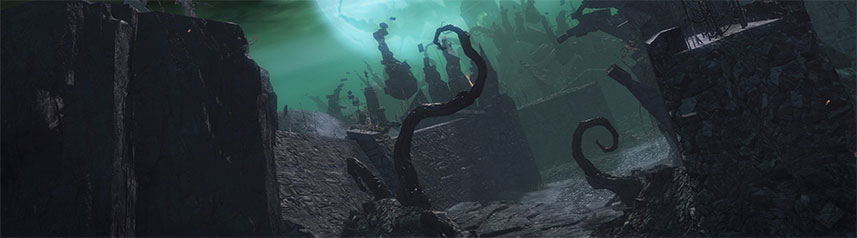
Dungeon Hunter 5 is a free-to-play mobile action RPG that leans heavily into quick, stage-based dungeon runs, flashy skills, and a fully voiced fantasy campaign. As the fifth entry in Gameloft’s long-running series, it pairs hack-and-slash combat with gear collecting and an asynchronous stronghold raiding mode that replaces traditional real-time PvP.
 | Publisher: Gameloft Playerbase: High Type: Action RPG Release Date: February 27, 2015 Pros: +Snappy, weapon-driven combat. +Strong visuals for a mobile title. +Fully voiced narrative presentation. Cons: -Difficulty ramps up sharply later on. -Progress often requires repetitive grinding. -Heavy reliance on in-app purchases and gating. |


Dungeon Hunter 5 Overview
Dungeon Hunter 5 is a 3D hack-and-slash dungeon crawler and the follow-up to Dungeon Hunter 4. It drops you into a medieval fantasy setting filled with bandits, undead, beasts, and demonic threats, then asks you to clear bite-sized missions for loot, gold, and crafting materials. The presentation is notably polished for a mobile release, including a voice-acted storyline and cinematic moments between battles.
Progress revolves around building a stronger loadout and adapting to what each mission throws at you. Weapons define your “class,” and the game encourages swapping styles as you acquire new gear. Outside of the campaign, the major competitive hook is the stronghold system where you raid other players’ defenses asynchronously while fortifying your own base with minions and traps.
Dungeon Hunter 5 Key Features:
- Single Player Campaign – story-driven progression supported by voice acting.
- Asynchronous Multiplayer Stronghold System – raid other players’ bases and protect your own resources.
- High Quality Graphics and Visuals – detailed environments and effects that stand out on mobile.
- Crafting System – craft, fuse, and improve gear to keep up with rising challenges.
- Element System – match elements on equipment and enemies to gain an advantage.
Dungeon Hunter 5 Screenshots


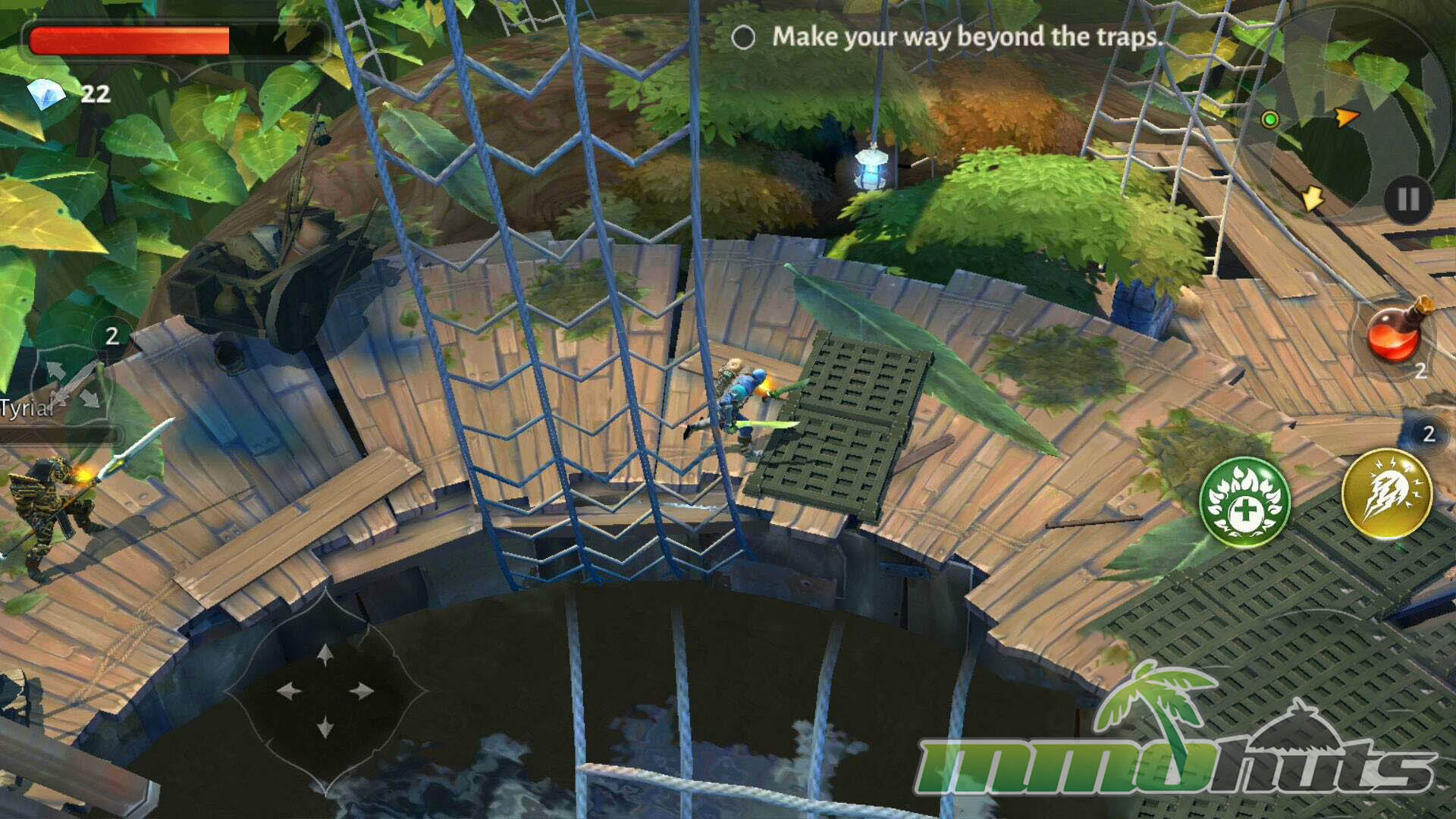

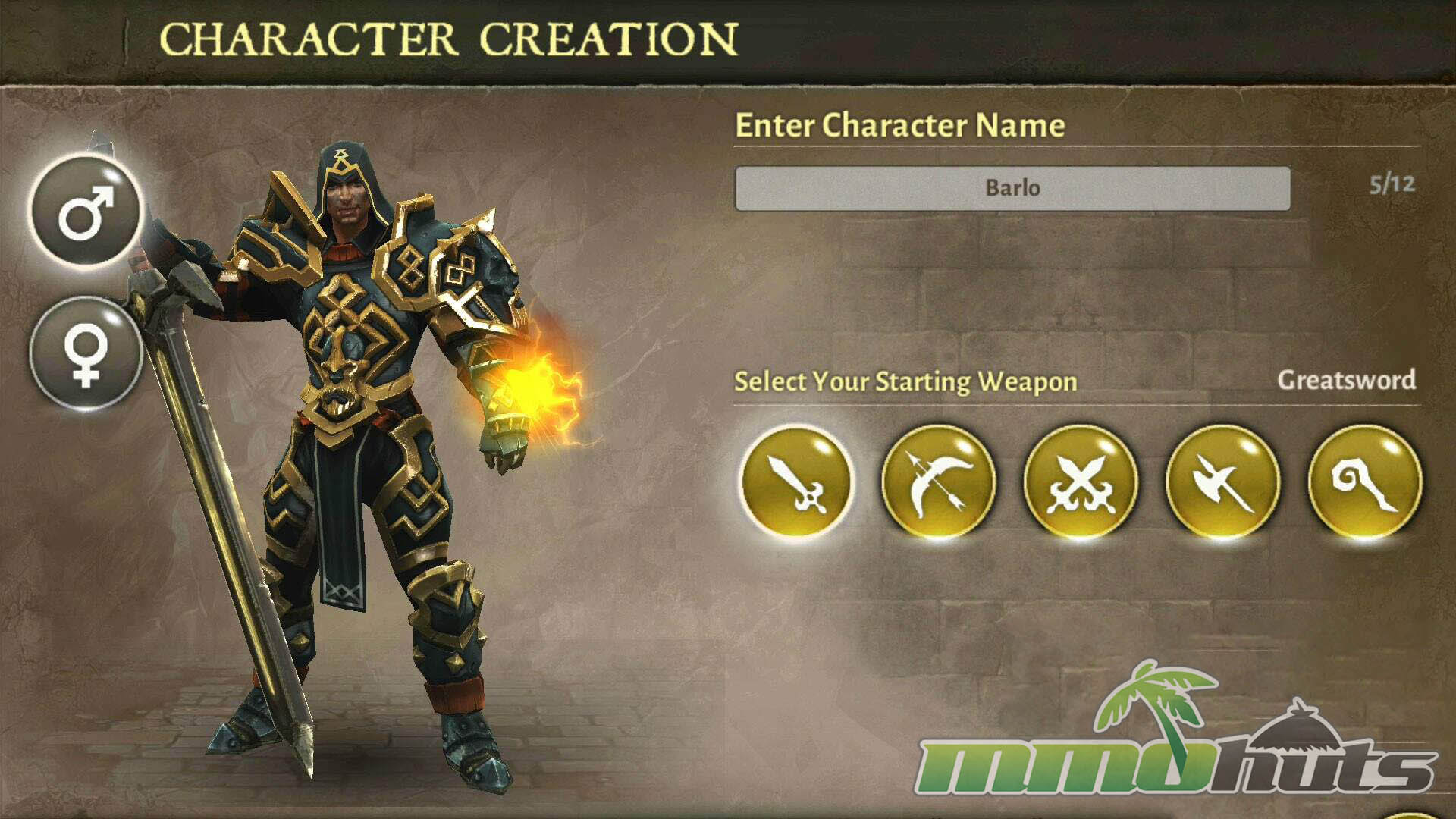

Dungeon Hunter 5 Featured Video

Dungeon Hunter 5 Review
Dungeon Hunter 5 is a free-to-play mobile action RPG developed and published by Gameloft, a studio best known for polished, arcade-forward mobile series. As the successor to Dungeon Hunter 4, it arrived with big expectations and a clear goal, deliver faster, slicker dungeon crawling on phones and tablets while wrapping it in a more “service game” structure built around repeated runs, upgrades, and timed resources.
Story and Setting
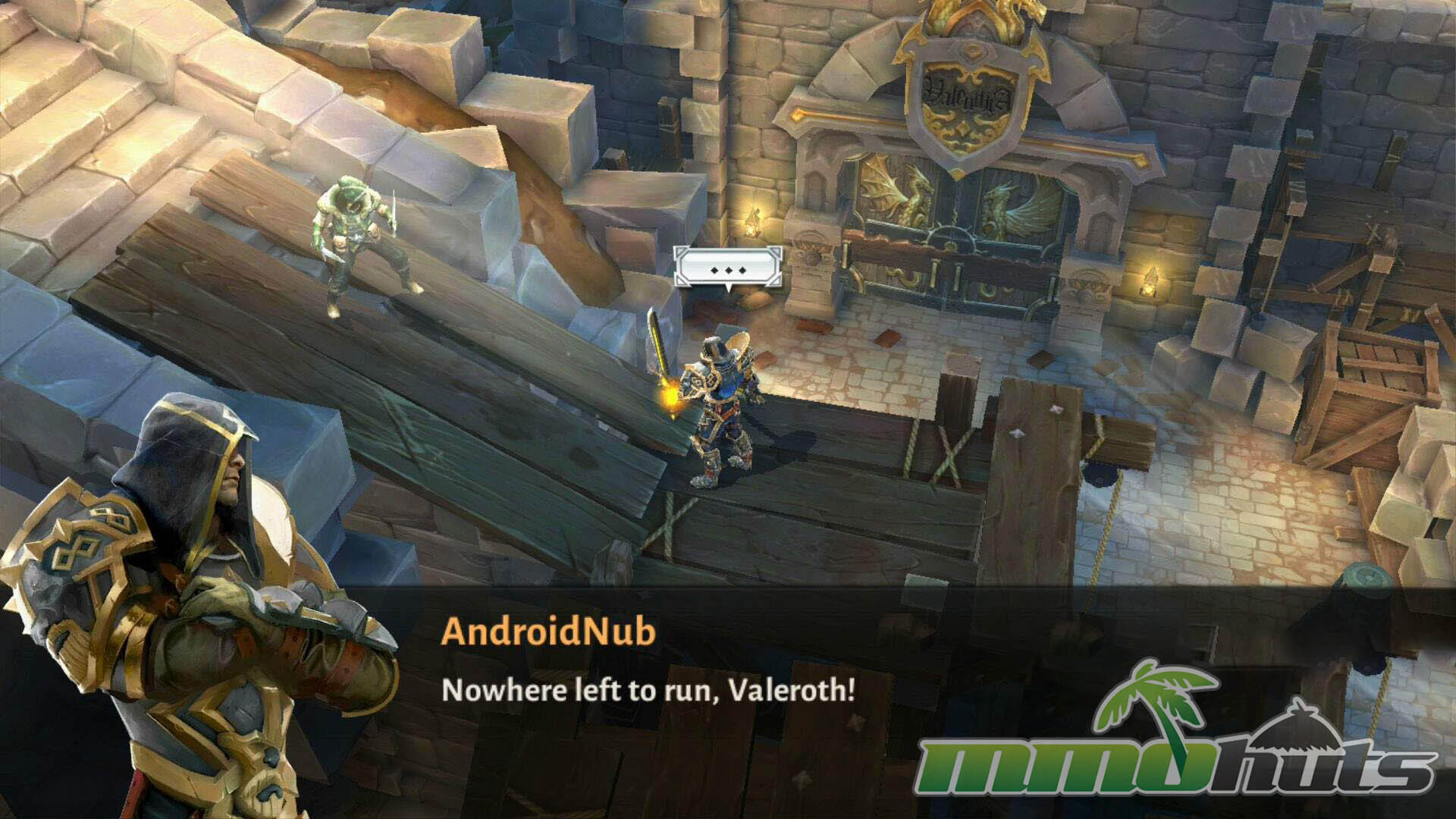
The campaign takes place in a world scarred by conflict between humans and demons, with the aftermath leaving societies fractured and vulnerable. After political turmoil and the fall of stable rule in Valenthia, order is maintained less by armies and more by hired blades. You step into the role of a rising figure within the Bounty Hunter guild, chasing threats that range from everyday criminals to supernatural forces, and pursuing a former ally whose obsession with a powerful artifact threatens to push the world into catastrophe.
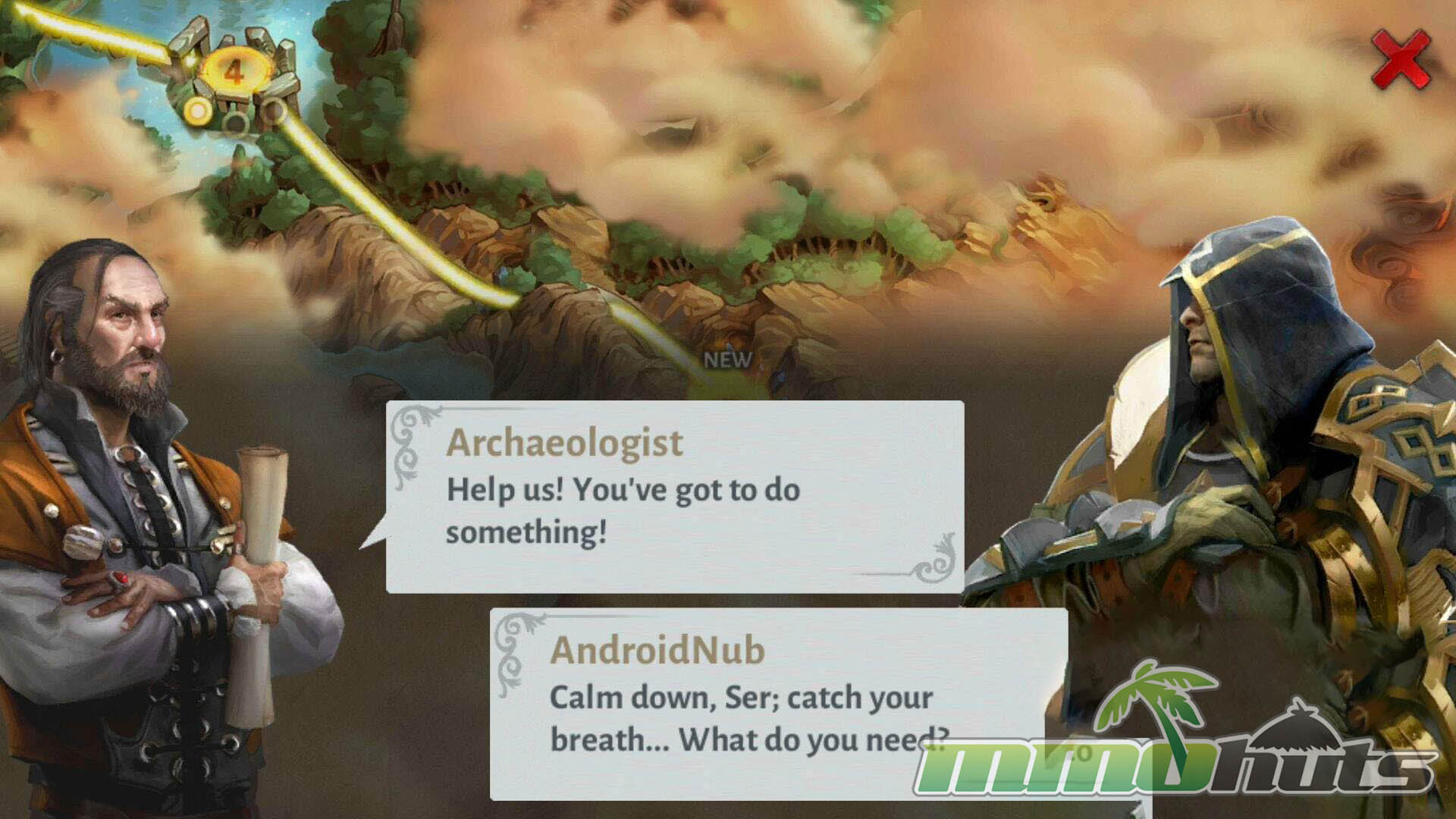
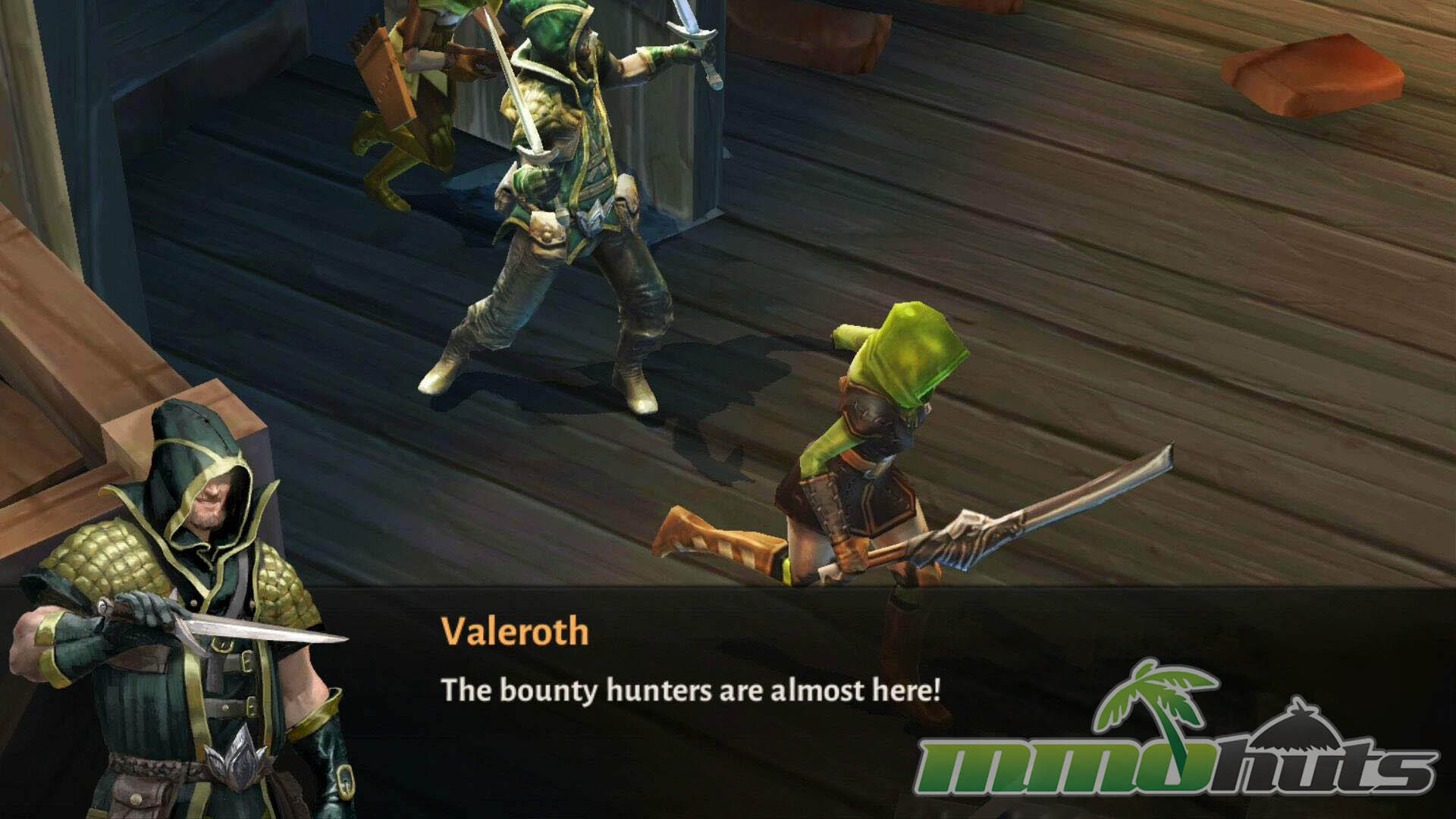
The narrative is delivered in short bursts around missions, supported by voice work and occasional cutscenes. It is not a deep, branching RPG story, but it does a decent job of giving the stage-to-stage action a sense of direction.
Weapons as Classes and Character Options
Rather than locking you into a rigid class, Dungeon Hunter 5 ties playstyle to the weapon you equip. Early on you choose from five options, a heavy greatsword, dual crossbows for ranged pressure, dual blades for speed, a sweeping glaive for reach, or a staff for magical attacks. That first pick mainly sets your starting kit, since you can freely switch “classes” later by equipping a different weapon type.
Character creation is straightforward, you can select male or female, but the game does not provide meaningful appearance customization beyond that. The upside is flexibility in combat roles, the downside is that your hunter never feels especially personalized visually.
Core Gameplay Loop
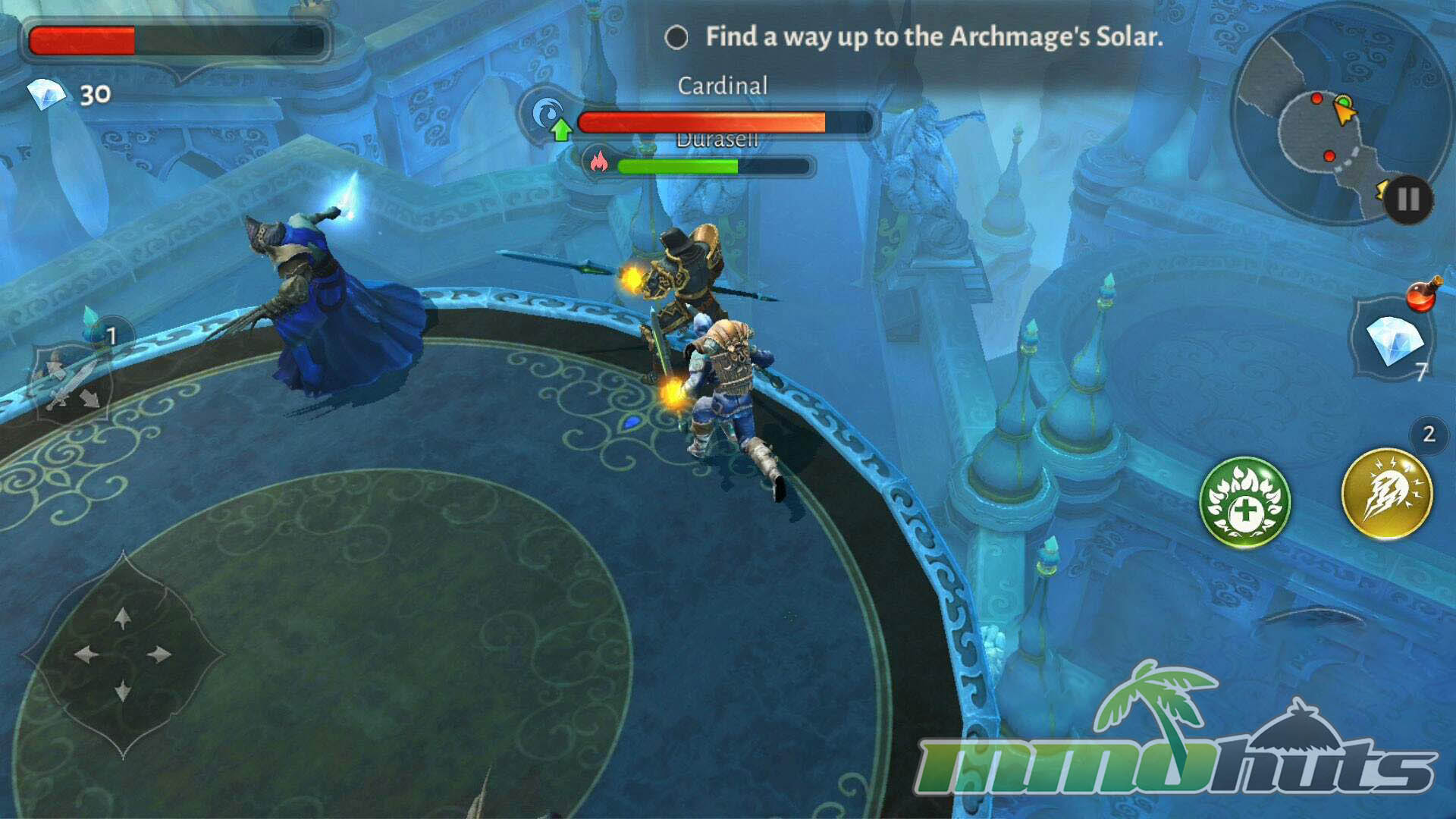
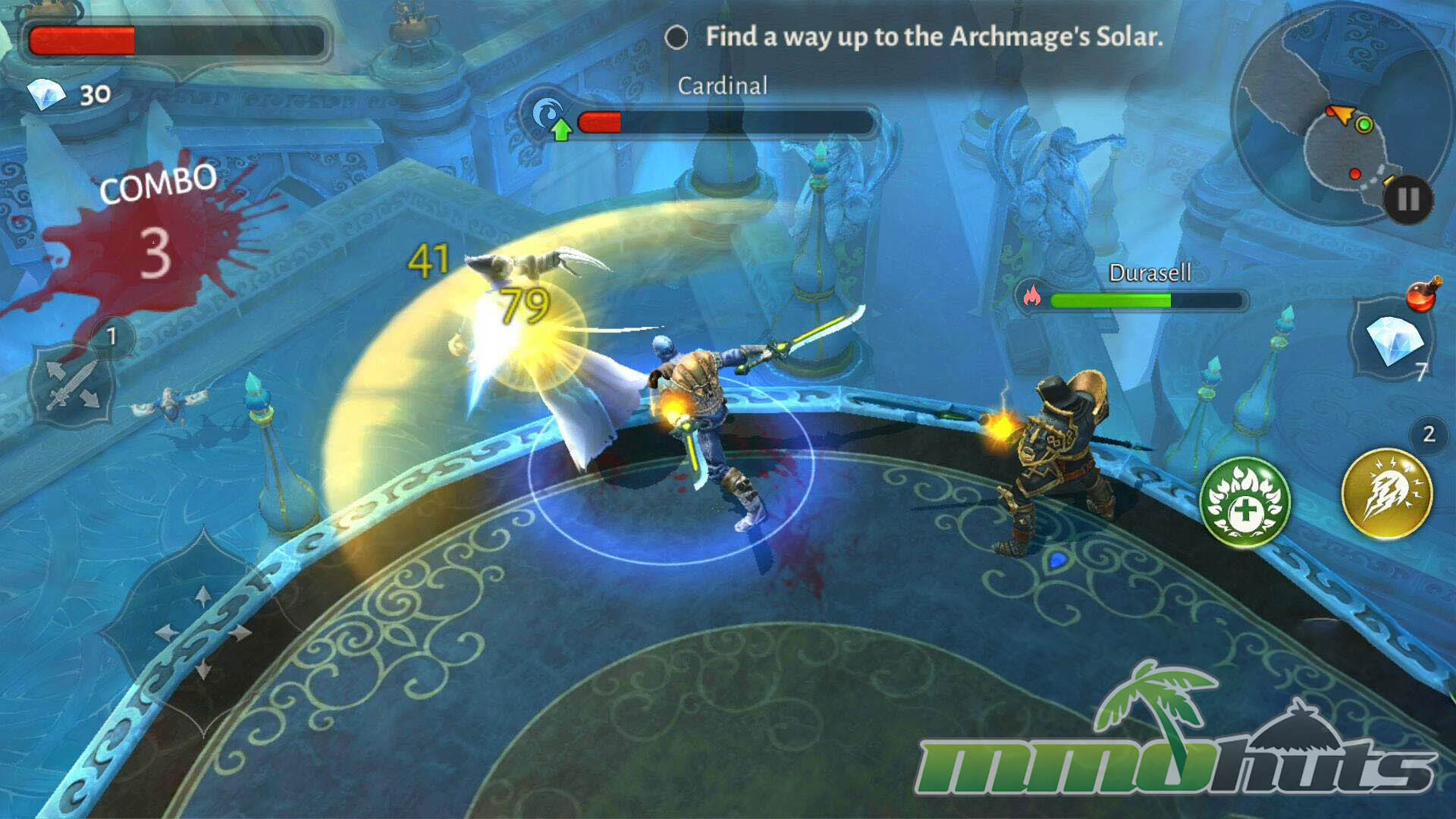
At its heart, Dungeon Hunter 5 is mission-based. The campaign unfolds across instanced stages on a world map that expands into five realms. Controls are typical for the genre on mobile, a virtual joystick for movement and dedicated buttons for attacking, dodging, and activating skills. Combat is responsive and built around quick engagements, short cooldowns, and repositioning to avoid damage.
Each stage is framed with a bit of context and a clear objective, then ends with a boss encounter. Missions come in multiple difficulty tiers (normal, hard, expert), with better rewards attached to the higher settings and a requirement to clear earlier tiers to unlock the next. Most runs are designed to be short (often just a few minutes), which suits mobile play well.
A notable feature is the companion system, you can bring along a computer-controlled version of another player’s character for extra damage and survivability. The main limiter is the energy system, which caps how long you can play in one sitting before waiting for a refill or spending premium currency.
Loot, Fusion, and the Grind
Progression is heavily gear-driven, and equipment is presented in a card-like format. Your power largely comes from improving weapons and armor through fusion, feeding spare gear into your main pieces to raise their strength. Elements matter as well, and fusing items that share an element grants better upgrade value, which pushes you to think about what you are sacrificing and what you are building toward.
Because the game’s challenge escalates quickly, staying ahead of the curve typically means upgrading frequently. That naturally leads to farming, replaying earlier stages to gather the equipment and materials needed to keep your main loadout competitive. You can also carry two weapons, which helps when stages mix enemy elements, but it also doubles the pressure to maintain more than one upgraded option. Combined with the energy system, the grind can feel like the real “boss” of the mid-to-late game.
Visuals and Presentation
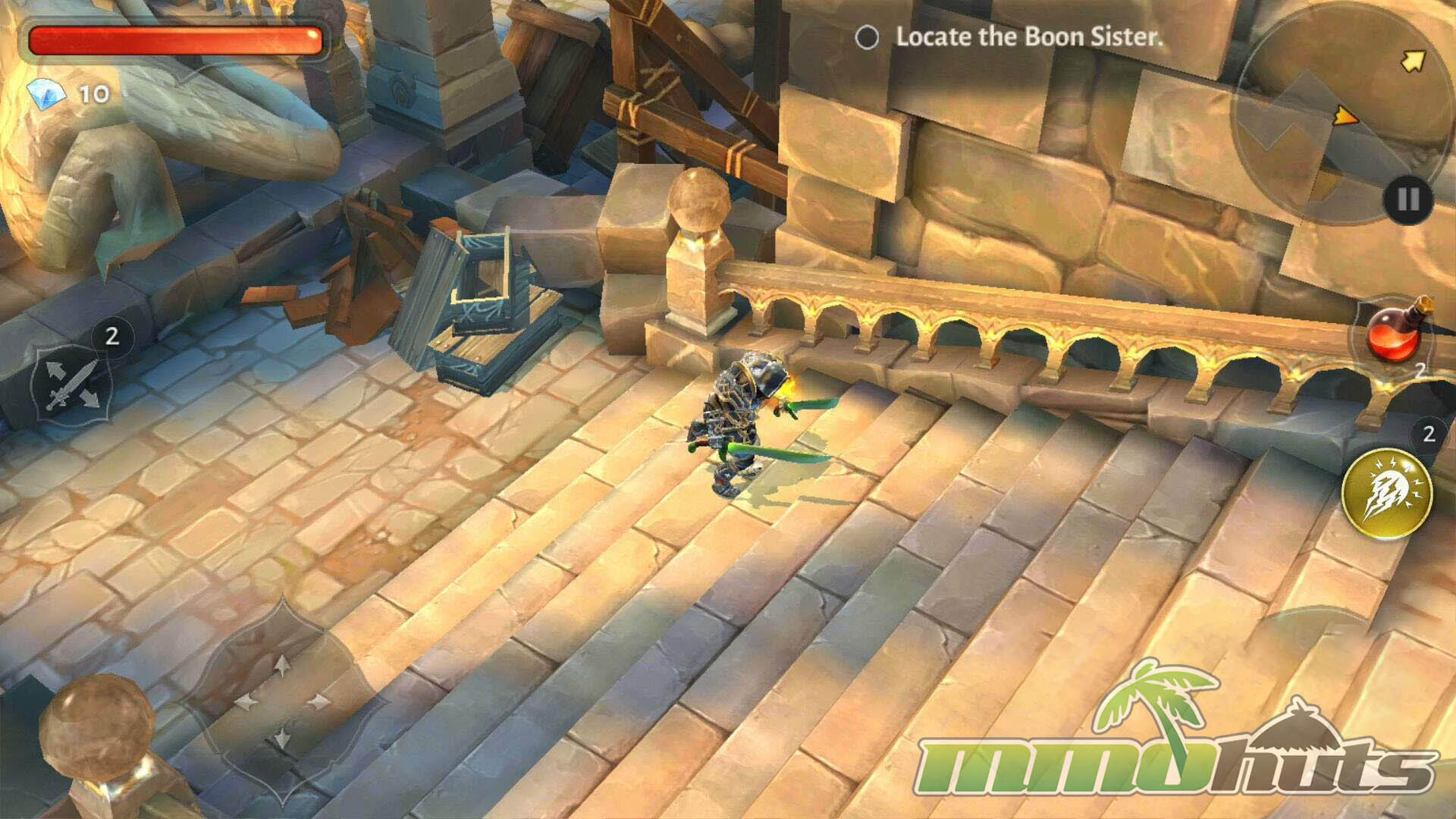
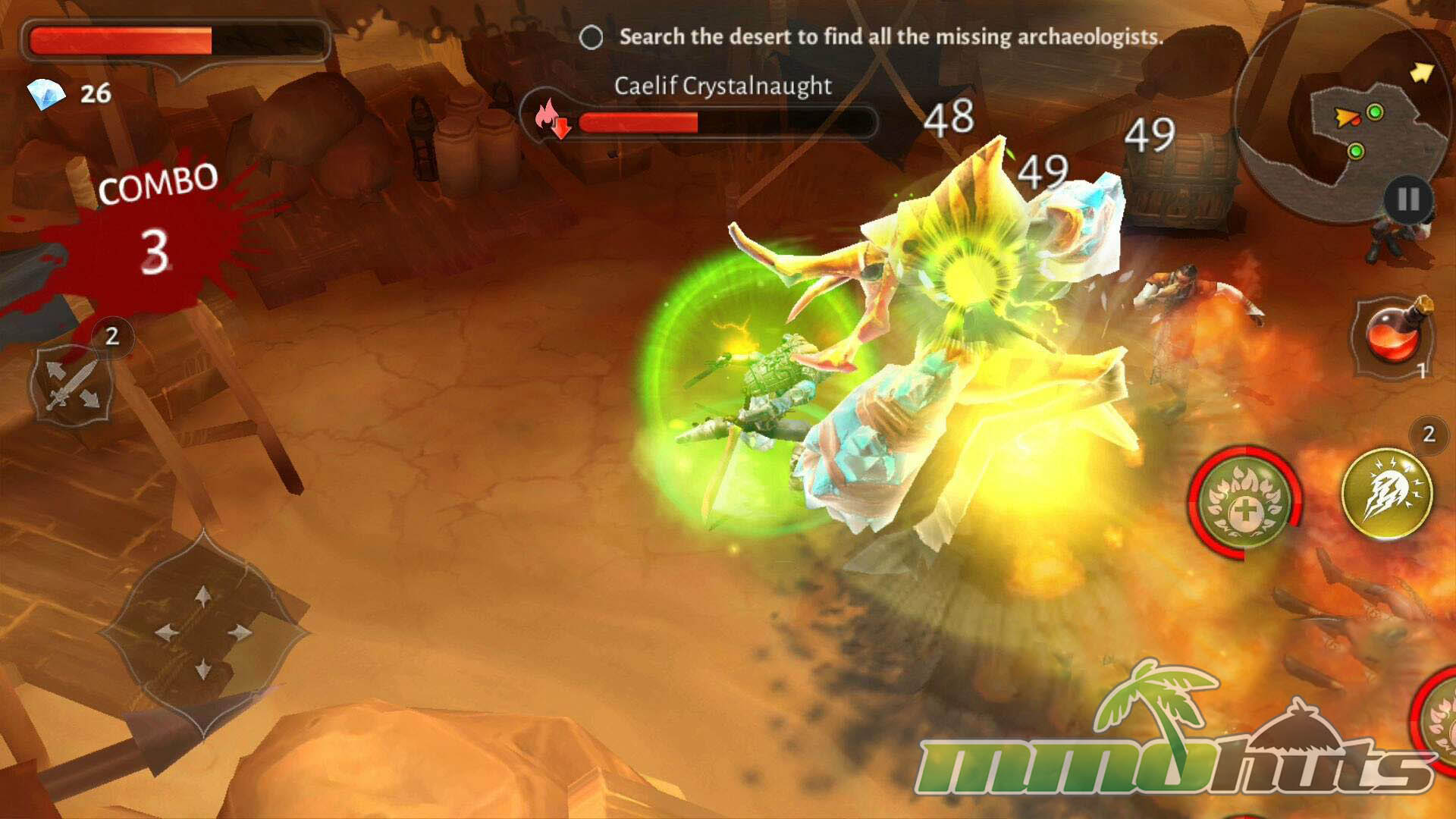
Dungeon Hunter 5 aims for a colorful fantasy look with clear silhouettes and dramatic spell effects. Environments vary from bright settlements to icy caverns and lava-lit dungeons, keeping the campaign from feeling visually monotonous. While the image quality can look a bit soft on some devices, the overall art direction, lighting, and particle effects give it a higher-end feel compared to many mobile RPGs of its era. Small touches like destructible elements and flashy finishers help sell the power fantasy.
Strongholds and Asynchronous PvP
Instead of focusing on real-time duels, Dungeon Hunter 5’s competitive layer is built around a personal stronghold. You place minions (earned through play) to defend your gold, then invade other players’ layouts to steal resources. In practice, it resembles the base-raid style popularized by games like Clash of Clans, adapted to Dungeon Hunter’s combat.
Whether this works will depend on what you want from the series. Players who enjoy planning defenses and attacking curated setups may find it a good side activity. If you prefer direct PvP combat, the stronghold approach can feel like a detour from the core dungeon-crawling identity, even if it is mechanically easy to engage with in short sessions.
Monetization and In-App Purchases
Dungeon Hunter 5 reflects Gameloft’s freemium era, and the monetization is hard to ignore. The premium currency, gems, can be used for practical advantages such as refilling energy, increasing inventory space, and opening chests that contain randomized equipment in the 3 to 5 star range. Those chests function as a gamble, and results often skew toward lower-tier rewards, which can be frustrating when you are stuck behind a difficulty wall.
While gems can be earned through play and events, the pace is slow relative to the costs, especially once you are pushed into repeated farming loops. On top of that, quality-of-life items like potions being tied to gems reinforces the sense that the game frequently nudges you toward spending when progression slows.
Final Verdict – Good
Dungeon Hunter 5 succeeds where it matters moment to moment, the combat is quick, satisfying, and well suited to mobile sessions, and the production values (including voice work) are stronger than many competitors. Where it stumbles is pacing and pressure, as difficulty spikes and the energy and upgrade systems funnel players into a routine that often feels like “grind or pay.”
If you enjoy optimizing gear and do not mind repeating content to keep your power level on track, there is fun to be had here. For players looking for a smoother, more purely skill-driven action RPG without aggressive gating, it can be difficult to recommend as a long-term commitment.
Dungeon Hunter 5 Links
Dungeon Hunter 5 Official Site
Dungeon Hunter 5 Wikipedia
Dungeon Hunter 5 Wikia [Database/Guides]
Dungeon Hunter 5 Google Play Store
Dungeon Hunter 5 iTunes Store
Dungeon Hunter 5 Requirements
Minimum Requirements:
Operating System: Android 4.0 or later/iOS 7.0 or later
Android Size: 1.4 GB
iOS Size: 801 MB
Dungeon Hunter 5 Music
Dungeon Hunter 5 Additional Information
Developer: Gameloft
Publisher: Gameloft
Platforms: Android and iOS
Release Date: February 27, 2015
Dungeon Hunter 5 was developed and published by Gameloft, a France-based mobile game company with subsidiaries in 28 different countries. As the fifth game in the Dungeon Hunter franchise, it follows a series that has accumulated millions of downloads worldwide. Gameloft is also known for other long-running mobile properties such as Modern Combat, Asphalt, and N.O.V.A, along with a number of licensed, movie-themed releases including The Dark Knight Rises and The Amazing Spiderman.