Day of Infamy is a 3D World War II first-person shooter built around tight coordination, quick decision-making, and squad-level roles that matter. It leans into authentic-era firearms and equipment, and throws teams into European theater battlefields where positioning, communication, and timing usually decide fights more than raw aim.
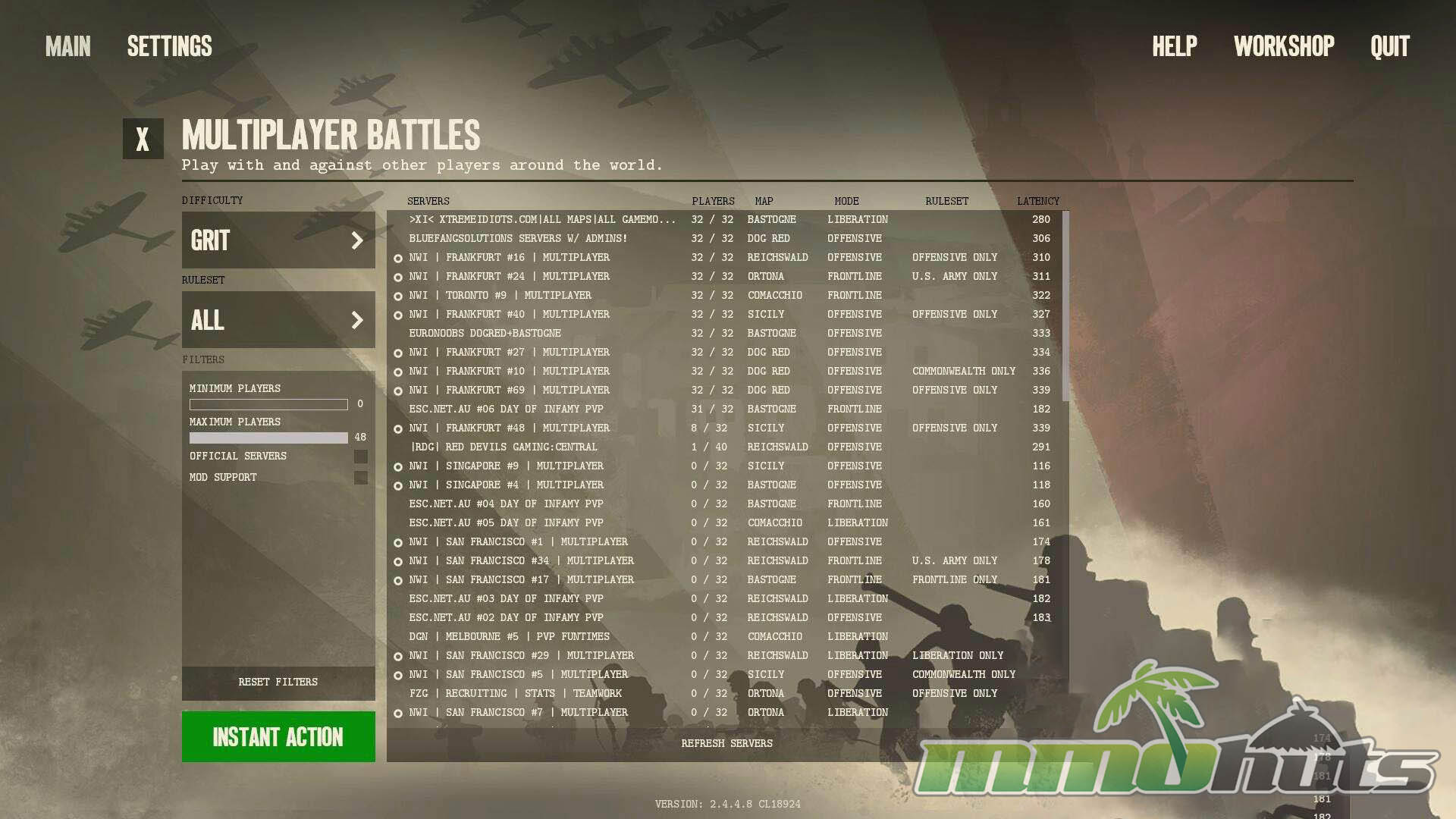
 | Publisher: New World Interactive Playerbase: Low Type: FPS Release Date: July 29, 2016 Pros: +Period-appropriate WWII weapons and kit that fit the setting. +Lethal, grounded damage that rewards careful shots. +Strong visual effects for a Source-based shooter. +Objectives and roles encourage real teamwork. Cons: -No built-in tutorial to onboard new players. -No matchmaking, you will be browsing servers. -Many firearms are hard to tell apart by sound. -Squad play has a demanding learning curve. |

Day of Infamy Overview
Day of Infamy is a WWII-themed FPS that mixes tense, high-lethality firefights with objective-focused rounds where every push needs a plan. The game’s maps emphasize narrow streets, chokepoints, and building-to-building fighting, so winning usually comes down to coordinated flanks, smart use of smoke, and moving as a group instead of trickling in alone. Communication matters as much as marksmanship, especially with in-game VOIP adding risk, since nearby enemies can potentially pick up what your team is saying.
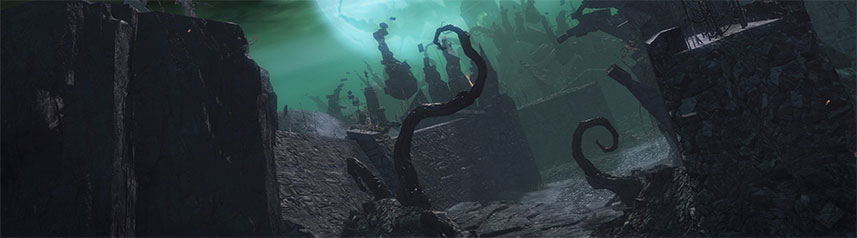
Across 16 maps, you will fight through a range of environments, including rugged villages and sunbaked city spaces, each built to reward teams that clear angles, hold lanes, and rotate quickly. If competitive PvP is not your preference, there are also five cooperative modes where you and friends can tackle objectives against AI opponents. Loadouts draw from a pool of 40+ weapons, and you can tailor your kit with attachments to better suit your preferred role, whether that means close-quarters aggression or holding longer sightlines.
Day of Infamy Key Features:
- Strategic Gameplay – success depends on squads coordinating their approach, and syncing with other squads to complete objectives efficiently.
- Iconic WWII Battles – battles are staged across recognizable European theater locales, spanning Italy, Normandy, Bastogne, and into Germany.
- Choose Your Alliance – play as part of one of three major forces, the US Army, the Commonwealth Army, or the Wehrmacht.
- Authentic WWII Gear – multiple combat roles and historically grounded weapons are available, including bolt-actions, bayonets, and flamethrowers.
- Take Charge – step into an officer role to coordinate your team and call artillery support with the help of a radioman.
Day of Infamy Screenshots


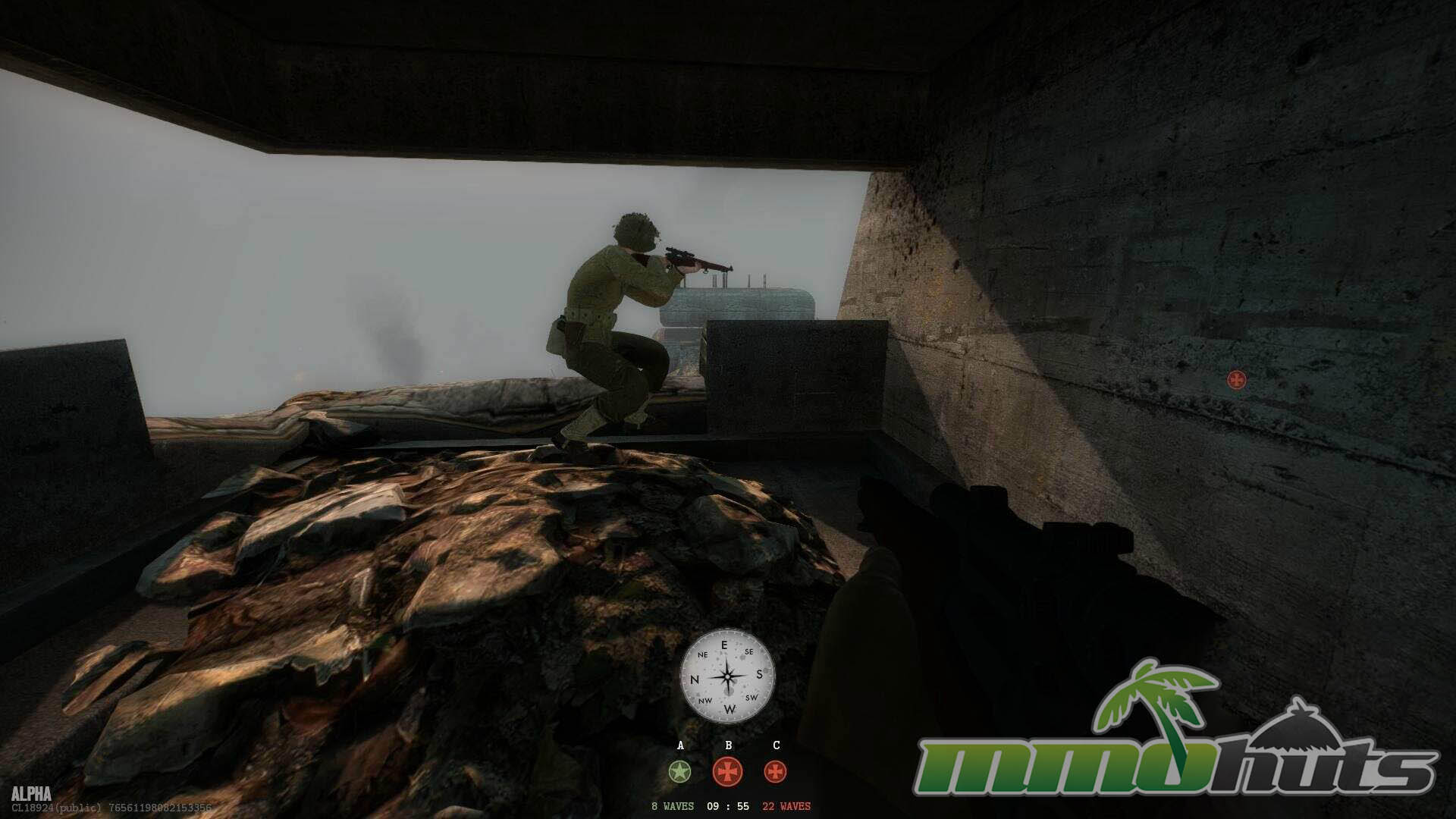


Day of Infamy Featured Video

Day of Infamy Review
Day of Infamy has an interesting lineage, it began life as a community mod for Insurgency (itself rooted in mod history), and that DNA is obvious in how it plays. Rather than being a cinematic, set-piece WWII shooter, it is a match-based, objective-driven multiplayer experience focused on tight maps, quick lethality, and squads that live or die by coordination. You fight as one of three factions (US Army, Commonwealth, or Wehrmacht) across European theater scenarios that echo classic WWII settings without turning the game into a scripted campaign.

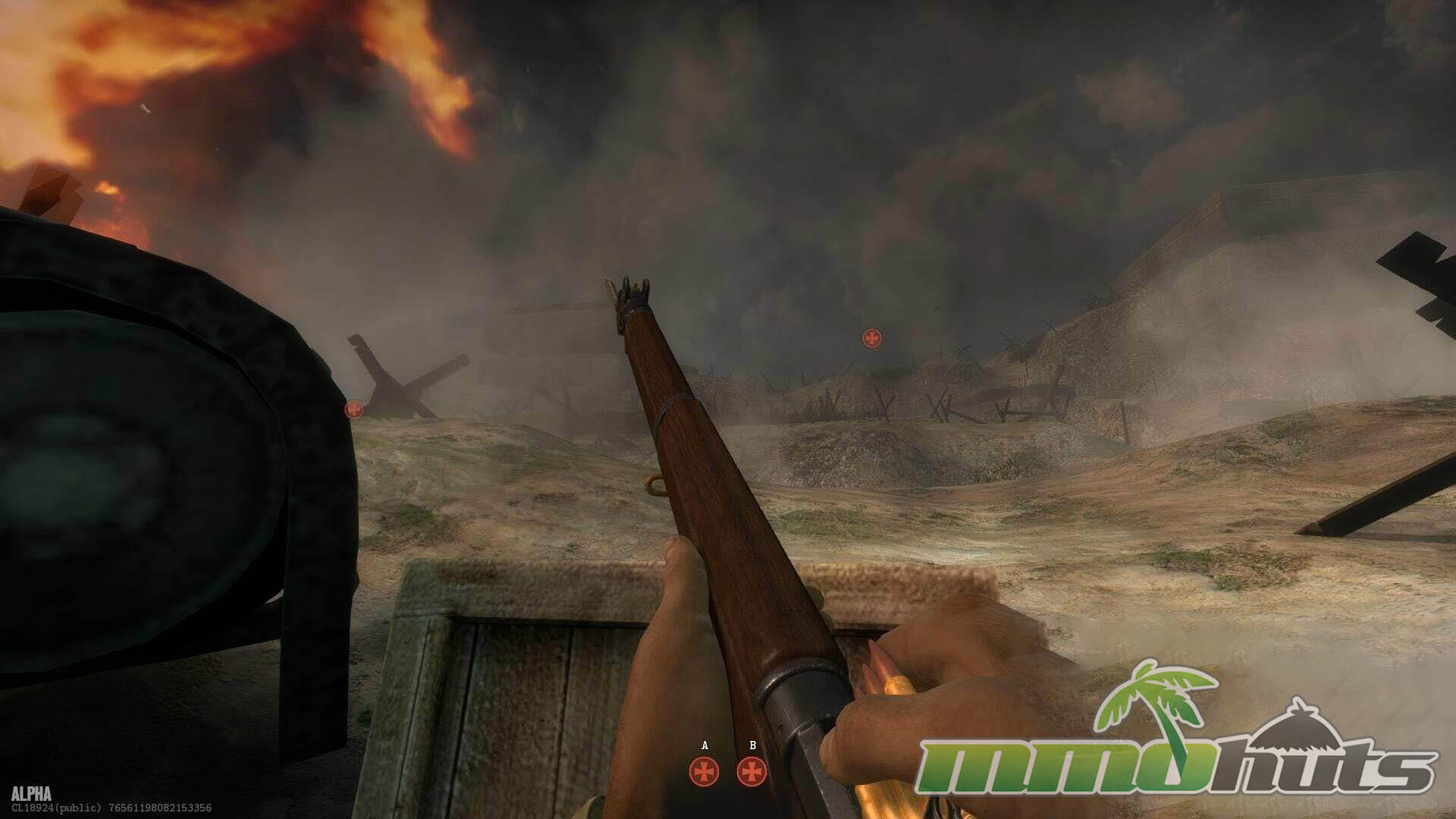
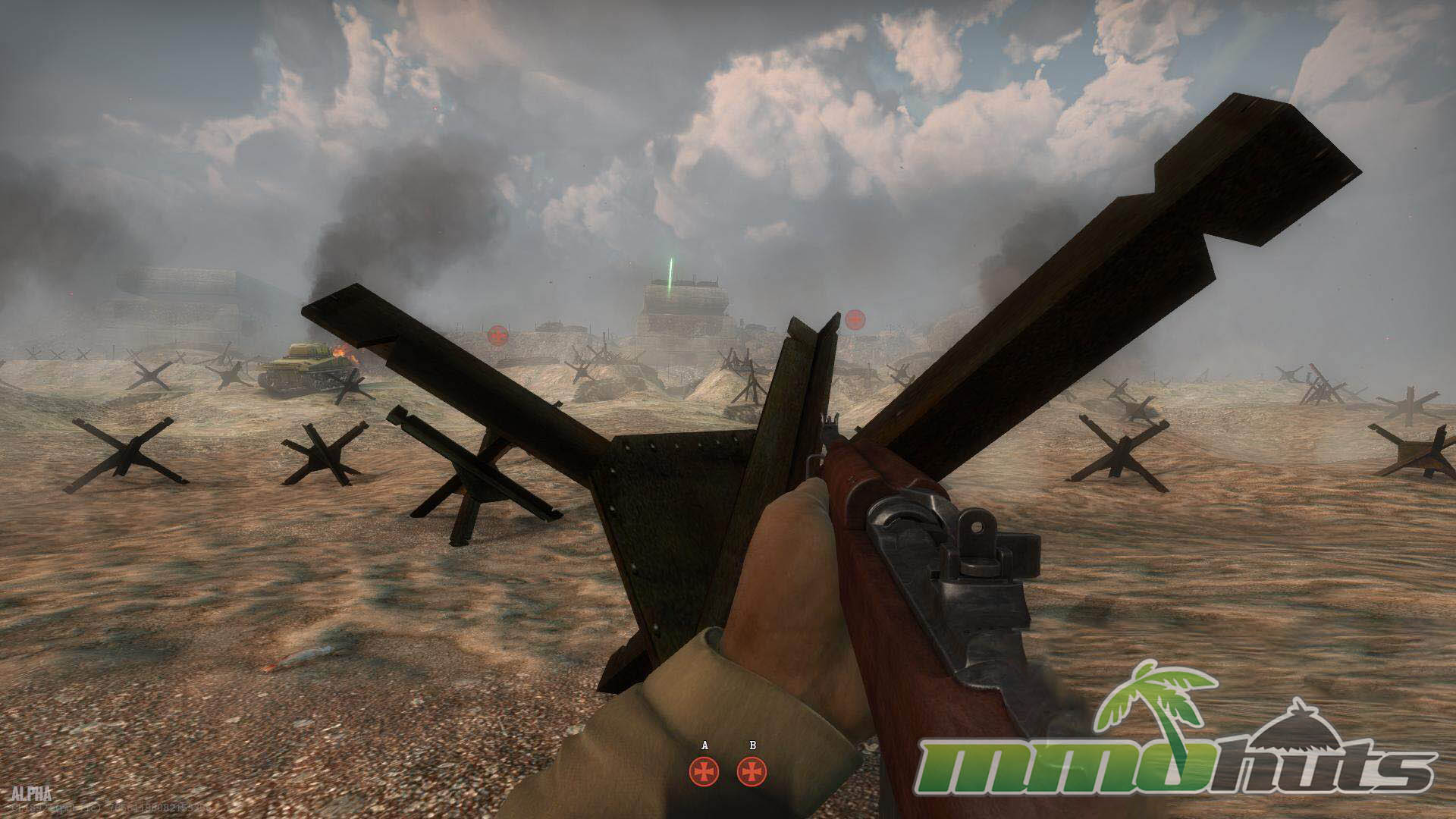
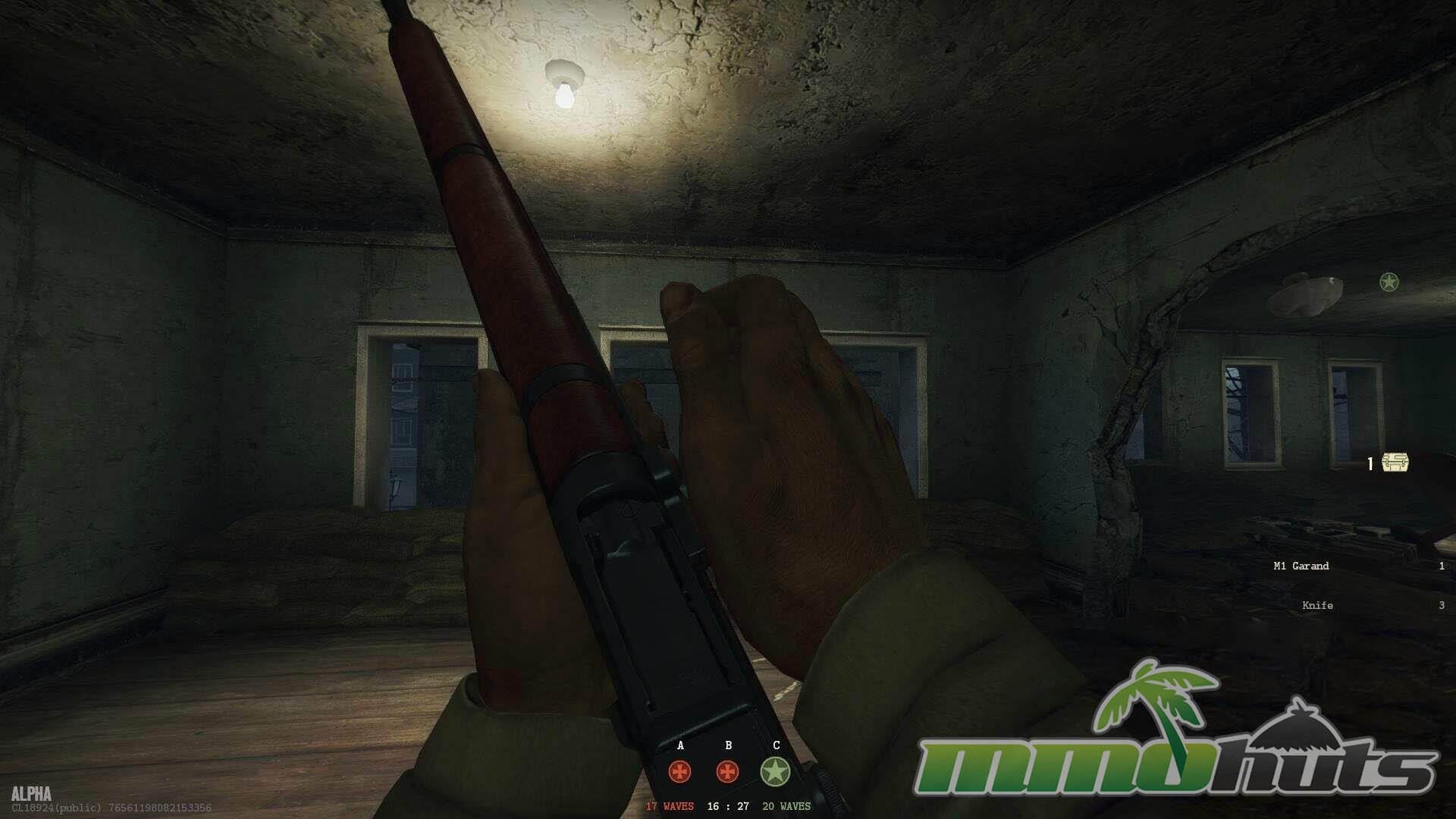
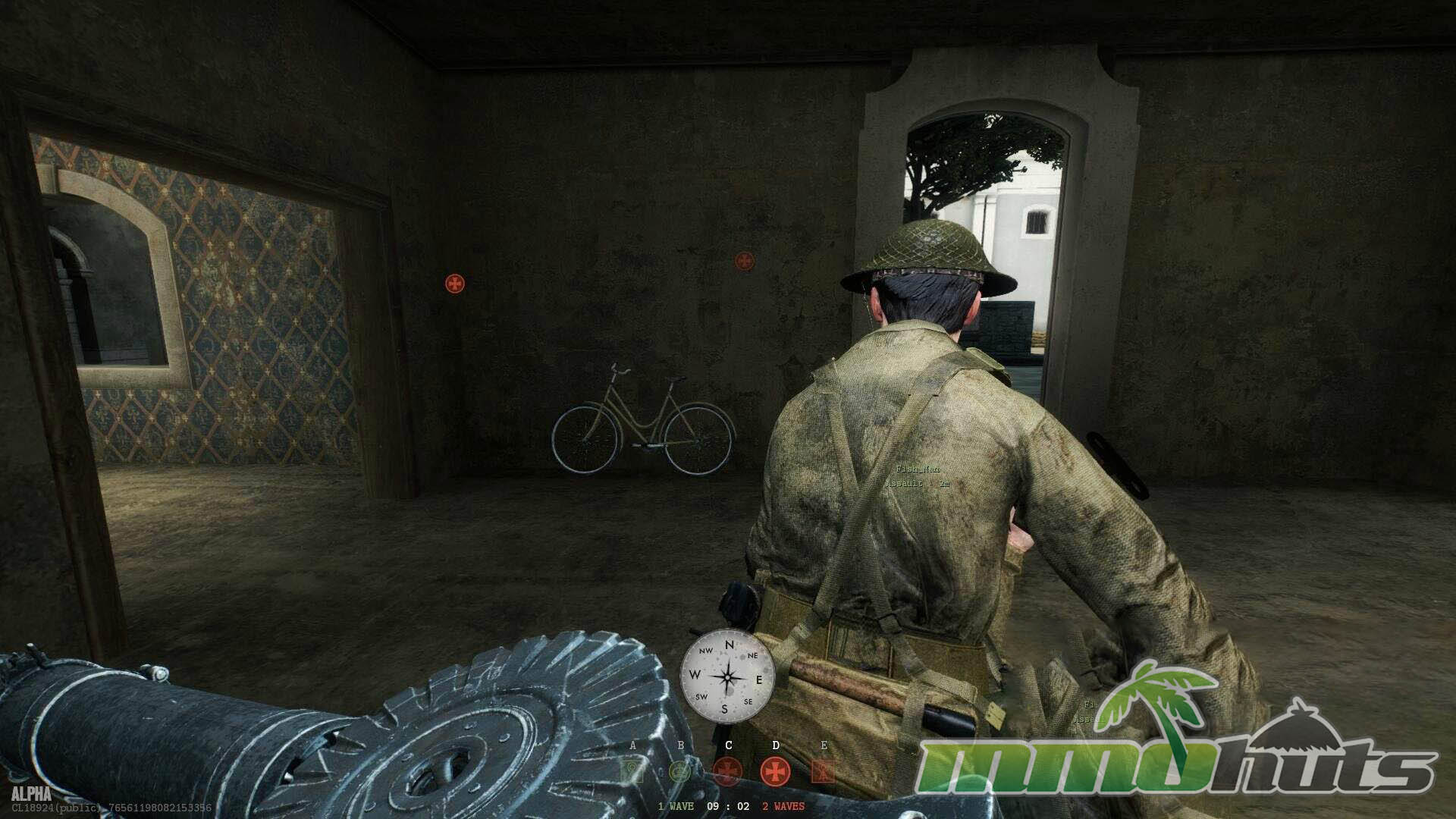
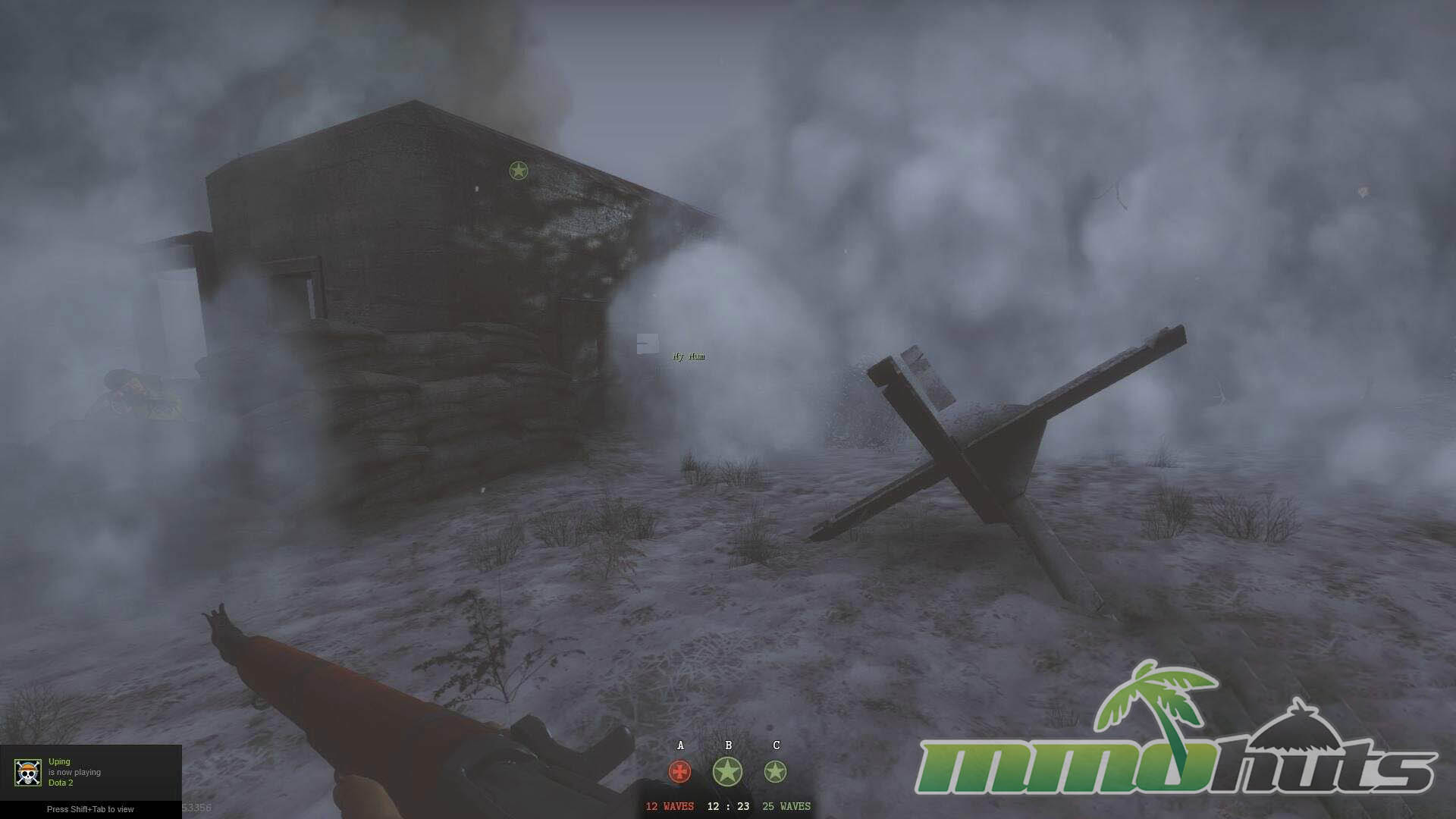
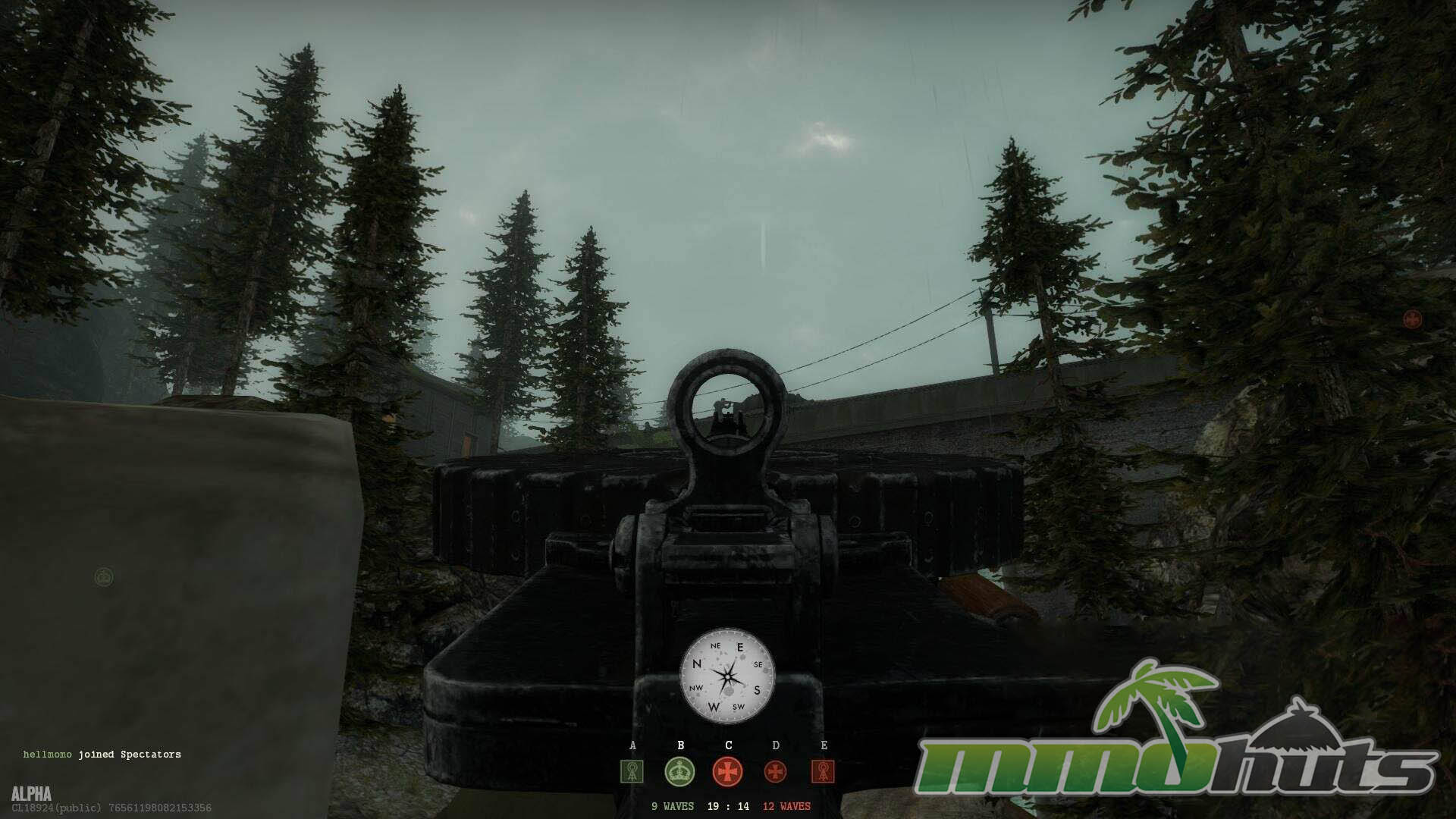
Visually, the Source engine still delivers clean readability and solid performance, even if it cannot fully match newer big-budget shooters in sheer detail. Lighting, smoke, and explosions do a lot of heavy lifting in making firefights feel intense, and the game tends to run smoothly on modest hardware, which is a genuine strength for a multiplayer FPS. Sound design is generally convincing, especially under sustained fire, but weapon audio can blur together, making it harder than it should be to identify what is shooting at you by ear alone.

Learning the hard way
There is no formal tutorial here, and that shapes the early experience. New players are expected to pick things up in live matches, which can be rough in a shooter where positioning and team play are core to survival. The good news is that there is a single-player option where you can play with and against bots to get comfortable with movement, stances, recoil, and map flow. If you have experience with tactical FPS games, the fundamentals will feel familiar quickly.
The bigger hurdle is not the controls, it is understanding how to move with a squad and read threats in chaotic fights. The AI is useful for practicing mechanics, but it is not a reliable teacher of teamwork, as bots often behave aggressively and inconsistently. In multiplayer, veterans are usually not hostile to newcomers, but the game does not do much to bridge the knowledge gap, so new players will often learn by observing, copying, and occasionally getting corrected over voice chat.
Objectives, pressure, and momentum
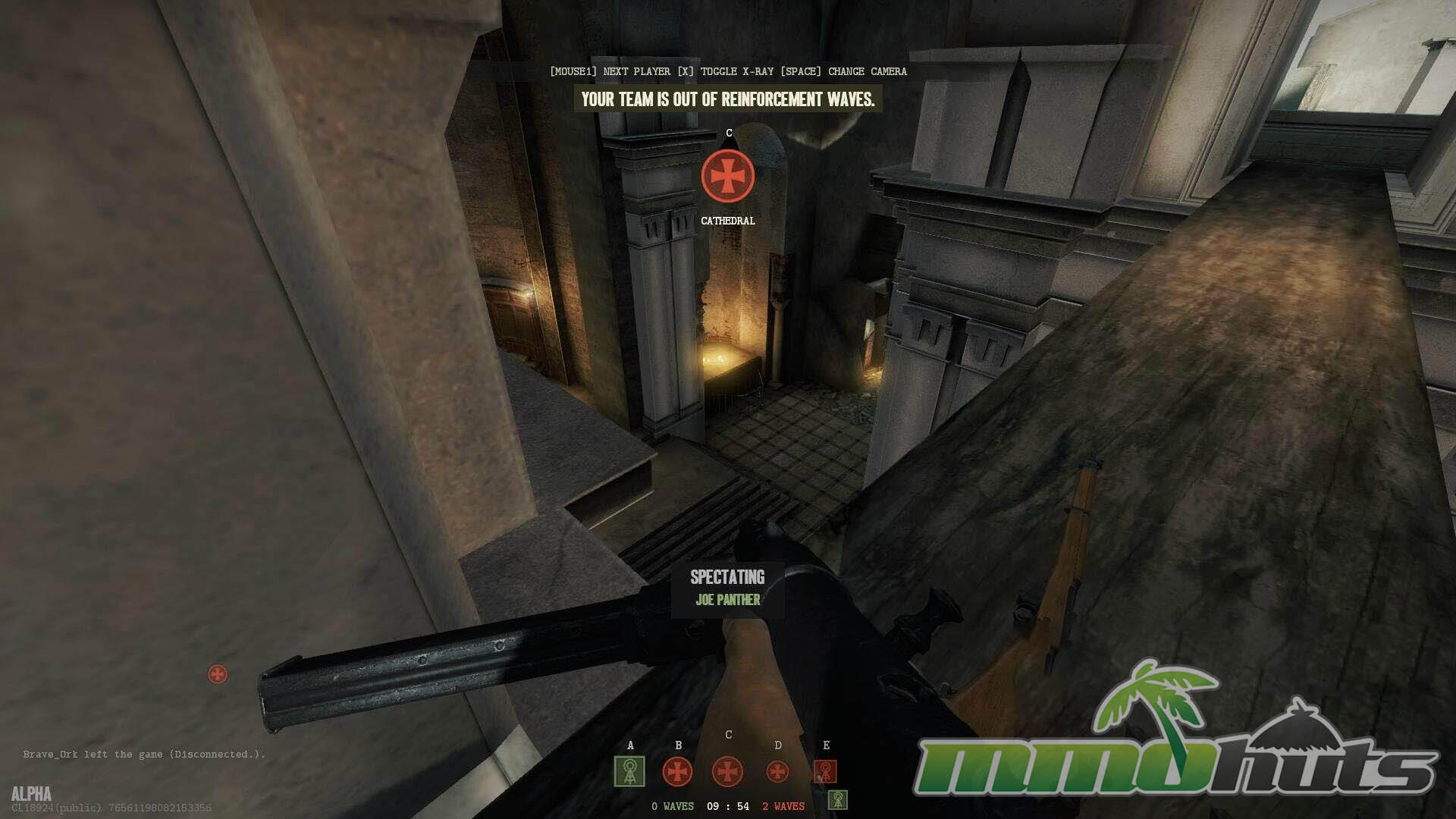
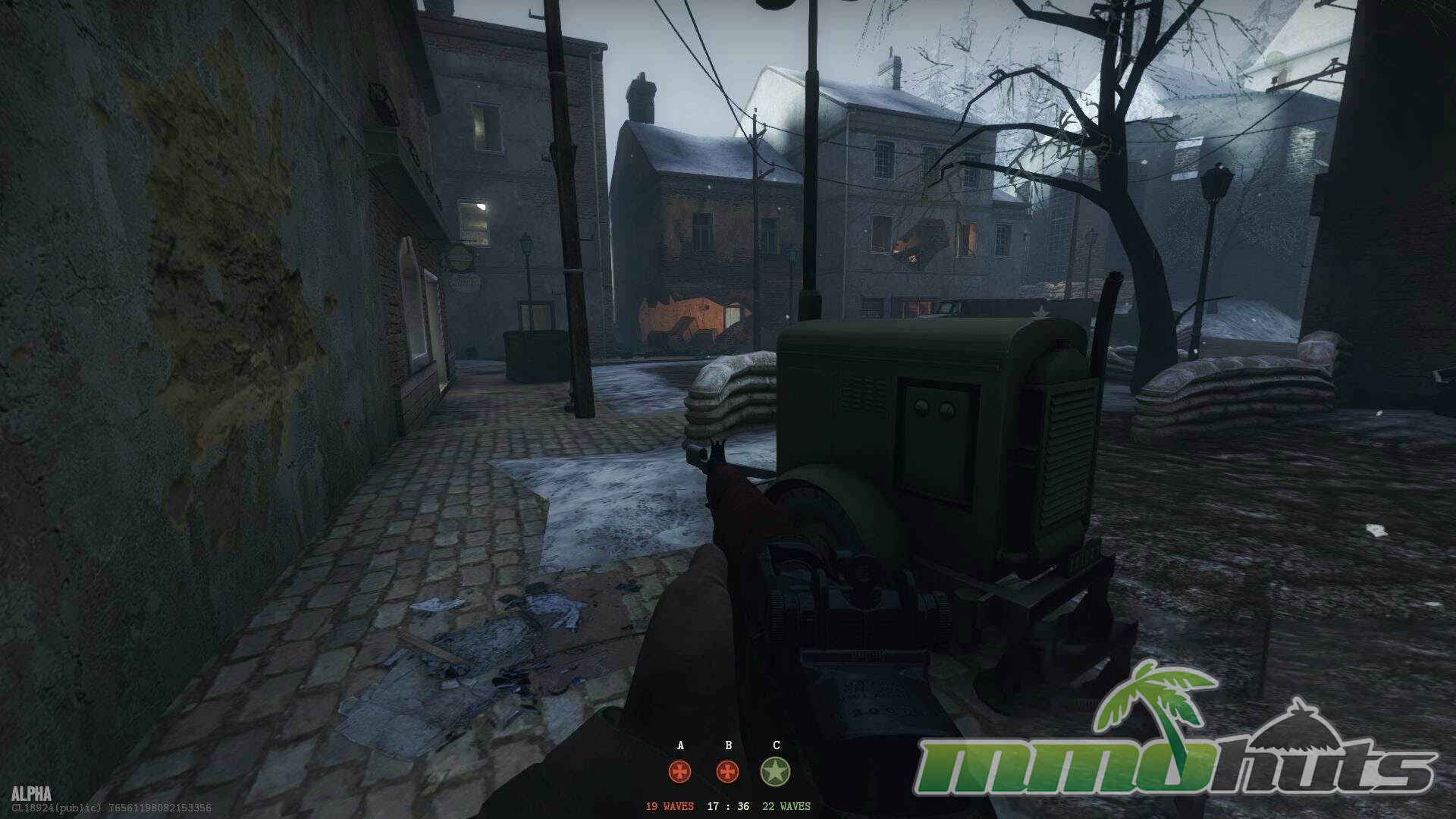
At its heart, Day of Infamy is about capturing and holding points, then using that momentum to take the next objective. Compared to Insurgency, matches often feel more constantly active because the game uses reinforcement waves to keep the fight moving. Instead of being removed from play for extended periods after dying, players typically return quickly as reinforcements, which maintains pressure on objectives and keeps rounds from stalling. Patrol is the notable exception, it leans more into round-based elimination pacing, where staying alive matters even more.
That reinforcement system also creates the impression of a larger battle than the server size might suggest. Teams earn waves by taking or retaking objectives, and matches can end either by controlling objectives when time expires or by draining the enemy’s reinforcement pool and eliminating the remaining players. It is a smart structure for WWII-themed objective play, as it naturally encourages coordinated pushes and disciplined defense rather than endless deathmatch roaming.

A practical middle ground between arcade and mil-sim
Day of Infamy lands in a satisfying middle space for many players. It is not pure run-and-gun, but it also avoids the slower, heavily simulated pacing of hardcore military sandboxes. Lethality is high, often one or two well-placed hits are enough, and the suppression effects make reckless peeking a bad habit. The minimal HUD and lack of traditional crosshairs push you toward careful aiming, good cover usage, and communicating what you see.
These systems combine into a game where classic small-unit tactics emerge naturally. Suppress-and-move is especially effective, one player pins a lane while teammates advance, toss smoke, or flank. When both teams play properly, rounds become less about individual highlight moments and more about coordinated execution, which suits the setting well.
Roles that actually matter
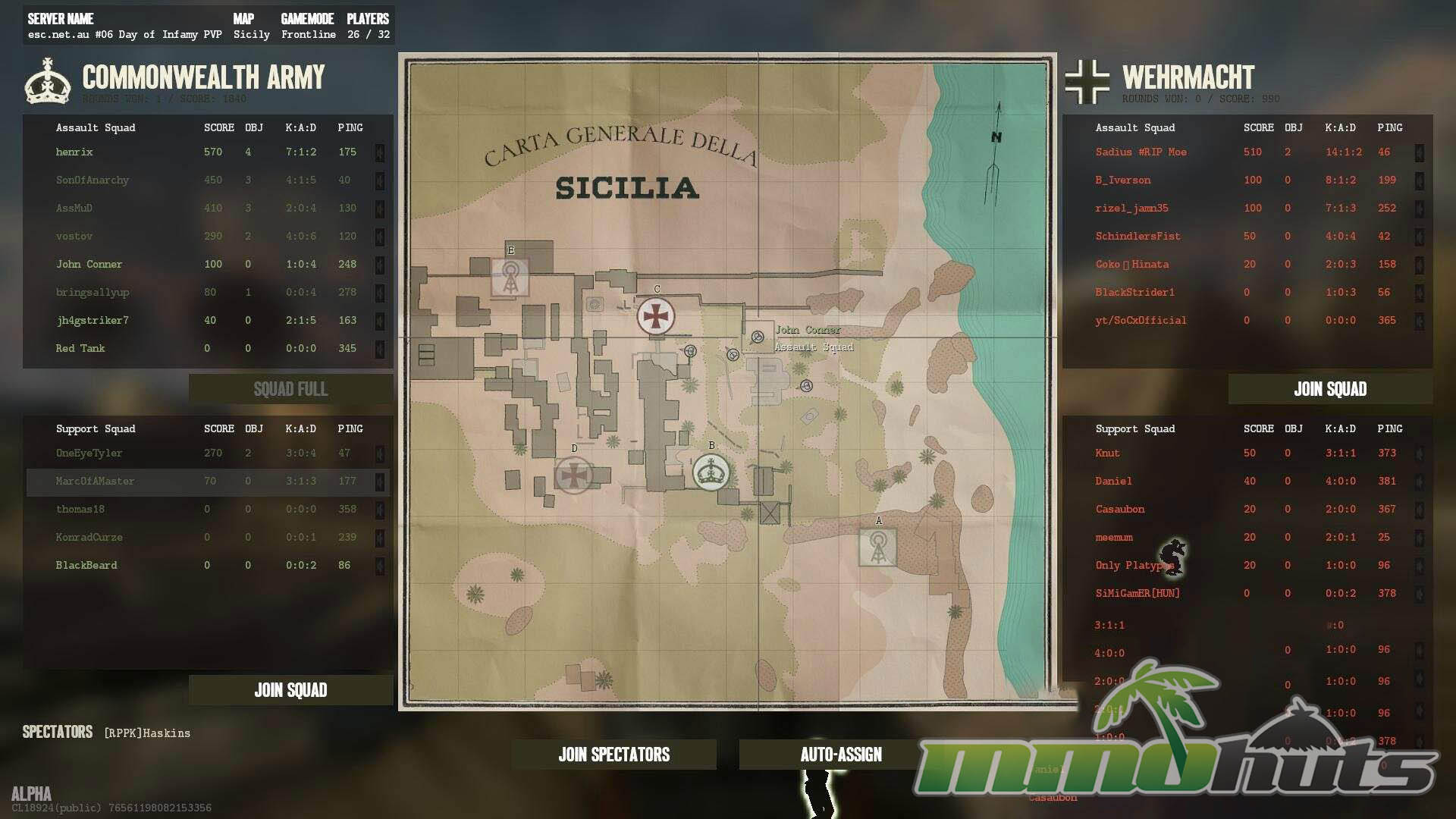
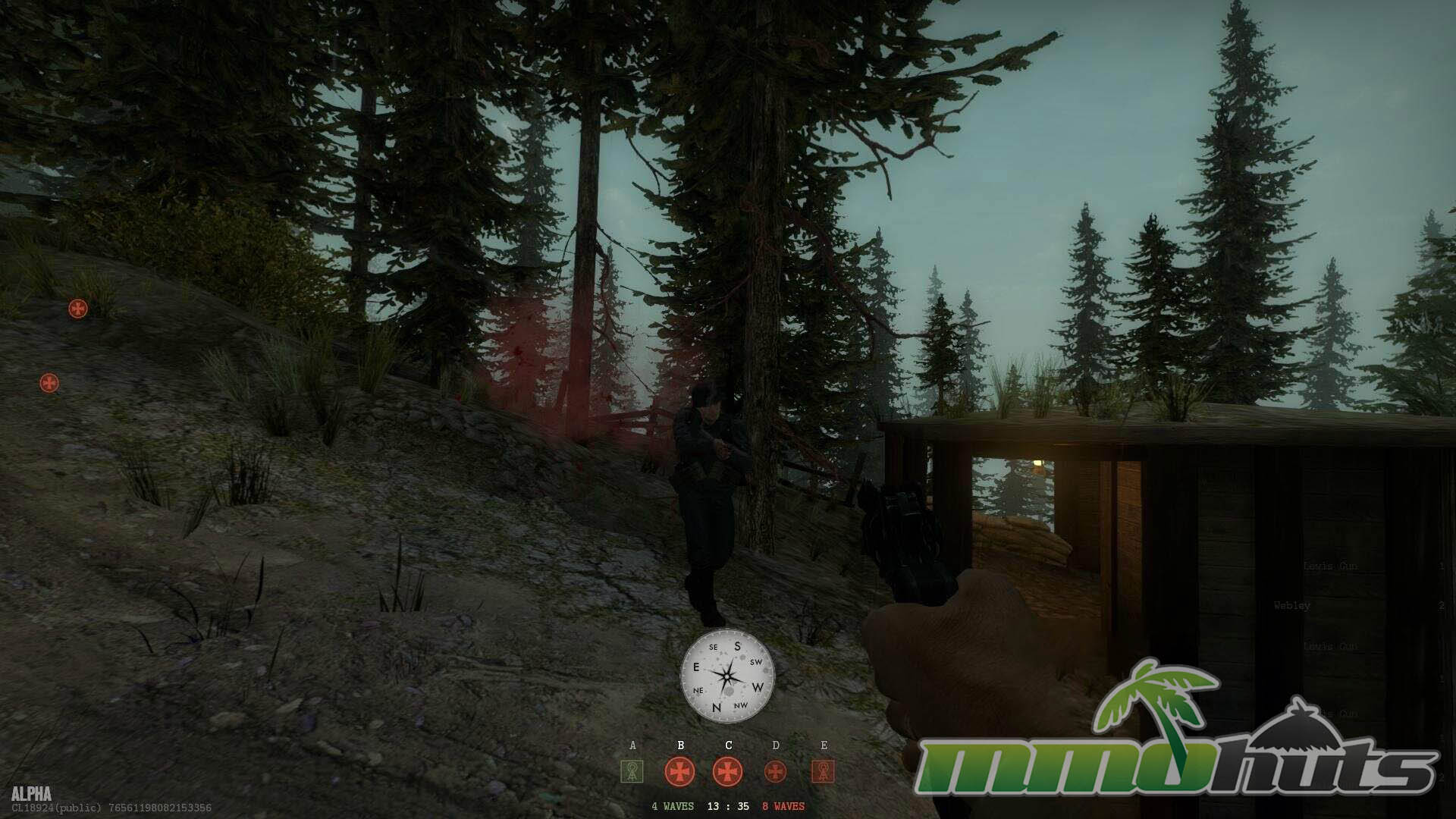
Before spawning, you pick a role, and you can swap roles after death to adapt to what the match needs. There are seven roles available: Officer, Rifleman, Assault, Engineer, Support, Machine Gunner, and Sniper. Each comes with specific tools that shape how your team approaches an objective. Officers are the tactical centerpiece, coordinating pushes and calling in artillery or smoke. Those call-ins rely on a radio backpack carried by Support, so effective teams naturally pair these roles.
Engineers bring specialized tools (including flamethrowers), Assault excels in close quarters, and Machine Gunners can lock down approaches when set up properly. Snipers are unique in their access to scopes, which gives them a clear niche on maps with longer sightlines, but they are not a substitute for objective presence. The overall role design encourages teams to build balanced squads rather than stacking a single class.
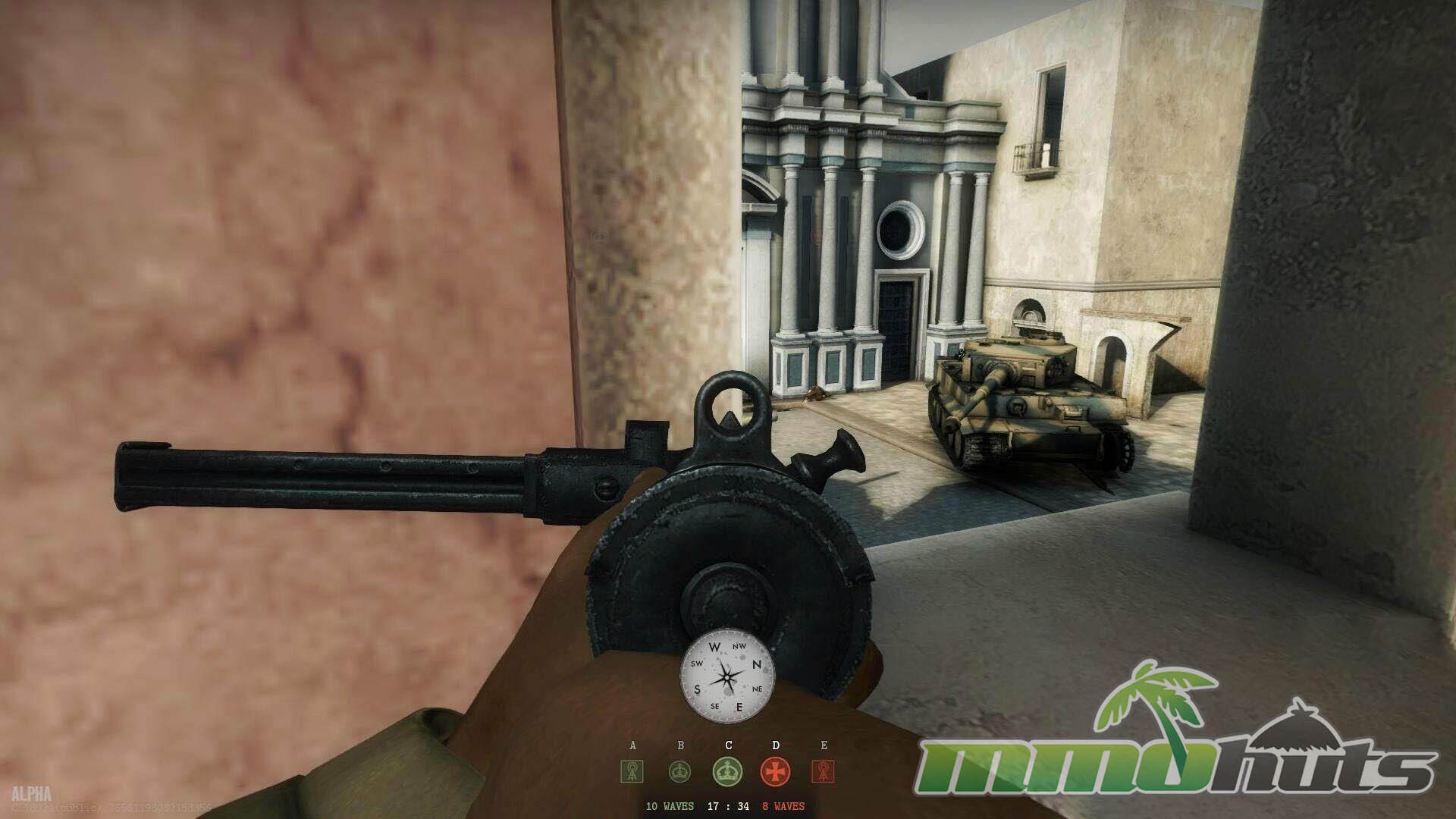
Teams are capped at 16 players and split into assault and support squads, with limits on certain roles (such as officer, engineer, support, machine gunner, and sniper) and more flexibility for rifleman and assault. In practice, most effective lineups revolve around an officer and support pairing, backed by at least one machine gunner for area control. The remaining slots shift depending on the map and objective, which is one of the game’s best traits, you can respond to what the enemy is doing by changing your team’s toolset rather than hoping your current loadout is good enough.
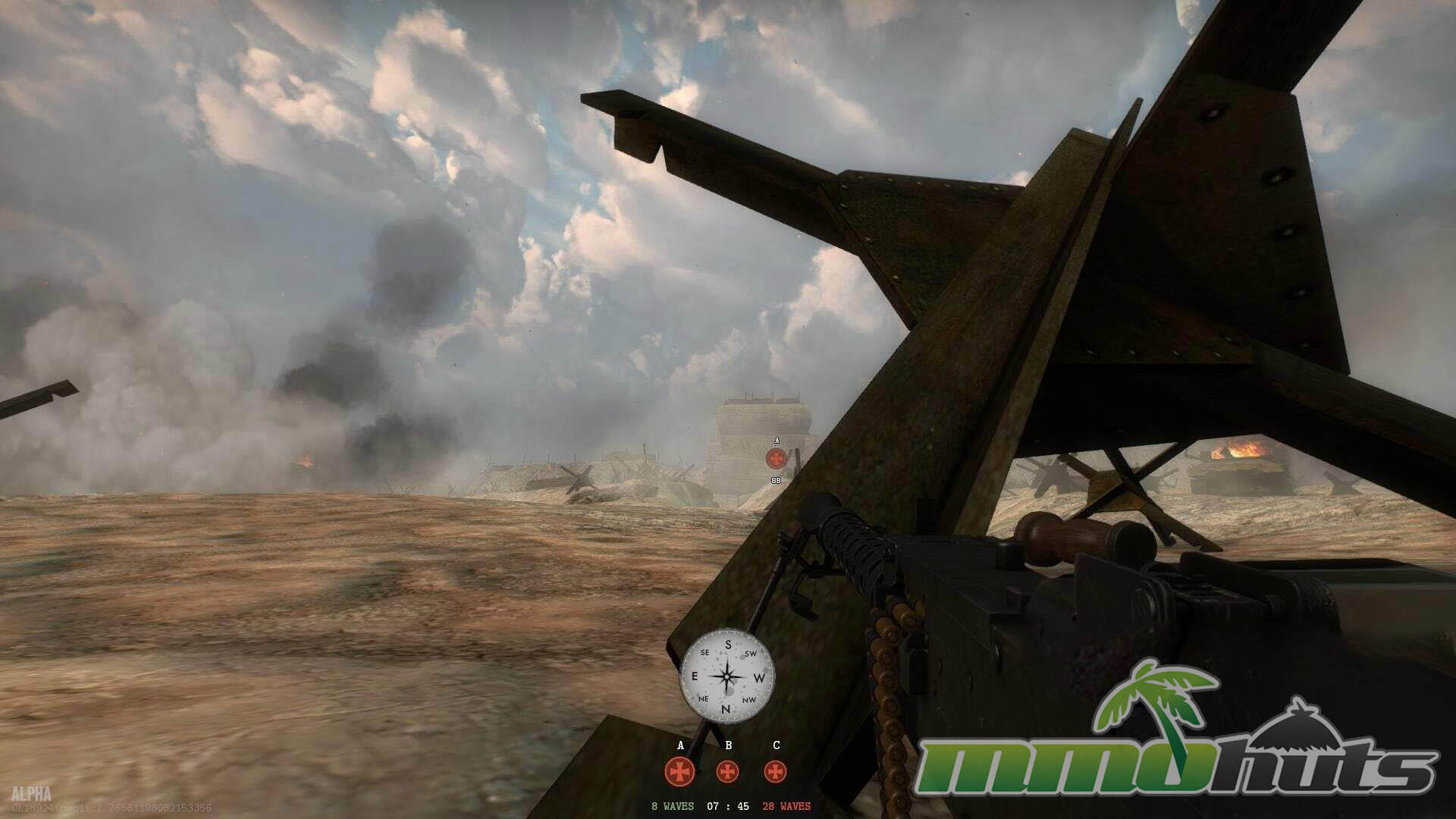
A straightforward, no-grind shooter
Day of Infamy is notably light on meta-progression. There are no account levels to chase, no perk ladders, no cosmetic economy, and no cash shop hooks. That makes it easy to drop in for a few matches without feeling behind, and it keeps firefights focused on teamwork and execution instead of unlock advantages.
The tradeoff is long-term motivation. Without a persistent progression track, the main reason to keep playing is the quality of the matches themselves, plus whatever new content appears over time. For players who prefer “pure” multiplayer shooters, this is a positive. For those who need a steady drip of unlocks and rewards, the game can feel harder to stick with, especially as population dips can affect server variety and match quality.
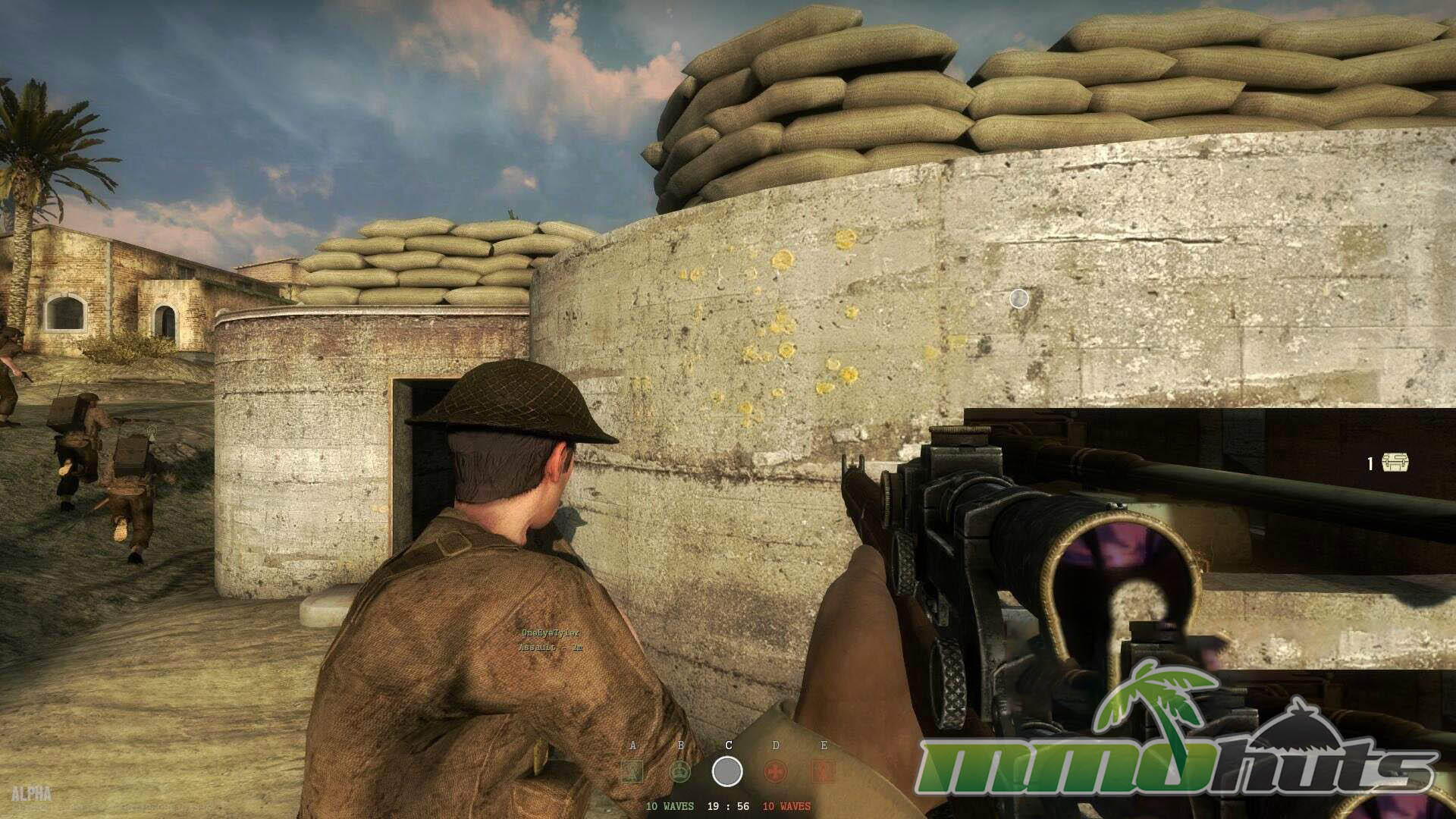
Final Verdict – Great
Day of Infamy succeeds as a team-first WWII shooter that values smart movement, disciplined pushes, and role synergy. Its presentation is solid for the technology it uses, and its best moments come when both teams are communicating and using smoke, suppression, and flanks to break stalemates. The lack of onboarding and the absence of matchmaking can make the first few hours intimidating, and the minimal progression means the game lives or dies on the strength of its community and active servers.
If you want a WWII experience that feels grounded without demanding full mil-sim commitment, and you are comfortable learning by playing with others, Day of Infamy delivers. If you already own Insurgency, it is also worth considering the mod roots and deciding whether the standalone package offers enough value for your preferences.
Day of Infamy Screenshots
Day of Infamy Videos

Day of Infamy Links
Day of Infamy Steam Store
Day of Infamy Developer Website
Day of Infamy Wikia [Database/Guides]
Day of Infamy System Requirements
Minimum Requirements:
Operating System: Windows XP 32 bit
CPU: Core 2 Duo E4300 1.8GHz / Athlon 64 X2 Dual Core 4000+
Video Card: GeForce GT 330 / Radeon HD 6530D
RAM: 2 GB
Hard Disk Space: 6 GB
Recommended Requirements:
Operating System: Windows 7 64 bit
CPU: Core 2 Duo E6600 2.4GHz / Phenom 8750 Triple-Core
Video Card: GeForce GTS 250 / Radeon HD 6670
RAM: 4 GB
Hard Disk Space: 6 GB
Day of Infamy is also available for Linux and Mac OS X.
Day of Infamy Music & Soundtrack
Coming Soon!
Day of Infamy Additional Information
Developer(s): New World Interactive
Publisher(s): New World Interactive
Game Director: Jeremy Blum
Game Engine: Source
Mod Release Date: January 28, 2016
Early Access: July 29, 2016
Release Date: TBA
Development History / Background:
Day of Infamy is a buy-to-play 3D WWII FPS developed and published by independent studio New World Interactive. It began as a community-created mod for Insurgency, and its strong reception helped it graduate into a standalone release. The standalone version launched on Steam Early Access on July 29, 2016 and attracted very positive reviews from players looking for a more tactical take on WWII multiplayer. Day of Infamy is built on Valve’s Source engine, the same technology that powered Insurgency.