Brick-Force was a free-to-play sandbox shooter MMO that mixed classic multiplayer FPS modes (like Deathmatch and Capture the Flag) with block-based building similar to Minecraft. Matches could take place on official arenas or on player-made creations, and its standout concept was Build & Destroy, a mode that asked teams to think like builders first and attackers second by letting them fortify their side before the firefight began.
 | Publisher: Infernum Productions Playerbase: Shut Down Type: MMO Shooter Release Date: June 26, 2015 (Closed Beta) Pros: +Easy to pick up. +Creative shooter concept. +Large amount of community-made maps. Cons: -Pay-to-win pressure. -Occasional bugs and rough edges. -Can start to feel samey over time. |
Brick Force Overview
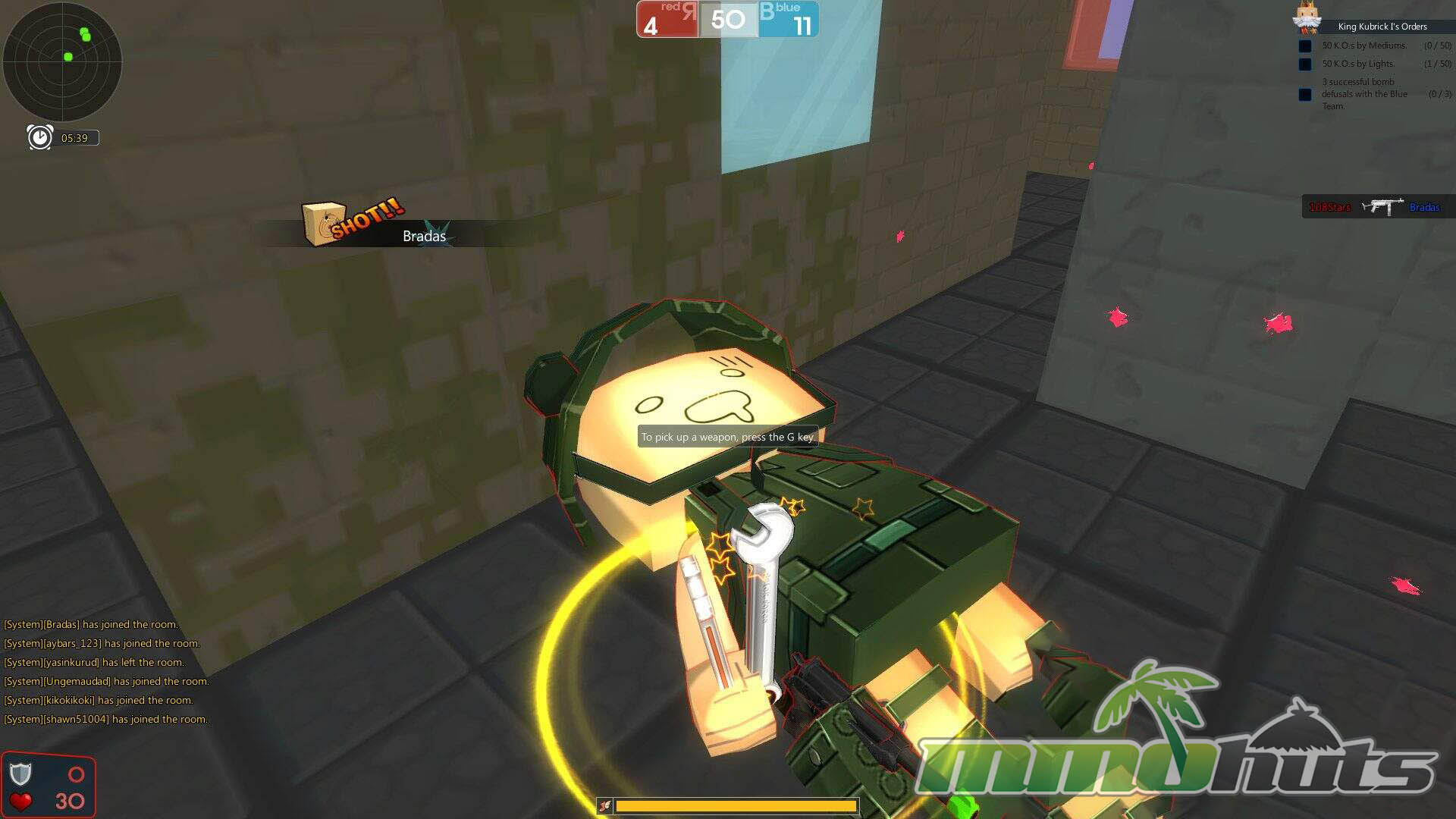
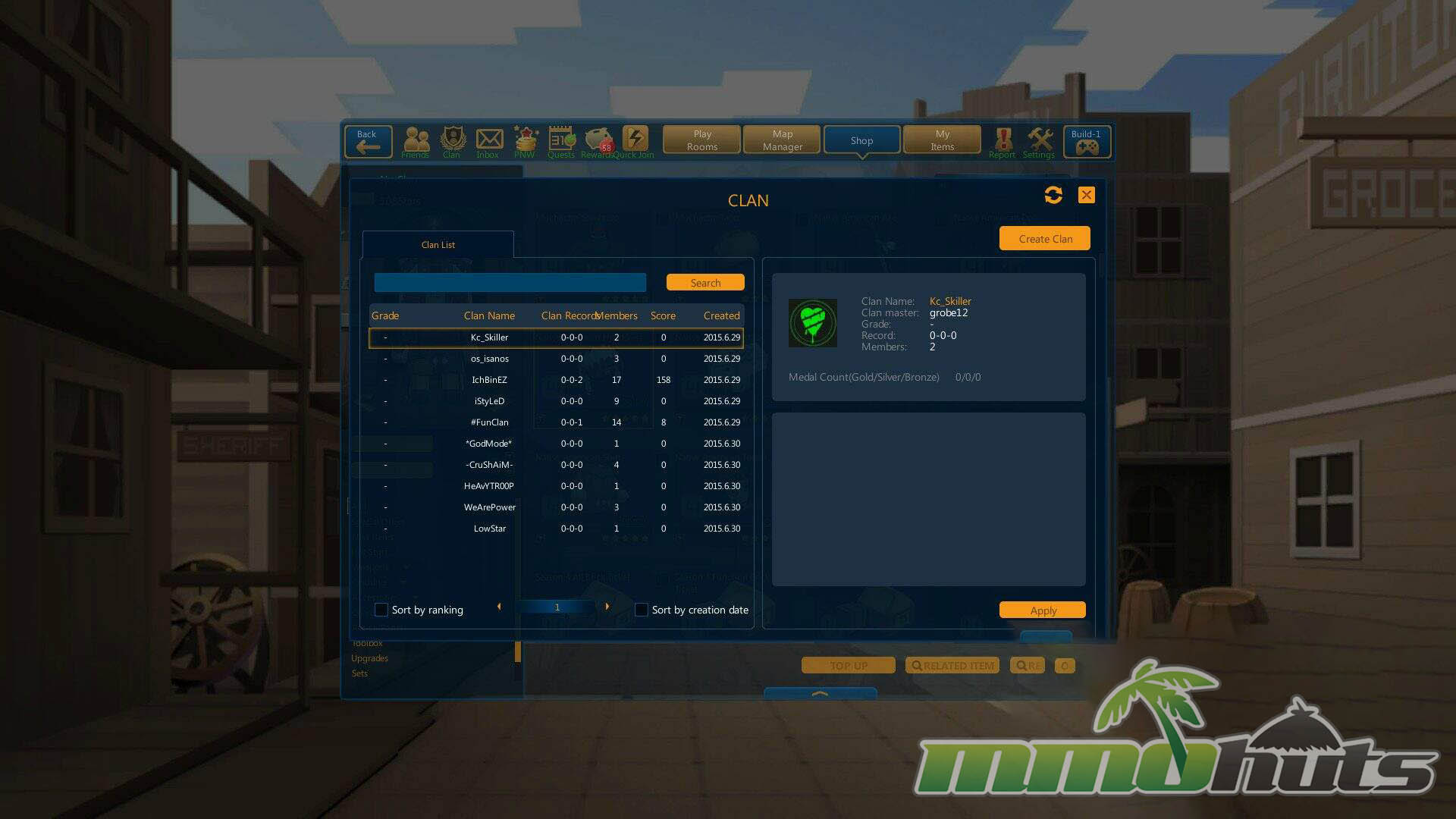
Brick-Force is a sandbox-focused MMO shooter that was playable for free through Steam or directly from the official site. Its structure revolved around two connected loops, building and battling. In Build mode, you could assemble maps using a catalog of blocks and place interactive elements, then publish those creations for others to play on. In Play mode, you entered a lobby where you could host matches or jump into existing rooms, earning experience and in-game currency as you competed in PvP.
Progression and personalization were tied to the Shop, which offered weapons, consumables (including potions), and cosmetic items. The game also featured a premium currency alongside the standard earnable currency, a setup that made loadout strength and convenience partly dependent on spending. Even so, the core appeal was how often the battlefield could change thanks to user-made arenas and the way building could influence how a match played out.
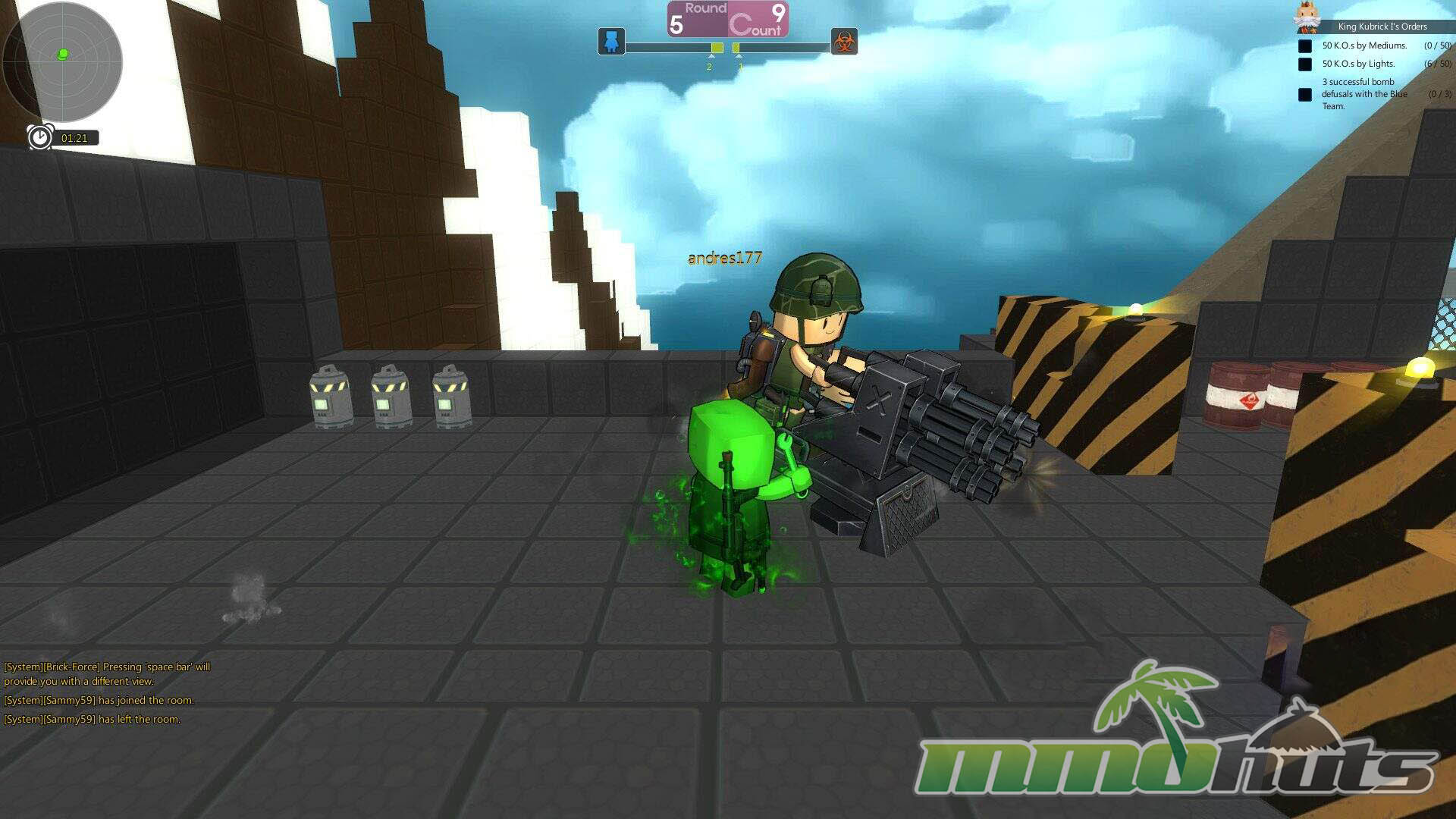
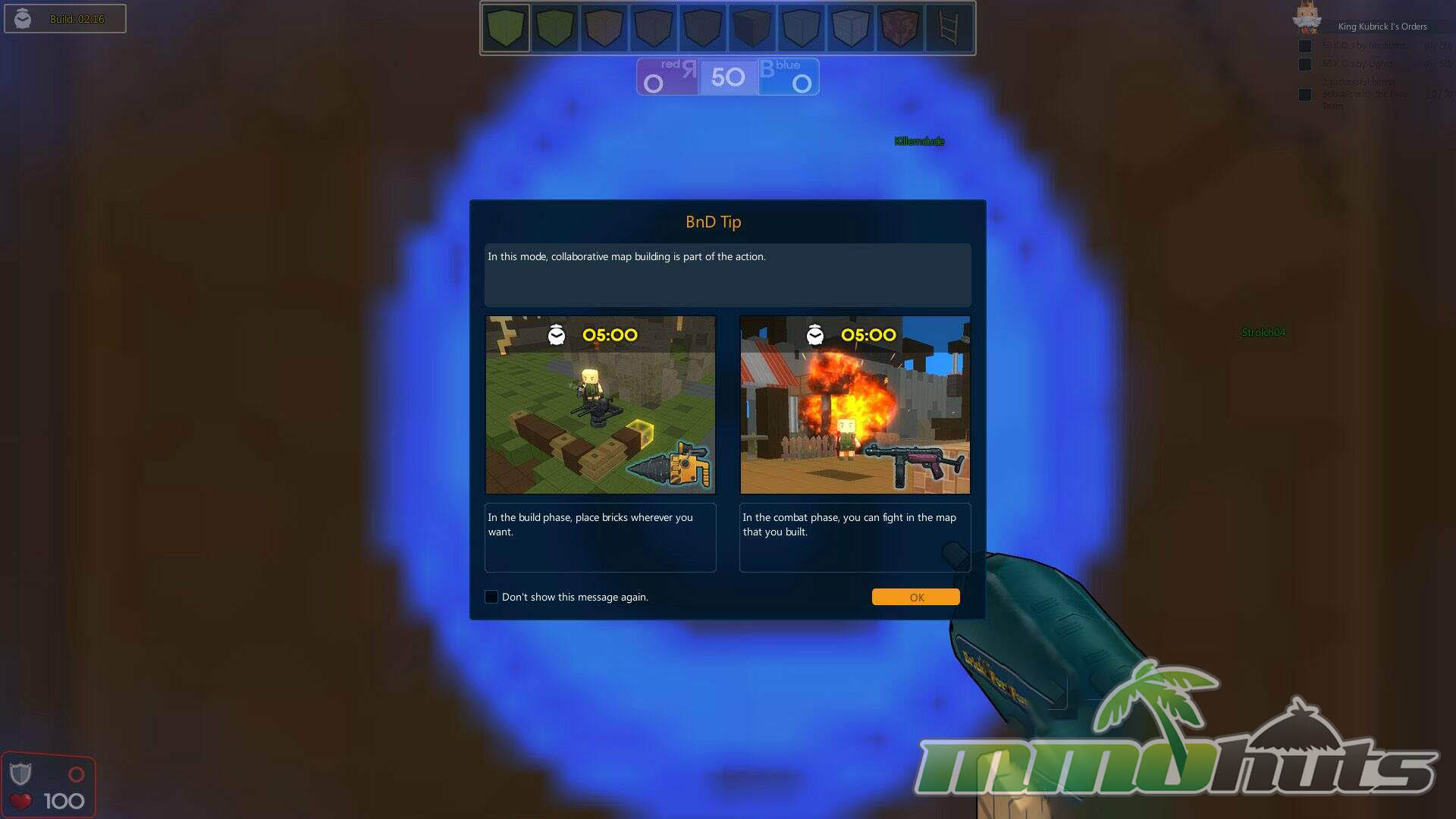
The signature ruleset was Build & Destroy. It split each round into a construction period and a combat period. During the Build phase, teams prepared defenses and structures on their half of the map. Once the Destroy phase started, weapons came online and the round shifted into a base-breaking shootout where planning and fortification could matter just as much as aim.
Brick Force Key Features:
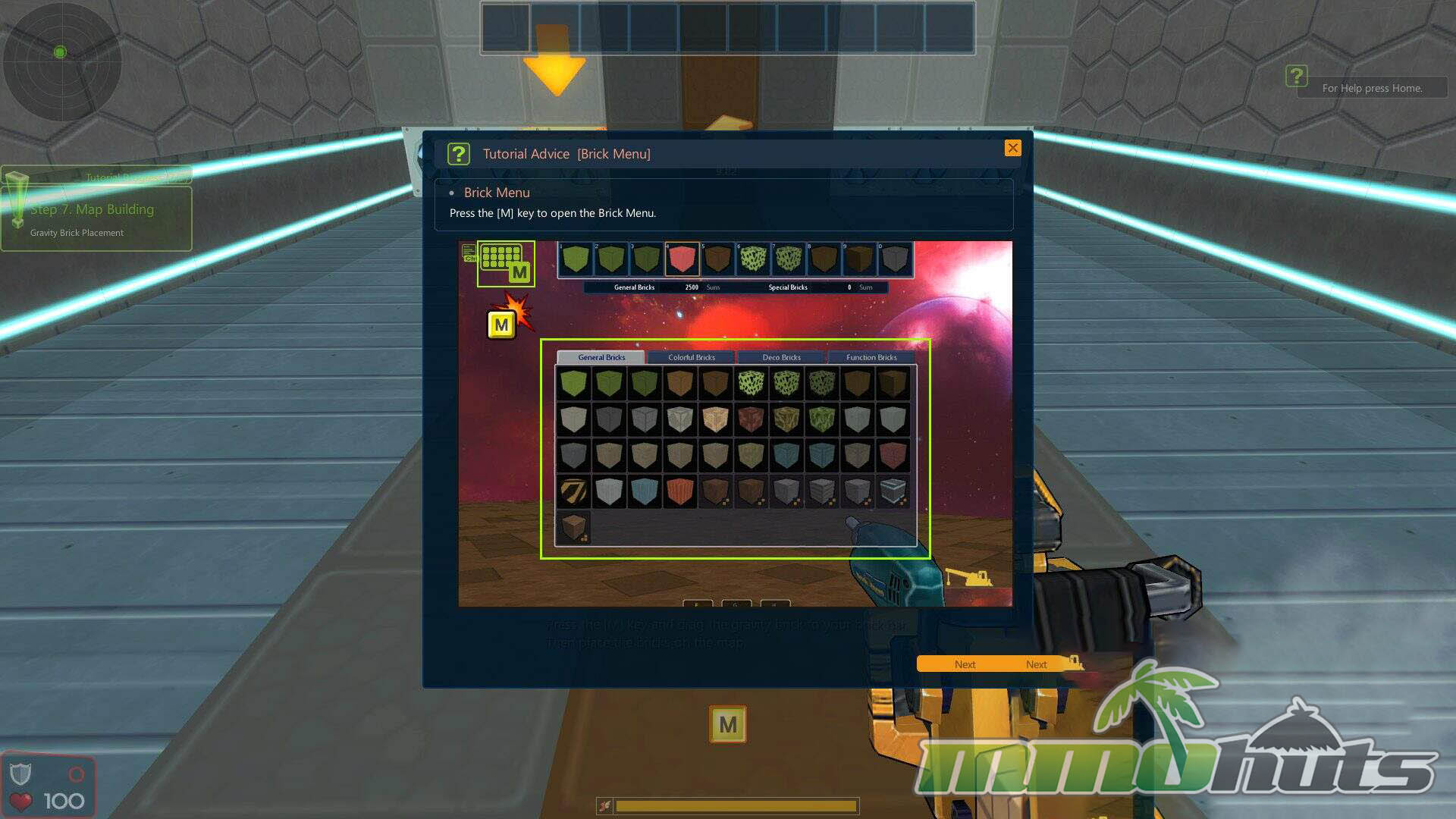
- Unlimited Building Tools – A block-based editor with lots of pieces, letting players create anything from simple arenas to elaborate multi-level maps.
- Varied PvP Modes – Multiple match types, including Team Deathmatch, Deathmatch, Defusion, Capture the Flag, Build + Destroy, and Defense Mode.
- Player Customization – Loadouts and looks can be adjusted with faces, hats, and Shop gear, including weapons that can significantly impact performance.
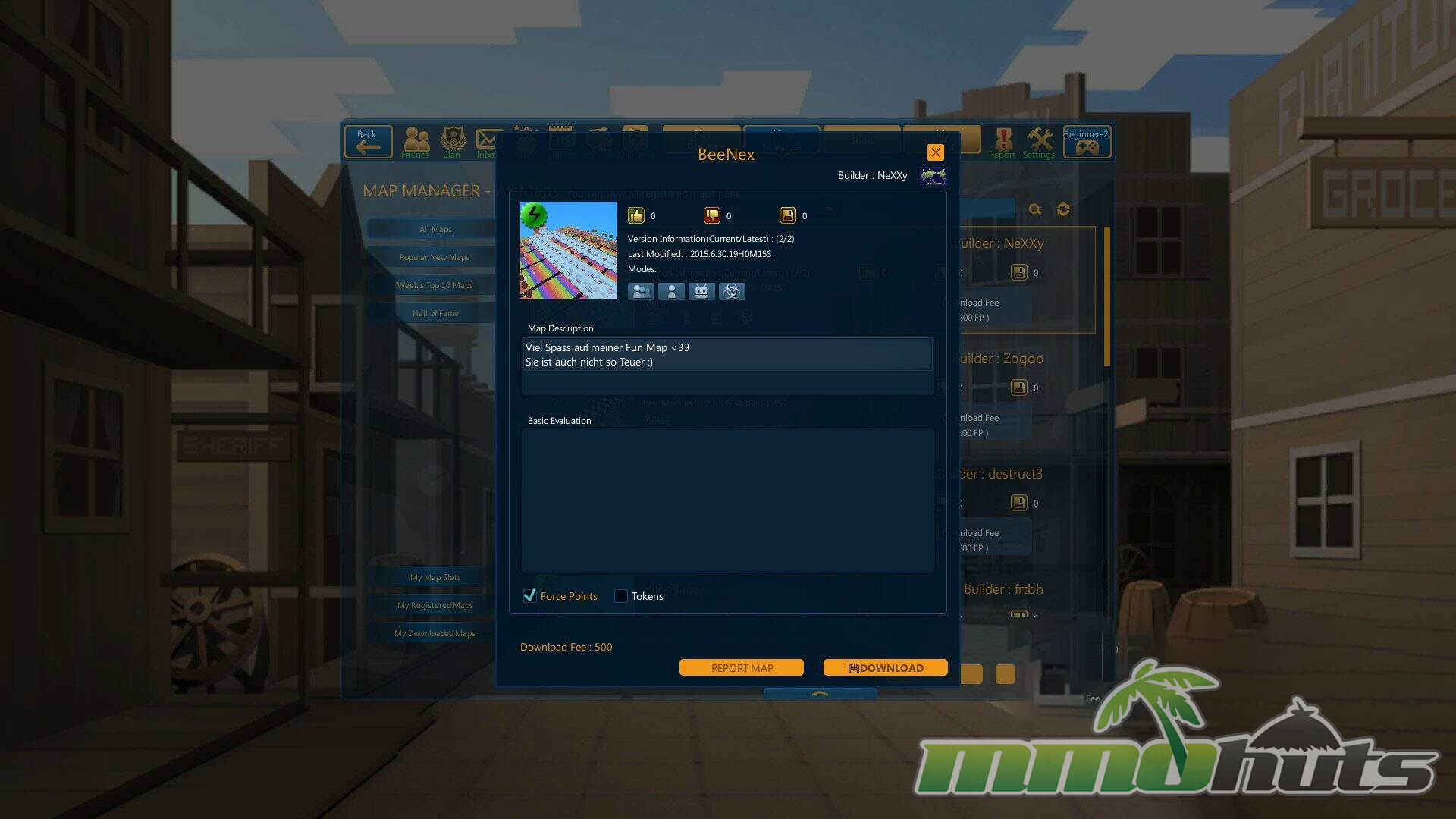
- User-Generated Maps – Community-built battlegrounds keep matches from feeling identical, since layouts and sightlines depend on what players publish.
Brick Force Screenshots




Brick Force Featured Video

Brick Force Review
Brick-Force aimed for a simple but clever mash-up: a lightweight FPS built around Minecraft-style construction. At its best, it delivered quick, accessible matches where the terrain could be as unpredictable as the players designing it. The low barrier to entry made it easy to understand within minutes, but the long-term experience depended heavily on the quality of the servers you joined and the balance of the equipment available in the Shop.
A shooter that wants you to think like a builder
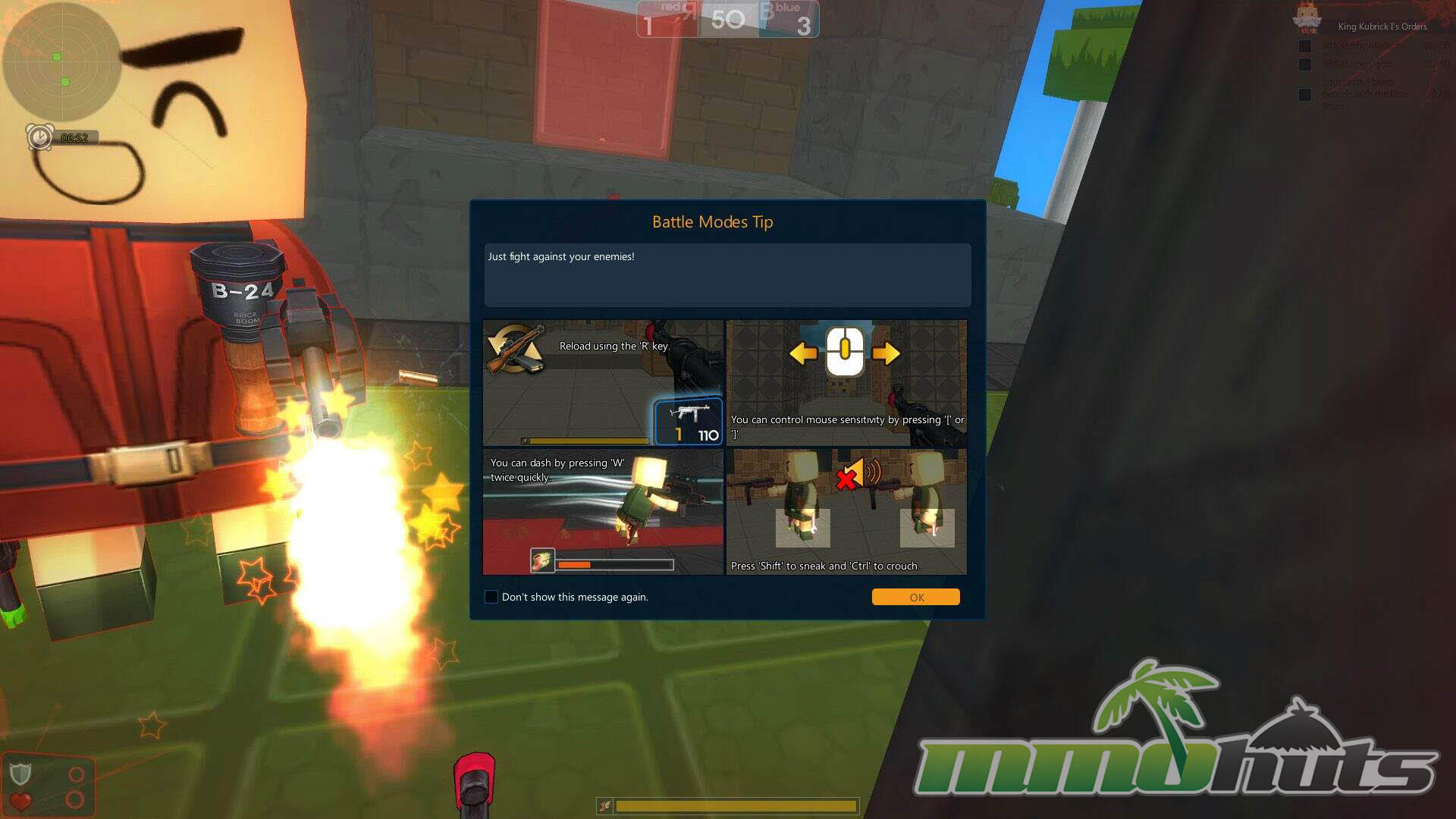
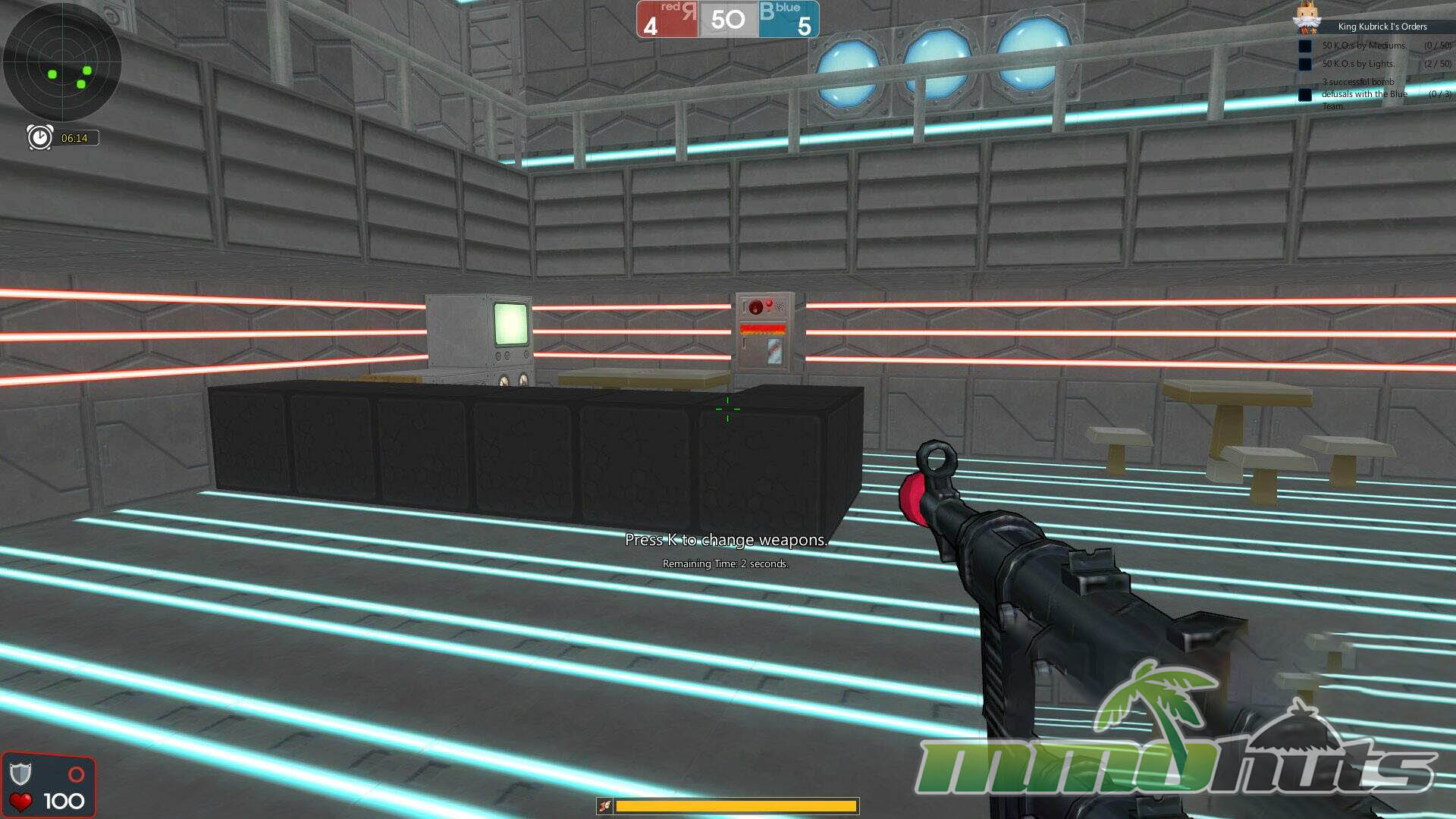
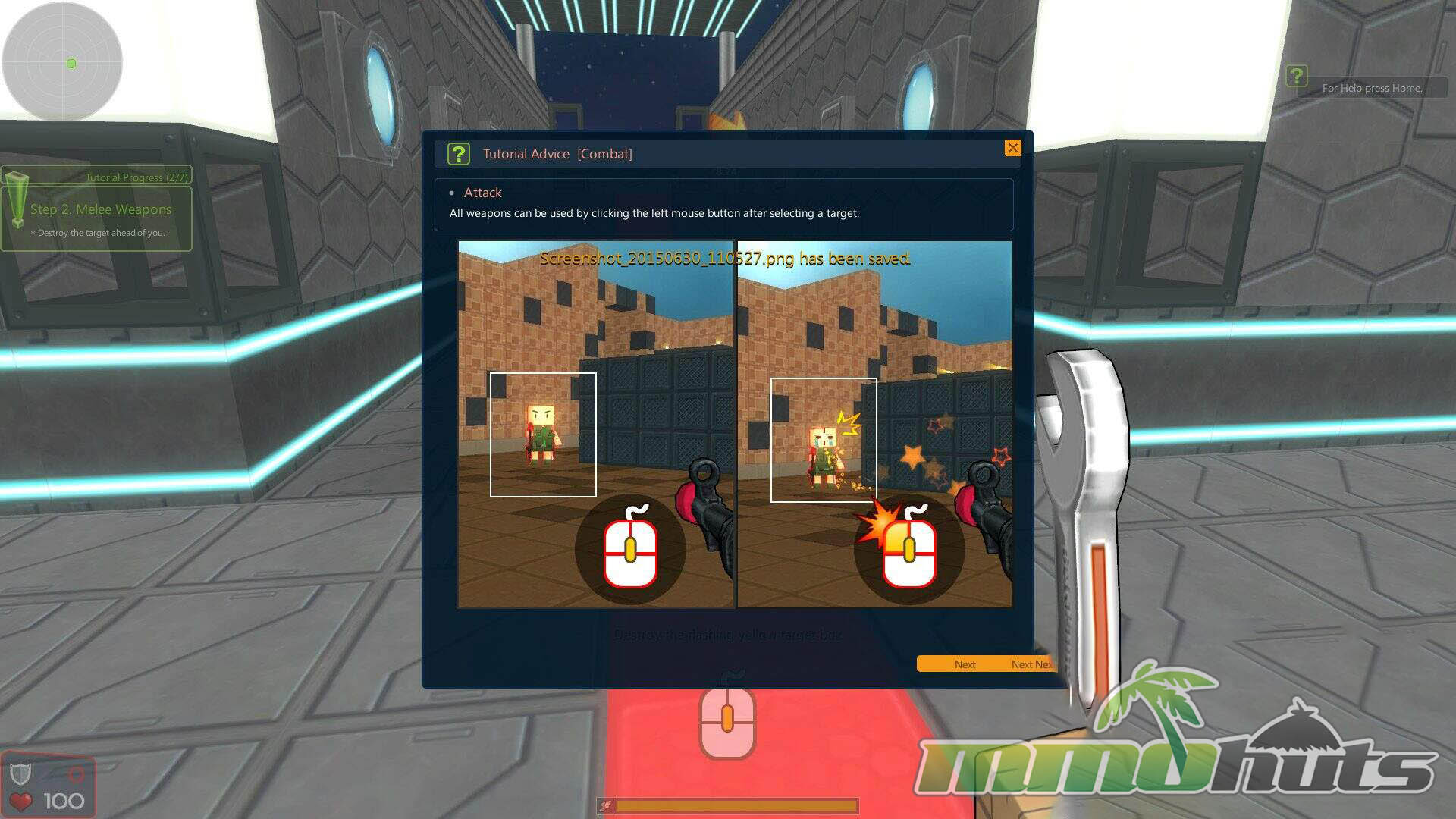
The moment-to-moment gunplay leaned arcade rather than tactical. Movement and combat were straightforward, with an emphasis on getting into fights quickly instead of carefully managing realism. What separated Brick-Force from more traditional lobby shooters was the way map design could drastically change how a mode felt. A well-made community arena could create interesting lanes, vertical angles, and chokepoints. A poorly made one could turn a match into a confusing maze or an open field with little structure.
Build mode was the other half of the game’s identity. For creative players, the editor was the main reason to log in. The ability to design maps and then immediately test them in PvP created a satisfying loop, and it encouraged experimentation. You were not just learning weapons and routes, you were also learning how players behave so you could build around those habits.
Modes and match flow
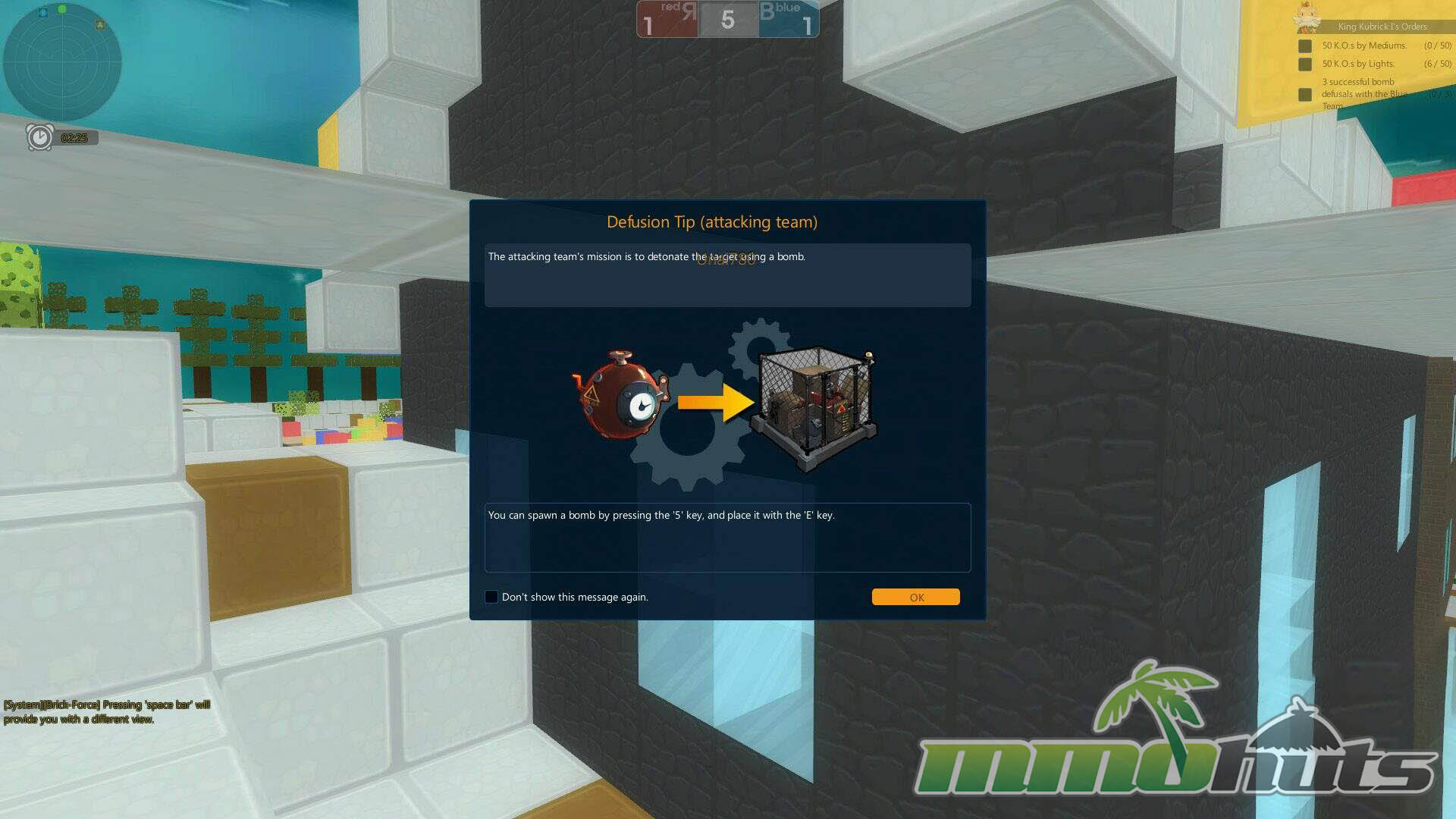
The standard modes (Deathmatch, Team Deathmatch, and Capture the Flag) played much like you would expect, fast rounds with constant respawns and a focus on controlling space. Defusion and Defense Mode provided a change of pace by pushing teams toward objectives, which helped give structure to maps that might otherwise feel chaotic.
Build & Destroy was the most distinctive mode because it forced a round-based rhythm. The build window created a brief planning phase where teammates could coordinate barricades, cover, and routes. Then the match flipped into a destructive shootout that rewarded both smart placement and quick execution. When teams engaged with the concept, it was genuinely fun. When teams ignored it, the mode could feel like a normal deathmatch with extra steps.
Progression, Shop, and balance concerns
Like many free-to-play shooters of its era, Brick-Force tied a lot of power and variety to equipment. Earning currency through matches gave a sense of progression, but premium options and strong gear could introduce a noticeable advantage. That dynamic made the competitive side feel uneven at times, especially for new players trying to learn the game while facing opponents with better tools.
Cosmetics were a natural fit for a blocky sandbox shooter, and customizing faces and hats added personality to lobbies. The problem was that customization and combat effectiveness lived in the same store, which can create pressure to spend rather than simply play.
Community content is both the strength and the risk
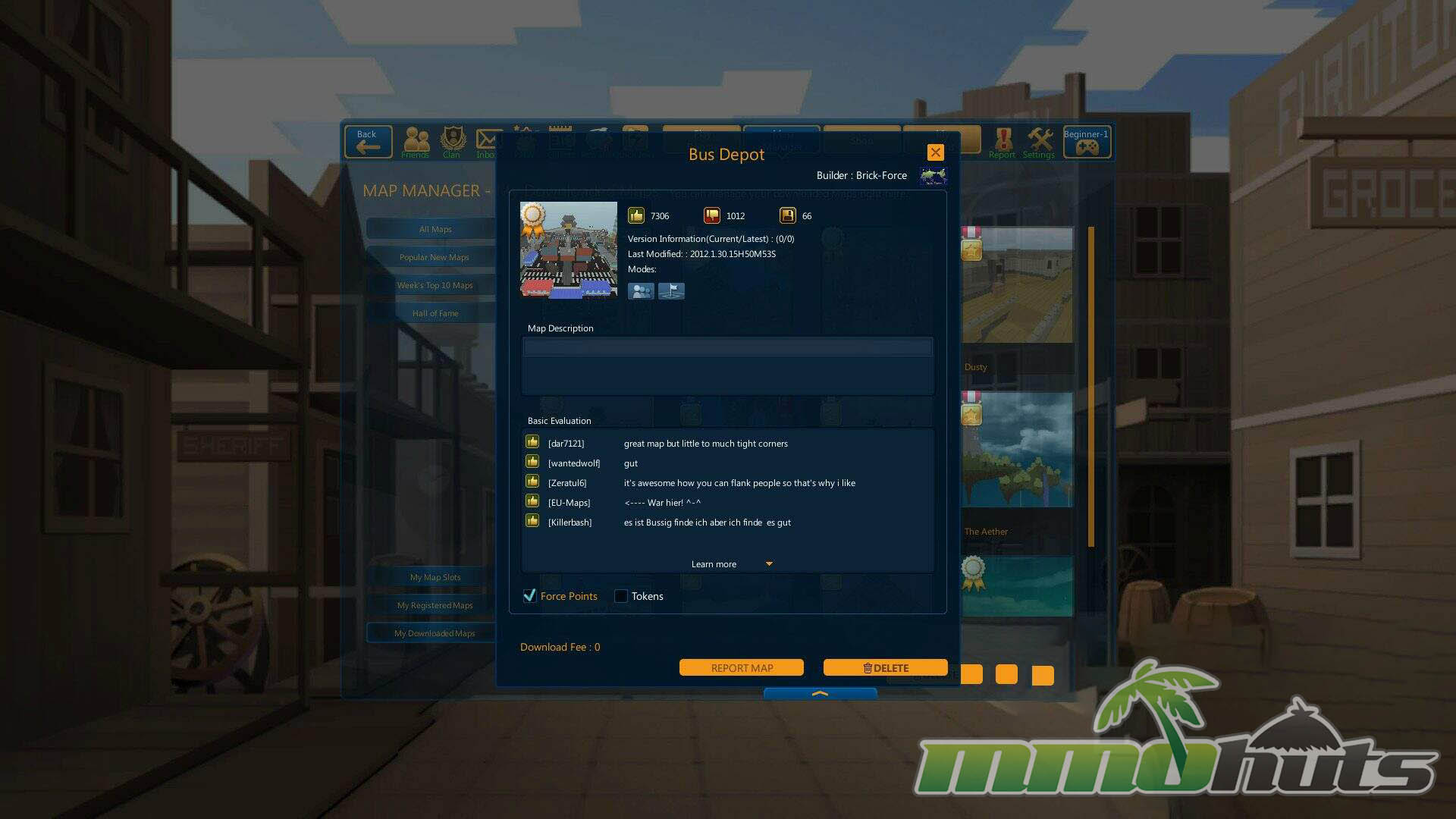
User-generated maps were the game’s biggest replayability driver. You could hop between wildly different arenas and see new ideas constantly. At the same time, community content meant quality varied a lot. Some maps were cleverly designed and played well across multiple modes. Others were unbalanced, visually noisy, or not built with fair spawns and sightlines in mind.
Technical roughness and repetition
Brick-Force could be a bit unstable in places, with occasional bugs and general jank that could pull you out of a match. Over long sessions, repetition also crept in. Even with many maps, the core loop stayed fairly similar, and if you did not enjoy the building side or did not find a good set of servers, the novelty could wear off quickly.
Overall, Brick-Force is best remembered as an interesting experiment, a shooter that treated level creation as a core activity rather than a side tool. For players who liked building and did not mind the typical free-to-play tradeoffs, it offered a distinctive, creative twist on familiar FPS modes.
Brick Force Links
Brick Force Official Site
Brick Force Steam
Brick Force Wiki Official (Database / Guides)
Brick Force System Requirements
Minimum Requirements:
Operating System: Windows Vista / 7 / 8 / 10
CPU: Pentium 4 3.2 GHz / AMD Athlon 64 3200+
Video Card: GeForce 6100+
RAM: 1 GB
Hard Disk Space: 500 MB
Recommended Requirements:
Operating System: Windows Vista / 7 / 8 / 10
CPU: Pentium E5500 / AMD Athlon II X2 255+
Video Card: GeForce 6800 GT / Radeon HD 3850
RAM: 2 GB
Hard Disk Space: 500 MB
Brick Force Music & Soundtrack
Coming Soon!
Brick Force Additional Information
Developer: EXE Games
Game Engine: Unity Engine
Publisher: Infernum Productions
Closed Beta Date: February 28, 2012
Release Date (PC): July 12, 2012
Release Date (Steam): December 11, 2014
Shut Down: October 01, 2018
Development History:
Brick-Force was developed by Korean studio EXE Games in collaboration with Berlin-based publisher (and developer) Infernum Productions, first launching on PC on July 12, 2012. A Steam release followed on December 11, 2014, giving players, particularly those outside Europe, a more convenient platform to access the game. On February 6, 2015, the dedicated U.S. servers were discontinued and player characters and progress were wiped as part of an effort to consolidate the community across regions. Brick-Force ultimately closed its doors on October 01, 2018.