Ark: Survival Evolved drops you onto a beautiful, hostile island where the basics of survival, food, water, shelter, and warmth, are constant concerns. The twist is that the ecosystem is dominated by dinosaurs and other prehistoric creatures, and they are not just scenery. You will be gathering materials, crafting tools, building bases, and deciding whether to live quietly on the fringes or clash with other survivors for territory, tames, and resources.
 | Publisher: Studio Wildcard Playerbase: High Type: Survival Release Date: June 2, 2015 (Early Access) Pros: +Deep crafting and flexible base construction. +A large roster of creatures to fight, tame, and use. +Tribes and PvP create memorable player-driven stories. Cons: -Very hardware intensive. -Few onboarding tools, learning can be rough. -Performance and stability can be inconsistent. |

Ark: Survival Evolved Overview
Ark: Survival Evolved is a sandbox survival game developed and published by Studio Wildcard. You begin stranded on a vibrant tropical island that looks like paradise until you realize nearly everything can kill you. Moment to moment play revolves around collecting resources, crafting basic gear, and constructing shelter that can withstand weather, wildlife, and other players.
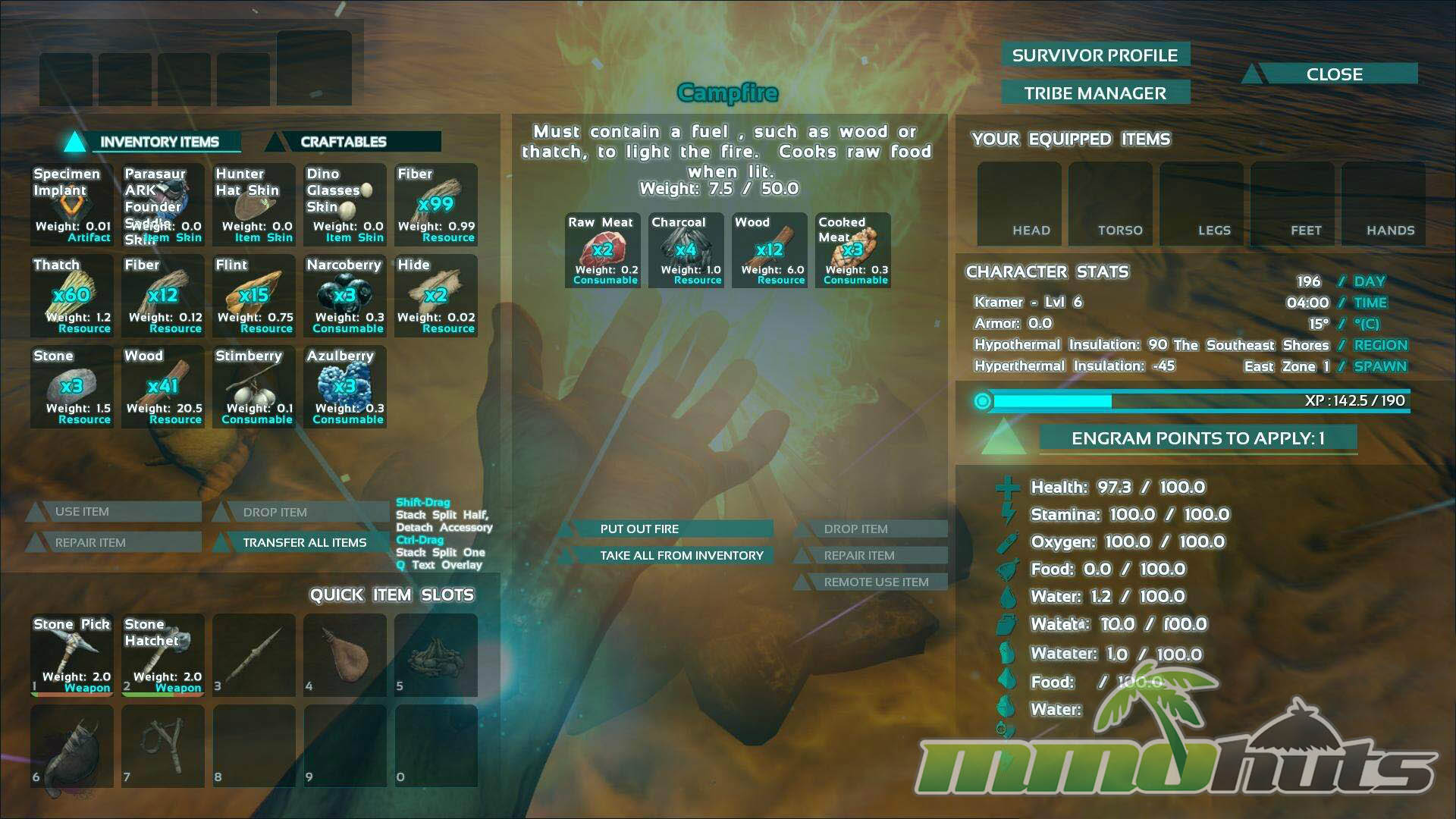
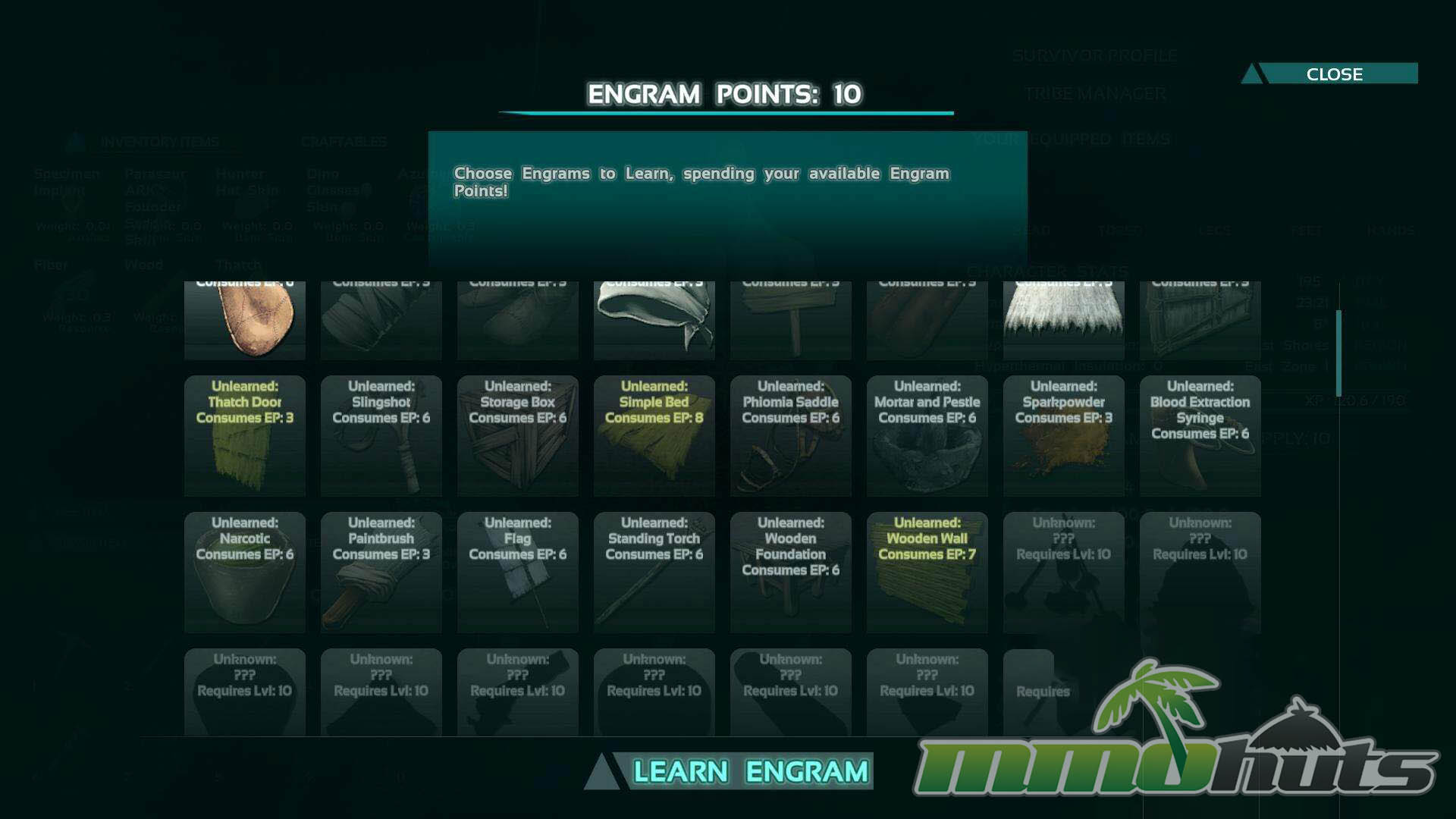
Progression has a light RPG layer. Completing everyday activities, gathering, crafting, hunting, exploring, feeds experience that turns into levels. Each level lets you improve character stats and spend Engram Points to unlock new recipes, which steadily expands what you can build, from primitive tools and clothing to more advanced equipment and structures.
The island’s wildlife is also a major part of the loop. You can harvest materials from animals for food and crafting, but you can also tame many creatures by feeding them, then use them as mounts, haulers, or living defenses. Different species fill different roles, and the game encourages experimentation, a small bird is not going to solve the same problems that a fast predator or a heavy pack animal can.
Ark is not purely a PvE survival experience. Other survivors are often the most unpredictable threat, especially once bases and valuable tames enter the picture. Tribes function like guilds, letting players pool labor, share resources, and defend territory. That same social layer also fuels raiding and retaliation, which can turn a quiet server into a long-running conflict over prime real estate.
Ark: Survival Evolved Key Features:
- Tame wildlife – over 25 different kinds of dinosaurs to befriend and ride with more being added regularly.
- Base building – simple tools make it easy to construct buildings so long as you have the required skills and resources.
- Tribal PvP – join a tribe with other players to forge a community, or raid other tribe’s bases for rare resources and glory.
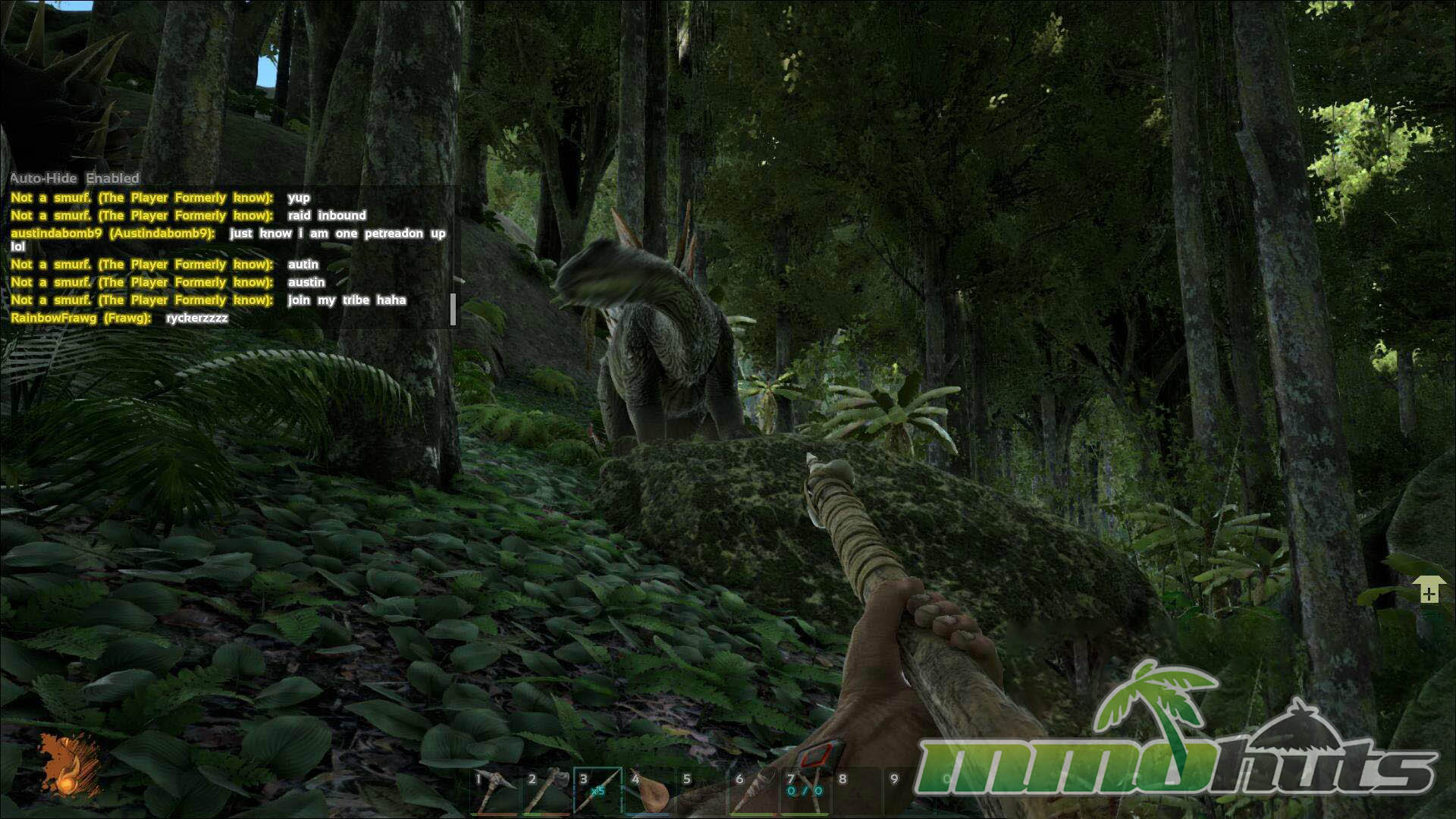
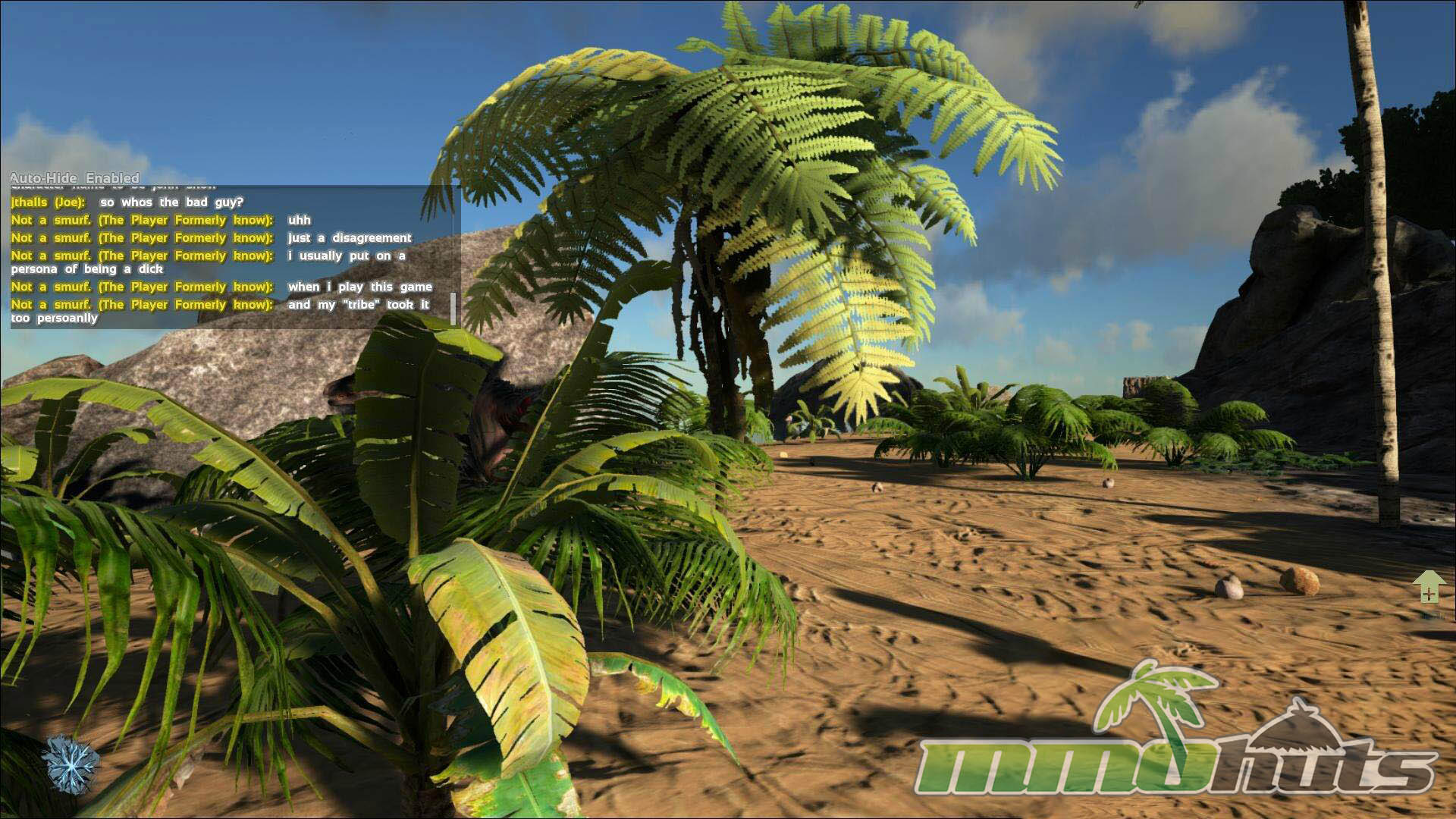
- Huge open world – a gorgeous jungle landscape to explore and extensive underwater environments with hidden coves.
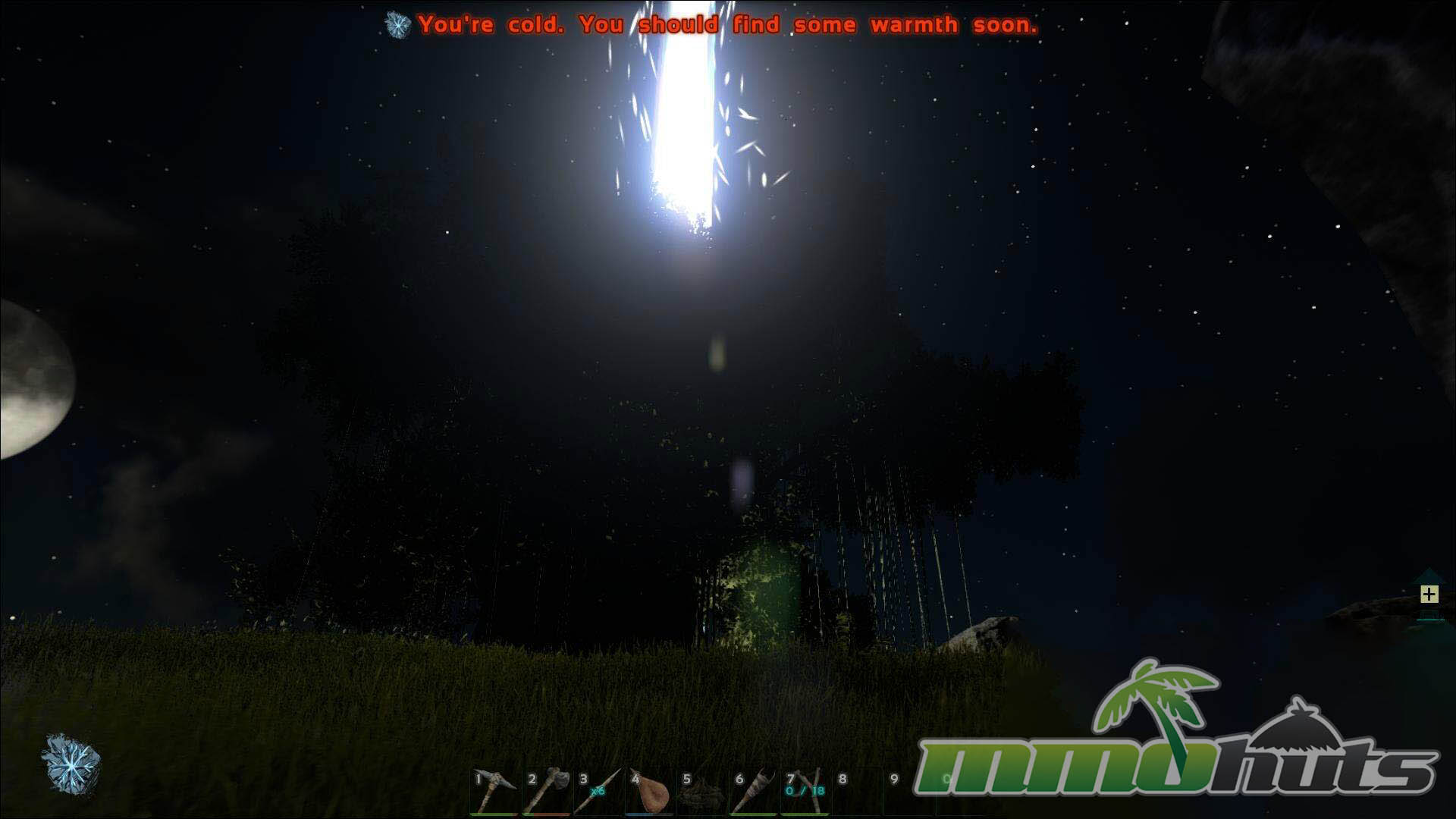
- Dynamic weather system – endure the unforgiving heat, frigid cold, and monsoon rainstorms in an ever-changing environment.
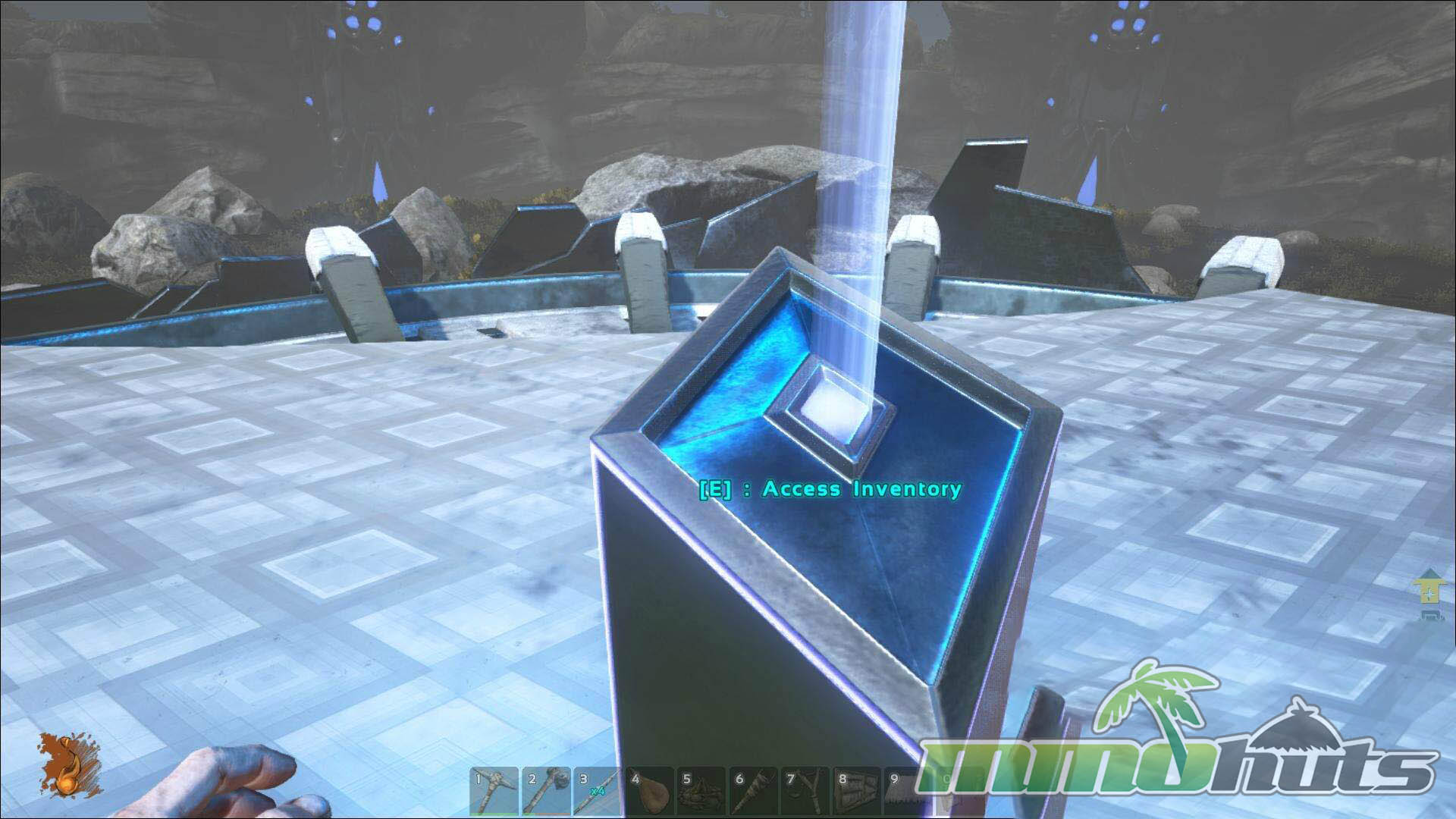
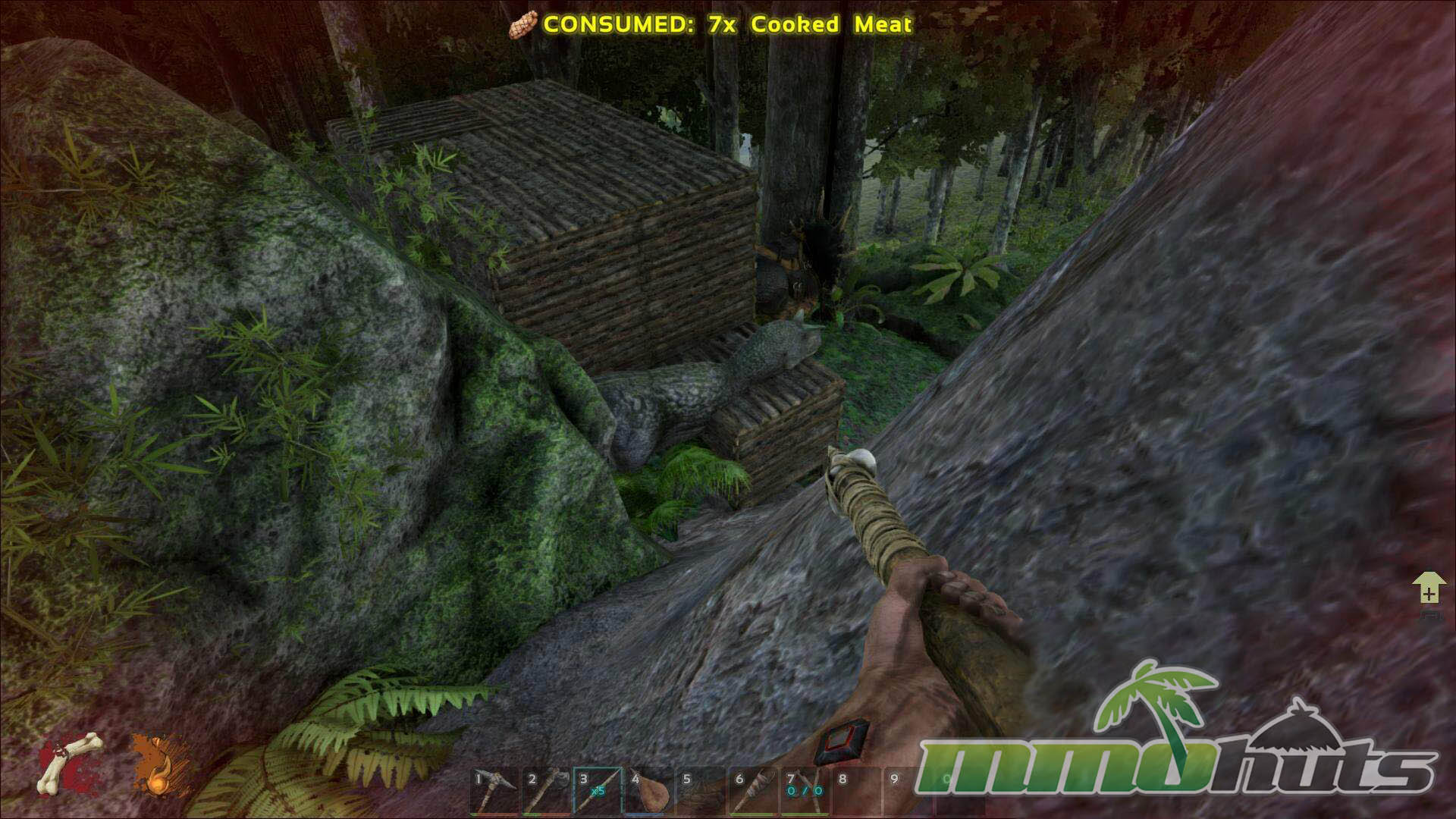
Ark: Survival Evolved Screenshots
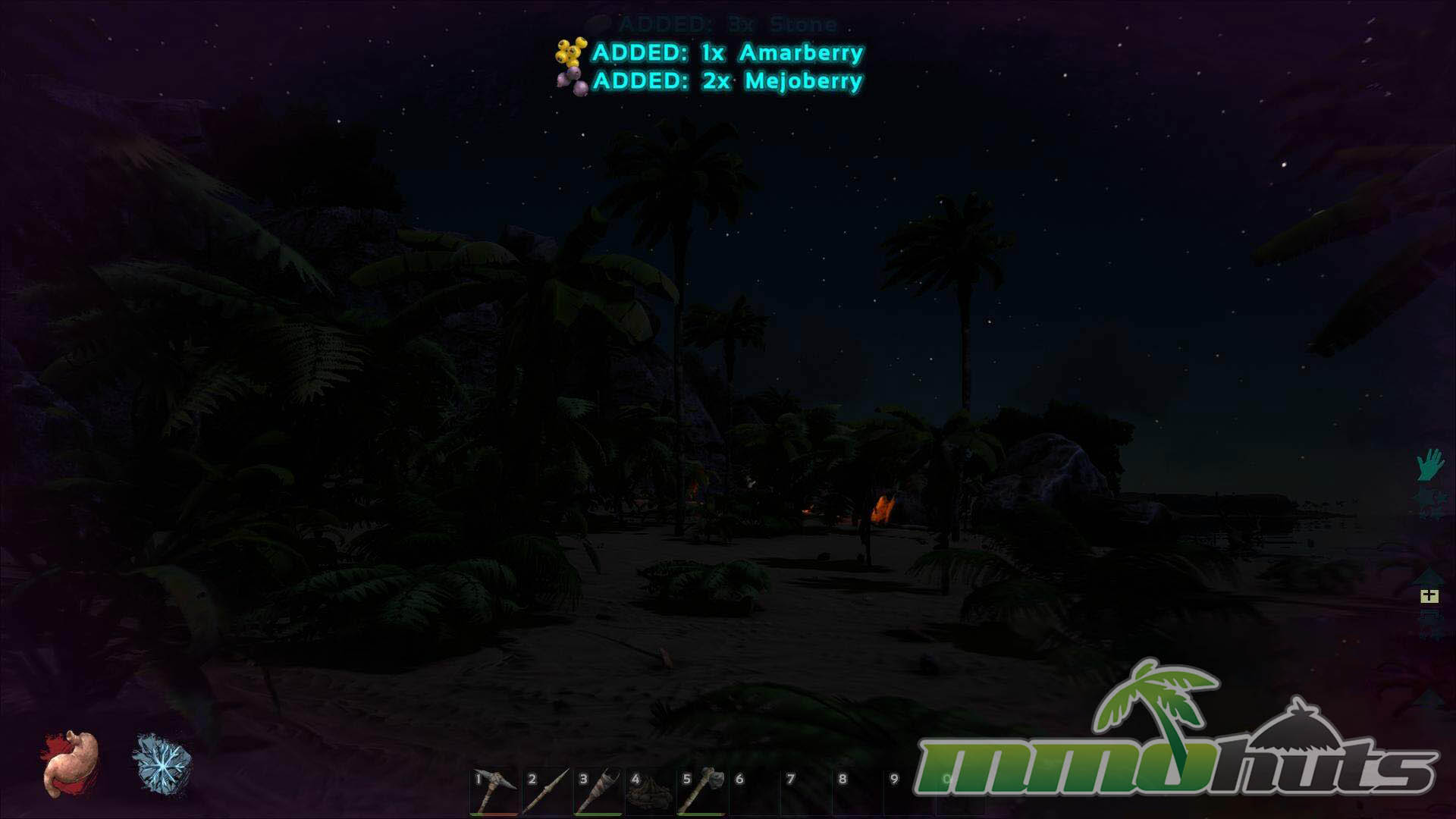
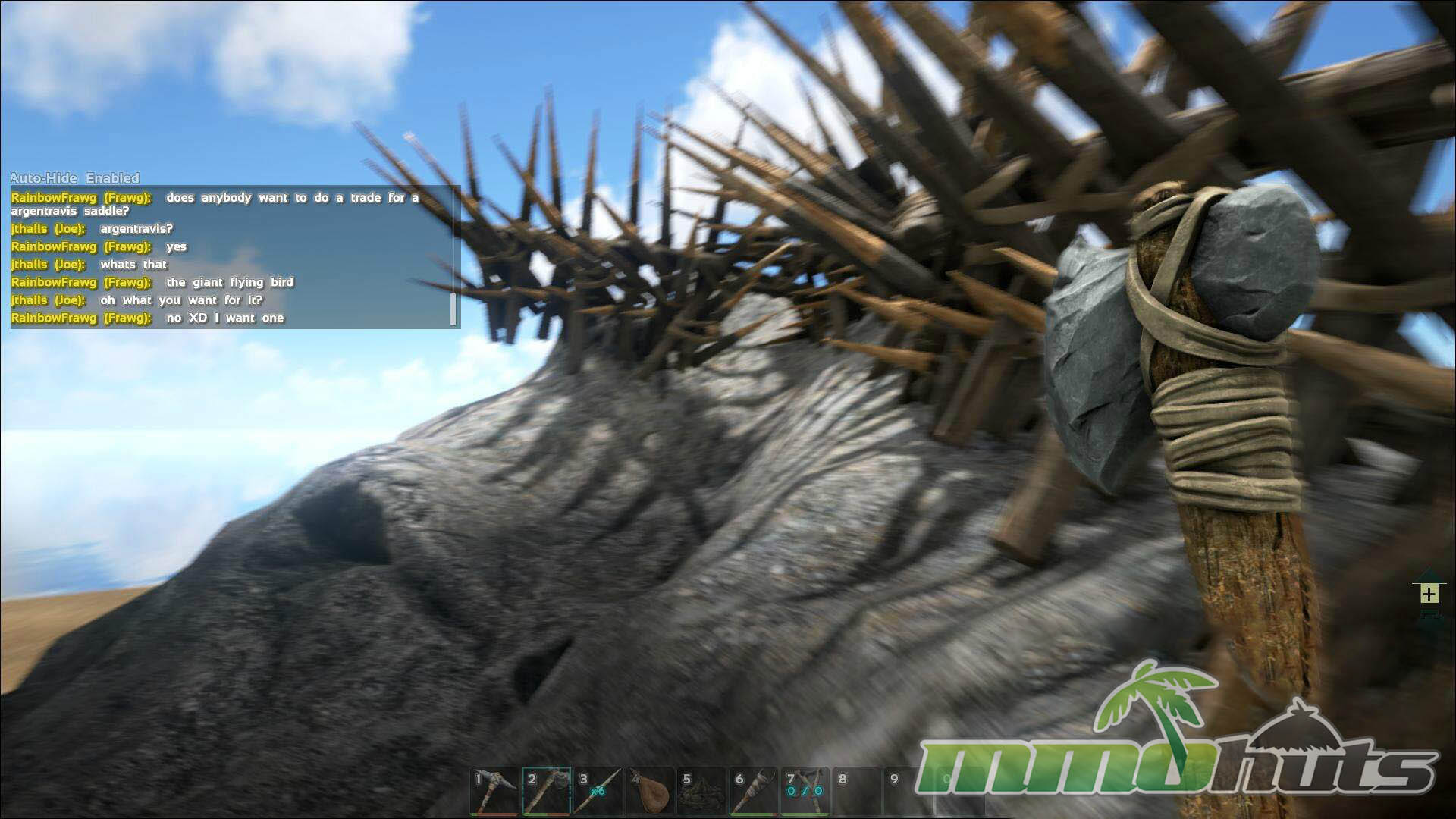
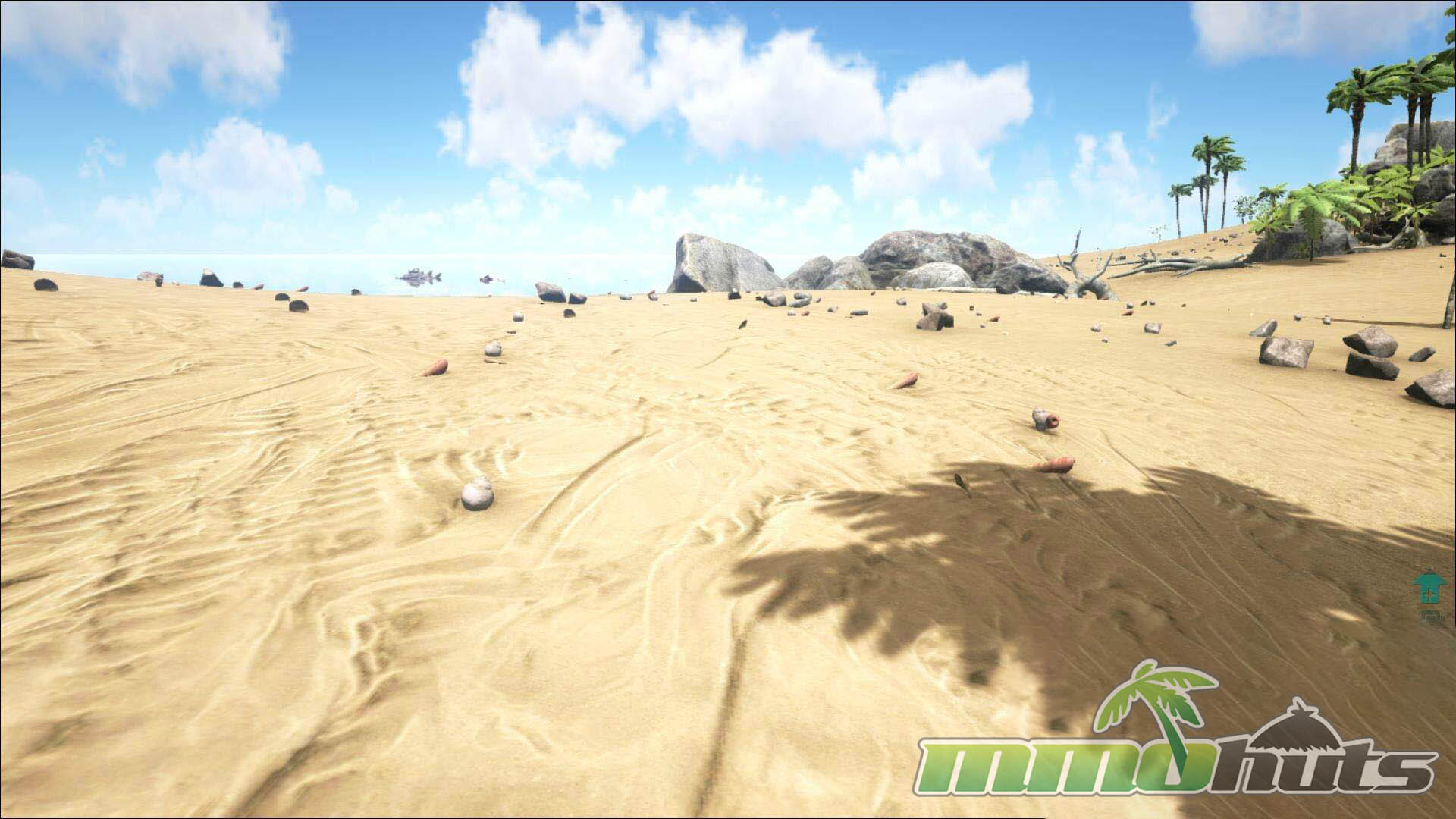
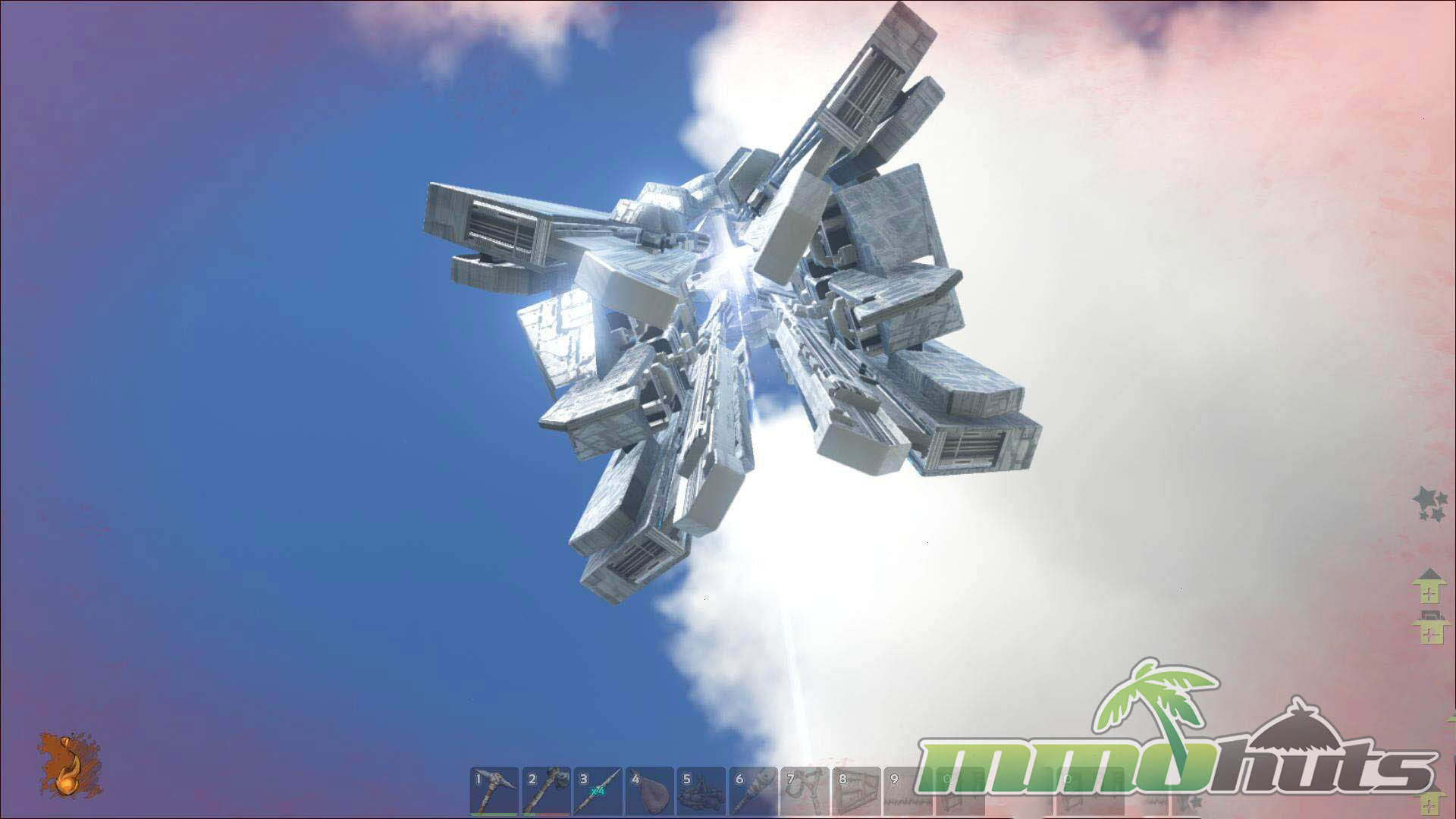


Ark: Survival Evolved Featured Video

Ark: Survival Evolved Review
Ark: Survival Evolved takes familiar survival sandbox ideas and anchors them in a setting that immediately changes how you play. The island is inviting at first glance, beaches, dense jungle, dramatic weather, but it is also a constant risk assessment. You are not simply looting abandoned towns or hiding from a single zombie-like threat. You are trying to establish a foothold in a living food chain, while knowing that other players may be watching your progress.
What Ark does well is create a strong sense of place. The world is large, varied, and often visually striking, and it pushes you to leave the coastline once you have your basics sorted. That sense of curiosity is one of its best qualities, even when the game punishes you for acting on it.
Creating Your Survivor
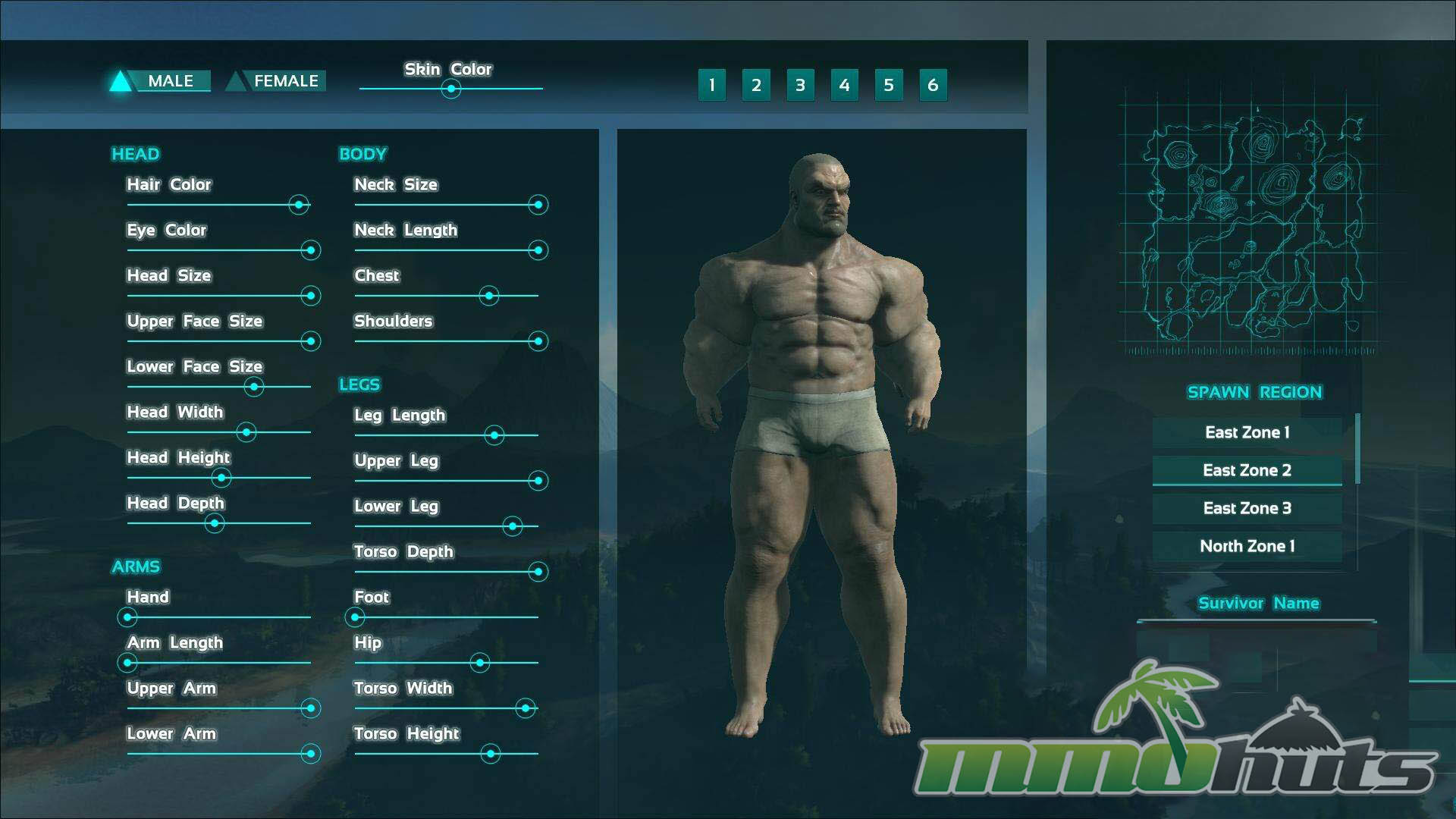
Character creation is surprisingly robust for a survival title, and it leans into exaggerated sliders more than realism. You can make anything from a fairly normal-looking survivor to a comically proportioned brute built for intimidation. It is not just cosmetic either, the game’s first-person survival tone contrasts nicely with how silly player models can look, especially once everyone starts running around with improvised gear.
The First Minutes: Hunger, Thirst, and Improvised Tools
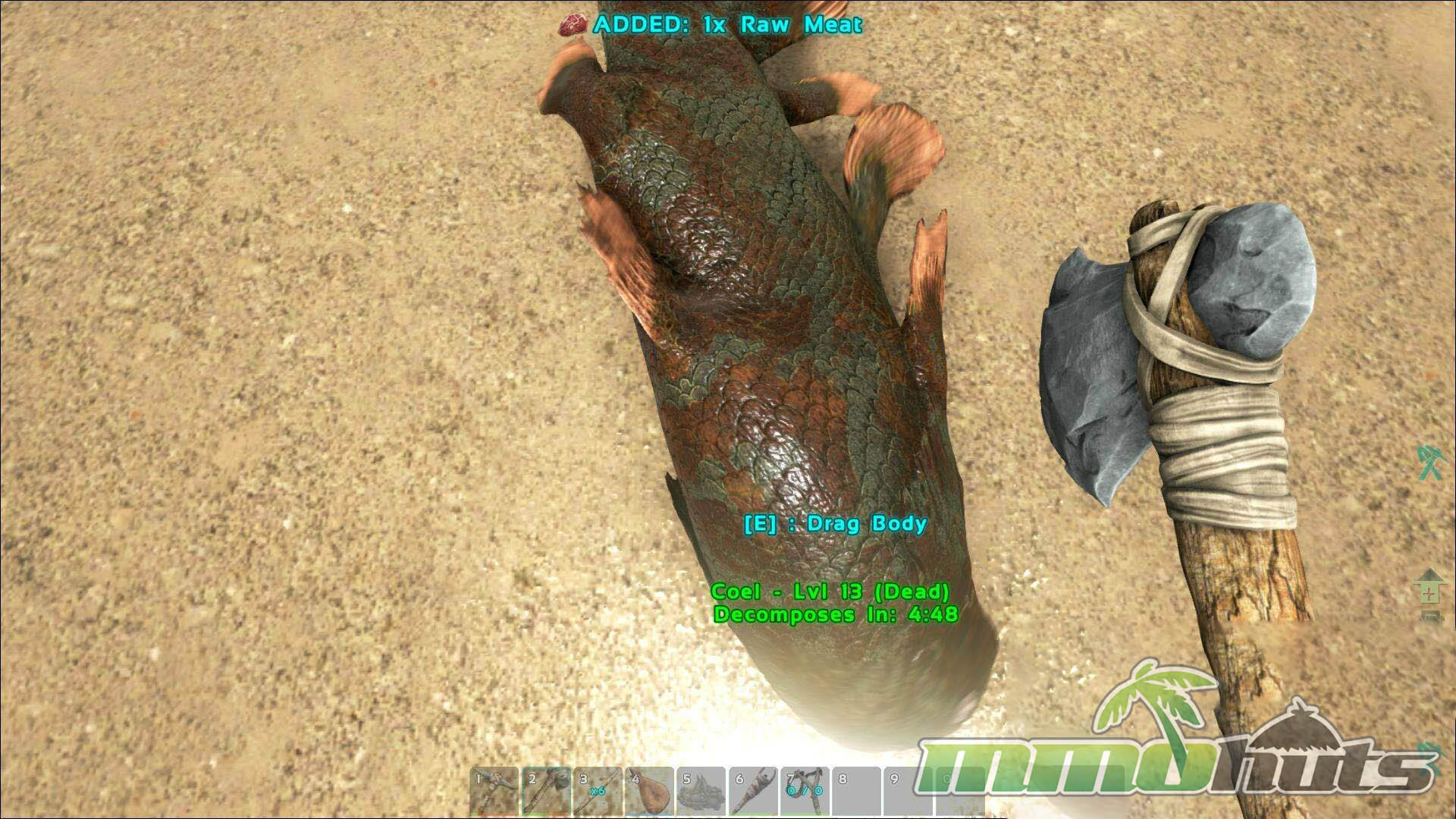
Your opening is classic survival: you wake up with almost nothing and immediately start solving basic problems. Resources are gathered directly from the environment, and the game expects you to learn through experimentation and failure. Even the act of harvesting can be dangerous early on, and your core meters, health, stamina, food, water, drop quickly if you are careless.
The pace is brisk once you understand what matters. You can recover from early deaths without the process feeling like a long, slow reset, which is important in a game where mistakes are frequent and often sudden.
Progression That Feels Like an RPG
Ark’s leveling system is one of the reasons it stays compelling beyond the first shelter. Almost everything you do contributes to experience, and leveling gives two meaningful rewards: stat increases and Engram Points. Stats let you shape your survivor around the way you want to play, whether that means better endurance, more carrying capacity, or simply the mobility to escape trouble.
Engrams are the real long-term hook. You are not handed a full crafting catalog at the start; you earn access to it. Unlocking the right tools and structures at the right time matters, and it creates a steady sense of growth as you move from primitive survival to a more established routine.
Gathering and Crafting: Fast, Physical, and Constant
Resource collection is simple mechanically, but it feels energetic. Harvesting plants, breaking stone, and chopping trees all have punchy feedback, and the game keeps you busy because nearly every goal requires another set of materials. That could have been tedious, but Ark’s loop generally stays engaging because you are always gathering with a purpose, a new tool, a safer base, ammunition, or supplies for a taming attempt.
The environments help a lot here. When the world looks good and has clear biomes, the routine of collecting resources feels less like busywork and more like preparation for the next expedition.
A Stunning Island, With a Price
Ark’s visuals are often excellent, particularly for its era, and Unreal Engine 4 gives the island a glossy, high-contrast look. Lighting, dense foliage, and weather effects do a lot of heavy lifting in making the wilderness feel alive. Night travel can be tense, and storms change how safe different areas feel.
Exploration is also supported by points of interest that naturally draw you outward, including offshore locations and underwater areas that reward players willing to take risks. The map frequently creates the feeling that there is something important just beyond the next ridge.
That presentation comes with trade-offs. Ark has long had a reputation for being demanding on hardware, and performance issues can intrude on the experience, especially when servers are busy or when large bases and many tames are involved. It is playable, but it is not the kind of survival game that runs effortlessly on modest systems.
Combat: Serviceable, Sometimes More About Numbers Than Fear
Fighting in Ark is easy to understand. Weapons have straightforward primary and secondary actions, and the arsenal grows from spears and bows into much more advanced options over time. The act of hunting is satisfying, but combat can feel uneven because creature strength is closely tied to level and gear expectations.
Early on, some intimidating creatures can be easier than you would expect if their level is low enough, which can undermine the fantasy of being a fragile human in a world of giants. Later, the opposite happens, pushing into higher-level regions can result in sudden deaths that feel less like tactical mistakes and more like hard checks on preparedness.
That said, dinosaurs are not only enemies, they are part of the progression system and the ecosystem. They gate areas, provide materials, and become tools once tamed. The most thrilling fights tend to be against other players, where unpredictability and preparation matter more than any single stat line.
Why Tribes Matter
Ark can be played solo, but it clearly favors groups. Tribes allow specialization and shared workloads, and the game’s larger goals, bigger bases, stronger tames, and sustained defense, are simply easier when multiple players contribute. The social layer is also where many of the game’s best stories come from, alliances, betrayals, and long-running rivalries that develop naturally.
PvP is a central part of many servers, and raiding is not a rare event. Players talk, threaten, bait fights, and coordinate attacks, and the overall atmosphere can range from cooperative to relentlessly hostile depending on the community you land in.
Dinosaur ownership amplifies this. Defensive creatures can protect bases, and aggressive tames can turn a raid into chaos quickly. When both sides bring trained animals, the battle feels distinct from most survival games, it becomes a messy mix of gear, positioning, and creature management.
Taming: The Game’s Signature System
Taming is the feature most players associate with Ark, and for good reason. Turning a dangerous creature into an ally changes how you travel, gather, and fight. The process generally involves incapacitating a target and feeding it until it becomes loyal, and it can range from quick and practical to extremely time-consuming depending on the creature.
Once tamed, animals become part of your daily routine. Some serve as transport, others as storage on legs, and many are used as protection for both players and bases. The time investment can be significant, but it also creates attachment, losing a well-trained creature hurts in a way that losing crafted gear often does not.
Building a Home, and Defending It
Base building follows the established survival formula: gather materials, craft components, and place structures to create a functional space. Ark supports multiple material tiers, starting with thatch and moving upward to tougher options like metal, and durability matters in PvP. The system is flexible enough to build simple huts or sprawling compounds, and there are plenty of specialized pieces for gates, defensive layouts, and creature management.
The tension is that no base is truly safe. Defensive layers help, but raiding is always a possibility, and offline vulnerability is a defining part of the experience on many servers. That can be thrilling for players who enjoy high-stakes survival, but it can also be discouraging if you have limited time and log in to find your work undone.
In practice, the game often rewards planning and community. Hidden locations, smart layouts, and tribe support make survival more reliable than simply building bigger walls.
Final Verdict – Great
Ark: Survival Evolved stands out in the survival sandbox genre by making its creatures central to progression instead of treating them as background hazards. The island is visually impressive, the crafting and building systems provide long-term goals, and taming gives players a reason to explore and take risks well beyond the early-game scramble for food and shelter.
Its weaknesses are also hard to ignore. The learning curve can be harsh without much guidance, the hardware demands are steep, and performance or server hiccups can disrupt otherwise great sessions. For players who enjoy emergent PvP, tribe dynamics, and the fantasy of building a foothold in a dinosaur-dominated wilderness, Ark remains one of the genre’s most distinctive experiences.
Ark: Survival Evolved Links
Ark: Survival Evolved Official Site
Ark: Survival Evolved Steam Store
Ark: Survival Evolved Survival Of The Fittest Steam Page
Ark: Survival Evolved Wikipedia
Ark: Survival Evolved Reddit
Ark: Survival Evolved Wikia [Database/Guides]
Ark: Survival Evolved Gamepedia [Database/Guides]
Ark: Survival Evolved System Requirements
Minimum Requirements:
Operating System: Windows XP, Windows Vista, or Windows 7
CPU: Core 2 Duo E4400 2.0GHz or Athlon 64 X2 Dual Core 3800+
Video Card: GeForce GT 730 v2 or Radeon HD 6670
RAM: 4 GB
Hard Disk Space: 20 GB
Recommended Requirements:
Operating System: Windows XP, Windows Vista, or Windows 7
CPU: Core i5-3470 3.2GHz or FX-8350
Video Card: GeForce GTX 660 or Radeon HD 7870
RAM: 8 GB
Hard Disk Space: 20 GB
Ark: Survival Evolved Music & Soundtrack
Coming Soon…
Ark: Survival Evolved Additional Information
Developer(s): Studio Wildcard
Publisher(s): Studio Wildcard
Distributor(s): Valve Corporation (Steam)
Engine: Unreal Engine 4
Creative Director(s): Jesse Rapczak
Composer(s): Gareth Coker
Other Platform(s): Linux, OS X, PS4, Xbox One (Unreleased Versions)
Release Date: June 2, 2015 (Early Access)
Steam Release Date: June 2, 2015
Official Launch (Left Early Access): August 29, 2017
Development History / Background:
Ark: Survival Evolved is developed and published by Studio Wildcard. Development began in October, 2014. When designing the game’s species, the team consulted friends with backgrounds in biological sciences to help ground the creature work in plausible details. While Ark was Studio Wildcard’s first released title, the staff included experienced developers from across the industry. From early in production, the project was also planned with VR in mind. The team has stated plans to release on PS4 with Project Morpheus support, and Ark: Survival Evolved does currently support Oculus Rift.
On March 15, 2016 Ark: Survival Evolved split into two games, with Ark: Survival of the Fittest becoming an independent, free-to-play king of the hill game, while Survival Evolved remains buy-to-play. In Survival Evolved up to 72 players fight in a shrinking arena until only one “Tribe” remains. The mode is designed for the growing competitive eSports scene.
Ark: Survival Evolved left Steam Early Access and officially launched on August 29, 2017.