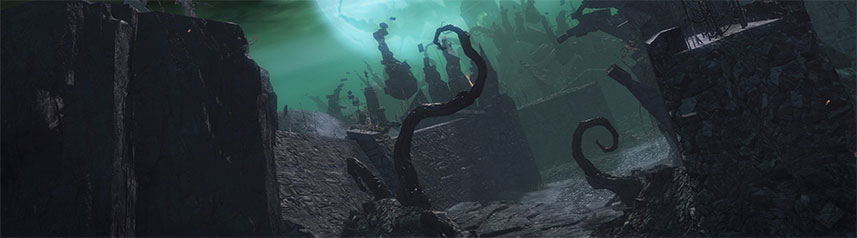
Asheron’s Call is a landmark MMORPG that dropped players into the dangerous continent of Dereth, a shared world filled with other adventurers, hostile creatures, and a steady stream of secrets to uncover. Released during the genre’s formative years, it earned its reputation through deep character customization, harsh death penalties, and a distinctly sandbox approach that feels very different from the guided theme park structure many modern MMOs rely on.
 | Publisher: Microsoft, Turbine, Warner Bros. Interactive Entertainment Playerbase: Shut Down Type: MMORPG PvP: Open World / Duels Release Date: November 02, 1999 Shut Down Date: January 31, 2017 Pros: +Highly flexible character building. +High-stakes PvP with full loot. +Guild housing and social structures. +Exploration-driven sandbox design. Cons: -Demanding learning curve. -Aged visuals and interface. -Little in-game guidance or tracking. |
Asheron’s Call Overview
Asheron’s Call is a buy-to-play MMORPG from the early era of the genre, developed alongside other foundational titles like Ultima Online and EverQuest. Instead of pushing players down a strict quest ladder, it leans into open-ended travel, experimentation, and long-term character growth that is shaped by your own decisions. You can start from a template that resembles a traditional archetype, but the real identity of your character comes from how you distribute attributes and invest in skills, which leads to a huge range of viable, sometimes very specialized builds.
Dereth’s setting is supported by a surprisingly dense body of lore, and the playable races tie into that worldbuilding. Options include the Aluvian, Sho, Gear Knights, and Lugian, each with their own flavor and place in the setting. Moment-to-moment gameplay is driven by a combat model that asks more of the player than simple hotbar rotations. Positioning and timing matter, enemies have different strengths and vulnerabilities, and even the height of your attacks can be relevant. On top of that, death is not a minor inconvenience, it comes with meaningful penalties and can cause you to lose a portion of your items and currency, which makes risky travel and dungeon delves feel genuinely tense.
Because it predates modern quality-of-life conventions, the game provides minimal handholding. You should not expect clear quest markers or robust in-game assistance, and many players historically leaned on community resources and third-party plug-ins to smooth out navigation and reduce repetitive chores. That old-school friction is part of its identity, but it is also one of the biggest barriers for newcomers.
Asheron’s Call Key Features:
- Massive Game World – seamless game world spanning over 500 square miles, stretching over the continent of Dereth and its many islands.
- Custom Character Builds – freely invest in stats and skills to craft a character that fits your plan, rather than being locked to a rigid class track.
- Multiple Playable Races – choose from more than ten races with different specialties, including weapon affinities and free Augmentation.
- Hardcore Gameplay – death carries real consequences, including a stat penalty and losing a percentage of items and money.
- Guild Allegiances – use the patron-vassal allegiance structure to share experience and encourage long-term cooperation within guild communities.
- Unique Combat System – engage with a more deliberate combat model that emphasizes matchups, resistances, and paying attention to what you are fighting.
Asheron’s Call Screenshots
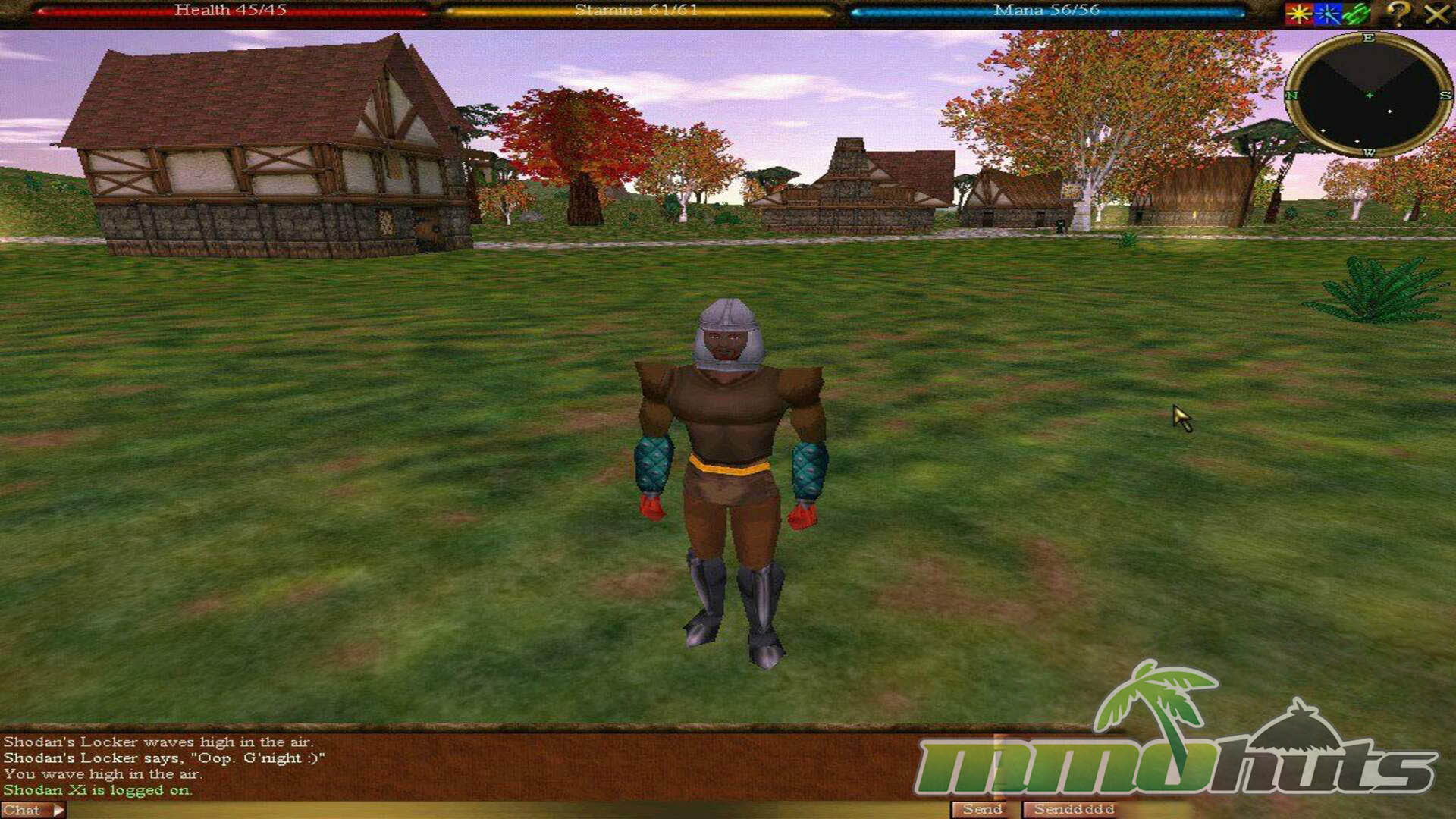
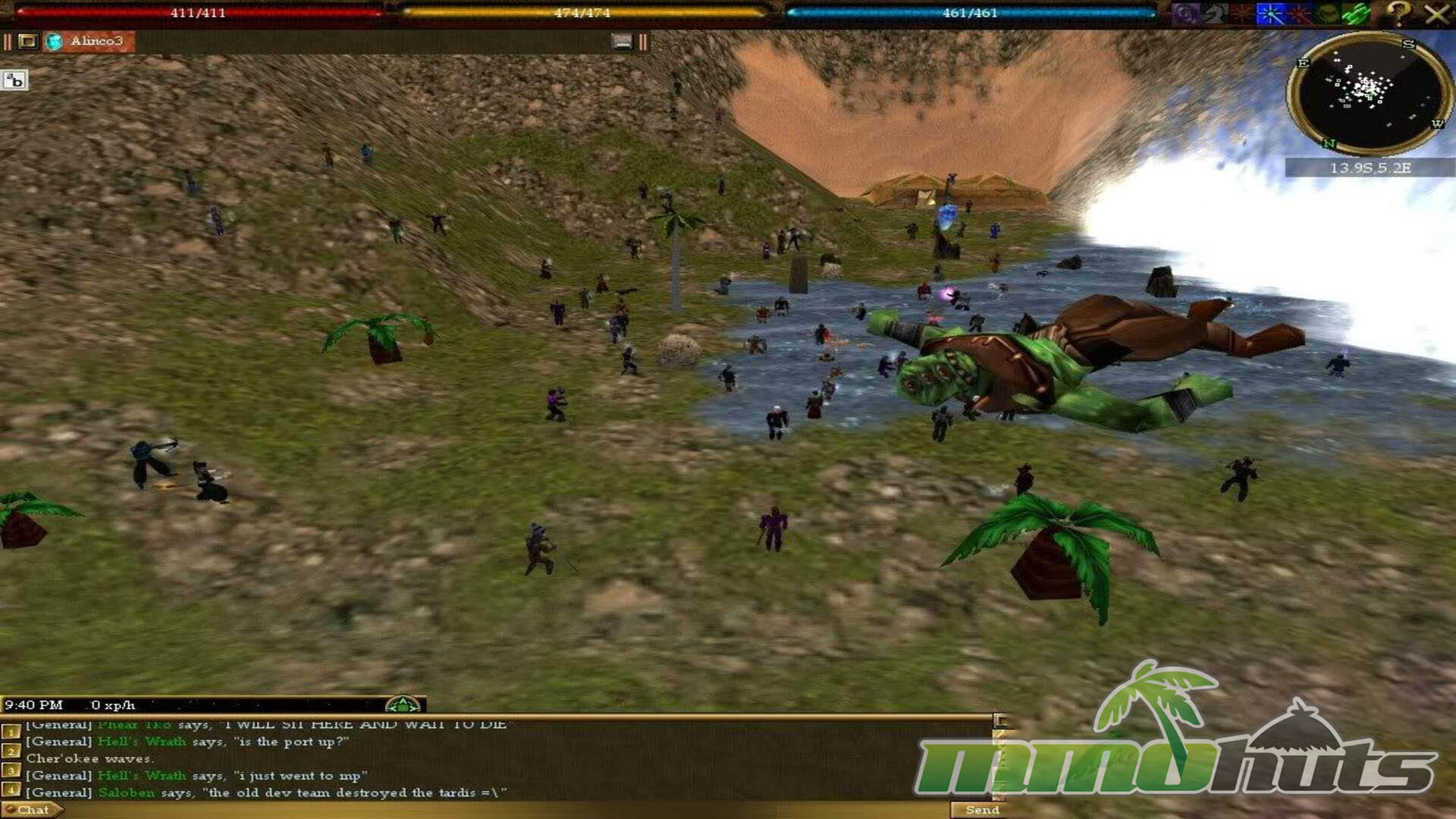
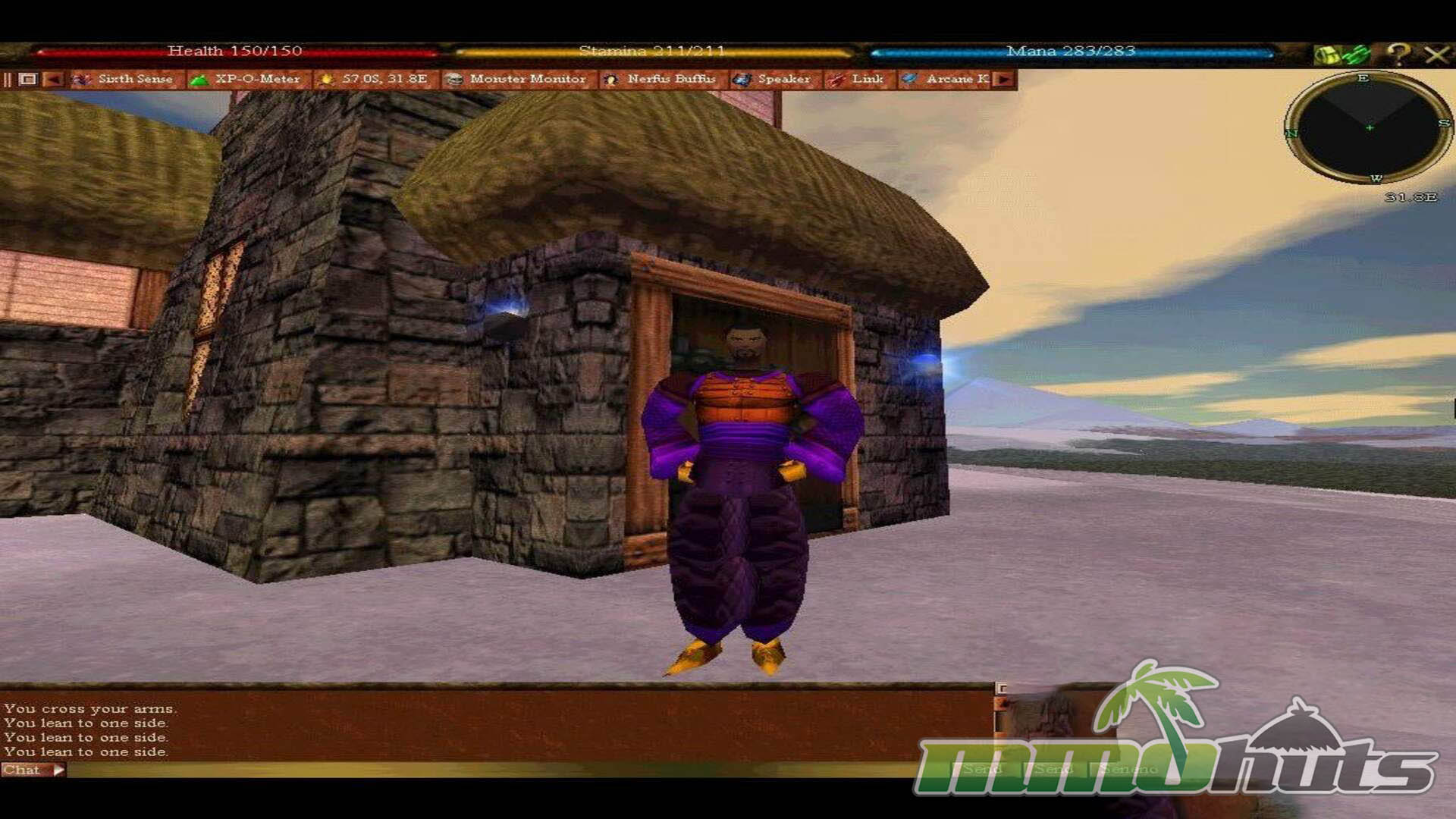
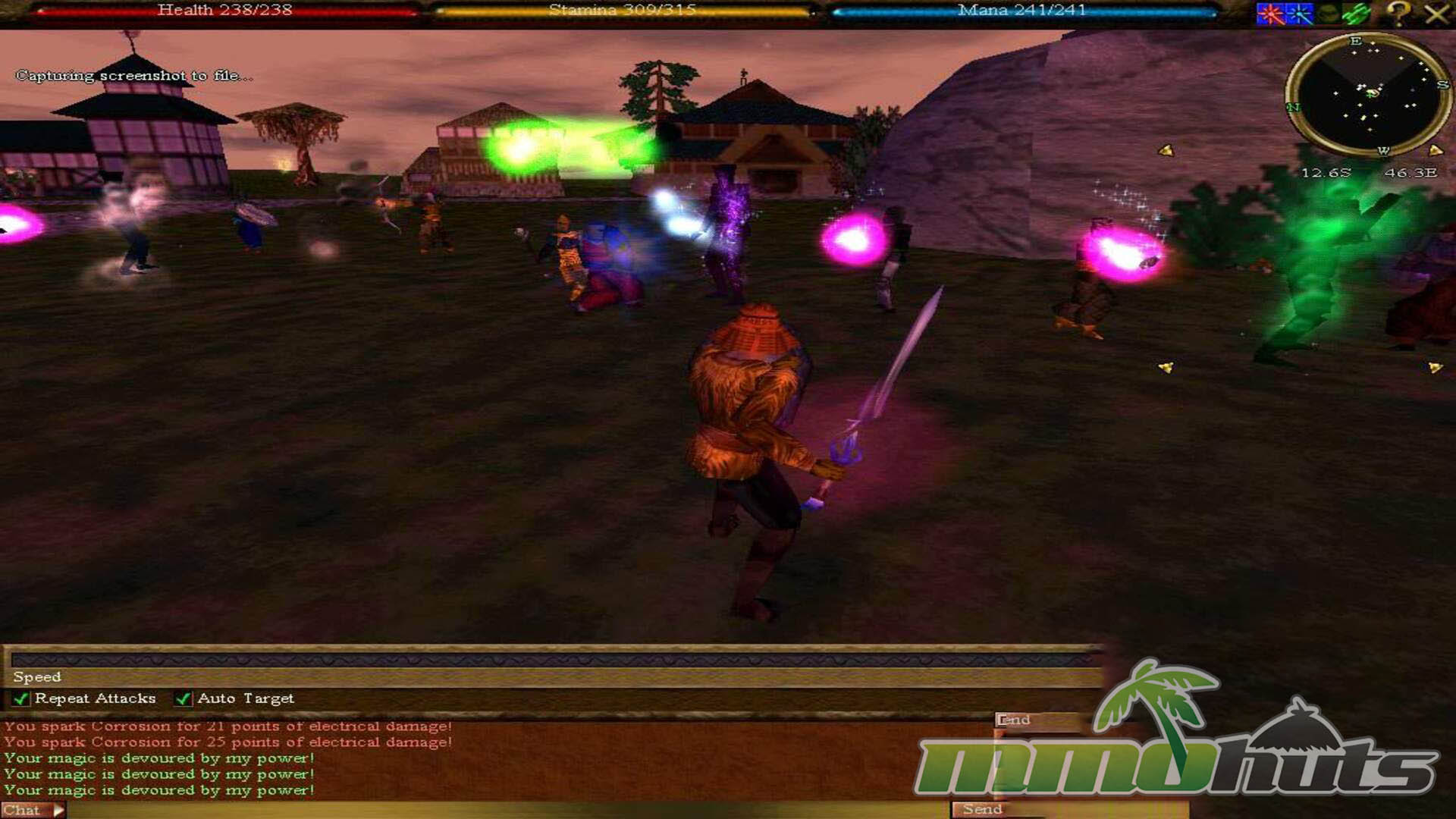
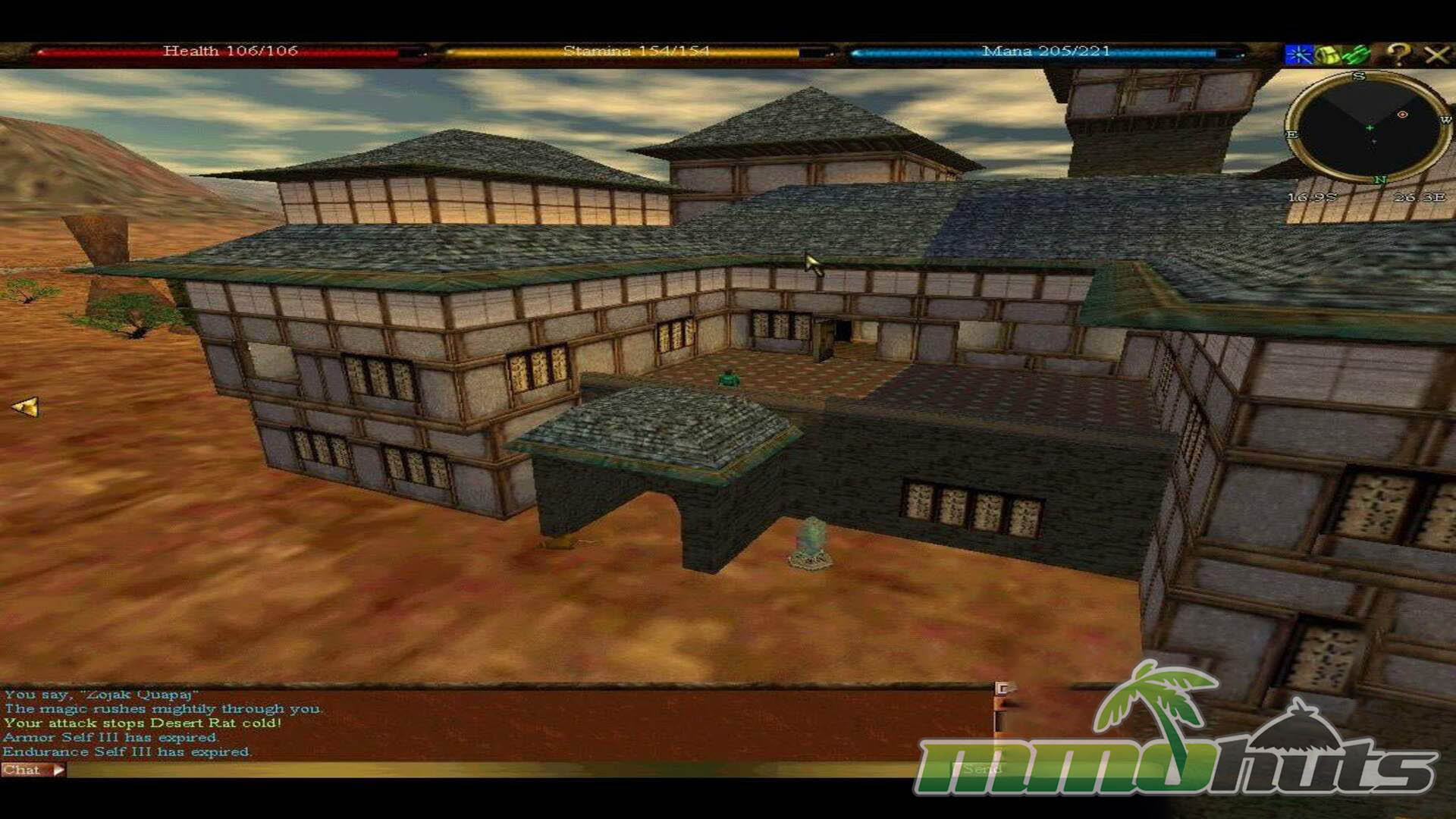


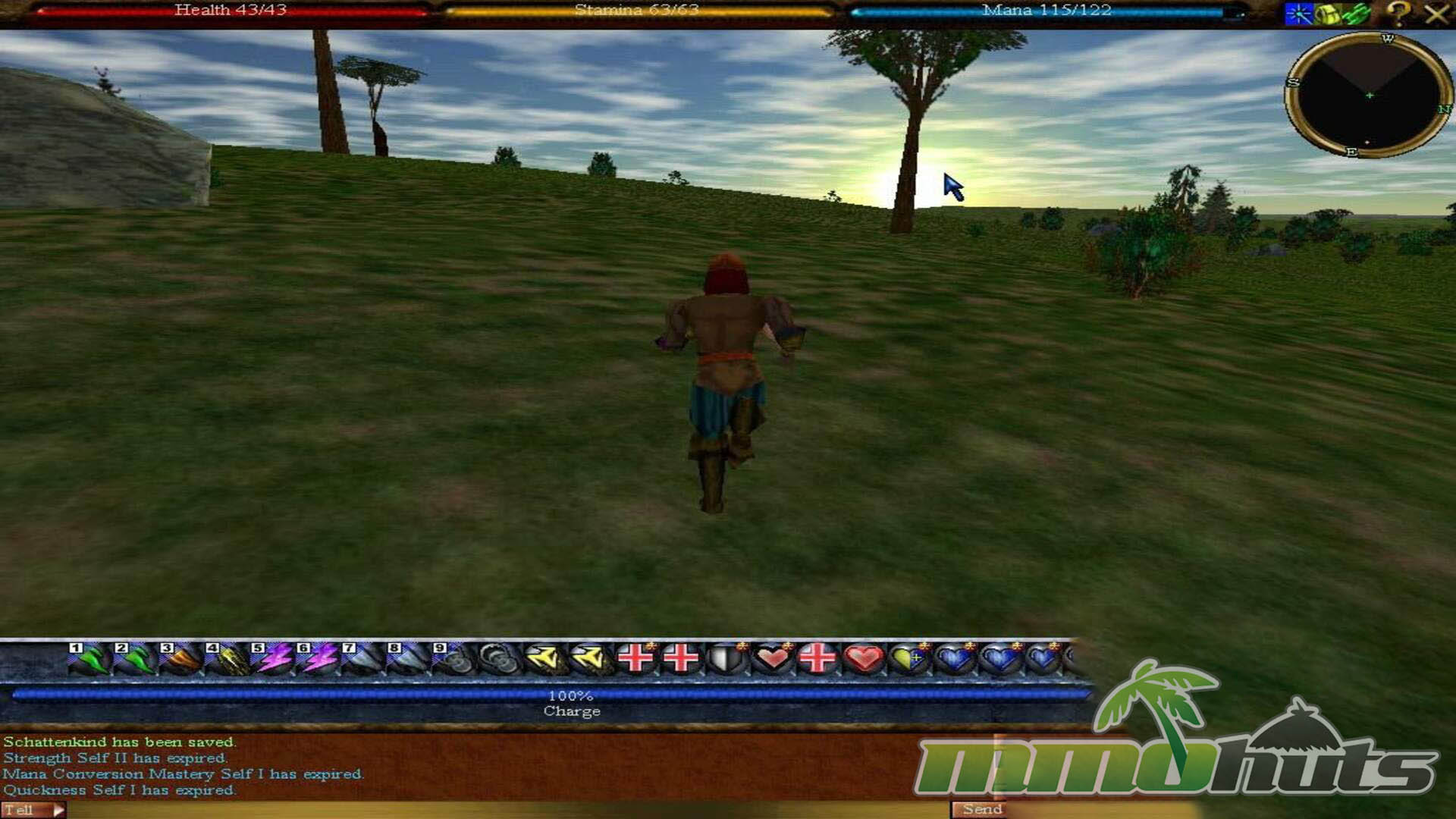
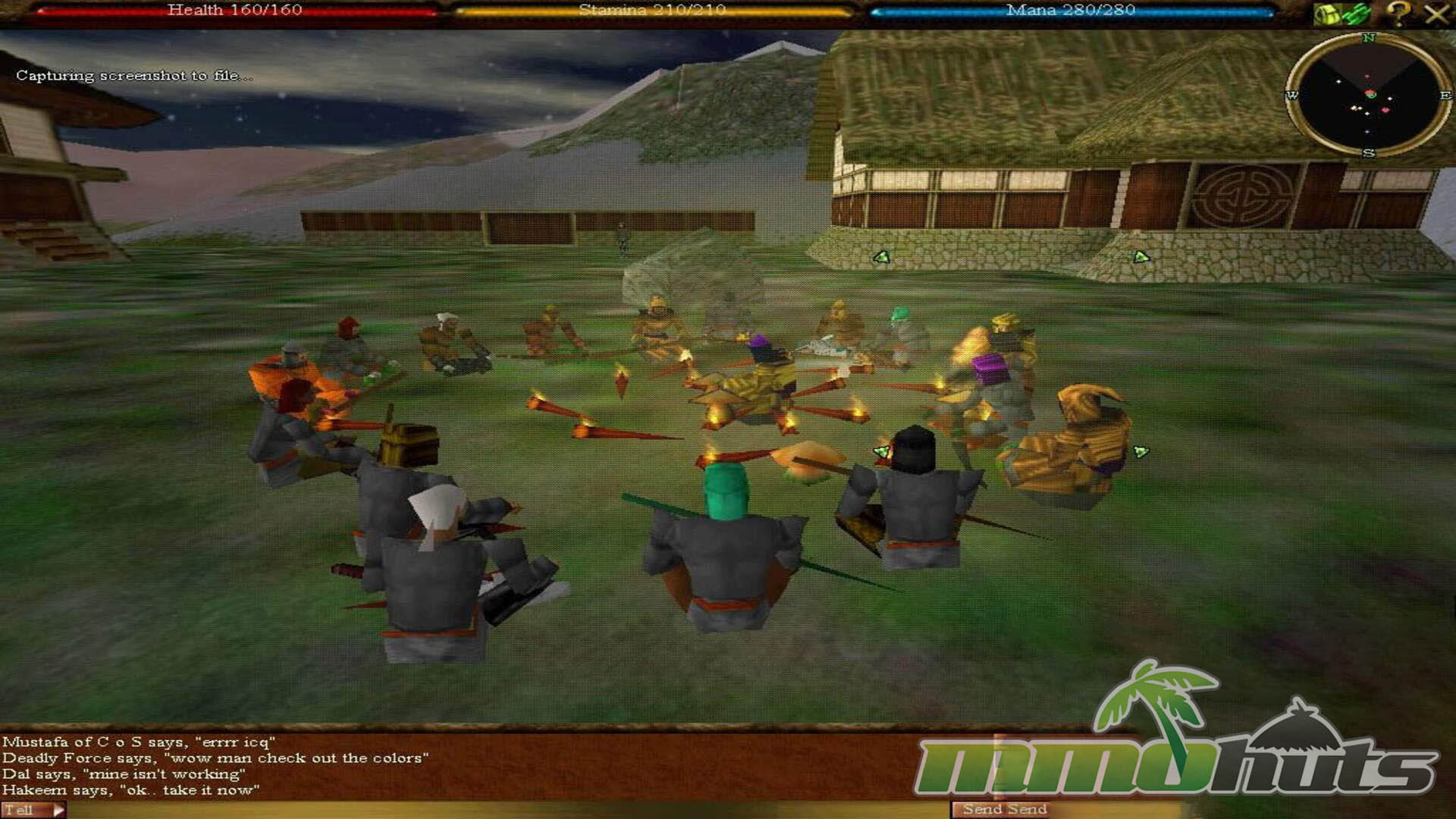
Asheron’s Call Featured Video

Asheron’s Call Review
Asheron’s Call is best understood as an MMO built around player agency and consequence. It is not interested in constantly steering you toward the next objective, instead it gives you a vast world and enough systems to support a wide variety of self-directed goals. If you enjoy learning a game by doing, taking notes, and gradually mastering a complex ruleset, Dereth can still feel compelling even years after its original release. If you prefer modern conveniences and tightly curated quest lines, it is easy to bounce off its older design.
A world designed for wandering
Dereth’s seamless construction was a major achievement for its time, and that design choice supports the game’s strongest loop, exploration. Travel feels like a commitment, and the world is large enough that learning routes, landmarks, and safe hubs becomes its own form of progression. Dungeons and points of interest are not presented as a checklist, so discovery tends to feel earned, whether you are stumbling into danger or finding a spot that becomes part of your regular circuit.
Character building is the real endgame
Where many MMORPGs funnel characters into a small set of standardized roles, Asheron’s Call thrives on customization. Your build is a product of the stats and skills you prioritize, and the freedom to mix tools leads to a lot of identity. This also creates a real sense of responsibility, because poor decisions can have long-lasting consequences and fixing mistakes is not always trivial. The upside is that experimentation is rewarded and two characters can feel genuinely different even if they share broad similarities.
Combat that asks you to pay attention
Combat is more mechanical than it first appears. Instead of simply trading hits, you are encouraged to think about what an enemy is resistant to, how to approach them, and how your own choices affect outcomes. The system can feel demanding, particularly when paired with the game’s lack of in-game instruction, but it also avoids the autopilot feel that some older tab-target MMOs can fall into. The risk is heightened by the death penalty, which makes survival and preparation matter in a way that is uncommon in more forgiving designs.
PvP and the appeal of real stakes
Player versus player conflict exists as open world PvP and dueling, and the presence of full-drop PvP in the ecosystem gives fights a sharper edge than typical battleground skirmishes. This can be thrilling for players who like high-risk competition and the social politics that come with it. At the same time, it can be punishing, especially for newer players who are still learning how to build effectively and protect their inventory.
Social structure and long-term community play
One of the game’s most distinctive social mechanics is the allegiance system, where players pledge to a patron and form patron-vassal relationships that help distribute experience. Along with guild housing, it supports community organization that feels more like a living hierarchy than a simple friends list. When it works, it creates mentorship, shared goals, and a strong sense of belonging. When it does not, it can feel opaque, particularly if you are trying to understand the social landscape without guidance.
Where the age shows most
The biggest hurdles are presentation and usability. Graphics and interface are dated, and the absence of modern quest tracking can turn basic tasks into long scavenger hunts unless you already know where to look. Historically, players filled those gaps with external tools and community knowledge, which is part of the game’s culture but not ideal for someone expecting an all-in-one experience.
Overall, Asheron’s Call remains a fascinating example of early MMO design, a game that prioritized depth, freedom, and consequence. It is not a comfortable recommendation for every MMO player, but for those who want a classic sandbox with serious character building and meaningful risk, its design still stands out.
Asheron’s Call Online Links
Asheron’s Call Official Site
Asheron’s Call Official Forums
Asheron’s Call Wiki (Info / Guides)
Asheron’s Call System Requirements
Minimum Requirements:
Operating System: 98SE / 2000 / XP
CPU: 733 MHz
Video Card: 32 MB DirectX compatible card with hardware T&L
RAM: 256 MB
Hard Disk Space: 3 GB
Recommended Requirements:
Operating System: 98SE / 2000 / XP
CPU: 1 GHz
Video Card: 128 MB DirectX 9.0 compatible card with hardware T&L and vertex shaders
RAM: 512 MB
Hard Disk Space: 3 GB
Asheron’s Call Music & Soundtrack
The soundtrack and audio design in Asheron’s Call are very much products of the late 1990s PC era, functional and atmospheric rather than cinematic. Music tends to support exploration and downtime, while combat and spellcasting lean on straightforward effects that prioritize clarity over spectacle. For many long-time players, the soundscape is tied closely to nostalgia, but even without that attachment it does a respectable job of setting an adventurous tone for a world built around danger and discovery.
Asheron’s Call Additional Information
Developer: Turbine Entertainment
Publisher: Microsoft, Turbine, Warner Bros. Interactive Entertainment
Release Date: November 02, 1999
Expansions:
Dark Majesty Release Date: November 4, 2001
Throne of Destiny Release Date: July 18, 2005
Shut Down Date: January 31, 2017
Development History / Background:
Asheron’s Call was created by Turbine Entertainment and initially published by Microsoft, backed by a large, multimillion dollar budget that was substantial for an MMO of its era. One of its defining technical goals was a single, continuous world without zone loading, helping the setting feel cohesive and encouraging long-distance travel and exploration. The project took 40 months of development followed by an additional 8 months of beta testing, and although it was first aimed at a Q4 1997 window, it ultimately launched on November 02, 1999. That timing positioned it as the last of the early “classic trio” often discussed alongside Ultima Online and EverQuest.
In terms of popularity, the game held a strong position among early virtual worlds and remained the third most popular until May 2002, when Dark of Age of Camelot surpassed it in subscriber count. The first expansion, Dark Majesty, arrived in 2001. A sequel, Asheron’s Call 2, followed in 2002, but it never matched the original’s success, leading to a shutdown in 2005 and a later re-release in 2012.
Turbine acquired the rights from Microsoft in 2003 and continued operating the game independently, eventually releasing the second expansion, Throne of Destiny, in 2005. Active development ended permanently in 2014, around the same period the subscription fee was removed and a $10 account purchase became required to create an account. Asheron’s Call ultimately shut down on January 31, 2017.