RaiderZ was a free to play fantasy MMORPG from MAIET Entertainment, built around active, manual combat and frequent encounters with oversized monsters.
 | Publisher: Arc Games Playerbase: Low Type: MMORPG Release Date: Nov, 20, 2012 (NA/EU) Closure Date: August 07, 2015 PvP: Duels / Arenas / Guild Battles Pros: +Flexible, classless-style builds. +Deep crafting loop tied to boss hunts. +Clean UI and controls. +Satisfying action combat with dodges and combos. Cons: -Early progression lacks bite. -Bots were a persistent issue. |
RaiderZ Overview
RaiderZ was a fantasy MMORPG developed by MAIET Entertainment, the studio known for GunZ. Rather than leaning on tab targeting and long cooldown rotations, it aimed for a more hands-on style of play, where you actively aim attacks, react to tells, and spend a lot of your time hunting dangerous creatures. Its overall direction clearly echoed the appeal of games like Monster Hunter, especially in how it framed big encounters as the centerpiece of progression.
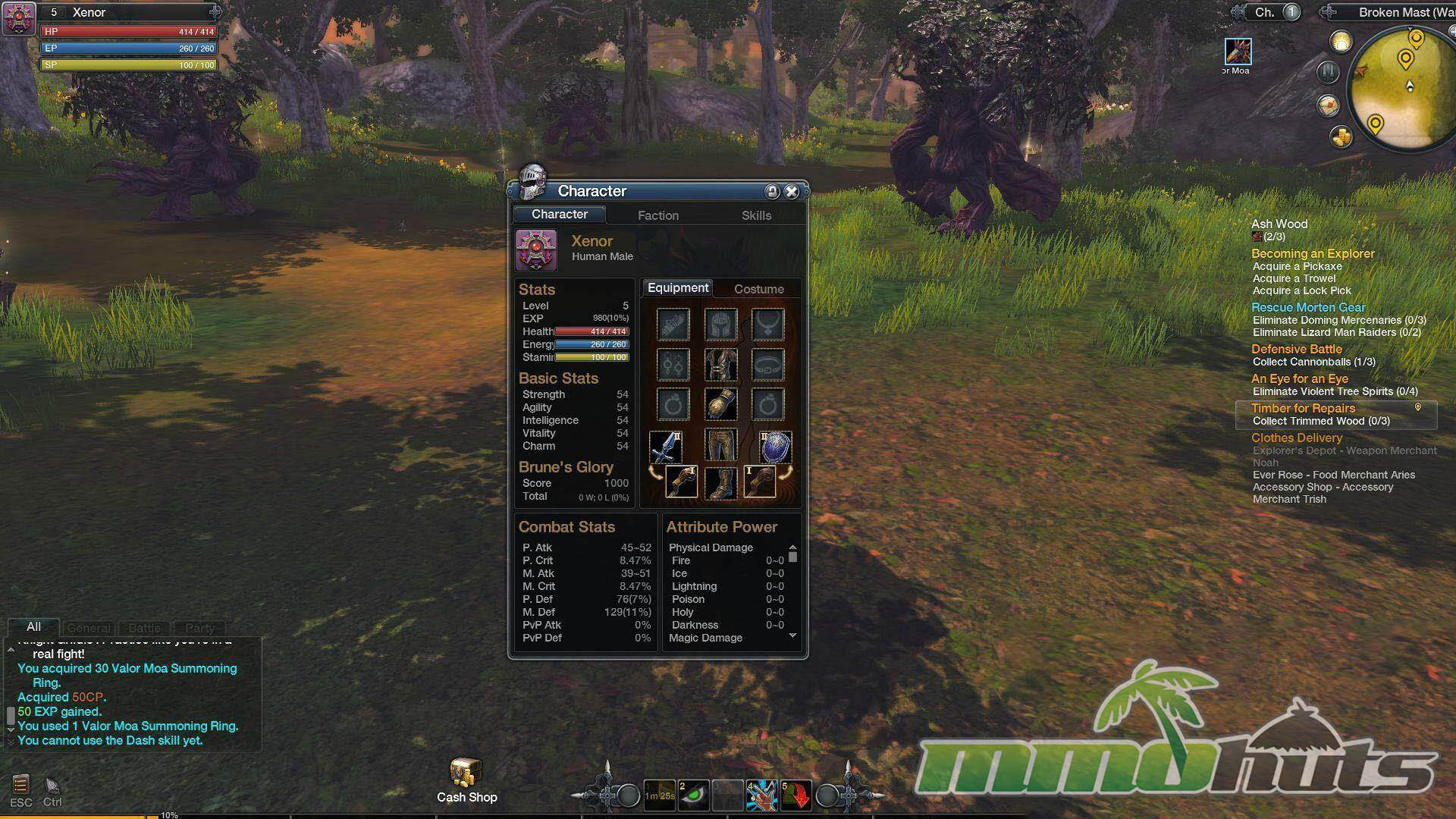
One of RaiderZ’s most distinctive design choices was its “pick an archetype, then mix skills later” approach. After reaching level 10, players were no longer boxed into a single track and could invest into multiple archetypal skill trees. That freedom was not unlimited, though, because many skills required specific weapon types, which meant only certain combinations worked smoothly in practice. Still, compared to traditional MMO class locks, RaiderZ offered an unusually flexible way to shape your character over time.
The 5 skill trees in RaiderZ are:
Defender (tank) – Focuses on one-handed swords and one-handed maces. It can be combined with Sorcerer and Cleric.
Berserker (melee DPS) – Built around two-handed swords and two-handed maces. It pairs with Cleric.
Cleric (healer) – Uses one-handed maces, two-handed maces, and staves. It works alongside Defender, Berserker, and Sorcerer.
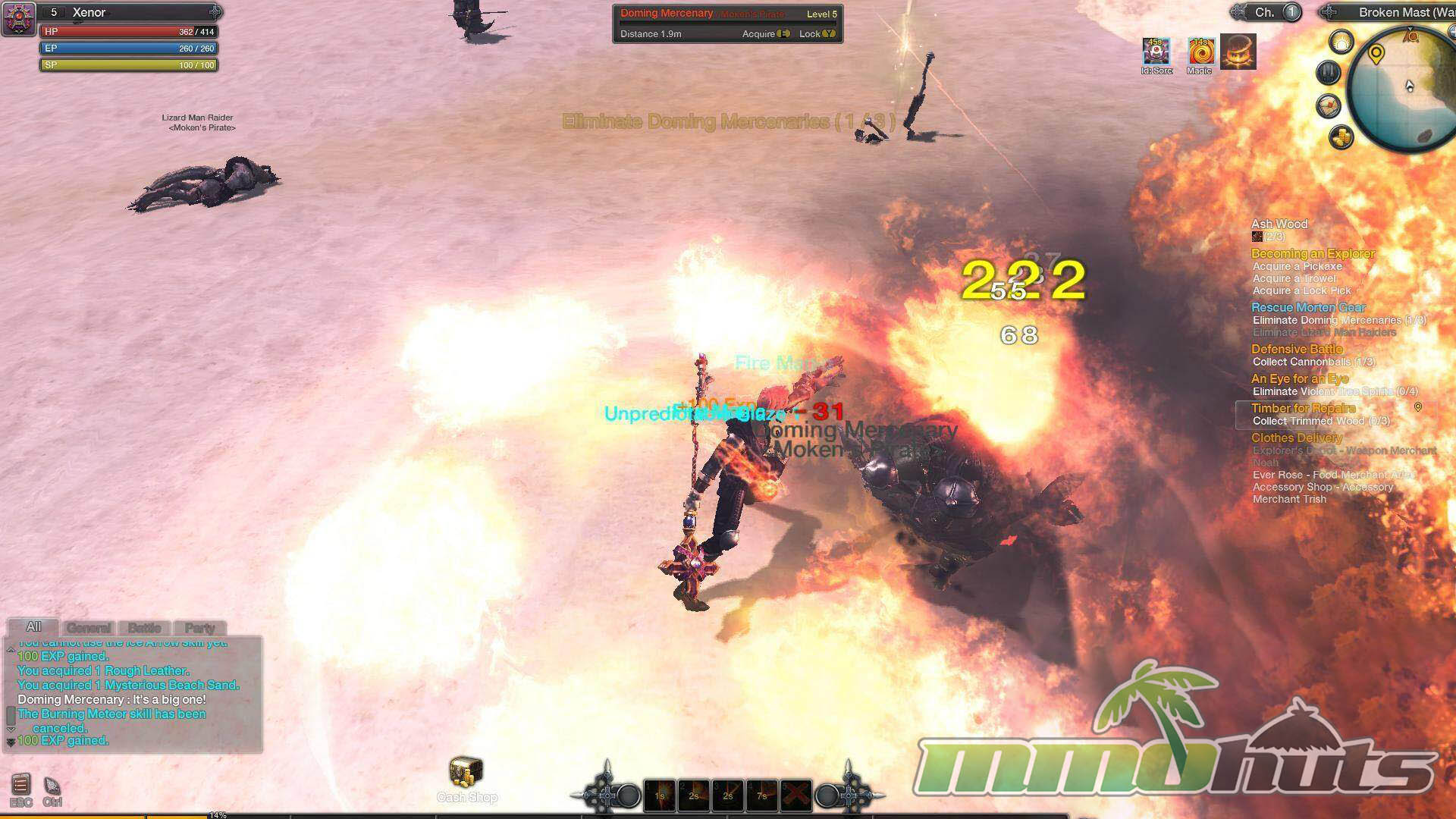
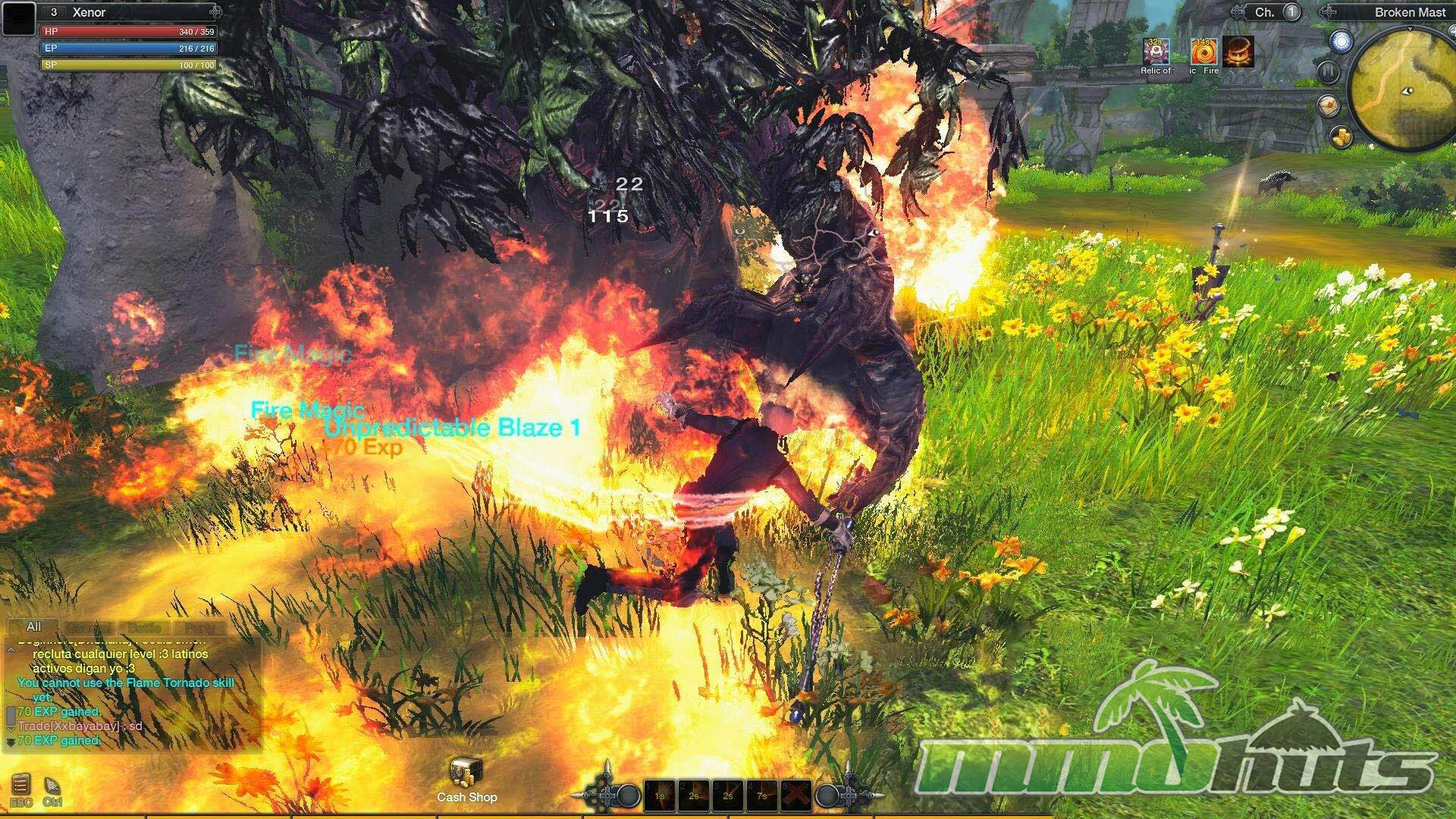
Sorcerer (spellcaster) – Plays with one-handed swords and staves. It can mix with Defender and Cleric.
Assassin (melee DPS) – Specializes in dual daggers. It stands alone and does not combine with the other archetypes.
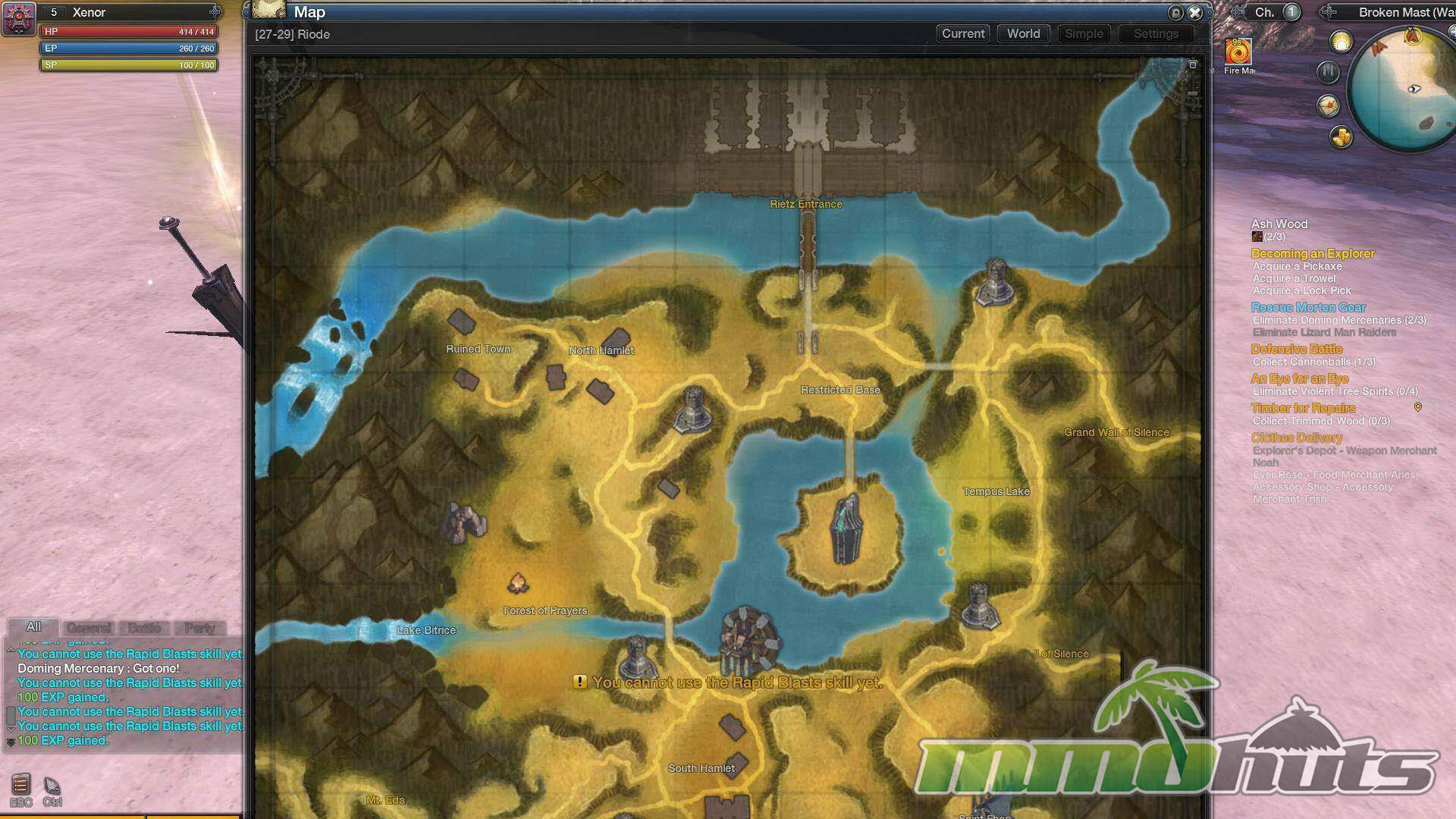
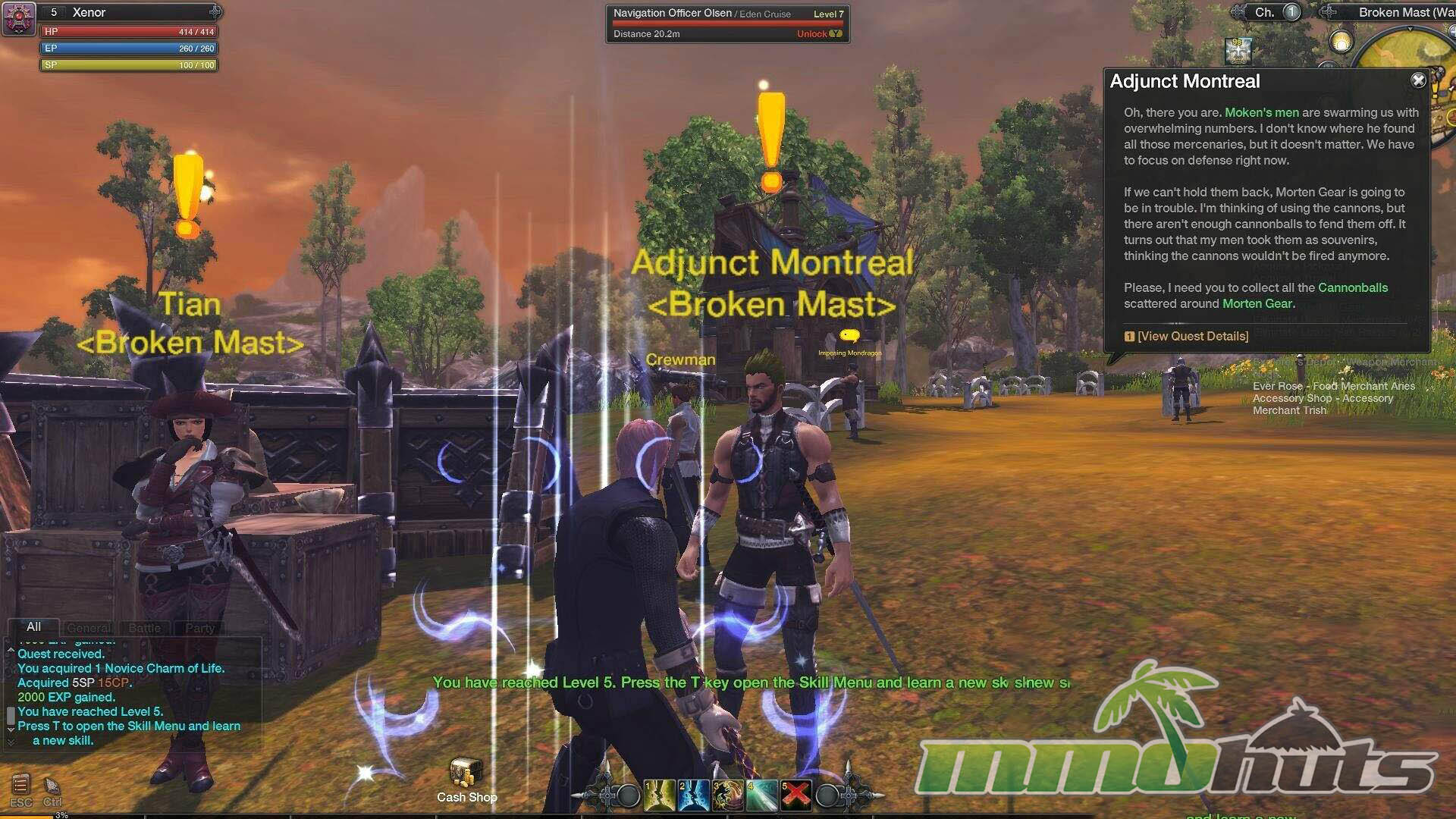
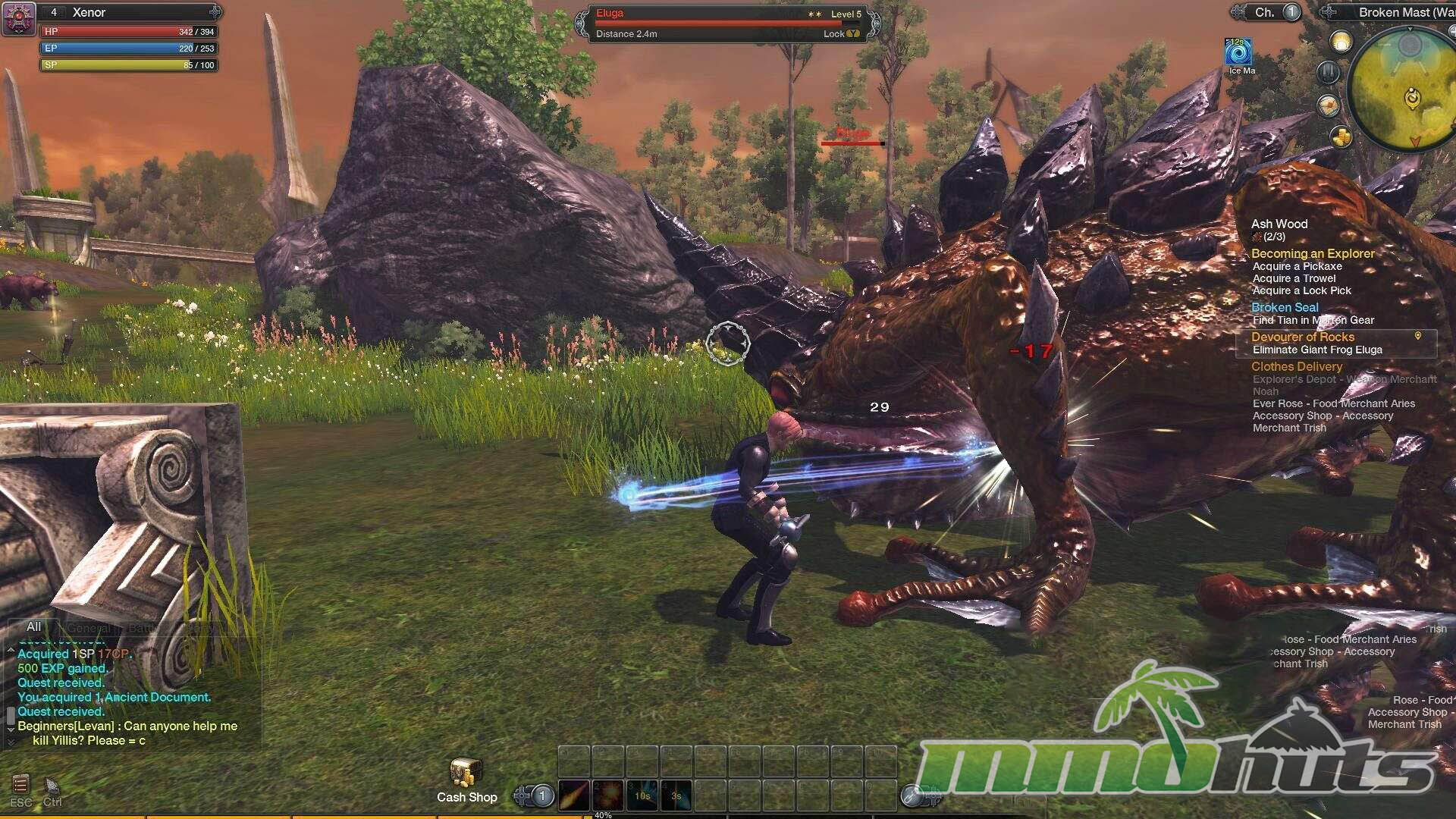
RaiderZ Screenshots



RaiderZ Featured Video

RaiderZ Review
RaiderZ is a 3D fantasy MMORPG developed by MAIET Entertainment and published by Perfect World through its Arc Platform. It arrived for NA and EU on November 20th, 2012. The easiest way to describe its identity is “action MMO with monster hunting priorities”, combining the responsiveness you might associate with games like TERA with a structure that keeps pushing you toward larger targets and repeatable boss fights. It is also notable as a MAIET project, coming from the same developer behind GunZ: The Duel and GunZ 2: The Second Duel.
A troubled kingdom as your backdrop
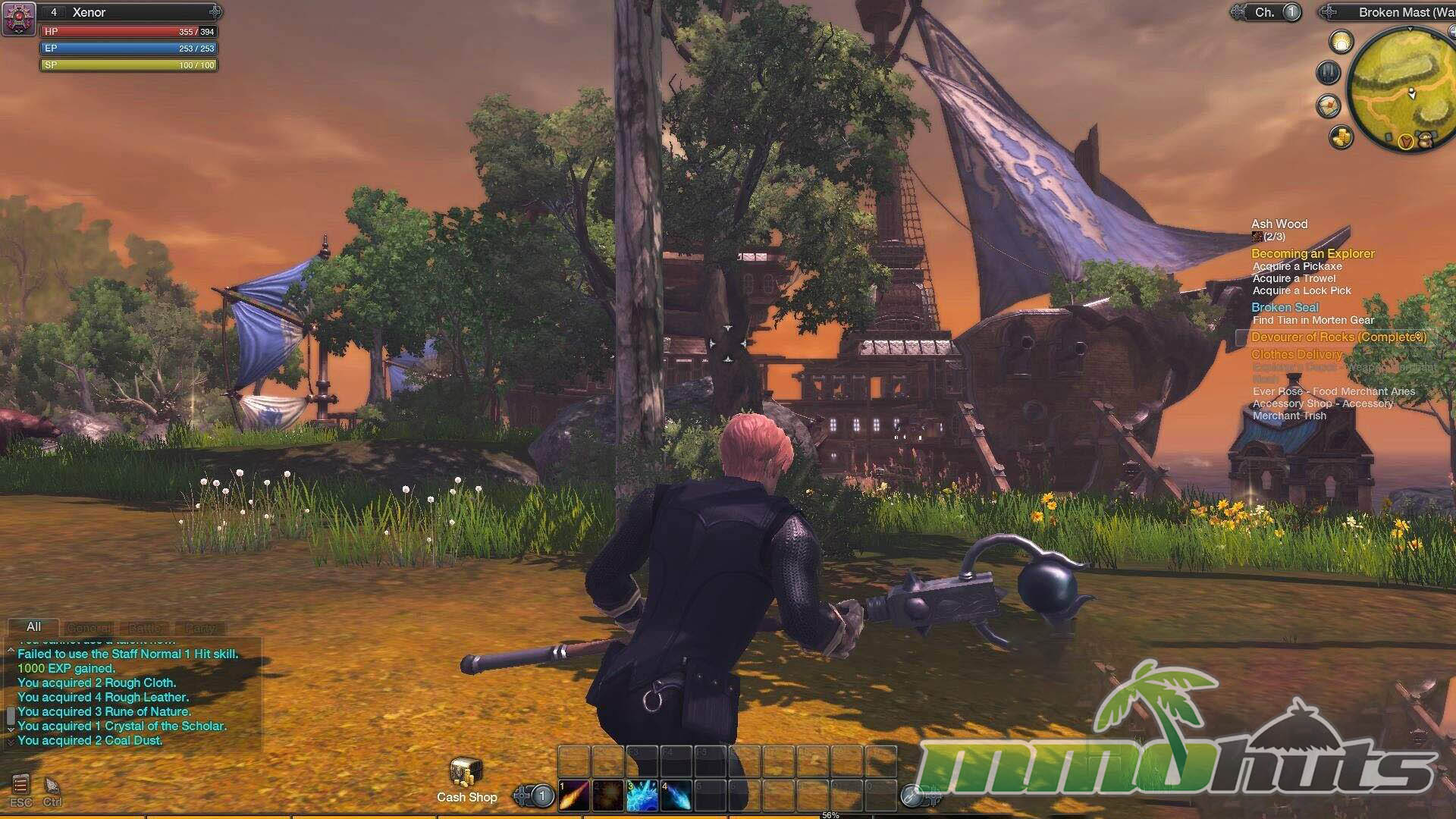
The adventure is set in Rendel, a realm that has fallen from stability into crisis as creatures overrun the land. The narrative framing is straightforward, you are positioned as the capable fighter who helps push back the threat, but the real “story” is often what happens in the moment-to-moment battles. Visually, RaiderZ goes for a bright, anime-leaning fantasy look, with bold colors and stylized armor that will feel familiar to anyone who played Korean MMORPGs from that era.
Character creation is decent for its time. You begin by selecting one of five starting archetypes (Defender, Berserker, Cleric, Sorcerer, Assassin), then you customize with a selection of faces, hair options, and body markings. It offers enough variety to avoid a sea of identical characters, but it does not reach the extremely granular sculpting systems seen in some other big-name MMOs.
Combat that asks you to play, not auto-pilot
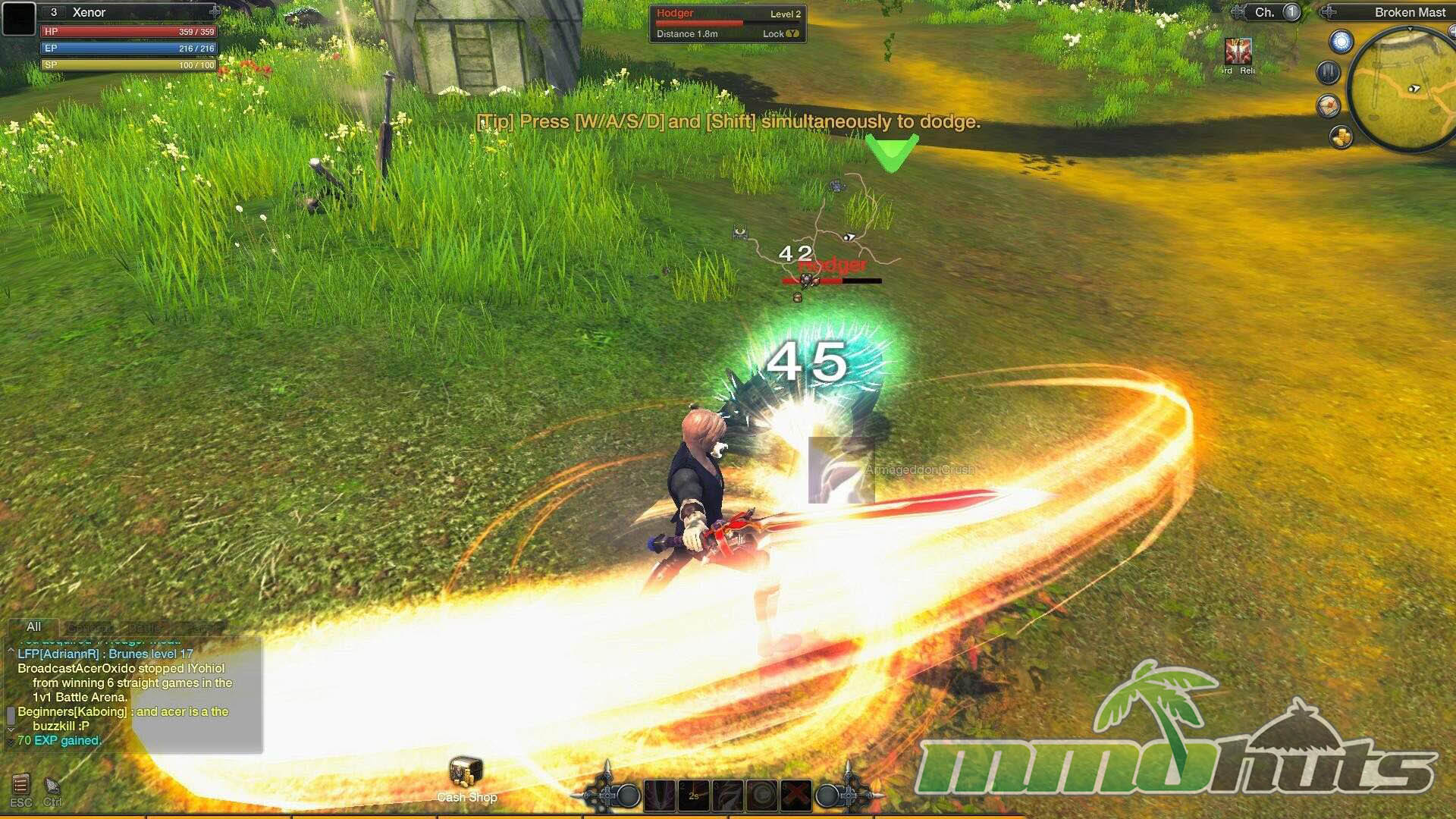
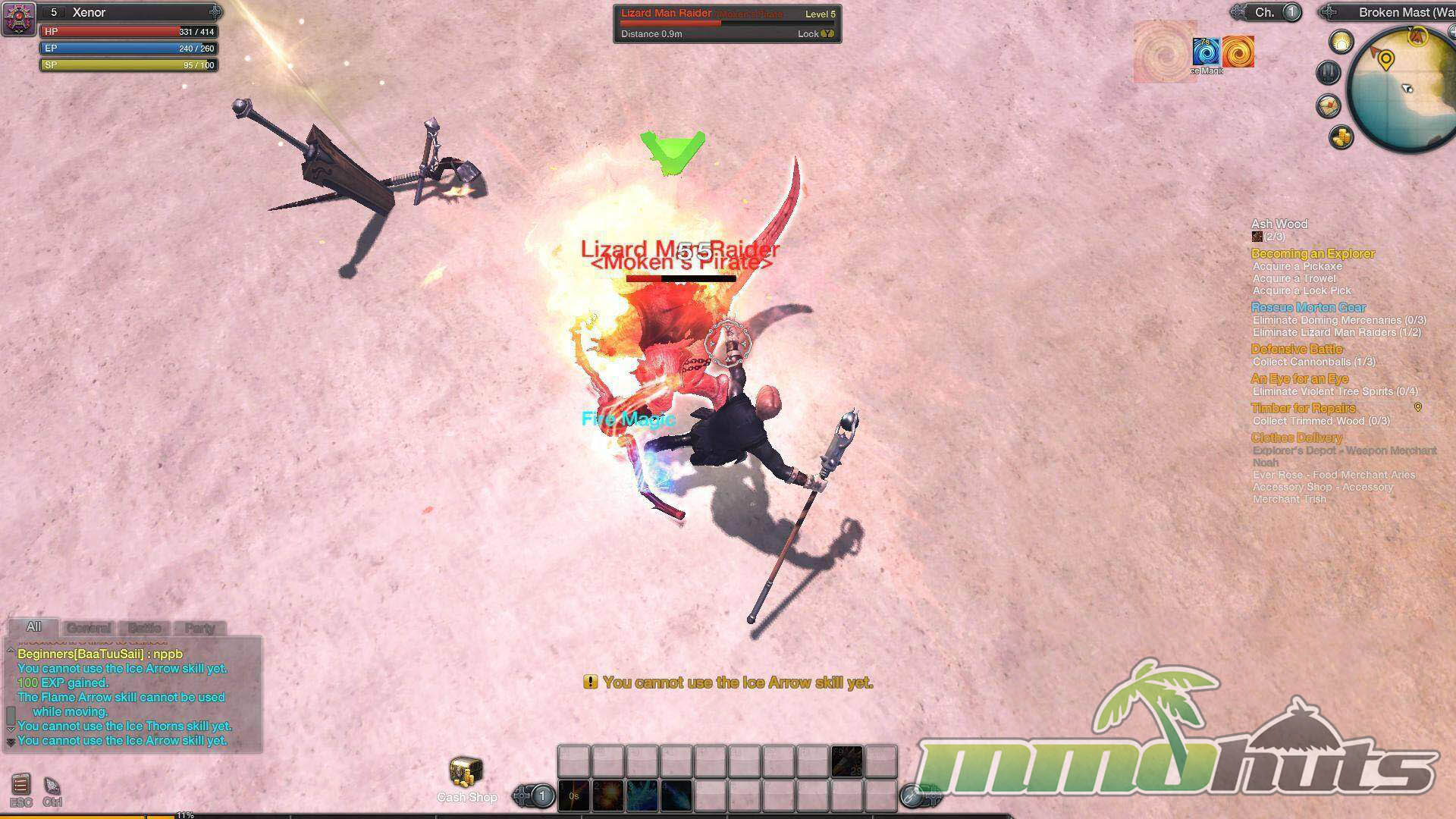
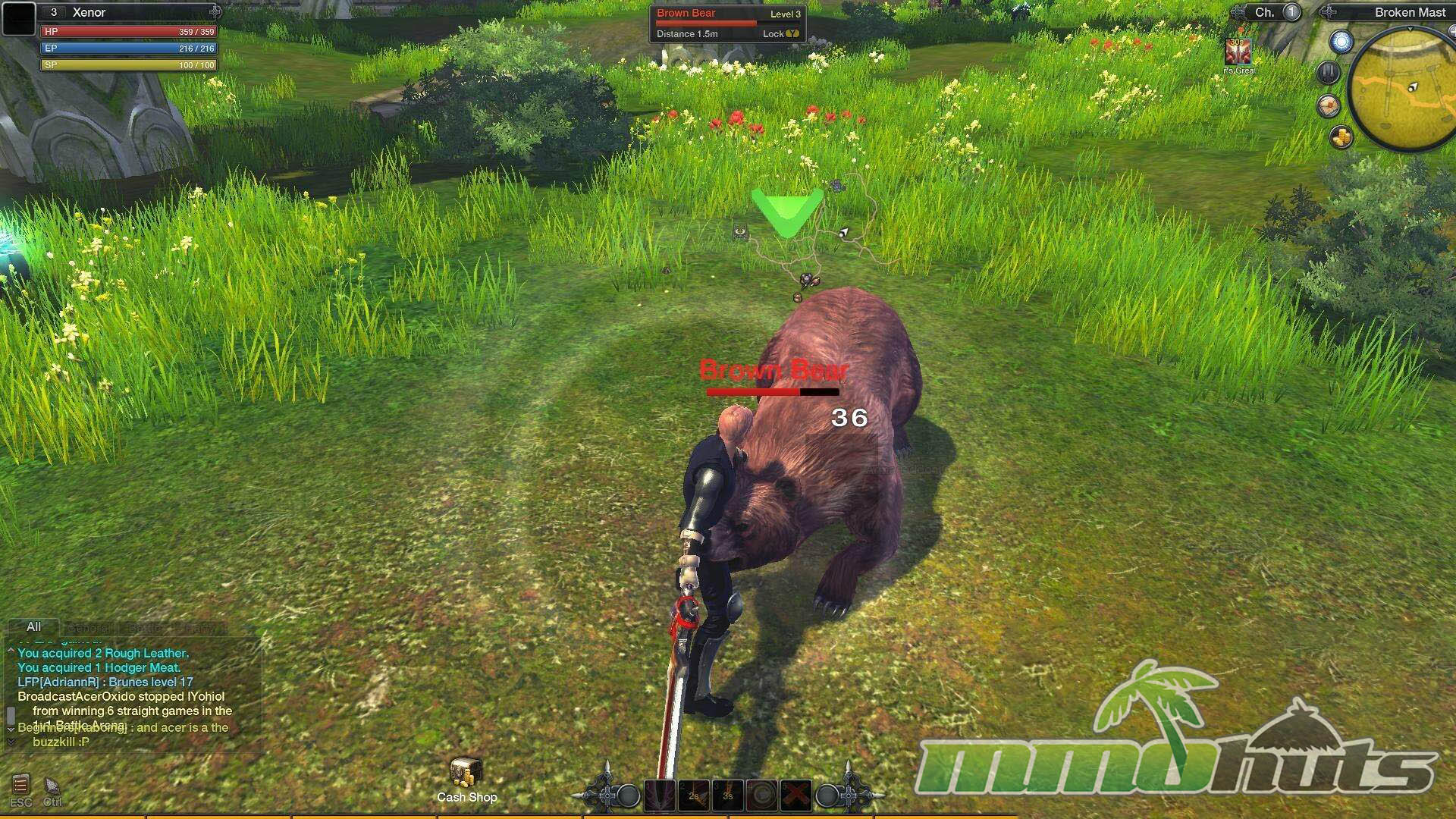
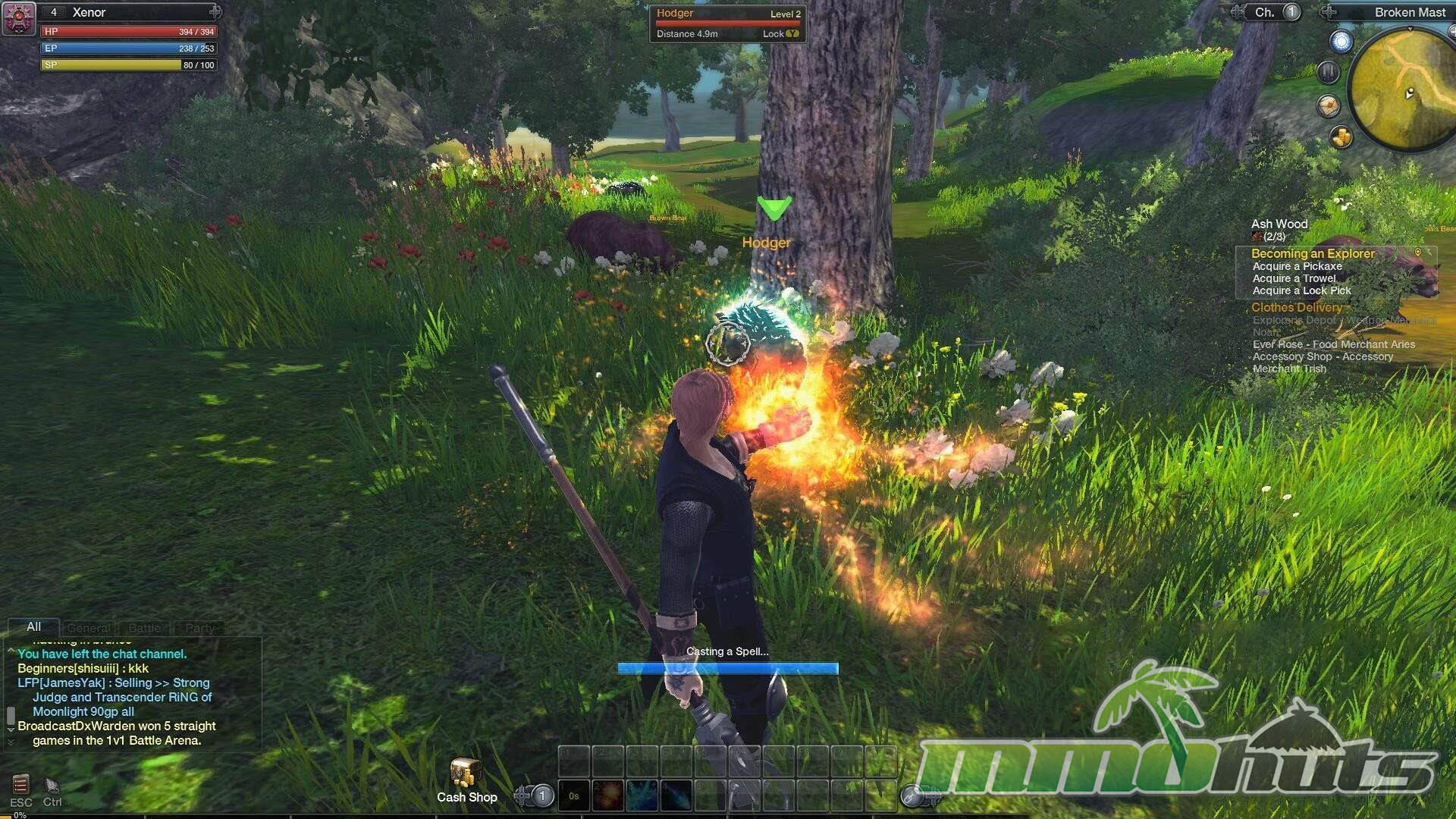
Where RaiderZ really tries to separate itself is in its action combat. Attacks are aimed and positioned, so it feels closer to a third-person action game than a traditional hotbar MMO. Movement is handled with WASD, the mouse controls the camera, basic actions sit on the mouse buttons, and skills are triggered through number keys. Because you are manually connecting hits, chaining abilities and basic swings naturally turns into a combo-like rhythm.
Dodging is also central. A quick Shift plus a direction lets you evade, and timing matters, because mistaking an enemy’s wind-up can cost a large chunk of health. Encounters also encourage awareness of angles and spacing, since some foes are more vulnerable from specific positions. Enemies are not passive targets either, many will actively engage when approached and can use grabs, charges, or other disruptive moves, which keeps fights from feeling purely scripted.
Build freedom with real weapon-based limits
Although your first archetype choice shapes your early levels, RaiderZ gradually reveals its more flexible progression system. Skills are organized into separate trees for each archetype, and you can invest beyond your original path, effectively creating hybrid playstyles. The catch is that weapon restrictions do the real policing. Berserker abilities revolve around two-handed swords and warhammers, while Sorcerer skills require a staff or one-handed sword, so trying to blend those two runs into practical conflicts. Assassin is even more isolated, as dual daggers are its exclusive lane, keeping it from pairing with the others.
Even with those boundaries, the system still feels unusually open compared to rigid class roles. It encourages experimenting with different kits, and it gives players a sense that their character is “built” rather than simply selected.
Boss hunting as the main attraction
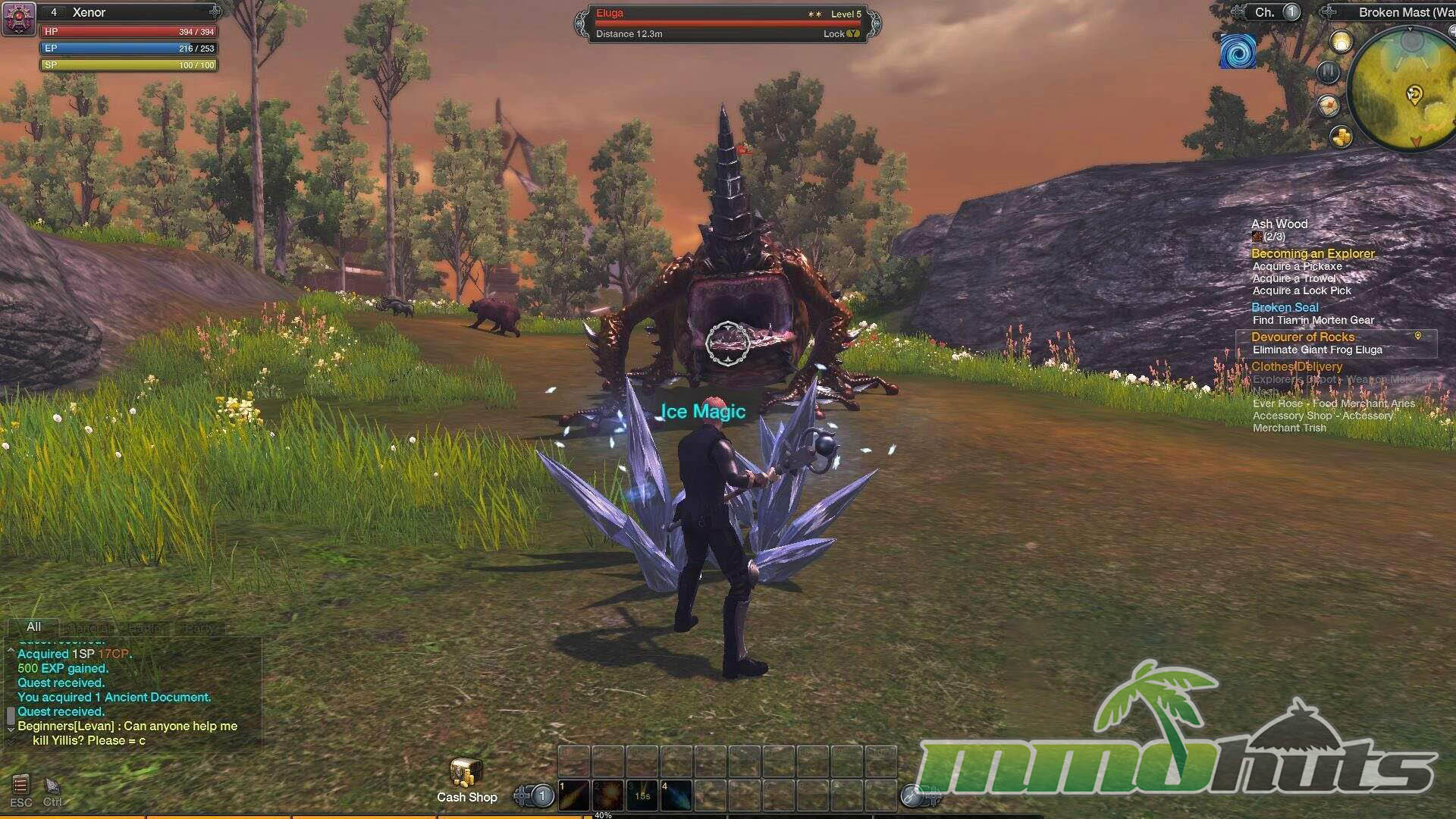
The game’s title sets expectations, and RaiderZ largely delivers on them. Boss encounters are not reserved for end-game only, they are part of leveling and remain a major focus later on through both open-world targets and instanced fights. These battles tend to reward coordination and attention, especially because action combat makes positioning and reaction time matter.
Some encounters also lean into light mechanics that make fights more memorable than simple damage races. Examples include bosses shedding parts or creating opportunities for players to respond with the environment or dropped materials, which adds variety and pushes groups to communicate. When RaiderZ is at its best, it captures that satisfying “learn the creature, read the tells, execute the plan” loop that fans of boss-centric games tend to chase.
PvP exists, but it is not the main course
Given the combat model, it is easy to assume PvP would dominate, but RaiderZ’s competitive content is relatively limited. Players can duel, and there are two battleground options, alongside guild-focused fighting. Battleground participation can reward gear (including PvP-oriented options), plus practical items like food and mounts.
For players who enjoy action PvP in a smaller set of modes, it can be a strong side activity, especially because manual aiming and dodging makes duels feel personal and skill-driven. Still, the game’s overall structure places the spotlight on PvE and boss progression first.
Crafting is not optional, it is the gear game
RaiderZ ties progression closely to crafting, and that choice reinforces its monster-hunting identity. Instead of expecting a steady stream of upgrades from random drops, you typically defeat bosses, collect parts and materials, then use recipes and NPC crafting to produce armor and weapons. Recipes and ingredients can be traded, but the finished items bind to the crafter, which encourages players to invest in their own production rather than purely shopping for end results.
Because crafting is the primary path to equipment, the loot you gather tends to feel meaningful. Materials are not just vendor fodder, they are steps toward the next set piece. The mount system also benefits from this philosophy, with mounts crafted rather than primarily sold, which helps the world feel more “earned” than purely monetized.
Cash Shop
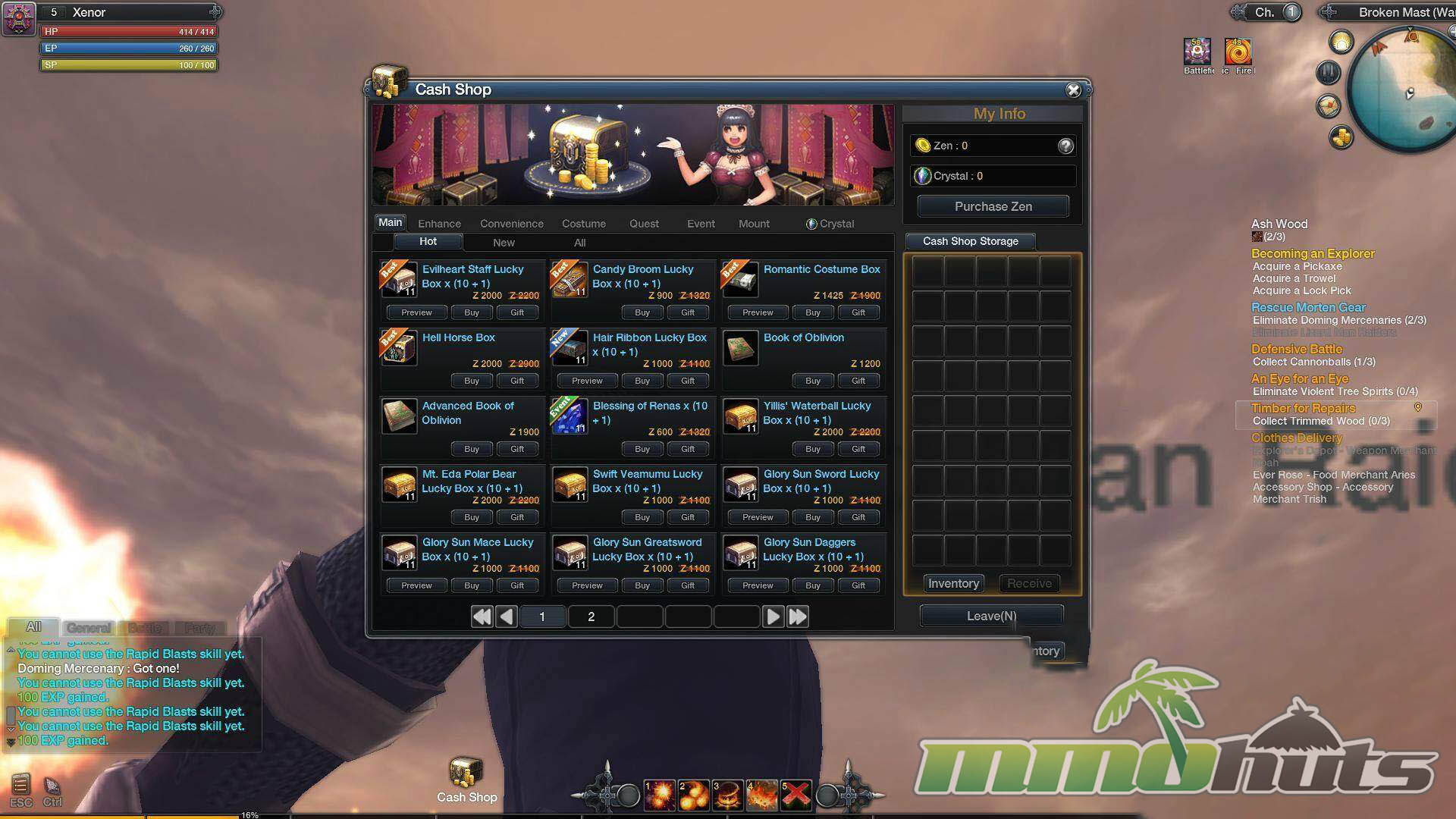
RaiderZ’s Cash Shop focused largely on cosmetics, mounts, and convenience boosts. The boosts increase experience gain and improve item and material drop rates. There are also lockboxes that provide a random assortment of materials when opened. Players can purchase reskill books as well, although respec options are also available through an in-game quest chain.
Final Verdict – Great
RaiderZ stands out most for its active combat, its dodge-and-positioning emphasis, and its boss-forward PvE loop. The classless-style progression (within weapon constraints) gives it a distinct flavor compared to many MMOs of its time, and the crafting-driven gear chase supports the “hunt, carve, build” cadence well. At the same time, it struggled with issues that hurt long-term stability, including heavy botting and an update cadence that did not keep all regions feeling equally supported.
Even with those shortcomings, the core gameplay is easy to appreciate. Players who enjoy action combat and structured monster encounters would likely have found RaiderZ especially appealing, particularly if they were looking for an MMO that borrowed some of the spirit of dedicated boss-hunting games.
RaiderZ Links
RaiderZ Official Site
RaiderZ Wikipedia
RaiderZ Official Wiki (Database / Guides)
RaiderZ on Steam
RaiderZ System Requirements
Minimum Requirements:
Operating System: Windows XP / Vista / 7 / 8
CPU: Dual Core 2 GHz or better
Video Card: GeForce 6000 / ATI Radeon HD1000 series or better
RAM: 2 GB
Hard Disk Space: 5 GB
Recommended Requirements:
Operating System: Windows XP / Vista / 7 / 8
CPU: Quad-Core 3 GHz or better
Video Card: DirectX 11 GPU with 1 GB Video RAM
RAM: 8 GB
Hard Disk Space: 5 GB
Video card must support Dirext X 9.0c or better. DirectX 10 or 11 preferred. RaiderZ recommends a 64 Bit OS recommended for best performance.
RaiderZ Music & Soundtrack
RaiderZ Additional Information
Developer: MAIET Entertainment
Game Engine: Realspace 3
Closed Beta Date: August 8, 2012
Open Beta Date: October 24, 2012
Foreign Release(s):
South Korea: July, 2012 (Neowiz Games)
Europe: October, 2012 (Frogster Interactive)
Japan: December, 2012 (WeMade Japan)
Taiwan/Hong Kong/Macau: December 2012 (Cayenne Entertainment)
Several localized versions of RaiderZ are no longer available.
Development History / Background:
RaiderZ was created by South Korean developer MAIET Entertainment, a studio that Western audiences largely associate with the GunZ franchise. Work on RaiderZ reportedly started in early 2006 under the internal codename “Project H”. The public reveal came later, when Neowiz Games announced the project in South Korea on May 3, 2010. The title itself references the MMO term “raiding”, with the “Z” swap acting as a nod to MAIET’s GunZ naming.
Early testing in Korea included a closed beta in August 2010, followed by additional test phases in January and February. Neowiz Games then moved the game into open beta on July 5, 2012. RaiderZ runs on the Realspace 3 Engine, also used for GunZ 2. Service in South Korea ended on September 24, 2013, and over time multiple localized versions also became unavailable.