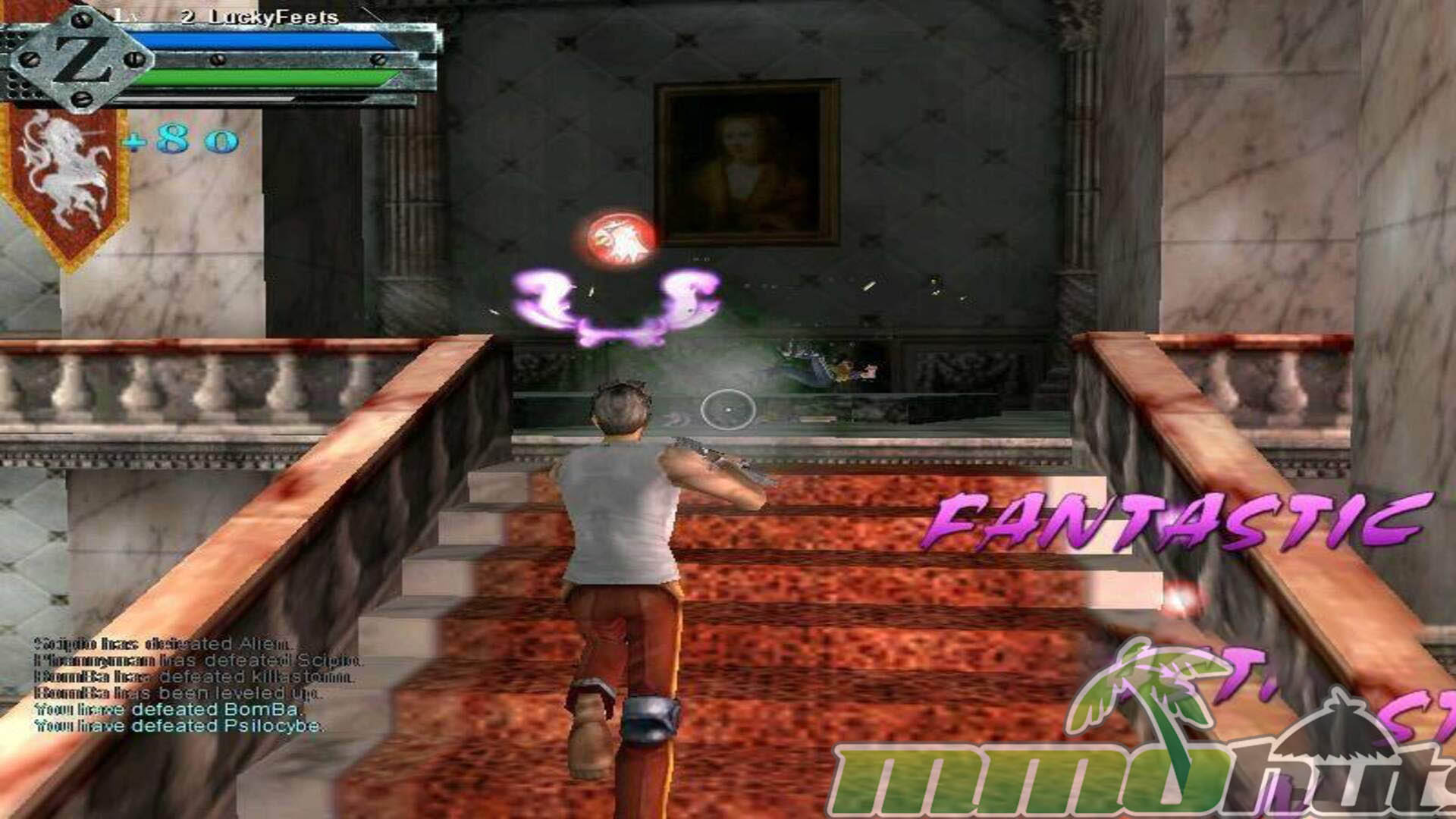
GunZ: The Duel is a 3D third-person online shooter built around stylish movement and close-quarters brawling, mixing firearms with blades in matches that feel closer to an arena brawler than a traditional military shooter. Its biggest hook is the freedom to chain acrobatic tricks, wall-runs, and rapid weapon swaps, including the famous sword play that can even deflect incoming fire in the right hands.
 | Publisher: ijji / Aeria Games Type: Shooter Release Date: November 29, 2006 (NA/EU) Closure Date: May 31, 2013 (NA/EU) Pros: +Distinctive gun-and-blade combat. +Runs well on modest PCs. +Plenty of maps and gear to chase. Cons: -Rough netcode, lag could decide fights. -Melee tech has a punishing skill curve. |
GunZ: The Duel Overview
GunZ: The Duel is a high-speed third-person action shooter that found a sizable international audience after its 2006 launch. It was easy to jump into at the time thanks to a lightweight client and forgiving system requirements, which helped it spread quickly through internet cafes and early F2P communities. What really separated it from other shooters, though, was how aggressively it encouraged movement, animation-cancel-like tricks, and constant swapping between ranged weapons and melee.
On the loadout side, GunZ covers familiar shooter tools like shotguns, rifles, pistols, sub machine guns, and rocket launchers, but it also treats swords and daggers as core equipment rather than novelty options. Skilled players weave gunfire, slashes, blocks, and evasive maneuvers together into a flow that looks almost like a fighting game played in 3D space. The community’s advanced movement techniques, often grouped under the “K-Style” umbrella, are a big reason the skill ceiling became legendary.
Matches support up to 16 players and the game includes 8 different modes to rotate through. Official NA/EU service has been discontinued, but the same developer later released a follow-up called GunZ 2: The Second Duel. Players looking for a comparable arcade-style third-person shooter often also mention S4 League as a close cousin in terms of pace and flair.
GunZ: The Duel Screenshots
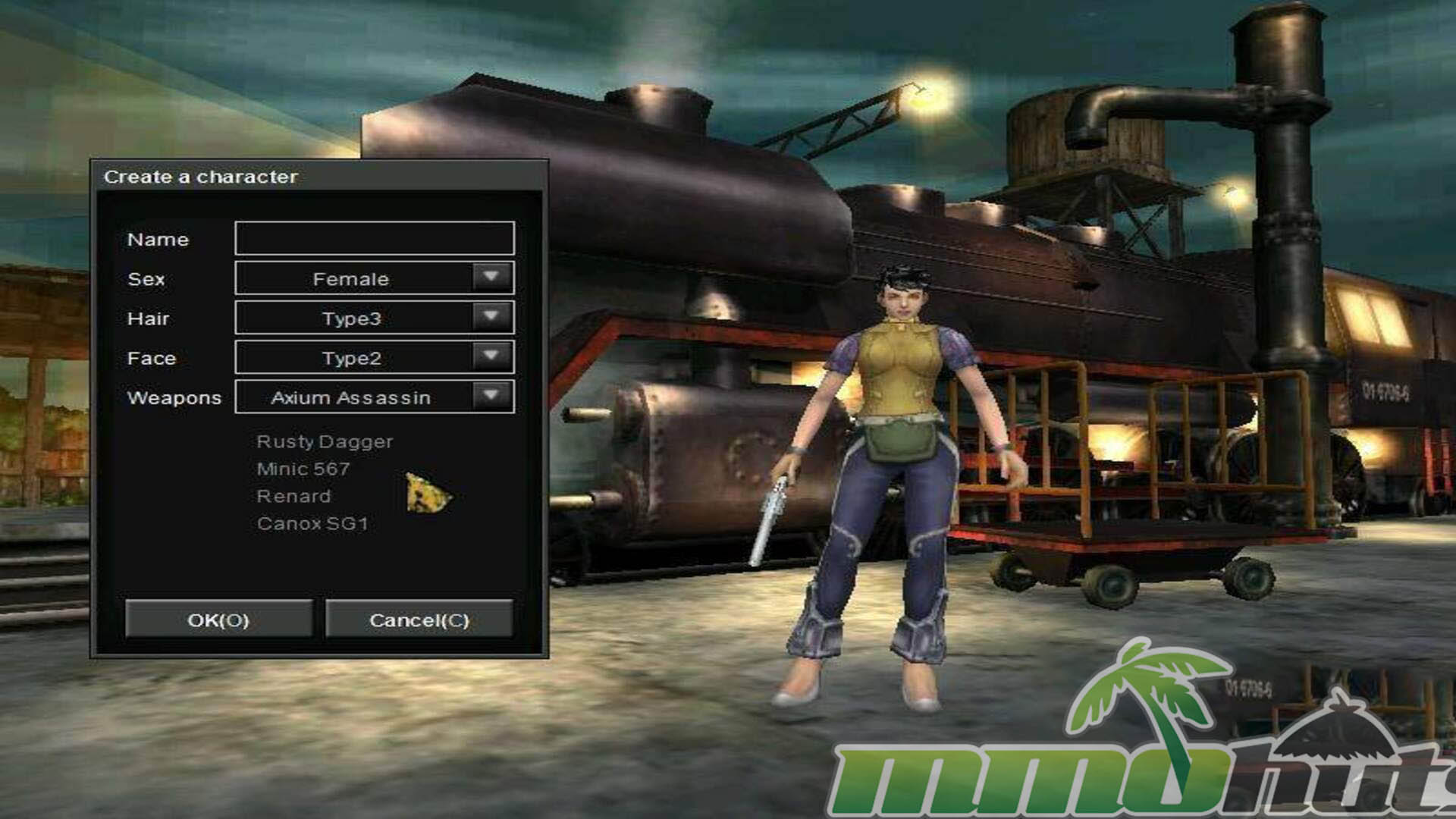
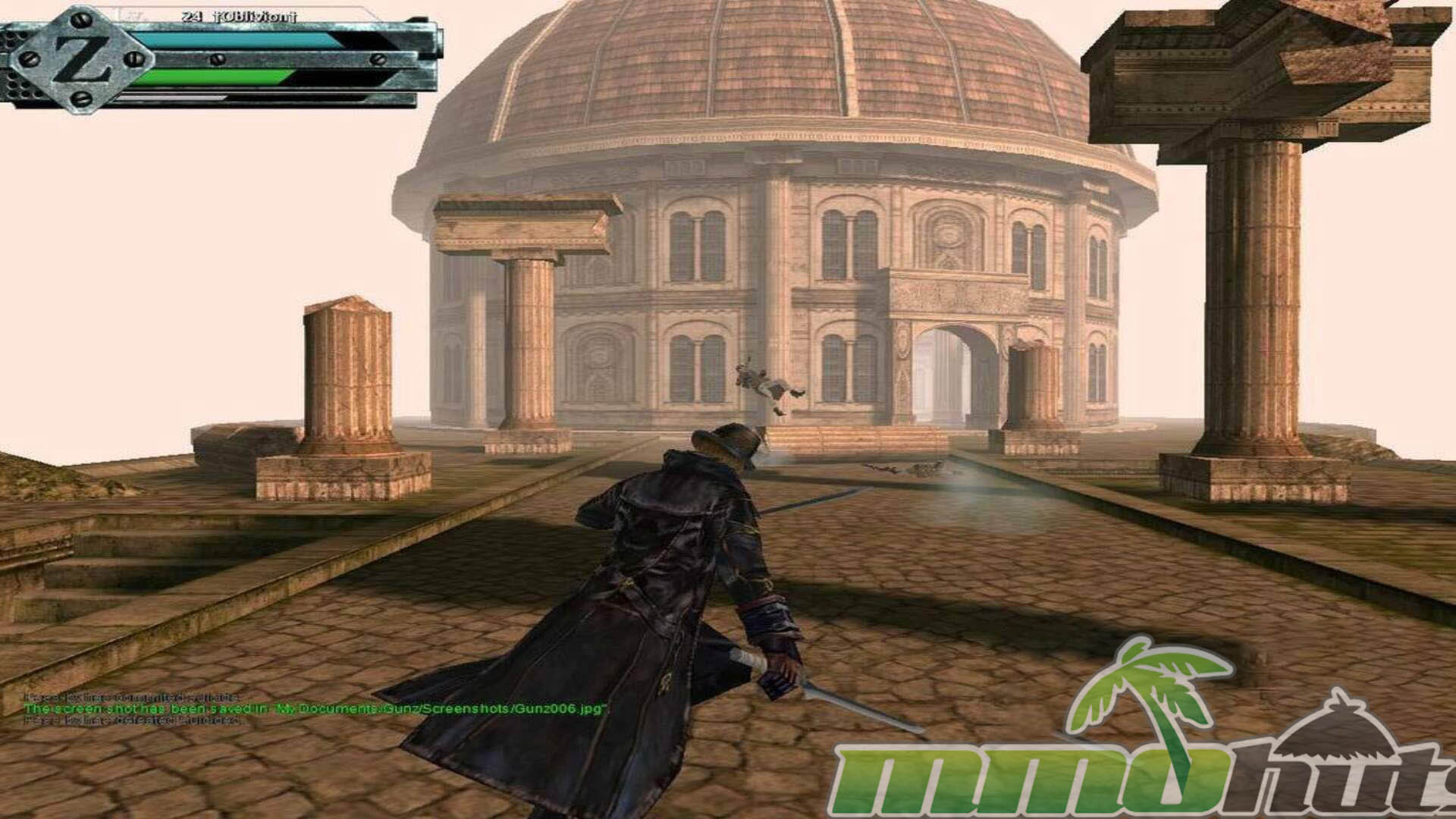
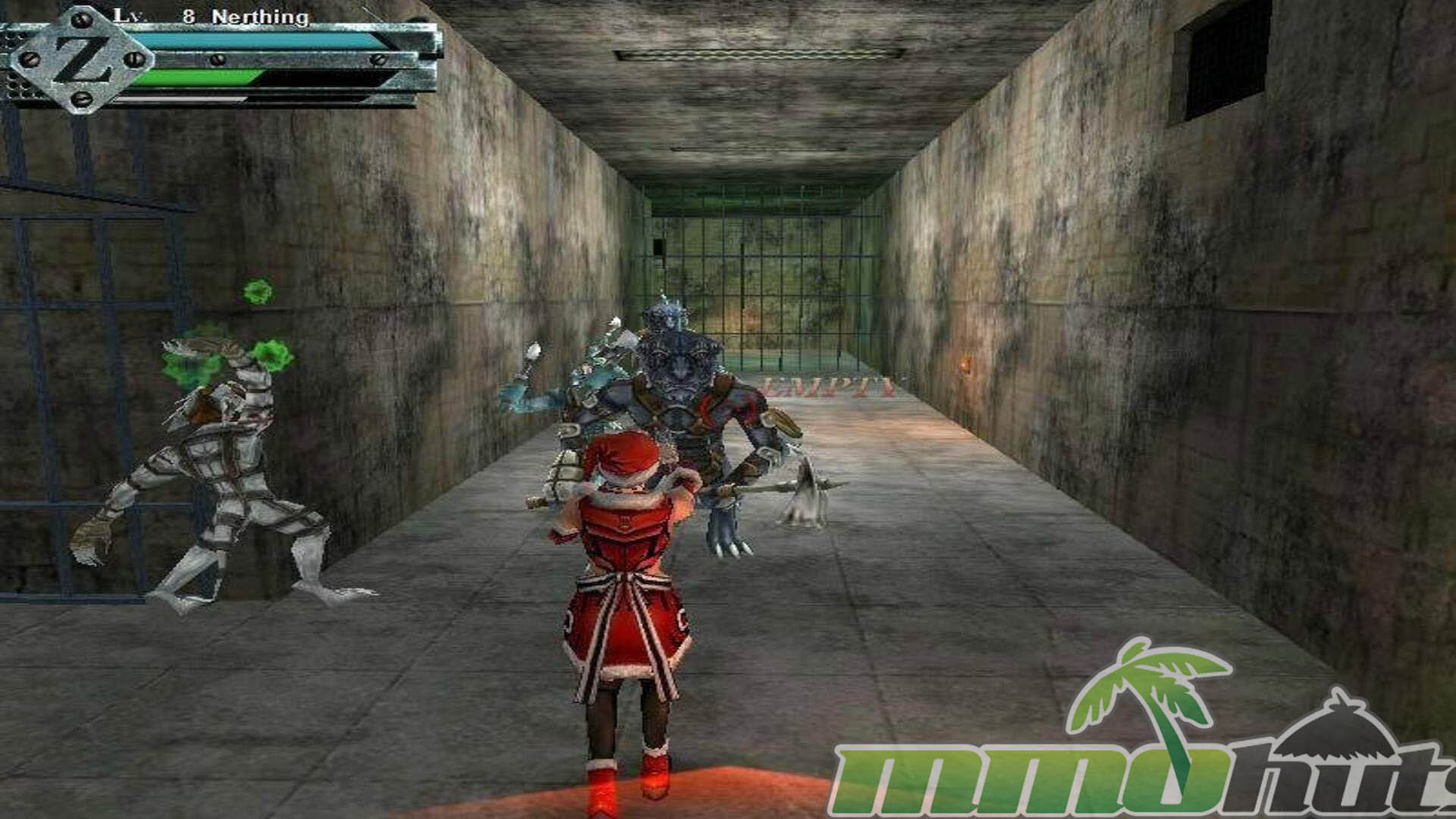

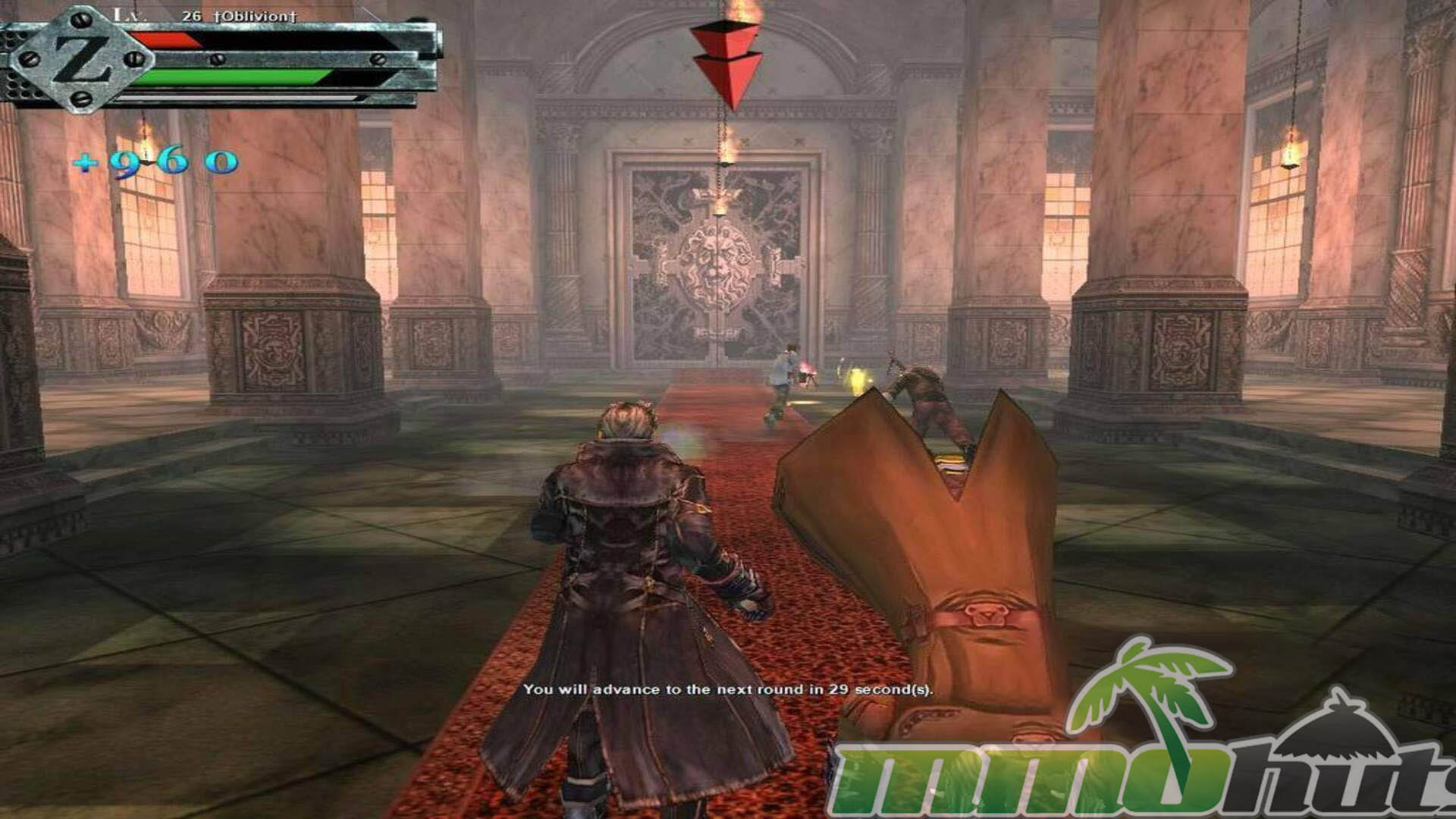
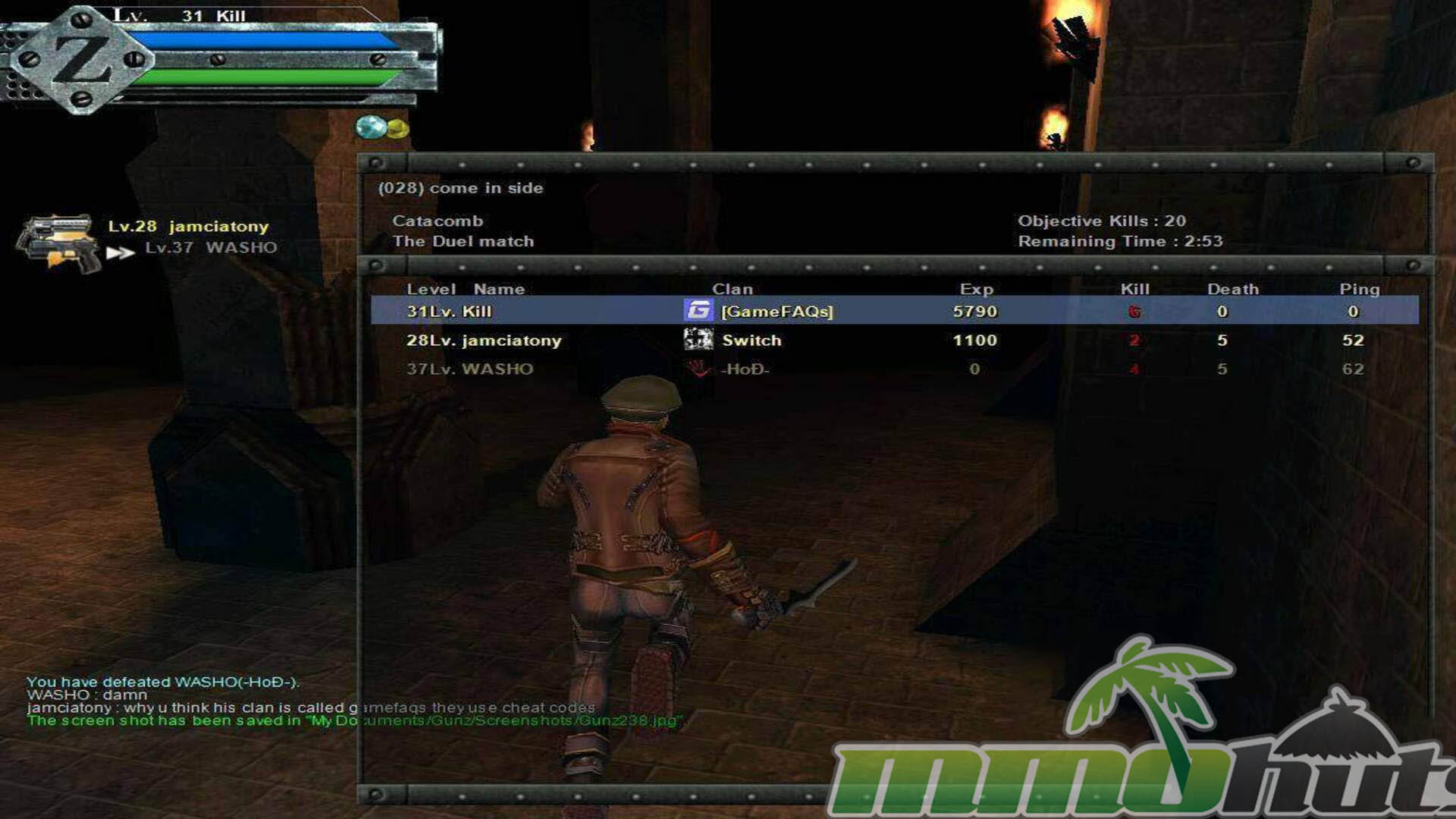
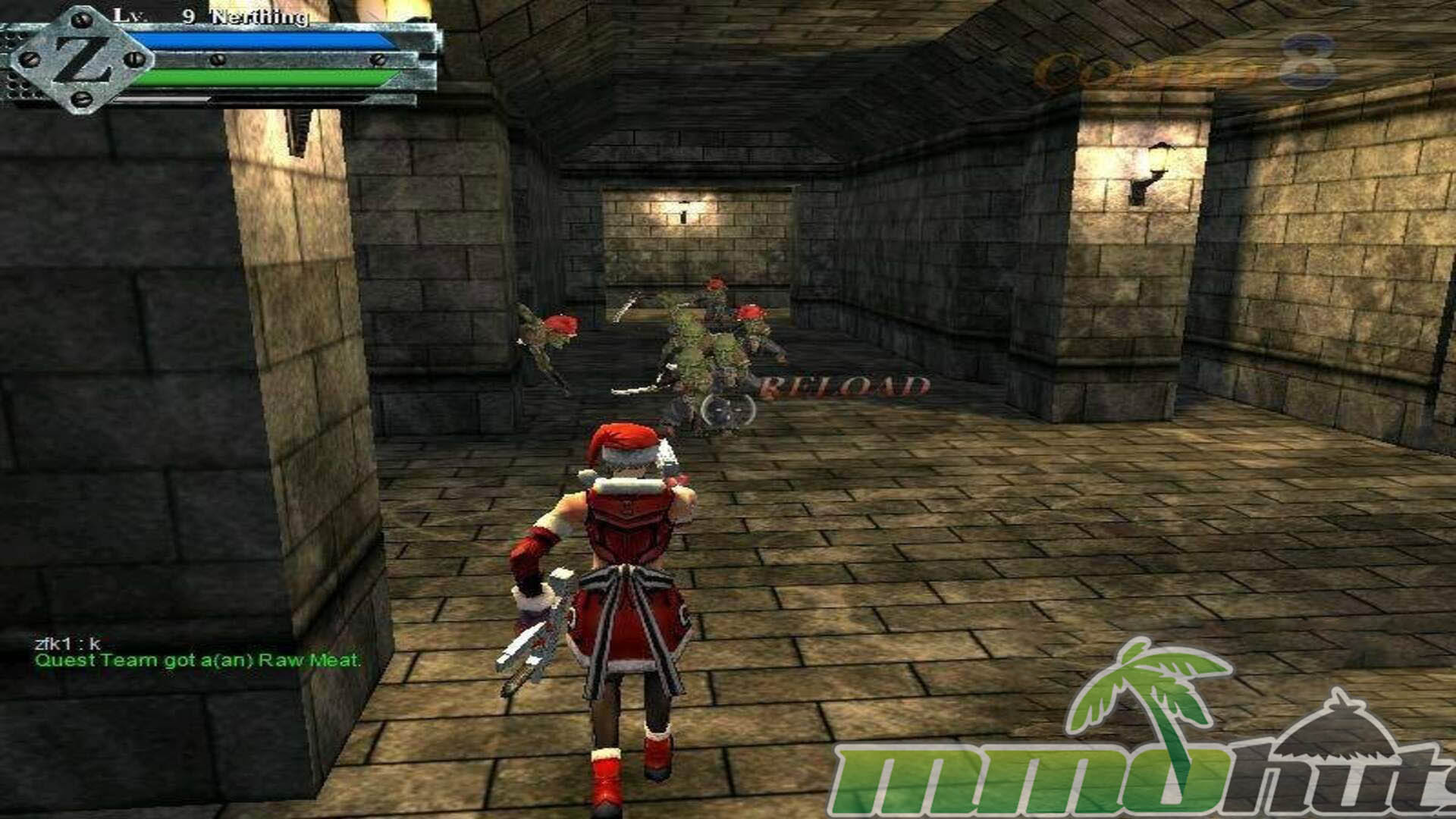
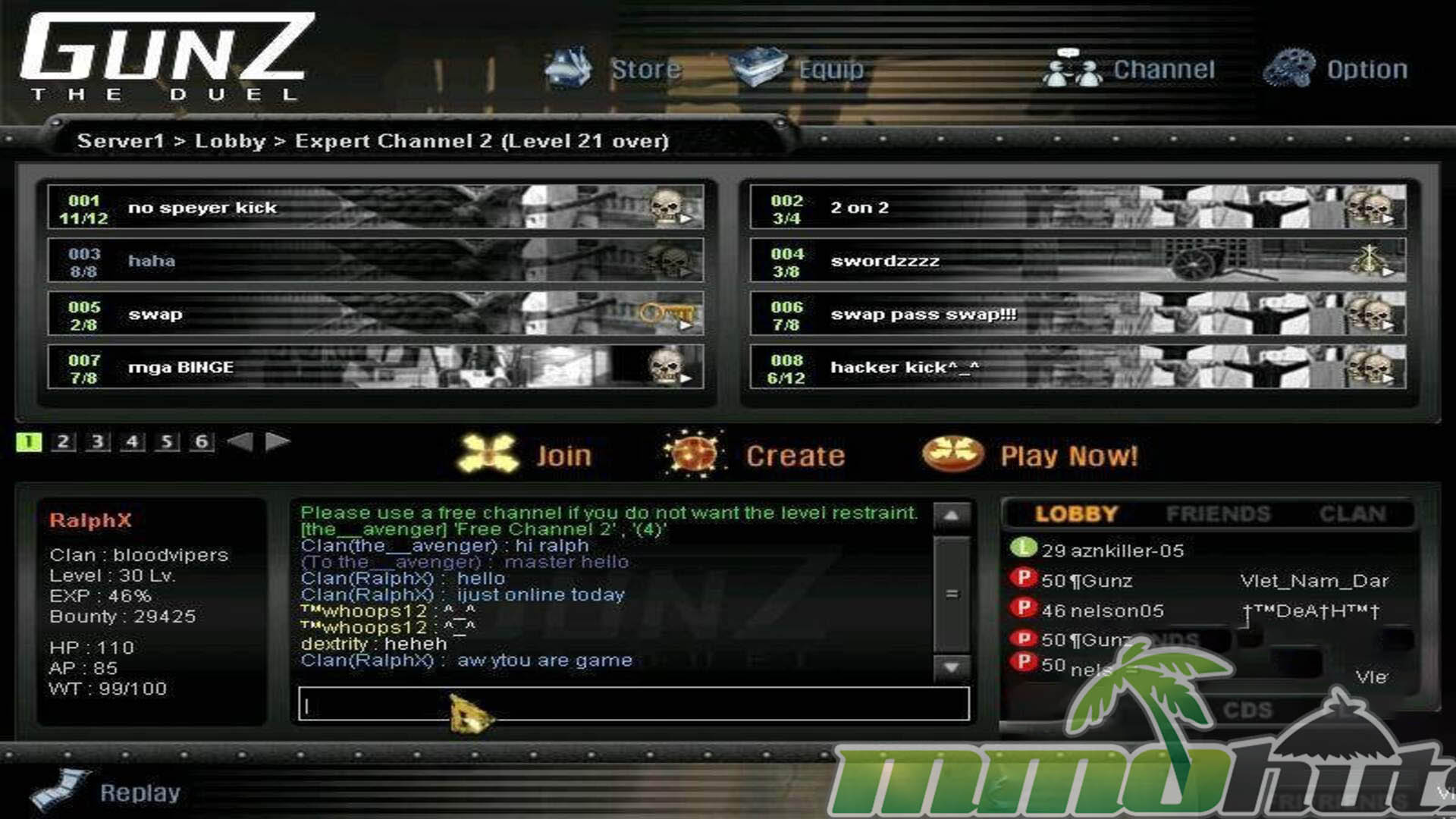
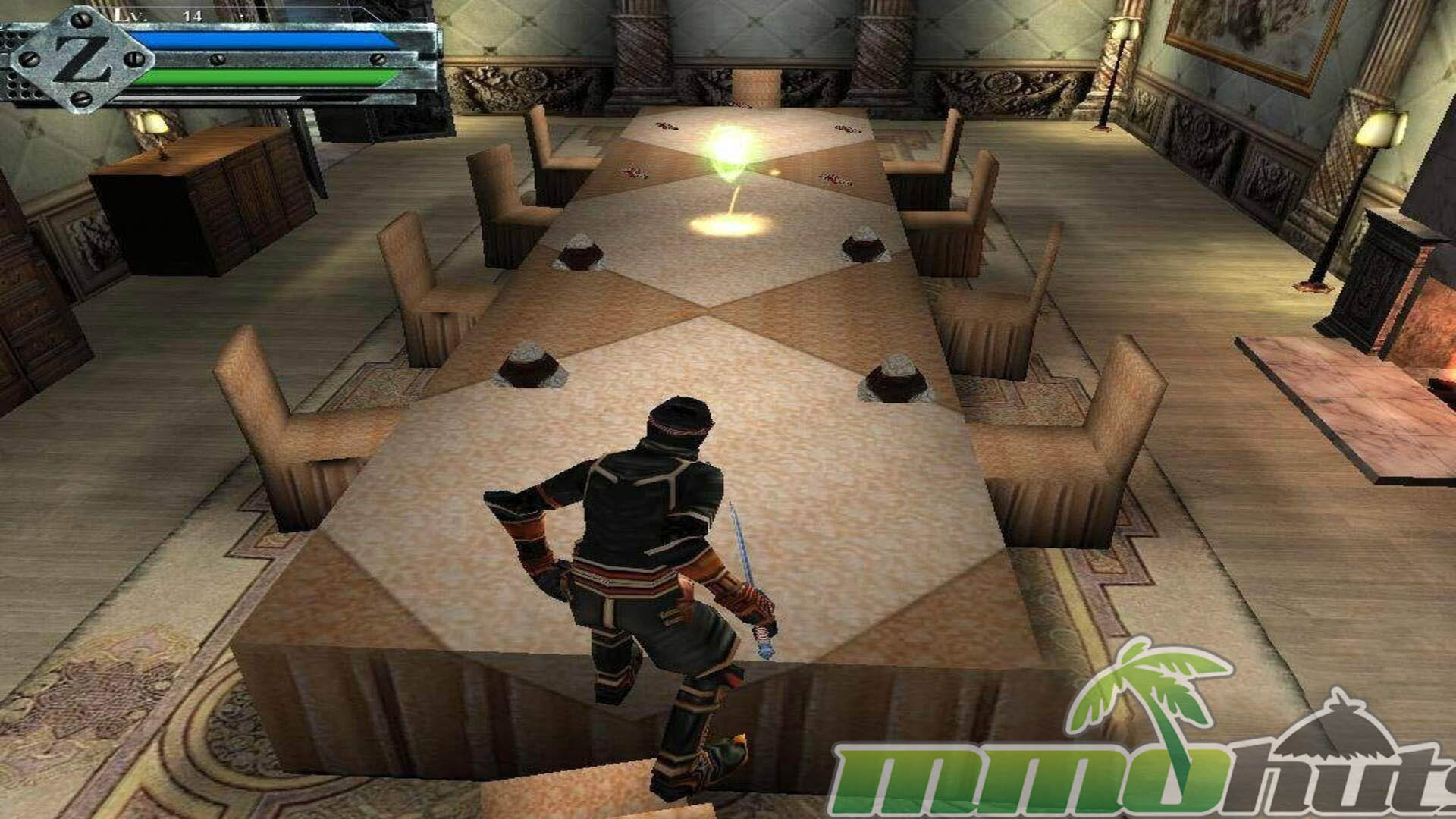
GunZ: The Duel Featured Video

GunZ: The Duel Review
GunZ is the kind of game that instantly makes sense the moment you see someone sprint up a wall, flip backward, land a shotgun blast, then swap to a sword to keep pressure on a target. Even by modern standards it feels unusually athletic, and back in the mid-2000s it stood out sharply from slower, cover-based shooters. Its influence is easy to understand, it helped prove there was an audience for online shooters that leaned into mobility, spectacle, and mechanical mastery.
Movement-first arena fights that rarely slow down
The core loop is straightforward, drop into a lobby, pick a mode, and fight across compact maps designed for vertical routes and aggressive flanks. In free-for-all or team play, the screen is often busy with rocket trails, close-range shotgun duels, and players bouncing between walls to avoid being tracked. That hectic feel is part of the appeal, because positioning changes constantly and you rarely get to “hold” an area for long.
Gear variety is one of the game’s long-term motivators. You earn bounty by performing well and then spend it in the shop on weapons, armor, and accessories. The armory supports multiple playstyles, from pure gun duels to blade-focused pressure, and the best players usually mix both. Customization exists, but the look of characters can converge because many players chase the same functional pieces, so visual uniqueness is not as strong as in newer F2P titles.
The “one more match” factor is real
GunZ is easy to boot up and hard to put down, largely because each round is short and the skill expression is obvious. You can feel improvement quickly, whether that is aiming under pressure, learning routes, or simply surviving longer in crowded fights. On top of that, the mode selection helps prevent the experience from feeling one-note, especially if you rotate between standard gun modes and the melee-centric variants.
The list of modes includes Deathmatch, Team Deathmatch, Team Deathmatch + Extreme, Gladiator, Team Gladiator, Assassination, Training and Quest. Deathmatch and Team Deathmatch tend to be the main attractions, but Quest mode adds a different rhythm by letting groups fight monsters and bosses cooperatively. Boss drops can include special items that are not purchased from the store, with the caveat that these rewards are temporary and expire after a few days.
Advanced tech and “styles” define the ceiling
At a basic level, you can play GunZ like a conventional third-person shooter with a melee option. The longer you stick with it, the more you run into players using movement and attack patterns built around unintended interactions, commonly referred to as K-Styling and D-Styling. These approaches are not usually treated as outright cheating in the community, but they do rely on quirks the developers did not originally present as formal mechanics.
In practice, K-Style revolves around canceling and chaining actions so a player can dash, reposition, and swing far faster than a newcomer expects, often while staying difficult to track. D-Style follows a similar idea using a dagger instead of a sword, with its own timing and spacing. If you want to learn them, community videos and tutorials are still the best resource, because the techniques are more about muscle memory than reading tooltips.
Clans add a competitive layer beyond public rooms
GunZ also supports organized play through its clan system. Joining a clan opens the door to dedicated clan match rooms where groups can challenge each other in more coordinated fights. Historically, top-performing clans could earn recognition through official events and tournaments that were hosted during the game’s active publishing era.
There is also a practical incentive to group up, clan matches grant 1.5x experience and bounty. Even if you are not aiming for high-level competition, that bonus makes clans an efficient way to progress while playing with familiar teammates.
Lag problems could undermine otherwise great duels
The biggest gameplay issue has always been how inconsistent matches can feel when latency enters the equation. Instead of a lagging player becoming an easy target, the netcode can make them appear to teleport or slide around while still landing hits. In those moments, your shots may not register properly, which turns what should be a clean win into a frustrating loss.
It does not ruin every match, but it happens often enough to be memorable, especially in a game where close-range fights and split-second reactions are central. When the connection stabilizes, damage may suddenly “catch up,” but that is cold comfort after an exchange that felt unfair.
Cheating and moderation depended heavily on the era
GunZ’s community history includes periods where cheating was a major headache, particularly in earlier international environments. Later publishing periods were known for stronger cleanup and better enforcement, which made it easier to find rooms that felt legitimate. Even then, no online competitive game is completely immune, but the experience varied dramatically depending on where and when you played.
Today, discussions around fair play mostly shift toward community-run environments and the rules of individual servers. As with any older online title, it is worth doing a bit of research before committing time to a specific scene.
Final Verdict: Great
GunZ: The Duel remains one of the most distinctive online shooters of its era because it prioritizes speed, style, and mechanical depth in a way few games attempt. The visuals are dated and the networking can be aggravating, but the combat flow, especially once you understand sword and movement tech, still feels unlike almost anything else. Although official service ended years ago, the game continues to live on through active private servers, including communities that reportedly reach 500+ concurrent players.
GunZ: The Duel Links
GunZ: The Duel Wikipedia Entry
GunZ: The Duel Subreddit
GunZ: The Duel Developer Site
GunZ: The Duel Music & Soundtrack
GunZ: The Duel Additional Information
Developer: MAIET Entertainment
Engine: Realspace v2.0
Closed Beta Date: November 17, 2006 (North America)
Release Date: November 29, 2006 (NA/EU)
Closure Date: May 31, 2013
Publishers:
Korea: Netmarble (June 2004)
North America / Europe: ijji (November 29, 2006 – March 2012) / Aeria Games (March 2012 – May 31, 2013)
Brazil: Level Up! Games (July 2006)
Development History / Background:
MAIET Entertainment first released GunZ: The Duel in 2004, and the studio is also known for the fantasy MMORPG RaiderZ. The company name is commonly explained as “TEAM” spelled backward with an extra “I” representing “innovation.” MAIET is a South Korean developer whose earlier work includes AceSaga: The Lament of a Raven, released in 2002.
GunZ: The Duel Private Servers
GunZ: The Duel’s official service is no longer running, but the game continues through community-hosted servers. Keep in mind that private server clients and launchers are modified from the original and can carry security risks. Only download files you trust, and proceed at your own discretion.
ArticGamers GunZ (English/Spanish)
FreeStyle GunZ (English)
DarkGunZ (English)
Hero Gamers GunZ (Spanish)
For current recommendations and up-to-date discussion, the GunZ: The Duel subreddit is usually the best place to start.