Infinite Crisis
Infinite Crisis is a free-to-play 3D MOBA that drops DC Comics icons into objective-driven matches, mixing familiar lane pushing with superhero flair. You choose from famous faces like Batman and Superman, or villains such as The Joker and Harley Quinn, then battle across stylized maps inspired by different corners of the DC multiverse.
 | Publisher: Turbine Playerbase: High Type: MOBA Release Date: Mar 25, 2015 (NA/EU) Shut Down Date: Aug 14, 2015 Pros: +Distinct “borrowed power” loadouts that change matchups. +Strong focus on map objectives and positioning. +Instant recognition factor with DC’s roster. Cons: -Tutorial is pushed on new players. -Smaller roster depth compared to the genre’s biggest names. |
Infinite Crisis Overview
Step into the DC Multiverse in Turbine’s action-heavy take on the MOBA formula, published under Warner Bros. Interactive Entertainment. Matches revolve around controlling Champions drawn from multiple “Earths,” letting you field classic versions of heroes alongside alternate-universe counterparts with their own kits and roles. Team up with friends, queue into different map types, and fight for objectives across several modes built for everything from duels to full 5v5 play.
Infinite Crisis Key Features:
- Character Selection – over 40 playable Champions from the iconic DC Comics universe.
- Traditional MOBA Gameplay – the familiar lane structure with turrets, pushing, and last-hit style economy.
- Credit System – drones that die to towers or other drones spill credits on the ground, and enemies can pick them up to deny value.
- Purchasing – items can be bought at base, or when you are positioned near a friendly turret.
- Abilities and Leveling – three core abilities plus an ultimate that becomes available at level 6, with passive upgrades also tied to leveling.
- Unique “Stolen Powers” System – choose two extra powers at match start; they do not level up and function similarly to summoner-style utilities.
- Variety of Maps – supports 1v1, 2v2, and 5v5 formats across multiple maps.
Infinite Crisis Screenshots

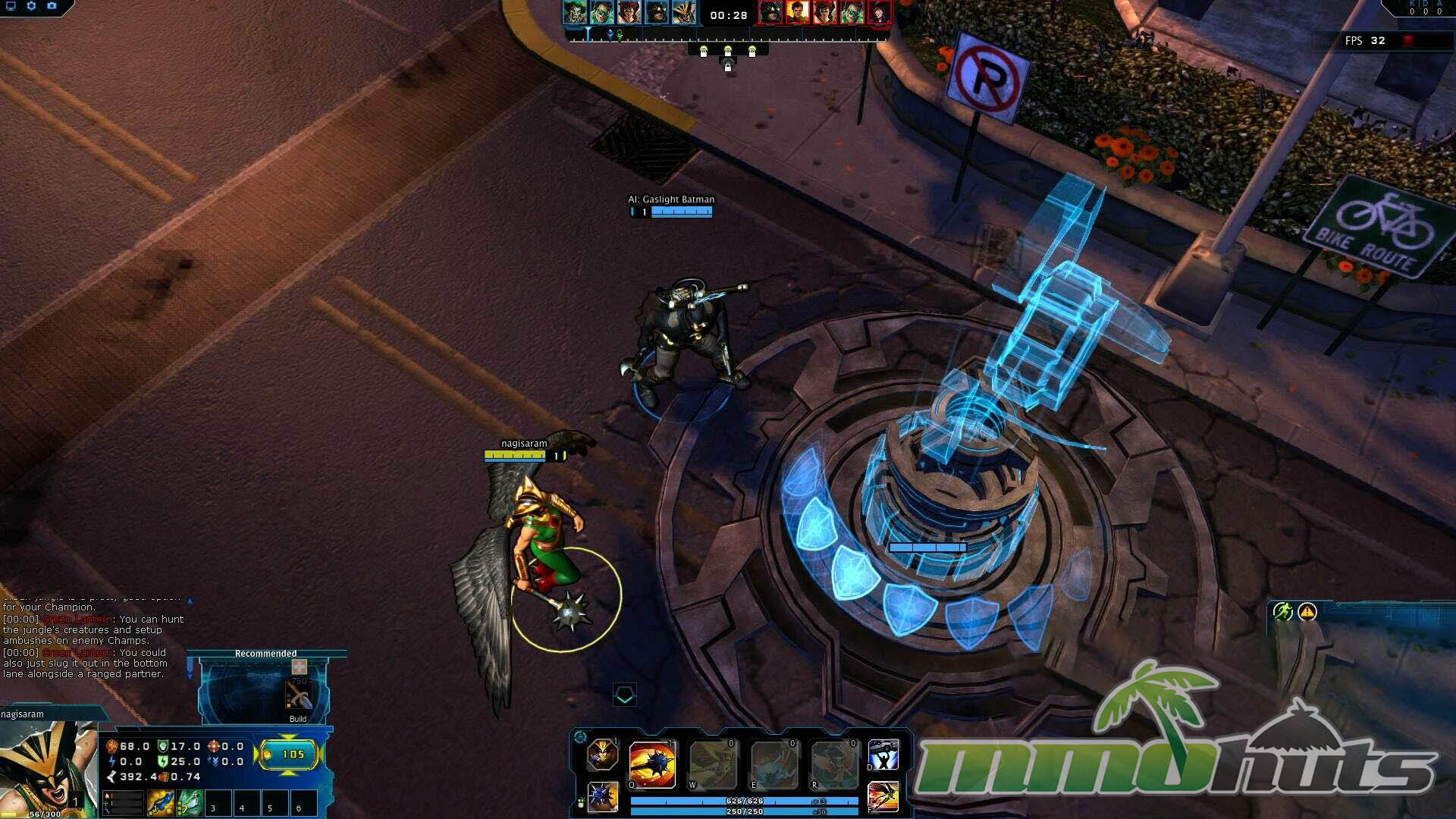


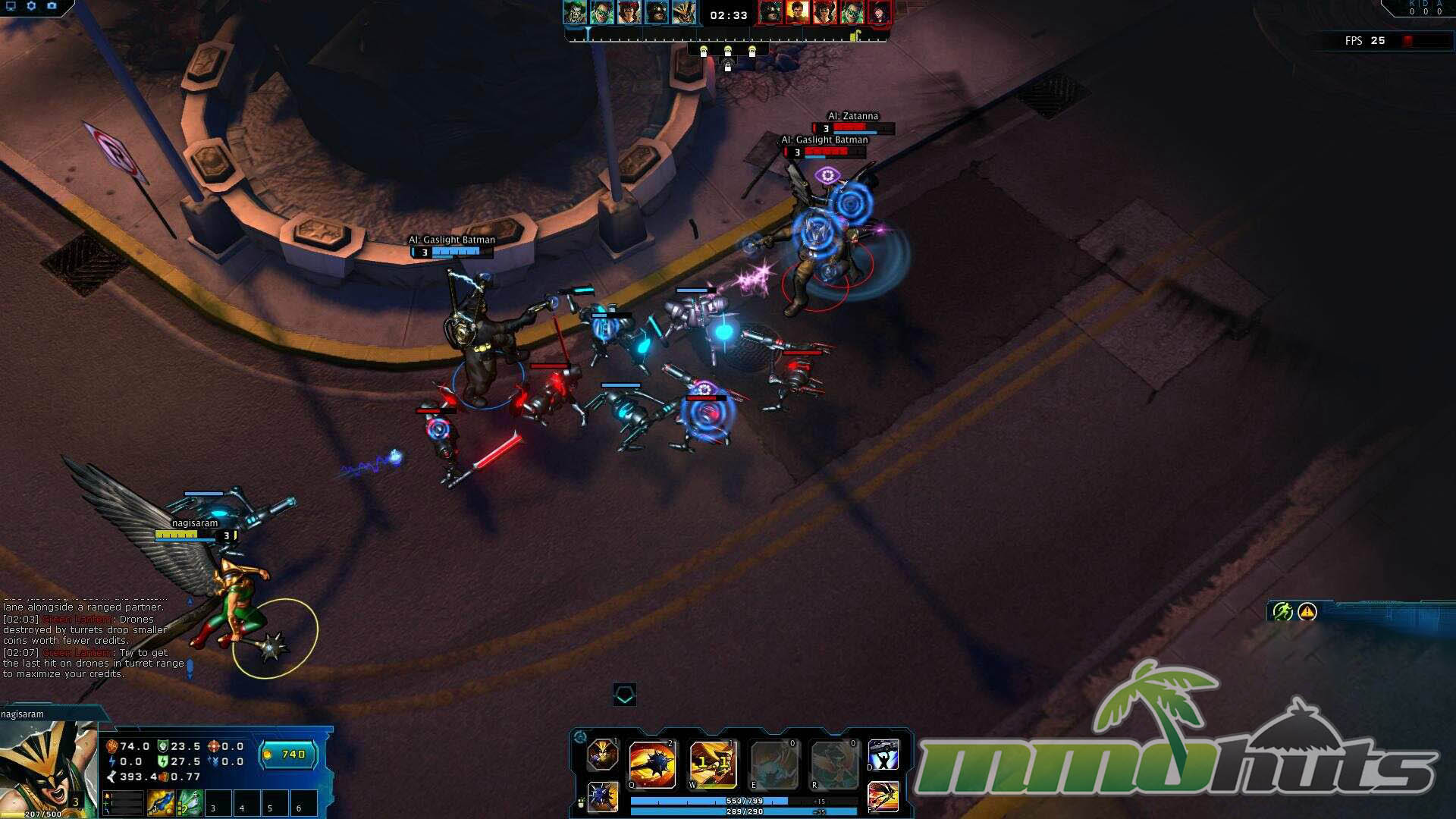

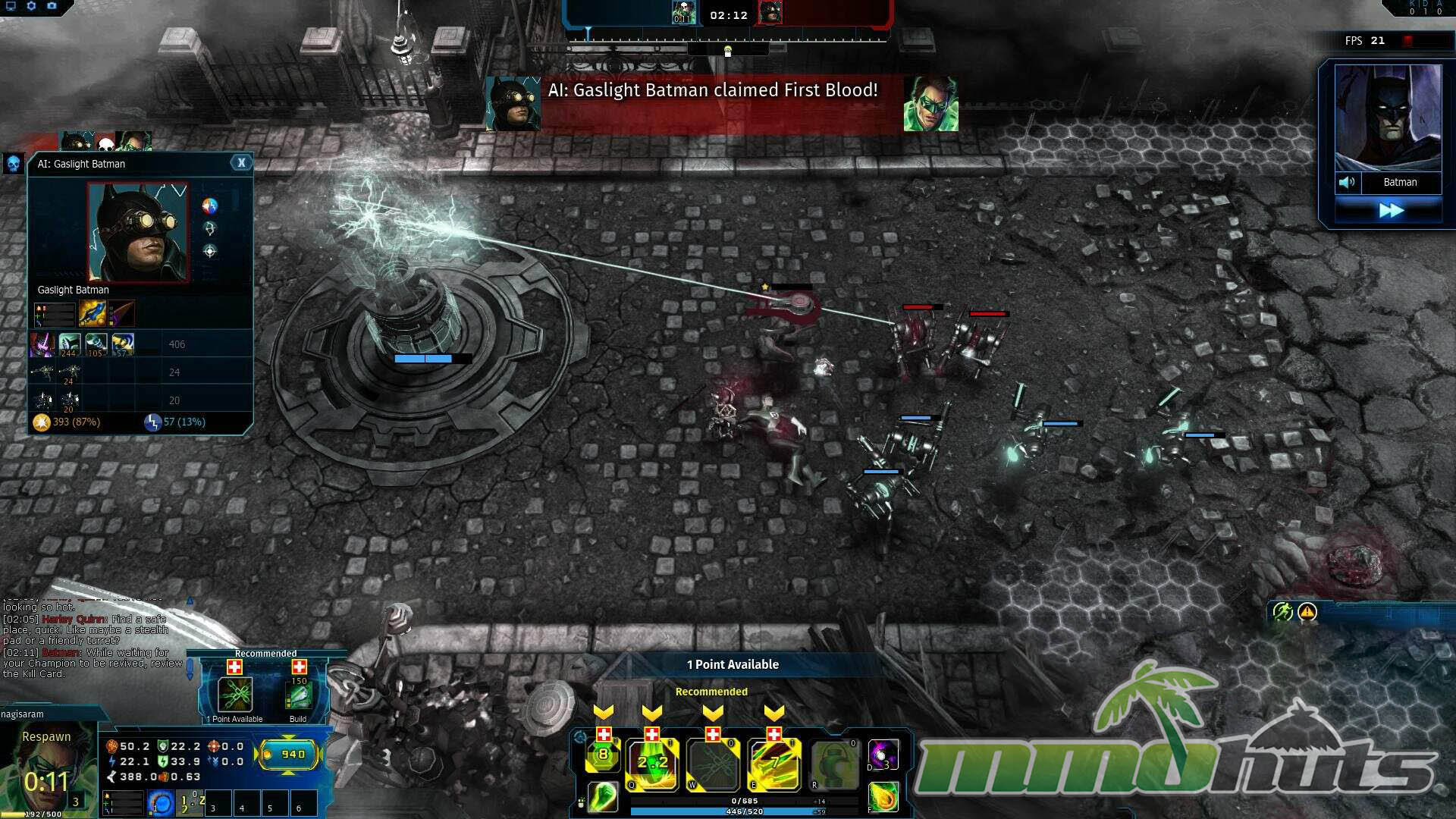
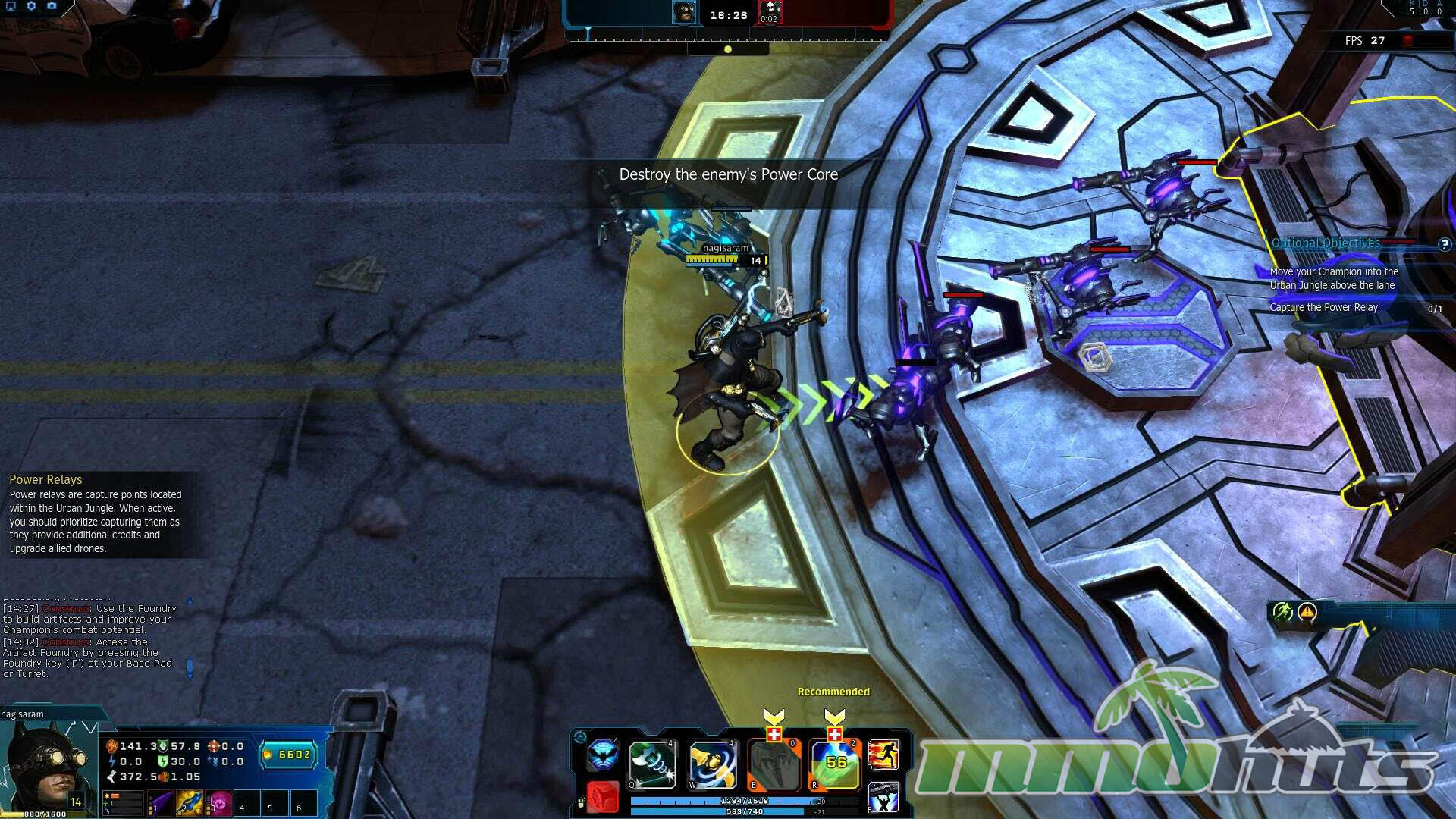
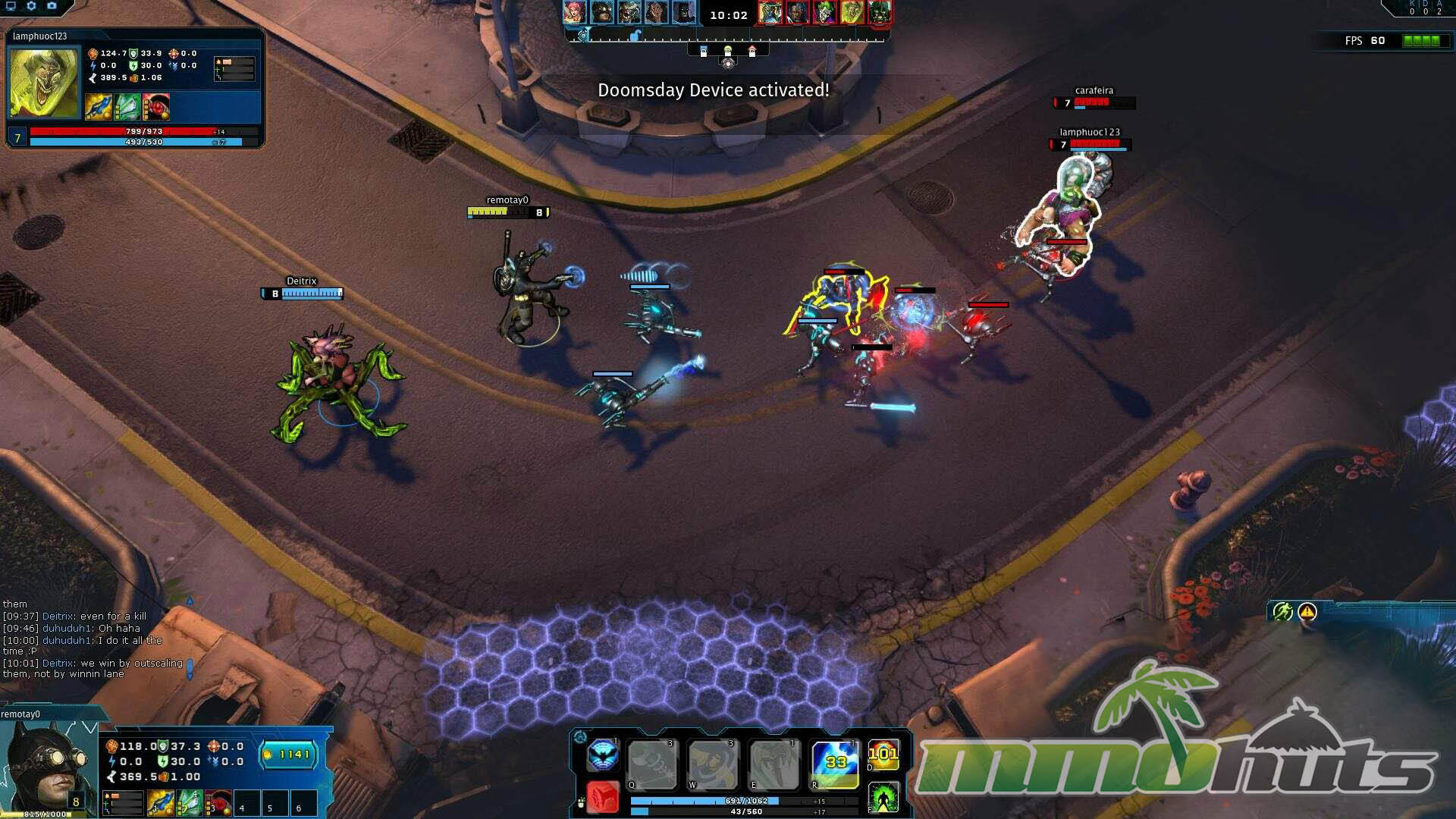

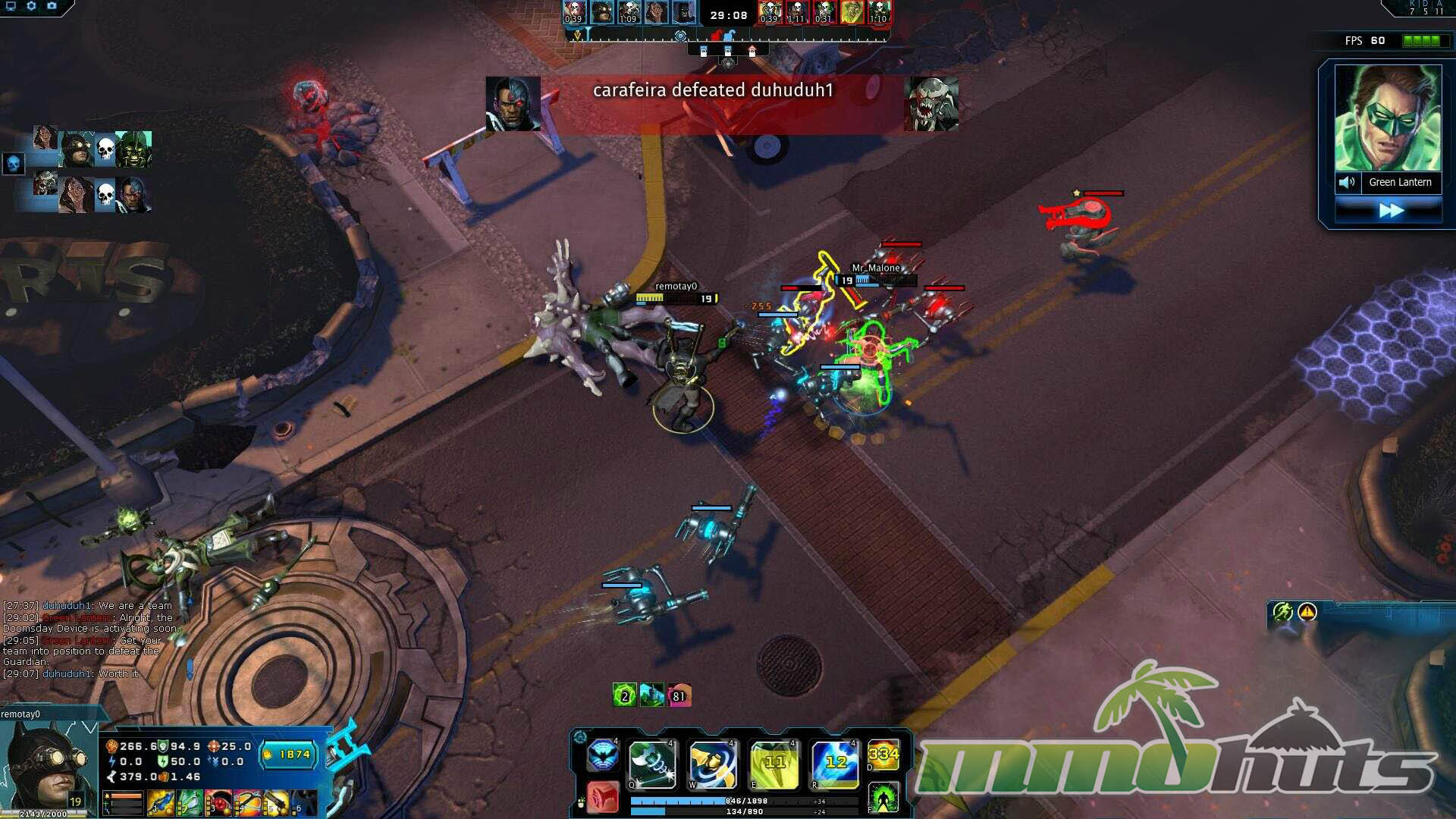
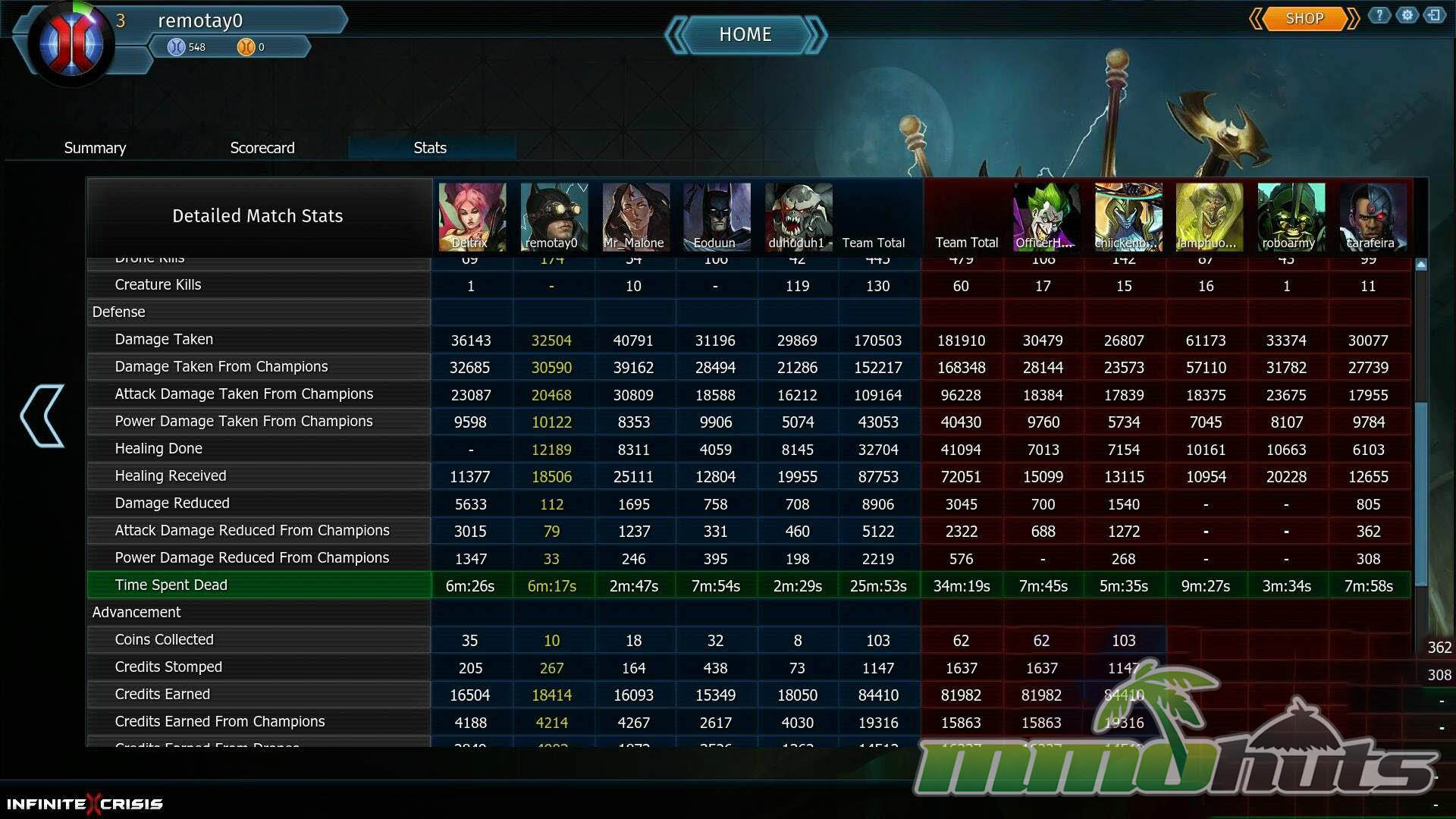
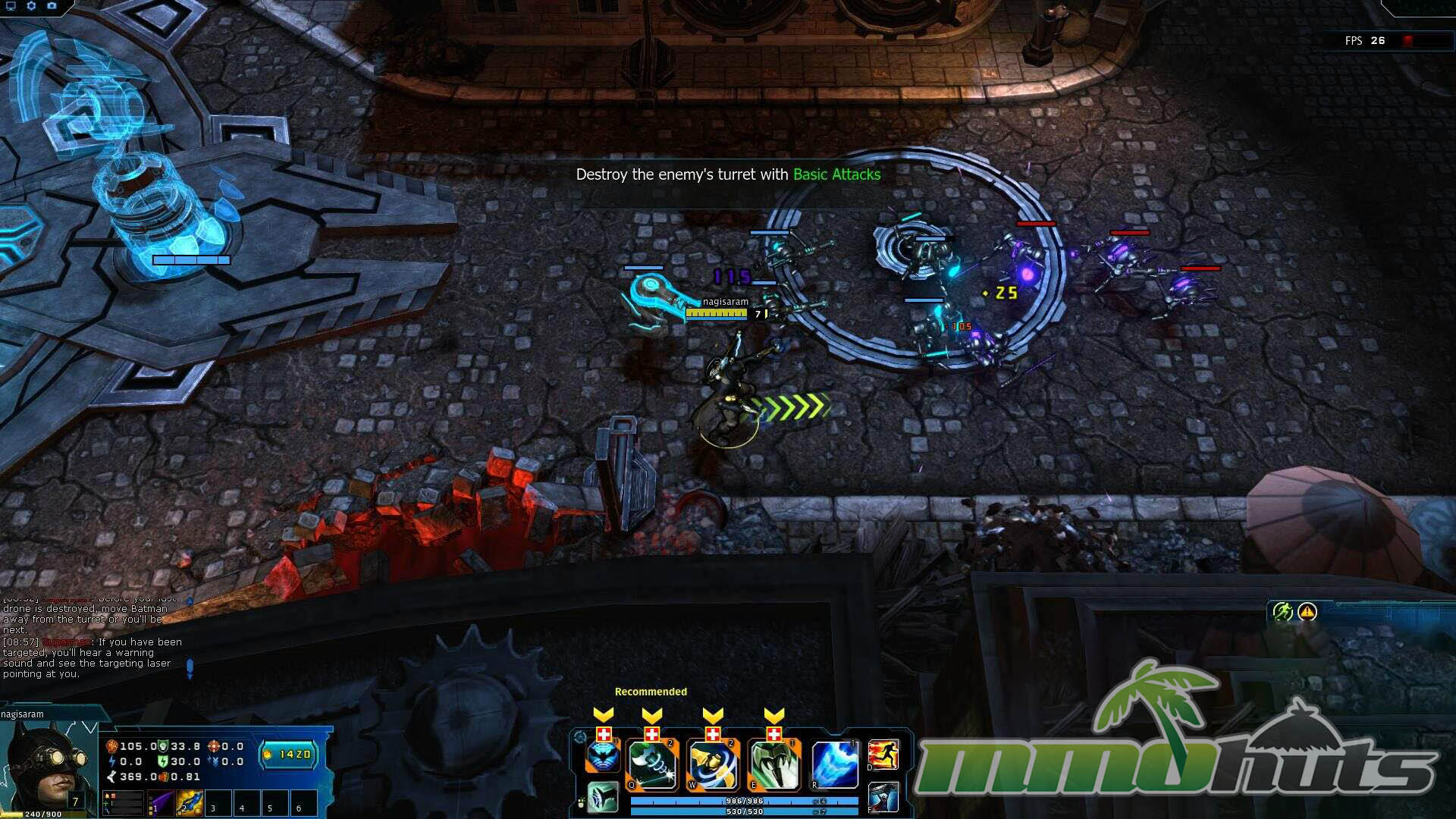
Infinite Crisis Featured Video

Infinite Crisis Review
Infinite Crisis is a free-to-play 3D Multiplayer Online Battle Arena developed by Turbine and published by Warner Bros. Interactive Entertainment. Coming from a studio better known for MMORPGs like The Lord of the Rings Online and Dungeons and Dragons Online, it was an interesting pivot into competitive arena design. The title entered open beta on March 14, 2014 and later launched on Steam on March 26, 2015.
Rather than placing you directly in the role of a hero, the game frames players as “Protectors” who connect to Champions through a neural link. It is a thin narrative wrapper, but it gives the tutorial and the multiverse theme a bit of structure. Your roster includes well-known DC heroes and villains alongside alternate versions drawn from different Earths, including Prime, Arcane, Atomic, Gaslight, Mecha, and Nightmare Earths. The selection is large enough to support different team compositions, and the counterpart concept helps keep the roster from feeling like a list of near-identical skins.
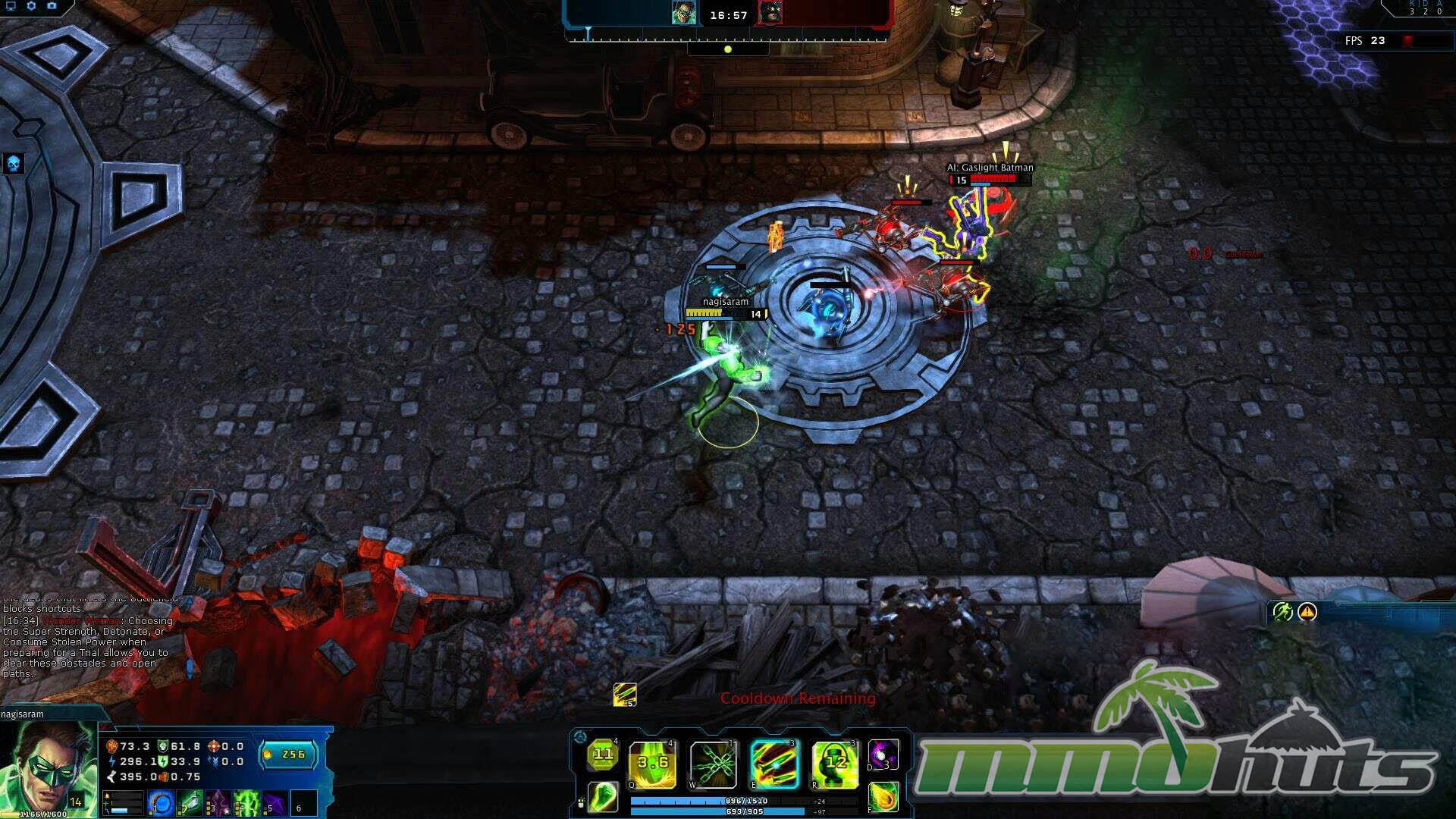
Learning the role of a Protector
The onboarding is delivered through a story-focused tutorial that explains basic movement, combat flow, item buying, stealth pad usage, and how objectives work. It is not a quick click-through, and it can feel drawn out if you already know MOBAs. Still, it is worth completing because it hands out 6 free Champions as rewards. You can exit by choosing “Experienced Mode,” but new players will likely benefit from sticking with it until the end, even if the pacing slows in the later steps.
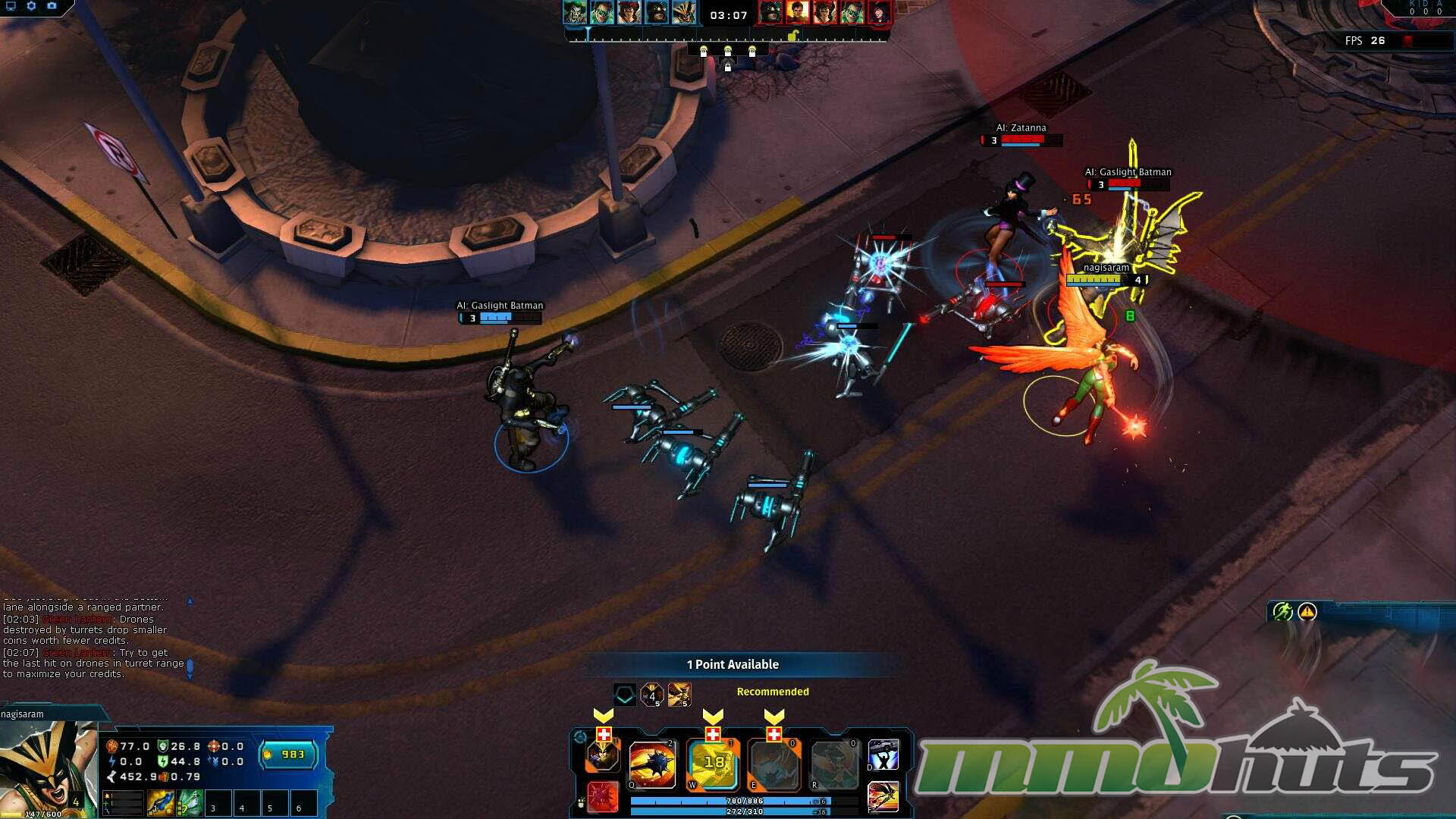
Champion access follows the now-standard rotation model. You begin with a limited set available for free play, and that lineup shifts weekly. Permanent unlocks are purchased with Merits earned in matches, or with Crisis Coins, the premium currency. In practice, this keeps the early experience flexible while encouraging you to settle into a few mains once you learn which kits fit your preferred role.
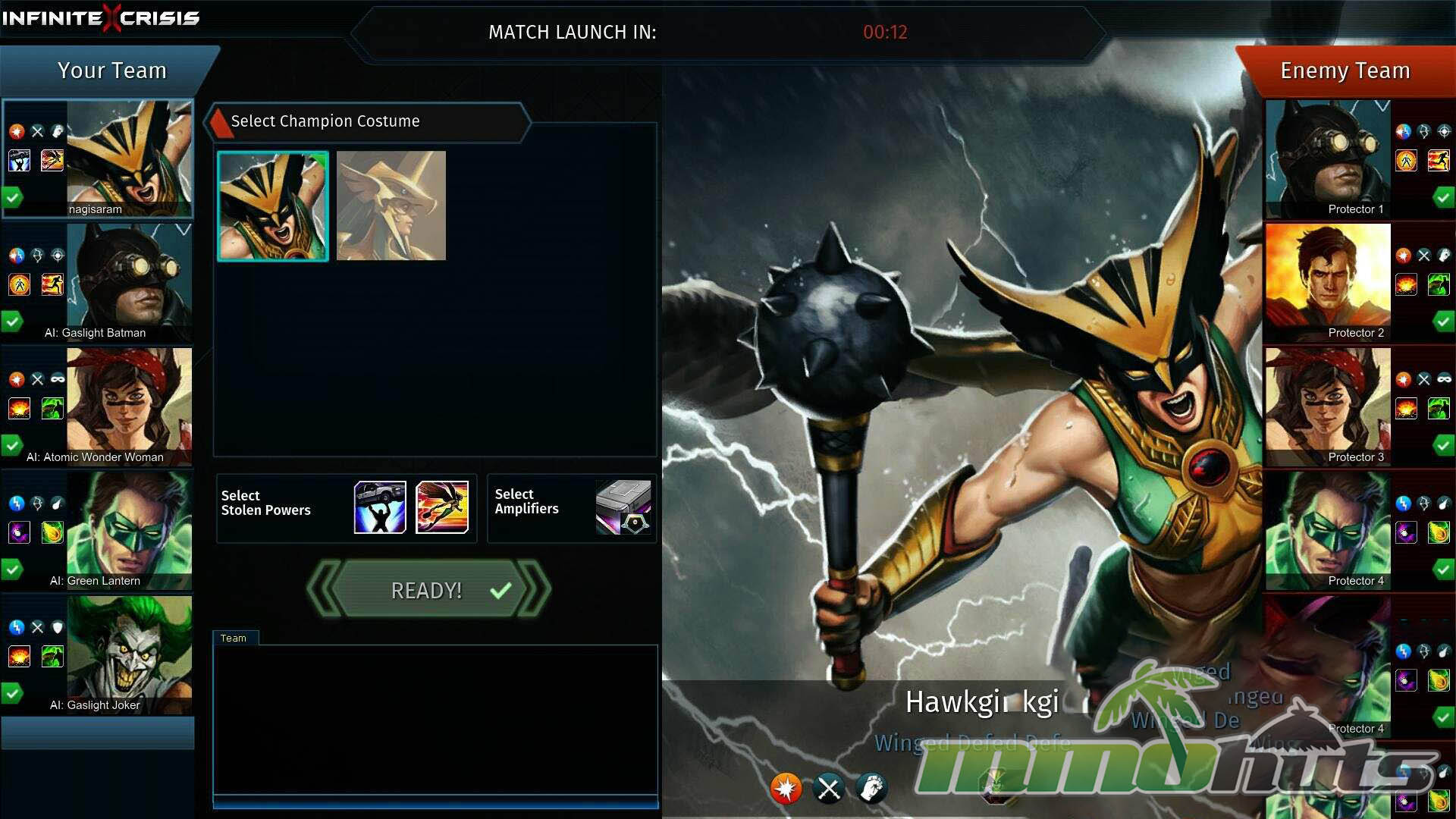
A multiverse look and feel
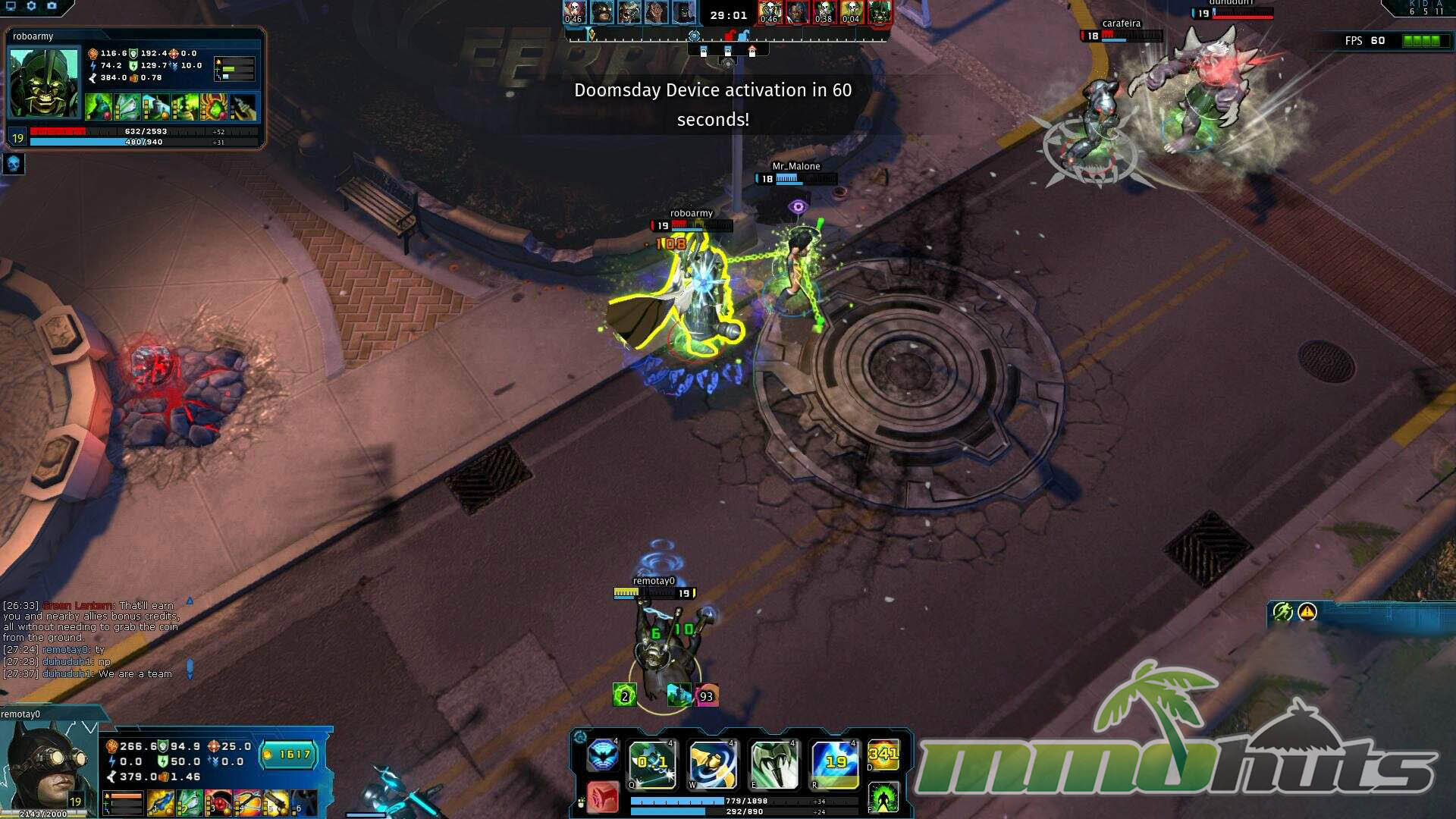
Visually, Infinite Crisis lands better than many games in the genre. The maps lean into a darker DC tone and generally provide clear lanes and readable choke points, which matters more than flashy effects in a competitive camera view. Character models are serviceable rather than highly detailed, but that is less of an issue at typical zoom levels during matches. Audio is themed well, with dramatic music and strong voice work, although repeated barks can become noticeable over long sessions, particularly if you issue frequent movement commands. Sound effects do their job without being especially memorable.
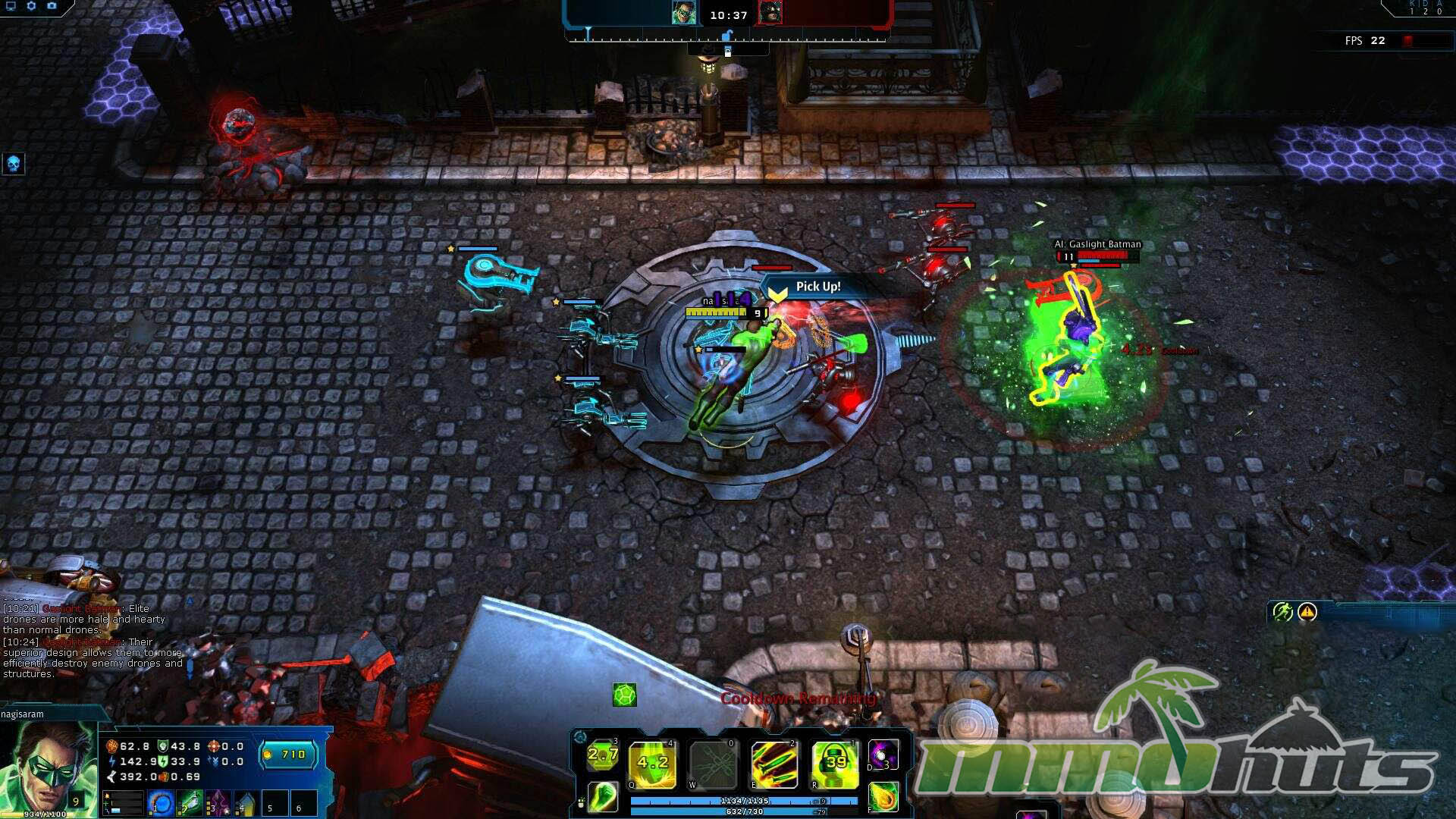
The Champion lineup is notable for how it uses alternate-universe versions to broaden playstyles. With 42 Champions available, you will see familiar names represented in multiple forms. Batman is a good example: the standard version, Gaslight Batman, and Nightmare Batman play differently enough to feel like separate picks rather than cosmetic variations. This approach gives fans recognizable characters while still supporting variety across roles such as tanks, ranged damage dealers, and stealth-oriented skirmishers.
The basics, with a few twists
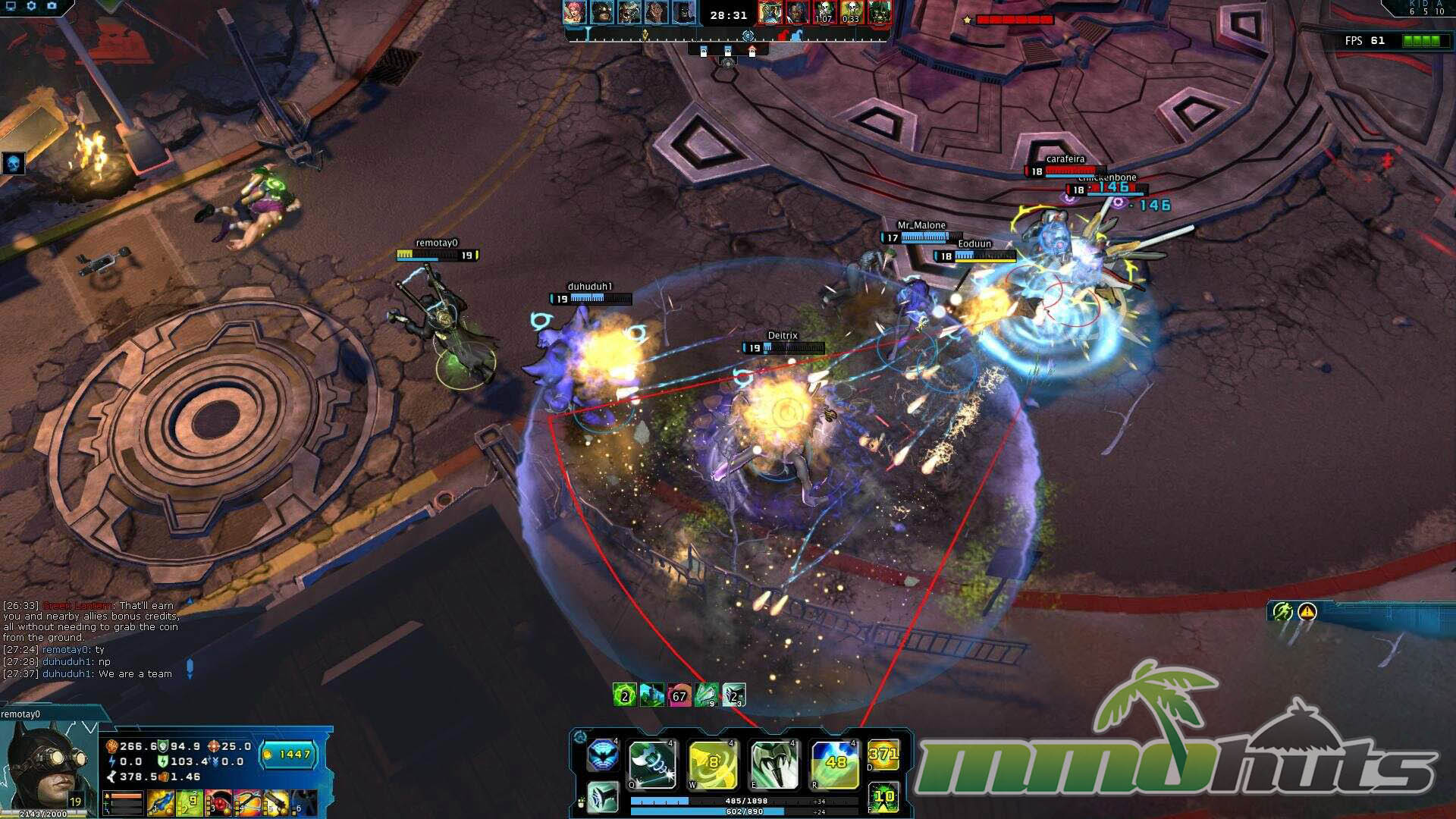
At its core, Infinite Crisis behaves like other traditional MOBAs. Two sides clash over lanes guarded by turrets, pushing with drone waves (the game’s equivalent of creeps) while trying to open a path to the enemy Power Core. The moment-to-moment loop is familiar: manage lane pressure, trade in skirmishes, secure objectives, and convert earned resources into items and artifacts that amplify your build.
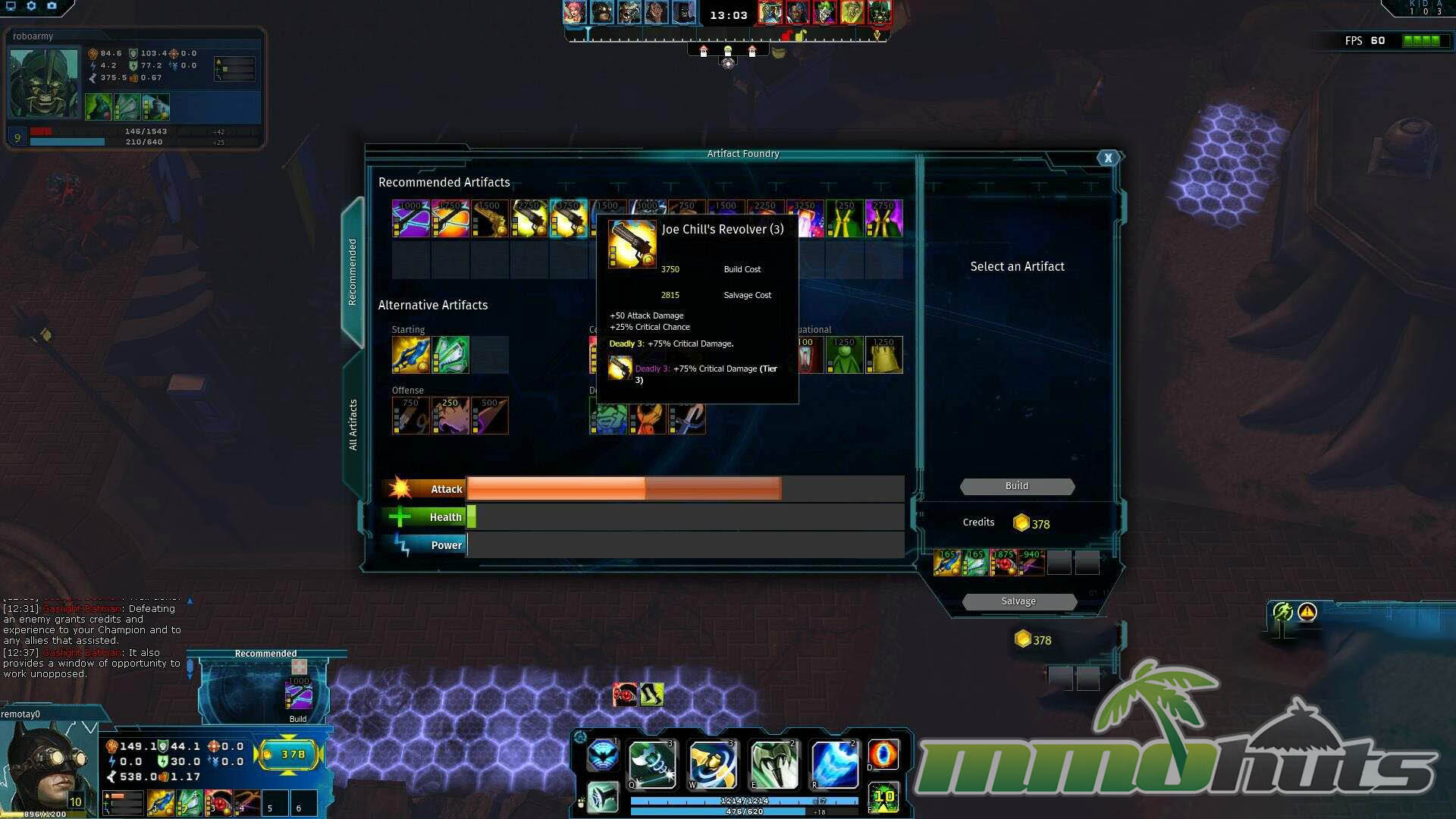
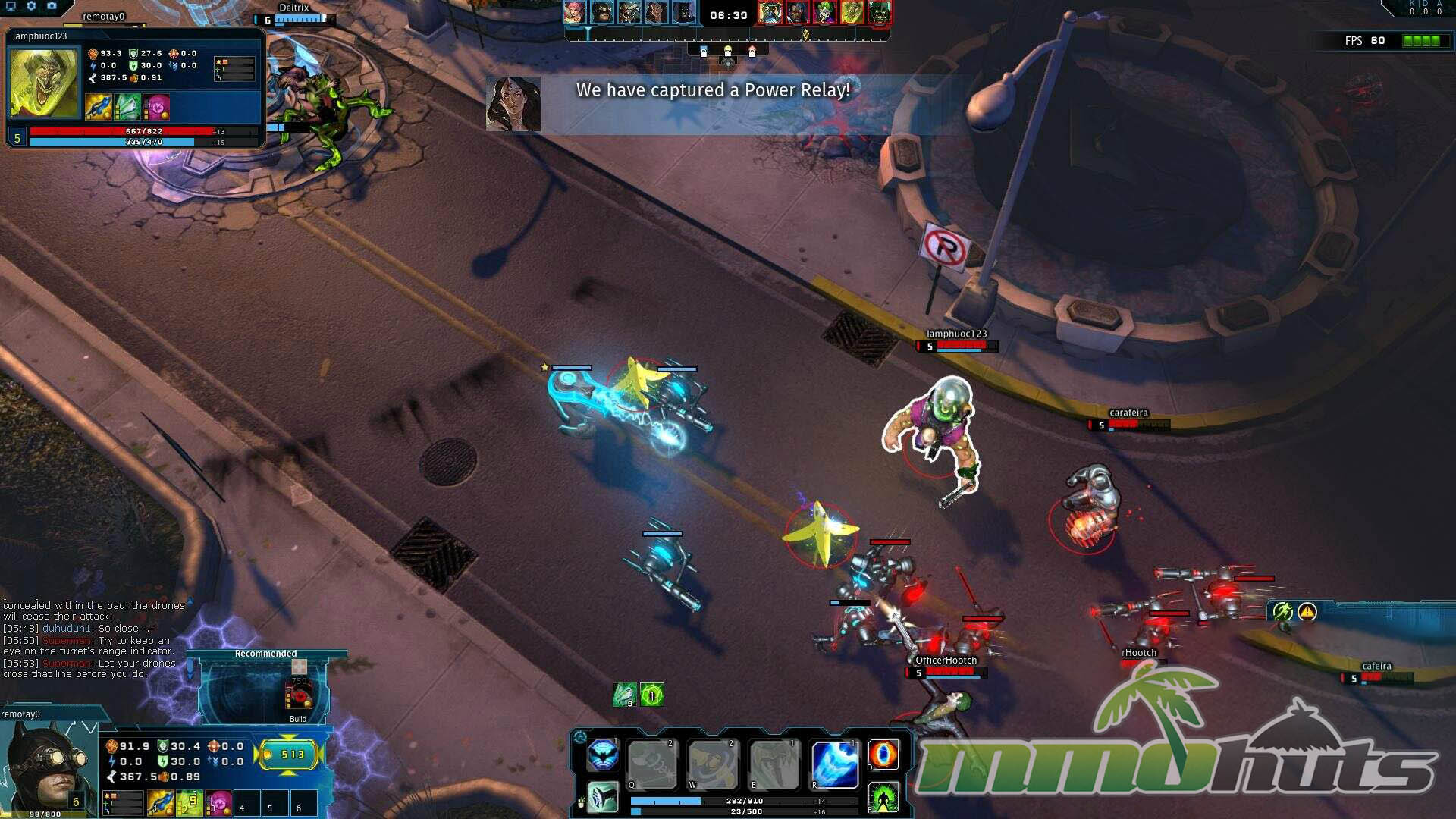
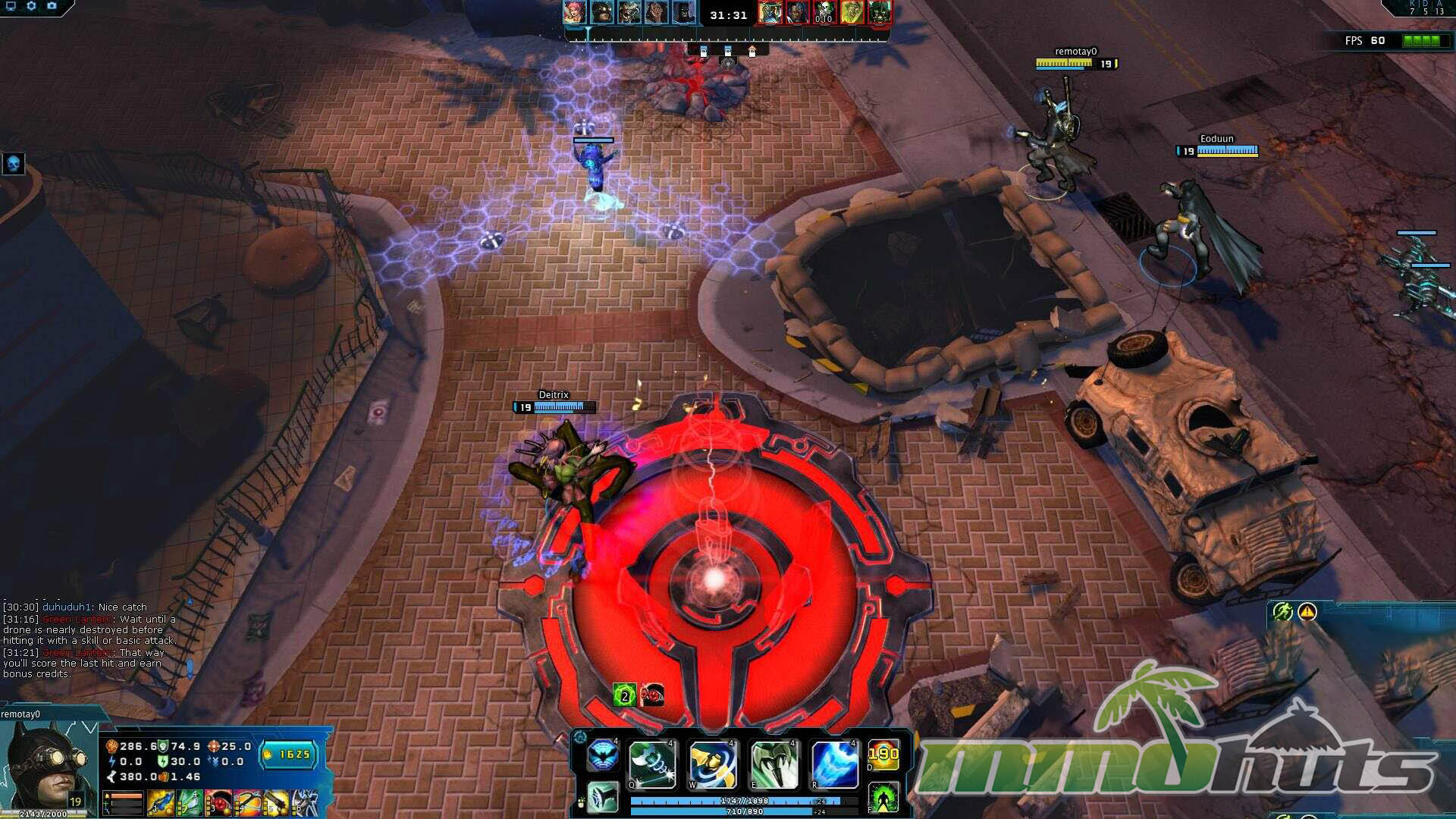
Where it separates itself is in a handful of map mechanics and in how its scaling feels closer to League of Legends than to Dota. Abilities tend to grow alongside your stats, levels, and gear, which keeps most Champions relevant into the late game if they farm and fight effectively. The maps also introduce features like Power Relays that empower drones once captured, plus stealth pads that enable ambushes and repositioning plays. There is also environmental interaction, including destructible elements and the ability to pick up and throw objects like cars and debris, adding extra burst moments to fights around corners and objectives.
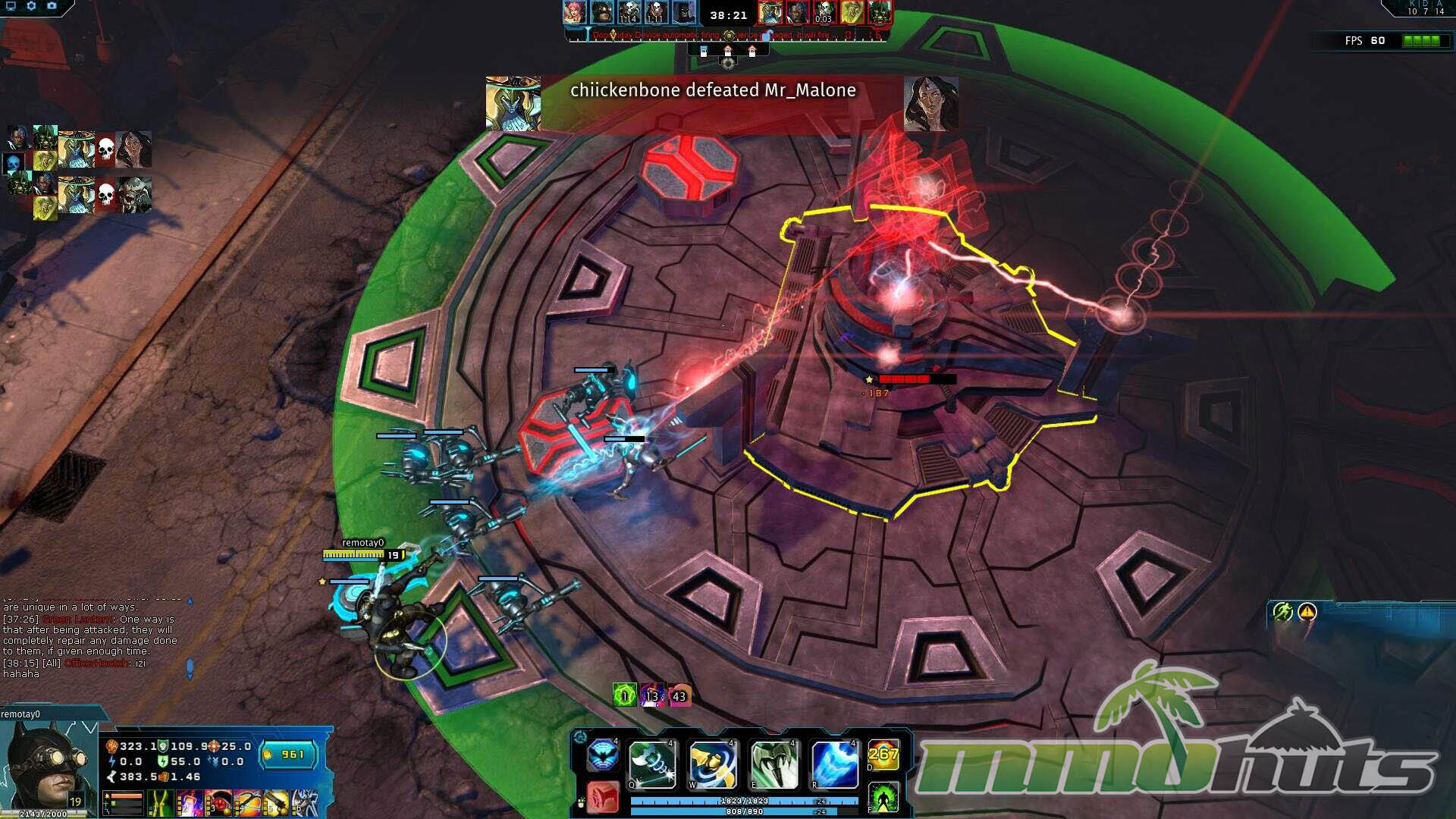
Like most 5v5 MOBAs, the game includes a jungle layer that rewards a dedicated “jungler” style. Its major neutral objective is the Guardian, a high-impact monster that appears 10 minutes into a match. Defeating it drops a Doomsday device that can be activated to heavily damage structures, including the enemy Power Core. Roles map cleanly to genre expectations too; marksman-style Champions can output strong ranged damage but remain fragile, so they require positioning and protection.
Credits: friendlier economy, new risks
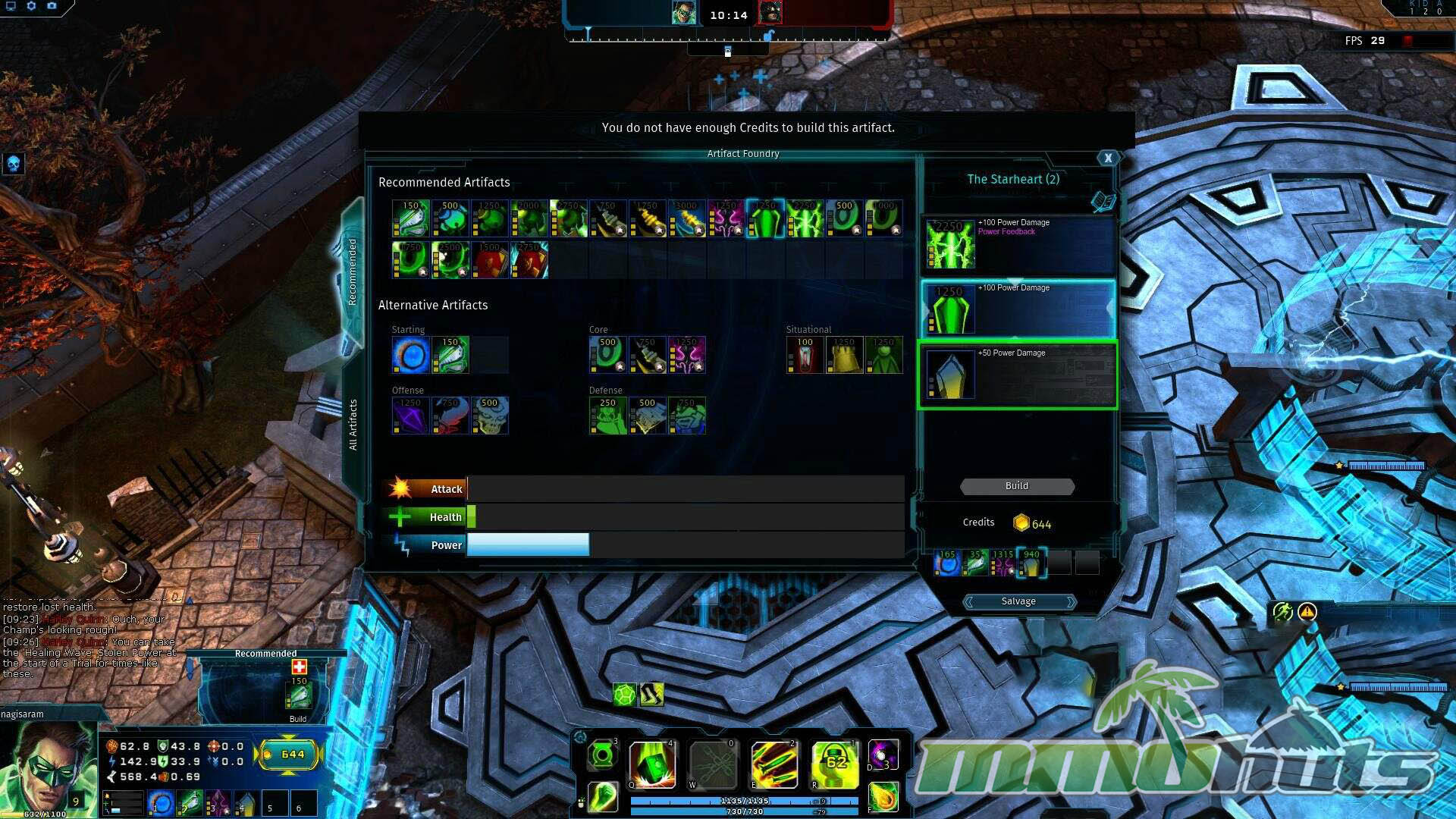
The credit pickup system is one of the game’s more distinctive choices. While last-hitting still matters, drones that die to non-player sources still drop credits on the ground, which any player can collect. Enemies can also grab those credits to deny them, so lane control becomes about more than just damage timing. This design lowers the barrier for players who struggle with strict last-hit mechanics, but it also introduces additional danger, since collecting credits often requires stepping into exposed positions. In tense lanes, the act of picking up drops can be the opening an opponent needs for poke damage or an ambush.
Modes and maps for different moods
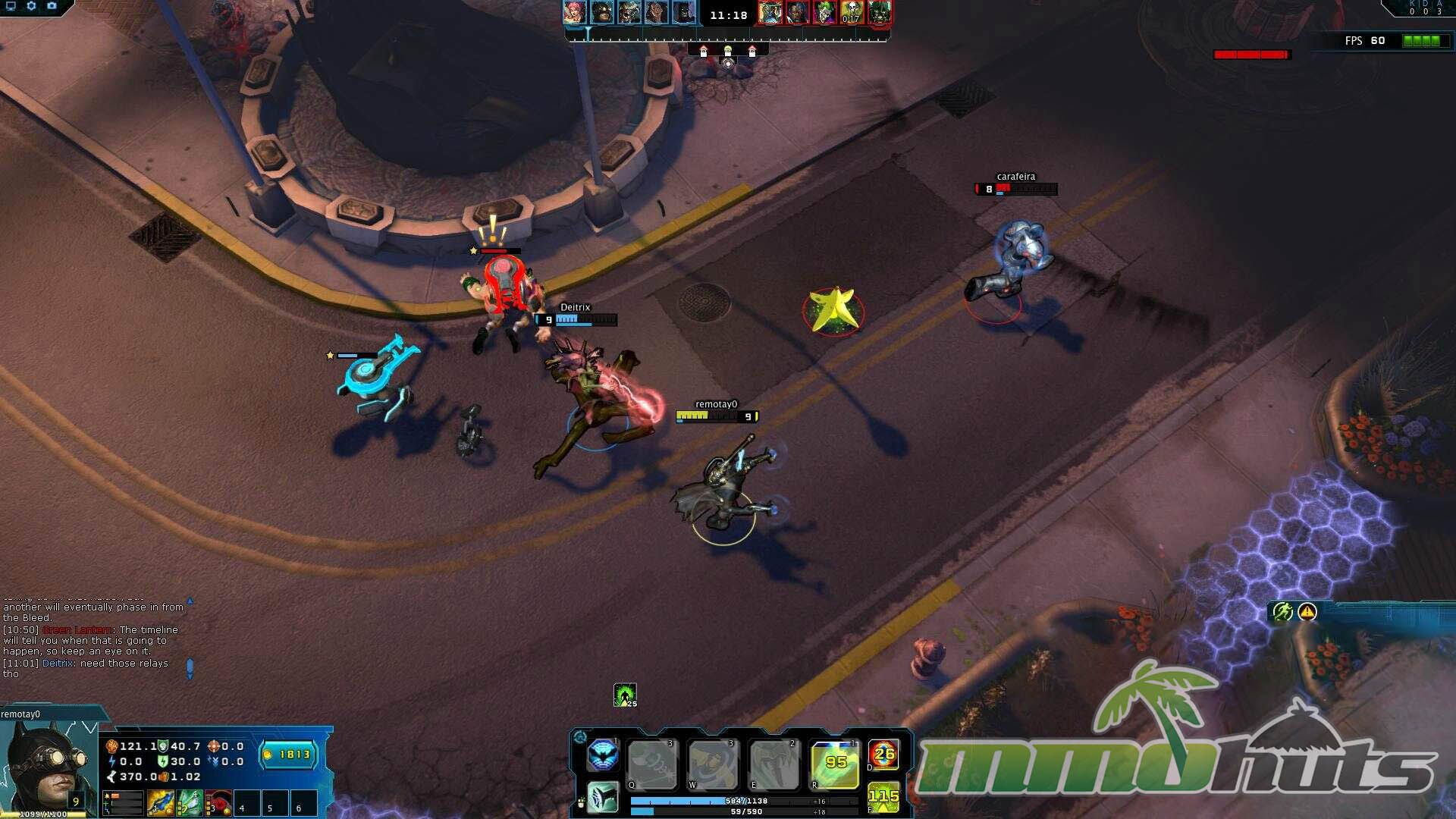
Infinite Crisis launched with 4 game modes spread across four maps, each leaning into a different pace and structure. Crime Alley functions as a 1 vs AI solo lane option, Coast City is a 5 vs 5 two-lane setup, Gotham Divided provides the classic three-lane 5 vs 5 format, and Gotham Heights offers a capture-and-hold style that echoes Dominion-like territory control. The queue system also incentivizes staying in line by offering rewards, which helps keep matchmaking moving. With options for 1v1, 2v2, and 5v5, the game accommodates both quick sessions and longer, coordinated team play.
Custom loadouts via “Stolen Powers”
The signature system is Stolen Powers. Before the match begins, you equip two additional abilities borrowed from other Champions. You start with a small selection, then unlock more by playing and leveling Champions to access powers associated with them, such as Superman’s Super Strength or Poison Ivy’s Healing Wave. These extra powers do not level up, and they function similarly to summoner-style tools, except they often cycle faster. In practice, Stolen Powers meaningfully change how a kit plays, letting you patch weaknesses (mobility, escape, sustain) or double down on aggression, and they add a layer of mind games during drafting and lane matchups.
Monetization and competitive balance
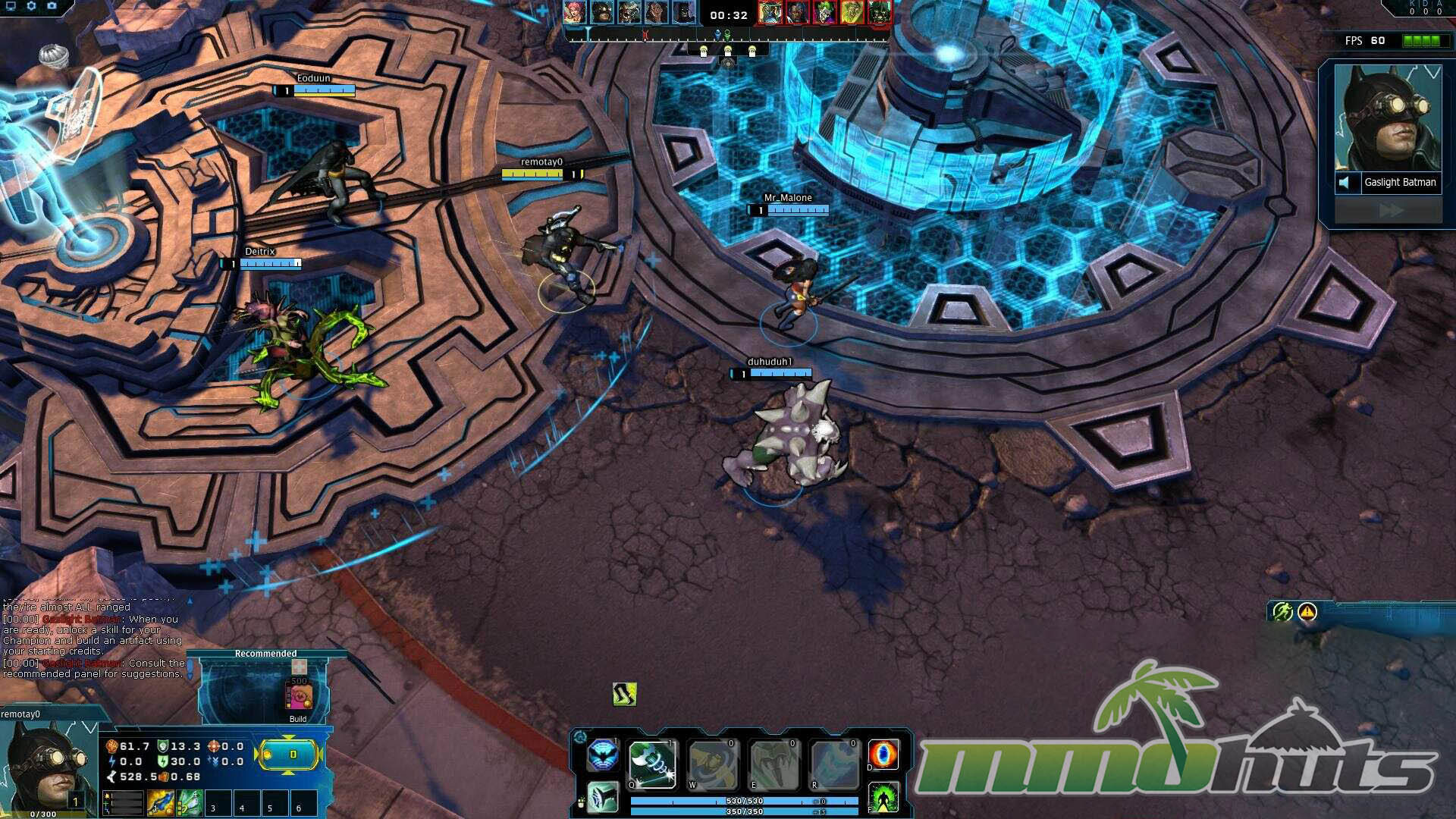
Balance and fairness are critical in MOBAs, and Infinite Crisis generally avoids the most common pitfalls. The premium shop offers a mix of purchases available through Merits, Crisis Coins, or both. Champions can be unlocked through either currency, while Stolen Powers are tied to Merits only, which helps keep match-impacting options grounded in playtime rather than cash spend. Cosmetic costumes sit behind Crisis Coins, keeping the clearest monetization emphasis on visuals rather than power.

Final Verdict – Great
Infinite Crisis succeeds most when it embraces what makes DC fun and combines it with a solid, objective-first MOBA foundation. The multiverse counterparts, the Stolen Powers loadout layer, and the map mechanics give it its own identity without abandoning the genre’s familiar rhythm. While it had its rough edges (and a smaller champion pool than the biggest competitors), the overall package delivered a strong mix of readable team fights, satisfying progression within a match, and the simple appeal of battling as iconic heroes and villains.
Infinite Crisis Links
Infinite Crisis Official Site
Infinite Crisis Steam Page
Infinite Crisis Wikipedia
Infinite Crisis Wikia [Database / Guides]
Infinite Crisis Gamepedia [Database / Guides]
Infinite Crisis Reddit
Infinite Crisis System Requirements
Minimum Requirements:
Operating System: XP / Vista / 7 / 8
CPU: Intel Core 2 Duo E6600
Video Card: GeForce 6600 / ATI Radeon X1300/X1550
RAM: 2 GB
Hard Disk Space: 7 GB
Recommended Requirements:
Operating System: Vista / 7 / 8
CPU: Intel Core i7
Video Card: GeForce 400 Series / ATI Radeon HD 5000 series or better
RAM: 4 GB
Hard Disk Space: 7 GB
Infinite Crisis Music & Soundtrack
Infinite Crisis Additional Information
Developer: Turbine (Owned by Warner Brothers)
Publisher: Warner Bros. Interactive Entertainment
Designer(s): James Fielding, Alan Cacciamani, Pu Liu, Brent Wiedmer, and Matt Knizacky
Composer(s): Arnej Secerkadic
Engine: K2 Engine
Closed Beta Date: May 8, 2013
Open Beta Date: March 14, 2014
Foreign Release:
South Korea: May, 2010
Development History / Background:
Infinite Crisis was built by Turbine as the studio’s first project after being acquired by Warner Brothers in 2010, and it marked a notable departure from their MMORPG history. As the team’s first MOBA and first non-MMORPG under that ownership, it represents a deliberate attempt to apply their online game experience to a match-based competitive format. Closed beta began on May 8, 2013, followed by open beta on March 14, 2014, and the official launch on March 26, 2015 alongside its Steam debut.