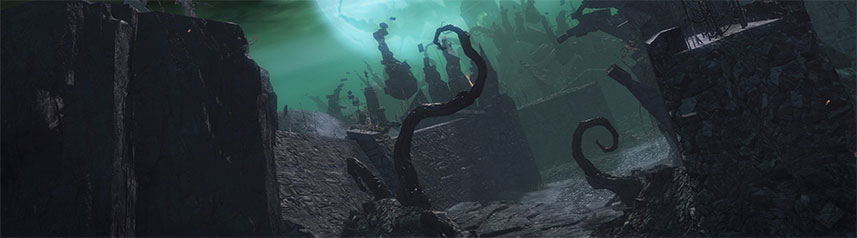
Savage Hunt Dragon’s Prophet was a free-to-play 3D action MMORPG built around a simple fantasy hook, dragons are everywhere, and you are meant to master them. Instead of leaning purely on gear, the game put a major emphasis on taming, training, and fighting alongside a massive roster of dragon species. Combat aimed for an active, combo-driven pace, encouraging players to string attacks together for stronger skills while exploring a large, traditional questing world.
 | Publisher: Gamigo Type: MMORPG Release Date: May 30, 2013 Shut Down: May 29, 2020 PvP: Duels / Dragon vs Dragon / Territory wars Pros: +Huge variety of dragons to capture and raise. +Clean, approachable UI. +Player housing adds long-term goals. Cons: -Questing and progression can feel grindy. -Only four playable classes. |
Dragon’s Prophet Overview
Auratia is presented as a dragon-shaped fantasy realm, its history and politics tied to ancient wyrms and the conflicts they left behind. In Dragon’s Prophet, you take the role of a chosen adventurer and travel across varied regions where dragons are not just set dressing, they are central to your power. You pick one of four classes, then spend much of your time questing, fighting, and expanding your roster by taming and training more than three hundred different dragon species, each bringing its own abilities and combat utility.
Dragon’s Prophet Classes:
Guardian – frontline fighters in heavy armor, built to brawl at close range and soak hits for the team. Guardians can wield one-handed or two-handed swords, and can also use a shield for extra survivability.
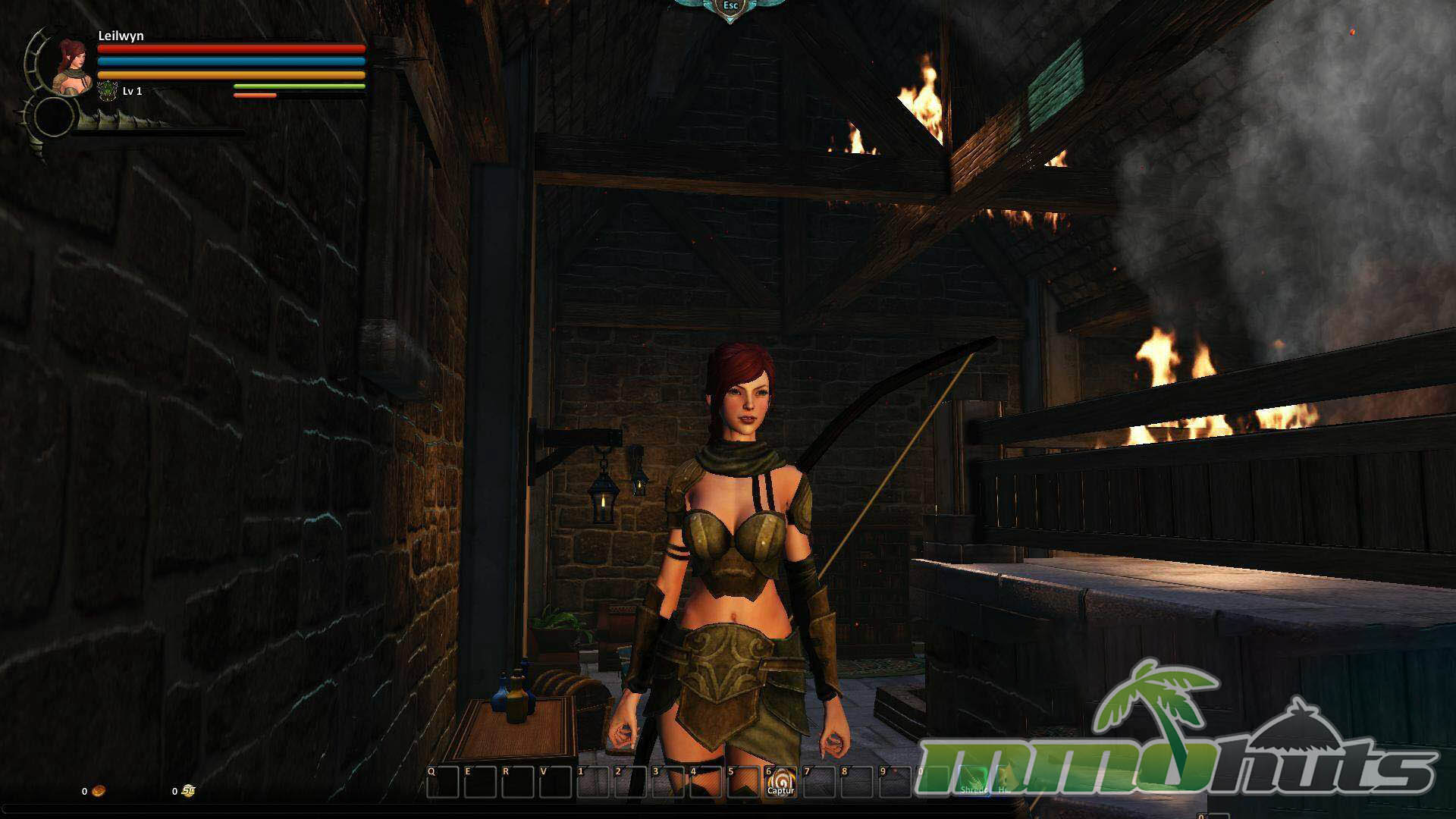
Ranger – ranged damage dealers that rely on precision and mobility to keep threats at a distance. Rangers fight with both bows and firearms, and excel at picking targets off before they close in.
Oracle – a mystic support-oriented class tied to draconic traditions, capable of sustaining allies while still contributing meaningful damage. Oracles use large scythes or a magical focus depending on their setup.
Sorcerer – a spellcaster specializing in elemental magic, focused on offensive pressure with utility options for self-protection and party play. Sorcerers use wands and staves, but their real strength is their elemental toolkit.
Dragon’s Prophet Screenshots
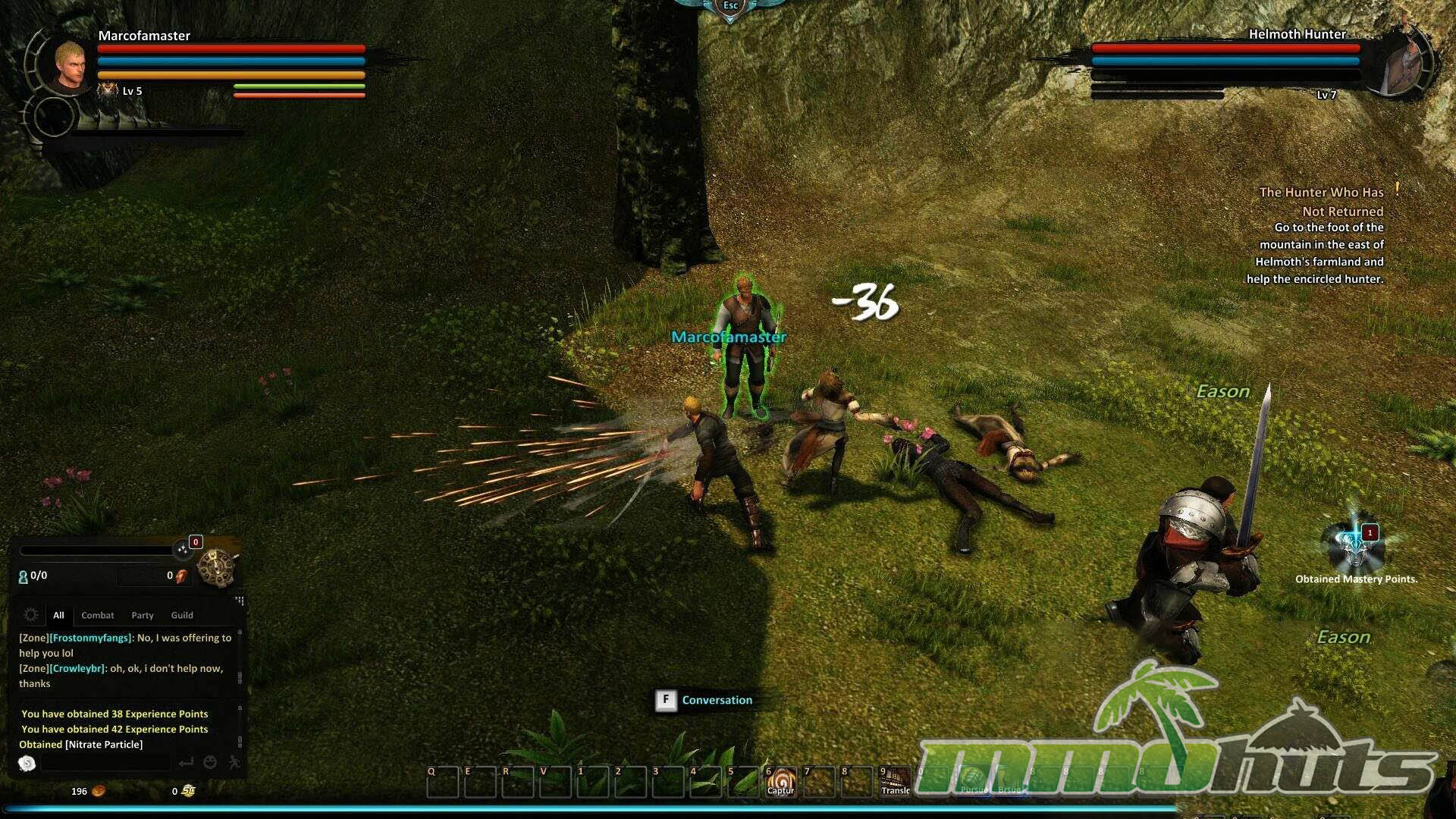

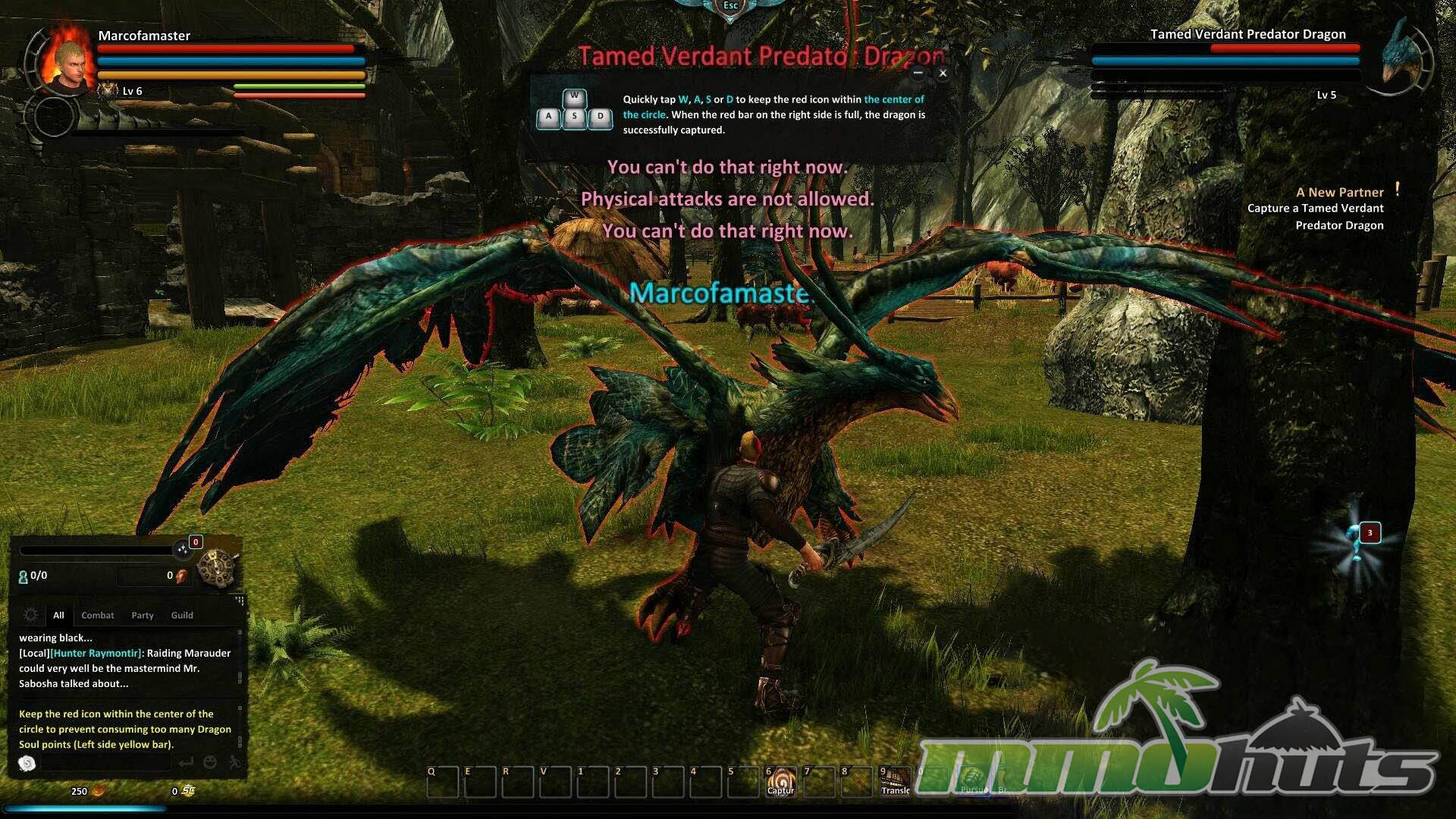
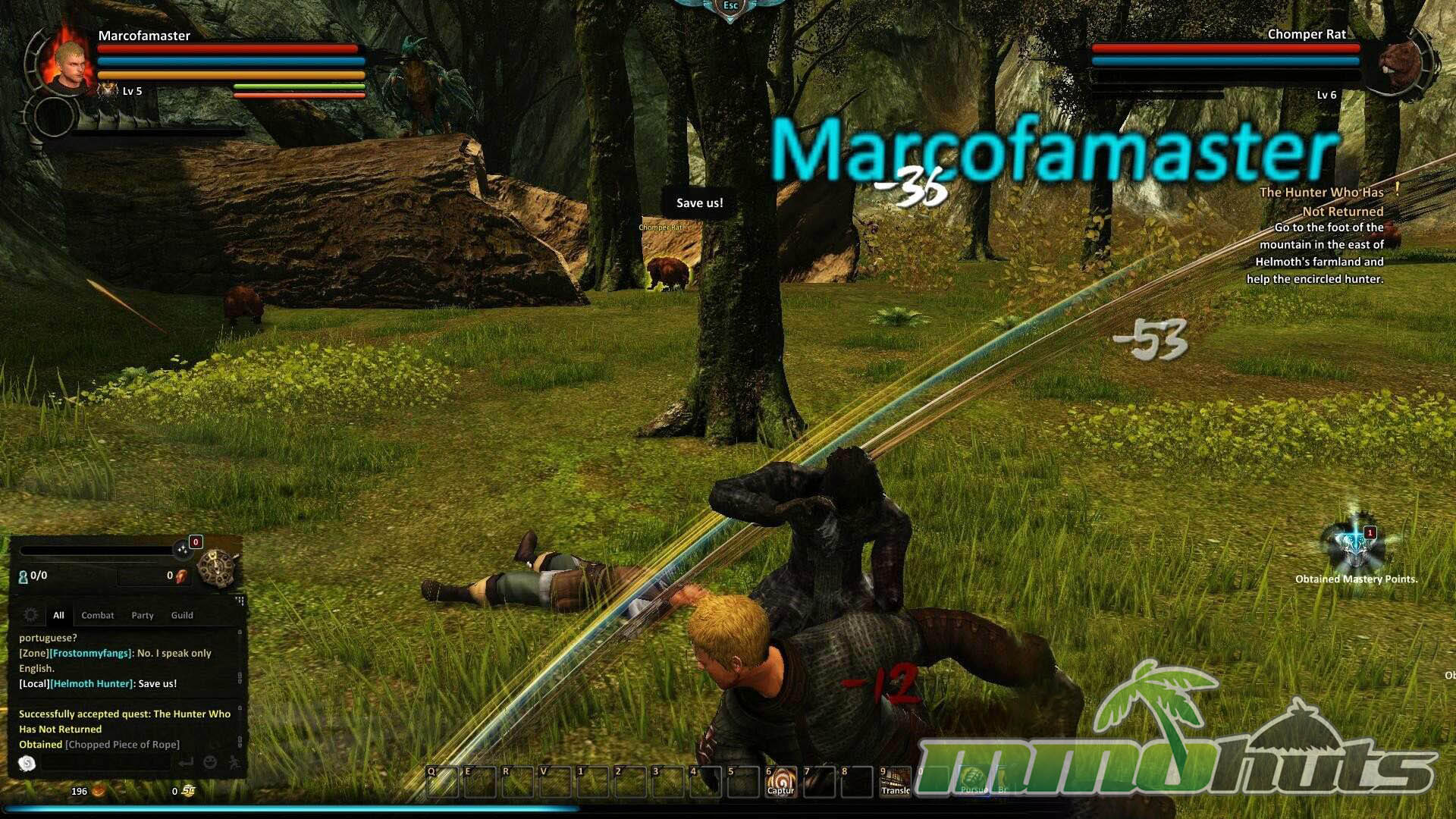


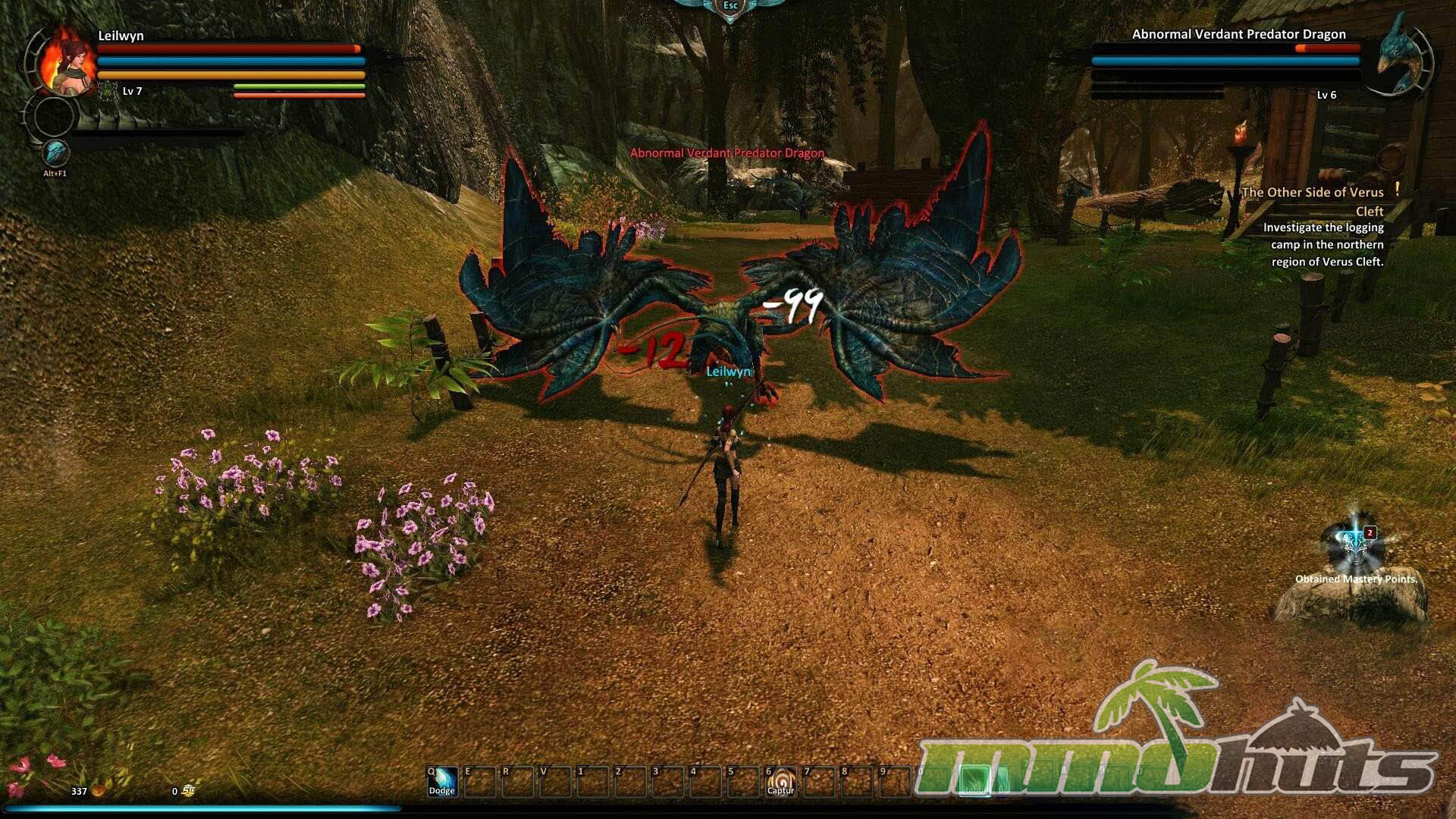

Dragon’s Prophet Featured Video

Dragon’s Prophet Review
Dragon’s Prophet is a free-to-play fantasy 3D MMORPG developed by Taiwan-based Runewaker Entertainment (also known for Runes of Magic). In North America it was published by Daybreak Game Company, previously Sony Online Entertainment, and later resurfaced under Gamigo as “Savage Hunt – Dragon’s Prophet” in December, 2017. The game entered open beta on May 30, 2013 and later officially launched in North America on September 23, 2013.
The setting is Auratia, a medieval fantasy world shaped by dragon rule and the fallout of earlier wars. The narrative framework revolves around dragon factions, the Osira (a human race tied to the world’s mythology), and an old threat returning to destabilize the fragile peace. Storytelling is largely used as structure for zone progression, tutorials, and boss encounters, with the moment-to-moment focus remaining on combat, questing, and dragon collection.
Character creation is generous by free-to-play standards. Instead of aggressively limiting slots, the game allows up to five characters per server, per account, giving players room to experiment. The bigger limitation is class variety, there are only four classes to choose from. That said, Dragon’s Prophet is designed around a companion system, and the depth comes from dragons rather than an oversized class roster. Your captured dragons influence your combat options and stats when summoned, so the “build” you end up playing is often defined by which dragons you bring into the field and how you develop them.
The character editor is one of the more detailed features for its era, relying on sliders for face shape, proportions, and fine-tuned adjustments. It also includes presets and randomization tools for players who want a quick start, but spending time in the editor can produce characters that look meaningfully different from the defaults.
Exploring Auratia
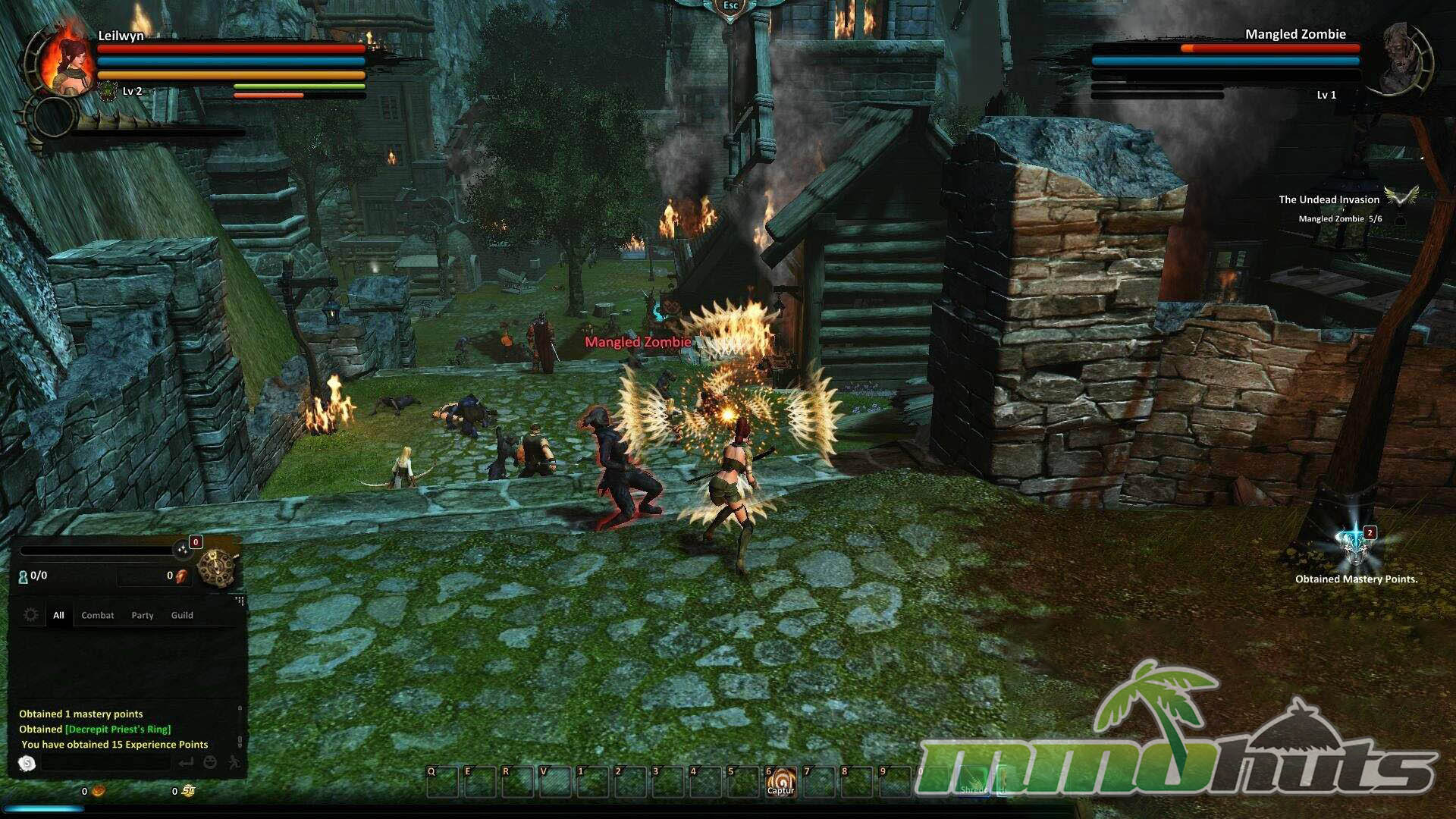
Visually, Dragon’s Prophet aimed high and often succeeds at first glance. Environments are dense with detail and the world design encourages wandering, especially once you have a flying mount and can scan distant landmarks from above. The art direction sits comfortably alongside other fantasy MMOs of the period, with colorful zones and strong lighting. Animation quality is less consistent, with some movement and combat motions reading as stiff or slightly awkward during busy fights. Audio is serviceable and familiar for the genre, functional combat sounds and orchestral fantasy cues that rarely steal the spotlight.
A Tutorial That Doubles as a Prologue
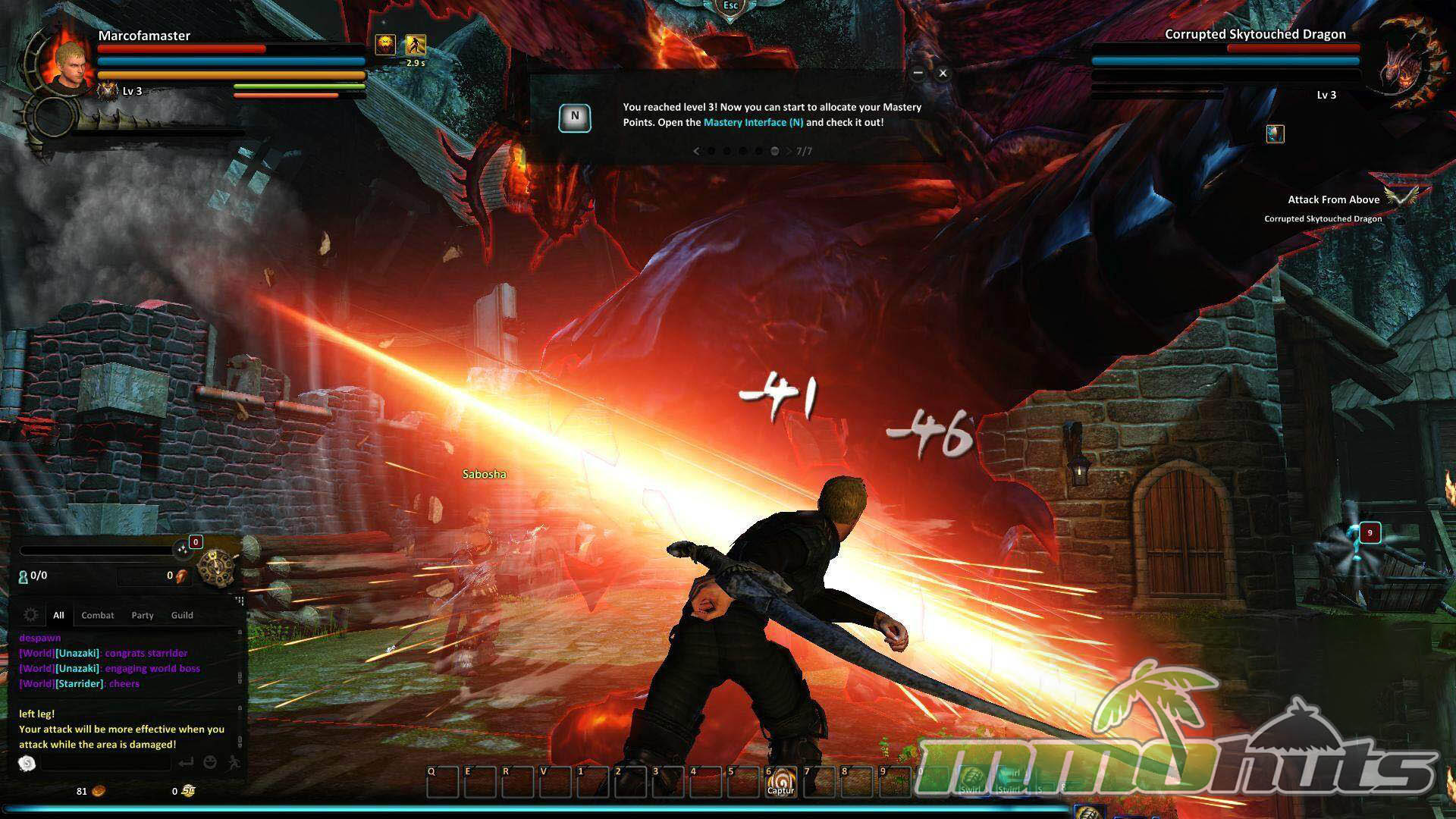
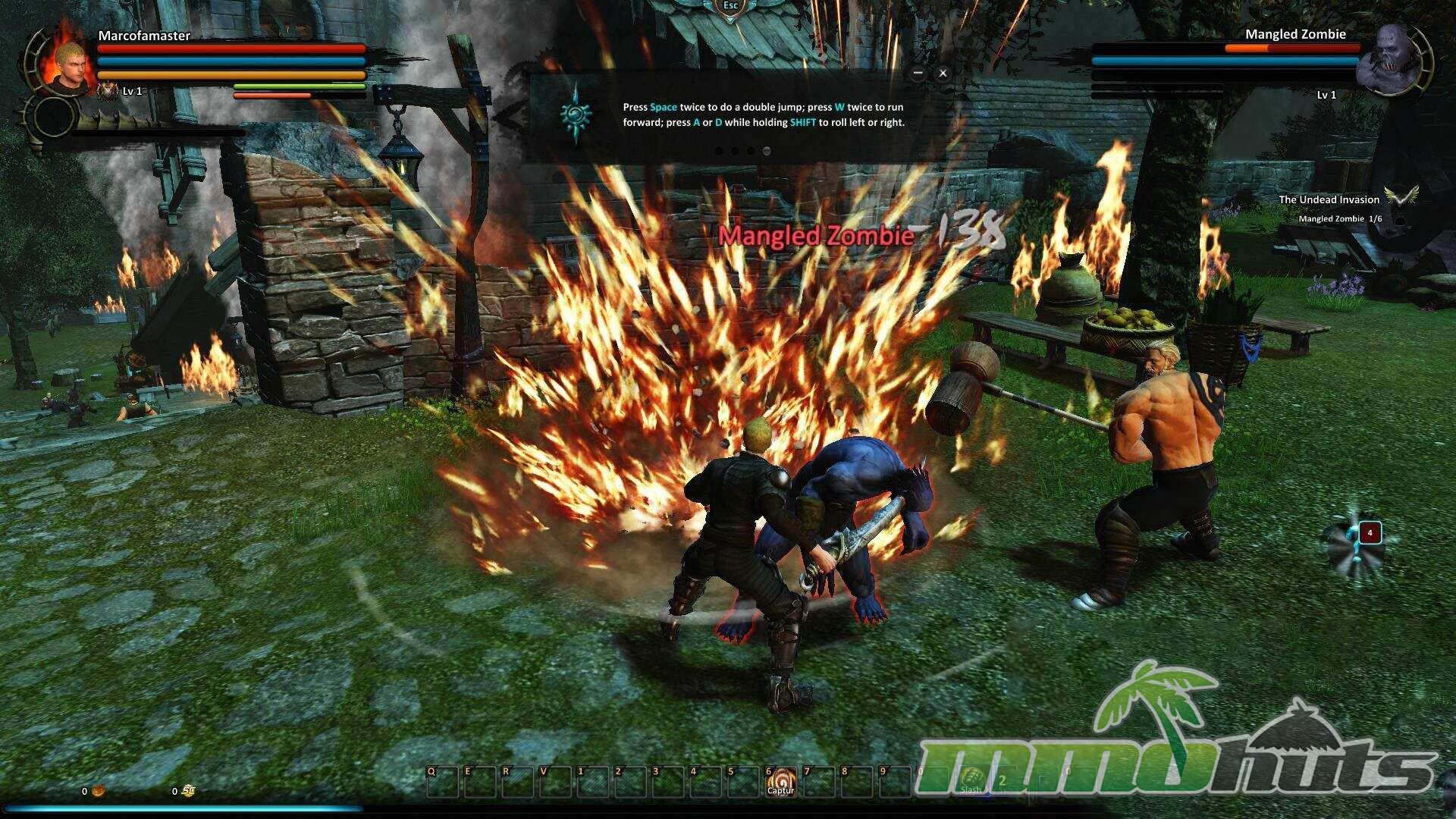
The opening sequence sets up the basics through a short prologue that introduces combat, avoidance mechanics, and early boss behavior. Players are shown how to react to danger zones on the ground and how to use healing areas when needed. Guidance continues throughout the early quest chain via frequent tooltips. The downside is presentation, these pop-ups can take up a noticeable portion of the screen and require manual closing, which can disrupt pacing if you prefer to learn by doing.
Questing, Levels, and Progression
Most of the core PvE loop is familiar MMO territory, kill objectives, item collection, escorts, and occasional interaction tasks like switches or environmental triggers. Rewards are the expected mix of experience, currency, and gear. The issue is not difficulty so much as repetition, a lot of advancement comes down to doing similar objectives across many zones. Early leveling moves quickly thanks to dense quest hubs, but reaching the cap (currently 102) is still a long haul unless you are being carried or optimized by stronger players.
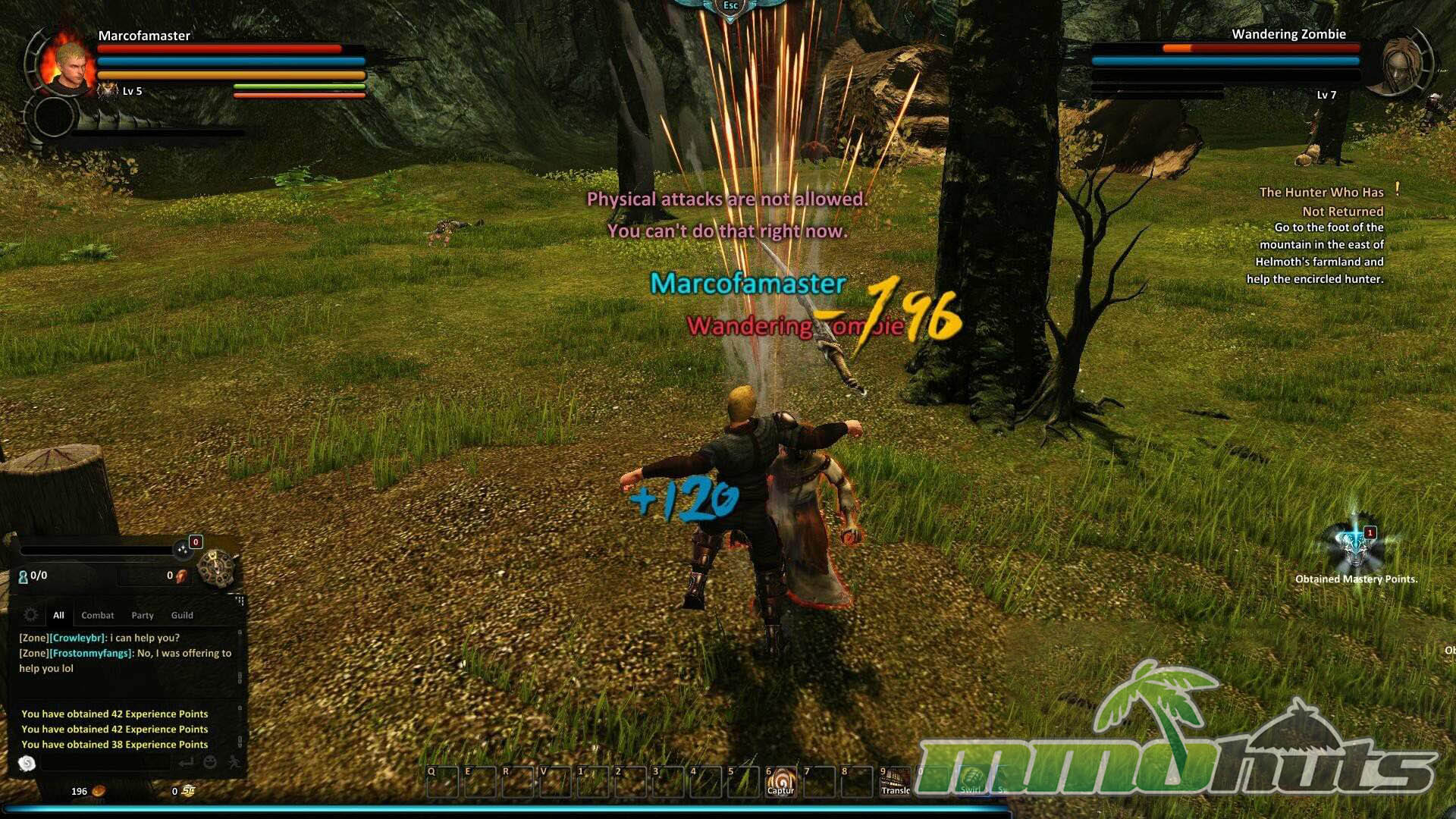
Progression uses a blend of automatic and manual growth. Skills unlock and improve at set levels, while each level also grants 3 attribute points and 1 Mastery point. Attribute points are distributed across seven stats that influence combat performance (for example damage, defense, critical rate, and regeneration). Mastery points feed into passive upgrades, adding another layer of customization that rewards long-term planning even if active skill choices are more straightforward.
Action Combat and Combos
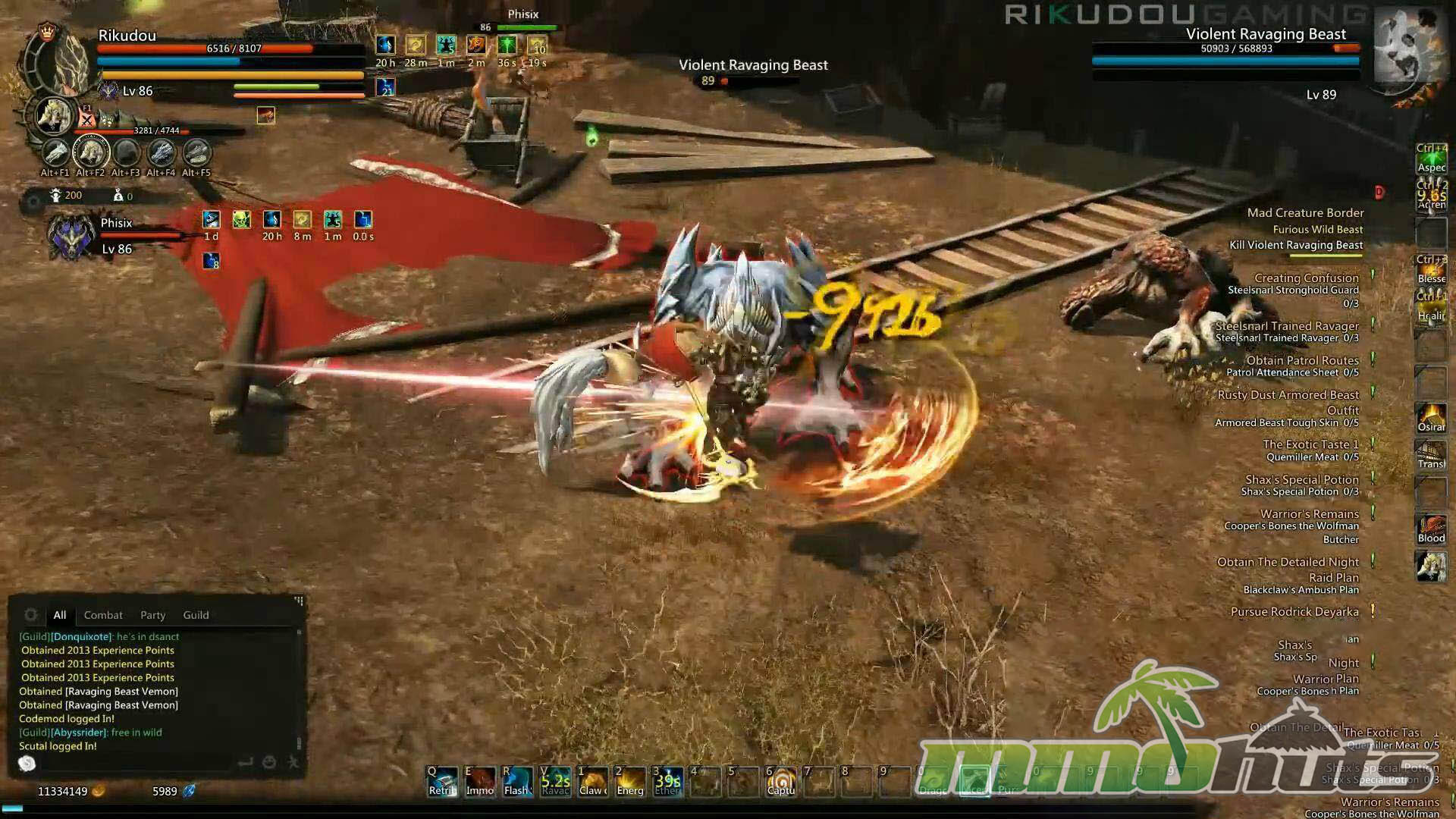
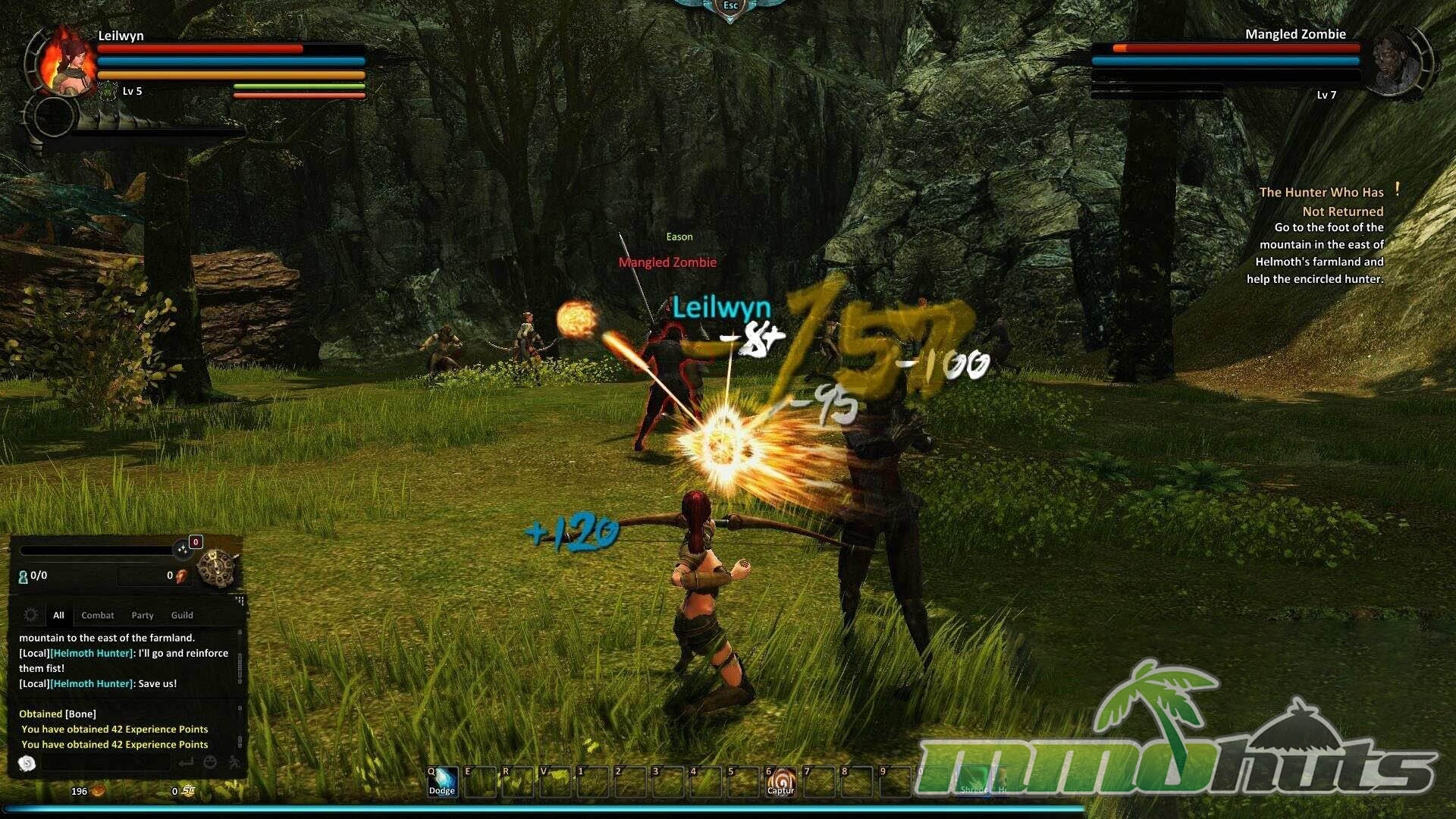
Combat is built around a more active, combo-friendly style similar in spirit to action-oriented MMOs like Tera and Neverwinter. Movement uses WASD, with jumping and evasive actions supporting positioning. Basic attacks are mapped to the mouse buttons, while QWER activates additional skills from the hotbar. The system encourages chaining skills through button sequences to trigger stronger outcomes, and it requires directional aiming rather than purely tab-target play.
One friction point is targeting behavior. The auto-target system can switch to a new enemy at inconvenient moments, such as when a target dies mid-combo or when slight cursor movement selects a different creature. This is especially noticeable on ranged classes, where precision and spacing matter and accidental retargeting can pull extra mobs.
Dragons as the Real Build System
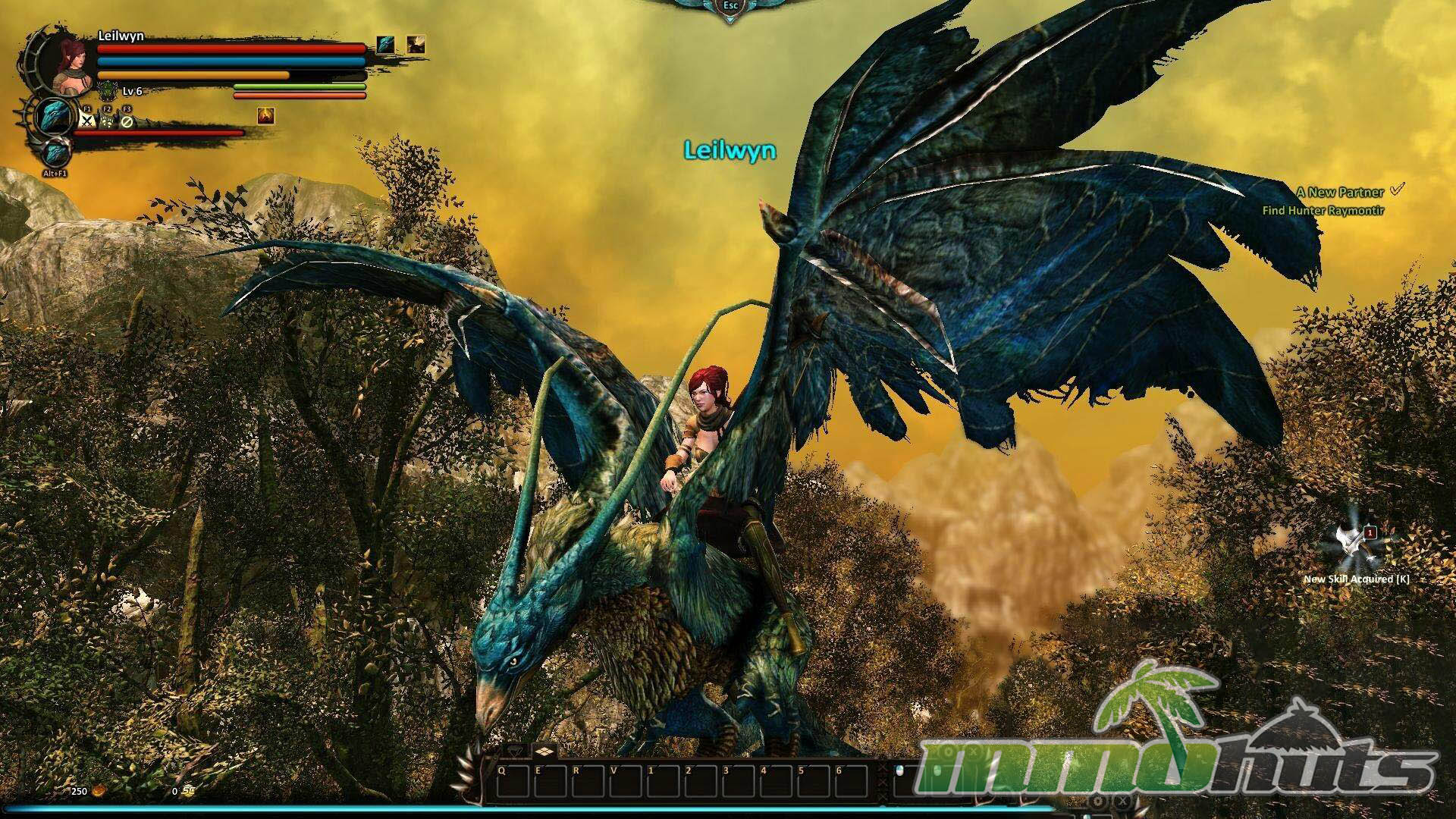
The dragon feature is the game’s identity. Capturing and raising dragons functions much like a creature-collection RPG layered into an MMO structure. A Dragon Compendium tracks what you have obtained and provides a structured way to pursue new species. Dragons exist throughout Auratia and serve multiple roles, mounts for travel and companions for combat support. When summoned, they contribute additional abilities and stat bonuses, and training can expand their available skills, making them central to customization.
Variety is not just cosmetic. Beyond classic winged dragons, Auratia includes aquatic, insect-like, and other unconventional designs, with different movement capabilities. Some fly, others glide, and some remain ground-bound. Flight is still the most convenient option for exploration, and flying mounts become an important quality-of-life upgrade once available. Players can carry up to two dragons at a time for quick summoning, with additional slots available via Station Cash. Extra captured dragons are stored in the Dragon Chamber, accessed through NPCs in major hubs.
Housing and the Baerton Islands
Player housing adds a slower-paced, long-term layer to the game. Properties are located in the persistent Baerton Islands, an area that can be dangerous for new characters since monsters there are over level 35. Housing comes in two broad forms: apartments rented daily with gold, and land plots purchased for larger builds. Apartments start empty and depend on crafted or purchased furnishings, with upgrades using Apartment Blueprints to increase placement capacity.
Land ownership is the higher commitment option. Plots can be bought with gold or Station Cash, either as empty lots or from other owners, and they also come with rent costs based on size. Like apartments, land requires you to supply the buildings and decor through crafting or purchases, making housing a meaningful sink for time and resources rather than a purely cosmetic menu feature.
PVP Options
PvP is present but not as broad as in some competing MMOs. Players can engage in standard duels, including dragon vs dragon duels, but the standout mode is the Frontier System. This guild-focused feature revolves around capturing and holding Baerton Islands for limited periods. Territory Wars occur once every third night, flipping the entire island into an active PvP zone. Control grants influence over local housing taxes and access to Public Events used for guild progression and upgrades, giving organized groups a reason to participate beyond simple win-loss bragging rights.
Cash Shop and Convenience Items
As a free-to-play title, Dragon’s Prophet includes a premium shop funded through Station Cash. The catalog covers convenience consumables (such as unbinding items and temporary experience boosts), cosmetics, dragon eggs, and dragon-raising support items. The overall feel is typical for the model, paying players can smooth out friction and gain advantages in efficiency, while non-paying players can still progress and participate. The long-term experience depends heavily on how carefully that balance is maintained.
Final Verdict – Great
Dragon’s Prophet is not a radical reinvention of the MMORPG formula. Its quests, progression pacing, and general structure are familiar, and the limited class count will not satisfy players who primarily want class experimentation. Where it succeeds is in execution of a clear theme, dragons are not a side feature, they are the main system that shapes combat choices, travel, and customization. Combined with strong environmental visuals and a robust housing feature, it was an easy recommendation for players who wanted an action-leaning MMO with a creature-collection twist.
Dragon’s Prophet Links
Dragon’s Prophet Official Site
Dragon’s Prophet Wikipedia
Dragon’s Prophet Wiki [Database / Guides]
Dragon’s Prophet Subreddit
Dragon’s Prophet System Requirements
Minimum Requirements:
Operating System: XP / Vista / 7 / 8
CPU: Intel Dual Core 2.4 GHz or AMD equivalent
Video Card: GeForce 8600 GT or ATI equivalent
RAM: 2 GB
Hard Disk Space: 10 GB
Recommended Requirements:
Operating System: XP / Vista / 7 / 8
CPU: Intel i5 2400 or better
Video Card: GeForce 560 TI or better
RAM: 4 GB
Hard Disk Space: 10 GB
Dragon’s Prophet Music & Soundtrack
Dragon’s Prophet Additional Information
Developer: Runewaker Entertainment
Publisher(s): Daybreak Game Company, Gamigo
Engine: RENA
Closed Beta Date: March 19, 2013
Open Beta Date: May 30, 2013
Foreign Release:
Europe: September 18, 2013 (Inferum Productions)
Japan: Aeria Games
Taiwan: Runewaker Entertainment)
Russia: 4Game
Thailand: HeroRangers
Closure Date: November 16, 2015
Relaunch Date (Savage Hunt Dragon’s Prophet): December 6, 2017
Shut Down: May 29, 2020
Development History / Background:
Dragon’s Prophet was created by Taiwanese developer Runewaker Entertainment using the RENA engine, the same studio many players recognize from Runes of Magic. The title was first revealed on March 23, 2012, then progressed quickly toward release, arriving in North America as an open beta on May 30, 2013. It was also licensed for multiple regions (including Europe, Japan, Russia, and Thailand), while Runewaker operated the Taiwan version.
In October, 2015, plans were announced to close the game the following month, leading to the original shutdown on November 16, 2015. Later, Gamigo brought the game back as Savage Hunt Dragon’s Prophet on December 6, 2017, before that version ultimately ended service on May 29, 2020.