4Story
 (No Ratings Yet)
4Story, once marketed as Gates of Andaron, is a 3D fantasy MMORPG set in Iveria, a world shaped by ongoing conflict between rival nations. Its core loop leans heavily on traditional questing and leveling, then pivots toward endgame PvP, where territory control and large battles are meant to keep veterans occupied.
 | Publisher: Zemi Interactive & Gameforge Playerbase: Medium Type: MMORPG Release Date: Oct 20, 2008 (NA/EU) PvP: Duels, Battle Grounds, Territory Wars, and more Pros: +Questing-heavy leveling. +Multiple PvP formats for different group sizes. +Skill upgrading encourages build focus. Cons: -Few character creation choices. -Localization quality can be rough. -Cash shop can tip into pay-to-win. |

4Story Overview
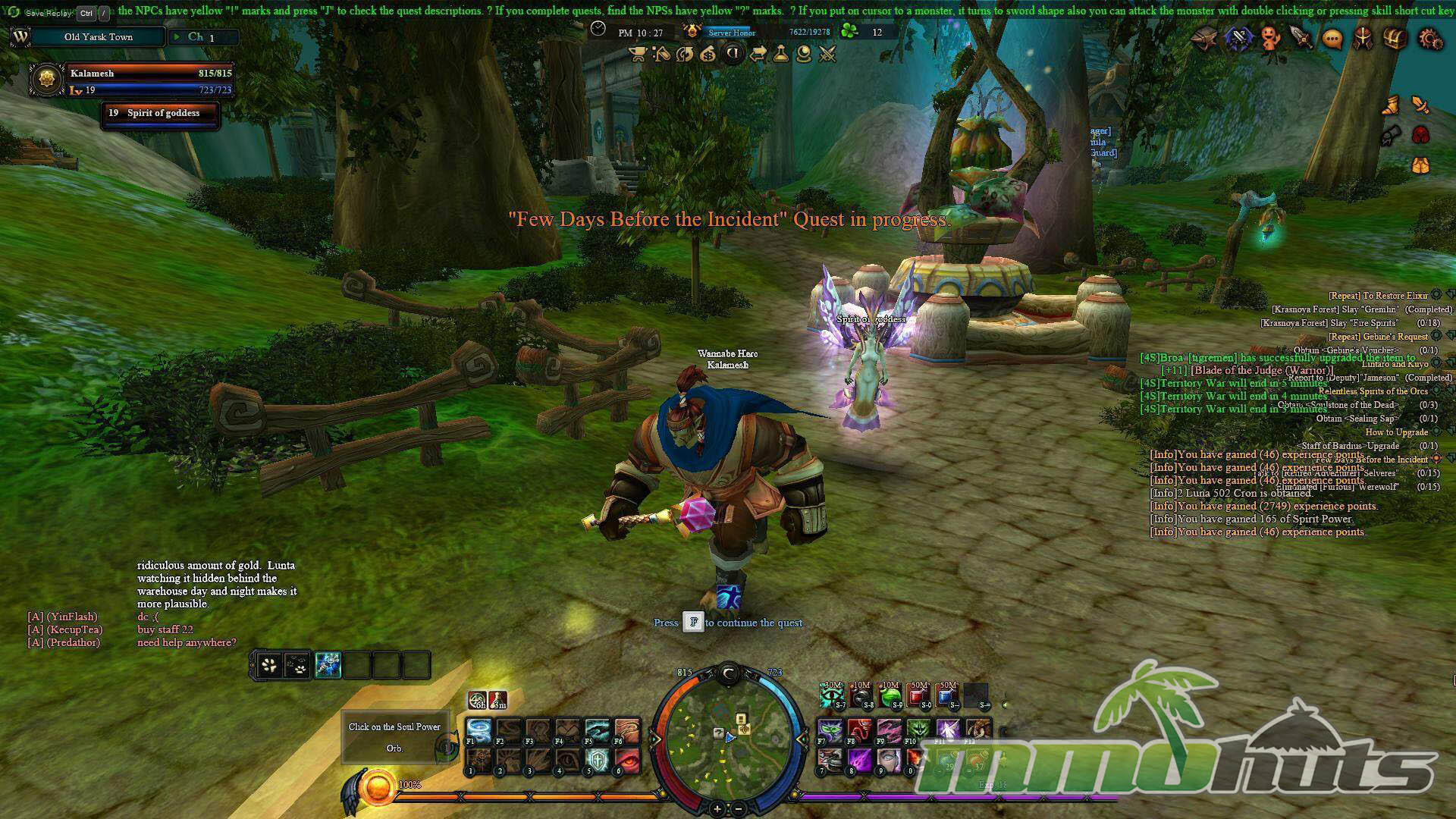
4Story is a 3D MMORPG developed by Zemi Interactive and released in 2008. Character creation is built around three races (Fairy, Werebeast, and Human) and three nations that define the setting, Craxion (magical knights), Defugel (a militarized kingdom), and Broa (a neutral refuge founded by those displaced by the war). Aesthetically, it sits in that familiar, colorful fantasy MMO space often compared to World of Warcraft, but the game’s identity is more about straightforward quest progression paired with frequent PvP opportunities.
Beyond the basics, 4Story includes mounts early on, several structured PvP modes, and a progression system that focuses less on unlocking abilities and more on strengthening the skills you already have as you level. That design choice gives new players a lot of buttons immediately, but it also makes experimenting with builds a real part of the leveling journey.
4Story Key Features:
- Various Race and Class Options – choose from 3 races and 6 playable classes (Archers, Assassins, Priests, Summoners, Warriors, and Wizards).
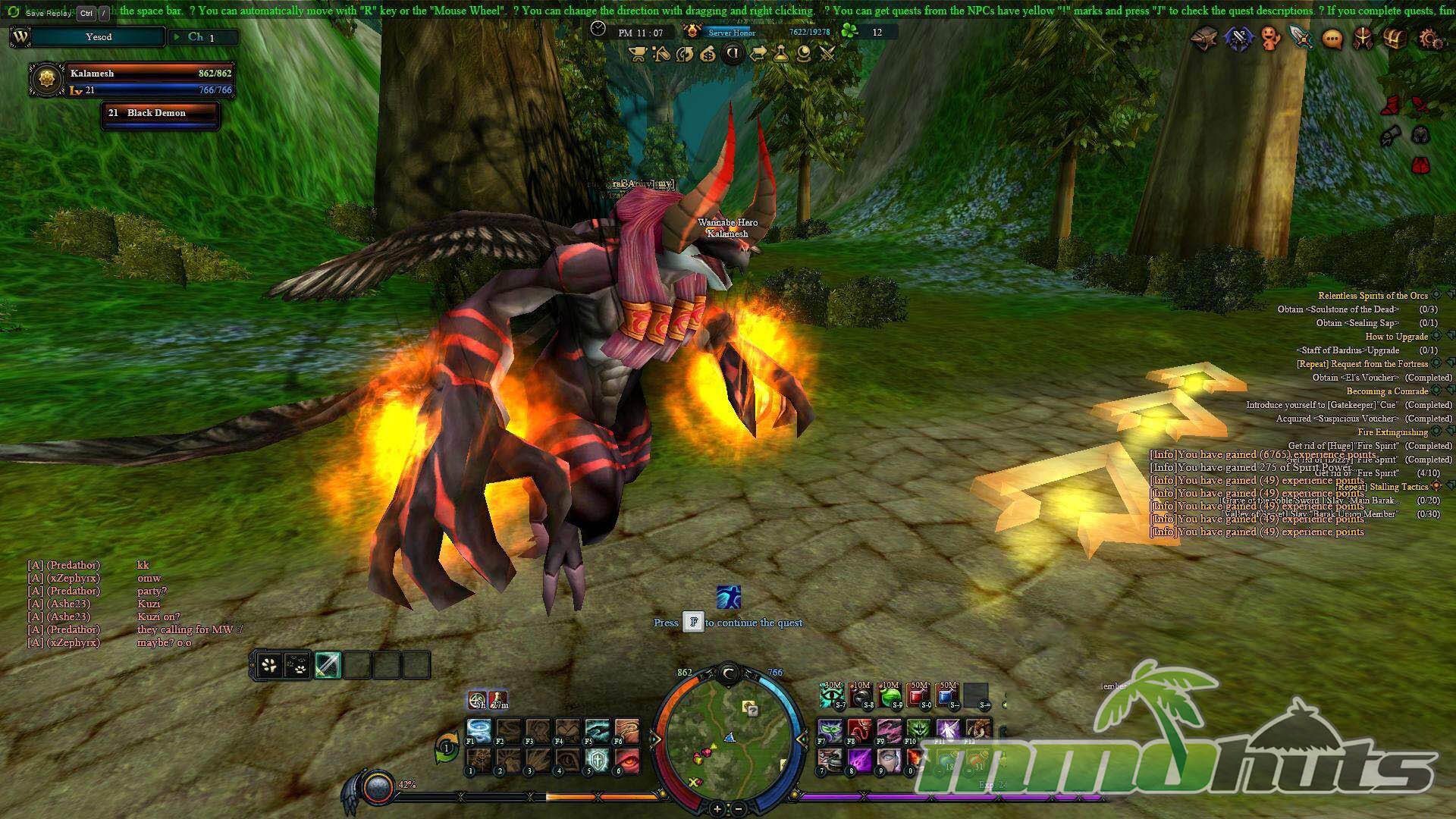
- Ride Around – you begin with a mount, so early travel is faster than in many older MMORPGs.
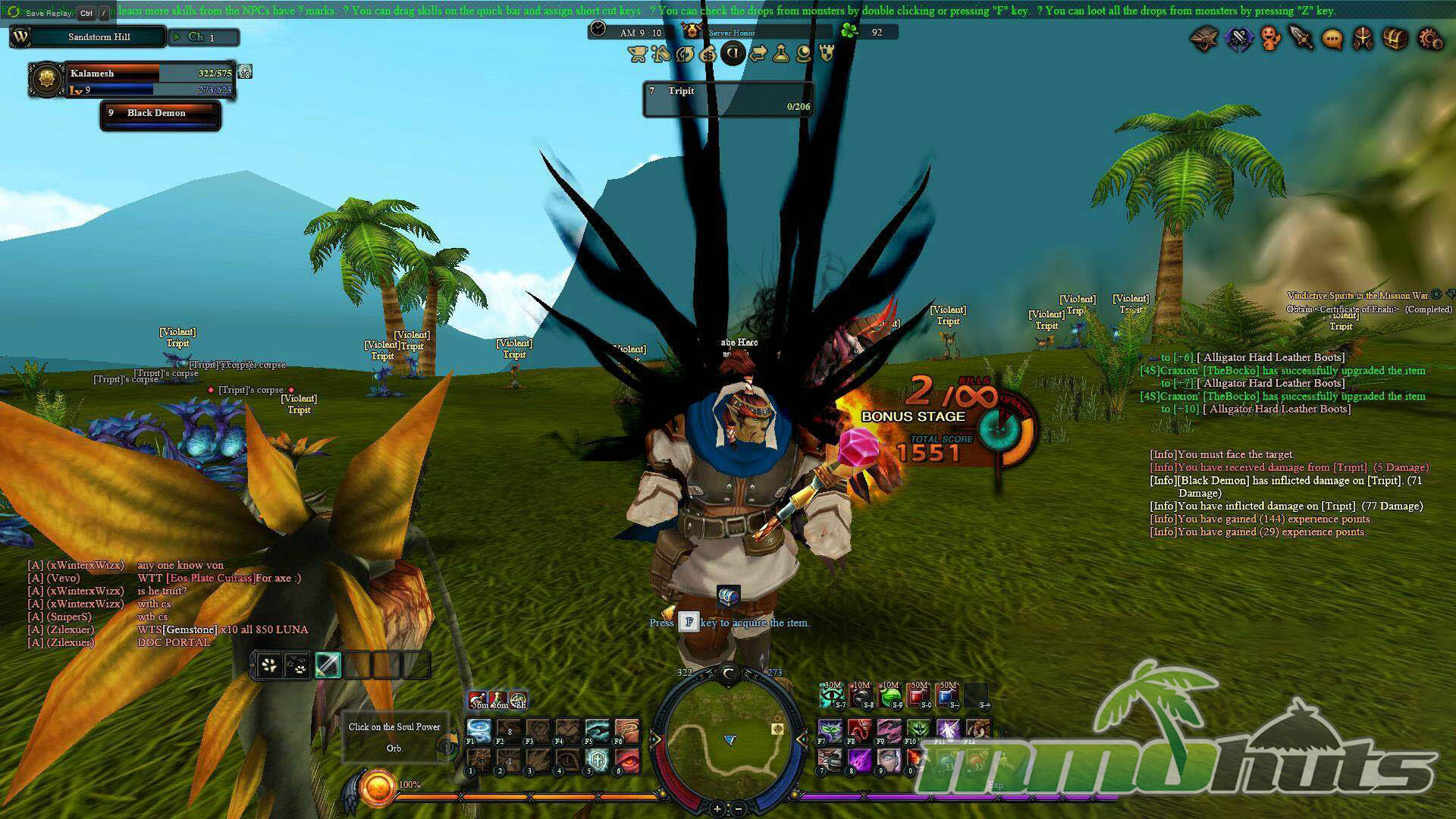
- Varied PvP Options – includes Duels, Aerial Wars, Territory Wars, Dragon Invasion, Battle Grounds, and Battle of Worlds.
- Unique Skill Progression – skills are available from the start, then improved with points earned each level.
- Choose Your Allegiance – at Level 9, you commit to Craxion or Defugel.
4Story Screenshots
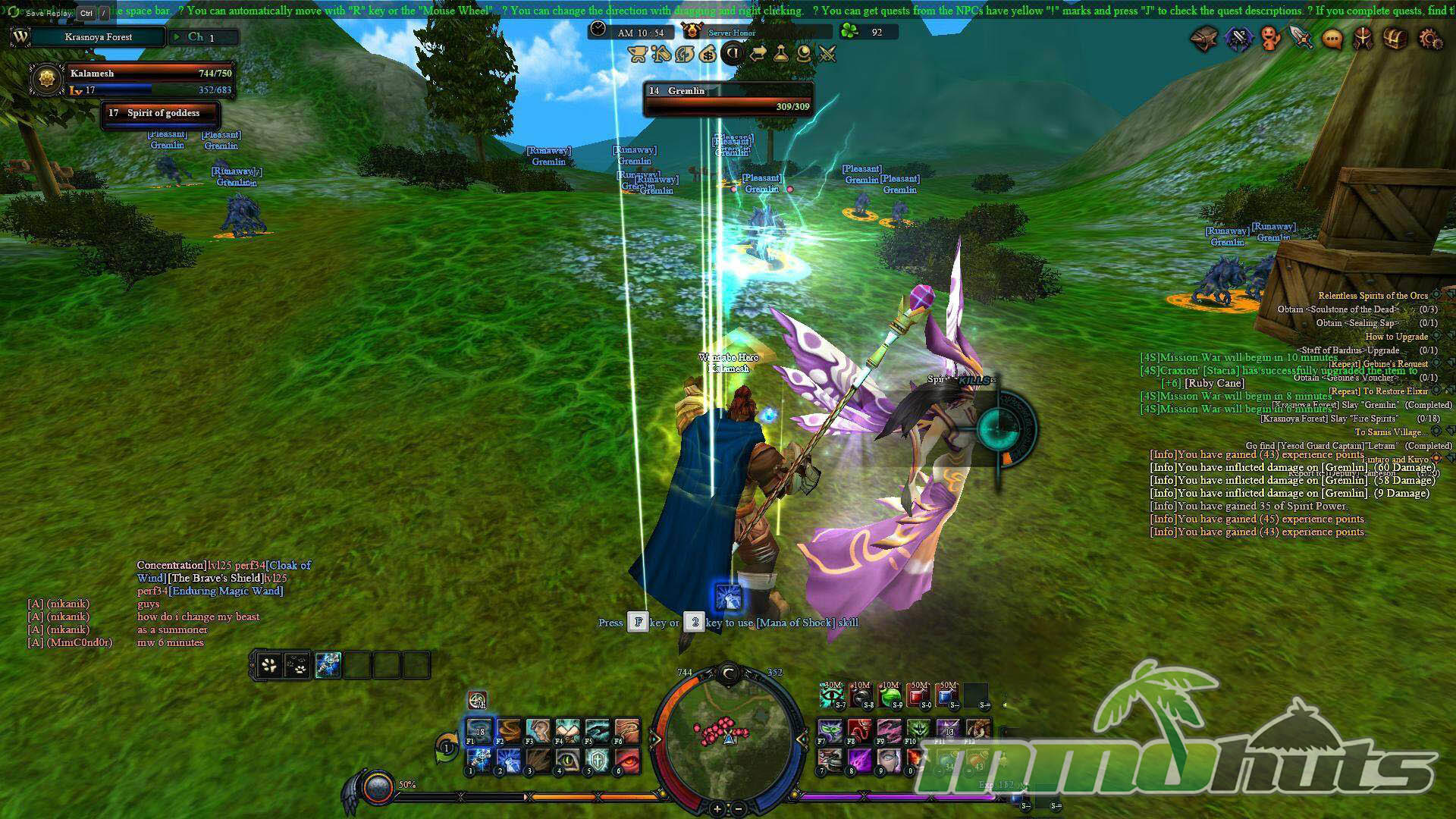
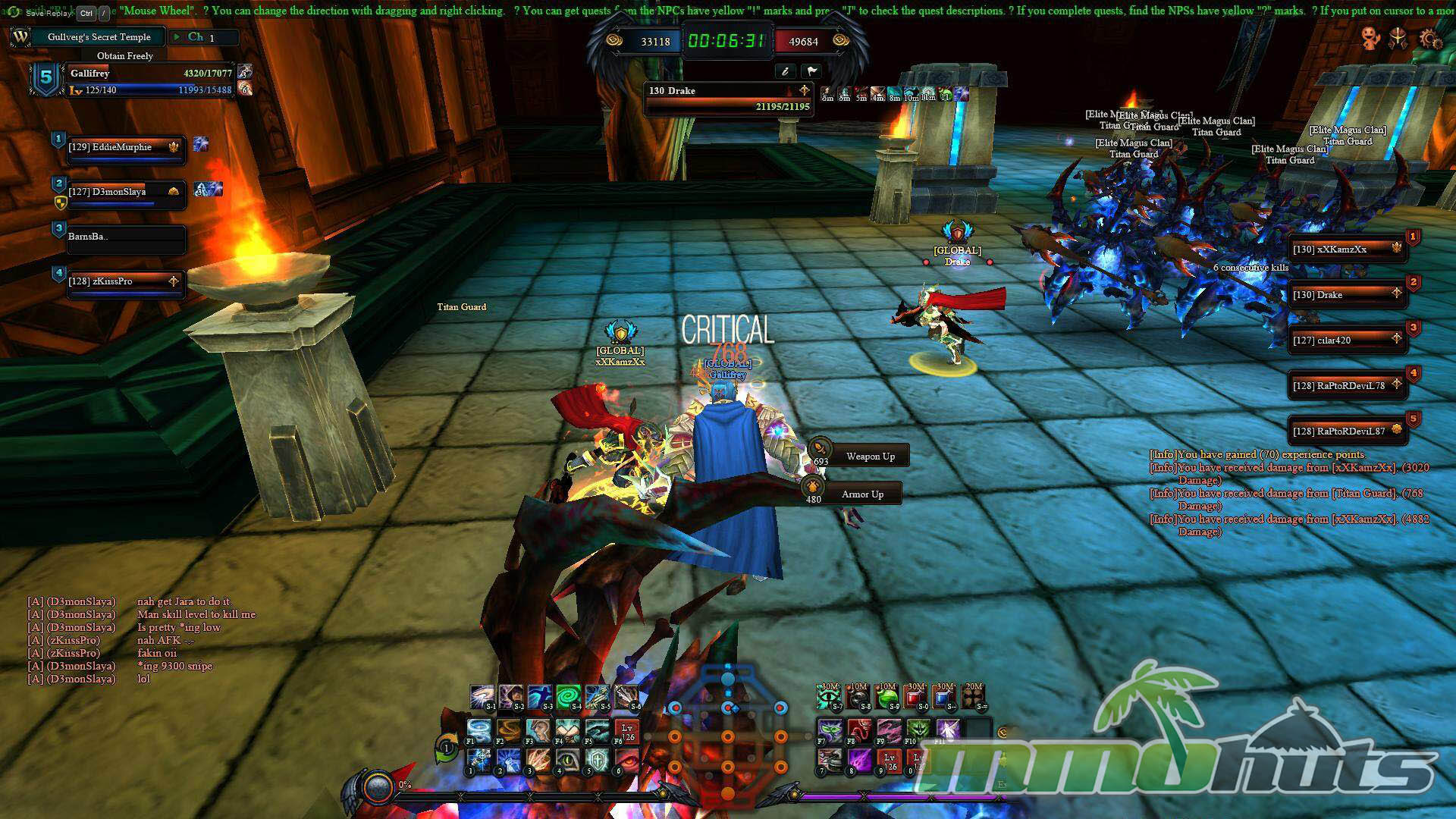
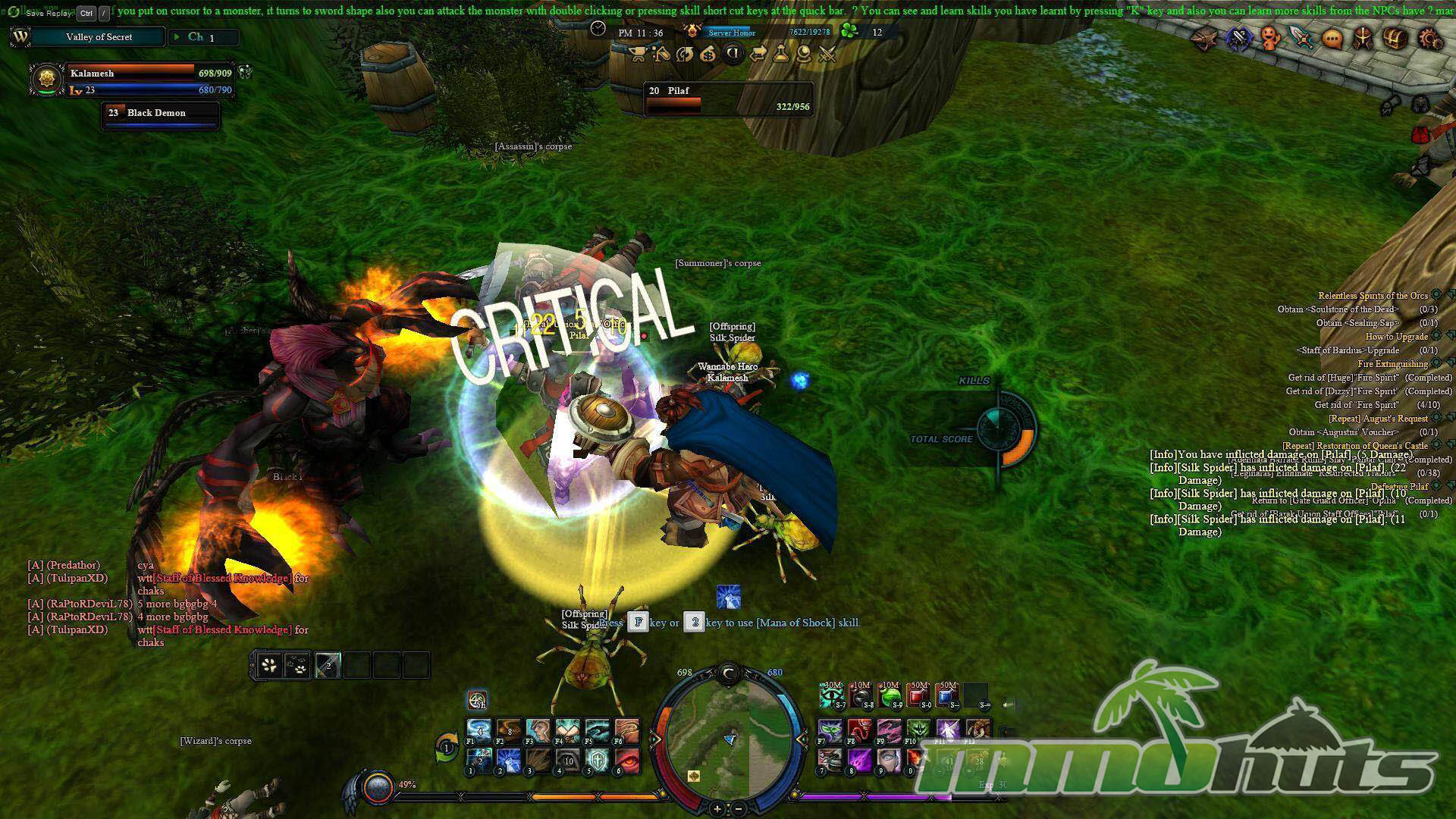
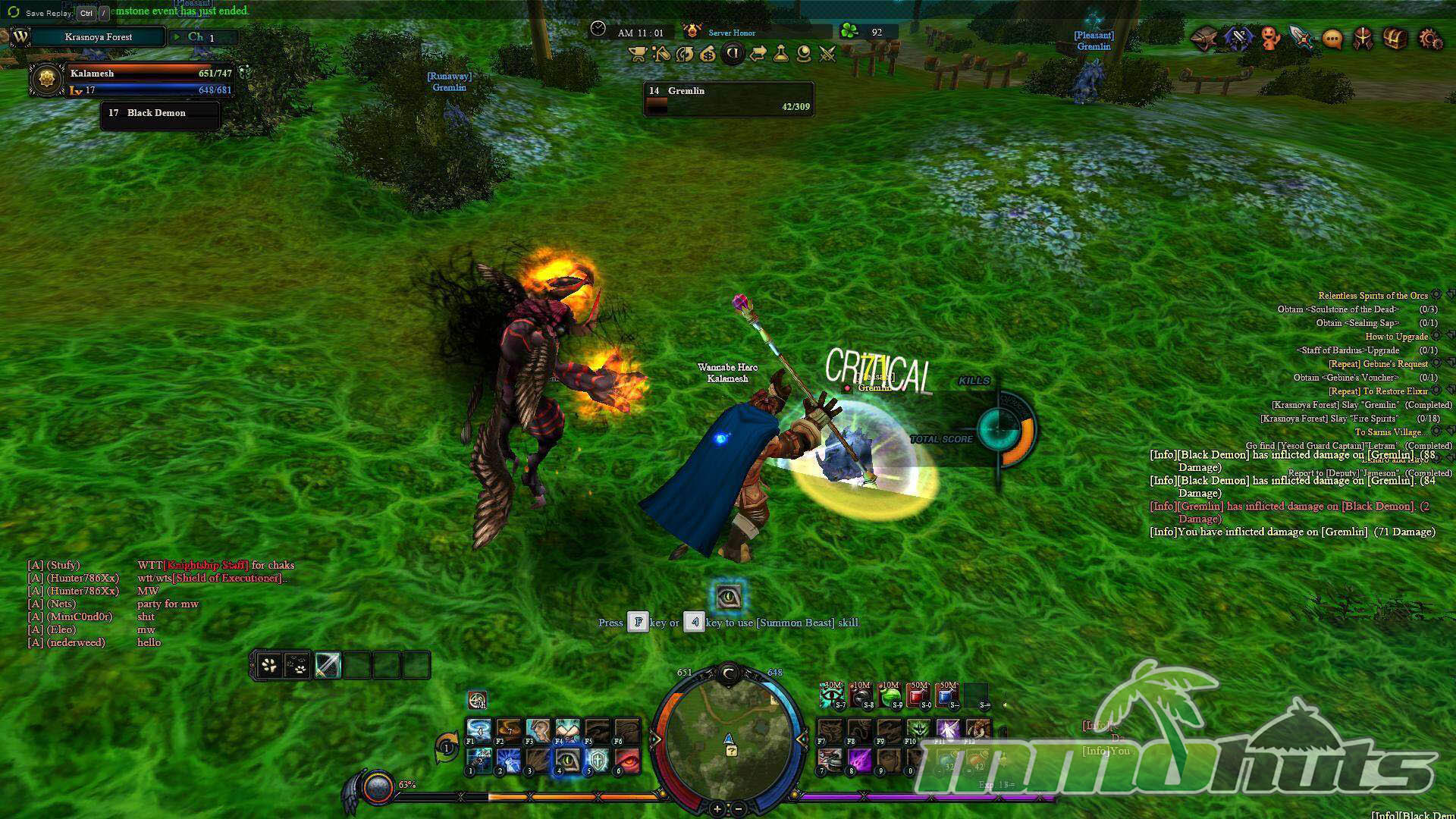

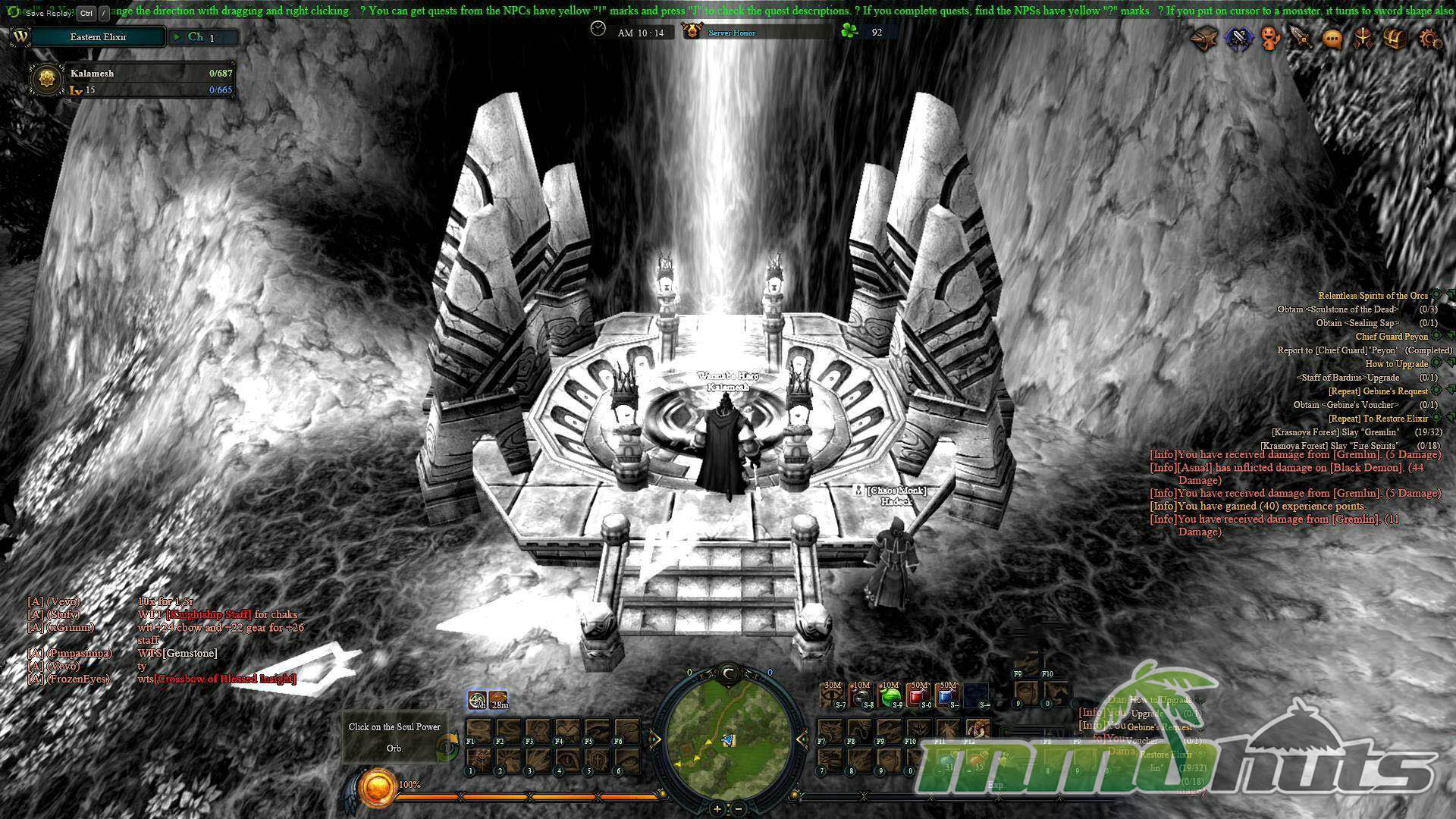
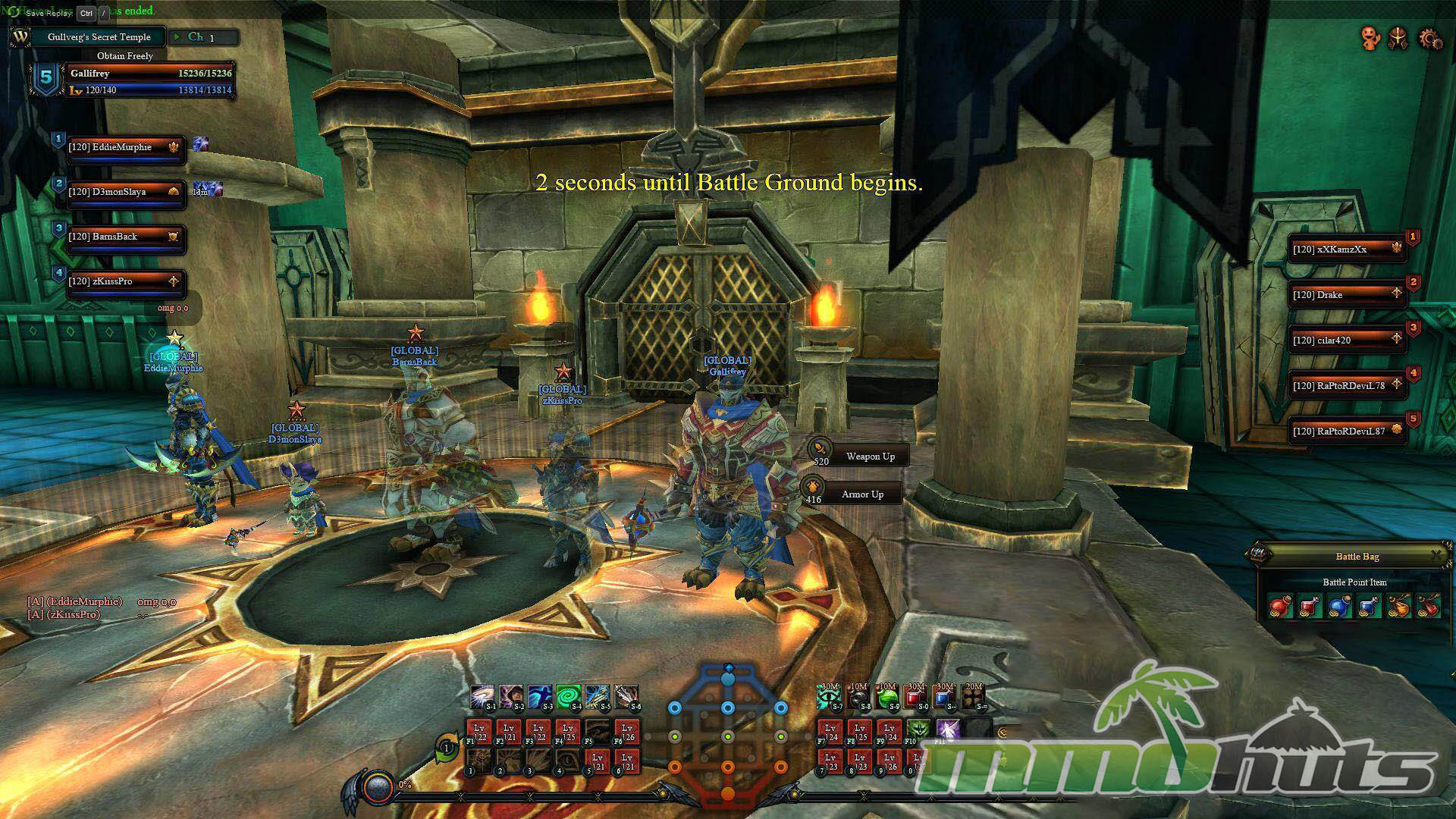
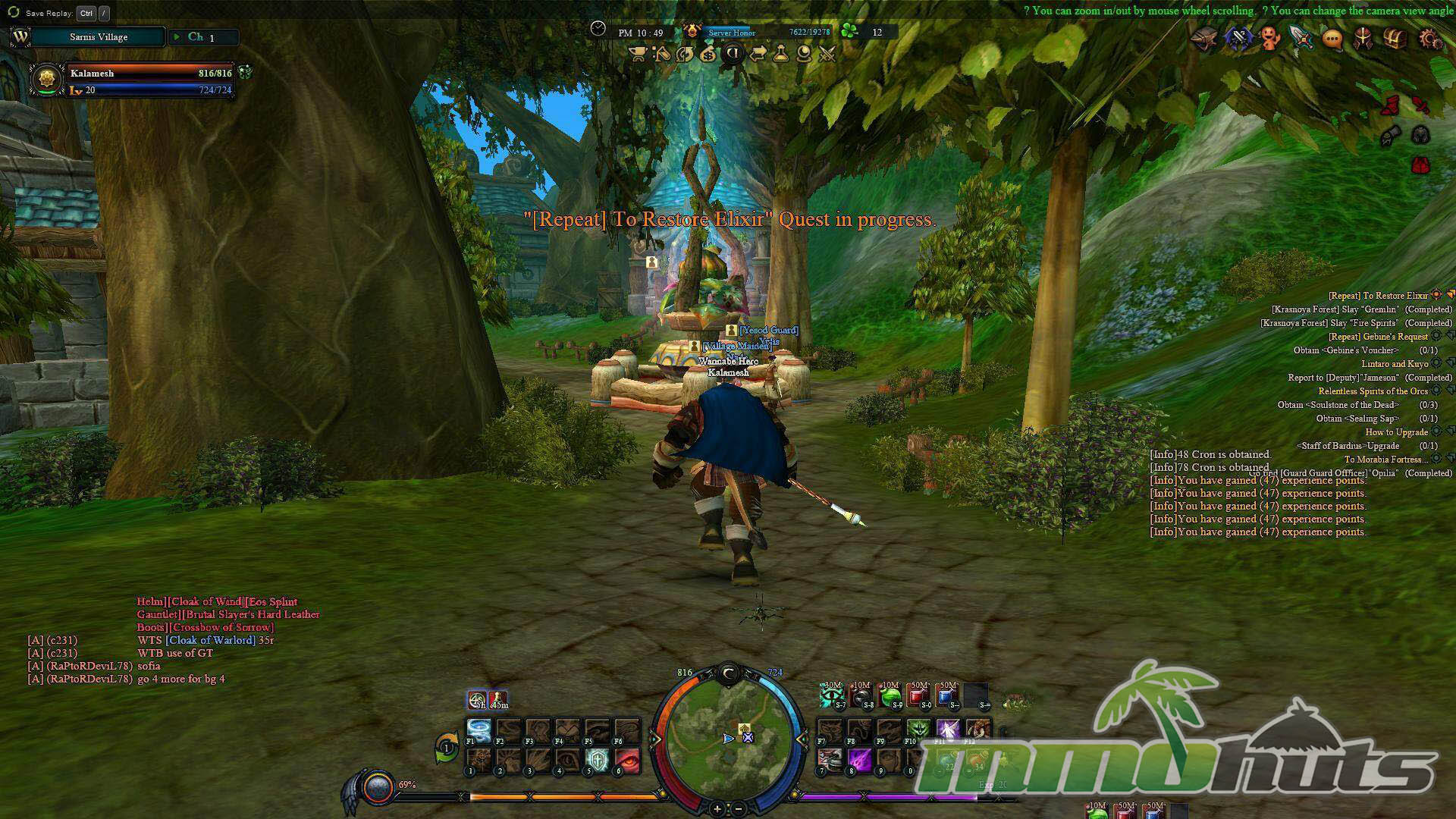
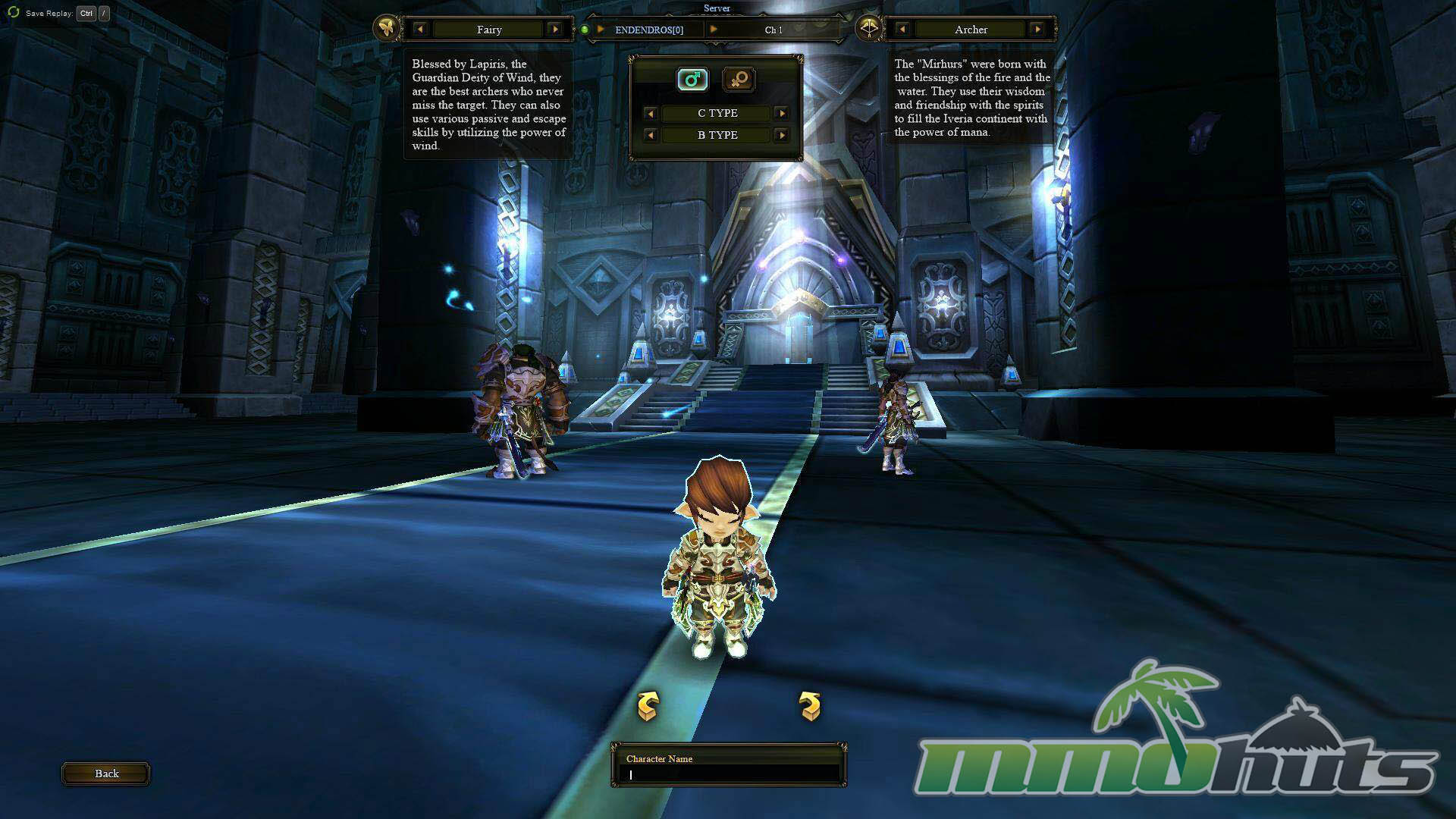
4Story Featured Video

4Story Classes
Classes include the following:
- Archers – ranged damage dealers built around bow attacks, with tools to stay mobile and avoid pressure when enemies close the gap.
- Assassins – burst-focused melee fighters who thrive on quick engagements and positioning, but feel less comfortable when forced into open, prolonged fights.
- Priests – support specialists with crowd control and strong utility, including healing, buffs, and the only revive option for allies.
- Summoners – fight with help from summoned creatures and supportive magic, using crystals and debuffs to weaken targets while assisting a group’s survivability.
- Warriors –frontline bruisers who absorb punishment well thanks to sturdy defenses and a large health pool.
- Wizards – fragile casters that compensate with high-impact spells, including area damage and effects that continue hurting enemies over time.
Races include:
- Fairy –known for intelligence and a natural affinity for magic, making them a comfortable match for Wizard and Summoner playstyles.
- Werebeast –physically powerful and resilient, a strong thematic fit for close-quarters roles such as Warrior or Assassin.
- Humans –the flexible middle ground, with notable magic resistance and balanced stats that suit classes like Priest and Archer particularly well.
4Story Review
4Story is a 3D MMORPG created by Zemi Interactive, with publishing handled by Gameforge in Europe and by Zemi Interactive for the global service. The game originally released in 2008, with the global version launching February 2014 under Zemi’s own publishing. Its world is framed around the ongoing struggle between Craxion and Defugel, while Broa operates as a neutral mercenary state. In practice, that setup gives the game a constant “two sides at war” structure, plus a late-game option to step outside strict faction loyalty.
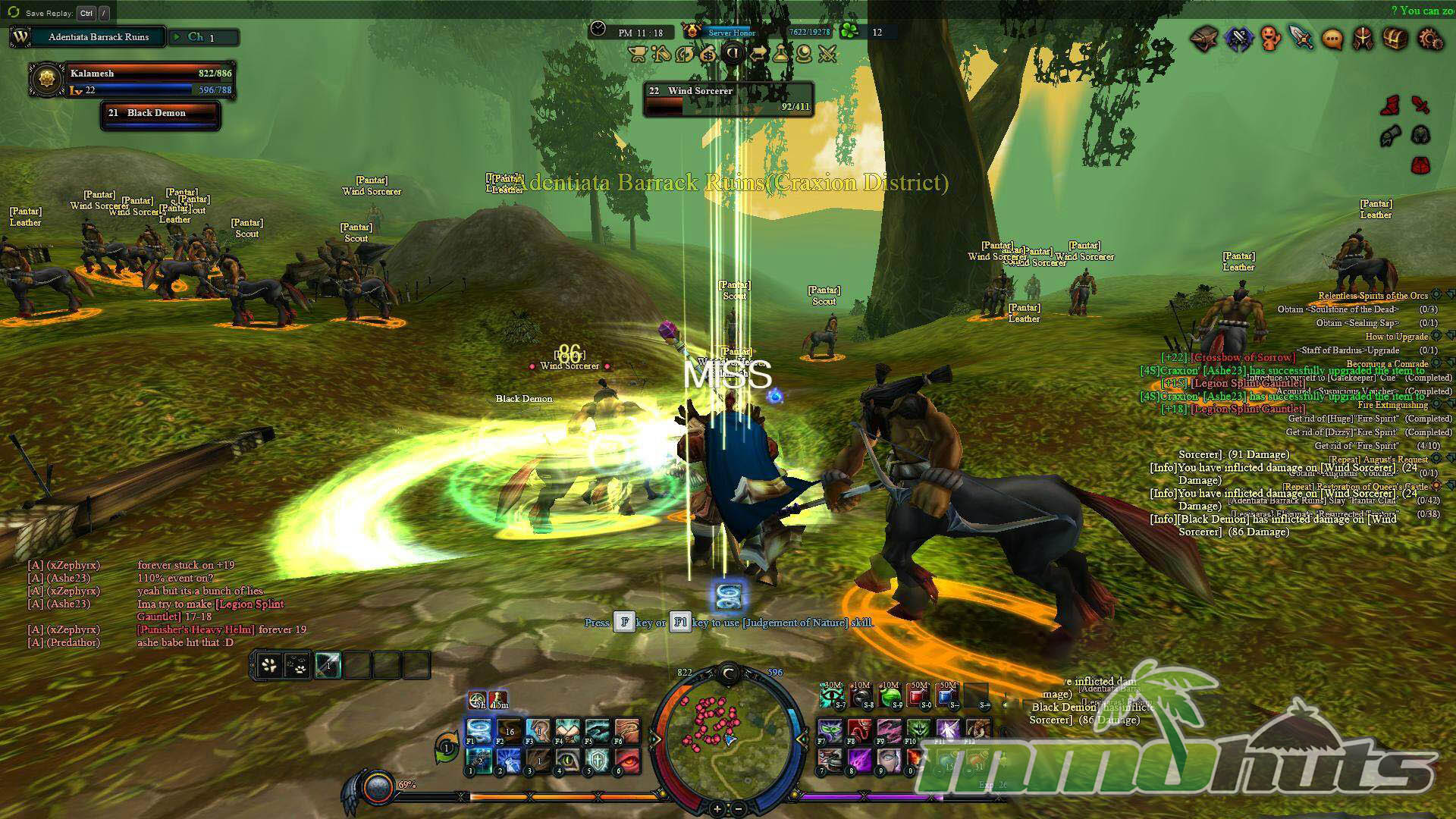
Questing is the main engine of progression throughout Iveria, and the game organizes its world into multiple zones that are also tied into recurring faction conflict. Territory control can change hands, and the PvP menu goes beyond simple duels, including modes intended for larger groups such as Battle Grounds and Battle of the Worlds, which can scale into very large fights (often 50 to 100 players).

Getting Oriented
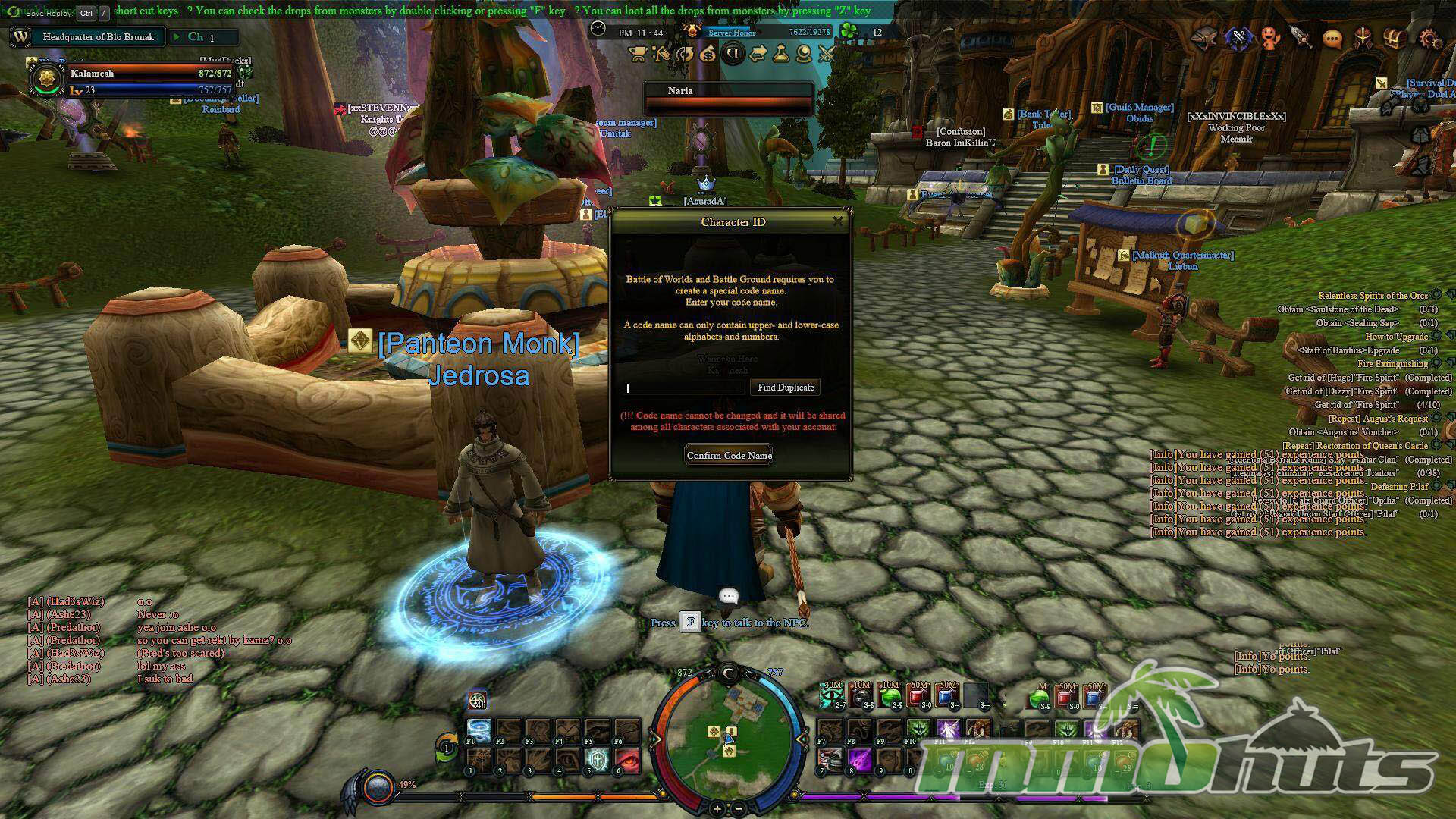
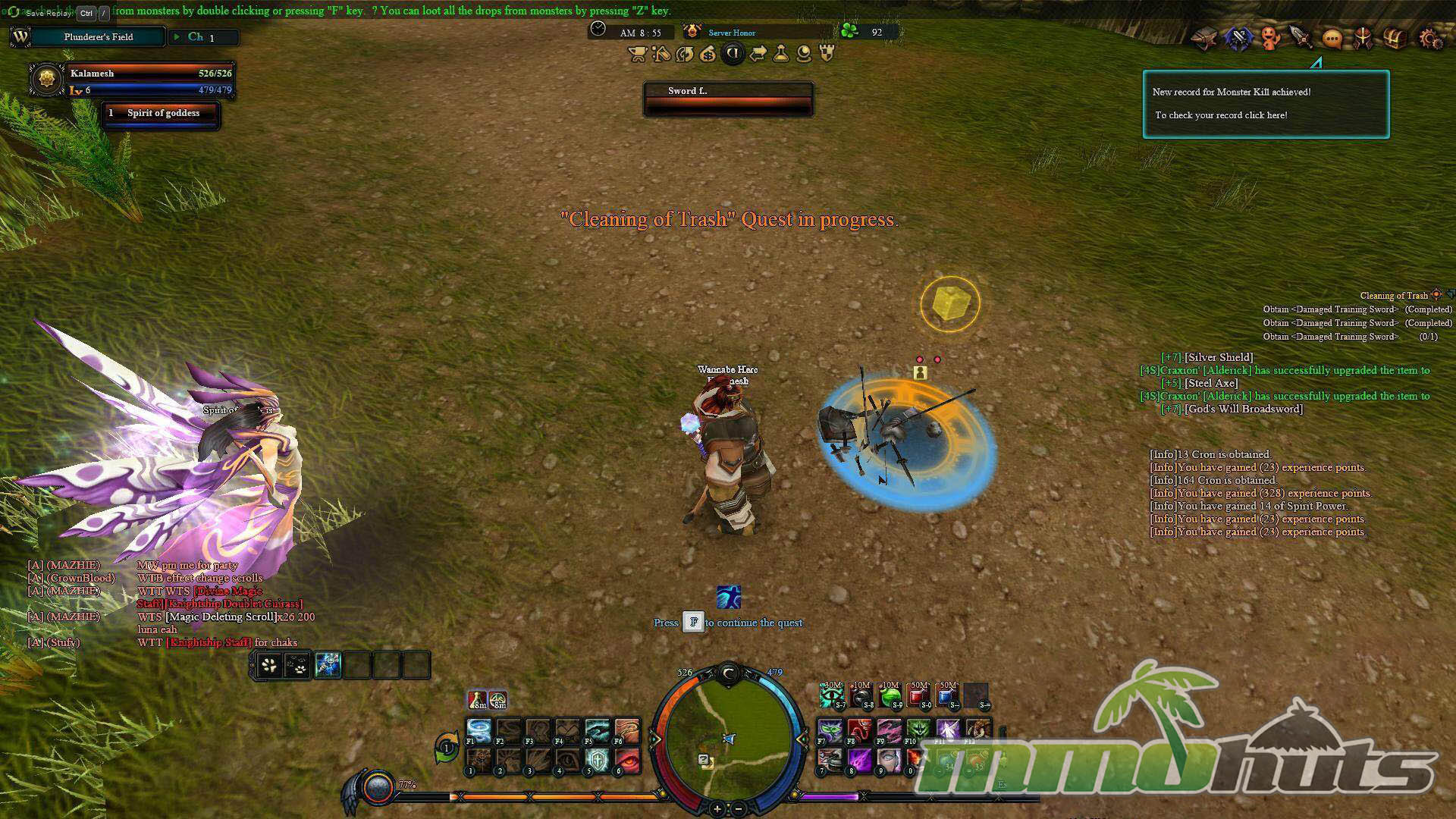
The opening stretch does a reasonable job easing you in through a starter chain that introduces combat, skill usage, and general navigation. Once that initial sequence ends, you are pushed into the familiar MMO rhythm of moving between towns and camps that act as quest hubs, picking up batches of tasks and turning them in for experience and gear.
Movement supports both click-to-move and WASD, and abilities are mapped across number keys and function keys by default. If you prefer a different setup, the keybinds can be adjusted, which is important because the game expects you to use a lot of skills regularly.
The most notable early design choice is that you are not slowly drip-fed abilities. Instead, you begin with your full kit and gain a point each level to upgrade specific skills. It can feel busy at first, but it is also a smart system because you can test what you enjoy in real combat, then invest into the abilities that match your preferred role rather than committing blindly.

Early Levels and Pace
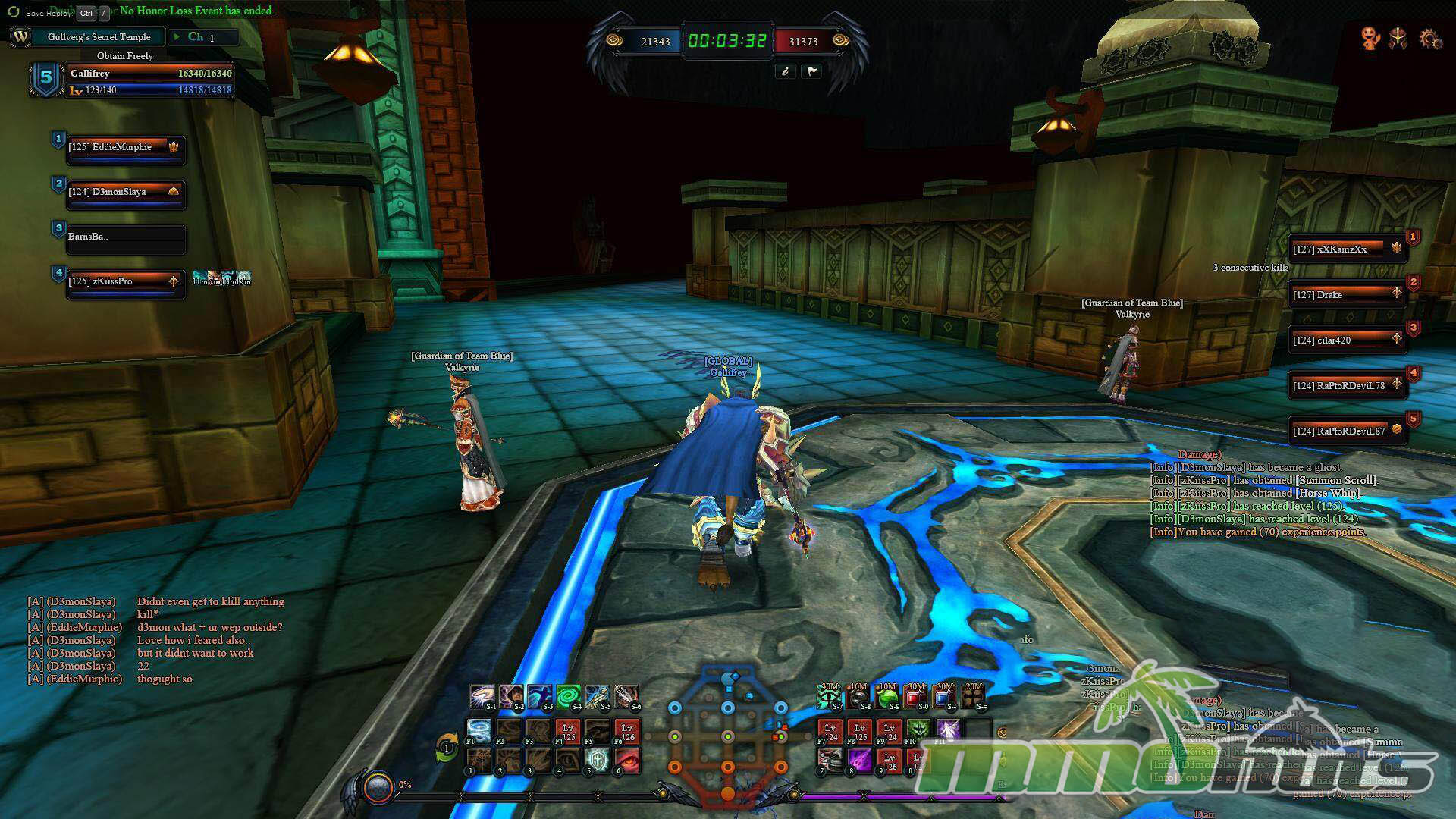
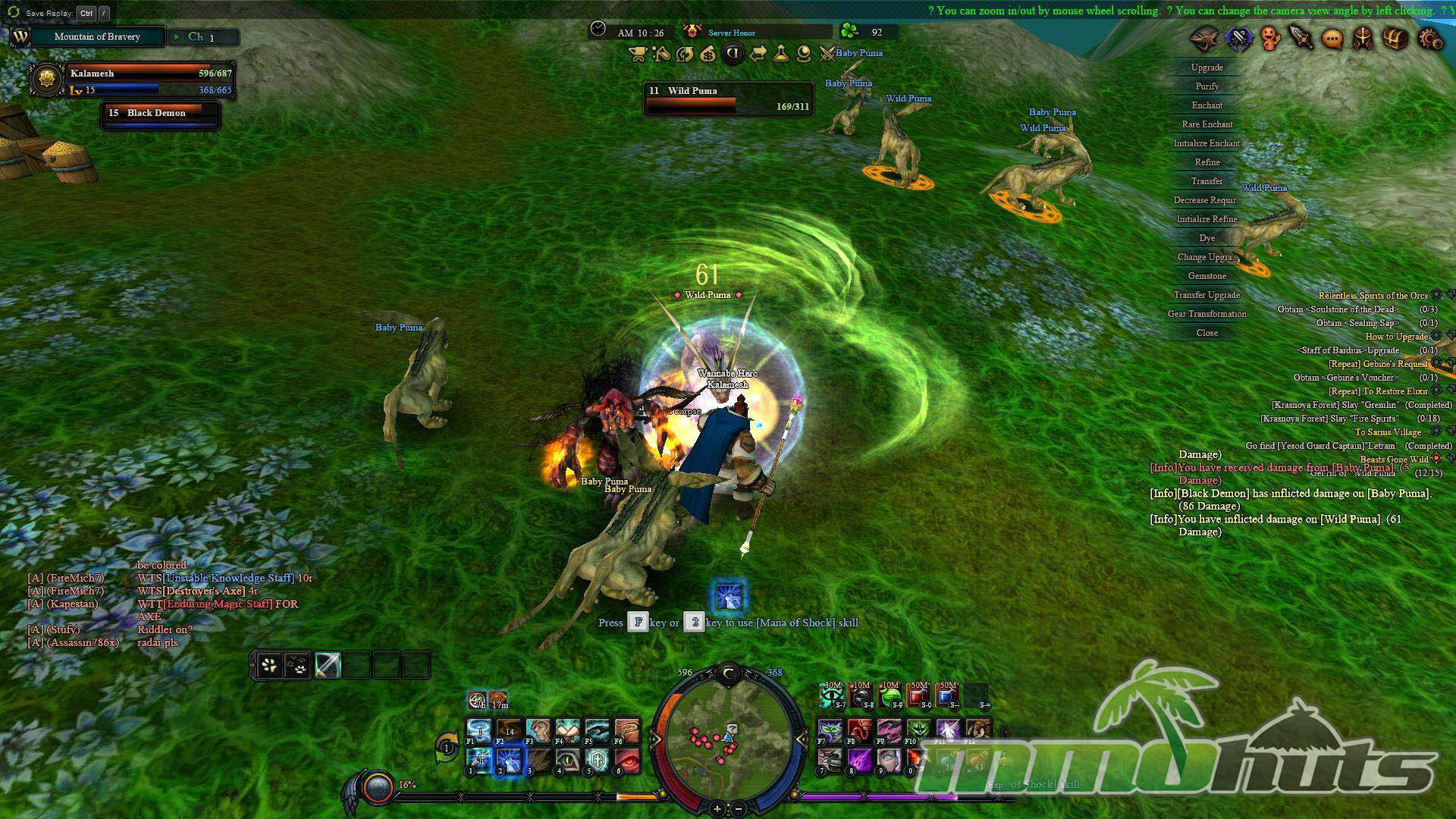
The first levels move quickly, especially if you lean on auto-pathing. With it enabled, your character will run to quest objectives or map-selected destinations, which reduces the amount of downtime that older MMORPGs often suffer from when objectives are spread out.
Starting with a mount also changes the feel of the early game, because travel time is reduced immediately instead of being an upgrade earned much later. The game also hands out a selection of premium-style items early on, such as strong healing potions, experience boosts, and mount-speed gear. Even if you never plan to spend, this is useful because it shows how those boosts affect pacing and survivability.
At Level 9, you choose between Craxion and Defugel. That decision determines where your character warps after the starting area and where much of your quest flow is anchored. It also affects your account, because all characters are tied to the kingdom choice, and newly created characters begin at Level 9 after you have made that selection. Much later, after Level 80, it becomes possible to cancel your allegiance and become a Broan mercenary, letting you work with both nations’ endgame content on the road to the level cap of 140.
Core Gameplay Loop
Moment to moment, 4Story plays like a classic quest-driven MMORPG. You clear objectives, gain levels, and steadily replace gear as you move through zones. The combat and progression do not radically reinvent the genre, but they are functional and easy to understand, especially for players who like structured leveling rather than sandbox systems.
One interesting wrinkle is how the nation war affects questing. Because zones can become controlled by different factions, the game supports disguises that let you interact with quest NPCs in contested regions even when control shifts. The disguise does not protect you from enemy players, who can still attack you, but it can prevent your quest flow from being completely disrupted when the map state changes.

PvP Modes
PvP is where 4Story tries hardest to differentiate itself, offering multiple formats instead of only open-world skirmishes. Alongside duels, there are Aerial Wars, Territory Wars, Dragon Invasion, Battle Ground, and Battle of Worlds, each aiming for a different scale and objective style.
Aerial Wars splits players into attacking and defending forces. The attackers must breach a fortress, while defenders hold from within. Victory is achieved by killing the opposing nation’s leader, which then triggers guardian spawns, and the first side to complete the leader and guardians objective wins.
Territory Wars are guild-centered conflicts where guilds represent nations to take and hold territories. Players without a guild can still join the fighting, but the rewards are tied to guild ownership. The structure involves capturing control points inside territories and defeating key guards to trigger the Guardian Spirit of Para. The nation that defeats the guardian claims the territory, and the NPCs in that region change to match the victor.
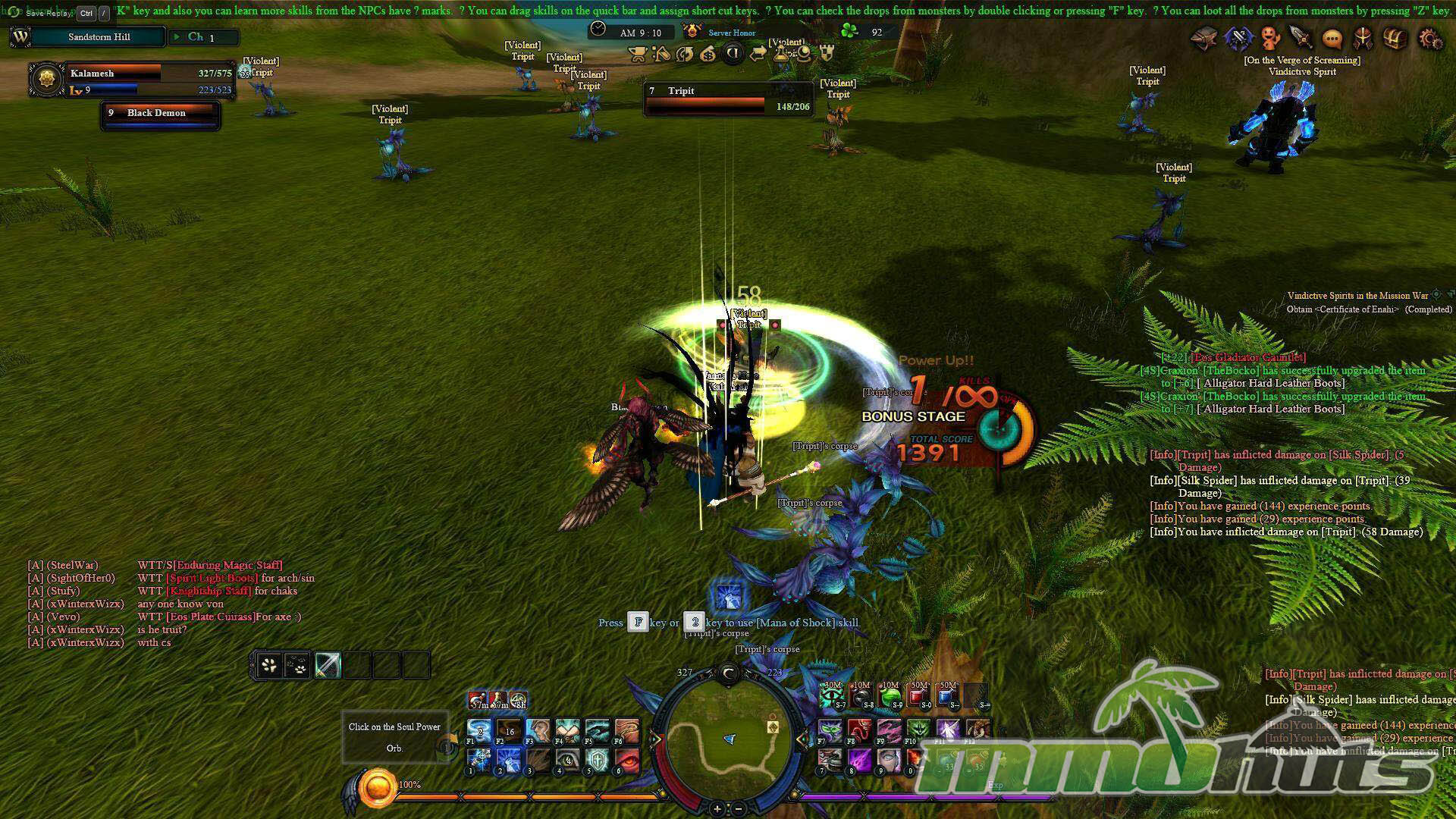
Dragon Invasion is a cooperative battle mode built around waves of increasingly difficult dragon warriors, culminating in Commander in Chief Margarito, a large dragonoid boss. Securing last hits on higher-level enemies can grant special rewards, including chests that can contain random cash shop items and costume pieces, which adds a competitive edge to what is otherwise a group survival scenario.
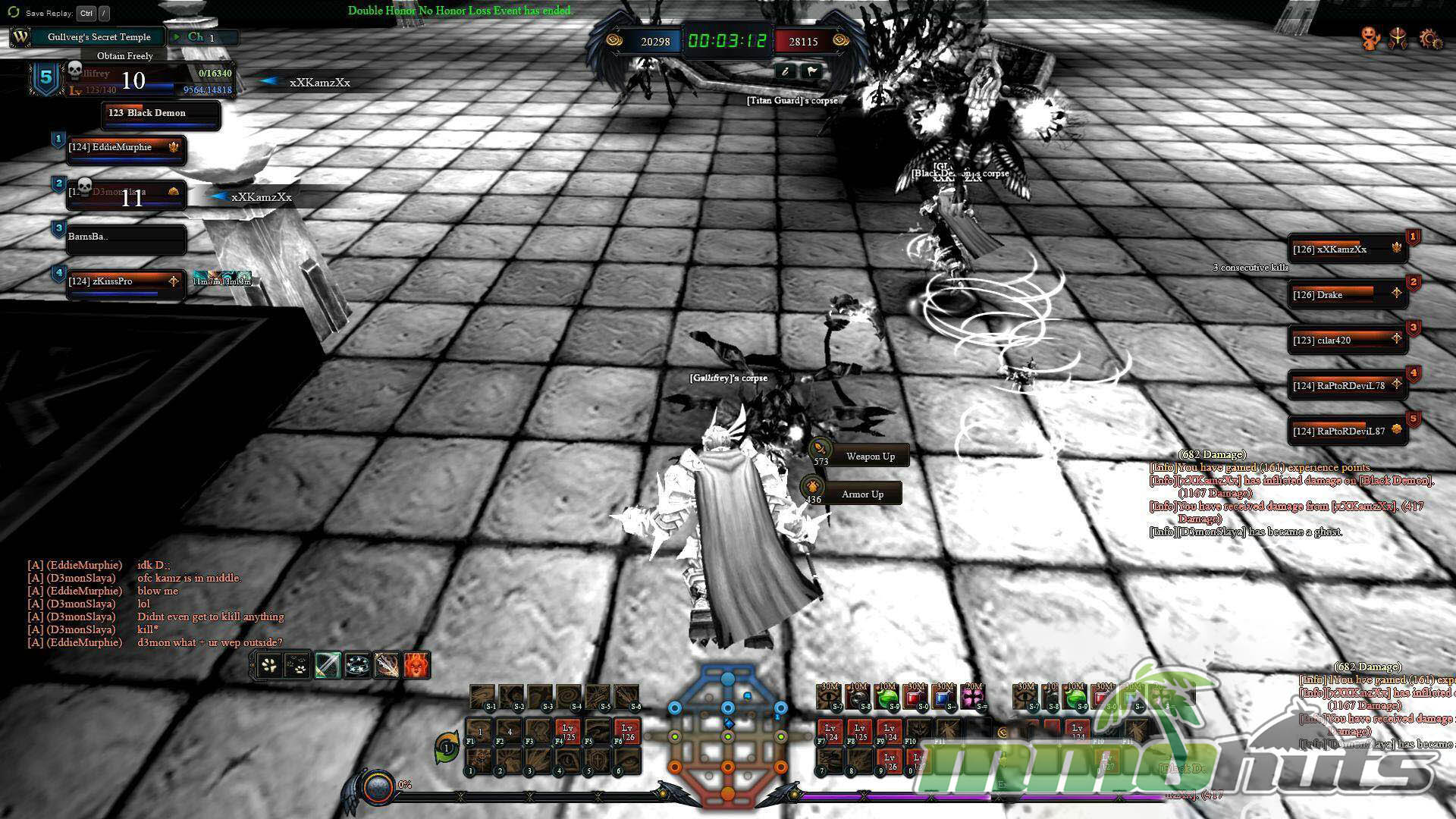
Battle Ground takes a smaller team approach, sending two groups of five into an arena that resembles a MOBA-style layout. Teams push by attacking three titans to pressure the enemy base, while also fighting the opposing players. The match ends when a titan reaches and destroys the opposing base, and while the inspiration is clear, it is an entertaining change of pace from standard arena deathmatches.
Battle of Worlds is the largest format, scaling from 25v25 up to 49v49, which can put close to a hundred players into a single fight. Craxion and Defugel face off directly, while Broan mercenaries choose a side. Each team begins with a boss monster and five points, and the objective is to kill the opposing boss to swing the score (the attackers gain a point and the defenders lose one). The first side to reach 10 points takes the win.
Cash Shop
The cash shop is one of 4Story’s weakest areas. Accessing it in-game opens a web browser page instead of a seamless in-client store, which feels dated and disruptive. The shop includes common free-to-play staples like experience boosts, health-related items, and mounts, but it also sells gear directly. A full equipment set can cost around $40, and when bundled with accessory packs, the price can approach nearly $100. Even though strong equipment is obtainable through normal play, selling stat gear creates a clear pay-to-win path for players willing to spend.
To its credit, not everything in the shop is power, and the cosmetic selection is genuinely helpful. Character creation offers limited customization, so costumes become the main way many players differentiate their look.
Final Verdict – Good
4Story is not an easy recommendation for every MMO player. The localization can be awkward, and the ability to purchase equipment with stats is a real concern for anyone sensitive to pay-to-win design. Still, the game has a steady appeal if you want a free-to-play MMORPG with lots of quest content and a wide selection of PvP modes to explore at endgame. The constant nation conflict, plus the Broa mercenary angle, gives its faction warfare a slightly different flavor than the typical two-side setup. For players who enjoy structured progression and then living in battlegrounds and territory fights, 4Story remains a worthwhile, if dated, option.
4Story System Requirements
Minimum Requirements:
Operating System: XP / 2000 / Vista / 7 / 8
CPU: Intel Pentium 4 1.6 GHz or AMD Equivalent
Video Card: GeForce FX5700 / ATI Equivalent
RAM: 1 GB
Hard Disk Space: 2 GB
Recommended Requirements:
Operating System: XP / 2000 / Vista / 7 / 8
CPU: Intel Pentium 4 2 GHz
Video Card: GeForce 6600 GT / ATI Equivalent
RAM: 2 GB
Hard Disk Space: 3 GB
Despite the 4Story minimum requirements stating 2 GB for hard disk space, the installer alone is ~2.8GB. The official system requirements most likely haven’t been updated in a while.
4Story Music & Soundtrack
4Story Additional Information
Developer: Zemi Interactive
Publisher: Gameforge, Zemi Interactive
Closed Beta: June, 2008
Open Beta: October 20, 2008
Commercial Release Date: July, 2009
Foreign Release:
South Korea: April, 2007 (Zemi Interactive)
Turkey: August, 2009
Greece: July, 2009
Spain: June, 2009
England: May, 2009
France: April, 2009
Poland: April, 2009
Czech Republic: February, 2009
Italy: February, 2009
Japan: December, 2008
Romania: December, 2009
Despite numerous foreign releases, the global version of 4Story, published by the developer, is the go-to version for everybody. GameForge publishes 4Story in Europe, but everyone else can access the global servers.
Development History / Background:
Originally developed in South Korea by Zemi Interactive, 4Story was first known as Gates of Andaron. Work on the project began in 2006, with a closed beta in South Korea in December 2006 and an open beta following in April 2007. Zemi has handled publishing in its home region and also operates the broader global service. With years of continuous operation since its early 2007 release, 4Story has proven unusually durable for a free-to-play MMORPG of its era. Today, GameForge runs the European publishing, while Zemi Interactive maintains the global version without IP restrictions.