
The Secret World
The Secret World is a buy-to-play MMORPG that trades medieval kingdoms and space empires for a modern Earth where monsters, myths, and conspiracies are real. You pick a faction that operates behind the scenes and then push back against occult threats across the world. Instead of rigid classes, your build is defined by the weapons and abilities you choose, letting you shift roles and playstyles as you experiment.
 | Publisher: Funcom Playerbase: Medium Type: B2P MMORPG Release Date: July 3, 2012 Pros: +Classless weapon system encourages experimentation. +Distinct modern horror atmosphere. +Story and missions feel surprisingly mature Cons: -Steep onboarding for new players. -Open progression can feel overwhelming. -Occasional performance hiccups |

The Secret World Overview
The Secret World is a modern-era MMORPG developed by Funcom, built around the idea that the myths people whisper about are not only true, they are organized. Everyday life continues on the surface, but the real work is done by hidden powers that quietly steer society and contain the supernatural. Players align with one of three factions, Illuminati, Templar, or Dragon, and get pulled into a globe-spanning conflict against occult forces and Lovecraft-leaning horrors.
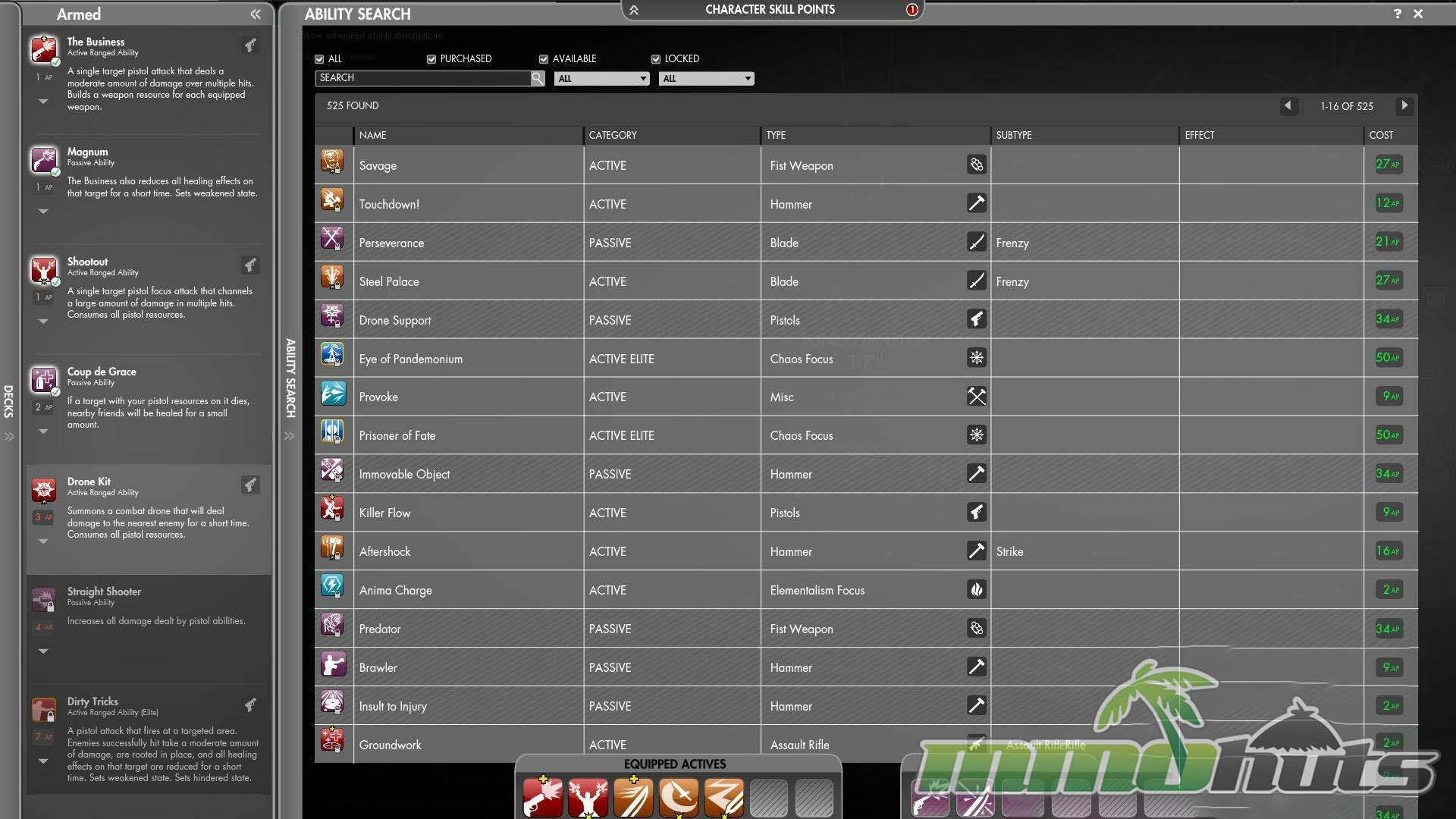
Mechanically, the game avoids traditional classes and instead leans on a weapon-driven progression model. Your build is shaped by what you equip and how you spend points on the ability wheel, a system that encourages mixing styles rather than locking you into a single archetype. Put your points into the weapons you enjoy, unlock actives and passives, then tailor your loadout to match the mission in front of you, whether that is solo investigation, group dungeons, or story-heavy side content.
The Secret World’s strongest identity comes from its narrative focus and presentation. Missions are framed as mysteries and horror stories, delivered with a fully voice-acted cast and frequent cinematic moments. Locations span from foggy New England streets to Tokyo, giving the game a travelogue feel that supports its conspiracy tone, while keeping the player grounded in recognizable places made unsettling by what lurks just out of sight.
The Secret World Key Features:
- No classes – your role is determined by your weapons and chosen abilities, so you can rework your playstyle without rerolling.
- Modern day setting – contemporary locations, urban legends, and pop culture nods replace the usual fantasy kingdoms.
- Fully voice-acted cast – strong voice work and cutscene direction help the world feel character-driven.
- Heavily narrative driven – Ragnar Tørnquist’s story emphasis puts mysteries and atmosphere ahead of pure grind.
- Massive PvP – large-scale faction warfare supports hundreds of players and provides faction-wide benefits.
The Secret World Screenshots




The Secret World Featured Video

The Secret World Review
The Secret World arrived as a rare kind of MMO pitch: not another trip to swords-and-sorcery land, and not a futuristic theme park either, but a present-day conspiracy thriller where every legend has teeth. That premise is not just flavor text, it is the backbone of the experience. The game is at its best when it leans into investigation, atmosphere, and storytelling, even if its combat and systems can demand patience from players who want quick, familiar MMO comfort.
Character Creation
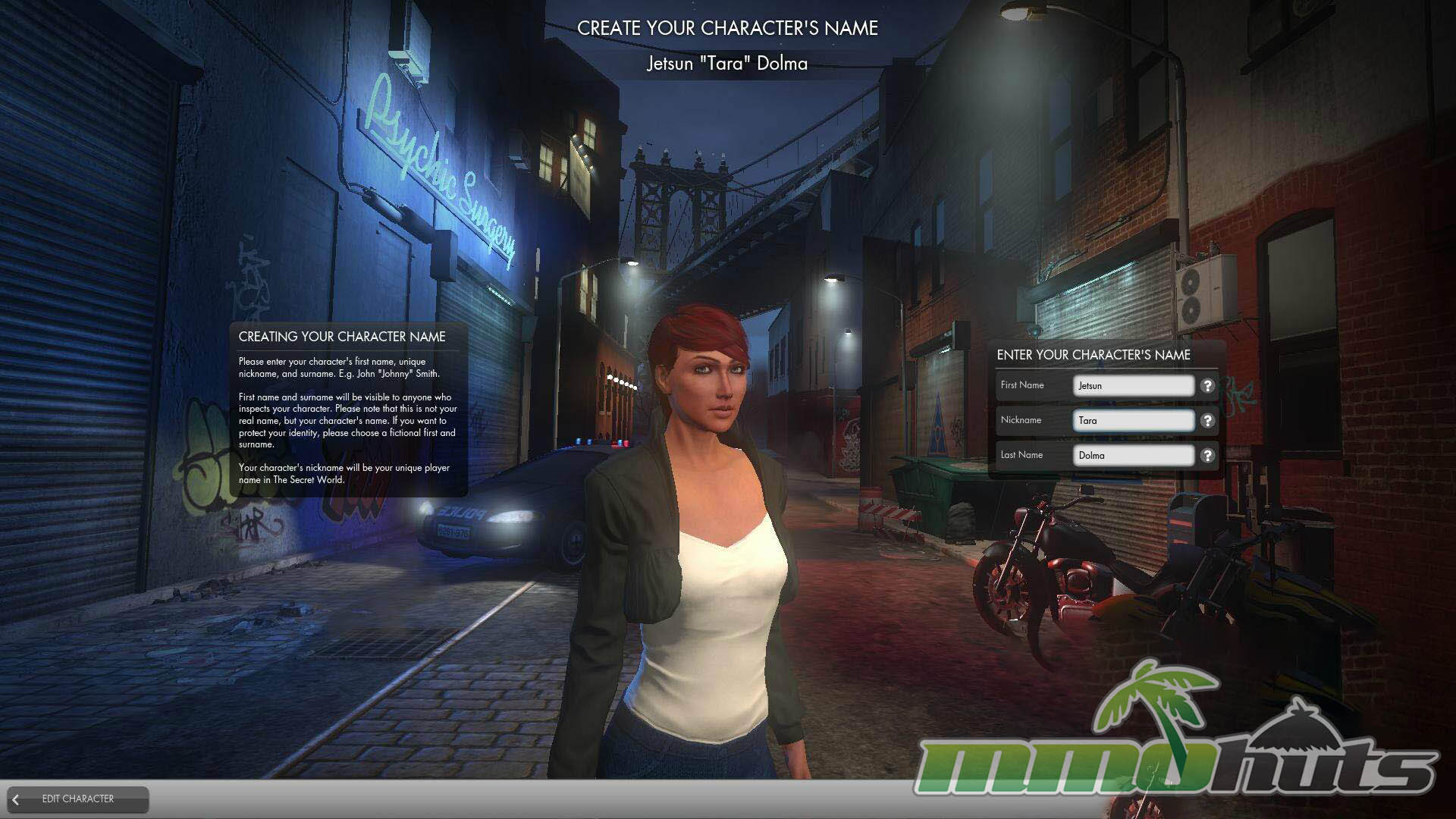
Before you even touch sliders or hairstyles, The Secret World asks you to pledge yourself to a faction. Illuminati, Templar, and Dragon each come with a clear worldview and a distinct tone, and the introductory videos do a good job establishing why these groups would exist in a world where the supernatural needs managing. The voice work sells the pitch, even when the writing gets a little dense, which is arguably part of the charm for a game that enjoys secret histories and layered motives.
Character customization is solid without being extreme. You have a broad set of preset options for features, hair, makeup, and general look, but you are not sculpting faces with the kind of granular control some MMOs offer. It is enough to make a distinctive character that fits the grounded, contemporary setting, and it avoids the worst “uncanny” outcomes that full slider systems sometimes produce.
Combat That Expects You to Pay Attention
The opening hours introduce combat through a strange, dreamlike scenario that sets the tone, then quickly pushes you into fights against unsettling enemies. Moment to moment, combat is action-oriented: abilities are mapped to keys, you build resources with basic attacks, then spend those resources to empower stronger skills. The loop is easy to understand, but it does not encourage autopilot.
Movement matters. You can reposition freely, circle enemies, and use dodges to avoid telegraphed attacks. The Secret World’s enemies hit hard enough that ignoring mechanics can get you punished, even early on, and that keeps fights from becoming pure target-dummy routines. Health regeneration helps keep the pacing moving, but it does not excuse sloppy play when groups start stacking pressure.
One common sticking point is the lack of an auto-attack, which means you are actively pressing buttons for your basic output. For some players, that is tiring over long sessions, but it also reinforces the game’s intention: combat should feel deliberate rather than passive. When it works, it makes even routine encounters feel more involved than the typical tab-targeting treadmill.
That said, the early combat can feel repetitive because your toolset starts small. You will use the same handful of animations and effects for a while, and some starter weapons look less flashy than later options. As your ability pool grows, rotations become more interesting, and the system opens up into a satisfying “build lab” where passives and actives start interacting in meaningful ways.
Playing Without a Traditional Class
If you come in expecting to pick “wizard” or “paladin,” The Secret World intentionally sidesteps that structure. Instead, it asks you to choose weapons, then build around them. There are nine weapon types spread across ranged, melee, and magic categories, and you can pair two weapons to create a hybrid approach. That flexibility is one of the game’s defining traits, and it makes experimenting feel natural, especially as you learn what content you enjoy most.
You earn Ability Points and Skill Points as you progress. Ability Points unlock new active and passive skills on the ability wheel, while Skill Points improve proficiency and allow you to equip better gear for the paths you are investing in. The interface is designed to show the full landscape of possibilities at once, which communicates freedom, but can also be intimidating because it reveals how much there is to learn.
Switching weapons and adjusting your playstyle is encouraged. Rather than rerolling characters to try new roles, you can gradually broaden your options, then tune your build to the needs of a dungeon group or a solo mission. Players who enjoy theorycrafting and loadout tinkering will find a lot to chew on here.
Missions That Do Not Treat You Like a Tourist
Questing is the heart of The Secret World, and it rarely feels like filler. Missions range from straightforward story beats to investigations that ask you to search environments, connect clues, and sometimes think like a detective rather than a loot collector. The game is also comfortable letting you be uncertain, with fewer overt signposts than many MMOs.
A big part of the appeal is that missions tie back into the setting’s mysteries, so even side content tends to reinforce the tone instead of existing as detached errands. When you solve a problem, it often feels like you uncovered something, not just because you got experience points, but because the world makes a little more sense, or becomes a little more unsettling.
This design has a consequence: if your primary MMO motivation is endgame raiding as the main destination, The Secret World may not land the way you want. Its strongest “endgame” is the journey through its stories and puzzles, and the satisfaction comes from unraveling the world rather than sprinting past it.
Atmosphere First, Technology Second
The Secret World released in 2012, and you can see its age in certain technical areas, particularly in some cutscene presentation and occasional visual roughness. Still, the game’s art direction does a lot of heavy lifting. It understands horror mood: fog, uneasy lighting, quiet streets that feel wrong, and locations that seem familiar until the details start to betray something hidden underneath.
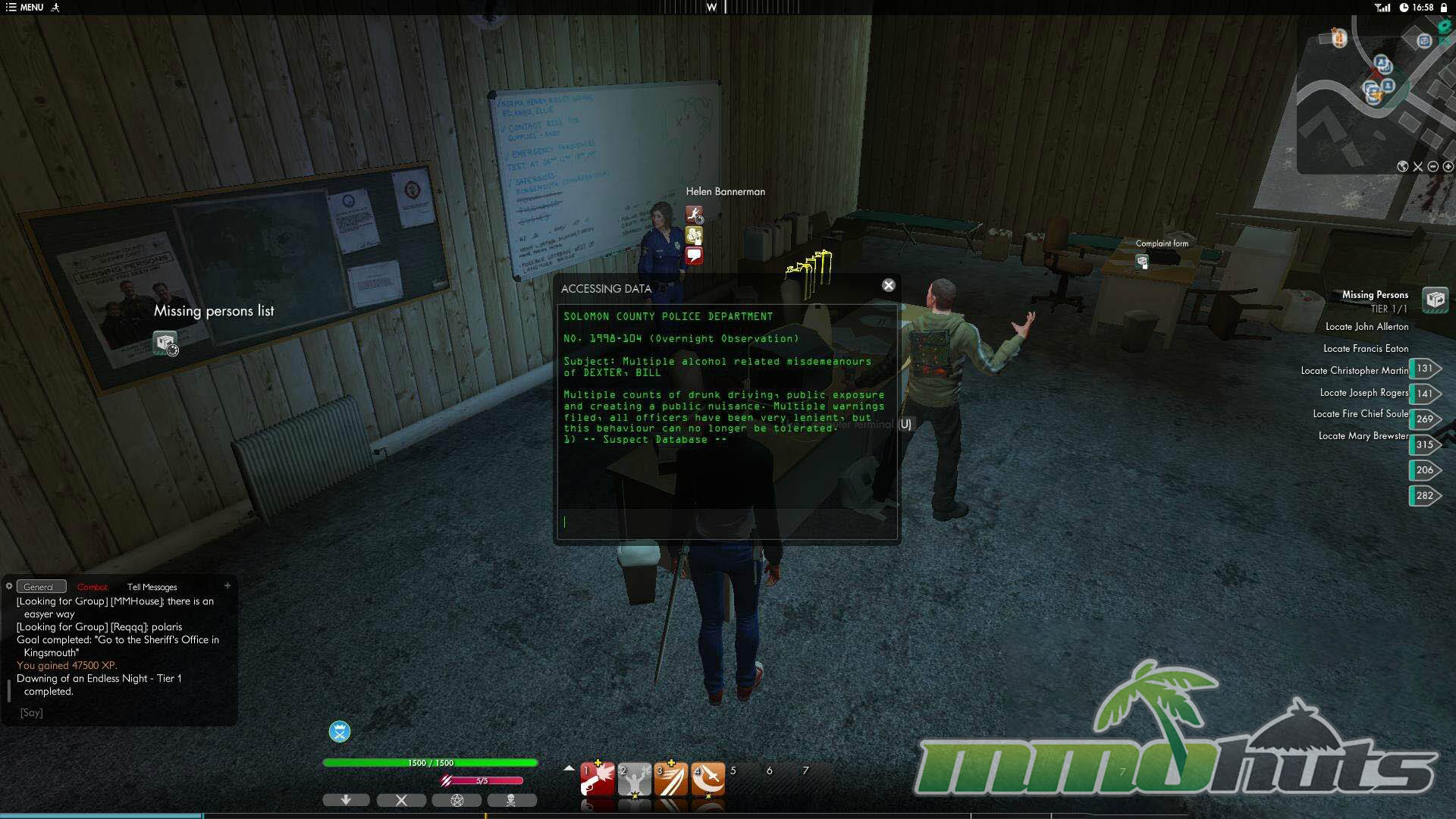
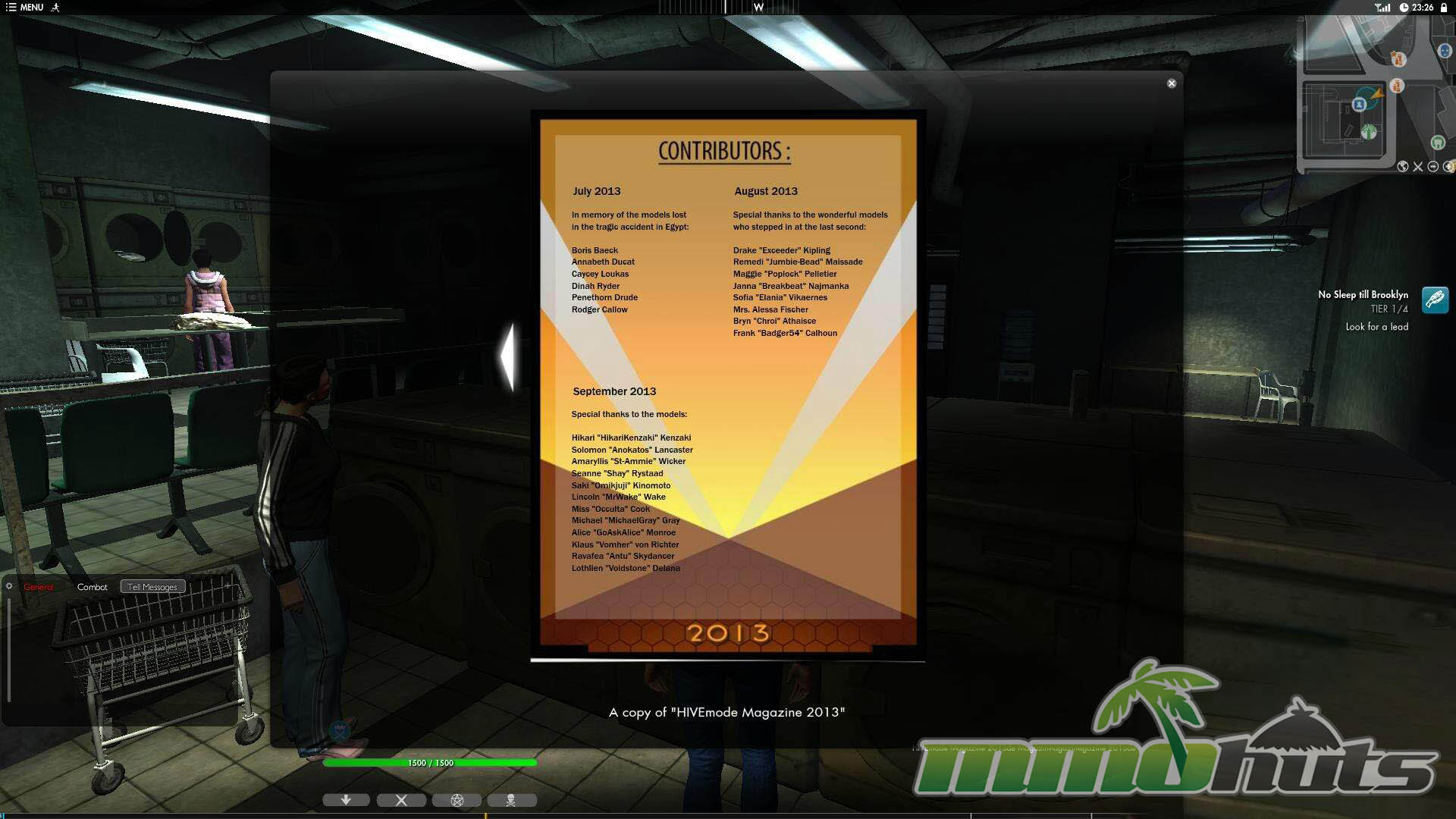
Exploration is also rewarded through collectible lore fragments, marked by distinctive icons, that add context and deepen the conspiracy vibe. Many of these entries are written to feel cryptic and poetic, as if you are reading pieces of a larger puzzle that never fully resolves. It is deliberately opaque at times, but that approach fits a setting built around secrets layered on secrets.
Voice Acting and Cutscene Direction
Voice work is consistently a highlight. NPCs generally sound like people with motives and personality rather than quest vending machines, and the game uses cinematic framing to sell key moments. Camera work, pacing, and staging often aim for a TV-drama feel, and while not every scene lands perfectly, the overall presentation is unusually confident for an MMO of its era.
Some performances can feel mismatched to their setting, which may pull you out of the moment, but the broader impression is that the developers prioritized storytelling delivery as much as they prioritized systems and content. That emphasis is a big reason the game’s world remains memorable.
PvP
PvP exists as a separate pillar alongside the story focus, and it supports multiple formats. Smaller instanced battlegrounds provide structured matches, including El Dorado (a larger objective-focused mode with faction teams) and Stonehenge (a tighter, smaller-scale fight). For players who want something more persistent, The Fusang Projects functions as a large ongoing warzone where factions compete for control and the winners grant bonuses to their side, such as increased experience.
If you are primarily here for narrative content, PvP can be something you sample occasionally. If faction competition appeals to you, the game gives you enough variety to find a mode that fits.
Cash Shop
The Secret World includes a cash shop that mostly emphasizes cosmetics, with a handful of boosters for players who want to accelerate progress. Funcom points are the currency, with 600 points priced at $5. Many clothing and style items sit within reach of that amount, while some purchases, including boosters and higher-priced cosmetics, can cost more than 300 points and may require topping up.
The biggest drawback is usability. Navigation is category-based but relies on filtering and checkboxes that can feel clunky, and the presentation does not make browsing particularly smooth. The shop is not aggressively pay-to-win, but it is also not a pleasant interface to spend time in.
Final Verdict – Great
The Secret World stands out because it commits to mood, mysteries, and worldbuilding in a way few MMORPGs attempt. Its classless weapon system supports experimentation, and its missions often feel like real stories rather than a conveyor belt of chores. The tradeoff is that the learning curve can be demanding, and players who want a conventional raid-first MMO structure may find the game’s priorities misaligned with theirs. For anyone interested in a modern horror MMO where narrative is the main reward, The Secret World remains an easy recommendation.
The Secret World Links
The Secret World Official Site
The Secret World Steam Store
The Secret World Wikipedia
The Secret World Reddit
The Secret World Wiki [Database/Guides]
The Secret World Wikia [Database/Guides]
The Secret World System Requirements
Minimum Requirements:
Operating System: Windows XP, Windows Vista, or Windows 7
CPU: Core 2 Duo E4700 2.6GHz or Athlon 64 X2 Dual Core 5600+
Video Card: GeForce 8800 GS or Radeon HD 3850 X2
RAM: 2 GB
Hard Disk Space: 30 GB
Recommended Requirements:
Operating System: Windows XP, Windows Vista, or Windows 7
CPU: Core i5-2320 3.0GHz or FX-6350
Video Card: GeForce GTX 560 Ti or Radeon HD 7850
RAM: 6 GB
Hard Disk Space: 30 GB
The Secret World Music & Soundtrack
The Secret World Additional Information
Developer(s): Funcom
Publisher(s): Electronic Arts
Programmer(s): Øystein Eftevaag
Director(s): Ragnar Tørnquist
Producer(s): Ragnar Tørnquist, Anne Lise Waal
Designer(s): Martin Bruusgard, Joel Bylos
Programmer(s): Øystein Eftevaag
Artist(s): Christer Sveen
Writer(s): Dag Scheve
Composer(s): Marc Canham, Simon Poole, Magnuse Beiter
Engine: Dreamworld
First Open Beta: May 11, 2012 (Kingsmouth Calling)
Second Open Beta: June 15, 2012 (Hell Raised)
Release Date: July 3, 2012
Steam Release Date: August 8, 2012
Expansions (issues):
- Carter Unleashed – July 31, 2012
- Digging Deeper – September 18, 2012
- The Cat God – September 26, 2012
- Big Trouble in the Big Apple – November 15, 2012
- The Vanishing of Tyler Freeborn – December 19, 2012
- Last Train to Cairo – March 14, 2013
- A Dream to Kill – July 9, 2013
- The Venetian Agenda -November 7, 2013
- The Black Signal – June 4, 2014
- Nightmares in the Dream Palace – December 4, 2014
- Reaping the Whirlwind – May 6, 2015
The Secret World was developed by Norwegian video game development company Funcom, and published by Electronic Arts. Pre-production began in 2002, and the game was originally known as Cabal—as well as The Entire World Online. Work on the game was suspended until Funcom completed Dreamfall, released in 2006. The Secret World’s development team consisted of MMORPG veterans who had worked on previous titles such as Anarchy Online and EverQuest II. And The Secret World utilizes the same engine as Age of Conan, Dreamworld. Beta testing sign-up became available on August 30, 2011, and Funcom revealed that over 750,000 people applied to take part in the game. The game continues to have a dedicated, core player base. And Funcom does release periodic updates, known as “issues,” that expand upon the game’s story line.