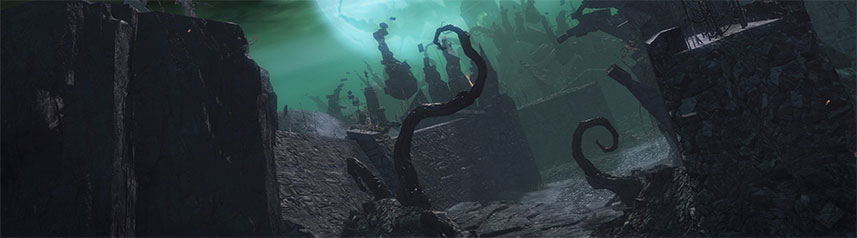
Age of Conan is a gritty, sword-and-sorcery MMORPG rooted in the brutal tone of Conan the Barbarian. It offers twelve distinct classes across eighty levels, mixes open-world PvP with large-scale siege battles, and leans on an active, directional combat model that makes melee feel far more hands-on than most tab-target MMOs.
 | Publisher: Funcom Playerbase: Low Type: MMORPG Release Date: May 20, 2008 Pros: +Active, directional melee that feels engaging. +Memorable music and sound design. +Guild cities and sieges add long-term goals. +A full roster of twelve classes with varied roles. Cons:-Balance can be uneven depending on class and mode. -The starting island segment overstays its welcome. -Storage footprint is hefty for an older MMO. -Content updates have slowed significantly. |

Age of Conan Overview
Age of Conan: Unchained is a fantasy MMORPG set in the harsh Hyborian Age, a setting defined by steel, sorcery, and a deliberately mature presentation. Instead of relying purely on cooldown rotations and stationary target dummies, the game emphasizes visceral, real-time combat where positioning and attack direction matter, giving fights a rougher, more physical cadence than many MMOs from its era.
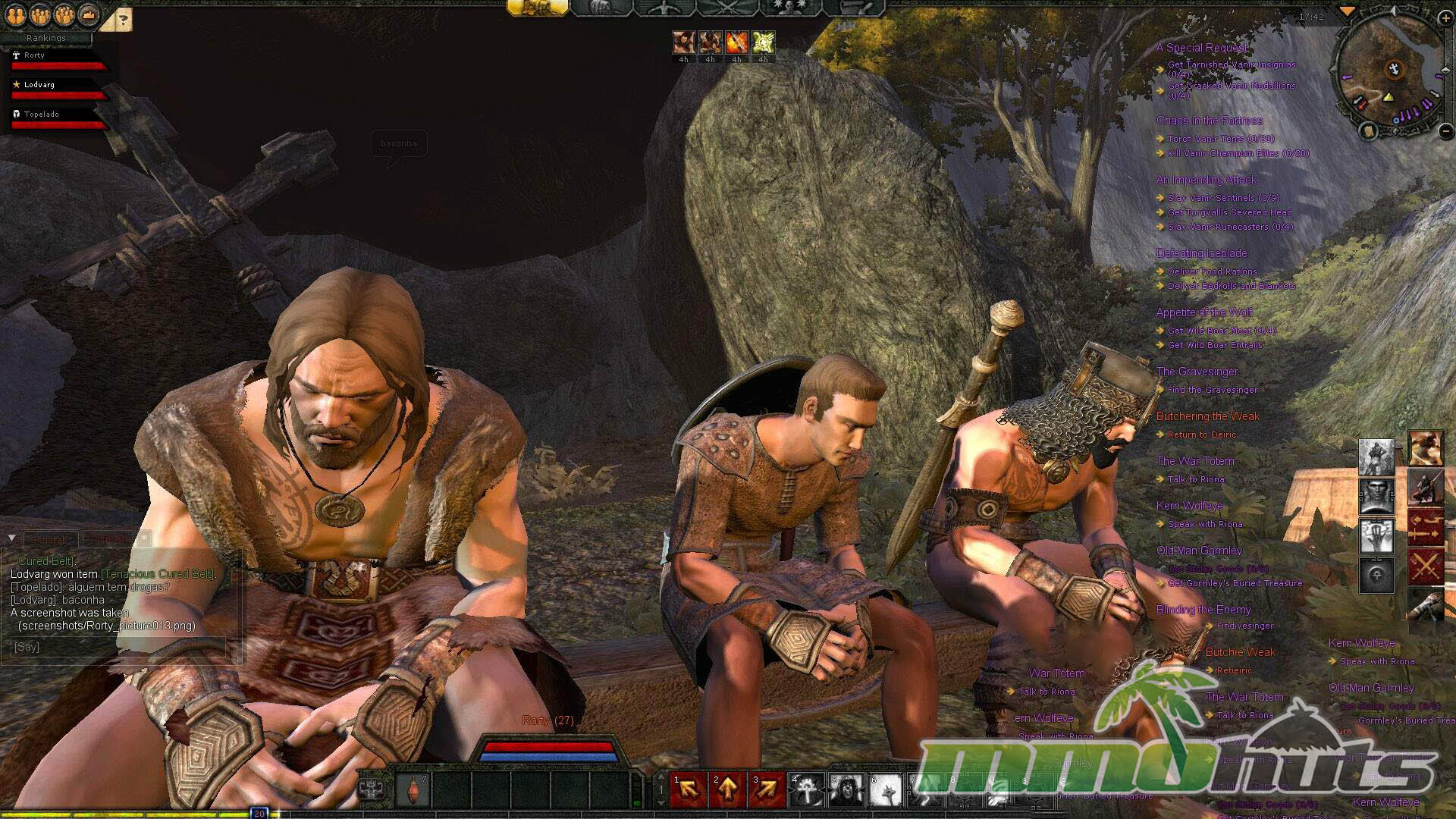
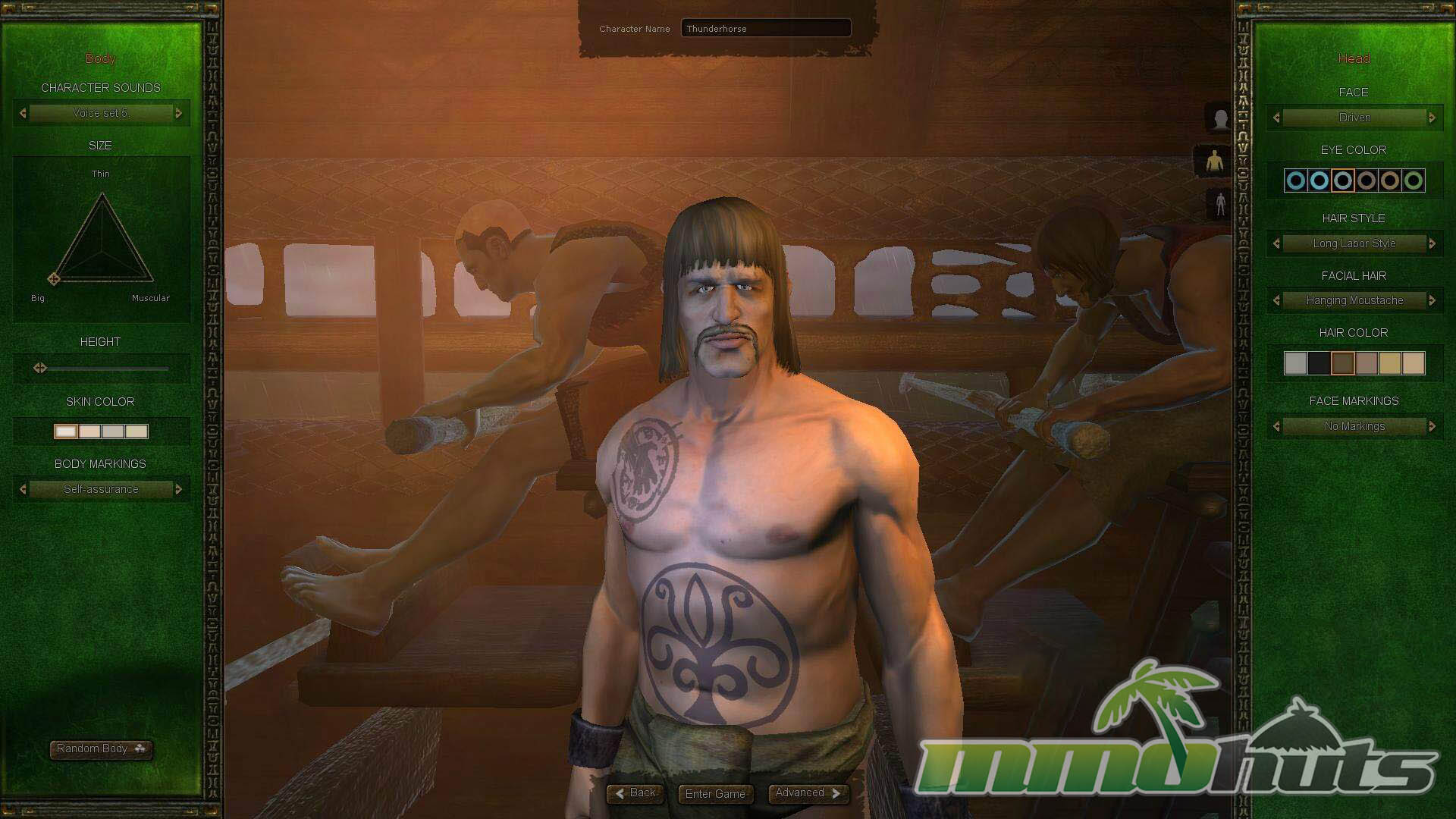
Character creation is also a major pillar. Players can fine-tune a surprising number of facial and body features through slider-based customization, letting you build anything from a scarred mercenary to a regal noble, depending on the culture you pick. With four cultures and twelve classes, the early decisions have real impact on roleplay flavor and the kind of toolkit you bring into both PvE and PvP.
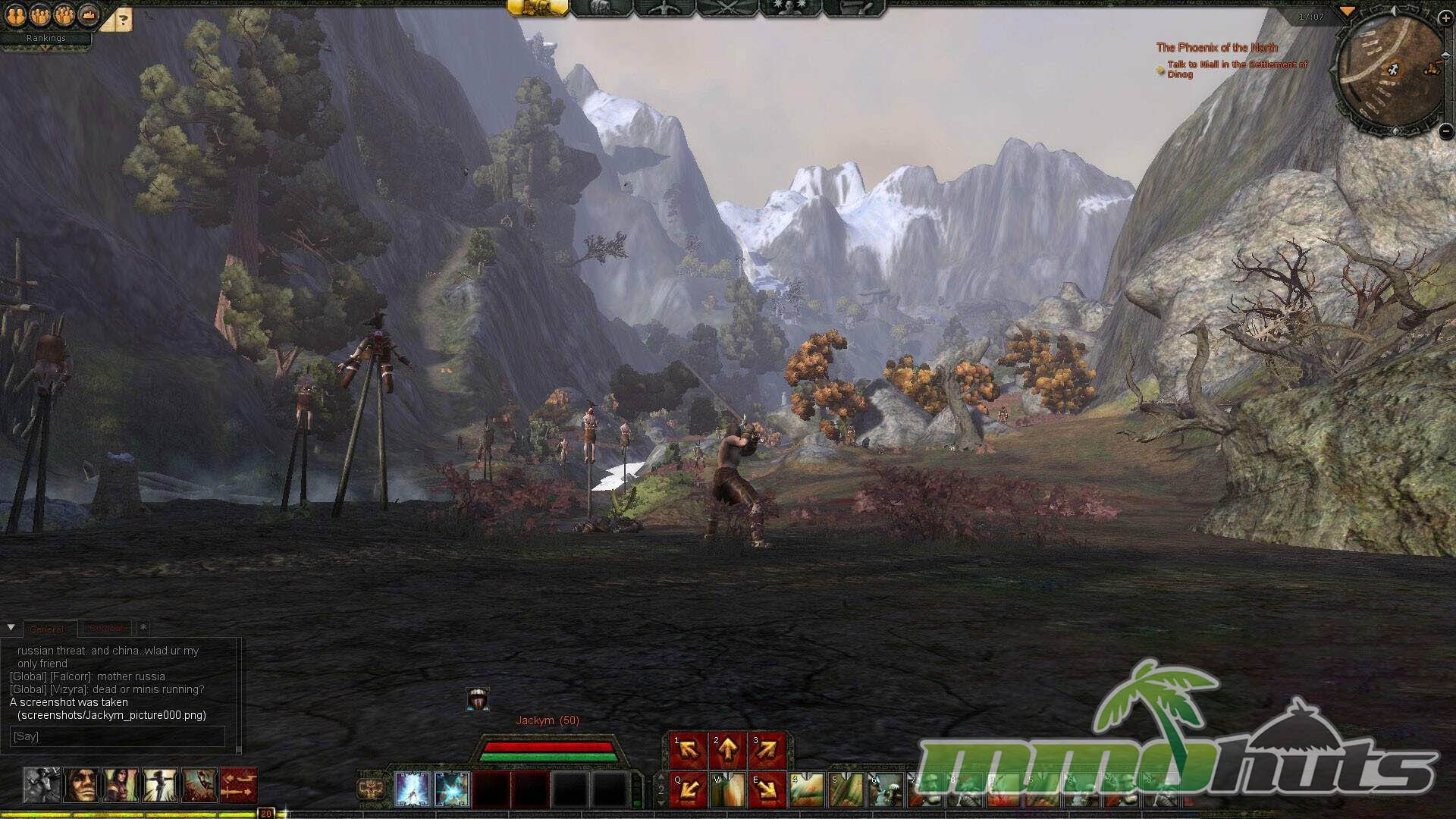
Progression stretches across eighty levels and a wide spread of regions, ranging from starter areas designed to teach core systems to later zones built around faction conflict and contested travel. On the competitive side, Age of Conan’s PvP includes open-world danger in certain areas and guild-driven warfare, where organized groups fight to control and defend player-built cities through siege-style battles.
Age of Conan Key Features:
- Class Variety – twelve classes offering different combat rhythms, party roles, and playstyles.
- Real-Time Combat System – directional attacks and combo inputs that make melee feel more deliberate.
- Replayability – eighty levels supported by multiple zones and quest paths to push through.
- Siege Warfare – guilds clash over ownership and defense of player-controlled cities.
- Extensive Character Creation – deep slider options for faces and features so characters do not all look alike.
Age of Conan Screenshots
Age of Conan Featured Video

Age of Conan Review
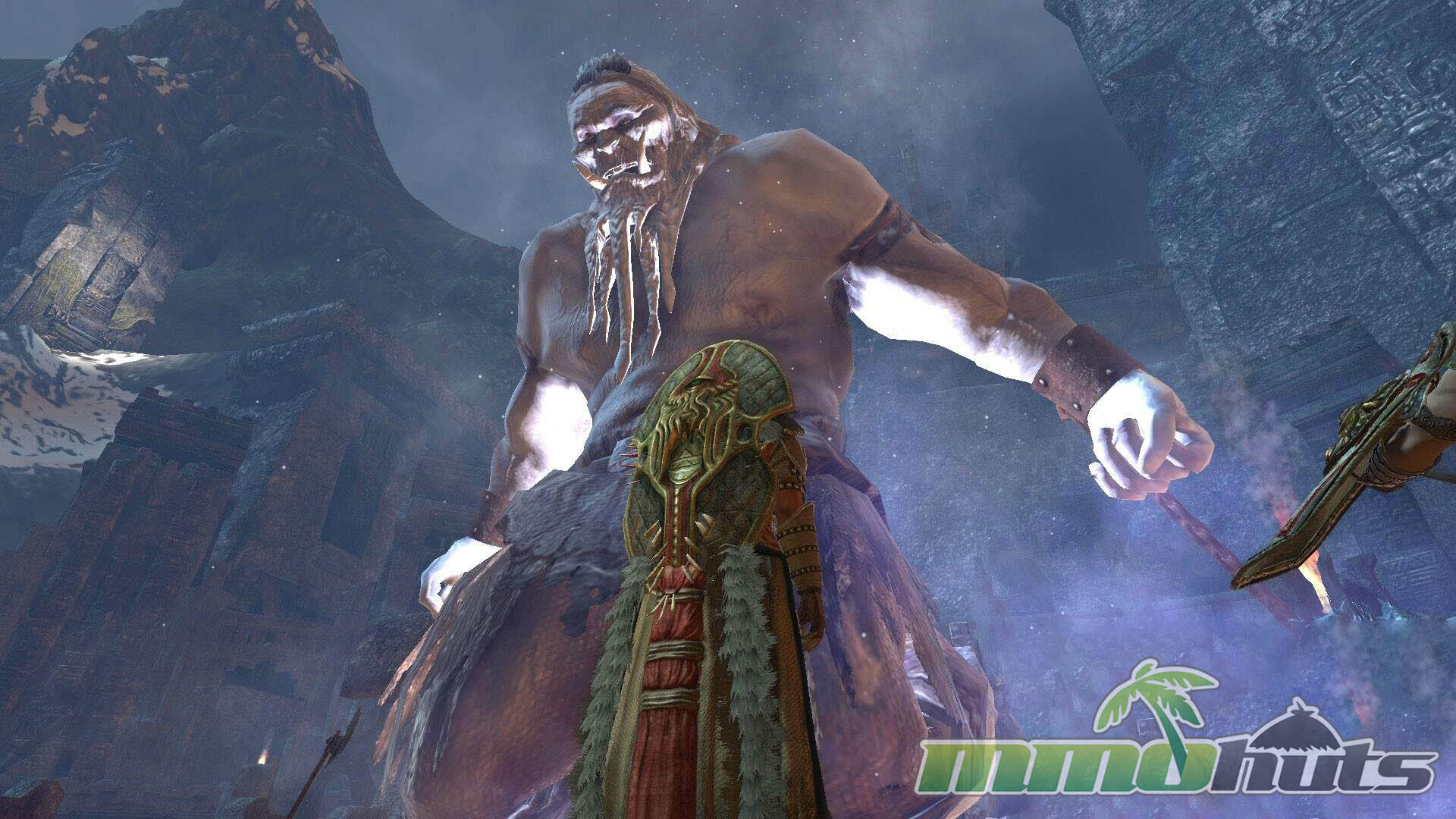
Age of Conan: Unchained aims for a particular kind of MMO fantasy, one where the world feels hostile, combat is messy, and the tone is closer to pulp brutality than heroic high fantasy. The Hyborian Age is a natural fit for that approach, and even years after launch, the game still stands out for committing to an atmosphere of grime, danger, and hard-edged adventure rather than leaning into theme-park cheer.
Building Your Hyborian
The first major impression comes from the character creator, which is more robust than many older Western MMOs, especially for its time. It initially looks like you are choosing from a handful of templates, but the deeper slider options give you room to shape a face, change proportions, and nudge details until the character feels personal rather than generic.
Class choice is equally important. There are twelve total, and they do a good job of covering archetypes that fit the setting, from straightforward weapon-focused fighters to more mystical options. Culture selection also matters, since some class options are tied to the culture you pick. That restriction can feel limiting if you arrive with a specific character concept, but it also reinforces the setting and keeps factions feeling distinct.
The one drawback is that while the sliders provide control, the changes can be subtle depending on the base face you start from. You can absolutely make a recognizable character, but it may take more tweaking than expected to escape the “preset” look, especially compared to the most extreme character creators in the genre.
A More Mature Presentation
Funcom clearly wanted Age of Conan to feel like “adult fantasy” in more than name only. The game leans into violence, harsh themes, and a sensual tone that matches classic barbarian fantasy, rather than the cleaner, safer feel many MMOs default to. Depending on region settings, this also includes nudity, though the broader point is that the game consistently pushes for a raw, grounded aesthetic where danger and decadence exist side by side.
That approach will appeal to players who want a darker atmosphere, but it can also be off-putting if you prefer a more restrained presentation. Either way, it is a defining part of the game’s identity and not something that fades into the background after the opening hours.
The Starting Experience: Strong, But Long
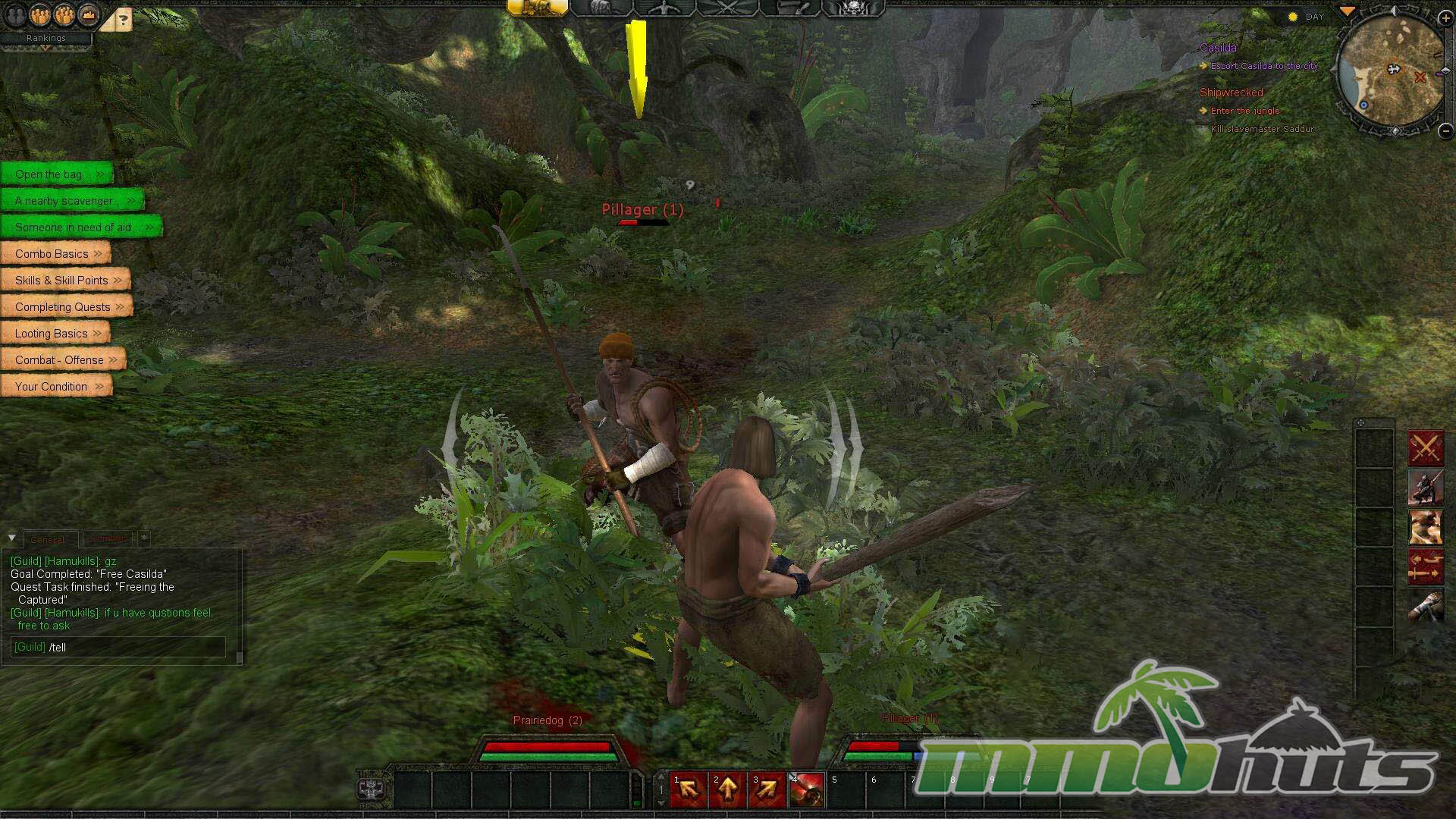
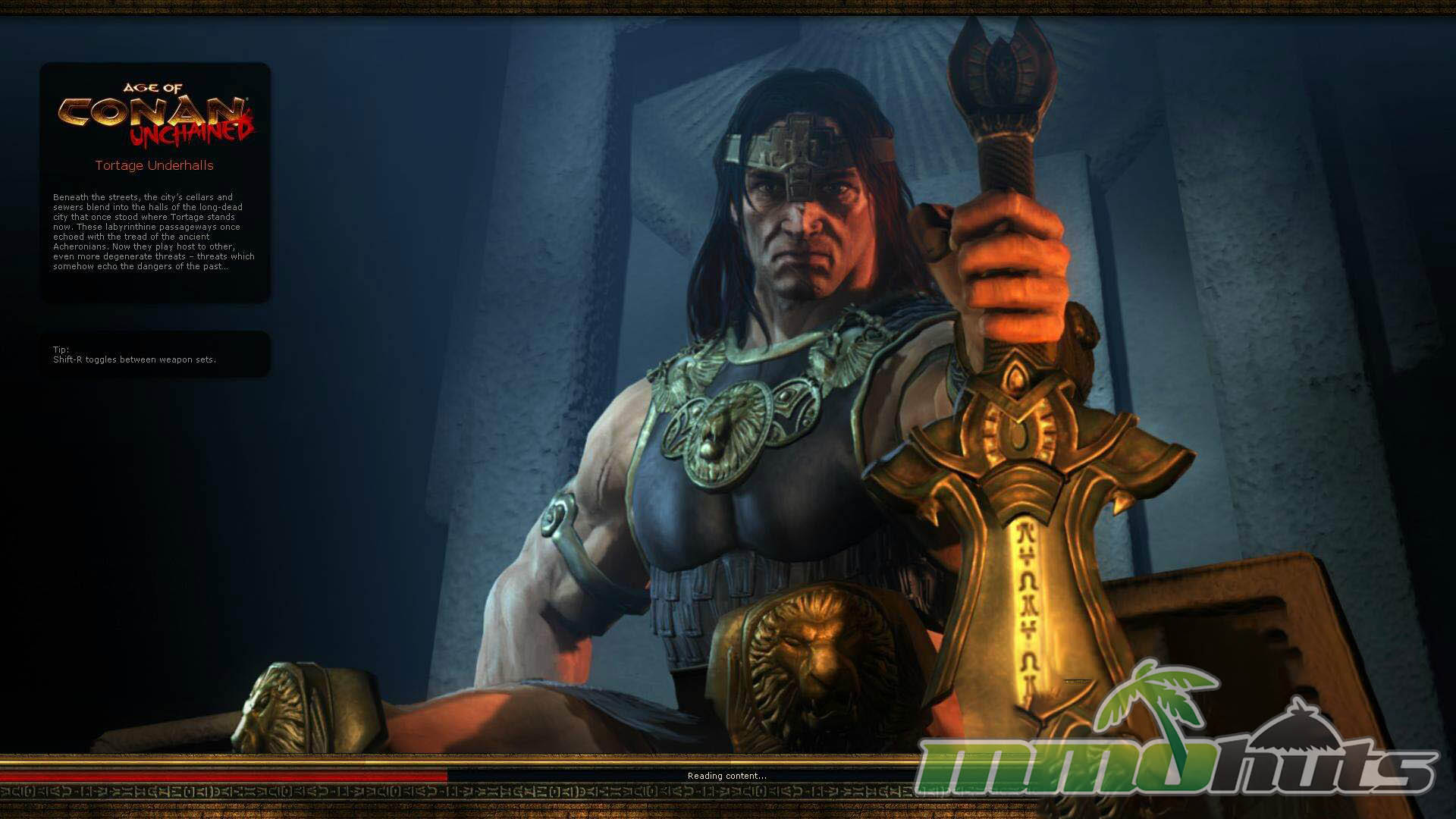
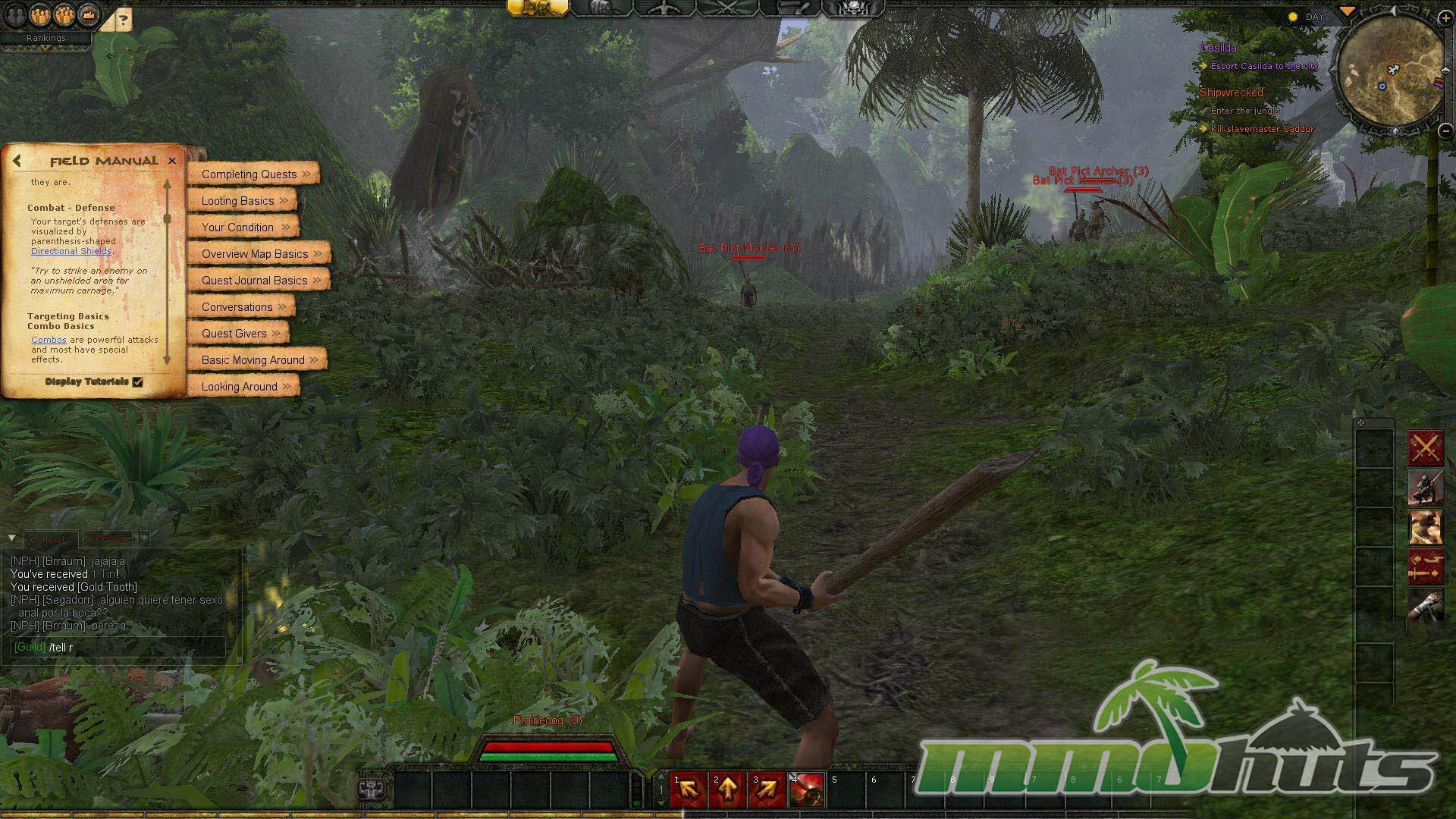
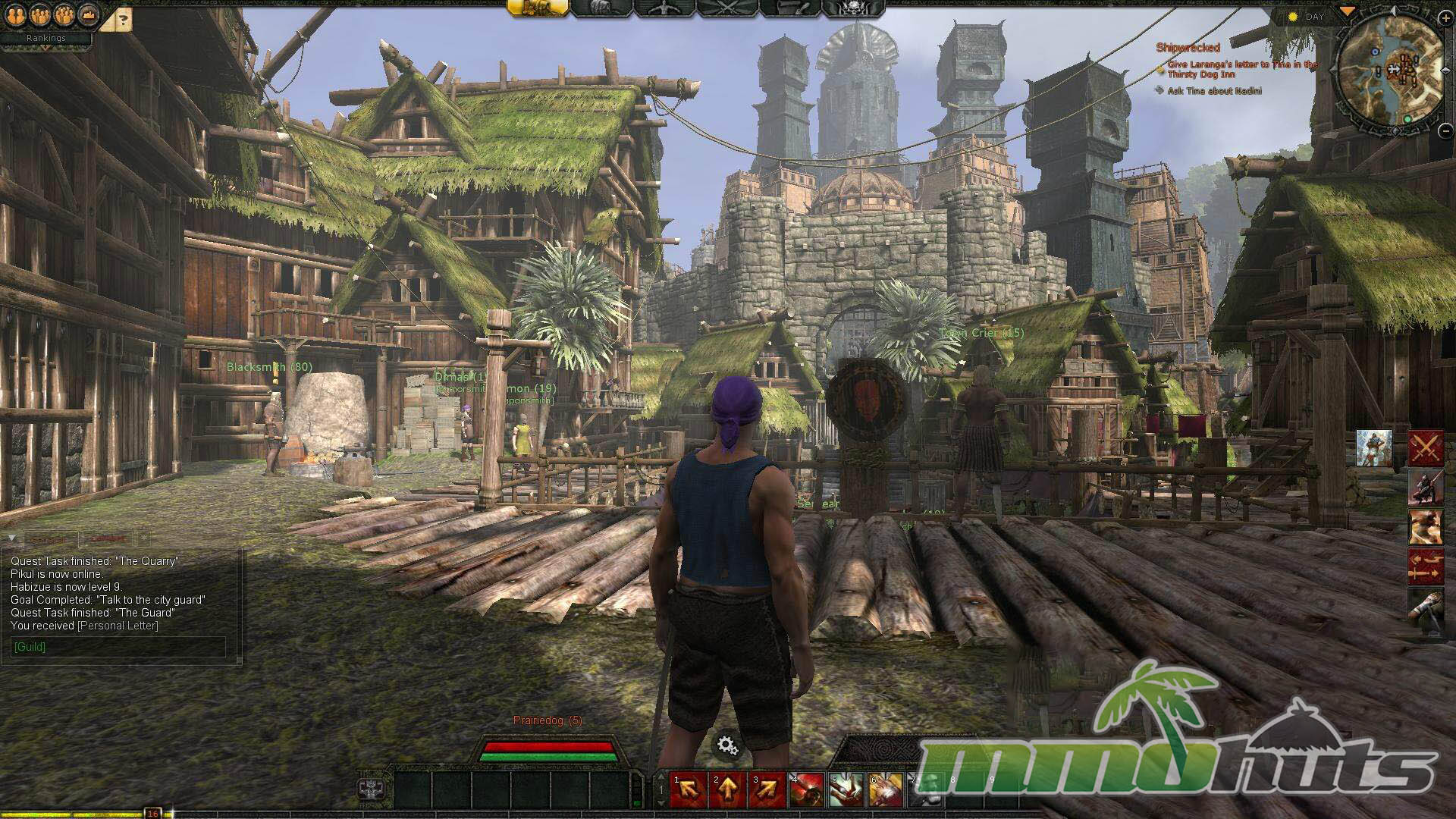
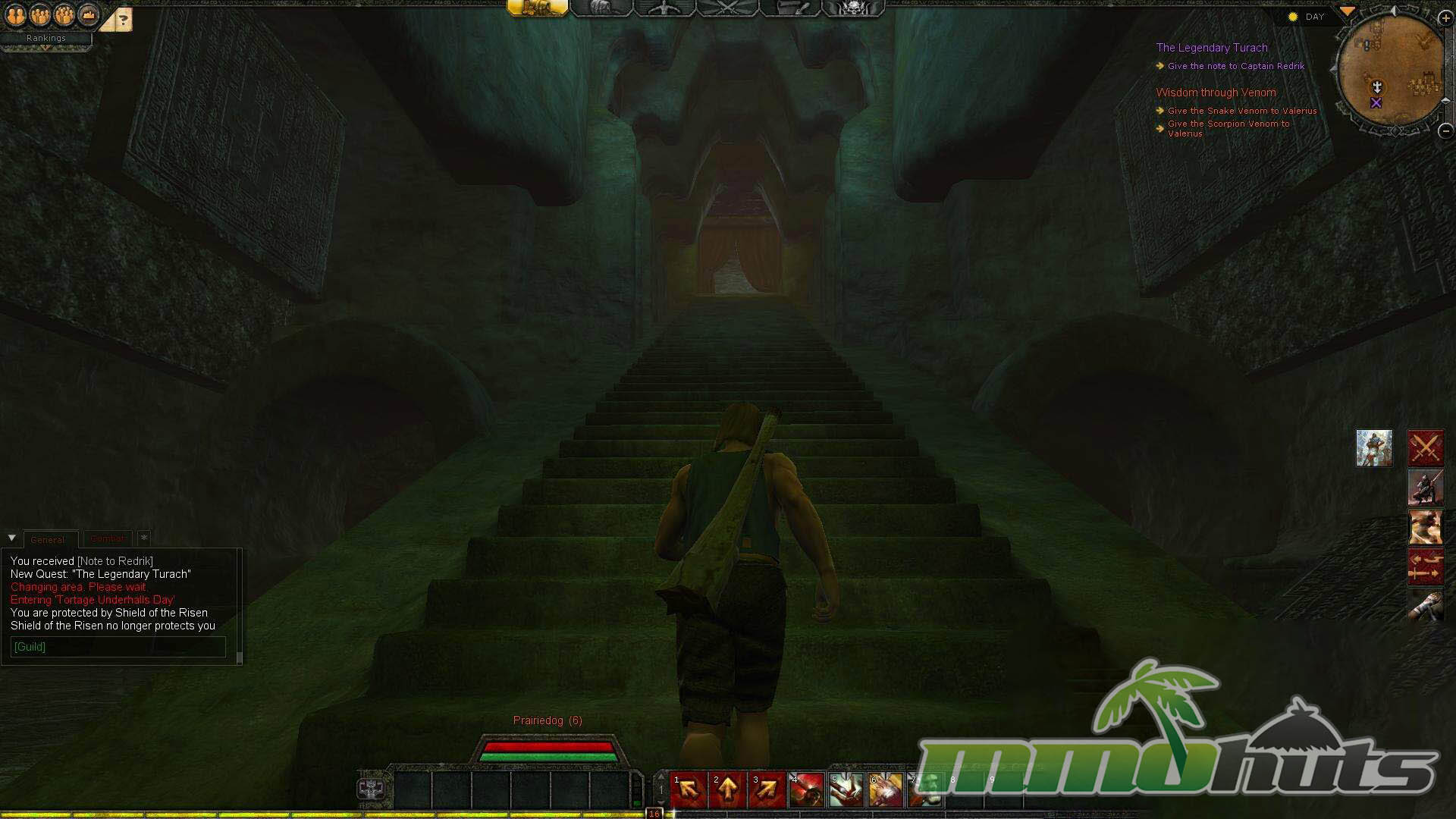
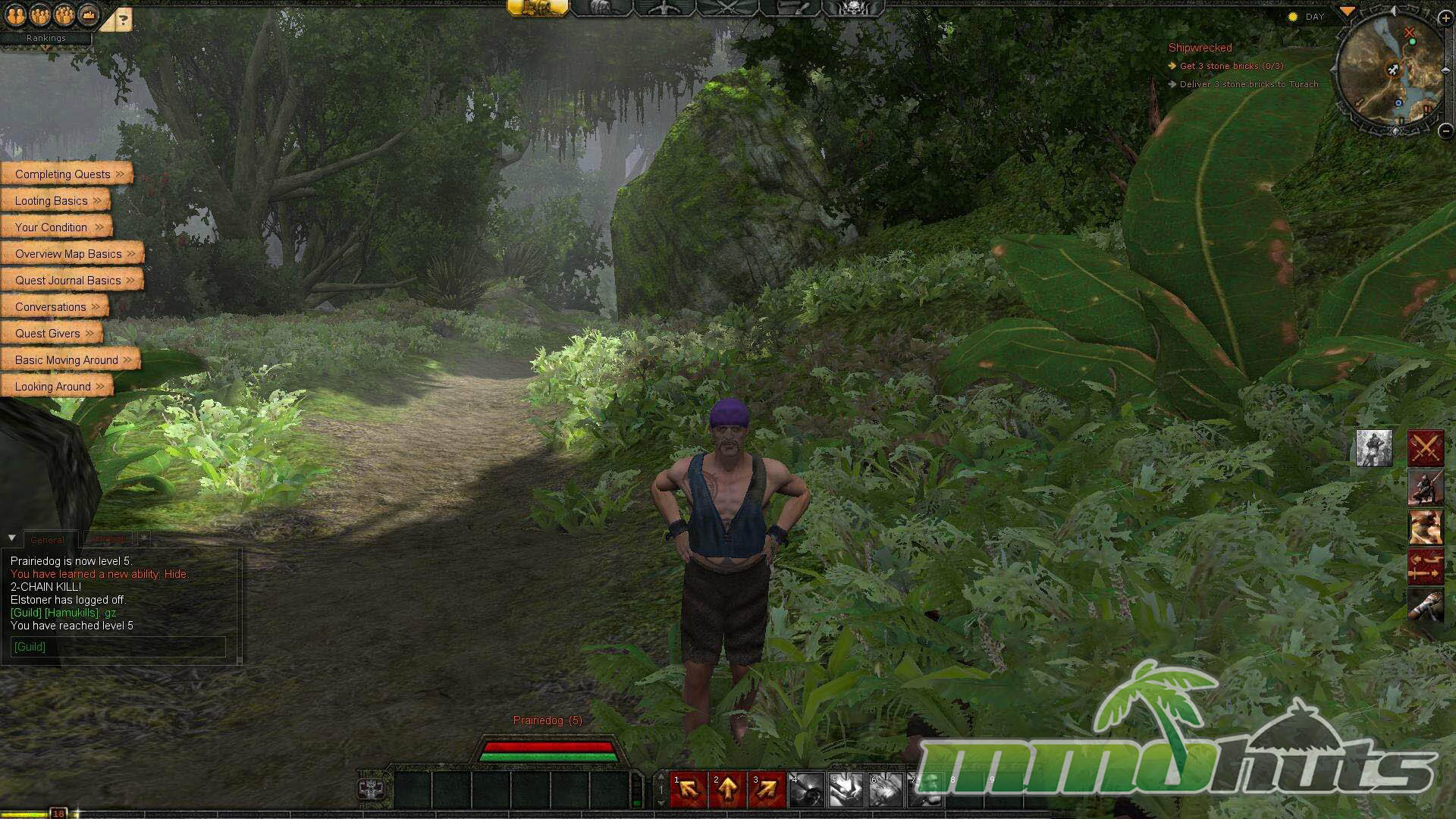
Early on, the game funnels new characters through Tortage, a lengthy introductory stretch that effectively teaches core systems and sets the tone with cinematic questing. Visually, it holds up better than you might expect for a 2008 release, with dense foliage, strong lighting in certain areas, and a soundtrack that does heavy lifting for immersion.
The downside is pacing. Tortage can feel like it lasts too long, especially if you are eager to reach the wider world. The zone is structured to guide you forward, and the layout can feel constrained, with paths and boundaries that discourage wandering. It is not a fatal flaw, and later regions open up more, but the first impression can be more “guided tour” than “adventure.”
Combat That Actually Asks You to Pay Attention
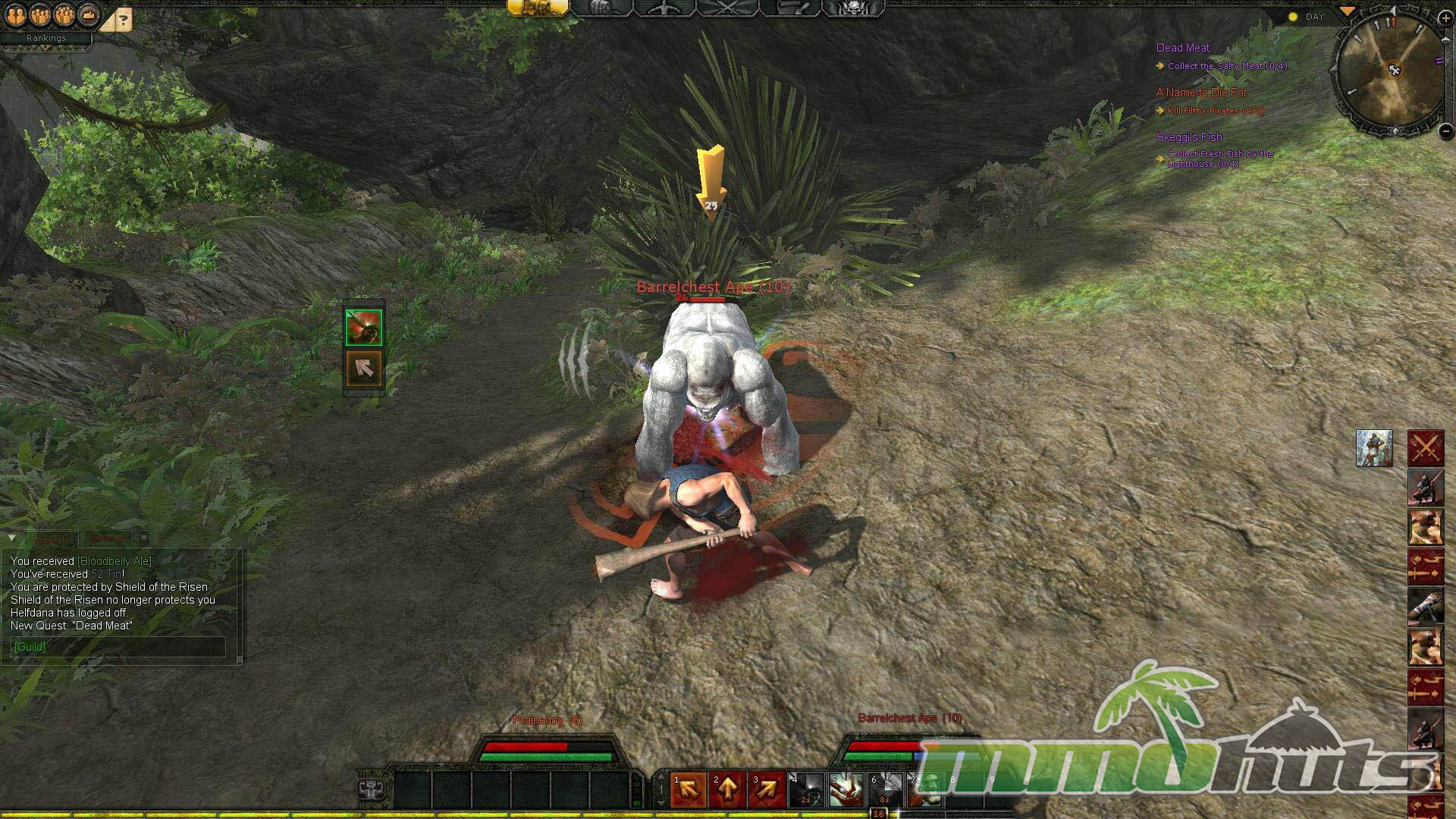
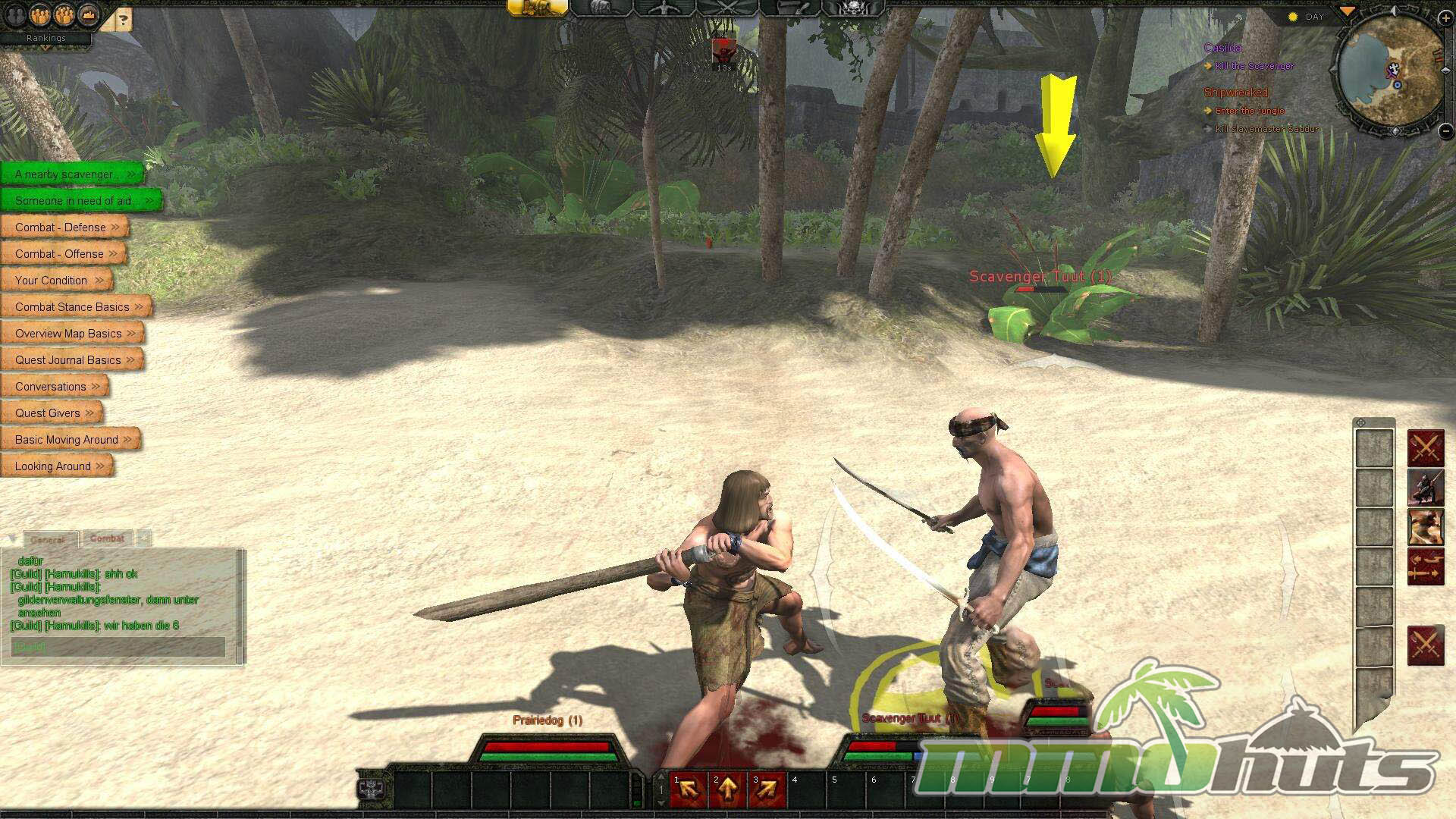
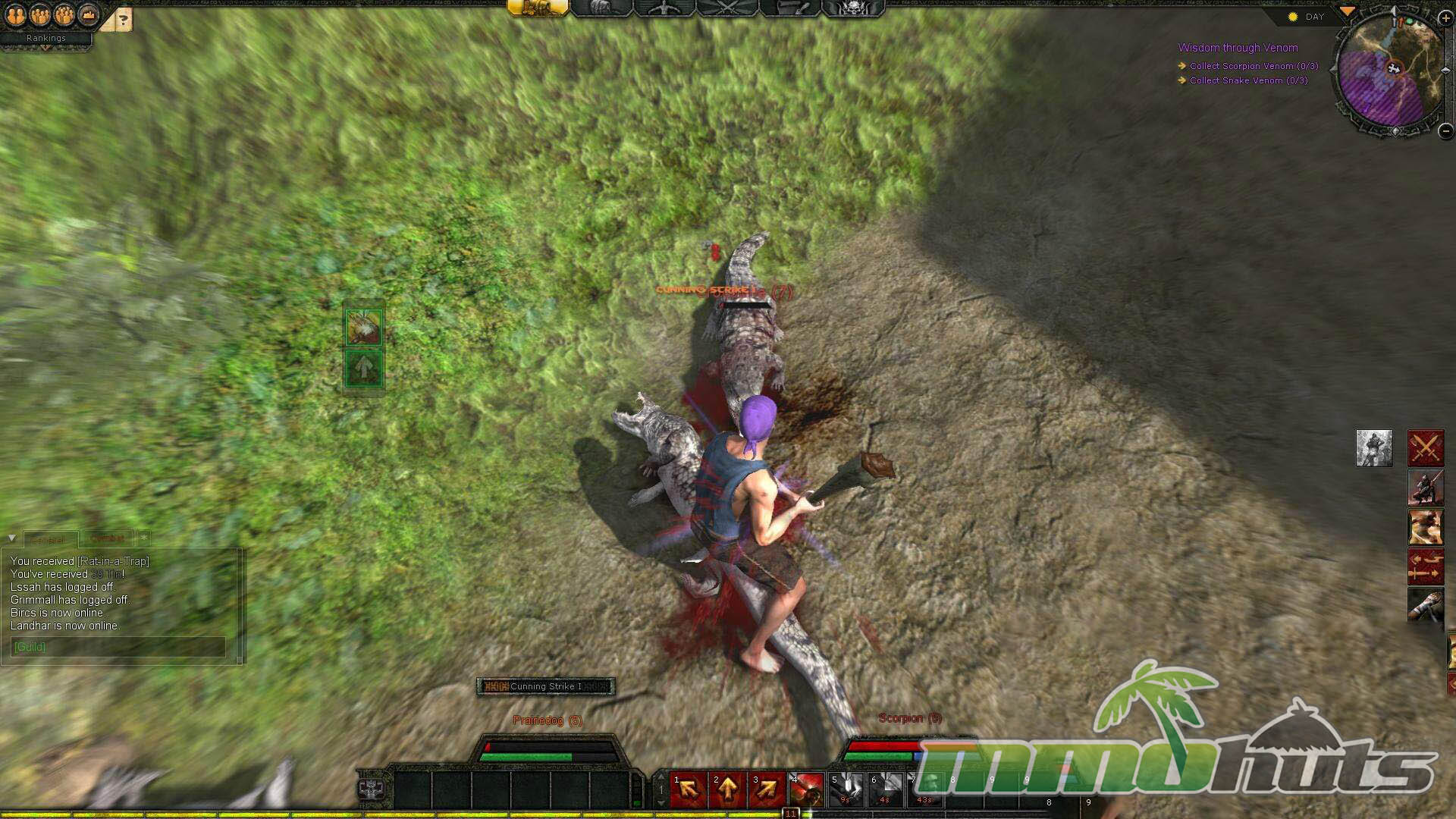
Age of Conan’s most distinctive feature remains its combat. Instead of pure tab-target routine, melee revolves around directional attacks and combo sequences. You are not simply watching cooldowns, you are managing where you swing and how you chain inputs to trigger stronger abilities. Because attacks can connect with nearby enemies, positioning matters, and fights tend to feel more physical and less like two characters trading spreadsheets.
The directional indicator system encourages you to choose angles based on enemy defenses. In practice, visibility can be a minor issue in bright environments, where the indicators can blend into the scene, but it is a learnable problem rather than a constant frustration.
When the system clicks, it creates a satisfying rhythm: basic swings feed into combos, combos lead into more dramatic finishing animations, and the overall pace stays active. It is still an MMO, but it feels closer to an action game than many of its contemporaries.
Interface and Usability
The user interface shows its age. Menus and panels look heavy and dated, and some elements are not as readable or elegantly arranged as modern MMO standards. The good news is that the game does not constantly demand deep UI management, since many core abilities are easily accessed and combat leans more on movement and input patterns than on staring at bars.
Inventory handling and general housekeeping are where the clunkiness is most noticeable. Players who enjoy extensive add-on customization in other MMOs may find the default layout less comfortable than they would like.
PvP, Sieges, and Guild Ambition
PvP is one of the areas where Age of Conan aims big. The game supports open-world conflict in specific places and offers guild-focused objectives that go beyond simple arena queues. The headline feature is city warfare, where guilds can build, upgrade, and defend battlekeeps, then face assaults that involve siege weapons and coordinated pushes.
Because city locations are limited, competition naturally forms around the best spots and the resources needed to maintain and improve them. That structure gives PvP a strategic layer, and for organized groups it can provide long-term motivation beyond leveling and gear.
The caveat is that the experience depends heavily on server activity and population, and the game is frequently described as having a low playerbase. When there are active guilds, the system shines. When activity is sparse, the grand war fantasy can feel harder to access.
The Biggest Barrier for New Players
For many newcomers, the most difficult part is simply getting through the initial island stretch without burning out. Tortage is well-produced and does a good job of onboarding, but the length and structure can make it feel like a prolonged prologue rather than the start of a wide-open journey.
If you enjoy story-driven starter content and do not mind being guided for a while, it can be one of the stronger early-game experiences in the genre. If you prefer to roam freely and reach endgame systems quickly, it may test your patience before the larger world finally opens up.
Cash Shop and Monetization
Unchained’s free-to-play model is supported by a cash shop that focuses largely on convenience and cosmetics. You can buy items like travel aids and visual upgrades, along with gear options that smooth out progression rather than outright invalidating it. The overall effect is more about saving time and customizing appearance than about turning purchases into guaranteed PvP dominance.
That said, convenience purchases can still be a sticking point for players who prefer a fully even playing field. For most, it lands in the familiar MMO middle ground: optional spending that makes the journey easier, not a requirement to participate.
Final Verdict – Great
Age of Conan: Unchained remains an MMO with a strong identity. Its Hyborian atmosphere, impactful soundtrack, and hands-on combat system create a style that still feels different from many mainstream competitors. The game is not without issues, especially an aging interface, balance quirks, a long introductory stretch, and the reality of a low population.
For players who want a darker fantasy world and combat that demands more involvement than standard tab-targeting, Age of Conan is still worth experiencing, particularly if guild warfare and siege-focused PvP are the kind of endgame goals you enjoy.
Age of Conan Links
Age of Conan Official Site
Age of Conan Steam Store
Age of Conan Wikipedia
Age of Conan Wikia [Database/Guides]
Age of Conan Requirements
Minimum Requirements:
Operating System: Windows Xp 32 bit
CPU: Core 2 Duo E6300 1.86GHz or Athlon 64 X2 Dual Core 4600+
RAM: 2 GB RAM
Video Card: GeForce 8600 GT or Radeon X800 GT
Hard Disk Space: 27 GB Free Space
Recommended Requirements:
Operating System: Windows Xp 32 bit
CPU: Core 2 Duo E8300 2.83GHz or Athlon II X2 245e
RAM: 4 GB RAM
Video Card: GeForce 8800 GTS or Radeon HD 7570
Hard Disk Space: 27 GB Free Space
Age of Conan Music
Age of Conan Additional Information
Developer: Funcom
Publisher: Funcom, Eidos Interactive
Designer: Craig Morrison
Lead Artist: Terje Lundberg
Audio Director: Morten Sørlie
Game Engine: DreamWorld
Pre-Release Date: May 17, 2008
Release Date: May 20, 2008
Release Date (Europe): May 23, 2008
Steam Release Date: February 22, 2013
Age of Conan: Unchained was developed by Norwegian computer video game company Funcom and published by Eidos Interactive for Microsoft Windows. Originally known as Age of Conan: Hyborian Adventures, the MMORPG launched on May 20, 2008 as a subscription title. A version for Xbox 360 was discussed during development, but that console release was ultimately cancelled. The game transitioned to a free-to-play model in June 2011, retaining premium benefits for subscribers. Microtransactions were added in the middle of 2011, and the title later arrived on Steam on February 22, 2013. At launch, Age of Conan was notable for being the first AAA MMORPG to receive an M rating from the ESRB. Its story is set one year after Robert E. Howard’s Conan novel, The Hour of the Dragon, and Hyborian Adventures released on the 76th anniversary of the Conan franchise.