
Ys Online was a free-to-play MMORPG built around the world and style of the classic Ys RPG franchise. It introduced three distinct playable races, Eresian, Afrocan, and Kimoan, and tied each race to its own set of secondary classes, including options like Knights, Rogues, Wiccas, Conjurors, and Shamans.
 | Publisher: CJ Internet Type: MMORPG Release Date (Korea): July 4, 2007 Closure Date: October 1, 2012 PvP: Arena / Open World / Guild vs. Guild Pros: +Large class selection and race identity. +Co-op instanced dungeons. +Vibrant visuals for its era. Cons: -Narrative does not carry the experience. -Cash shop advantages could impact fairness. |
Ys Online Overview
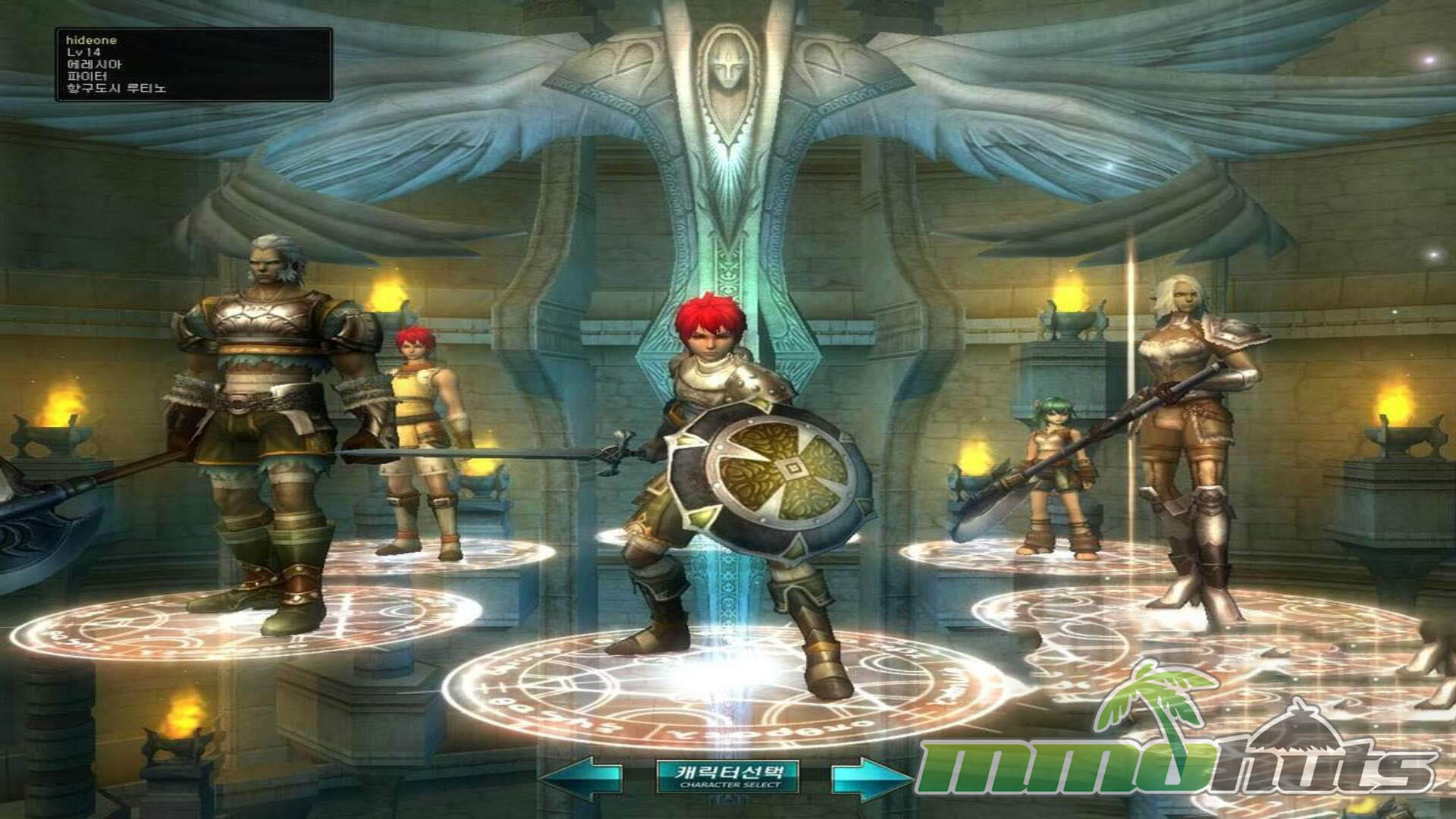
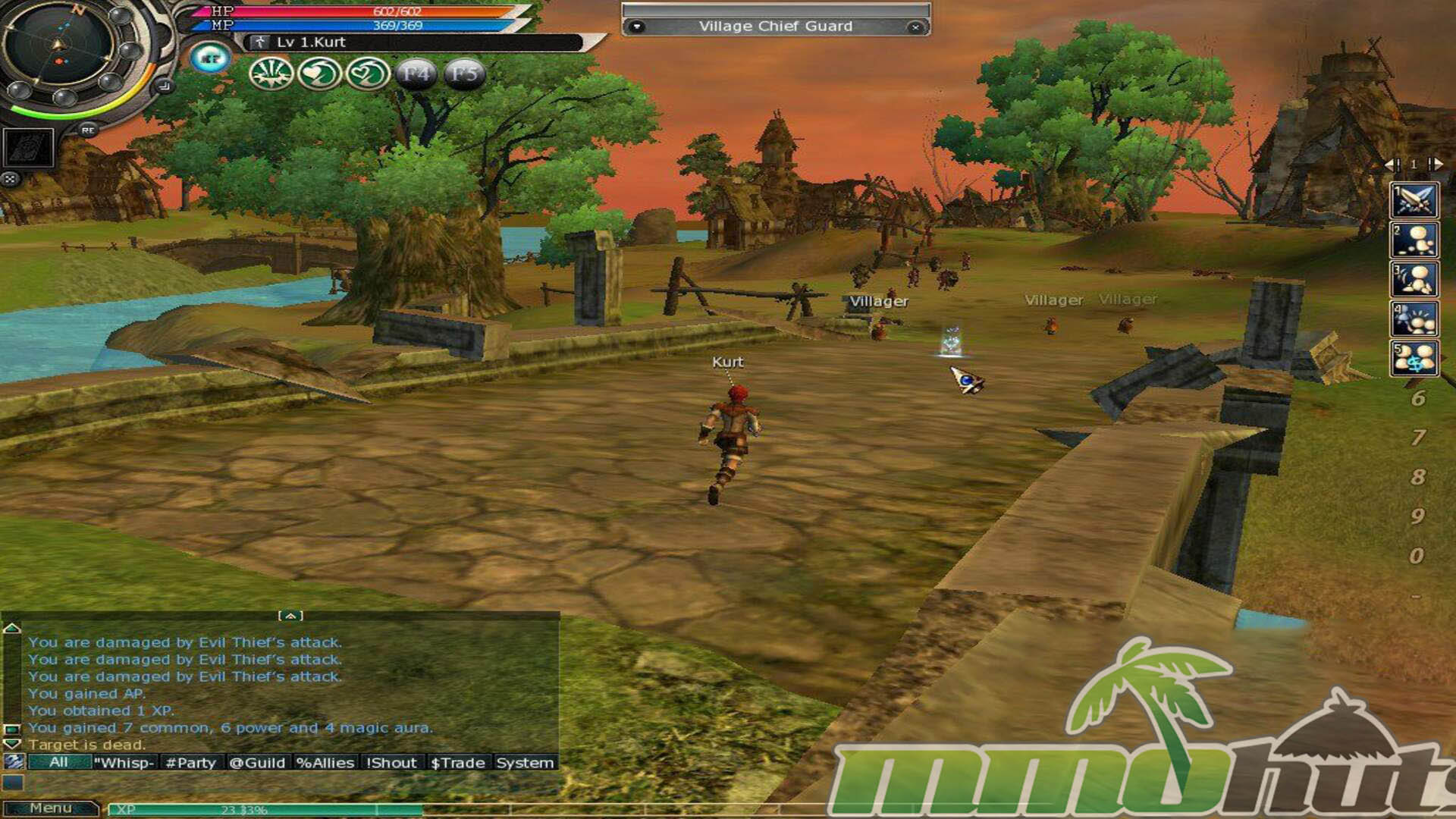
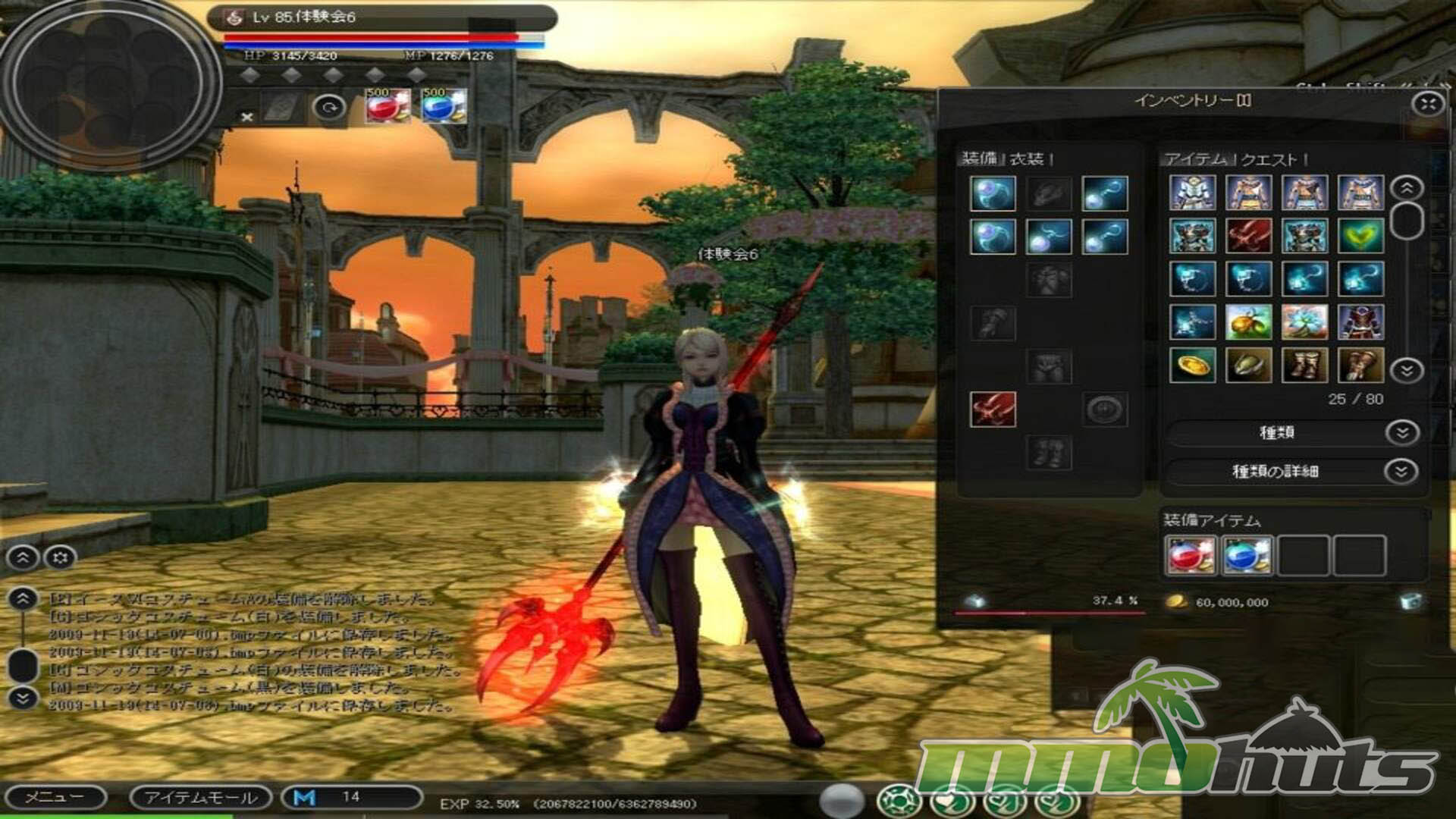
Ys Online: The Call of Solum was a free-to-play MMORPG that leaned into bright, anime-styled presentation while borrowing locations, themes, and general flavor from the broader Ys universe. The adventure unfolded in Esteria, a setting shared by three playable races, the Eresians, Afrocans, and Kimoans, with each group having its own equipment look and end-class lineup, which helped characters feel meaningfully different even if they started from the same early archetypes.
Character creation began with a simple choice between Fighter and Mage, then expanded as you progressed into race-locked secondary classes. Eresians could advance into Knights, Rogues, Warriors, Clerics, and Wizards; Afrocans could grow into Guardians, Nighthawks, Myrmidons, Wiccas, and Witchdoctors; and Kimoans could develop into Archers, Protectors, Conjurors and Shamans. In practice, this structure made early leveling approachable, while still giving players a longer-term goal once they settled on a race and playstyle.
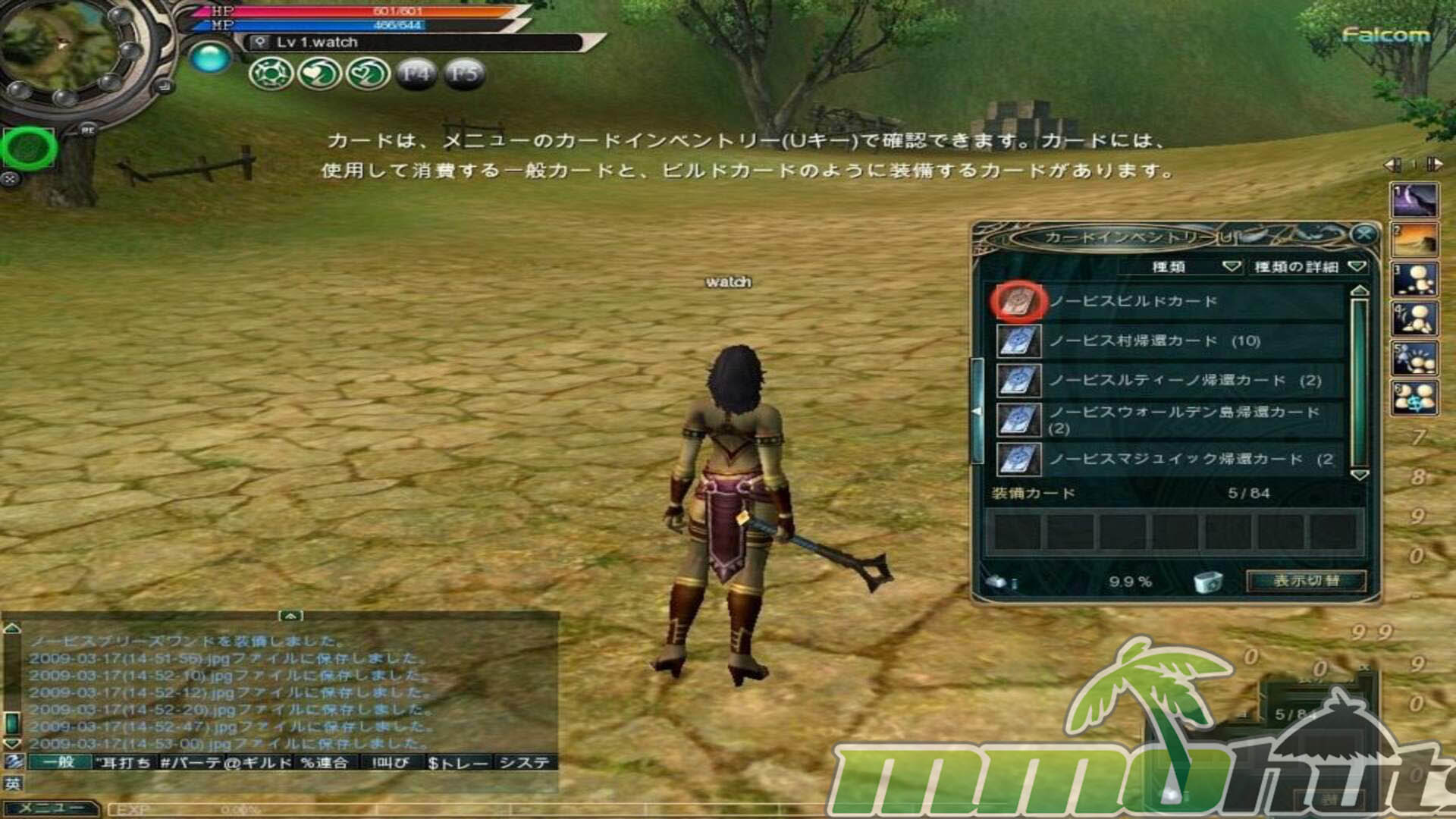
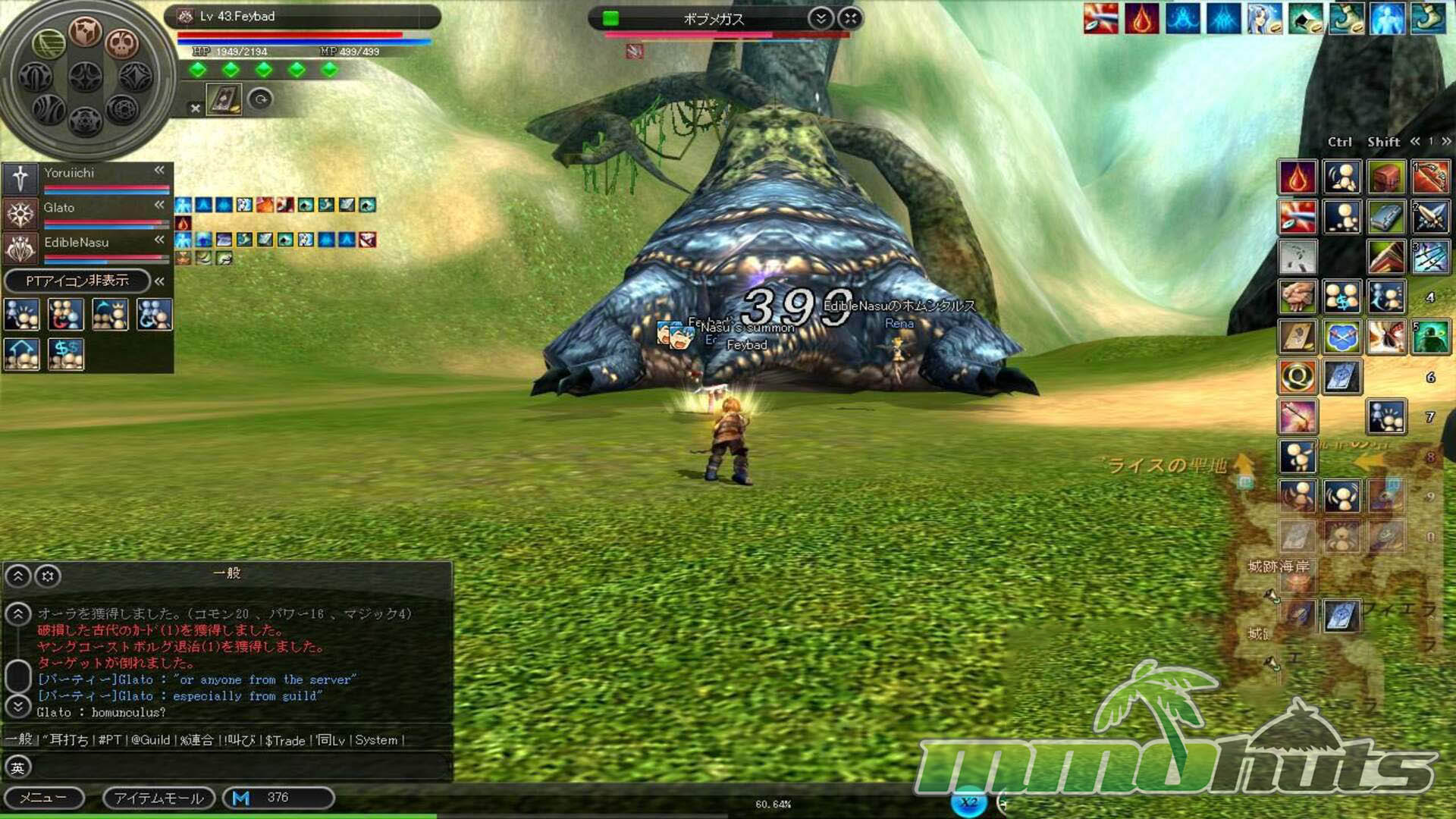
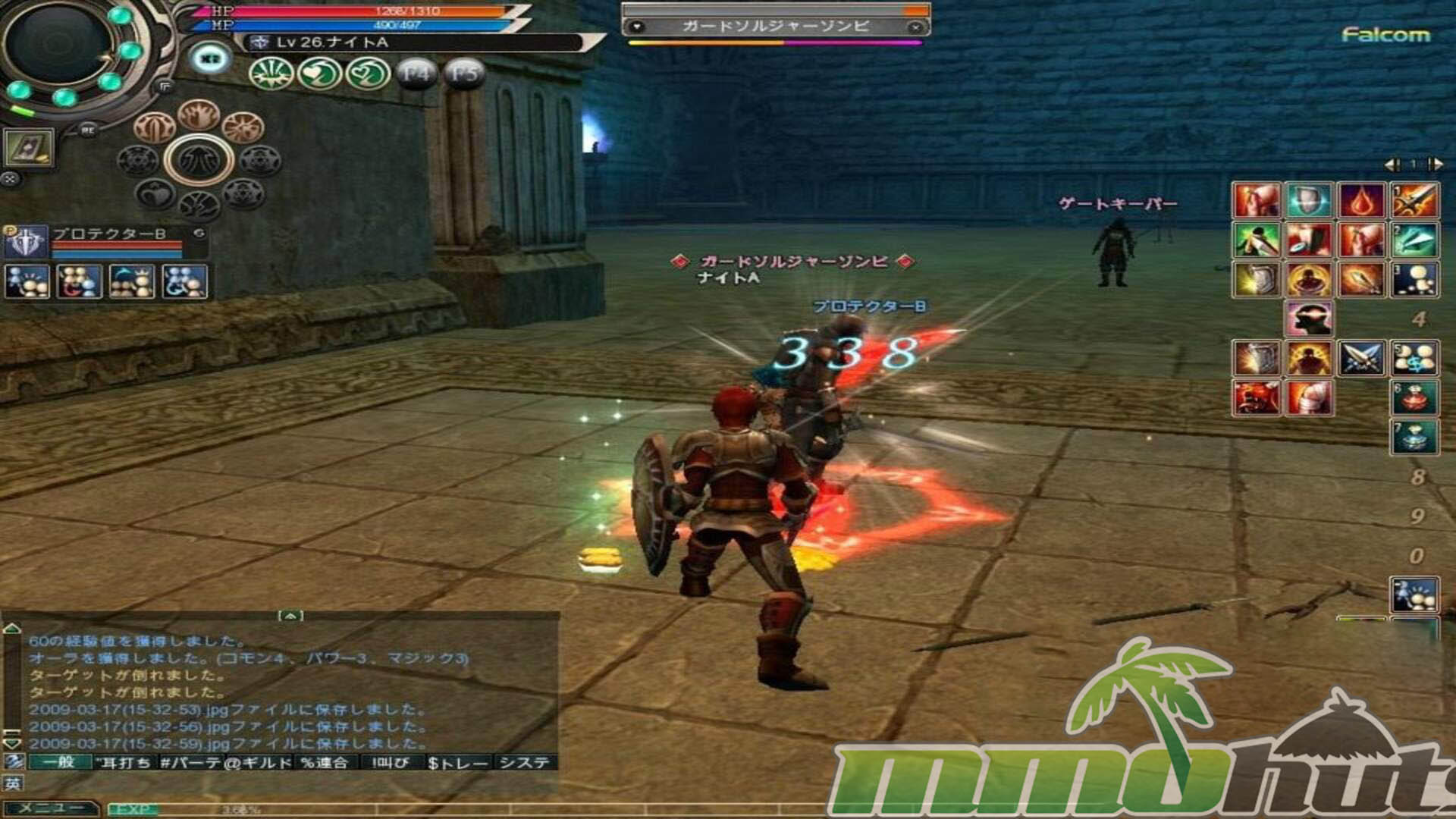
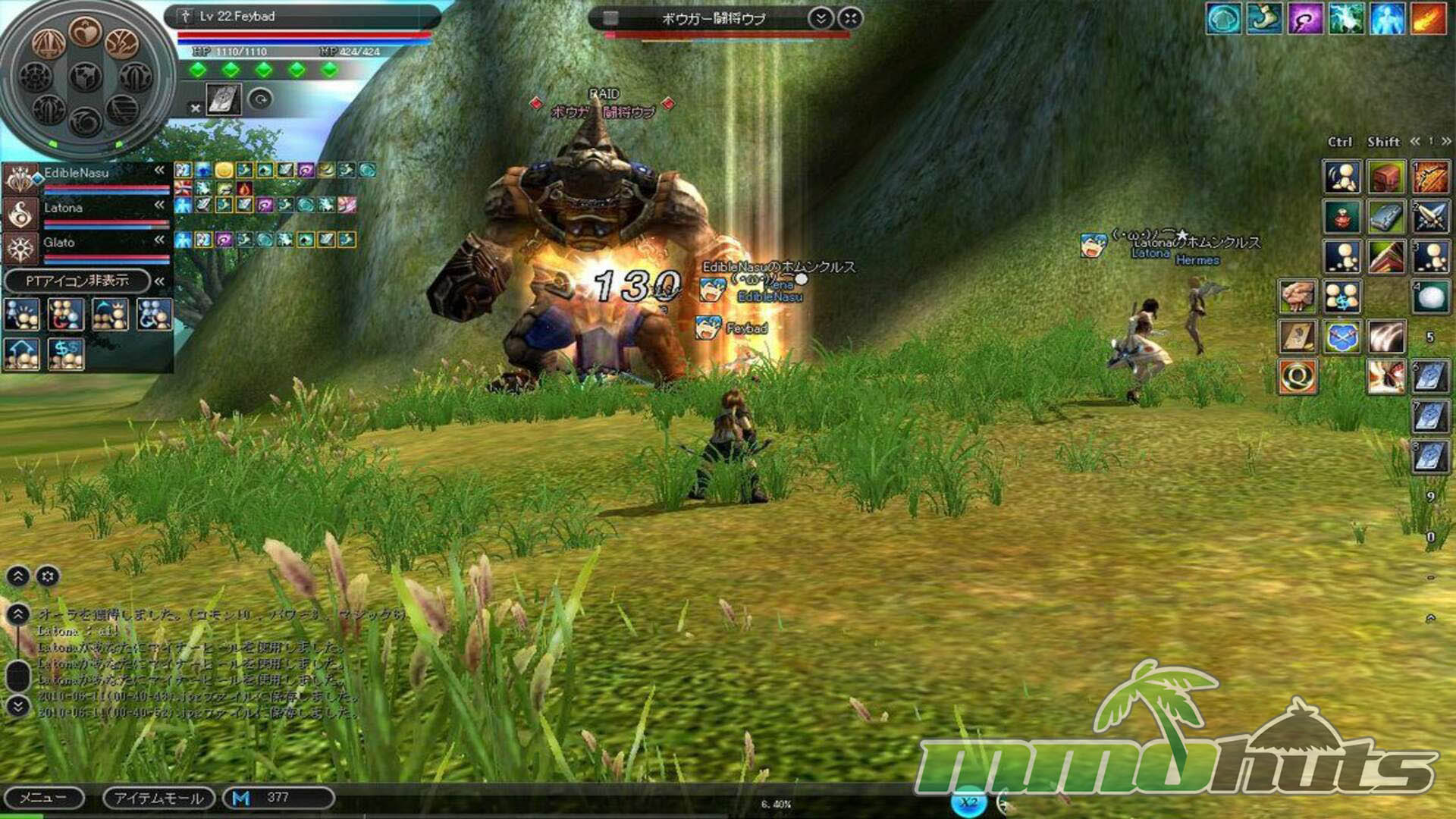
On the content side, Ys Online delivered many of the staples expected from MMORPGs of its time: quest-driven leveling, instanced dungeons designed for party play, and crafting to support gear progression. What set it apart mechanically was its card-based system. Cards dropped from enemies and could also be obtained through vendors, then used in several progression paths, from improving equipment and unlocking skills to pet-related features, offering an additional layer of collection and optimization beyond simply replacing gear as you leveled.
Ys Online Key Features:
- Fifteen Unique Classes – start as a Fighter or Mage, then specialize into one of 15 secondary classes tied to your chosen race.
- Three Playable Races – choose between Afrocan, Eresian, and Kimoan, each with distinct class options and gear identity.
- Card System – gather cards through drops and vendors, then use them across enhancement, skills, pets, crafting, quests, and other progression systems.
- Guild Perks – join a guild for bonuses, including access to additional tasks and rewards intended for organized groups.
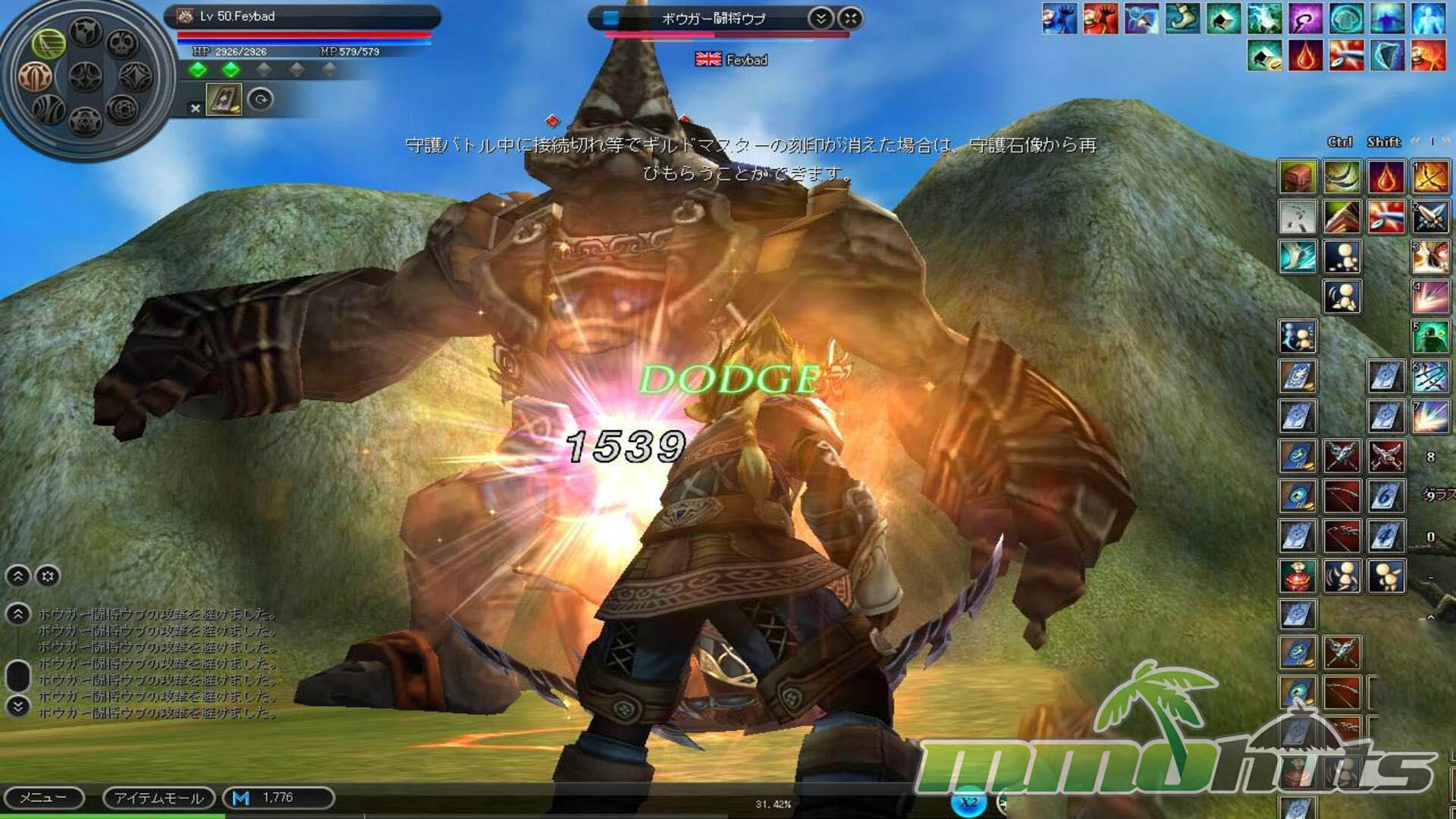
- Guild vs. Guild PvP – challenge rival guilds and fight large-scale battles built around guild warfare.
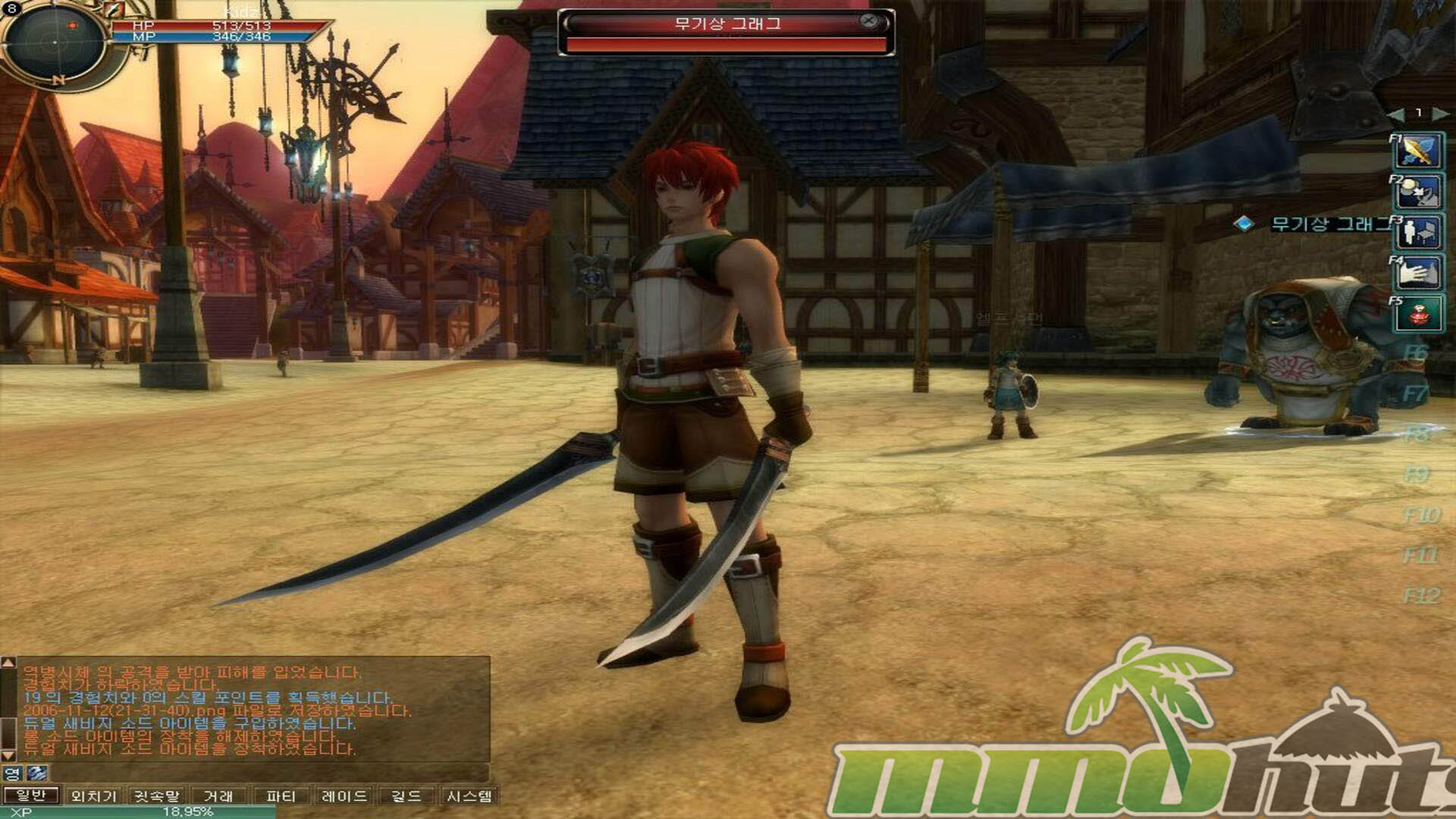
Ys Online Screenshots

Ys Online Featured Video

Ys Online Music & Soundtrack
Ys Online Additional Information
Developer: CJ Internet
Release Date (Korea): July 4, 2007
Closed Beta Date (Europe): May 25, 2009
Open Beta Date (Europe): June 29, 2009
Closure Date (Europe): November, 2009
Closure Date (Korea): October 1, 2012
Development History / Background:
Ys Online was both created and published by CJ Internet, although publishing responsibilities varied by region. Over its lifetime it operated in Korea, China, Taiwan, Japan, and Europe, and access was restricted through regional IP blocks, which made casual entry difficult for players outside the supported territories, particularly those in the United States.
The European version is especially notable because it was the only release that provided an English client, yet it never reached a stable long-term service. It progressed from closed beta (May 25, 2009) into open beta (June 29, 2009), then shut down in November 2009. The closure was tied to publishing issues and a shrinking audience, and the publisher Key2Play ultimately folded, taking the European service down with it.
In Asian regions the game lasted considerably longer, with the Korean servers remaining active until October 1, 2012. After other territories had closed, the Korean service reportedly became accessible more broadly, giving latecomers a final opportunity to experience the game before its last shutdown, and closing out a run of roughly five years from its initial Korean launch.