Block N Load is a 5v5, hero-driven arena shooter that mixes objective-based FPS action with Minecraft-like construction. Teams begin by shaping defenses out of blocks, traps, and utility pads, then switch into full-on combat as they push lanes, dig tunnels, and try to crack the opposing base before their own core is destroyed.
 | Publisher: Toadman Interactive Playerbase: Low Type: Strategy FPS Release Date: April 30, 2015 Pros: +Large hero roster with different roles. +Smart blend of building, traps, and gunplay. +Perks add meaningful hero customization. Cons: -Rotating hero availability can be limiting. -Matchmaking quality is inconsistent. -Steep learning curve for new players. |

Block N Load Overview
Block N Load is a strategy-leaning FPS built around 5v5 matches on fully block-based arenas. Victory is straightforward on paper, your squad must destroy the enemy base before they demolish yours, but the route to that win is where the game gets interesting. You select from a lineup of heroes, each with a defined kit that leans offensive, defensive, or utility, and you enter a match carrying both weapons and a shared pool of construction blocks.
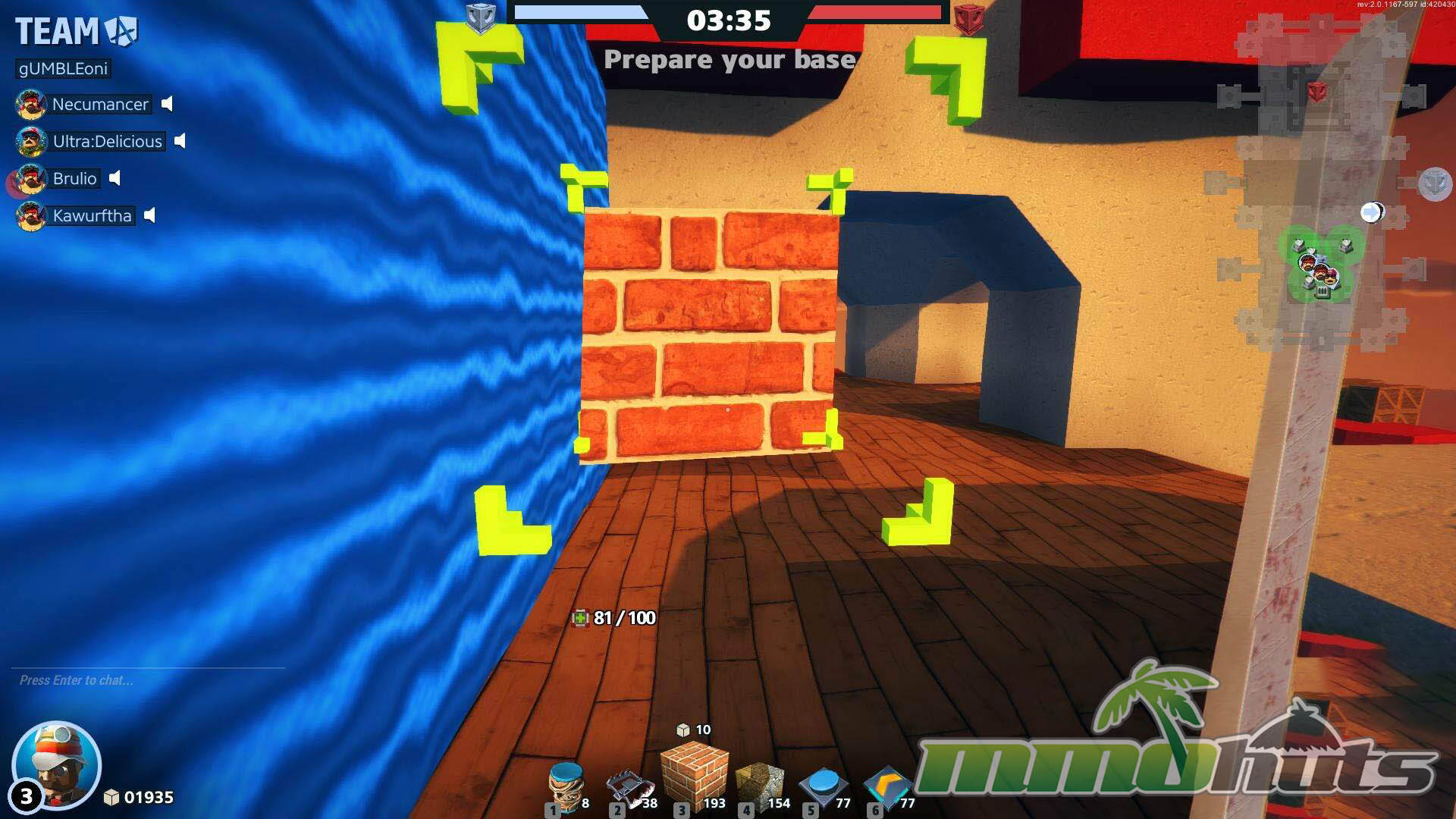
Every round opens with a short build phase. During that time, teams reinforce their base, set up choke points, and place nasty surprises. Defenses can be as simple as walls and barricades or as elaborate as layered trap corridors using mines, turrets, and bombs. Utility blocks also matter, letting teams create movement options like bounce pads and speed pads to rotate quickly, escape pressure, or launch coordinated pushes.
Once the shooting starts, the map becomes a constant tug-of-war between builders and breakers. You can rush head-on with your team, flank around the sides, or do what Block N Load encourages more than most shooters, dig. Because the environment is destructible and modifiable, tunneling under positions, carving hidden routes, and planting forward spawn points can be just as valuable as raw aim. On top of that, heroes can be tailored with perks that adjust stats or nudge a character toward a different role, giving matches a bit of unpredictability even when you face the same hero lineup.
Block N Load Key Features:
- Multiple Heroes – pick from a broad cast, including options like stealthy fighters and long-range specialists.
- Tactical Battles – build layered defenses using block traps, bounce blocks, mortars, and other tools.
- Fierce FPS Gameplay – win duels with precise shooting, flush enemies with explosives, or close distance for melee pressure.
- Perk Customization – earn gold through play and spend it on perks that reshape how a hero performs.
- Destructible Environment – the block-built maps can be destroyed, reshaped, and extended mid-match.
Block N Load Screenshots


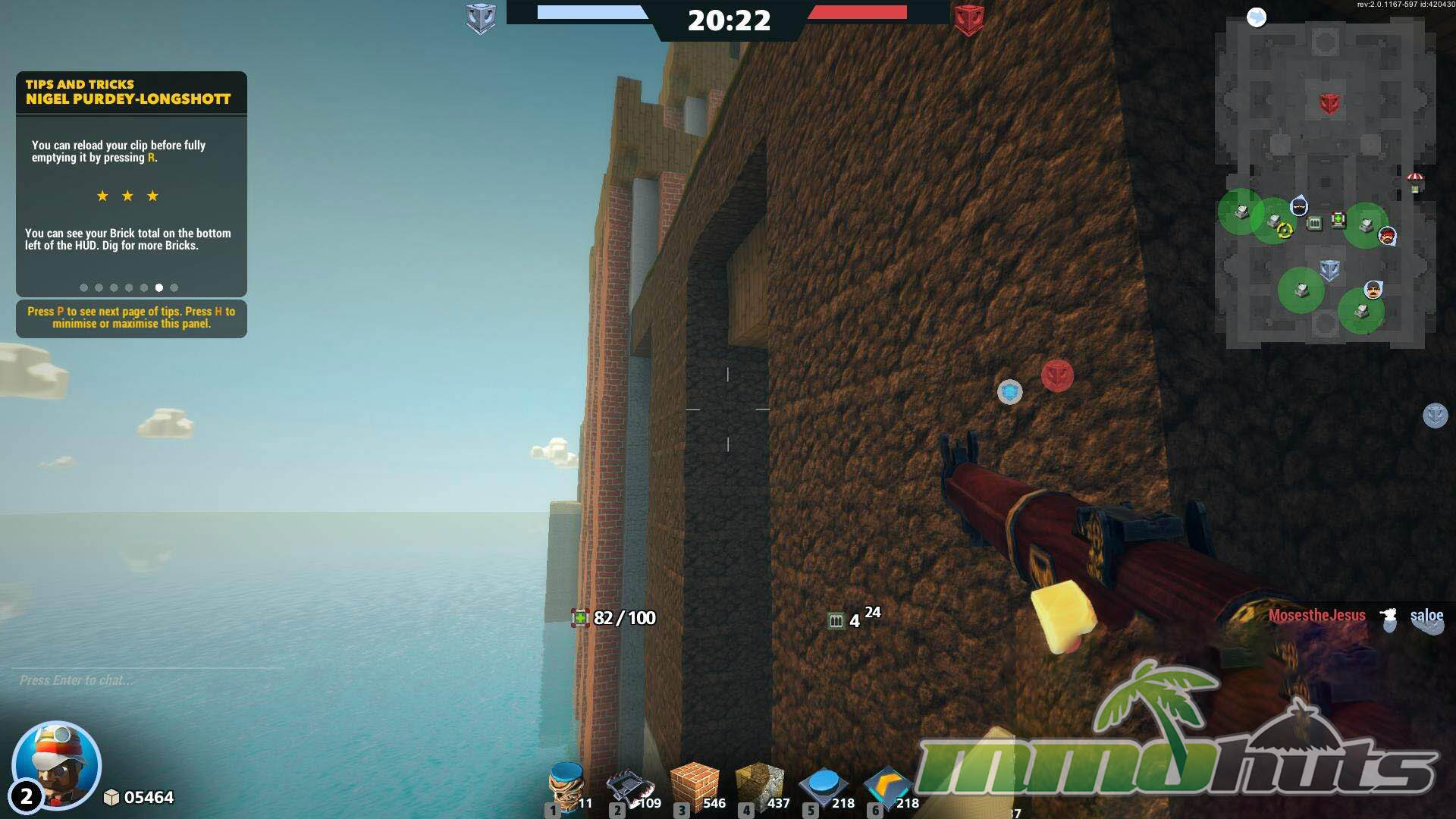
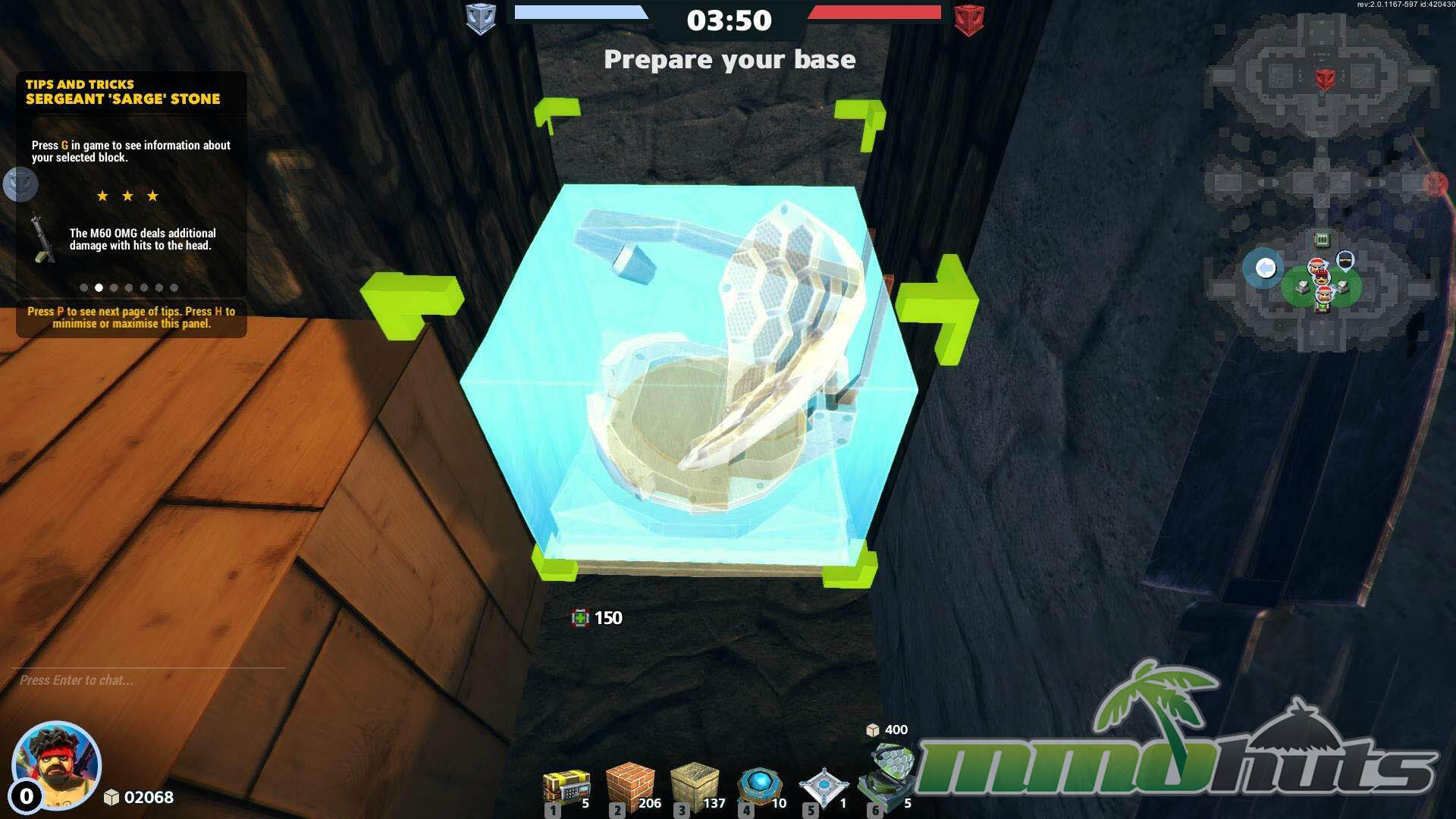
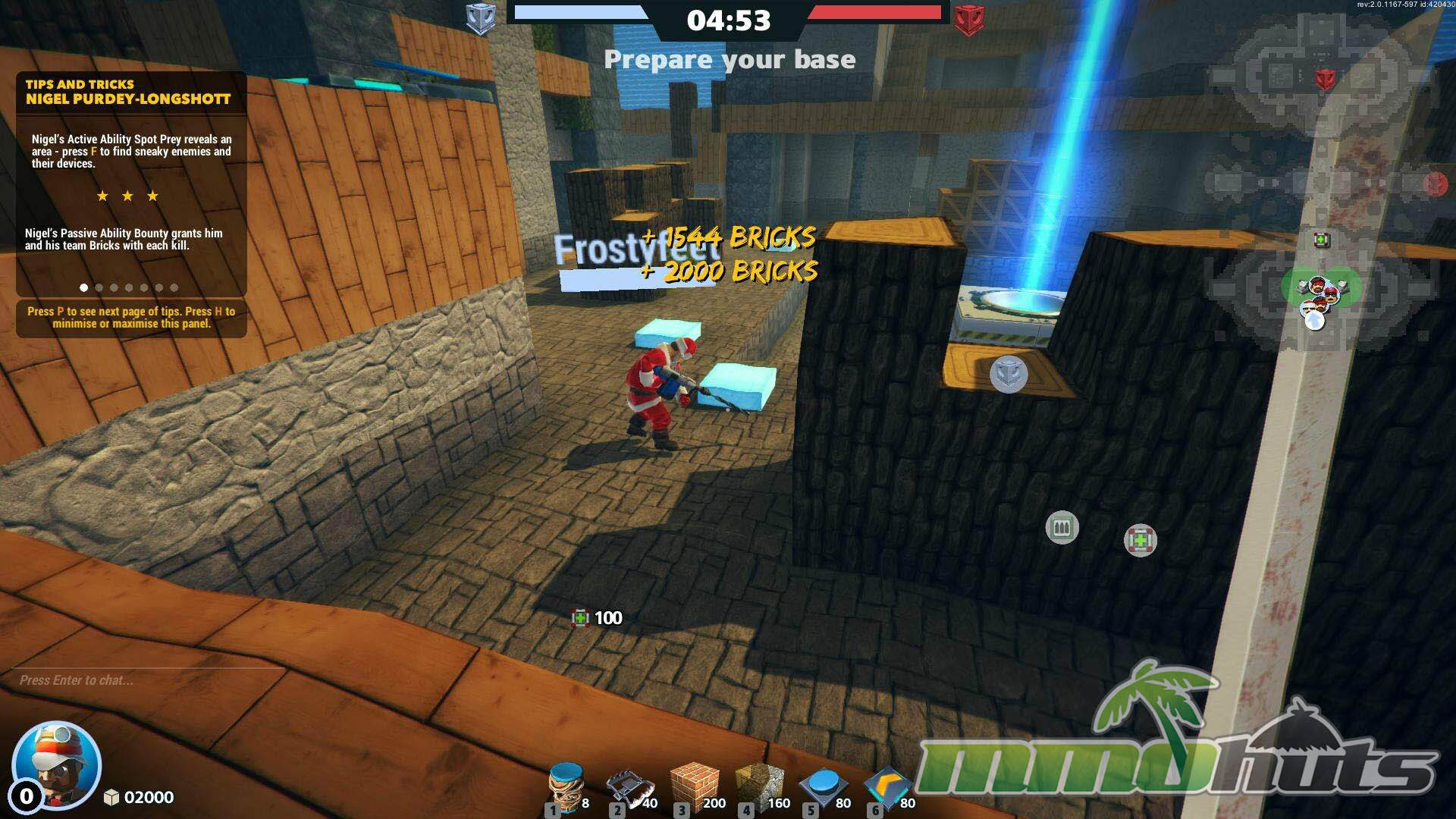
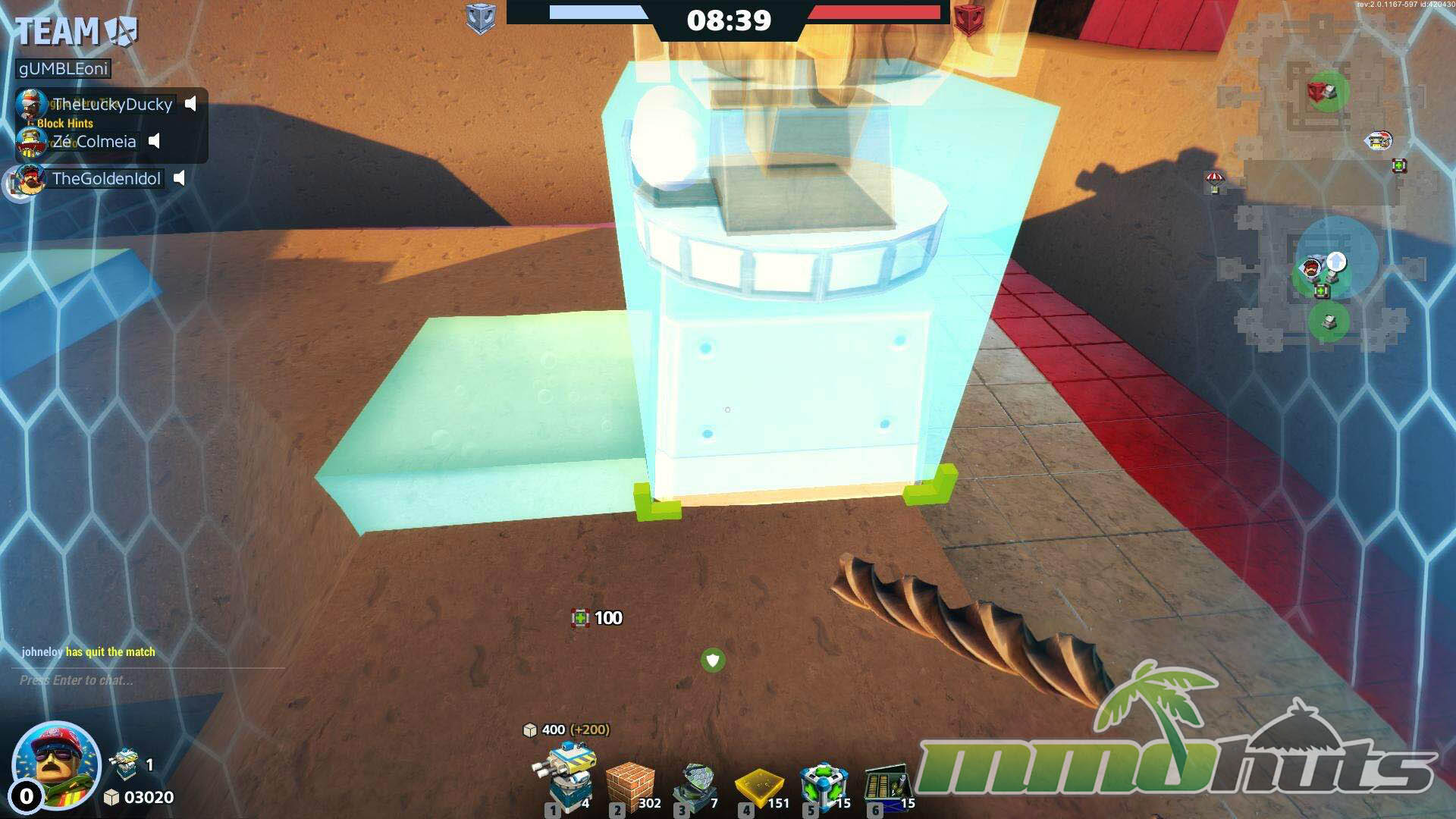
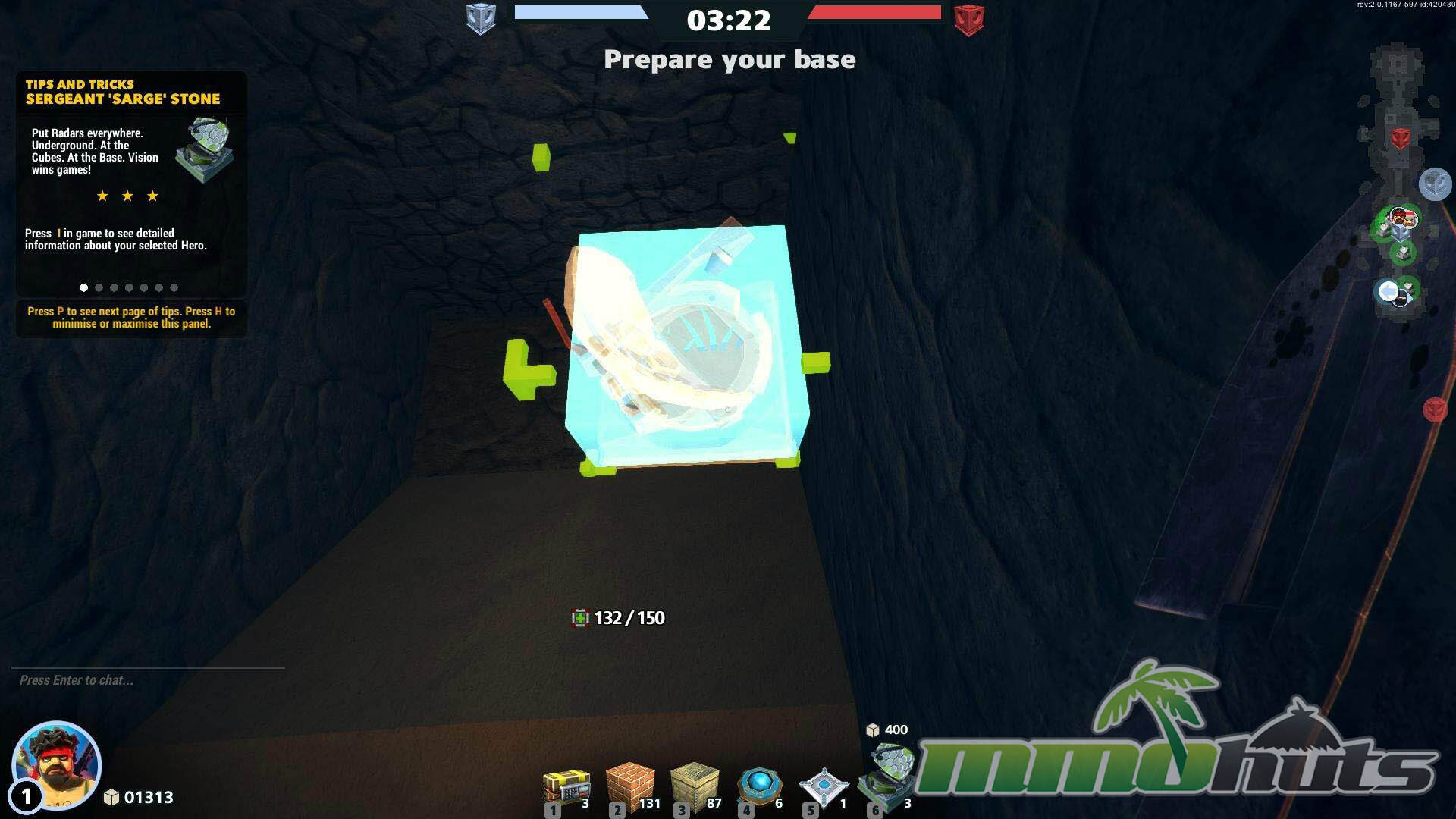
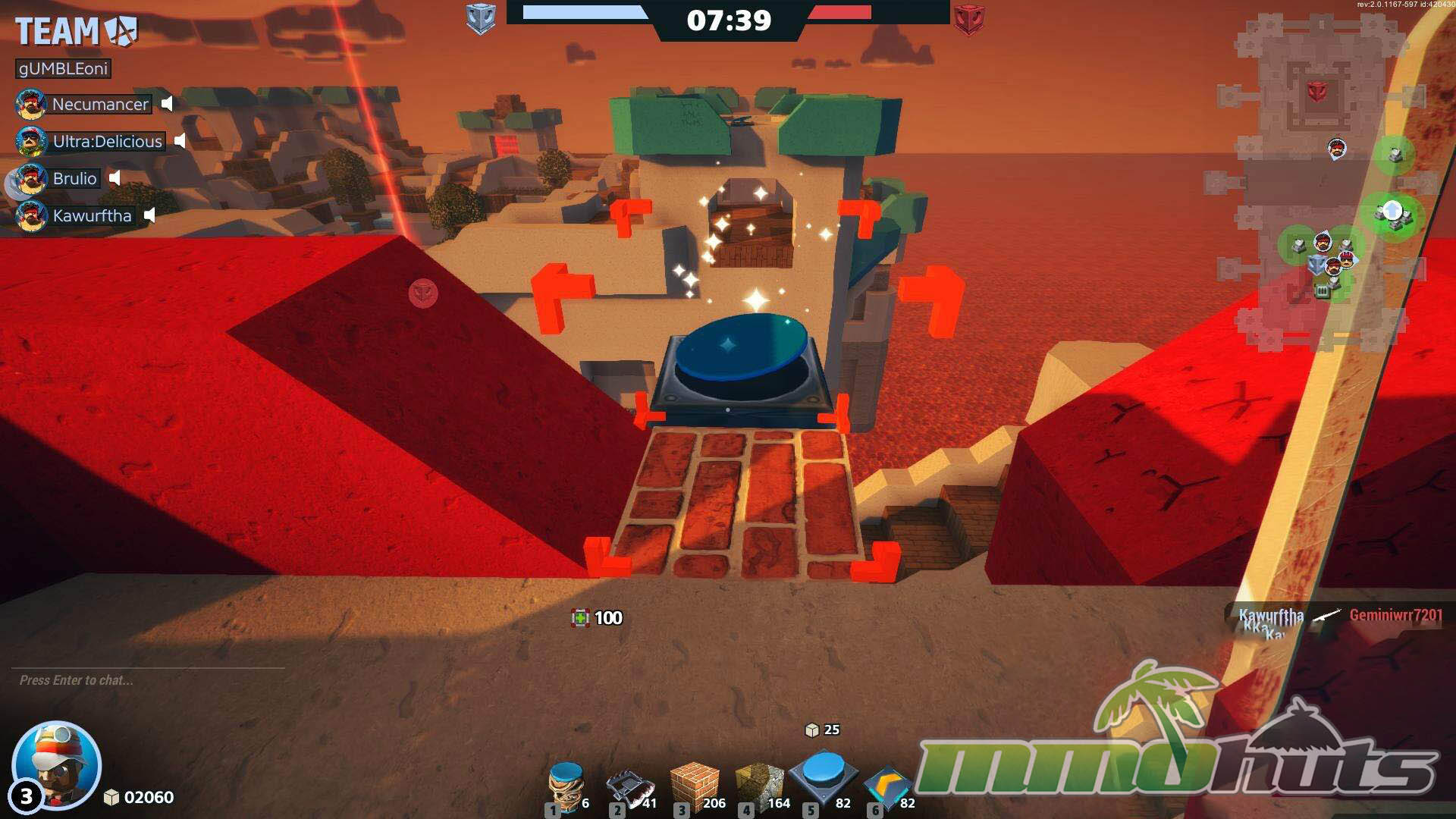
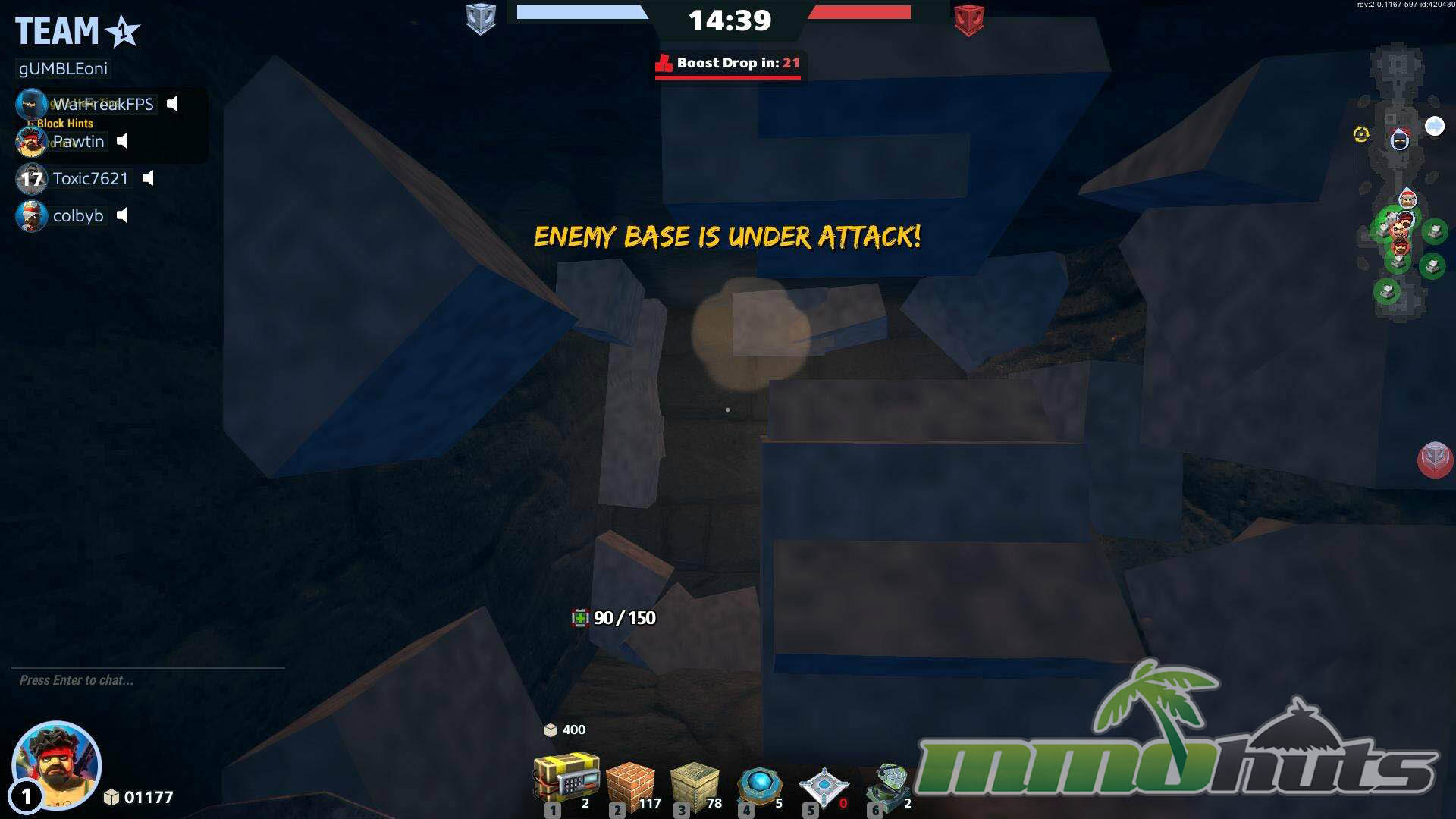
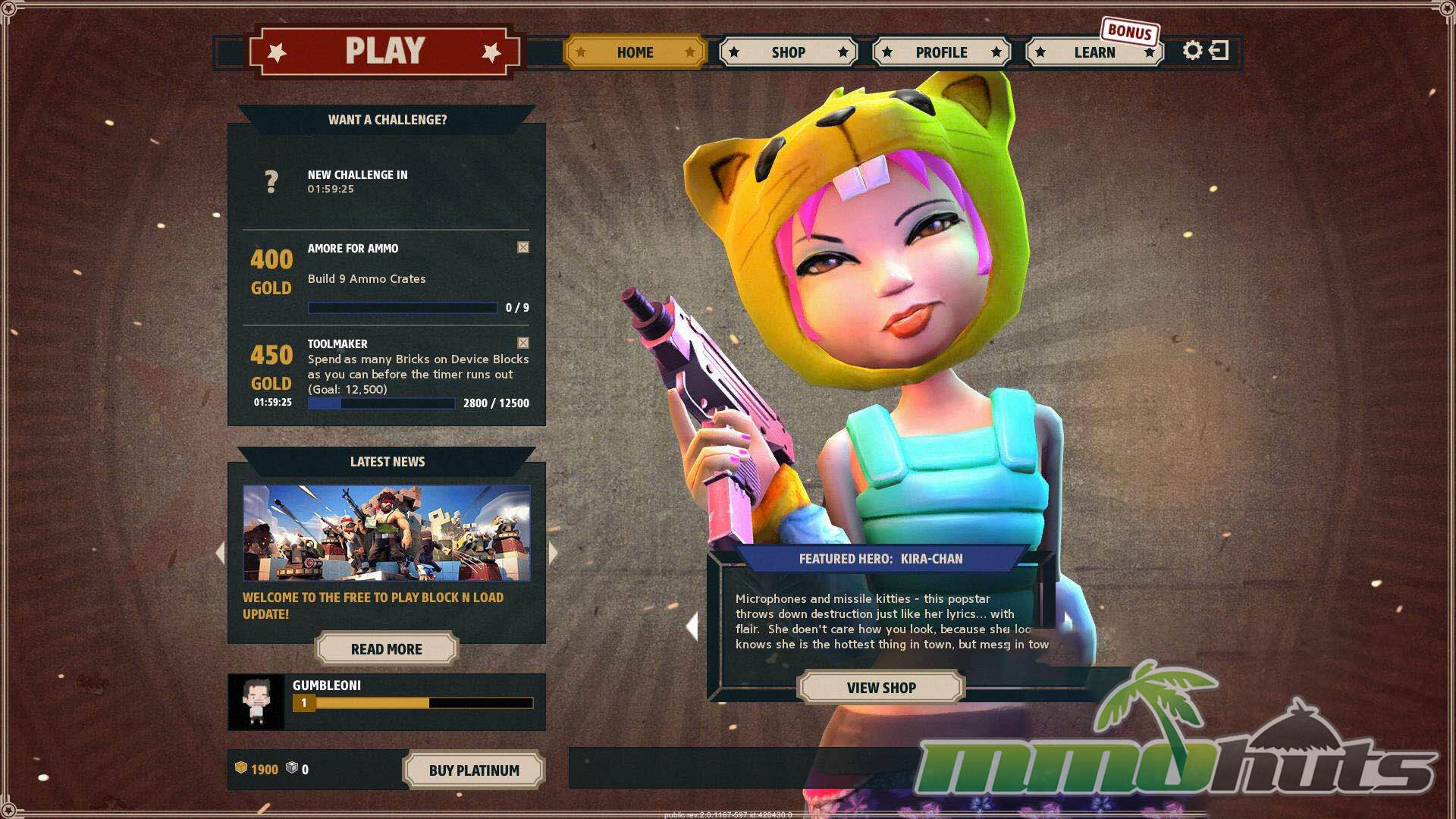
Block N Load Featured Video

Block N Load Review
Block N Load is often summarized as a mash-up of class-based shooters and block-building sandboxes, and that description fits, but it undersells how tactical the game can feel once teams understand the basics. On the surface it is colorful and goofy, full of hero quips and chunky explosions, yet the match flow rewards planning, communication, and smart use of terrain more than you might expect from its cartoon presentation.
The main hurdle is that Block N Load asks new players to learn several systems at once: hero kits, map layouts, the building interface, trap placement, and the importance of shared resources. Early matches can feel chaotic in the wrong way, especially if you jump in without watching the tutorial material. Once you have a grasp on the rhythm, however, the chaos becomes the point, the game is at its best when both teams are improvising as walls crumble and tunnels appear where none existed seconds earlier.
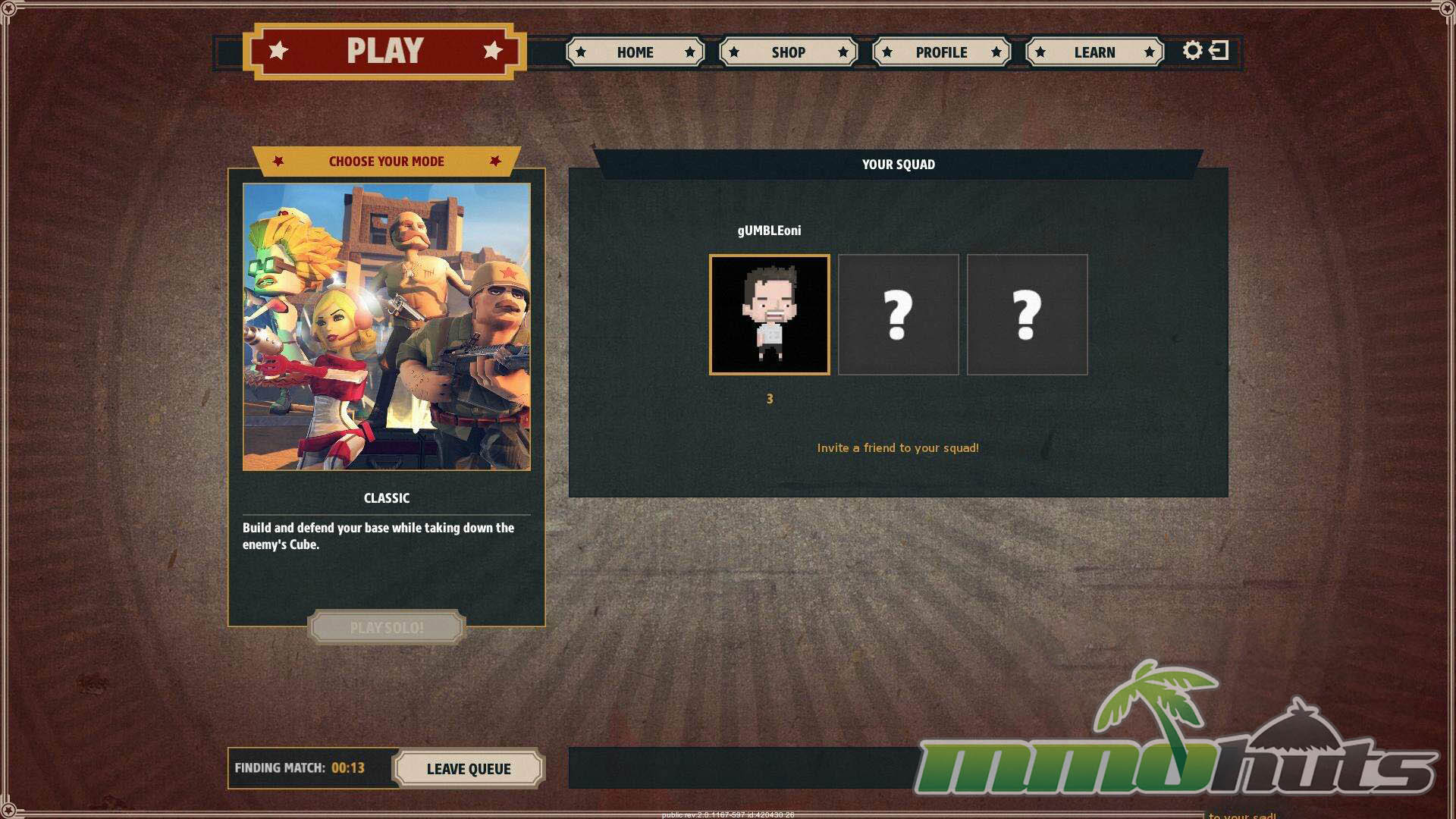
A Safety Net for Finding Matches
One of the more practical inclusions is the server browser, which matters because matchmaking is not always reliable. If the queue struggles to place you, you can still look for active servers and get into a game without waiting indefinitely.
When matchmaking does work, the game is serious about discouraging mid-match exits. You are prompted to accept a warning about penalties for leaving early, and the game follows through by locking you out for a period if you quit. In a mode where every player contributes to both offense and defense, that kind of friction against abandoning a match makes sense. It helps avoid the spiral where one departure leads to a lopsided round and more people leaving.
It’s an Objective Game, Not Just a Deathmatch
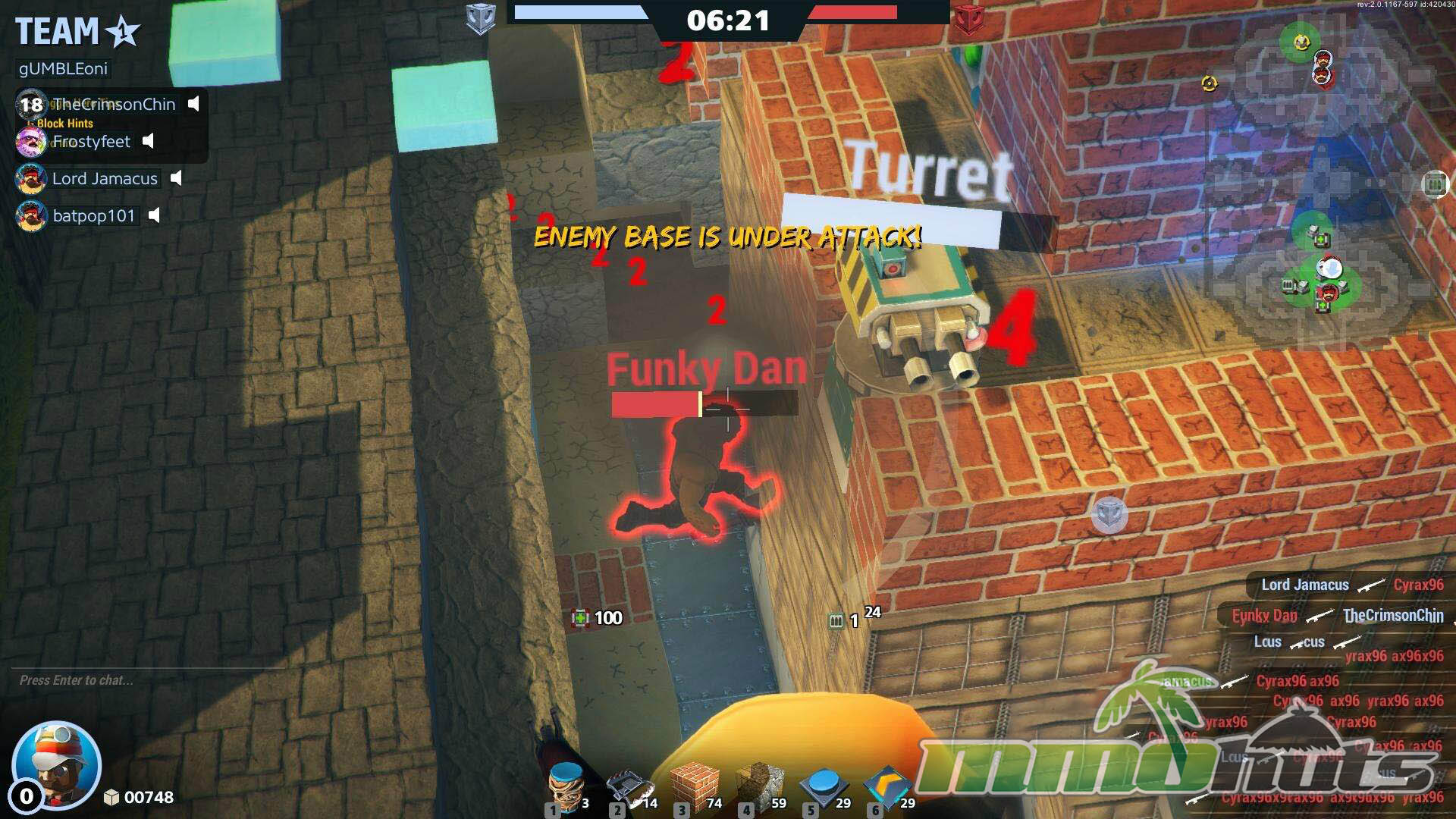
The win condition is base destruction, specifically taking down the glowing core cube in the enemy’s starting zone. That focus keeps the action directed, even if the firefights themselves can break out anywhere. The build phase at the beginning is crucial because it defines the early tempo. A team that invests in smart defenses can buy time to gather resources and set up counterplays, while a team that overbuilds may find itself short on blocks later when repairs matter most.
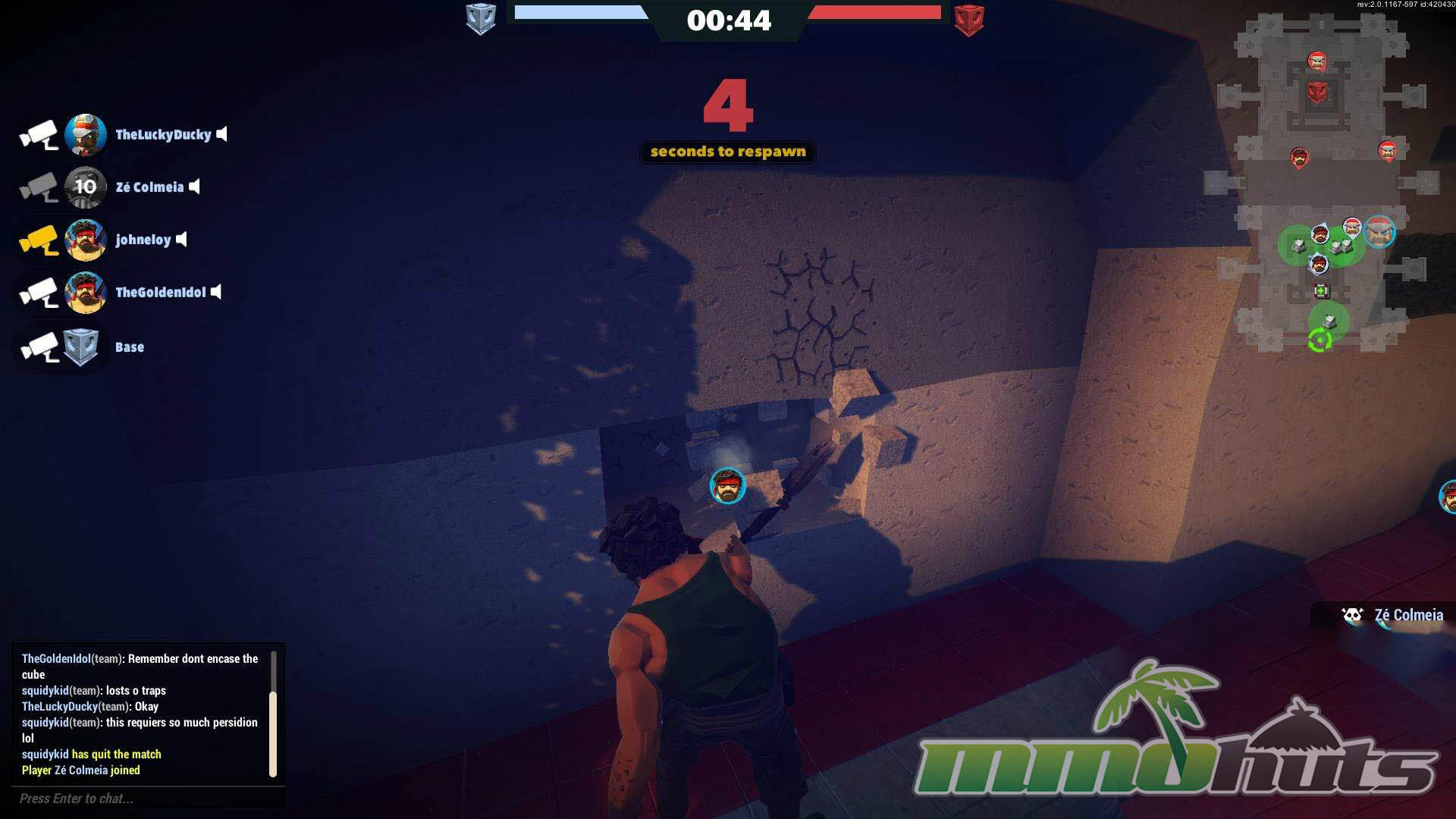
Because nearly everything is destructible, defenses are never permanent. Enemies can punch through walls, dig from below, or collapse key structures at the worst moment. Repairing and replacing blocks becomes an ongoing job, not a one-time chore. Good teams treat their base like a living structure, patching weak points while still finding time to pressure the opposing side.
Tunneling is a major part of the meta. Digging under the map to place radars and spawn points can create constant pressure, and a well-prepared team can turn the underground into a trap-filled network that supports surprise attacks. On the flip side, if you ignore subterranean routes, you will eventually get punished by enemies surfacing behind your lines.
The first few games can be rough if you do not know what to prioritize. It is easy to waste time experimenting with blocks while experienced teammates immediately start establishing defenses and routes. The shared block pool is a particularly important lesson, if one player burns through resources without a plan, the whole team feels it. Block N Load works best when players commit to a role, communicate what they are building, and understand how their hero contributes to either holding ground or breaking through.
A Roster Built Around Roles
The hero lineup is where the game gets its personality and much of its strategy. Different characters push you toward different responsibilities. A defensive-minded hero can lock down approaches with traps and detection tools, while an aggressive hero may specialize in blasting apart structures and forcing openings with explosives. Engineers can lean into automated defenses, and other picks excel at picking off targets from range or disrupting enemy pushes.
Each hero also has a signature ability tied to a cooldown, activated with “F.” These abilities are impactful but not spammable, so timing matters. During a match, you gain experience that advances you along a 10-level progression track for that round. The levels do not translate into raw stat scaling, instead they provide upgrades related to the hero ability (such as improving area coverage or reducing cooldown), and some levels grant gold. The result is a match-based progression arc that nudges you toward using your kit intelligently rather than simply out-leveling opponents.
Perks as Your Long-Term Customization
Between matches, the main way to shape your playstyle is the perk system. You earn gold through play and spend it on perk cards in the shop. These perks offer straightforward improvements, like larger ammo reserves or better weapon accuracy, and you slot them onto heroes before a match begins. Perks have level requirements, which gives players a sense of long-term goals without turning the game into a pure stat race.
Because perks can be equipped across heroes, they also encourage experimentation. You can take a character that typically plays defensively and lean them slightly more aggressive, or double down on their strengths for a more specialized role. The system is simple, but it adds meaningful identity to how two players can approach the same hero differently.
Currency and Unlocks
Monetization follows a familiar dual-currency model. Gold is earned by playing and can be used for heroes, perks, and hero skins. Unlocking everything strictly through gold takes time, particularly for higher-tier heroes, so it is clearly a long-term grind if you want the full roster without paying.
Platinum functions as the cash currency and is aimed at purchasing heroes and their skins. Notably, it cannot be used to buy perks, which helps keep the system from sliding into direct pay-to-win. Paying players can expand their options faster, but perk progression still comes from playing, and free players can work toward heroes through gold.
A Goofy Style That Supports the Chaos
The blocky art direction can be easy to dismiss at first glance, especially if you are not a fan of voxel aesthetics. In motion, though, it fits the game’s tone. The readable silhouettes, bright effects, and clear damage feedback on blocks make the destruction feel satisfying and informative. You can see structures cracking and failing, and the moment a wall collapses often changes the entire fight.
The heroes lean into pop-culture archetypes with exaggerated personalities and frequent voice lines. That flavor does more than provide jokes, it helps the game feel distinct in a crowded multiplayer space. The audio also supports the theme well, with a punchy, action-movie vibe in menus and enough in-match clarity to keep you focused on footsteps, digging sounds, and the cues that signal trouble near your base.
Final Verdict – Great
Block N Load stands out because it is willing to combine systems that most shooters keep separate. The building and destruction mechanics create matches that can swing quickly, and the hero kits add enough structure that teamwork still matters more than random chaos. The downside is that the game can be demanding, especially for newcomers, and inconsistent matchmaking can make the experience uneven.
For players who enjoy objective-focused multiplayer and do not mind learning a few intertwined systems, Block N Load offers a refreshingly tactical take on team shooters. When both teams understand what they are doing, the result is fast, messy, and surprisingly strategic.
Block N Load Links
Block N Load Official Site
Block N Load Steam Page
Block N Load Wikipedia
Block N Load Subreddit
Block N Load Wikia (Database / Guides)
Block N Load Gamepedia (Database / Guides)
Block N Load System Requirements
Minimum Requirements:
Operating System: Windows 7 64 bit
CPU: Core i3-4150 3.5GHz or Phenom II X4 B60
Video Card: GeForce GTX 650 1GB or Radeon R7 250 Gigabyte OC 1GB Edition
RAM: 4 GB
Hard Disk Space: 15 GB
Recommended Requirements:
Operating System: Windows 7 64 bit
CPU: Core i5-4460T 1.9GHz or Phenom II X4 965
Video Card: GeForce GTX 650 1GB or Radeon HD 7770 1GB GDDR5
RAM: 4 GB
Hard Disk Space: 15 GB
Block N Load Music & Soundtrack
Coming Soon!
Block N Load Additional Information
Developer: Jagex Games Studios
Game Engine: Unity
Block N Load VP: David Solari
Announcement Date: November 20, 2014
Closed Beta: Devember 11, 2014
Release Date: April 30, 2015
Steam Release Date: April 30, 2015
Free To Play Date: October 01, 2015
Development History / Background:
Block N Load was developed by UK based game development studio Jagex, the same company responsible for developing Runescape. It was inspired by a previously released Jagex game titled Ace of Spades. Block N Load was announced on Novemeber 20, 2014 and entered closed beta on December 11, 2014. On April 30, 2015 Block N Load released through Steam and retailed for $14.99. But the game transitioned to a free to play model on October 01, 2015, leading to a large surge in its playerbase.