Windward is a nautical sandbox MMO built around roaming seas, taking jobs between ports, and steadily upgrading from a fragile starter ship into something capable of handling pirate fleets and faction skirmishes. It takes clear inspiration from Sid Meire’s Pirates!, but focuses on streamlined sailing and ship-to-ship combat rather than complex land systems. You can play it solo or join online servers where the map and faction conflict are generated fresh for each world.
 | Publisher: Tasharen Entertainment Playerbase: Low Type: Nautical Sandbox MMO Release Date: May 12, 2015 Pros: +Works well as both a solo game and a multiplayer sandbox. +Very small install size with modest hardware demands. +Supports PvE progression and optional PvP modes. Cons: -Mission variety and scenery can feel samey over time. -Early progression can feel unguided and slow. |

Windward Overview
Windward is an indie sailing RPG with MMO-style servers and a full single player option. Every world is procedurally generated, then populated by multiple factions that expand, clash, and compete for port ownership as players move through the map. Progression is straightforward: complete contracts, trade goods, fight pirates, and earn levels that unlock stronger ships plus new equipment and talent choices. Once you are established, the game opens up into faction conflict and instanced PvP events for players who want ship battles against other captains.
Windward Key Features:
- Procedurally Generated Game Worlds – each server creates a different ocean to chart, with room for solo play or co-op.
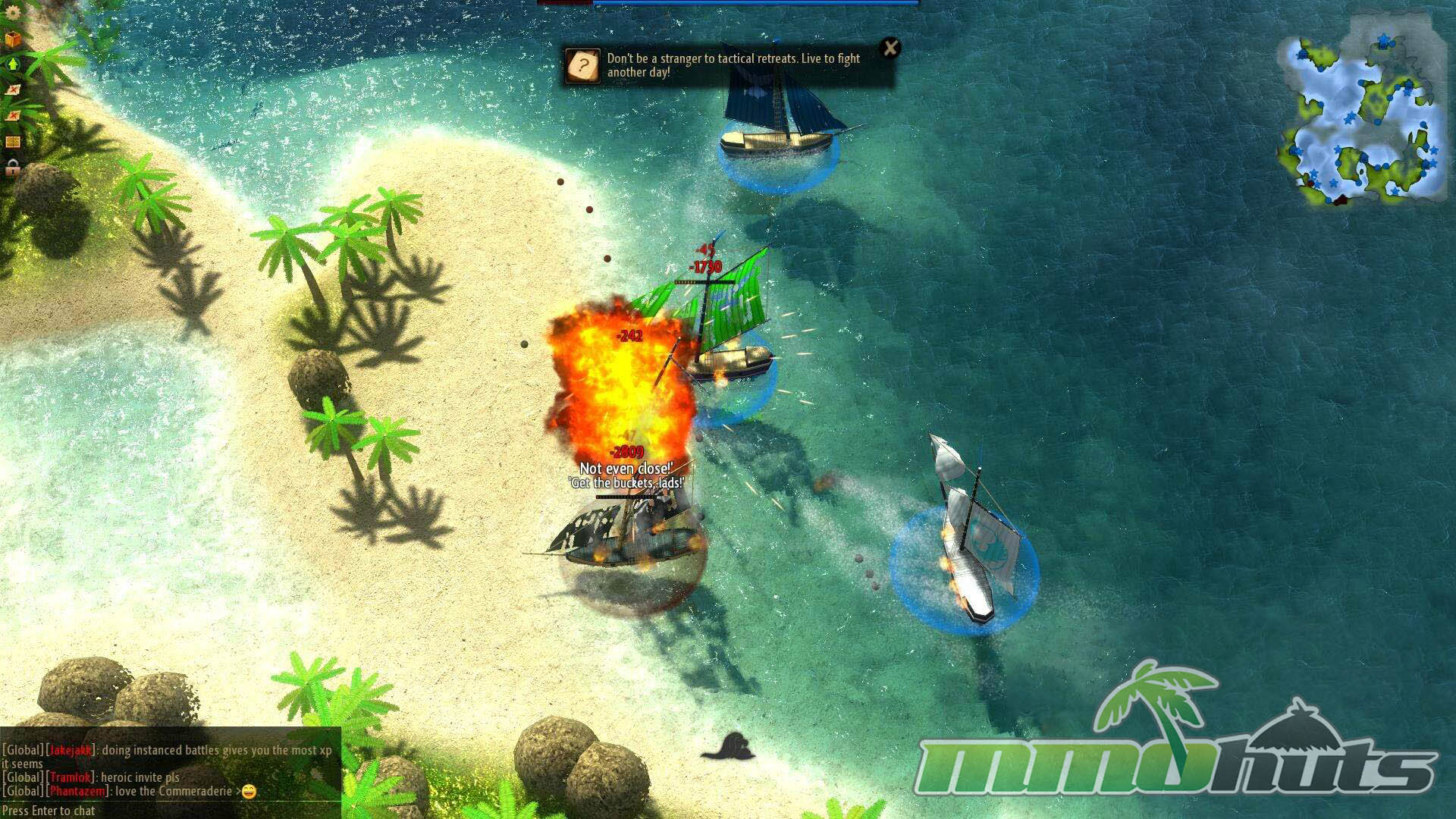
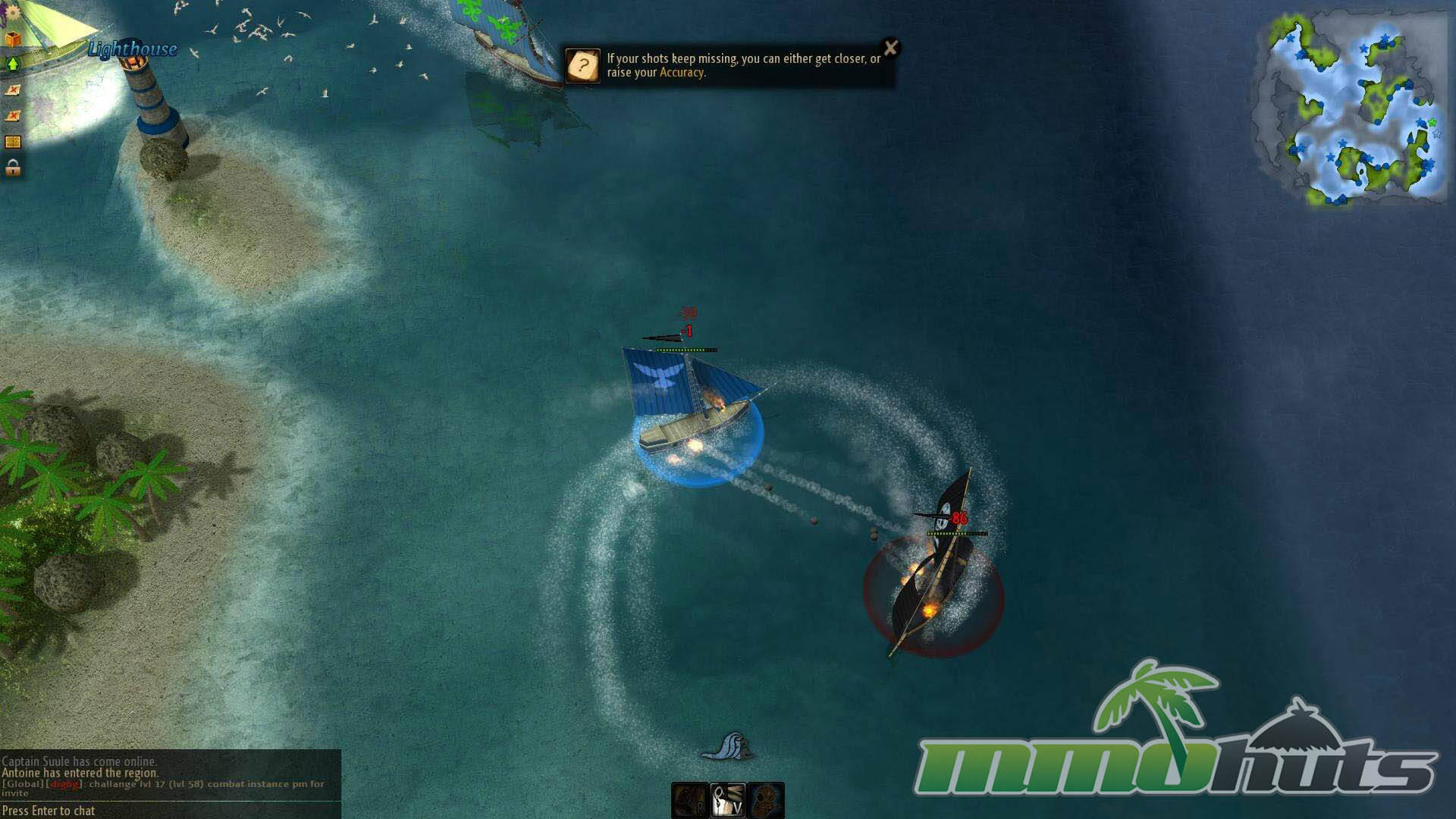
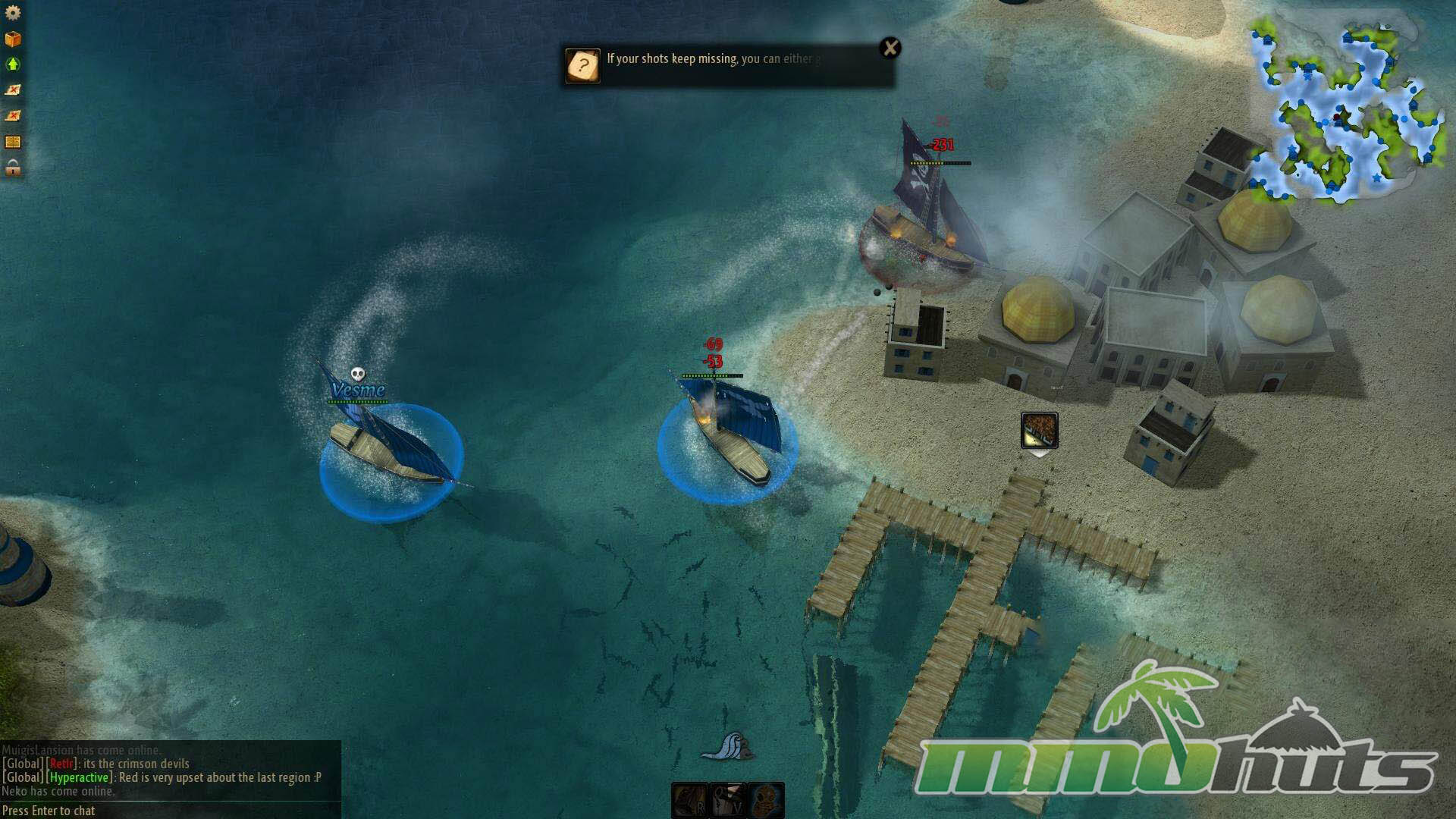
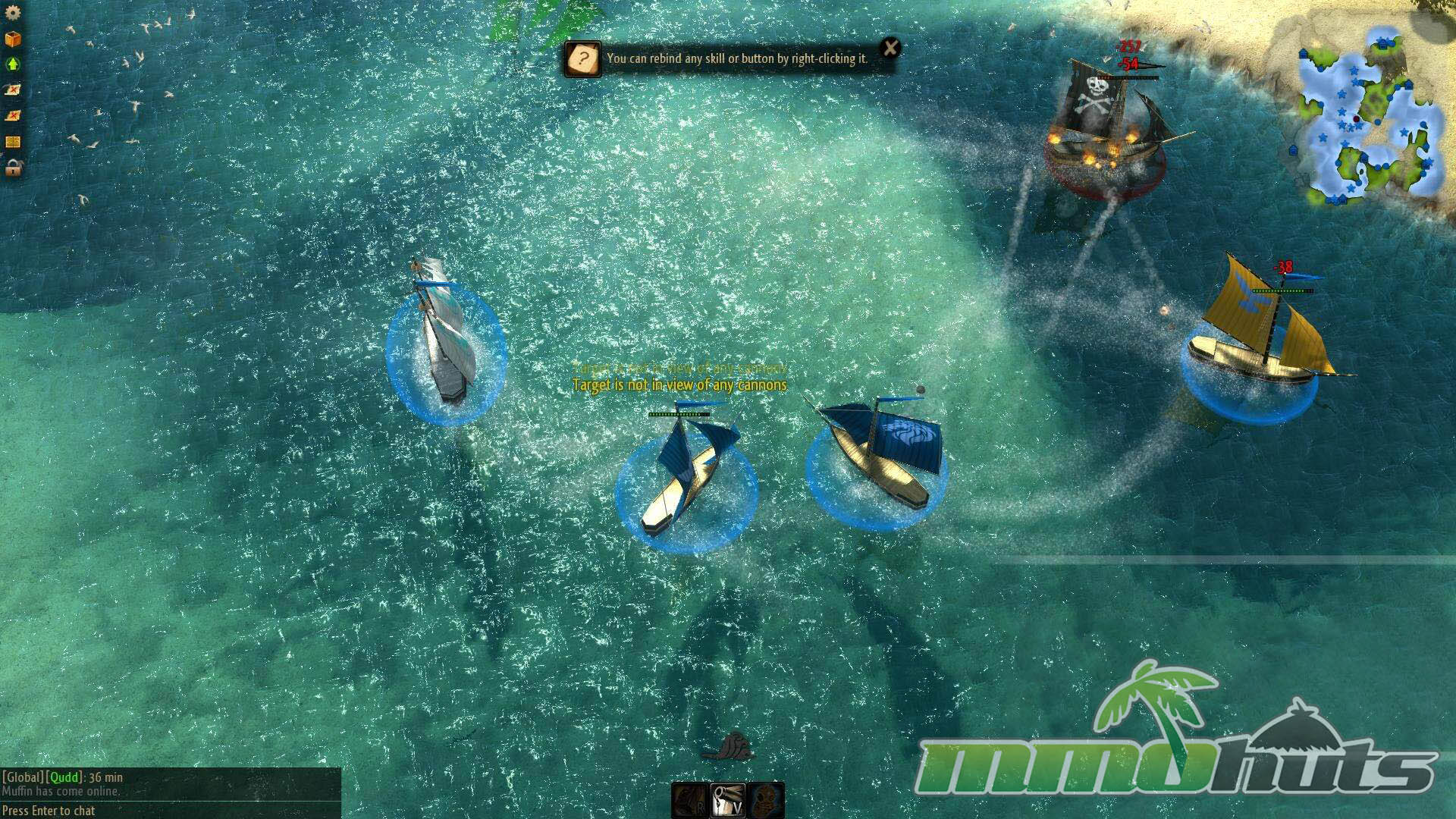
- Naval Combat – sink pirate vessels, push for port control, and protect friendly towns when they come under pressure.
- Trade Winds – buy and sell cargo between ports to fund ship upgrades and equipment.
- Map Modifications – expand civilization by founding towns and changing the world layout over time.
- Character Specialization – gain talent points as you level, then spend gold on ships, sails, cannons, crew, and other upgrades.
Factions – Valiant, Consulate, Sojourn, Exchange, Syndicate, Aequitas
Windward Screenshots






Windward Featured Video

Windward Review
Windward is the first major release from indie developer Tasharen Entertainment. The project began life after a brief conversation at the 2012 Game Developer Conference involving Sid Meier, then spent years evolving before arriving on Steam in Early Access on October 11, 2014. The game reached its full release on May 12, 2015.

A focused take on the sailing fantasy
The pitch is immediately appealing if you have ever wanted the freedom of a pirate themed adventure without layers of opaque systems. Windward keeps its scope intentionally tight, everything happens at sea, and nearly every system feeds back into sailing, fighting, or trading. That narrower design also keeps the client small and the performance requirements low, which is still one of the game’s underrated strengths.
Built in Unity, Windward also supports Mac and Linux, and it generally looks clean without pushing modern GPUs. Visual variety is serviceable rather than spectacular, but the readable art style helps during combat when you need to track positioning, range, and incoming volleys. The settings are fairly basic, so players who are picky about display options may find themselves wanting more flexibility than the game offers out of the box.

Solo, co-op, or online servers
You can approach Windward in three main ways: a traditional single player world, joining a friend through Direct Connect, or playing online on dedicated servers. The procedural map generation and AI faction conflict do a decent job of keeping even a solo session from feeling empty, ports change hands, pirates pressure trade routes, and NPC fleets are constantly moving.
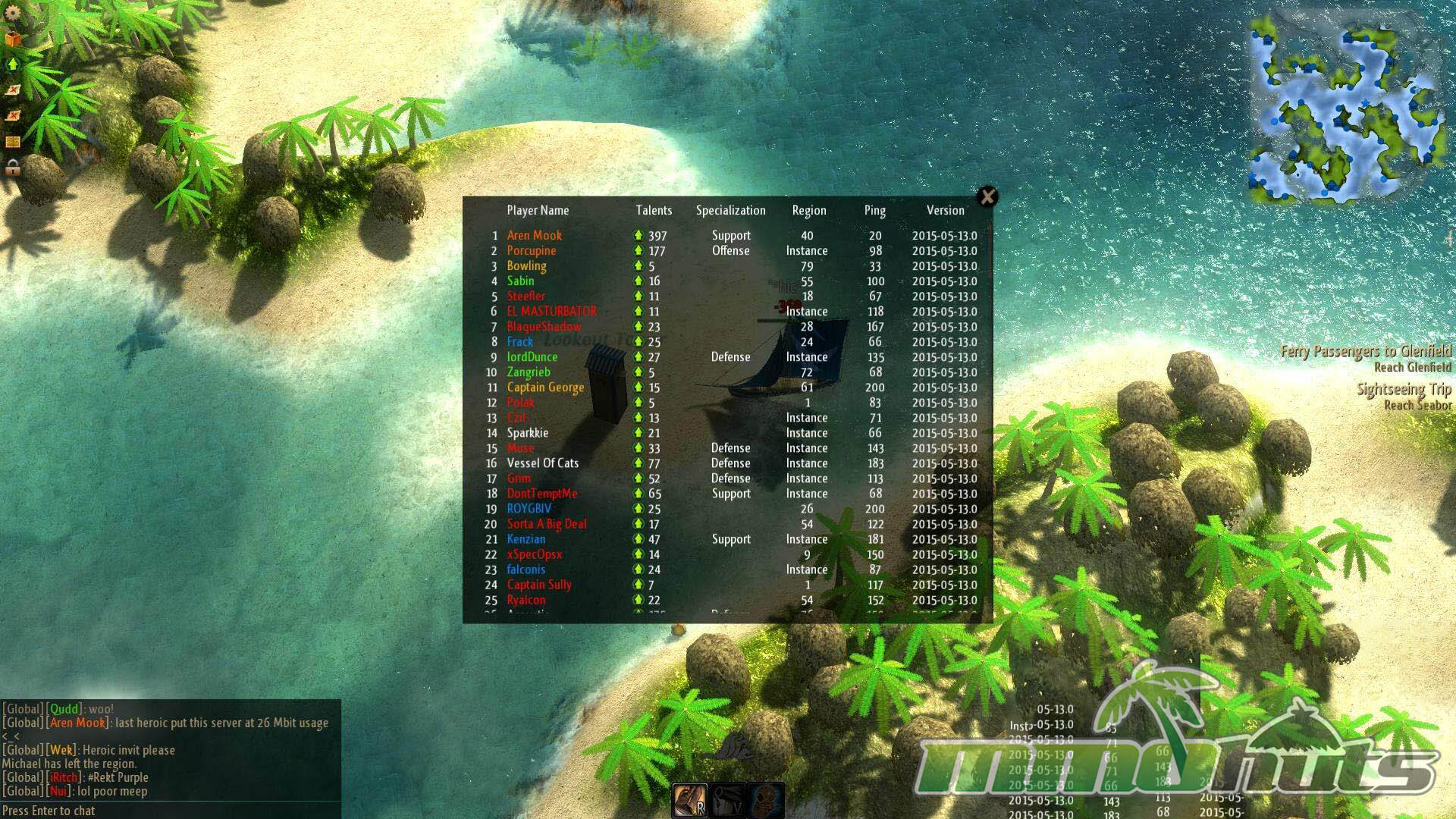
Online play is where the “MMO” label makes the most sense, but it is not a massively social game in the way theme park MMOs are. Population tends to be concentrated on a small number of servers, and many servers let you bring your progress with you, which is convenient if your group spreads across different communities or time zones.

Picking a banner to sail under
When you enter a server you choose a starting region, which also effectively assigns your initial faction. The core set includes four factions with practical, easy-to-understand bonuses. Valiant leans toward combat and rewards fighting, but tends to be less profitable for trade. Consulate is quest friendly and beginner oriented thanks to its experience bonuses tied to missions. Sojourn plays into exploration and speed, encouraging you to kite enemies and fight at safer ranges. Exchange is the merchant choice, offering more starting gold and extra experience tied to trading.
It is worth noting that your first pick is not permanent. You can work with rival factions and eventually change allegiance, so the early decision is more about getting a comfortable start than locking in your entire build. Experienced players can also work toward joining the hidden Syndicate and Aequitas factions, which offer different advantages but are harder to access. Early on, most of your real opposition is the NPC pirate presence, which raids ports and creates pressure in beginner waters.
Early hours, small ship, big map
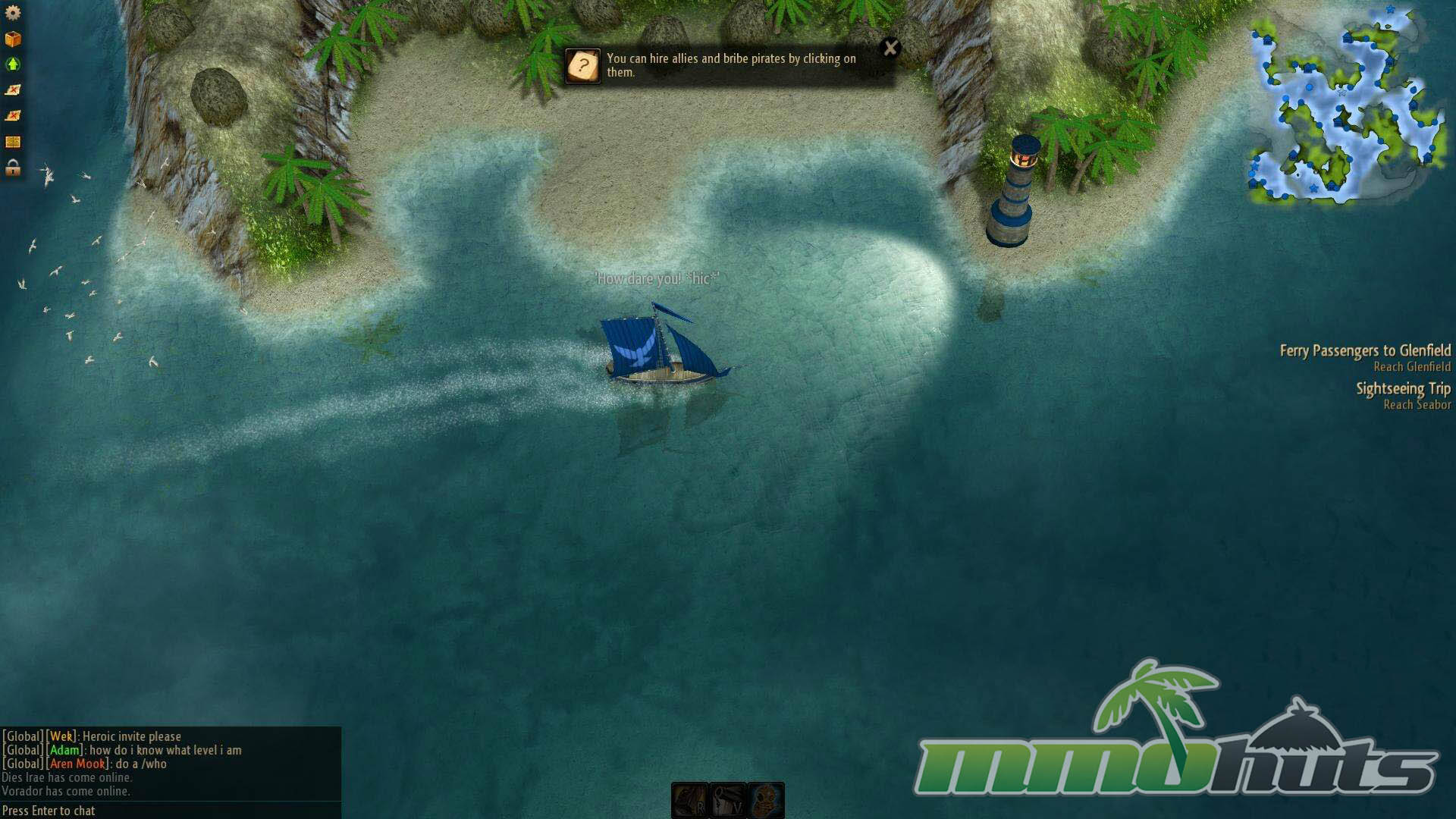
Your first ship is a modest sloop near a port town, and the initial loop is simple: accept jobs, move between towns, and build enough money and experience to expand your options. Movement supports both WASD and mouse controls. Keyboard steering can feel a bit clunky because momentum and turning matter, whereas point and click tends to be smoother for casual travel and lining up broadside angles.
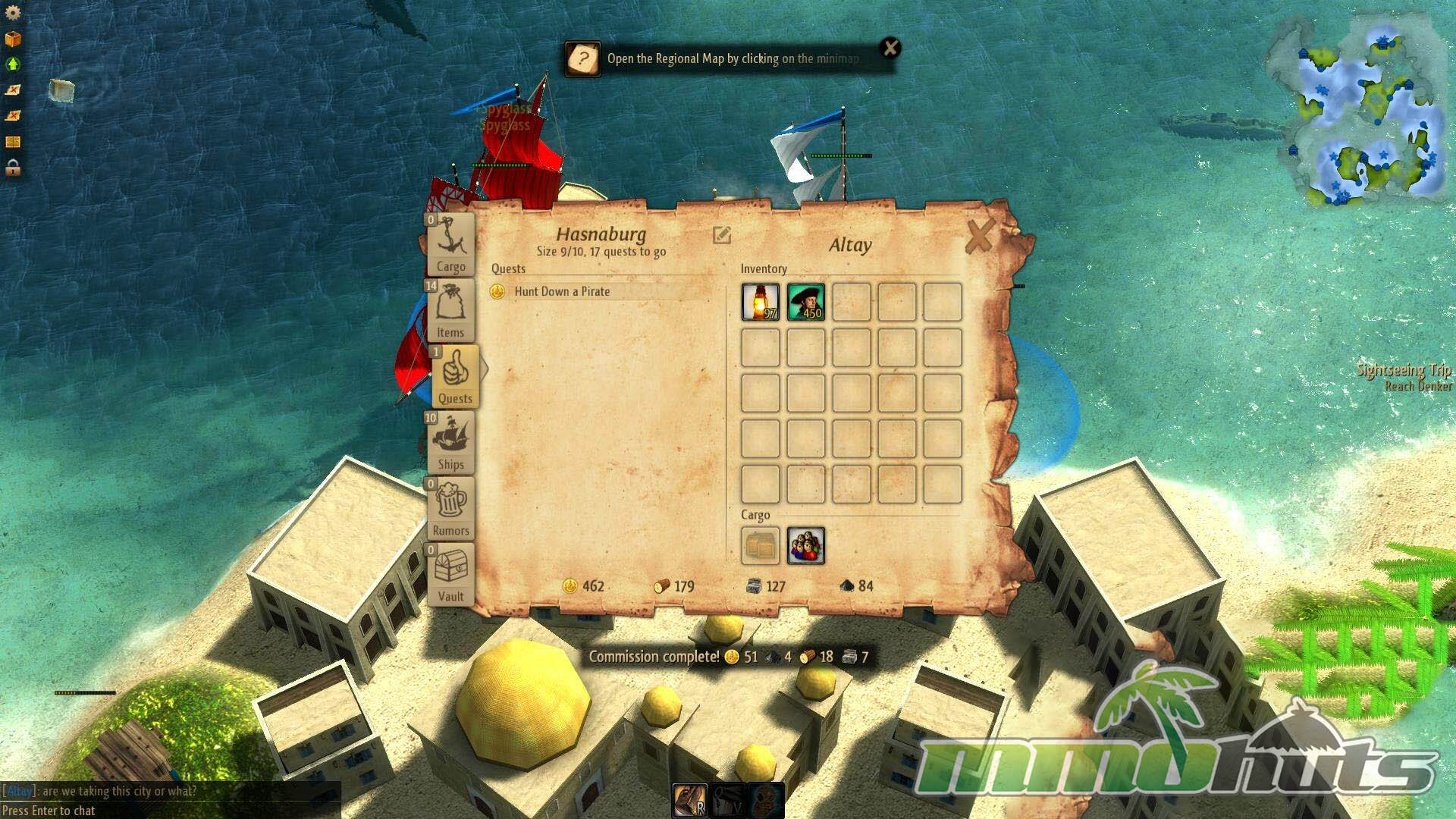
The biggest hurdle for many players is that the opening pace can feel slow and lightly directed. Ports present menus for contracts, trade goods, ship purchases, and rumor style information, but the game does not always do a great job of telling you what is most efficient or what is safe for your level. Many starter missions boil down to ferrying passengers or delivering cargo across the same regional grid, which makes the first few hours feel repetitive.
Cargo limitations also shape that early grind. Space is extremely tight at the beginning, and since each quest item or trade good consumes a full cargo slot, progress can feel stop-and-go until you can afford upgrades.

Combat and progression begin to click
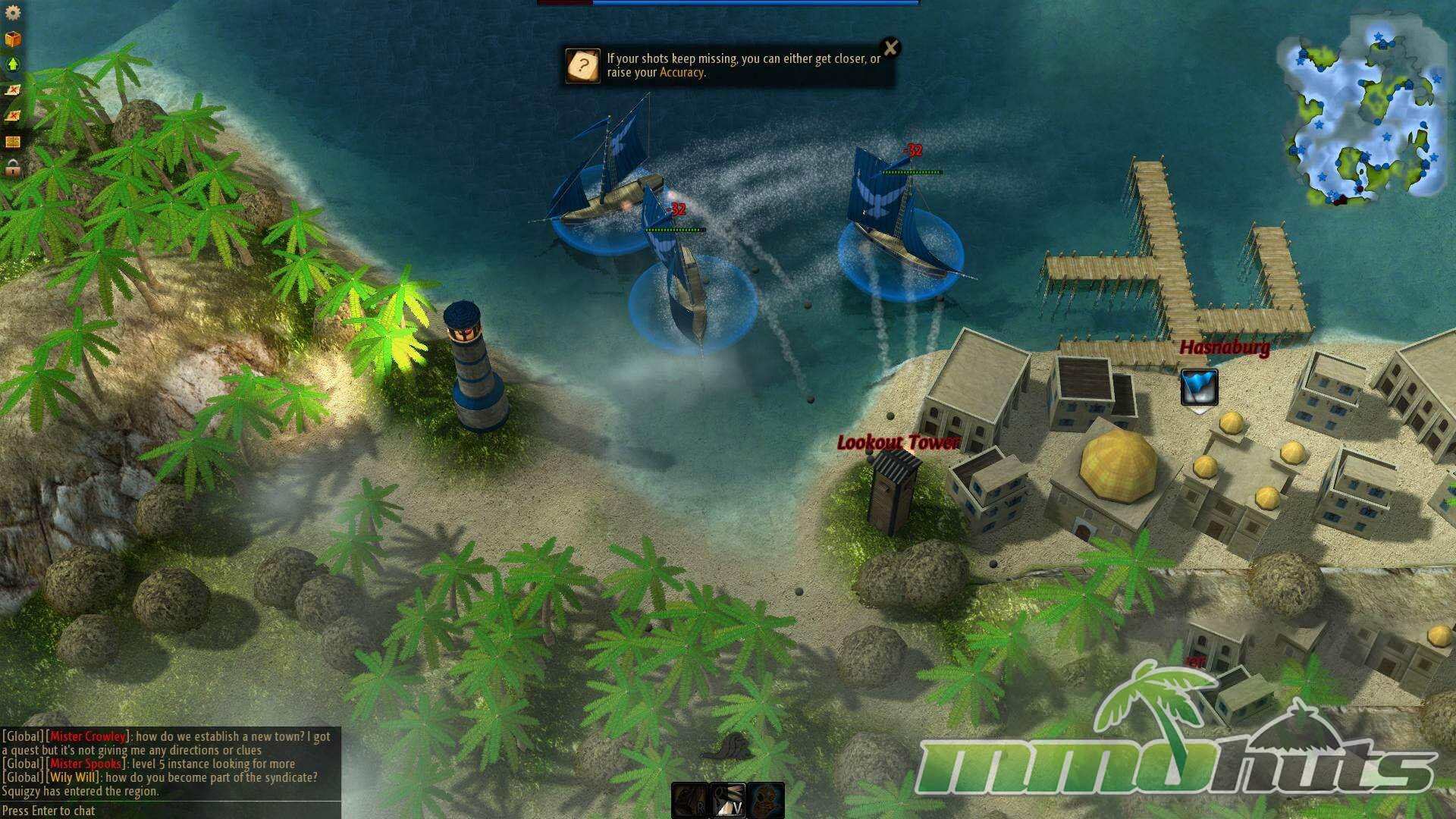
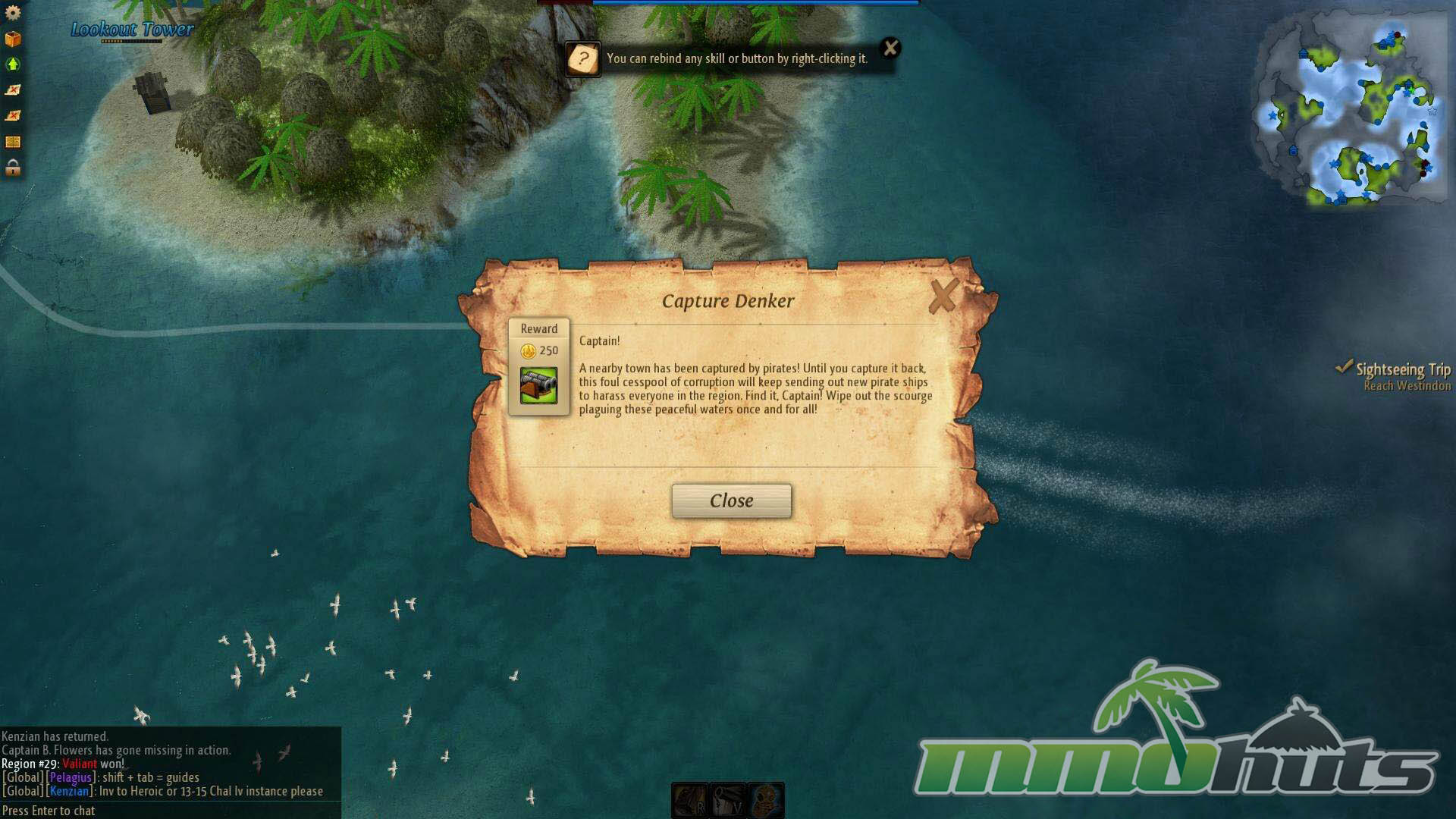
If travel contracts start to wear thin, the game improves once you lean into combat tasks. Early quests often ask you to hunt a pirate ship or help reclaim a threatened port. Combat is readable and largely automated in terms of firing, your cannons will shoot when an enemy is in arc and within range, but positioning is still important. Broadsides fire from the left or right, and you supplement that baseline with an active volley ability plus faction flavored skills.
Port assaults can spike in difficulty when watchtowers are involved, but on populated servers pirate controlled cities are often rapidly attacked by players, which turns some objectives into a cooperative clean-up rather than a solo wall. As you complete contracts, trade, and sink ships, you gain levels and talent points. Talents are spread across Defense, Offense, and Support, giving you room to specialize without turning the game into an overwhelming spreadsheet.
Leveling also acts as a soft progression gate by encouraging you to fast travel into higher level regions. You can sail anywhere manually, but doing so too early can put you in waters where pirates and enemy factions outclass your ship. As you reach the inner regions where factions collide, the tempo increases, and PvP starts to feel like a real option rather than a distant feature.

Ships, gear, and the hunt for upgrades
At release, Windward offered eleven ships, each more expensive and more capable than the last. Faction discounts on certain hulls help reinforce identity without forcing hard class roles. The final ship is tied to a longer questline that begins in level 12 zones and higher, which gives long term players a clear milestone to chase.
Ship upgrades are not only about the hull. There are ten equipment slots (Hull, Sails, Cannon, Ammunition, Specialized, Captain, Specialist, Crew, Captain’s Tools, and Pennant), and building a strong loadout matters as much as buying the next ship. In the early and mid game, one of the most reliable ways to find useful gear is hunting “Captain” pirate ships. They are tougher than standard pirate vessels, but they are manageable solo once you understand spacing and broadside timing.
The early ship ladder is also where Windward’s progression feels most tangible. Around the time you reach your second region, typically near level 6, you should be able to afford the Sloop of War. Some veterans advise saving for the Schooner instead, but for new players the Sloop of War is an important step that makes combat and cargo management feel meaningfully better, and it provides a needed sense of momentum.

PvP, war rules, and the long haul
PvP in Windward is largely opt-in by default, appearing through instanced battles and timed faction conflicts over regions. Hosts and solo players can enable “Permanent War,” which turns faction PvP on everywhere. Players who would rather avoid it can equip a “White Flag” item to stay out of player conflict.
Even with those systems, many sessions still feel like quiet solo voyages punctuated by pirate fights and occasional cooperative moments at contested ports. That is not necessarily a flaw, the sailing and trading loop is naturally meditative, and the game’s design supports dipping in for short sessions or stretching into long exploration runs. The procedural worlds and ongoing faction tug-of-war are the main drivers of longevity, and they can easily keep dedicated players busy for a long time.
Windward is also noticeably smaller in scope than many nautical MMOs because it avoids land gameplay and side activities. In practice, that makes it easier to learn and easier to recommend to players who bounced off more complicated sailing games. If you want a straightforward ship-focused sandbox, Windward’s simplicity is part of its identity rather than a missing feature.
Final Verdict – Good
Windward delivers a compact, approachable take on the sailing MMO idea, with satisfying ship progression and enough faction conflict to keep the seas feeling active. Players who need deep quest storytelling or highly varied environments may run out of novelty, but anyone looking for a casual friendly nautical sandbox should keep it on their Steam wishlist, especially when it is discounted.
Windward Links
Windward Steam Store
Windward Developer Page
Windward Gamepedia Wiki [Database/Guides]
Windward Beginners Guide
Windward Requirements
Minimum Requirements:
Operating System: Windows Vista SP2 64-bit
CPU: Intel Core i3 1.4 GHz / AMD equivalent
RAM: 2 GB RAM
Video Card: Intel Intergrated Graphics 4200
Hard Disk Space: 250 MB available space
Recommended Requirements:
Operating System: Windows 7 64-bit
CPU: Intel Core i7 2.0 GHz Quad Core or better
RAM: 4 GB RAM or more
Video Card: Nvidia GeForce 460 GTX / ATI Radeon HD 6850 or better
Hard Disk Space: 250 MB available space
Windward is playable on Mac OS X and Linux
Windward Music
Coming soon…
Windward Additional Information
Developer: Tasharen Entertainment
Publisher: Tasharen Entertainment
Lead Designer: Michael Lyashenko (@ArenMook)
Game Engine: Unity
Early Access Release Date: October 11, 2014
Release Date: May 12, 2015
Other Platforms: Mac OS X and Linux
Development History / Background:
Work on Windward began in 2012 after Michael Lyashenko asked Sid Meier for permission to build a game inspired by “Pirates!” Early prototypes leaned more toward arena style naval battles on fixed maps. In 2014, much of that approach was discarded and development shifted toward a procedural world with sandbox progression, which ultimately defined the released game.
Windward stands as the first major PC game from Tasharen Entertainment. The studio is widely recognized for creating NGUI, a Unity plugin used by many developers. Tasharen Entertainment also developed the tablet and browser strategy title Starlink, which was available on Desura.