Wartune is a 2D browser MMORPG that blends lightweight empire management with turn-based, party-style combat. Instead of focusing purely on questing or purely on base building, it tries to keep you bouncing between upgrading your town, improving your hero, and jumping into quick battles, dungeons, and PvP modes. It remains one of the better-known browser MMOs thanks to its steady stream of daily activities and event cycles, plus a progression loop that is easy to understand even if you have never played a strategy browser game before.
 | Publisher: R2 Games Playerbase: High Type: Browser Strategy / RPG Release Date: October 25, 2012 (International) PvP: Arenas / World Pros: +City growth and RPG progression fit together well. +New-player onboarding is clear and helpful. +Frequent events and daily activities. Cons: -Monetization can translate into power. -Limited class roster. |

Wartune Overview
Wartune is a 2D browser-based MMORPG that mixes traditional RPG progression with a town-management layer commonly seen in empire builders. You pick from three hero classes and spend your time rotating between upgrading buildings, training troops, and taking your hero into turn-based encounters that include bosses, dungeons, and several PvP formats. The pacing is designed around daily check-ins, with quests, bounties, and recurring events giving you a consistent checklist of goals without demanding marathon sessions.
One of Wartune’s defining progression systems is the Astral System, which adds a collectible, slot-based customization layer that can meaningfully alter your stats and build direction. Overall, the game has earned a long-running reputation in both Asian and Western markets as a standout example of how browser MMOs can combine strategy timers with RPG combat loops.
Wartune Key Features:
- Mixed Genre of Strategy and RPG – a browser empire-building framework paired with turn-based RPG battles.
- Three Playable Classes – Knights, Mages, and Archers, with combat centered on turn-based actions.
- Quests and Events – daily objectives and frequent event rotations that encourage regular play.
- Astral System – additional character building through collecting, combining, and equipping astrals.
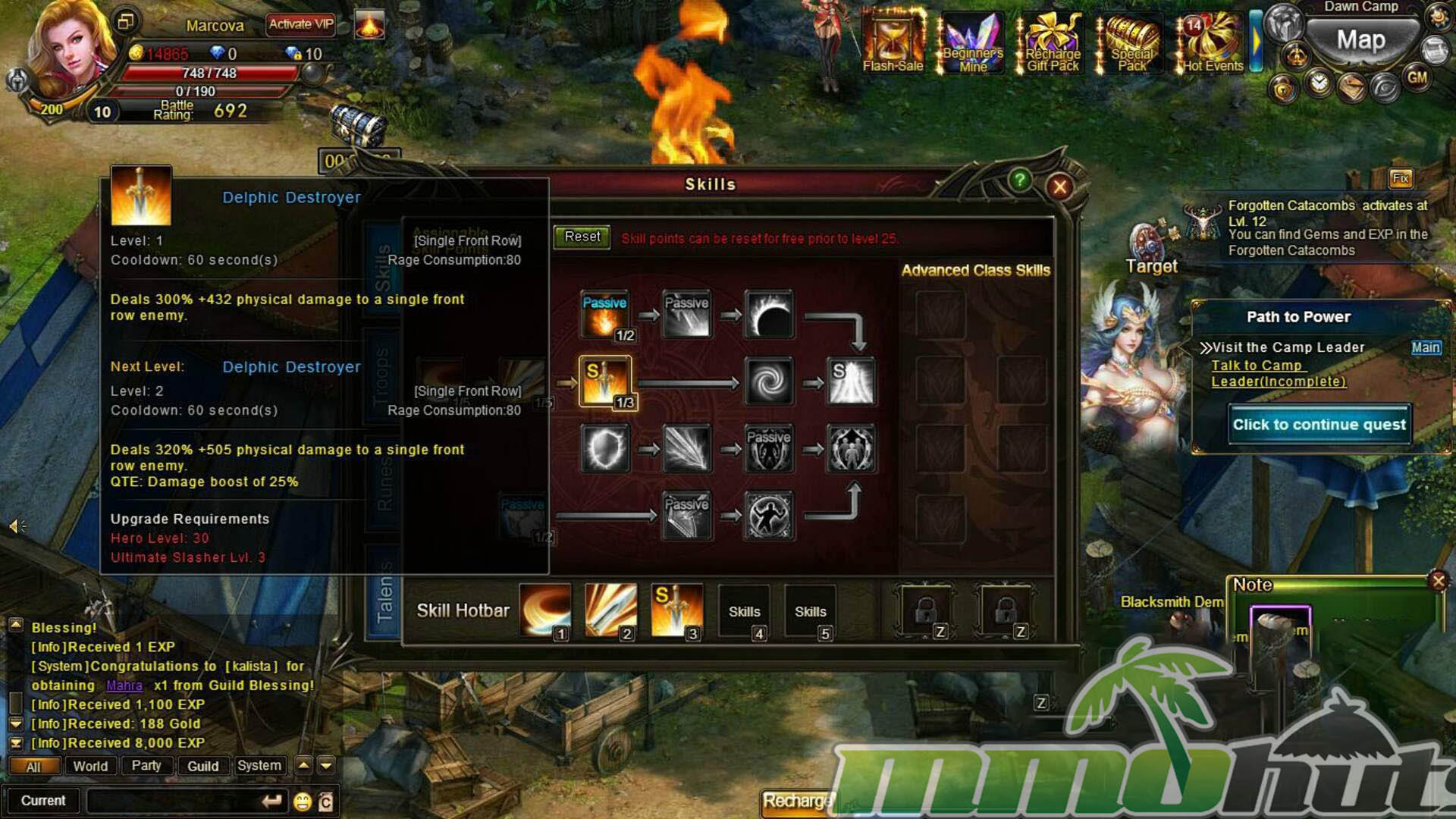
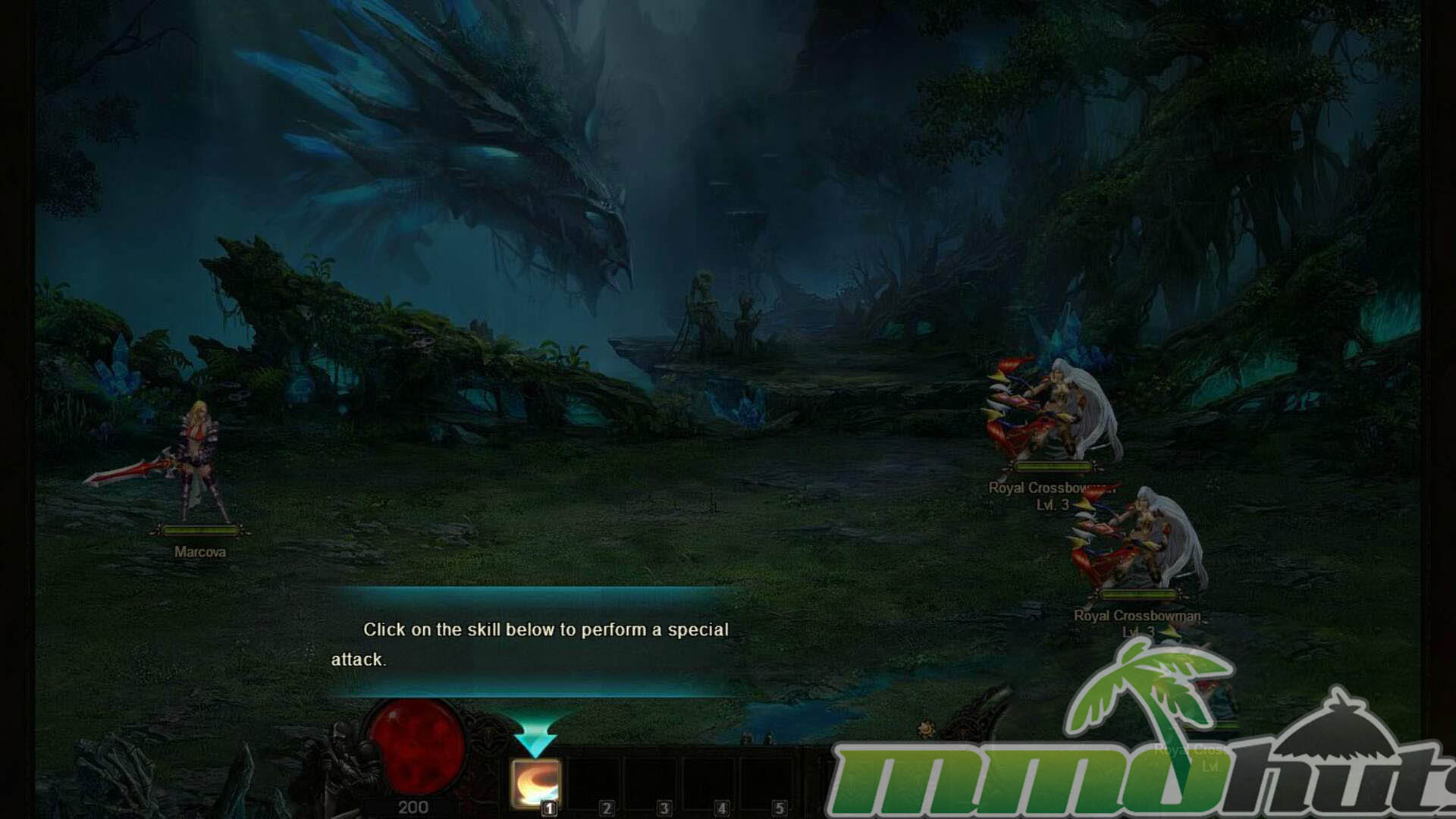
- Quick Time Even Combat System – row-based formation choices plus timed key inputs to boost attacks.
Wartune Screenshots


Wartune Featured Video

Wartune Classes
- Knights – durable frontliners built around heavy weapons, stuns, and defensive tools that help them survive extended fights.
- Mages – high-impact casters with strong burst and multi-target pressure, plus supportive healing options that add flexibility to groups.
- Archers – quick damage dealers that thrive at range, mixing steady pressure with specialized attacks to punish opponents who cannot close the gap.
Wartune Review
Wartune is a 2D browser-based fantasy MMORPG developed by 7th Road and published by Aeria Games as well as numerous other publishers. It was released on March 2012 in China and was released on October 25, 2012 internationally. Wartune can also be played on iPhone, iPad, Tablets, and Android phones. The mobile version is separate from the browser-based one and is called Wartune: Hall of Heroes. The regular browser version can also be played on Facebook.
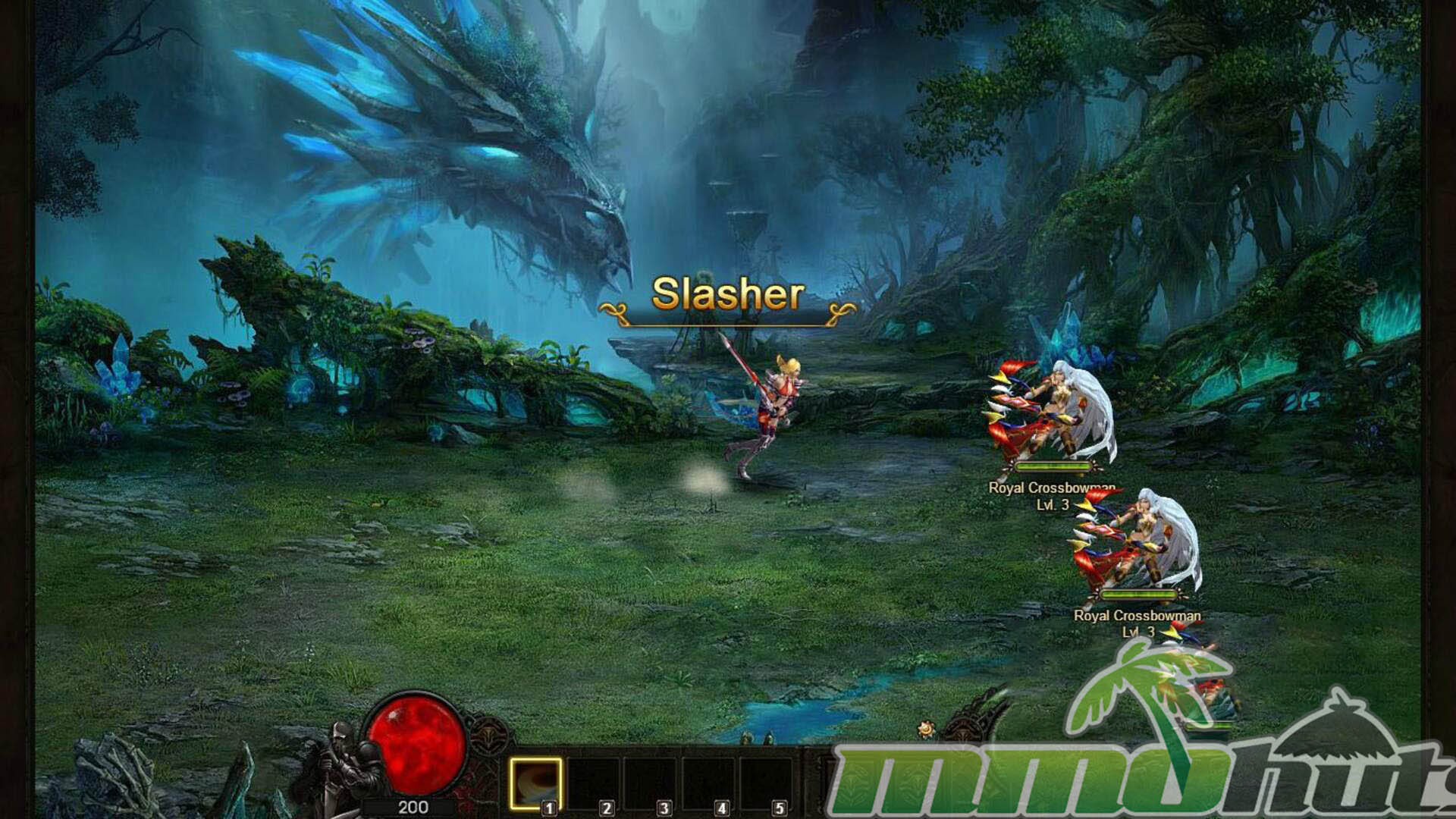
At its core, Wartune aims to deliver the feel of a classic turn-based RPG while borrowing the timer-driven progression of browser strategy games. Battles are quick, readable, and built around upgrading your hero and supporting units, while the town layer gives you a steady sense of long-term growth through buildings, research, and resource generation. Visually, it leans into an older, straightforward 2D presentation that fits the browser format, and the audio goes for that familiar fantasy-RPG vibe rather than cinematic spectacle.
Wartune’s presentation is simple by modern standards, but it fits the game’s retro-styled RPG approach and keeps fights easy to follow.
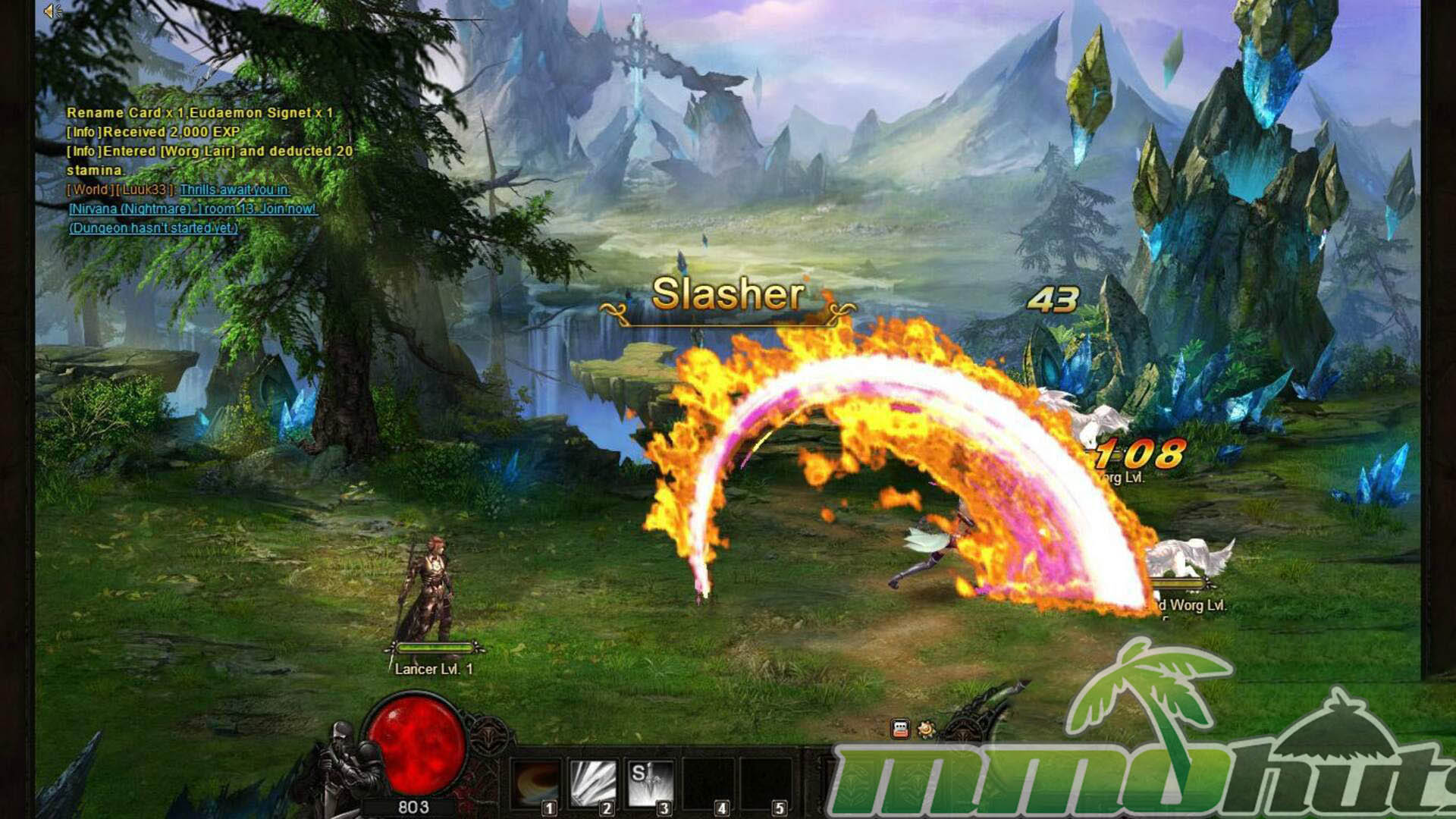
A straightforward start with clear roles
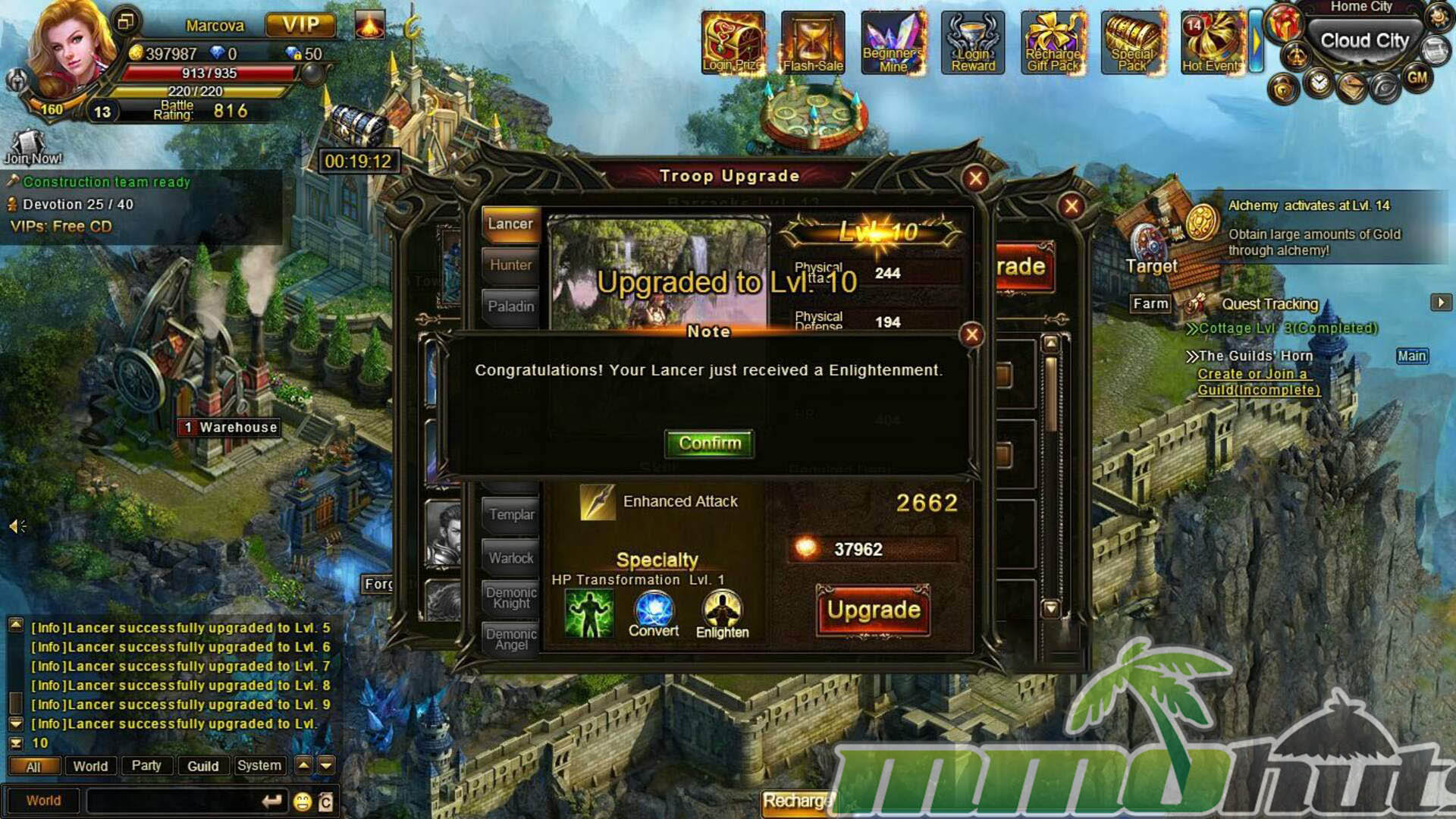
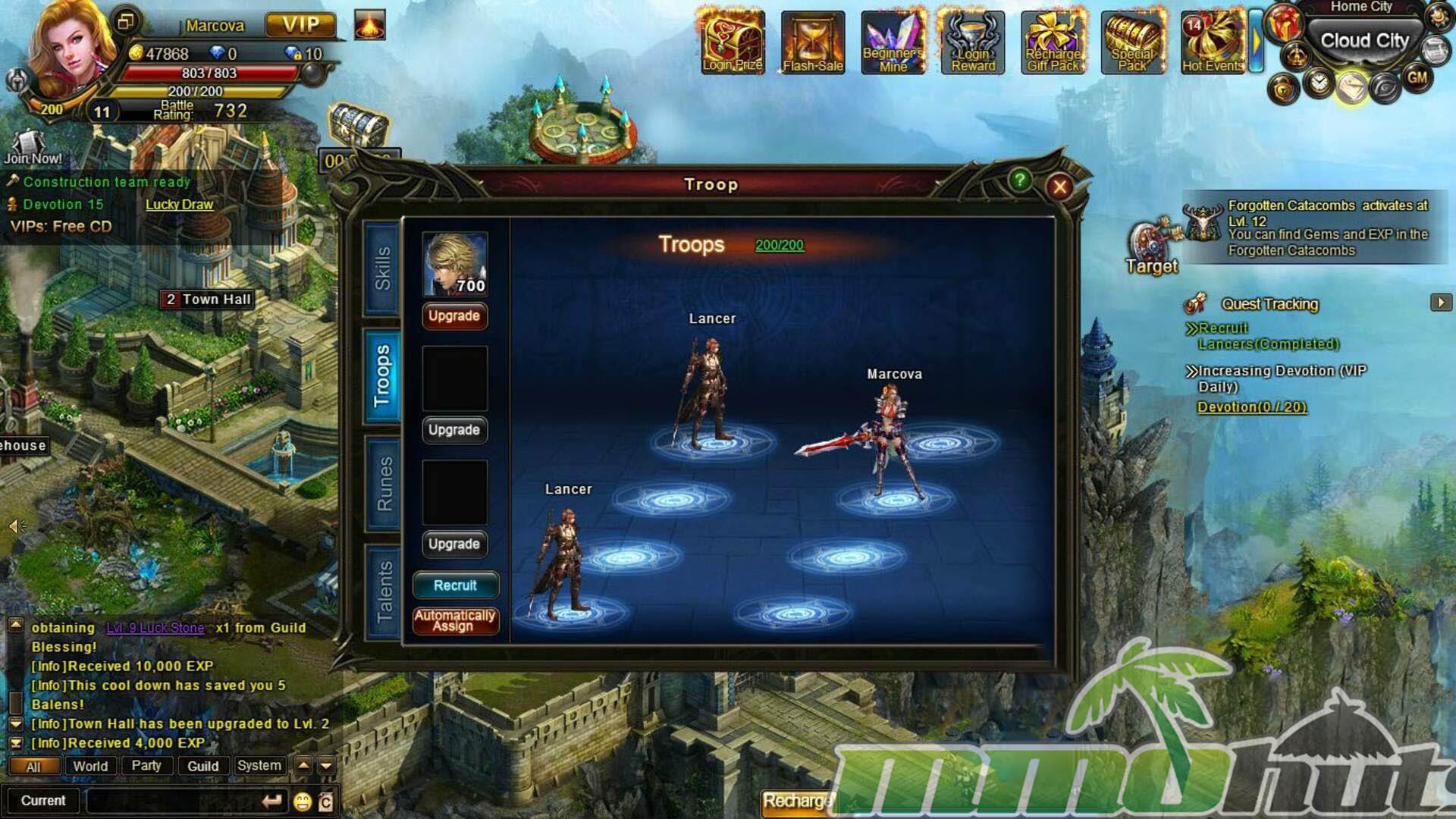
Character creation is intentionally minimal: you choose between Knight, Mage, and Archer, then you are pushed into learning the combat and interface quickly. Knights are built to soak damage and control the pace of fights with defensive skills. Mages trade toughness for explosive spell damage and the ability to heal, which makes them feel like a hybrid of nuker and support. Archers sit in the middle as adaptable ranged attackers, often focusing on efficient damage patterns that work well in both PvE and PvP.
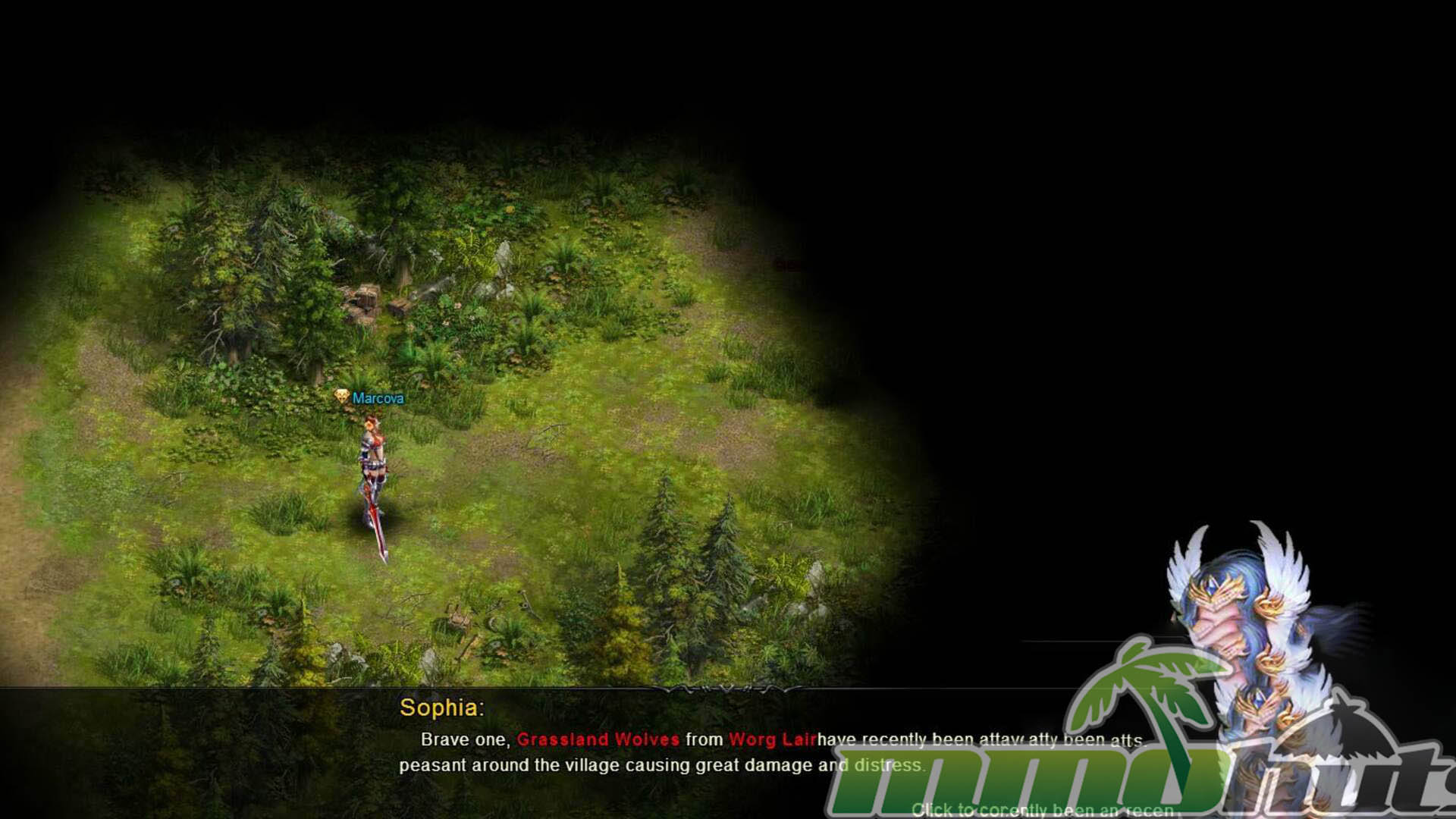
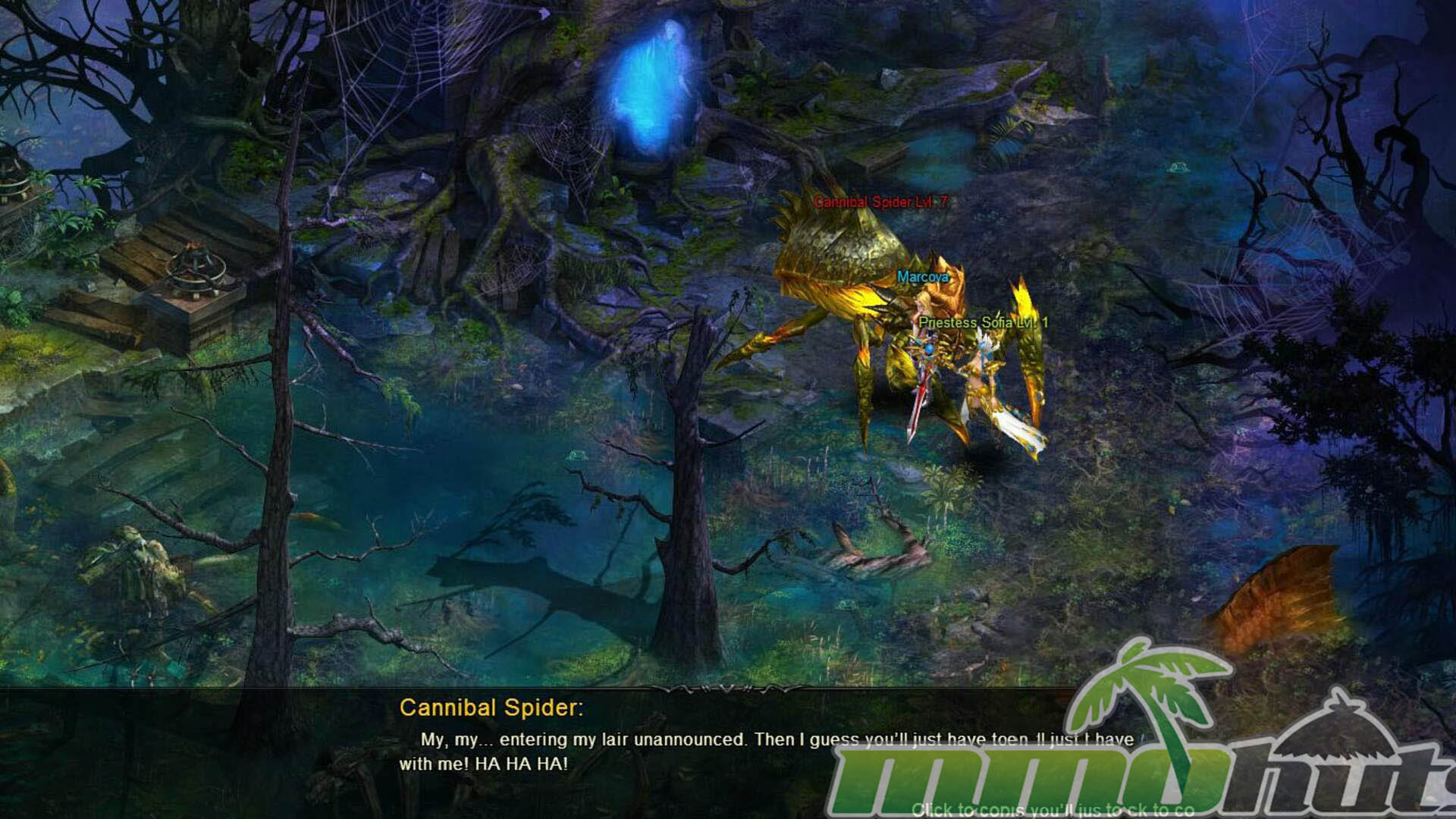
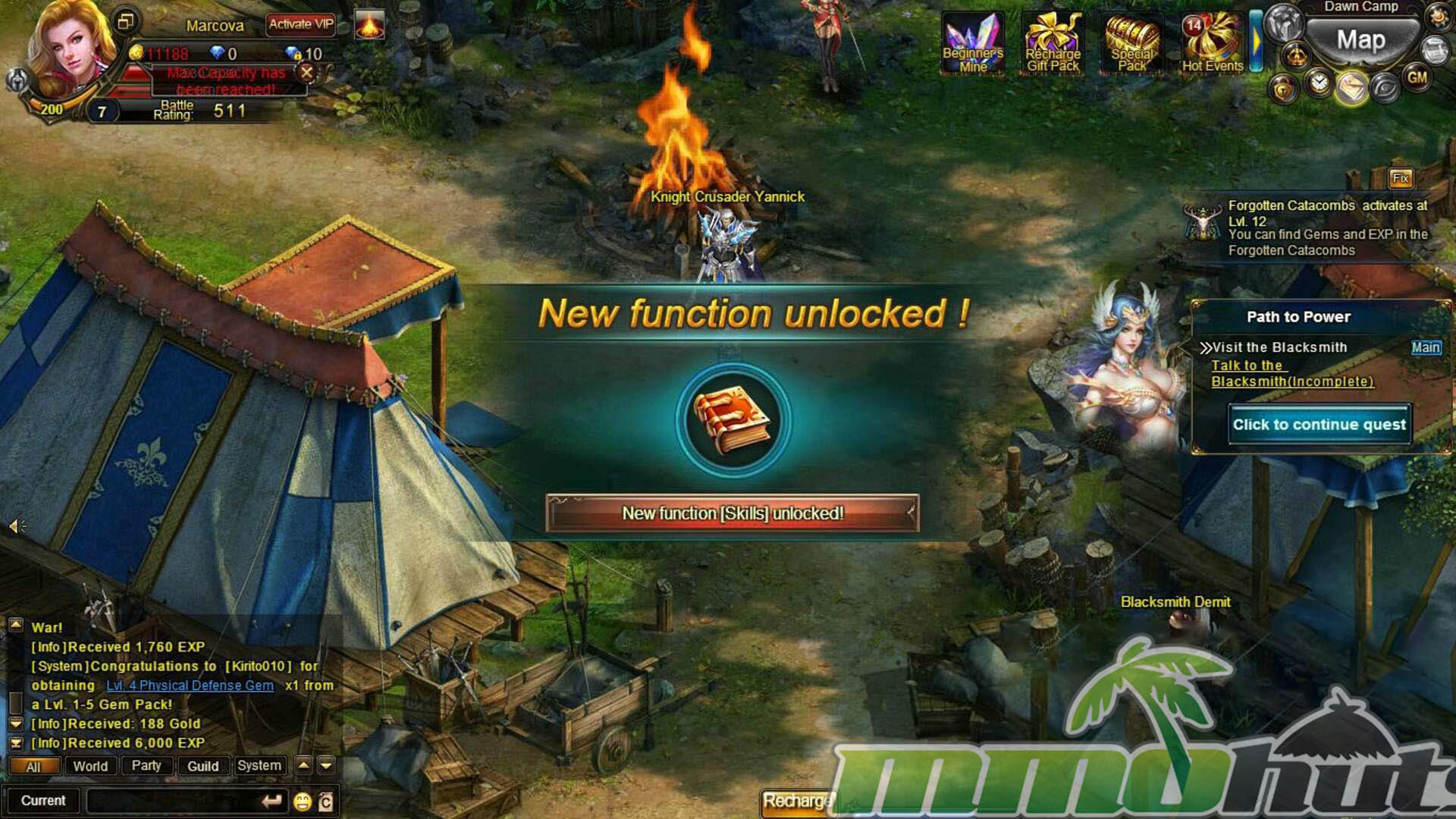
Early on, the game funnels you through a guided opening sequence that introduces the quest UI, combat basics, and where to click for the systems you will use every day. Quests are tracked on the right side of the screen, and the auto-walk functionality removes most of the friction of moving around, which is especially helpful for a browser MMO designed around frequent short sessions. By the time the tutorial wraps, you have a starter set of rewards and, more importantly, access to your city, which becomes the hub for much of your power growth.
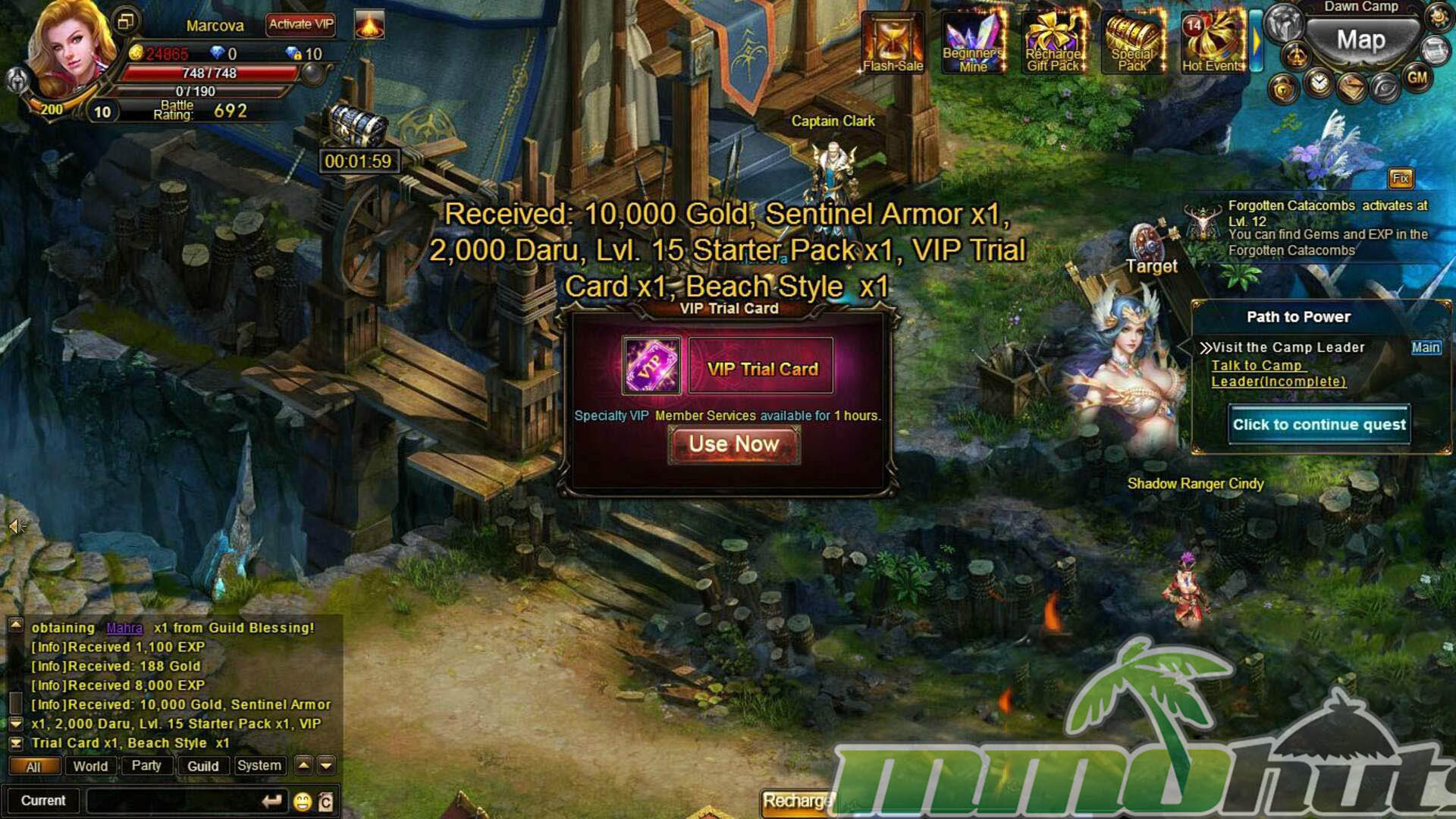
Your city is your long-term clearly paced progression
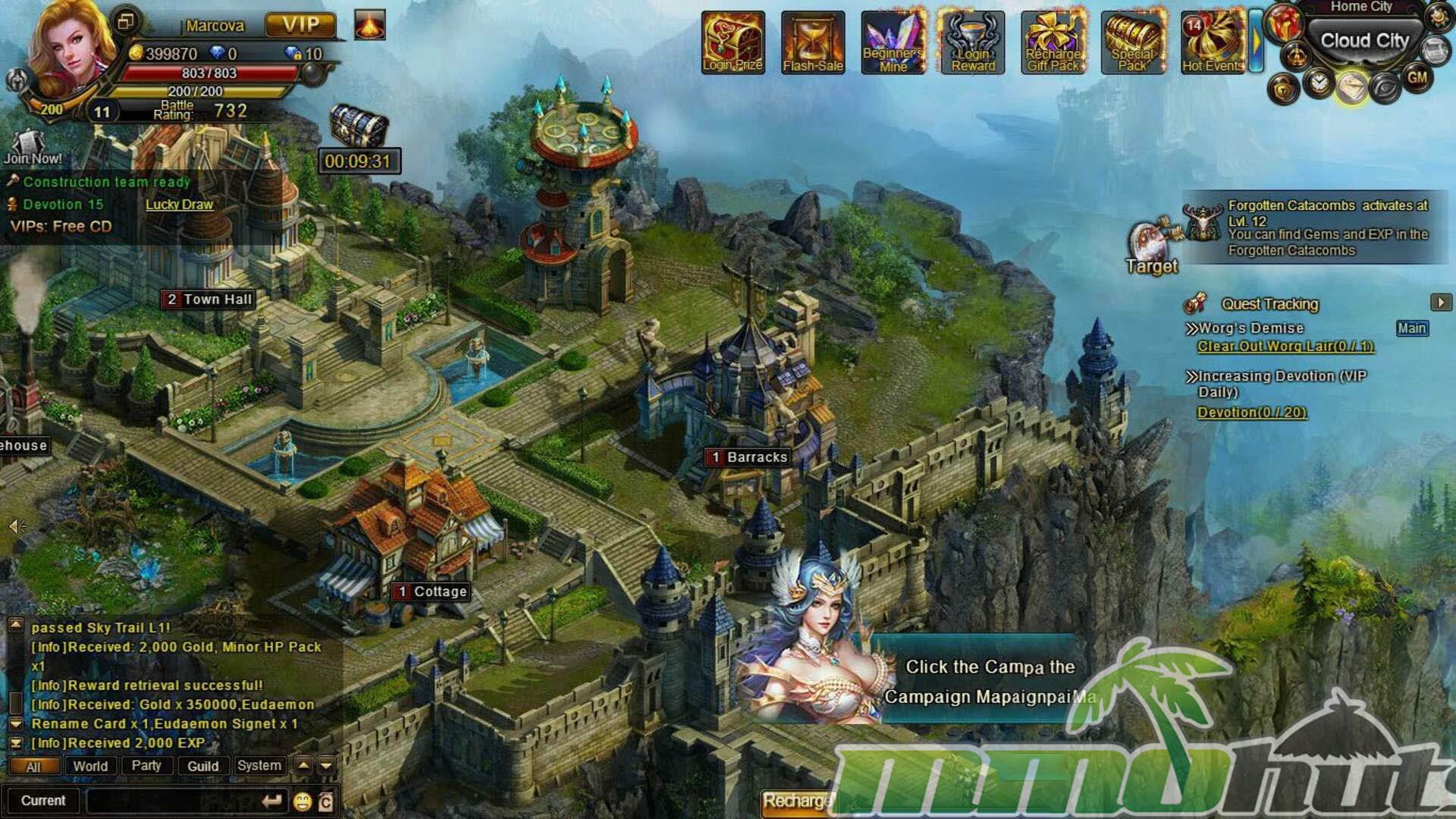
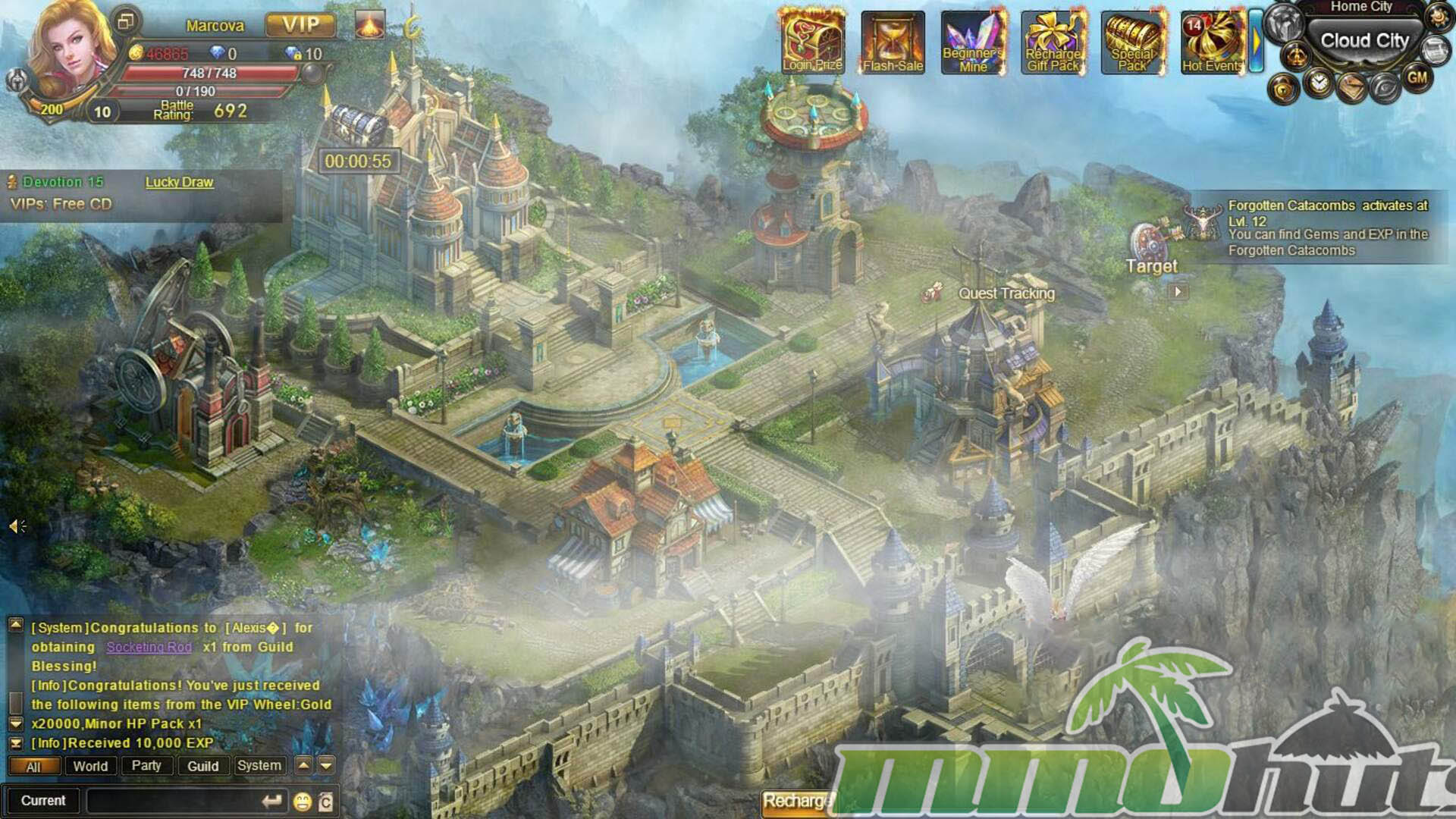
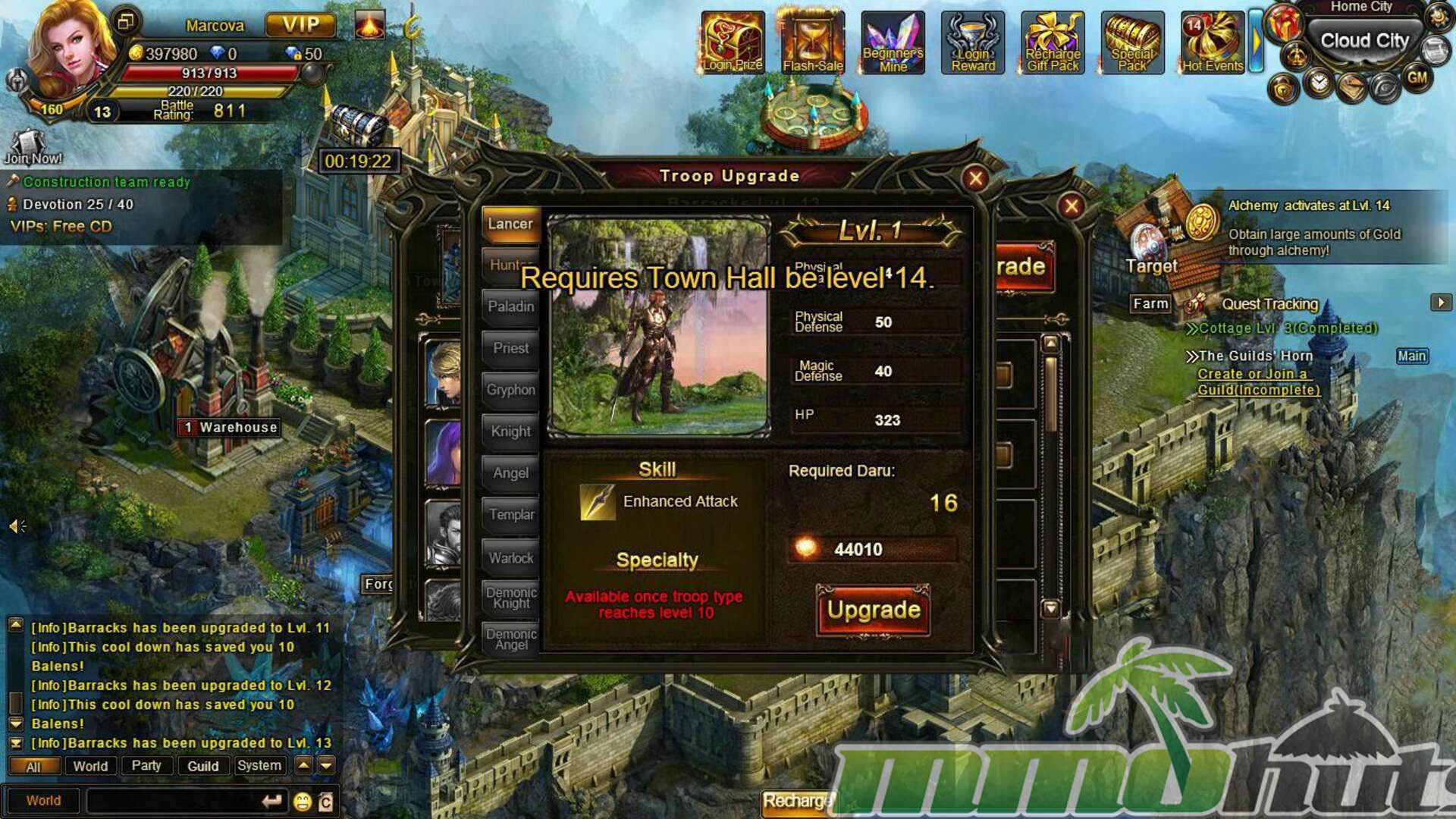
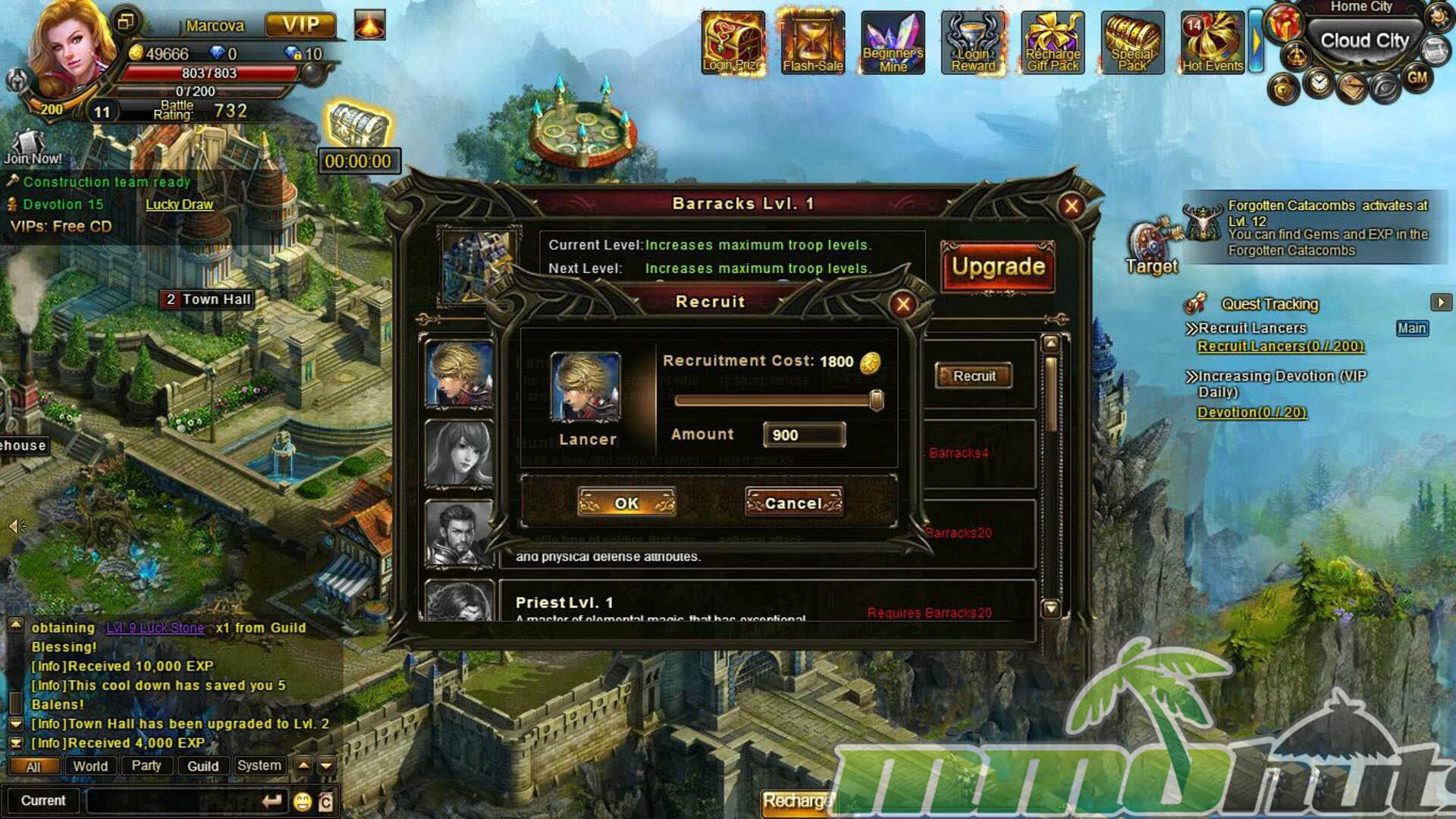
Wartune’s town operates on familiar browser-game logic: upgrades take time, and higher levels unlock stronger options. Building levels matter because they tie directly into troop strength, resource flow, and the pacing of your overall account progression. The city contains key structures like the Town Hall, Barracks, Cottage, Warehouse, Academy, Gold Refinery, and Arena, each feeding a different part of the loop.
The Town Hall sits at the top of the upgrade chain. Your hero level effectively caps the Town Hall, and the Town Hall caps everything else, so the game constantly nudges you to balance character leveling with town development. At level 14, you gain access to levying gold multiple times per day (with an hourly limitation), which becomes a reliable way to supplement your economy.
From there, the city’s support buildings fill out the strategy layer. The Barracks controls what troops you can recruit and how far you can train them, while the Cottage governs population and limits how many troops you can field. The Warehouse is a simple but important constraint because production stops when storage is full, meaning active players are rewarded for checking in and spending resources efficiently.
The Academy adds a longer-term planning component through its technology research. You can only research one technology at a time, and it requires Kyanite, with higher tiers demanding more of it. Resource buildings such as the Gold Refinery, Farm, and the Tree of Ancients (Tree of Wisdom) supply core materials (Gold, Daru, and Kyanite). The Gold Refinery and Farm can be upgraded directly, while the Tree of Ancients progresses alongside the Farm. Finally, the Arena building anchors several PvP-related activities and is one of the places where your build decisions become very visible.
Gear progression has more depth than you might expect
As you advance, your hero’s equipment becomes a major part of your power curve. For a browser MMO, Wartune offers a surprisingly busy crafting and improvement toolkit. Through the Blacksmith menu, you can enhance items in multiple ways, including enchanting, adding gems, refining stats, and recycling old gear into useful materials.
Enchanting consumes gold to increase an item’s main stat, and success becomes less reliable as you push to higher enchant levels. Failed attempts still consume resources, which creates a risk-reward loop common to many F2P progression systems. Luck Stones can raise your chances and come from early solo content, group dungeons, or guild shops, and they can be synthesized into higher tiers to improve their effect.
Socketing adds another layer through gems, and gem progression follows a familiar “combine duplicates to upgrade” structure. You need four matching gems of the same type and level to synthesize a higher-level gem, encouraging long-term accumulation and careful planning about what you invest into first.

At level 35, Soul Crystal Engraving becomes available, boosting the impact of your socketed gems. This system is upgraded using Soul Crystals, which are treated as rarer materials and are obtained from level 36+ dungeons and campaigns. As engraving levels rise, the benefits become more noticeable, turning gem choices into a more meaningful part of your build rather than minor stat padding.
Refining is the answer to bad stat rolls, letting you reroll bonus stats on gear so you are not stuck wearing something that does not match your class priorities. The trade-off is that results are randomized, and repeated attempts can be costly if you are chasing a very specific outcome. Recycling then closes the loop by converting unwanted equipment into Refinement Crystals, with better and higher-level items yielding more, which helps keep older drops relevant as resources instead of clutter.
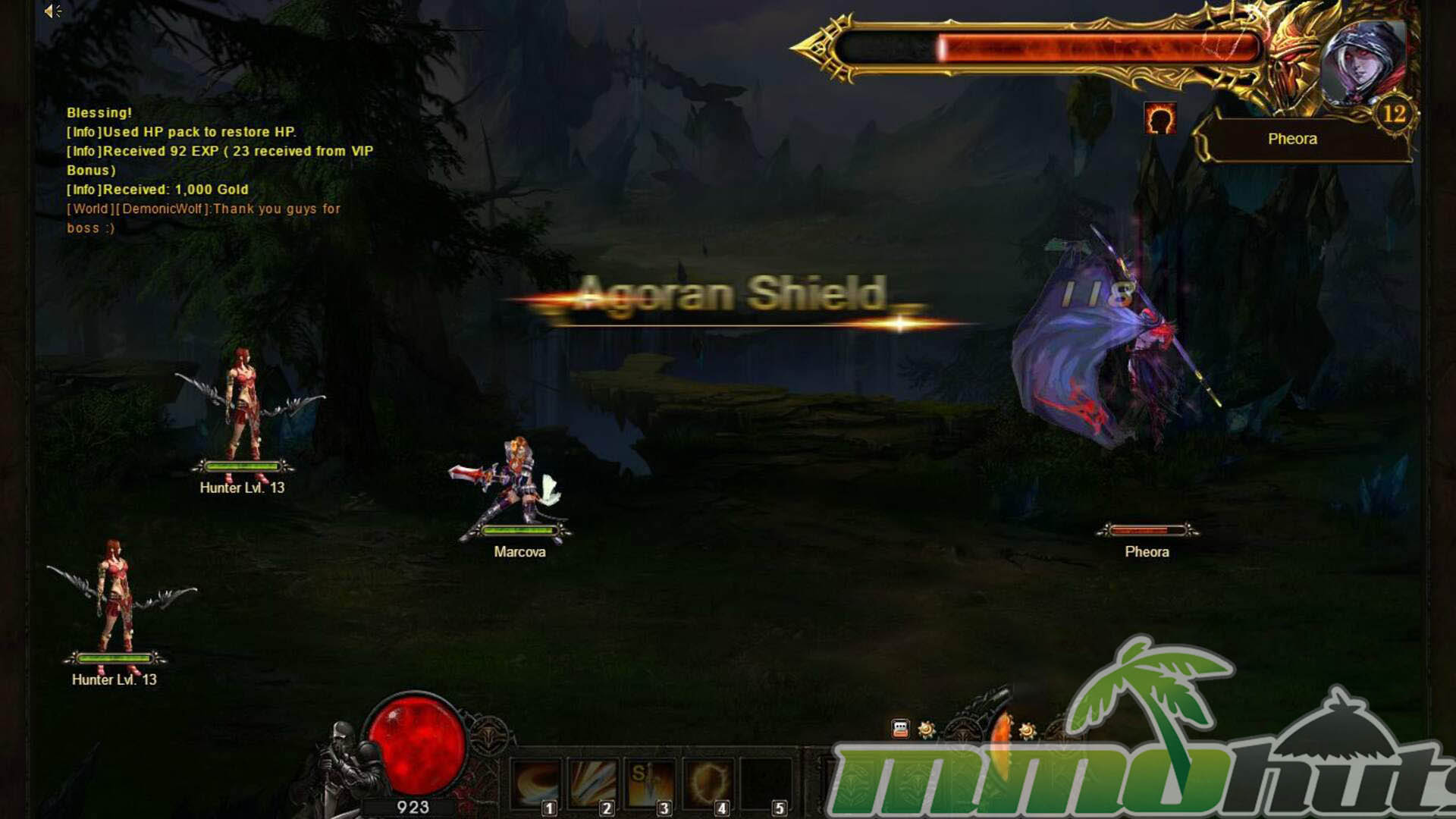
Astrals add a collectible build layer
The Astral System is one of Wartune’s most distinctive features because it gives you another axis of progression that is not strictly tied to gear drops. Astrals are collected and synthesized, then slotted to provide bonuses such as extra physical or magical damage, improved defenses, or changes to critical chance and critical damage. The system unlocks at level 25 through Astral Gathering, which costs gold, and it encourages experimentation since different combinations can lean your hero toward offense, survivability, or hybrid setups.
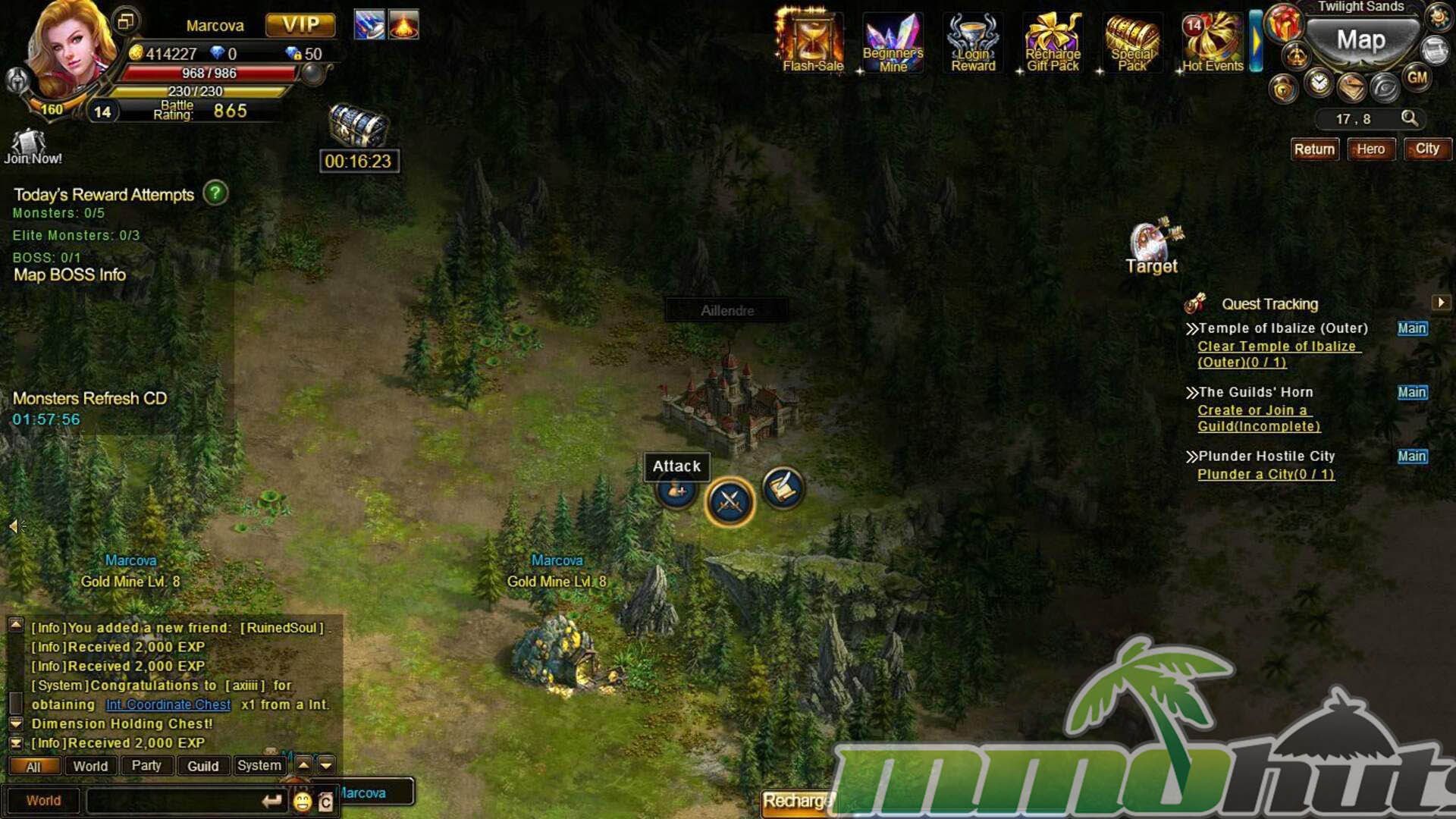
Turn-based fights with formation choices and QTE inputs
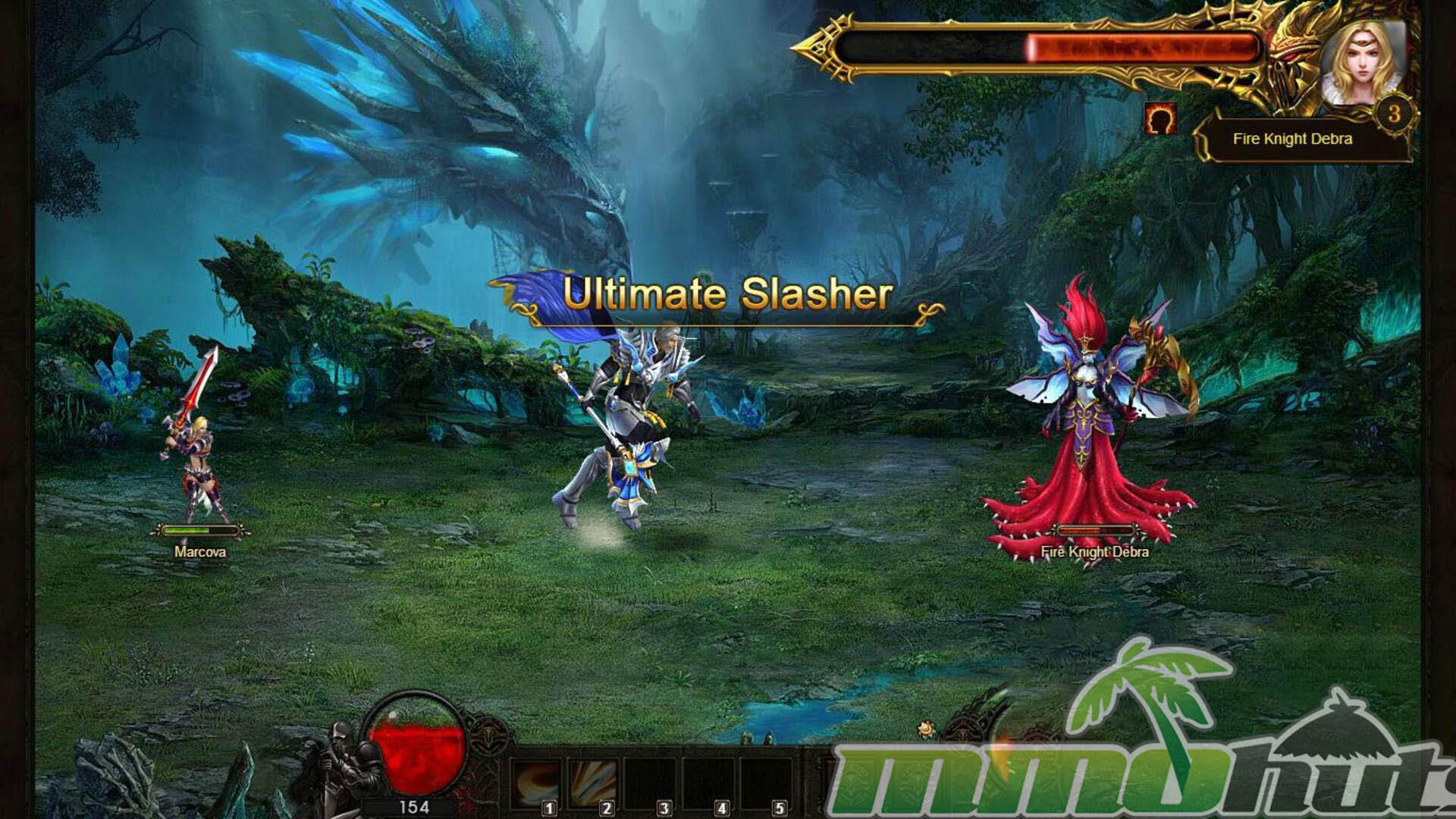
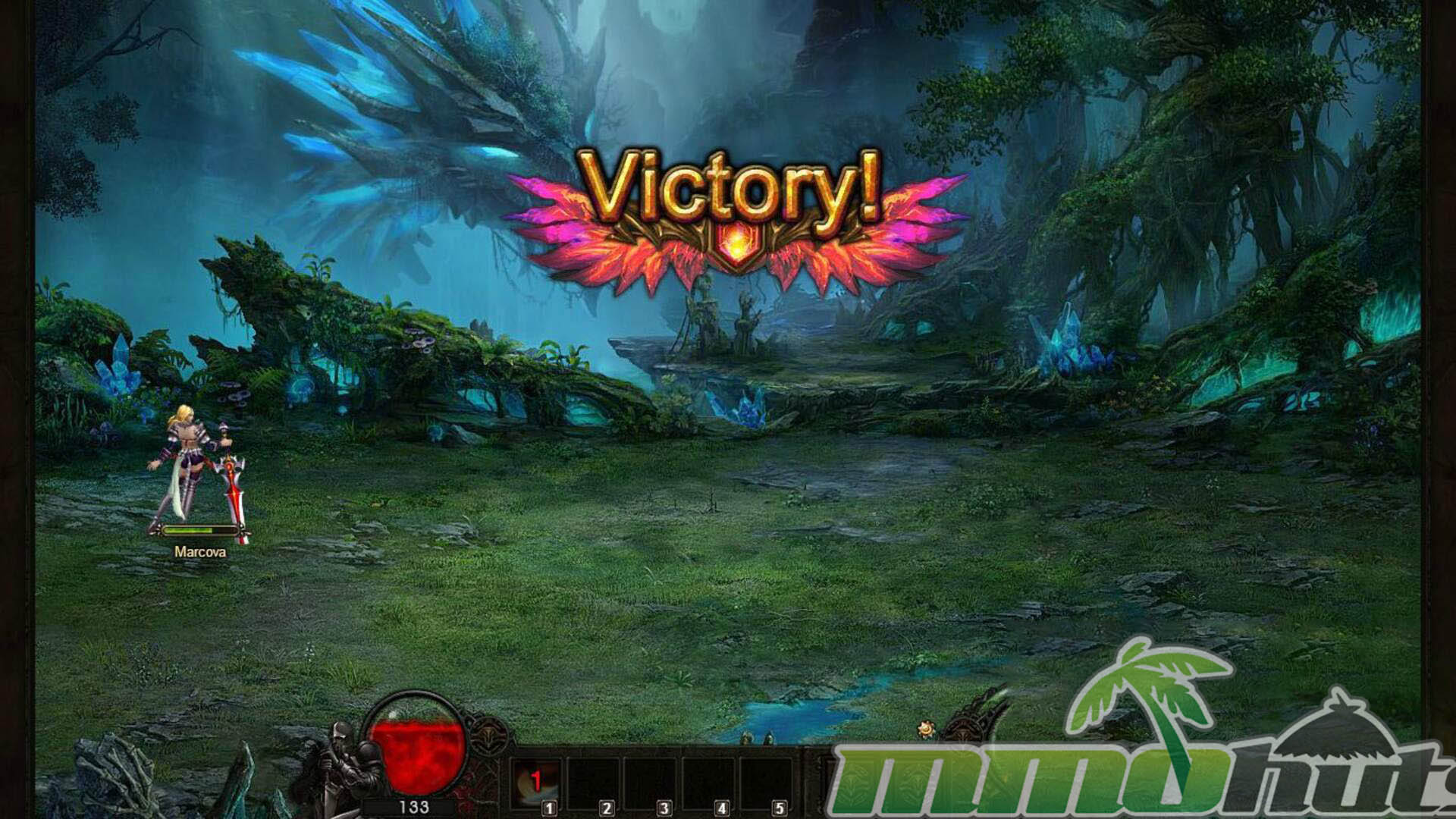
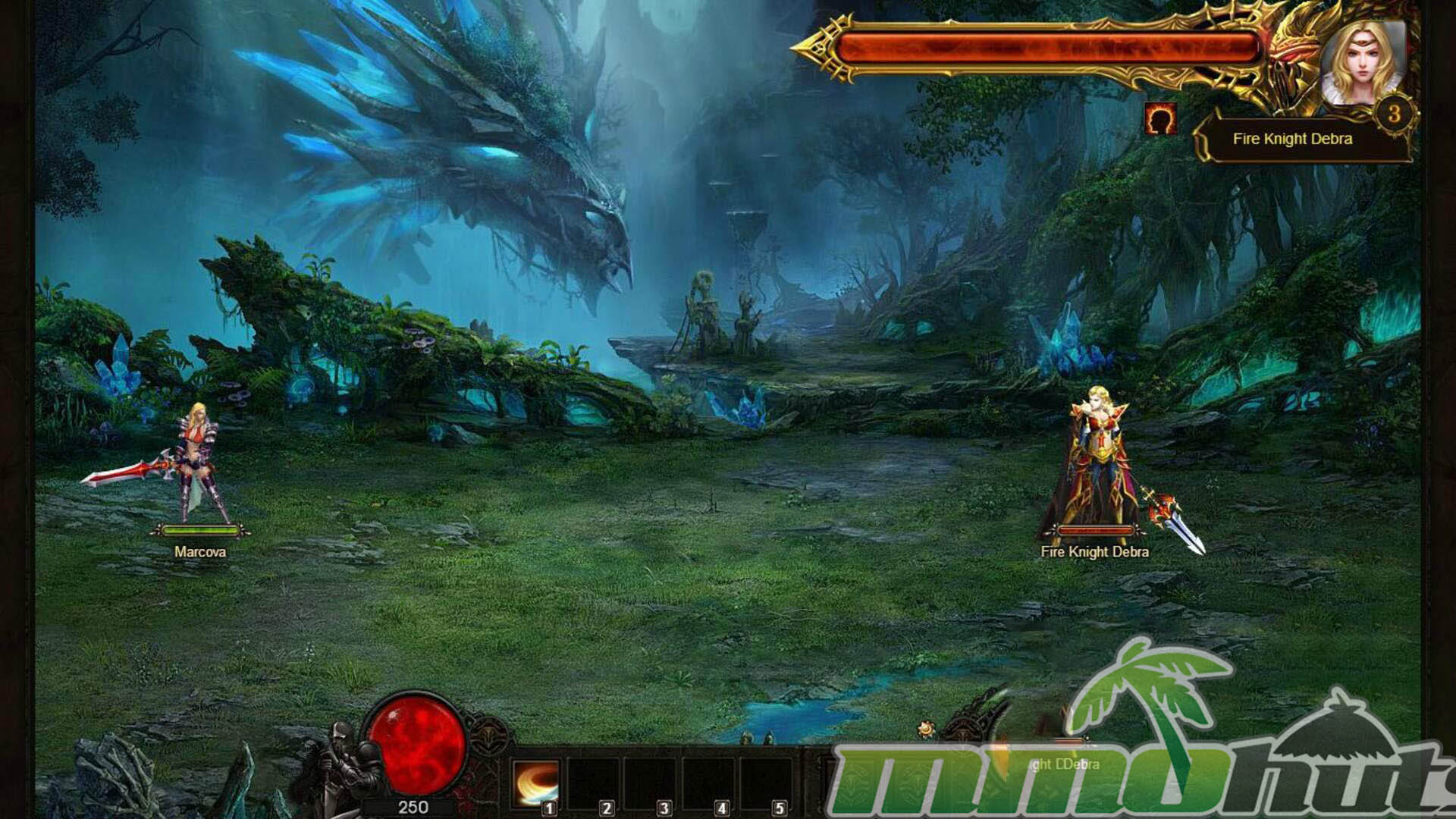
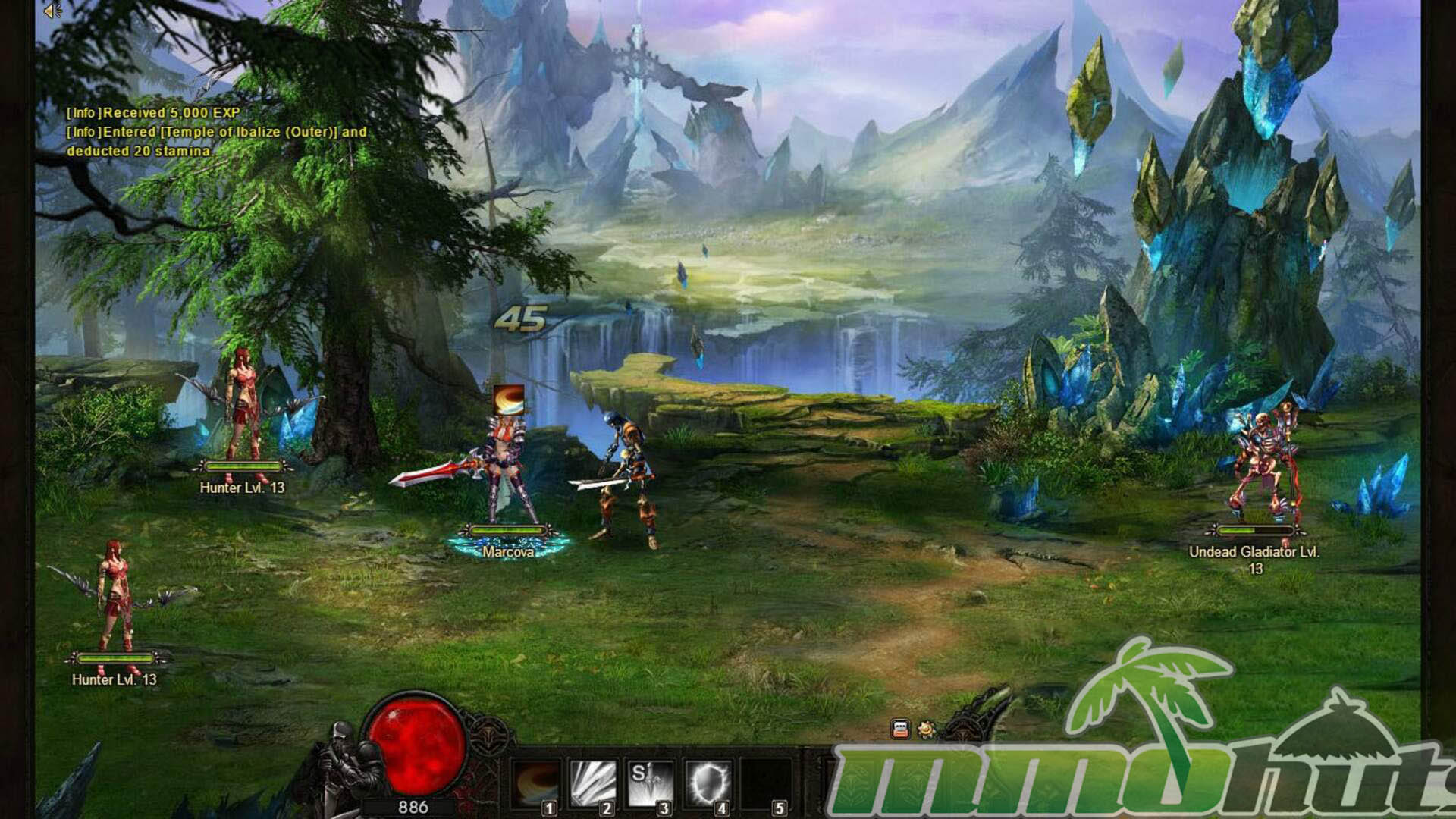
Combat is turn-based and built around positioning your units in either a front row or back row. This is a simple but effective tactical lever: sturdier units belong up front, while fragile damage dealers and supports benefit from staying protected behind them. On top of that, the game uses a Quick Time Even (QTE) input mechanic during attacks, where correctly entering a random key sequence improves the outcome. It is a small interactive touch that keeps battles from feeling fully automated, and it can matter when you are trying to squeeze out an edge in tougher encounters.
PvP modes and the game’s biggest friction point
Wartune provides several ways to fight other players, ranging from solo formats to larger guild-focused battles. Daily Duels, City Plunder, and Gold Mine Takeover are the more direct competitive options, with Gold Mine control rewarding stronger income if you can hold higher-level mines. The game also leans heavily on daily structure, featuring Daily Adventures, along with a large set of Daily Quests and Bounty Quests that can be completed each day for experience, gold, and loot.
Arena PvP is presented through a ladder-like challenge system. You are offered a selection of opponents slightly above your rank, with the option to refresh the list by leaving and re-entering. Wins swap ranks with your target, losses leave rankings unchanged, and you receive a reward either way, which makes it a reliable daily activity even for players who are not consistently winning.
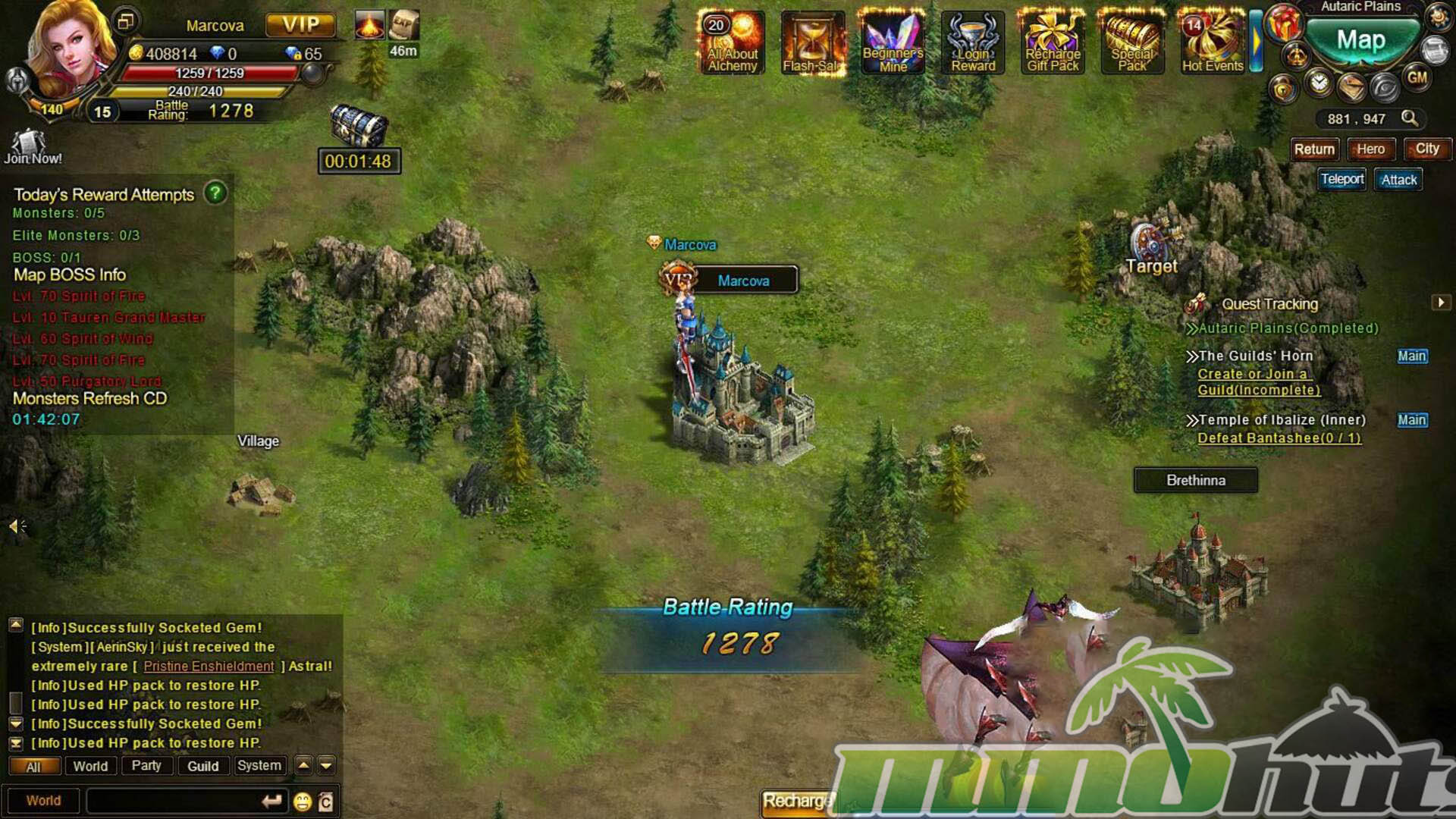
World-map city attacks add another layer of risk and reward. If you defeat another player, you can steal a percentage of their gold and potentially gain some Kyanite. Free city looting attempts are limited to five per day, and additional tries cost 395 Balens, the premium currency. Balens can be purchased with real money, but they can also be earned through certain in-game actions like Arena participation or opening Mystery Boxes from dungeons and campaigns. In practice, players who spend Balens can accelerate power significantly, and because PvP and city growth are central to the experience, this can create a noticeable imbalance between spenders and purely free players. This is not unusual for the browser strategy space, but it is still the clearest downside for competitive-minded players who want a strictly even playing field.
Guild Battles provide a larger-scale competitive outlet, running weekly between the top eight guilds. Rankings are based on Guild Battle Rating, which is derived from members’ individual Battle Ratings. Brackets are randomized, and the tournament progresses through three rounds to establish final placement. Up to 50 players per side can take part, and success depends more on coordination and execution than on any single player carrying the match.
Final Verdict – Good
Wartune succeeds as an accessible browser MMO that meaningfully combines RPG combat with city-building progression. The turn-based fights are quick and readable, the town layer provides a steady sense of growth, and the Astral System gives players a build-focused hook beyond standard gear chasing. There is also a substantial amount of repeatable content through daily quests, bounties, events, and multiple PvP activities.
The main caveat is monetization, as premium currency can translate into real in-game power and can tilt competitive modes in favor of paying players. If you enjoy browser strategy timers and classic RPG-style progression and you can tolerate a pay-to-win leaning economy, Wartune still offers a solid loop and a lot to do.
Wartune Links
Wartune Official Site
Wartune Steam Page
Wartune Official Game Guide
Wartune Wikia [Database / Guides]
Wartune Facebook
Wartune System Requirements
Minimum Requirements:
Operating System: XP / Vista / 7 / 8
CPU: Intel Pentium 4 or AMD Equivalent
Video Card: Any Graphics Card (Integrated works well too)
RAM: 512 MB
Hard Disk Space: 100 MB (Cache)
Wartune is a browser based MMO and will run smoothly on practically any PC. The game was tested and works well on Internet Explorer, Opera, Firefox and Chrome. Any modern web-browser should run the game smoothly.
Wartune Music & Soundtrack
Wartune Additional Information
Developer: 7th Road
Publisher: R2 Games
Platforms: Web (browser) and Facebook. Mobile version available on iOS and Android.
Release Date: January 21, 2015 (Worldwide)
Development History / Background:
Wartune was developed by Chinese game developer 7th Road, a subsidiary of Changyou, and launched in China back in March of 2012 as “Divine Comedy.” The game’s enormous success in China led to its international release on October 25, 2012. Wartune is published by dozens of different game publishers from Aeria Games to Kabam. It was one of the first browser based games to combine the popular empire building genre with traditional MMORPG elements.