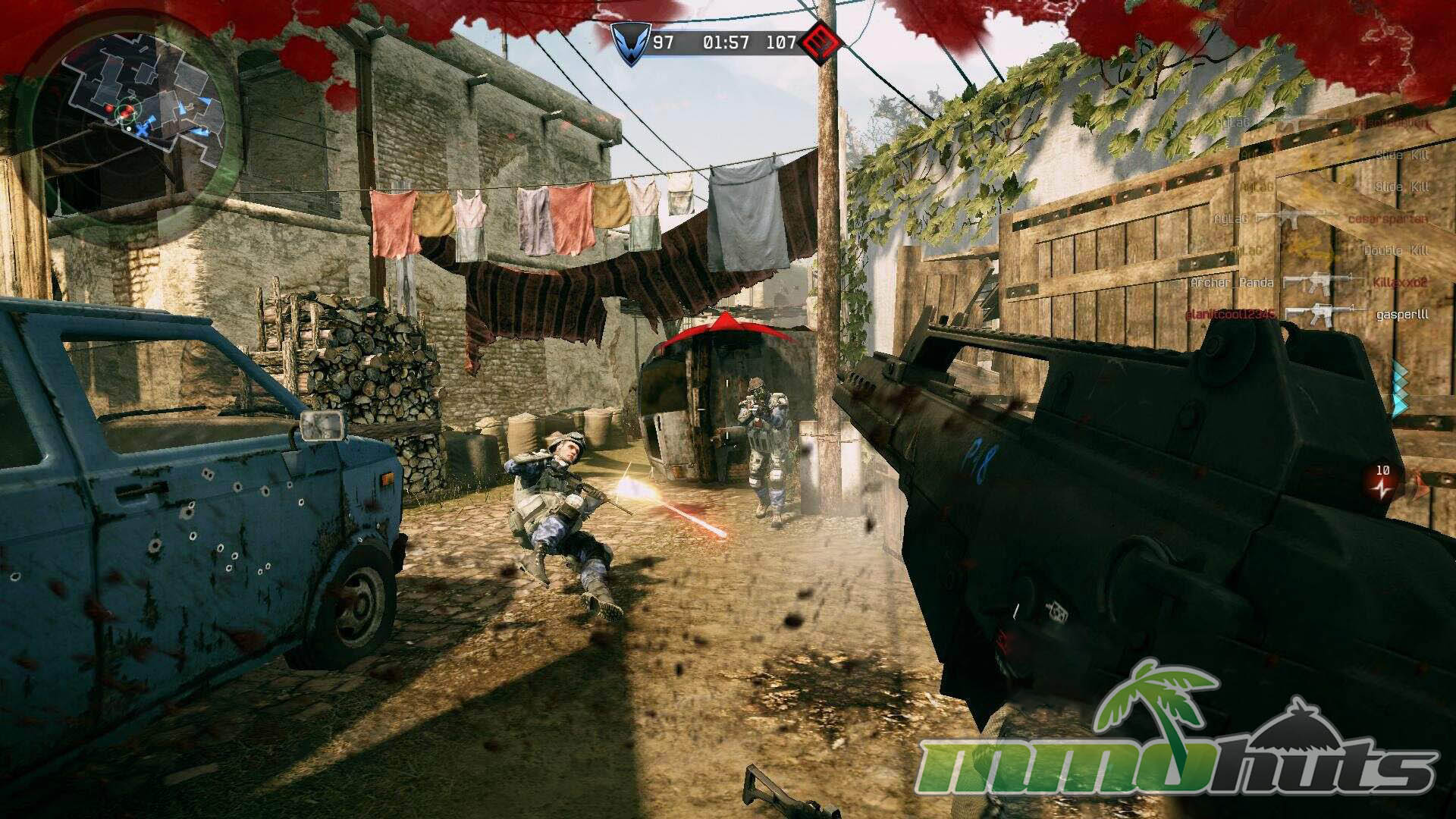
Warface is a free-to-play 3D first-person shooter from Crytek that launched in 2013, built around class-based teamwork and familiar modern military modes. It sits in the same general lane as Battlefield and Call of Duty, mixing quick lobby PvP with structured co-op missions, and it leans hard on progression systems for weapons, gear, and attachments.
 | Publisher: Crytek Playerbase: Medium Type: FPS Release Date: October 21, 2013 Pros: +Wide selection of guns to chase and use. +Lots of ways to tweak loadouts and attachments. +Both co-op PvE missions and classic PvP playlists. Cons: -Progression and power are strongly tied to the cash shop. -Players often feel pushed into co-op grinding to afford gear. -Weapon repair costs can eat into your earnings. |

Warface Overview
Warface is a free-to-play tactical FPS in the same ecosystem as games like Alliance of Valiant Arms, offering both competitive PvP and cooperative PvE as parallel tracks. Matches pay out cash, experience, and vendor points, and those currencies feed directly into the game’s loop of unlocking weapons, armor, and modifications. Ranking up also hands out limited-time access to premium gear and VIP status, which increases end-of-match rewards and can noticeably speed up progression.
A key part of the economy is that your equipment is not simply unlocked and forgotten. Weapons wear down through use and eventually require repairs using money earned in play, which means performance and budgeting are linked in a way many shooters avoid.
Warface Key Features:
- Tactical FPS gameplay – built around recognizable modes, including Team Deathmatch and bomb plant/defuse rules that will feel familiar to most competitive shooter players.
- Four Classes – Engineer, Medic, Rifleman, and Sniper, each aimed at a specific combat role.
- PvE and PvP – mission-based co-op alongside lobby-based competitive modes.
- Weapon Degradation – guns deteriorate over time and must be repaired with in-game funds.
- Leveling System – rank progression includes temporary premium trials and periods of VIP benefits.
- Dynamic Weapon Attachments – swap attachments during live matches to adapt to the situation.
Warface Screenshots

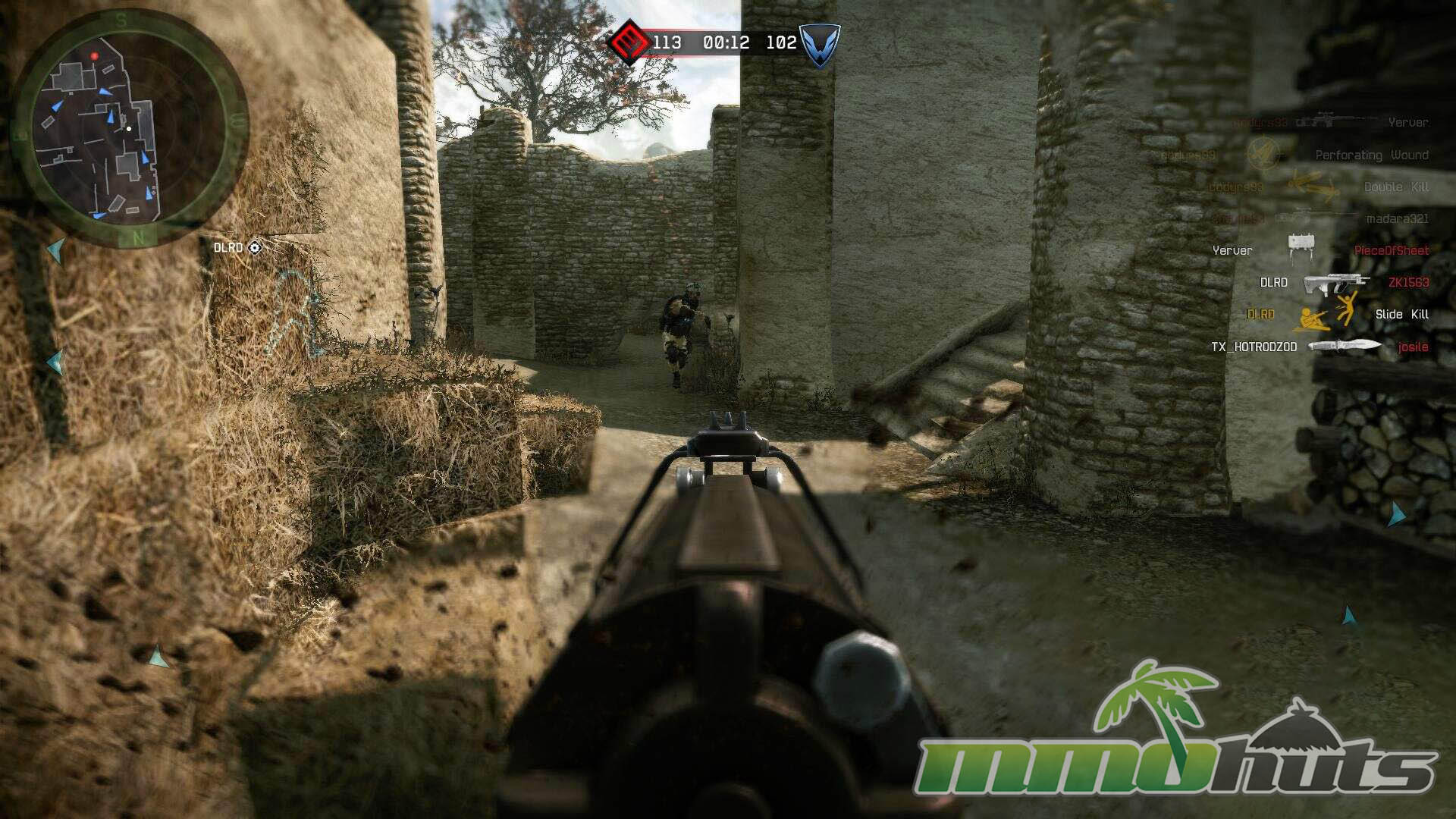
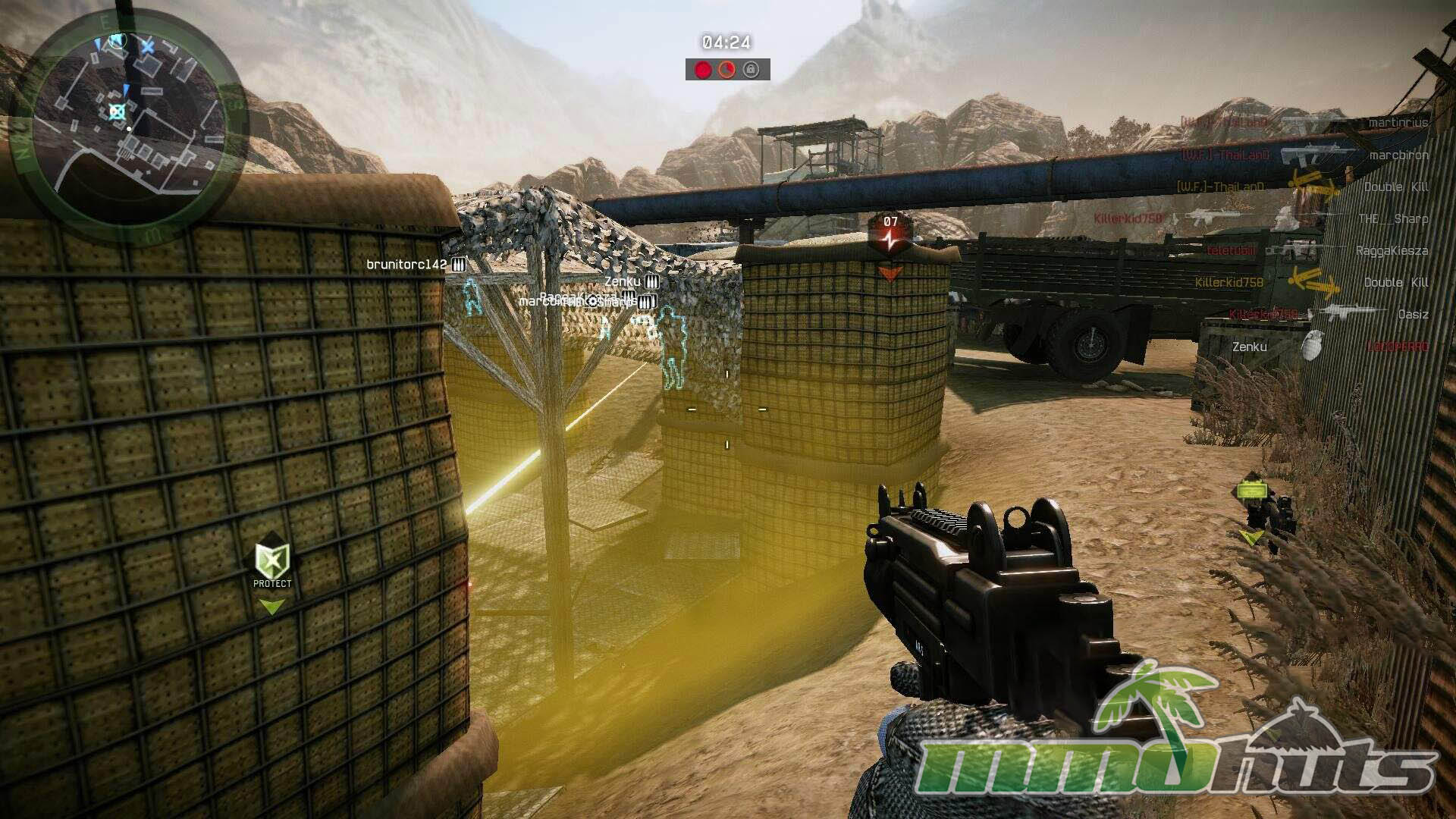
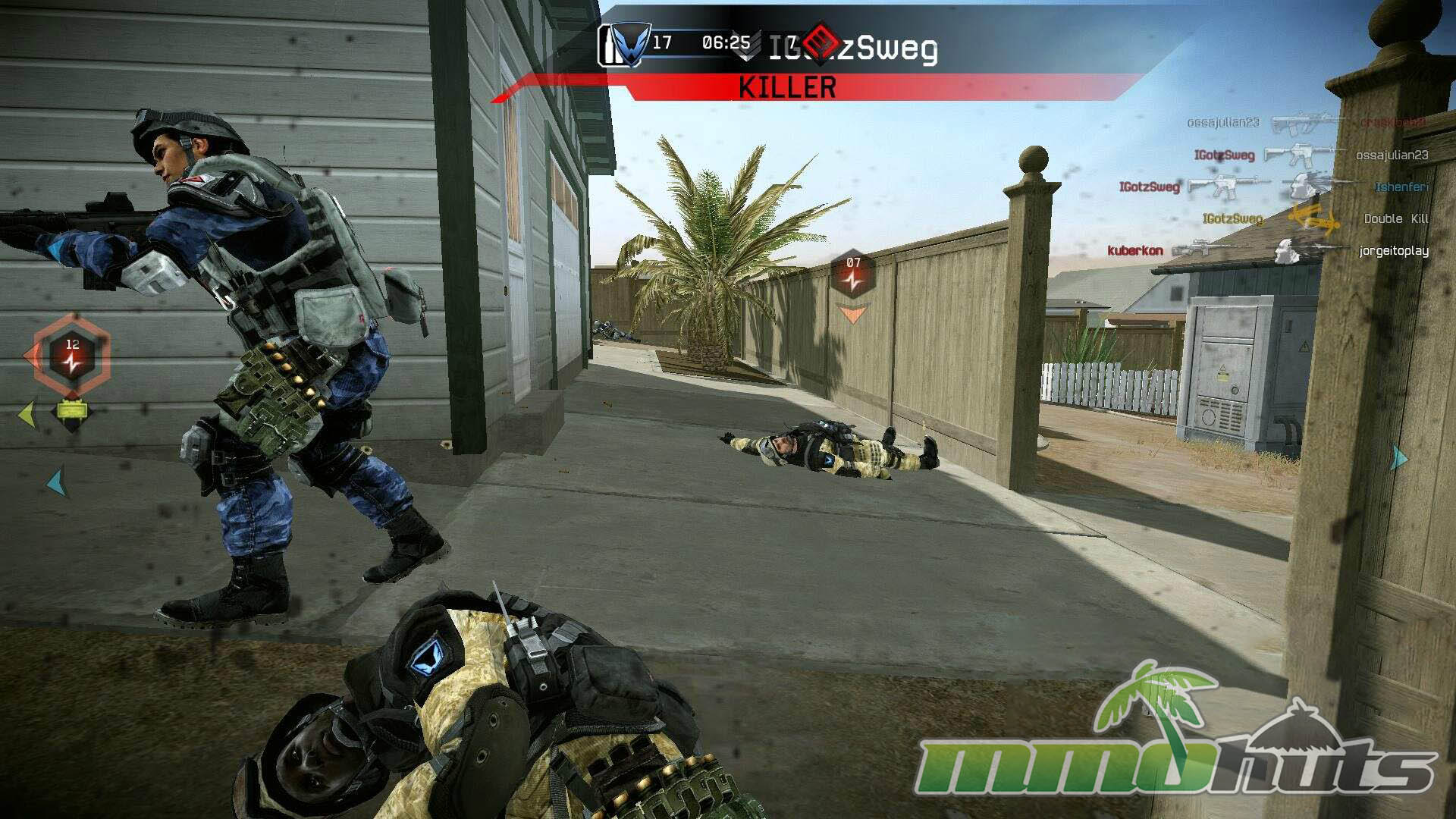
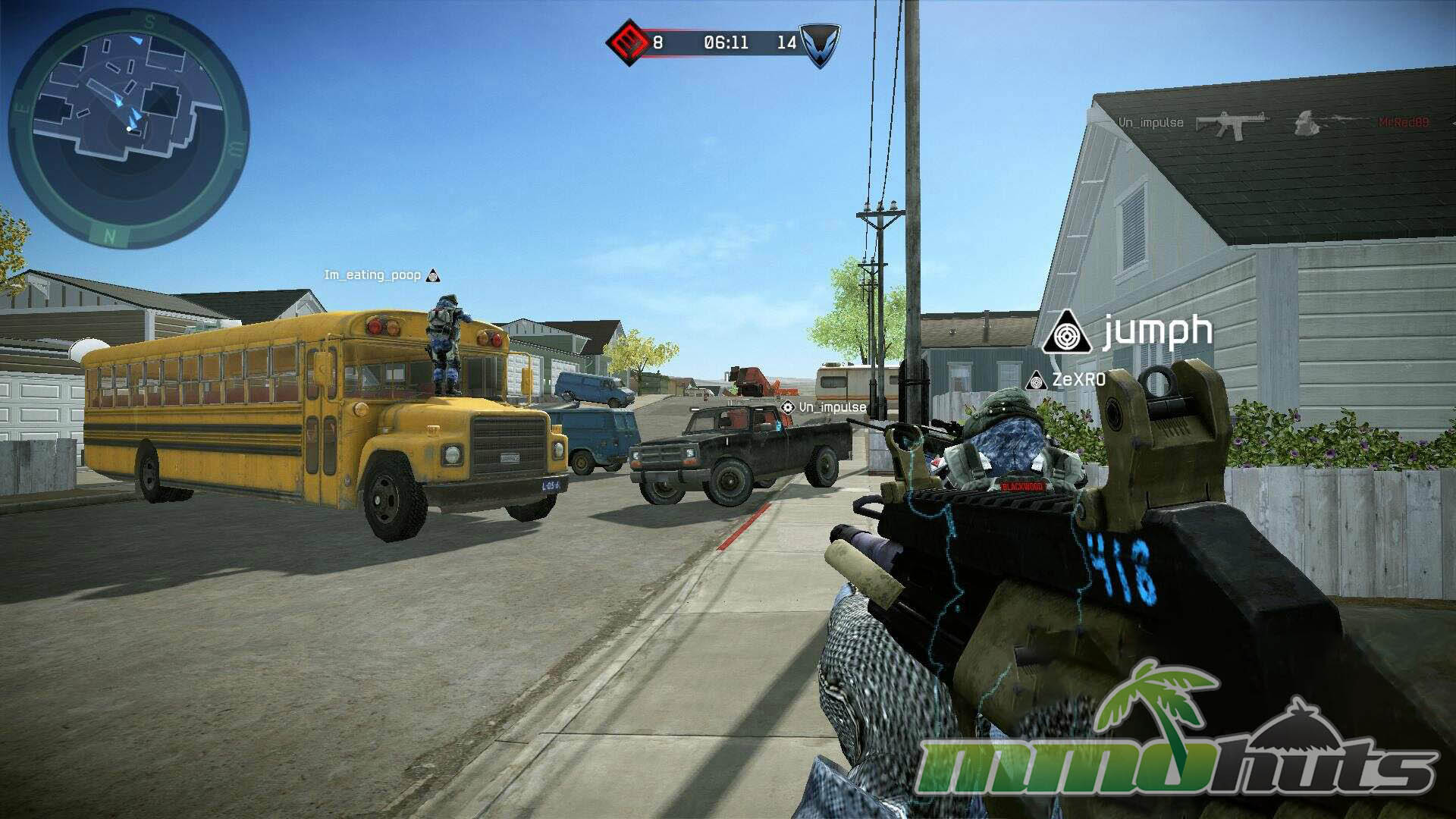
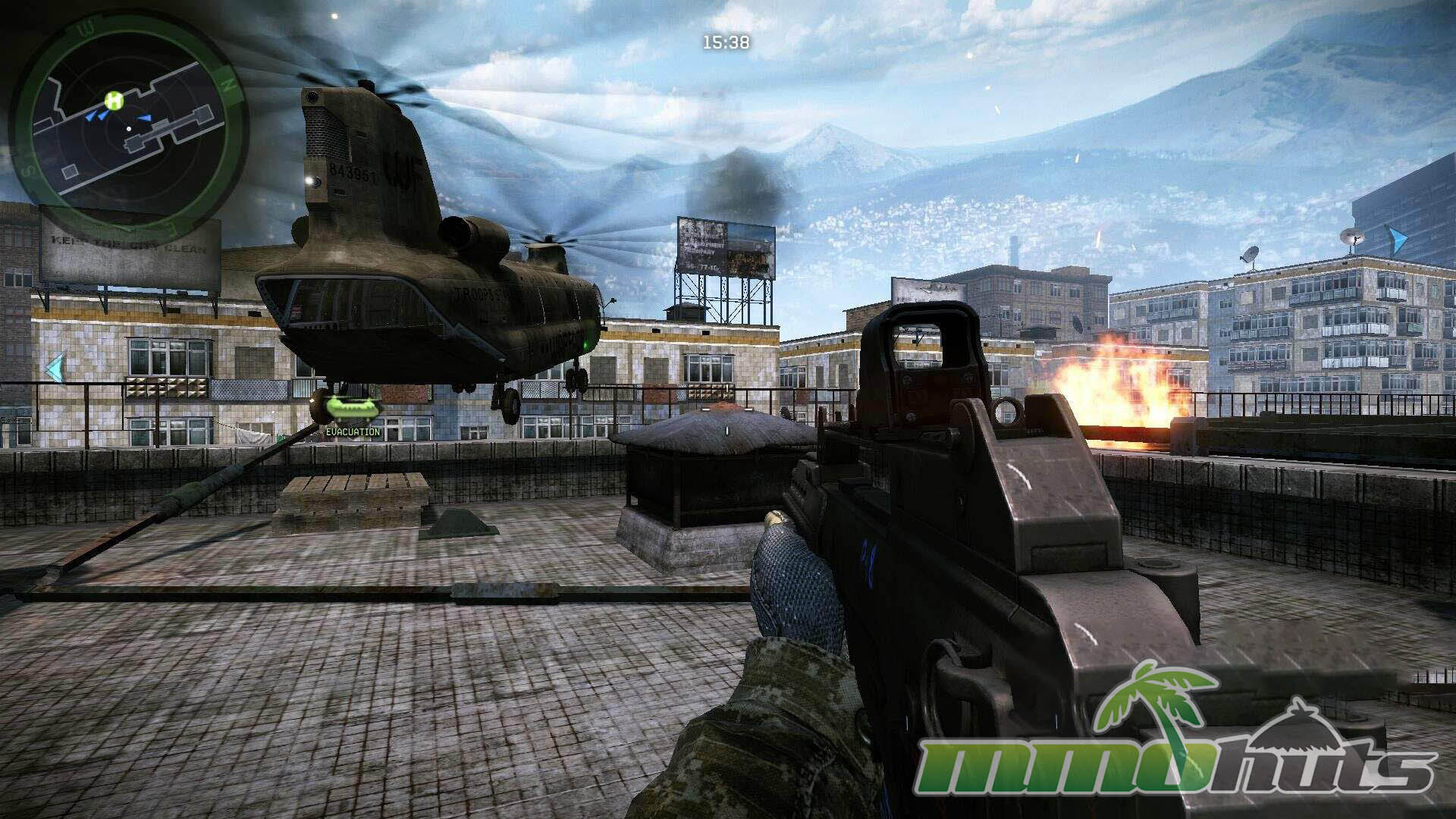
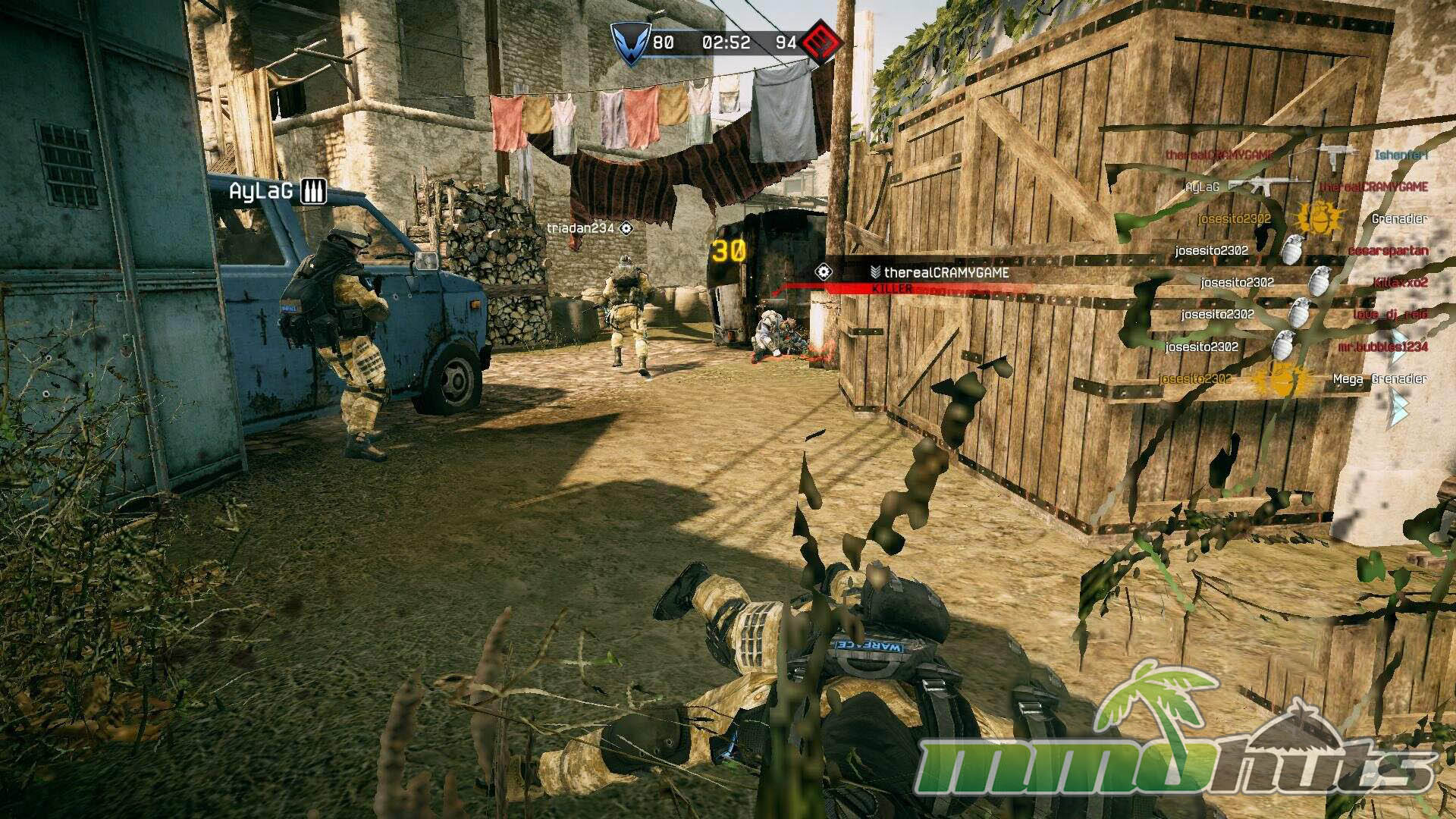
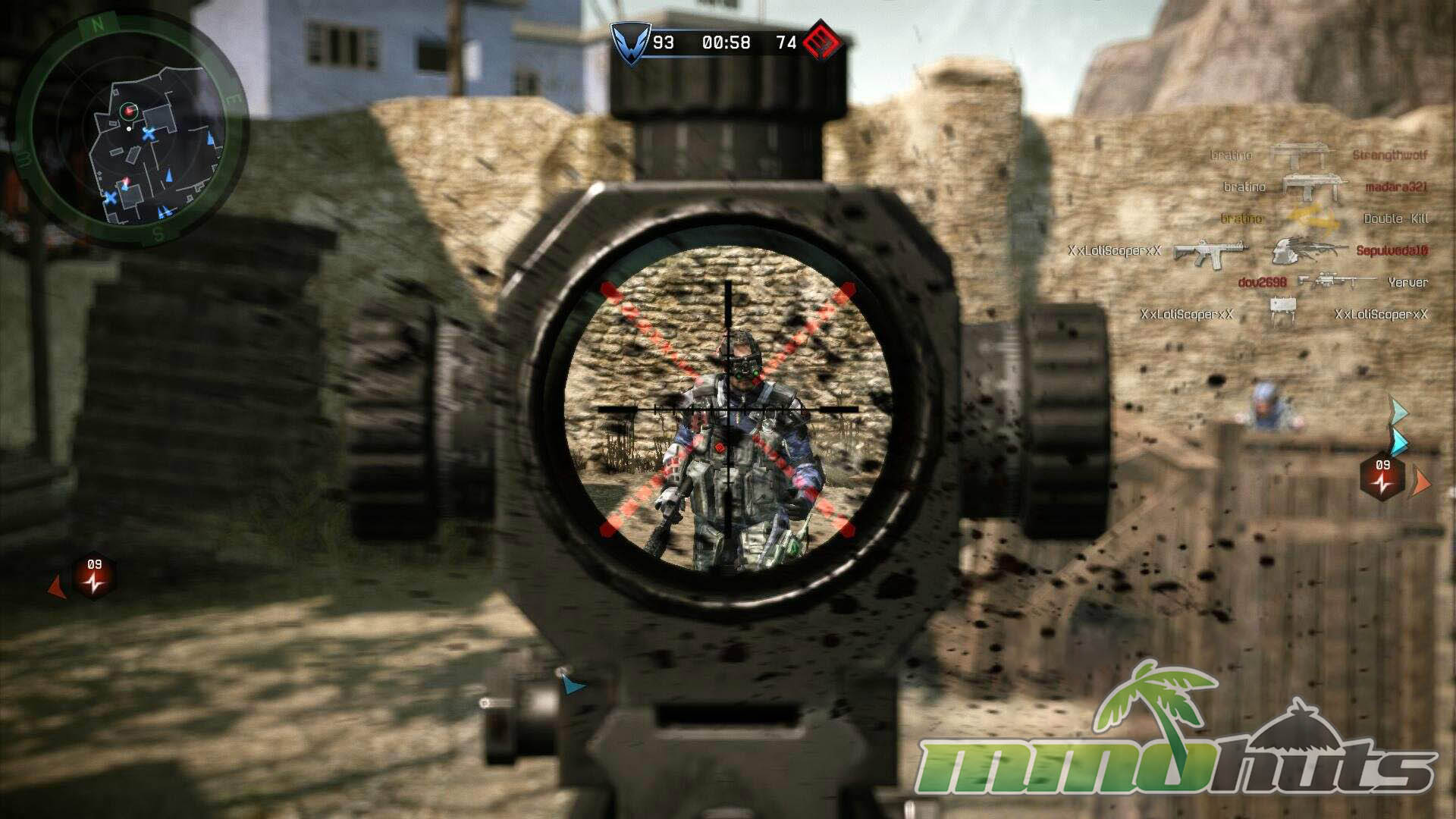


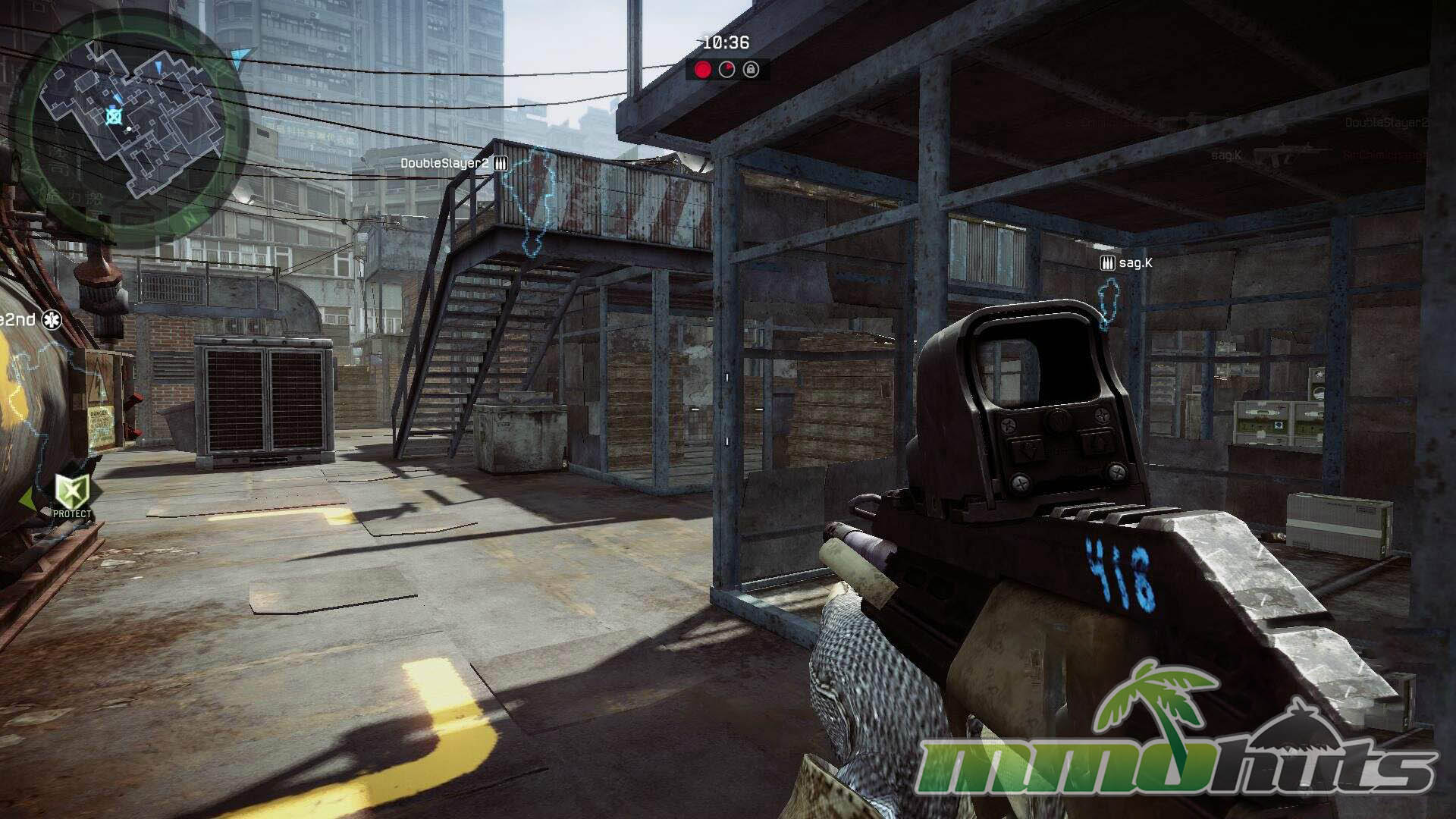

Warface Featured Video

Warface Classes
- Engineers – flexible midrange fighters that typically lean on SMGs and compact rifles. They also bring key utility, including restoring teammates’ armor and deploying claymores.
- Medics – the close-quarters backbone of many squads, usually equipped with shotguns. Medics can heal, keep themselves alive under pressure, and revive downed allies using a defibrillator.
- Riflemen – the steady damage dealers, using assault rifles and light machine guns to cover medium-to-long sightlines. They also supply ammo to themselves and teammates, keeping the team shooting through longer engagements.
- Snipers – the long-range specialist class and the one without an explicit “support” ability. Their value comes from reach and lethality, with headshots able to drop targets instantly and body shots remaining threatening enough to control lanes.
Warface Review
Warface is a Crytek Kiev-developed shooter (published by Crytek in the U.S.) that arrived on PC on October 21, 2013. It later made it to Xbox 360 on April 22nd, 2014, but that console version was ultimately discontinued. From a design perspective, the game’s strongest identity comes from how much it expects players to function as a squad. In PvE especially, class coverage and basic coordination matter far more than they do in many shooters that talk about teamwork but rarely demand it. Situations like dealing with helicopter threats can punish unbalanced compositions, and a group without a Medic can quickly find a mission unraveling.
Warface’s core gunplay and movement are straightforward, but the surrounding systems, currencies, and class interactions give it structure. Whether you queue for co-op or PvP, you are working toward cash, experience, and vendor points. Cash handles practical needs like purchasing weapons and armor and paying for repairs once weapons degrade. Vendor points operate as a separate unlock track for weapons, gear, and mods, and the game asks you to pick which vendor category you are progressing before you play, so your rewards funnel into a single track at a time.
The PC version can be accessed through the game’s own site or via Valve’s Steam platform.
Getting Oriented
New players are introduced through a Rifleman tutorial that covers basic navigation, shooting, and the usual shooter toolkit like grenades and equipment. Completing it also provides early rewards, including premium items for the Rifleman and some starting cash, which helps smooth out the first set of purchases. Other classes have their own tutorials and rewards as well, and it is worth doing them, not only for the items, but because understanding each role makes both PvP and PvE more manageable.
On the control side, Warface follows genre standards: WASD movement, space to jump, shift to sprint, control for crouch, and X to go prone. Mobility includes a practical slide (activated with F while moving) that helps with cornering, pushing angles, and staying aggressive without fully giving up aim time. Interaction prompts in maps also enable contextual movement like climbing or vaulting. Some elevated positions require two players to boost each other, a small but consistent reminder that cooperation is not optional if you want every advantage.
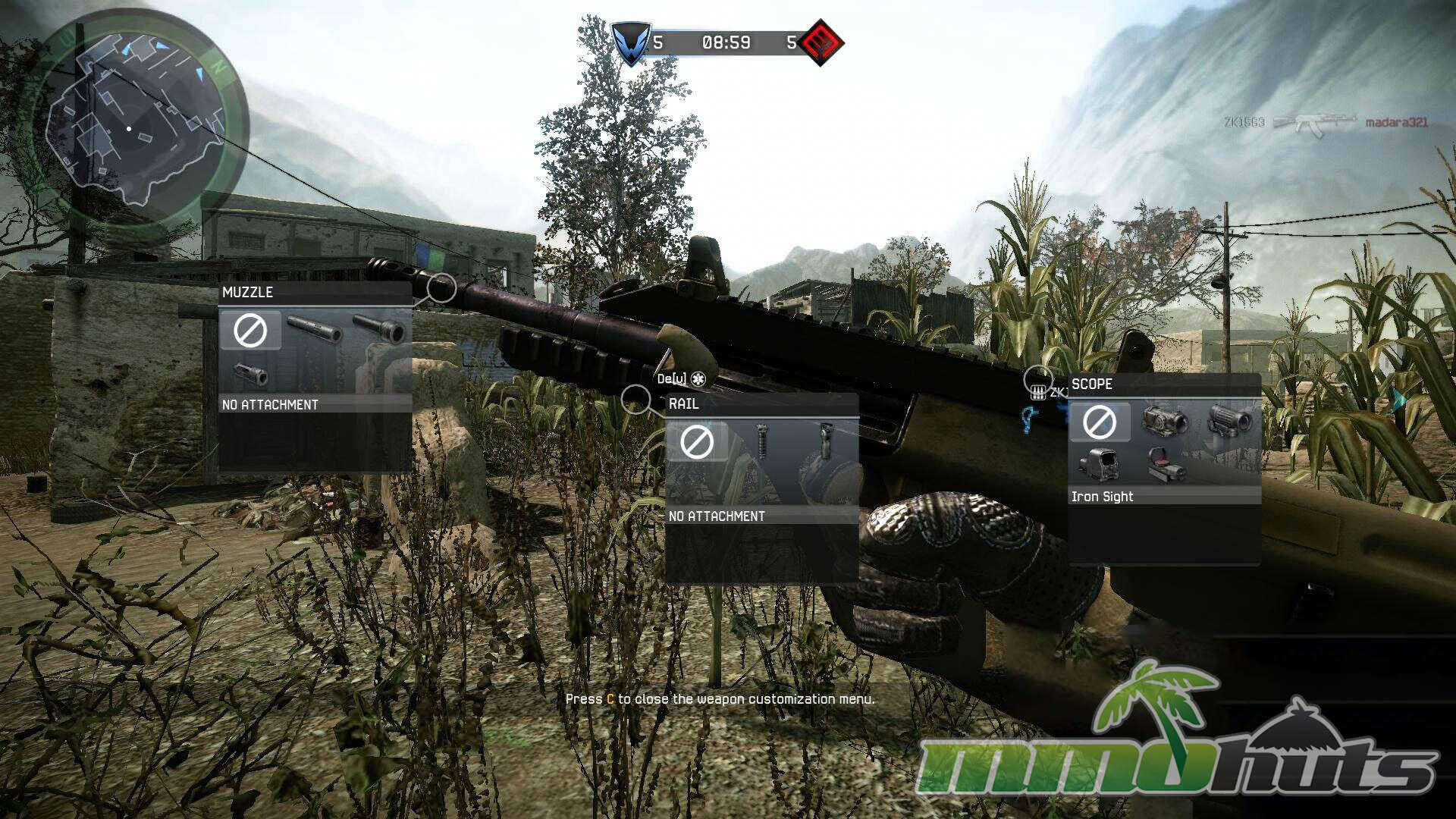
A standout system is the ability to adjust attachments during the match. Many shooters lock your scope, muzzle, and other choices to a pre-spawn loadout. Warface instead allows players to adapt on the fly, swapping between options depending on whether you are holding a long lane, clearing interior spaces, or trying to stay off the minimap. In practice, this makes moment-to-moment decision-making richer than you might expect from a game that otherwise looks like a conventional military FPS.
Early Progression
The opening ranks move at a measured pace. Players start at Private Level 1 and can progress up to rank sixty, General of the Army. The game borrows the language of real-world military ranks and equipment, but it does not strictly mirror reality, with weapons often resembling recognizable platforms while using different in-game names (for example, the Rifleman begins with the R4A1 rather than an M4A1 label).
As you rank up, Warface frequently hands out time-limited premium items, most commonly weapons that last from hours to a few days. Those items can also be obtained through the cash shop, but the temporary nature means you are repeatedly pushed back into the economy if you want to keep using them.
Vendor points earned from matches unlock additional gear, weapons, and attachments. Because points are directed to only one vendor category per match, progress tends to feel deliberate rather than incidental. Once unlocked, items are purchased from the shop, and attachment unlocks become usable immediately during matches on the relevant weapons.
Combat Flow
Warface can feel demanding, particularly once you are no longer playing against brand-new opponents. PvP still allows for individual pop-off moments, but consistent wins come more easily when teams cover angles, share ammo, and play around class strengths. In co-op, solo play is far less forgiving. Pushing ahead without support often results in quick deaths, and one player repeatedly going down can cascade into failure for the entire squad.
Matchmaking places players into lobbies based on rank, and as that skill band tightens, team composition matters more. A group stacked with Riflemen can have strong sustained fire, but without Medics it tends to collapse in longer engagements. Similarly, a team without Snipers may struggle to control long sightlines and can be forced into uncomfortable close-range fights. The dynamic attachment system complements this, rewarding players who adapt their kit to the map and the situation rather than stubbornly forcing one setup.
Co-op Missions
Cooperative play is structured as mission runs that move squads through multiple areas, each with defined objectives such as eliminating priority targets, taking down a helicopter, or securing a position. Missions rotate through difficulty tiers. Initiation Missions are geared toward learning the flow of PvE, Regular Missions provide a daily baseline for intermediate players, and Skilled Missions raise the expectation for execution and gear. Hardcore Missions sit at the top and enable friendly fire, which increases the need for careful positioning and target discipline.
PvE also ties into the game’s premium economy through crowns, a currency associated with top-end purchases. Crown rewards are based on performance factors like clear speed and effectiveness (kills and staying alive), which encourages efficient runs and repeat attempts to improve.
Competitive Modes
Warface offers a solid spread of PvP playlists: Team Deathmatch, Free For All, Plant the Bomb, Storm, Capture, and Destruction. If you have experience with tactical lobby shooters such as Soldier Front 2 or Combat Arms, the rulesets will be immediately readable.
Team Deathmatch and Free For All behave as expected, either two teams racing toward a kill target or an individual free-for-all where the top fraggers win. Plant the Bomb divides players into attackers and defenders, with the attackers attempting to arm an objective and defenders trying to prevent or defuse it. Sides swap after five rounds, and the match is decided by winning six out of ten rounds.
Storm is built around sequential capture points, with attackers taking objectives by holding a defined area and defenders attempting to stall or repel them. The winner is determined by which team captures more points. Capture revolves around one team attempting to seize a nuclear warhead while the other team defends it. Destruction asks attackers to transmit coordinates at terminals to call in three air strikes, while defenders interrupt and deny those transmissions.
Cash Shop Pressure
Warface’s most controversial element is its monetization. The premium currency, “kredits,” is required for many items. Some purchases are relatively benign, such as VIP status that boosts match rewards. The bigger issue is that certain weapons and pieces of equipment are locked behind kredits and frequently carry better stats than comparable free options, including melee weapons and utility items like defibrillators with improved range. That stat advantage can translate into real combat leverage, which makes the experience feel pay-to-win for players trying to stay entirely free.
It is not the only free-to-play shooter to lean in this direction, but it remains a meaningful downside, especially given Crytek’s reputation from series like Crysis and Far Cry.
Final Verdict – Fair
Warface succeeds at a few things that still stand out. Switching attachments mid-match adds tactical flexibility, and the PvE missions do a better job than most shooters at making class roles and cooperation feel necessary rather than cosmetic. The downside is that the game’s economy often works against the fun. Crown income from co-op can be limited, and PvP payouts for money and vendor points can feel restrained, which stretches progression into a grind. Weapon degradation and repair costs can also turn “playing what you like” into “playing what you can afford to maintain.” Add in very short premium item durations and stat-strong cash shop weapons, and the result is a shooter with enjoyable mechanics that is held back by monetization and pacing.
Warface Links
Warface Official Site
Warfacel Wikia [Database / Guides]
Warface Gamepedia [Database / Guides]
Warface Wikipedia
Warface Steam Page
Warface Requirements
Minimum Requirements:
Operating System: Windows XP / Vista / 7 / 8 / 10
CPU: Intel Dual-Core 2 GHz or AMD Dual Core 2 GHz
RAM: 2 GB RAM
Video Card: GeForce 8600 / Radeon 3650
Hard Disk Space: 6 GB available space
Recommended Requirements:
Operating System: Windows XP / Vista / 7 / 8 / 10
CPU: Intel Dual-Core 2.6 GHz or AMD Dual Core 2.6 GHz
RAM: 2 GB RAM
Video Card: GeForce 9600 GT / Radeon 3870
Hard Disk Space: 6 GB available space
Warface Music
Coming Soon!
Warface Additional Information
Developer: Crytek Kiev (Subsidiary of Crytek)
Publisher(s): Tencent (China), Mail.Ru (CIS), Trion Worlds (NA/EU/AUS/NZ), Nexon (South Korea), Level Up! Games (Brazil).
Game Engine: CryEngine 3
Other Platforms: Xbox 360 (Discontinued)
Closed Beta Date: January 17, 2013
Release Date: October 21, 2013
Steam Release Date: July 1, 2014
Development History / Background:
Warface was created by Crytek’s Kiev studio in Ukraine using CryEngine 3. Early on, it was positioned primarily for a Mainland China release, but Crytek announced in August 2011 that Western markets would also be part of the plan, with a launch target set for later in 2012. After finding success on PC, the game was brought to Xbox 360 in early 2014, but that version was closed in December 2014 due to low player activity.