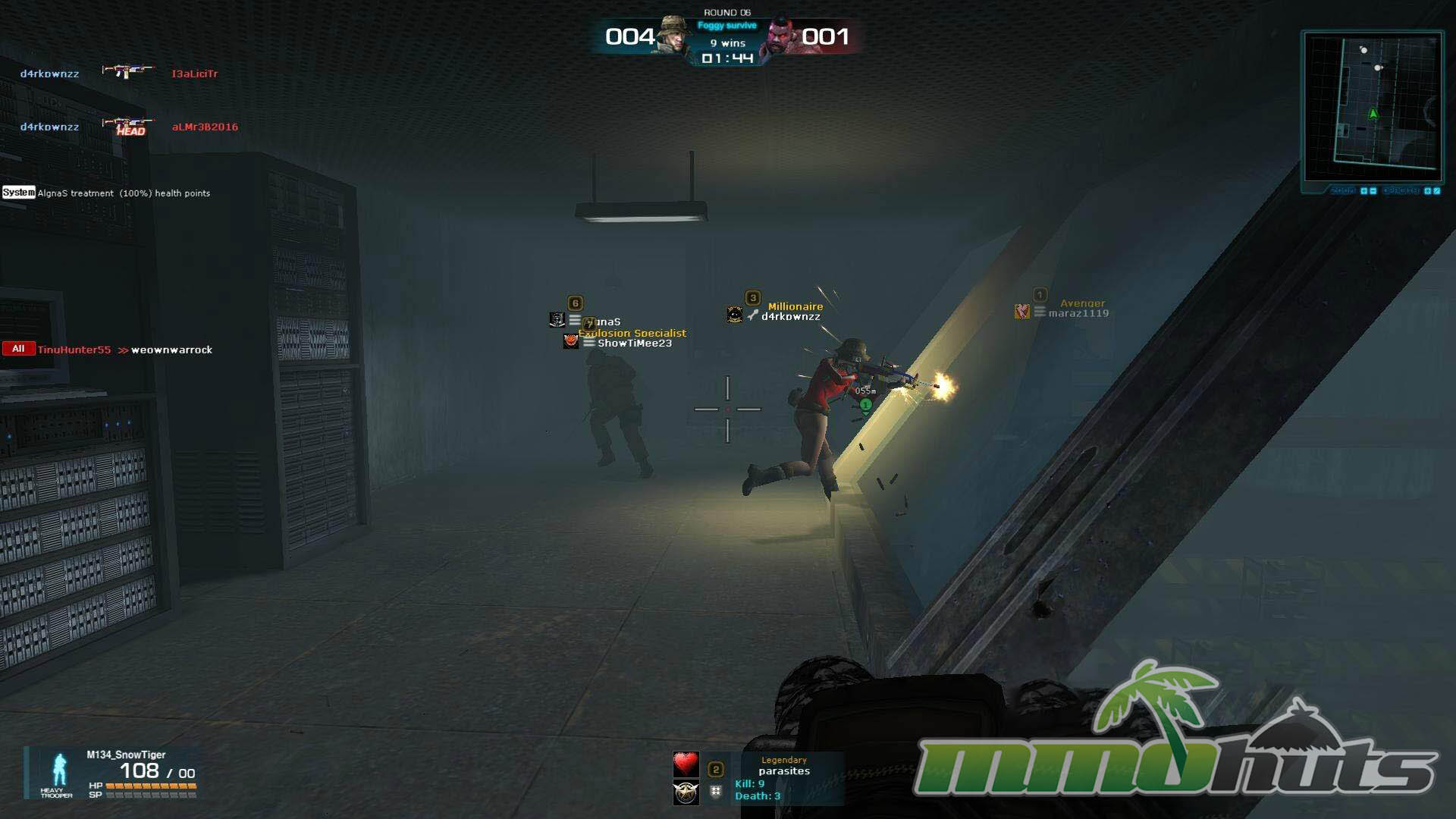
WarRock is a 3D tactical first person shooter built around class based infantry combat and a grab bag of match types. You pick a role such as Medic, Assault, or Sniper, then jump into lobby driven rooms that range from tight team fights to vehicle heavy battles. Matches support up to 24 players, and some modes also feature tanks, jetplanes, and other drivable hardware.
 | Publisher: Papaya Play Playerbase: Low Type: Shooter Release Date: Feb 7, 2007 (NA) Pros: +Lots of maps, modes, weapons, and cosmetic options. +Runs well on older PCs with a modest install size. +Dedicated Clan vs Clan option for organized play. Cons: -Many maps are host locked behind paid membership. -Cheaters are a recurring problem, with bans often feeling inconsistent. -Single main server region can cause latency for many players. |

WarRock Overview
WarRock arrived at a time when Korean online shooters were only just starting to find an audience outside Asia. It mixes several styles under one launcher, including classic room based team modes, co-op zombie themed PvE, and larger Battlefield inspired maps where vehicles play a major role. That breadth, paired with a free to play model and very forgiving PC requirements, is a big part of why it spread internationally during the late 2000s.
WarRock Key Features:
- All-in-One Package – Three main ways to play: Close Quarters Combat (lobby shooter), Battle Group (vehicle warfare), and AI Channel (Zombies).
- Role Driven Teams – 5 distinct classes encourage coordination and let squads cover more situations.
- Loadouts and Cosmetics – A large catalogue of characters, weapons, outfits, and boosts to collect for each role.
- Goofy Side Modes – Lighter rule sets (like grenades only) break up the standard match flow.
- Long Running Updates – Years of seasons and episodes mean there is a deep backlog of maps and items.
WarRock Screenshots






WarRock Featured Video

WarRock Review
WarRock is a free to play tactical FPS from Korean developer Dream Execution. It originally launched in 2005 and wears its Counter-Strike inspiration on its sleeve, with snappy rounds, straightforward objectives, and an emphasis on gunplay that is more grounded than the arena shooters that dominated earlier PC FPS eras. In the broader history of F2P shooters, WarRock also sits among the early wave of Asian developed titles that helped normalize the idea of online shooters supported by item shops. It previously had different Western publishers (including Nexon EU), and it is now operated globally by Papaya Play.
How it Landed Overseas
In the mid 2000s, Western players began experimenting with more imported free to play games, first through MMORPGs and then through other genres like shooters. WarRock was licensed for the West by GamersFirst (K2 Network) in early 2007 and quickly built a following across multiple regions, particularly in places where lower end PCs were still common. For many players it was not a direct replacement for paid giants like Counter-Strike: Source or Battlefield 2, but it was unusual to see a no cost shooter attempt both small scale tactical rooms and vehicle focused warfare under one roof. Over time, newer F2P competitors pulled attention away, and the game’s publishing situation changed hands, eventually moving from GamersFirst to Nexon Europe in 2012 before later being offered through Papaya Play.
Getting Into a Match
WarRock’s install started out tiny by shooter standards, but years of episodes and seasonal updates have naturally expanded it. Today it sits a bit over 5 GB, so having at least 6 GB free is a sensible buffer. Despite its age, it can run at modern resolutions, and the default presentation behaves like a borderless fullscreen setup (even though traditional windowed options are limited).
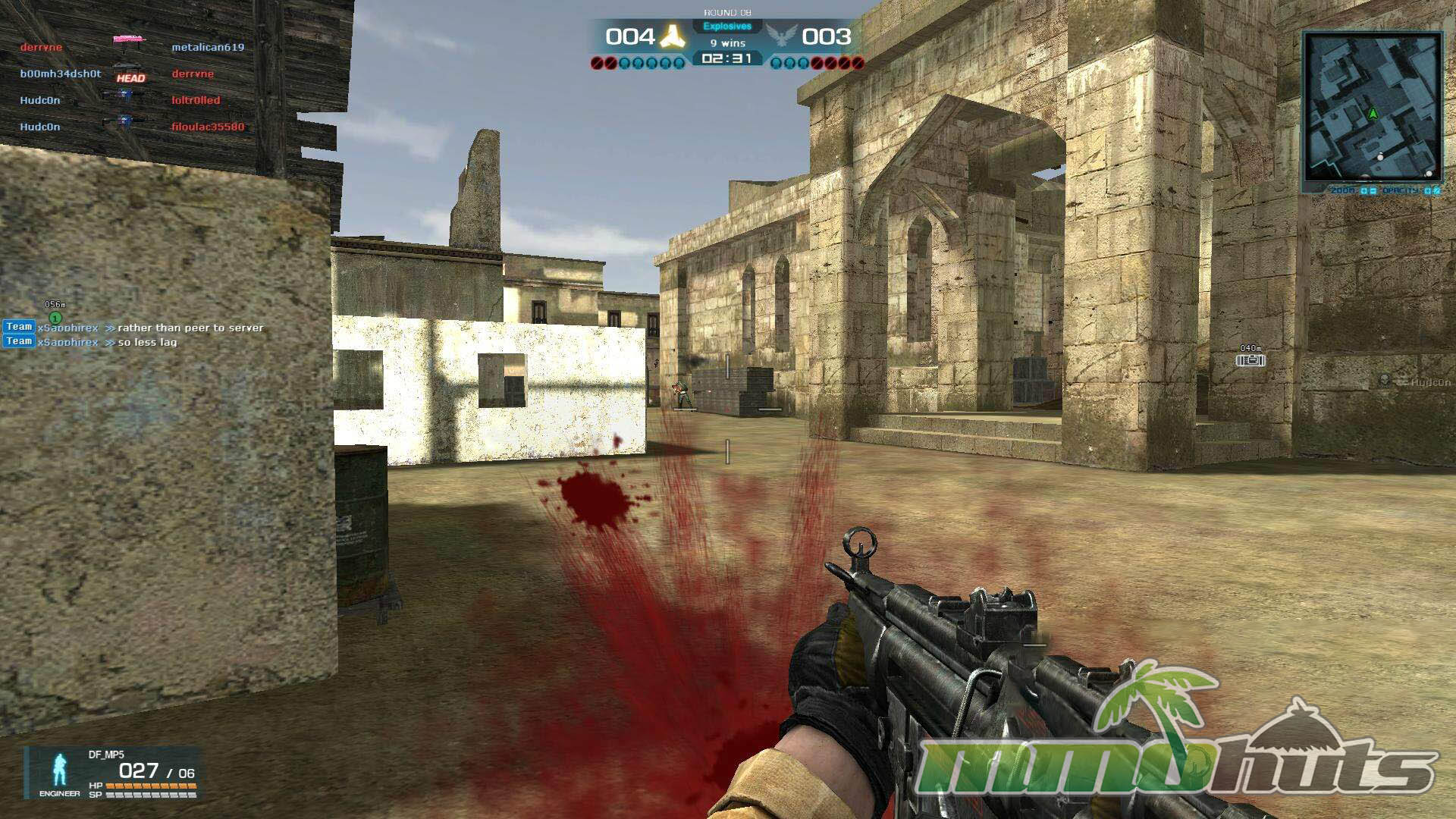
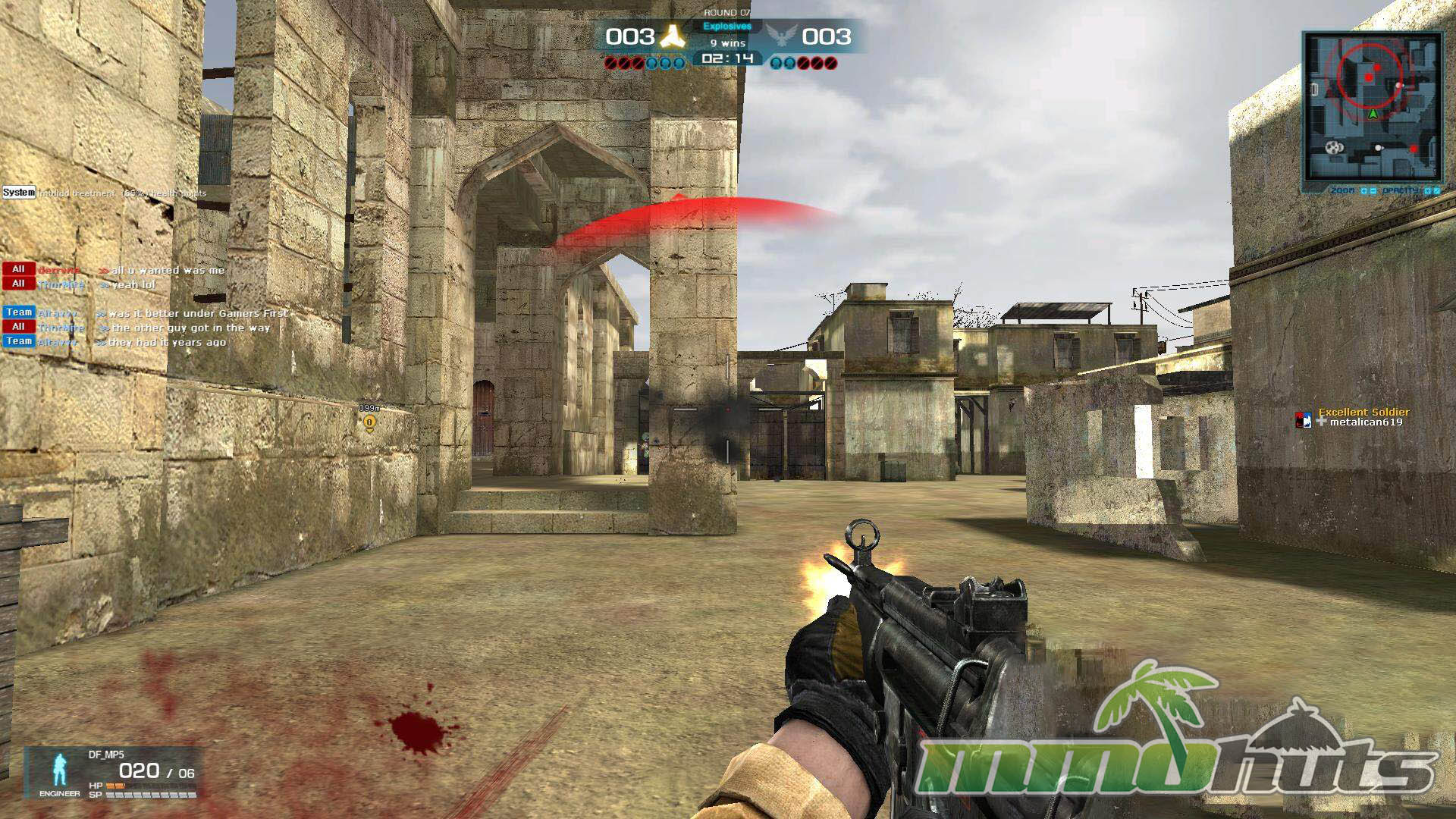
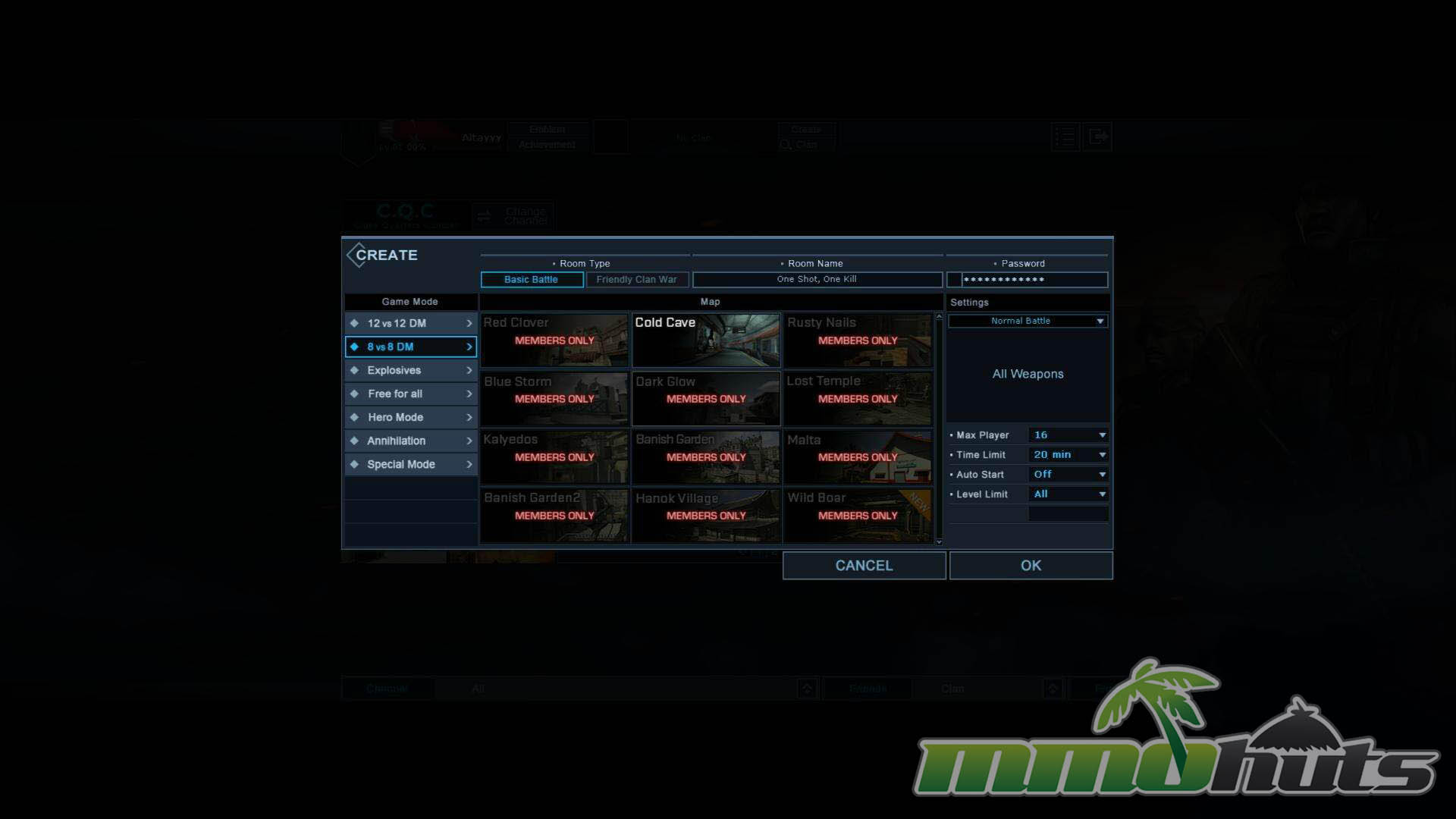
The onboarding is minimal: you choose a nickname and then pick one of the three primary channels. Close Quarters Combat (C.Q.C) is the core experience for most players, a room list driven lobby shooter with modes like Death Match and round based Annihilation, plus several novelty variants (free for all, melee only, grenades only, and similar twists). The class system is the feature that still makes WarRock feel distinct. After each death you can respawn as Engineer, Medic, Sniper, Assault, or Heavy Trooper, each tied to different tools and weapon access. Medics bring healing utility, Engineers keep vehicles and equipment running, and Heavy Troopers carry anti armor options like an RPG and mines. In a modern context these archetypes are familiar, but at release it was a notable layer of teamplay for a smaller scale tactical shooter.
Three Channels, Three Very Different Moods
Battle Group is the most ambitious mode and, unfortunately, the one that tends to be quietest. It supports up to 16 players per team (32 total) on larger maps designed around bases, capture points, and constant vehicle spawns. There is an almost exaggerated amount of hardware available, including tanks, helicopters, trucks, and fighter jets. The vehicle handling is approachable but also a bit awkward, especially in the air, where the controls can feel simultaneously simple and unpredictable. Even so, the scale is impressive for a free to play shooter of its era, and when the mode has enough players to feel alive, it is the closest WarRock gets to its Battlefield inspiration.
The third pillar is AI Channel, a cooperative PvE offering where teams fight AI controlled zombies. It includes Survival, Defense, Time Attack, and Escape, but Survival is typically the most active, partly because it is associated with temporary item rewards. Clearing runs can earn short duration gear such as weapons, melee items, and cosmetics. The catch is that matchmaking can be finicky, since some hosts prefer experienced players with specific loadouts, which loops directly into WarRock’s most contentious topic, the shop and membership structure.
A Shop Model That Feels Stuck in the Past
WarRock keeps an older monetization approach that many shooters moved away from. A large portion of the arsenal is rented in 7 or 30 day blocks using in-game Dinars, and even premium currency users are frequently renting rather than permanently unlocking. Some items are also restricted behind “Members Only” access, tied to a separate membership purchase that lasts 30, 90, or 180 days.
That membership status affects more than cosmetics or convenience, it can determine who is allowed to host many of the maps. Free players can still join those rooms if someone else hosts them, but it creates a clear divide in how much control different users have over the match list. For returning players who remember the early F2P era this may feel familiar, but for modern shooter audiences it is a tough sell.
Population, Regions, and Match Quality
Although the game technically serves multiple continents, the remaining population is heavily centered around Europe, and the room list reflects that. During North American off hours, the selection can be sparse, while European peak times tend to offer far more active rooms. C.Q.C absorbs most of the activity, and Battle Group is often underfilled, which is unfortunate given how much of WarRock’s identity is tied to vehicles and larger maps.
Network performance also depends heavily on where you live, since a single primary server location means many players deal with latency. Even with those drawbacks, WarRock’s smaller community has a noticeable social advantage. Chat is often livelier than you might expect, and because you see the same names repeatedly, the game can feel more like a regular hangout than a disposable matchmaking queue.
Progression, Clans, and Things to Chase
WarRock offers a sizable achievement and profile system that helps compensate for its age. Players can work toward experience gains, titles, medals, and cosmetic profile bragging rights, and you can inspect other players to see stats like kills, deaths, headshots, and total playtime. It is not uncommon to run into long time veterans with extremely high hour counts.
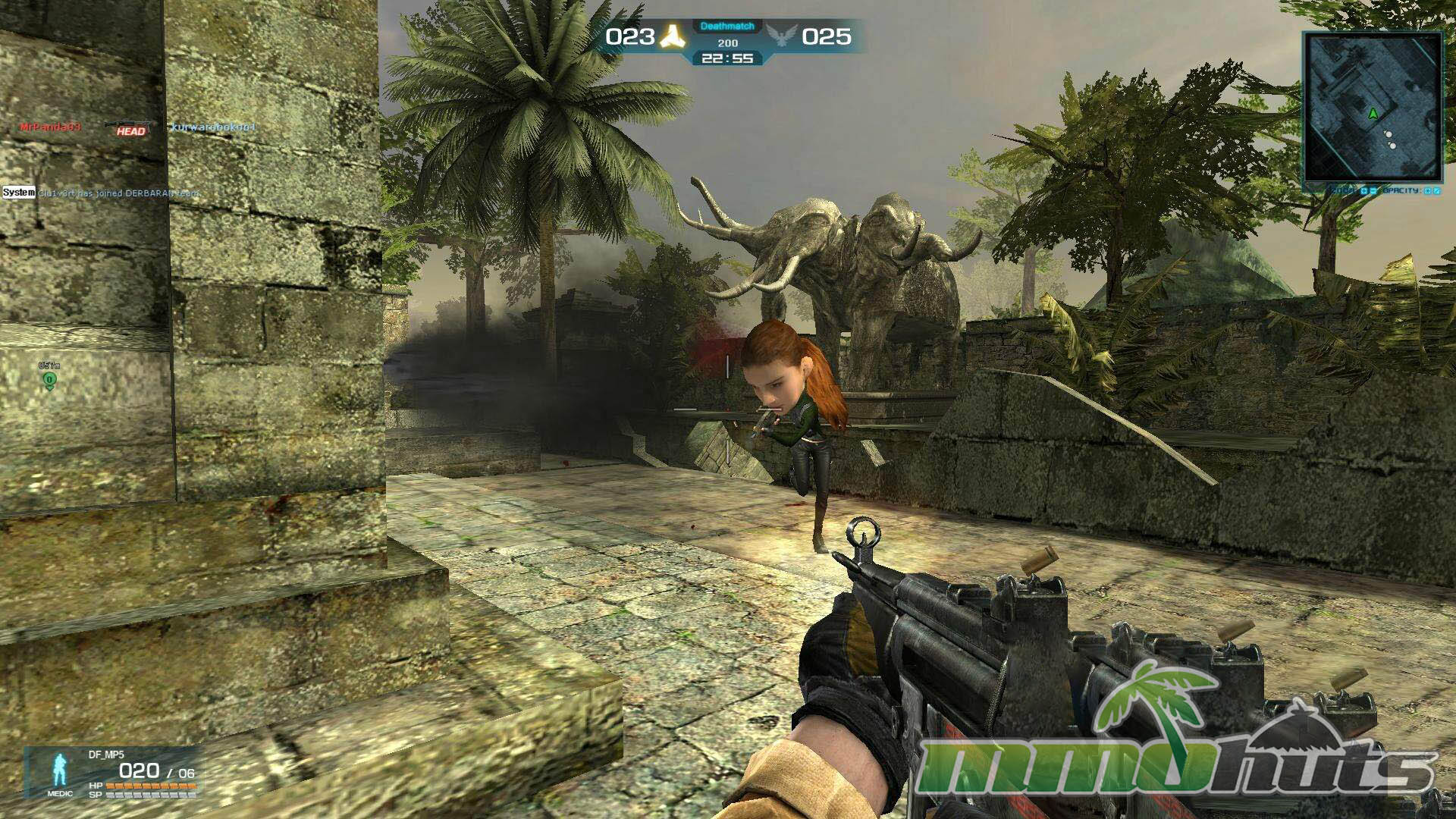
The community also appears regionally concentrated, with certain countries showing up frequently (flags are often displayed next to names as optional flair). Automated events and rotating room modifiers help keep sessions varied, from small giveaways to novelty settings like “Big Heads” that change the tone of a match. Clans remain a major social and competitive anchor. With clan sizes up to 100 players, they provide organized play (including clan battles) and a reliable way to find familiar teammates in a smaller ecosystem.
Final Verdict: Poor
WarRock deserves credit for what it accomplished in its prime: a wide selection of modes, class based teamplay, and a free to play shooter that reached well beyond its home market. In 2026 terms, however, the game’s age shows in both feel and structure. The monetization is harsh, the population is thin outside peak European hours, and the overall experience is increasingly difficult to recommend unless you are specifically seeking a nostalgic, community driven tactical shooter and can tolerate its long standing issues.
WarRock System Requirements
Minimum Requirements:
Operating System: Windows 98 or better
CPU: Intel Pentium 3 700 Mhz or AMD Equivalent
Video Card: GeForce 2 MX
RAM: 256 MB
Hard Disk Space: 6 GB
Recommended Requirements:
Operating System: Windows 2000 or better
CPU: Intel Pentium 4 2.0 GHz or better
Video Card: GeForce FX 5700 / ATI 9200 or better
RAM: 1 GB
Hard Disk Space: 6 GB
Those running WarRock on newer operating systems like Windows 7 and 10 require significantly better system specifications than the recommended requirements
WarRock Music & Soundtrack
Coming soon…
WarRock Additional Information
Developer: Dream Execution
Game Engine: Jindo
Publishers:
Global: Papaya Play (Previously by GamersFirst and NexonEU)
Korea: Dream Execution
Japan: UtaPlanet
Philippines: Massive Gaming
Release Dates
Closed Beta 1: November 2004
Closed Beta 2: March 2005
Open Beta: May 2005
EU/NA Release: February 6, 2007
Development History / Background:
WarRock was created by South Korean studio Dream Execution on the in-house Jindo Game Engine. The tactical FPS entered its first closed beta in late 2004, then launched domestically the following year. K2 Network, based in California, introduced the game to Western audiences via the GamersFirst portal in early 2007. In May 2012, publishing for the service moved to Nexon Europe. After an early period of strong interest, overall attention has declined over the years, and the remaining international audience is largely concentrated around the current European service due to the absence of other active regional publishers.