Warhammer 40,000: Eternal Crusade is a third-person shooter set in Games Workshop’s famous grimdark universe, built around large-scale faction warfare. You pick a side from four iconic armies and jump into objective-based battles, or team up for PvE missions against Tyranids, all framed as an ongoing struggle that never truly ends.
 | Publisher: Behaviour Digital Playerbase: Low Type: Third-person Shooter Release Date: September 23, 2016 Shut Down: September 10, 2021 Pros: +Strong 40K atmosphere and lore hooks. +Four distinct factions to represent. +Deep character and gear customization. Cons: -Performance and stability could be rough. -Menus and UI feel awkward to navigate. -Maps tend to blur together over time. |
Warhammer 40000: Eternal Crusade Shut Down on September 10, 2021
Warhammer 40,000: Eternal Crusade Overview
Warhammer 40,000: Eternal Crusade adapts the tabletop universe into a squad-focused third-person shooter where territory control is the core loop. Players enlist with one of four playable factions, Orks, Space Marines, Eldar, or Chaos Space Marines, then deploy into matches built around taking and holding a chain of objectives. Most engagements revolve around those capture points, with short bursts of travel between them and frequent clashes once opposing groups collide.
As you participate in combat and contribute to the team effort, you gain experience that translates into levels and unlocks. Progression opens up additional weapons, abilities, and options that help shape how your class performs in different situations, whether you are pushing a defended point or holding a position under pressure. Combat is not limited to ranged firefights either, since Warhammer’s close-quarters brutality is represented through melee tools like chainswords and power fists.
The game also mixes in vehicles for faster movement and heavier firepower, letting players cross open ground quickly or lock down lanes with mounted guns. For those who prefer fighting AI enemies over competitive play, Eternal Crusade includes PvE missions where squads drop into Tyranid-infested zones and try to survive and complete objectives while dealing with swarming creatures.
Warhammer 40,000: Eternal Crusade Key Features:
- Progression System – build your soldier over time, improving stats like health and damage, tuning weapon handling, and unlocking upgrades through play.
- Distinct Factional Classes – each army has its own class lineup and loadout choices, encouraging role-based play depending on whether you are assaulting, defending, or skirmishing.
- Vehicles – pilot recognizable Warhammer 40K machines to move faster and bring extra firepower to contested objectives.
- Melee Attacks – close the distance with blades, axes, and power-fists, turning fights into brutal brawls when ranged combat breaks down.
- PvE Gameplay – group with other players to take on Tyranid Hive encounters and withstand waves of hostile NPCs.
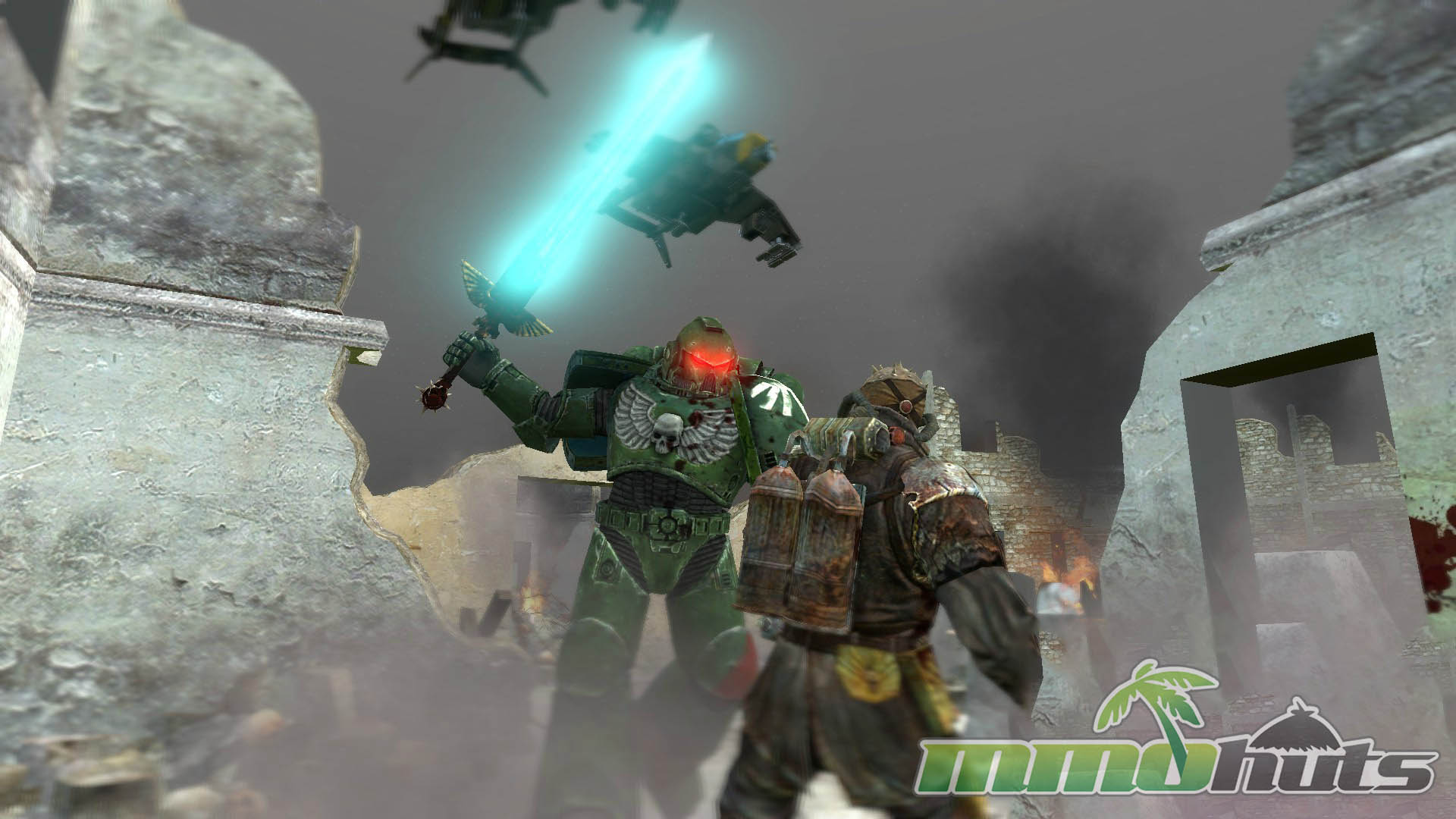
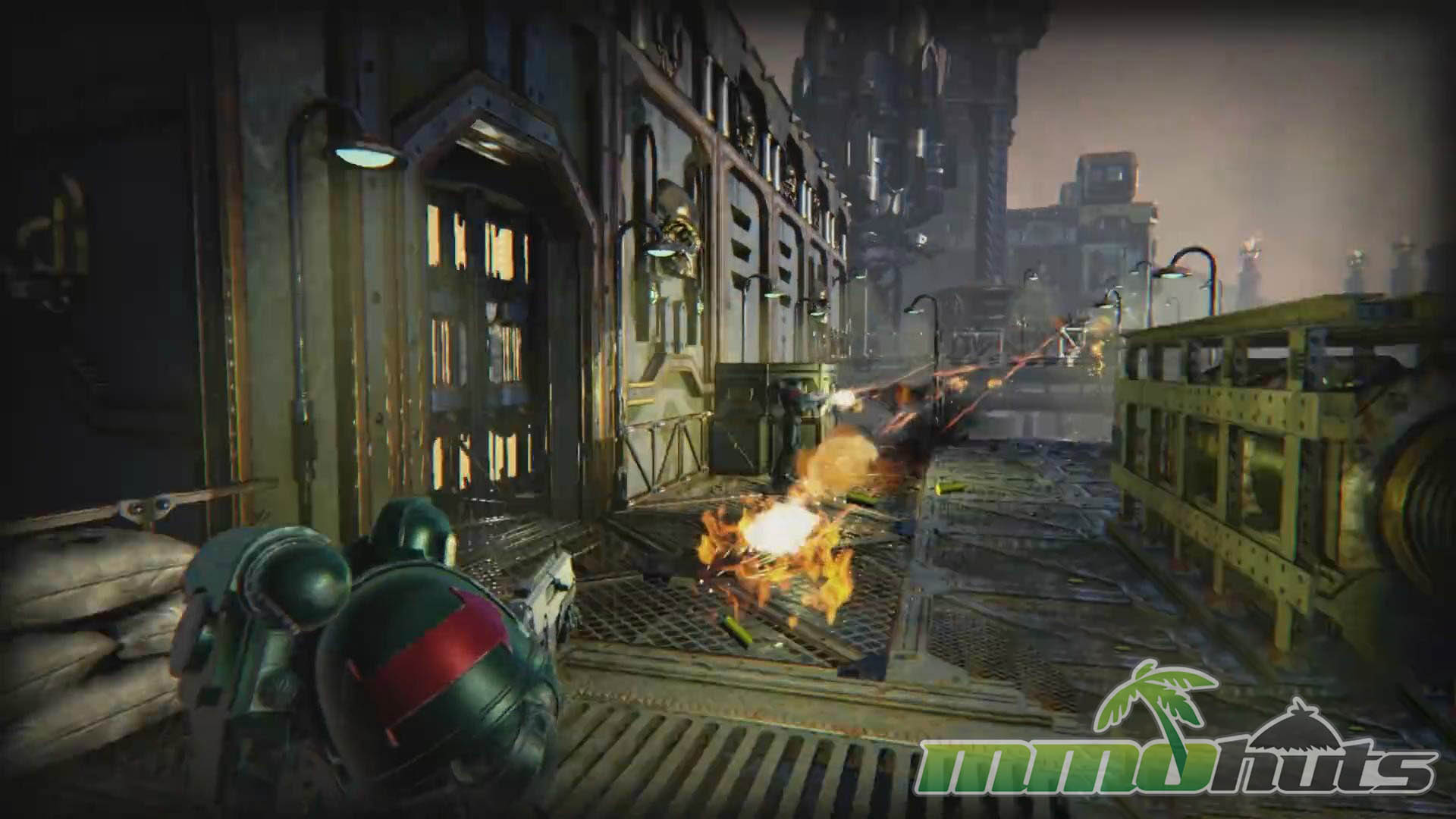
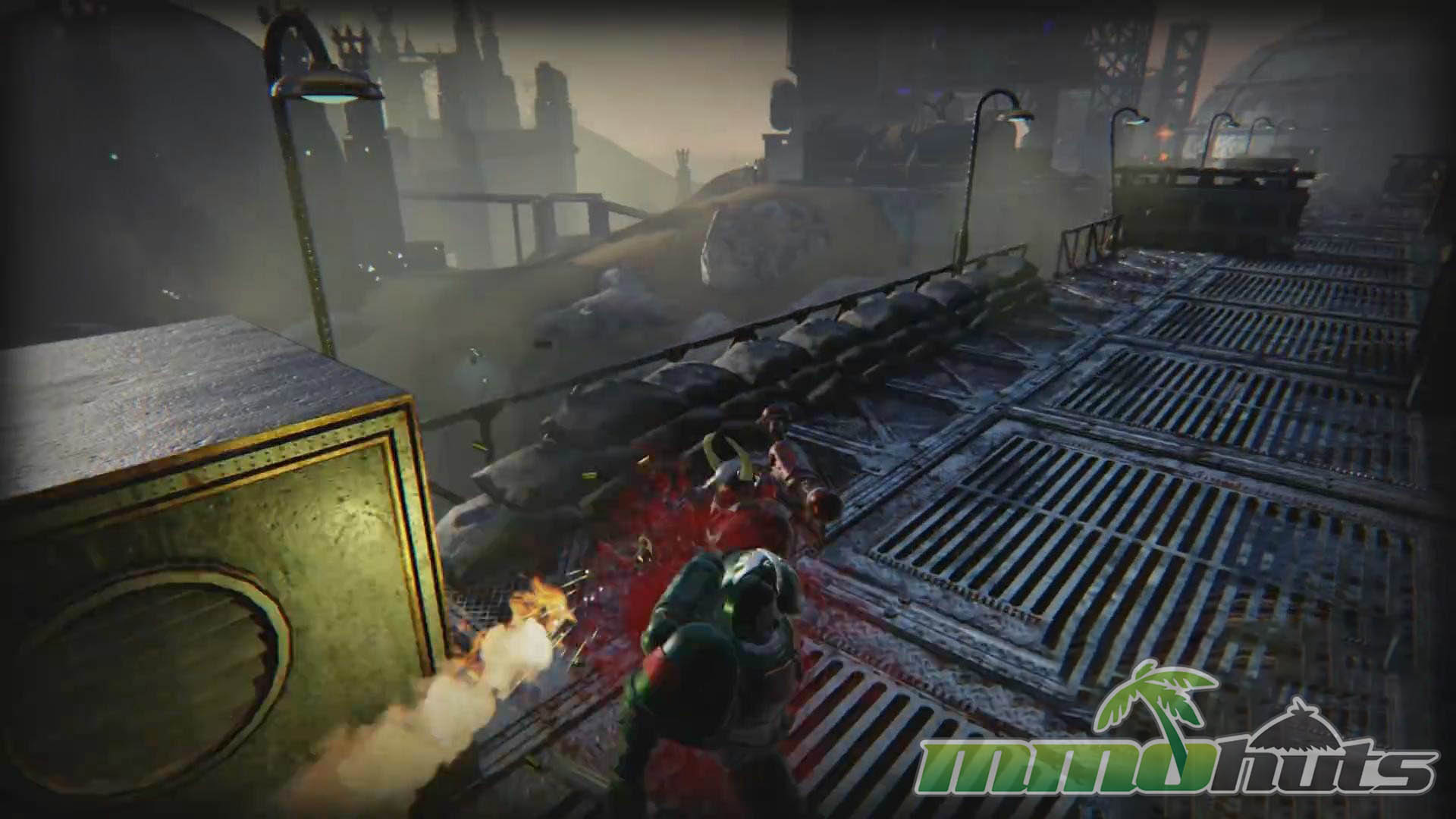
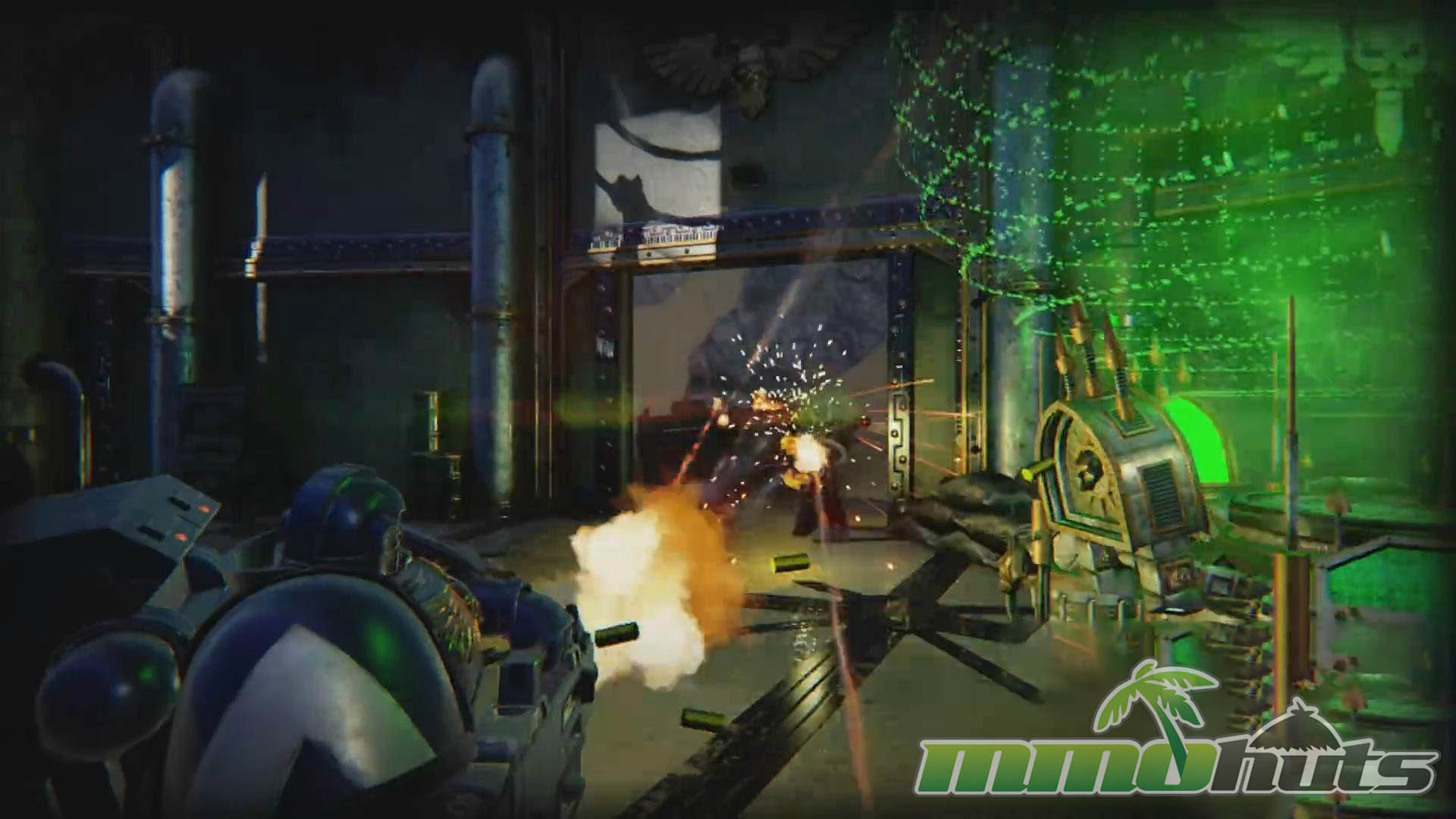
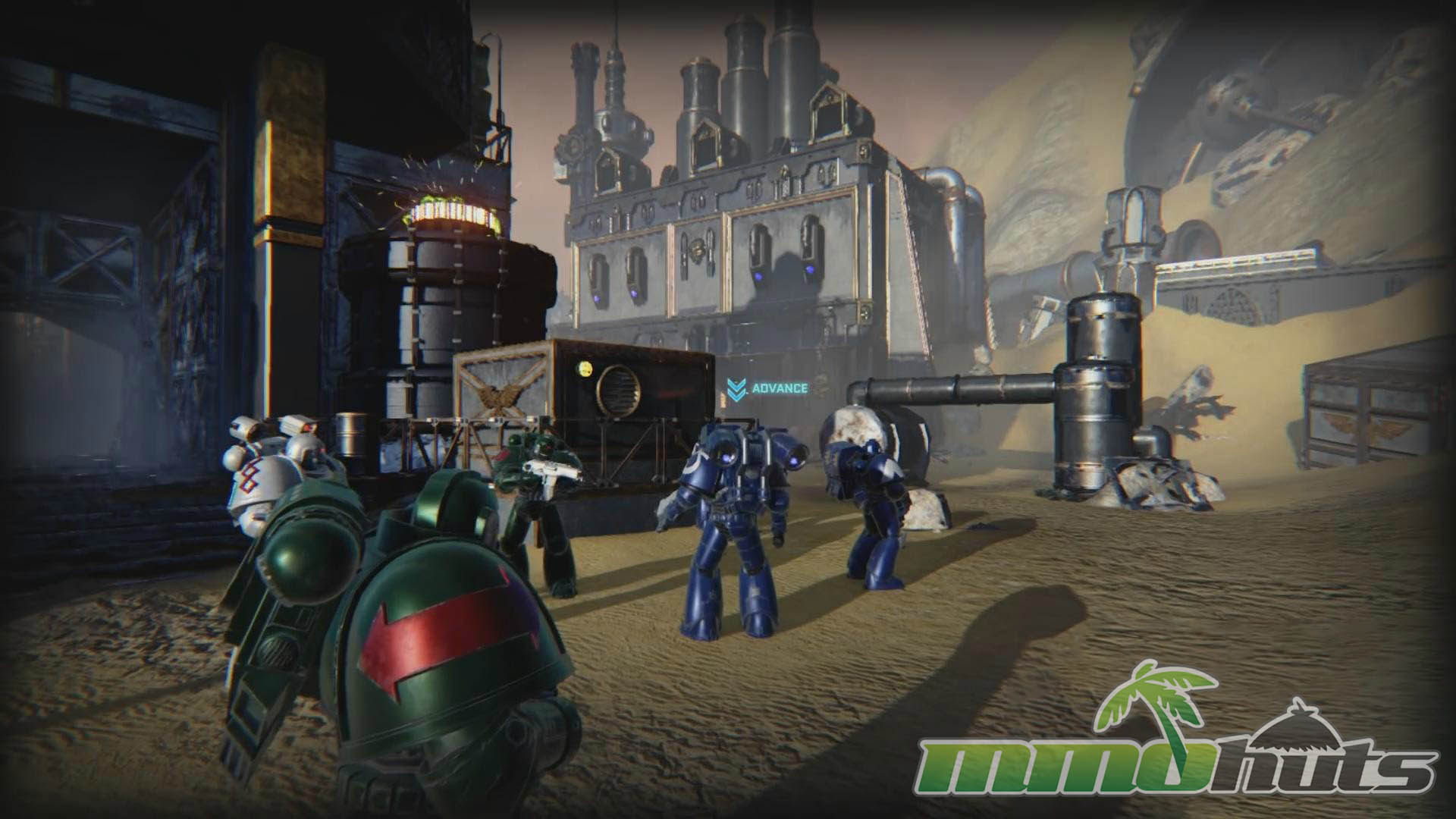
Warhammer 40,000: Eternal Crusade Screenshots




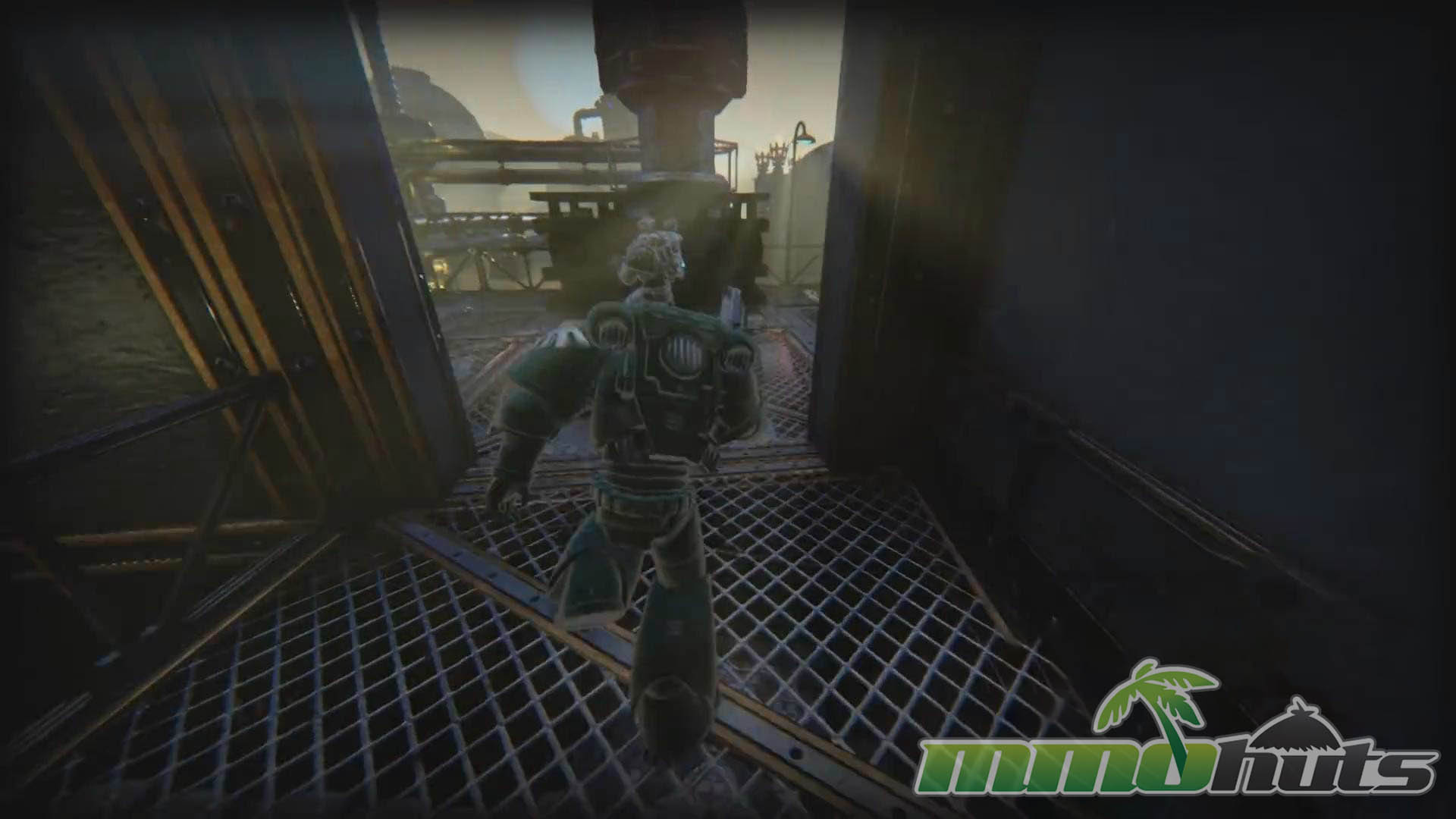
Warhammer 40,000: Eternal Crusade Featured Video

Warhammer 40,000: Eternal CrusadeReview
Warhammer 40,000: Eternal Crusade arrived as yet another attempt to translate 40K’s larger-than-life warfare into an action game, this time leaning into multiplayer objectives rather than a purely narrative campaign. The easiest comparison is a large-map shooter built around capture points, but the moment-to-moment experience is shaped by faction identity, class kits, and the franchise’s preference for brutal, short-lived engagements. It is a game with clear ambition and strong source material, even if its execution does not always match the scale it is aiming for.
Core Gameplay Loop
Matches typically begin with you selecting a faction and class, then spawning into a battlefield dotted with lettered control points. The goal is straightforward: take objectives when attacking, hold them when defending. Most of the action naturally concentrates around these locations, since they act as magnets for squads and vehicles, while the space between them is mainly about repositioning and trying not to get caught isolated.
Time-to-kill is harsh, and that shapes everything. Charging off alone is rarely rewarded because even the heaviest-looking infantry can be cut down quickly when focused. Encounters often favor whoever initiates first, and once a fight starts, survival depends more on positioning and teammates than on individual heroics. That design pushes you toward moving with a group and choosing fights carefully, especially when the battlefield is split between open ground and tight corridors.
One notable choice is that friendly fire is enabled. When teams bunch up around doorways and capture points, careless shooting can punish your own side as much as the enemy. It adds tension and forces discipline, but it also means chaotic public matches can feel messy, particularly when coordination tools are underused and players default to following the largest cluster on the map.
Factions and Identity
Eternal Crusade’s four factions, Space Marines, Chaos Space Marines, Orks, and Eldar, give the game its main flavor. Each side has recognizable silhouettes, weapon styles, and thematic class options, and that goes a long way toward selling the fantasy of fighting in the 41st millennium. Even when roles overlap, the presentation and loadout differences help keep factions from feeling like simple reskins.
Sub-faction choices add another layer of Warhammer authenticity, letting fans align with a chapter or similar grouping. These selections are primarily about identity and aesthetics rather than changing fundamentals, but in a universe where iconography matters, that still has value. It also makes customization feel more personal, especially when you maintain multiple characters and swap between armies.
Gunplay and Melee Feel
On the shooting side, the controls are approachable for anyone familiar with third-person action games. Aiming is direct, and engagements are more about reaction and cover usage than learning complex ballistics. Headshots matter, and there are tools for tightening your aim when you want more control, but firefights often devolve into fast trades around corners and objectives.
Melee combat exists because it is essential to the 40K vibe, but it is less refined than the gunplay. Swings can feel loose and spammy, and the lack of strong feedback makes it harder to read spacing or intent compared to dedicated melee-focused games. It can still be effective in close quarters, especially when you catch someone off guard, but it rarely becomes a deep system you build strategies around. Most players will treat it as a situational option rather than a primary plan.
When you do push an opponent to the brink, executions provide some of the most memorable moments in the game. They capture the cruelty and theatrics Warhammer is known for, delivering short bursts of spectacle that stand out amid the more routine objective rotations.
Visuals, Atmosphere, and Map Variety
Eternal Crusade generally understands the tone it is going for. Battlefields lean into dark industrial spaces, scorched terrain, and the impression of worlds worn down by constant conflict. In still frames and close-up character views, it can convincingly channel the setting’s heavy-metal style.
Where it struggles is in variety and cohesion. Many maps play similarly, with familiar lanes between capture points and repeated patterns of open approaches feeding into chokepoints. Over time, that sameness can make battles feel interchangeable, even when different factions are involved. Technical performance issues and an uneven visual fit between characters and environments can also distract, particularly for players who are not already invested in the Warhammer aesthetic.
Progression and Customization
Progression is one of the game’s stronger retention hooks. Actions like capturing points, defending positions, and scoring kills award experience, which leads to levels and talent points. Those points buy incremental improvements and unlocks, letting you gradually shape a class into something that better fits your preferred role. The upgrades tend to be modest rather than match-breaking, which helps keep the battlefield from turning into a contest of pure grind.
There are premium options tied to certain packages that expand what you can access, but they generally read as ways to support the game and broaden choice, not as a direct shortcut to dominating every fight. The bigger problem is usability, since the interface can be awkward enough that new players may miss systems or struggle to understand where to find key options. When the UI gets in the way, it undercuts the satisfaction of having a meaningful progression path.
Final Verdict – Fair
Warhammer 40,000: Eternal Crusade does several things right for fans: it captures faction identity, delivers occasional flashes of brutal spectacle, and offers enough customization to make your soldier feel like your own. At the same time, the core match flow can become repetitive, melee lacks satisfying depth, and technical and interface issues make it harder to recommend broadly. For dedicated 40K players it can be a worthwhile battlefield, but for everyone else it lands as a serviceable shooter that struggles to stand out in the wider genre.
Warhammer 40,000: Eternal CrusadeLinks
Warhammer 40,000: Eternal Crusade Official Site
Warhammer 40,000: Eternal Crusade Steam Page
Warhammer 40,000: Eternal Crusade Wikipedia
Warhammer 40,000: Eternal Crusade Subreddit
Warhammer 40,000: Eternal Crusade Official Twitter
Warhammer 40,000: Eternal Crusade Facebook Page
Warhammer 40,000: Eternal CrusadeSystem Requirements
Minimum Requirements:
Operating System: Windows Vista / 7 / 8 / 10 (64 bit)
CPU: Intel Core i3 4170 or AMD FX-8120
Video Card: NVIDIA GTX 570 2.5GB or GTX 660 2GB or AMD HD7850 2GB
RAM: 6 GB RAM
Hard Disk Space: 40 GB
Recommended Requirements:
Operating System: Windows Vista / 7 / 8 / 10 (64 bit)
CPU: Intel Core i5-2300 or AMD FX-8300 or higher
Video Card: NVIDIA 780GTX or AMD R9 290X
RAM: 8GB RAM
Hard Disk Space: 40 GB
Warhammer 40,000: Eternal Crusade Music & Soundtrack
Coming soon…
Warhammer 40,000: Eternal Crusade Additional Information
Developer: Behaviour Interactive
Game Engine: Unreal Engine 4
Studio Head: Miguel Caron
Lead Level Designer: Steven Lumpkin
Lead Progreammer: Patrick Balthazar
Lead Game Designer: Brent Ellison
Creative Director: David Ghozland
Writer: Graham McNeill
Narrative Designer: Ivan Mulkeen
Other Platforms: Playstation 4, Xbox One (paused)
Other Languages: French, German, Russian
Reveal Date: 2013
Closed Alpha Test Date: September 14, 2015
Release Date: September 23, 2016
Free-to-play: March 17, 2017
Shut Down: September 10, 2021
Development History / Background:
Warhammer 40,000: Eternal Crusade is developed by Canadaian independent game studio Behaviour Interactive. It is adapted from Games Workshop’s tabletop setting and was first revealed at E3 2013, with the initial Closed Alpha wave beginning on September 14, 2015. The narrative side of the project involved writer Graham McNeill (Horus Heresy: A Thousand Son) alongside Narrative Designer Ivan Mulkeen, setting the conflict on Arkhona as a continuing war between rival forces. After spending eight months in Early Access, Eternal Crusade officially launched on September 23, 2016 as a buy-to-play game. On March 17, 2017, the game shifted to a free-to-play model, and its daily active user count tripled. Warhammer 40,000: Eternal Crusade was shut down on September 10, 2021.