War Thunder
 (No Ratings Yet)
War Thunder is a 3D World War II combat game that blends air and ground warfare into one online package. It supports everything from fast, approachable arcade matches to more demanding realistic and simulation rule sets, so players can decide how much authenticity they want in each battle.
 | Publisher: Gaijin Entertainment Playerbase: High Type: MMO Shooter Release Date: November 1, 2012 (Open Beta) PvP: Arcade / Realistic / Simulation Battles Pros: +Huge roster of tanks and aircraft to learn. +Multiple realism settings for different skill levels. +Available across several platforms. +Excellent support for gamepads and flight sticks. Cons: -Takes time to learn, especially in advanced modes. -Single-player campaigns are paid content. -Progress across several nations can feel sluggish. |

War Thunder Overview
War Thunder caters to players who enjoy WWII hardware and the way it changes how combat feels moment to moment. Instead of focusing purely on one vehicle type, it lets you fight in aircraft and armored vehicles, backed by a large lineup of machines drawn from the major nations of the era. The standout is how the game supports different appetites for realism: you can treat it as a quick multiplayer shooter, or you can lean into careful flight control, energy management, and positioning where a single mistake can cost a match.
Progression revolves around researching and unlocking vehicles and upgrades for each nation, using standard in-game earnings or optional cash shop currency. The game is structured around match-based battles, and queues are generally brisk, which makes it easy to drop out after a rough loss and jump right back into another fight.
War Thunder Key Features:
- Play as a Nation – pick from the USA, Germany, Soviet Union, Great Britain, or Japan, then work through their aircraft and tank lineups.
- Challenging Gameplay – in Simulator Battles, the game expects far more from the player and highlights how demanding WWII combat vehicles were to operate.
- Historically Accurate Models – vehicles are built with a strong focus on authenticity, from silhouettes to performance quirks that affect gameplay.
- Gamepad and Joystick Support – use the input method that fits you, including flight sticks for a more cockpit-like feel.
- Variety of Aircrafts and Tanks – a wide selection of machines provides long-term goals, plus plenty of room to experiment and specialize.
War Thunder Screenshots



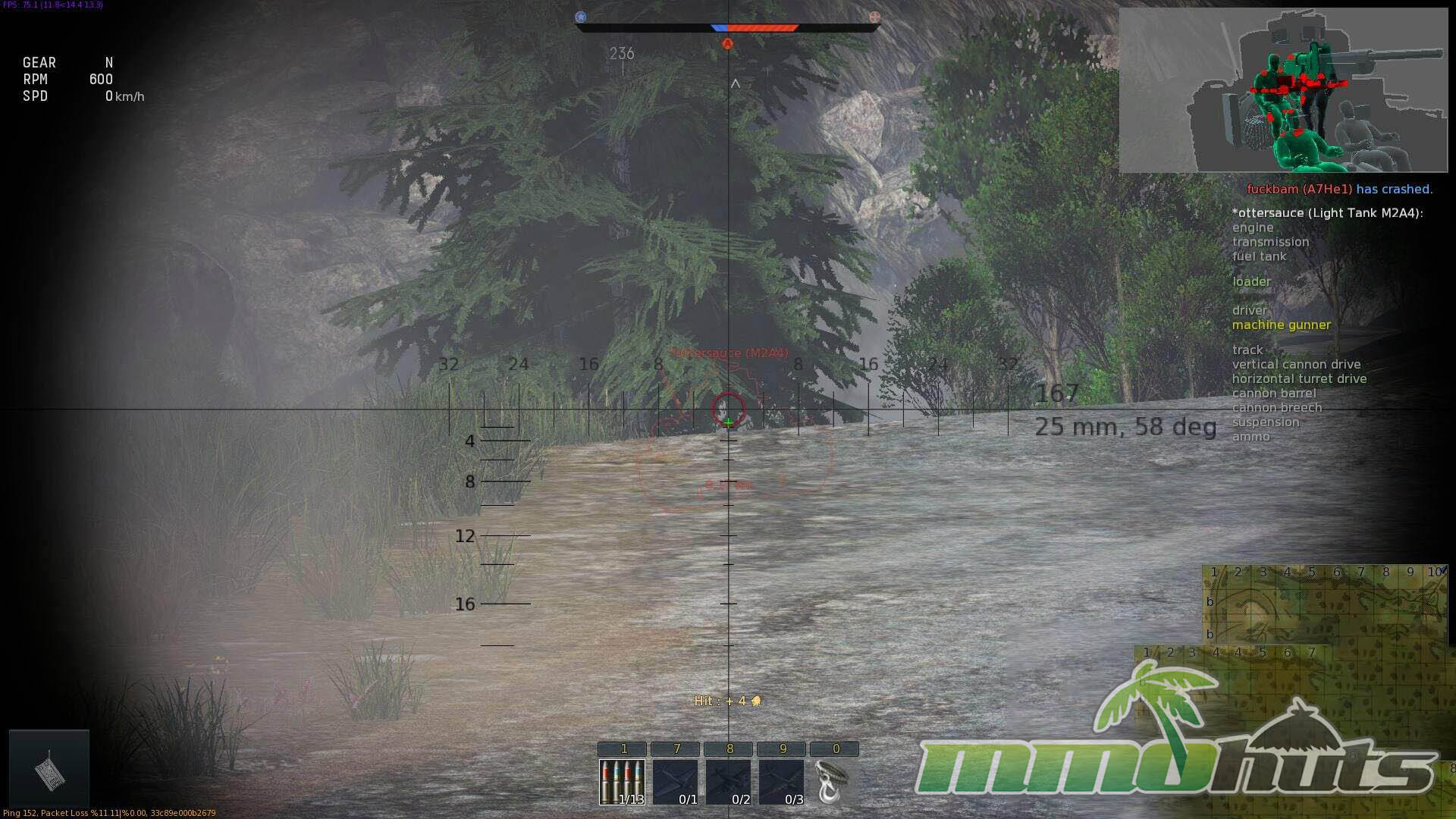
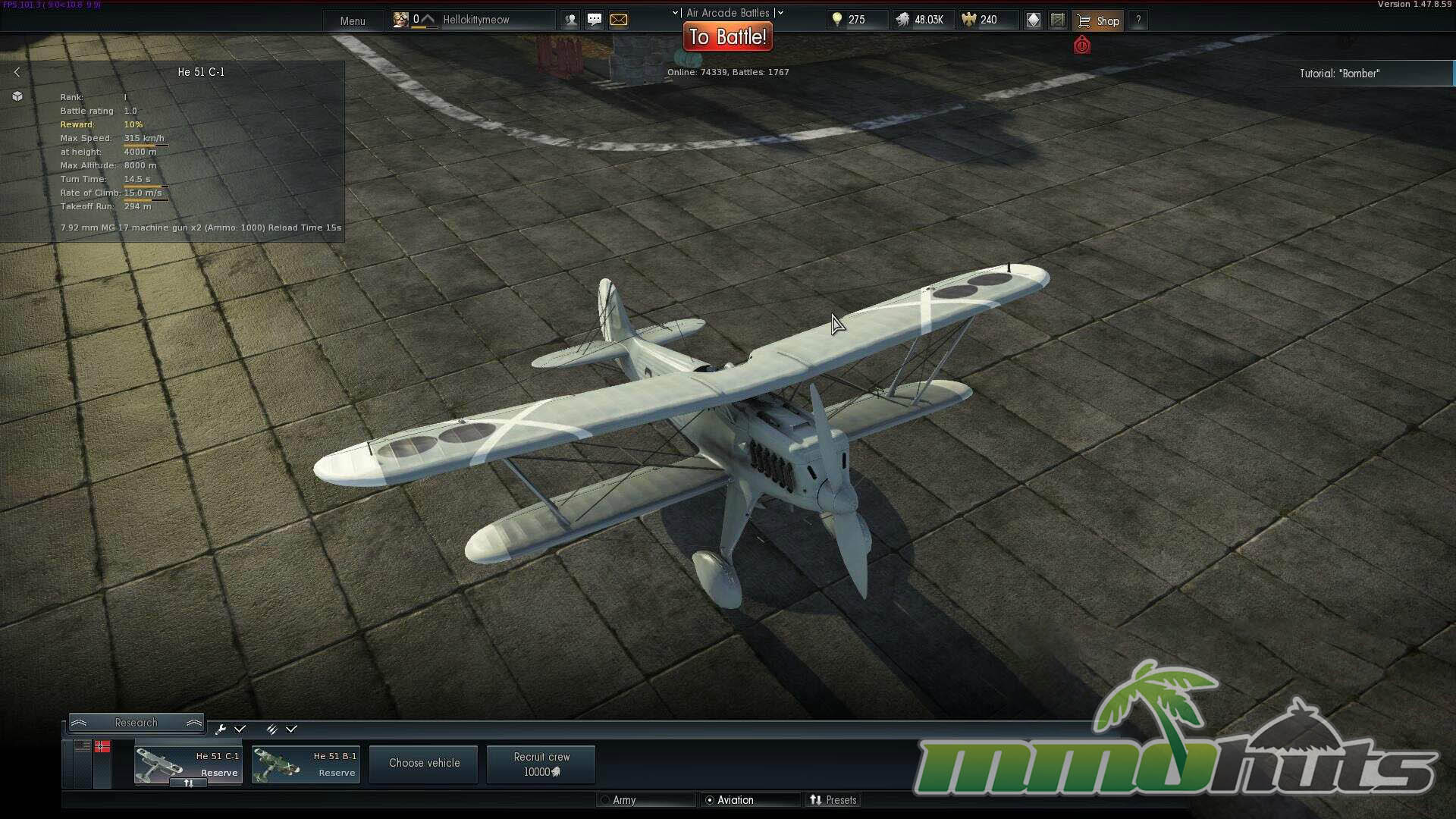
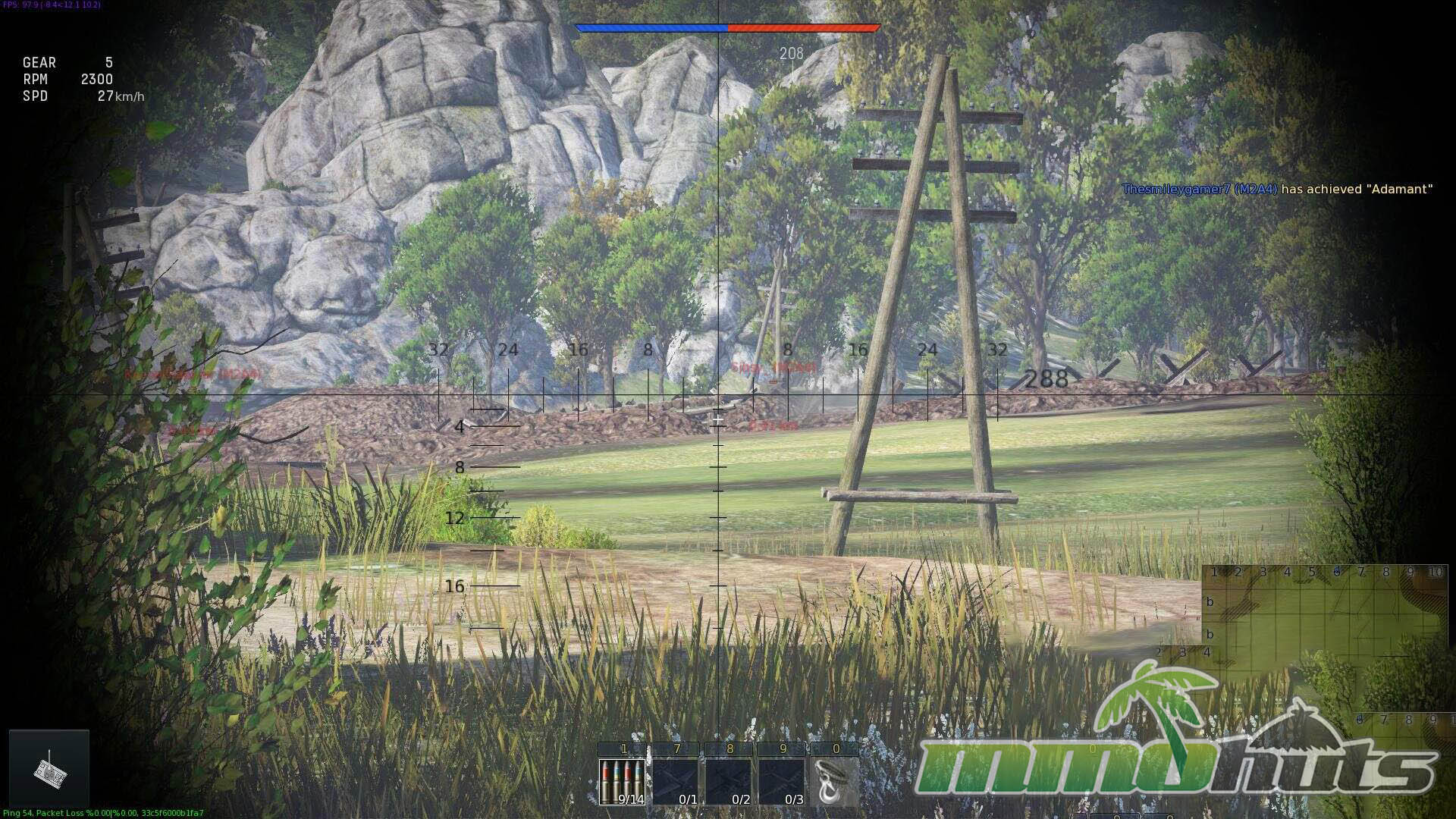


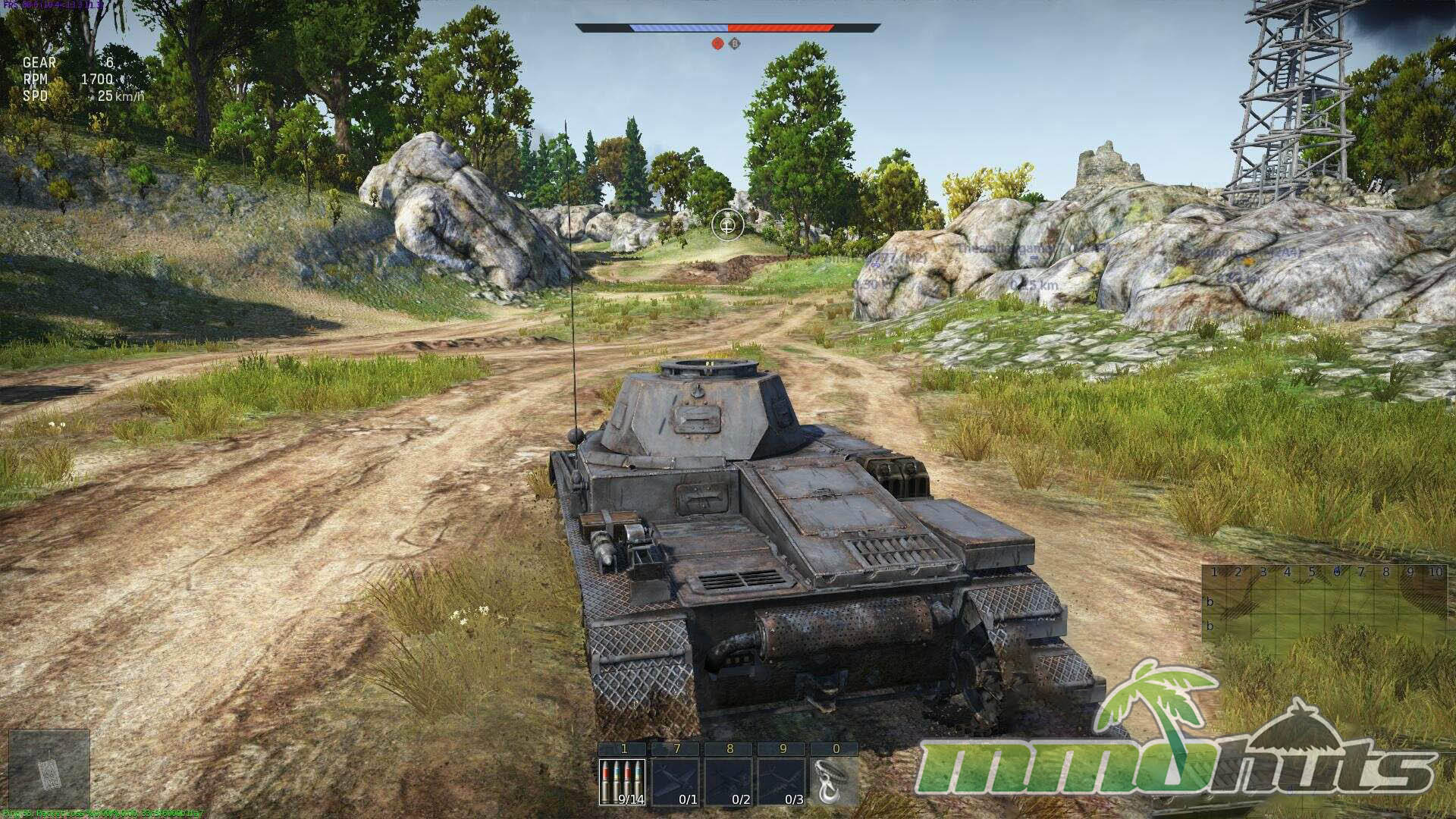


War Thunder Featured Video

War Thunder Review
War Thunder launched into open beta on November 1, 2012 as a World War II themed online multiplayer combat title from Gaijin Entertainment. Gaijin’s background in combat flight simulators shows clearly in how the game handles aircraft, but the project evolved beyond its original aviation focus, expanding to include ground warfare as well. Naval combat is also planned. Over time, War Thunder has become the studio’s most prominent release, building a large audience and generally favorable reception. It also naturally invites comparison to Wargaming’s vehicle-focused games, given the shared era and competitive match format.
Gameplay
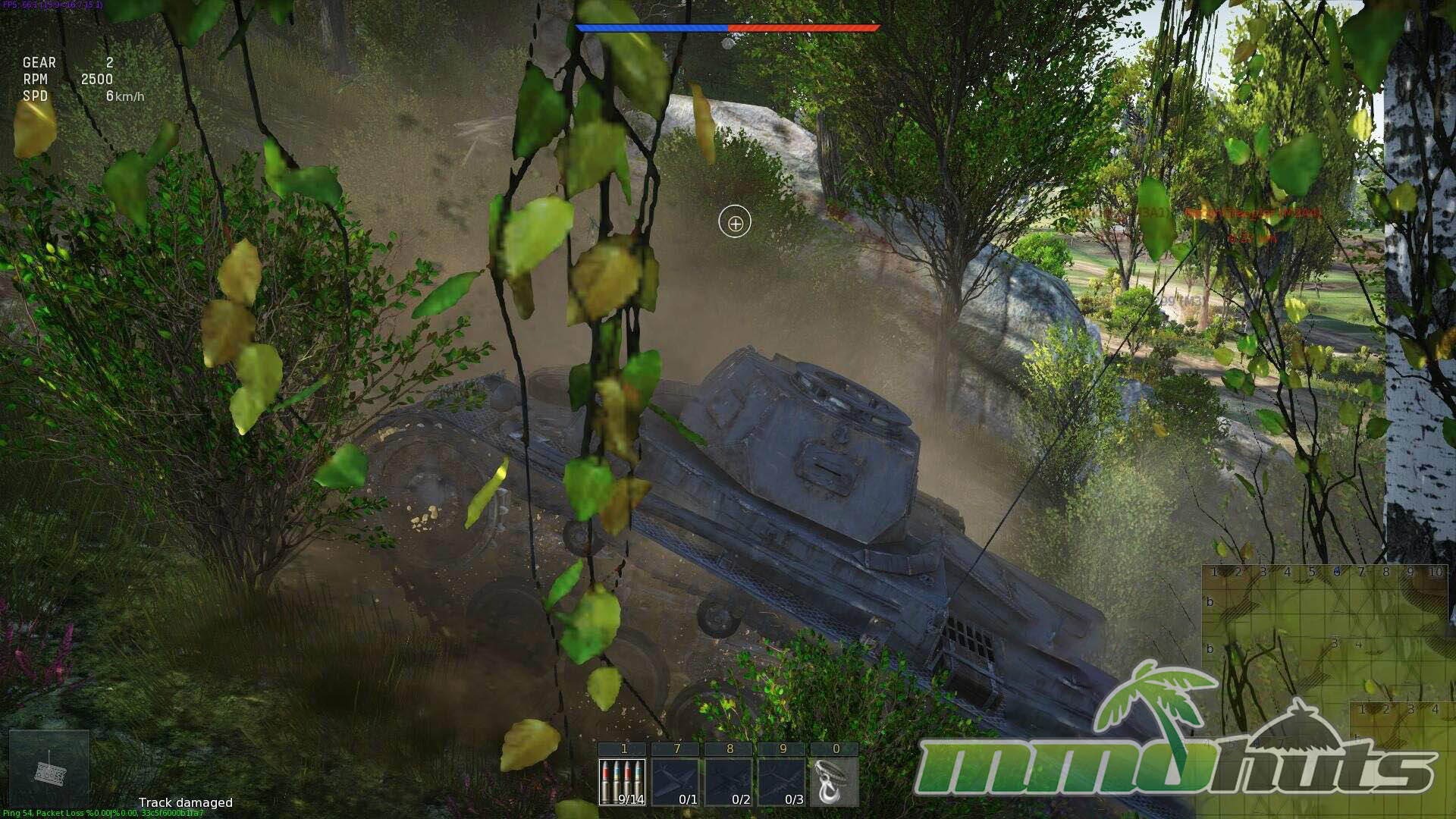
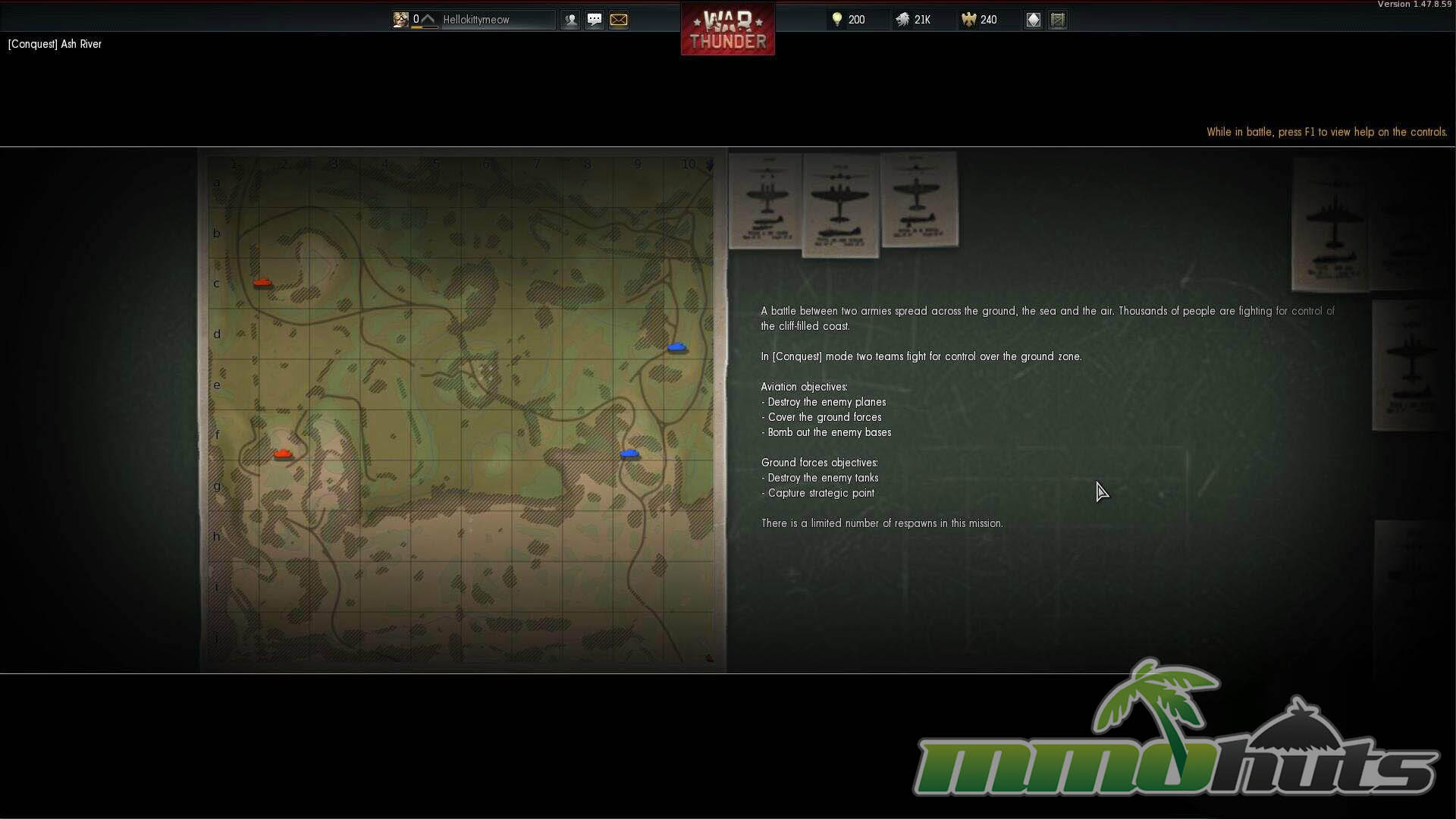
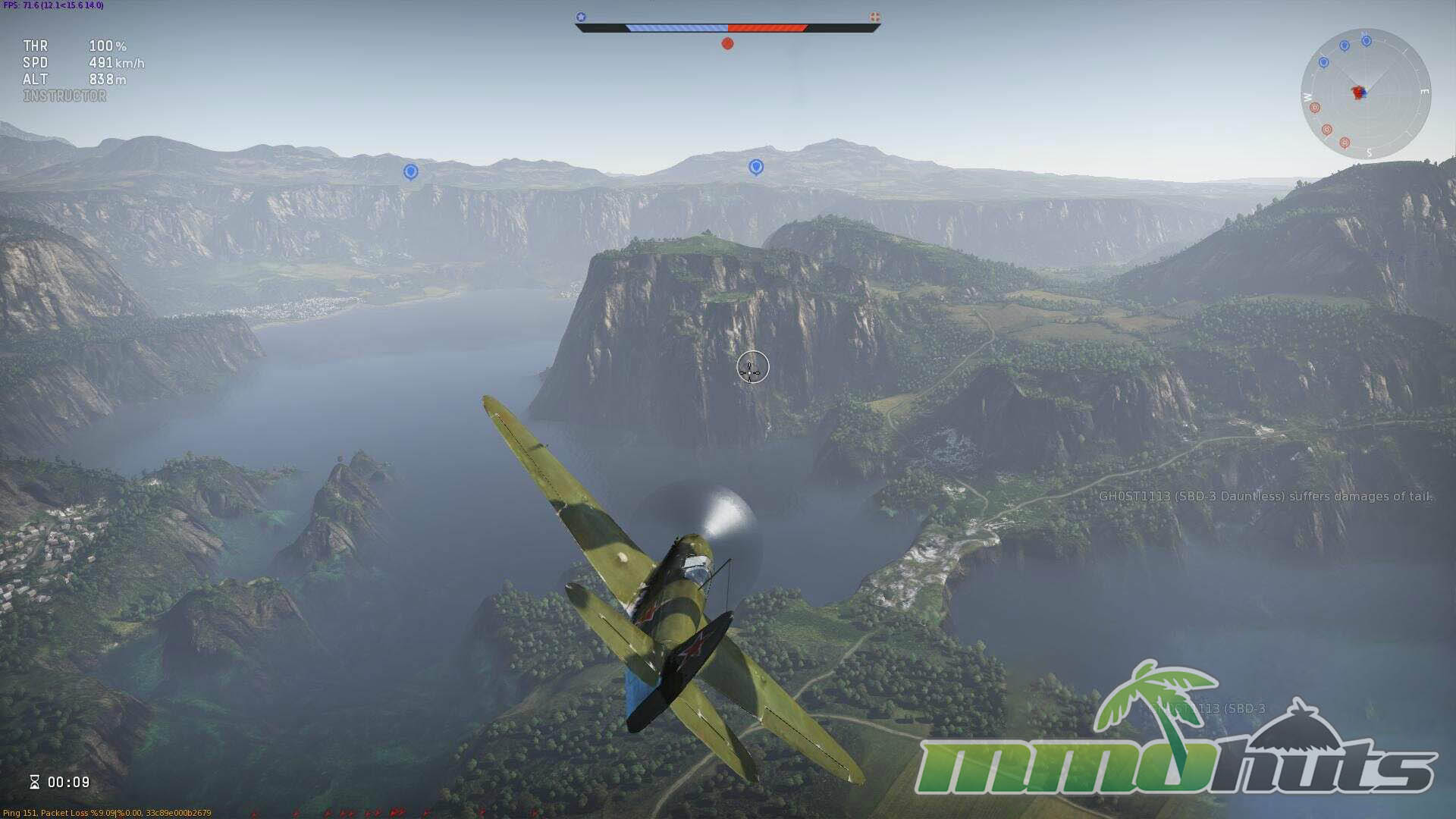
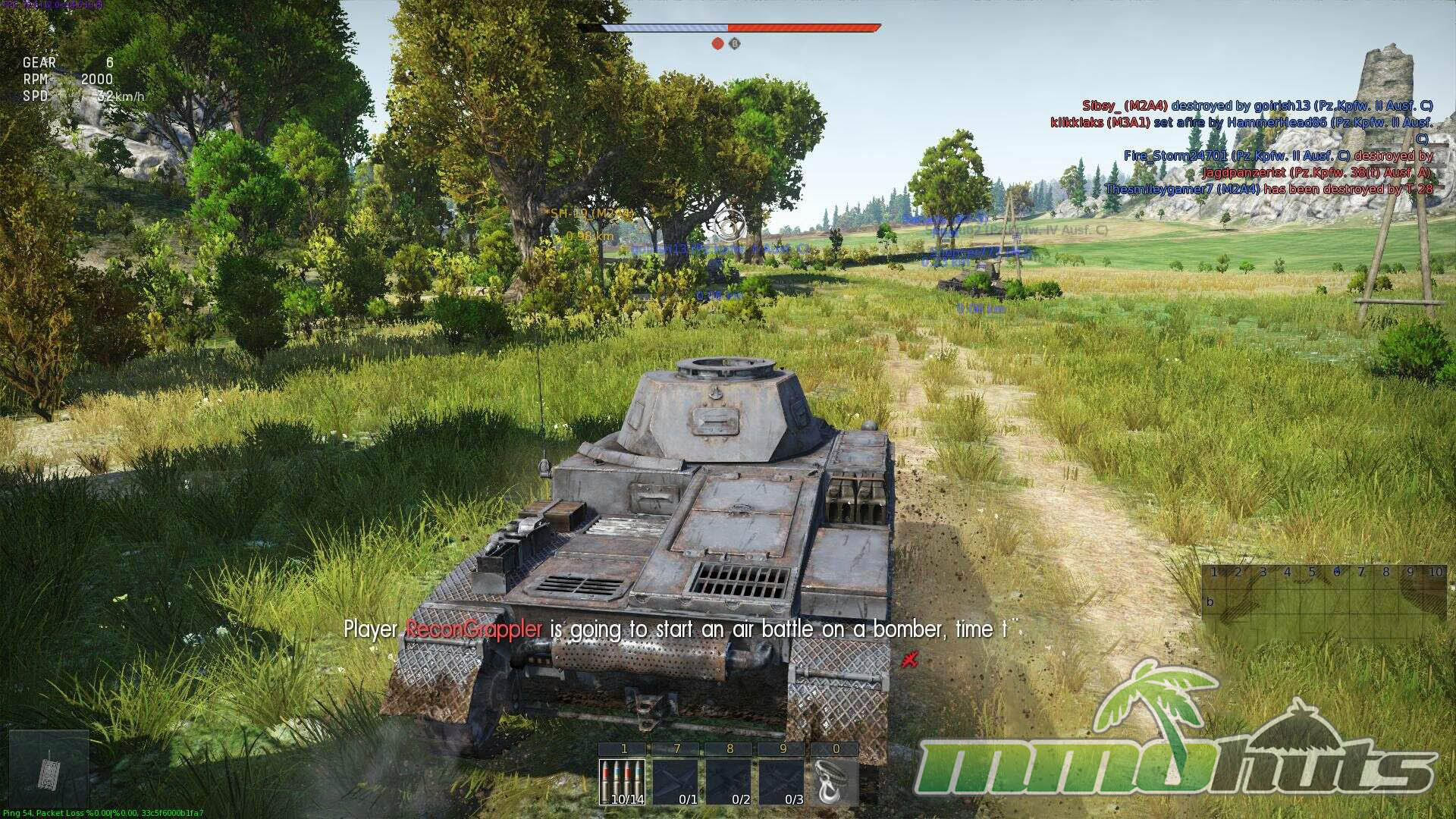
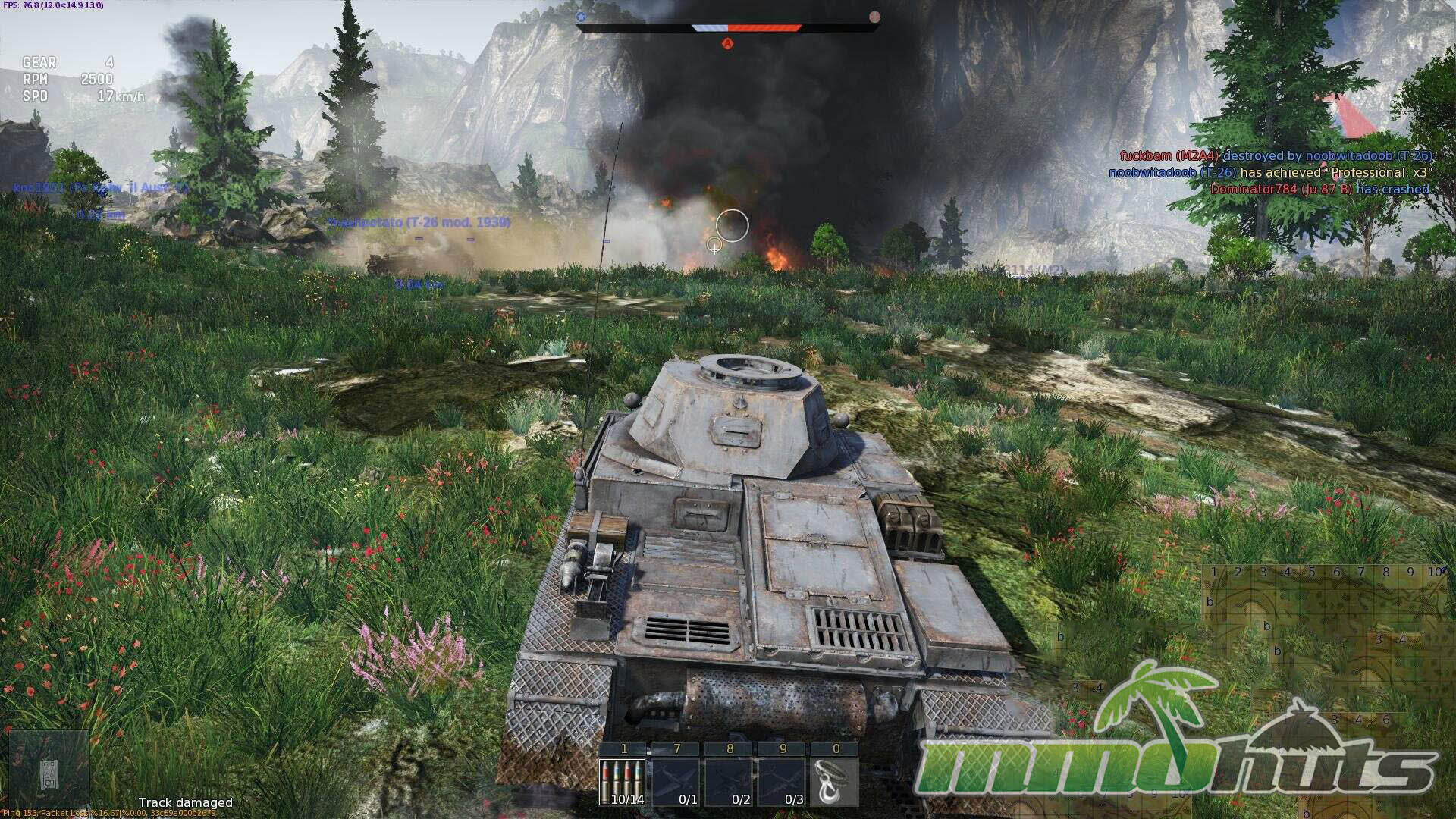
At its core, War Thunder is about choosing a vehicle, entering a match, and contributing to your team’s objectives through combat and positioning. Players can specialize in planes or tanks, and the selection is extensive, with over 350 aircraft and more than 140 tanks available. Maps span a wide range of sizes, from 65 km x 65 km arenas up to very large 200 km x 200 km battlefields. Locations are inspired by WWII theaters, including places like Stalingrad and the Palau Chain.
The game’s major decision point is the ruleset you queue for. War Thunder supports three distinct PvP styles, each tuned for a different kind of player:
- Arcade Battles – the most accessible and fastest-paced option. Matches can include up to 32 players split into two teams and are organized by battle rating. Controls, flight behavior, and damage modeling are simplified, and conveniences like aiming assistance and multiple camera views help new players get into the action quickly.
- Realistic Battles – a more demanding format that expects stronger fundamentals. Vehicles behave with more grounded physics and stricter limitations, and aircraft must return to base to reload. Teams are restricted so that each side uses vehicles from a single nation, which supports themed matchups that can mirror famous engagements such as Midway or Stalingrad.
- Simulator Battles – the most hardcore rule set, aimed at players who want a true simulation flavor. Views are locked to first person, vehicle handling is more authentic, and controls are more involved. This mode favors joystick, gamepad, or “mousejoy” setups rather than the mouse-aim style used elsewhere.
Matchmaking takes your vehicles and their modifications into account, which helps keep opponents in a similar performance band. This also influences how quickly you can enter certain events, where vehicles are restricted or scenarios are structured around special rules.
Arcade Battles, built for momentum
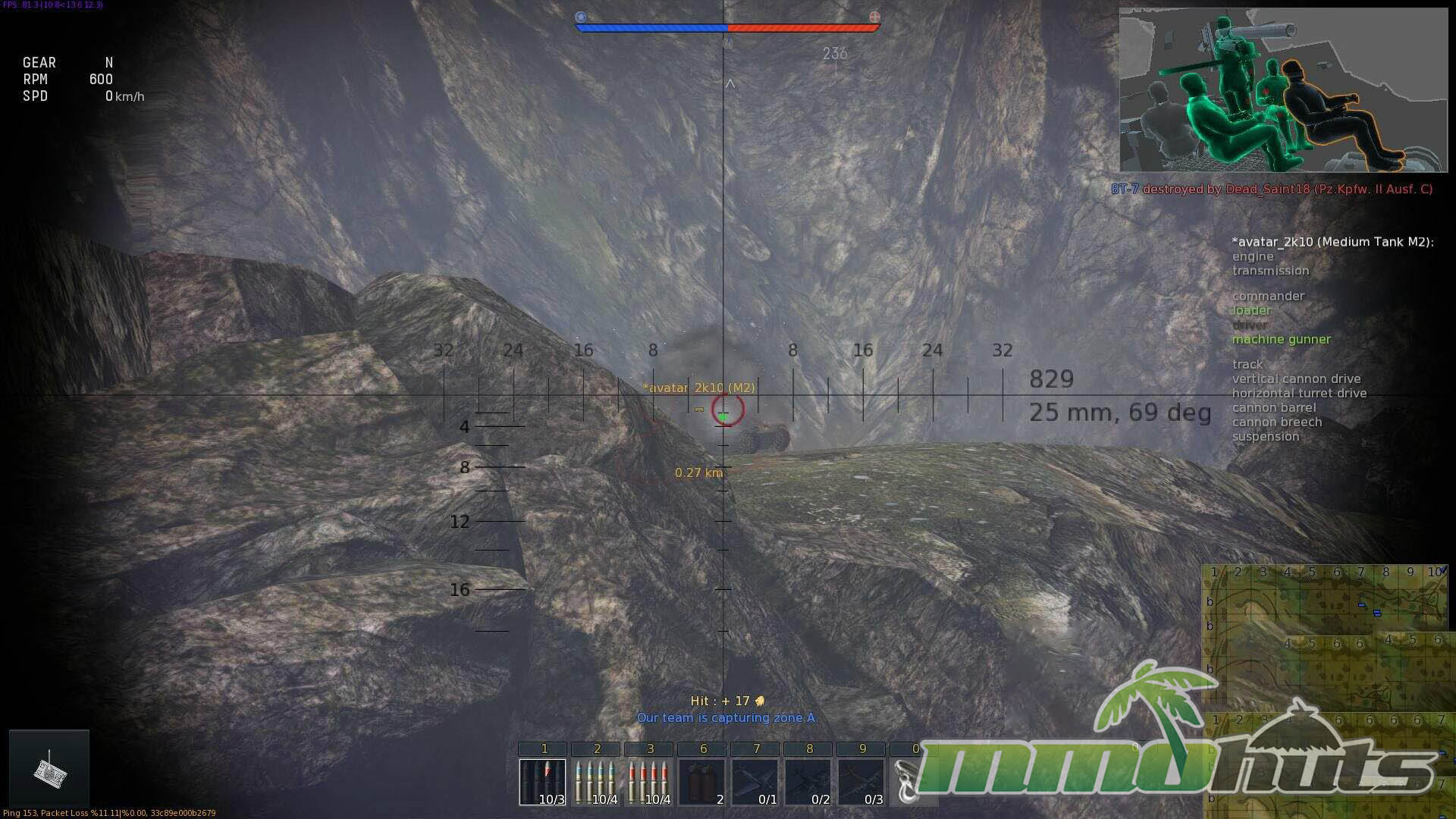
Arcade Battles are designed to get players fighting quickly, with large teams, quick respawns, and a forgiving layer of assistance. Objectives depend on the match type. In tank battles, you will commonly fight over capture points or contested objectives that drain the enemy’s tickets when controlled. In the air, arcade battles generally focus on modes such as Ground Strike, where teams work to eliminate ground or naval targets and enemy aircraft, or Domination, where airfields are captured by landing on them and holding control for a short time.
Even with the “arcade” label, the mode still rewards smart flying, situational awareness, and knowing what your vehicle can and cannot do. The assists make aiming and navigation easier, but careless positioning can still get you deleted quickly, especially when multiple enemies focus fire.
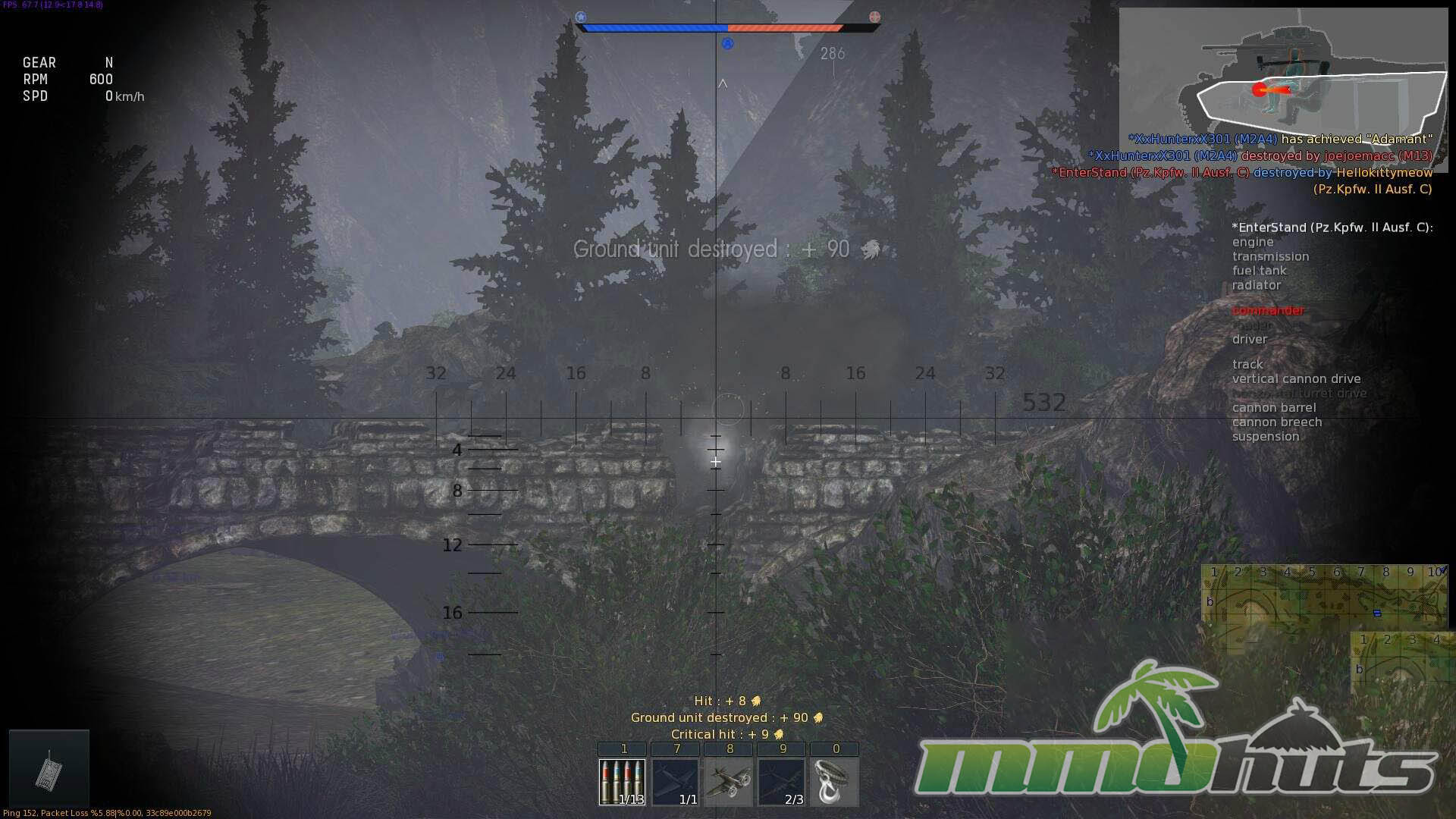
Arcade matches do not aim to recreate specific historical operations, and they loosen the rules to keep the action constant. Lead indicators and simplified physics enable aggressive maneuvers that would be punishing in other modes. That said, War Thunder retains enough simulation DNA that vehicles still feel distinct. Differences in turn rate, acceleration, weapon performance, and survivability matter, and tanks still force you to respect reload timing and cover usage. Arcade is the easiest on-ramp, but it is not a free win button.

Realistic Battles for players who want consequences
Realistic Battles (previously known as Historical Battles) add context and restraint. You are assigned to a nation’s side, and scenarios can be framed around major battles such as the Battle of Stalingrad, with objectives that vary based on the match’s theme.
The bigger change is mechanical: assistance is reduced, and vehicles demand better handling. Aircraft lose arcade-style aim help, and tank optics and targeting are less generous. Damage modeling also becomes less forgiving, and survival often depends on shot placement, angling, and understanding weak points rather than simply landing the first hit. Flight behavior is also stricter, with factors like G-force and structural stress becoming relevant. Logistics matter too, since aircraft need to land at an airfield to rearm and repair instead of instantly refreshing mid-fight. Tanks likewise feel heavier and more constrained, with terrain and vehicle stats playing a larger role in how engagements unfold.

Simulator Battles and the “learn to fly for real” feeling
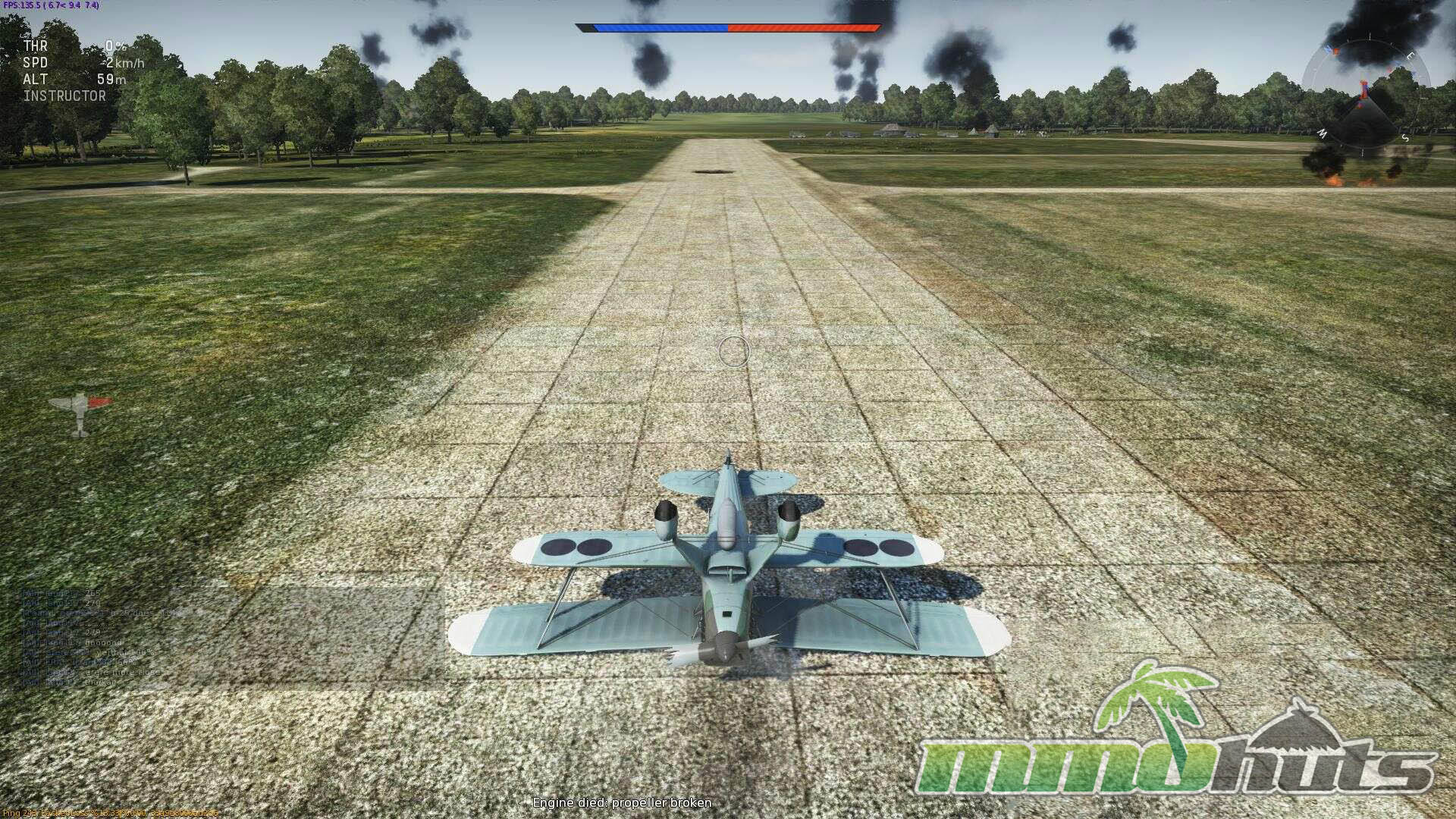
Simulator Battles are where War Thunder leans hardest into its sim roots. The perspective is locked to first person, and the game expects you to rely on instruments, sightlines, and practiced control rather than external cameras and UI assistance. Tanks become a test of spotting and precise gunnery without aim aids, while aircraft require the most commitment. Basic tasks like takeoff, landing, and managing the plane’s behavior under stress can be challenging, especially for players new to flight sims. The mode captures the idea that piloting is a skill in itself, with realistic pitfalls such as stalling and loss of control if you mishandle the aircraft.
War Thunder vs. World of Tanks
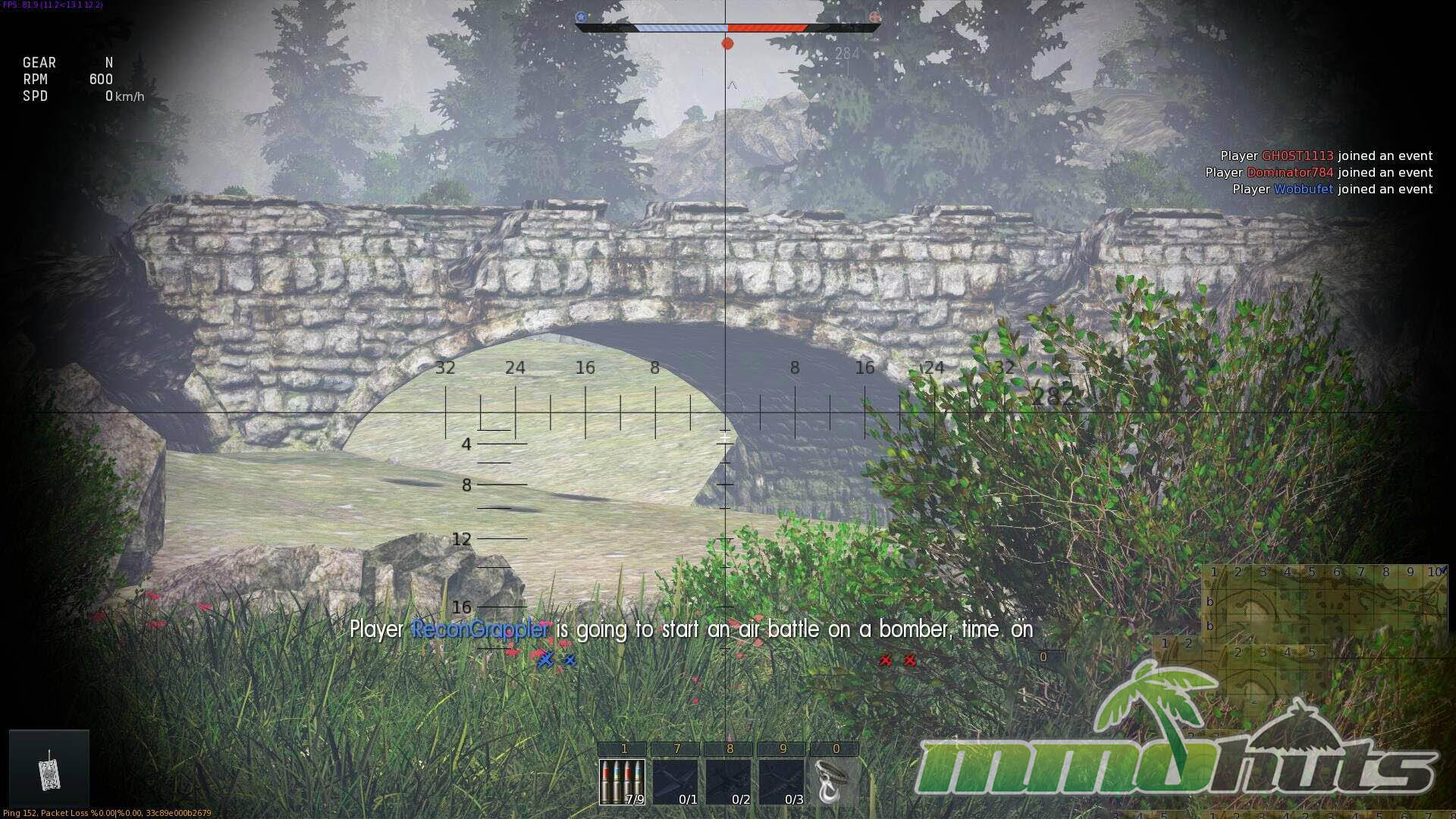
Once War Thunder expanded into ground combat, comparisons to World of Tanks were inevitable. Despite the shared theme and tanks-as-the-main-actor setup, the two games feel quite different. War Thunder’s ground battles tend to emphasize vehicle behavior and damage modeling in a way that is closer to simulation, even when played in less strict modes. World of Tanks is generally more streamlined, with a progression and upgrade flow that many players find easier to parse at a glance.
Another major difference is how each game’s monetization affects combat. World of Tanks is often criticized for pay-to-win leaning elements, such as Gold Bullets that improve penetration and damage. War Thunder’s paid options are more focused on accelerating progression and offering premium vehicles rather than directly selling raw combat advantages in the same way. Ultimately, the better fit depends on whether you prefer accessibility and simplicity or a more grounded handling model and tactical nuance.
Vehicles
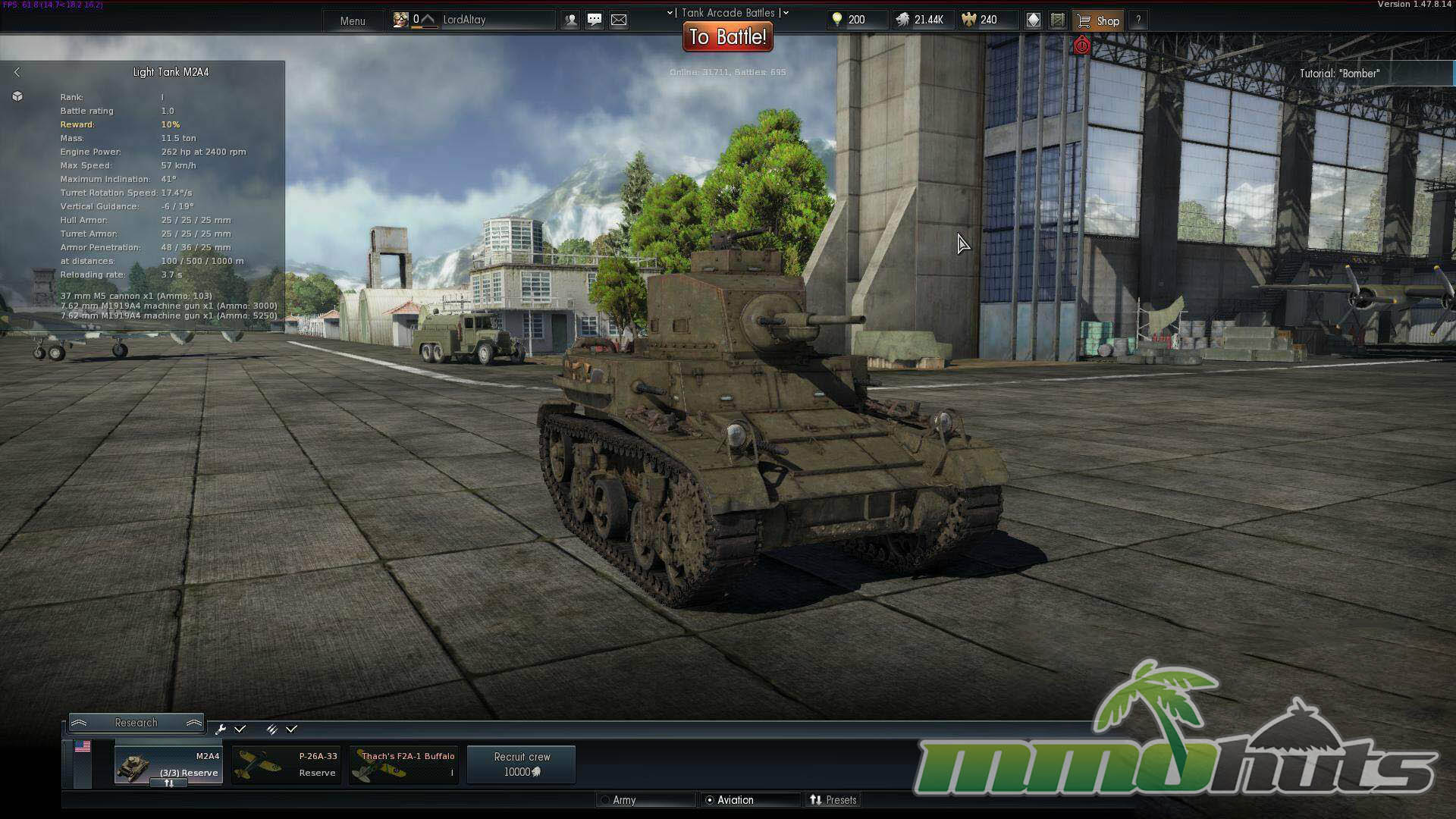
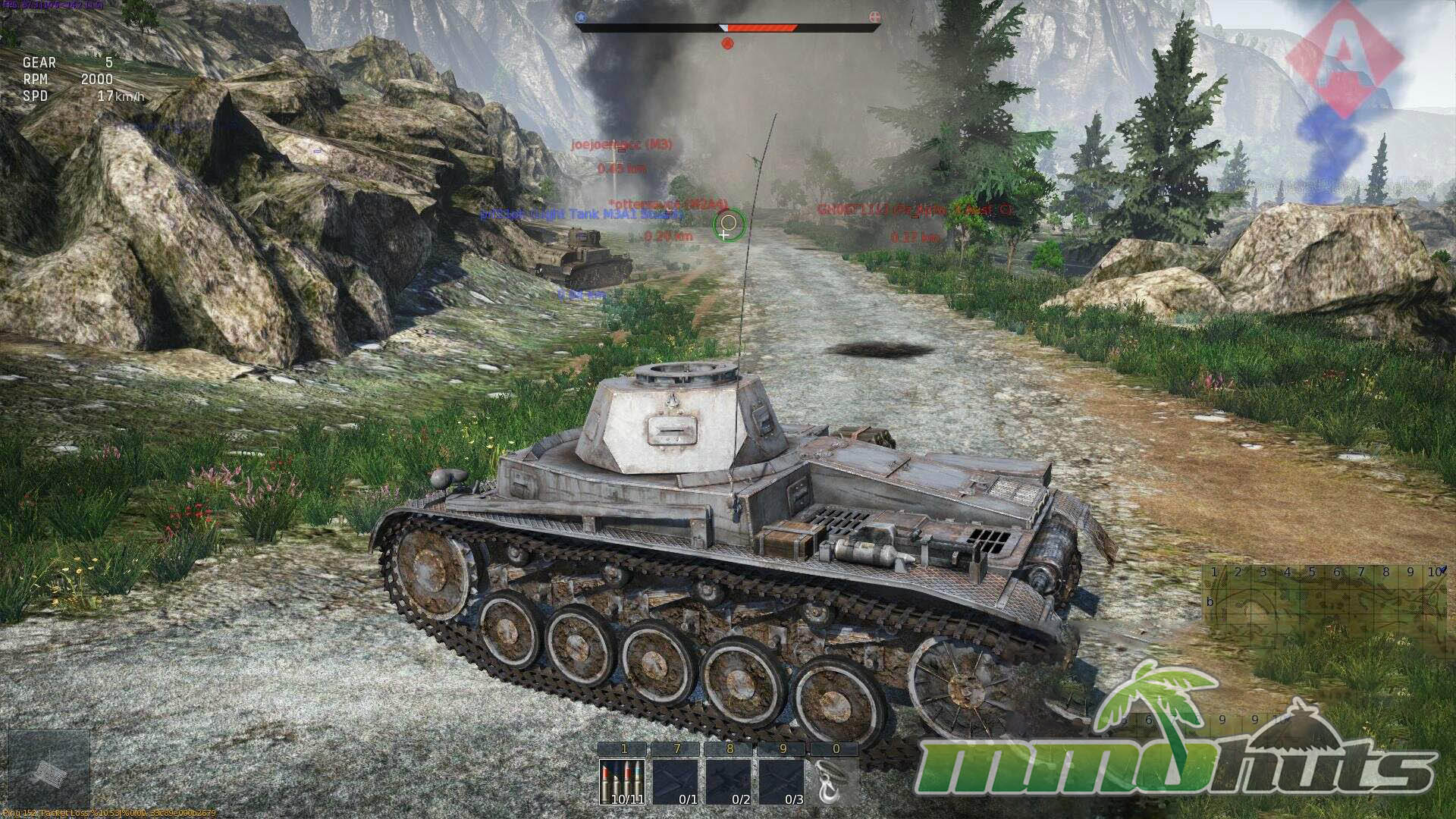
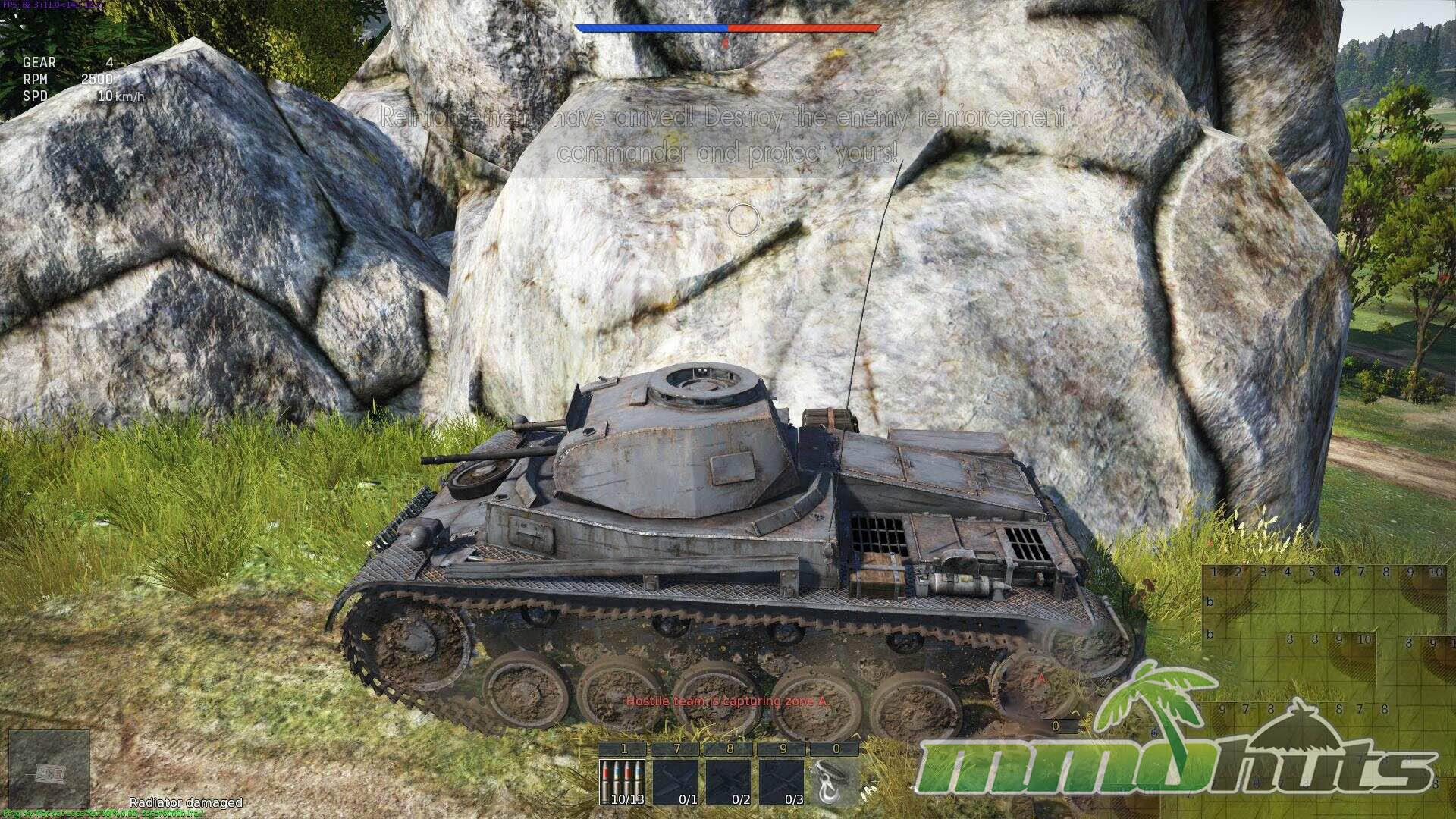
Variety is one of War Thunder’s strongest selling points. The game offers several hundred aircraft across multiple nations, plus well over a hundred tanks, and the design philosophy puts historical authenticity front and center. The modeling goes beyond visuals, since performance characteristics influence how each machine plays. Aircraft differ in climb rate, turning behavior, speed envelopes, payload options, and weapon layouts. Tanks likewise vary in engine power, top speed, armor thickness, and battlefield roles.
Customization and improvement come through modifications. After battles you earn research points tied to the vehicles you used, and you can allocate those points into specific upgrades, such as better ammunition, improved components, or vehicle performance tweaks. Each modification requires a set amount of research to unlock. For players who want to accelerate progression, Gold Eagles can be used to unlock modifications immediately.
The Store + Premium Accounts
War Thunder’s shop sells premium packs ranging from $4.99 starter options up to $79.99 bundles. These packs typically include premium vehicles, Golden Eagles, and Premium account time. Premium accounts offer quality-of-life benefits and faster progression, including increased rewards such as additional Silver Lions and experience, plus perks like extra decal slots.
Premium vehicles are generally delivered fully upgraded, and they are designed to be efficient earners. They grant increased research points and Silver Lions, which makes them appealing for players who want to progress more quickly through multiple vehicle lines.
Economy-wise, the game uses two currencies. Silver Lions are earned through play and cover most practical expenses, such as buying vehicles, paying for repairs, purchasing ammunition, opening new crew slots, and unlocking modifications. Golden Eagles are the premium currency and can be used for Premium time, premium vehicles, faster crew development, extra hangar slots, and reserved planes. Golden Eagles can also be exchanged into Silver Lions.
Final Verdict – Great
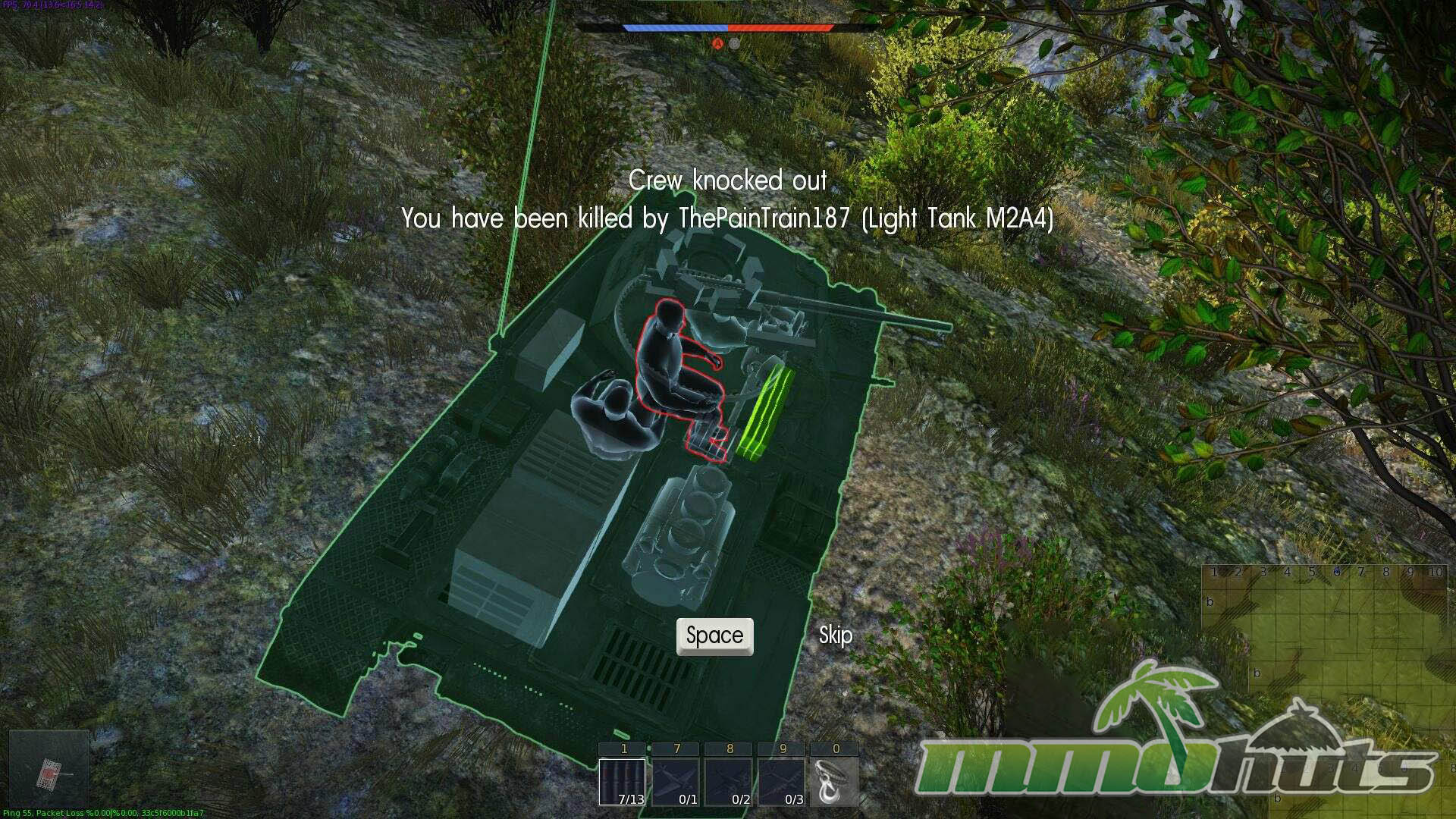
War Thunder stands out because it makes vehicle operation matter. In the air, you are not just pointing a crosshair at targets, you are managing a machine with limitations, and those limitations can punish overconfidence. G-forces can knock out your pilot, damage can compromise control surfaces, and a single bad decision in positioning can spiral quickly. On the ground, damage affects more than a simple health bar. Individual components and crew members can be disabled, turning a working tank into a helpless target if your driver, suspension, or key systems get knocked out.
That extra layer of simulation can be demanding, and it will frustrate players who want instant, consistent results. At the same time, it is the reason victories feel earned. War Thunder also benefits from strong presentation and an impressive catalog of vehicles, especially on the aviation side, which remains the most developed part of the experience due to the game’s origins. If you enjoy WWII hardware and want a PvP game that can scale from casual to very serious, War Thunder is easy to recommend.
War Thunder Links
War Thunder Official Website
War Thunder Wiki [Database / Guides]
War Thunder Wikipedia Page
War Thunder Steam Page
War Thunder Subreddit
War Thunder Metacritic Page
War Thunder System Requirements
Minimum Requirements:
Operating System: Windows XP / Vista / 7 / 8 / Mac OS X / Linux
CPU: Intel Pentium 4 2.4 GHz / AMD Athlon XP 2200+
Video Card: Nvidia GeForce 7900 GT / ATI Radeon X1900 series
RAM: 2 GB
Hard Disk Space: 8 GB
Recommended Requirements:
Operating System: Windows 7 / 8 / Mac OS X / Linux
CPU: Intel Pentium Core 2 Duo E6600 2.4 GHz / AMD Athlon 64 X2 Dual Core 4800+ or better
Video Card: Nvidia GeForce 460 GTX / ATI Radeon HD 6850 or better
RAM: 4 GB or better
Hard Disk Space: 11 GB
War Thunder is compatible with MAC OS X / Linux
War Thunder Additional Information
Developer: Gaijin Entertainment
Composers: Jeremy Soule, Georgy Zheryakov, Zakhar Antonov, Alexander Chorni
Game Engine: Dagor Engine
Steam Release: August 15, 2013
Other Platform Release Dates:
MAC OS X: September 16, 2013
Linux: November 6, 2014
PlayStation 4: November 29, 2013 (EU) / June 3, 2014 (NA)
Development History:
Development for War Thunder began in 2009 under the title World of Planes. The name was changed on January 24, 2012 to avoid confusion with another free-to-play title called World of Warplanes by Wargaming. The new name also made it easier to add additional features including tank and naval combat to the game.