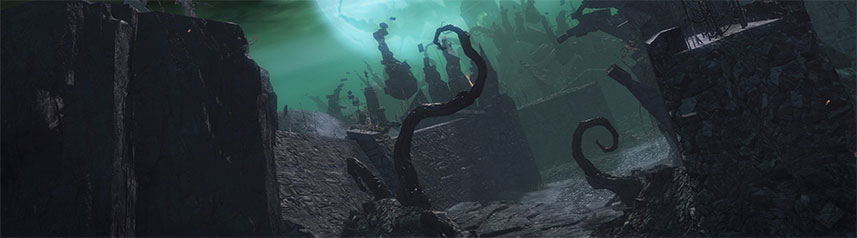
Tree of Life is a 3D fantasy sandbox MMORPG with a bright, cartoon-like presentation and a heavy lean toward cooperative survival. Dropped onto a dangerous continent controlled by hostile monster factions, players are encouraged to pool resources, build defensible settlements, and endure both environmental threats and the risks that come with open PvP.
 | Publisher: OddOneGames Type: Sandbox Survival MMO PvP: Open PvP with penalties Release Date: May 27 2015 Shut Down: January 31, 2021 Pros: +A world that changes over time. +Freedom to build nearly anywhere and reshape terrain. +Strong potential for large guild-driven towns. Cons: -Player-made clutter can overwhelm the scenery. -The art style will not click for everyone. -The day and night loop feels too fast. |
Tree of Life Shut Down on January 31, 2021
Tree of Life Overview
Tree of Life is a South Korean indie take on the survival sandbox formula, built less around constant player hostility and more around shared construction and defense. Instead of the bleak tone common to many genre peers, it opts for colorful visuals and an overall mood that feels more adventurous than oppressive. The core loop is familiar: gather materials, craft necessities, establish a foothold, and gradually turn that foothold into a settlement that can withstand the world’s threats.
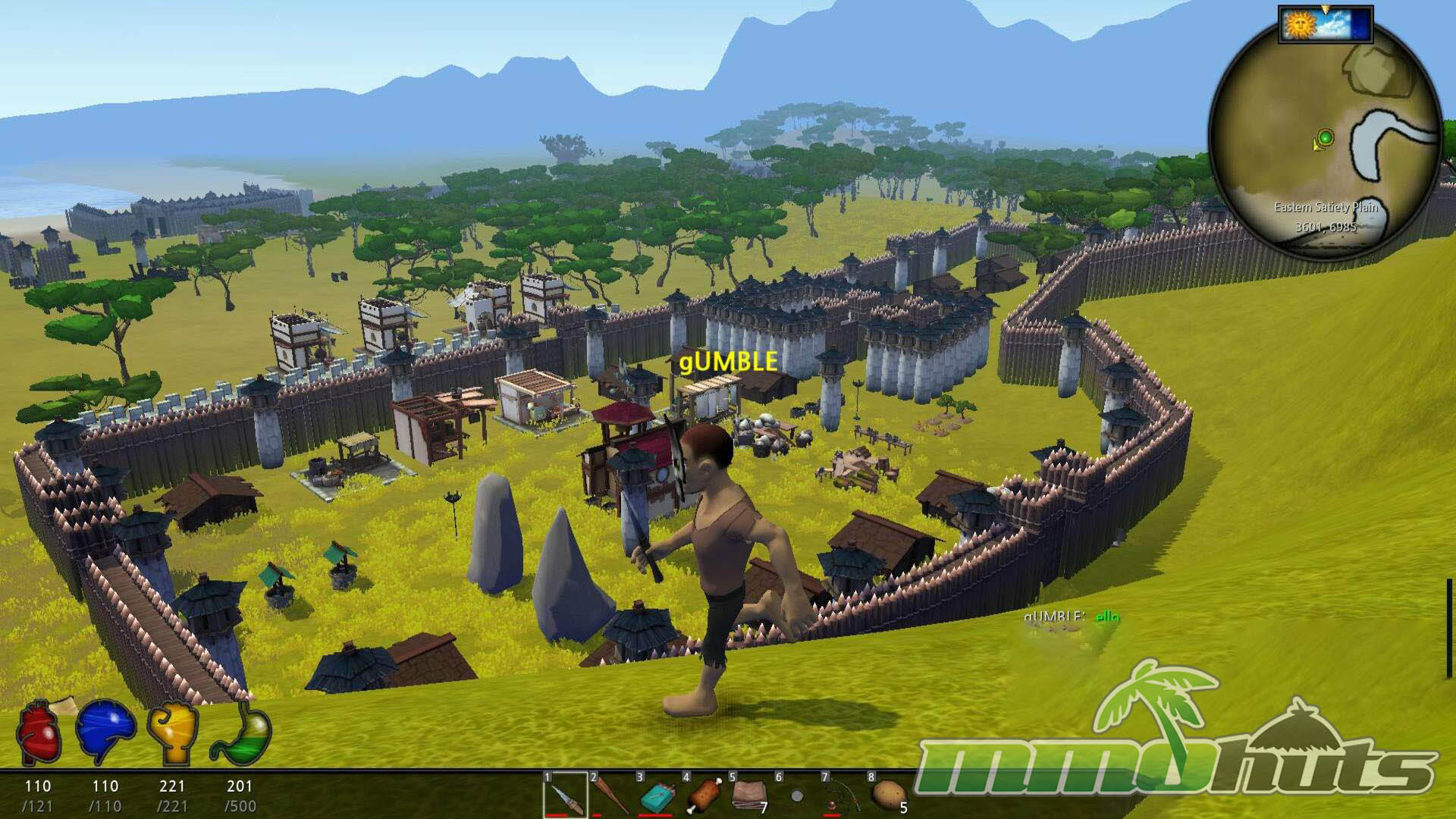
Cooperation is not just a nice bonus here, it is the main idea. Groups can organize into larger communities, elect leaders such as mayors or kings, and invest in fortifications like walls and watchtowers to protect supplies. The world pushes back through PvE pressure, with monster raids that scale with how established and resource-rich a settlement becomes. At the same time, Tree of Life does feature open PvP in the vein of Rust, DayZ, and H1Z1, but with stricter consequences for player-killers than for typical deaths, aiming to discourage random harassment without removing danger entirely.
Tree of Life Key Features:
- Hunting and Gathering – collect materials through fishing, farming, hunting wildlife, sheering sheep, chopping trees, and other survival staples.
- Build Your Empire – put up a personal home or coordinate with friends to create sprawling villages and even city-like hubs.
- Defend What’s Yours – work with allies to survive recurring attacks and protect structures and stored resources.
- A Shared Experience – Tree of Life supports over 1000 players per game world, making long-term social projects possible.
- Dynamic world – forests can grow or disappear based on how players interact with the environment, changing the map over time.
Tree of Life Screenshots
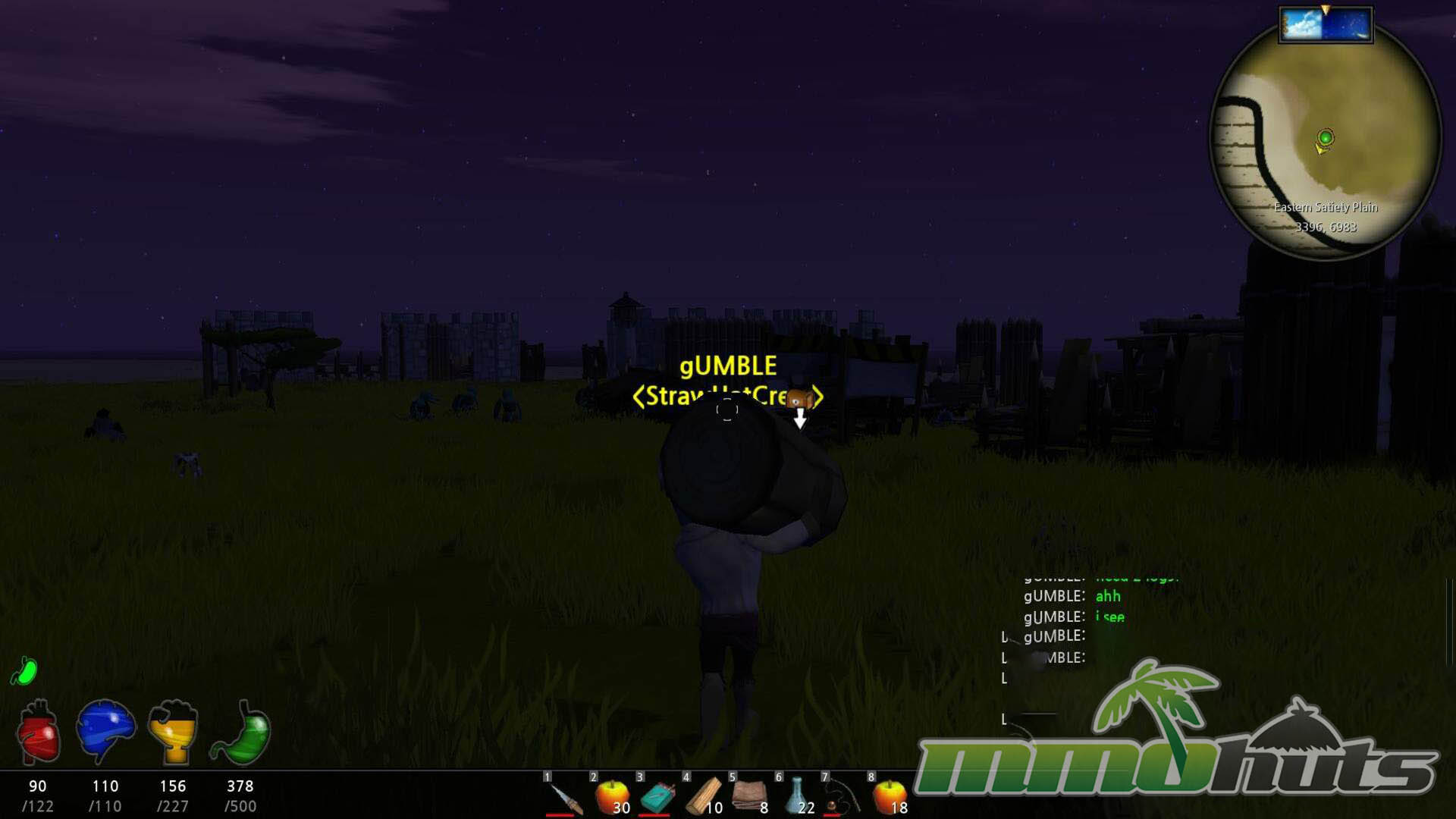

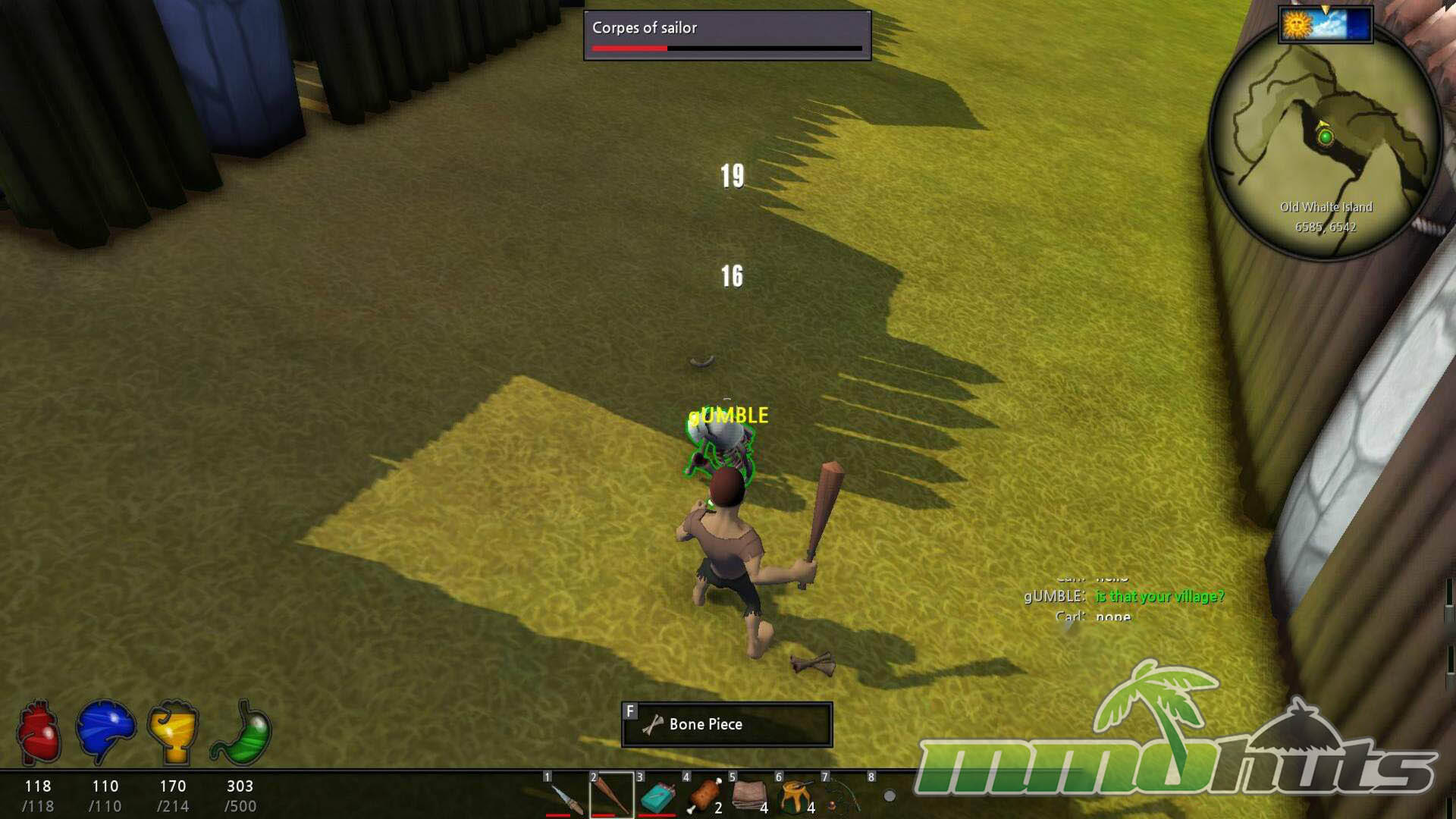
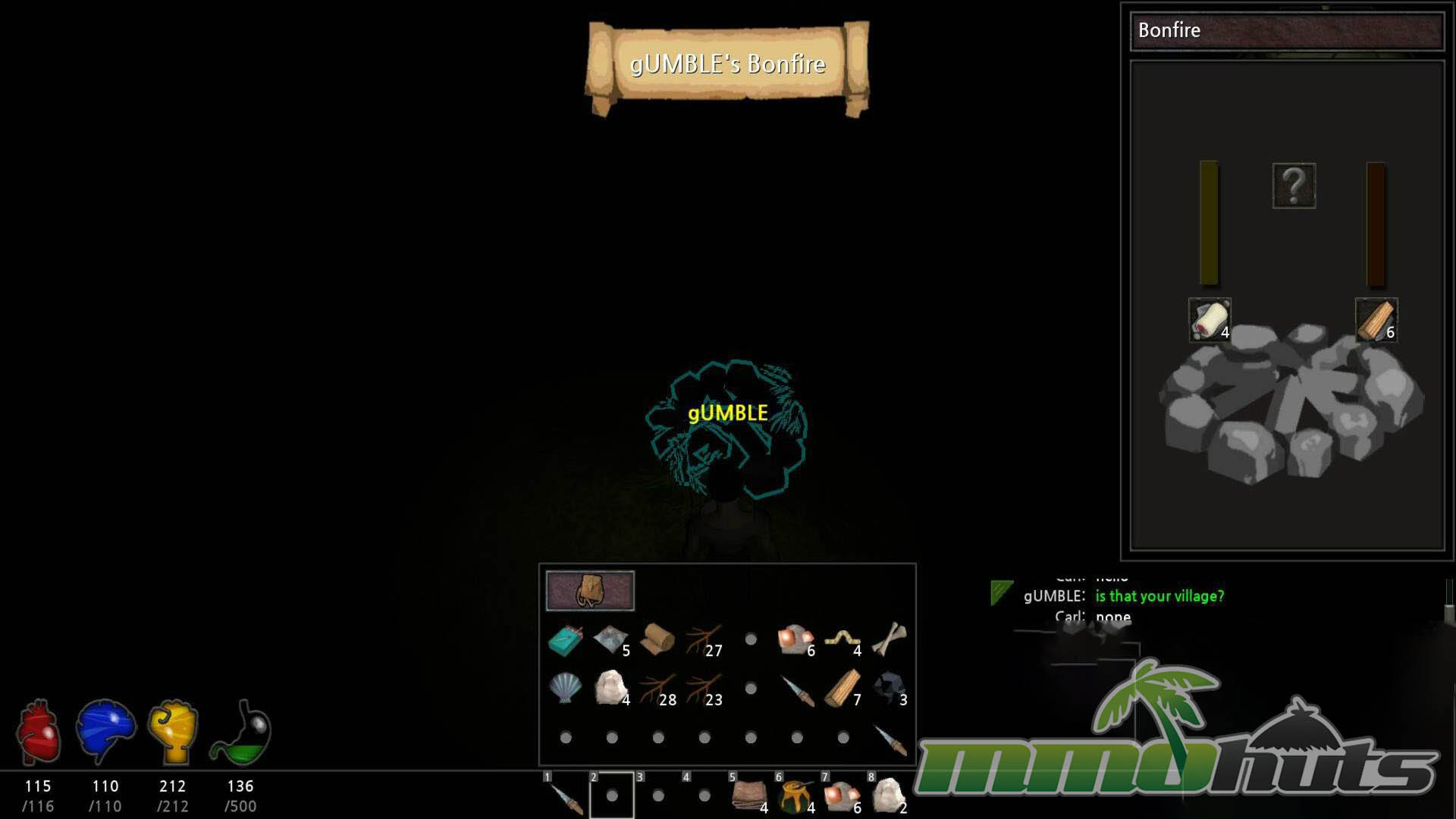
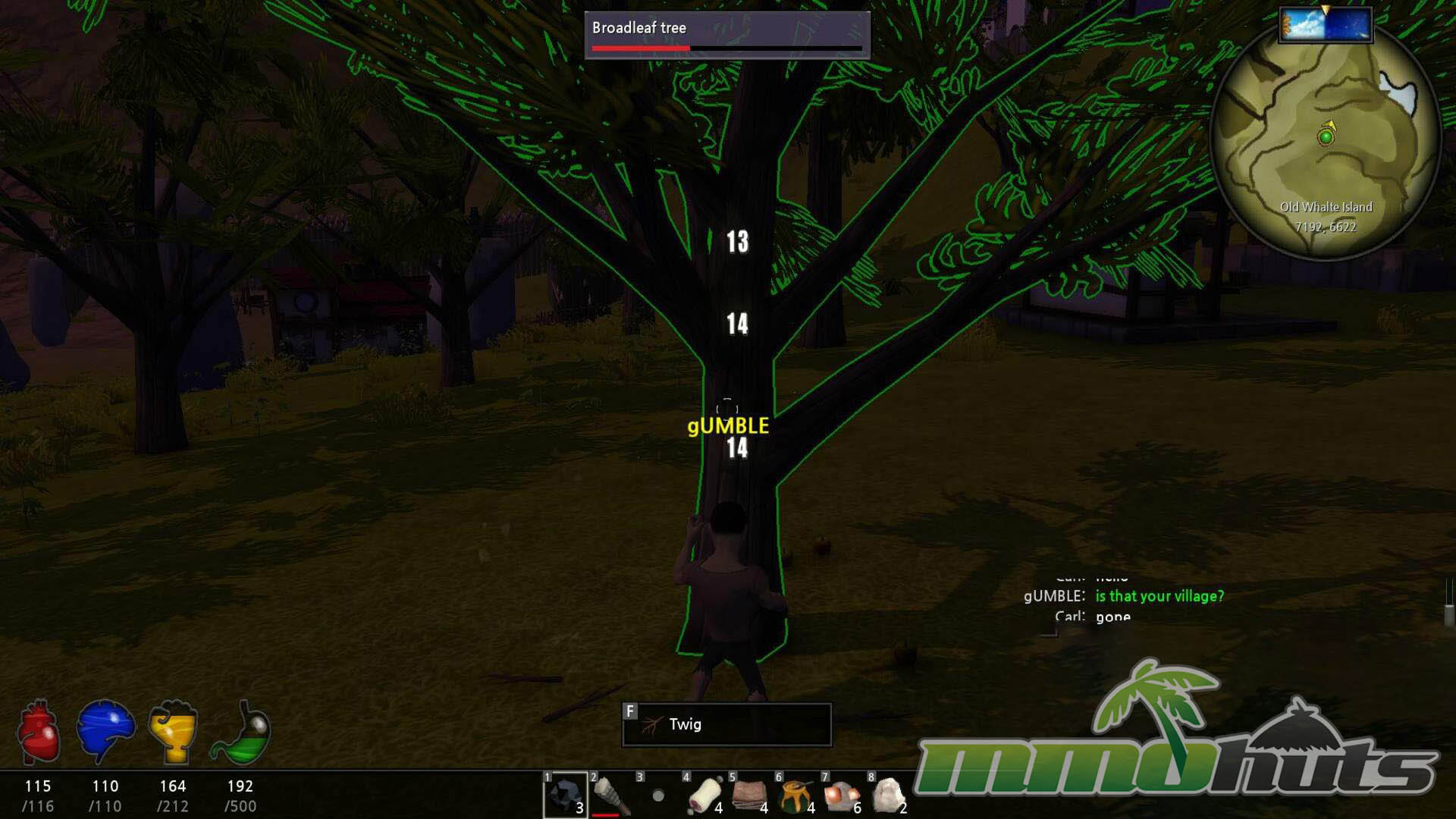
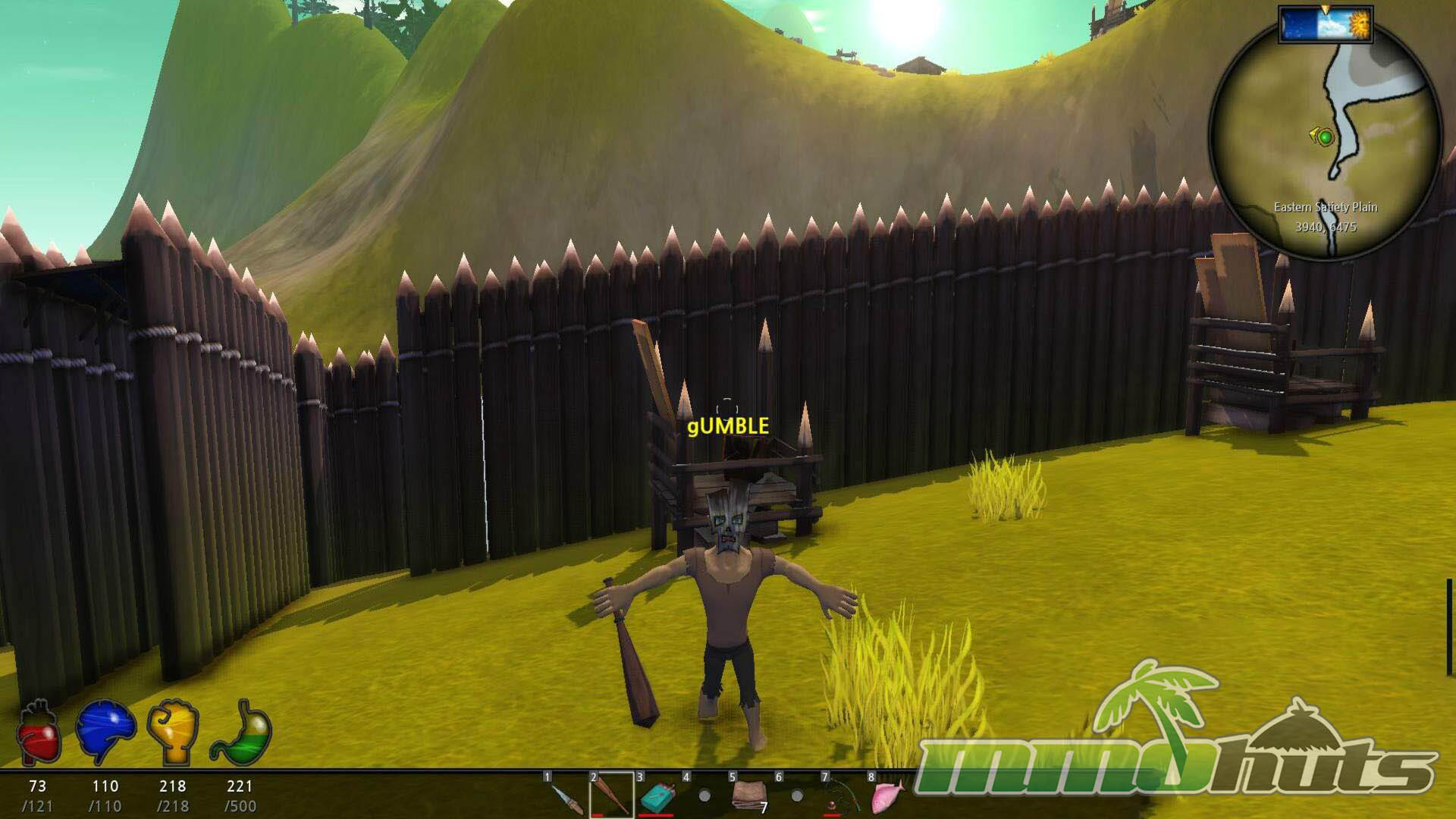
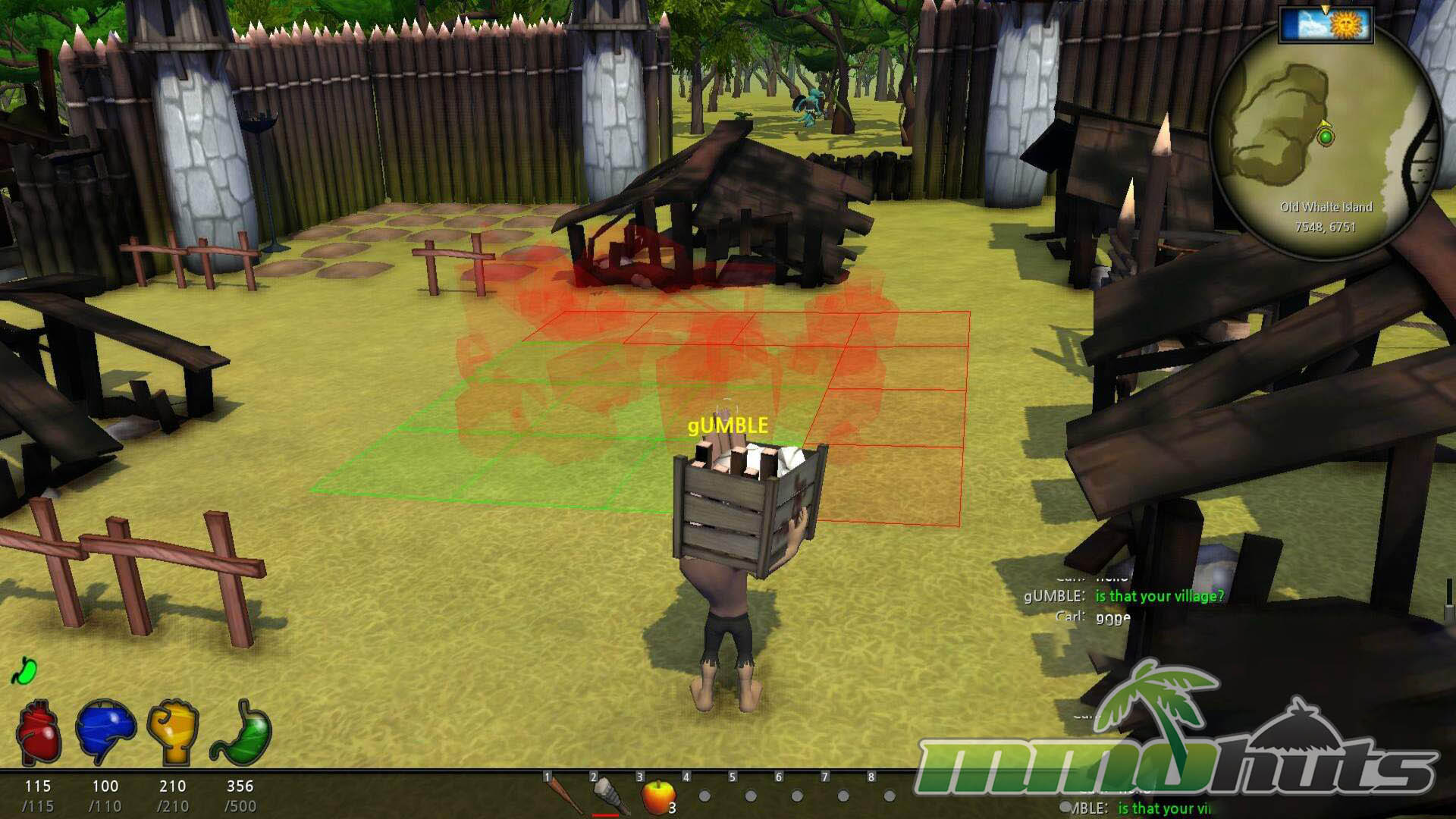
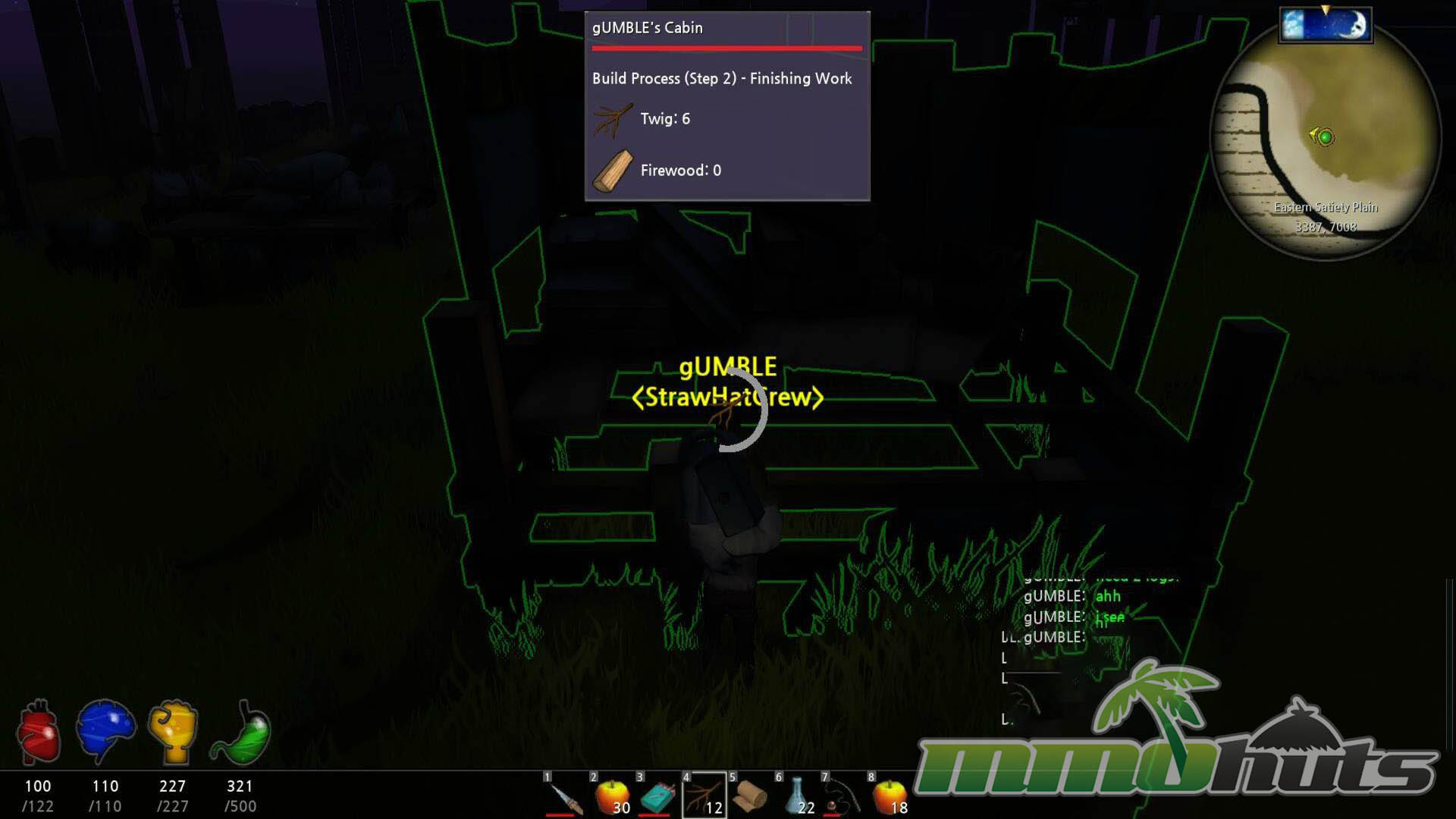
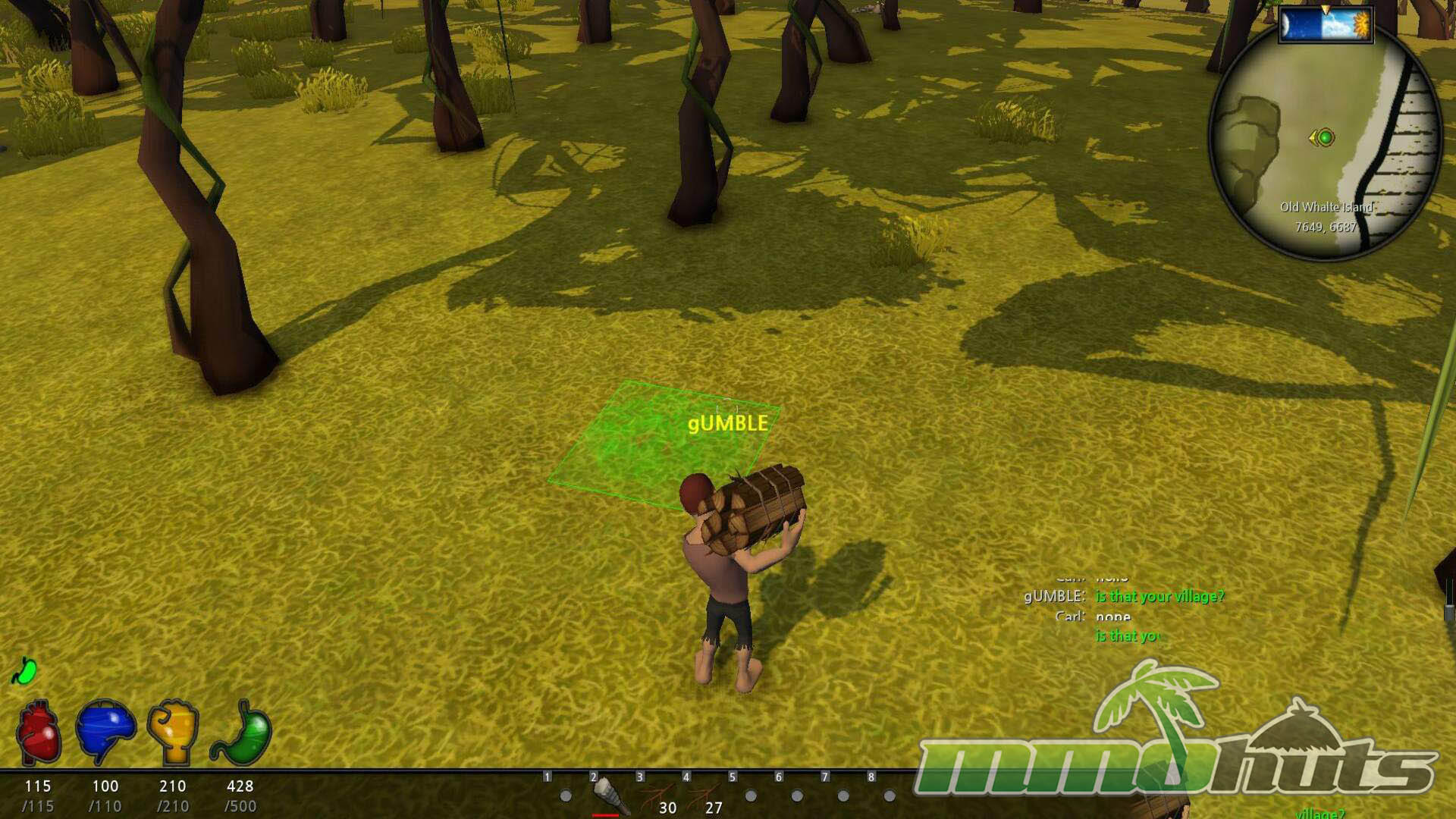
Tree of Life Featured Video

Tree of Life Review
Tree of Life immediately stands out in the survival MMO space because it looks and sounds friendlier than most games built around hunger meters and base raids. Going in, the promise is appealing: a sandbox where communities matter, monster attacks create a reason to build together, and PvP exists but is not meant to dominate the entire experience. In practice, it lands somewhere in the middle. The game supports cooperative play well, but it still inherits some of the same social and mechanical friction that defines the genre.
First Steps in the Wild
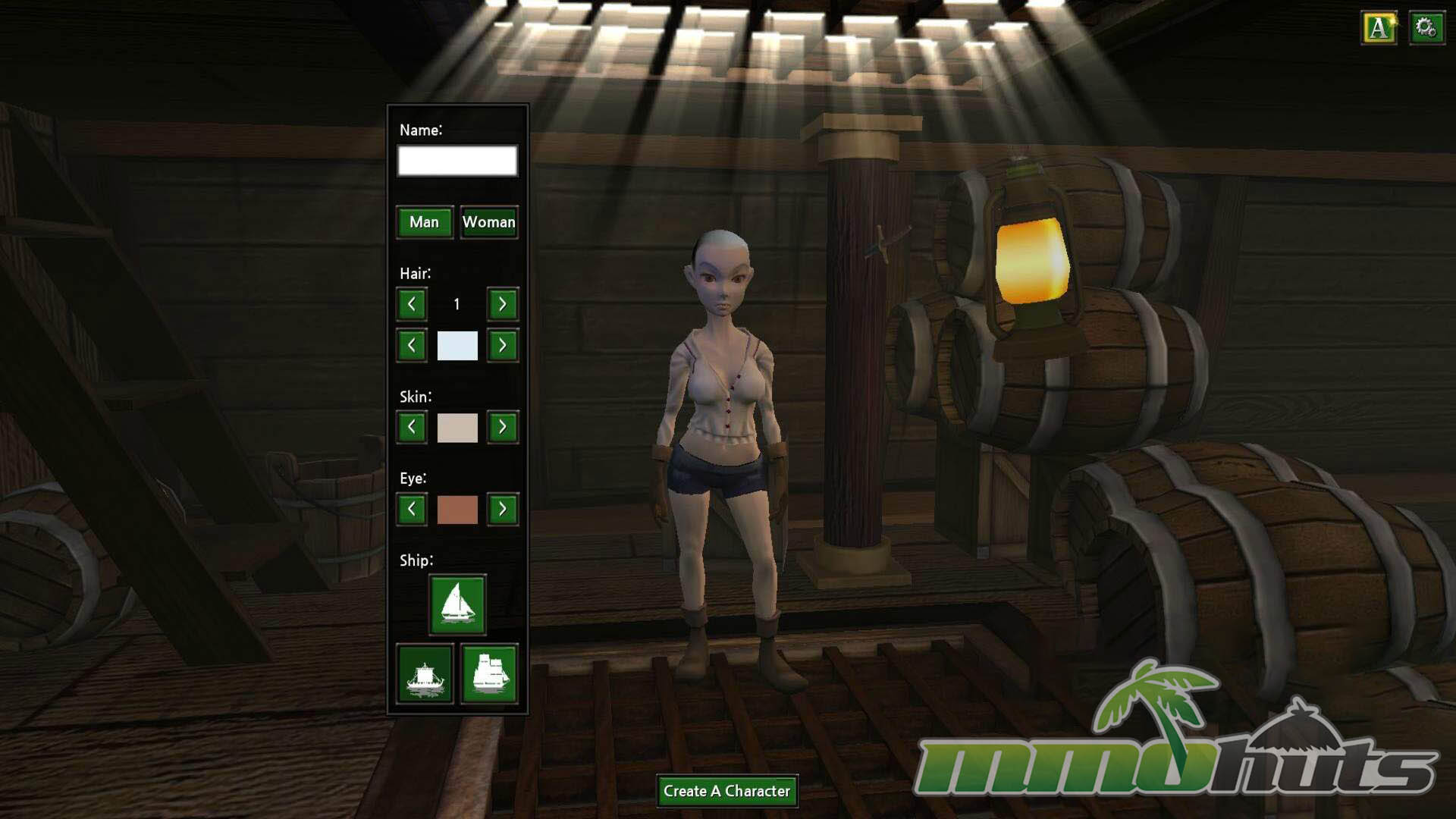
Character creation is straightforward and does not pretend to be a full character sculpting suite. You get enough choices to make a distinct avatar, but the real identity comes from what you do in the world, which jobs you pursue, and what you end up wearing or wielding. That simplicity fits the game’s lightweight feel and its focus on systems rather than cinematic presentation.
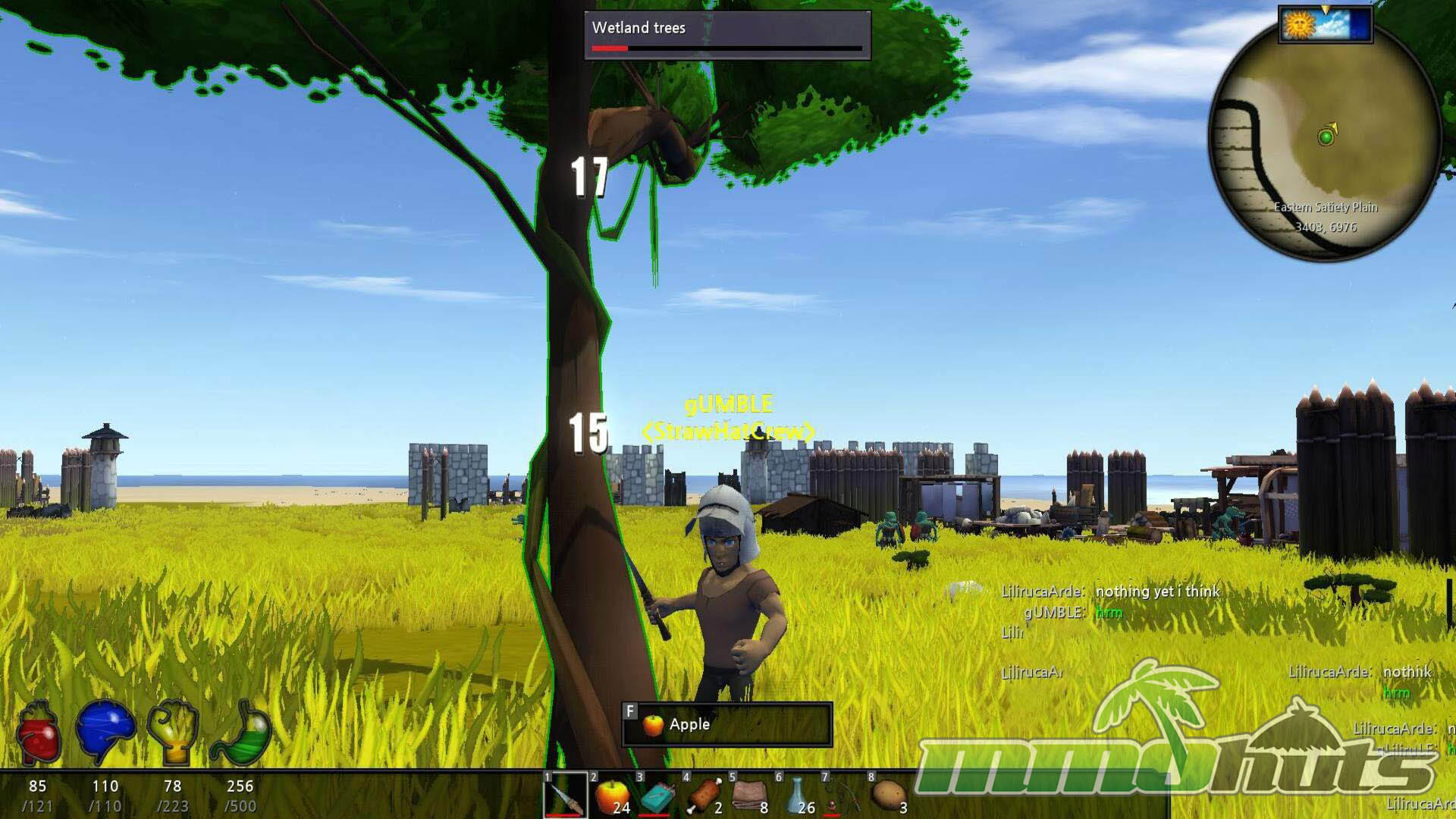
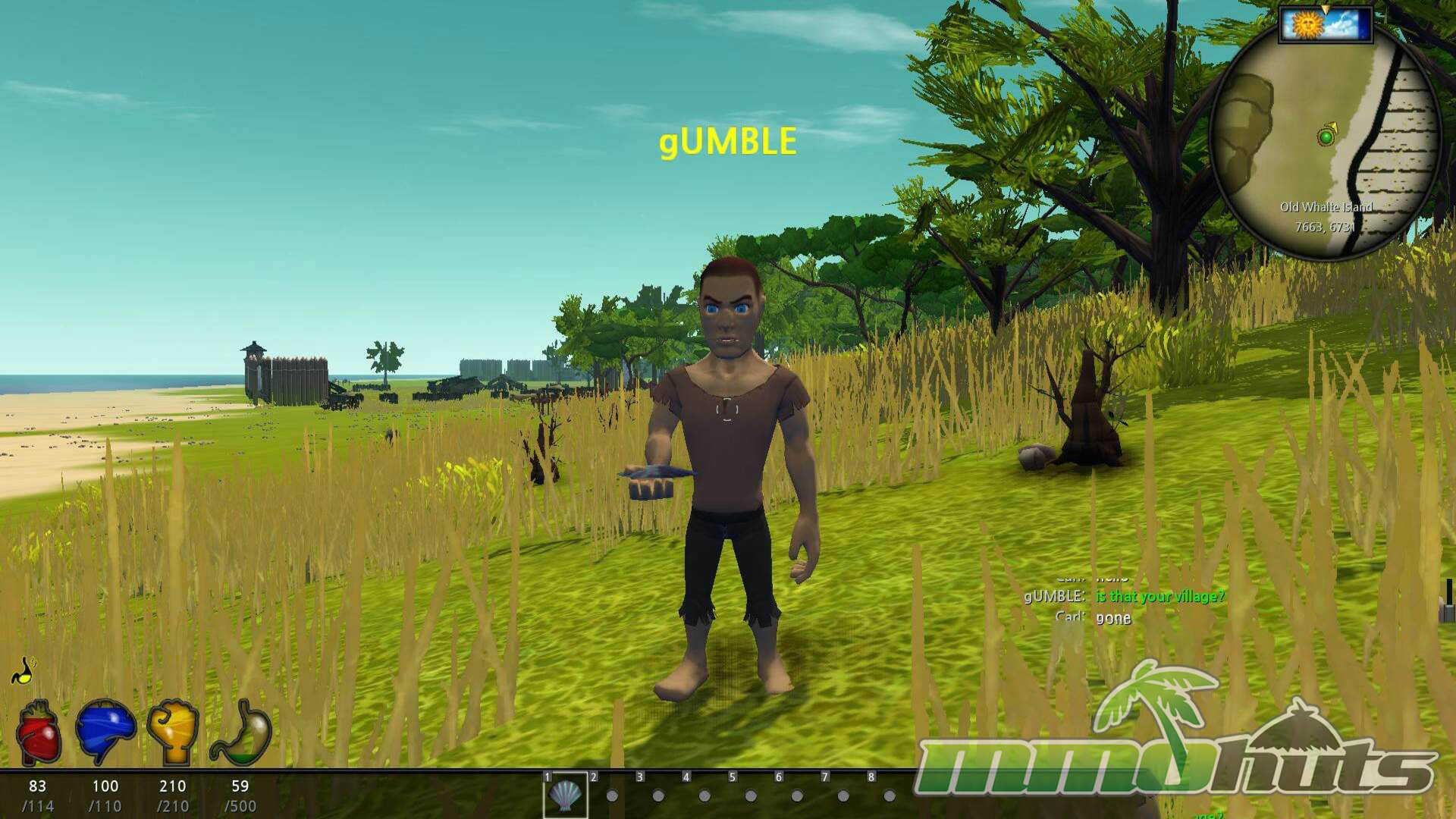
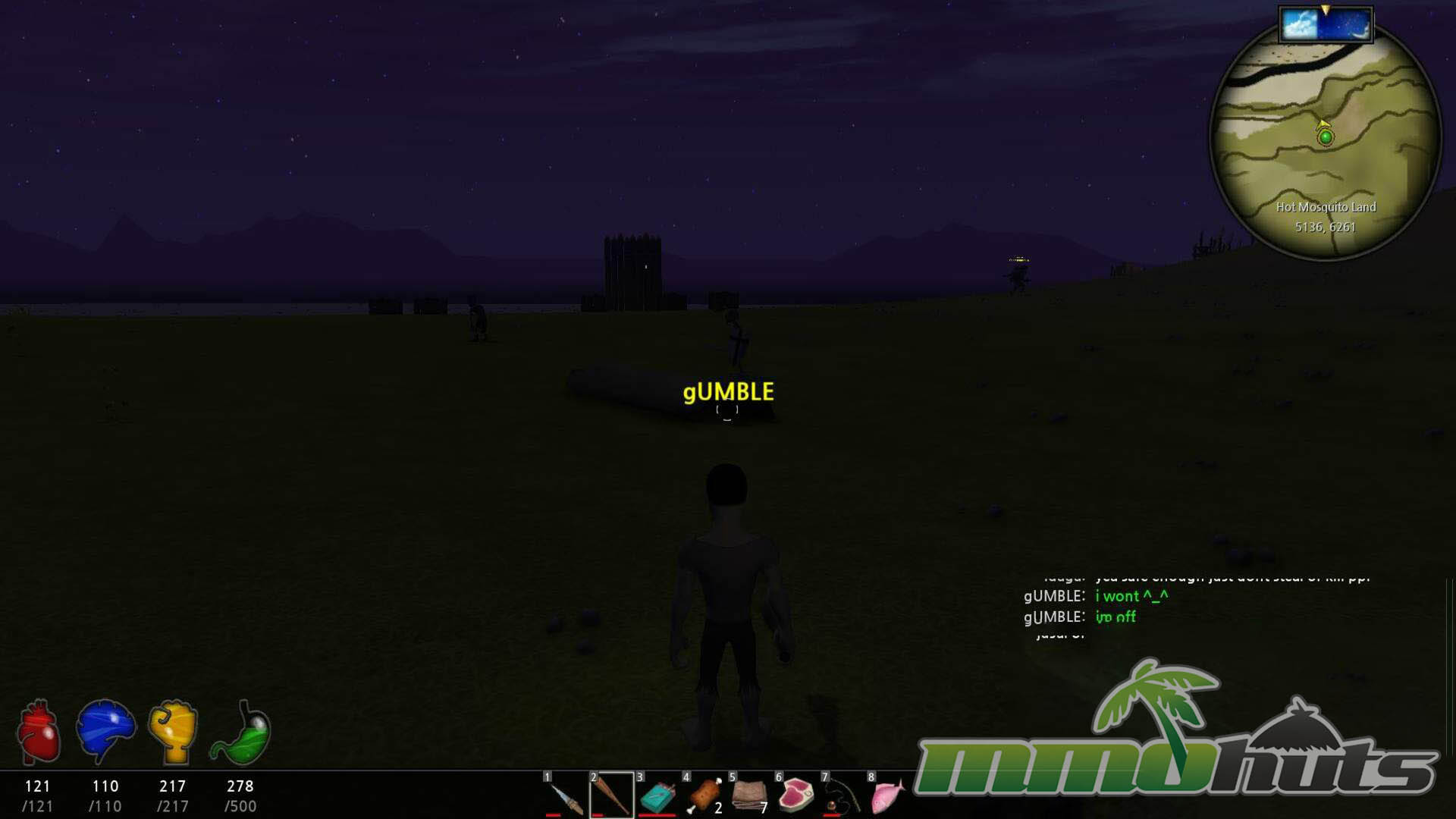
Once you spawn in, the tone is set by cheerful music and a bright visual style. Daytime feels almost cozy, while nighttime shifts into a more cautious rhythm. It is an intentional contrast: the world is inviting at a glance, but it still expects you to manage survival needs and prepare for danger. Performance is generally helped by the stylized visuals, and the game can display large clusters of player structures without the same heavy demands you might expect from a more realistic aesthetic.
The early game is classic survival routine. You test what can be interacted with and start breaking down the environment for basic materials. Trees, rocks, and other objects can be destroyed quickly, and the results spill out as usable items that you pick up individually. It is a very direct, hands-on approach to harvesting, and it makes the first hour feel productive even when you are doing simple chores.
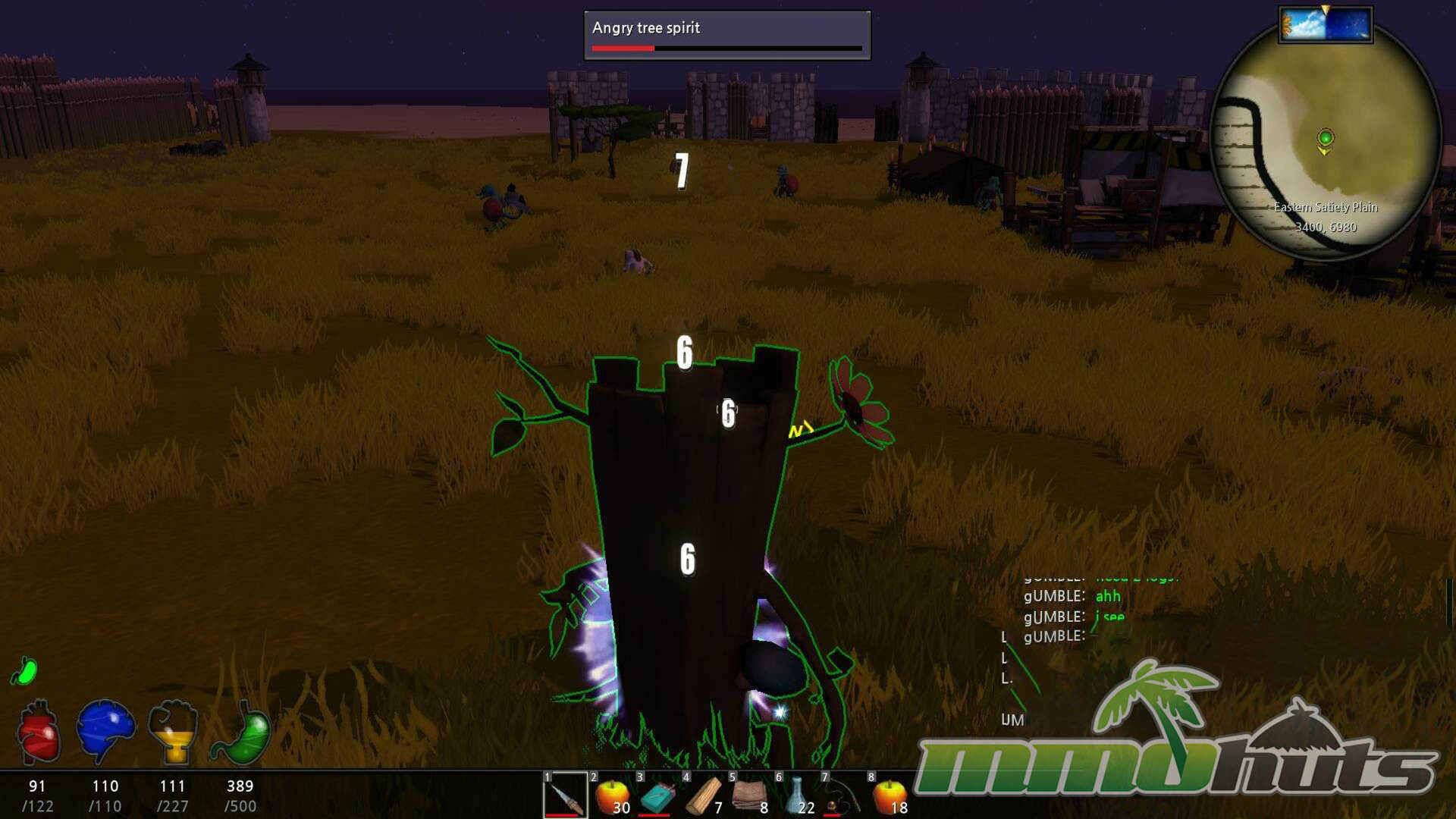
Survival revolves around four tracked meters: Health, Soul, Stamina, and Hunger. Hunger is the most urgent at the start, and it dictates your pace more than anything else. Soul is less intuitive at first, functioning as a respawn timer after death. Between those pressures and the steady drain of stamina, you quickly learn that exploration is something you earn by stockpiling food and planning short trips, not by sprinting blindly into the interior.
Skills, Mastery, and the Grind
Progression is tied to what you actually do. Actions feed into Mastery levels, and those levels in turn raise related stats. If you spend time fighting, you develop combat-related proficiencies. If you focus on harvesting and labor, you still see tangible growth through stat increases. It is not a complicated RPG system, but it is satisfying in the way many sandbox games are, your character becomes better at the tasks you repeatedly commit to.
Crafting is where Tree of Life clearly wants players to invest long-term. With 24 occupations and 8 of them dedicated to crafting roles, the game supports specialization rather than a single character doing everything efficiently. The downside is that the climb can feel slow, especially early on when you are producing basic components primarily to push skill levels upward. The interface itself is fairly approachable: you open the menu, place materials, and choose what to create. The deeper challenge is not the menu, it is resource logistics and time.
Certain materials are tied to specific regions, which nudges players toward settling near what they need and trading or cooperating for the rest. In a good community, this becomes the game’s best feature: a functional village where each person has a job, shared storage, and a reason to protect one another.
Finding People to Play With
Tree of Life is clearly designed around group play, but the world does not always make it easy to stumble into a welcoming community. While traveling, you may meet other newcomers, solo builders, or players simply passing through. Many established areas can feel abandoned, dotted with decaying walls and half-finished forts that hint at previous activity. That sense of history is interesting, but it can also be discouraging if you are hoping to find a bustling town right away.
When you do encounter active bases, they are often owned by players who prefer isolation, fencing off a small personal plot. That is a common survival-game behavior, and Tree of Life does not fully solve it. Still, persistence helps, and helpful players do exist. With a bit of guidance, it becomes easier to locate more beginner-friendly regions and communities that are actually recruiting.
Building a Settlement That Lasts
The turning point for the game is when you finally contribute to a living base instead of building alone. Nightly monster spawns create a real maintenance cost for larger structures, and the more developed a settlement becomes, the more attention it attracts. Walls get chipped down, barricades fail, and repairs become part of the routine. This pressure is what gives cooperative construction meaning, because the village is not just decoration, it is something you actively keep alive.
Construction is readable once you understand the UI flow. You place a blueprint, then feed it the required materials step-by-step until the structure is complete. It is approachable, and it makes group projects easy to coordinate because everyone can contribute resources to the same build.
Security matters too. Storage and housing are only as safe as your ability to lock them, and early on that means prioritizing the progression needed to craft locks. Without that preparation, opportunistic players can take advantage of unlocked containers with little effort. Tree of Life encourages trust and community, but it still expects you to plan for theft as a baseline risk.
Combat in Practice
Combat is active in the sense that you are aiming and swinging rather than relying on tab-target rotations, but it is not especially deep. If an enemy’s health bar is present, you can connect, and the outcome often comes down to gear, health, and whether you picked a fight with something beyond your current capability. Wildlife can be manageable, while stronger threats such as bears, tree spirits, and zombies can quickly punish overconfidence.
That said, combat does not feel like the main attraction, and it does not need to be. In many survival sandboxes, fighting exists primarily to support the economy of materials and territory. Tree of Life follows that pattern, with the more memorable moments coming from defending a base, repairing damage, and coordinating with others rather than from mechanically complex duels.
PvP, Penalties, and Player Behavior
Open PvP is part of the ruleset, but the game tries to discourage indiscriminate killing through a flagging and penalty system. Attack other players or their structures and you can be marked, making it safer for others to retaliate. When flagged aggressors die, they lose all items, creating a meaningful risk for would-be raiders. By contrast, non-flagged players who are killed drop only one item, which makes an unexpected death frustrating but not always catastrophic.
In effect, Tree of Life leans more PvE than PvP in day-to-day play, especially for players focused on building. Still, the threat of offline raids remains, and that is where most survival games create tension. Strong walls, careful storage, and a reliable group do more to keep you safe than any system can.
Final Verdict – Good
Tree of Life is at its best when it succeeds as a community survival sandbox, where specialized roles, shared storage, and coordinated defense make the world feel alive. It does not always deliver the idealized version of cooperative play on its own, you often need friends or the patience to find the right group. But the underlying framework supports long-term projects, and the RPG-style skill progression gives you a reason to keep working even after setbacks.
For players who enjoy building, crafting, and settlement defense more than constant PvP, Tree of Life offers a distinctive tone and a satisfying sense of persistence. It is a game that rewards investment, especially when you treat it as a shared project rather than a solo survival challenge.
Tree of Life Links
Tree of Life Steam Page
Tree of Life Developer Site
Tree of Life Wikia
Tree of Life Gamepedia
Tree of Life System Requirements
Minimum Requirements:
Operating System: Windows XP / Vista / 7 / 8 / 8.1 / 10
CPU: Intel Core 2 Duo 2.4 GHz
Video Card: Nvidia GeForce GTS 250 512 MB
RAM: 1 GB
Hard Disk Space: 1 GB
Recommended Requirements:
Operating System: Windows 7 / 8 / 8.1 / 10
CPU: Intel Core i3 2.4 GHz / AMD Phenom II X4 970
Video Card: GeForce GTX 560 / Radeon 7850 or better
RAM: 2 GB or more
Hard Disk Space: 2 GB
Tree of Life Music & Soundtrack
Coming soon…
Tree of Life Additional Information
Developer: Odd One Games
Game Engine: Axis Game Engine
Lead Programmer: Chyaya
Animator: Wonpary
Concept Art/Modeling: Dalraechaki
Game Designer: NobrainHan
Early Access Date: May 2015
Shut Down: January 31, 2021
Development History / Background:
Tree of Life was created by Odd One Games, a small four-person indie team from South Korea. The studio was previously known as Rack Our Brain and released an RPG titled ReAL: Return from Afterlife in 2004. After the members spent several years building experience across the Korean game industry, they regrouped and shifted their focus toward an online survival sandbox project.
To fund development, the team pursued crowdfunding and raised 16,000,000 Korean Won. While the amount was not enough to fully finance production, it helped draw attention to the project. Odd One Games ultimately chose to self-publish Tree of Life in Western markets via Steam. The title was Greenlit by the Steam community shortly after being submitted on February 2, 2015. Tree of Life then entered early access beta on May 27, 2015 as a buy to play release. Within a weeks after early access began, the game reportedly reached 10,000 concurrent users on Steam and generated over $600,000 in revenue.
Tree of Life was delisted from Steam on January 31, 2021, however players who already own Tree of Life will be able to continue playing it beyond that date.