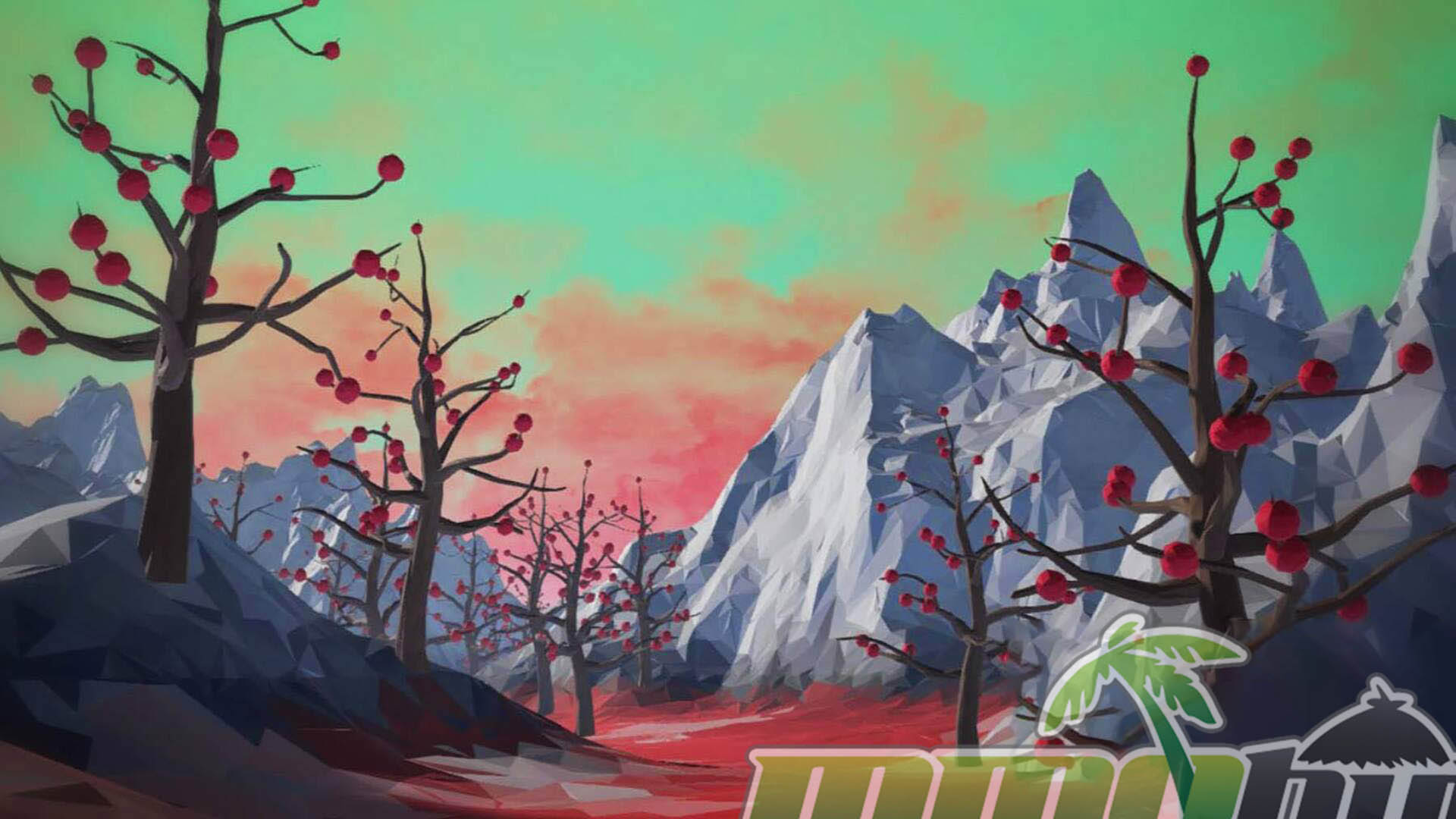
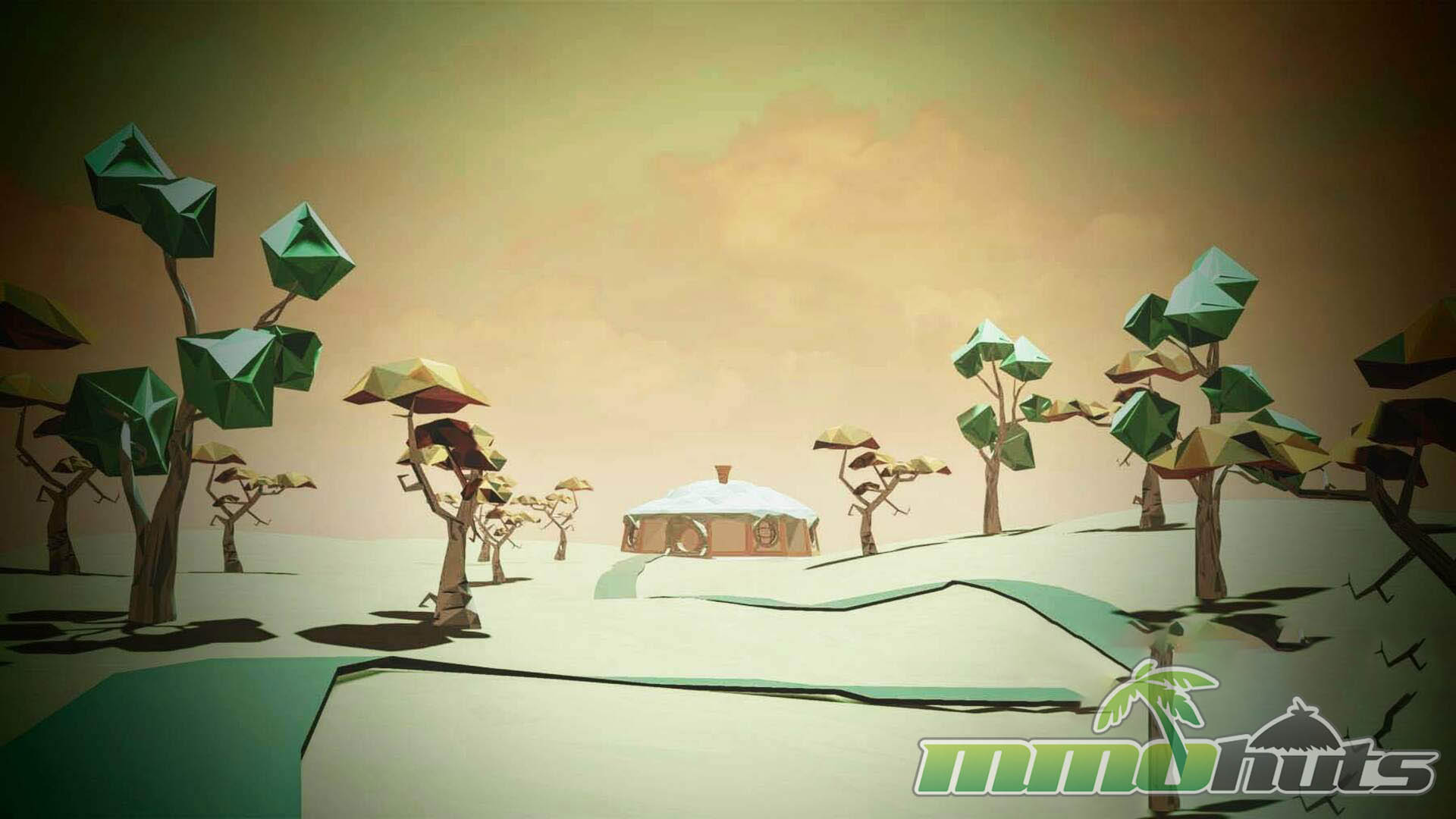
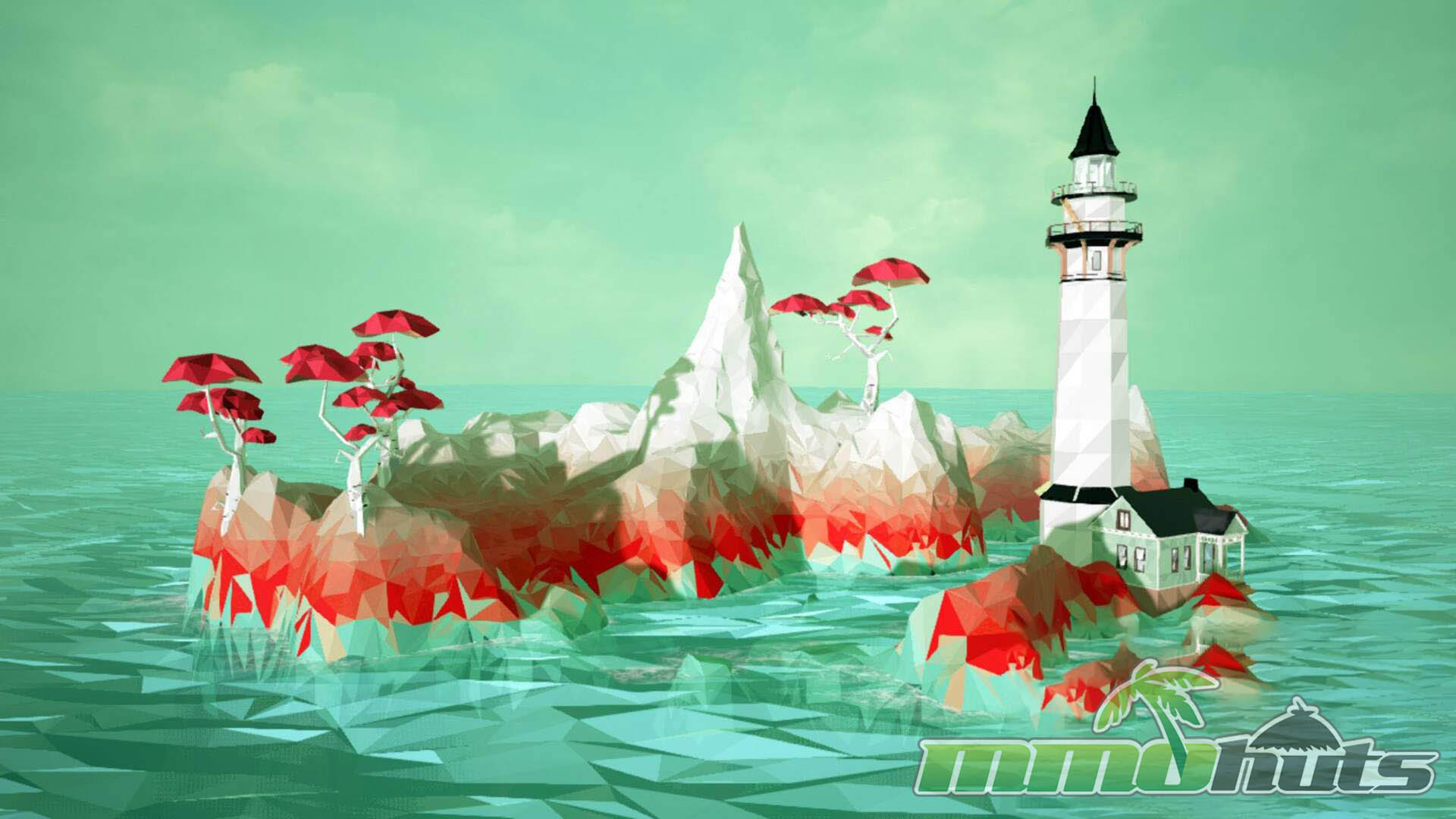
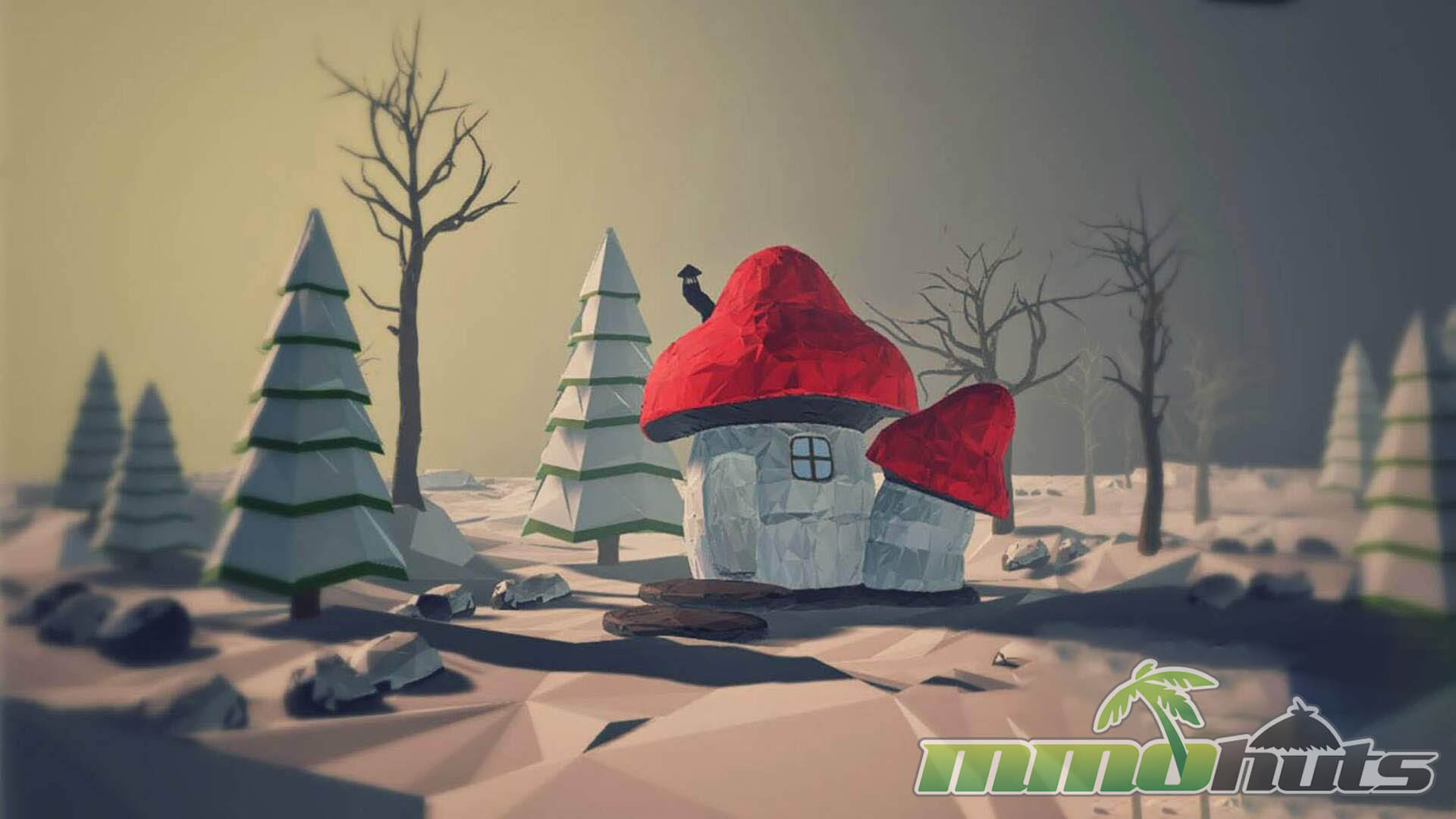
Welcome to Traverse, a voxel-styled sandbox MMORPG that set out to let players do more than simply explore. In Mad Cow Studio’s short-lived experiment, you could sculpt terrain, craft gear, and leave your mark on a persistent universe made of many planets, all wrapped in clean poly art visuals.
 | Publisher: Mad Cow Studio Playerbase: Low Type: MMORPG, Sandbox Release Date: 2016 Shut Down Date: October 08, 2016 Pros: +Robust character customization. +A wide selection of planets to explore. +Deep crafting and building tools. Cons: -Performance and latency problems. -Frequent loading when traveling between planets. |
Traverse Overview
Traverse is a sandbox MMORPG focused on player creativity and world shaping. It begins with a surprisingly detailed character creator, then opens into a multi-planet setting where you gather resources, craft tools, and construct large-scale projects that persist in the world. The building kit is designed for ambitious creations, from functional infrastructure like rail lines and bridges to towering structures and custom landscapes built for style as much as utility.
A big part of the loop is turning exploration and loot into materials. Items can be traded with other players through the game’s trading system, or dismantled to feed your next construction or crafting plan. On top of that, Traverse leans into player-authored worlds by letting you cultivate vegetation and terraform terrain, then invite others to visit and rate what you have made. Supporting systems like mounts, farming, and blueprints reinforce the idea that players should be able to travel efficiently, maintain ongoing production, and share or reproduce their best designs.
Traverse Key Features:
- Create Your Character – detailed customization that covers facial features and apparel, allowing players to fine-tune a distinct look.
- Design Planets – reshape land and plant life, travel to other planets, and participate in rating player-crafted worlds.
- Extensive Building – a flexible toolset aimed at letting players create everything from railroads to skyscrapers and even bodies of water.
- Trading Items/Loot – player-to-player trading supports selling, exchanging, and circulating crafted goods and found items.
- RPG Elements – traditional MMORPG touches like six character classes, hostile creatures, and a dedicated combat system.
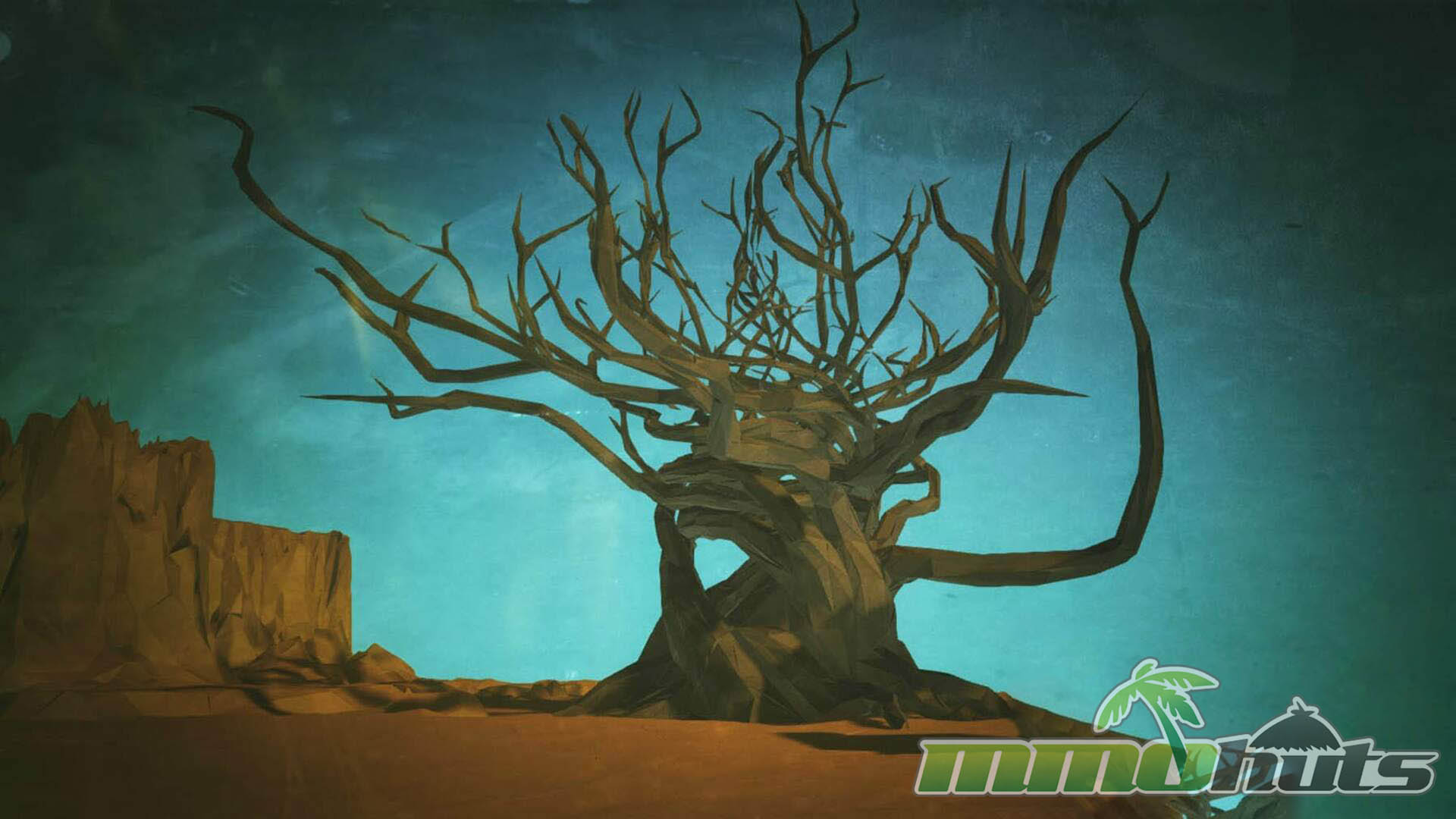
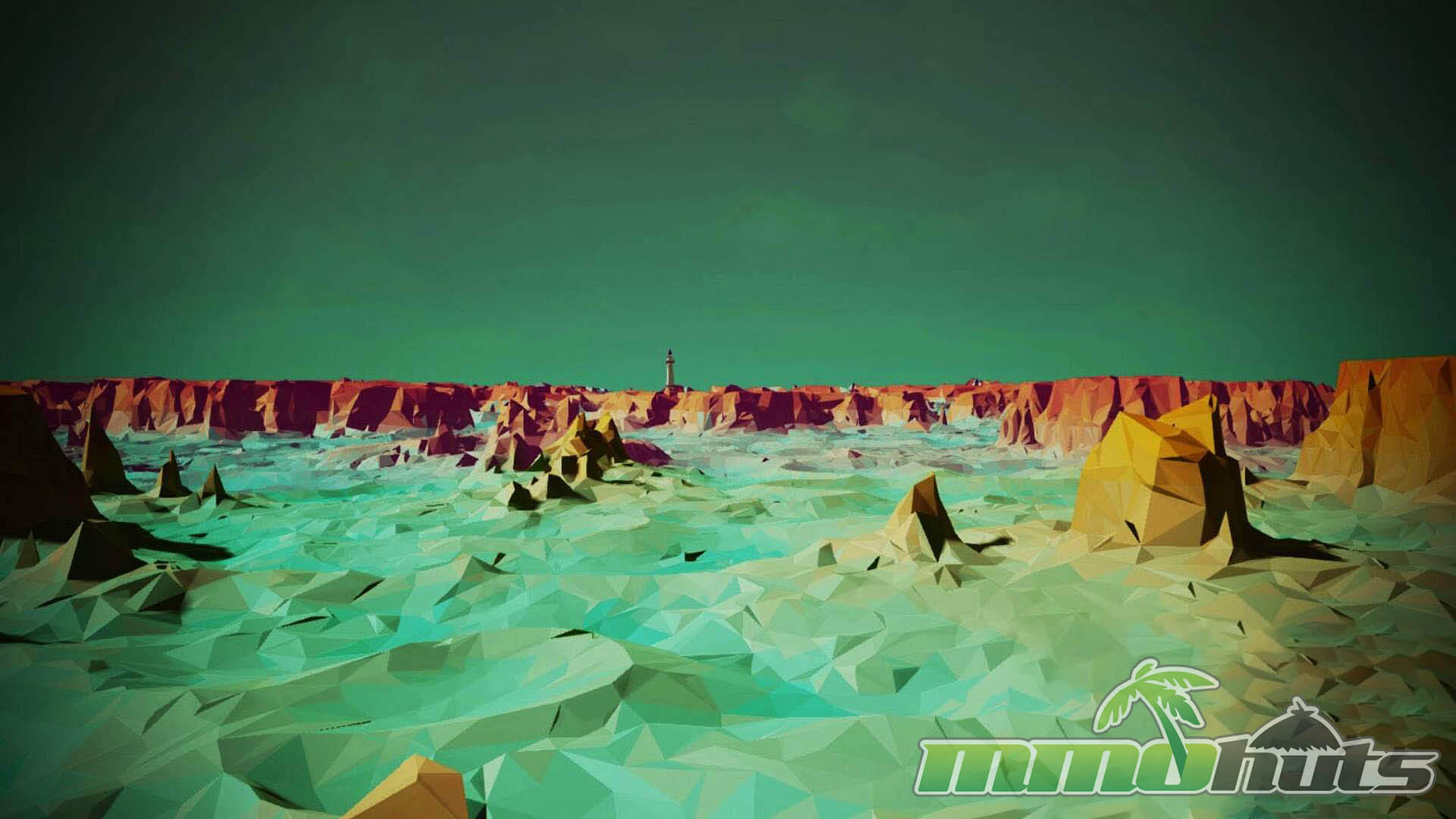
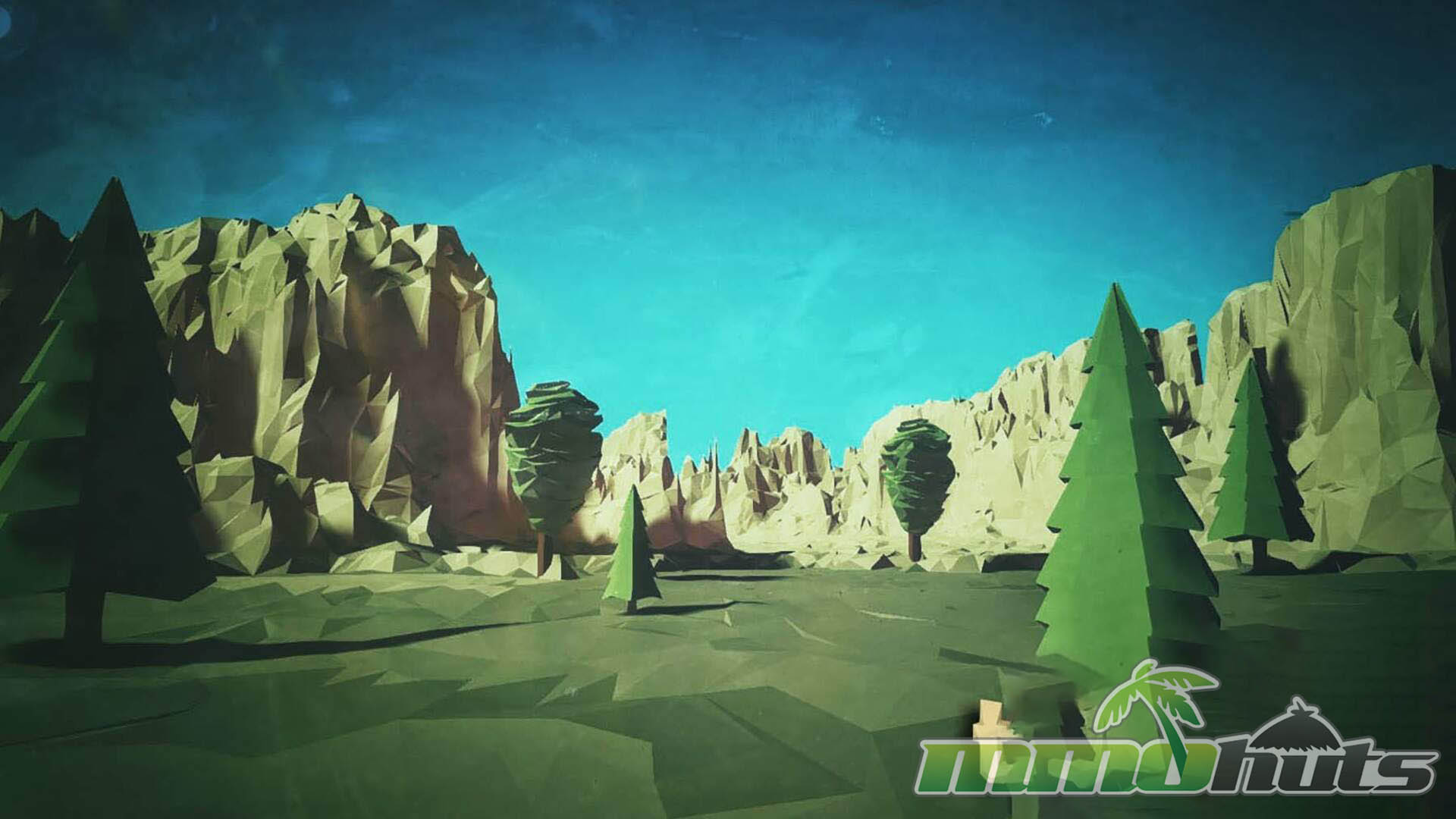
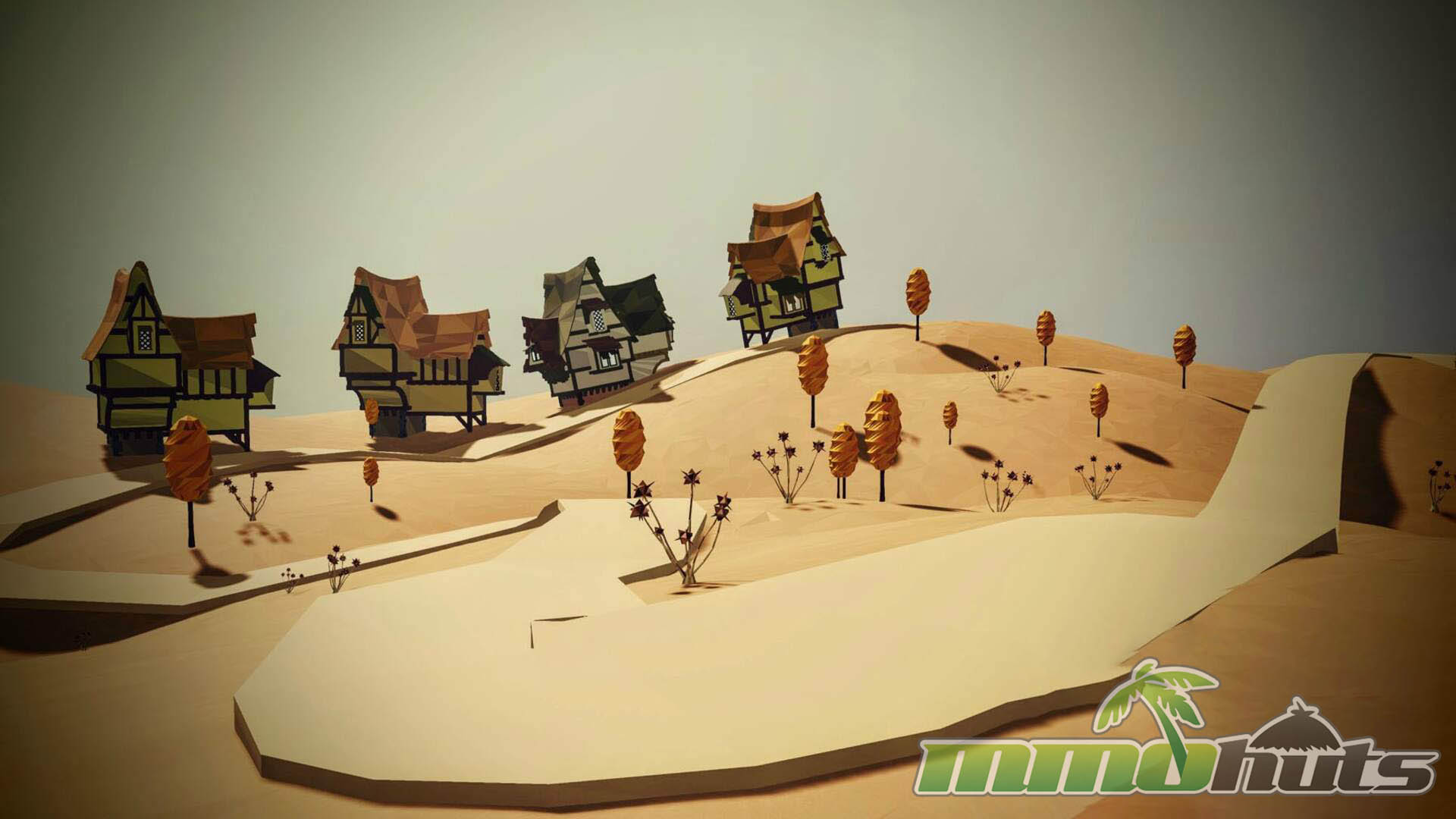
Traverse Screenshots

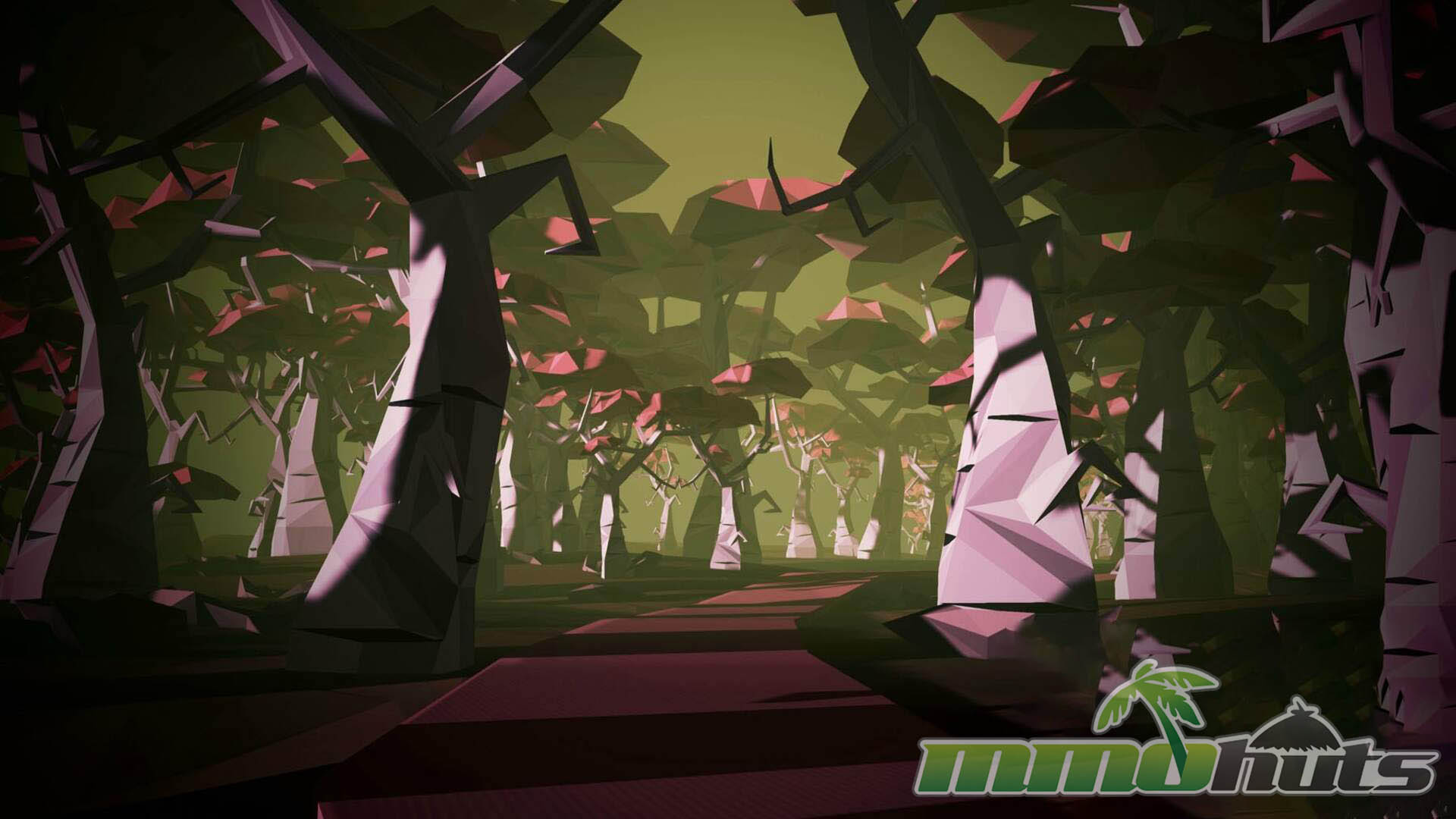
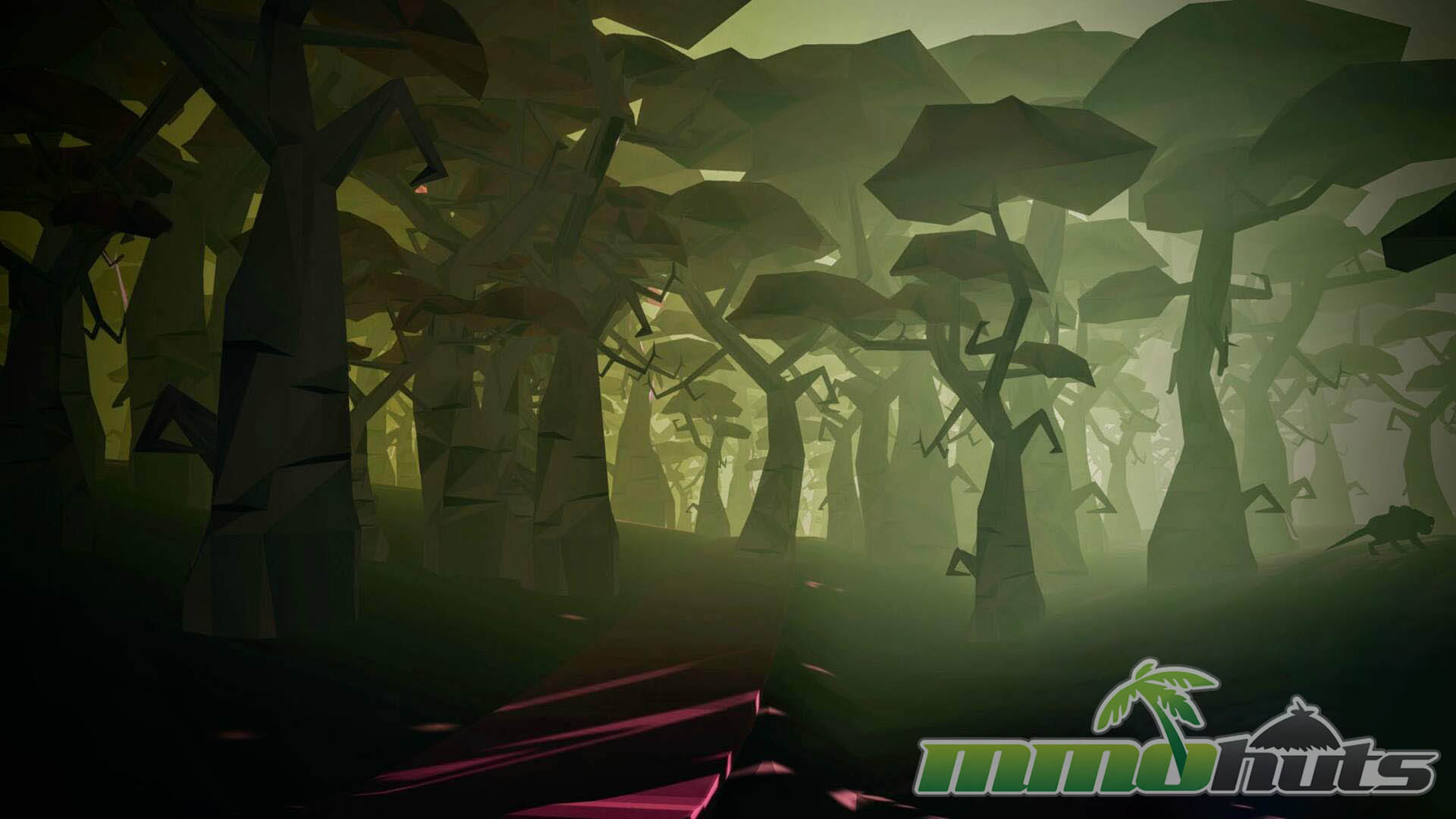
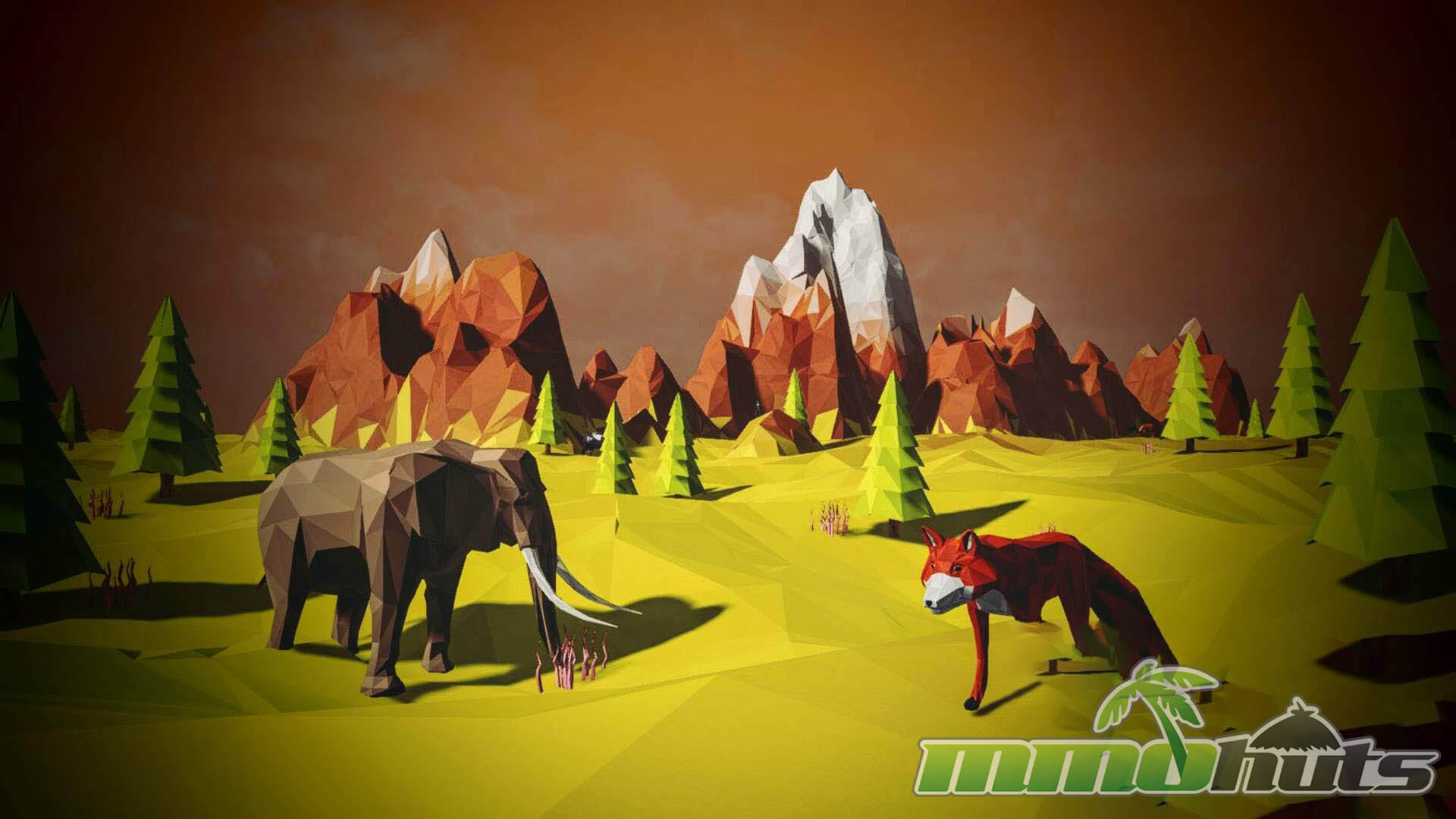
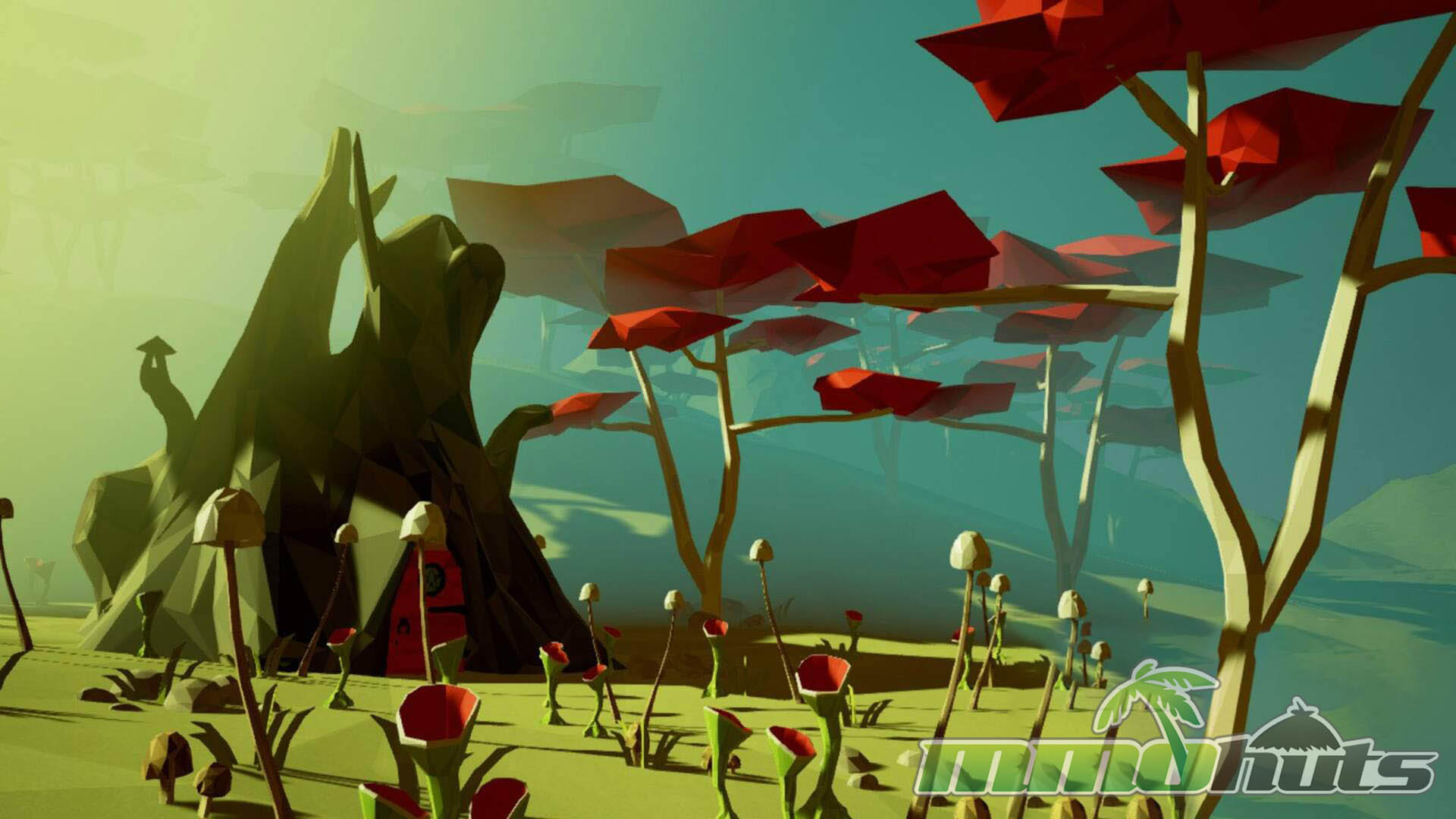


Traverse Featured Video

Traverse Review
Traverse aimed squarely at players who enjoy sandbox creativity first and traditional questing second. The core pitch was simple: instead of living in a world that only developers could change, you would actively reshape planets through terraforming, architecture, and community sharing. In practice, the game’s strongest moments came from the freedom of its tools and the sense that your projects were meant to be seen by others, not just stored away in a private instance.
The character creator was one of the early highlights. For a small studio project, the level of control over facial details and clothing helped players quickly establish an identity, which matters in a social sandbox. It also fit the game’s broader philosophy of personalization, since your character and your planet were meant to be equally expressive.
Traverse’s building and crafting systems were clearly the main attraction. Resource collection fed into tool crafting and larger construction ambitions, and the promise of building huge structures like skyscrapers, bridges, and railroads gave the game an “engineering sandbox” vibe rather than a purely decorative one. The blueprint system also pushed the idea of sharing knowledge and designs, which is important in a genre where communities often define the best play patterns and set informal standards for what “good building” looks like.
Exploration was framed around visiting different planets, each acting as a new canvas. That structure supported variety and encouraged travel, but it also introduced friction. Moving between planets relied on loading screens, which could break the sense of a seamless universe, especially when you were hopping around frequently to compare builds, trade, or gather specific materials.
Combat and RPG elements existed to give the world stakes. With six classes, mobs, and a combat system, Traverse tried to avoid becoming a pure creative mode. The idea was sound: PvE threats can make resource runs meaningful and give progression a reason to exist. Even so, the game’s identity remained firmly rooted in sandbox creation, so players looking for a content-rich MMORPG structure would likely have found the systems more foundational than expansive.
Technical performance was the most common obstacle to enjoying what Traverse did well. Lag and general instability can undermine a game that depends on precise building placement, smooth travel, and consistent world persistence. When the experience stutters, the “I could spend hours perfecting this” feeling turns into “I am fighting the client,” which is particularly damaging for a sandbox MMO.
Ultimately, Traverse is best remembered as an ambitious attempt to mix voxel-driven creativity with MMORPG social structure. It had compelling ideas, especially around player-rated planets, blueprint sharing, and large-scale construction, but its short lifespan and technical problems prevented those ideas from maturing into a stable, long-term world.
Traverse System Requirements
Minimum Requirements (Windows):
Operating System: Windows 7 64 bit
CPU: Core 2 Duo E6550 2.33GHz or Athlon 64 X2 Dual Core 5600+
Video Card: GeForce GT 430 or Radeon HD 5550 512MB
RAM: 6 GB
Hard Disk Space: 8 GB
Traverse Music & Soundtrack
Coming Soon!
Traverse Additional Information
Developer(s): Mad Cow Studio
Publisher(s): Mad Cow Studio
Game Engine: Unreal Engine 4
Public Alpha Release Date: Mid 2016
Shut Down Date: October 08, 2016
Development History / Background:
Traverse was created by Mad Cow Studio using Unreal Engine 4. The project entered pre-alpha testing in early 2016 and began with a very small team, initially just two developers. A public alpha was targeted for mid 2016, but communication eventually stopped. The final official announcement from the studio arrived on October 08, 2016, and no further updates were posted after that point.