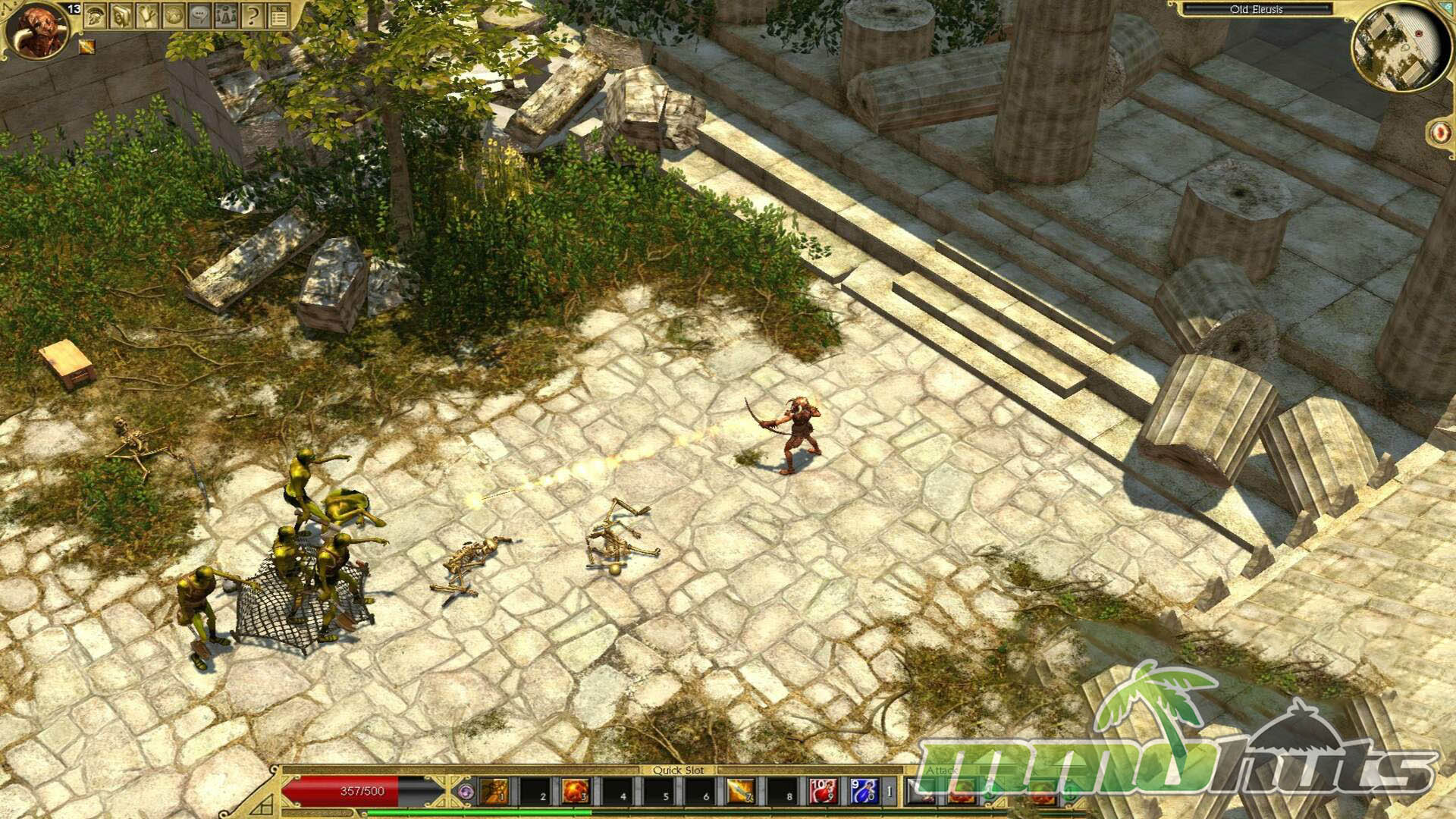
Titan Quest is a classic action RPG that drops you into a myth-steeped version of the ancient world, spanning Greece, Egypt, and parts of Asia. With the Titans loose and monsters spilling into human lands, you build a hero by combining Masteries into one of dozens of class options, then carve through hordes of enemies for loot, levels, and better builds, either solo or in co-op.
 | Publisher: THQ Nordic Playerbase: Low Type: Action RPG Release Date: June 26, 2006 Pros: +Memorable myth-inspired boss fights and creatures. +Includes a level and map editor for custom content. +Deep build variety with 35+ class combinations. Cons: -Text scaling can be awkward on different displays. -Occasional performance drops can interrupt combat flow. -The interface feels dated and somewhat cumbersome. |

Titan Quest Overview
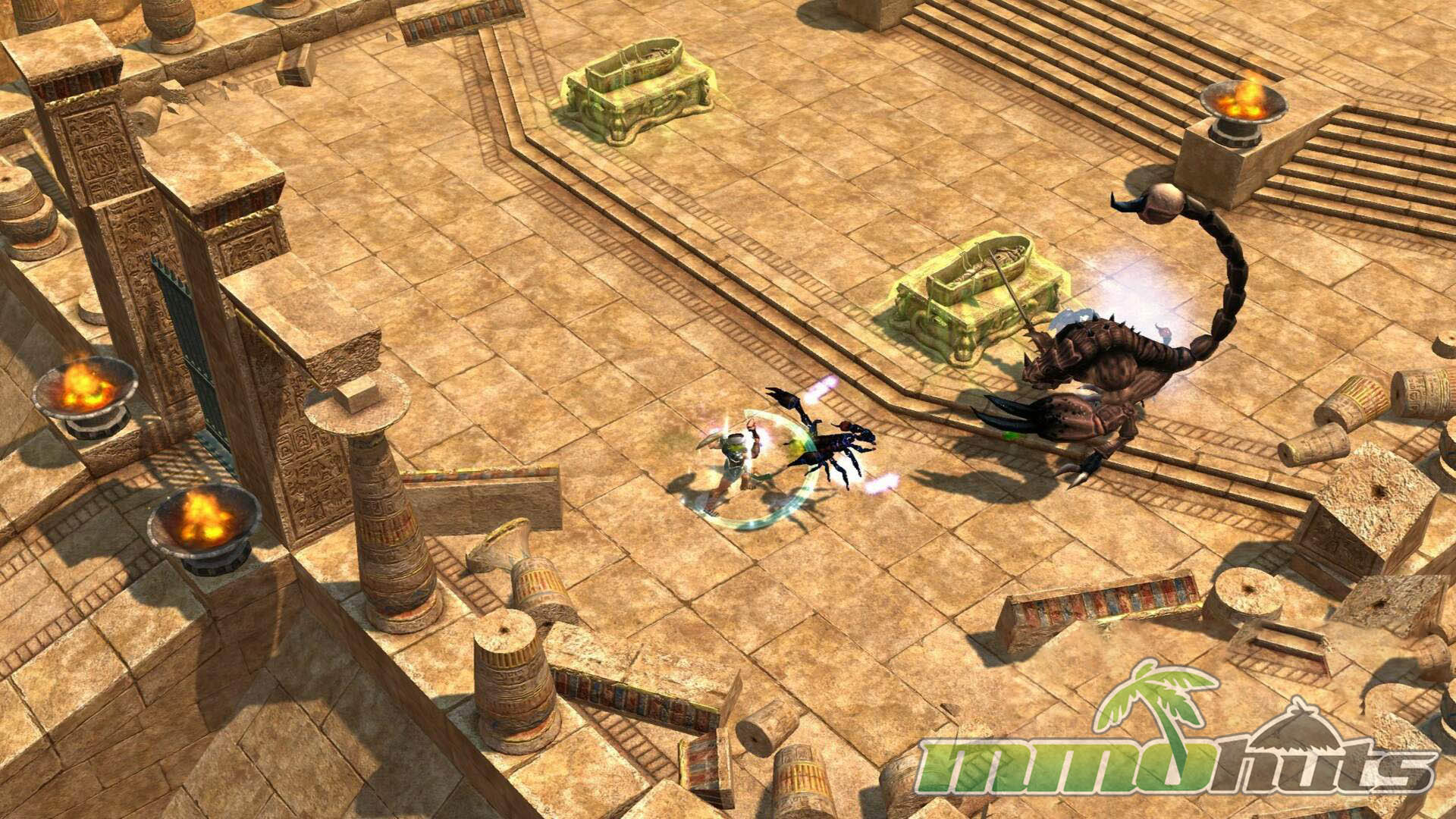
Titan Quest is an action RPG adventure that blends fast, loot-driven combat with a tour through iconic ancient regions, including Greece, Egypt, and Asia. The campaign leans heavily on Greek mythology in its characters, enemies, and set-piece encounters, framing your journey around stopping the Titans and the chaos their escape unleashes. It is a straightforward premise, but it fits the genre well, because it keeps the focus on exploring new zones, clearing dense packs of monsters, and chasing upgrades.
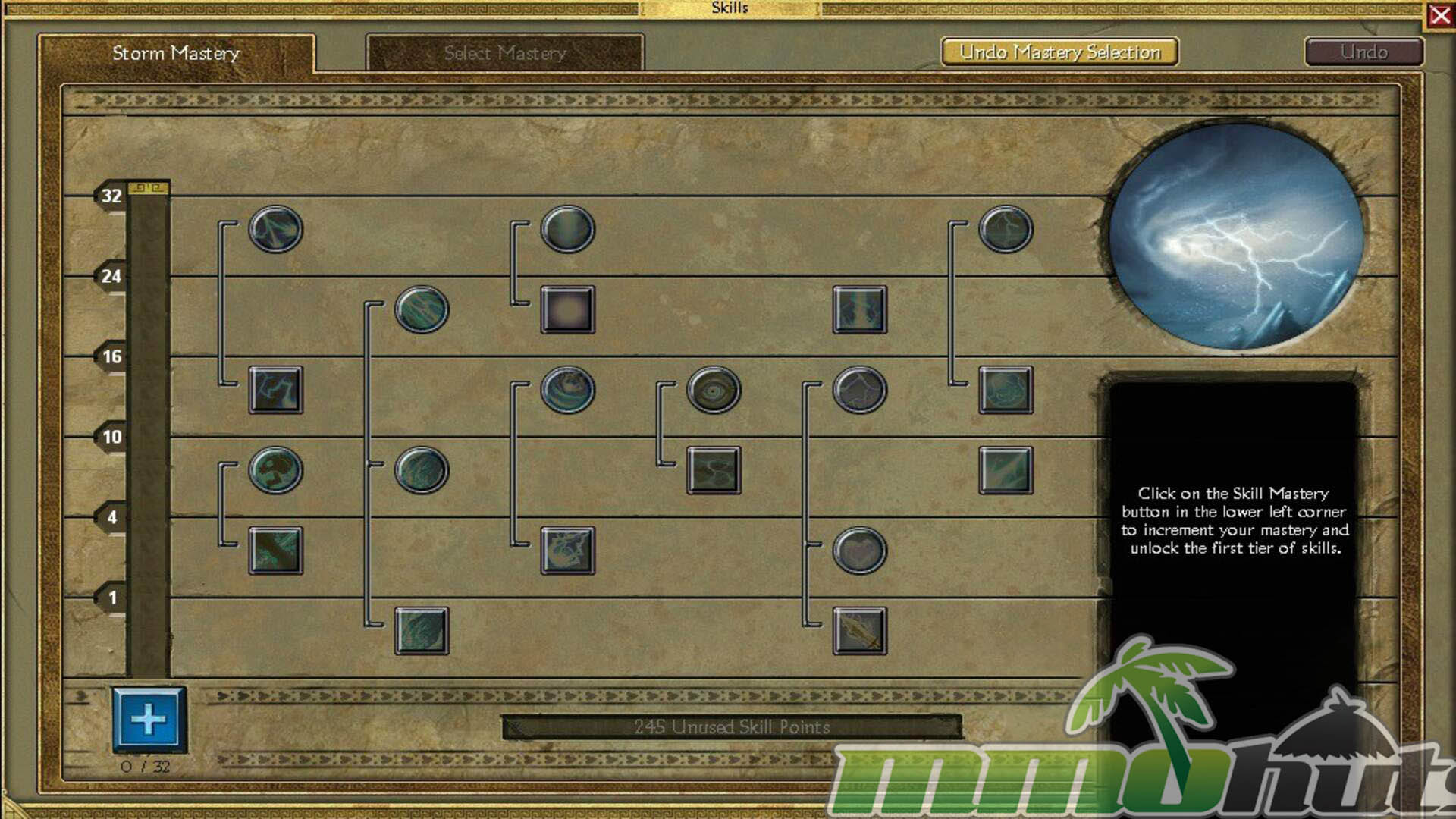
Character building is where Titan Quest stands out. Instead of locking you into a single class at the start, you select two Masteries from a set of eight and effectively fuse them into a specialized archetype, which results in over 35 class combinations. The system supports both themed builds (for players who want a clear identity) and experimental hybrids (for players who enjoy tinkering with synergies). Progression follows familiar action RPG beats: complete quests, earn experience, invest points to improve your character, and constantly evaluate loot to refine your damage, defenses, and playstyle.
If you prefer company, co-op supports groups of up to six players, making the campaign a shared loot hunt with room for complementary builds. For players who like community-made challenges or want to craft their own, the included World Editor allows you to create custom maps and quests, extending the game beyond the default campaign loop.
Titan Quest Key Features:
- Journey through the ancient world – travel across Greece, Egypt, and Asia, with environments and enemies inspired by mythology, archaeology, and historical culture.
- Over 35 Classes – combine any two Masteries to create a hybrid class and tailor a build around your preferred combat style.
- Traditional RPG progression – advance through quests and combat, then allocate points to shape your character’s strengths as you level.
- World Editor – build your own maps and quests, then share challenges that other players can run.
- Co-Op Gameplay – team up in parties of up to six and tackle the campaign together.
Titan Quest Screenshots
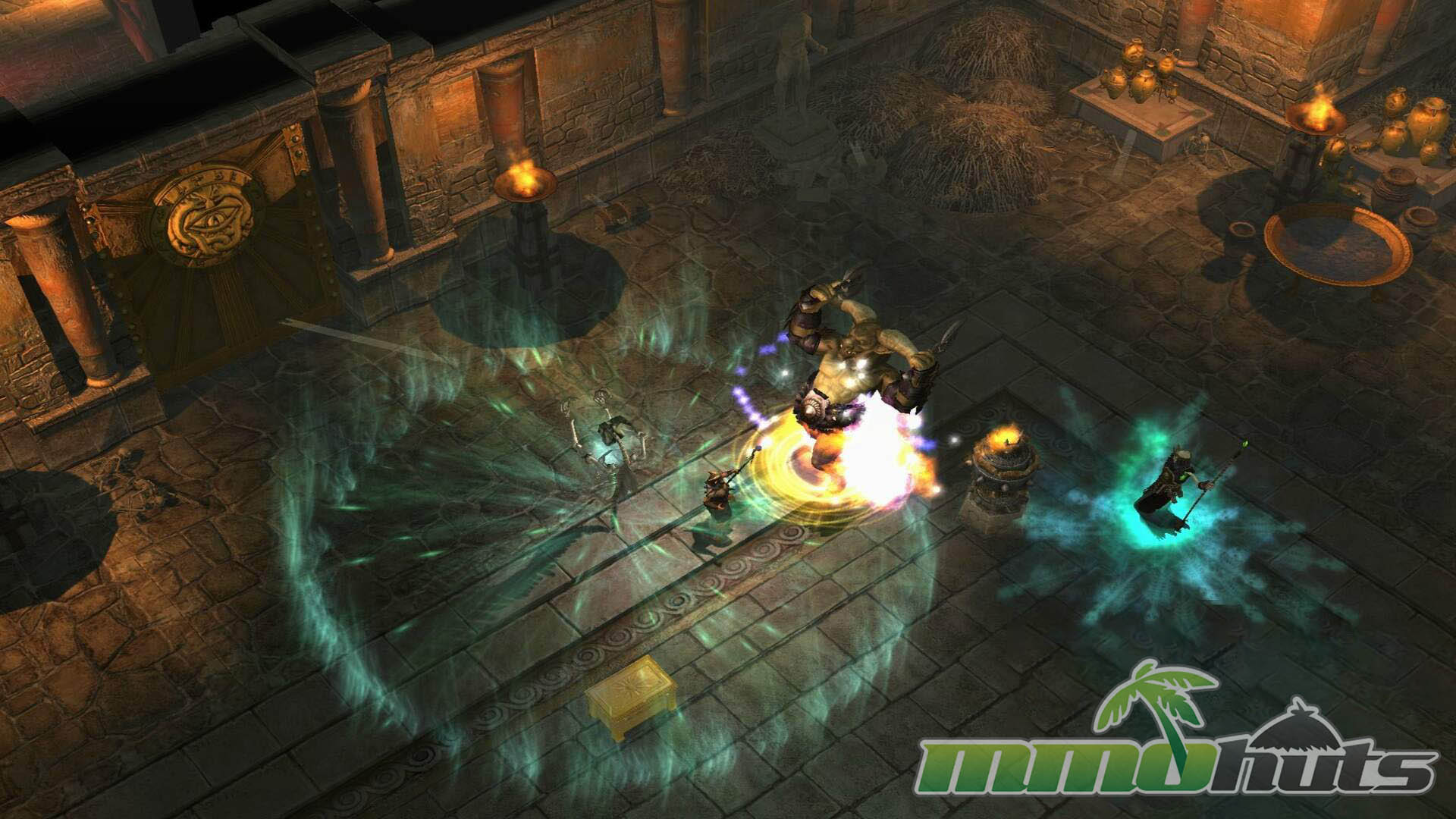
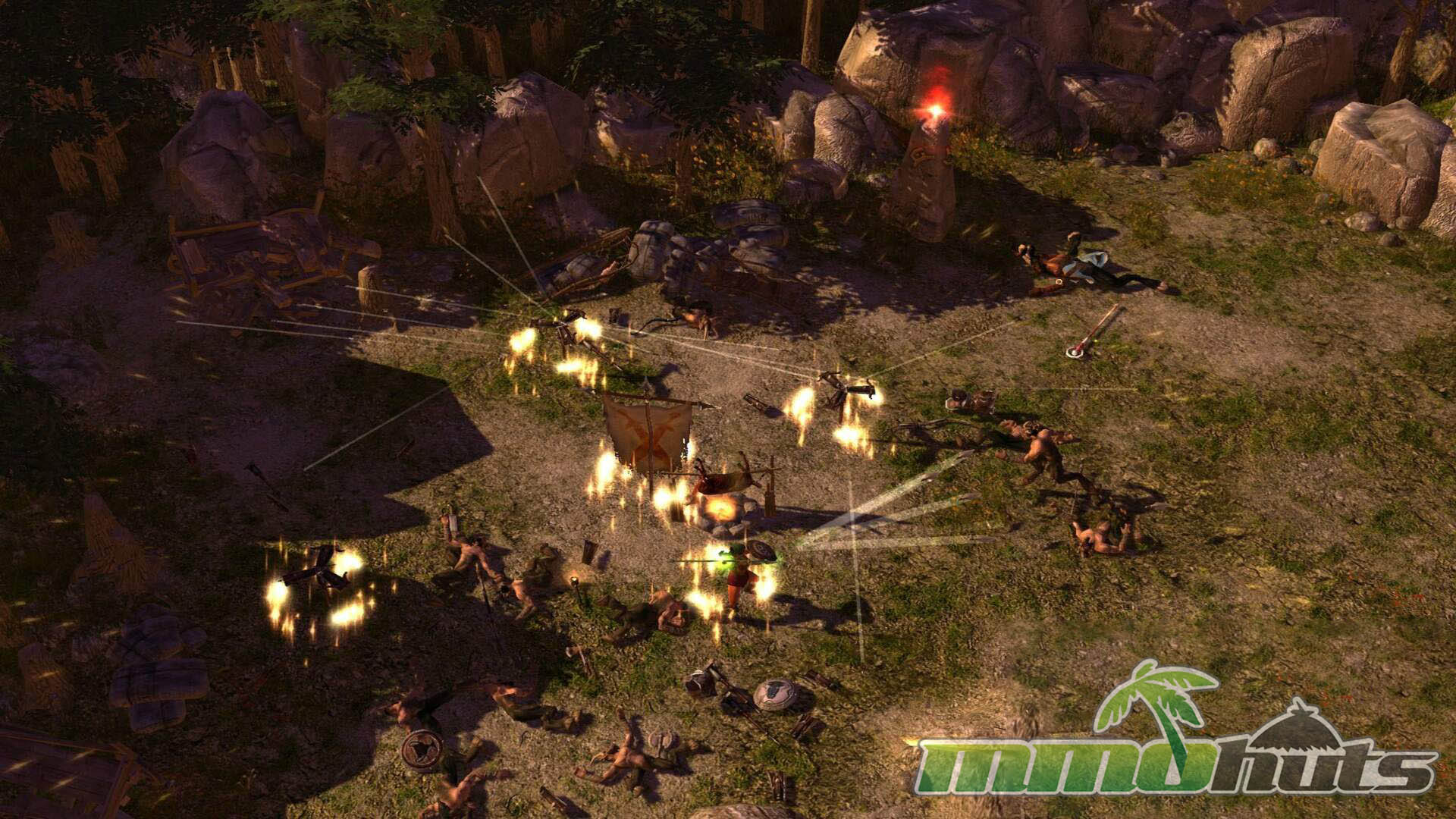

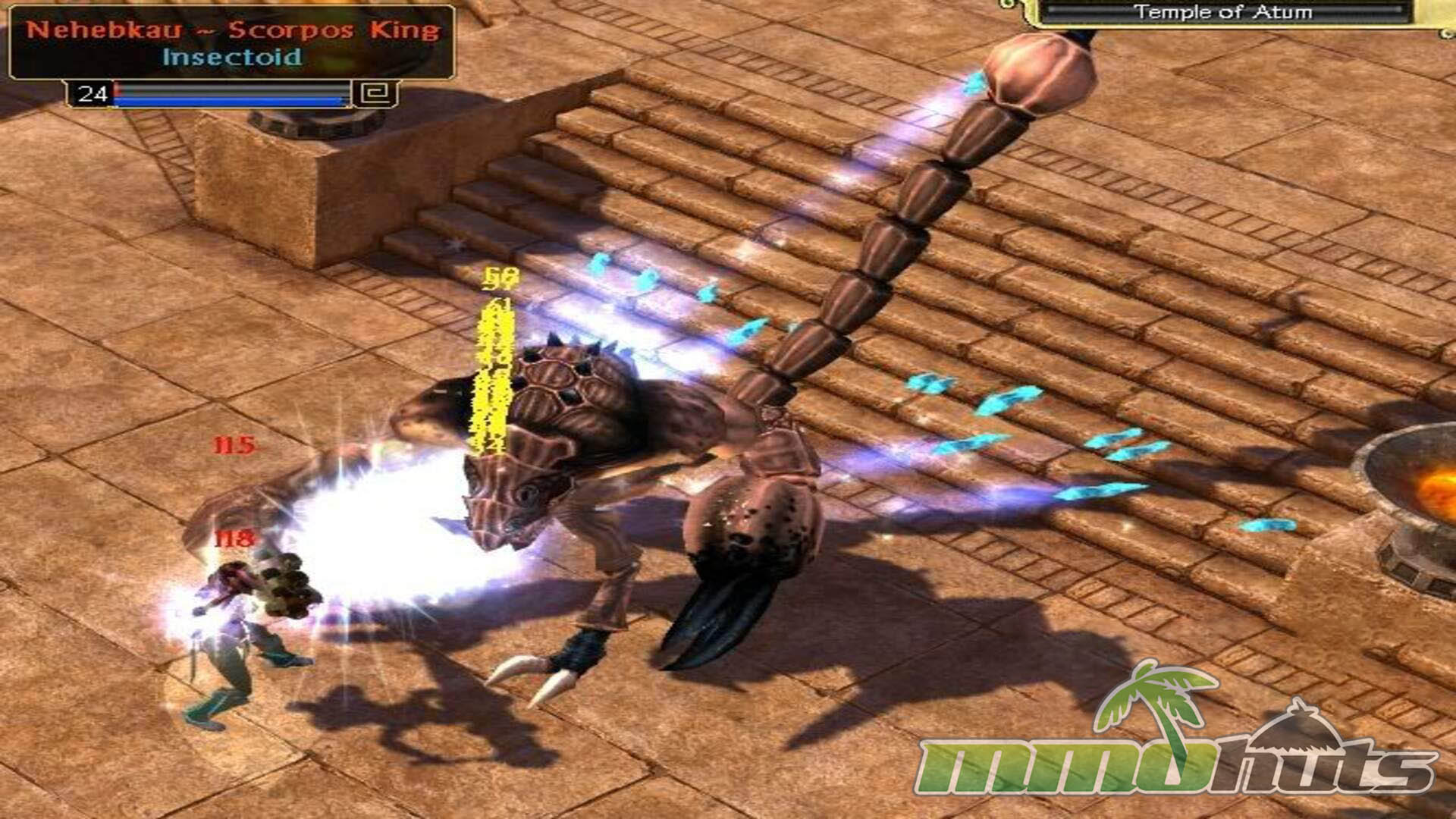
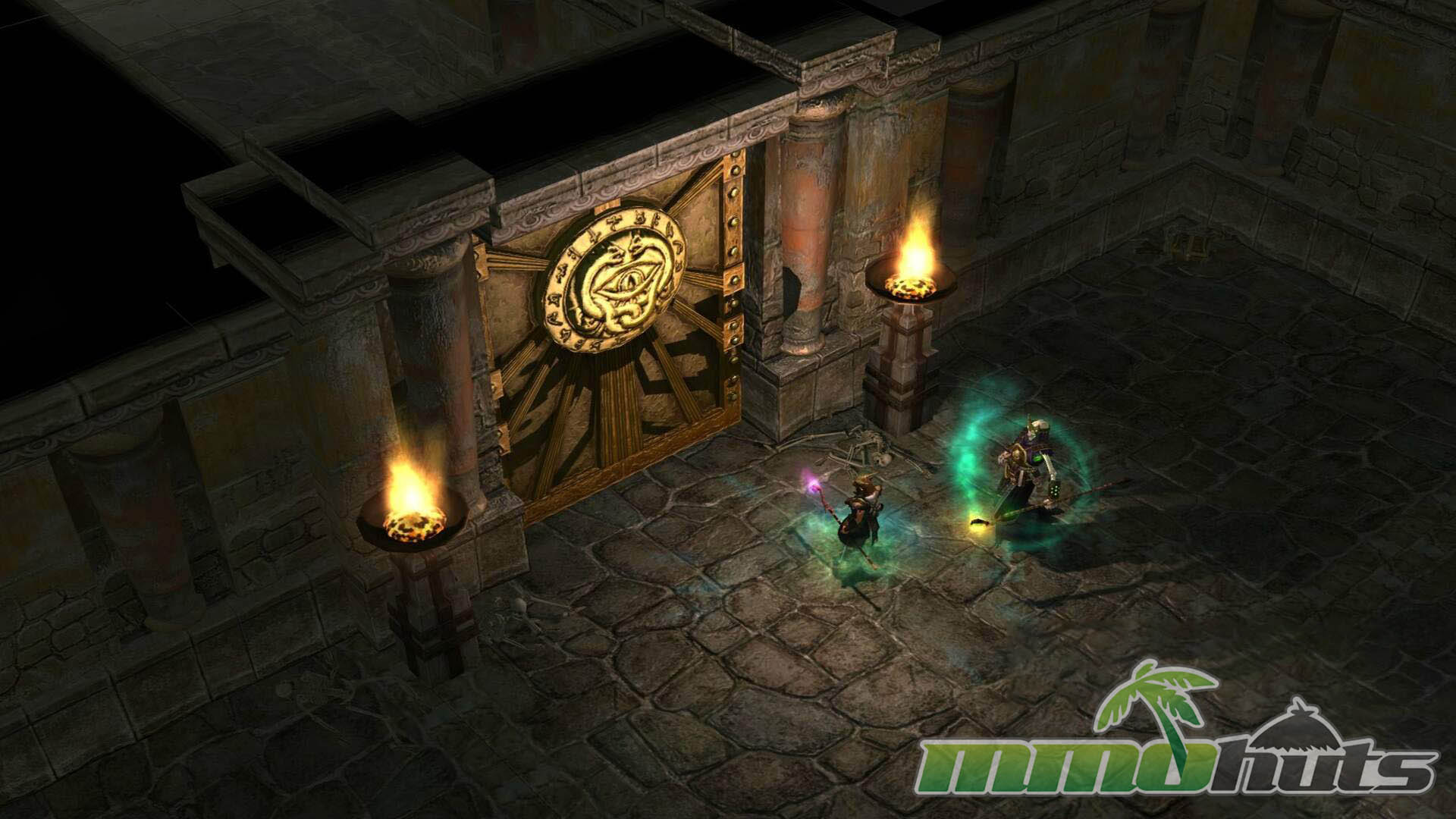
Titan Quest Featured Video

Titan Quest Review
Titan Quest sits in the lineage of classic isometric action RPGs where moment-to-moment play is all about clean positioning, steady ability usage, and the constant reward loop of loot upgrades. Even years after its original release, the core experience remains easy to appreciate: it has a clear campaign structure, satisfying enemy density, and a setting that feels distinct compared to the usual medieval fantasy backdrops.
A myth-focused campaign with strong atmosphere
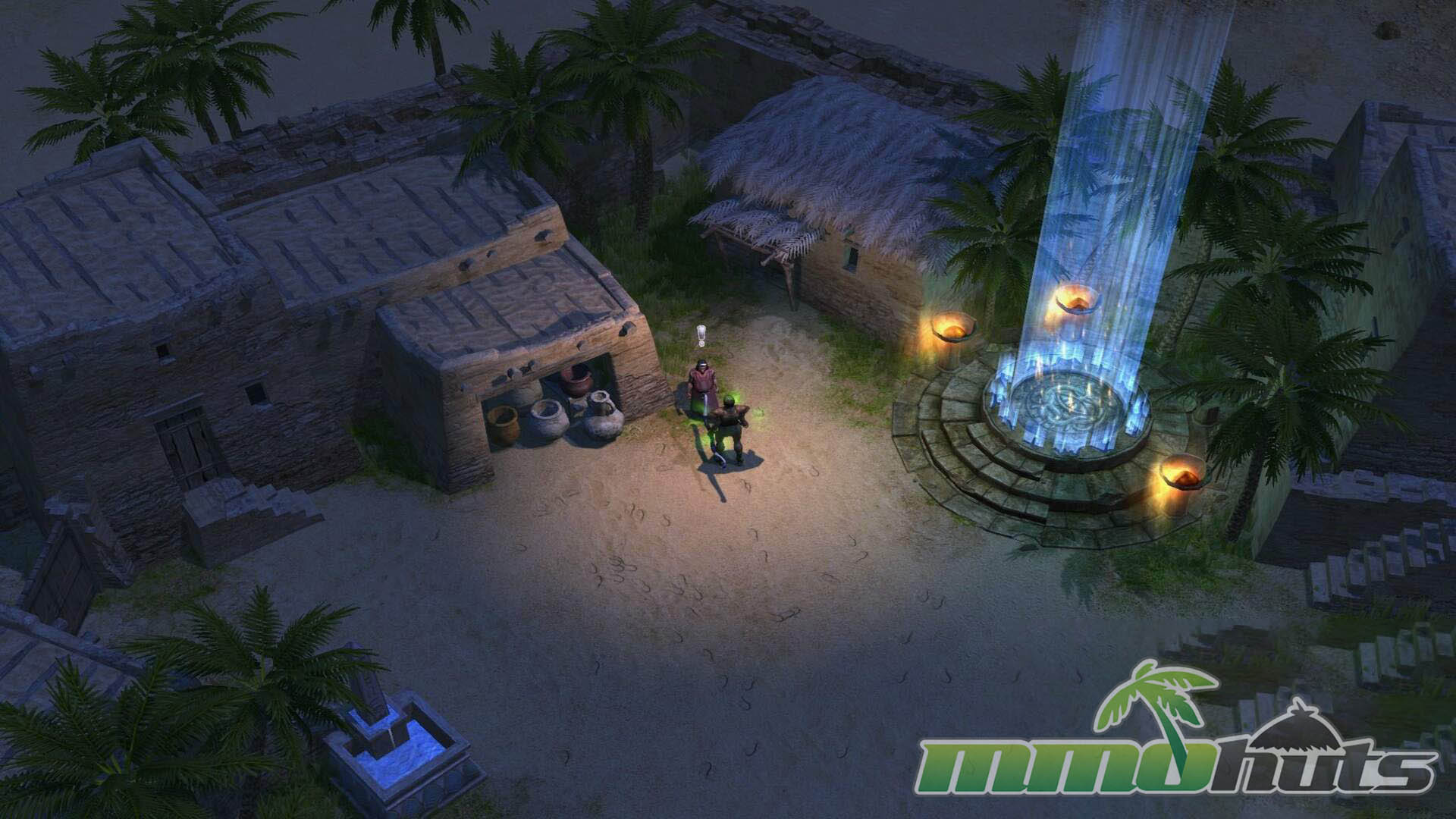
The game’s greatest thematic strength is how confidently it leans into mythology. Regions, ruins, and monster designs consistently reinforce the idea that you are walking through a world where legends are real. The story itself is functional rather than complex, but it gives you a strong reason to keep pushing forward, especially as new mythological threats are introduced and boss fights punctuate the journey.
Combat that rewards builds and good tempo
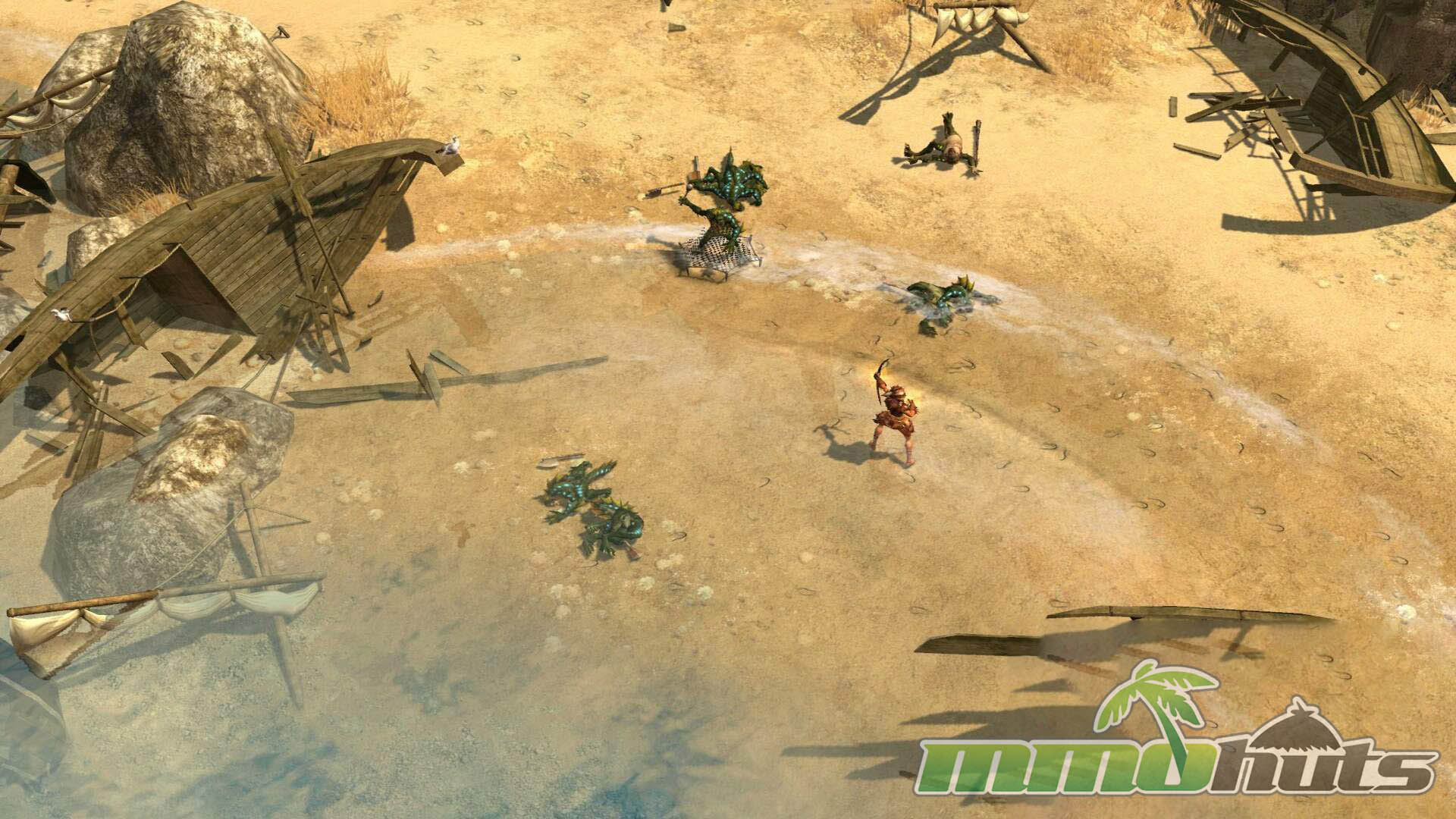
Combat is built for the genre’s familiar rhythm: pull groups, manage incoming damage, and cut through enemies efficiently while keeping an eye on drops. What keeps it engaging is that your build choices noticeably change how fights play out. Depending on your Masteries, you can emphasize weapon-focused combat, magic, summons, or hybrid approaches, and the game generally supports those directions without forcing a single optimal path for casual play.
Boss encounters are a highlight, because they feel like proper milestones rather than oversized regular mobs. They also help the setting shine, since many of them are rooted in recognizable mythic imagery. When the game is running smoothly, these fights can be the most memorable parts of a playthrough.
Class design is the real hook
The dual-Mastery system is where Titan Quest earns its long-term appeal. Picking a first Mastery sets a foundation, but the second choice is what often defines your identity, because it can either double down on a theme or patch weaknesses with utility. This encourages experimentation and makes rerolling a new character feel meaningfully different, even when you are traveling through the same campaign beats.
The downside is that, like many older action RPGs, the interface can get in the way of that depth. Inventory management and general UI interaction feel dated, and it can take patience to navigate menus, compare gear, and manage the small frictions that modern titles tend to smooth out.
Co-op and custom content add longevity
Playing with others changes the pace in a good way, because party play makes the campaign feel more like a shared expedition than a solo grind. A full group can also make build roles more interesting, since support-oriented or crowd-control approaches have more value when allies can capitalize on them.
The World Editor is another strong value-add, especially for players who enjoy user-made content or want to craft their own encounters. It is not a feature everyone will use, but its presence matters, because it gives the game a creative outlet beyond the main storyline.
Technical and usability rough edges
Titan Quest shows its age in a few practical areas. Text scaling can be inconvenient depending on your display, and performance can occasionally dip, which is frustrating in a genre where clarity and responsiveness are important. Combined with the clunkier UI, these issues do not ruin the game, but they can add friction that newer action RPGs avoid.
Overall, Titan Quest remains a worthwhile recommendation for players who enjoy classic ARPG structure and want a setting that is not the standard dark fantasy template. It is at its best when you are experimenting with Mastery combinations, pushing through new regions, and gearing up for the next myth-inspired boss.
Titan Quest Links
Titan Quest Official Site
Titan Quest Steam Page
Titan Quest Facebook Page
Titan Quest Reddit
Titan Quest Wikia
Titan Quest System Requirements
Minimum Requirements:
Operating System: Windows XP / Vista / 7 / 8 / 10 32 or 64 bit
CPU: 2.0 GHz CPU
Video Card: 128 MB NVIDIA GeForce 6800 series or ATI Radeon X800 series or equivalent
RAM: 1 GB
Hard Disk Space: 5 GB available space
Recommended Requirements:
Operating System: Windows XP / Vista / 7 / 8 / 10 32 or 64 bit
CPU: 3.0 GHz CPU Dual or Quad Core
Video Card: 256MB NVIDIA or AMD card
RAM: 2 GB
Hard Disk Space: 5 GB available space
Titan Quest Music & Soundtrack
Coming soon!
Titan Quest Additional Information
Developer(s): Iron Lore Entertainment
Publisher(s): THQ (2006 – 2016); THQ Nordic (2016 – present)
Composer(s): Scott Morton and Michael Verrette
Game Engine: PathEngine
Language(s): English, Russian, French, Polish, German, Italian, Spanish, Czech, Japanese, Korean, Chinese
Platform(s): PC, iOS, Android
PC Release Date: June 26, 2006
iOS Release Date: May 19, 2016
Android Release Date: July 7, 2016
10-Year Anniversary Edition Release Date: August 31, 2016
Expansions:
- Titan Quest Immortal Throne – March 2, 2007
Development History / Background:
Titan Quest was developed by Iron Lore Entertainment and launched on PC in June 2006 under THQ. THQ handled publishing from 2006 to 2016, with the exception of a Steam release that arrived in 2007. In 2016, THQ partnered with Nordic Games and the THQ Nordic label became responsible for publishing the 10-Year Anniversary Edition, released in August 2016. That anniversary package combines Titan Quest with Titan Quest: Immortal Throne and advertises more than 1200 changes aimed at improving and modernizing the experience.
For mobile players, DotEmu produced the initial iOS and Android versions in 2016, with later releases published by THQ Nordic. These ports helped bring Titan Quest’s core campaign and loot-driven structure to handheld platforms while keeping the original identity of the game intact.