The SKIES was a post-apocalyptic MMO that dropped players into a harsh wasteland where scavenging, crafting, and player conflict were core to day-to-day survival. It leaned into a sandbox approach with a loose, non-linear storyline, and even aimed to let communities form their own player-led power structures.
 | Publisher: EFORB Type: F2P Survival MMO Release Date: April 16, 2016 Shut Down: August 26, 2022 Pros: +Town-control clan conflicts. +PvP-first design. +Economy largely shaped by players. +Inspired by a novel. +Big sandbox aspirations. Cons: -Familiar survival-game beats. -Hard-to-read interface. |
The Skies Shut Down on August 26, 2022
The SKIES Overview
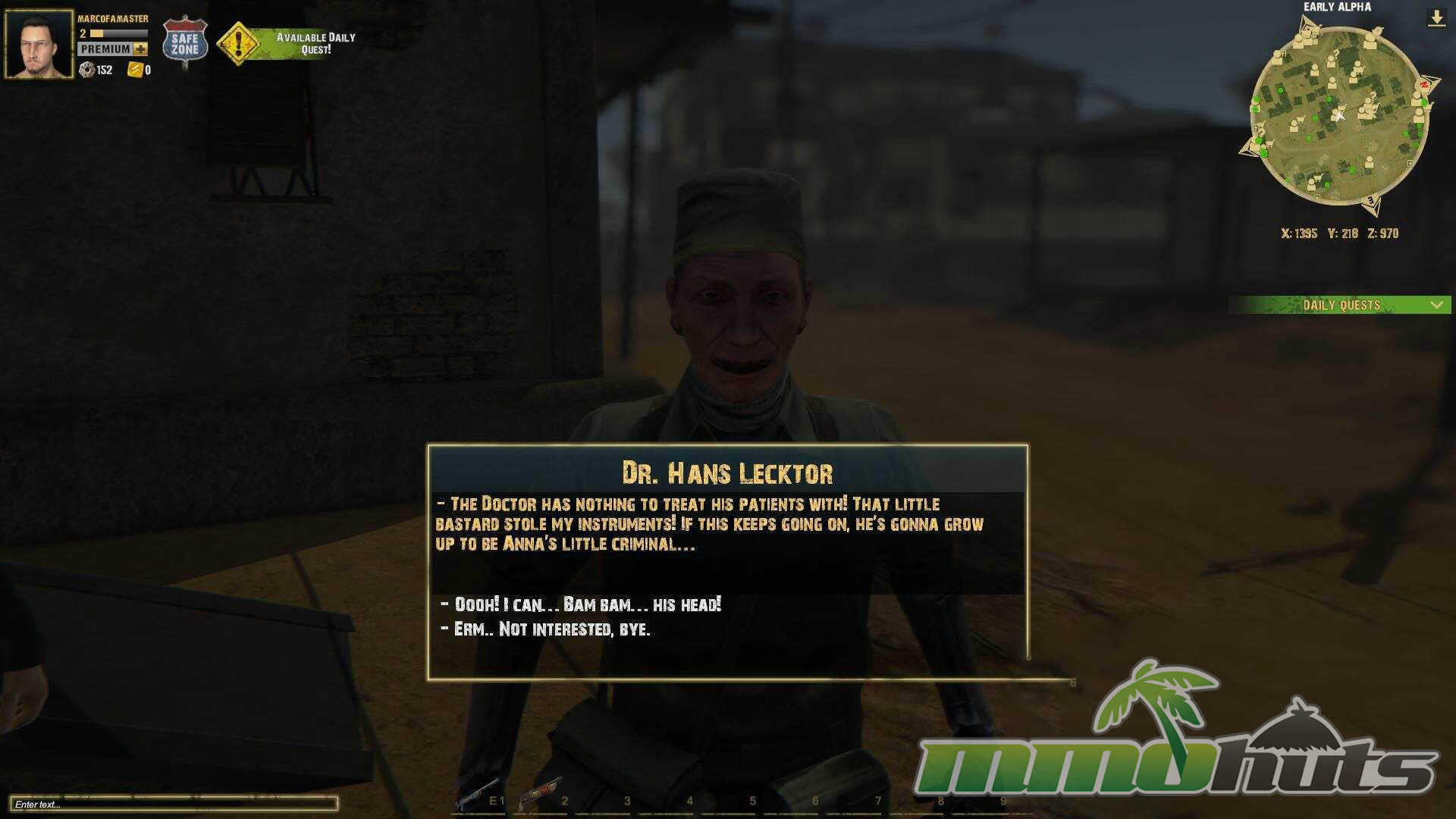
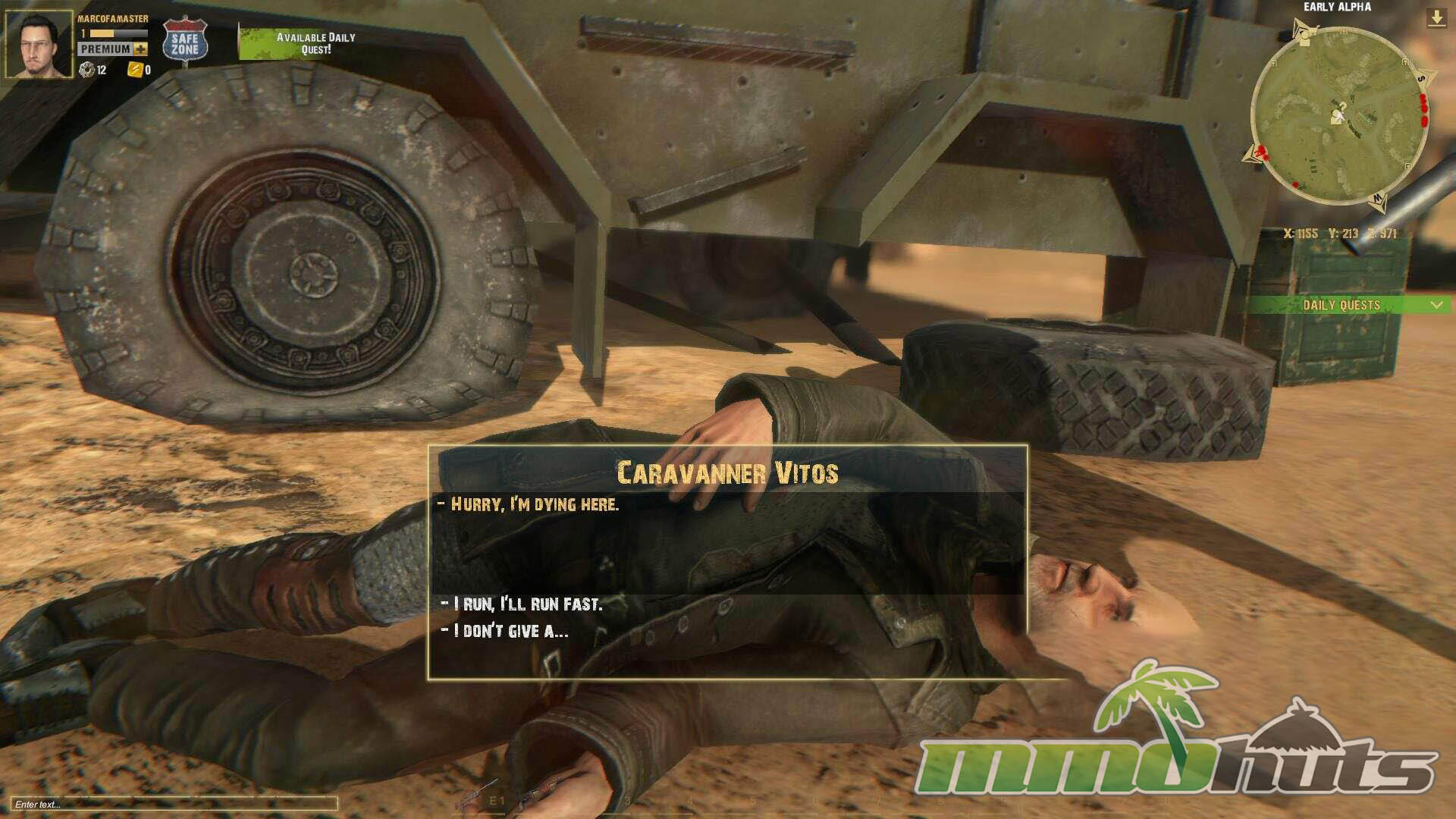
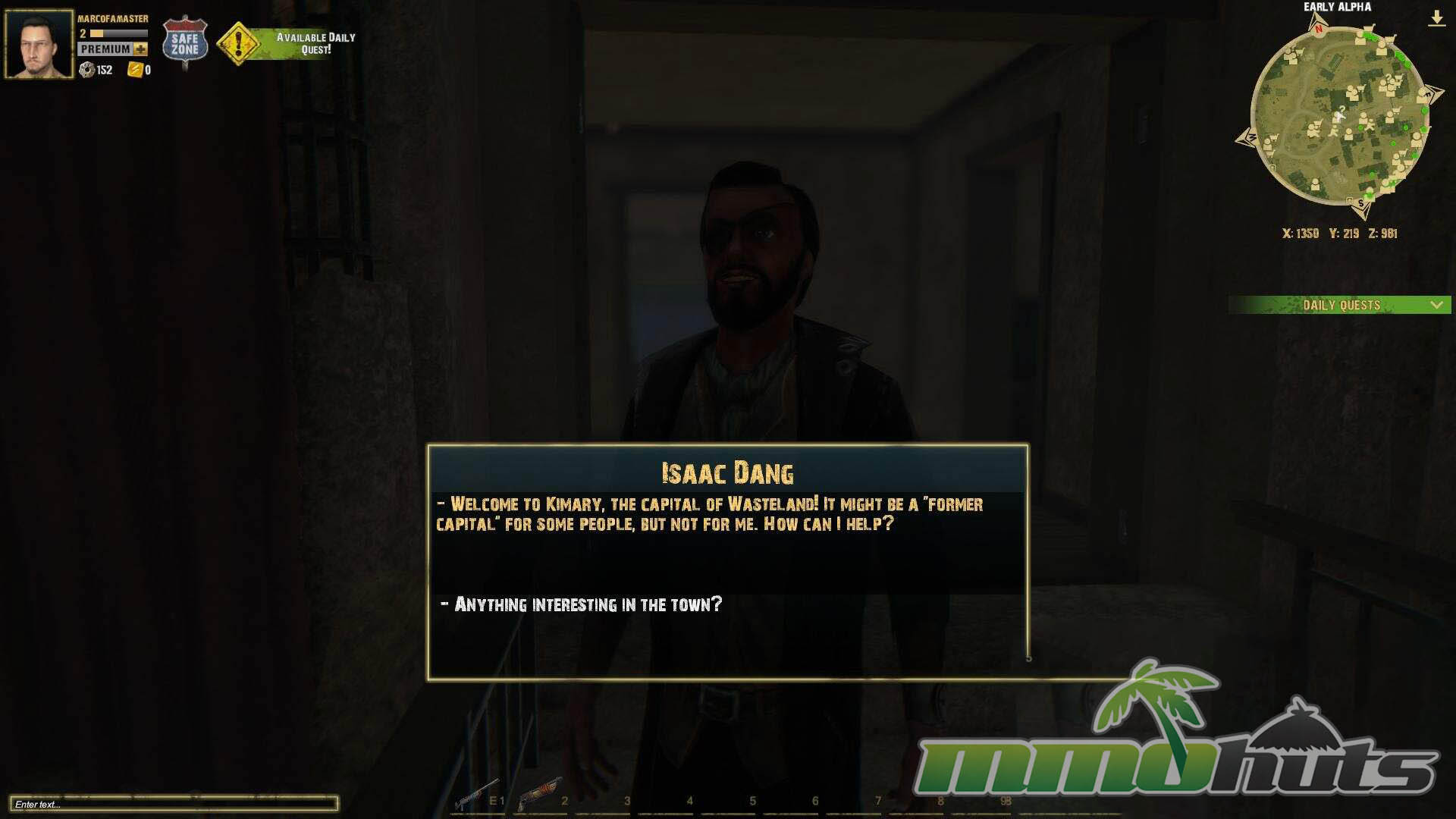
The SKIES took place in a near-future ruin where the remaining survivors spread out across a hostile frontier, always weighing the value of a haul against the risk of running into raiders. Rather than pushing a strict quest line, it marketed itself around player choice, letting you decide what to pursue and when. Players could align with factions shaped by player hierarchies, contest settlements through clan warfare, or carve out a base of operations of their own. For those who wanted conflict on more defined terms, the arena offered battles with up to 20 participants fighting for dominance. On the roleplaying side, the game also tried to make NPC interactions more reactive, with dialogue that could shift depending on your character’s gender, IQ, skills, and story progress.
The SKIES Key Features:
- Large Game World – travel across 8 km² of wasteland territory packed with danger, secrets, and contested ground.
- Dynamic Dialogue – NPC conversations respond to multiple character traits, encouraging different builds and roleplay choices.
- Book-Based – rooted in a contest-winning novel written by one of the developers.
- Non-Narrative Gameplay – a freeform structure that emphasizes self-directed goals over a linear campaign.
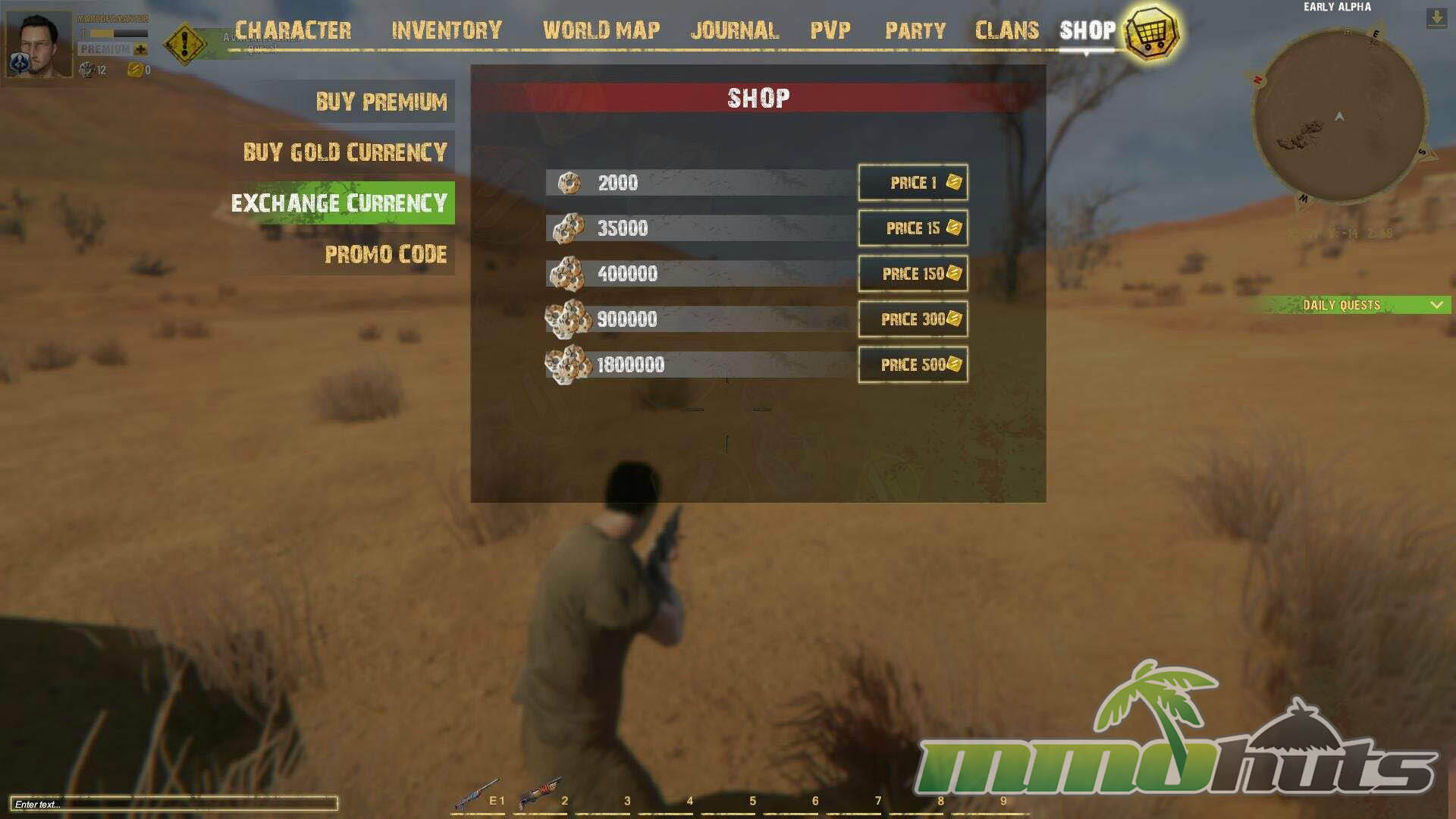
- Rich Player-Driven Economy – produce goods through factory work or ownership, including managing other players as employees.
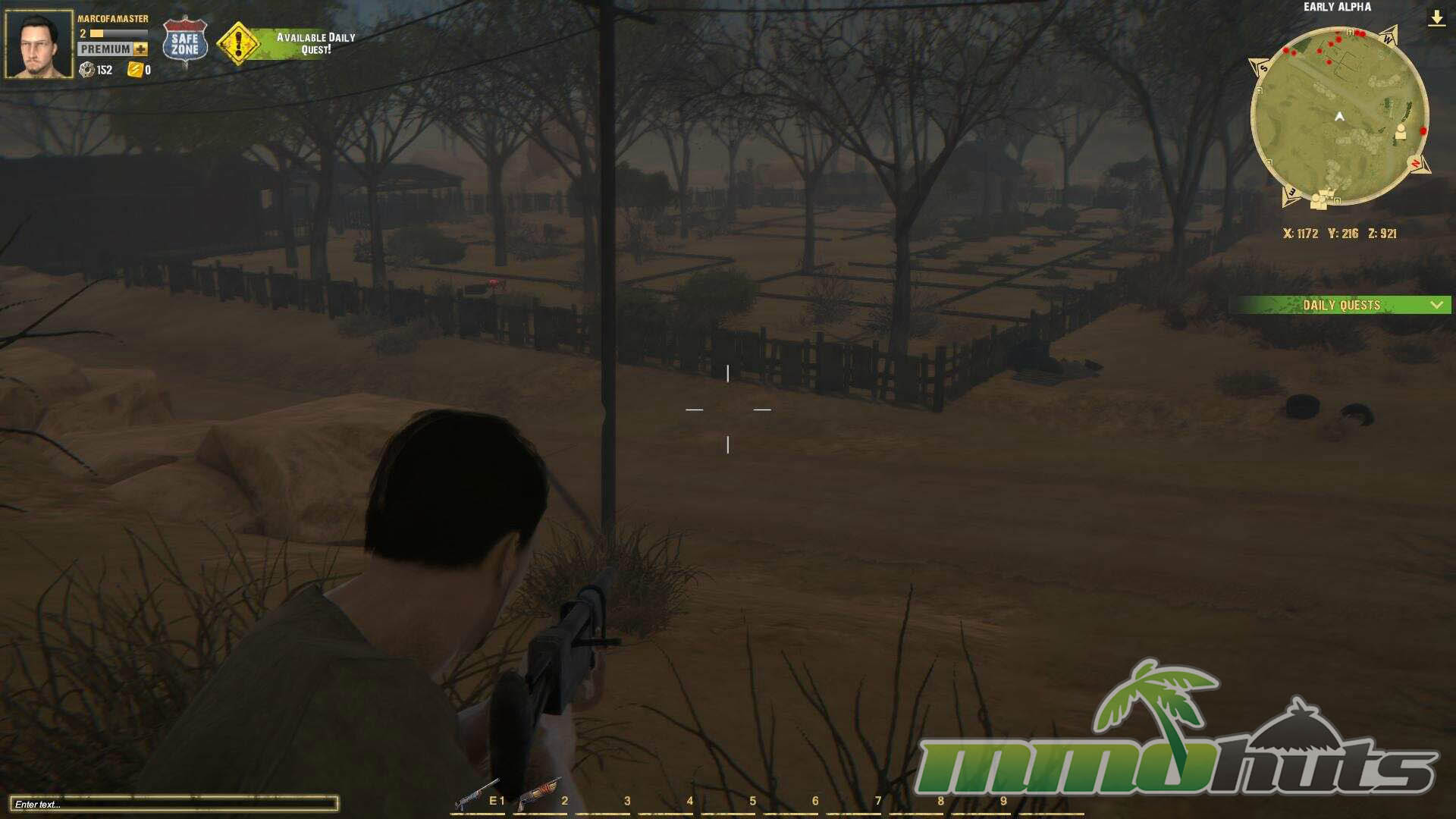
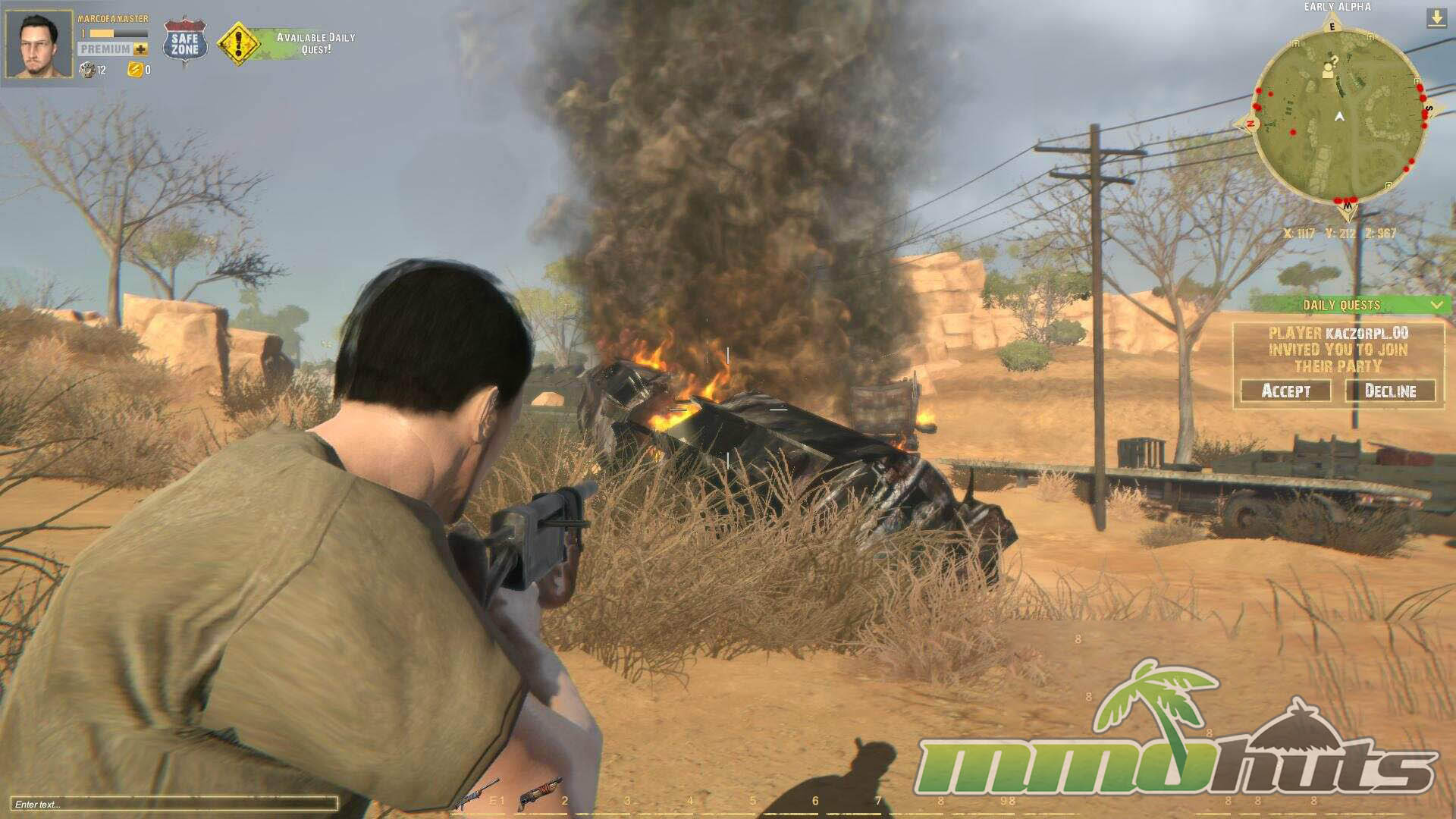
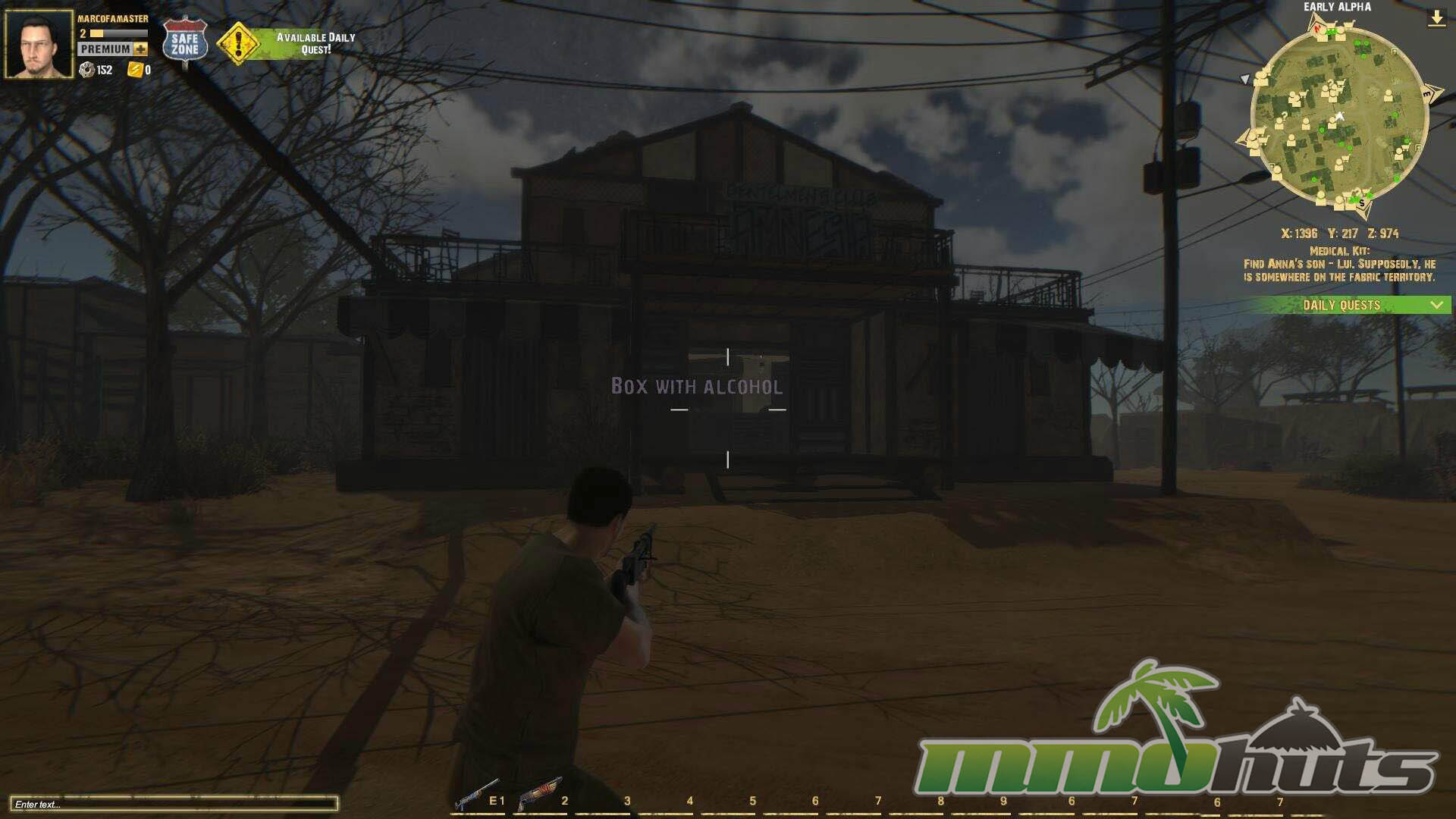
The SKIES Screenshots

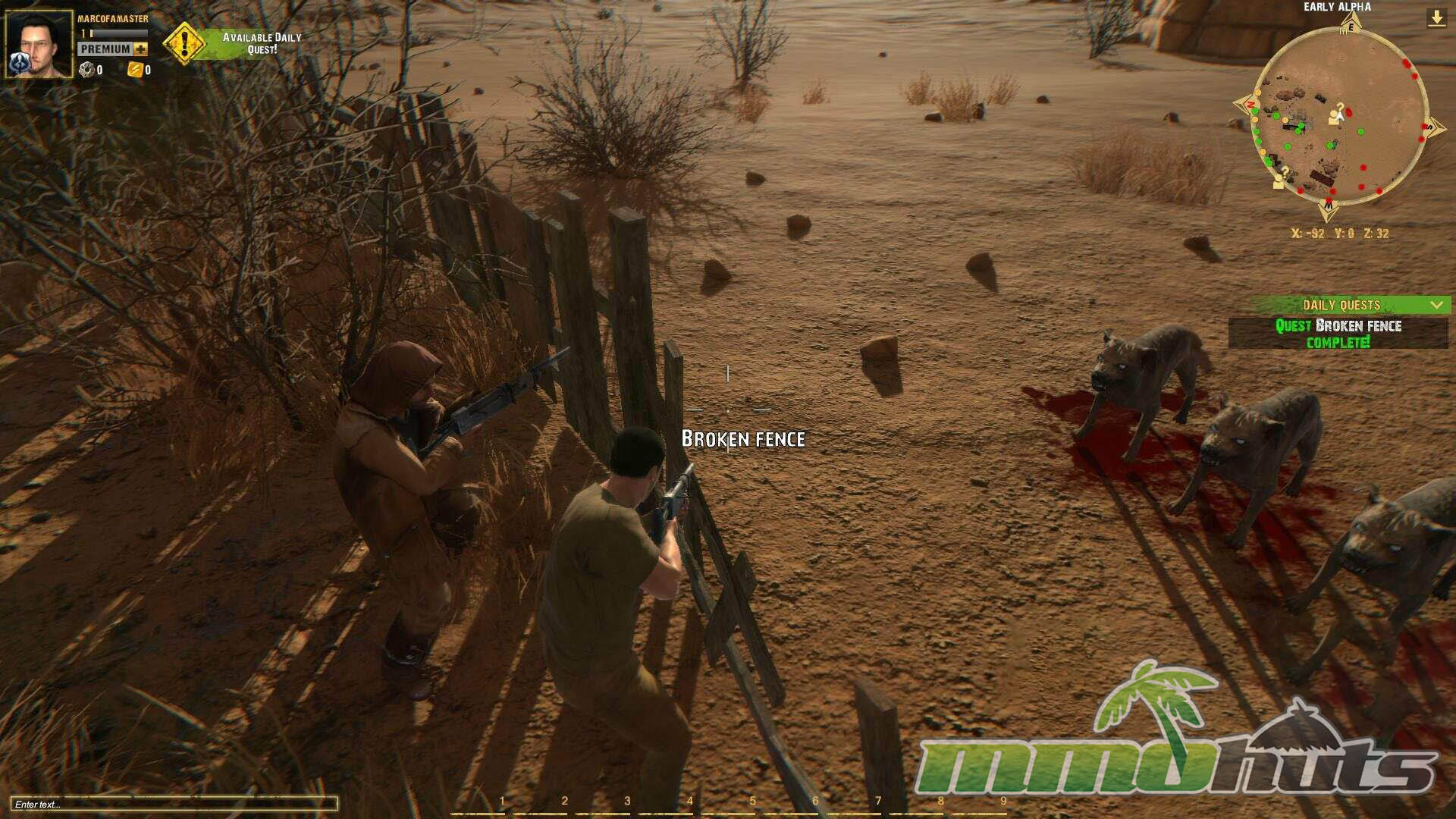
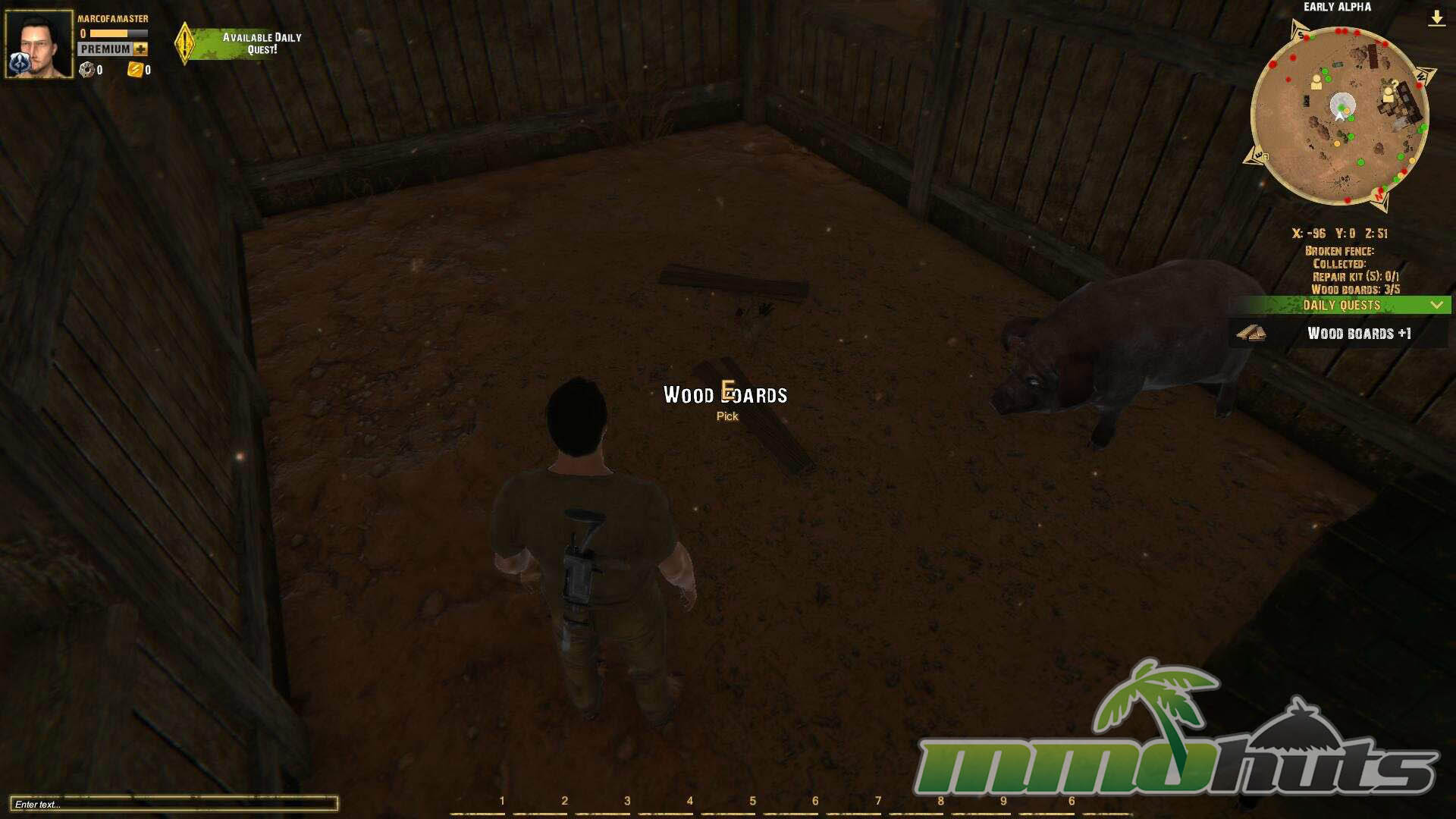
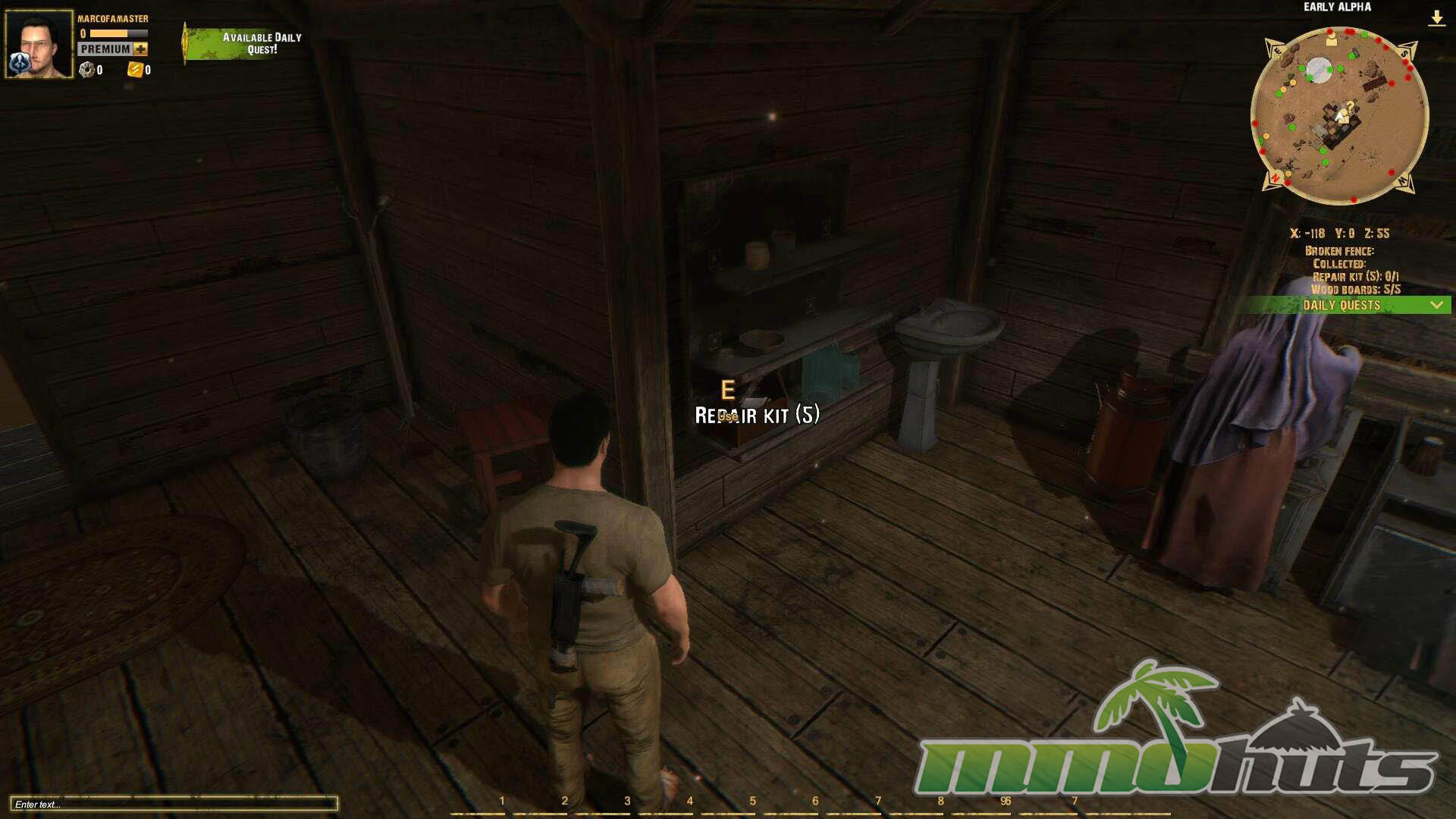
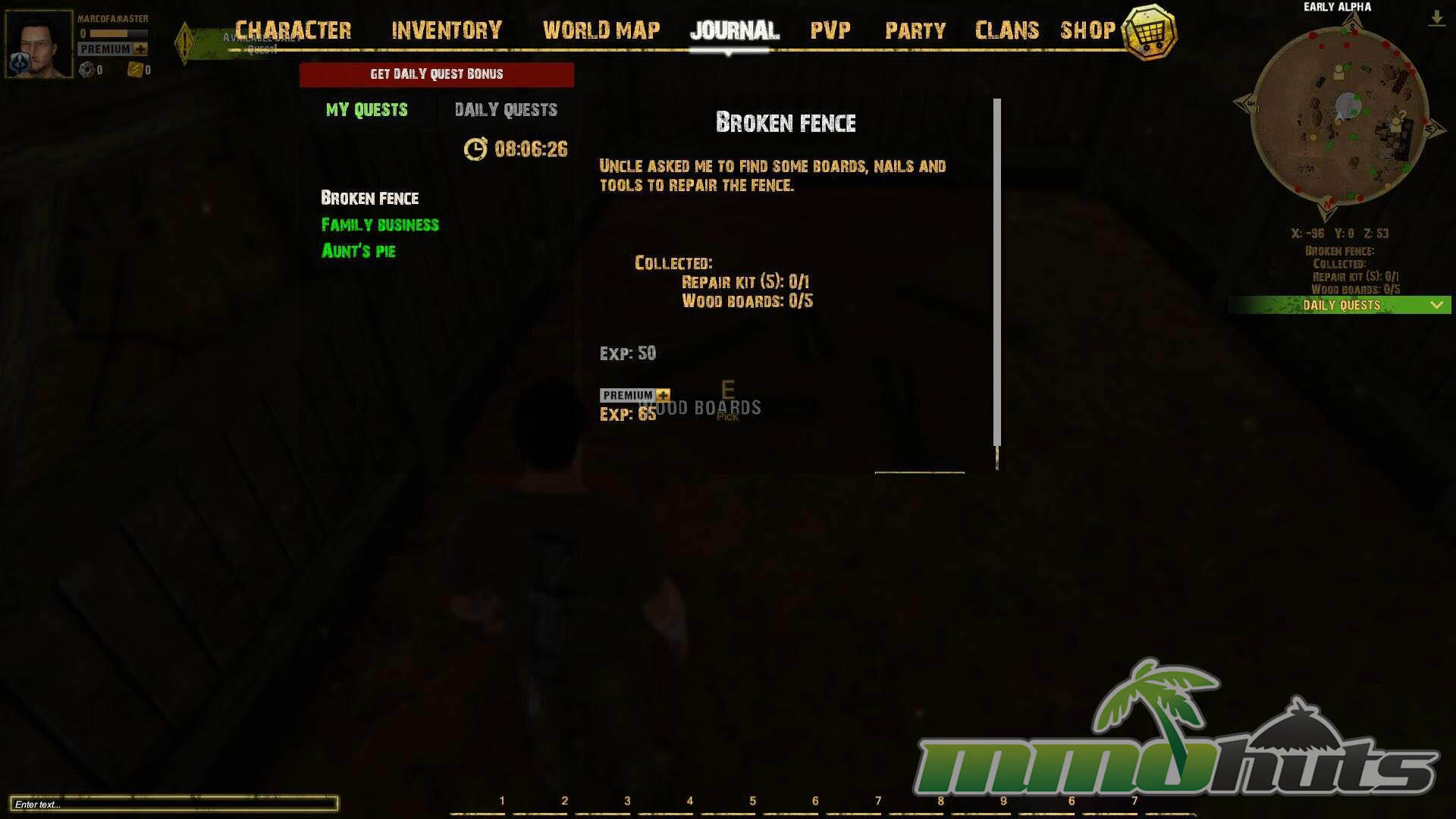
The SKIES Featured Video

The SKIES Review
The SKIES was built as a 3D sandbox survival MMO set in a devastated region simply called the Wasteland. Its central pitch was freedom: no rigid class roles, no single “correct” path, and plenty of room to define your own identity, whether that meant trader, crafter, scavenger, mercenary, or outlaw. In that sense it clearly chased the same appeal as Fallout-style character building, but with persistent online players shaping the environment.
Visually, the game ran on Unity and aimed for practicality over spectacle. The overall presentation was serviceable and, given how large the play spaces were intended to be, the lighter graphics made sense for performance on modest machines. Character and creature movement, however, often felt stiff, and the soundscape landed better than the voice work. One recurring issue was localization quality, because awkward or broken translations could make objectives and quest steps harder to interpret than they needed to be.
A rough start in a rough world
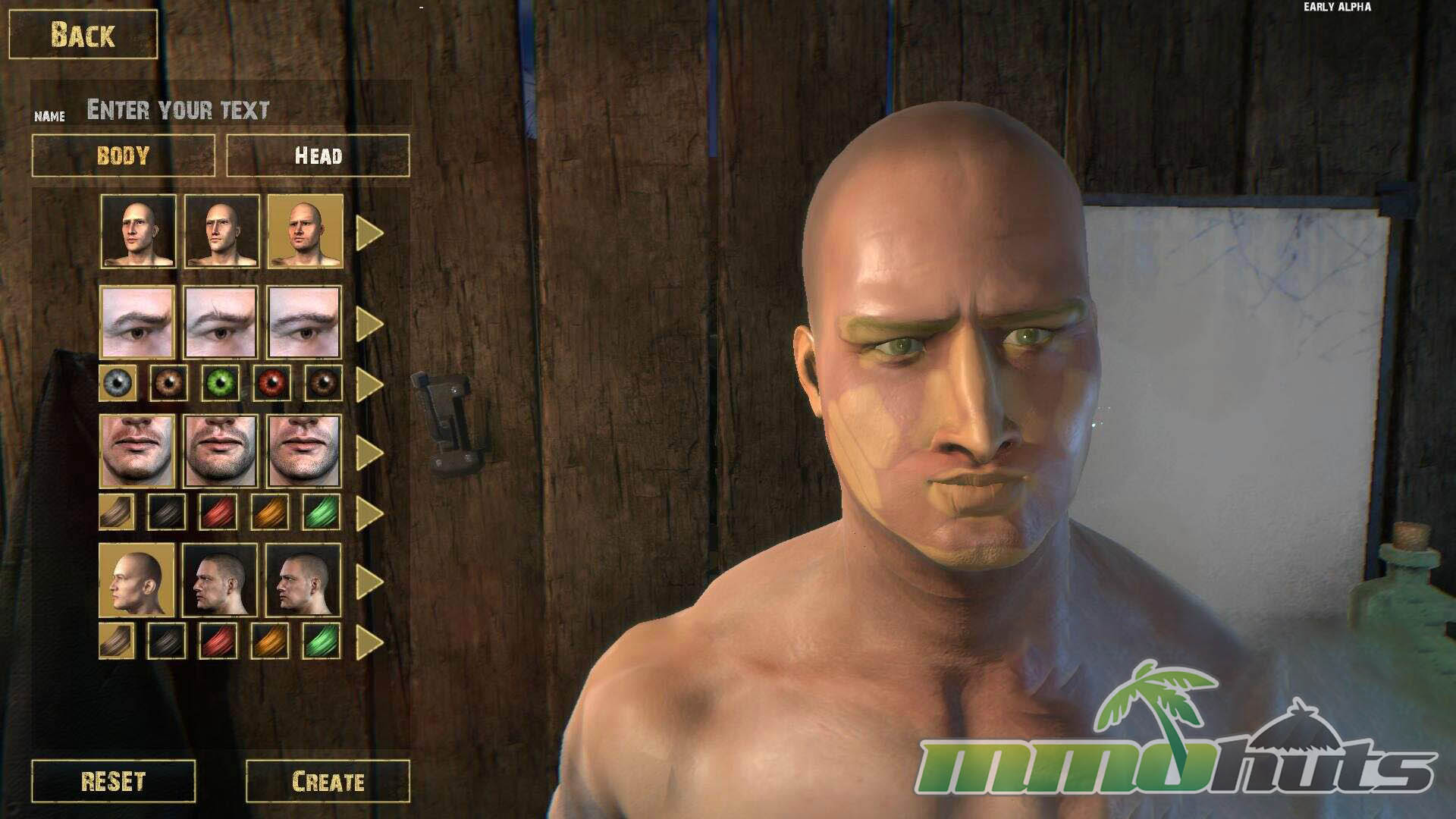
Character creation offered a selection of faces that could be adjusted by dragging features around, which echoed the style of more elaborate creators like Black Desert Online, just on a smaller scale. Body shape was tweakable in a similar way. At the time, character options were limited to male avatars only. After creation, the onboarding dropped you onto a remote farm with little more than the basics, then used early errands to introduce movement, gathering, and weapon handling.
As a foundation, the tutorial covered the essentials well enough to get you moving, but it often lacked the extra clarity survival MMOs need, especially around controls and systems that become important later. After the initial steps, the game transitioned you into Kimary, a decaying town that once served as the region’s capital, complete with environmental storytelling that leaned into the setting’s collapse.
Scavenge, fight, repeat
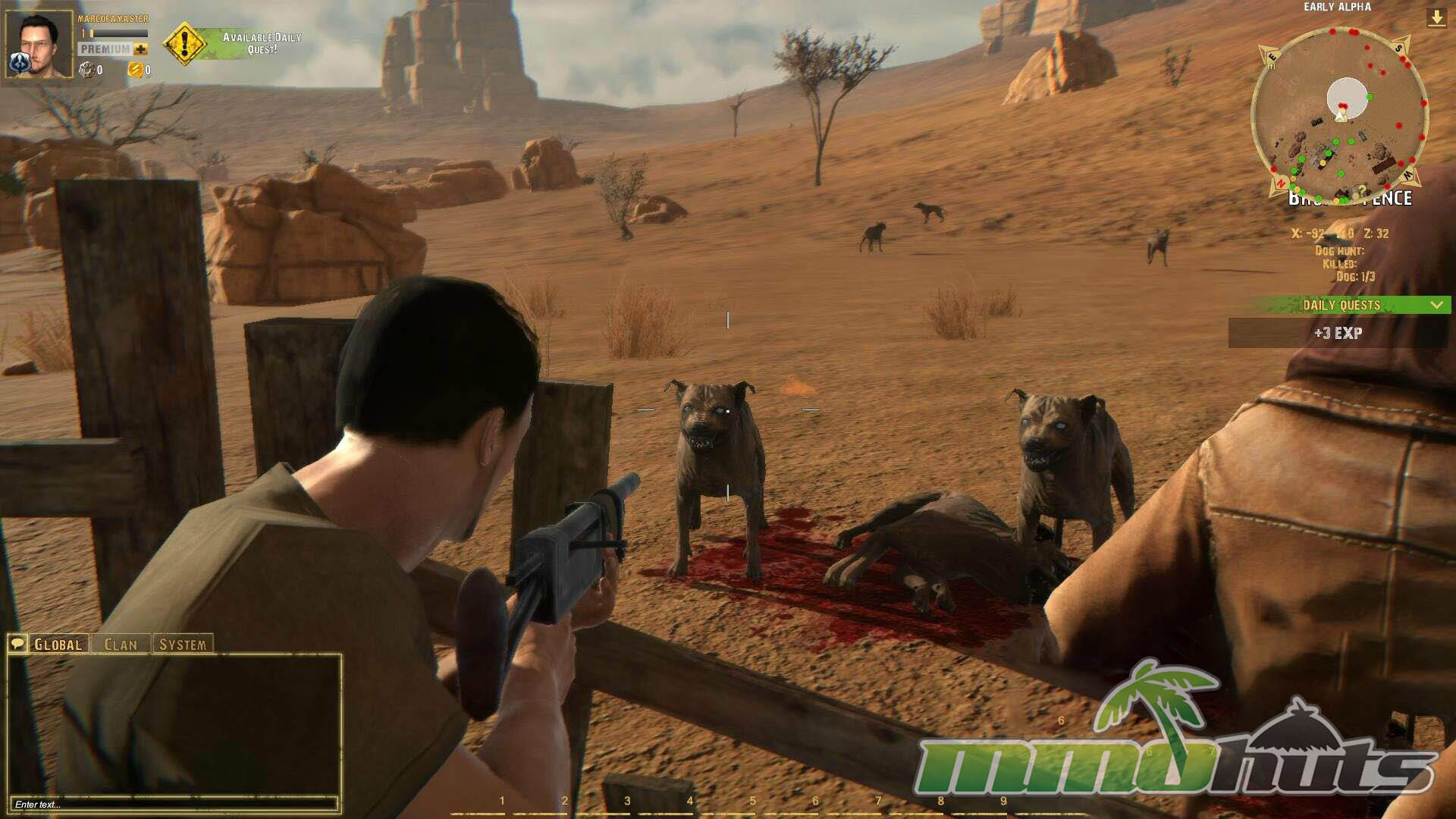
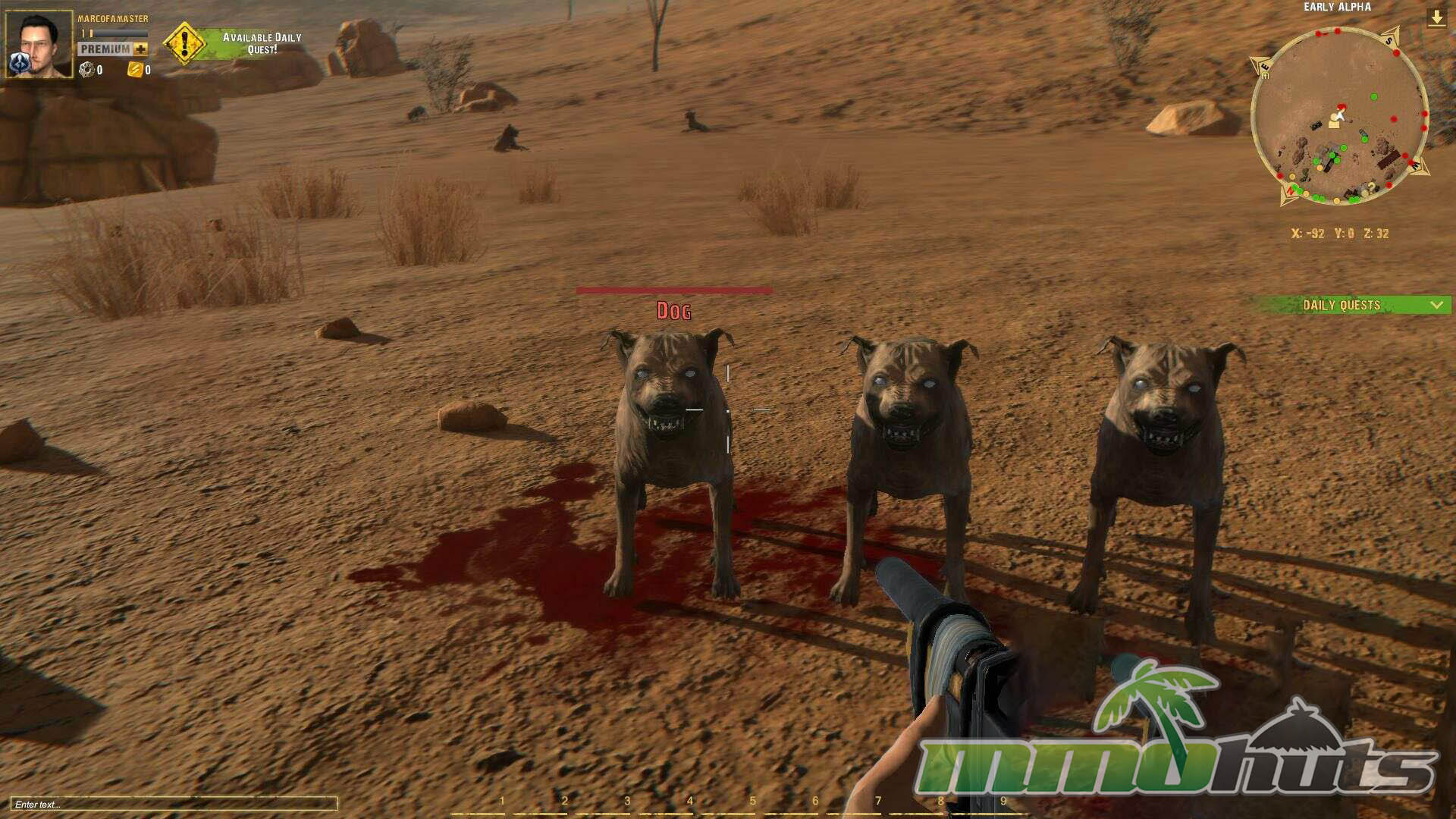
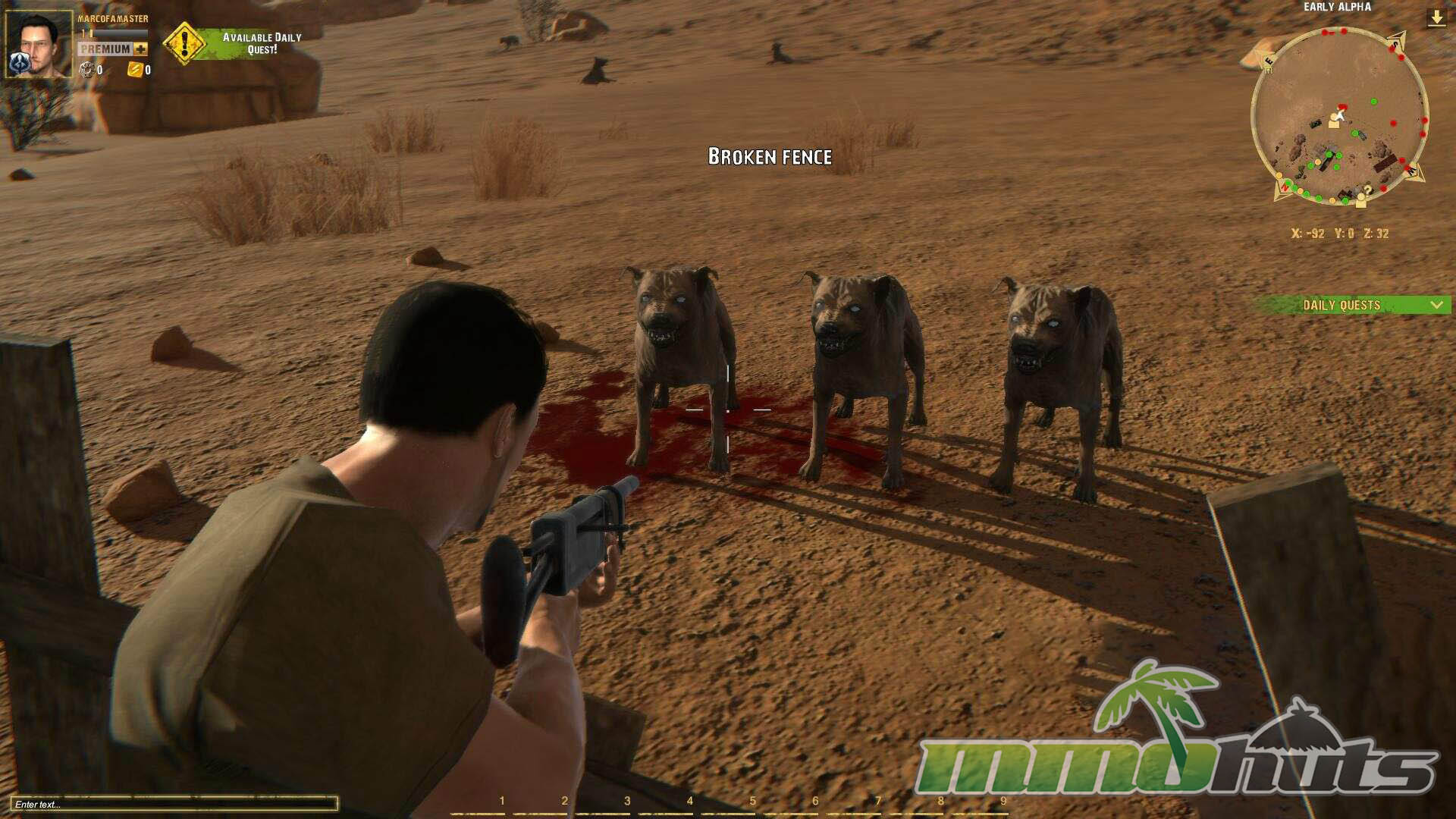
Moment-to-moment play followed the familiar survival loop: roam through the remains of civilization, loot what you can, and stay alive long enough to turn that haul into progress. Bandits, hostile wildlife and mutants, and other players all competed to make every trip outside safer zones feel uncertain. The SKIES also tried to sell scale, with wide stretches of territory meant for long-distance travel and discovery, similar in spirit to other open survival sandboxes.
Where it differentiated itself a bit was in how it handled character growth. Early on you received points to allocate across six attributes: Strength, Dexterity, Endurance, Intelligence, Technology, and Luck. On top of that, you invested in attribute-linked skills, for example Fistfight and Heavy Weapon under Strength, or Trade and Oratory under Intelligence. These choices did more than just adjust combat numbers, they influenced how your character came across in conversations, making social interaction feel tied to your build rather than being purely cosmetic. Leveling granted more points, encouraging experimentation and long-term specialization.

Making a living, your way
The game’s best ideas sat in its sandbox economy and “choose your role” philosophy. The Wasteland was designed to support different lifestyles, from predatory bandit play that hunted players beyond safe zones, to more structured work like mining and production. In theory, this created a living ecosystem where crafters, suppliers, guards, and raiders all had reasons to exist.
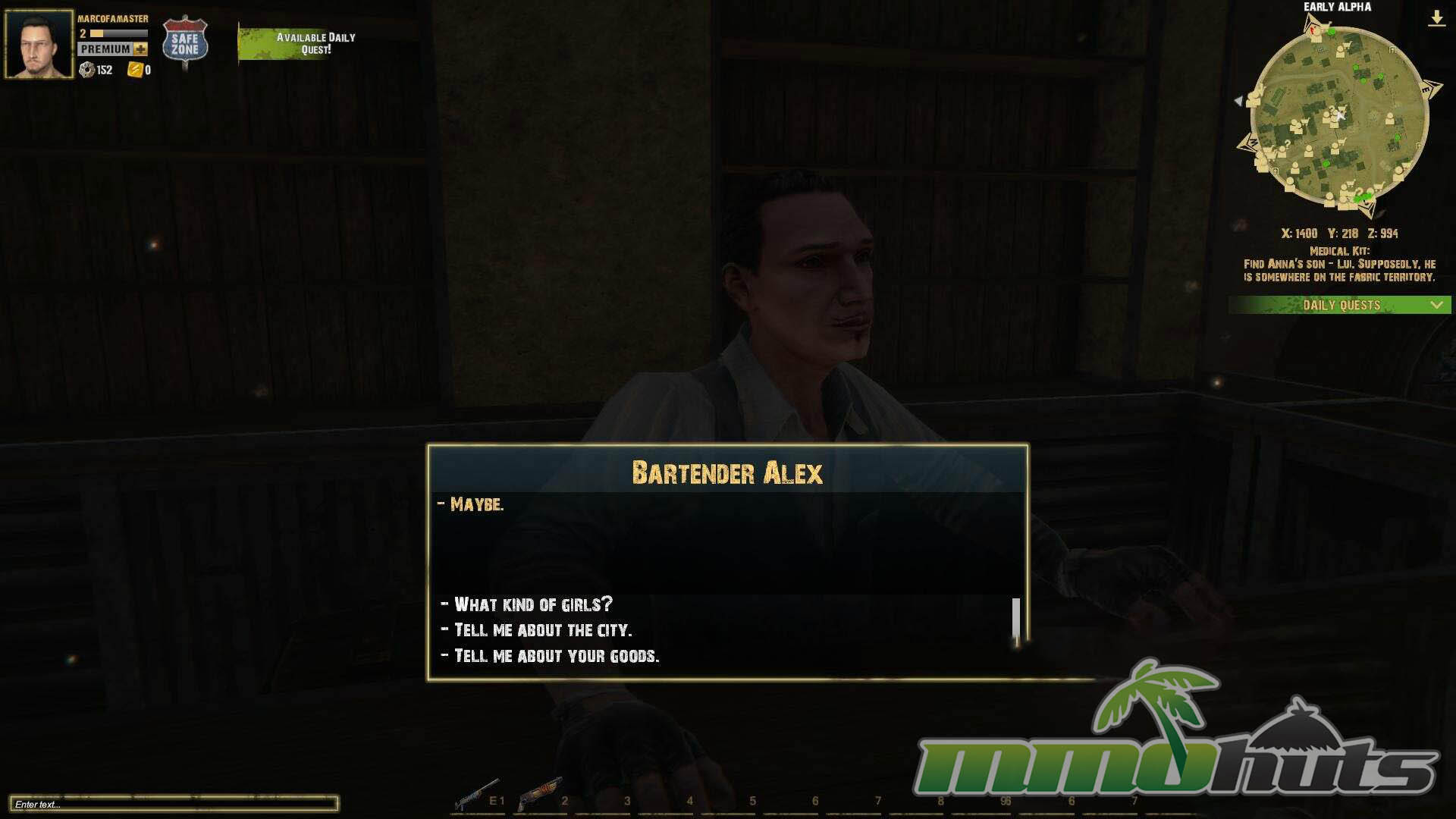
In practice, figuring out the job and economy systems could be a struggle. Key information was easy to miss, and the early experience did not always explain what to do next, which was made worse when quest text or system prompts were unclear due to translation problems. Players willing to push through the confusion could find depth, but the learning curve was not always intentional or well signposted.

Technical rough edges
As an Early Access Alpha title, The SKIES came with a noticeable share of bugs. Some issues were harmless oddities that pulled you out of the atmosphere for a moment, while others were the kind that could block progress, such as quests that failed to complete properly. The bigger concern in a persistent PvP world was the presence of hackers and exploit abuse, which can quickly undermine any game built around risk, loss, and player-driven conflict.
To the developers’ credit, fixes and responses were part of the game’s rhythm during active development, with regular updates aiming to patch problems as they surfaced. Even so, stability and fairness were ongoing challenges, and those problems were especially visible because the game’s design placed so much weight on open-world interactions.
Always-on PvP pressure
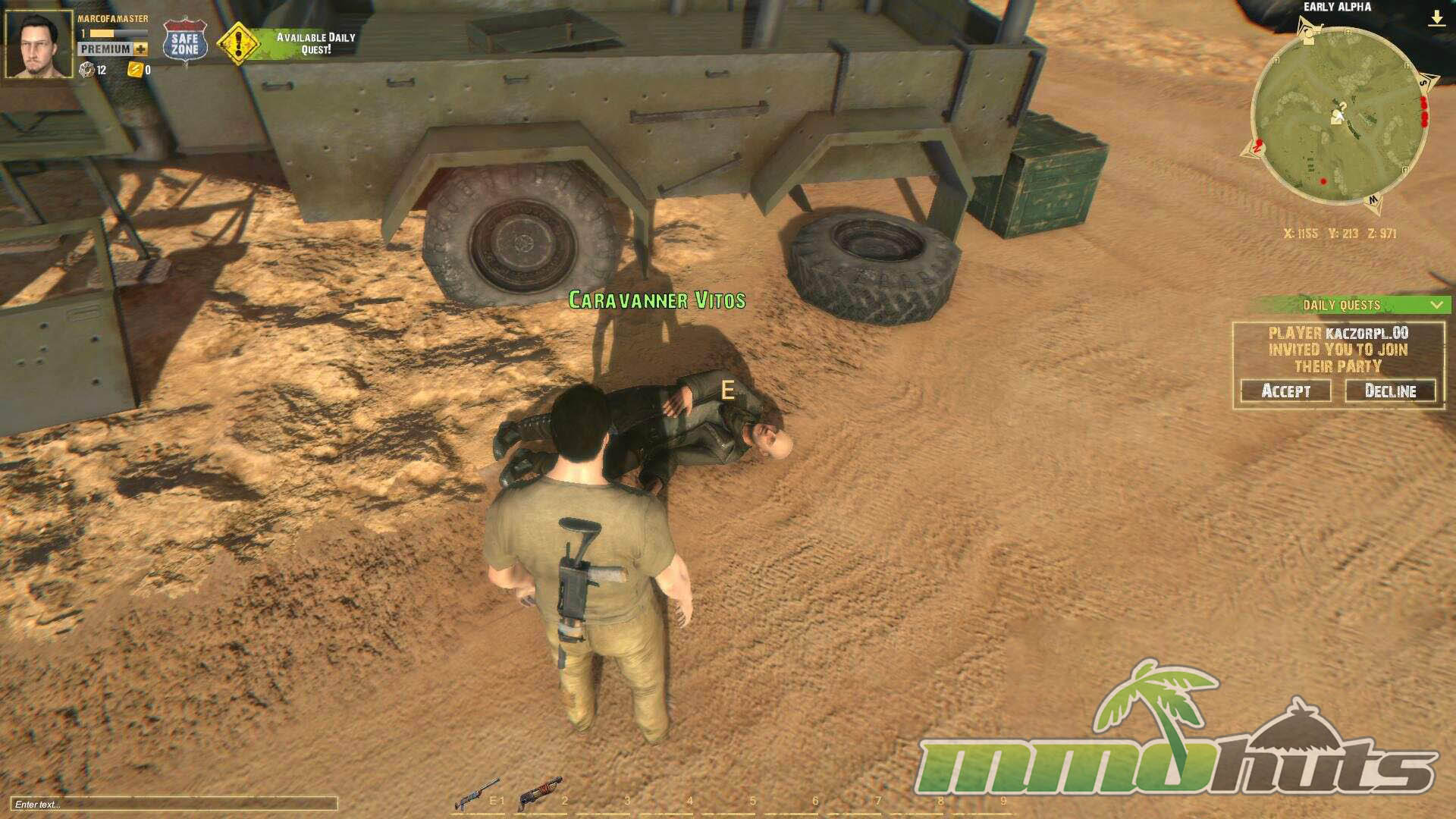
The SKIES operated as a persistent PvP environment, so the threat of ambush and looting was never far away. That tension is a major draw for many survival fans, but it can also be exhausting for players who prefer structured encounters or more protected progression. Beyond opportunistic player killing, the game offered more organized competition through clan wars tied to town control, and a free-for-all arena mode that supported up to 20 players battling to prove who belonged at the top.
This mix of chaotic wilderness PvP and curated modes helped diversify conflict, and it gave both roaming predators and competitive fighters a place to focus their play. Still, the overall experience leaned heavily toward PvP-first priorities, which shaped how safe, welcoming, or punishing the world could feel.
Final Verdict – Good
The SKIES entered a crowded field of post-apocalyptic survival games, borrowing recognizable ideas from titles like DayZ, H1Z1, and Fallout while trying to combine them with a persistent MMO framework. At its best, it offered the ingredients survival enthusiasts look for: character builds without strict classes, crafting and resource management, PvE threats, dungeons, and a world where player conflict and cooperation could define your story. The sandbox economy and faction-driven ambitions were particularly interesting on paper.
Its biggest obstacles were execution problems that are difficult for any online survival game to overcome, namely technical instability, confusing presentation, and the impact of exploits in a PvP-centric environment. Even with those issues, the core design had clear potential, and players who wanted an online, Fallout-adjacent sandbox could see what it was aiming for.
The SKIES Online Links
The SKIES Official Site
The SKIES Steam Page
The SKIES Steam Greenlight
The SKIES IndieDB
The SKIES System Requirements
Minimum Requirements:
Operating System: Windows XP, Windows Vista, or Windows 7
CPU: Pentium 4 1.8GHz or Athlon XP 1700+
Video Card: GeForce 210 or Radeon X600 Series
RAM: 4 GB
Hard Disk Space: 10 GB
Official system requirements have not yet been released for The SKIES. The requirements above are what the developers are aiming for, but may not represent the final numbers.
The SKIES Music & Soundtrack
Coming Soon…
The SKIES Additional Information
Developer: EFORB
Publisher: EFORB
Engine: Unity
Steam Greenlight: November 20, 2014
Early Access Alpha: April 16, 2016
Release Date: Never Released
Shut Down: August 26, 2022
Development History / Background:
The SKIES was developed by Ukranian indie game studio EFORB. Work on the project began in 2014, drawing from a contest-winning novel authored by one of the developers. It appeared on Steam Greenlight on November 20, 2014, then moved into Early Access Alpha on April 16, 2016. Development activity had effectively stopped by 2021, and the game was removed by August 27, 2022.