The Seven Deadly Sins: Origin

 (1 votes, average: 4.00 / 5)
The Seven Deadly Sins: Origin is a free-to-play, cross-platform open world action RPG based on the hit manga and anime series, built in Unreal Engine 5 by Netmarble. You play as Prince Tristan of Liones, the son of original series leads Meliodas and Elizabeth, exploring a time-twisted Britannia where heroes and villains from multiple timelines collide thanks to a mysterious multiverse catastrophe.
 | Publisher: Netmarble Playerbase: High Type: Mobile / PC / Console RPG Release Date: March 16, 2026 Pros: +Action combat with 3 weapon types per hero. +Beautiful Unreal Engine 5 recreation of Britannia. +Original multiverse story. +Cross-platform progression +Solid variety of side activities like fishing, cooking, crafting, and mount collecting. Cons: -Severe daily time-gating. -Endgame content scaled for whales. -Gacha costs are steep and full hero potential demands thousands of dollars. -Mobile performance is rough. -Co-op is buggy. |

The Seven Deadly Sins: Origin Overview
Set between the events of the original The Seven Deadly Sins anime and its sequel Four Knights of the Apocalypse, Origin throws players into Britannia after a new disaster: the Book of Stars has shattered the boundaries of time and space. Entire regions from the past have materialized in the present, long-extinct races are suddenly walking around again, and monsters from different eras roam the countryside. Into this chaos steps Tristan, the young prince of Liones, alongside Tioreh, the daughter of King and Diane, on a journey to piece the world back together.
The game is developed by Netmarble F&C, the same team behind the successful mobile title The Seven Deadly Sins: Grand Cross, and it represents a massive leap in scope. Gone is the turn-based card combat of Grand Cross. Origin goes full open world action RPG, built in Unreal Engine 5, with real-time combat, underwater exploration, mounts you can ride and fly, and a multiverse premise that lets the developers freely pull characters from any point in the franchise timeline. It is a gacha game at heart, no getting around that, but it is also one of the most ambitious anime-licensed open world projects to date.
The Seven Deadly Sins: Origin Key Features:
- Original Multiverse Story – A brand new narrative centered on Tristan and Tioreh, where time and space have collided, pulling heroes, villains, and entire landscapes from across the series timeline into one chaotic present.
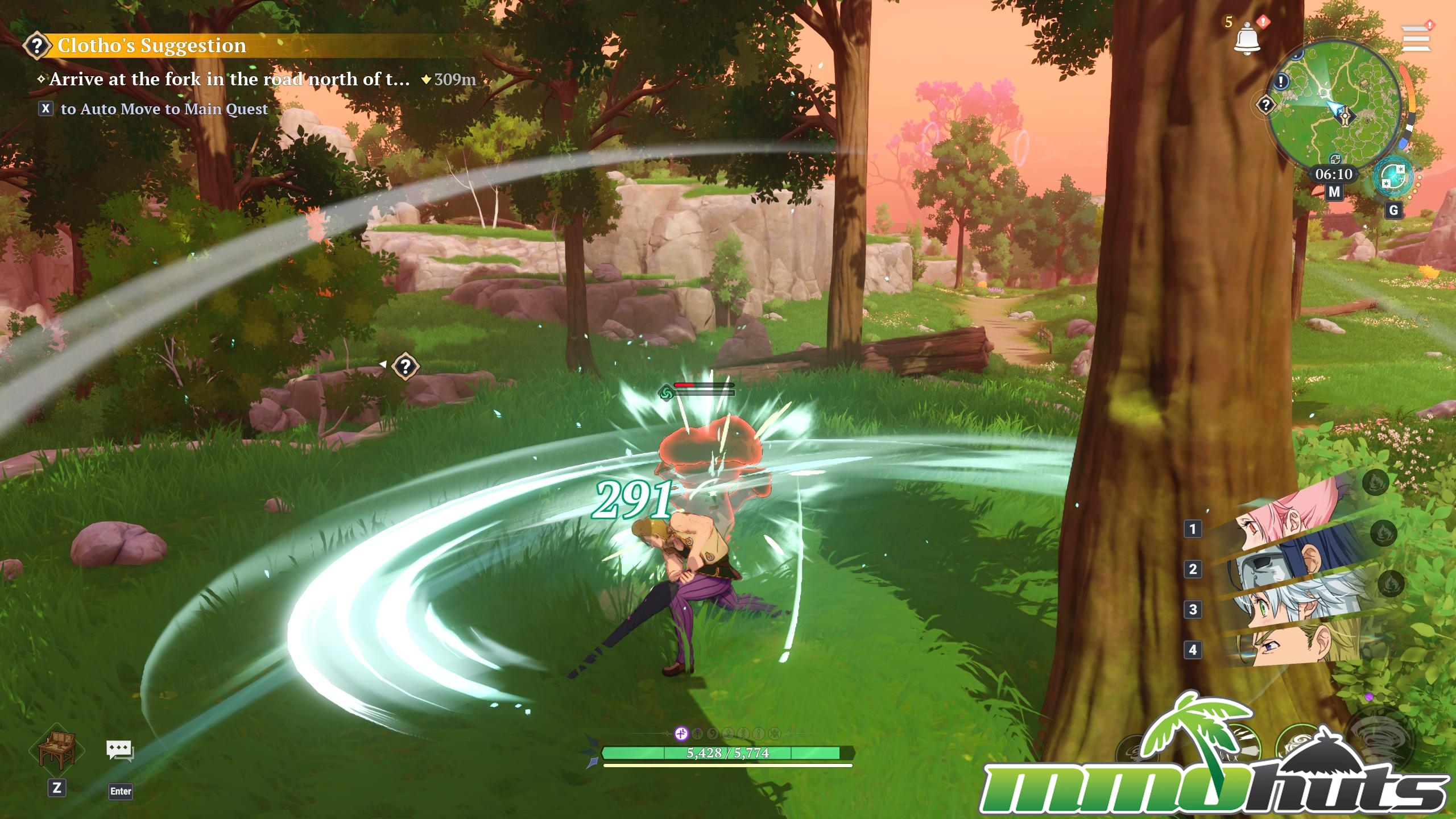
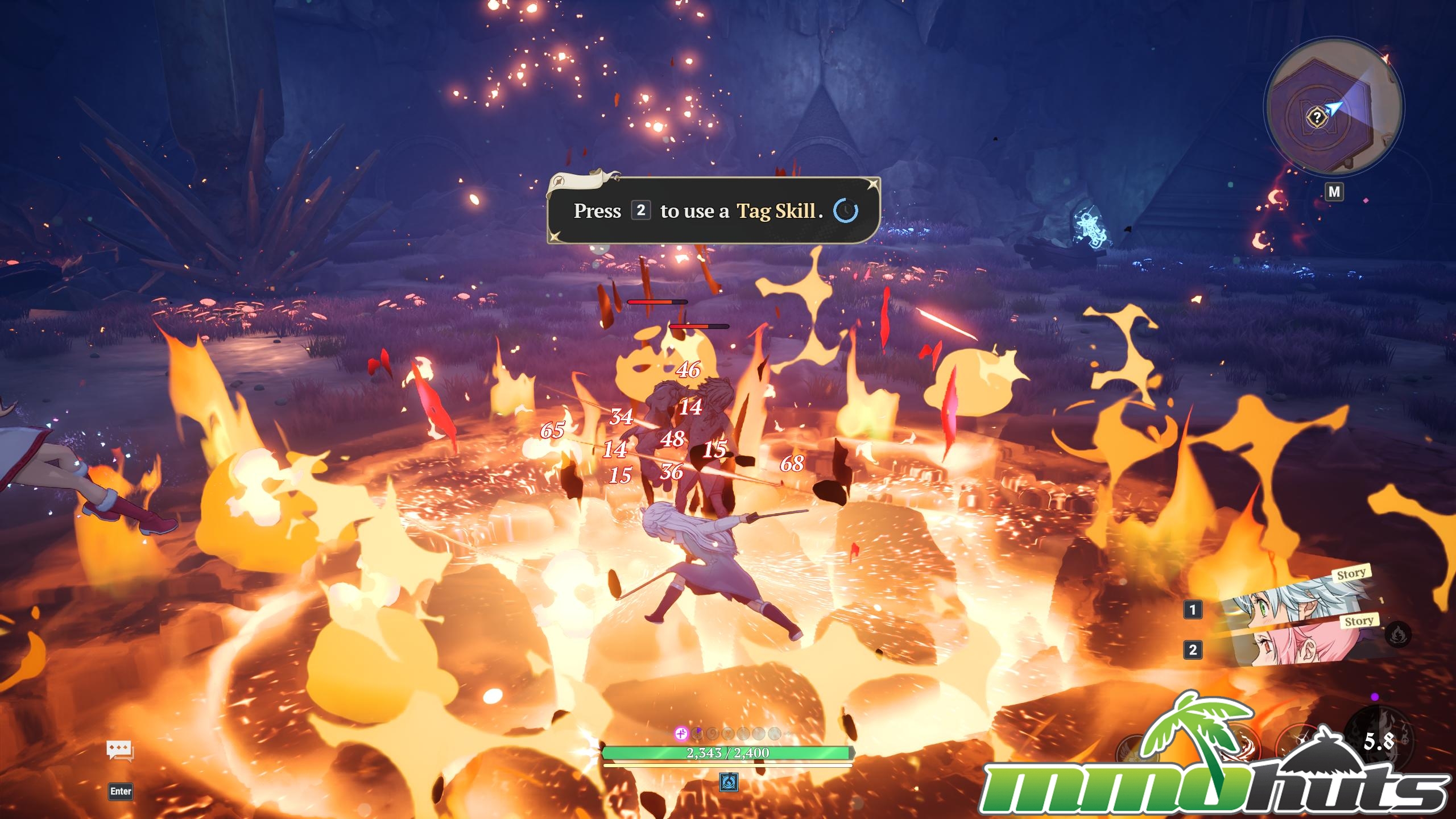
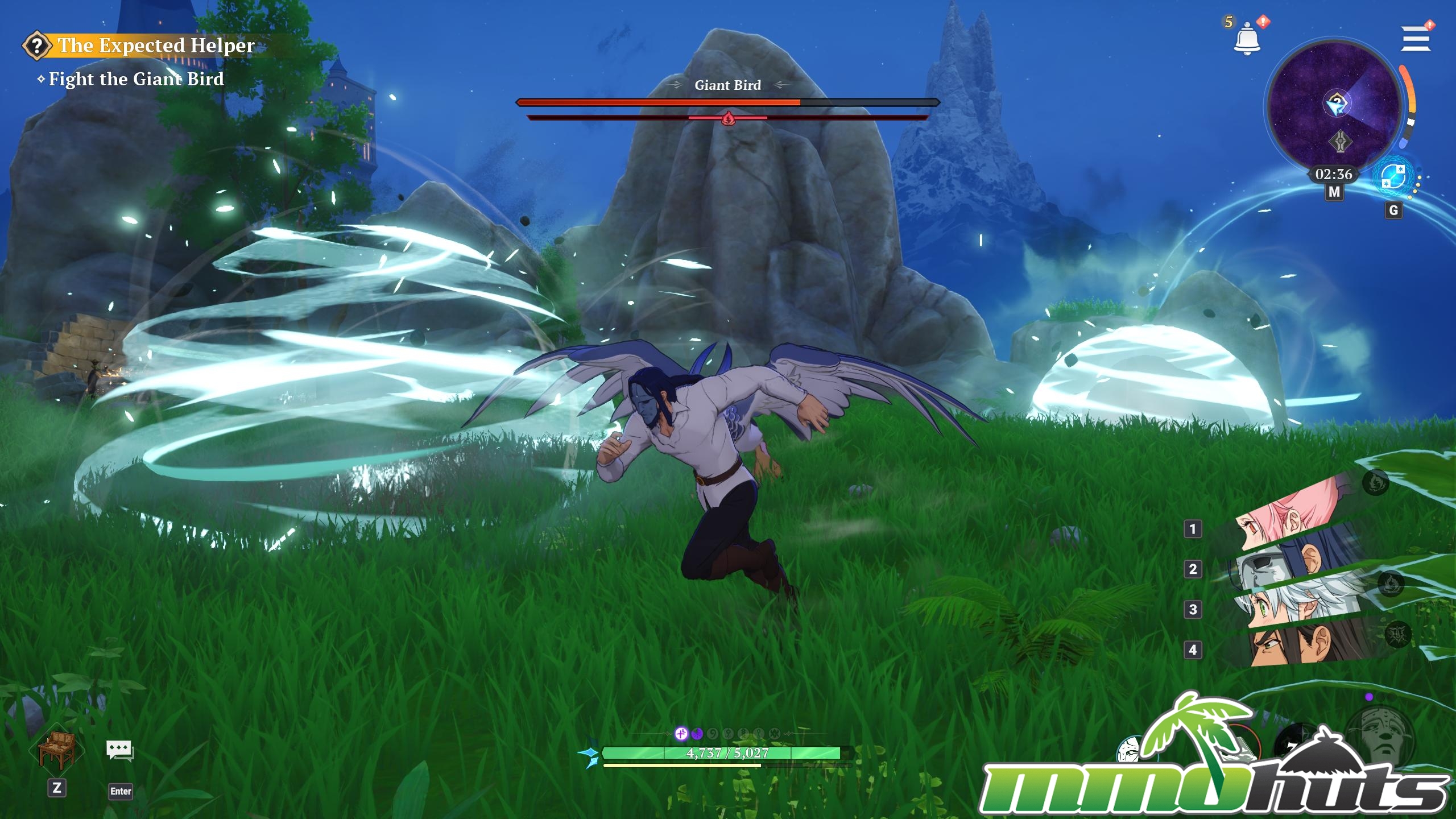
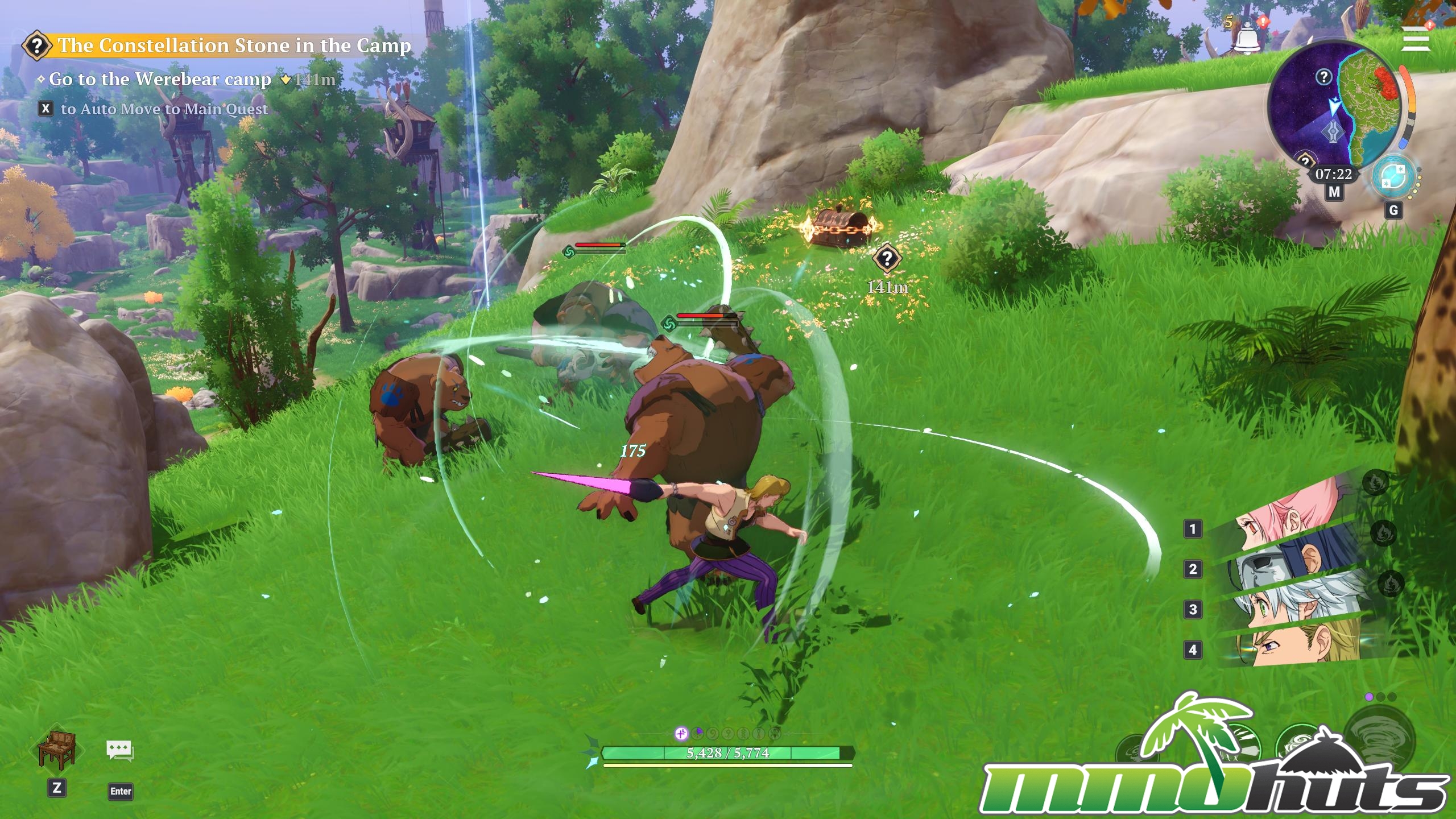
- Tag-Based Action Combat – Build a party of four heroes, each with three weapon types that change their entire moveset. Swap characters mid-combo to trigger Tag Skills and discover Combined Attacks between specific hero pairs.
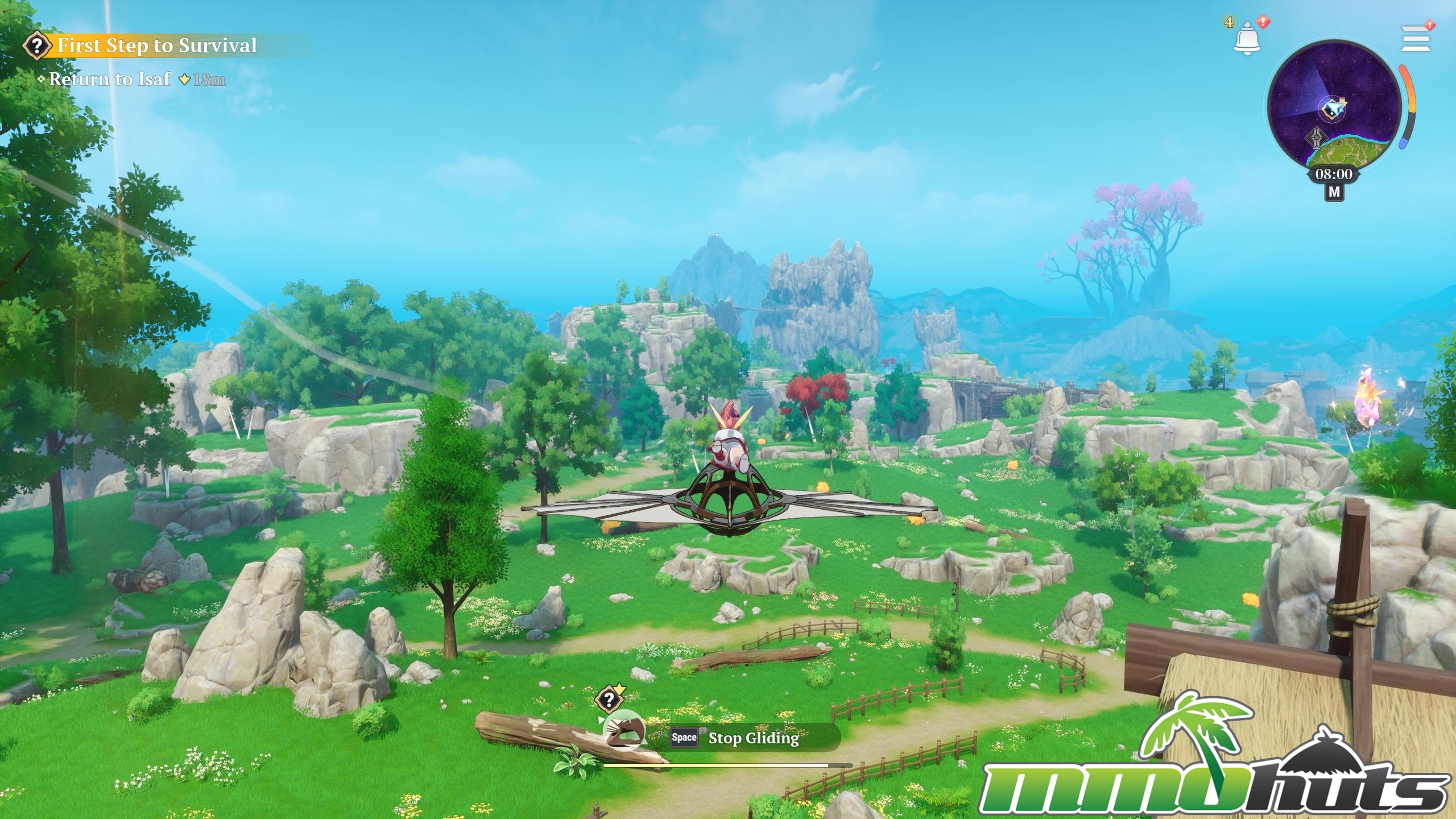
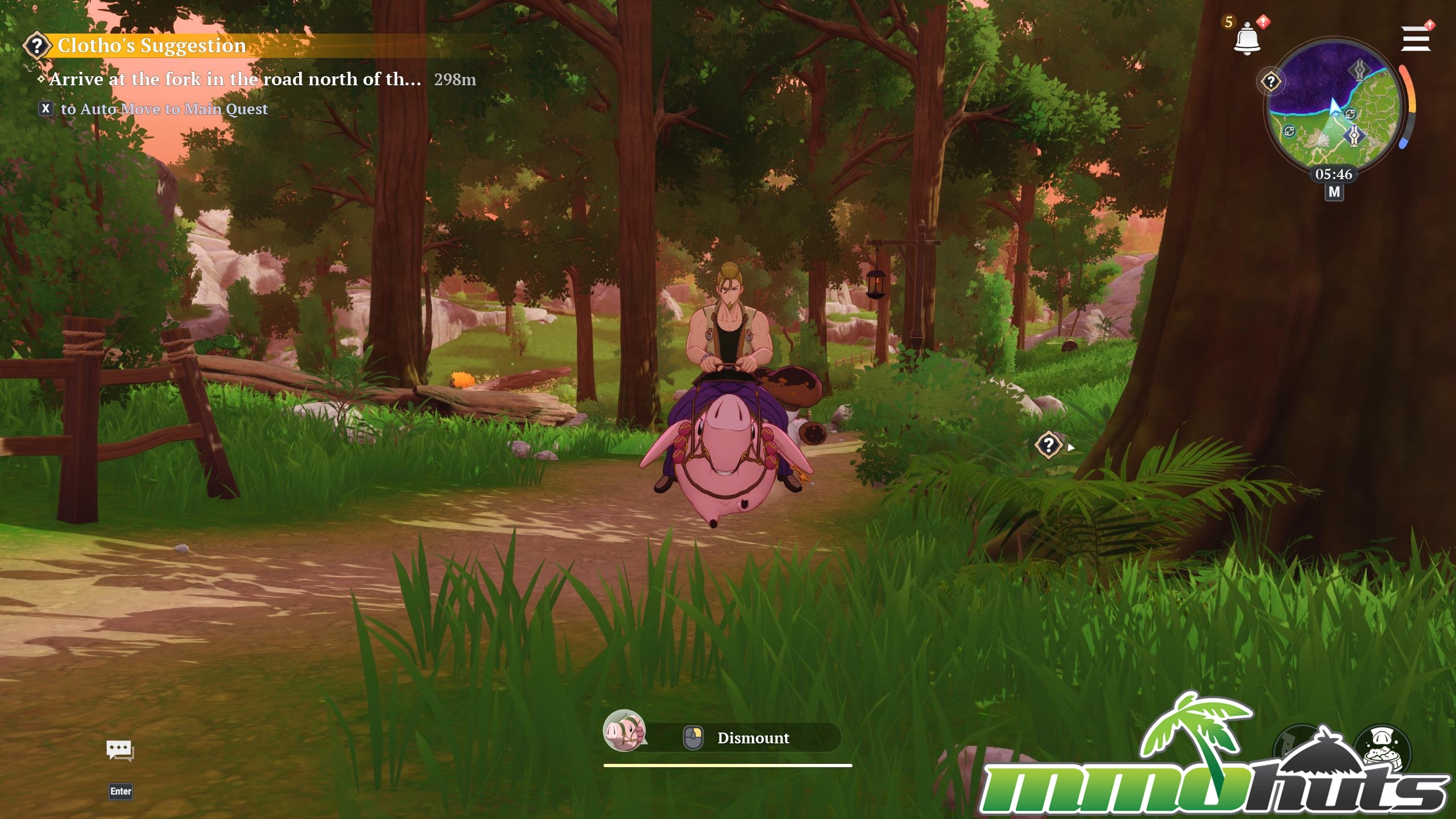
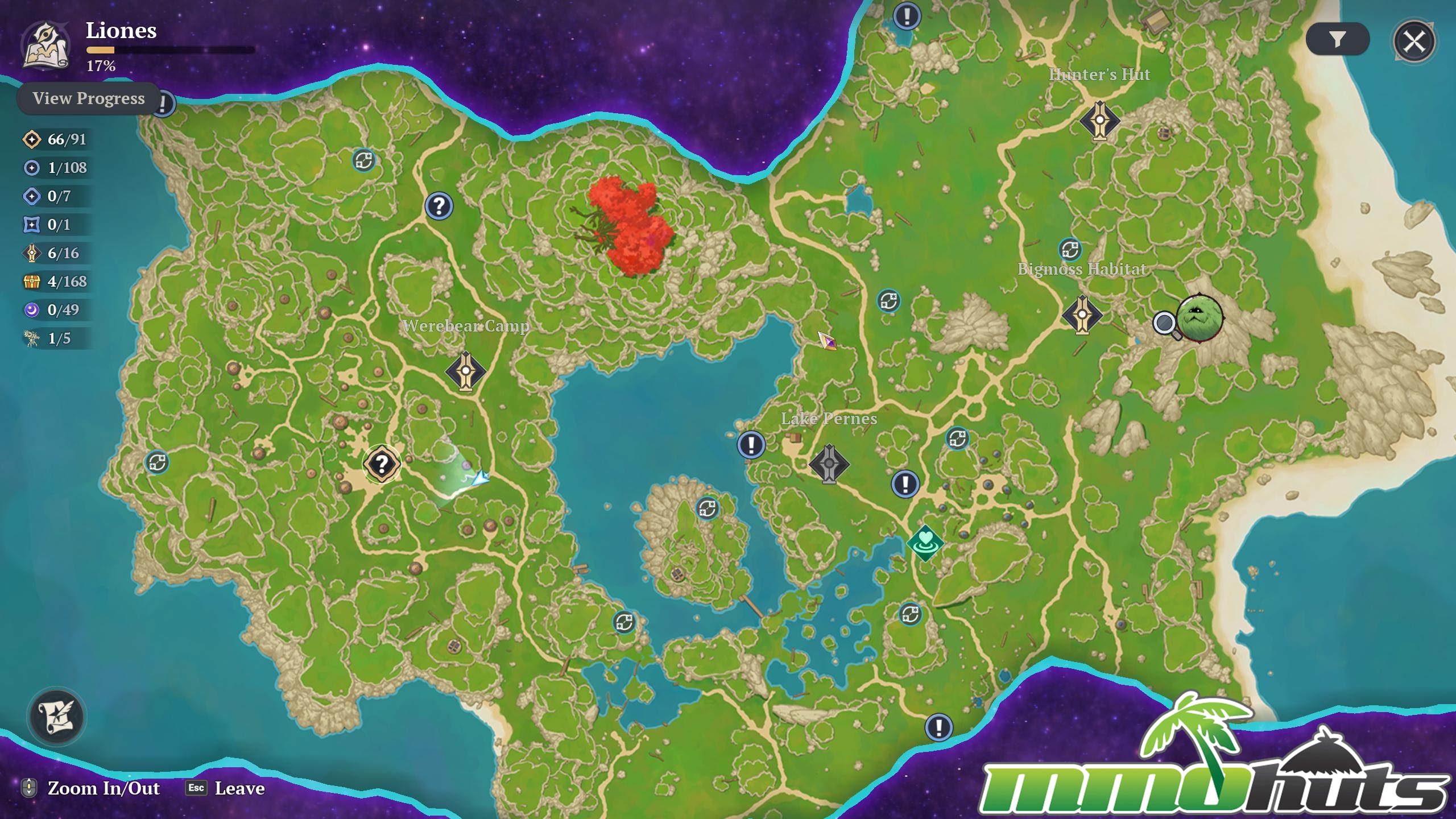
- Expansive Open World – Explore Britannia across diverse biomes including forests, deserts, canyons, and lakes. Dive underwater with a breath meter, ride and fly mounts, and watch the day-night cycle change which monsters appear.
- Hero Collection – Pull characters from across The Seven Deadly Sins, Four Knights of the Apocalypse, and brand new heroes original to Origin, then build elemental teams around fire, ice, lightning, earth, wind, sacred, and darkness affinities.
- Life Skills and Relaxation – Fish in lakes, cook meals for buffs and healing, mine ore for crafting, and gather resources across the map when you need a break from combat.
The Seven Deadly Sins: Origin Screenshots

The Seven Deadly Sins: Origin Featured Video

The Seven Deadly Sins: Origin Review
By, Kipp Stryxs
The Seven Deadly Sins: Origin is a free-to-play open world action RPG developed by Netmarble F&C and published by Netmarble. It launched first on PlayStation 5 and Steam on March 16, 2026, with the mobile versions on iOS and Android following a week later on March 23. The game is built in Unreal Engine 5 and uses a gacha model for hero and weapon acquisition. It also supports cross-platform progression, so your account and all your characters move with you between console, PC, and phone.
First Impressions and Setting
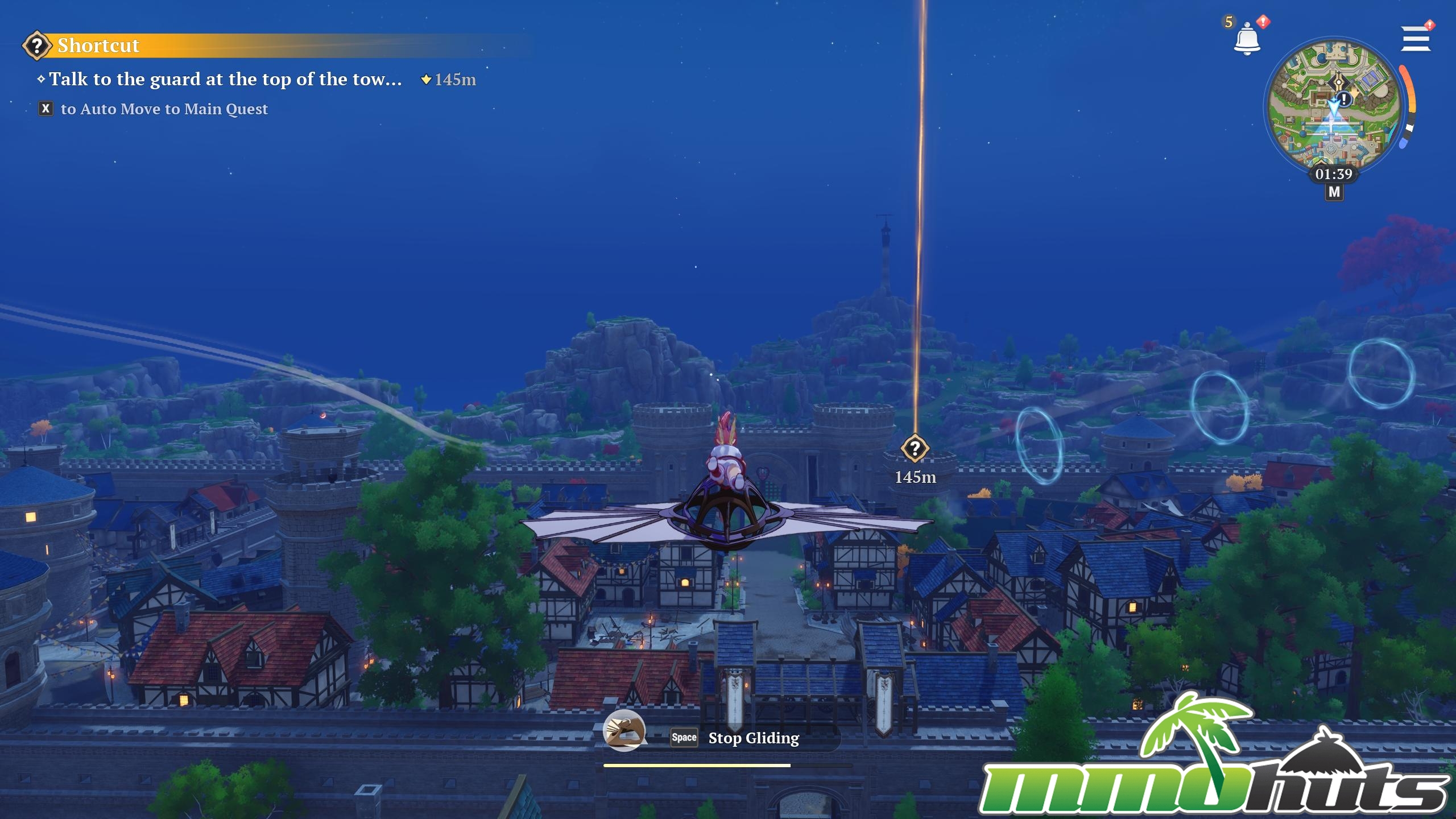
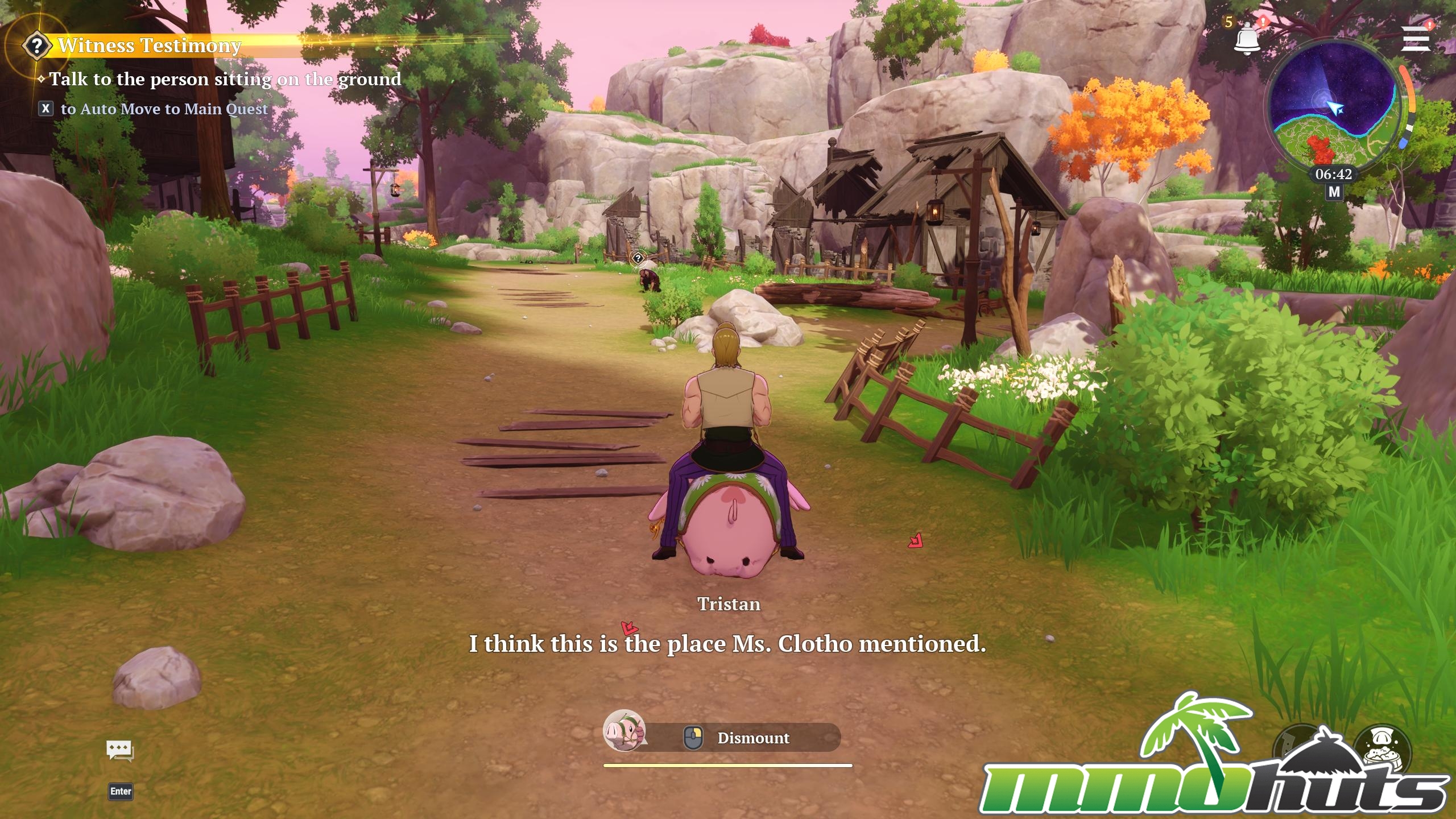
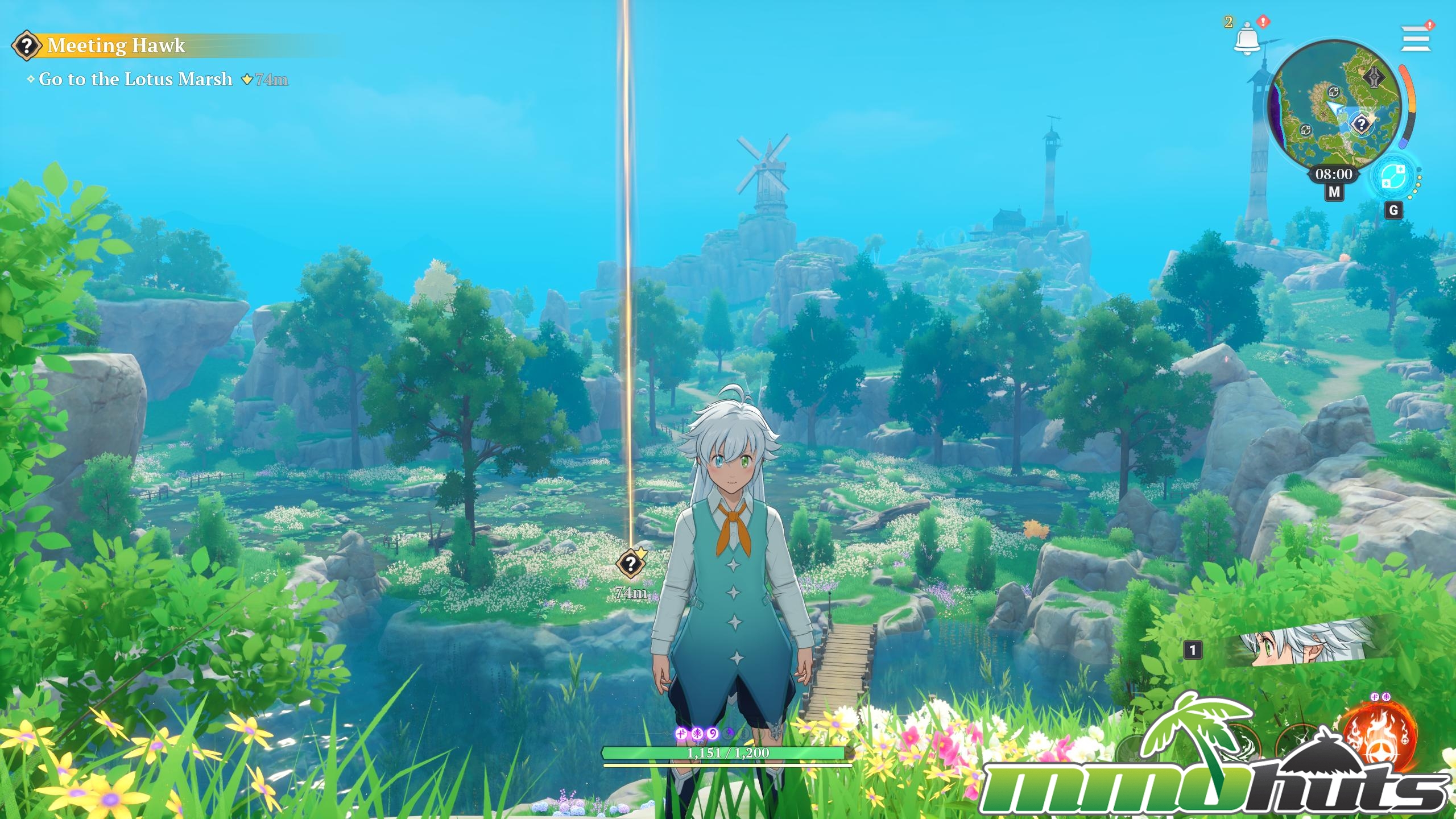
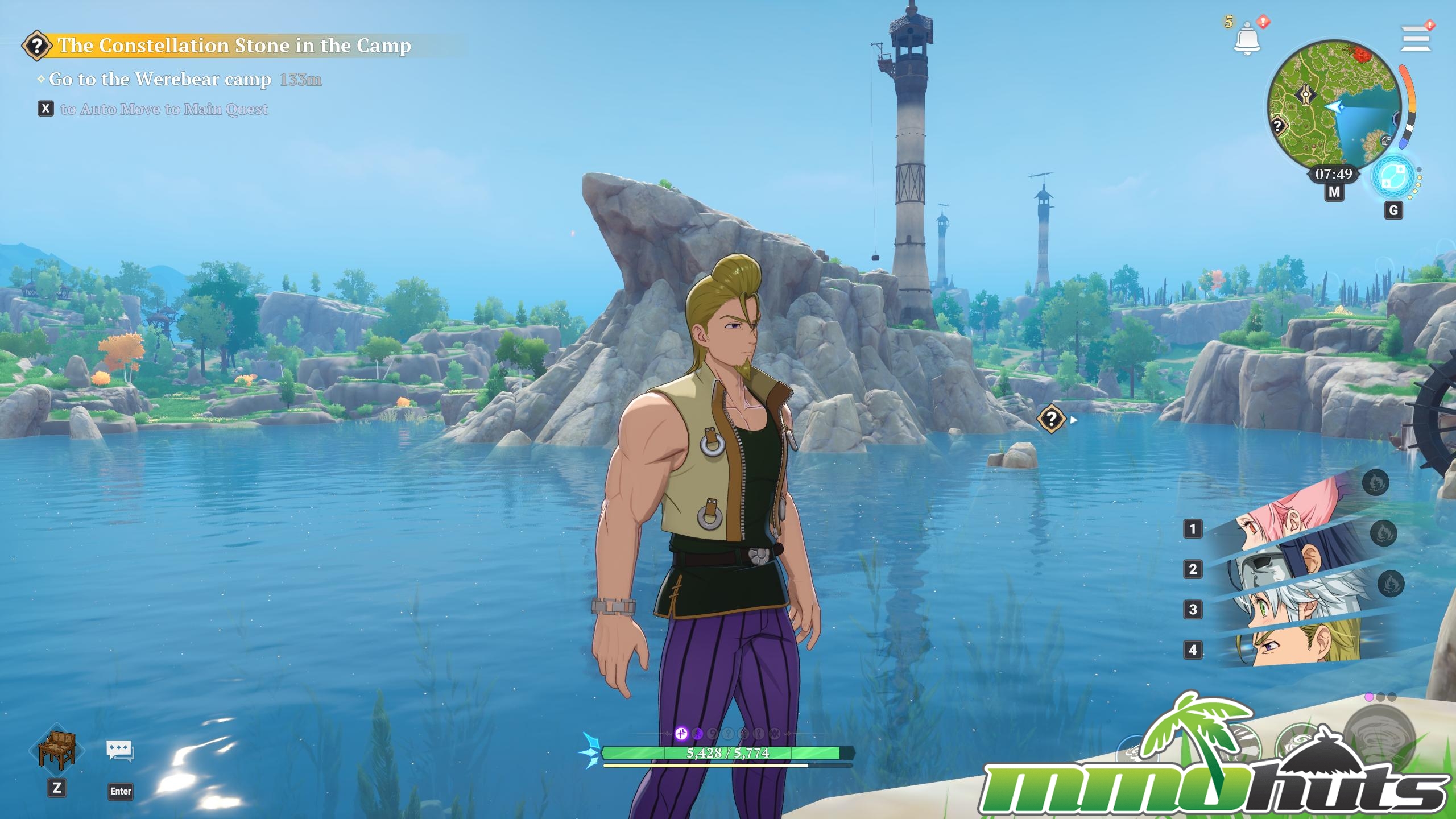
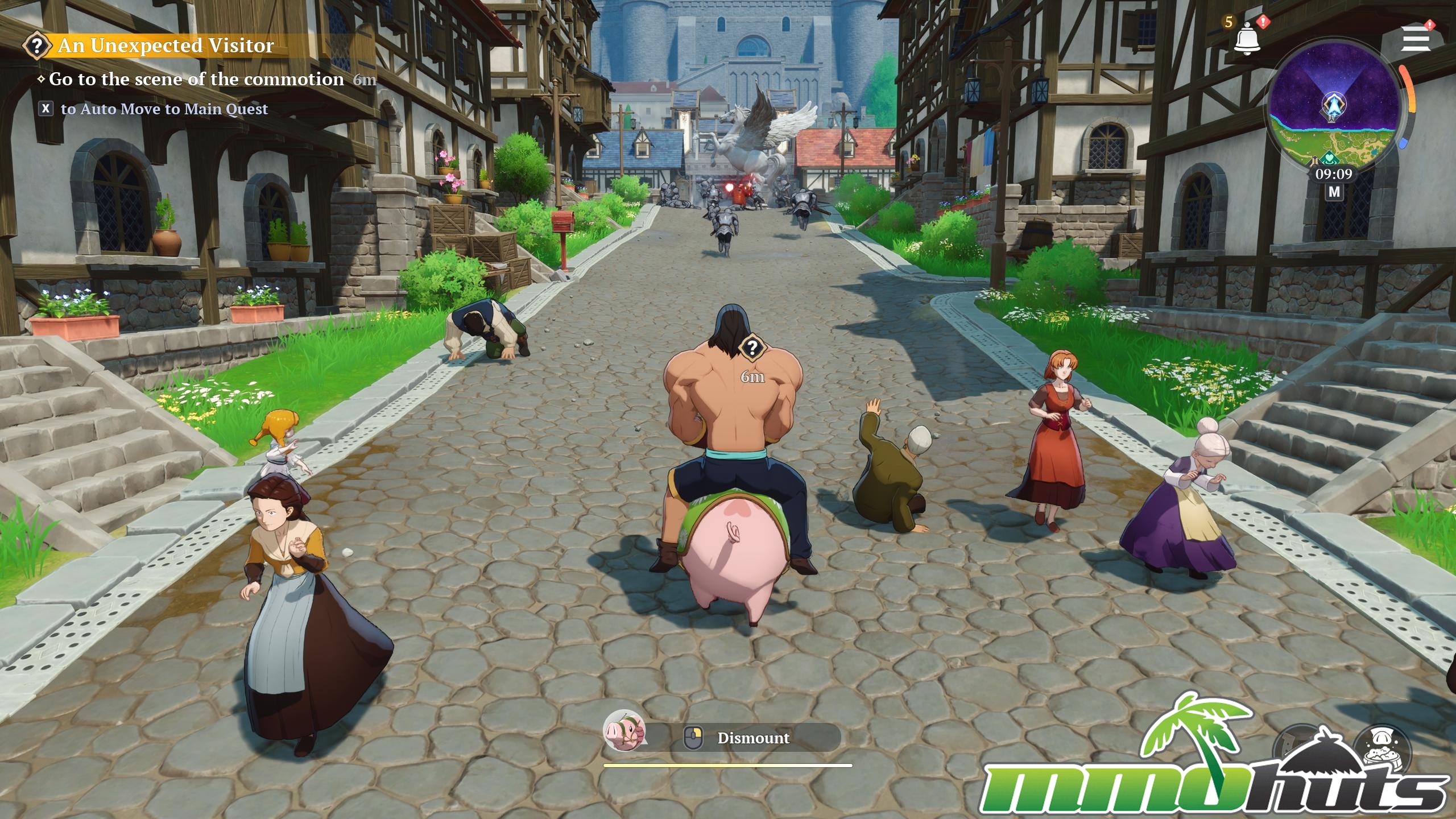
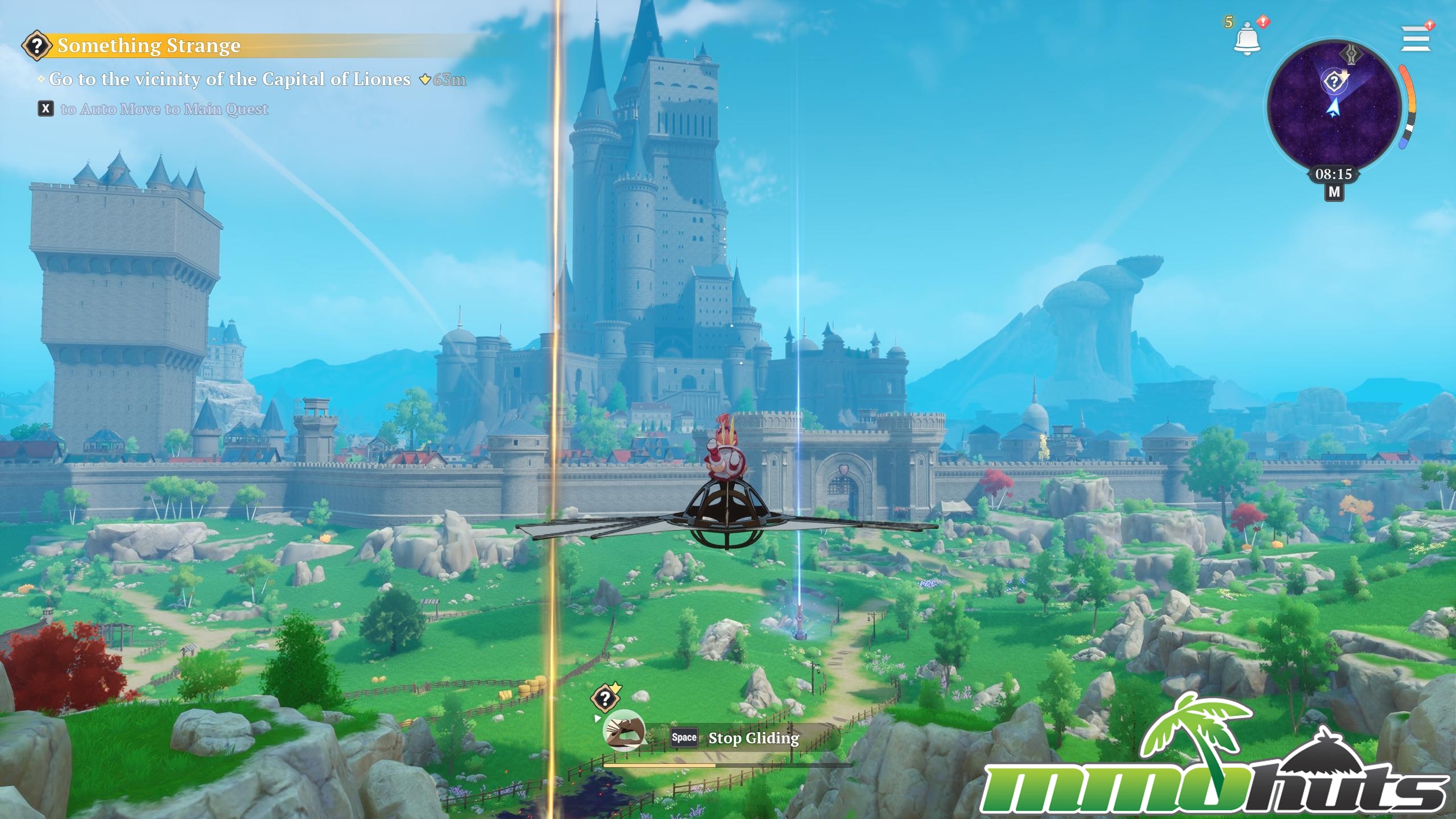
The first thing that hits you is how good Britannia looks. Netmarble clearly put Unreal Engine 5 through its paces here. The lighting, the draw distance, the way the grass moves, it all feels a cut above most anime-licensed games. Liones Castle is recreated with genuine care, the Boar Hat tavern is exactly where you would expect it, and the various biomes have distinct visual identities that make exploration feel varied. Seven Deadly Sins: Origin is one of the first Korean developed mobile games I’ve played that was on par with the wide open world of Hoyoverse titles like Genshin Impact. It’s not quite as polished, but still incredibly impressive.
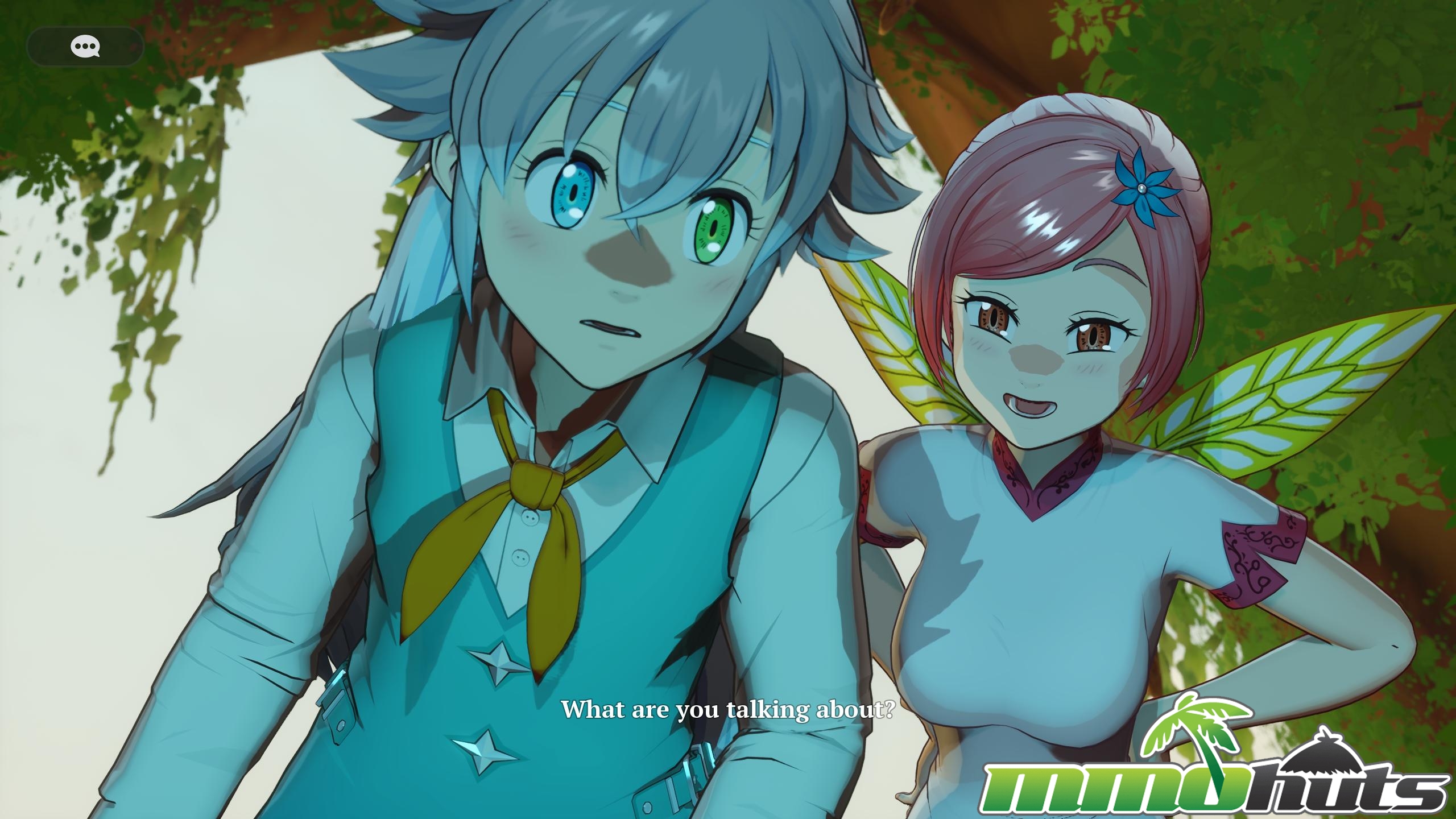
The story premise is clever for a gacha game. By making time and space collapse, the writers gave themselves permission to pull any character from any era into the same world. Past versions of King and Diane exist alongside their present-day selves. Characters who died in the main series show up alive and confused. There is even a whole desert that got transported from the past, which causes an economic and refugee crisis in the region it landed on. The writing is not groundbreaking, but it is better than the average gacha excuse plot, and there is genuine charm in watching past-King freak out about being beloved as a ruler when he has not gone through his character development yet.
The voice acting uses the original Japanese cast, and the dual audio with Korean is available for those who prefer it. English and other languages have interface text and subtitles but no English dub, which will bother some people and not others.
Combat and the Tag System
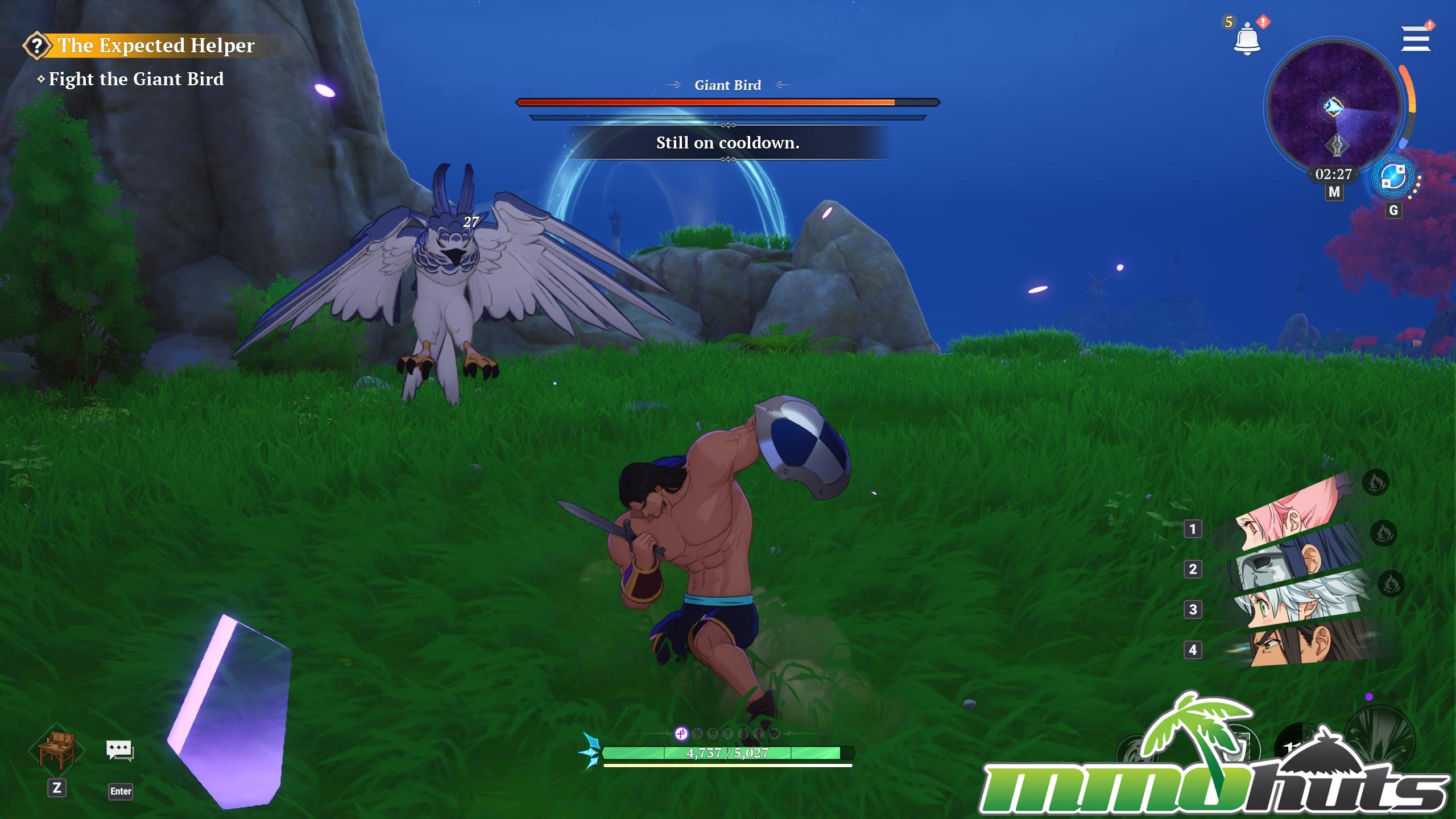
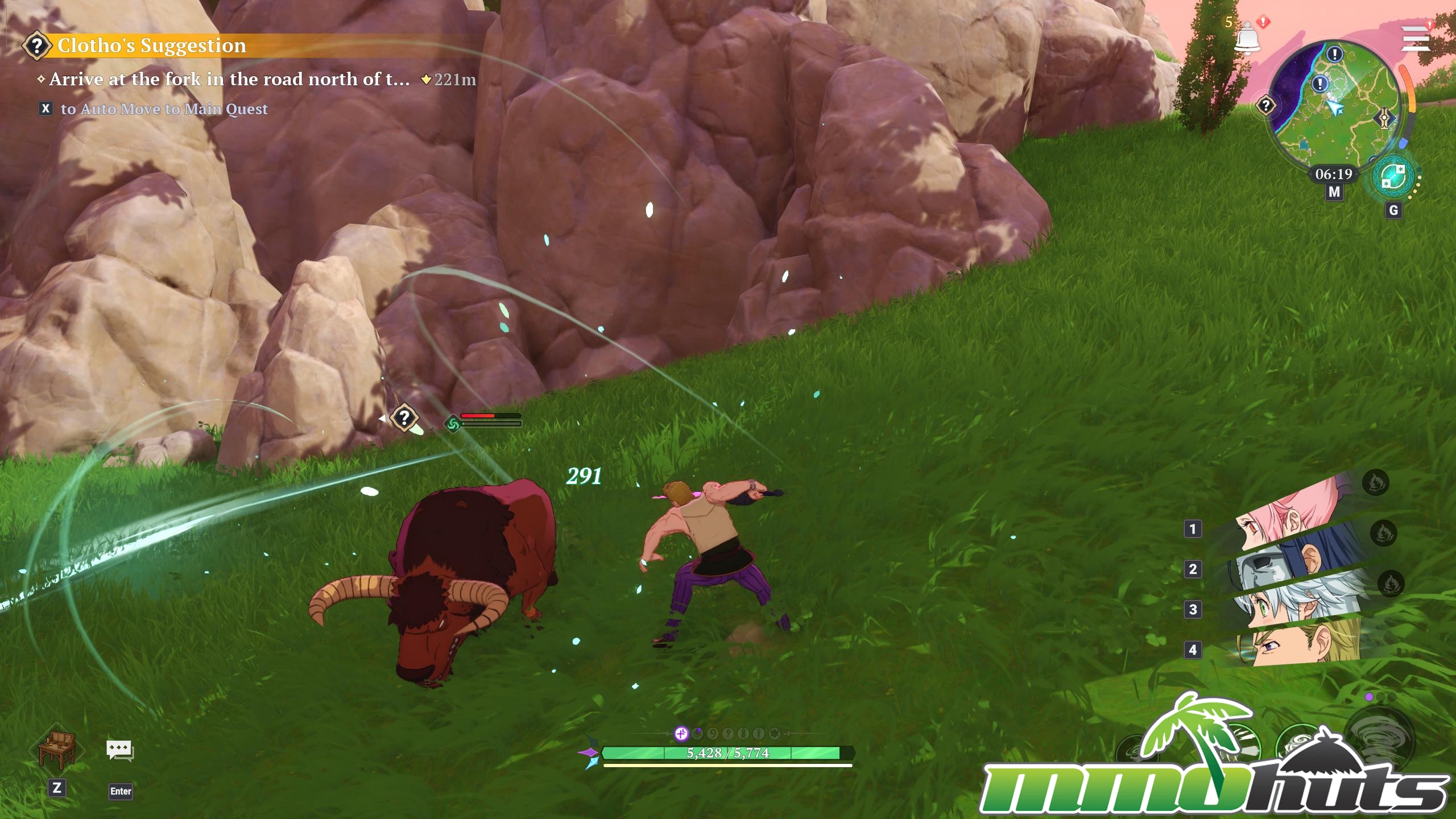
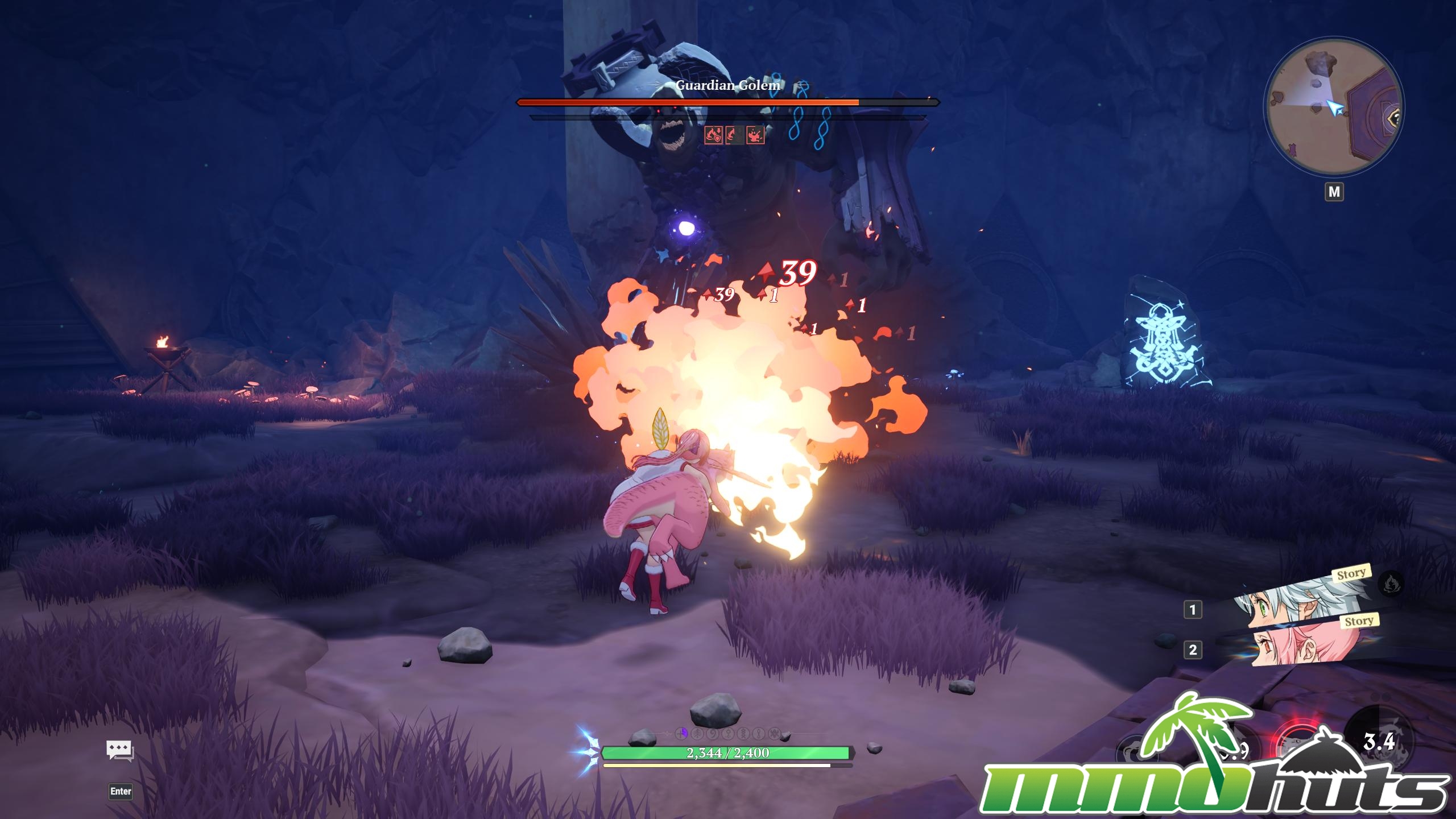
Combat is where Origin earns most of its positive attention. You control a party of four heroes and swap between them with a single button press. The twist is that each hero can equip one of three weapon types, and each weapon type comes with its own basic attack string, skills, passive effects, and Ultimate Move animation. So Tristan with dual swords is a fast, flashy DPS who drops meteors from the sky on his Ultimate. Tristan with a greatsword is slower, hits harder, and knocks enemies backward. That is three distinct playstyles per character, and when you multiply that across a growing roster, the build variety is real.
Tag Skills trigger when you swap characters at the right moment, and certain hero pairs can unlock Combined Attacks. For example, using Howzer’s tornado ability and then immediately firing Tristan’s flames creates a fire tornado that does more damage than either skill alone. Discovering these combinations is one of the more satisfying parts of the combat loop, and it encourages experimenting with different team compositions rather than just locking in your four strongest units and never changing.
The elemental system has depth. There are eight elements: fire, ice, lightning, earth, wind, sacred, darkness, and they interact in ways that reward team building. Meliodas, for instance, is a darkness DPS who is almost useless if you just throw him onto a random team. He needs allies who can stack elemental effects first, which he then “overwrites” with darkness to trigger his real damage. Play him without support and he is dead weight. Build around him and he becomes a monster. That kind of design makes team composition feel like a puzzle rather than a stat check.
Boss fights are generally well designed, with telegraphed attacks, dodge windows, and some genuinely huge enemies you need to climb up to fight. The problem is that later boss content scales so aggressively that even properly invested teams get wiped in two or three hits, which leads directly into the game’s biggest issues.
Exploration and World Design
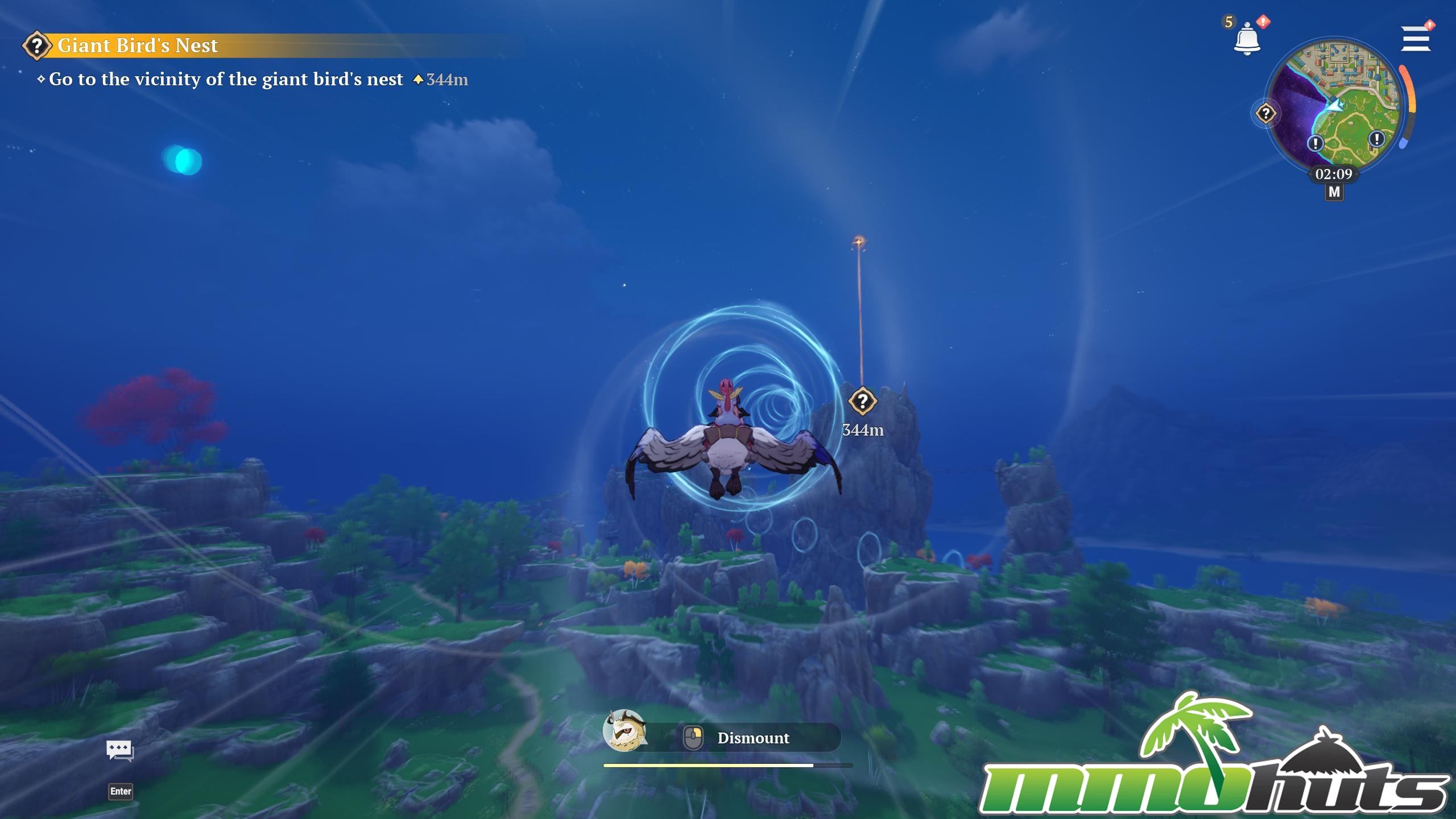
Britannia is large and mostly fun to navigate. You can run, climb, glide, swim, dive underwater with a breath meter, ride ground mounts, and eventually fly on winged mounts. The traversal has no stamina meter, so you are never stuck waiting for a bar to refill just to get across a field. Underwater zones are a nice touch that most competitors in this space do not bother with.
Each character also has an Adventure Skill used outside combat. Howzer generates updrafts to reach high places, King flies to specific points, Gilthunder shoots lightning at objects, and Tioreh simply takes off and soars. These skills are not just cosmetic, they open up exploration routes and hidden secrets, and the game does a decent job of making you feel rewarded for switching up your exploration team.
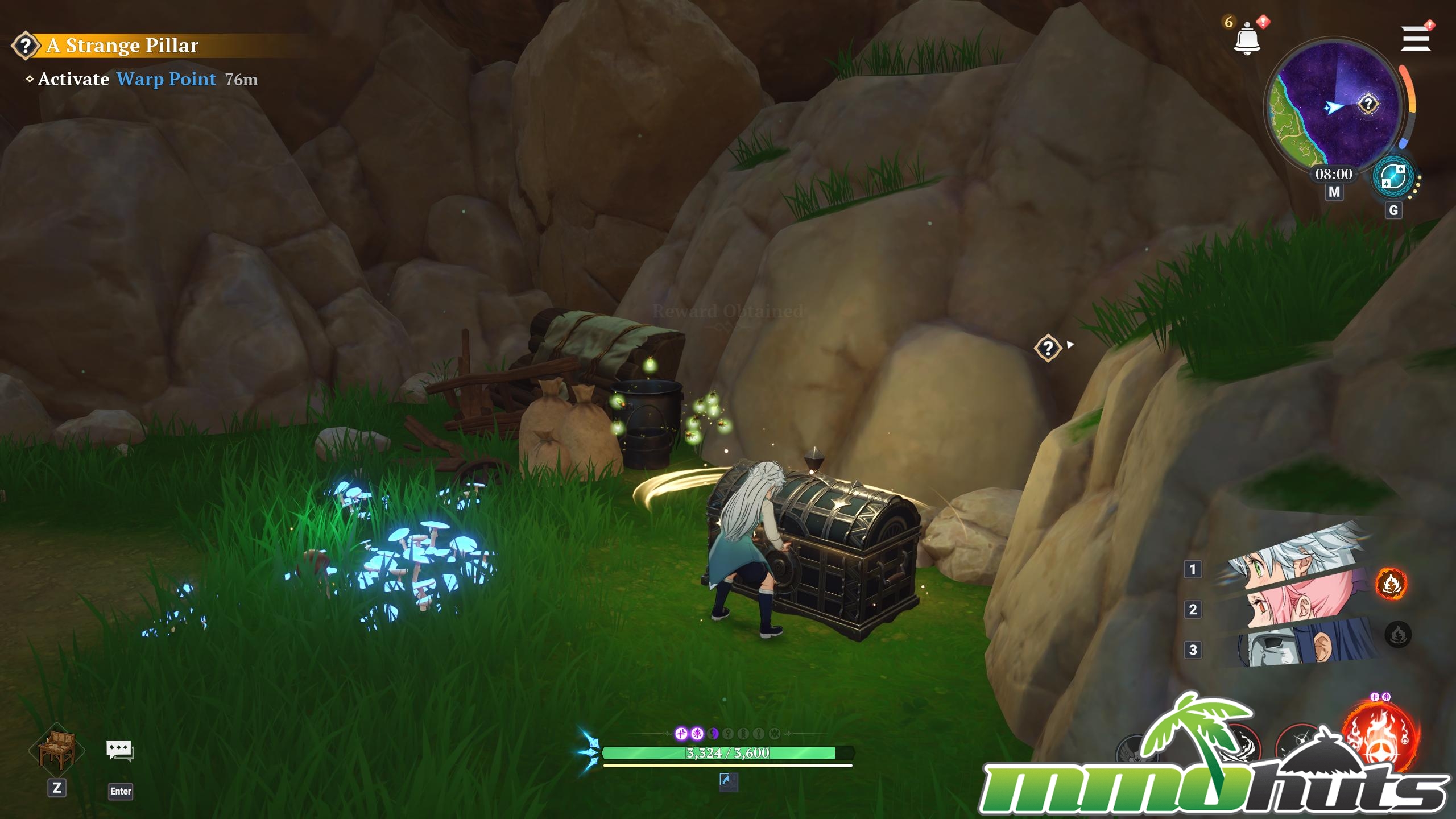
The world shifts with a day-night cycle. Some monsters sleep during the day and only appear at night, while others vanish when the sun goes down. This is not revolutionary but it adds texture to the world and gives you a reason to revisit areas at different times. Side content is the expected mix: puzzles, treasure chests, hidden dungeons, world bosses, and resource nodes for crafting. Some of it is clearly filler, some of it is genuinely charming. The fishing and cooking systems are simple but pleasant, giving you buff food and healing items that matter for tougher content.
The Gacha and Monetization
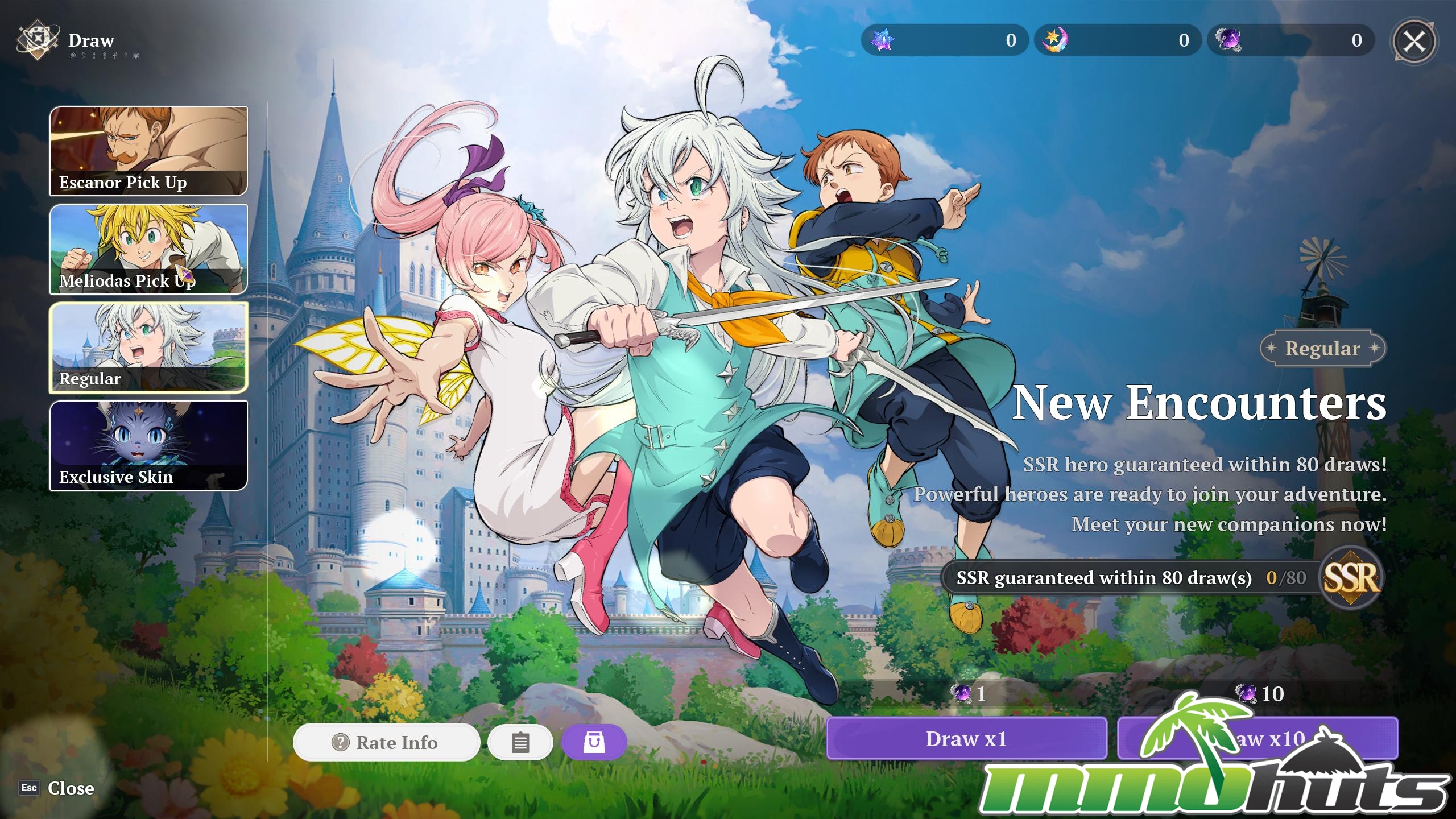
This is where things get rough. Origin uses a gacha system for heroes and weapons. Characters come in SSR (the highest) and SR rarities, with Featured banners rotating new and returning heroes alongside the version schedule. Weapons have their own banners. The pity system exists but the rates and income are where the frustration builds.
On the surface the launch rewards look generous. Up to 59,000 Star Fragments, 90 Regular Hero Draw Tickets, a guaranteed SSR hero Guila, an SSR weapon chest, and the free hero Tioreh just for showing up. You can get around 373 pulls total from launch events, story, and exploration combined. That is enough to build a solid starting roster.
The problem is what happens after those one-time rewards dry up. A single SSR hero can take hundreds of dollars worth of currency to guarantee if luck is bad. Each hero has seven constellation levels (Resonance Chains equivalent), meaning maxing out a single character could theoretically cost thousands. Premium skins are priced around sixty British pounds, which converts to roughly seventy-five US dollars. That is for a costume, not a character or a weapon.
The free-to-play income drops off a cliff once you clear the story and exploration. Daily and weekly sources are stingy relative to the cost of pulls, and the game clearly expects you to either open your wallet or accept that you will be pulling on only a fraction of banners.
Progression and Time-Gating
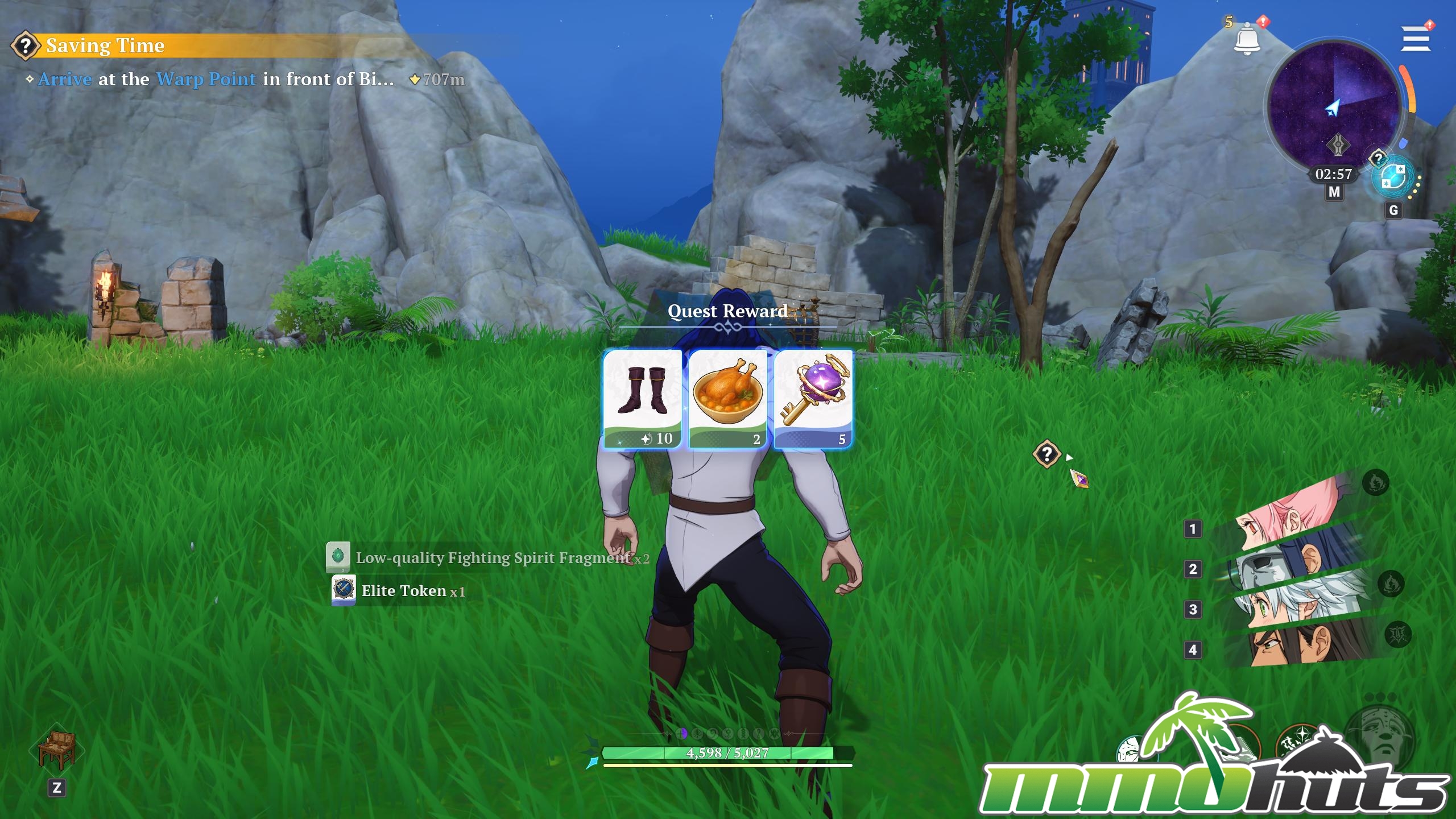
If the gacha is bad, the time-gating is worse. The entire endgame runs on a daily key system. You get 50 keys per day, period. An Abyss Dungeon run costs 20 keys. That means two dungeon runs per day, and then you are done. You cannot farm for better gear. You cannot grind for materials. You log in, spend your keys in fifteen minutes, and log out.
This would be annoying in any game, but it becomes actively hostile when combined with the gear and upgrade systems. Engravings for outfits cost platinum ingots. You can earn 12 ingots per day, but engravings cost 25. SSR weapons cost 16 to 40 platinum plus key-gated materials. Mastery nodes require materials that are daily-limited and also key-gated. The ratios do not line up. You need more resources than the game allows you to earn, and the only way around the cap is swiping a credit card.
The result is that progression feels less like playing a game and more like managing a scarce resource budget. Players come in expecting to spam dungeons and farm bosses, and instead they get two runs a day and a wall. The most common complaint across Steam reviews, and it is absolutely valid, is that the game punishes you for wanting to actually play it.
Co-op and Multiplayer
Origin supports co-op for up to five players including the host. You can group up to tackle bosses, explore the open world, or run dungeons together. Cross-platform multiplayer works across PS5, PC, and mobile, which is a genuine technical achievement.
In practice, co-op is buggy. Joining another player’s world often requires two attempts before it actually connects. Sometimes you join and cannot teleport to the party leader unless you immediately swap characters. Other times the game teleports you back to your previous location for no reason. If the party leader leaves and someone else takes over, the party title does not update, so new joiners have no idea what the group is actually doing. These are not rare edge cases. They are consistent, reproducible problems that players hit constantly.
The key system also undermines co-op. Why group up to grind when you have 50 keys total and can finish everything solo in fifteen minutes? There is a mismatch between the social systems the game offers and the resource systems that govern actual play.
The Seven Deadly Sins: Origin vs Genshin Impact
Origin does not hide its inspirations. Open world anime gacha RPG with elemental combat, a party of four, and character swapping. The comparison to Genshin Impact is fair and probably intended by Netmarble. Where they differ is in texture and focus. Genshin also looks and feels more polished. Animations are simply smoother all around, both while exploring the world and in combat.
Origin’s combat is busier. More numbers on screen, flashier ultimate animations, and the tag-swap loop feels snappier at a mechanical level. The three-weapon system per character gives build variety that Genshin’s single-weapon characters lack. On the other hand, Genshin’s elemental reaction system is deeper and more elegant than Origin’s element stacking, and Genshin’s world design is more handcrafted and less reliant on copy-pasted filler content.
The biggest gap is in the generosity of the systems around the game. Genshin is no saint when it comes to gacha, but its daily resin cap and progression gates feel restrained compared to Origin’s 50-key limit and platinum bottlenecks. Genshin also has years of polish and content behind it. Origin launched with a solid first region and clear technical debt. If you are picking between the two based purely on which world you find more inviting, Genshin still wins on overall finish. If you specifically want faster, more combo-driven combat and you love the Seven Deadly Sins IP, Origin has something real to offer.
Final Verdict – Fair
The Seven Deadly Sins: Origin has a genuinely fun core trapped inside systems that seem designed to prevent you from enjoying it. The combat is good, the world looks great, the story has more charm than most gacha games bother with, and the cross-platform support is technically impressive. But the 50-key daily limit, the platinum economy that never adds up, the endgame tuned for whales, and the expensive gacha with stingy recurring income all combine into an experience that feels like it is fighting you at every turn. If Netmarble loosens the time-gating and rebalances the economy, this could grow into something much better. As it stands, it is hard to recommend unless you are a dedicated Seven Deadly Sins fan willing to tolerate a lot of friction to run around Britannia with your favorite characters.
The Seven Deadly Sins: Origin Links
The Seven Deadly Sins: Origin Official Site
The Seven Deadly Sins: Origin Steam Page
The Seven Deadly Sins: Origin PlayStation Store
The Seven Deadly Sins: Origin Google Play
The Seven Deadly Sins: Origin X
The Seven Deadly Sins: Origin Facebook
The Seven Deadly Sins: Origin Discord
The Seven Deadly Sins: Origin YouTube
The Seven Deadly Sins: Origin System Requirements
PC Minimum Requirements:
Operating System: Windows 10 64-bit
CPU: Intel Core i5-2500K / AMD FX-8350
Video Card: Nvidia GeForce GTX 1060 6GB
RAM: 16 GB
Hard Disk: 30 GB (SSD recommended)
PC Recommended Requirements:
Operating System: Windows 10 64-bit
CPU: Intel Core i7-9700 / AMD Ryzen 5 5500
Video Card: Nvidia GeForce RTX 2070 8GB / AMD Radeon RX 5700 XT
RAM: 32 GB
Hard Disk: 30 GB SSD
Android Minimum Requirements:
OS: Android 10.0 or HarmonyOS 2.0.0
CPU: Snapdragon 855 / Dimensity 1000 / Kirin 9000S
RAM: 6 GB
Storage: 25 GB
Android Recommended Requirements:
Operating System: Android 11.0 or HarmonyOS 4.0.0
CPU: Snapdragon 8+ Gen1 / Dimensity 9000 / Kirin 9000S
RAM: 8 GB
Storage: 25 GB
iOS Requirements:
Operating System: iOS 15.0 or iPadOS 15.0 or later
Storage: 25 GB
Supported Devices: iPhone 12 and newer (iPhone 15 Pro recommended)
PlayStation 5:
Storage: 30 GB minimum (PS5 or PS5 Pro compatible)
The Seven Deadly Sins: Origin Music & Soundtrack
Coming soon!
The Seven Deadly Sins: Origin Additional Information
Developer: Netmarble F&C
Publisher: Netmarble
Engine: Unreal Engine 5
PS5 & Steam Early Access Release Date: March 16, 2026
Mobile Grand Launch Date: March 23, 2026 (iOS, Android)
Platforms: PlayStation 5, Microsoft Windows (Steam, Netmarble Launcher), Android, iOS
Development History / Background:
The Seven Deadly Sins: Origin was first revealed in early 2025 as Netmarble’s follow-up to their successful mobile title The Seven Deadly Sins: Grand Cross, which had surpassed 70 million downloads worldwide. Built by the same development team at Netmarble F&C, Origin was positioned as a much more ambitious project, a full open world action RPG in Unreal Engine 5 rather than the turn-based card battler format of its predecessor. The game was formally showcased at Summer Game Fest 2025 and The Game Awards 2025, with global pre-registration opening in mid-2025. It launched first on PS5 and Steam on March 16, 2026, followed by the mobile grand launch on March 23. The launch was commercially strong, hitting No. 6 on the global Steam Top Sellers chart, No. 1 on the PlayStation Store free-to-play charts, and earning a 4.35/5 user rating on PS5. However, the Steam reception settled at Mixed (around 56% positive from over 12,000 reviews), with players praising the combat and world while heavily criticizing the daily key time-gating, platinum economy, and endgame balance tuned for whales. The mobile version also launched with significant performance issues including crashes, stuttering, and unresponsive controls on even flagship Android devices.