Tom Clancy’s The Division 2 is a 3D buy-to-play, third-person survival shooter built around tactical gunfights, loot chasing, and co-op mission play. Set in a crumbling Washington D.C., it tasks players with pushing back organized hostile factions, upgrading their agents through gear and skills, and restoring order one stronghold at a time.
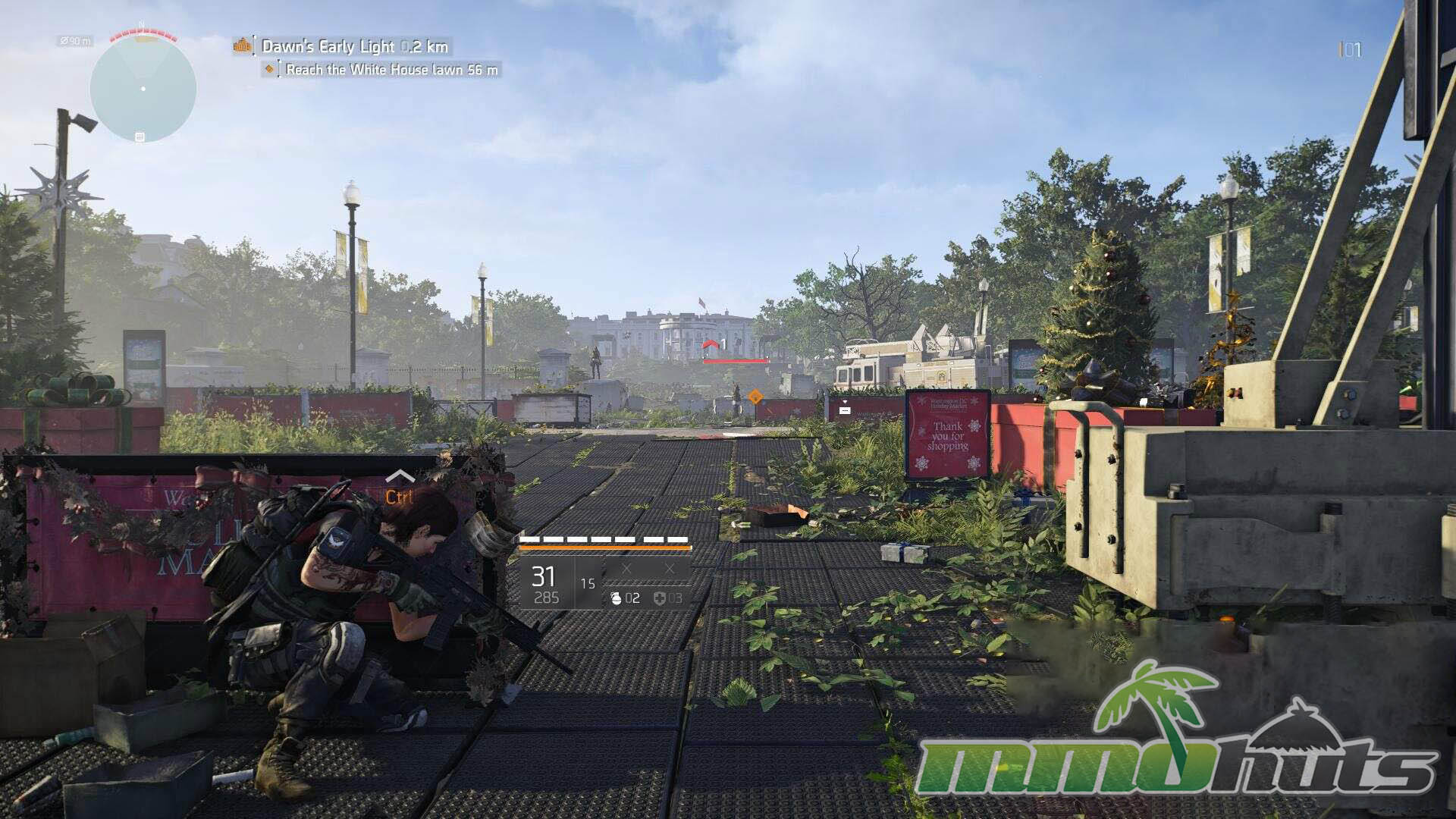 | Publisher: Ubisoft Playerbase: Medium Type: 3D Third-Person Shooter Release Date: March 15, 2019 Pros: +Impressively realized, detail-rich Washington D.C. setting. +Strong graphics with convincing lighting and weather shifts. +Open-world objectives and mission variety. +Ongoing updates and support. Cons: -Core cover-shooter loop can start to feel samey over time. -Main story beats do not land as strongly as the setting. -Occasional technical hiccups, including bugs and crashes. |

Tom Clancy’s The Division 2 Overview
Seven months after the outbreak devastated New York, a new emergency pulls Division agents into Washington D.C., where multiple armed factions are fighting to control the streets in Tom Clancy’s The Division 2. The campaign and open-world progression revolve around pushing into hostile territory, clearing main missions and side activities, and strengthening local settlements so they can survive and expand their influence. It is a familiar structure for players who enjoy guided objectives within an explorable city, with plenty of optional encounters that feed into your overall power growth.
Combat is built around cover-based firefights and smart use of agent tech. Alongside your weapons, you can bring tools such as enemy scanning tech, deployable shields, automated turrets, and drones that add a layer of positioning and cooldown management to every fight. As you level up, the game encourages experimenting with different skill combinations and perk choices so your agent feels tuned to how you prefer to approach engagements, whether that is cautious and methodical or aggressive and mobile.
At endgame, you can further define your role through one of four specializations. Sharpshooter emphasizes long-range precision, Demolitionist leans into explosive damage and crowd control, Survivalist mixes utility and trap-focused play (including a stealthy crossbow), and Gunner is built for sustained pressure with a minigun. Progression also ties into helping civilian communities, which makes the world feel more reactive and gives you practical reasons to keep engaging with activities across the map. As the stakes rise, you also face a highly trained, tech-heavy enemy force waiting for the right moment to strike.
Tom Clancy’s The Division 2 Key Features:
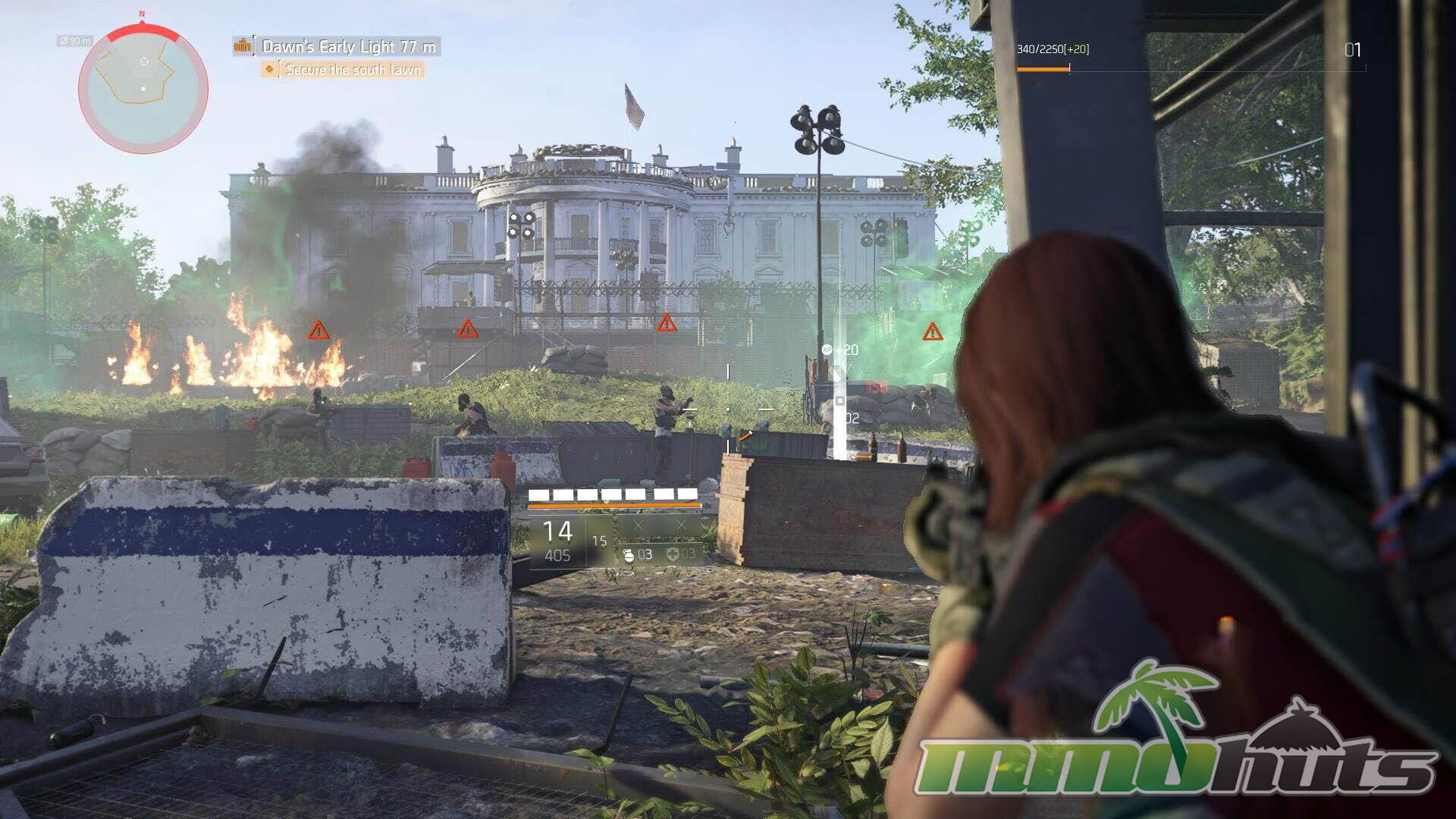
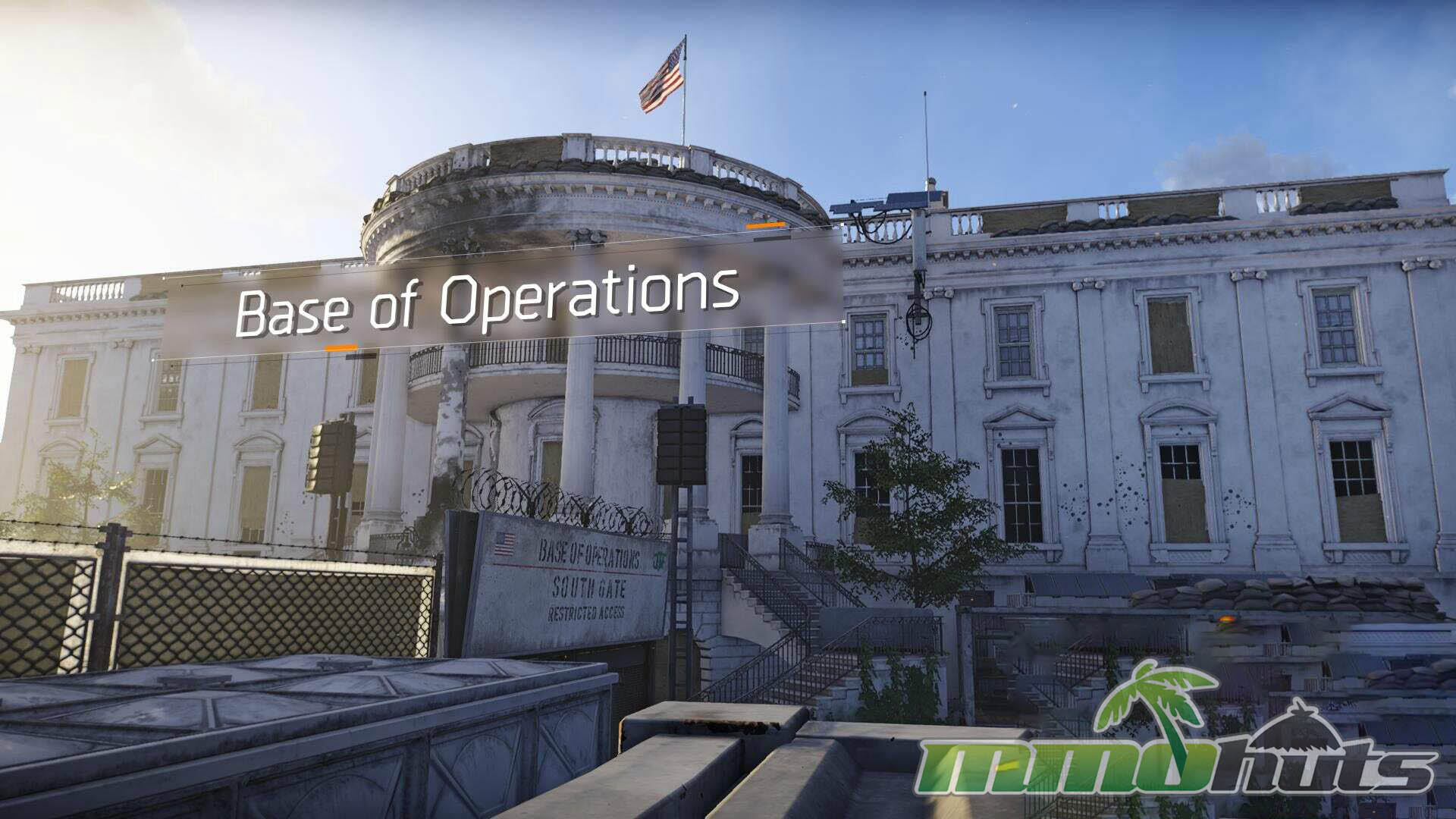
- Explore the Nation’s Capital – fight through recognizable Washington D.C. locations, with missions and encounters framed around famous landmarks such as the Capitol Building, the Jefferson Memorial, and the White House.
- Co-op Mode – join up with other players to tackle AI factions, run missions efficiently, jump into PvP conflicts, or simply roam the open world and pick your next objective.
- Perks And Abilities – unlock and equip skills that shape your loadout, giving your agent tools that support different roles and approaches in combat.
- Unlock Specializations – hit level 30 to access specializations that deepen build choices and provide new ways to play in tougher activities.
- Enter the Dark Zone – take on high-risk PvP encounters in the Dark Zone, where valuable loot is the reward and other players can be just as dangerous as the AI.
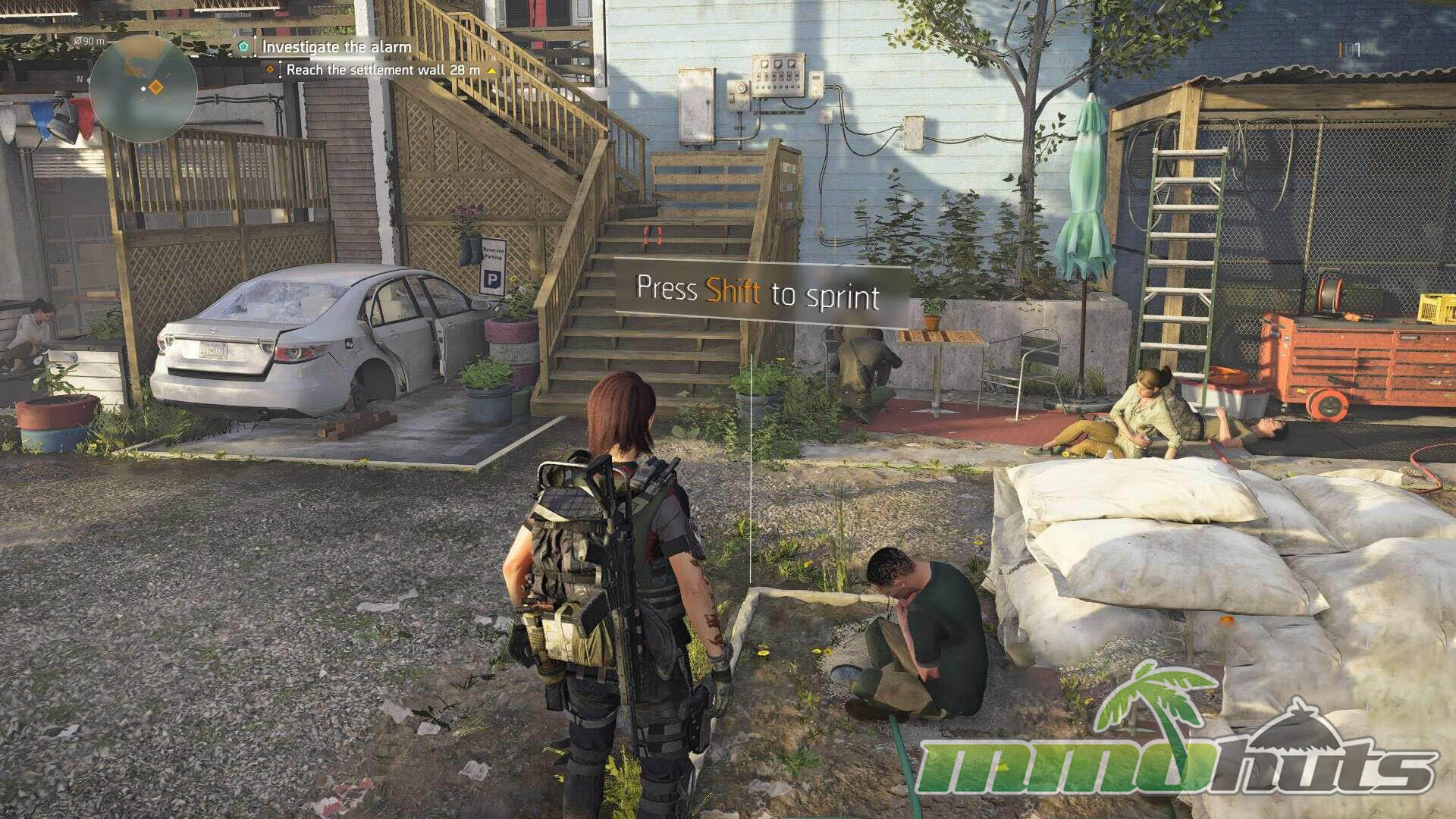
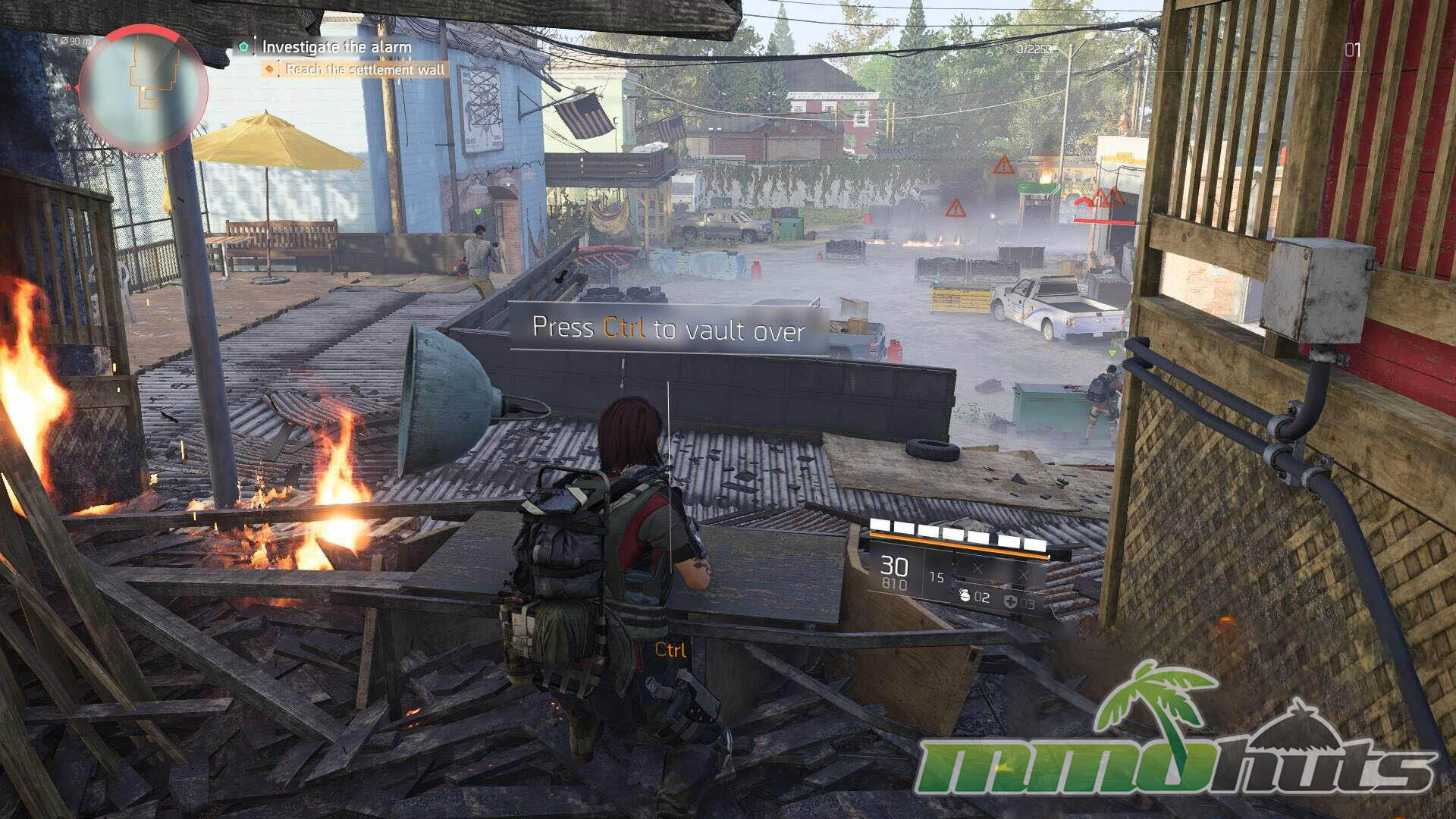
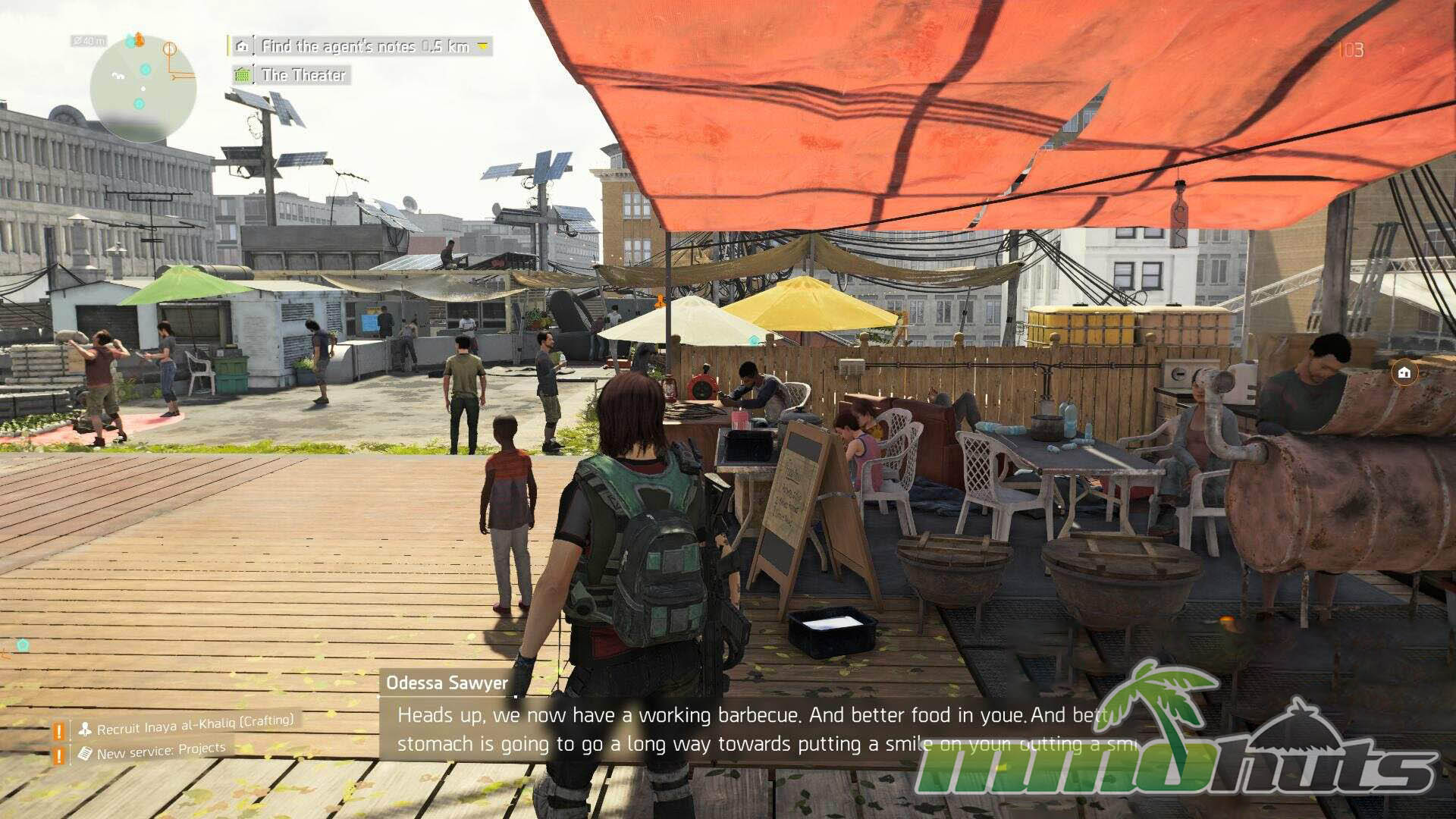
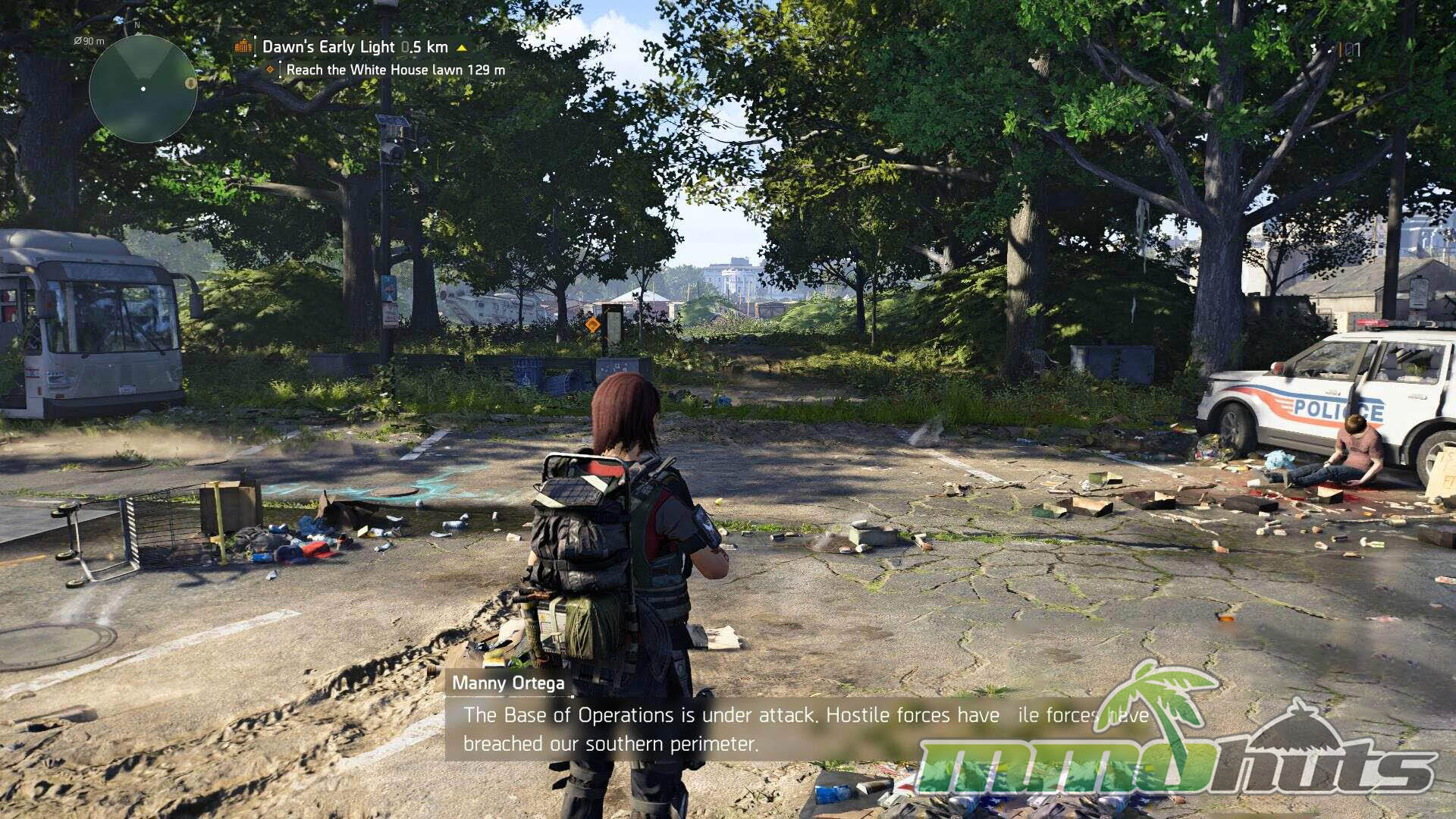
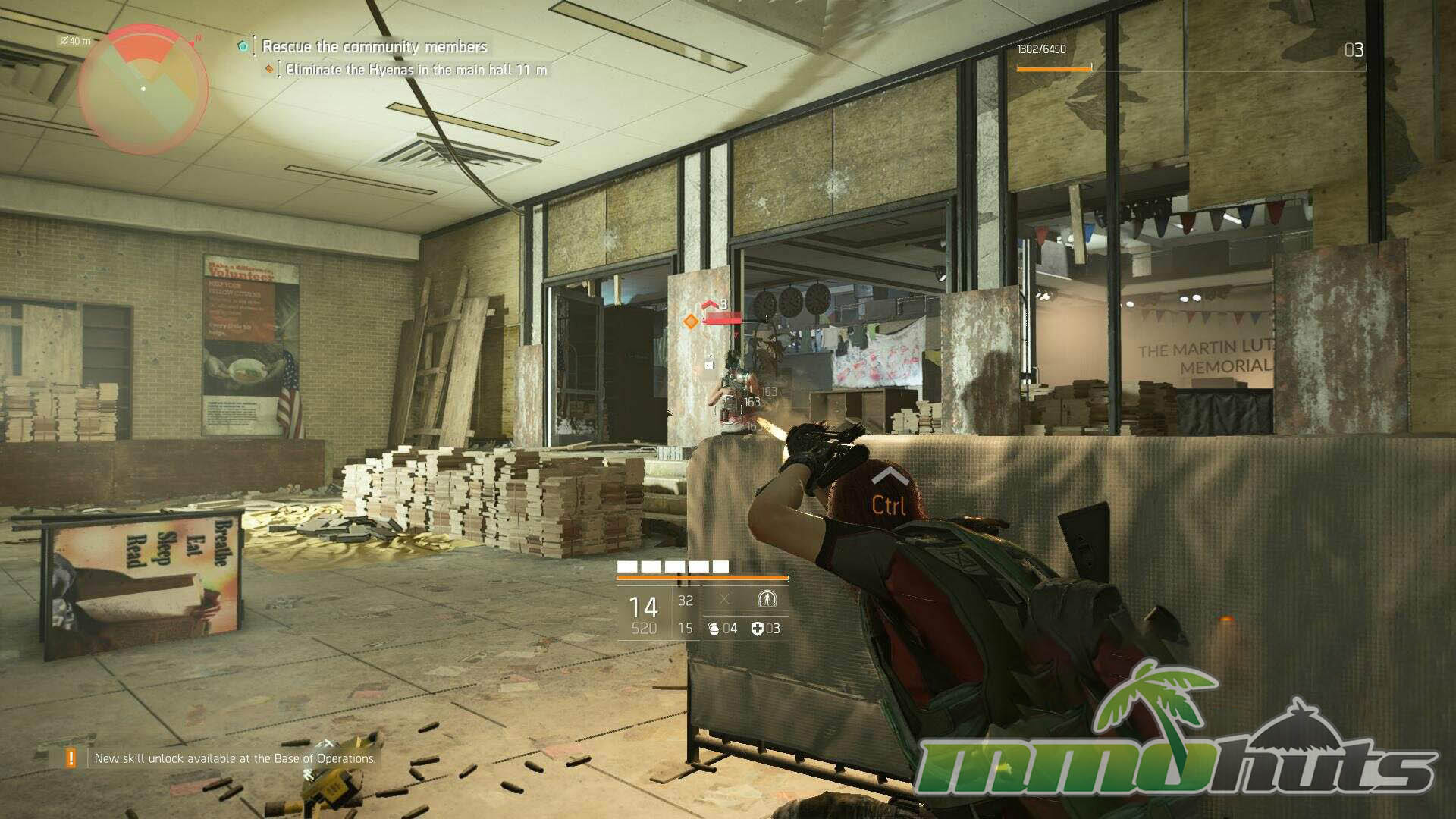
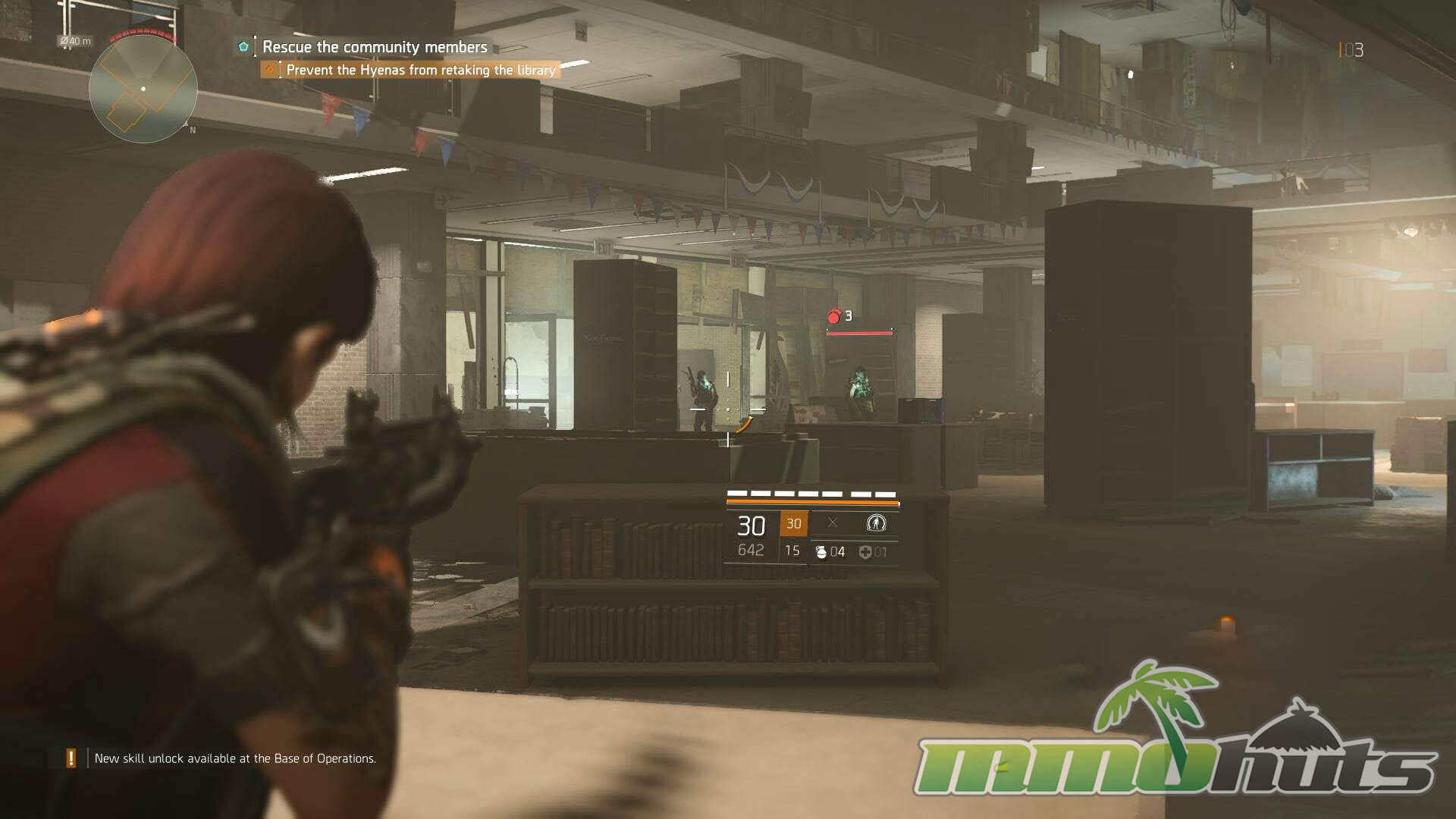
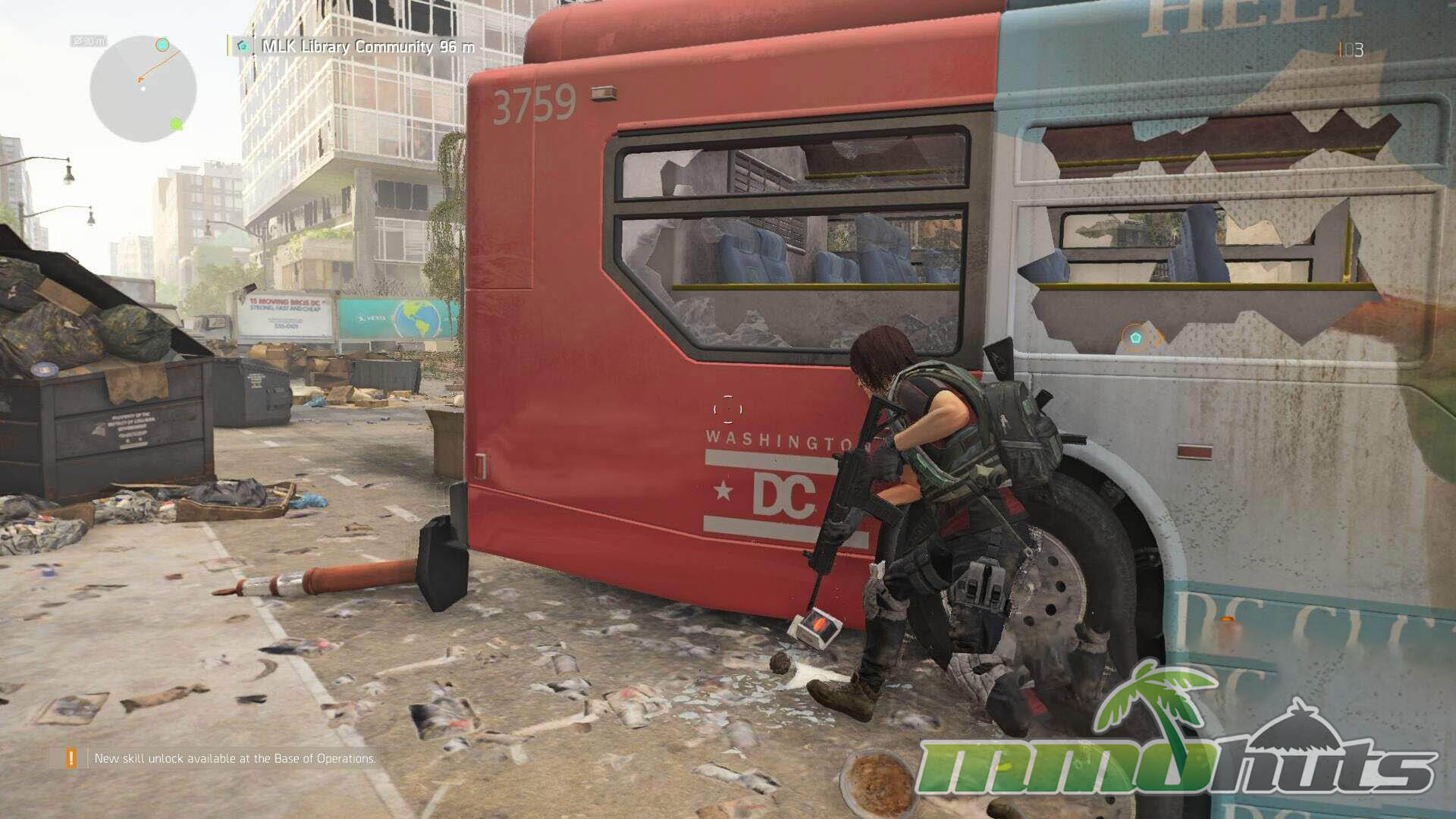
Tom Clancy’s The Division 2 Screenshots

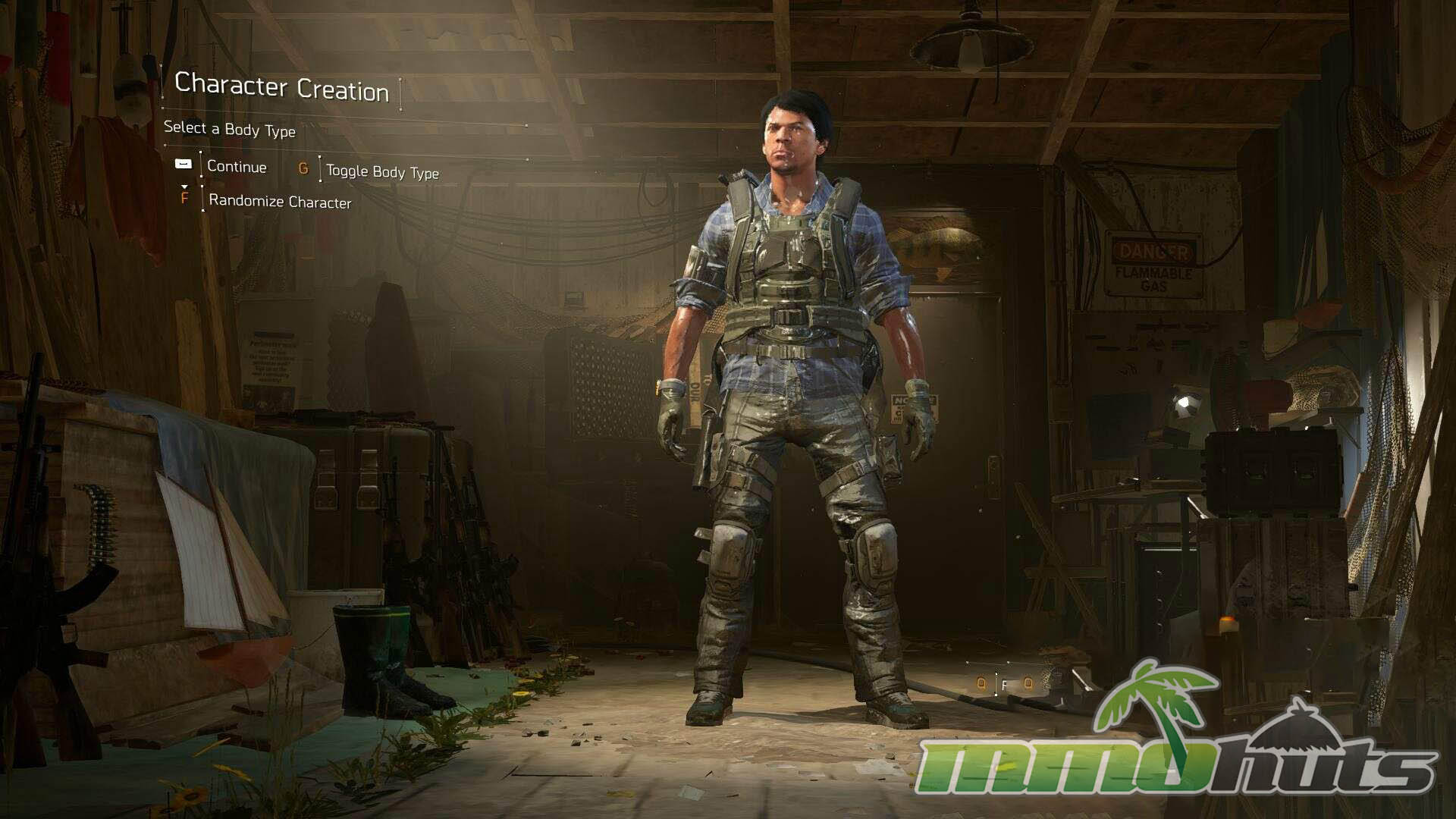
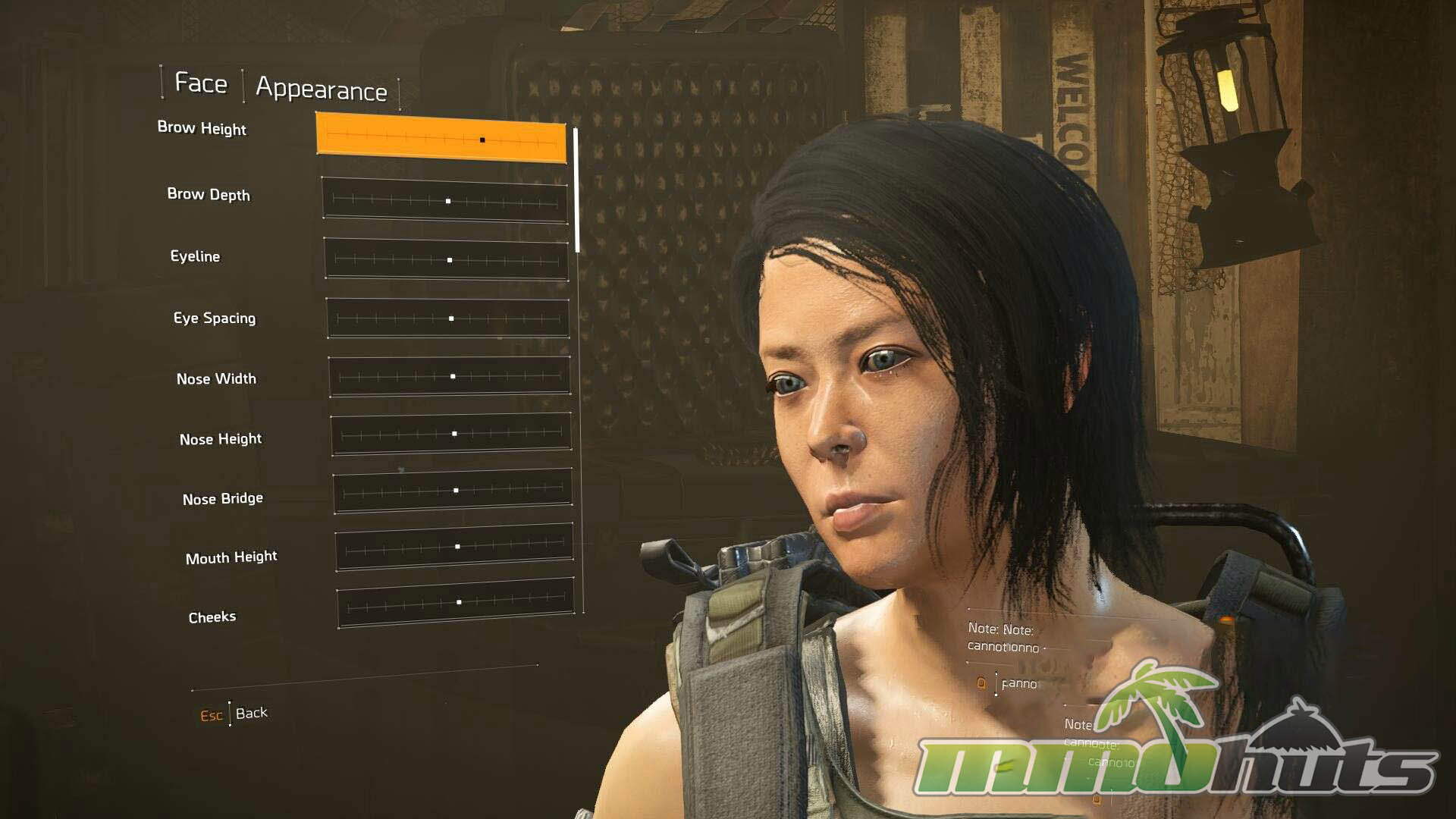
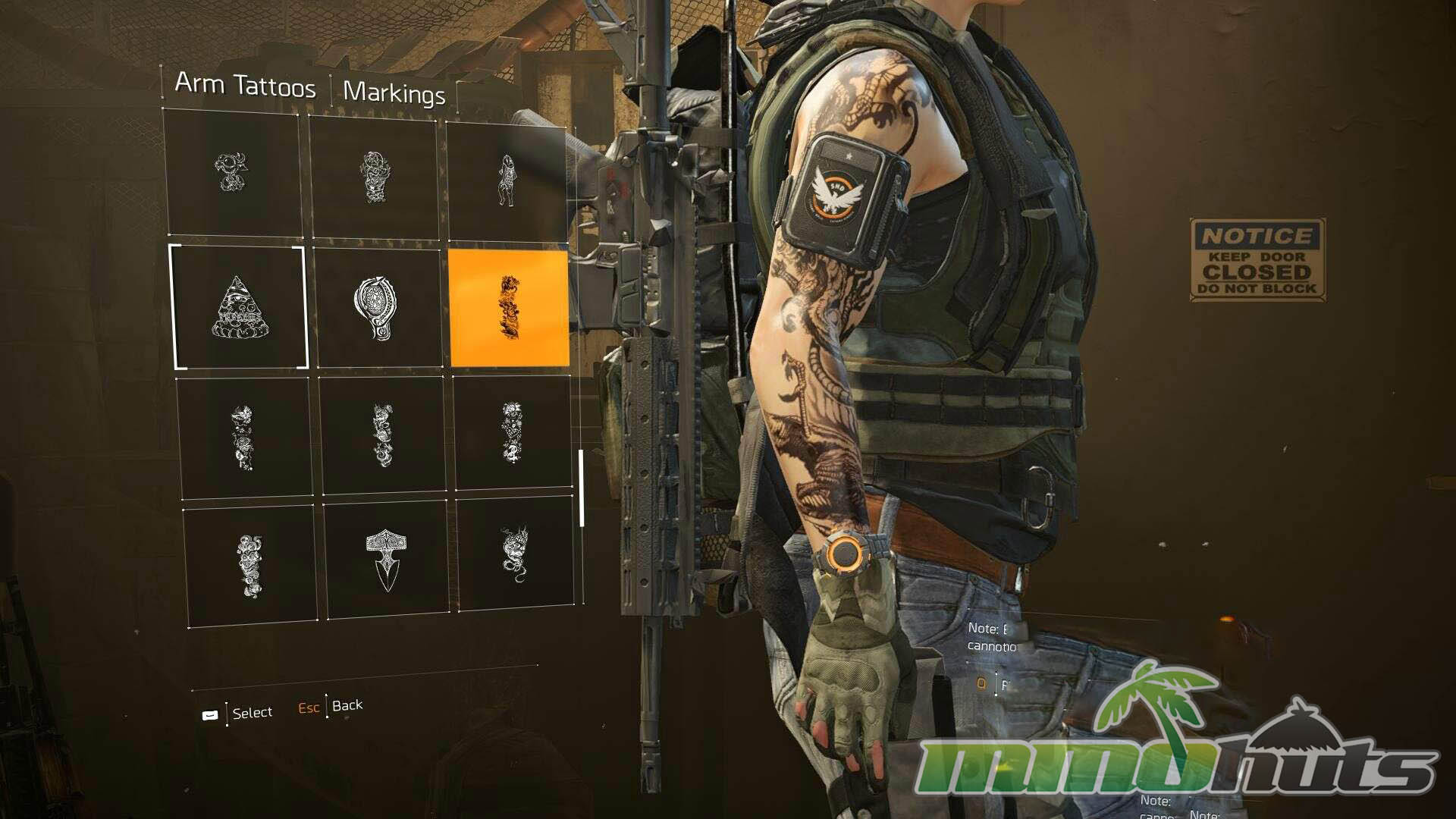
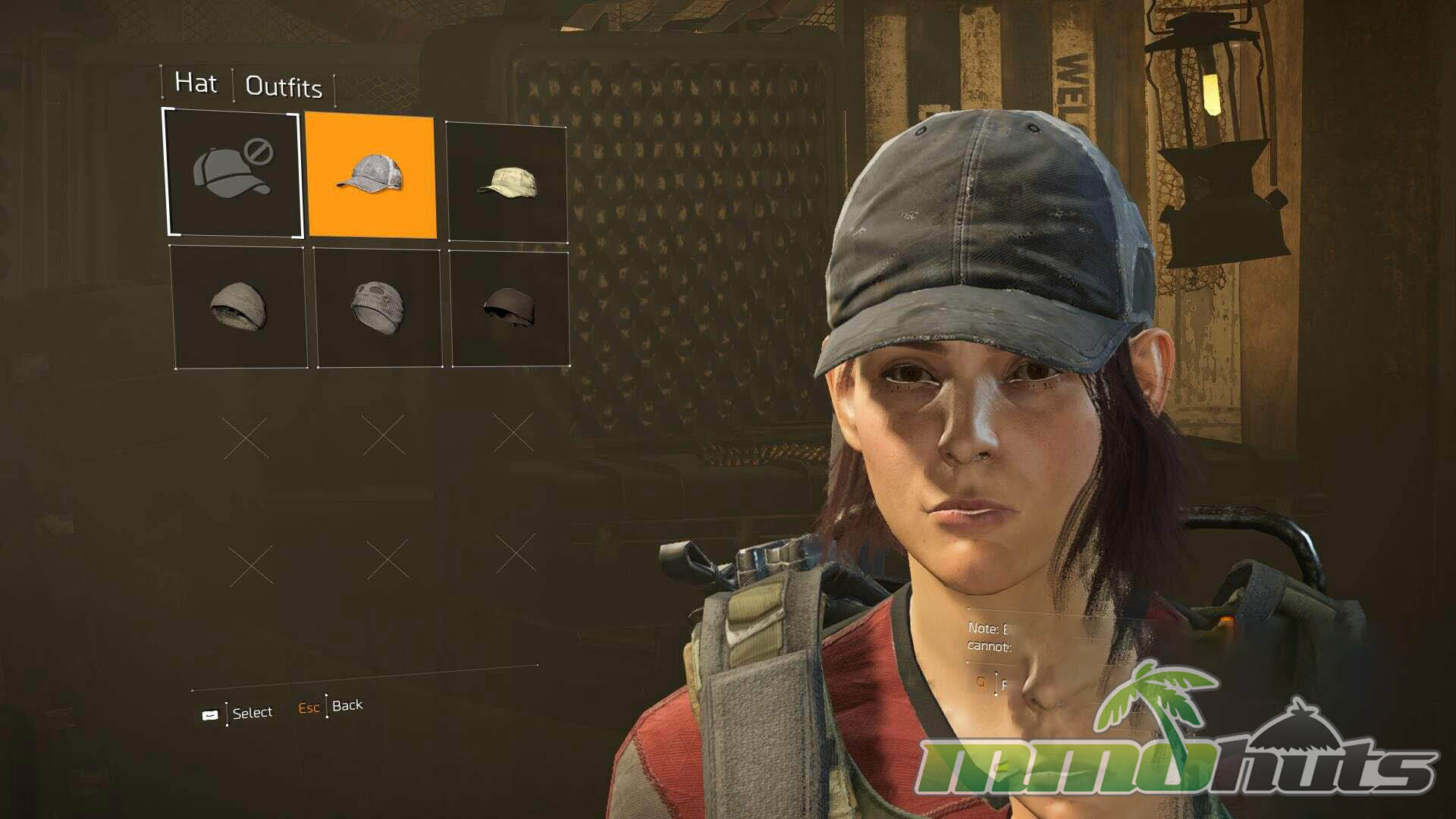

Tom Clancy’s The Division 2 Featured Video
![Tom Clancy’s The Division 2: Official Launch Trailer | Ubisoft [NA]](https://i.ytimg.com/vi/jF9OG_2NH4M/0.jpg)
Tom Clancy’s The Division 2 Review
Tom Clancy’s The Division 2 succeeds most when you treat it as a systems-driven co-op shooter rather than a narrative-heavy RPG. The moment-to-moment play is about managing threat, rotating between cover points, and layering gadgets on top of gunplay to control space. In a coordinated group, even routine encounters can feel tactical because skill synergies and target prioritization matter, especially when enemies flank aggressively or deploy their own tech.
The star of the package is the setting. Washington D.C. is not just a backdrop, it is packed with environmental storytelling and strong visual contrast between tourist landmarks and improvised fortifications. Lighting, weather, and time-of-day shifts do a lot of heavy lifting here, making familiar streets look different depending on when you arrive. It is the kind of open world that invites you to take a detour for a random activity because the space itself is enjoyable to move through and fight in.
Mission structure tends to mix directed story beats with open-world tasks. You will bounce between main operations, side missions, and a range of map activities that feed experience and loot. That loop is satisfying for players who like steady progression, but it can also become repetitive because the core solution is usually the same, find cover, thin the enemy line, push forward, repeat. The game does add variety through enemy types and arena layouts, but it still lives and dies on whether you enjoy cover-shooter pacing.
Build crafting is where long-term engagement comes from. Skills like turrets, drones, detectors, and shields give you options beyond pure damage, and the specialization choice at level 30 helps you lock into a role that feels distinct. Sharpshooter is great if you enjoy clean, long-range picks, Demolitionist is for players who want to break formations with explosive pressure, Survivalist leans into utility and disruption, and Gunner rewards relentless suppression and sustained fire. Swapping and experimenting is part of the fun, particularly when you find a playstyle that matches the gear you are collecting.
The campaign story, while serviceable, is not the main reason to play. It sets up a clear motivation and introduces the factions, but the strongest narrative moments come more from the atmosphere and the sense of a city on the edge than from memorable character arcs. If you want a shooter with a gripping plot, this may not satisfy, but if you want a practical framework to support co-op progression, it does the job.
Technically, The Division 2 generally looks and runs well, but it is not immune to the occasional bug or stability issue. Over time, consistent updates have helped keep the experience active and give returning players reasons to check back in. Overall, it is a strong choice for anyone who enjoys loot-driven third-person shooters, particularly with friends, as long as you are comfortable with a gameplay loop that can feel familiar after many hours.
Tom Clancy’s The Division 2 Links
Tom Clancy’s The Division 2 Official Site
Tom Clancy’s The Division 2 Facebook Page
Tom Clancy’s The Division 2 Twitter Page
Tom Clancy’s The Division 2 Wikipedia Page
Tom Clancy’s The Division 2 Wiki
Tom Clancy’s The Division 2 Subreddit
Tom Clancy’s The Division 2 System Requirements
Minimum Requirements:
Operating System: Windows 7 SP1, Windows 8.1, Windows 10 (64-bit versions only)
CPU: AMD FX 6350, Intel i5-2500K (SSE 4.2 and AVX support required)
Video Card: AMD R9 280X or NVIDIA GeForce GTX 780 (3GB VRAM with Shader Model 5.0 or better)
RAM: 8 GB RAM
Hard Disk Space: 50 GB available space
Direct X: DirectX 11 or DirectX 12
Recommended Requirements:
Operating System: Windows 7 SP1, Windows 8.1, Windows 10 (64-bit versions only)
CPU: AMD Ryzen 5 1500X, Intel Core i7-479 (SSE 4.2 and AVX support required)
Video Card: AMD RX 480 or NVIDIA GeForce GTX 970 (4GB VRAM with Shader Model 6.0 or better)
RAM: 8 GB RAM
Hard Disk Space: 50 GB available space
Direct X: DirectX 11 or DirectX 12
Tom Clancy’s The Division 2 Music & Soundtrack
Coming soon!
Tom Clancy’s The Division 2 Additional Information
Developer: Massive Entertainment, Red Storm Entertainment, Ubisoft Reflections, FreeStyle Games
Publisher: Ubisoft
Directors: Julian Gerighty, Mathias Karison
Platforms: PC, PlayStation 4, Xbox One
Engine: Snowdrop
Closed Beta: February 7-11, 2019
Open Beta: March 1-4, 2019
Official Release: March 15, 2019
Development History / Background:
Tom Clancy’s The Division 2 is a 3D buy-to-play third-person cover shooter published by Ubisoft and developed by Massive Entertainment alongside Red Storm Entertainment, Ubisoft Reflections, and FreeStyle Games. It follows Tom Clancy’s The Division and moves the conflict to a devastated Washington D.C., set seven months after the first game’s events. Ubisoft revealed the project in March 2018 and later showed gameplay publicly during E3 2018. Ahead of launch, a private beta ran from February 7-11, 2019, with an open beta following on March 1-4, 2019. The game released globally on March 15, 2019, and has continued to receive ongoing updates and downloadable content since release.