Tales of Wind is a 3D fantasy MMORPG built for mobile, available on iOS and Android, with an anime-styled presentation and real-time, ability-driven combat. It leans into traditional MMO structure, you pick a starter class, push through quests and daily activities, then unlock a more specialized path at level 50 through its class promotion system.
 | Publisher: Neocraft Limited Playerbase: High Type: Mobile MMORPG Release Date (Global): March 5, 2019 Pros: +Satisfying class promotions and role variety. +Polished visuals for a mobile MMO. +Lots of modes and side activities. Cons: -Monetization can create power gaps. -Routine tasks can start to feel samey. -Voice work is uneven. |



Tales of Wind Overview
Tales of Wind (also released as Laplace M in some regions) is a free-to-play, mobile-focused action MMORPG for iOS and Android. You begin by selecting one of four core classes and progress through the early game with a mix of main quests, upgrades, and daily activities. Once you reach level 50, the game opens up its signature progression hook, you promote into one of two advanced branches that sharpen your role and toolkit for group content.
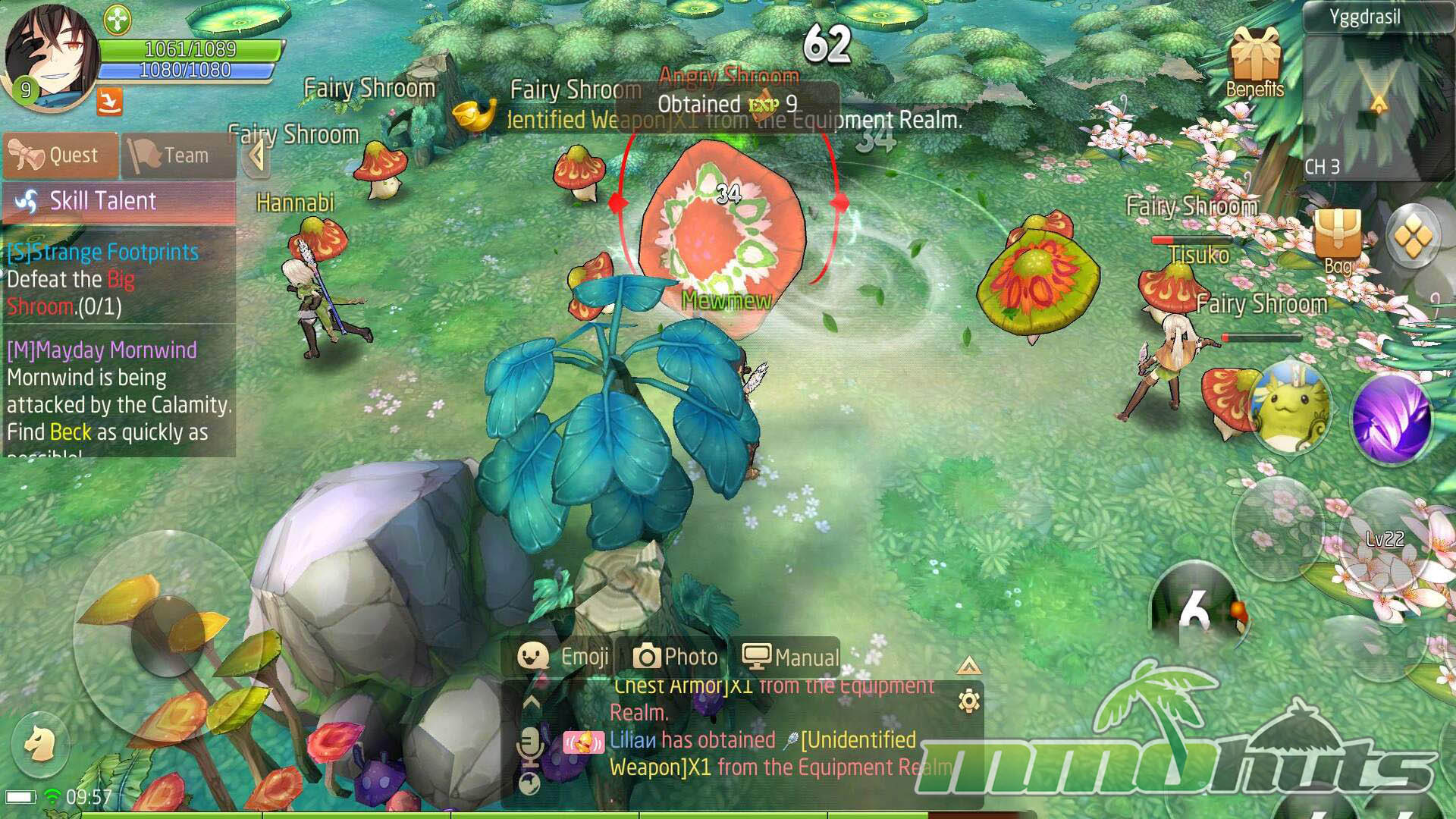
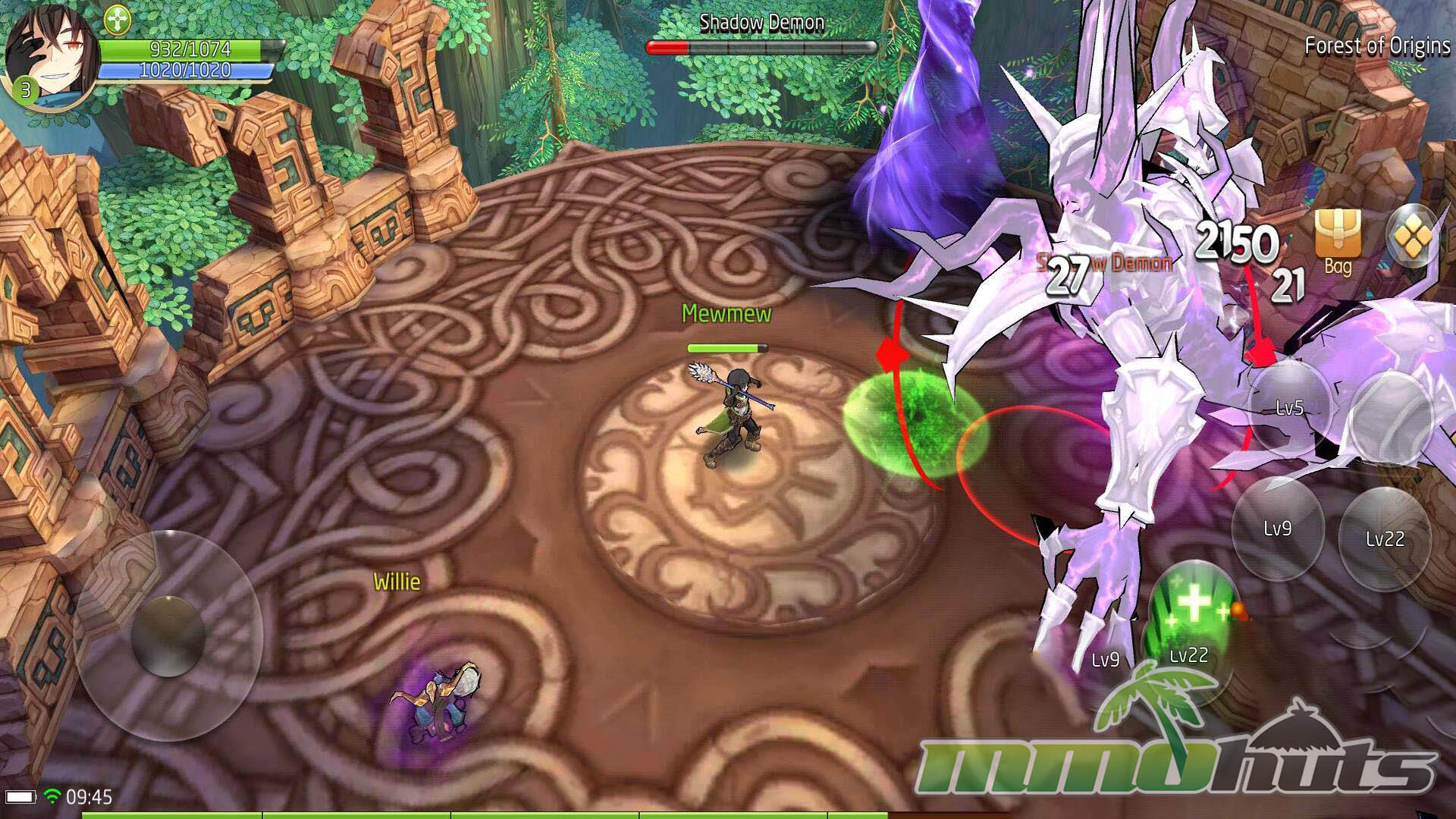
In terms of day-to-day structure, it plays like a classic theme park MMO condensed into mobile sessions. There is a steady rotation of activities such as questing, card collection, farming and resource gathering, server-wide events, and several PvP options. While it includes convenience features expected of mobile MMORPGs, the combat is not fully hands-off. Abilities often rely on placing attacks on the ground or aiming around enemy movement, so positioning and timing matter more than in more auto-centric titles.
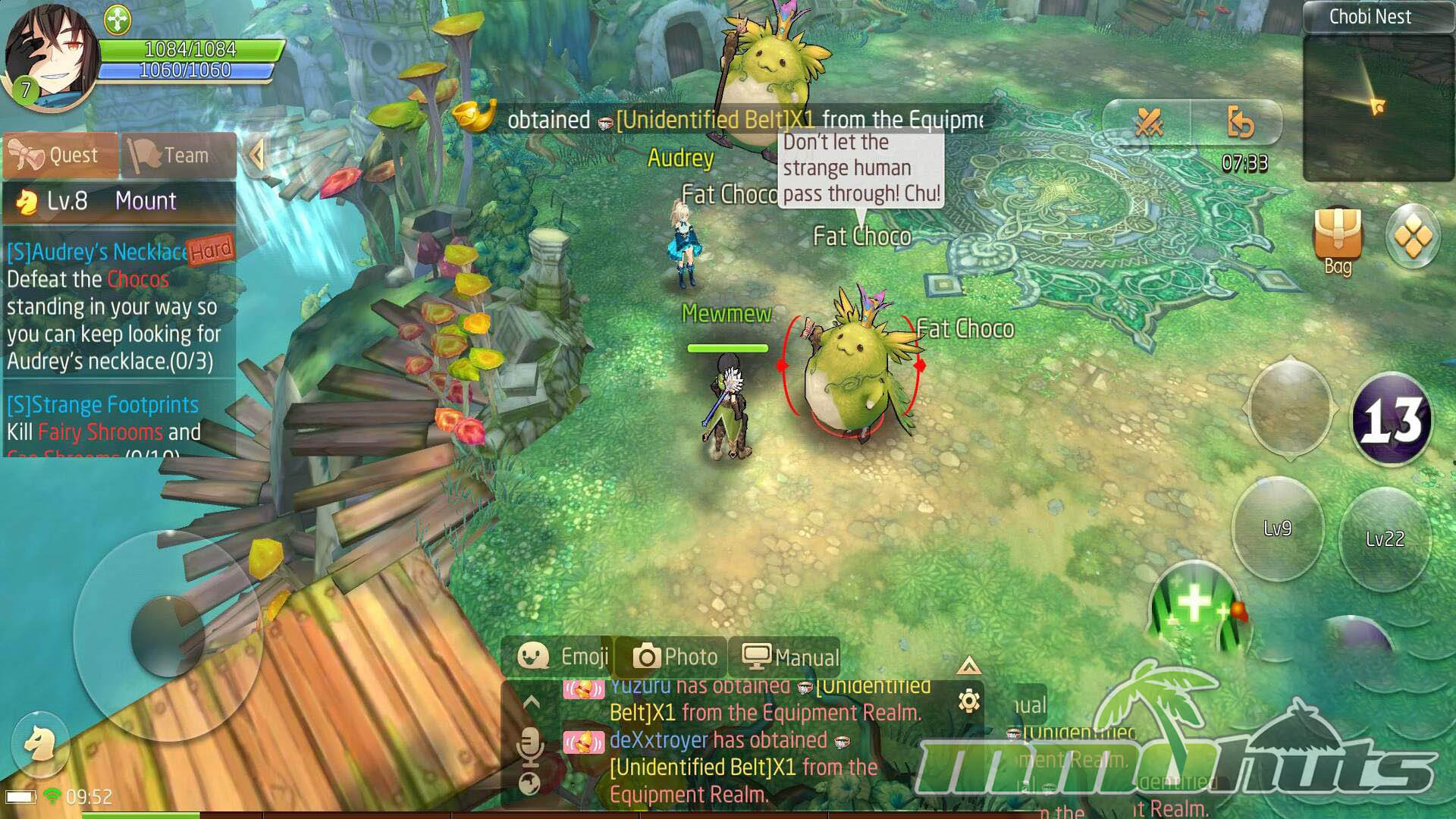
Team play is a major part of the experience, especially once you start tackling tougher dungeon tiers, bosses, and repeatable farming runs. Parties are typically assembled manually using the in-game team finder, and coordination becomes more important as difficulty ramps up. If you cannot fill a group immediately, you can recruit NPC mercenaries to cover missing slots, although they are not instant and require a short wait before joining.
Tales of Wind Key Features:
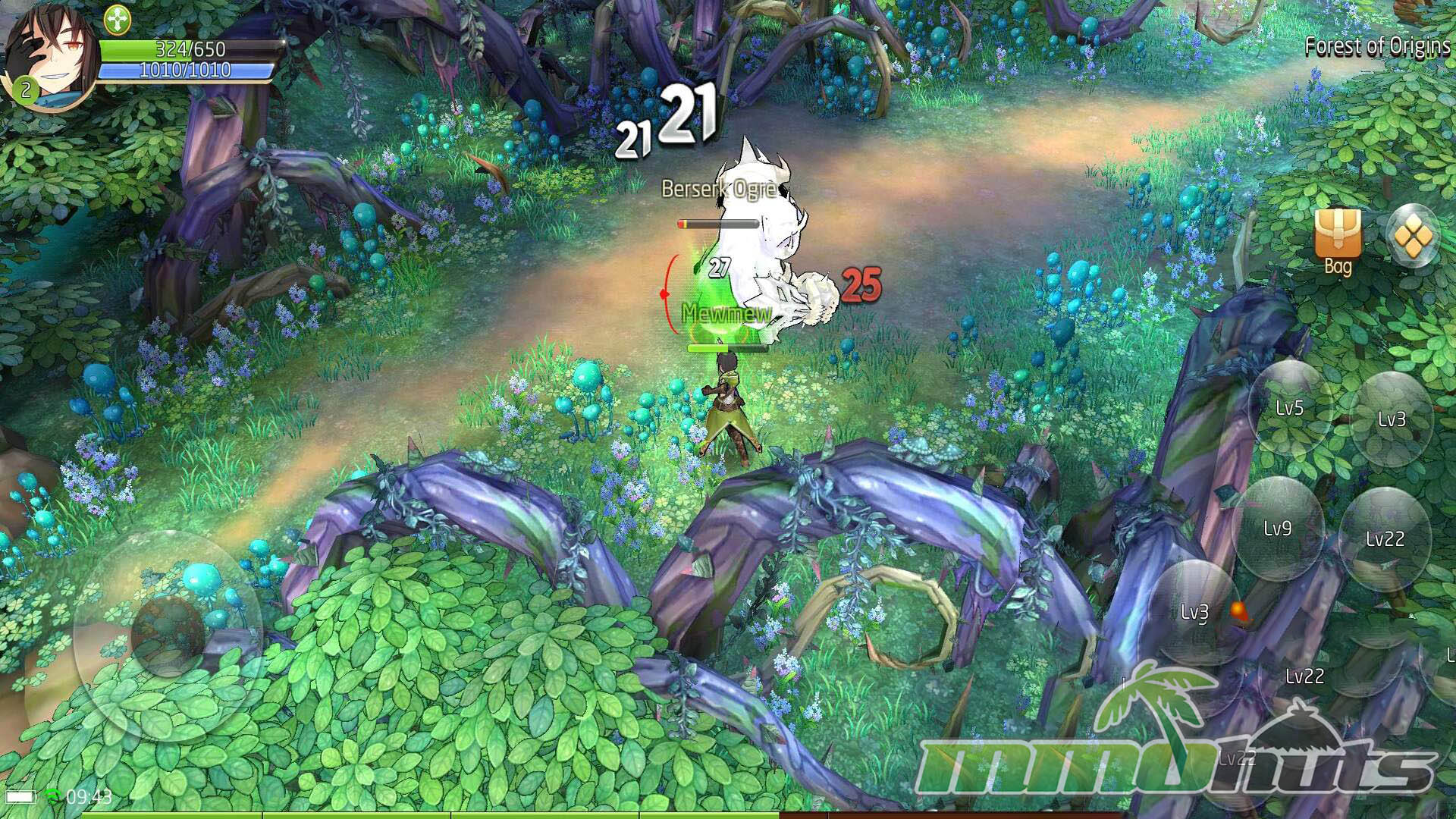
- Action Combat – skills emphasize targeted areas and placement, rewarding players who pay attention to spacing instead of simply watching auto-battles resolve.
- Branching Classes – start as Warrior, Cleric, Mage, or Assassin, then promote at level 50 into advanced roles such as Asura, Ninja, Priest, Berserker, and others.
- Arena and PvP – test builds in ranked Arena matches or climb through competitive modes like Hero League against other players.
- Variety of Dungeons – run specialized instances such as Equipment Realm and Card Realm, alongside event-focused dungeons that can be tackled solo or in a party.
- Social Features – guilds, group quests, escort activities, farming systems, marriage options, and other social hooks help it feel like a community MMO rather than a purely solo grind.
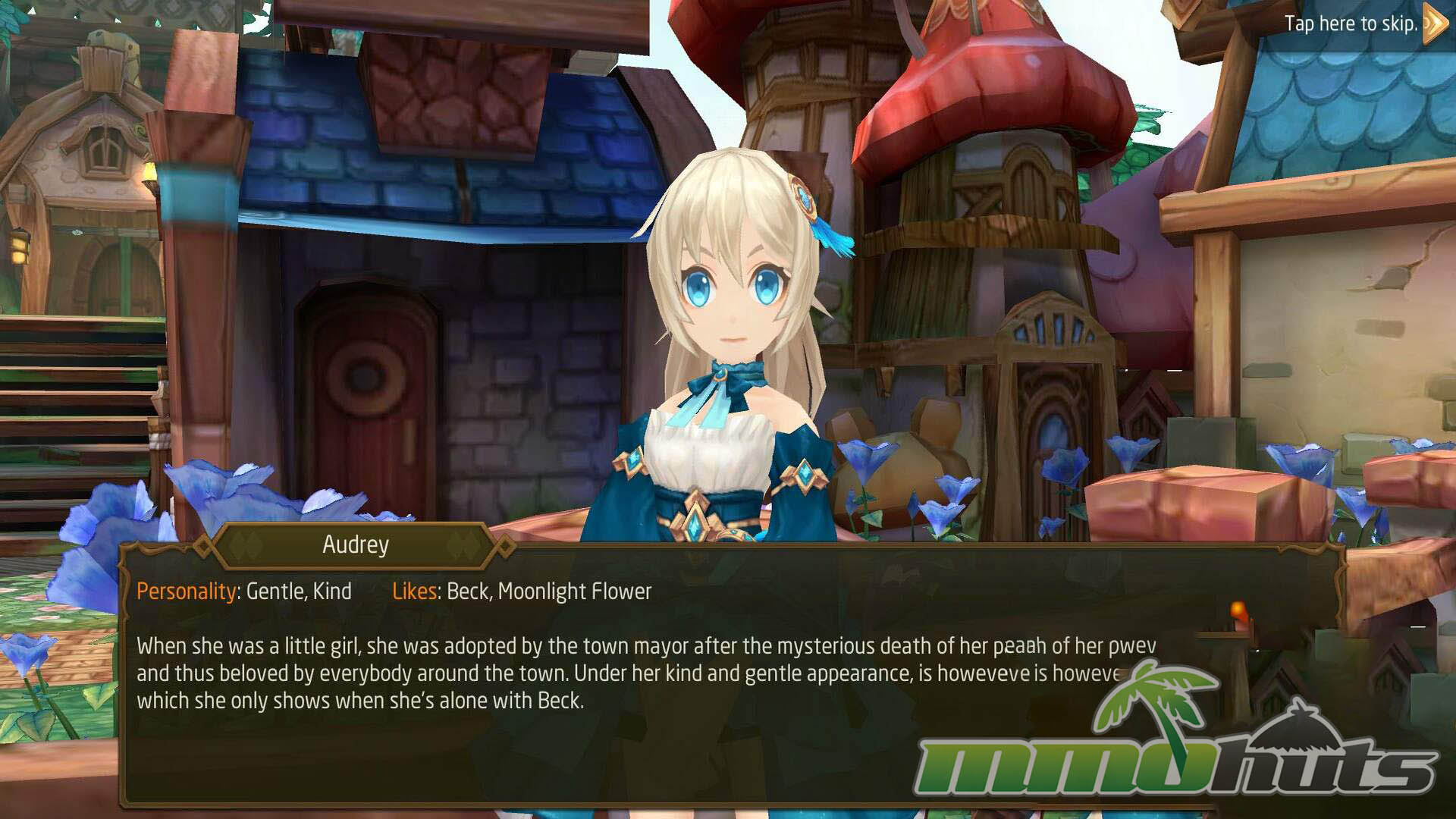
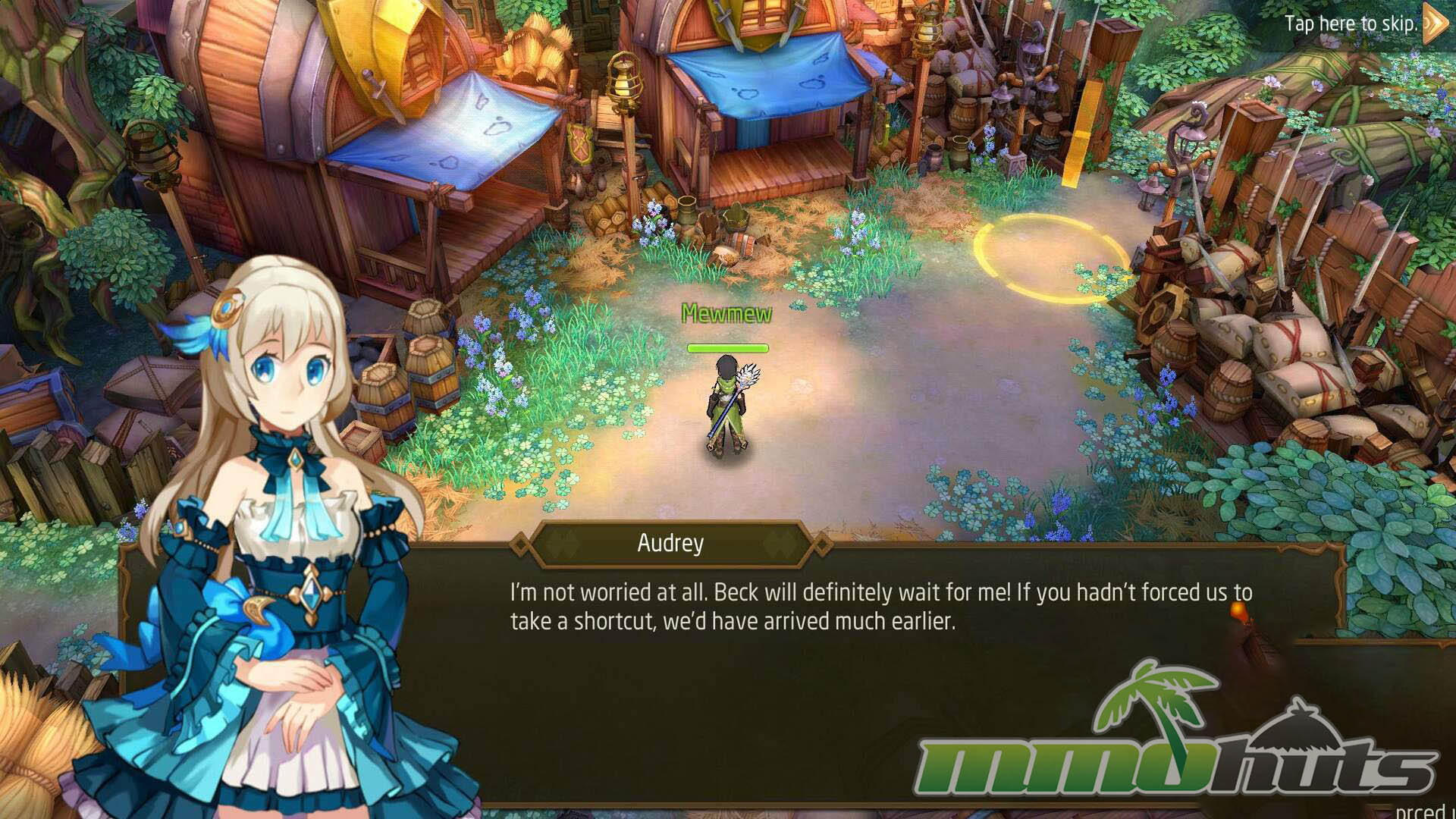
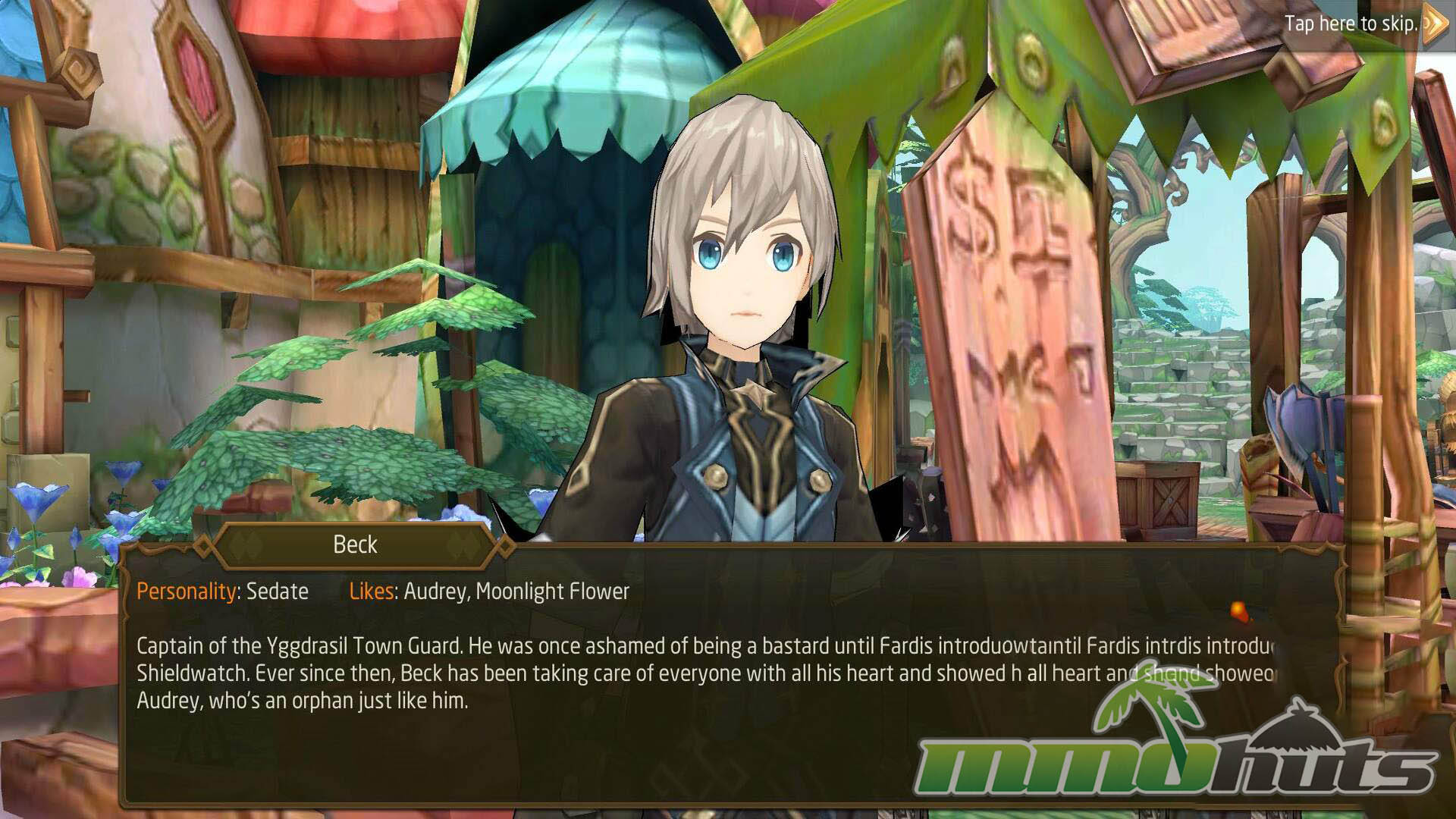
Tales of Wind Screenshots




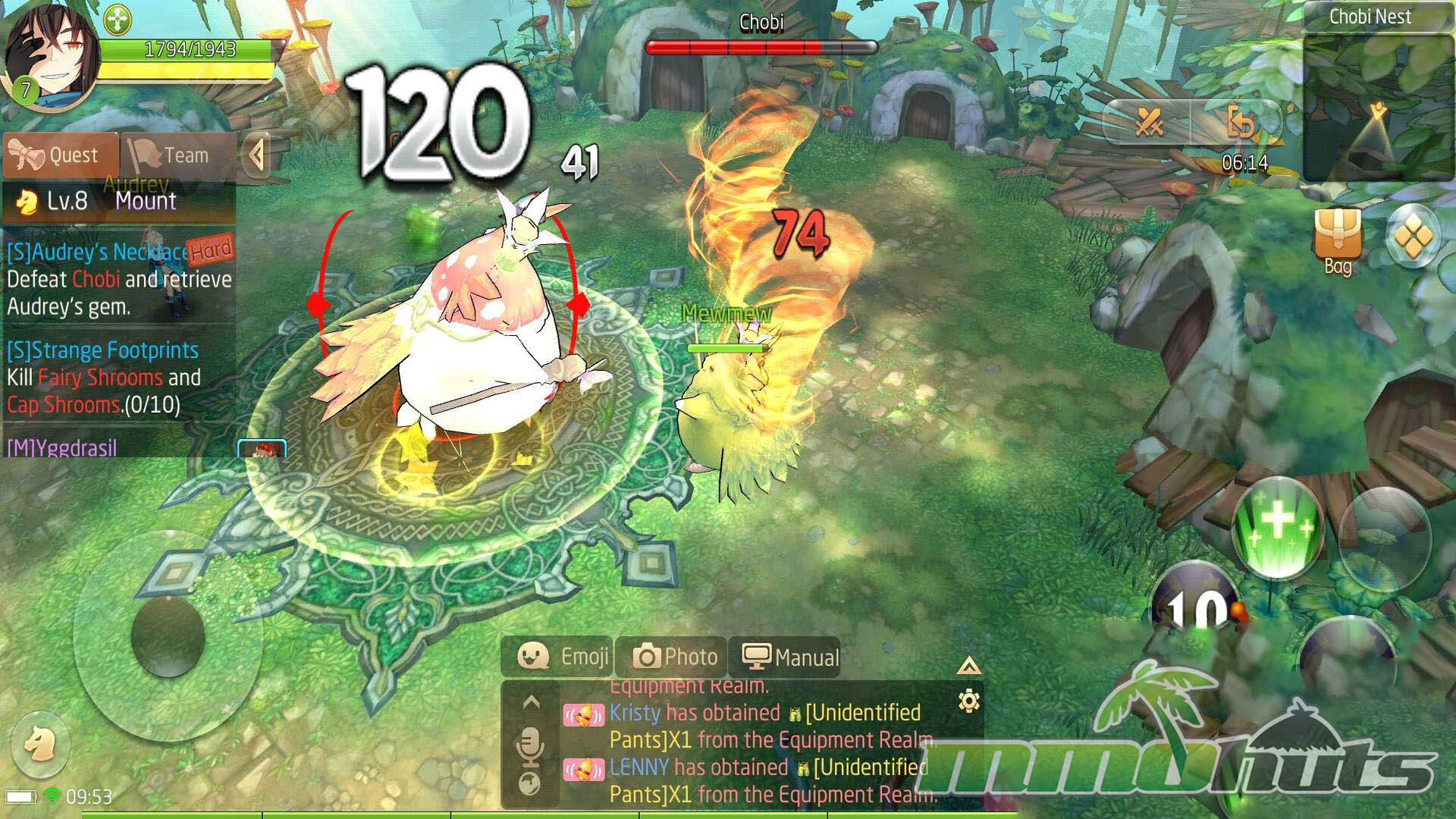
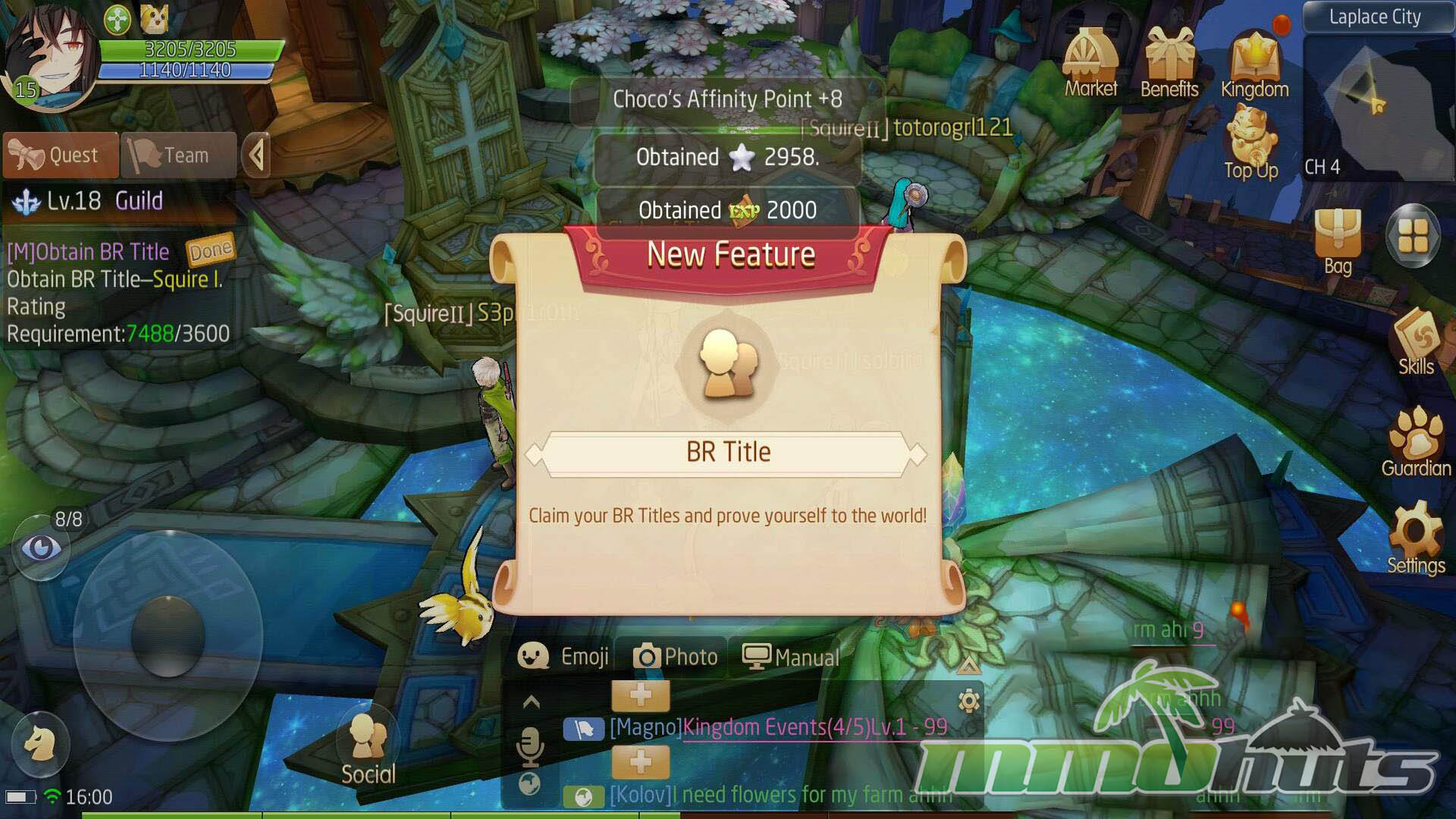


Tales of Wind Featured Video

Tales of Wind Review
Tales of Wind aims for a familiar, approachable mobile MMO formula, but it stands out most when it lets you actively play. The visuals are clean and colorful, character models and effects are flashy without being unreadable on a phone screen, and combat has enough interaction to keep you engaged during dungeons and boss fights. It is still a mobile MMORPG at heart, so expect daily loops, progression systems layered on progression systems, and a monetization model that can influence competitive balance.
A mobile MMO that leans into party play
From the early hours, the game nudges you toward group activities. Story quests and basic leveling can be handled casually, but many of the more rewarding activities push you into matchmaking and party formation. When you land with a competent group, the experience improves noticeably, fights move faster, mechanics matter more, and roles begin to feel distinct. When you play during off-hours or cannot find teammates, mercenaries help, but they do not fully replace real players in the content that expects coordination.
Combat feels more hands-on than many competitors
The core loop is built around real-time skills, cooldown management, and aiming attacks at enemy positions. The floor-targeting approach gives the game a slightly more action-forward feel than some mobile MMOs that rely heavily on automation. That said, the game still includes convenience elements that can reduce the need to manually handle every moment, so the best parts tend to be the activities where you choose to take control, especially in harder dungeons and PvP.
Class promotions are the most satisfying progression milestone
Choosing between branching promotions at level 50 is where Tales of Wind’s class design becomes more interesting. The starter classes are straightforward, but the advanced paths help define whether you are leaning into damage, survivability, or support identity. If you enjoy experimenting with roles or optimizing your contribution to a party, this system is one of the game’s strongest features and a good reason to stick with it beyond the introductory leveling.
Content variety keeps things busy, even if repetition sets in
There is no shortage of things to do, from dungeon realms and card collection to farming systems and server events. The downside is that many activities are designed around routine completion, and over time the cadence can feel like a checklist. Players who enjoy structured daily progression will find it comfortable, but those looking for highly varied encounters every session may eventually notice the repetition.
Monetization and presentation have clear weak spots
As with many free-to-play mobile MMORPGs, spending can translate into power advantages, which is most visible in PvP environments and competitive ladders. Additionally, while the general presentation is polished, the voice acting quality is inconsistent and can pull you out of scenes if you are paying attention to the narrative delivery.
Overall, Tales of Wind is best suited to players who want a social, activity-rich mobile MMORPG with a stronger emphasis on active combat than the most automated alternatives. If you can accept the usual free-to-play compromises and you enjoy grouping for dungeons, the game provides a lot to do and a clear long-term progression path.
Tales of Wind System Requirements
Minimum Requirements:
Operating System: Android 4.2 and later, iOS 9.0 and later
Tales of Wind Music & Soundtrack
The soundtrack section is not currently available here, but the game’s audio package generally follows the genre standard, bright fantasy music during exploration and more energetic cues during combat. Voiceovers exist, although the overall voice performance can be hit-or-miss compared to the stronger parts of the presentation.
Tales of Wind Additional Information
Developer: Neocraft Limited
Publisher: Neocraft Limited
Closed Beta Date: January 10, 2019
Release Date (Global): March 5, 2019
Development History / Background:
Tales of Wind is developed and published by Neocraft Limited, a studio and publisher based in Shanghai, China, led by the founder of Blizzard China. Neocraft has also released titles such as Ever Adventure and Overlords of Oblivion. In parts of Southeast Asia, the game is known as Laplace M and it held a closed beta on January 10, 2019, before launching globally as Tales of Wind on March 5, 2019.