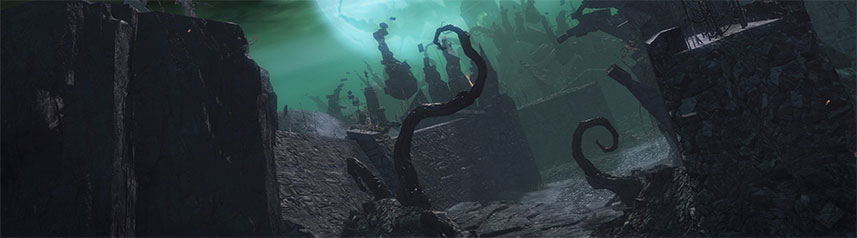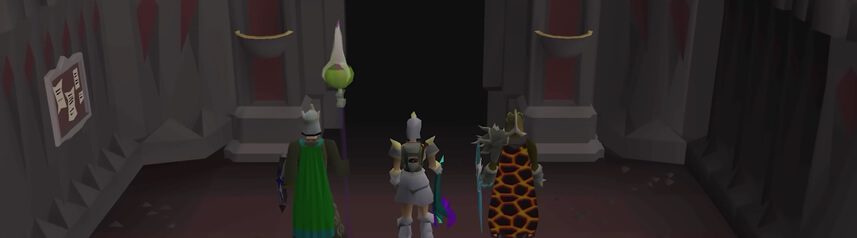
Stash is a fantasy 3D MMO built around dungeon runs, treasure hunting, and tactical, turn-based battles. You create an adventurer, venture across the board-game-style overworld of Primordiax, and bring home loot to improve both your character and your personal base.
 | Publisher: Frogdice Type: MMO Release Date: September 07, 2017 Shut Down: May 01, 2022 Pros: +Solid character personalization choices. +Tactical, grid-based turn combat. +Fun base and housing decoration. Cons: -Essentially no active community. -Visuals feel older. -Camera can be awkward. |
Stash Shut Down on May 01, 2022
Stash Overview
Stash drops players into Primordiax, a lighthearted fantasy setting where progression is driven primarily by gear, crafting materials, and collectibles pulled from dungeon crawls. Instead of a traditional open-world MMO loop, much of the exploration happens through a map that feels closer to a tabletop adventure, moving between nodes and choosing where to delve next.
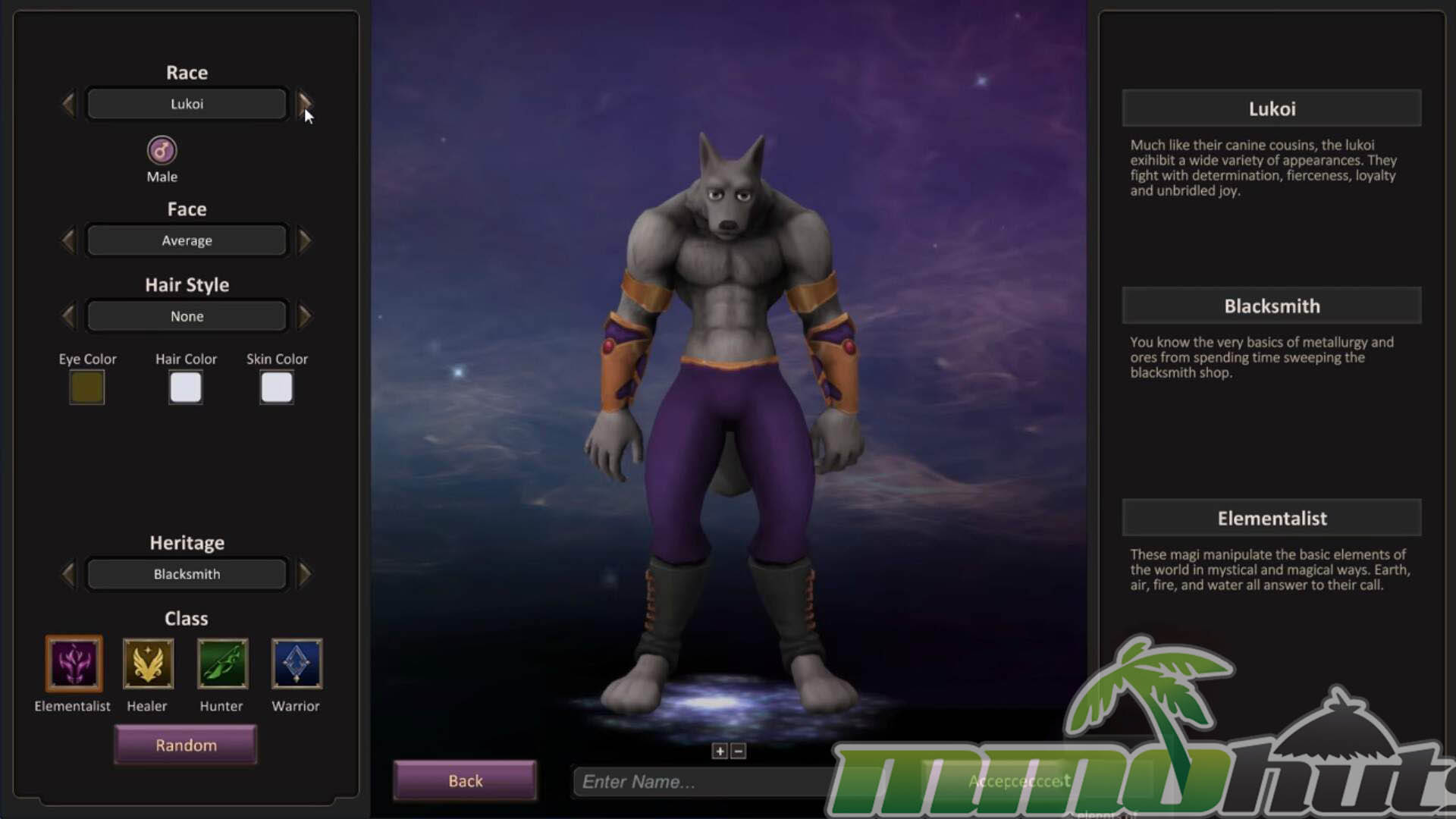
Character creation focuses on class choice and cosmetic flair. You can pick from over three classes (including options like Healer and Elementalist), then further tailor your look and style with races, outfits, mounts, and pets. That customization matters because the game leans into the idea of building a long-term “main” character you keep gearing through repeated dungeon trips.
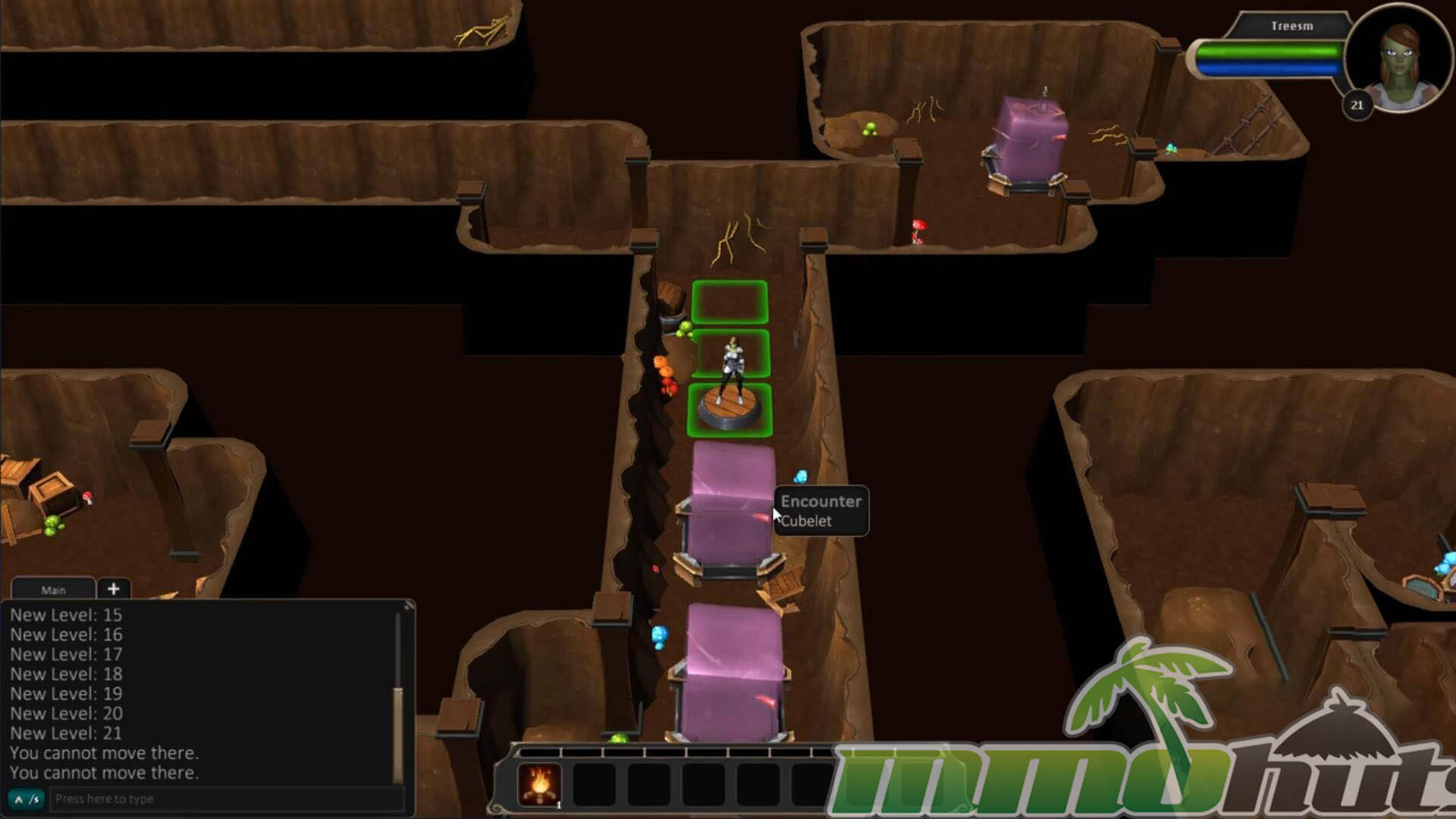
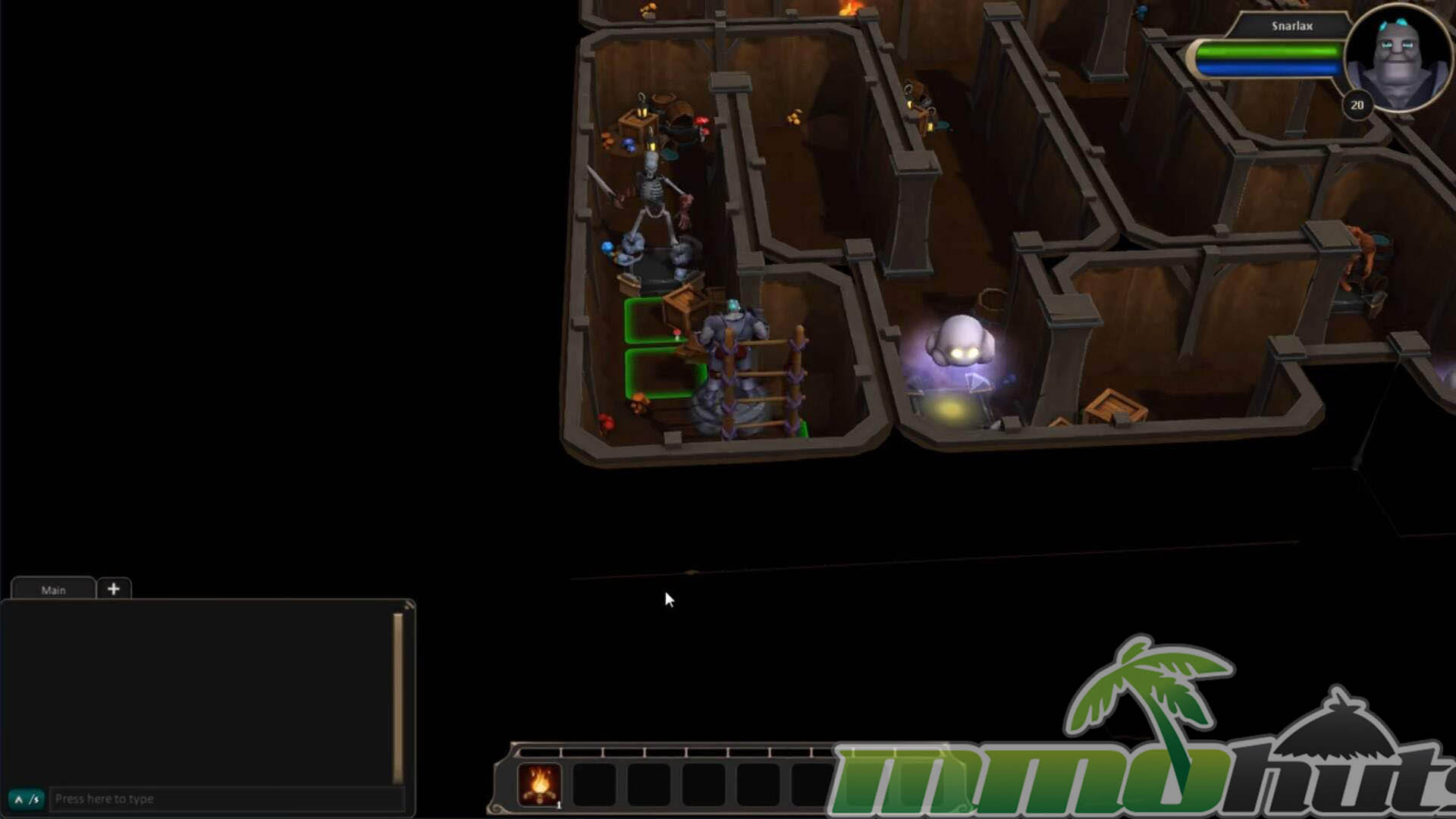
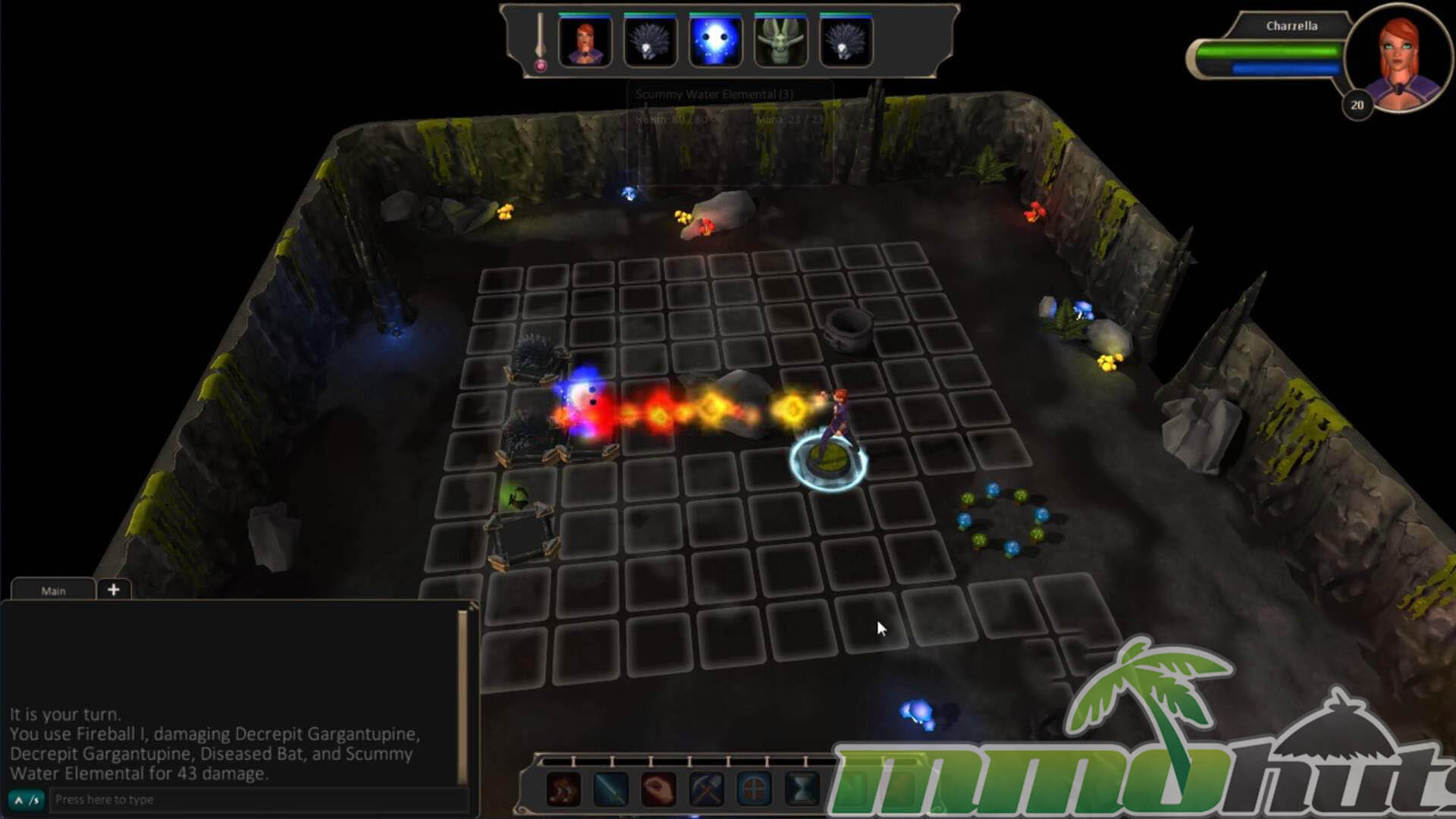
The core action takes place in instanced dungeons, mixing handcrafted encounters with procedurally generated areas meant to keep loot runs from feeling identical. Combat is turn-based on a grid, so positioning is just as important as what skill you press, and careful spacing can keep squishier characters alive while enabling stronger attacks or utility plays.
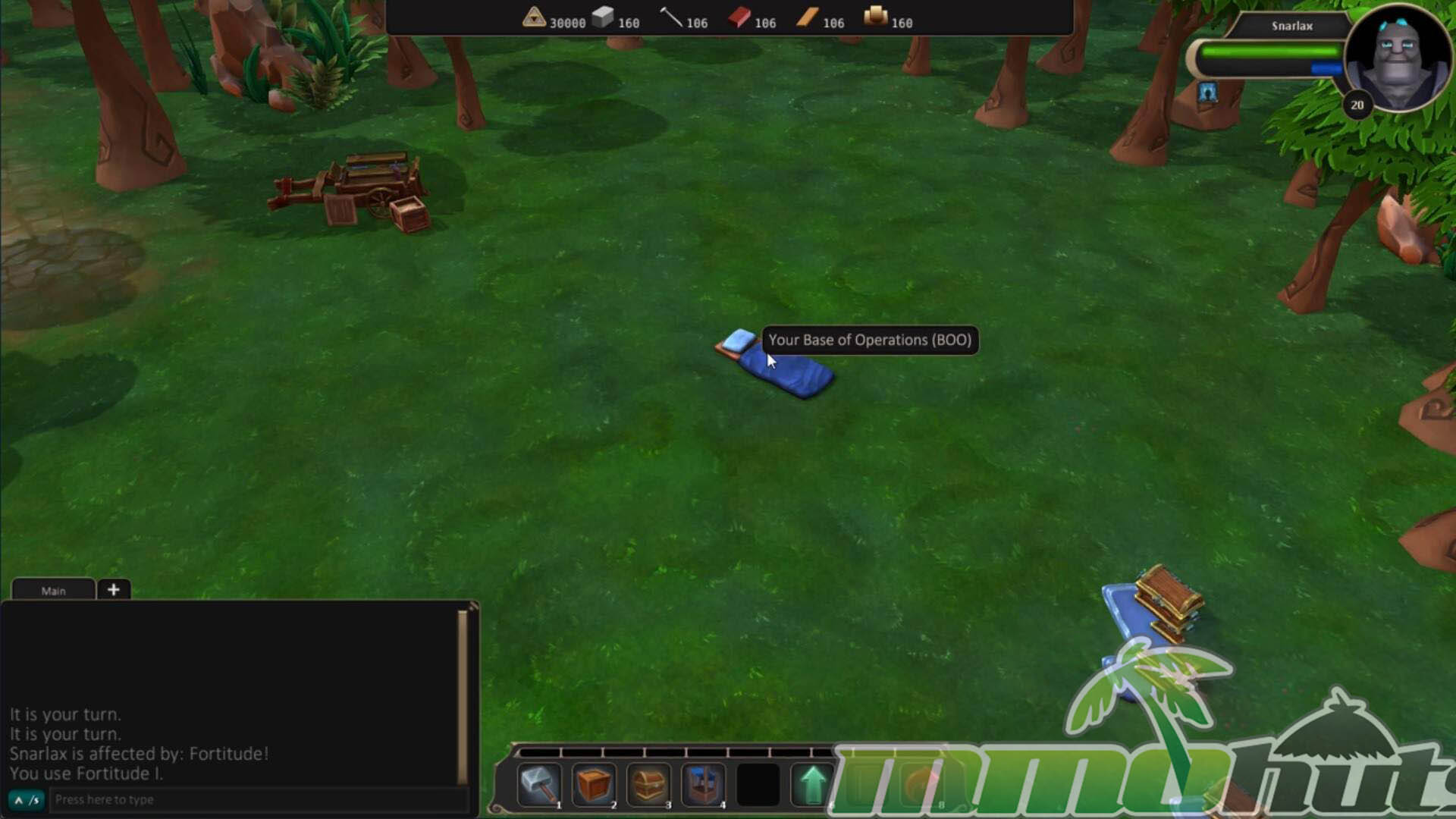
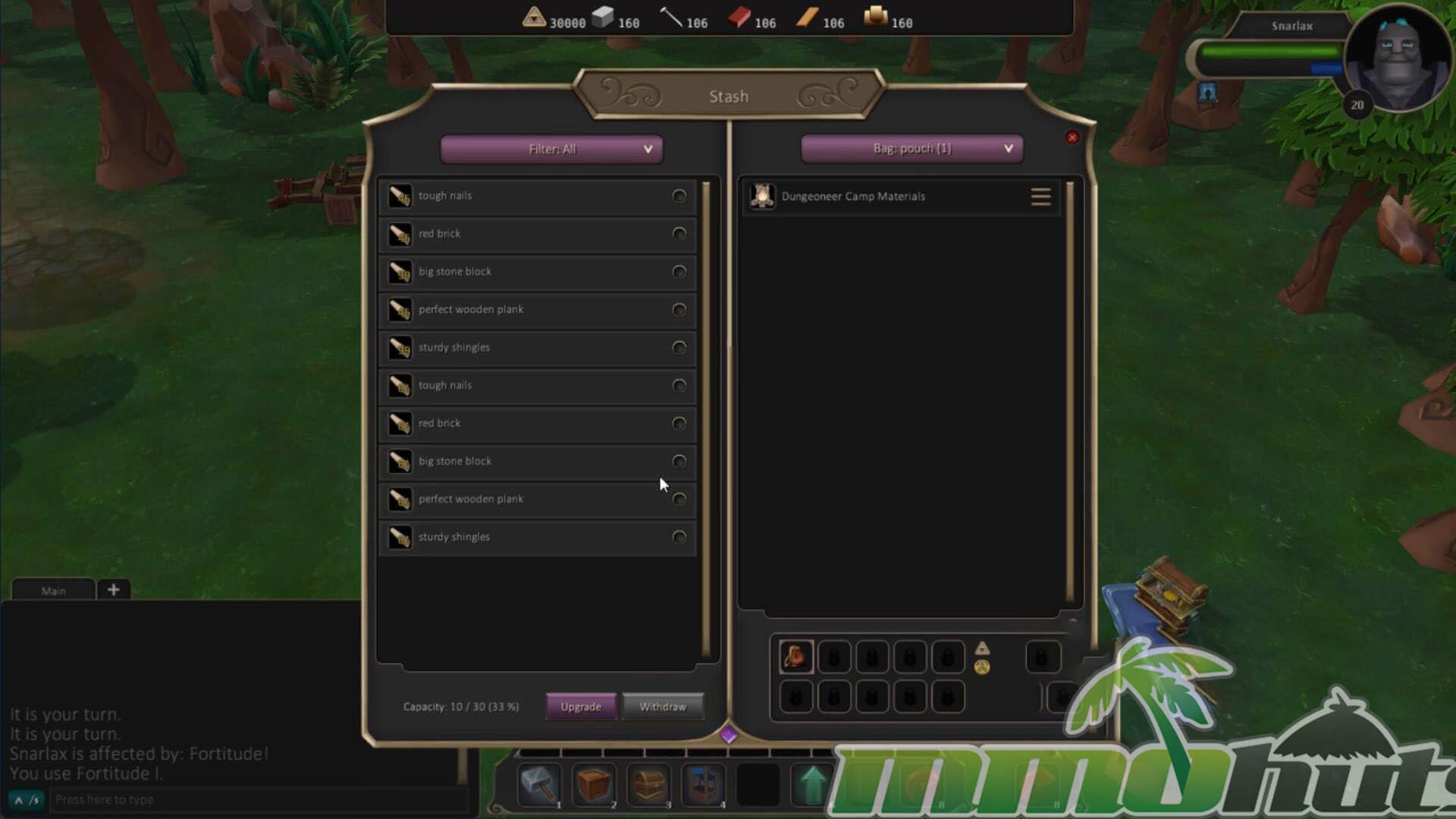
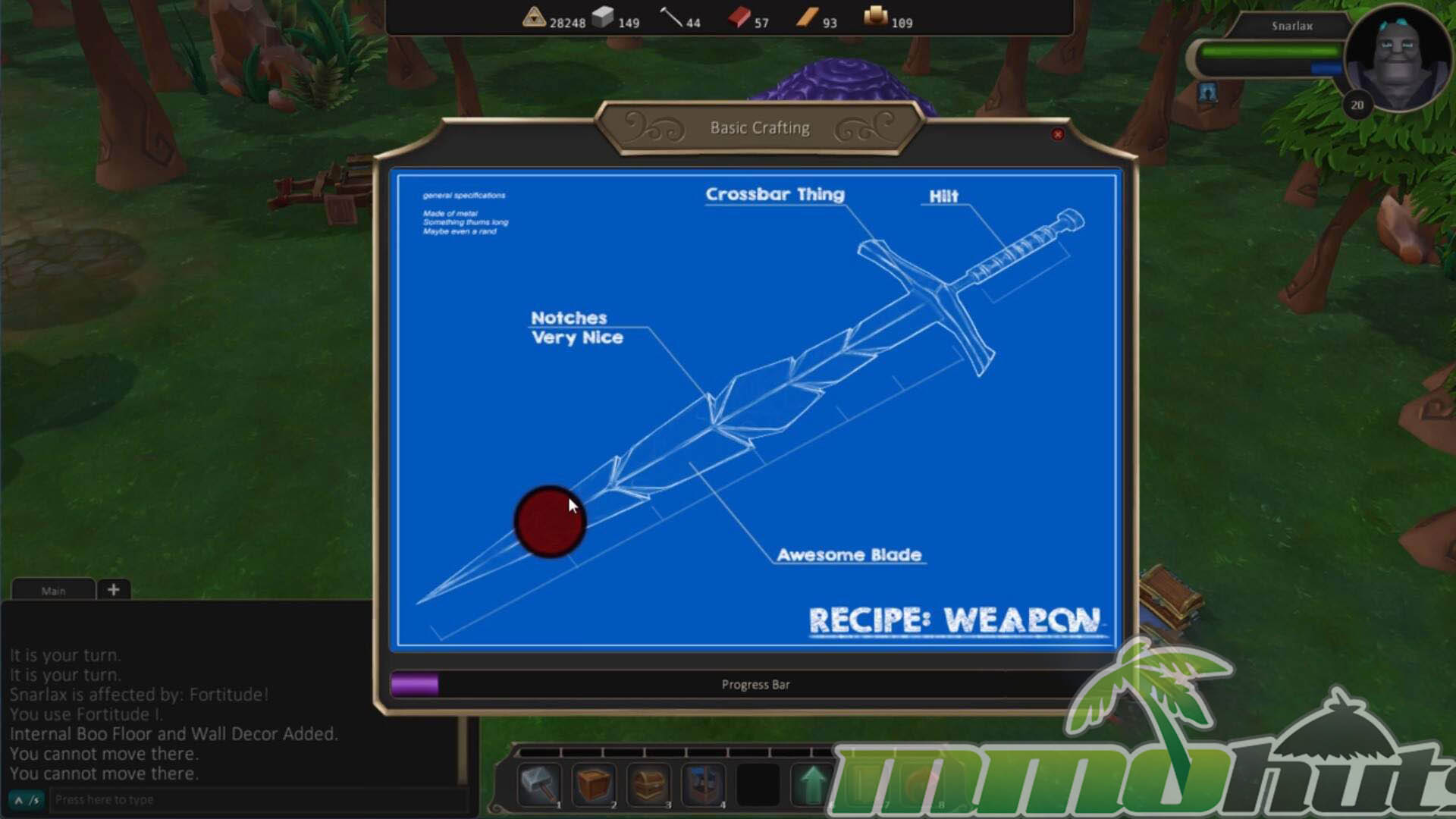
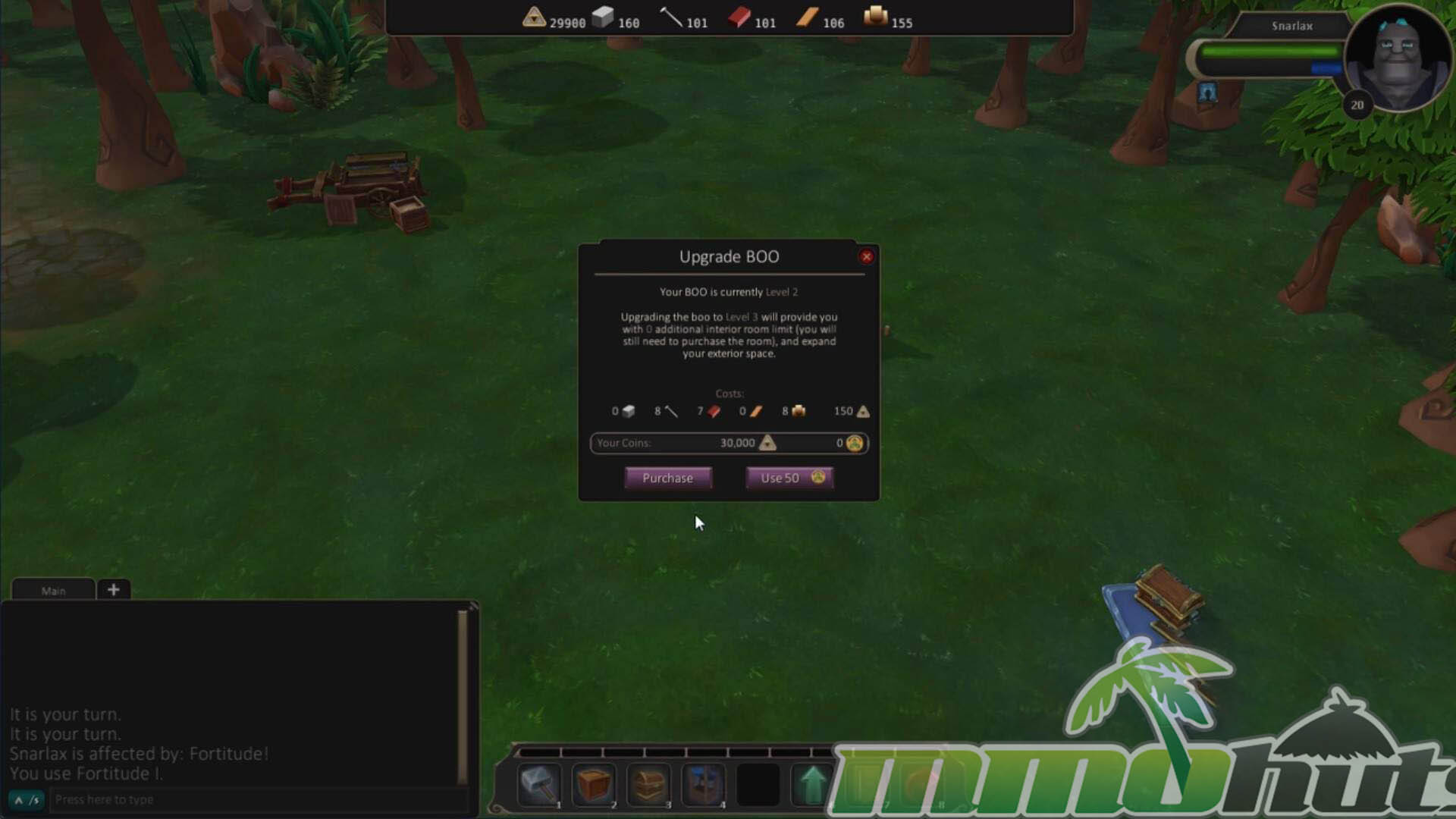
Outside of combat, Stash puts a surprising amount of emphasis on home base progression. Your player housing, called the Base Of Operations (BOO), starts small and can be expanded and decorated using items and trophies earned during adventures, ranging from bare-bones shelter to a more extravagant home. Loot also feeds into crafting and economy-focused activities, including minigames and selling items for money.
Multiplayer features include guild play, raid boss encounters designed around better rewards, and PvP modes that can be tackled solo or with a team. In concept, it is a loot-first MMO that tries to blend tactics combat, dungeon crawling, and housing into one consistent loop.
Stash Key Features:
- Customize Your Character – pick from over three classes, then personalize your adventurer with pets, mounts, and costumes.
- Explore Dungeons – run both handcrafted and procedurally generated dungeons to chase gear and materials.
- Take Turns – fight with turn-based, grid-focused battles where placement and timing matter.
- Build Your BOO – upgrade and decorate your Base Of Operations, beginning with the simplest setup.
- PvP – challenge other players through solo or guild-oriented PvP.
Stash Screenshots


Stash Featured Video

Stash Review
Stash is an unusual entry in the MMO space because it does not chase constant real-time action or massive open-world spectacle. Instead, it aims for a compact “dungeon run” rhythm with turn-based tactics and a player-owned home base that gives your loot a purpose beyond raw stats. At its best, it feels like a digital tabletop campaign where each excursion is a deliberate, tactical outing and the rewards come back with you to build a more capable character and a more personalized BOO.
The turn-based grid combat is the game’s defining mechanic. Planning movement, managing range, and lining up abilities gives encounters a puzzle-like quality, especially when enemies force you to consider flanks or cover-like spacing. The class variety (with options such as Healer and Elementalist) supports different roles, and combat tends to reward careful play more than reflexes. That said, the presentation can get in the way, because the camera sometimes struggles to provide the clean, readable angles that tactical games rely on, which can make positioning harder to judge than it should be.
Dungeon exploration works on two tracks: curated, hand-designed content and procedurally generated areas for repeatable runs. The mix is a good idea for a loot-driven title, because handcrafted spaces can deliver more memorable layouts while generated dungeons help sustain the endgame loop. Loot drops feed into multiple systems, including crafting and item sales, which gives extra value to “non-perfect” gear that might otherwise be discarded.
Where Stash tries to differentiate itself from other dungeon-centric games is its BOO system. Housing is not just a side activity here, it is a persistent progression layer that turns trophies and drops into a visible personal space. Upgrading from a basic camp-like start into something more elaborate provides a long-term goal that feels distinctly MMO-ish, even when you are mostly hopping between instanced content rather than living in a shared world.
On the MMO side, the feature list includes guilds, raid bosses, and PvP that can be approached solo or with groups. In practice, the game’s biggest drawback is not a lack of ideas but the lack of a sustained playerbase. With minimal ongoing activity and the game no longer alive today, those social systems are difficult to appreciate in the way they were intended, and the experience skews heavily toward what you can do alone.
Visually, Stash also shows its age. The art direction fits its fantasy tone, but the overall fidelity and animation work feel dated compared with modern online RPGs, which can make first impressions rough. Combined with the occasionally awkward camera, the game can require patience from players who expect a polished tactical presentation.
Taken as a concept, Stash is easiest to recommend to players who enjoy turn-based dungeon crawlers, loot optimization, and housing customization, especially if they do not require a bustling online world to have fun. Its strongest moments come from the simple loop of planning a run, winning fights through positioning, and bringing back a pile of rewards that can be turned into upgrades, crafts, or BOO improvements.
Stash Links
Stash Official Site
Stash Steam Page
Stash Steam Greenlight
Stash Kickstarter #1 Page
Stash Kickstarter #2 Page
Stash Forums [Official]
Stash Gamepedia
Stash System Requirements
Minimum Requirements:
Operating System: Windows XP
CPU: Intel Core Duo or equivalent
Video Card: onboard graphics
RAM: 4 GB
Hard Disk Space: 2 GB
Recommended Requirements:
Operating System: Windows 7
CPU: Intel i3 or equivalent
Video Card: discrete video card
RAM: 6 GB
Hard Disk Space: 2 GB
Stash is also available for Mac OS X.
Stash Music & Soundtrack
Information about the game’s music and soundtrack will be added here when available.
Stash Additional Information
Developer(s): Frogdice
Publisher(s): Frogdice
Kickstarter #1 Post Date: August 10, 2014
Kickstarter #2 Post Date: October 22, 2015
Steam Greenlight Post Date: August 12, 2014
Steam Greenlight Award Date: November 27, 2014
Alpha Test #1 Date: January 23, 2015
Alpha Test #2 Date: March 19, 2015
Alpha Test #3 Date: Summer 2015
Alpha Test #4 Date: February 18, 2016
Early Access Release Date: September 27, 2016
Release Date: September 07, 2017
Shut Down: May 01, 2022
Development History / Background:
Stash is a fantasy-themed 3D MMO created and self-published by Frogdice, a studio located in Lexington, KY. The project first appeared through a Kickstarter launched on August 10, 2014, and it also entered Valve’s Steam Greenlight during the same month. After gathering support, it received its Greenlight on November 27, 2014. Following several alpha tests, the game moved into Early Access on September 27, 2016 for PC and Mac, then reached full release on September 07, 2017. Updates slowed and effectively stopped after September 2018, and the remaining activity faded quickly. In later years, the concurrent player count was periodically boosted artificially, but the title has been functionally inactive since May 01, 2022, with an average of 0 players online.